It’s the morning after a night out, and you can’t stop stressing. Maybe you’re overwhelmed by all the errands you need to run or can’t shake the feeling of embarrassment over your tipsy choices.
This is a common experience ― and you may have noticed this happens more as you age. “I just can’t drink like I used to,” you’ll hear people say.
Advertisement
Case in point: One social media user shared how their anxiety was extra-affected by alcohol as they got older. TikTok creator and therapist Amanda White responded, explaining that as we age, our bodies become less efficient at breaking down alcohol, especially as you hit your 30s, 40s and 50s.
Hello, “hangxiety,” or hangover anxiety. Teri Wilder, a licensed mental health counselor with Thriveworks in Lafayette, Indiana, who specializes in addiction and anxiety, said there’s a real connection between the two.
“The ability to tolerate alcohol actually reduces as you age, resulting in an increase in anxiety symptoms and the reduced ability for the liver to manage alcohol effectively,” she explained.
What is behind that? According to Josh New, clinical director at Renewal Lodge by Burning Tree in Texas, “this could be a mixed bag of things for different people.” He and Wilder shared a few of those factors below.
Advertisement
We have less muscle mass as we get older.
Muscle mass typically decreases over time, and that plays a role in how we break down alcohol, Wilder said. “Adults tend to have reduced muscle mass as they age, resulting in less water in the body overall to help dilute the effects of the alcohol.”
We also experience a decrease in the neurotransmitter GABA.
GABA is an inhibitory neurotransmitter that lessens a cell’s ability to receive or create messages, and it’s known for having a calming effect. Unfortunately, GABA levels decline both with intense alcohol use and with age.
“Alcohol is a depressant, which means that as it affects the GABA chemicals within the brain, it results in providing relaxation and stress reduction initially,” Wilder explained. “However, when an individual engages in heavy drinking, GABA levels become depleted and the brain utilizes its reserves of the relaxation chemical, resulting in an increase in anxiety, tension and potentially even creating feelings of panic.”
There’s decreased liver function.
The liver also doesn’t work as well over time. “The liver’s ability to detox the body and cleanse it of toxins becomes less efficient, which could contribute to more acute withdrawal symptoms, such as anxiety, as we age,” New said.
Advertisement
We see long-term effects on serotonin levels.
Drinking too much also affects brain health and mood. According to New, “As we drink excessively and consistently, the body becomes used to the suppressant effect that alcohol produces in the body and can lead to long-term disruption in serotonin production.”
Serotonin is a neurotransmitter that affects several factors in your brain and body, like your happiness and mood, ability to sleep and more. A lack of serotonin is often a contributor to anxiety or depression. Data suggests people who excessively use alcohol do experience reduced serotonin levels in the brain.
Catherine Falls Commercial via Getty Images
Your body doesn’t rebound as easily as it used to when you drink.
How To Prevent ‘Hangxiety’
So, in the midst of the anxiety, what can help you deal? New said, “a lot of the same practices to help in general anxiety would be beneficial for an individual here.” He and Wilder shared some advice to help get you out of that funk.
Take care of your body physically.
Besides feeling anxious, you may also feel physically sick the next morning (which can also worsen your mental health). Taking care of yourself is crucial. Wilder recommended resting, rehydrating and eating comfort food that’s easily digestible.
Advertisement
New also encouraged adding nutrient-rich foods to your plate to “help the body restore vital nutrients depleted during a night of drinking.” For example, bell peppers have lots of water content and antioxidants, and strawberries are high in water, fiber and vitamin C.
“Being hydrated is key, as being dehydrated will only worsen anxiety,” he explained.
Get relaxed.
How else can you help your body chill out? Wilder suggested taking a warm bath, listening to calming music, walking outside, getting a massage, practicing deep breathing, engaging in progressive muscle relaxation, using essential oils and resting your eyes in a darkened room.
New is a fan of breathing exercises, too. “If anxiety persists, one can take time to practice some basic breathing exercises, such as box breathing … or any other breathing techniques the individual may know,” New said.
Here’s a video on box breathing to get you started. “This will help ground an individual and regulate that feeling of panic.”
Reach out to trusted loved ones.
Bringing in your support system is often a smart move. “Talk to friends or family about your anxiety or what is giving you cause for concern,” Wilder encouraged. “Allow them to talk you down and help reduce your anxiety as you focus on assessing your current situation.”
Advertisement
New added that talking to others can also help you just feel supported and less alone. If you’ve ever gotten this kind of encouragement before, you know how good it can feel.
Side note: If no one is picking up, consider calling a warmline, which is like a crisis line but for people who just need comfort.
Bring on the self-compassion.
While receiving others’ love can be meaningful, receiving our own love and understanding is important, too. “Try not to overthink or focus too much on what is creating anxiety for you,” Wilder said. “Try not to focus on your actions while engaged in using alcohol, and don’t beat yourself up for any mistakes that you may have made during that time.”
Practice mindfulness.
This is a tip to try if you can’t stop ruminating. Wilder recommended redirecting your mind. “Using mindfulness to focus on your senses and engage in tuning them into what is happening around you can be a useful grounding tool to help bring you back down,” she said.
If drinking less and these tips aren’t helping — or even if they are — what’s your best bet? “Overall, if anxiety persists and is the reason for continuing drinking,” New said, “you should always seek out professional help to be assessed to see if professional services may benefit you.”
Advertisement
Need help with substance use disorder or mental health issues? In the U.S., call 800-662-HELP (4357) for the SAMHSA National Helpline.
Vera Wang just revealed that her youthful glow doesn’t have anything to do with maintaining a clean diet.
The famed fashion designer, 74, talked about her fast-food habits and her aging philosophy with Page Six at Thursday’s DKMS gala in New York, an annual event run by the Deutsche Knochenmarkspenderdatei nonprofit.
Advertisement
Revealing how she’s not one to keep to a restricted meal plan, Wang admitted to sometimes eating fast food for days on end.
“I do eat McDonald’s, absolutely,” said the bridalwear visionary, who has previously been photographed with a burger and french fries from the chain. “I order it every day, like two weeks on it, and then I’ll change.”
She’s not averse to sweet things either, telling Page Six about some of her go-to Dunkin’ orders.
Vera Wang arrives at a Vanity Fair Oscar party on March 12.
via Associated Press
“I like the cream-filled, sugar-coated donut,” she said. “I like the pink with sprinkles, too.”
While eating lean doesn’t seem to factor into Wang’s wellness plan, she actually credits her high-stakes fashion career with maintaining her ageless appearance.
Advertisement
“Work keeps you young and stimulated,” she told Page Six, adding that her hectic schedule has also included raising two daughters. “Keeping busy is the best antidote [for] good health.”
The designer has dressed some of the most famous brides of all time, working on wedding looks for celebs like Victoria Beckham, Gwen Stefani, Hailey Bieber and Ariana Grande.
Wang previously attributed her clock-stopping looks to not only her job, but the occasional cocktail.
Back in 2020, she told an Instagram follower that her self-care routine included “work, sleep, a vodka cocktail, [and] not much sun.”
The fashion legend is also the proprietor of the adult beverage brand Vera Wang Party, which sells both a classic prosecco and bubbly rosé.
There’s a reason why you more often rely on cozy blankets or sweaters for warmth as you get older ― and it’s safe to say you aren’t the only person who feels like you’re running colder and colder.
Doctors say having a harder time getting warm is to be expected for people as they age. In fact, it’s a natural part of aging. Below, experts share why this happens and what you can do about it.
Advertisement
Your skin thins as you age.
“The skin thins as we age, it loses some cells, but in addition, it loses fat padding,” explained Dr. June McKoy, a geriatrician at Northwestern Medicine in Chicago.
McKoy equated our skin’s fat padding to home insulation: It’s meant to keep us warm. As we lose some of that padding, our body then loses the ability to stay as warm as it used to be.
This fat loss happens particularly in the legs and arms, said Dr. James Powers, the program director for the Geriatric Fellowship at Vanderbilt University Medical Center’s Center for Quality Aging. So you may notice that these areas, in particular, feel colder than the rest of your body.
You also lose muscle.
“We tend to lose … 3% to 8% of muscle each decade starting at age 30. So by age 65, many individuals have lost 10% or more of their muscle mass, and by age 80, [they’ve lost] 30%,” said Powers.
Advertisement
Not only does this impact your strength, but it impacts your warmth, too. Muscle is “your most actively metabolizing organ … muscle tissue uses more oxygen and metabolizes and creates the heat that keeps us warm,” Powers explained.
jose carlos cerdeno martinez via Getty Images
Exercise is one way to stay warmer.
Overall, this is a sign of normal aging, but it’s still important to bring it up to your doctor.
“Very rarely, feeling colder can be part of a health condition — so, not part of normal aging,” said Dr. Ariel Green, an associate professor of medicine at the Johns Hopkins University School of Medicine and vice chair of the American Geriatrics Society’s clinical practice and models of care committee.
“But I think … it’s unlikely to have only feeling colder as a symptom of that,” Green pointed out.
According to Green, people with diabetes, poor circulation or heart failure, for example, may feel cold, and so may people with hypothyroidism or anemia. But you would likely notice other symptoms first if it’s the result of an underlying condition, Green noted.
“It’s good to ask your doctor about it, but not something really to worry about too much,” Green said.
Advertisement
There are ways you can combat this issue.
It goes without saying, but blankets and sweaters are always a good way to keep warm — especially as we head into late fall and winter. Additionally, Powers said layering and getting into a warm environment can be helpful, too.
Fitness can also be a big help. You can slow down one of the culprits of that colder feeling — muscle mass loss — by exercising, according to Powers. Plus, it’s a good way to just feel warmer in general, too.
“We all tend to feel colder if we’re sedentary, and so if you already, with aging, have a tendency to feel colder, just keep moving,” Green added.
This could mean going for a walk, a bike ride or doing some simple strength exercises as you sit in a chair. For chair strength training, Green suggests using a full water bottle or can of soup and raising it a few times for an effective workout.
Just doing something to get your blood flowing can help you feel warmer, added Green.
“I think the main thing is just move as much as [you] can,” Green said. Beyond staying warm, exercise can help with your heart health, mental health and can help reduce your injury risk. In other words, exercise is a win all around.
Aging is a privilege, and it comes with some responsibilities — and if you’re concerned with the health of your skin, adjusting your skin care routine is one of them.
You may see some loss of volume, or more noticeable lines and wrinkles and drier skin. If you’re wondering what you can do to support and complement your skin through the various changes you will experience from age 40 onward, we have some expert suggestions. Read on to find out what products you can add to (or remove from) your skin care and makeup routines.
Advertisement
How your skin changes around the age of 40
“The major changes can be described in two words ― gravity and laxity,” said Dr. Kenneth Mark, a cosmetic dermatologist. “The face begins to sag, resulting in loss of jawline definition, early jowling, loss of volume in the mid-face, and loose skin around the eyelids.”
“People in their 40s experience significant dryness of the skin, so hydration is key,” said Dr. David Kim, a board-certified dermatologist based in New York. At this age, deeper lines and wrinkles also start to develop, and collagen production slows down, resulting in decreased facial volume. “These changes occur due to aging and menopause, when you lose the ability to hold on to moisture and lipids to keep your skin hydrated,” Kim explained.
The production of collagen ― an essential part of the skin’s building blocks (together with elastin, fat cells and muscles) that gives the skin a plump appearance ― actually starts decreasing from the age of 25.
Fine lines become more prominent around the eyes, which means some changes may need to be made when it comes to your makeup routine as well, explained Elaina Badro, a celebrity makeup artist.
Advertisement
Eyelids can also become more hooded with age, noted Jamie Greenberg, a celebrity makeup artist. “I often adjust eye looks on clients based on that, too,” Greenberg said. “Skin care and prep is also important, and I always recommend a retinol among other skin care products.”
Of course, hormonal changes can’t be avoided, with perimenopause making an appearance in your early 40s. Discoloration and pigmentation can become more prominent.
“The accumulated sun damage really starts to become apparent — this might include more brown spots, textural irregularities as well as fine lines and wrinkles becoming more pronounced,” said Dr. Carmen Castilla, a board-certified dermatologist and clinical instructor at Mount Sinai Hospital in New York.
“There is also a decline in the skin’s ability to heal,” Castilla said. “Small scratches or acne that may have not left marks previously are more likely to scar or leave behind lingering dark marks.”
Why do these changes happen?
“The onset of perimenopause triggers fluctuations in estrogen, a vital hormone for the production of collagen, and the maintenance of the skin’s barrier,” Castilla explained. “This is what contributes to drier, lax and more thin skin.”
Advertisement
She also noted that lifestyle factors can play a huge role in how the skin ages. If you spend an excessive amount of time in the sun, the damage will accumulate. The same goes for smoking. Genetics, of course, affect how the skin ages as well.
How to update your skin care routine as you age
Adding certain treatments and ingredients to your skin care routine is an important step, and dermatologists suggest that if you haven’t already, you could consider using retinol (another name for vitamin A).
“Vitamin A boosts collagen production, and helps with hyperpigmentation, fine lines, and keeps your skin cells engaged and stimulated,” Kim said. For age spots and pigmentation, pick products with vitamin C, tranexamic acid or licorice root. Castilla explained these ingredients work by “incorporating an antioxidant that can help protect the skin from free radicals and pollution damage.”
Let’s not forget the basics of the routine: moisturizing and sunscreen. You may want to opt for heavier moisturizers to support the skin, which will likely be drier because of a “natural decrease in oil production and weaker skin barrier,” Castilla suggested. And sunscreen will “help prevent UV-induced damage” and “help with hyperpigmentation and keeping the skin healthy, with an even complexion,” Kim said.
Recommended changes in your makeup routine
“It’s important to remember that ‘less is more’ when applying makeup to clients 40-plus,” Badro said. “Too much makeup can actually appear to age the face.”
Advertisement
The makeup artists said their over-40 clients prefer a more natural base ― think light to medium coverage, with lighter products on the face and the eyes. After all, glowing skin can give the illusion of lift and plumpness.
Shimmer can still be used, but more sparingly, as it can accentuate the fine lines and wrinkles. “Keep it on the lid of the eye, versus the crease and brow bone,” Badro said.
Creamy products and proper skin prep are your friend. Moisturizers and primers should be used before foundation, especially those containing hualuronic acid and peptides, said makeup artist Nicole Walmsley.
“The more natural eye looks also help to brighten the face up and lift the eyes a bit,” Greenberg said. “That doesn’t mean you can’t still rock a cat eye past 40, though! One tip I use is making the cat eye wing flick upwards. It has a great lifting effect for the eyes, and individual false lashes are a major game changer.”
Expert-recommended products for women over 40
Antioxidant and hydrating serums
SkinCeuticals
SkinCeuticals Discoloration Defense
“This serum is packed with tranexamic acid and niacinamide to keep your skin bright and even-toned.” — Dr. David Kim, board-certified dermatologist
Amazon
Caire Beauty Theorem Serum Boost
“A great serum for 40-plus users because it helps to deeply hydrate hormone-depleted skin. It also stimulates hyaluronic acid (HA) production, a key to helping build your skin back up!” — Elaina Badro, celebrity makeup artist
Sunscreens
Dermstore
Colorescience Sunforgettable Total Protection Face Shield Flex SPF
“This has great coverage, with different shades that suits most skin types and works well into the skin.” — Dr. Carmen Castilla, board-certified dermatologist
Advertisement
Lightsaver
Lightsaver Activated Mineral Sunscreen SPF 33
“A fantastic sunscreen with a sheer tint and whipped texture that will keep your skin protected throughout the year. It’s also packed with photolyase, which has been shown to help repair UV-induced damage.” — Kim
Moisturizers
Sephora
SkinFix Barrier+ Triple Lipid-Peptide Face Cream
“Super hydrating and moisturizing. This cream will keep your skin protected all year around.” — Kim
Amazon
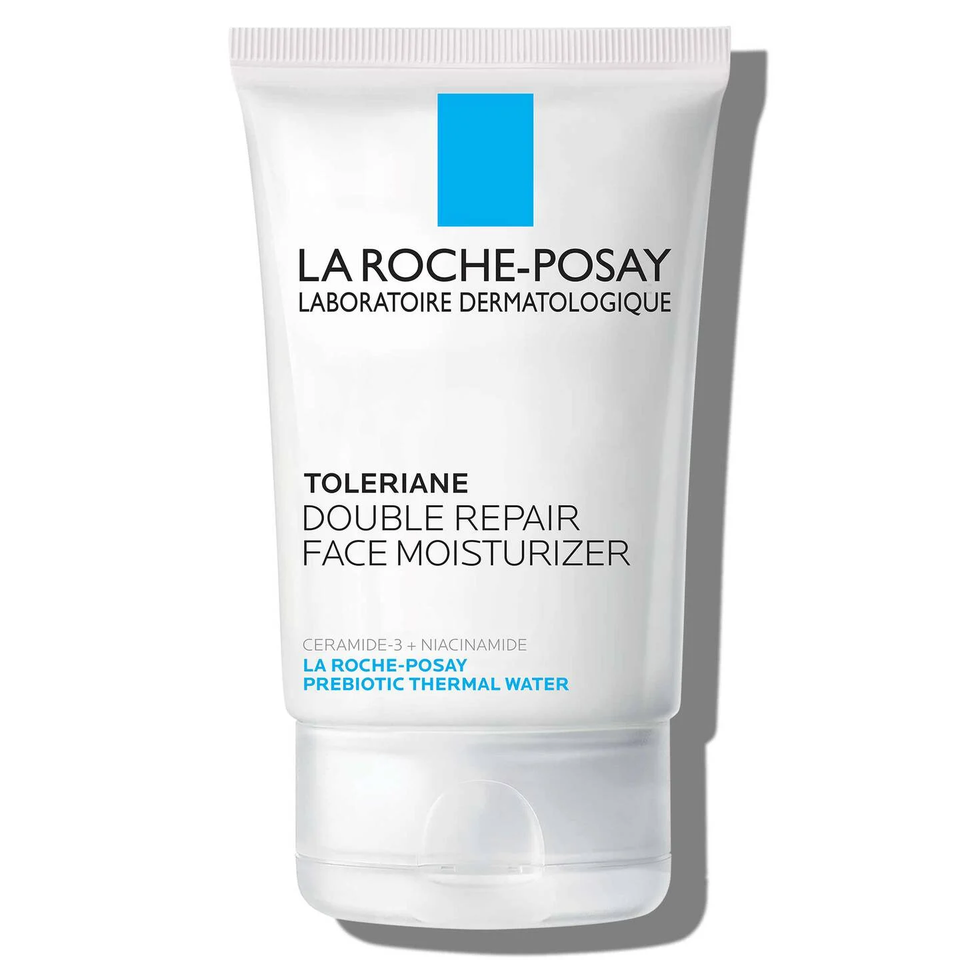
La Roche-Posay Toleriane Ultra Face Moisturizer
“This is formulated for dry sensitive skin and helps support the skin barrier.” — Castilla
Advertisement
Macy’s
Chuda Healing Hydrating Cream
“This is great for a deeply hydrating nighttime moisturizer.” — Jamie Greenberg, celebrity makeup artist
Retinoids
Ulta
Neutrogena Rapid Wrinkle Repair Night Moisturizer
“This is a retinol cream with added moisturizing ingredients like hyaluronic acid, so [it] works well with dry, sensitive skin types.” — Castilla
Dermstore
SkinMedica Age Defense Retinol Complex
“This gentle yet effective retinol will keep your skin cells stimulated to produce collagen, and accelerate cellular turnover so you have healthy skin cells at all times,” Kim says. Choose either the 0.5% or 1% strength, according to your needs.
Advertisement
Cleansers
Amazon
Eau Thermale Avène Milk Cleanser
“This is a creamy cleanser that’s gentle and does not strip skin of natural oils.” — Castilla
Target
Neutrogena Acne Wash
“Even for those without acne, the 2% salicylic acid in it is a perfect exfoliator.” — Dr. Kenneth Mark, cosmetic dermatologist
Lip Products
Sephora
Buxom, Plump Shot Collagen-Infused Lip Serum
“This is a collagen-infused plumping lip serum gloss. It helps to visibly plump [and] smooths and conditions lips. As we age, we tend to lose volume in our lips, and it’s always important to hydrate!” — Badro
Advertisement
Amazon
Mellow Liquid Lip Paint
“This has a long-wearing creamy formula, which is 100% vegan and cruelty-free. It even comes in 13 shades, and Ι always love a beauty product that Ι don’t have to keep reapplying throughout the day. ‘Auckland’ is also one of my favorite shades.” — Badro
Creamy Contour
Sephora
Westman Atelier, Face Trace Cream Contour Stick
“This is great if you’re looking for a great contour stick that’s also vegan. Depending on your skin type, this can last up to eight hours. Ι love a good product that keeps me from having to reapply.” — Badro
Creamy Concealer
Sephora
Kosas Revealer Concealer
“A great hydrating concealer is a must for any makeup bag.The key to using concealer over 40 is to be strategic. It’s not about heavy cover-up. It’s more important to spot-treat and place the product in such a way that it lightly veils imperfections and lifts and brightens where you need it.” — Nicole Walmsley, makeup artist
Advertisement
Eyebrow Pencil
Sephora
Rare Beauty Brow Harmony Precision Eyebrow Pencil
“Eyebrows tend to thin as we age, and we lose the frame and definition that they help to provide. Finding an eyebrow pencil to enhance and define is essential. The Rare Beauty pencil is a medium-coverage, waterproof formula that can be used to draw featherlike strokes mimicking the natural brow. The attached spoolie brush can be used to shape and finish the desired look.” — Walmsley
HuffPost and its publishing partners may receive a commission from some purchases made via links on this page. Every item is independently curated by the HuffPost Shopping team. Prices and availability are subject to change.
Prices change quickly on Prime Day and our team is working to keep stories as up-to-date as possible. Keep checking back for all of our top picks, plus Prime Day deals from our friends at BuzzFeed. As always, don’t forget to sign up for a free 30-day trial of Amazon Prime to take advantage of the best deals.
Advertisement
Isn’t there something so thrilling about finding a truly stellar and game-changing beauty product? It’s a huge joy, and you want to tell everyone how great it is and use it all the time and bask in its glory and congratulate yourself for choosing it and see other people experience it, too. It’s so satisfying to see good results that make a purchase truly worth it — especially when it’s a luxury beauty product that happens to be on sale during Amazon Prime Big Deal Days.
That’s how I feel about Revision Skincare’s YouthFull Lip Replenisher, which I bought last month while on a mission to find something that would care for and address my aging lips. My lips have gotten just as much sun damage as the rest of my face over the last nearly-five decades, and it was starting to show in fine lines. I’m not overly bothered by signs of aging, but I do want to take care of my face, and lip skin is wildly delicate.
I figured one of the most promising lip-safe active ingredients would be peptides, given that certain peptides can have skin-restoring abilities and help address things like loss of firmness, dullness and fine lines, and others are solid antioxidants. Although they don’t produce quick miracles — no skin care does — peptides can be effective, and some are gentle enough to be included in lip products.
Advertisement
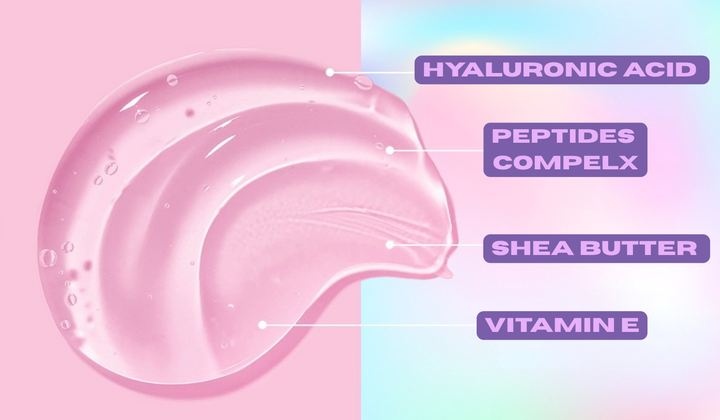
Revision’s peptide treatment is currently 20% off during Amazon’s big sales event. Designed to target visible signs of lip aging, it not only has several peptides including palmitoyl tripeptide-1 and palmitoyl tripeptide-38, but also other research-backed ingredients like vitamins E and C and green tea that canwork well in tandem with peptides, plus very solid moisturizers like shea butter. I put it on overnight — more on that choice below — and let me tell you, I could actually tell a difference the very next morning.
Revision Skincare YouthFull Lip Replenisher
My lips hadn’t been in terrible shape, but they definitely seemed smoother than they’d been in years. They weren’t puckery. They didn’t look wrinkly. And they certainly felt supremely healthy. I kept going with overnight use, and within days felt like this it was making a real difference. I was honestly floored when I woke up each morning, and kept being reminded during the day when they just felt so freshly smooth all the time. And given how little of it I have to squeeze out to give my lips a solid coat, I feel like this one tube is going to last for an almost comically long time (a relief given that $40 is way more than I typically spend on a lip balm).
I will note that when I first put this on, I immediately knew it wasn’t going to be a product I’d wear much during the day, despite Revisions’s guidance of applying it three times daily. It’s pretty thick and sticky (if you are constantly pulling your hair out of your lip gloss, you know the struggle). But as one reviewer noted, this is actually the product’s superpower, because it absolutely does not budge, even if you wear it overnight. “Although some reviews complain about the tackiness of the balm, that’s actually what is so great about this product!” wrote a Dermstore customer named Lizzie. “It sticks to lips better than any other balm I’ve tried.”
Advertisement
I’m only including this marketing image from the brand because I found my results to be very similar.
I can attest to this. Each morning when I wake up, it’s still there as if I just applied it. I sleep on my side, but it doesn’t melt off or get on my pillow. The fact that it clings so hard and lasts so long gives me some assurance that all those little peptides really are hard at work while I sleep, safely ensconced on my lips in a very stay-put formula.
Although some reviewers do enjoy it wearing this formula as a daytime gloss, many others are using it overnight only, too, and say it makes their lipstick easier to apply the next day. Some aren’t so concerned with fine lines, and simply use it for dry, cracked lips in winter or desert climates (and they say it’s hugely effective for that). Read some promising thoughts from verified Dermstore purchasers and Amazon reviewers below:
“Love this product. The day it arrived I used it twice, at noon and before bed. When I woke up in the morning I did a double take in the mirror. My 46 year old lips were reminded me of the 18 year old lips in my senior pictures! They were more defined on the edges, and a bit more plump. The results after one night were amazing!” — Julie at Dermstore
“I have a pretty epic lip balm graveyard in my beauty cabinet so I was not expecting much from this, but it knocked my socks off! It’s so good. Very thick and sticky, but that helps it stay on all night. I just wipe off the residue in the morning and my lips look amazing. I have not had a single skin flake since I started using this. I also love the smell, which is very delicate. Will definitely repurchase.” — Anonymous at Dermstore
“There are tons of lip moisturizers and masks and I’ve tried many of them. They essentially have the same end result…temporary hydration of the lips. None of them have ever really wowed me until I tried Revision! What makes it different? It adheres to the lips unlike any product that I’ve ever tried. I apply it at bedtime and it is STILL there in the morning! That kind of adherence means that the active ingredients make contact with the lips longer so they can work their magic. My lips are hydrated and plumped all day long with just a night time application so it’s very cost effective as well.” — Laura at Dermstore
“It actually works! My Dermatologist recommended this to me. Results are noticeable some in the beginning but with daily use (throughout the day) my lips are fuller, less wrinkles! (age 46)” — Amy Gragg at Amazon
“I am embarrassed to say how many of these tubes I’ve purchased since first using it after lip injections in August. There is absolutely nothing that comes close in both appearance and function. It stays on for hours and my lips are plump, hydrated and regaining their natural healthy tone and texture. My only complaint is that there isn’t a punch card because I will be buried in this lip treatment.” — Jessica at Dermstore
“I’ve tried so many lip masks. Laneige, Tatcha, First Aid Beauty (was amazing and now discontinued), Bite, Fresh, Ole Henricksen, Kiehl’s (tastes and smells fantastic, lasts on lips for 4 minutes)…Tarte, Buxom, Dior, was a Burt’s Bees fan for a decade. BB is nice and keeps the moisture in, but no active ingredients to nourish. Revision is serious business… I travel for work, am on planes and changing climates weekly. My lips are soft and nourished. I’m over 50, and no lip lines. **Can’t recommend strongly enough. 10/10**” — Kimberly S at Amazon
“Didn’t want to love this product due to the price point but it really works. Gives me a plump lip filler look when left on overnight. Definitely prefer this to the laneige lip mask. It does have a sticky/tacky feel so best to use overnight vs during the day.” — Lindsey at Dermstore
Vanna White isn’t interested in turning back the clock.
“I’m not trying to look 30 years old again because I’m not,” the “Wheel of Fortune” favorite told People in an interview published on Monday.
“I think wrinkles are beautiful,” White, 66, explained. “Someone who is completely with no lines, they don’t have any character. Be natural, be yourself and have personality.”
Advertisement
Comparing her flawless on-camera appearance with reality, the TV star said, “I don’t look like this without all this makeup. But you know what? I am older and I accept my lines and wrinkles.”
While White, who started her four-decade run on “Wheel” in 1982, wasn’t ruling out the future possibility of cosmetic surgery, she told People she’d much rather embrace her natural looks.
Vanna White, 66, explained why she’s not interested in looking like she’s in her 30s during an interview with People magazine.
Christopher Willard via Getty Images
“Will I ever have plastic surgery? Maybe,” the former beauty queen said. “But I’m kind of scared to do that.”
Advertisement
White signed a two-year contract with “Wheel of Fortune” in September, extending her time on the show through the 2025-26 season.
While the terms of her contract were not revealed, the deal came following reports White was willing to walk if the show didn’t boost her $3 million annual salary to a figure closer to Pat Sajak’s $15 million-a-year paycheck.
In June, Sajak announced he was retiring at the end of “Wheel’s” 41st season. Ryan Seacrest will take on hosting duties in fall 2024.
My friends love this game and so we play it. A lot.
“Guess.”
An awkward pause as the person looks me over. Guess too high and they risk insult. Too low and they’re pandering. Of course, the point of the game is to fail.
“32?” “38?” “41?”
“Wrong!” Everyone laughs. I do the reveal because otherwise, it feels like an accusation.
“I’m 50,” I say.
They knew they were wrong, but didn’t know how wrong. “What? No!” The jaw drops, the eyes widen, the eyebrows shoot up like birds startled off a wire. Then the familiar chorus: “You look great” ― sing it with me now ― “for your age.”
Advertisement
The reaction to an age reveal, particularly when someone’s older than you thought, is universal.
It’s a compliment, a victimless crime, a game where everyone wins. And of course I’m flattered. But while it was cute when I was 39 and people guessed 27, it hits different now that I’m 50. What used to be a fun fact is now met with the kind of shock I wish I’d done something more interesting to earn.
“But how though?” they ask, as if I’ve pulled off some kind of trick, a death-defying feat ― which I guess I have, since, as Seinfeld said, all I did was not die another year.
I’m going to go ahead and speak for women on the cusp of 50 and beyond when I say please, please stop being shocked by our ages. You’re not helping.
First, because we’re already shocked as it is. Every one of us, regardless of how old we are. Aren’t you just a little bit incredulous that you’re the age you are right now? Of course. And just as we’re getting used to the idea of this age, it changes again.
Advertisement
Look, I’m guilty of the same gaping curiosity ― pinging Siri with questions like “How old is Christie Brinkley” (69, if you’re interested) and “How old was Kim Cattrall in Season 1?” (41). TikTok exploded when we learned that the women in the “Sex and the City” revival were the same age as the “Golden Girls” were in 1988. These extremes leave very little room for regular women. The presumption is that you’ll either immediately become Bea Arthur at age 45, or are failing at life if you don’t look like J.Lo (who’s 54).
(Fact: If you didn’t look like J.Lo 20 years ago, you’re probably not going to look like her anytime soon.)
Maybe it’s the shock that’s so telling — because either we’re in denial that we’re aging or we’re terrified, or both. With the average lifespan of an adult in the U.S. hanging strong around 73, and even older for women, it’s not so surprising for any of us to turn 49 or 53 or 60. And if you’re lucky, you will.
The truth is, I don’t just look good for my age. I look … good. Period, the end. Part of it is genetic and part of it is privilege, which has given me access to excellent health care and hair color (and I’ll let you guess which costs more). I also chose not to get married or have children, so that accounts for why I may have less stress and more sleep. Sure, I do my part to maintain a healthy lifestyle, too. In other words, I have a lot of things working for me, some I earned, some I didn’t.
I also have plenty of friends who look fantastic, and they’d sooner tell you how many people they’ve slept with than what year they graduated college. Why? Because they fear breaking the illusion that they’re young and fertile, which we assume will cause our cultural stock to slide. We still believe that the measure of a woman’s vitality and power is to look as though she could get pregnant at any moment.
Advertisement
The roots of this are, of course, patriarchal, which is why we’re also supposed to be grateful that you’d still “hit that” ― or worse, that you actually prefer “mature” women. Gag.
In her book “Hagitude: Reimagining the Second Half of Life,” psychologist and mythologist Sharon Blackie points out that until very recently, women barely made it past child-bearing age.
“Now that we are living longer, it’s important to remember that fertility isn’t actually the norm in the context of an entire lifespan,” she writes. “We’re fertile (more or less) from approximately fifteen years old to around forty: twenty-five years out of an average…eighty.” That’s not a big window, and yet we have decided that that’s the shelf life.
No surprise, then, that menopause has for decades been pathologized, treated as a disease, dysfunction, a problem to be solved, rather than a stage we will simply pass through.
If you feel weird about turning 50 (or 30 or 75), chances are it’s because you believe that your power has a shelf life. Of course, that depends on how you define power. Youth has its own brand of power — all fire and endurance, the ability to stay up past midnight. But while some early forms of power may fade, others emerge.
Advertisement
There’s a kind of heft to age that has a power all its own, and it can feel good when you can whip it out to put people who dismiss you in their place. When I did some brand consulting for a major financial institution a few years back, the client (male, white, 70s) asked me if I had trouble getting people to take me seriously when I walked into a room (yes, he said that) because I was so young.
“Bob, exactly how old do you think I am?” I said. (I admit, I loved putting him on the spot.)
“I dunno, 30? 35?”
Wrong, Bob. And that was one of the many times I loved the reveal. Because if he didn’t take me seriously before, he did now.
And it’s not just men — plenty of women do it, too. I love it when a woman says, “Oh, you’re probably too young to remember that reference!” Bonus points if they wave a dismissing hand in your direction.
“Of course I remember The Monkees, Denise. I was born in 1973.” Denise looks at me differently after that, and I kind of love it.
<img class="img-sized__img portrait" loading="lazy" alt=""I have begun to let the world go — with all its petty grievances and bullshit, its made-up rules, its infinite chorus of egos and relentless demands," the author writes.” width=”720″ height=”1078″ src=”https://www.wellnessmaster.com/wp-content/uploads/2023/10/people-are-shocked-when-they-find-out-how-old-i-am-heres-why-its-not-a-compliment-1.jpg”>
“I have begun to let the world go — with all its petty grievances and bullshit, its made-up rules, its infinite chorus of egos and relentless demands,” the author writes.
Alice G Patterson of Loving My C
Advertisement
Hear me out: The power we thought we had as young women was the delusion ― on loan from a world that convinced us that its needs should be our aspirations. We are effectively encultured to believe that compliance and achievement are one and the same, and we are celebrated for both ― as long as we don’t get in the way.
Your power and mine don’t come from fooling people into thinking we’re younger; they come from becoming more of who we are, hitting the gas instead of pumping the brakes, being authentically and unapologetically ourselves, and above all, caring about some things more — and most things a whole lot less.
I don’t have any intention of “letting myself go.” But I have begun to let the world go — with all its petty grievances and bullshit, its made-up rules, its infinite chorus of egos and relentless demands. Girl, bye.
Our fear of aging represents not just the iron grip of patriarchal culture, but a limited imagination. If we believe our power stops at turning heads, what we’re actually lacking is vision.
What I’m already loving about 50, and I’ve only just arrived, is that because I’m past the fertility window and no one’s waiting on wedding invites from me, I can focus on what I actually want rather than spending precious energy maintaining others’ illusions. I can imagine what my life might be outside of old roles and expectations.
Advertisement
Fooled you into thinking I’m younger? Joke’s on you, I guess. It’s a fun party trick, but not a goal in and of itself. We’ve got far more to contribute than a trompe l’oeil of youth. Let’s reserve our shock and awe for what we’ll do next ― not despite our age, but because of it.
Terri Trespicio is the author of “Unfollow Your Passion: How to Create a Life that Matters to You” (Atria/Simon & Schuster, 2021). Her TEDx talk, “Stop Searching for Your Passion,” has more than 8 million views. She lives in Manhattan. Access her free series “The Passion Trap: Five Half Truths Keeping You From Living a Full life” at territrespicio.com/trap.
Do you have a compelling personal story you’d like to see published on HuffPost? Find out what we’re looking for here and send us a pitch.
It’s never too late to have a truly fabulous haircut. Yes, hair changes as we age, and you may not have the same thick and healthy tresses you sported when you were 18. But that’s no reason to resort to what some stylists call a “granny haircut.”
In the old days, it meant a tight perm and a blue rinse. Now, it refers to any wash-and-wear, low-maintenance cut.
Advertisement
But there are endless options to keep things fresh and lively, so there’s no need to resort to a full-on granny style (unless you absolutely want to). Hairstylists point to older style icons as inspiration.
“I always think of the women of Advanced Style on Instagram and how cool their hair always looks with their outfits,” said hair designer Luisa Popović. (If you haven’t followed it yet, it’s a project of photographer Ari Seth Cohen that’s dedicated “to capturing the sartorial savvy of the senior set.”)
Other stellar examples, she said, include Vivenne Westwood, who died in 2022, and who was famed for her signature bright orange hair. She also cited the “powerful looks” of Michèle Lamy, the raven-haired 79-year-old French fashion designer. “It all just emanates fearlessness,” Popović said.
Getty Images
Vivienne Westwood (left) and Michèle Lamy (right)
Advertisement
Tempted? Talk to a stylist.
If you’re ready for a refresh, redo or bold new direction, stylists have lots of fresh ideas that can make you feel at the top of your style game, no concessions to age required. “A big haircut can really change up the energy in your life,” said stylist Nikki Providence. “If things feel stagnant, sometimes a haircut can shake everything loose.”
“When we’re changing our hairstyle, our age doesn’t have to decide whether we go for long or short hair,” said stylist Mahogany Grace. “The health of hair matters a lot in choosing a new style. Try chatting with a couple of professionals to get ideas on how to style it based on its current condition.”
“I think personal preference should guide a client’s choices,” she said. “If a client is 20 or 80 and they love a bob, long hair or a pixie, they should wear one. As a stylist, my job is to make each cut unique by bringing a client’s individual features and beauty.’
How to choose the cut you want
How to decide which cut to choose? “There’s such a wide range of styles, cuts, colors available, now more than ever,” Popović said. “Spend some time looking online, or at magazines and books, to get inspired, and experiment in baby steps if you’re a little nervous to branch out from your usual.” In terms of those “baby steps,” Grace suggested that it might be a good idea to “reshape your current cut, maybe by adding softer layers around the face” as a good beginning.
Stylist Sonna Brado said, “One of the main questions I get from consumers on my Instagram feed is, ‘How do I find someone to look at my face shape and design something for me? I’m 50-something and feeling frumpy.’ Her advice for clients is to follow their own gut feelings, and to find a stylist who can interpret those feelings into a terrific haircut.
Advertisement
Stylist Akihisa Yamaguchi believes there’s a great cut out there, just waiting for you. “I definitely think that it’s possible to get your desired volume, texture and have fuller looks, while avoiding something that feels like an ‘old lady style,’‘’ she said. “I love medium-length bobs that instantly give you full volume hair and a nice saddle face frame layer that works nicely for the face.”
If you want to cut things short, there are smart ways to go about it, the stylists said. “If your hair has lost ‘presence,’ meaning it’s thin or wispy, a shorter or blunter cut will likely help it to look stronger and more solid,” Providence advised. “A bob can be sleek or soft, but the idea is for it to look intentional.”
Popović agreed, and suggested that pleasing yourself is most important: “The bob seems to be getting a lot of slack these days, but I’ll always love a good, sharp bob. It can be so chic. I ultimately think clients should go with styles that make them feel good, makes their hair look as healthy as possible and are maintainable with their daily routines. There’s no cookie-cutter style that works across the board for older clients.”
Consider adding some volume with hairpieces.
If your hair has been thinning, you might want to boost the volume of your existing cut with some artificial options. “I’m a huge user of hair extensions and hairpieces,” said stylist and creative director Paul Labrecque, who noted that Halo Couture is a favorite brand. Ditto from Popović: “I absolutely love wigs for switching up a look and having tons of versatility without a big commitment,” she said.
Advertisement
Labrecque uses tape-ins to fill in where hair has thinned. “It’s great for an A-line bob, to get that sharp point in the front,” he said. “If a woman has crown thinning, I use top pieces, which can be very small and made custom to cover crown splits and recessions.” There are some things to watch out for with extensions, however. “I shy away from poor-quality hair, or hair that’s overly short or long. The most flattering styles to me on older, duller hair sit under the chin and extend no longer than two inches from the collarbone.”
While thinning can be a problem for everyone, those who rely on relaxers may experience it more. “If you’ve relaxed your hair for a lifetime, you’re much more prone to hair recession,” Labrecque said. “Plus, weaves and extensions, over time, can hinder hair thickness.” He suggested “a fall, like Halo’s Hybrid Fall, can help. Halo’s version is attached with a thin fishing string, and it can reduce hair stress.”
Your styling routine needs an update, too.
How you take care of your hair after that great cut can also be secretly aging you. “When it’s overstyled, especially with too much hair spray or teased hair, that can be very ‘old lady’ style,” Yamaguchi said.
Providence agreed, saying that it’s OK to be a little low-key: “Let go of high-maintenance styles, and feel free to cut it short or pull it back. Pixie cuts were so cool in the ’90s, work on almost any texture, and can be fun and youthful all over again. I like when there’s a little softness to the edges. Let go of perfectionism, because it’s just holding you back.”
And whatever you do, remember that you’re allowed to have fun. “In this time, in this culture, it can be scary to age publicly, or even to evolve,” Providence said. “But I see openly aging as the ultimate show of confidence and independence. The world is more open than ever to all textures and types of hair. It’s a golden age for individualism, if you can see through the standard bland, ultra-polished styles on Instagram. Out there in real life, people are embracing wigs, creative color, locs, braids, twists and natural textures, opening the door to looking however they want.”
When it comes to getting older, there are many factors that help you live a fulfilled, healthy life — ones that go beyond working out and eating your vegetables (although that’s part of it, too).
“Aging well, in my opinion, consists of three different components,” said Dr. Parul Goyal, a geriatrician at Vanderbilt Health in Nashville. These categories are physical health, emotional connection and mental support, Goyal said.
Advertisement
These elements come together to help you live a life that’s rewarding, lively and healthful. Doctors say there are lots of behaviors that contribute to your physical, emotional and mental health as you grow older, and some clear signs that you’re taking care of yourself in these ways.
Below, geriatricians share the indicators that someone is aging well, along with a little advice if you feel like you’re not hitting the mark.
You take time to learn new things.
The older we get, the fewer chances we have to absorb new information; many of us are far out of school or work. The opportunities to learn are limited if those opportunities aren’t sought out.
“We also look at their cognitive health in this … making sure that they are staying mentally strong, they are using their mind, they are engaging in exercises to stimulate their mind, which means they are learning like a new skill,” Goyal said.
Advertisement
She encourages her patients to learn something new, whether it’s a new game, exercise, language or musical instrument.
“That will help form new pathways in the brain so that they can continue to stay cognitively strong,” she said.
You’re honest about your needs.
“So often, people don’t age well because they’re not upfront about what their needs are,” said Robyn Golden, the associate vice president of social work and community health at Rush University Medical Center in Chicago. “How do we make it OK for people to say, ‘This is what I need, I’m feeling lonely, I need someone to go out with on a Tuesday night.’”
Rampant ageism makes it easy for people to feel like a burden or invisible, Golden said, which can encourage silent suffering. But it’s important to push against that and let folks know when you’re having a tough time. So if you’re someone who can share your thoughts and needs with your family and friends, that’s a good sign.
What’s more, if you’re struggling with depression and anxiety, it’s important to let your doctor know. There’s often a false belief that anxiety or depression after a certain age is more “normal,” but Golden said this is not true.
Advertisement
“Depression can be treated at any age, and not just with medication, with counseling, with group interventions, you name it. So, I think that’s part of how you age well, being open to being able to say, ‘This is who I am, this is what I need,’” she explained.
You have a community.
Loneliness and isolation are a big problem, so much so that the surgeon general of the United States declared an epidemic of isolation and loneliness throughout the country.
“As you know, with the COVID pandemic, this has become really important. There was a lot of social isolation among our geriatric patients because they were confined to their homes,” Goyal said.
To combat feelings of loneliness and isolation, it’s important to bolster your social connections, whether that’s with friends, family, your church group or your community, she said.
There isn’t one right way to connect with your community, either. Golden said this could look like anything from volunteering at a local food bank to helping a neighborhood child learn to read.
Advertisement
Socializing can help your brain health, too, said Dr. Lee Lindquist, the chief of geriatrics at Northwestern Medicine in Chicago.
“We think of the brain as a muscle, so if you sit in a room with four walls all day and not talk to anybody, you’re almost living in a nursing home … your brain is going to go to sludge because it’s not getting any stimulation,” Lindquist said.
Socializing, whether that’s talking to people in person or on the phone, interacting with folks on Zoom or joining a book club, is a way to exercise your brain and make it stronger, said Lindquist.
Luis Alvarez via Getty Images
Learning new things, whether it’s a new workout or a new language, is beneficial to your brain as you get older.
You prioritize your physical health.
Eating nutritious foods and exercising are important all throughout your life, including when you reach an older age.
Advertisement
Goyal said she talks with her patients about eating a healthy diet that is rich in fruits and vegetables, and one that aligns with a combination of a Mediterranean diet and a DASH (Dietary Approaches to Stop Hypertension) diet. According to Goyal, the DASH diet is “a low sodium diet that is recommended for people that have high blood pressure.” The Mediterranean diet is a well-studied meal plan that is full of whole grains, healthy fats, lean meat and plant-based foods.
Drinking enough water is also part of this, Goyal said. And, beyond what you eat and drink, it’s important to keep yourself physically fit, too.
“I want people to keep moving, exercising. If you haven’t moved in a long time, or you’ve been sitting down for a long time, it’s sometimes useful to ask your doctors for a physical therapy order to help you with your gait and balance,” said Lindquist.
She noted that many of us may be afraid to move around as we get older because of a fear of falling, but exercising — whether you’re walking or joining a tai chi class — can help with your fall risk.
“Because what happens is if we choose not to walk or choose not to move, then it puts you at a higher risk for falling. So it’s almost like a catch-22,” added Lindquist.
Advertisement
When exercising, Goyal said it’s also important to work on your muscle strength, since muscle mass is lost as you age. Lifting weights, pilates, yoga and tai chi can all be a part of a good muscle-building exercise routine, Goyal said. Additionally, cardio fitness — like walking, biking, swimming and running — are important for your heart health.
You do things you enjoy.
“I love people who are doing activities and enjoying life, and doing it in a way that brings them enjoyment,” Lindquist said.
It’s not realistic to think that you’ll never deal with an illness or an injury, but that doesn’t mean you can’t do the things you love to do, whether that’s traveling, learning new recipes or playing games with your family.
“From my end, people get chronic illnesses throughout their life, but it’s all about managing their care and doing the best they can,” Lindquist added.
And if you’re doing things you enjoy, you likely won’t find yourself bored, and boredom can be a red flag as you age, Golden explained. “Feeling like the day is very, very long is not a good sign.”
Advertisement
Hobbies, volunteer work and spending time with loved ones are all good ways to combat boredom.
You talk to your doctor about the medications you take.
Just because you were prescribed one medication in your 50s doesn’t mean it’s still serving you 20, 30 or 40 years later.
“Many times, we end up taking too many medicines for what we actually need,” Lindquist said. “Your body is always changing, it may not need [certain] meds.”
She said it’s important to talk to your doctor about de-prescribing any unnecessary medications. For example, if you were prescribed medication for stress when you were working in your 50s, you may not need it after you retire.
“And so it may be that they don’t need these medicines, or that these medicines might actually be bad for them as they get older. So, it’s imperative that you talk to your physician [or] a geriatrician … specifically looking at what drugs are unnecessary or can be dangerous as you get older,” Lindquist noted.
You plan for the future.
“The other thing I always tell people is to plan ahead because as much as we all want to age well into our hundreds, healthy and happily, there is a very good chance that something might happen that you need to be hospitalized, or that you might need more support in your home,” Lindquist said.
Advertisement
It’s important to talk to your family and friends about what you want to happen if you are hospitalized, if you fall or if you experience memory loss. This way, your loved ones will be prepared if any unplanned, stressful situations occur.
“It’s not planning for end of life, which is like hospice, or [planning] you’re going to die in six months ― this is planning for the 20 years before you need help,” Lindquist explained. This is a way to ensure your voice is heard as you get older, and that those around you don’t make decisions for you.
This could look like having a conversation with your kids about what kind of support you want if you get to a point where you can’t care for yourself. Or it could look like talking with your partner about downsizing to a one-story house that won’t require frequent stair use.
Lindquist said it’s good to start this kind of planning when you retire, but it’s also important to know that these plans may change as your life progresses, and that is OK. As plans change, it’s crucial that you keep the conversation going and inform your loved ones.
If you need future-planning advice or tips on how to talk to loved ones about these potentially stressful conversations, Lindquist and her colleagues created Plan Your Lifespan, a free future-planning resource for older adults that’s backed by research, studies and funding from the National Institutes of Health.
Advertisement
If you haven’t done any of these things yet — or you haven’t prioritized them like you should — don’t panic. Now is always a good time to begin; the sooner you start focusing on these things the better. And even if you still think you have time, Goyal stressed that you still should make these behaviors a priority.
“The important thing I want to really communicate with this topic is that oftentimes people will ask me this question: ‘How do I age well?’ when they’re well in their 60s or their 70s,” Goyal said. “I really want people to start thinking about aging well from the time they’re in their 30s and their 40s.”
If you start focusing on healthy habits earlier in your life, you can carry them along into your golden years, Goyal said. Additionally, as you age, don’t focus so much on the number. That has nothing to do with aging well.
“Chronological age doesn’t mean a whole lot — so, 65, 75, 85, it’s how you’re feeling that makes that difference, not that number,” Golden said.
If you prioritize your relationships, your physical health, your mental health and your future plans, you’ll be set up to feel good no matter what year you were born.
Being older at work is still seen as something to hide.
Elizabeth Harris has witnessed the toll it takes on friends and family. She’s watched her friends avoid mentioning graduation dates and years of experience on resumes, and dye hair before a job interview.
“I have been super lucky. And I have not [experienced age discrimination], as far as I know,” said Harris, the chief strategy officer of media and ad agency Arc Worldwide. “But it’s out there, for sure.”
Advertisement
Older age should be seen as a competitive workplace advantage. A 60-year-old startup founder is three times more likely to create a successful startup than a 25-year-old tech founder. Teams with older workers are more innovative than ones without them, Deloitte research found.
But even with their wealth of wisdom and leadership, older workers are all too frequently dismissed and discounted.
So talking about your older age is already radical enough on its own. But what if there was a club where getting older was not just acknowledged, but celebrated and championed?
Advertisement
In 2018, Harris decided to do just that when she started a new employee resource group at her company: one for midlife and later-career workers.
She appreciated the great work of the ERGs for women and parents that she was involved in, but she noticed there were particular issues directly affecting people over 45 that weren’t being talked about enough.
“ParentKind was talking a lot about caregiving for little kids, but they weren’t talking about when you’re caregiving for kids and parents at the same time,” she said. “They do financial planning and seminars in VivaWomen!, which is our women’s group, but they weren’t talking about specifically how do you save for your kids’ college fund and retirement?”
The idea for this new ERG would be to focus “on ending age discrimination and really providing employees 45-plus with the resources that they need to thrive,” Harris said.
The new ERG, dubbed Sages, would be for midlife and older employees, but anyone would be welcome to join. “Ageism is an ‘ism’ that can affect everybody at some point in their life,” Harris said.
Advertisement
Taylor Glascock for HuffPost
Elizabeth Harris, chief strategy officer at Arc Worldwide, co-founded Sages after she realized existing employee research groups weren’t addressing issues facing older people.
Alma Klein, senior vice president and creative director at Arc Worldwide, was one of the members who joined outside the intended age range. Even though Klein wasn’t necessarily considered older in the workforce, helping older employees become more welcomed and valued within the agency came from an “altruistic and self-interested” place, she said.
“I didn’t see a ton of older employees, specifically older women, in creative roles,” Klein said. “And I feel like it was a bit of self-interest that I wanted to make sure that I could age-proof my career because I wasn’t ready to quit being in advertising.”
After launching, the new Sages group decided that its first programming would be about older women’s health, focusing on menopause. Harris said the organizers initially wondered if an event on menopause would draw a big enough crowd. They consulted with a Sages board member who was in her late 20s and was interested in hearing more on a topic that “nobody talks about,” Harris recalled.
Sages went forward with the forum, inviting two physicians to come speak. “A big part of what they spoke about was menopause. What it is, what it is not, what to expect, the changes that your body goes through and different ways to manage much of the less-than-fun stuff that comes along with it,“ Harris said. Turnout was a success.
Advertisement
“We actually had a bunch of guys show up because they’re like, ‘I want to understand what my wife is going through,’ so I was super happy and encouraged by it,” Harris said.
Since then, Sages has grown into a business resource group within the umbrella company of Publicis Groupe; ithas over 300 members. Sages events have included film screenings and sessions on retirement planning and caregiving benefits, while its policy branch works to effect broader change such as inclusive interview practices.
And on a basic level, Sages gives members a space where the joys and frustrations of getting older are accepted and not taboo.
Recent topics of discussion on the Sages’ internal chat on Teams have included appreciation for “Grace and Frankie” and “80 for Brady,” advice on how to handle hot flashes ― which Sages members subsequently rebranded as “power surges” ― and a study on the importance of not overlooking consumers over 50.
“There’s power in numbers, and especially in an industry that is very youth-oriented, it’s nice to find some other folks who you have something in common with,” Klein said about the feeling of solidarity Sages offers.
Advertisement
Taylor Glascock for HuffPost
Alma Klein, Arc Worldwide’s SVP creative director, co-founded Sages.
Age-focused ERGs are still the exception, not the rule.
Employee resource groups have a long history of advocating on behalf of underrepresented groups in corporate America. After the Civil Rights Movement of the 1960s, Black employees at Xerox pioneered the first employee resource group in the U.S. in 1970, called the National Black Employees Caucus. The affinity group connected Black Xerox employees across different cities, addressed work discrimination, and identified and advocated for Black employees to get promoted to top management within the company. Computer manufacturer Hewlett-Packard is credited with having the first ERG for LGBT employees in 1978.
Now, ERGs focused on women, race and ethnicity, and the LGBTQ+ experience are the most common types of resource groups for employees, according to a 2011 survey of 64 mostly global, for-profit companies ranging from 1,600 to 380,000 employees.
But openly acknowledging age diversity at work and making it the focus of an employee resources group is still rare and novel.
None of the top 10 largest employers in the U.S. have ERGs focused on the experiences of older employees. Theresa Welbourne, a professor of entrepreneurship at the University of Alabama, told HuffPost that for an upcoming study, she found that only 3% of ERGs out of a sample of 70 different ERG types were dedicated to people of different generations. While the study hasn’t been submitted for review yet, the early findings aren’t surprising.
Advertisement
“By not speaking about age in the workplace, the needs of older employees go underreported. And consequently, unresolved.”
– Kyra Leigh Sutton, an HR expert in the Rutgers School of Management and Labor Relations
Legal departments may hesitate to approve an age-specific ERG out of fear employees will either learn they are being mistreated or accuse each other of unfair special treatment and sue, said Anna Ettin, who helped launch the Inter-Generational Employee Network at Bank of America when she was a learning consultant there.
“Is this group offering a benefit to one generation or older employees that is not offered to younger employees?” is a question legal departments will want answered, Ettin said.
Kyra Leigh Sutton, an HR expert at the Rutgers School of Management and Labor Relations, said that generational ERGs, especially those directed at older workers, are rare because they could lead to members revealing how old they are. And there are risks associated with being seen as older.
“Some employees avoid speaking about age in the workplace, as they don’t want people to think there’s something they can’t do because of their age,” Sutton said. “Unfortunately, by not speaking about age in the workplace, the needs of older employees go underreported. And consequently, unresolved.”
Advertisement
As Klein put it: “It’s still OK to be ageist in our society.”
“Nobody’s going to cancel you for being an ageist … people get away with it,” she said. “We also have a culture where it’s not OK to say that you’re old.”
Age-focused ERGs help employees in the ‘sandwich generation.’
For the rare companies that do create one, age-focused ERGs offer a number of benefits to employees. One big perk? The better sense of belonging when you learn you’re not the only one who is that age.
AT&T’s Professional 50 Forward ERG was founded in 2014 and has over 4,000 members. Tom Hamrick, the group’s president, said what separates his ERG from others at the company is that members are part of the “sandwich generation”: People in this group often feel sandwiched between taking care of their own children and their aging parents, on top of other life events, he said.
Hamrick said one of Professional 50 Forward’s most popular events has been about retirement and estate planning.
“It was so liberating. We discussed things together that we never discussed before.”
– Karen Weiss, who helped launch Intuit Silver Network
Advertisement
For Sages board member Chandra Panley, who is the senior vice president of operations at the Starcom agency, one event that stands out was called “Dude, Where’s My Car?” about how to manage memory loss.
The pitch for interested employees was that “Our memories can be a big part of our identities. Join us for a coaching session where you’re going to learn strategies for being intentional, and how to be patient with ourselves and learn that it’s OK to ask for help,” Panley recalled.
“It was so fun and so interesting, and so well attended,” she added.
When age diversity is recognized, generational divides in the workplace can become bridges.
It’s now common to work next to someone at the beginning of their career while you are finishing yours. There are as many as five different generations in today’s workplaces, from people born between 1925 and 1942 to those born in the mid-1990s and later, according to the Society for Human Resource Management. And they don’t always understand each other.
That’s why ― in addition to ERGs that focus on the needs of employees of a certain age ― some employers create intergenerational ERGs to help bridge those gaps in work styles and communication.
Ettin, who helped launch the Inter-Generational Employee Network at Bank of America, said the idea began with her researching generational dynamics in 2010 and sending out an email survey to gauge whether employees would be interested in the topic.
Advertisement
Ettin got a strong response. “It was baby boomers saying, ‘My new manager is the same age as my kid who’s living in my garage apartment. How am I supposed to report to this guy?’ And the millennials are saying, ‘You guys hired me, you know, you got me out of my MBA program … and I’ve been sitting in a cubicle for six months. Nobody cares what I think,’” Ettin said.
“That’s when we’re like, ‘Oh, my gosh, this is an intergenerational issue. … We can’t just do a young employees group, that doesn’t actually serve our employees’ needs,’” she continued.
The Inter-Generational Employee Network launched in 2012 and now has 37,000 members and 33 global chapters at Bank of America. As part of the monthly new member orientation, hires learn about generational diversity from generational ambassadors and employees can take training opportunities about working with people in different life stages.
One powerful benefit to an intergenerational ERG is how it can connect two people with different tenures in an organization, so that it’s a mutual benefit to junior and senior employees, Ettin said.
Take it from Calandra Jarrell and Devan Kane, two Bank of America employees who started working together about a year and a half ago. Jarrell, the senior vice president of diversity and inclusion, is a Gen Xer and Kane, who works closely with Jarrell on her internal communications, is a millennial.
Advertisement
Courtesy of Calandra Jarrell and Devan Kane
Bank of America employees Calandra Jarrell (left) and Devan Kane (right) said their generational differences have helped them learn from each other.
It was an instant connection. “I immediately started learning from her and picked up on her energy,” Jarrell said. She said she’s learned from Kane about what younger generations want their employers to openly talk about, as well as the power of a “be brief, be bold, be gone” style of communication.
Instead of just texting, Kane will “just meet me where I am and pick up the phone and say, ‘Hey, let me talk you through this.’ And then all is right with the world,” Jarrell said.
“One thing my generation can be known for is being kind of super fast and almost reactive,” Kane said. “And what I’ve learned from Calandra, in just the short time we’ve known each other, is to take a deep breath, take a step back and let things almost come to you, which is not my nature.”
It’s a reminder of how age can be a barrier between co-workers, but it doesn’t have to be. It can also be a way to gain a new work friend and ally.
Advertisement
Here’s why everyone should care about age-focused ERGs.
Ultimately, aging is a life experience that everyone carries with them to work.
At Land O’Lakes’ Aging Successfully ERG, for example, anyone ― from interns to senior employees ― can join. The ERG teaches employees who are just out of college about 401ks and discusses phased retirement with employees interested in transitioning out of the workplace.
“The truth is that we’re all aging,” said Kevin Hoepker, the ERG’s co-lead.
To start your own age-focused ERG, Harris said to make membership inclusive even if the group is tailored for people of a certain age. “You don’t want to just be talking to yourselves,” she said.
When pitching the ERG, point out the value of keeping older workers engaged.
“We bring experience and wisdom and deep knowledge and client relationships. So there’s also a value to the experience and historical knowledge of older workers,” Klein said.
And if that’s not enough, remind bosses of the importance of reaching older customers. “Guess who’s got the deepest pocketbooks and the most spending money? Surprise, it’s people over 50. They hold a dramatic percentage of the wealth in America,” Klein said. “And yet too many brands are hyper-focused on the 18- to 34-year-old brackets.”
It may take some convincing, but it’s not too late to start your own age-focused ERG. You may be surprised by how many people will want to join.
Advertisement
Just last year in April, Intuit’s Karen Weiss posted a blog about the new Intuit Silver Network she was helping to launch to serve the interests of employees 50 and over.
After her post, she saw the internal channel for the group spike from 40 members to 560. Unprompted, members shared their ages when they joined.
“People were joining, saying, ‘I’m so happy, I finally feel seen and heard at work,’” Weiss recalled. “It was so liberating. We discussed things together that we never discussed before.”
“We’re not squeamish in the Silver Network,” Weiss said about their internal chats. “I presented to the group on the care and death of my elderly parents. And everybody had some aspect of that they related to, whether it was diapers for adults, whether it was dealing with hospice care. We talk about things that are not necessarily happy, but that are important.”
This October, Weiss said the Intuit Silver Network will do weekly one-hour Zoom sessions where members can work on building a legacy document of instructions for loved ones after death “so that by the end of the month, we’ll have it done. And we’ll have the support of each other.”