If you’ve scrolled social media at all over the past few years, you’ve probably come across content warning of the dangers of high cortisol levels in your body. Countless influencers claim that the hormone causes poor sleep,depression and even a range of beauty issues, from wrinkles to puffy faces and thinning hair.
While it would be useful to have a single culprit for all of our beauty woes, is cortisol really to blame? We asked some leading dermatologists and hair restoration experts to explain what cortisol is and why it has such a bad reputation when it comes to beauty woes.
What is cortisol?
According to Dr. Tanya Kormeili, a board-certified dermatologist with the Derm and Rejuvenation Institute in Santa Monica, California, “Cortisol is a hugely necessary steroid hormone without which we would all be dead.” Although too much cortisol can be harmful in rare cases, for most people, cortisol is not the enemy it’s made out to be, she explained.
Advertisement
Klaus Vedfelt via Getty Images
How much of our looks can we control if so many elements are affected by stress?
Cortisol is a steroid hormone produced by the adrenal glands, explained Dr. Michelle Draznin, a board-certified dermatologist with Kaiser Permanente. It’s commonly known as “the stress hormone” because our bodies produce extra cortisol to trigger the body’s fight-or-flight response when we are under acute stress, explained Dr. Corrie Alford, a board-certified dermatologist with MetroDerm in Atlanta, Georgia. When that happens, “cortisol increases blood pressure, heart rate and muscle tension,” Alford said.
However, cortisol does a lot more than help us escape a pride of lions. It’s critical for maintaining appropriate organ function and regulating blood pressure, glucose levels, immune response and the sleep-wake cycle, according to Alford.
Advertisement
There’s a difference between short-term spikes and chronically excessive cortisol levels.
Because cortisol naturally rises and falls in sync with the rhythm of our days, for most people, periodic high cortisol levels are not harmful to their health or appearance. “It is highest early in the morning in order to get people up and going, and lowest late in the evening in order to facilitate sleep,” Draznin explained.
Additionally, “during short periods of high stress or trauma, cortisol levels increase rapidly,” Alford said. For example, cortisol increases when we are under mental stress, such as trying to meet a deadline at work, after a fight with a friend, or reading about geopolitical events. Cortisol also increases when we are under physical stress, such as strenuous exercise or exposure to extreme temperatures, she explained.
Chronically high cortisol levels are another story. “Very high constant stress” can cause excess cortisol over a prolonged period of time, although that is rare, Draznin explained. Other conditions that can cause long-term excess cortisol production include adrenal gland tumors, pituitary gland tumors and long-term steroid use for autoimmune diseases or cancer, she added. Chronically high cortisol can suppress your immune system function, increase inflammation and cause hypertension, elevated glucose and fatigue.
Advertisement
High cortisol levels can change our skin.
Excess cortisol reduces the production of the skin’s building blocks, collagen and elastin, Alford explained. “As their production slows, the skin becomes thinner and more prone to premature wrinkles and stretch marks,” she said.
Too much cortisol can also lead to altered oil production, resulting in acne, dry skin or both, Alford explained. “Because cortisol causes androgen production, sebum levels rise and acne is inevitable. Additionally, cortisol slows down epidermal cell turnover so skin can look dull and flaky,” Kormeili said.
High cortisol levels can also cause melasma, or dark patches on the skin, she added. Chronically elevated cortisol can also slow wound healing, leading to scarring, she said.
Advertisement
Too much cortisol long-term can change how our faces and bodies look.
High cortisol can also lead to facial adiposity, a build-up of fat that can change the shape of your face, Draznin explained. This is sometimes called “moon face,” because it makes the front of the face so round that it can be difficult to see a person’s ears from the front. Excess cortisol can also cause fat accumulation behind the neck, known as buffalo hump, according to Kormeili.
Moreover, excess cortisol can increase sodium retention, leading to fluid buildup in tissues. Fluid buildup can cause a bloated-looking face and puffy eyes, Draznin explained. Additionally, at high levels, cortisol can alter digestion. This can cause abdominal bloating and distention, she said.
Chronically high cortisol can cause “wear and tear” on our bodies.
If you’re under a lot of stress, your cortisol levels might remain high throughout the day. “By nighttime, you are crashing into fatigue rather than the natural decline of cortisol levels to help in gentle sleep regulation,” Kormeili said. This can prevent you from getting a good night’s sleep, leaving you looking tired and haggard when you wake up.
Advertisement
In more general terms, “chronic stress and high cortisol levels are increasing the wear and tear on our body, which we call allostatic load,” Kormeili said. This can lead to premature aging, including how we look.
PixelsEffect via Getty Images
Hair loss related to high cortisol levels “generally occurs roughly three months after an immense stressor and reverts to normal three months after the stressor has subsided,” explained Dr. Michelle Draznin.
High cortisol over a long period of time can cause hair loss.
Chronically high levels of cortisol can also be a factor in hair loss, explained Dr. Yücel İskender, chief medical officer and board member at NOVE Group, a hair transplant center in Turkey. Excess levels of cortisol can disrupt the hair’s natural growth cycle by prematurely forcing hair follicles into the telogen, or resting, phase of hair growth, he explained. “This leads to the widespread shedding we call telogen effluvium,” İskender said.
Advertisement
High cortisol can also reduce the amount of oxygen that reaches the scalp and cause an imbalance in hormones that play a role in how our hair looks and how much we have, he said. “Over time, this combination of stress, inflammation and hormonal disruption can make hair more fragile and prone to shedding,” İskender explained.
Hair loss related to high cortisol levels “generally occurs roughly three months after an immense stressor and reverts to normal three months after the stressor has subsided,” Draznin explained. If hair does not return to its normal appearance on its own, lifestyle changes to reduce stress or medical or pharmacologic options such as topical minoxidil may help, İskender said. Hair transplants are usually only recommended for permanent hair loss and generally would not be appropriate for temporary thinning related to high cortisol levels related to stress, he explained.
Is there anything we can do to control high cortisol?
Although social media is full of reels promising fail-proof ways to control cortisol to help you look your best, they probably won’t work. “We cannot really control cortisol secretion,” Draznin said. Moreover, absent a serious medical issue that causes chronically high cortisol levels, it’s unlikely that reducing cortisol will solve your beauty problems anyway.
Advertisement
If you’re concerned that you have chronically high cortisol, you should consult with a doctor, Draznin recommended. However, she stresses that just having one symptom of chronically high cortisol, such as dry skin or bloating, isn’t usually cause for alarm.
For those still committed to trying to lower their cortisol levels in hopes of gaining radiant skin, a full head of hair and a flat stomach, Kormeili has some suggestions. “You can stay on top of your cortisol levels by getting adequate sleep, creating relaxation through moderate exercise, laughter and connection to others while eating a balanced diet with proteins and staying away from excess sugars, alcohol and caffeine,” she advised. İskender noted that although moderate exercise may help lower cortisol, excessive exercise can increase cortisol because it puts the body under stress.
Stories ThatInspireYou
Your SupportFuelsOur Mission
Your SupportFuelsOur Mission
Become a Member Today
As the year ends, our reporting does not slow down. Support the journalists who continue asking questions and telling stories with depth and care. Your membership today helps ensure we start the new year strong.
We remain committed to providing you with the unflinching, fact-based journalism everyone deserves.
Thank you again for your support along the way. We’re truly grateful for readers like you! Your initial support helped get us here and bolstered our newsroom, which kept us strong during uncertain times. Now as we continue, we need your help more than ever. We hope you will join us once again.
We remain committed to providing you with the unflinching, fact-based journalism everyone deserves.
Thank you again for your support along the way. We’re truly grateful for readers like you! Your initial support helped get us here and bolstered our newsroom, which kept us strong during uncertain times. Now as we continue, we need your help more than ever. We hope you will join us once again.
Nevertheless, unless your cortisol levels are abnormally high, trying to lower cortisol too much or eliminate it entirely isn’t wise. “Low cortisol is not consistent with survival,” Draznin said.
Advertisement
CelebrateTruthThis Season
Your SupportFuelsOur Mission
Your SupportFuelsOur Mission
The holidays can get loud. But some stories cut through the noise — the ones that make sense of the chaos and hold power to account. Support the newsroom built on clarity, accountability, and a healthy dose of reality.
We remain committed to providing you with the unflinching, fact-based journalism everyone deserves.
Thank you again for your support along the way. We’re truly grateful for readers like you! Your initial support helped get us here and bolstered our newsroom, which kept us strong during uncertain times. Now as we continue, we need your help more than ever. We hope you will join us once again.
We remain committed to providing you with the unflinching, fact-based journalism everyone deserves.
Thank you again for your support along the way. We’re truly grateful for readers like you! Your initial support helped get us here and bolstered our newsroom, which kept us strong during uncertain times. Now as we continue, we need your help more than ever. We hope you will join us once again.
“Our fierce, independent reporting and unvarnished perspective hold power to account and inform millions of readers. Please support this hard-hitting journalism.”
When talking about how to improve longevity, we often think of well-known healthy habits like staying physically active, eating a balanced diet that includes lots of whole foods, and managing stress levels.
And while those behaviors are, indeed, the cornerstones of a long, healthy life, there are other less-obvious habits that can make a significant difference, too. We asked longevity experts for their recommendations beyond the standard ones that immediately come to mind.
Advertisement
Before we dive in, it’s important to note that increasing longevity isn’t just about adding years to our lives. It’s about improving the quality of those extra years. That’s where the conversation about lifespan vs. health span comes in.
Lifespan refers to the total duration of one’s life from birth to death, while health span refers to the “period of life spent in good functional health,” Dr. Douglas Vaughan, director of the Potocsnak Longevity Institute at Northwestern University’s Feinberg School of Medicine, told HuffPost.
“It reflects quality of life and physiological integrity — not just survival,” he added.
Advancing age is a top risk factor for developing health conditions such as certain cancers, heart disease and dementia. Increasing your lifespan isn’t as meaningful if you’re not able to enjoy those additional years due to debilitating physical or mental health challenges
Advertisement
“Simply extending lifespan would likely also increase the burden of disease, resulting in a larger portion of one’s lifespan being affected by poor health,” said Sebastian Brandhorst, research associate professor at the University of Southern California’s Leonard Davis School of Gerontology. “Instead, researchers aim to develop strategies to increase health span, by definition delaying the onset of disease and increasing the quality of life well into the older age.”
Health span is sometimes defined as years spent “free from chronic disease” — a definition thatErin Martinez, a Kansas State University associate professor who specializes in healthy aging and adult development, takes issue with.
“I have a chronic disease and always will, yet I consider myself healthy and thriving. Health span isn’t about achieving some disease-free ideal; it’s about your definition of good health and vitality,” she explained.
Advertisement
Instead, we should think of health span as existing on a spectrum, “not a pass/fail grade,” said Martinez.
“Getting sick doesn’t mean your health span is over or that you’ve failed. Your definition of ‘good health’ simply evolves. The cliché is true: It’s not about the years in your life, but the life in your years,” she added.
Below, learn more about the seven healthy habits our longevity experts swear by:
1. Living With Purpose
One of the strongest predictors of a long and fulfilling life is having a sense of purpose — “a clear ‘why’ for your days,” said Martinez.
Advertisement
“The Japanese call this ikigai, or ‘reason for being,’” she added. “Purpose does not have to be grand or world-changing; it can be found in small, meaningful pursuits like tending a garden, caring for a pet, nurturing relationships, or contributing to your community.”
“When you have something that makes you feel needed and gives your life direction, you are more likely to care for your health, stay socially connected and maintain emotional resilience,” Martinez continued.
In other words, leading a healthy lifestyle isn’t just an individual journey. The people you surround yourself with affect everything from your dietary choices to your mental health to your mortality, Brandhorst said.
“For example, female Okinawans, representing some of the world’s highest proportions of women who live to age 100 and above, traditionally form social support groups in childhood and stay together throughout their lives,” he said.
In fact, our social connections are “as protective as any [pharmaceutical] drug,” Vaughan explained.
Advertisement
“Social integration and meaningful relationships lower inflammation, blunt stress-hormone responses, and reduce all-cause mortality as powerfully as quitting smoking,” he said. “People with close friends or community ties are consistently healthier, happier, and live longer independent of income, diet or exercise.”
10’000 Hours via Getty Images
Social connection and forming relationships with people of different ages can help improve your longevity.
3. Having Relationships With People Of Different Ages
Having strong social connections is predictive of longevity and other positive health outcomes. And research has found that maintaining intergenerational relationships, in particular, “offers powerful benefits for long-term health and well-being,” Martinez said.
Advertisement
“Whether you are mentoring younger people, learning from older adults or simply engaging with neighbors of all ages, these interactions keep your mind sharp, your perspective broad and your sense of belonging strong,” she said.
Intergenerational relationships can improve physical and cognitive health, reduce social isolation and improve life satisfaction, according to research on the topic.
“In short, meaningful connections, especially across age groups, are one of the most valuable investments you can make in your longevity,” Martinez said.
Advertisement
4. Avoiding Risky Behaviors
In some ways, this recommendation is so simple, it’s easy to overlook it: “The surest way to extend life is not to shorten it,” Vaughan said.
That means generally avoiding unsafe behaviors over a lifetime — things like smoking, consuming alcohol, using drugs or driving distractedly.
These habits may “sound unremarkable, but low-risk behavior is the single largest contributor to exceptional longevity in long-term cohort studies,” Vaughan said.
Advertisement
5. Volunteering In Your Community For A Cause You Care About
Donating your time, skills and energy isn’t just good for your community, it’s good for your longevity too, Martinez said.
“Volunteering creates social bonds, encourages physical activity and fosters a sense of purpose that directly counters loneliness and depression,” she pointed out. “Studies consistently find that people who volunteer tend to live longerand report higher levels of happiness and fulfillment at every age.”
The key is to find a way to engage with your community that feels meaningful to you so volunteering doesn’t become just another obligation on your calendar. Martinez suggests reflecting on your personal interests and values and then seeking opportunities that are in alignment.
Advertisement
“If you are passionate about food security, volunteer at a local food pantry or help with a Kitchen Restore project,” Martinez suggested. “If you love working with youth, consider 4-H, the Boys & Girls Club, or after-school programs. If you enjoy hands-on work, try Habitat for Humanity or mentoring students in trade or design programs.”
Remember: “When your service aligns with your passions and expertise, everyone benefits,” she added.
Luis Alvarez via Getty Images
Volunteering provides a sense of purpose, which boosts your health.
One such example is time-restricted eating, a type of intermittent fasting in which you limit nutrient intake to a set number of hours per day (usually about eight to 10 hours).
“For example: first meal — defined as caloric intake, so coffee with cream and sugar definitely counts — of the day at 8 a.m. and the last caloric intake at 6 p.m,” Brandhorst said. “This simple eating pattern aligns digestive function with other systemic signaling, such as sleep, which provides health benefits, such as weight loss, improved heart health and the regulation of blood sugar levels.”
Advertisement
That being said, this type of eating pattern may not be advisable (or sustainable) for everyone. Those who are under the age of 18,pregnant or nursing,or have a history of eating disorders should avoid it. Always consult with your doctor before implementing these practices — especially if you have a chronic health condition or take medication.
7. Maintaining A Consistent Sleep Schedule
For adults, getting seven to nine hours of shut-eye a night is associated with a host of positive health benefits in the short term like better mood and improved focus and problem-solving abilities. But logging enough hours on a consistent schedule — that means going to bed and waking up around the same time each day, even on weekends — can have positive effects on your well-being in the longer term, too.
Stories ThatInspireYou
Your SupportFuelsOur Mission
Your SupportFuelsOur Mission
Become a Member Today
As the year ends, our reporting does not slow down. Support the journalists who continue asking questions and telling stories with depth and care. Your membership today helps ensure we start the new year strong.
We remain committed to providing you with the unflinching, fact-based journalism everyone deserves.
Thank you again for your support along the way. We’re truly grateful for readers like you! Your initial support helped get us here and bolstered our newsroom, which kept us strong during uncertain times. Now as we continue, we need your help more than ever. We hope you will join us once again.
We remain committed to providing you with the unflinching, fact-based journalism everyone deserves.
Thank you again for your support along the way. We’re truly grateful for readers like you! Your initial support helped get us here and bolstered our newsroom, which kept us strong during uncertain times. Now as we continue, we need your help more than ever. We hope you will join us once again.
“Sleep is the body’s nightly repair program. Consistent sleep timing and quality restore metabolic balance, preserve vascular function and stabilize immune signaling,” Vaughan said.
Advertisement
“Chronically short or erratic sleep accelerates biological aging markers such as epigenetic drift and insulin resistance, while steady circadian rhythm is linked to healthier lifespan trajectories,” he added.
The holidays can get loud. But some stories cut through the noise — the ones that make sense of the chaos and hold power to account. Support the newsroom built on clarity, accountability, and a healthy dose of reality.
We remain committed to providing you with the unflinching, fact-based journalism everyone deserves.
Thank you again for your support along the way. We’re truly grateful for readers like you! Your initial support helped get us here and bolstered our newsroom, which kept us strong during uncertain times. Now as we continue, we need your help more than ever. We hope you will join us once again.
We remain committed to providing you with the unflinching, fact-based journalism everyone deserves.
Thank you again for your support along the way. We’re truly grateful for readers like you! Your initial support helped get us here and bolstered our newsroom, which kept us strong during uncertain times. Now as we continue, we need your help more than ever. We hope you will join us once again.
“Our fierce, independent reporting and unvarnished perspective hold power to account and inform millions of readers. Please support this hard-hitting journalism.”
Despite being a lifelong skin care obsessive, I am notorious for indulging in facial products while utterly neglecting the rest of my body. But given that the skin on our entire bodies is also aging, being exposed to the elements and working hard to protect us, it deserves a bit of care as well. And while active skin care ingredients may be more commonly used in facial products, there are a fair amount of body products that also incorporate skin-loiving ingredients to help with all kinds of issues.
Hand cream, in particular, is a great way to dabble in skin care-forward body care. And given that few things give away our age quite like our hands, it’s not a bad idea to invest in products that are made to help keep our hands looking and feeling soft, supple and youthful. Harnessing the power of ingredients like retinol and applying it to other parts of the body just might be the secret weapon we’ve all been looking for.
Advertisement
In previous reporting, Dr. Y. Claire Chang, a board-certified cosmetic dermatologist at Union Square Laser Dermatology, explained that retinol creams can “help increase epidermal thickening, promote collagen synthesis and decrease collagen breakdown in photo-aged skin.” By adding retinol to a hand cream (which is typically thicker than body moisturizers, due to having a higher oil content), you can enjoy the same benefits as you would with a face cream like the ability to possibly help prevent and soften wrinkles, smooth uneven texture and improve the overall complexion of your paws.
Below, we’ve curated a list of highly-rated, reviewer beloved hand creams with retinol. They’re available at a varying range of price points from retailers like Amazon, Nordstrom, Sephora, Target and more. It’s an easy way to add some extra oomph to your everyday hand cream and enjoy the added benefits with minimal effort.
Gold Bond Age Renew Retinol Overnight body lotion
Lock in that anti-aging and hydrating goodness with this ultra-moisturizing overnight cream from Gold Bond. The retinol-peptide complex can help to lift, tighten and moisturize skin without leaving you feeling greasy or with the irritation that can commonly accompany retinol usage. Pop it on your hands (and beyond) and start to see and feel the difference. While not explicitly a hand cream, reviewers noted that it is just the right texture for hands and leaves their hands looking and feeling as good as new.
Promising review: “It’s light and smooth, very comfortable and nonirritating. I use it mostly on my hands and neck. It feels light and very comfortable and it has no scent which is great for those who are sensitive to that. For the price and the amount you get for a body lotion that have great ingredients including retinol and vitamins i say its worth the try and see how much improvement it gives to the look of your hands and/or neck. I havent used it on my other parts of my body since im using a diff product with retinol on my face. They also ship it with tape on the opening so it wouldnt spill out which is great.” — Emie
Nécessaire The Hand retinol repair serum
For a fairly high concentration of retinol, consider this hand serum from Nécessaire. it has 0.25% of retinol alongside peptides, AHAs, amino acids, vitamins and glycerin to hydrate deeply. It’s a great option for anyone looking to treat or prevent crepey skin, dark spots, scars and even ragged cuticles. You’ll feel like you just stepped out of a nail salon every morning.
Promising review: “Absolute wonder! I bought this based on a dermatologist’s recommendation, and it really delivers! After a very short time my hands look and feel so much better! I was starting to notice my hands were looking older, and this has really helped.” — ROinCo
NatureWell uses advanced micro-encapsulated retinol to help improve skin tone, smoothing texture and boosting firmness and elasticity. The pump dispenser delivers the right amount so you don’t worry about wasting product, and helps to lengthen the cream’s product life. It’s incredibly popular on Amazon, boasting 4.5 out of 5 stars and over 12,100 ratings. It’s also the most affordable option on this list and the most versatile, as it can be used on hands, face and body. It’s just rich enough to use all over without feeling too greasy, though reviewers find it’s great for hands and arms.
Promising review: “Nice smell works well on lighting the spot on my hands and a couple of spots on my face.” — Kathleen K. Goodman
“Reduces crepey skin. For 1 week I only put it on my left arm and after a week you can see the difference. The left arm looks so much better and is so much softer than the right.” — Debi V.
Advertisement
Beauty Pie Super Retinol Hands anti-aging moisture cream
Get all the benefits of a deeply moisturizing, rich hand cream with the added power of encapsulated retinol with this Beauty Pie cream. It can help with common signs of hand aging, targeting dark spots, smoothing and elasticity. Throw it on before bed and wake up to baby-soft hands.
Promising review: “A must for older hands. Wonderful night time hand treatment for aged hands. Helps with age spots and crepey skin. Also very moisturising without being sticky.” — Mary
This is the one everyone’s talking about. Not only is this night cream for hands formulated with top-notch anti-aging ingredients, but it comes in the cutest reusable vessel I’ve ever seen. It’s a great option for anyone who is serious about repairing and renewing their hands. The cream has a medium-weight density that is soft and slightly waxy, so those who are prone to touching their face or don’t like the feeling of freshly lotioned skin might not love it. But if you don’t mind it, then your hands will thank you in the long run. It’s infused with retinol, colloidal oatmeal and panthenol so you can wake up with youthful, beautiful hands daily.
Promising review: “In love with this product! I’ve only been using this product for a few weeks and see a difference already. I’m 60 years old and produce food videos so I’m very conscious of the appearance of my ‘mature’ hands. Theraplush has absolutely enhanced the overall smoothness and texture; so impressed with this lovely cream! I would recommend this product to: Anyone who is aware of the importance of taking extra care of their hands!” — Sheri
A multifunctional retinol and vitamin-enriched hand cream
The glowing reviews speak for themselves when it comes to this anti-aging hand cream. It deeply conditions not just hands, but nails and cuticles as well, drenching the entire area with vitamins and retinol. It boasts a rich and creamy formula that feels luxurious but won’t break the bank, so you can show off youthful-looking skin with minimal effort. Just be aware that it has a nostalgic scent that might not be for everyone!
Promising review: “I like the moisture and lively texture of my hands. Before they looked dry and older because of all the hand sanitizer I have used over the last 3 years. Now they look healthy and feels so soft, and I don’t mind shaking hands if needed.” — Nene Love it
“I really like this hand lotion. I am 36 and a hairdresser so my hands get a beating daily. I’ve noticed them aging so I wanted something to help slow that. This lotion feels very soft when you put it on. My kids did comment that it smells like a Grandma. And I think it kind of does smell like it too. Not a bad smell just does have a distinctive smell. I do like it!” — Karen
Advertisement
Robanda Retinol Anti-Aging hand treatment SPF 15
I came upon this Robandaretinol hand cream during my research and was intrigued by the fact that it contains SPF alongside retinol. Along with antioxidants, it helps to infuse the skin with anti-aging ingredients and can improve the look of wrinkles and sun damage while leaving skin healthy, smooth and safe from the sun’s harmful UV rays.
Promising reviews: “Love the creme. Daughter asked to try it and as she was going back home to CT, called for the exact name and a picture. She loved it also. Works good on old hands. Of course mine are a lot older than hers.” — Aging
“I have a stress eczema on my hands. This cream healed my hands in 3(!) days! Now I recommend it to everyone! And use the crème on daily basis.” — Oyuka
Paula’s Choice Retinol Skin-Smoothing body treatment
Made with retinol, antioxidants and shea butter, this skin-smoothing treatment lotion gives you all the benefits of a retinol cream like encouraging cell renewal, reducing the look of uneven skin and boosting hydration. Just note that it’s on the richer side, so make sure that’s the texture and finish you prefer.
Promising review: “I have only been using it for a week so haven’t seen a change in my skin tone but it has already made the texture better. Also, it goes on so smooth, absorbs well and doesn’t leave a greasy residue. And it hasn’t made my skin get the red and dry early retinol use look. If it does as well with my skin tone, I will definitely purchase it again.” — Leah
Cocokind retinol body cream
If you don’t like a greasy feel, check out this lightweight moisturizer that’s infused with 0.05% retinol. It works alongside ceramides, shea butter and squalane to drench your hands in nourishing, hydrating ingredients that can help to give hands a more youthful, supple, firm and even appearance. That’s a whole lot of skin care benefits for a product under $25!
Note: It’s on sale at Target for about 18% off for Target Circle members (it’s free to join, btw)! Grab it there if you can.
Promising review: “Great lotion! As I am getting older I am looking for more products that can help me in the long run. This [cocokind] retinol cream is really making a difference. I use this every other evening after my shower. I have really noticed a difference in the way my skin feels. It is so soft and supple. I am a fan for life!” — Anghess
The internet is rife with one-off challenges that are said to mean big things about your health, whether it’s a blanket statement that “all women should be able to do 11 push-ups” or a challenge known as the “old man test” that claims to measure whether your body is “old.”
The latest trend is a recent social media challenge that has people measuring their biological age based on their ability to jump off the ground.
Advertisement
The challenge looks like this: You start by kneeling on the ground and then use your strength to jump from a kneeling position to your feet.
Even Derek Jeter got in on the challenge (and the former New York Yankees star completed it successfully, of course). On social media, videos of this fitness challenge are generally accompanied by text that reads “they say if you can jump from your knees to your feet your biological age is 30.”
But experts told HuffPost this isn’t actually a measure of biological age.
“If you go to the true definition of biological age, that’s going to be more dependent on things like genetics, DNA, your biological markers [and] what makes up your cells and your body,” said Dr. Larry Balle, a sports medicine physician at Houston Methodist Hospital.
Advertisement
Lifestyle choices also play a role in biological age, he added, including smoking, food choices and exercise habits. For example, if you don’t exercise, it can increase your biological age, but if you are a dedicated gym-goer, it could decrease that age.
There are also things beyond your control that impact biological age such as diseases and comorbidities, Balle said.
But one thing that won’t actually tell you much about your biological age?
“This viral jump test is not a valid measure of an individual’s fitness nor biological age,” said Ben Yamuder, an exercise physiologist at the Hospital for Special Surgery in New York.
Advertisement
Balle added that this challenge doesn’t necessarily fit in with any markers of biological age.Here’s what to know:
Derek Jeter/Instagram
Derek Jeter posted a video on social media where he attempted this jump “biological age” challenge.
Being able (or unable) to jump to your feet from a kneeling position doesn’t say much about your biological age, but could speak to fitness ability in some cases.
James McMillian, the president of Tone House, a strength and conditioning gym in New York, agreed that this challenge isn’t a measure of biological age. Instead, it’s a peek into your fitness capability.
“The jump test is more of a cool look at your coordination, balance, mobility and explosive strength, all qualities that can decline with age, but are also heavily influenced by training history, body composition and injury status,” McMillian said.
Balle noted: “I think what it does show is you have to have a significant amount of flexibility for one to be able to be put in that position, and then core and hip strength.”
Advertisement
It may be easier for a teenager or 20-something to complete this challenge, even if they’re not conditioned, Balle said. But McMillian noted that someone in their 40s, 50s or 60s who regularly trains could “easily outperform an untrained 25-year-old.”
Izzi Lynn, an instructor at Barry’s in New York City, said if someone can do this kneeling challenge, ”I can safely assume you have a high level of fitness and body control.”
However, that doesn’t mean that all in-shape people will be able to do this. “It’s totally possible you’re strong and fit and are unable to do it, too,” Lynn added. So don’t feel bad if you work out regularly but can’t jump from your knees to your feet.
Advertisement
There are other ways to measure your fitness.
While you certainly can try this challenge, it may not be a good idea for everyone.
“I would also not recommend anyone attempt this jump if they have not participated in intense and consistent resistance training for several years,” said Yamuder.
Balle stressed that people often end up with injuries when they try out these social media fitness tests.
There are other, safer fitness challenges you can try out instead. Running a mile in 12 to 15 minutes is a good measure of health, as is working toward doing functional movements such as pull-ups, push-ups or air squats.
Advertisement
“That’s some simple movement compared to a more compound, riskier movement in that kneeled position to a squat,” Balle noted.
Things like balance tests, grip strength, resting heart rate and recovery metrics like heart rate variability also offer a more useful peek into health, McMillian said.
“These show cardiovascular capacity, muscular endurance and nervous system efficiency — things that collectively tell you more about how your body is aging,” McMillian added.
Advertisement
Don’t feel discouraged if you can’t do this. It doesn’t mean your biological age is over 30.
When asked if everyone should be able to do this, McMillian said no. “The ability to do it depends on hip mobility, ankle stiffness, coordination and lower body power,” he added.
“People with knee, hip or back injuries, or those who haven’t trained in plyometrics, shouldn’t expect to land it,” McMillian said.
For someone who lacks coordination, this movement is going to be challenging, and even dangerous, Lynn added and “may not actually reflect your level of physical fitness.”
Advertisement
“This test is hard and I would not use it to define someone being fit. That said, it’s a great party trick to whip out,” Lynn noted.
Instead of focusing on one-off fitness tests, experts say you should take a more holistic look at your health and fitness.
YourSupportMakes The Story
Your SupportFuelsOur Mission
Your SupportFuelsOur Mission
Join Those Who Make It Possible
HuffPost stands apart because we report for the people, not the powerful. Our journalism is fearless, inclusive, and unfiltered. Join the membership program and help strengthen news that puts people first.
We remain committed to providing you with the unflinching, fact-based journalism everyone deserves.
Thank you again for your support along the way. We’re truly grateful for readers like you! Your initial support helped get us here and bolstered our newsroom, which kept us strong during uncertain times. Now as we continue, we need your help more than ever. We hope you will join us once again.
We remain committed to providing you with the unflinching, fact-based journalism everyone deserves.
Thank you again for your support along the way. We’re truly grateful for readers like you! Your initial support helped get us here and bolstered our newsroom, which kept us strong during uncertain times. Now as we continue, we need your help more than ever. We hope you will join us once again.
“It’s healthy to approach any fad like this test with a bit of skepticism,” said Lynn. “For the average person, a good measure of general fitness is eating a well-balanced diet full of whole grains, fruits and vegetables, limiting alcohol and tobacco use, and getting movement in daily.”
Advertisement
“I’m much more concerned with my clients moving hourly than being able to go from kneeling to standing in one jump,” Lynn noted.
“What matters more is whether your body can move efficiently and pain free, not whether you can mimic a social media challenge,” McMillian said.
If you’re looking to bolster your cognitive abilities and keep your mind sharp throughout your lifetime, you may want to pick up a musical instrument. A recent study published in the International Journal of Geriatric Psychiatry found that playing is good for your brain health as you age.
Researchers examined 1,107 people in the U.K. over the age of 40 with an average age of 67.82. Participants self-reported their musical experience via a questionnaire and took part in a cognitive assessment, which tested their working memory and executive function. Researchers then studied how four aspects of musicality — listening to music, playing an instrument, singing and self-reported ability — impacted cognitive behavior and compared that to people who did not have a musical background.
Advertisement
“This large-scale, longitudinal study supports previous research indicating that musical training supports cognitive health by improving memory and lowering risk for age-related cognitive decline,” Dr. Gary Small, a memory, brain and aging expert at Hackensack Meridian Health in New Jersey, told HuffPost via email. Small is not affiliated with the study.
It’s worth noting that 83% of participants were women, so it’s not totally indicative of the general population. Another caveat is that some data was self-reported, said Dr. Arman Fesharaki-Zadeh, a behavioral neurologist and neuropsychiatrist at Yale Medicine in Connecticut, who is not affiliated with the study. Self-reporting leaves room for error; people may misremember their musical background or misunderstand a question.
Advertisement
Playing music largely involves your executive function, so it’s natural for folks with a musical background to see an improvement in the brain, said Dr. Golnaz Yadollahikhales, a neurologist at Cedars-Sinai in California, who is not affiliated with the study.
Your executive function refers to your “ability to multitask and organize oneself, and being able to sequence and prioritize,” Fesharaki-Zadeh explained. Additionally, playing music keeps you cognitively active, meaning it challenges your brain.
Advertisement
“Being cognitively active throughout one’s life can have a protective role” in brain health, Fesharaki-Zadeh continued. This is known as your cognitive reservoir (or cognitive reserve) and activities like playing music can build this up.
Yadollahikhales noted that she’s seen the study’s findings in her day-to-day work, too. People with a good cognitive reserve perform well even when their brain imaging has signs of atrophy. Brain atrophy is linked to issues like dementia and aphasia, according to the Cleveland Clinic.
“The patients of mine who were musicians or who were still playing music at the time of diagnosis would show better cognitive function than what was expected to be seen based on their structural imaging findings,” Yadollahikhales said.
Luis Alvarez via Getty Images
Knowing how to play keyboard-based instruments — like the piano — benefitted brain health most.
What This All Means For You
You may want to consider dabbling in music. The research and the experts who spoke to HuffPost were all pretty clear that playing musical instruments and singing can be beneficial for your long-term cognition.
Advertisement
If you’re ready to start some lessons and are open to the process, consider trying specific instruments. The study found that playing keyboard-based instruments, like the piano or organ, had the biggest benefit on memory and executive function, study author Anne Corbett told Newsweek, followed by brass and woodwind instruments.
The social aspect of music may be beneficial for your brain, too. Corbett also told Newsweek that the singers in the study had better complex task completion as they aged. But the study noted that the benefits that come with singing may also have to do with the social connections that are formed when singing with a choir or in a group setting.
“Music doesn’t usually happen in isolation,” Fesharaki-Zadeh said. Think about it: Music is often played in a group, practiced with a teacher or performed for other people. That social interaction is one of those protective factors for brain health, he added.
Bottom line: You’re never too old to start learning and challenging your brain.
“Overall, it is recommended that people start building their cognitive reserve early in life,” Yadollahikhales said. “This can be achieved by playing music and games such as puzzles, reading books and being physically active … also, as mentioned in this study as well, higher education can affect cognitive reserve positively.”
Even if it’s been years or even decades since you’ve challenged your brain to something new, hope is not lost. “We’re never too old to learn, I think that’s a known concept,” Fesharaki-Zadeh said. Benefits can be seen whether you’re 65 or 18.
Advertisement
Neurogenesis, the forming of new connections and new cells in the brain, is often not as robust for someone in their mid-70s when compared to someone, say, learning at a new job in their mid-20s. But by learning music (or by learning anything new) you activate this process again, Fesharaki-Zadeh added.
“So, let’s say somebody doesn’t have dementia [and] they’re wondering what are the ways that they can protect their brains against dementia — music could be potentially a viable strategy because it does incorporate a lot of the other factors such as learning, emotional well-being, social connections ― and they’re all great for the brain,” Fesharaki-Zadeh said.
It’s important to keep in mind that while you can control certain risk factors, you can’t control your genetics.
“Although this study demonstrates that musicality provides a significant cognitive benefit, other non-genetic … and genetic risk factors contribute to the risk of cognitive decline,” Small said. “So, even highly successful people with healthy lifestyles will develop dementia if they have a strong genetic predisposition.”
But, as Yadollahikhales mentioned above, if you build your cognitive reserve throughout your life, you’ll be better off if you do develop cognitive impairment or dementia. Studies “have shown that being cognitively, socially and physically active after the development of cognitive impairment and dementia can slow down the progression of the disease,” Yadollahikhales said.
Advertisement
So go ahead and pick up that guitar ― or whatever instrument makes you happy.
Support HuffPost
A Healthier, Happier 2024
At HuffPost, we believe that everyone needs high-quality journalism, but we understand that not everyone can afford to pay for expensive news subscriptions. That is why we are committed to providing deeply reported, carefully fact-checked news that is freely accessible to everyone.
Whether you come to HuffPost for updates on the 2024 presidential race, hard-hitting investigations into critical issues facing our country today, or trending stories that make you laugh, we appreciate you. The truth is, news costs money to produce, and we are proud that we have never put our stories behind an expensive paywall.
Would you join us to help keep our stories free for all? Your contribution of as little as $2 will go a long way.
This is your moment to build a happier, healthier life — and HuffPost is here to help you do it. Our reporters rely on research, expert advice and lived experiences to address all your concerns, big and small. So when you’ve got questions, you know you can trust our answers.
We’re determined to keep HuffPost Life — and every other part of HuffPost — 100% free. Help us do that by contributing as little as $2.
This is your moment to build a happier, healthier life — and HuffPost is here to help you do it. We’ve got you covered on everything from health to food to relationships, and so much more. Our reporters rely on research, expert advice and lived experiences to address all your concerns, big and small. So when you’ve got questions, you know you can trust our answers.
We’re determined to keep HuffPost Life — and every other part of HuffPost — 100% free. Help us do that by contributing as little as $2.
There’s no denying it: We live in a youth-obsessed society, largely because of our collective fear of aging. But what if, somehow, we could see getting older as a blessing instead of a curse? After all, as the wise philosopher Pitbull once said, “Every day above ground is a great day.”
While we can’t control everything about how we advance towards and eventually experience our golden years, there are several scientifically proven steps we can take to improve our chances of staying as healthy and happy as possible as we age.
Advertisement
That’s why we — Raj Punjabi and Noah Michelson, the co-hosts of HuffPost’s “Am I Doing It Wrong?” podcast — recently chatted with Dr. Parul Goyal, a geriatric medicine specialist at Vanderbilt Health, to learn as many secrets as we can about thriving past the age of 65.
Advertisement
Goyal told us that regardless of how old you we are right now, there are ways to adjust your diet, level and quality of physical activity and even your sex life that will help you set yourself up for success later down the road. She also revealed an unexpected approach to aging that can act as a fountain of youth — and it’s absolutely free.
“Research has indicated that individuals that have a positive mindset tend to experience improved cognitive function, better physical health, and enhanced emotional resilience,” Goyal told us. In other words: Optimism is the key to aging like Paul Rudd.
“Keep a gratitude journal to use at night, practice positive affirmations, practice meditation, and spend time with positive thinkers,” Goyal said. “Because you are who you spend your time with.”
We also discussed other ways to take care of yourself (and your loved ones) to guarantee aging is more pleasurable than stressful, including tips for keeping your brain sharp and why some kinds of naps are better than others.
Need some help with something you’ve been doing wrong? Email us at AmIDoingItWrong@HuffPost.com, and we might investigate the topic in an upcoming episode.
Advertisement
Support HuffPost
A Healthier, Happier 2024
At HuffPost, we believe that everyone needs high-quality journalism, but we understand that not everyone can afford to pay for expensive news subscriptions. That is why we are committed to providing deeply reported, carefully fact-checked news that is freely accessible to everyone.
Whether you come to HuffPost for updates on the 2024 presidential race, hard-hitting investigations into critical issues facing our country today, or trending stories that make you laugh, we appreciate you. The truth is, news costs money to produce, and we are proud that we have never put our stories behind an expensive paywall.
Would you join us to help keep our stories free for all? Your contribution of as little as $2 will go a long way.
This is your moment to build a happier, healthier life — and HuffPost is here to help you do it. Our reporters rely on research, expert advice and lived experiences to address all your concerns, big and small. So when you’ve got questions, you know you can trust our answers.
We’re determined to keep HuffPost Life — and every other part of HuffPost — 100% free. Help us do that by contributing as little as $2.
This is your moment to build a happier, healthier life — and HuffPost is here to help you do it. We’ve got you covered on everything from health to food to relationships, and so much more. Our reporters rely on research, expert advice and lived experiences to address all your concerns, big and small. So when you’ve got questions, you know you can trust our answers.
We’re determined to keep HuffPost Life — and every other part of HuffPost — 100% free. Help us do that by contributing as little as $2.
One time, when I was getting Botox from a new provider, the injector smiled as she stuck the needle into my forehead.
“I can tell you’re good about using sunscreen,” she said. “The needle is going in smooth as butter.”
She was right. I diligently apply SPF 30 or higher every day. And the insight made me wonder what else a cosmetic injector or aesthetic nurse could assess just by looking at or touching a patient’s face.
Advertisement
We interviewed three cosmetic injectors who revealed what they could tell about a person’s skin care and lifestyle habits from a single visit.
They can see your dedication (or not) to sun protection.
Skin and health experts agree that protecting your skin from the sun with SPF on a regular basis is vital for maintaining healthy skin and decreasing your risk of skin cancer — and if you’re not keeping up with your sun protection, a cosmetic nurse can tell.
Advertisement
“Patients that are using sunscreen and retinoid diligently typically have very clear skin,” said Ginille Brown, a registered aesthetic nurse and the founder of Ginille Beauty Aesthetics in Los Angeles.
Meanwhile, if a patient has “copious amounts of fine lines, [it] usually means they do not use a retinol or sunscreen,” added Denisse M. Serrano, an aesthetic physician’s assistant with SkinSpirit in Park Ridge, New Jersey.
Advertisement
If a patient’s skin has a “leathery” look to it, that could be a sign that they’ve made a habit of using UV tanning beds or tobacco, noted Serrano.
They can tell if you’re using the correct skin care ingredients for your skin type.
If you’re slacking on your skin care practices or if your skin care routine isn’t well-suited for your skin’s particular needs, there are signs a cosmetic nurse can spot.
A patient with “very dry, flaky skin” may not “adequately moisturize and hydrate their skin,” said Marina Sominsky, a registered nurse and owner of Capital Aesthetics in Ottawa, Ontario. “Additionally, someone with dehydrated skin may be moisturizing, just with a product that does not have the right ingredients.”
“If someone is peeling a lot on their face, looks inflamed, or has redness, they may be using too many active or harsh ingredients, which is drying them out,” Brown added.
However, it’s important to note that these signs are clues and not definitive answers. “Skin appearance is also genetic,” Sominsky said, adding that “it is hard to say if a person’s skin condition is directly related to their skin care practices” or if it’s a result of their genetic predispositions.
Advertisement
They can tell if your skin is aging well.
Looking at a patient’s skin can give a cosmetic injector a good idea of how old that patient is. “Usually in the late 20s and early 30s, people start seeing early signs of aging, where fat pads on the face start separating and sinking,” Brown said. “Quite often, people start noticing a line from their under-eyes that extends through their cheeks, smile lines or nasal labial folds.”
And if a patient’s age doesn’t match the visible aging signs on their face, it may be an indicator of lifestyle habits, including exercise and cosmetic treatments.
“If a patient looks a lot older than their age, they may have had recent significant weight loss or a very active lifestyle. When we lose weight, we also lose fat in our face. A fuller face typically shows signs of youth,” Brown said. “Usually, if a person 30-plus years old has no etched forehead lines and their forehead looks relatively smooth when they are talking and animating, that is a good sign that they’ve had Botox injected.”
Carol Yepes via Getty Images
“Filled lips are easier to spot [than other injectables], as it is common for the cupid’s bow to flatten out when the upper lip is filled,” Sominsky said.
They know about your history with injectables, such as filler or Botox.
Though Botox and fillers can get a bad rep for making it look like a person has had “work done,” well-placed Botox and fillers by a skilled, licensed professional can actually be quite tough to spot with the untrained eye. A cosmetic nurse, however, knows exactly what to look for.
Advertisement
“A person who has little expressive facial movement in the forehead and around the eyes when talking may be suggestive that they have had Botox treatment to combat fine lines,” Sominsky said, adding that “this is not necessarily a bad thing and is usually undetectable to the untrained eye if the treatment is well done.”
She also noted that because neither of these treatments is permanent, “if a patient had the treatment many years ago, it would be much more difficult to detect at first glance.”
Bad Botox or bad fillers, on the other hand, stand out like a sore thumb. “With filler specifically, someone’s face may look ‘blown up’ while the rest of their body is more thin,” Serrano said. “Someone who is using filler may have overfilled lips or under-eye troughs, both of which are things I see daily.”
“If just the cheeks and lips are more youthful than the lower face, that discrepancy can be a sign that someone has done injectables on just a certain part of the face,” Brown added. “It’s for this reason that I tell patients to consider their entire face when getting cosmetic treatments. If we just spot treat areas, things can look ‘done’ or a little off.”
Even if fillers can’t be seen, they can be felt in the form of nodules or lumps under the surface of the skin. “Sometimes, patients have filler in their face that was done several years prior. I am not always able to see that, but if I touch certain areas of the face, sometimes I can feel it,” Brown said.
Advertisement
Lip filler is the easiest injectable to spot.
“Filled lips are easier to spot [than other injectables], as it is common for the cupid’s bow to flatten out when the upper lip is filled,” Sominsky said. “Additionally, the lips will appear closer to the same size when, naturally, our bottom lip is more prominent.”
Brown even said she’s often able to guess the specific brand of lip filler a person has been injected with based on the texture and hydration of their lips. (She declined to provide further details as to which brands coincide with which visible features.)
Even if a cosmetic nurse can’t see well-placed lip filler with the naked eye, they can typically detect its presence through touch. “When done properly, [lip filler] may not be visibly detected, but I may be able to feel it with my fingers,” Serrano noted.
Injecting a needle into someone’s skin also gives hints about their skin habits.
Along with feeling a patient’s skin for signs of lifestyle habits, cosmetic nurses say that the ease with which a needle enters a person’s skin is another giveaway.
“I can also tell if someone has acne scarring if I am having trouble introducing the needle,” Serrano said. “If you don’t have scarring on your face, that means your skin is supple, hydrated and healthy.”
Advertisement
“If there is difficulty putting the needle in a patient’s skin, it may be due to scar tissue or previous filler in an area,” Brown added.
Support HuffPost
A Healthier, Happier 2024
At HuffPost, we believe that everyone needs high-quality journalism, but we understand that not everyone can afford to pay for expensive news subscriptions. That is why we are committed to providing deeply reported, carefully fact-checked news that is freely accessible to everyone.
Whether you come to HuffPost for updates on the 2024 presidential race, hard-hitting investigations into critical issues facing our country today, or trending stories that make you laugh, we appreciate you. The truth is, news costs money to produce, and we are proud that we have never put our stories behind an expensive paywall.
Would you join us to help keep our stories free for all? Your contribution of as little as $2 will go a long way.
This is your moment to build a happier, healthier life — and HuffPost is here to help you do it. Our reporters rely on research, expert advice and lived experiences to address all your concerns, big and small. So when you’ve got questions, you know you can trust our answers.
We’re determined to keep HuffPost Life — and every other part of HuffPost — 100% free. Help us do that by contributing as little as $2.
This is your moment to build a happier, healthier life — and HuffPost is here to help you do it. We’ve got you covered on everything from health to food to relationships, and so much more. Our reporters rely on research, expert advice and lived experiences to address all your concerns, big and small. So when you’ve got questions, you know you can trust our answers.
We’re determined to keep HuffPost Life — and every other part of HuffPost — 100% free. Help us do that by contributing as little as $2.
If you’re interested in diminishing the look of wrinkles, acne scars, sun spots or other skin features that develop with age, you may be considering expensive skin care products or treatments. But before you shell out hundreds or even thousands of dollars on cosmetic procedures, it’s important to understand which ones can actually make a corrective impact and which ones can’t.
Certain common beauty treatments, including the use of Botox and topical SPF products, may be most effective when used preventively, before the skin changes. Meanwhile, other remedies, like fillers and chemical peels, are quite effective at reversing the appearance of aging in a corrective manner. To help you better understand the best treatment for your particular skin concern, we consulted five dermatologists and plastic surgeons for their expert advice.
Advertisement
What’s the difference between preventive and corrective skin care?
Most beauty treatments fall into one of two categories — preventive or corrective — and many can be used for both.
“Preventative treatments improve and strengthen the skin to keep the aging process at bay, while corrective treatments reverse aging or damage to the skin,” said Dr. Stacey Tull, a surgeon and cosmetic dermatology specialist in Missouri who is the owner and founder of St. Charles County Dermatologic Surgery.
Advertisement
If your skin is in good health, it’s imperative to use preventive skin care treatments to help keep it that way. Preventive treatments “can actually help maintain our skin’s health and delay the onset signs of aging, such as fine lines and wrinkles,” explained Dr. Kimberly Lee, a facial plastic and reconstructive surgeon in Beverly Hills, California.
Meanwhile, “corrective treatments ameliorate brown spots, wrinkles, scars, acne scars [and] broken blood vessels,” added Dr. Anna Guanche, a board-certified dermatologist practicing in Beverly Hills and Calabasas, California.
Advertisement
The best preventive skin care treatment is probably already in your medicine cabinet.
Above all else, the skin experts we consulted were insistent that the most effective and essential preventive beauty treatment is the use of an SPF product.
“The best prevention, skin care-wise, is consistent use of SPF 30 or higher,” Guanche said. Beyond helping to prevent harmful skin cancer, daily use of an SPF product can also have impactful cosmetic benefits. Guanche said that “UV [ultraviolet] exposure is the main cause of photoaging,” which results in visible effects on the skin such as wrinkles, loss of skin tone, uneven skin texture, and pigmentation changes such as age spots.
“If you [don’t use] sunscreen regularly, all of the other skin care products [you use] will not make up for the damage that happens over the years,” added Dr. Linda Lee, a facial plastic and reconstructive surgeon in Boston.
<div class="js-react-hydrator" data-component-name="Slideshow" data-component-id="3814" data-component-props="{"index":15,"contentIndexByType":1,"contentListType":"slideshow","id":"6455da08e4b00eb7e63baa7b","title":"10 Affordable Sunscreens With Powerful Anti-Aging Ingredients","enhancements":{"fonts":{"primary":{},"accent":{},"caption":{}}},"dek":"","view":"slideshow","lastPublishedAt":"2023-05-06T05:27:02Z","slides":[{"embedData":{"type":"hector","url":"https://img.huffingtonpost.com/asset/6455da062500006100520f8f.png","queryParams":{},"width":2000,"height":2000,"credit":"Walmart"},"type":"image","common":{"id":"6455da08e4b00eb7e63baa68","caption":"Rating: 4.5 out of 5 stars
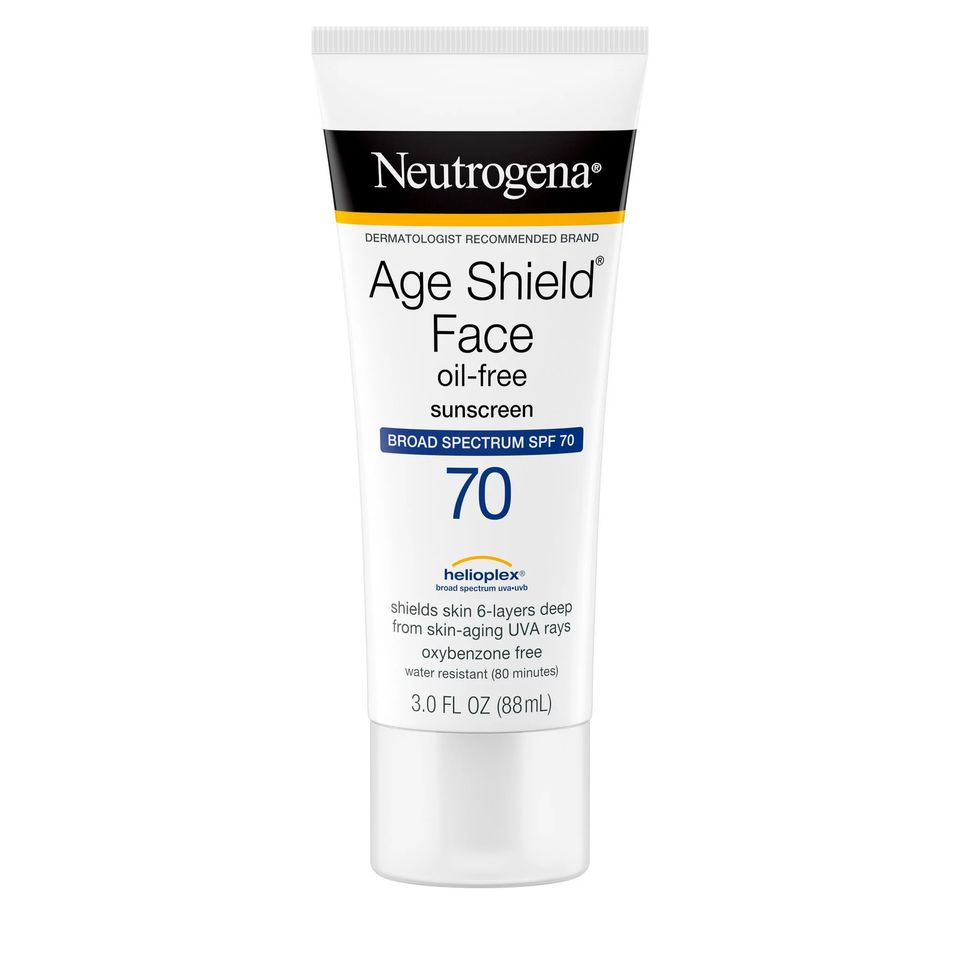
Designed to help you keep a youthful appearance, Neutrogena’s Age Shield facial sunscreen has a high SPF to keep you confident in the sun. The sunscreen is not only PABA-free and oil-free, but it’s also formulated to be moisturizing.
Promising review: “Best sunscreen for anti-aging. I have been using this sunscreen for years. I believe it has protected my face from much of the damage caused by the sun. It’s also a great daytime moisturizer.” — Marie E","source":"","title":"Neutrogena Age Shield oil-free sunscreen (SPF 70)","type":"image","summary":"","badge":"","cta":[{"text":"$9.58 at Walmart","url":"https://goto.walmart.com/c/2706071/565706/9383?veh=aff&sourceid=imp_000011112222333344&u=https%3A%2F%2Fwww.walmart.com%2Fip%2FNeutrogena-Age-Shield-Face-Oil-Free-Sunscreen-SPF-70-3-fl-oz%2F10309499&subId1=65bd4f33e4b05c8779f92998","ampPositionInUnit":19,"positionInSubUnit":29}],"meta":null,"credit":"Walmart","creditUrl":"","authorship":{"author":{"id":"000000000000000000000000","bio":{},"urls":{},"urlName":{"text":"","transliterated":""}}},"social":{},"thumbnail":{"url":{"fileName":"6455da062500006100520f8f.png","type":"hectorUrl"},"credit":"Walmart","height":2000,"width":2000,"ops":""},"textWrap":"wrapped","imagePositionInUnit":18,"imagePositionInSubUnit":27,"authors":[],"isLiveblogSlide":false},"provider":null},{"embedData":{"type":"hector","url":"https://img.huffingtonpost.com/asset/6455da062400005f00147092.png","queryParams":{},"width":1600,"height":1600,"credit":"Walmart"},"type":"image","common":{"id":"6455da08e4b00eb7e63baa6a","caption":"Rating: 4.7 out of 5 stars
Obagi’s sunscreen uses micro-shield crystal technology, which promises to disperse damaging rays before they can harm your delicate skin. Beyond its innovative technology, it also is tinted to enhance your complexion.
Promising review: “Love love love. Will never use another tinted sunscreen. This sunscreen is smooth, light to medium coverage (but looks dewy/natural) and is excellent at blocking out sun. I have used for 7 years and wear it every single day. I spend a lot of time in the sun and it does not show bc this stuff works!” — Candice","source":"","title":"Obagi Sun Shield broad spectrum tinted sunscreen (SPF 50)","type":"image","summary":"","badge":"","cta":[{"text":"$53 at Walmart","url":"https://goto.walmart.com/c/2706071/565706/9383?veh=aff&sourceid=imp_000011112222333344&u=https%3A%2F%2Fwww.walmart.com%2Fip%2FObagi-Sun-Shield-Warm-Tint-Broad-Spectrum-SPF-50-Tinted-Sunscreen-with-Warm-Undertone-3-oz%2F135150614&subId1=65bd4f33e4b05c8779f92998","ampPositionInUnit":17,"positionInSubUnit":26}],"meta":null,"credit":"Walmart","creditUrl":"","authorship":{"author":{"id":"000000000000000000000000","bio":{},"urls":{},"urlName":{"text":"","transliterated":""}}},"social":{},"thumbnail":{"url":{"fileName":"6455da062400005f00147092.png","type":"hectorUrl"},"credit":"Walmart","height":1600,"width":1600,"ops":""},"textWrap":"wrapped","imagePositionInUnit":16,"imagePositionInSubUnit":24,"authors":[],"isLiveblogSlide":false},"provider":null},{"embedData":{"type":"hector","url":"https://img.huffingtonpost.com/asset/6455da062400006600265495.png","queryParams":{},"width":2000,"height":1772,"credit":"Walmart"},"type":"image","common":{"id":"6455da08e4b00eb7e63baa6c","caption":"Rating: 4.8 out of 5 stars
Formulated first-most as an anti-aging moisturizer, this product from DRMTLGY also has an added SPF 45. It uses hyaluronic acid and niacinamide to help moisturize skin and zinc oxide to protect you from the sun.
Promising review: “I always used Elta sunscreen. This product is just as good and half the price. I love the way it absorbs quickly and my makeup goes on smoothly after. Great product, great price!” — Kathy","source":"","title":"DRMTLGY anti-aging facial moisturizer with sunscreen (SPF 45)","type":"image","summary":"","badge":"","cta":[{"text":"$41 at Walmart","url":"https://goto.walmart.com/c/2706071/565706/9383?veh=aff&sourceid=imp_000011112222333344&u=https%3A%2F%2Fwww.walmart.com%2Fip%2FDRMTLGY-Daily-Anti-Aging-Facial-Moisturizer-Clear-Broad-Spectrum-Sunscreen-SPF-45-using-Zinc-Oxide-Features-Anti-Aging-Ingredients-Hyaluronic-Acid-Ni%2F273071176&subId1=65bd4f33e4b05c8779f92998","ampPositionInUnit":15,"positionInSubUnit":23}],"meta":null,"credit":"Walmart","creditUrl":"","authorship":{"author":{"id":"000000000000000000000000","bio":{},"urls":{},"urlName":{"text":"","transliterated":""}}},"social":{},"thumbnail":{"url":{"fileName":"6455da062400006600265495.png","type":"hectorUrl"},"credit":"Walmart","height":1772,"width":2000,"ops":""},"textWrap":"wrapped","imagePositionInUnit":14,"imagePositionInSubUnit":21,"authors":[],"isLiveblogSlide":false},"provider":null},{"embedData":{"type":"hector","url":"https://img.huffingtonpost.com/asset/6455da062500005f009553a6.png","queryParams":{},"width":1500,"height":1500,"credit":"Walmart"},"type":"image","common":{"id":"6455da08e4b00eb7e63baa6e","caption":"Rating: 4.5 out of 5 stars
EltaMD says this sunscreen will protect you from the sun and help improve existing sun damage. It’s also crafted with ginger root extract and saccharide isomerate, which are said to improve skin’s smoothness and decrease fine lines while minimizing dark spots.
Promising review: “Due to my melasma was told by my Dr to always use mineral sunscreen, problem is I have medium tone skin and all mineral sunscreen leaves a white cast on me. this one has been working very well, no more white cast. Blends very well.” — Evy","source":"","title":"EltaMD UV Restore tinted anti-aging face sunscreen (SPF 40)","type":"image","summary":"","badge":"","cta":[{"text":"$33.98 at Walmart","url":"https://goto.walmart.com/c/2706071/565706/9383?veh=aff&sourceid=imp_000011112222333344&u=https%3A%2F%2Fwww.walmart.com%2Fip%2FEltaMD-UV-Restore-Tinted-Anti-Aging-Face-Sunscreen-Broad-Spectrum-SPF-40-2oz%2F653449167&subId1=65bd4f33e4b05c8779f92998","ampPositionInUnit":13,"positionInSubUnit":20}],"meta":null,"credit":"Walmart","creditUrl":"","authorship":{"author":{"id":"000000000000000000000000","bio":{},"urls":{},"urlName":{"text":"","transliterated":""}}},"social":{},"thumbnail":{"url":{"fileName":"6455da062500005f009553a6.png","type":"hectorUrl"},"credit":"Walmart","height":1500,"width":1500,"ops":""},"textWrap":"wrapped","imagePositionInUnit":12,"imagePositionInSubUnit":18,"authors":[],"isLiveblogSlide":false},"provider":null},{"embedData":{"type":"hector","url":"https://img.huffingtonpost.com/asset/6455da062400005f00147093.png","queryParams":{},"width":2000,"height":1011,"credit":"Walmart"},"type":"image","common":{"id":"6455da08e4b00eb7e63baa70","caption":"Rating: 4.6 out of 5 stars
Made with vitamin C, shea butter, and glycerin, this anti-aging moisturizer helps hydrate the skin. It also includes an SPF 25, so while it’s not primarily a sunscreen, it will still offer some necessary sun protection.
Promising review: “I’ll be 60 yes old in 4 days & have used this for about a year now. I think it’s great! Not oily & I have seen some smoothness of fine lines. This is a keeper, along with the night cream.” — Michele A C","source":"","title":"Neutrogena Triple Age Repair anti-aging moisturizer (SPF 25)","type":"image","summary":"","badge":"","cta":[{"text":"$19.98 at Walmart","url":"https://goto.walmart.com/c/2706071/565706/9383?veh=aff&sourceid=imp_000011112222333344&u=https%3A%2F%2Fwww.walmart.com%2Fip%2FNeutrogena-Triple-Age-Repair-Anti-Aging-Moisturizer-SPF-25-1-7-oz%2F34620362&subId1=65bd4f33e4b05c8779f92998","ampPositionInUnit":11,"positionInSubUnit":17}],"meta":null,"credit":"Walmart","creditUrl":"","authorship":{"author":{"id":"000000000000000000000000","bio":{},"urls":{},"urlName":{"text":"","transliterated":""}}},"social":{},"thumbnail":{"url":{"fileName":"6455da062400005f00147093.png","type":"hectorUrl"},"credit":"Walmart","height":1011,"width":2000,"ops":""},"textWrap":"wrapped","imagePositionInUnit":10,"imagePositionInSubUnit":15,"authors":[],"isLiveblogSlide":false},"provider":null},{"embedData":{"type":"hector","url":"https://img.huffingtonpost.com/asset/6455da072500006100520f93.png","queryParams":{},"width":500,"height":378,"credit":"Walmart"},"type":"image","common":{"id":"6455da08e4b00eb7e63baa72","caption":"Rating: 4.5 out of 5 stars
Crafted as a 100% mineral sunscreen and a facial moisturizer, this facial product is sweat and water-resistant for up to 80 minutes. Along with hyaluronic acid, this sunscreen uses alpine moss, vitamin E, and vitamin B5 to help moisturize skin.
Promising review: “It’s hard to find a good SPF & moisturizer that’s 100% mineral-based. This one works great and doesn’t leave your face ghost white like other mineral sunscreens.” — Nick D.","source":"","title":"Oars + Alps mineral sunscreen and anti-aging moisturizer (SPF 30)","type":"image","summary":"","badge":"","cta":[{"text":"$33.81 at Walmart","url":"https://goto.walmart.com/c/2706071/565706/9383?veh=aff&sourceid=imp_000011112222333344&u=https%3A%2F%2Fwww.walmart.com%2Fip%2FOars-Alps-Mineral-Sunscreen-and-Anti-Aging-Face-Moisturizer-with-Hyaluronic-Acid-Water-and-Sweat-Resistant-Oil-Free-SPF-30-2-Oz%2F210836412&subId1=65bd4f33e4b05c8779f92998","ampPositionInUnit":9,"positionInSubUnit":14}],"meta":null,"credit":"Walmart","creditUrl":"","authorship":{"author":{"id":"000000000000000000000000","bio":{},"urls":{},"urlName":{"text":"","transliterated":""}}},"social":{},"thumbnail":{"url":{"fileName":"6455da072500006100520f93.png","type":"hectorUrl"},"credit":"Walmart","height":378,"width":500,"ops":""},"textWrap":"wrapped","imagePositionInUnit":8,"imagePositionInSubUnit":12,"authors":[],"isLiveblogSlide":false},"provider":null},{"embedData":{"type":"hector","url":"https://img.huffingtonpost.com/asset/6455da0825000033009553a8.png","queryParams":{},"width":2000,"height":2000,"credit":"Walmart"},"type":"image","common":{"id":"6455da08e4b00eb7e63baa74","caption":"Rating: 4.3 out of 5 stars
This sunscreen has basically all the ingredients you want in an anti-aging facial moisturizer: pro-retinol, vitamin C, and hyaluronic acid. The dermatologist-tested product has an SPF of 30 to keep your skin happy in the sun.
Promising review: “Perfect sunscreen and moisturizer. Love the added sunscreen protection of this product. Great for moisturizer under makeup.” — Dennis","source":"","title":"L’Oreal Paris Revitalift broad spectrum facial sunscreen (SPF 30)","type":"image","summary":"","badge":"","cta":[{"text":"$21.97 at Walmart","url":"https://goto.walmart.com/c/2706071/565706/9383?veh=aff&sourceid=imp_000011112222333344&u=https%3A%2F%2Fwww.walmart.com%2Fip%2FL-Oreal-Paris-Revitalift-Broad-Spectrum-Face-Sunscreen-Reduces-Wrinkles-SPF-30-1-7-oz%2F320257682&subId1=65bd4f33e4b05c8779f92998","ampPositionInUnit":7,"positionInSubUnit":11}],"meta":null,"credit":"Walmart","creditUrl":"","authorship":{"author":{"id":"000000000000000000000000","bio":{},"urls":{},"urlName":{"text":"","transliterated":""}}},"social":{},"thumbnail":{"url":{"fileName":"6455da0825000033009553a8.png","type":"hectorUrl"},"credit":"Walmart","height":2000,"width":2000,"ops":""},"textWrap":"wrapped","imagePositionInUnit":6,"imagePositionInSubUnit":9,"authors":[],"isLiveblogSlide":false},"provider":null},{"embedData":{"type":"hector","url":"https://img.huffingtonpost.com/asset/6455da072400006600265497.png","queryParams":{},"width":1200,"height":1200,"credit":"Walmart"},"type":"image","common":{"id":"6455da08e4b00eb7e63baa76","caption":"Rating: 4.6 out of 5 stars
This sunscreen from ISDIN is tinted with an SPF 50. The sunscreen also claims to repair skin from sun damage using a blend of peptides and antioxidants.
Promising review: “I tried this based on several dermatologist You Tube and website reviews. It has been my favorite tinted sunscreen to date because it goes on smoothly giving just a hint of color and keeps me protected from the sun. It hasn’t clogged my pores like other sunscreens I’ve tried. Also, there’s a large amount of sunscreen for the price compared to others so it’s a fair deal for a quality product.” — Barbara","source":"","title":"ISDIN Eryfotona Ageless tinted mineral sunscreen (SPF 50)","type":"image","summary":"","badge":"","cta":[{"text":"$70 at Walmart","url":"https://goto.walmart.com/c/2706071/565706/9383?veh=aff&sourceid=imp_000011112222333344&u=https%3A%2F%2Fwww.walmart.com%2Fip%2FISDIN-Eryfotona-Ageless-Tinted-Mineral-Sunscreen-SPF-50-Zinc-Oxide-3-4-fl-oz%2F185772992&subId1=65bd4f33e4b05c8779f92998","ampPositionInUnit":5,"positionInSubUnit":8}],"meta":null,"credit":"Walmart","creditUrl":"","authorship":{"author":{"id":"000000000000000000000000","bio":{},"urls":{},"urlName":{"text":"","transliterated":""}}},"social":{},"thumbnail":{"url":{"fileName":"6455da072400006600265497.png","type":"hectorUrl"},"credit":"Walmart","height":1200,"width":1200,"ops":""},"textWrap":"wrapped","imagePositionInUnit":4,"imagePositionInSubUnit":6,"authors":[],"isLiveblogSlide":false},"provider":null},{"embedData":{"type":"hector","url":"https://img.huffingtonpost.com/asset/6455da072400005f00147095.png","queryParams":{},"width":2000,"height":2000,"credit":"Walmart"},"type":"image","common":{"id":"6455da08e4b00eb7e63baa78","caption":"Rating: 4.6 out of 5 stars
Aveeno’s anti-wrinkle moisturizer can help improve the appearance of fine lines and wrinkles while also protecting from the sun. With over 700 reviews, customers have great things to say about this face lotion with SPF 30.
Promising review: “By far this is the best face lotion that I have used. I am 74 years of age, I started using the Aveeno Absolutely Ageless Daily Moisturizer about four months ago and have seen a marked improvement in the over all appearance of my skin. Less lines and color spots and an overall even of skin tone.” — Charmane","source":"","title":"Aveeno Absolutely Ageless antioxidant daily moisturizer (SPF 30)","type":"image","summary":"","badge":"","cta":[{"text":"$34.98 at Walmart","url":"https://goto.walmart.com/c/2706071/565706/9383?veh=aff&sourceid=imp_000011112222333344&u=https%3A%2F%2Fwww.walmart.com%2Fip%2FAveeno-Absolutely-Ageless-Antioxidant-Daily-Moisturizer-SPF-30-1-7-fl-oz%2F47431330&subId1=65bd4f33e4b05c8779f92998","ampPositionInUnit":3,"positionInSubUnit":5}],"meta":null,"credit":"Walmart","creditUrl":"","authorship":{"author":{"id":"000000000000000000000000","bio":{},"urls":{},"urlName":{"text":"","transliterated":""}}},"social":{},"thumbnail":{"url":{"fileName":"6455da072400005f00147095.png","type":"hectorUrl"},"credit":"Walmart","height":2000,"width":2000,"ops":""},"textWrap":"wrapped","imagePositionInUnit":2,"imagePositionInSubUnit":3,"authors":[],"isLiveblogSlide":false},"provider":null},{"embedData":{"type":"hector","url":"https://img.huffingtonpost.com/asset/6455da072500006100520f92.jpeg","queryParams":{},"width":2000,"height":2000,"credit":"Walmart"},"type":"image","common":{"id":"6455da08e4b00eb7e63baa7a","caption":"Rating: 4.9 out of 5 stars
Green tea, pomegranate extract, vitamin C, and hyaluronic can help brighten, reduce fine lines, and hydrate skin. Somehow it does all that and still protects you from the sun with a strong SPF of 50.
Promising review: “This is the same product my dermatologist highly recommends. I’ve been using it for years and love it. I also love this fantastic price and quick delivery.” — Bobby","source":"","title":"Revision Skincare multi-protection broad-spectrum sunscreen (SPF 50)","type":"image","summary":"","badge":"","cta":[{"text":"$52.64 at Walmart","url":"https://goto.walmart.com/c/2706071/565706/9383?veh=aff&sourceid=imp_000011112222333344&u=https%3A%2F%2Fwww.walmart.com%2Fip%2FRevision-Skincare-Multi-Protection-Broad-Spectrum-SPF-50-1-7oz-48g%2F136922382&subId1=65bd4f33e4b05c8779f92998","ampPositionInUnit":1,"positionInSubUnit":2}],"meta":null,"credit":"Walmart","creditUrl":"","authorship":{"author":{"id":"000000000000000000000000","bio":{},"urls":{},"urlName":{"text":"","transliterated":""}}},"social":{},"thumbnail":{"url":{"fileName":"6455da072500006100520f92.jpeg","type":"hectorUrl"},"credit":"Walmart","height":2000,"width":2000,"ops":""},"textWrap":"wrapped","imagePositionInUnit":0,"imagePositionInSubUnit":0,"authors":[],"isLiveblogSlide":false},"provider":null}],"settings":{"type":"standard","eventName":"","eventType":"standard"},"options":{"theme":"life","device":"desktop","editionInfo":{"id":"us","name":"U.S.","link":"https://www.huffpost.com","locale":"en_US"},"originalEdition":"us","slideshowAd":{"scriptTags":[],"otherHtml":""},"slideshowEndCard":{"scriptTags":[],"otherHtml":""},"isMapi":false,"isAmp":false,"isVideoEntry":false,"isEntry":true,"isMt":false,"entryId":"65bd4f33e4b05c8779f92998","entryPermalink":"https://www.huffpost.com/entry/whats-the-difference-between-corrective-vs-preventive-skin-care-treatments_l_65bd4f33e4b05c8779f92998","entryTagsList":"beauty,aging,skin-care,dermatologist","sectionSlug":"style","deptSlug":"lifestyle","sectionRedirectUrl":null,"subcategories":"healthy-living,women","isWide":false,"headerOverride":null,"noVideoAds":false,"disableFloat":false,"isNative":false,"commercialVideo":{"provider":"custom","site_and_category":"us.style","package":null},"isHighline":false,"vidibleConfigValues":{"cid":"60afc111dcf87c2cd2f5d8bf","overrides":{"front_page_top_videos":{"desktop":"60b64354b171b7444beaff4d","mobileweb":"60b64354b171b7444beaff4d"},"top_media":{"desktop":"60b8e6bdc5449357a7ada147","mobile":"60b8e701c5449357a7ada2ee","iphone":"60b8e643cdd90620331bb1f6","ipad":"60b8e643cdd90620331bb1f6","androidphone":"60b8e699c5449357a7ada04c","androidtablet":"60b8e699c5449357a7ada04c"},"anthology":{"desktop":"60b8e616cdd90620331bb0ba","mobile":"60b8e671c5449357a7ad9f66","iphone":"60b8e643cdd90620331bb1f6","ipad":"60b8e643cdd90620331bb1f6","androidphone":"60b8e699c5449357a7ada04c","androidtablet":"60b8e699c5449357a7ada04c"},"content":{"desktop":"60b8e616cdd90620331bb0ba","mobile":"60b8e671c5449357a7ad9f66","iphone":"60b8e643cdd90620331bb1f6","ipad":"60b8e643cdd90620331bb1f6","androidphone":"60b8e699c5449357a7ada04c","androidtablet":"60b8e699c5449357a7ada04c"}},"playerUpdates":{"5668ae6ee4b0b5e26955d6a6":"60d2472d9340d7032ad7e443","56aa41bae4b091744c0440d8":"60e869dc7c5f3b17b6741b81","5841b2b5cc52c716ec6e5a7f":"60b8e355cdd90620331ba185","58b5e2b8d85a10302feee895":"60b64316b171b7444beafdb2","58b74698f78ced31417819ae":"60b8e5bec5449357a7ad9b52","58b74ccecebcea57e2c3a3d1":"60b8e5eac5449357a7ad9ca5","58cff690d85a100b9992bc39":"60b8e616cdd90620331bb0ba","58cffb3fb6d9b972a49a3c9d":"60b8e643cdd90620331bb1f6","58cffdd74d96935d7d6ec180":"60b8e671c5449357a7ad9f66","58d03a84f78ced6518eb2fa7":"60b643c82e76be41f112735c","592edf20e0fa177b0c26f7fd":"60b8e699c5449357a7ada04c","5b35266b158f855373e28256":"60b64354b171b7444beaff4d","5c116f29f79c4171d82b7c2a":"60b64440b171b7444beb040b","5c1170fc600c9a697bf0c6b9":"60b646102e76be41f1127ffc","5c47791afa1b317df8ae0c4f":"60b8e6bdc5449357a7ada147","5c477987a6b48b35f164773d":"60b8e701c5449357a7ada2ee","5c4779ee943c3c2a64f28371":"60b8e747cdd90620331bb861","5c477a26fcd67b26879bc7c2":"60b8e788c5449357a7ada67b","5d8921a78c3ae845f366c9b6":"60ae7be5f3a7c13a30417ff9","58b98b00ba82aa39a6534321":"60d0de7c9340d7032ad1146c","58b9d14cb6d9b96c9ec32af3":"60d0dec19340d7032ad115a0","58cff8eccebcea42931e0436":"60d0e005b627221e9d819d44","592edf5de0fa177b0c26f95b":"60d0e38fb627221e9d81adcf","58cff72fd85a100b9992c112":"60d0e447b627221e9d81b0da","56b4d34fe4b022697697c400":"60d2472d9340d7032ad7e443","60b8e4c0c5449357a7ad957d":"60e869dc7c5f3b17b6741b81"}},"connatixConfigValues":{"defaultPlayer":"ff7fdddc-5441-4253-abc4-f12a33fad58b","clickToPlayPlayer":"d014396e-b366-4c17-aeac-3ce906fa3fd0","videoPagePlayer":"f010447b-d244-4111-a314-7b4542ae4145","verticalPlayer":"e58cb05a-0bc8-4210-9108-fea82726c065"},"customAmpComponents":[],"ampAssetsUrl":"https://amp.assets.huffpost.com","videoTraits":null,"positionInUnitCounts":{"buzz_head":{"count":0},"buzz_body":{"count":68},"buzz_bottom":{"count":0}},"positionInSubUnitCounts":{"article_body":{"count":10},"blog_summary":{"count":0},"before_you_go_slideshow":{"count":86}},"connatixCountsHelper":{"count":0},"buzzfeedTracking":{"context_page_id":"65bd4f33e4b05c8779f92998","context_page_type":"buzz","destination":"huffpost","mode":"desktop","page_edition":"en-us"},"tags":[{"name":"Beauty","slug":"beauty","links":{"relativeLink":"topic/beauty","permalink":"https://www.huffpost.com/topic/beauty","mobileWebLink":"https://www.huffpost.com/topic/beauty"},"relegenceSubjectId":978020,"department":{"name":"Life","slug":"lifestyle"},"section":{"title":"Style & Beauty","slug":"style"},"topic":{"title":"Health and Beauty","slug":"health-and-beauty","overridesSectionLabel":false},"url":"https://www.huffpost.com/life/topic/health-and-beauty"},{"name":" aging","slug":"aging","links":{"relativeLink":"topic/aging","permalink":"https://www.huffpost.com/topic/aging","mobileWebLink":"https://www.huffpost.com/topic/aging"},"department":{"name":"Life","slug":"lifestyle"},"section":{"title":"Wellness","slug":"healthy-living"},"topic":{"title":"How We Live: Wellness","slug":"how-we-live-wellness","overridesSectionLabel":false},"url":"https://www.huffpost.com/life/topic/how-we-live-wellness"},{"name":"skin care ","slug":"skin-care","links":{"relativeLink":"topic/skin-care","permalink":"https://www.huffpost.com/topic/skin-care","mobileWebLink":"https://www.huffpost.com/topic/skin-care"},"department":{"name":"Life","slug":"lifestyle"},"section":{"title":"Wellness","slug":"healthy-living"},"topic":{"title":"Skincare","slug":"skincare","overridesSectionLabel":false},"url":"https://www.huffpost.com/life/topic/skincare"},{"name":"dermatologist","slug":"dermatologist","links":{"relativeLink":"topic/dermatologist","permalink":"https://www.huffpost.com/topic/dermatologist","mobileWebLink":"https://www.huffpost.com/topic/dermatologist"},"department":{"name":"Life","slug":"lifestyle"},"section":{"title":"Style & Beauty","slug":"style"},"topic":{"title":"Dermatologists","slug":"dermatologists","overridesSectionLabel":false},"url":"https://www.huffpost.com/life/topic/dermatologists"}],"isLiveblogLive":null,"cetUnit":"buzz_body","bodyAds":["
10 Affordable Sunscreens With Powerful Anti-Aging Ingredients
What are other topical skin care products with preventive benefits?
Beyond sunscreen, “retinoids or vitamin A-based products are also great preventive ingredients. They are used to prevent mild fine lines, wrinkles, acne and dark spots,” noted Dr. Marina Peredo, a board-certified dermatologist and the owner of Skinfluence in New York City. “Moisturizers that contain vitamin C and retinol are great at keeping skin plump and hydrated throughout the day to prevent skin dryness.”
Although “much of what determines sagging skin is genetics and age,” Tull advised that “using SPF and retinoids from an early age can help to prevent and postpone the onset of sagging skin.”
Advertisement
Furthermore, “using retinol over years has been proven on skin biopsies to have increased collagen compared to not using it,” Linda Lee said. (Increased collagen helps boost the skin’s elasticity.)
“Most people do not see any immediate change, and we consider this the slow burn of skin care,” she added. “Drastic results don’t come overnight, [but] the long-term results are definitely worth the investment.”
<div class="js-react-hydrator" data-component-name="Slideshow" data-component-id="4403" data-component-props="{"index":22,"contentIndexByType":2,"contentListType":"slideshow","id":"659c6880e4b0bfe5ff646ca6","title":"These Retinals and Retinols Are Customer Favorites","enhancements":{"fonts":{"primary":{},"accent":{},"caption":{}}},"dek":"","view":"slideshow","lastPublishedAt":"2024-01-11T14:46:56Z","slides":[{"embedData":"
","title":"Retinal","type":"subhead","summary":"","badge":"","cta":[],"meta":null,"credit":"","creditUrl":"","authorship":{"author":{"id":"000000000000000000000000","bio":{},"urls":{},"urlName":{"text":"","transliterated":""}}},"social":{},"imagePositionInUnit":null,"imagePositionInSubUnit":null,"authors":[],"isLiveblogSlide":false},"provider":null},{"embedData":{"type":"hector","url":"https://img.huffingtonpost.com/asset/659c68512300003700806a79.png","queryParams":{},"width":1080,"height":1080,"credit":"Amazon"},"type":"image","common":{"id":"659c68bde4b0bfe5ff646cab","caption":"Recommended by board-certified dermatologist Dr. Deanne Mraz, this serum \"combines the power of retinaldehyde, melatonin and bakuchiol with ultra-soothing ingredients, including niacinamide — together these actives renew, rejuvenate and revitalize the skin,\" she told me. It’s not cheap, but for those who are interested in a skin care splurge, it’s definitely worth checking out.","source":"","title":"Isdin Isdinceutics Retinal Advanced Rejuvenating facial night serum","type":"image","summary":"","badge":"","cta":[{"text":"$166.50 at Amazon","url":"https://www.amazon.com/ISDIN-Isdinceutics-Retinal-Advanced-Retinaldehyde/dp/B0CC9W3VWR?tag=thehuffingtop-20&ascsubtag=65bd4f33e4b05c8779f92998%2C-1%2C-1%2Cd%2C0%2C0%2Chp-fil-am%3D0%2C0%3A0%2C0%2C0%2C0","ampPositionInUnit":43,"positionInSubUnit":57,"isAmazonLink":true}],"meta":null,"credit":"Amazon","creditUrl":"","authorship":{"author":{"id":"000000000000000000000000","bio":{},"urls":{},"urlName":{"text":"","transliterated":""}}},"social":{},"thumbnail":{"url":{"fileName":"659c68512300003700806a79.png","type":"hectorUrl"},"caption":"Recommended by board-certified dermatologist Dr. Deanne Mraz, this serum \"combines the power of retinaldehyde, melatonin and bakuchiol with ultra-soothing ingredients, including niacinamide — together these actives renew, rejuvenate and revitalize the skin,\" she told me. It’s not cheap, but for those who are interested in a skin care splurge, it’s definitely worth checking out.","credit":"Amazon","height":1080,"width":1080,"ops":""},"textWrap":"wrapped","imagePositionInUnit":42,"imagePositionInSubUnit":56,"authors":[],"isLiveblogSlide":false},"provider":null},{"embedData":{"type":"hector","url":"https://img.huffingtonpost.com/asset/659c68372200005400fafd10.png","queryParams":{},"width":1080,"height":1080,"credit":"Dermstore"},"type":"image","common":{"id":"659c688fe4b0f9f6621dec26","caption":"I’ve long heard people rave about this highly-rated serum from Medik8, and I can’t say I\"m surprised. Everything I’ve tried from the brand thus far has been effective and left my skin looking and feeling great. This serum can help to address typical signs of aging like wrinkles, texture and tone quickly and efficiently. It’s balanced with hyaluronic acid and glycerin to help keep skin supple, soft, smooth and hydrated. It’s a great mid-price jumping-off point for anyone curious about trying a retinal.","source":"","title":"Medik8 Crystal Retinal 1 serum","type":"image","summary":"","badge":"","cta":[{"text":"$53 at Dermstore","url":"https://www.awin1.com/cread.php?awinmid=29069&awinaffid=837483&campaign=&clickref=65bd4f33e4b05c8779f92998&ued=https%3A%2F%2Fwww.dermstore.com%2Fmedik8-crystal-retinal-1-serum-30ml%2F12810716.html&platform=pl","ampPositionInUnit":41,"positionInSubUnit":55}],"meta":null,"credit":"Dermstore","creditUrl":"","authorship":{"author":{"id":"000000000000000000000000","bio":{},"urls":{},"urlName":{"text":"","transliterated":""}}},"social":{},"thumbnail":{"url":{"fileName":"659c68372200005400fafd10.png","type":"hectorUrl"},"caption":"I’ve long heard people rave about this highly-rated serum from Medik8, and I can’t say I\"m surprised. Everything I’ve tried from the brand thus far has been effective and left my skin looking and feeling great. This serum can help to address typical signs of aging like wrinkles, texture and tone quickly and efficiently. It’s balanced with hyaluronic acid and glycerin to help keep skin supple, soft, smooth and hydrated. It’s a great mid-price jumping-off point for anyone curious about trying a retinal.","credit":"Dermstore","height":1080,"width":1080,"ops":""},"textWrap":"wrapped","imagePositionInUnit":40,"imagePositionInSubUnit":54,"authors":[],"isLiveblogSlide":false},"provider":null},{"embedData":{"type":"hector","url":"https://img.huffingtonpost.com/asset/659c684d2300001b00806a77.png","queryParams":{},"width":1080,"height":1080,"credit":"Amazon"},"type":"image","common":{"id":"659c68b6e4b075f4cfd3999f","caption":"I’m a big fan of Avène products; this French pharmacy staple always knows how to strike the perfect balance between using tried and true potent ingredients and nourishing goodness to help keep skin looking and feeling youthful, soft and plump. This cream is no exception, and can help to leave your complexion looking and feeling smooth, radiant, hydrated and fresh.","source":"","title":"Eau Thermale Avene RetrinAL 0.1intensive cream","type":"image","summary":"","badge":"","cta":[{"text":"$63 at Amazon (regularly $79)","url":"https://www.amazon.com/Eau-Thermale-Intensive-Retinaldehyde-Rejuvenate/dp/B004MBQO6W?tag=thehuffingtop-20&ascsubtag=65bd4f33e4b05c8779f92998%2C-1%2C-1%2Cd%2C0%2C0%2Chp-fil-am%3D0%2C0%3A0%2C0%2C0%2C0","ampPositionInUnit":39,"positionInSubUnit":53,"isAmazonLink":true}],"meta":null,"credit":"Amazon","creditUrl":"","authorship":{"author":{"id":"000000000000000000000000","bio":{},"urls":{},"urlName":{"text":"","transliterated":""}}},"social":{},"thumbnail":{"url":{"fileName":"659c684d2300001b00806a77.png","type":"hectorUrl"},"caption":"I’m a big fan of Avène products; this French pharmacy staple always knows how to strike the perfect balance between using tried and true potent ingredients and nourishing goodness to help keep skin looking and feeling youthful, soft and plump. This cream is no exception, and can help to leave your complexion looking and feeling smooth, radiant, hydrated and fresh.","credit":"Amazon","height":1080,"width":1080,"ops":""},"textWrap":"wrapped","imagePositionInUnit":38,"imagePositionInSubUnit":52,"authors":[],"isLiveblogSlide":false},"provider":null},{"embedData":{"type":"hector","url":"https://img.huffingtonpost.com/asset/659c68462200005400fafd14.png","queryParams":{},"width":1080,"height":1080,"credit":"Sephora"},"type":"image","common":{"id":"659c68ade4b0f9f6621dec28","caption":"If you’re looking to make a big investment in your skin, then look no further than this nearly perfectly rated serum from Murad. It balances out the anti-aging powers of encapsulated retinal with ingredients like kangaroo paw flower extract that can help firm and smooth skin along with olive, oat and alpha glucan to ensure a big boost of hydration and help to maintain and restore the skin’s barrier.","source":"","title":"Murad Resurgence Retinal ReSculpt overnight treatment","type":"image","summary":"","badge":"","cta":[{"text":"$105 at Sephora","url":"https://click.linksynergy.com/deeplink?id=Zb4jl9GtVeY&mid=2417&u1=65bd4f33e4b05c8779f92998&murl=https%3A%2F%2Fwww.sephora.com%2Fproduct%2Fmurad-retinal-rescuplt-overnight-treatment-P504438","ampPositionInUnit":37,"positionInSubUnit":51}],"meta":null,"credit":"Sephora","creditUrl":"","authorship":{"author":{"id":"000000000000000000000000","bio":{},"urls":{},"urlName":{"text":"","transliterated":""}}},"social":{},"thumbnail":{"url":{"fileName":"659c68462200005400fafd14.png","type":"hectorUrl"},"caption":"If you’re looking to make a big investment in your skin, then look no further than this nearly perfectly rated serum from Murad. It balances out the anti-aging powers of encapsulated retinal with ingredients like kangaroo paw flower extract that can help firm and smooth skin along with olive, oat and alpha glucan to ensure a big boost of hydration and help to maintain and restore the skin’s barrier.","credit":"Sephora","height":1080,"width":1080,"ops":""},"textWrap":"wrapped","imagePositionInUnit":36,"imagePositionInSubUnit":50,"authors":[],"isLiveblogSlide":false},"provider":null},{"embedData":{"type":"hector","url":"https://img.huffingtonpost.com/asset/659c683c2200001f00fafd12.png","queryParams":{},"width":1080,"height":1080,"credit":"Sephora"},"type":"image","common":{"id":"659c6897e4b0bfe5ff646ca8","caption":"This highly-rated and oft-reviewed serum utilizes retinal, niacinamide and ceramides to not only improve the look and feel of skin texture and and common signs of aging, but also reinforce the skin’s barrier, smooth skin, even tone and moisturize. It’s a powerhouse combo in the form of a lightweight serum that won’t feel heavy.","source":"","title":"Youth To The People Retinal + Niacinamide Youth serum","type":"image","summary":"","badge":"","cta":[{"text":"$72 at Sephora","url":"https://click.linksynergy.com/deeplink?id=Zb4jl9GtVeY&mid=2417&u1=65bd4f33e4b05c8779f92998&murl=https%3A%2F%2Fwww.sephora.com%2Fproduct%2Fyouth-to-the-people-retinal-niacinamide-youth-serum-P482329","ampPositionInUnit":35,"positionInSubUnit":49}],"meta":null,"credit":"Sephora","creditUrl":"","authorship":{"author":{"id":"000000000000000000000000","bio":{},"urls":{},"urlName":{"text":"","transliterated":""}}},"social":{},"thumbnail":{"url":{"fileName":"659c683c2200001f00fafd12.png","type":"hectorUrl"},"caption":"This highly-rated and oft-reviewed serum utilizes retinal, niacinamide and ceramides to not only improve the look and feel of skin texture and and common signs of aging, but also reinforce the skin’s barrier, smooth skin, even tone and moisturize. It’s a powerhouse combo in the form of a lightweight serum that won’t feel heavy.","credit":"Sephora","height":1080,"width":1080,"ops":""},"textWrap":"wrapped","imagePositionInUnit":34,"imagePositionInSubUnit":48,"authors":[],"isLiveblogSlide":false},"provider":null},{"embedData":{"type":"hector","url":"https://img.huffingtonpost.com/asset/659c68422300001900806a75.png","queryParams":{},"width":1080,"height":1080,"credit":"Amazon"},"type":"image","common":{"id":"659c68a5e4b0f9f6621dec27","caption":"I am loving the price of this highly-rated serum from Naturium because it proves you don’t need to drop an arm and a leg to get good skin care products. It uses sustained-release retinal that can help to refine skin texture and reduce signs of aging like wrinkles and even discoloration. It’s the radiance booster you’ve been waiting for. This is the .05% concentration, but if you’ve used it for a while or know your skin can handle a stronger amount, you can always swap it or alternate it with the .10% version.","source":"","title":"Naturium Retinaldehyde cream serum 0.05%","type":"image","summary":"","badge":"","cta":[{"text":"$28.99 at Amazon","url":"https://www.amazon.com/Naturium-Retinaldehyde-Anti-Aging-Smoothing-Treatment/dp/B0BJL2W71K?tag=thehuffingtop-20&ascsubtag=65bd4f33e4b05c8779f92998%2C-1%2C-1%2Cd%2C0%2C0%2Chp-fil-am%3D0%2C0%3A0%2C0%2C0%2C0","ampPositionInUnit":33,"positionInSubUnit":47,"isAmazonLink":true}],"meta":null,"credit":"Amazon","creditUrl":"","authorship":{"author":{"id":"000000000000000000000000","bio":{},"urls":{},"urlName":{"text":"","transliterated":""}}},"social":{},"thumbnail":{"url":{"fileName":"659c68422300001900806a75.png","type":"hectorUrl"},"caption":"I am loving the price of this highly-rated serum from Naturium because it proves you don’t need to drop an arm and a leg to get good skin care products. It uses sustained-release retinal that can help to refine skin texture and reduce signs of aging like wrinkles and even discoloration. It’s the radiance booster you’ve been waiting for. This is the .05% concentration, but if you’ve used it for a while or know your skin can handle a stronger amount, you can always swap it or alternate it with the .10% version.","credit":"Amazon","height":1080,"width":1080,"ops":""},"textWrap":"wrapped","imagePositionInUnit":32,"imagePositionInSubUnit":45,"authors":[],"isLiveblogSlide":false},"provider":null},{"embedData":"
","title":"Retinol","type":"subhead","summary":"","badge":"","cta":[],"meta":null,"credit":"","creditUrl":"","authorship":{"author":{"id":"000000000000000000000000","bio":{},"urls":{},"urlName":{"text":"","transliterated":""}}},"social":{},"imagePositionInUnit":null,"imagePositionInSubUnit":null,"authors":[],"isLiveblogSlide":false},"provider":null},{"embedData":{"type":"hector","url":"https://img.huffingtonpost.com/asset/659c686a2200001d00fafd1a.png","queryParams":{},"width":1080,"height":1080,"credit":"Skin Better Science"},"type":"image","common":{"id":"659c690ae4b0bfe5ff646cbf","caption":"\"I love Skinbetter Science’s AlphaRet Overnight Cream,\" Mraz told me. She added that \"it combines retinoid with lactic acid and glycolic acids to exfoliate the skin and pairs those benefits with soothing, nourishing peptides, ceramides, niacinamide, hyaluronic acid and vitamins C + E making the formulation gentle enough for most skin types, including those prone to dryness.\"","source":"","title":"SkinBetter Science AlphaRet Overnight Cream","type":"image","summary":"","badge":"","cta":[{"text":"$135 at Skin Better Science","url":"https://www.skinbetter.com/shop-skincare/product-category/anti-aging/alpharet-overnight-cream-M001.html","ampPositionInUnit":31,"positionInSubUnit":44}],"meta":null,"credit":"Skin Better Science","creditUrl":"","authorship":{"author":{"id":"000000000000000000000000","bio":{},"urls":{},"urlName":{"text":"","transliterated":""}}},"social":{},"thumbnail":{"url":{"fileName":"659c686a2200001d00fafd1a.png","type":"hectorUrl"},"caption":"\"I love Skinbetter Science’s AlphaRet Overnight Cream,\" Mraz told me. She added that \"it combines retinoid with lactic acid and glycolic acids to exfoliate the skin and pairs those benefits with soothing, nourishing peptides, ceramides, niacinamide, hyaluronic acid and vitamins C + E making the formulation gentle enough for most skin types, including those prone to dryness.\"","credit":"Skin Better Science","height":1080,"width":1080,"ops":""},"textWrap":"wrapped","imagePositionInUnit":30,"imagePositionInSubUnit":43,"authors":[],"isLiveblogSlide":false},"provider":null},{"embedData":{"type":"hector","url":"https://img.huffingtonpost.com/asset/659c68632200001d00ad4680.png","queryParams":{},"width":1080,"height":1080,"credit":"Dermstore"},"type":"image","common":{"id":"659c6904e4b0f9f6621dec42","caption":"According to Mraz, you can’t go wrong with Skinceuticals Retinol, which comes in 3 strengths (.3%, .5% and 1% concentrations). \"This is a great option for anyone who needs to downshift to a gentler strength in the cold, dry winter months and turn up the volume [spring through fall],\" she recommended. It’s a great way for first-time users of retinol to enjoy the benefits while still protecting skin from potential irritating side effects.","source":"","title":"SkinCeuticals Retinol 0.3","type":"image","summary":"","badge":"","cta":[{"text":"$78 at Dermstore","url":"https://www.awin1.com/cread.php?awinmid=29069&awinaffid=837483&campaign=&clickref=65bd4f33e4b05c8779f92998&ued=https%3A%2F%2Fwww.dermstore.com%2Fskinceuticals-retinol-0.3-refining-night-treatment-30ml%2F11888501.html&platform=pl","ampPositionInUnit":29,"positionInSubUnit":42}],"meta":null,"credit":"Dermstore","creditUrl":"","authorship":{"author":{"id":"000000000000000000000000","bio":{},"urls":{},"urlName":{"text":"","transliterated":""}}},"social":{},"thumbnail":{"url":{"fileName":"659c68632200001d00ad4680.png","type":"hectorUrl"},"caption":"According to Mraz, you can’t go wrong with Skinceuticals Retinol, which comes in 3 strengths (.3%, .5% and 1% concentrations). \"This is a great option for anyone who needs to downshift to a gentler strength in the cold, dry winter months and turn up the volume [spring through fall],\" she recommended. It’s a great way for first-time users of retinol to enjoy the benefits while still protecting skin from potential irritating side effects.","credit":"Dermstore","height":1080,"width":1080,"ops":""},"textWrap":"wrapped","imagePositionInUnit":28,"imagePositionInSubUnit":41,"authors":[],"isLiveblogSlide":false},"provider":null},{"embedData":{"type":"hector","url":"https://img.huffingtonpost.com/asset/659c68562200006f00ad467e.png","queryParams":{},"width":1080,"height":1080,"credit":"Nordstrom"},"type":"image","common":{"id":"659c68c5e4b075f4cfd399a3","caption":"This popular Sunday Riley retinoid serum is beloved by HuffPost shopping writer Tessa Flores. She shared that it’s “composed of a retinoid ester, encapsulated retinol and retinol-alternative extracts derived from blue-green algae, all of which can impart the texture-improving wonders that retinol is known for without overwhelming the skin and causing irritation.\"
She went on to explain that the formulation includes COQ10, an antioxidant that \"targets the appearance of sun damage while two different humectants soothe redness and draw moisture into the skin. After using this product consistently for two months, I’m noticing a significant reduction of my keratosis pilaris in that the texture is smoother, less red and with fewer clogged hair follicles. I’ve also noticed less congestion in my T-zone, fewer sun freckles and an overall increase in skin plumpness — all without those telltale signs of retinol-induced irritation.\"","source":"","title":"Sunday Riley A+ High-Dose Retinoid serum","type":"image","summary":"","badge":"","cta":[{"text":"$85+ at Nordstrom","url":"https://click.linksynergy.com/deeplink?id=Zb4jl9GtVeY&mid=1237&u1=65bd4f33e4b05c8779f92998&murl=https%3A%2F%2Fwww.nordstrom.com%2Fs%2Fsunday-riley-a-high-dose-retinoid-serum%2F5326896","ampPositionInUnit":27,"positionInSubUnit":40}],"meta":null,"credit":"Nordstrom","creditUrl":"","authorship":{"author":{"id":"000000000000000000000000","bio":{},"urls":{},"urlName":{"text":"","transliterated":""}}},"social":{},"thumbnail":{"url":{"fileName":"659c68562200006f00ad467e.png","type":"hectorUrl"},"caption":"This popular Sunday Riley retinoid serum is beloved by HuffPost shopping writer Tessa Flores. She shared that it’s “composed of a retinoid ester, encapsulated retinol and retinol-alternative extracts derived from blue-green algae, all of which can impart the texture-improving wonders that retinol is known for without overwhelming the skin and causing irritation.\"
She went on to explain that the formulation includes COQ10, an antioxidant that \"targets the appearance of sun damage while two different humectants soothe redness and draw moisture into the skin. After using this product consistently for two months, I’m noticing a significant reduction of my keratosis pilaris in that the texture is smoother, less red and with fewer clogged hair follicles. I’ve also noticed less congestion in my T-zone, fewer sun freckles and an overall increase in skin plumpness — all without those telltale signs of retinol-induced irritation.\"","credit":"Nordstrom","height":1080,"width":1080,"ops":""},"textWrap":"wrapped","imagePositionInUnit":26,"imagePositionInSubUnit":38,"authors":[],"isLiveblogSlide":false},"provider":null},{"embedData":{"type":"hector","url":"https://img.huffingtonpost.com/asset/659c685a2200001e00fafd16.png","queryParams":{},"width":1080,"height":1080,"credit":"Sephora"},"type":"image","common":{"id":"659c68f2e4b0f9f6621dec36","caption":"Before I made the switch to prescription retinol, I was devoted to this Paula’s Choice treatment. It uses a trio of ingredients — retinol, bakuchiol and peptides — to help firm up, hydrate and smooth skin, leaving it feeling soft and youthful. I was obsessed with how soft it left my skin and how quickly I noticed results. Like the rest of the brand’s lineup, it has a permanent spot in my heart.","source":"","title":"Paula’s Choice Clinical 0.3% Retinol + 2% Bakuchiol treatment","type":"image","summary":"","badge":"","cta":[{"text":"$64 at Sephora","url":"https://click.linksynergy.com/deeplink?id=Zb4jl9GtVeY&mid=2417&u1=65bd4f33e4b05c8779f92998&murl=https%3A%2F%2Fwww.sephora.com%2Fproduct%2Fpaulas-choice-clinical-0-3-retinol-2-bakuchiol-treatment-P481348","ampPositionInUnit":25,"positionInSubUnit":37}],"meta":null,"credit":"Sephora","creditUrl":"","authorship":{"author":{"id":"000000000000000000000000","bio":{},"urls":{},"urlName":{"text":"","transliterated":""}}},"social":{},"thumbnail":{"url":{"fileName":"659c685a2200001e00fafd16.png","type":"hectorUrl"},"caption":"Before I made the switch to prescription retinol, I was devoted to this Paula’s Choice treatment. It uses a trio of ingredients — retinol, bakuchiol and peptides — to help firm up, hydrate and smooth skin, leaving it feeling soft and youthful. I was obsessed with how soft it left my skin and how quickly I noticed results. Like the rest of the brand’s lineup, it has a permanent spot in my heart.","credit":"Sephora","height":1080,"width":1080,"ops":""},"textWrap":"wrapped","imagePositionInUnit":24,"imagePositionInSubUnit":36,"authors":[],"isLiveblogSlide":false},"provider":null},{"embedData":{"type":"hector","url":"https://img.huffingtonpost.com/asset/659c685d2400001a0027efc0.png","queryParams":{},"width":1080,"height":1080,"credit":"Nordstrom"},"type":"image","common":{"id":"659c68f9e4b0f9f6621dec38","caption":"I always keep a pack of these in my fridge; it’s one of the safest ways to enjoy the benefits of retinol around the delicate under-eye area. Not only do these patches help to smooth and firm my tired eyes, but they are nourishing and hydrating as well. The combo of ingredients can even help to treat those tiny bumps that can appear around the eye. They are on the pricier side, but a single container contains 60 patches, which goes a long way even with multiple weekly use.","source":"","title":"Peter Thomas Roth Even Smoother Glycolic Retinol Hydra-Gel eye patches","type":"image","summary":"","badge":"","cta":[{"text":"$65 at Nordstrom","url":"https://click.linksynergy.com/deeplink?id=Zb4jl9GtVeY&mid=1237&u1=65bd4f33e4b05c8779f92998&murl=https%3A%2F%2Fwww.nordstrom.com%2Fs%2Fpeter-thomas-roth-even-smoother-glycolic-retinol-hydra-gel-eye-patches%2F7396384","ampPositionInUnit":23,"positionInSubUnit":35}],"meta":null,"credit":"Nordstrom","creditUrl":"","authorship":{"author":{"id":"000000000000000000000000","bio":{},"urls":{},"urlName":{"text":"","transliterated":""}}},"social":{},"thumbnail":{"url":{"fileName":"659c685d2400001a0027efc0.png","type":"hectorUrl"},"caption":"I always keep a pack of these in my fridge; it’s one of the safest ways to enjoy the benefits of retinol around the delicate under-eye area. Not only do these patches help to smooth and firm my tired eyes, but they are nourishing and hydrating as well. The combo of ingredients can even help to treat those tiny bumps that can appear around the eye. They are on the pricier side, but a single container contains 60 patches, which goes a long way even with multiple weekly use.","credit":"Nordstrom","height":1080,"width":1080,"ops":""},"textWrap":"wrapped","imagePositionInUnit":22,"imagePositionInSubUnit":34,"authors":[],"isLiveblogSlide":false},"provider":null},{"embedData":{"type":"hector","url":"https://img.huffingtonpost.com/asset/659c68602200001e00fafd18.png","queryParams":{},"width":1080,"height":1080,"credit":"Nordstrom"},"type":"image","common":{"id":"659c68fee4b0bfe5ff646cbb","caption":"I’ve raved about this sleeping oil before and I’m doing it again. It’s an absolute game-changer. I happen to be obsessed with using Luna oil in conjunction with Sunday Riley’s Good Genes; it’s a powerful duo that leaves me swimming in compliments and glowing skin. If you’ve been on the fence about trying an oil or retinoid, then this is the perfect place to start. Soothing botanicals like blue tansy and German chamomile are paired with an advanced retinoid ester that supports skin health and elasticity, evens out redness and fights fine lines and wrinkles. Avocado seed oil plumps up the skin and delivers a healthy dose of antioxidants. It doesn’t clog pores, which is perfect if you are acne-prone like myself. It’s my favorite retinol delivery method.","source":"","title":"Sunday Riley Luna Sleeping Night oil","type":"image","summary":"","badge":"","cta":[{"text":"$55+ at Nordstrom","url":"https://click.linksynergy.com/deeplink?id=Zb4jl9GtVeY&mid=1237&u1=65bd4f33e4b05c8779f92998&murl=https%3A%2F%2Fwww.nordstrom.com%2Fs%2Fsunday-riley-luna-sleeping-night-oil%2F5201706","ampPositionInUnit":21,"positionInSubUnit":33}],"meta":null,"credit":"Nordstrom","creditUrl":"","authorship":{"author":{"id":"000000000000000000000000","bio":{},"urls":{},"urlName":{"text":"","transliterated":""}}},"social":{},"thumbnail":{"url":{"fileName":"659c68602200001e00fafd18.png","type":"hectorUrl"},"caption":"I’ve raved about this sleeping oil before and I’m doing it again. It’s an absolute game-changer. I happen to be obsessed with using Luna oil in conjunction with Sunday Riley’s Good Genes; it’s a powerful duo that leaves me swimming in compliments and glowing skin. If you’ve been on the fence about trying an oil or retinoid, then this is the perfect place to start. Soothing botanicals like blue tansy and German chamomile are paired with an advanced retinoid ester that supports skin health and elasticity, evens out redness and fights fine lines and wrinkles. Avocado seed oil plumps up the skin and delivers a healthy dose of antioxidants. It doesn’t clog pores, which is perfect if you are acne-prone like myself. It’s my favorite retinol delivery method.","credit":"Nordstrom","height":1080,"width":1080,"ops":""},"textWrap":"wrapped","imagePositionInUnit":20,"imagePositionInSubUnit":30,"authors":[],"isLiveblogSlide":false},"provider":null}],"settings":{"type":"standard","eventName":"","eventType":"standard"},"options":{"theme":"life","device":"desktop","editionInfo":{"id":"us","name":"U.S.","link":"https://www.huffpost.com","locale":"en_US"},"originalEdition":"us","slideshowAd":{"scriptTags":[],"otherHtml":""},"slideshowEndCard":{"scriptTags":[],"otherHtml":""},"isMapi":false,"isAmp":false,"isVideoEntry":false,"isEntry":true,"isMt":false,"entryId":"65bd4f33e4b05c8779f92998","entryPermalink":"https://www.huffpost.com/entry/whats-the-difference-between-corrective-vs-preventive-skin-care-treatments_l_65bd4f33e4b05c8779f92998","entryTagsList":"beauty,aging,skin-care,dermatologist","sectionSlug":"style","deptSlug":"lifestyle","sectionRedirectUrl":null,"subcategories":"healthy-living,women","isWide":false,"headerOverride":null,"noVideoAds":false,"disableFloat":false,"isNative":false,"commercialVideo":{"provider":"custom","site_and_category":"us.style","package":null},"isHighline":false,"vidibleConfigValues":{"cid":"60afc111dcf87c2cd2f5d8bf","overrides":{"front_page_top_videos":{"desktop":"60b64354b171b7444beaff4d","mobileweb":"60b64354b171b7444beaff4d"},"top_media":{"desktop":"60b8e6bdc5449357a7ada147","mobile":"60b8e701c5449357a7ada2ee","iphone":"60b8e643cdd90620331bb1f6","ipad":"60b8e643cdd90620331bb1f6","androidphone":"60b8e699c5449357a7ada04c","androidtablet":"60b8e699c5449357a7ada04c"},"anthology":{"desktop":"60b8e616cdd90620331bb0ba","mobile":"60b8e671c5449357a7ad9f66","iphone":"60b8e643cdd90620331bb1f6","ipad":"60b8e643cdd90620331bb1f6","androidphone":"60b8e699c5449357a7ada04c","androidtablet":"60b8e699c5449357a7ada04c"},"content":{"desktop":"60b8e616cdd90620331bb0ba","mobile":"60b8e671c5449357a7ad9f66","iphone":"60b8e643cdd90620331bb1f6","ipad":"60b8e643cdd90620331bb1f6","androidphone":"60b8e699c5449357a7ada04c","androidtablet":"60b8e699c5449357a7ada04c"}},"playerUpdates":{"5668ae6ee4b0b5e26955d6a6":"60d2472d9340d7032ad7e443","56aa41bae4b091744c0440d8":"60e869dc7c5f3b17b6741b81","5841b2b5cc52c716ec6e5a7f":"60b8e355cdd90620331ba185","58b5e2b8d85a10302feee895":"60b64316b171b7444beafdb2","58b74698f78ced31417819ae":"60b8e5bec5449357a7ad9b52","58b74ccecebcea57e2c3a3d1":"60b8e5eac5449357a7ad9ca5","58cff690d85a100b9992bc39":"60b8e616cdd90620331bb0ba","58cffb3fb6d9b972a49a3c9d":"60b8e643cdd90620331bb1f6","58cffdd74d96935d7d6ec180":"60b8e671c5449357a7ad9f66","58d03a84f78ced6518eb2fa7":"60b643c82e76be41f112735c","592edf20e0fa177b0c26f7fd":"60b8e699c5449357a7ada04c","5b35266b158f855373e28256":"60b64354b171b7444beaff4d","5c116f29f79c4171d82b7c2a":"60b64440b171b7444beb040b","5c1170fc600c9a697bf0c6b9":"60b646102e76be41f1127ffc","5c47791afa1b317df8ae0c4f":"60b8e6bdc5449357a7ada147","5c477987a6b48b35f164773d":"60b8e701c5449357a7ada2ee","5c4779ee943c3c2a64f28371":"60b8e747cdd90620331bb861","5c477a26fcd67b26879bc7c2":"60b8e788c5449357a7ada67b","5d8921a78c3ae845f366c9b6":"60ae7be5f3a7c13a30417ff9","58b98b00ba82aa39a6534321":"60d0de7c9340d7032ad1146c","58b9d14cb6d9b96c9ec32af3":"60d0dec19340d7032ad115a0","58cff8eccebcea42931e0436":"60d0e005b627221e9d819d44","592edf5de0fa177b0c26f95b":"60d0e38fb627221e9d81adcf","58cff72fd85a100b9992c112":"60d0e447b627221e9d81b0da","56b4d34fe4b022697697c400":"60d2472d9340d7032ad7e443","60b8e4c0c5449357a7ad957d":"60e869dc7c5f3b17b6741b81"}},"connatixConfigValues":{"defaultPlayer":"ff7fdddc-5441-4253-abc4-f12a33fad58b","clickToPlayPlayer":"d014396e-b366-4c17-aeac-3ce906fa3fd0","videoPagePlayer":"f010447b-d244-4111-a314-7b4542ae4145","verticalPlayer":"e58cb05a-0bc8-4210-9108-fea82726c065"},"customAmpComponents":[],"ampAssetsUrl":"https://amp.assets.huffpost.com","videoTraits":null,"positionInUnitCounts":{"buzz_head":{"count":0},"buzz_body":{"count":68},"buzz_bottom":{"count":0}},"positionInSubUnitCounts":{"article_body":{"count":10},"blog_summary":{"count":0},"before_you_go_slideshow":{"count":86}},"connatixCountsHelper":{"count":0},"buzzfeedTracking":{"context_page_id":"65bd4f33e4b05c8779f92998","context_page_type":"buzz","destination":"huffpost","mode":"desktop","page_edition":"en-us"},"tags":[{"name":"Beauty","slug":"beauty","links":{"relativeLink":"topic/beauty","permalink":"https://www.huffpost.com/topic/beauty","mobileWebLink":"https://www.huffpost.com/topic/beauty"},"relegenceSubjectId":978020,"department":{"name":"Life","slug":"lifestyle"},"section":{"title":"Style & Beauty","slug":"style"},"topic":{"title":"Health and Beauty","slug":"health-and-beauty","overridesSectionLabel":false},"url":"https://www.huffpost.com/life/topic/health-and-beauty"},{"name":" aging","slug":"aging","links":{"relativeLink":"topic/aging","permalink":"https://www.huffpost.com/topic/aging","mobileWebLink":"https://www.huffpost.com/topic/aging"},"department":{"name":"Life","slug":"lifestyle"},"section":{"title":"Wellness","slug":"healthy-living"},"topic":{"title":"How We Live: Wellness","slug":"how-we-live-wellness","overridesSectionLabel":false},"url":"https://www.huffpost.com/life/topic/how-we-live-wellness"},{"name":"skin care ","slug":"skin-care","links":{"relativeLink":"topic/skin-care","permalink":"https://www.huffpost.com/topic/skin-care","mobileWebLink":"https://www.huffpost.com/topic/skin-care"},"department":{"name":"Life","slug":"lifestyle"},"section":{"title":"Wellness","slug":"healthy-living"},"topic":{"title":"Skincare","slug":"skincare","overridesSectionLabel":false},"url":"https://www.huffpost.com/life/topic/skincare"},{"name":"dermatologist","slug":"dermatologist","links":{"relativeLink":"topic/dermatologist","permalink":"https://www.huffpost.com/topic/dermatologist","mobileWebLink":"https://www.huffpost.com/topic/dermatologist"},"department":{"name":"Life","slug":"lifestyle"},"section":{"title":"Style & Beauty","slug":"style"},"topic":{"title":"Dermatologists","slug":"dermatologists","overridesSectionLabel":false},"url":"https://www.huffpost.com/life/topic/dermatologists"}],"isLiveblogLive":null,"cetUnit":"buzz_body","bodyAds":["
These Retinals and Retinols Are Customer Favorites
Botox has both preventive and corrective benefits.
One treatment that can help achieve results before and after wrinkles set in is Botox.
“When Botox is used preventatively, the main purpose is to prevent wrinkles and fine lines forming around the forehead and eyes and the frown line. It is usually used on younger patients,” Peredo said. “Correctively, Botox is effective in reducing the appearance of already-formed deeper lines and wrinkles like crow’s-feet, frown lines and forehead wrinkles. In addition, we can use Botox correctively to slim the jawline [and correct] neck creepiness, facial asymmetry and excessive sweating.”
Still, there are limitations. “There is a point that is ‘too late’ for Botox,” Linda Lee noted. “Once wrinkles are set in the skin, it can be too late for Botox to make any significant difference. The best point to start Botox is when you have minor wrinkles with movement, and they are just starting to become deeper — this is the perfect time for preventative Botox treatment.”
On the other hand, the trend of starting Botox younger may also have a negative impact. “People can develop immunity to Botox, so you should not start too early,” Linda Lee said. “You should avoid touching up too frequently. Ideally you start when you are developing wrinkles which are bothersome to you, and you do the lowest dose that works for you. You should space treatments to be at least three months apart.”
Advertisement
Some topical skin care treatments can also have corrective benefits.
If you’re already experiencing changes in your skin and would like to diminish their appearance, there are a number of things you can try that don’t involve needles or scalpels. Kimberly Lee recommended “retinoids that promote and accelerate cell turnover,” as well as “alpha hydroxy acids and beta hydroxy acids, which exfoliate the skin and unclog pores and improve skin texture.” Furthermore, azelaic acid and hydroquinone can fade hyperpigmentation, while kojic acid can lighten dark spots.
Glycolic acids can also work to reduce fine lines as well as brighten dull skin, Guanche added.
Chemical peels — which involve a chemical solution that is applied to the skin to remove the top layers — “are more commonly used as corrective treatments to address issues like sun damage, fine lines, wrinkles, acne scars and uneven pigmentation,” Peredo said. However, they can also be done preventively “to promote skin renewal and reduce signs of aging,” Peredo noted.
Here are the in-office procedures that offer the best corrective results.
Certain skin treatments should only be used after unwanted effects have set in. “Fillers are exclusively corrective for the effect that gravity has on aging, such as the cheeks, jowls, nasolabial folds and lip atrophy,” Tull noted. They help restore volume loss, smooth the appearance of wrinkles, and fill hollow areas.
Botox can also be corrective for dynamic fine lines, but if the lines are deeper in the skin, “filler is a better corrective treatment” and can be done in tandem with Botox, Linda Lee explained, “so one prevents and the other corrects.”
Laser skin resurfacing — a facial rejuvenation procedure that uses a laser to improve the skin’s appearance or treat blemishes — promotes collagen production. “This is often used as a corrective treatment for moderate to severe skin concerns including wrinkles, sun damage, age spots, and acne scars,” Peredo said.
Advertisement
Microdermabrasion, which works by “removing the most superficial skin layers to reveal smoother, healthier skin … can be used to correct various skin concerns, including acne scars, fine lines and uneven skin tone,” Peredo added, saying that it can also be used preventively “to maintain skin health and improve texture by gently exfoliating the outer layer of the epidermis.”
For those experiencing skin sagging, thread lifting — a procedure that uses temporary sutures to produce a subtle but visible “lift” in the skin — “is the most effective way to address sagging skin nonsurgically,” Tull said. The effects will last approximately one to three years. However, it may come as no surprise that the most effective method to address skin sagging in the face involves a scalpel. “The gold standard is with surgical procedures such as face and neck lifts,” Tull said.
HuffPost and its publishing partners may receive a commission from some purchases made via links on this page. Every item is independently curated by the HuffPost Shopping team. Prices and availability are subject to change.
Support HuffPost
A Healthier, Happier 2024
At HuffPost, we believe that everyone needs high-quality journalism, but we understand that not everyone can afford to pay for expensive news subscriptions. That is why we are committed to providing deeply reported, carefully fact-checked news that is freely accessible to everyone.
Whether you come to HuffPost for updates on the 2024 presidential race, hard-hitting investigations into critical issues facing our country today, or trending stories that make you laugh, we appreciate you. The truth is, news costs money to produce, and we are proud that we have never put our stories behind an expensive paywall.
Would you join us to help keep our stories free for all? Your contribution of as little as $2 will go a long way.
This is your moment to build a happier, healthier life — and HuffPost is here to help you do it. Our reporters rely on research, expert advice and lived experiences to address all your concerns, big and small. So when you’ve got questions, you know you can trust our answers.
We’re determined to keep HuffPost Life — and every other part of HuffPost — 100% free. Help us do that by contributing as little as $2.
This is your moment to build a happier, healthier life — and HuffPost is here to help you do it. We’ve got you covered on everything from health to food to relationships, and so much more. Our reporters rely on research, expert advice and lived experiences to address all your concerns, big and small. So when you’ve got questions, you know you can trust our answers.
We’re determined to keep HuffPost Life — and every other part of HuffPost — 100% free. Help us do that by contributing as little as $2.
A decade ago, when I hit 60, I began to see that birthday gifts were overrated, that what I needed were shared experiences. As my 70th approached, I felt motivated to do something meaningful. Something personal. I asked myself, what can I do to fill my memory bank? Swim 70 laps? Make 70 charity donations? String a necklace with 70 heirloom beads? More than anything, I wanted to spend cherished time with loved ones. And I was not alone. According to research, people derive more happiness from experiences. Spending quality time with friends and family fosters satisfaction and enduring memories become embedded in the brain.
My objective was to do something that would sidestep the fret of sorting out a guest list as well as the fuss of planning and hosting a party during the holidays, a particular chore for me, given that I was born the day after Christmas. A list maker, I landed a plan. I would log 70 experiences during the year with the people I love. Their job: to propose. My job: to say yes.
Advertisement
On January 4, 2023, I composed the following email:
Dear person I love,
Having just rolled past 69, I am thinking about the large number looming on the horizon.
To honor that large number, I want to log in 70 experiences in 2023 with people I love. My goal is to say yes to whatever you might propose, no matter how big or small. Anything from a cup of coffee to a trip to a national park; from a walk in the woods to a Broadway show; from a manicure to a dance party.
But please, no thrill-seeking. No roller coasters or bungee jumping. And nothing that involves a shark tank.
Advertisement
I look forward to saying yes to your proposal, to a calendar full of one-of-a-kind events and to fully enjoying memorable moments with you.
With love,
“Grooving with my sisters at the Monterey Jazz Festival,” the author writes.
Courtesy of Megan Vered
Advertisement
I pressed send, wondering if people would take my request seriously or regard it as yet another big idea, a so-called Meganism. My daughter was the first to respond, Best plan ever! My inbox quickly swelled with offers. Come pick raspberries on my farm. I’ll make you pizza. Let’s go glamping!How about a theater trip to London? We can walk a labyrinth. Let’s sip high tea wearing hats and gloves at a fancy hotel. A special walk along the bay?I’m taking you to a modern dance class.
As responses multiplied, I felt gratitude for my fabulous roster of longtime friends and for the inspired menu being laid out before me. But I wondered, will I have enough pizzazz for six experiences every month? The desire for that many one-on-ones out in the world? What about my writing deadlines, teaching schedule and all my other obligations? And what about the general busyness of the people in my life and the fact that many of them live across the country or even in another country altogether? I decided that if in 2023 I didn’t manifest the full palette of experiences, I could stretch my birthday into 2024, like mouth-watering taffy.
“Some photo booth silliness with my friend Stephanie back in the day,” the author writes.
Courtesy of Megan Vered
I created a journal to keep track of my ambitious undertaking. As offers came in, I added them to the master list.
Despite distance, full schedules and plain old inertia, I eked out a handful of new experiences each month. Though I did not visit a nudist colony, hang glide, or eat insects — all of which were suggested — I hiked, kayaked, picnicked, rode the ferry and train, drank steaming cups of coffee and chai, dined out, listened to live music, visited museums, danced, attended literary events, confabbed with writing pals, road-tripped to LA, and traveled overseas to stay with friends in Europe.
Advertisement
While in Holland, I ate the biggest and tastiest artichoke at Café Restaurant Amsterdam, gorged on sweet and sour pickles at the Yiddish pickle store that has been there since 1850, braved the largest summer storm the Dutch had seen in 50 years while on a canal boat, toured museums, rode buses and bikes,and shopped in secondhand stores.
While driving the North Coast 500 with my husband in Scotland, I tasted my favorite scotch at the Cardhu distillery, sipped a variety of teas, became a haggis and cranachan connoisseur, hiked, toured gardens and other landmarks, dodged frequent downpours, and survived a horrendous bout of food poisoning. And, everywhere I went, there were bookstores, old and new.
“Here I am seeing Pink Martini with my friend Karen (left),” the author writes.
Courtesy of Megan Vered
My year was filled to the rim. I carved out intentional time to have fun with friends and family and am grateful to all who indulged me. To my surprise, most of the experiences that rose to the top were within driving distance of my home, did not break the bank, and, most important, with each experience I learned something about myself and made a memory with a loved one.
I embraced the glee of playing tourist in my hometown while riding the hop on, hop off bus through San Francisco’s many and diverse neighborhoods with Stephanie, who has known me since the days of baby teeth. I discovered that a woman my age can up her glow without being garish as I weeded through the overabundance of black and gray in my wardrobe with Lindi. I bartered teenage insecurity for a senior sense of cool during a modern dance class with Jen. I reaffirmed that some things are best left in the past while listening to Pink Martini with my once high school rival, now lifelong pal Karen. I observed, while floating in the healing waters of Calistoga with Quinn, that though we were missing Lolo, our third Musketeer, traditions live on even after friends die.
Advertisement
“This is me (right) on the ferry to Bainbridge with my writer pal, Jen,” the author writes.
Courtesy of Megan Vered
Having crossed the threshold to 70, I feel full, not in a cake-and-ice-cream way, but filled with memories of a year well spent. My birthday project confirmed for me that artistic inhibition is a state of mind; rivalry over a hot boy ain’t worth it; what matters is the thrill of my own inner experience; and though the eras pass us by, the voices of the past live on. My year of fun helped me see that though I may slow down as I age, neither my dazzle nor my friendships have dimmed. I won’t stop dancing until the floor drops out from under me.
Many people, upon hearing my plan, told me they were going to follow in my footsteps on their next big birthday. Should you decide to do the same, the process is a breeze: 1) count the number of years you’ve been on the planet; 2) compose an email, setting an intention that expands your comfort zone, even if only a wee bit; and 3) send it to your people. I trust they will respond. If you prefer a DIY approach, set your bar to match your milestone and let the fun begin: create a certain number of ethnic meals, learn songs in other languages, recite poems by your favorite poet, or crest never-hiked mountains. Use your birthday to browse through the continuing education catalog of life.
“Kayaking on the sparkling water of the San Francisco Bay with my husband and my Westie, Hamish,” the author writes.
Courtesy of Megan Vered
As I recount the events of my milestone birthday and look ahead toward the upcoming year, I wonder-dream what I might do to fill my 71st cup with delight. Surely there are more experiences to curate, more memories to mint. Earlier this week, while watching the sun settle over the swells of the San Francisco Bay, I remembered a treasured life motto, as imparted by a longtime friend: “Find a reason to say yes.” And I did. Seventy times.
Advertisement
Megan Vered, a native of Berkeley, California, has been writing for most of her 70 years. Her essays and interviews have appeared in Shondaland, the San Francisco Chronicle, the Los Angeles Review of Books, and the Writer’s Chronicle. She holds an MFA in Creative Writing from Vermont College of Fine Arts. Megan serves on the board of Heyday Books and leads local and international writing workshops. If you tell her a joke she will always laugh. For her 71st birthday, she hopes to dance with Taylor Swift, Please visit her at www.meganvered.com.
At HuffPost, we believe that everyone needs high-quality journalism, but we understand that not everyone can afford to pay for expensive news subscriptions. That is why we are committed to providing deeply reported, carefully fact-checked news that is freely accessible to everyone.
Whether you come to HuffPost for updates on the 2024 presidential race, hard-hitting investigations into critical issues facing our country today, or trending stories that make you laugh, we appreciate you. The truth is, news costs money to produce, and we are proud that we have never put our stories behind an expensive paywall.
Would you join us to help keep our stories free for all? Your contribution of as little as $2 will go a long way.
At HuffPost, our editors put thought, care, and intention behind every personal story we share — because we know that authentic first-person accounts can change your life. That’s why we’re determined to keep HuffPost Personal — and every other part of HuffPost — 100% free.
Help us continue to share these awe-inspiring essays by contributing as little as $2.
At HuffPost, our editors put thought, care, and intention behind every personal story we share — because we know that authentic first-person accounts can change your life. We want everyone to feel the transformative power of real people telling real stories about their real lives, which is why we’re determined to keep HuffPost Personal — and every other part of HuffPost — 100% free.
You won’t find the stories from HuffPost Personal anywhere else. Help us continue to share these awe-inspiring essays by contributing as little as $2.
Martha Stewart is revealing her secrets behind her never declining face card.
On Thursday, the home decor mogul, 82, dished about how she’s achieved her timeless look on the iHeartRadio “The Martha Stewart” podcast.
While chatting with her cosmetic dermatologist, Dr. Dan Belkin, Stewart cleared the air about how much work she’s had done on her face.
Advertisement
“Everybody is so interested when they see a selfie of me posted on the internet,” she said. “So many comments are about my face lift, and who did it and when did I have it done and how much retouching is on the photograph, and I just want to set the record straight.”
During the episode, Dr. Belkin detailed the types of treatments he’s given Stewart, including skin tightening, fillers in her cheeks and muscle-relaxing injections in her neck and jawline.
“We’ve done a little bit of skin tightening on you,” Dr. Belkin explained. “We’ve done a little ultrasound tightening I think, a long time ago. We did a little softwave, which is an ultrasound based tightening device. And we’ve done a little bit of Ulthera, which is a great ultrasound based skin tightening that works.”
But Dr. Belkin insisted that it doesn’t take him much to keep Stewart looking youthful because the TV personality takes care of her health.
Advertisement
“So it’s not so complicated,” Stewart added, shutting down the plastic surgery rumors. “And it’s not cutting me and sewing me up. It is really preventative and very encouraging because it really does make me look better.”
The cookbook author then doubled down on a healthy lifestyle being her “secret” behind looking ageless.
“I don’t think a lot about age, and I don’t really want to look my age at all,” she explained. “And that’s why I really work so hard at it. I exercise… my diet which is a very healthy, normal diet. I don’t do any fad diets or any pills or anything like that. I just eat really well, and I watch what I eat and that’s really a secret.”
Stewart is no stranger to pushing back on aging stereotypes. She most recently established herself as the thirst trap queen due to her internet-breaking sultry selfies on social media.
Last October, the Martha Stewart Living founder slammed the notion that women should be “dressing for one’s age.”
“Dressing for whose age?” she questioned with a laugh.
“I don’t think about age. I think people are more and more and more [fabulous] than they’ve ever been in their senior years, and I applaud every one of them,” Stewart explained.
She added: “I’ve dressed the same since I was 17. If you look at my pictures on my Instagram, I look pretty much the same.”
“The Martha Stewart” podcast episodes air every Wednesday.
Support HuffPost
Our 2024 Coverage Needs You
At HuffPost, we believe that everyone needs high-quality journalism, but we understand that not everyone can afford to pay for expensive news subscriptions. That is why we are committed to providing deeply reported, carefully fact-checked news that is freely accessible to everyone.
Whether you come to HuffPost for updates on the 2024 presidential race, hard-hitting investigations into critical issues facing our country today, or trending stories that make you laugh, we appreciate you. The truth is, news costs money to produce, and we are proud that we have never put our stories behind an expensive paywall.
Would you join us to help keep our stories free for all? Your contribution of as little as $2 will go a long way.
As Americans head to the polls in 2024, the very future of our country is at stake. At HuffPost, we believe that a free press is critical to having well-informed voters. That’s why our journalism is free for everyone, even though other newsrooms retreat behind expensive paywalls.
We cannot do this without your help. Support our newsroom by contributing as little as $2 to keep our news free for all.
As Americans head to the polls in 2024, the very future of our country is at stake. At HuffPost, we believe that a free press is critical to creating well-informed voters. That’s why our journalism is free for everyone, even though other newsrooms retreat behind expensive paywalls.
Our journalists will continue to cover the twists and turns during this historic presidential election. With your help, we’ll bring you hard-hitting investigations, well-researched analysis and timely takes you can’t find elsewhere. Reporting in this current political climate is a responsibility we do not take lightly, and we thank you for your support.
Contribute as little as $2 to keep our news free for all.


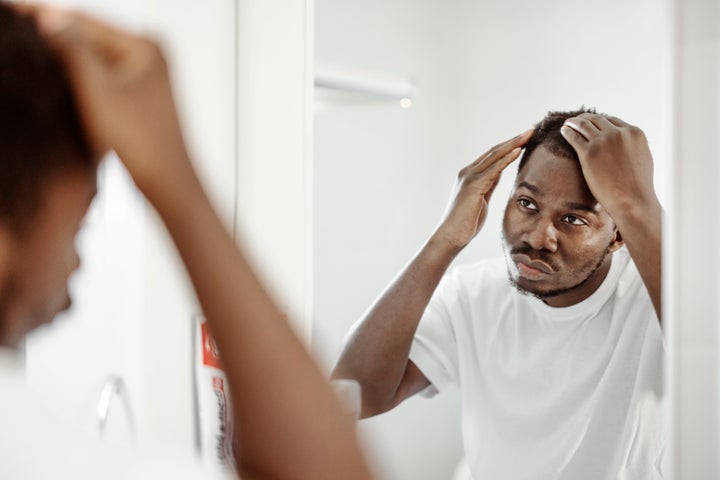





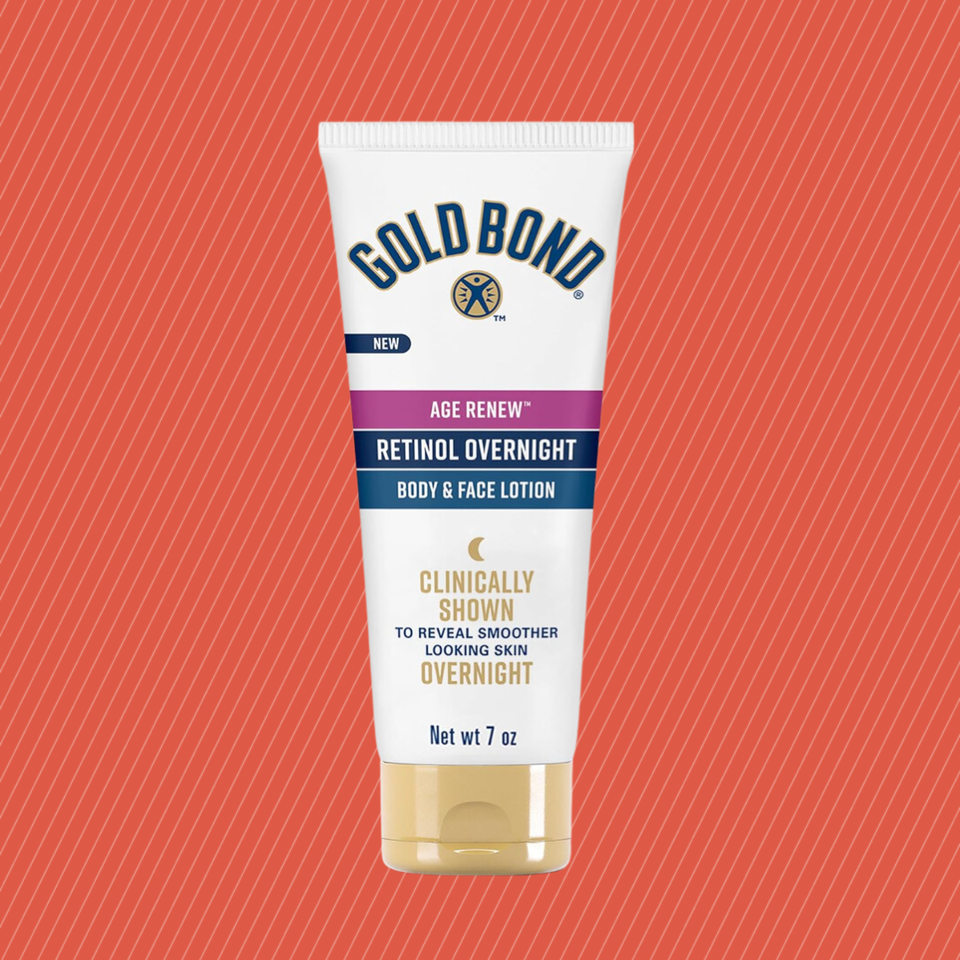
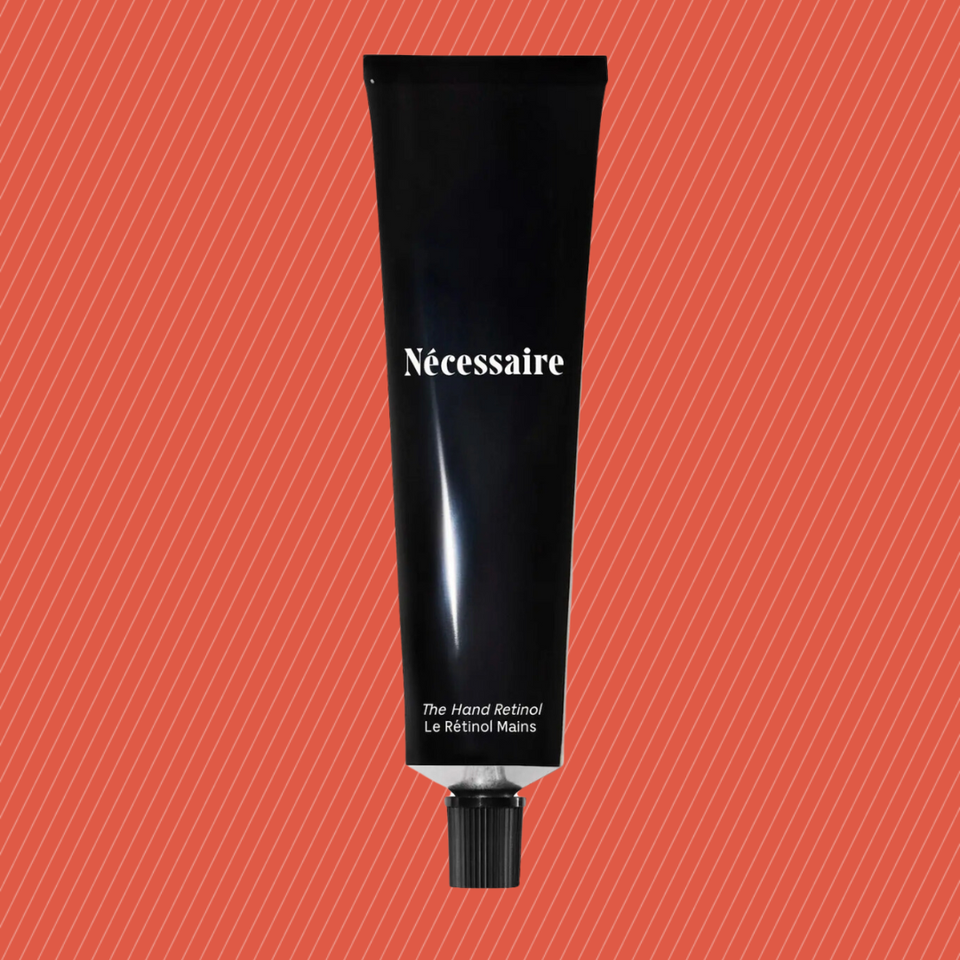
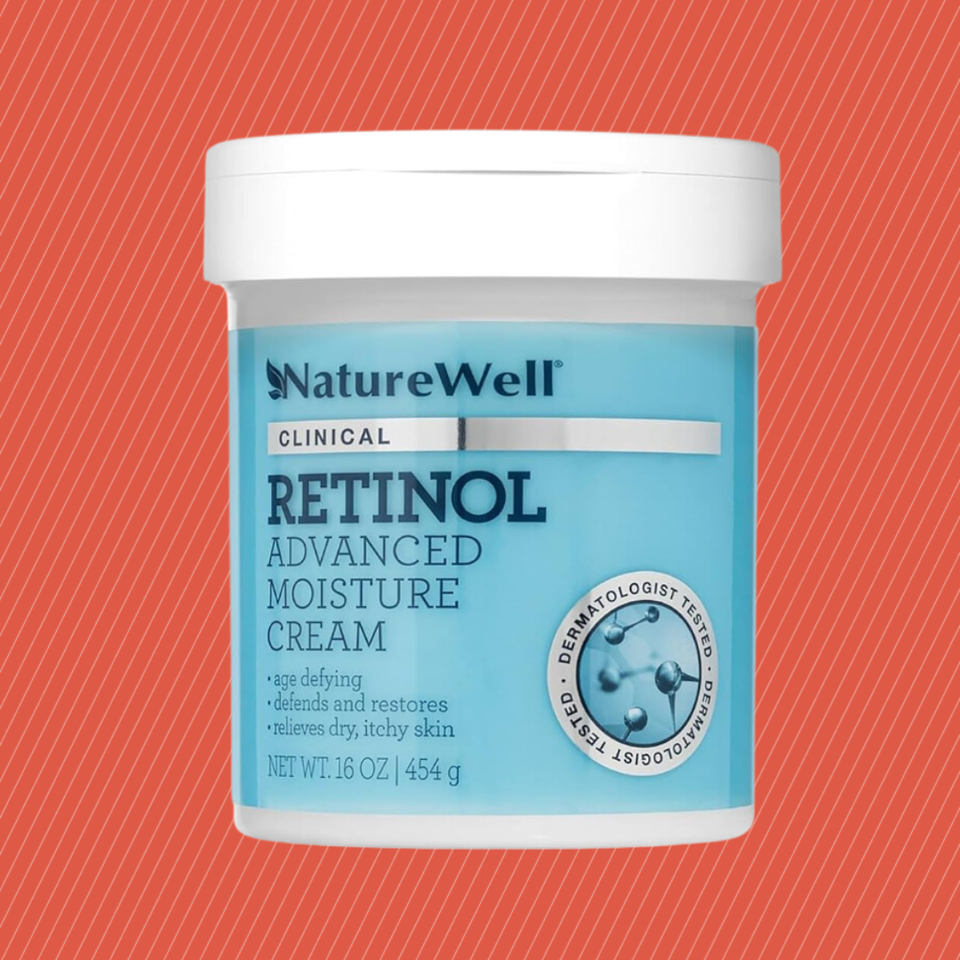
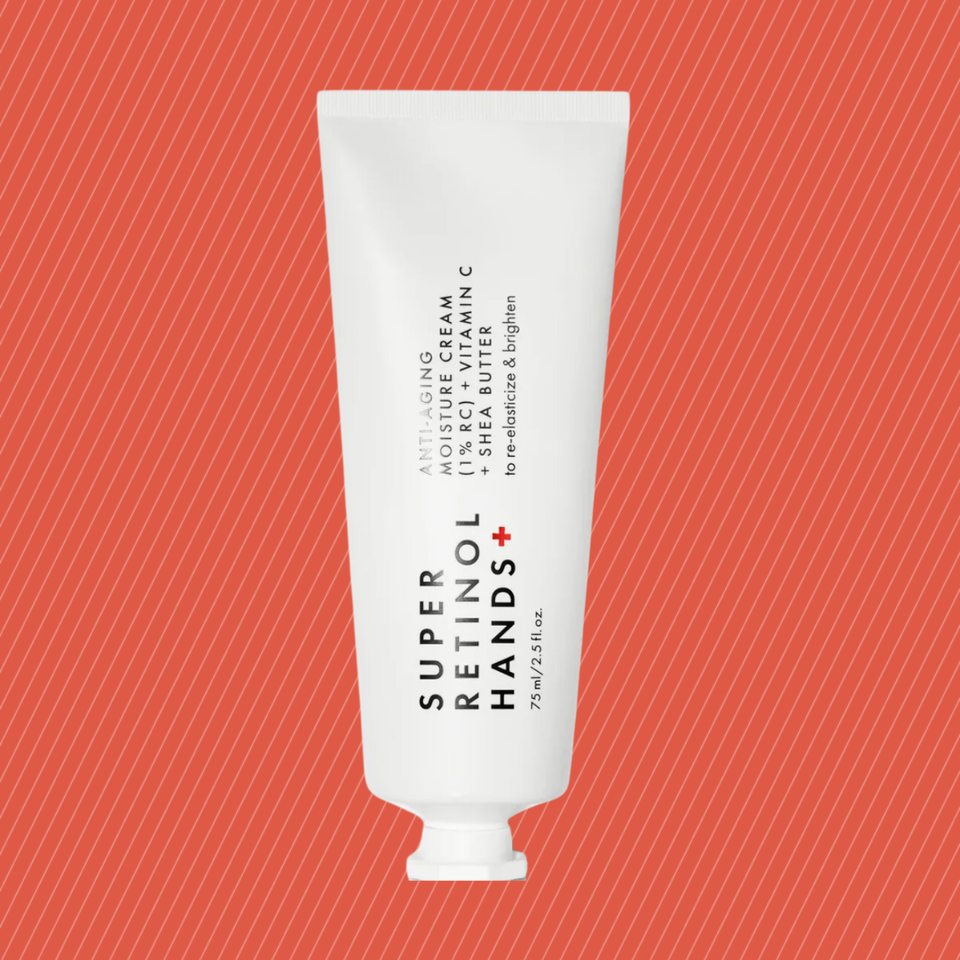
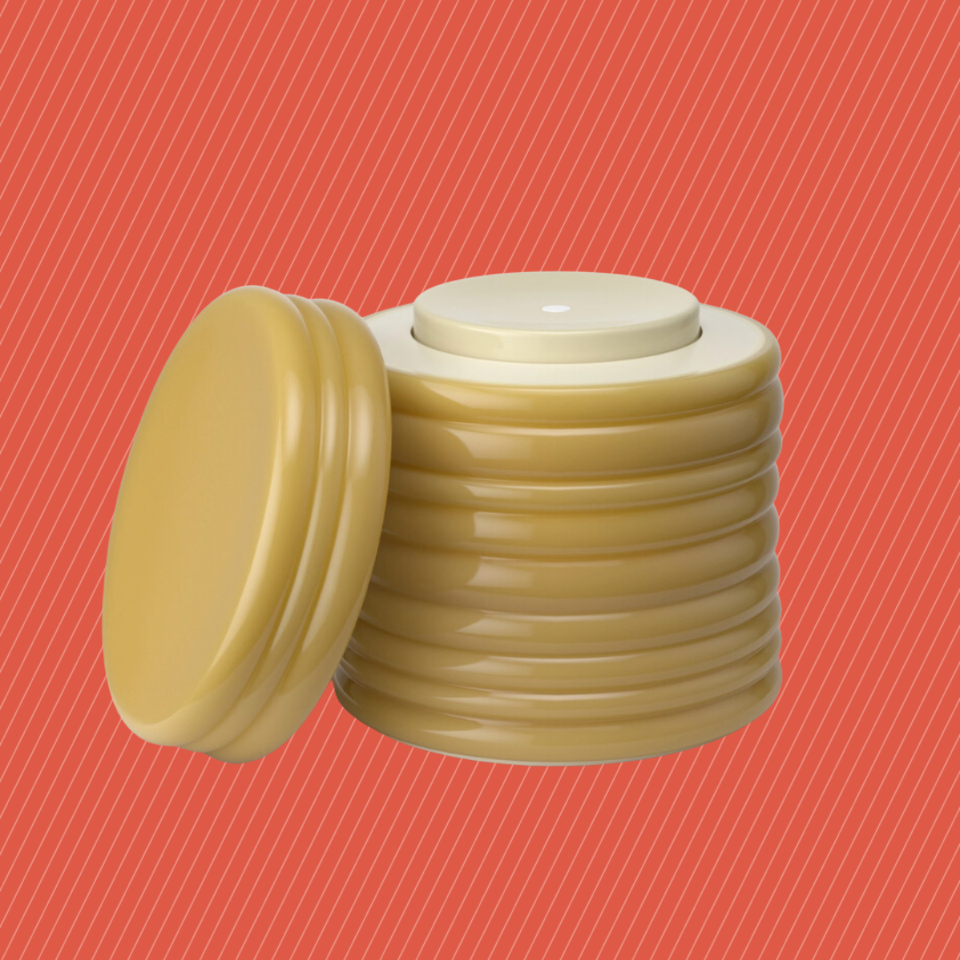
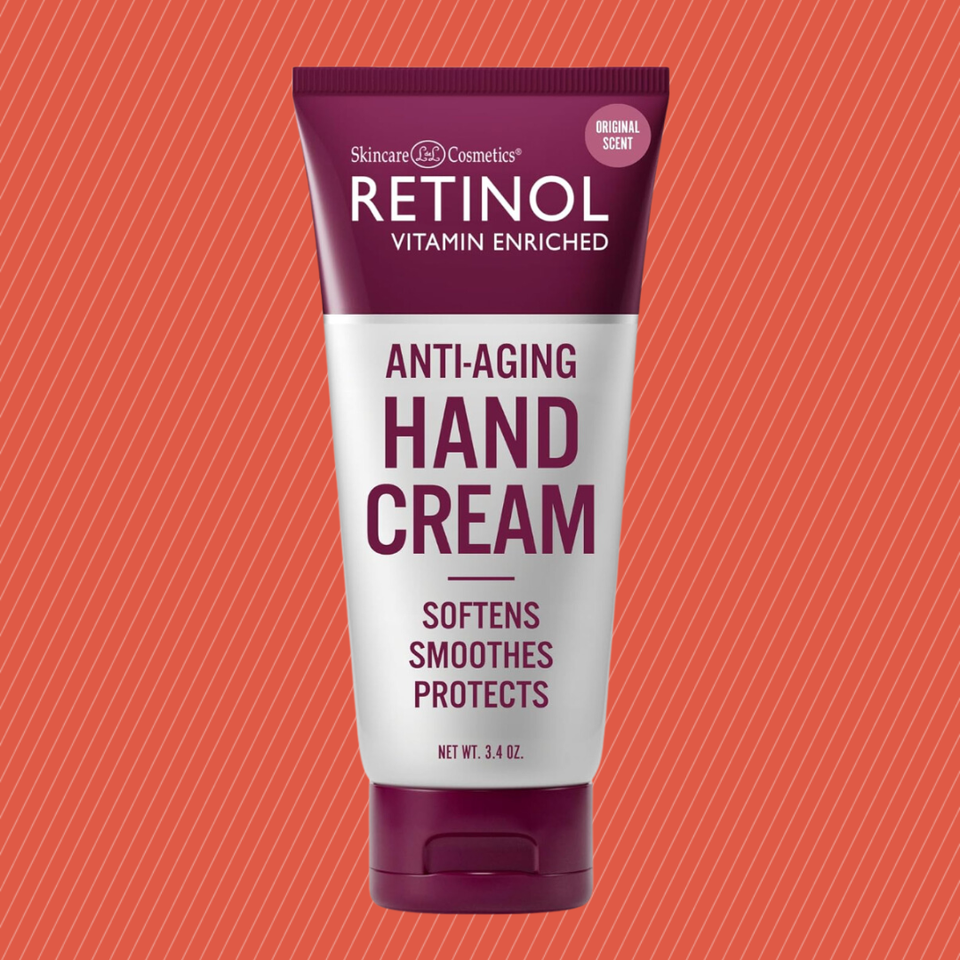
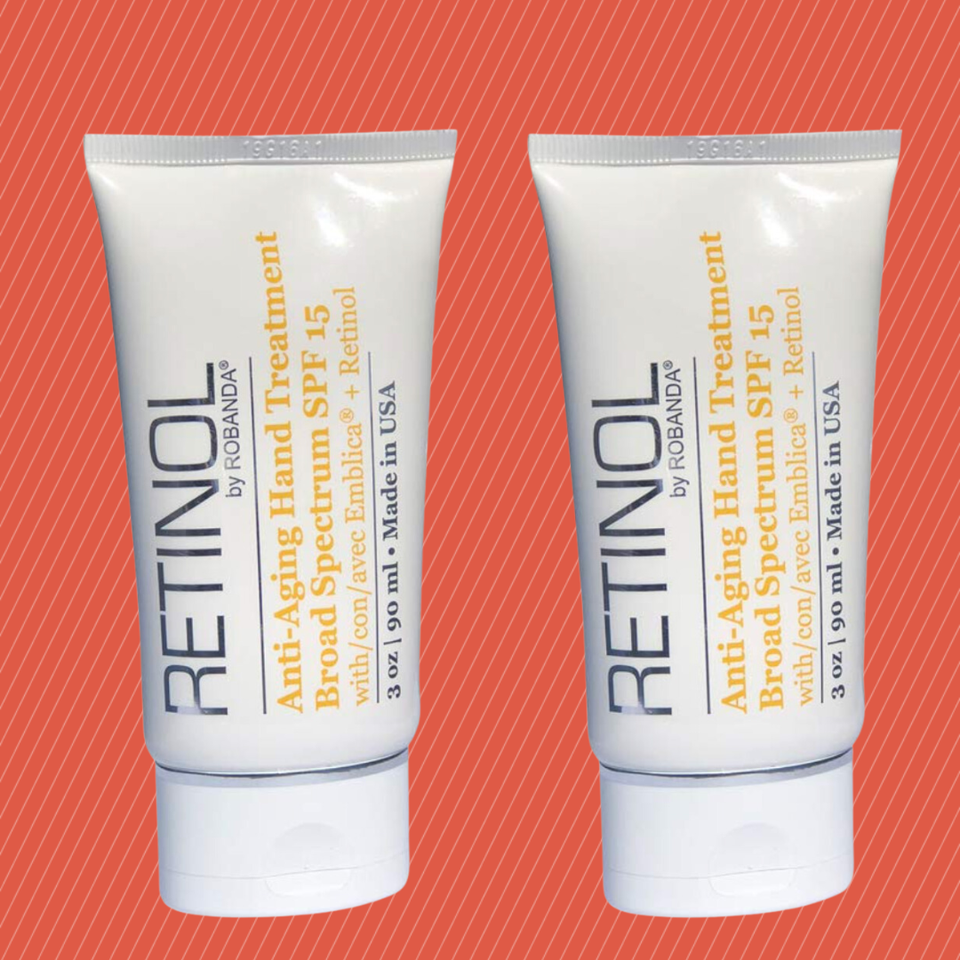
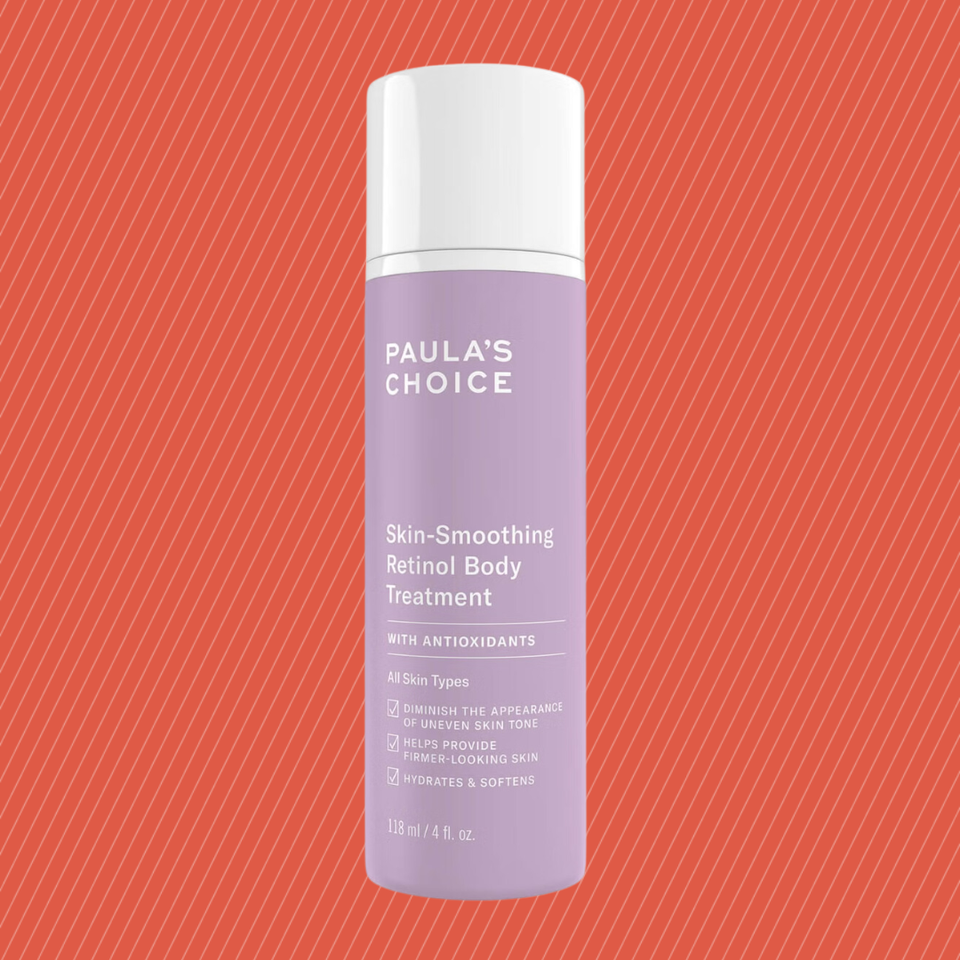
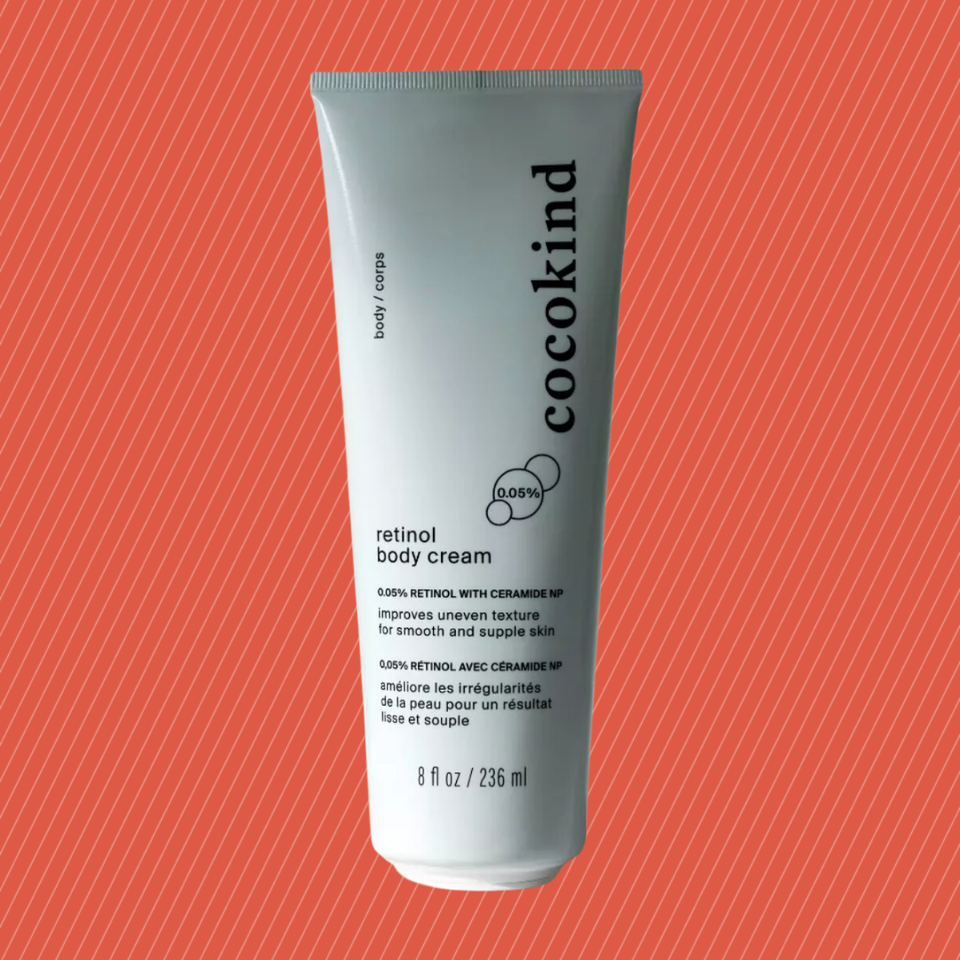



![“Filled lips are easier to spot [than other injectables], as it is common for the cupid’s bow to flatten out when the upper lip is filled,” Sominsky said.](https://www.wellnessmaster.com/wp-content/uploads/2024/02/what-a-cosmetic-nurse-knows-about-you-just-from-looking-at-your-skin.jpg)