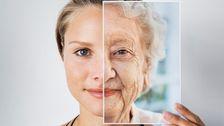
Aging is a privilege, and it comes with some responsibilities — and if you’re concerned with the health of your skin, adjusting your skin care routine is one of them.
You may see some loss of volume, or more noticeable lines and wrinkles and drier skin. If you’re wondering what you can do to support and complement your skin through the various changes you will experience from age 40 onward, we have some expert suggestions. Read on to find out what products you can add to (or remove from) your skin care and makeup routines.
Advertisement
How your skin changes around the age of 40
“The major changes can be described in two words ― gravity and laxity,” said Dr. Kenneth Mark, a cosmetic dermatologist. “The face begins to sag, resulting in loss of jawline definition, early jowling, loss of volume in the mid-face, and loose skin around the eyelids.”
“People in their 40s experience significant dryness of the skin, so hydration is key,” said Dr. David Kim, a board-certified dermatologist based in New York. At this age, deeper lines and wrinkles also start to develop, and collagen production slows down, resulting in decreased facial volume. “These changes occur due to aging and menopause, when you lose the ability to hold on to moisture and lipids to keep your skin hydrated,” Kim explained.
The production of collagen ― an essential part of the skin’s building blocks (together with elastin, fat cells and muscles) that gives the skin a plump appearance ― actually starts decreasing from the age of 25.
Fine lines become more prominent around the eyes, which means some changes may need to be made when it comes to your makeup routine as well, explained Elaina Badro, a celebrity makeup artist.
Advertisement
Eyelids can also become more hooded with age, noted Jamie Greenberg, a celebrity makeup artist. “I often adjust eye looks on clients based on that, too,” Greenberg said. “Skin care and prep is also important, and I always recommend a retinol among other skin care products.”
Of course, hormonal changes can’t be avoided, with perimenopause making an appearance in your early 40s. Discoloration and pigmentation can become more prominent.
“The accumulated sun damage really starts to become apparent — this might include more brown spots, textural irregularities as well as fine lines and wrinkles becoming more pronounced,” said Dr. Carmen Castilla, a board-certified dermatologist and clinical instructor at Mount Sinai Hospital in New York.
“There is also a decline in the skin’s ability to heal,” Castilla said. “Small scratches or acne that may have not left marks previously are more likely to scar or leave behind lingering dark marks.”
Why do these changes happen?
“The onset of perimenopause triggers fluctuations in estrogen, a vital hormone for the production of collagen, and the maintenance of the skin’s barrier,” Castilla explained. “This is what contributes to drier, lax and more thin skin.”
Advertisement
She also noted that lifestyle factors can play a huge role in how the skin ages. If you spend an excessive amount of time in the sun, the damage will accumulate. The same goes for smoking. Genetics, of course, affect how the skin ages as well.
How to update your skin care routine as you age
Adding certain treatments and ingredients to your skin care routine is an important step, and dermatologists suggest that if you haven’t already, you could consider using retinol (another name for vitamin A).
“Vitamin A boosts collagen production, and helps with hyperpigmentation, fine lines, and keeps your skin cells engaged and stimulated,” Kim said. For age spots and pigmentation, pick products with vitamin C, tranexamic acid or licorice root. Castilla explained these ingredients work by “incorporating an antioxidant that can help protect the skin from free radicals and pollution damage.”
Let’s not forget the basics of the routine: moisturizing and sunscreen. You may want to opt for heavier moisturizers to support the skin, which will likely be drier because of a “natural decrease in oil production and weaker skin barrier,” Castilla suggested. And sunscreen will “help prevent UV-induced damage” and “help with hyperpigmentation and keeping the skin healthy, with an even complexion,” Kim said.
Recommended changes in your makeup routine
“It’s important to remember that ‘less is more’ when applying makeup to clients 40-plus,” Badro said. “Too much makeup can actually appear to age the face.”
Advertisement
The makeup artists said their over-40 clients prefer a more natural base ― think light to medium coverage, with lighter products on the face and the eyes. After all, glowing skin can give the illusion of lift and plumpness.
Shimmer can still be used, but more sparingly, as it can accentuate the fine lines and wrinkles. “Keep it on the lid of the eye, versus the crease and brow bone,” Badro said.
Creamy products and proper skin prep are your friend. Moisturizers and primers should be used before foundation, especially those containing hualuronic acid and peptides, said makeup artist Nicole Walmsley.
“The more natural eye looks also help to brighten the face up and lift the eyes a bit,” Greenberg said. “That doesn’t mean you can’t still rock a cat eye past 40, though! One tip I use is making the cat eye wing flick upwards. It has a great lifting effect for the eyes, and individual false lashes are a major game changer.”
Expert-recommended products for women over 40
Antioxidant and hydrating serums
SkinCeuticals
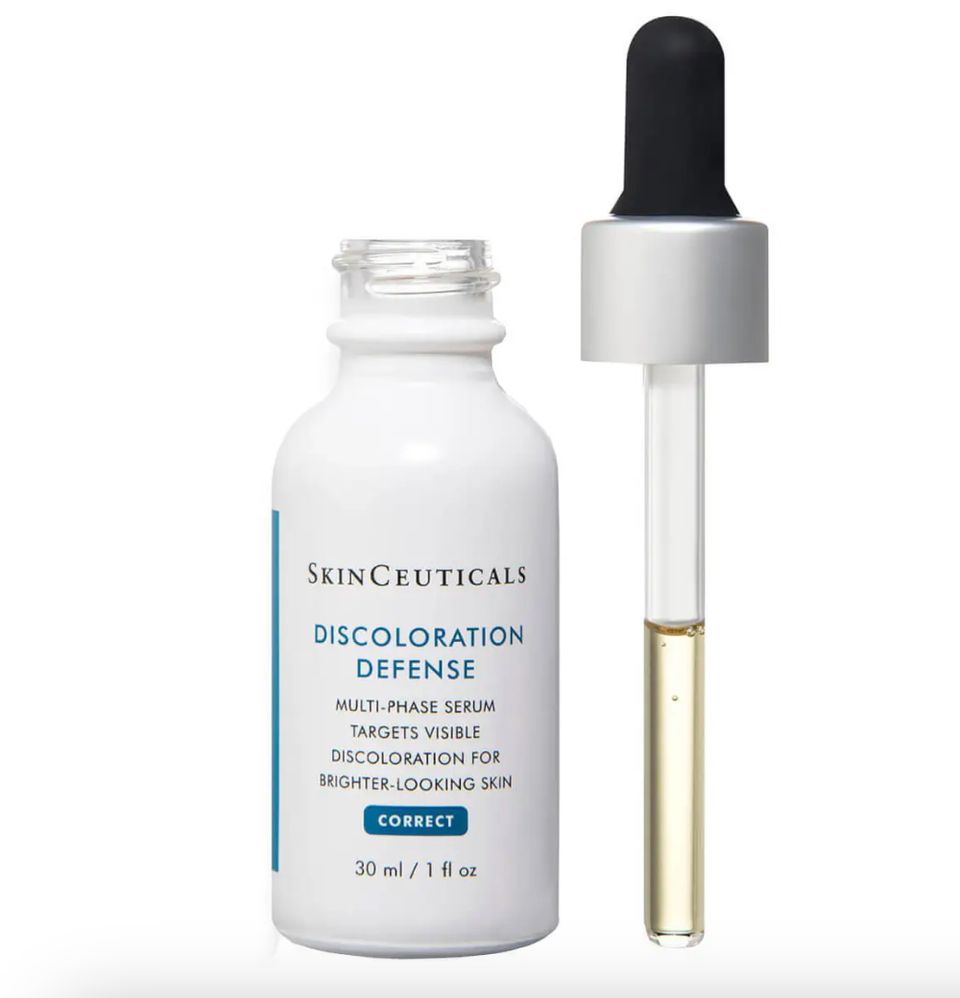
SkinCeuticals Discoloration Defense
“This serum is packed with tranexamic acid and niacinamide to keep your skin bright and even-toned.” — Dr. David Kim, board-certified dermatologist
Amazon
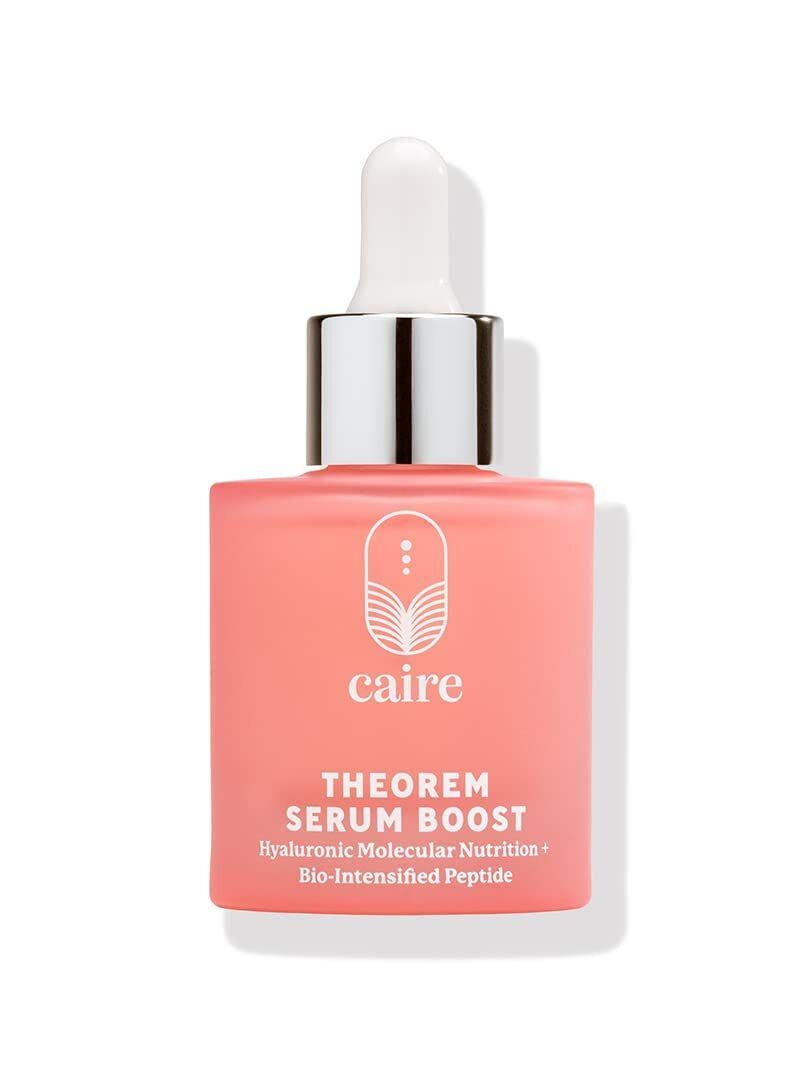
Caire Beauty Theorem Serum Boost
“A great serum for 40-plus users because it helps to deeply hydrate hormone-depleted skin. It also stimulates hyaluronic acid (HA) production, a key to helping build your skin back up!” — Elaina Badro, celebrity makeup artist
Sunscreens
Dermstore
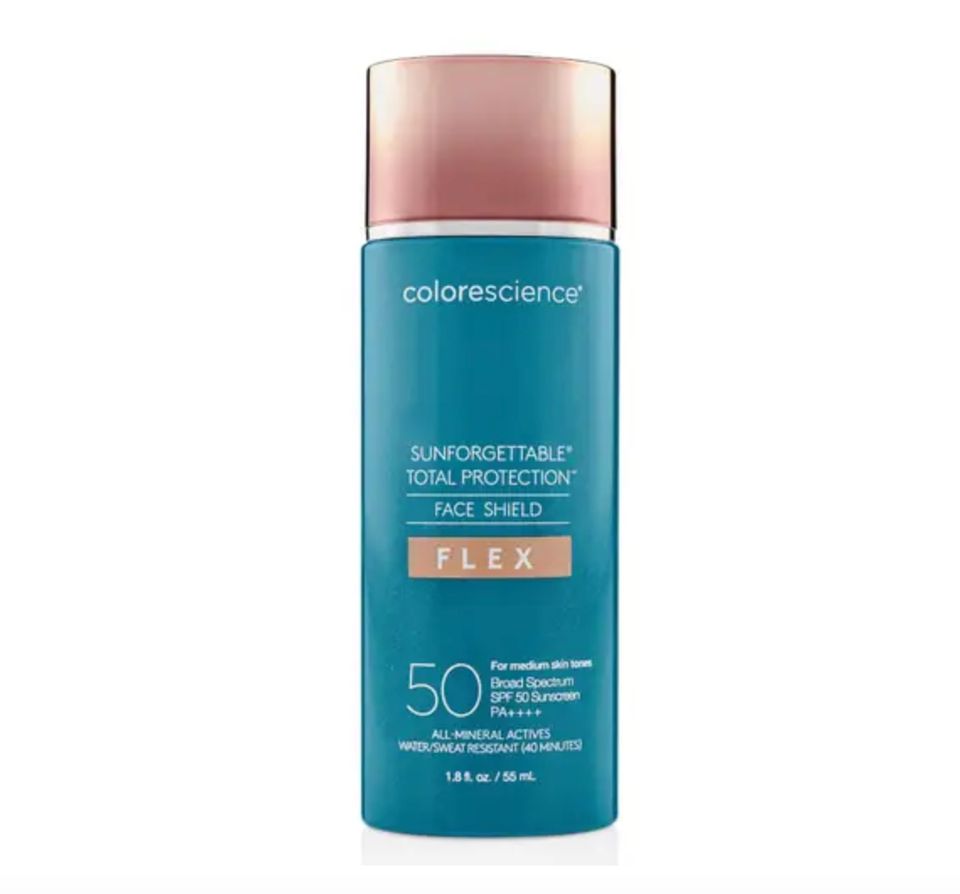
Colorescience Sunforgettable Total Protection Face Shield Flex SPF
“This has great coverage, with different shades that suits most skin types and works well into the skin.” — Dr. Carmen Castilla, board-certified dermatologist
Advertisement
Lightsaver
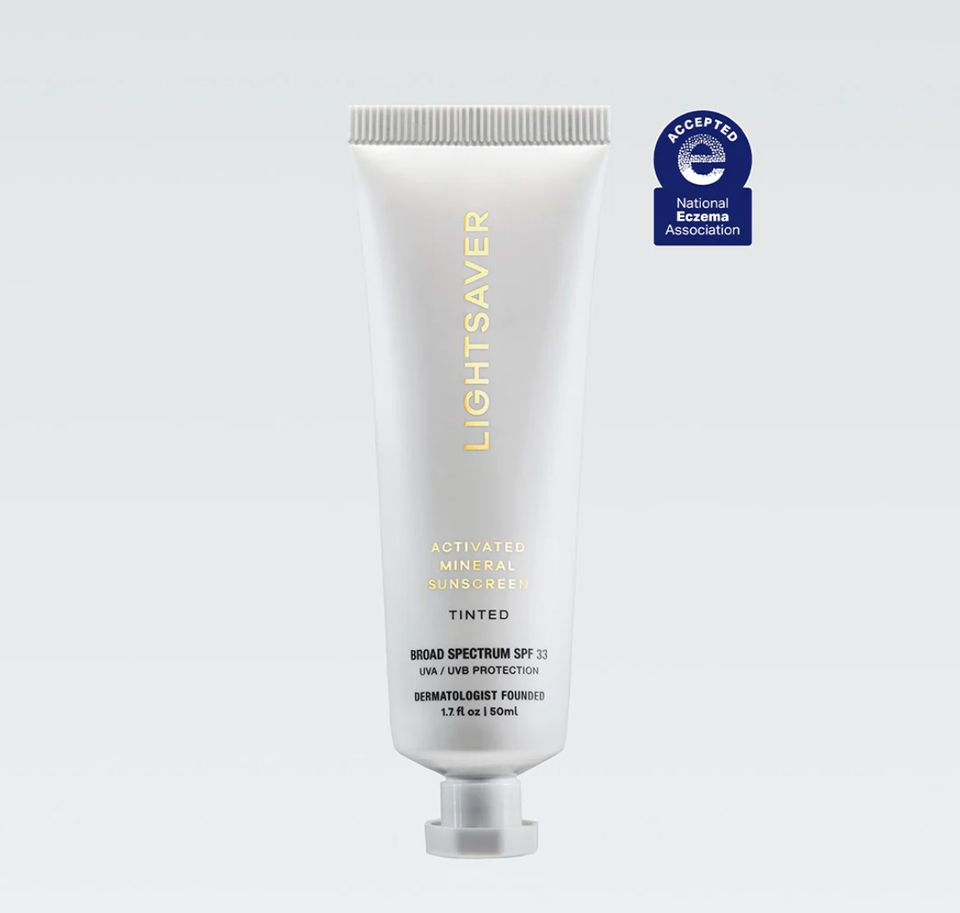
Lightsaver Activated Mineral Sunscreen SPF 33
“A fantastic sunscreen with a sheer tint and whipped texture that will keep your skin protected throughout the year. It’s also packed with photolyase, which has been shown to help repair UV-induced damage.” — Kim
Moisturizers
Sephora
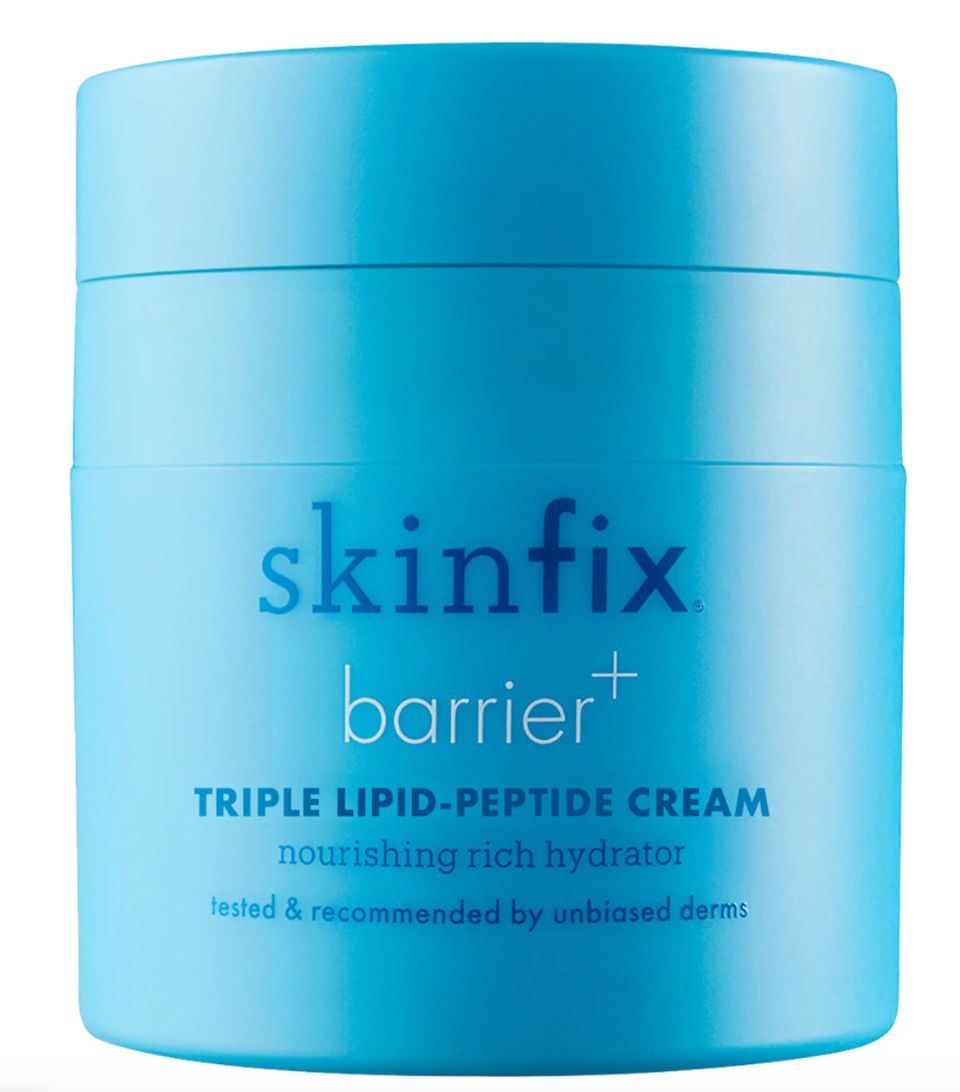
SkinFix Barrier+ Triple Lipid-Peptide Face Cream
“Super hydrating and moisturizing. This cream will keep your skin protected all year around.” — Kim
Amazon
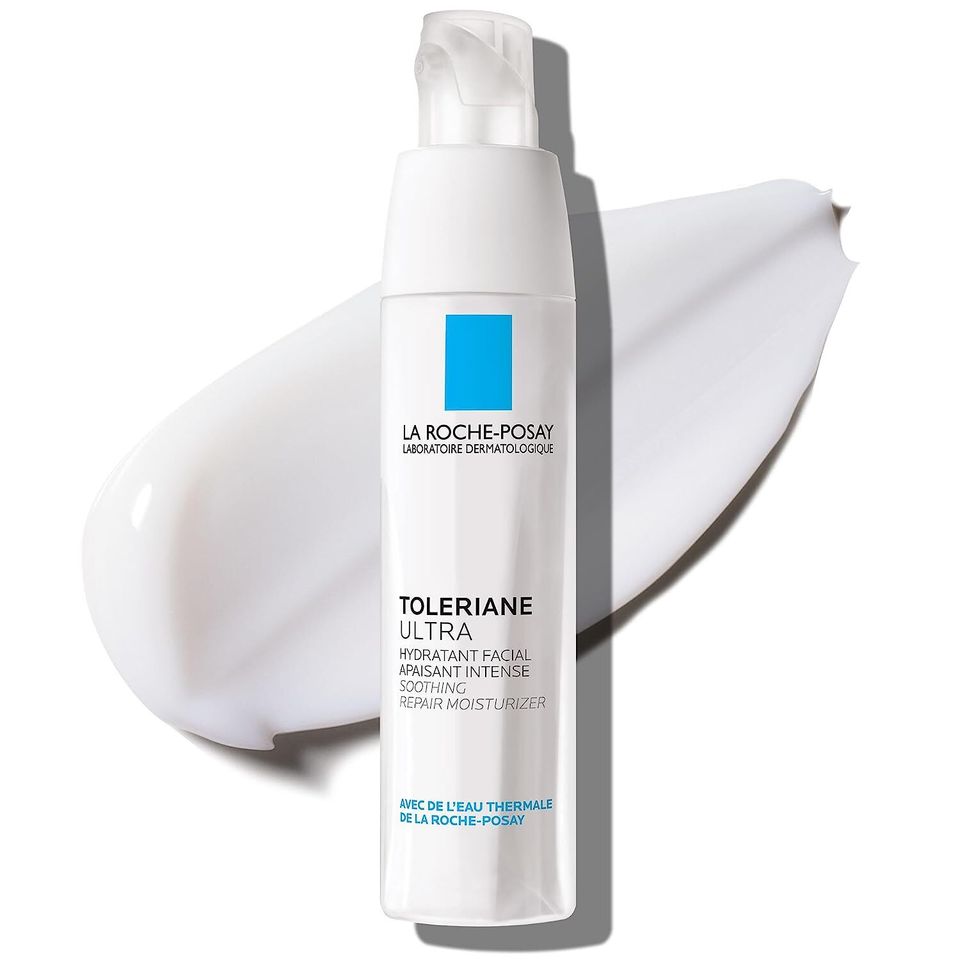
La Roche-Posay Toleriane Ultra Face Moisturizer
“This is formulated for dry sensitive skin and helps support the skin barrier.” — Castilla
Advertisement
Macy’s
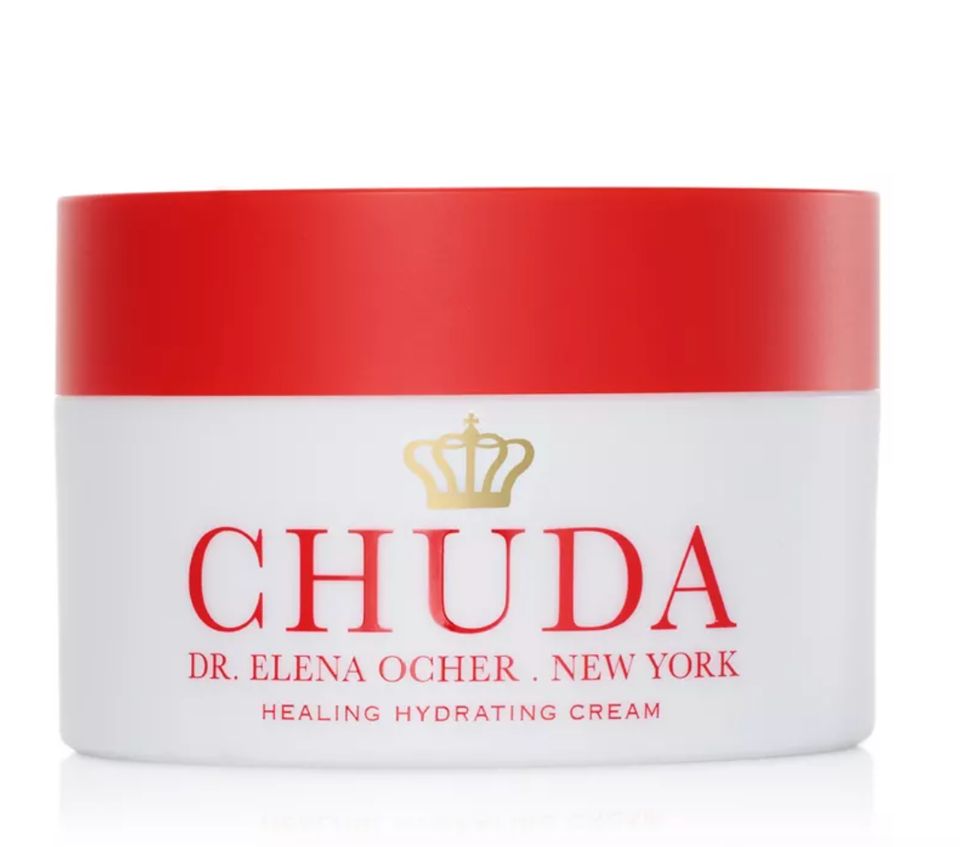
Chuda Healing Hydrating Cream
“This is great for a deeply hydrating nighttime moisturizer.” — Jamie Greenberg, celebrity makeup artist
Retinoids
Ulta
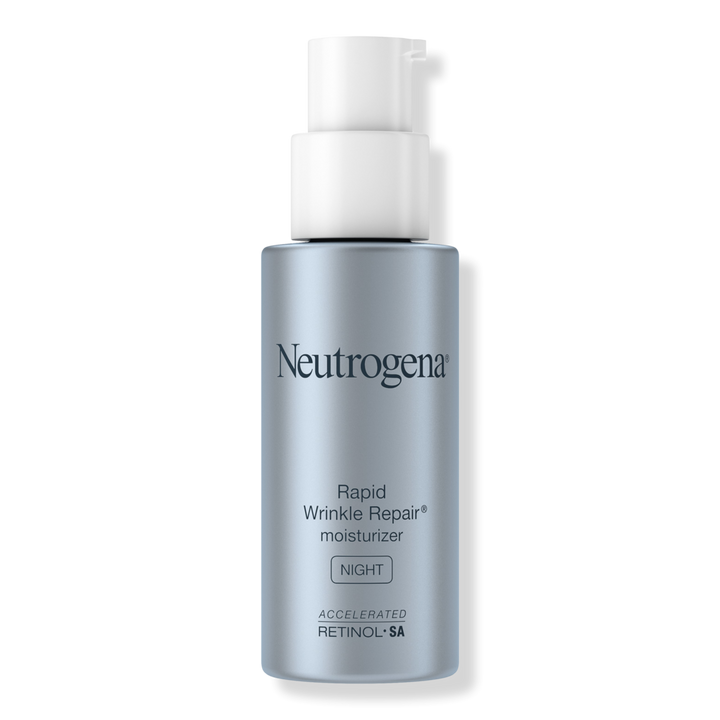
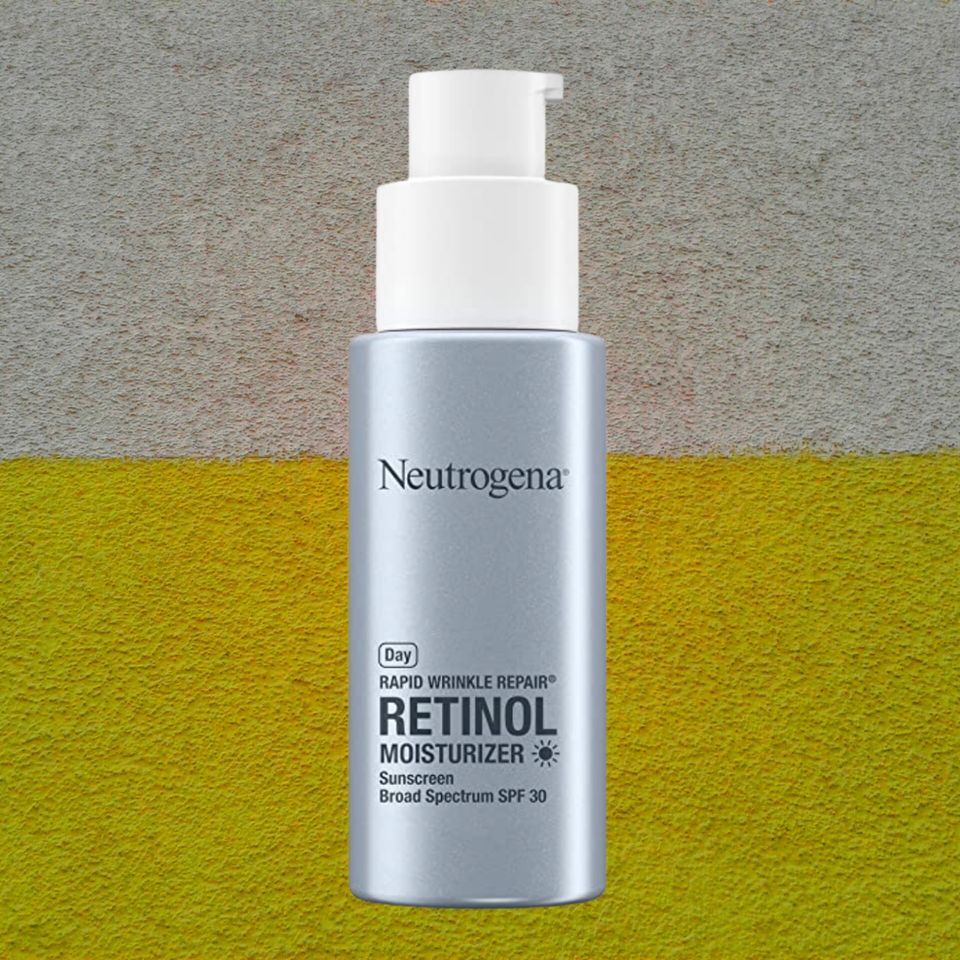
Neutrogena Rapid Wrinkle Repair Night Moisturizer
“This is a retinol cream with added moisturizing ingredients like hyaluronic acid, so [it] works well with dry, sensitive skin types.” — Castilla
Dermstore
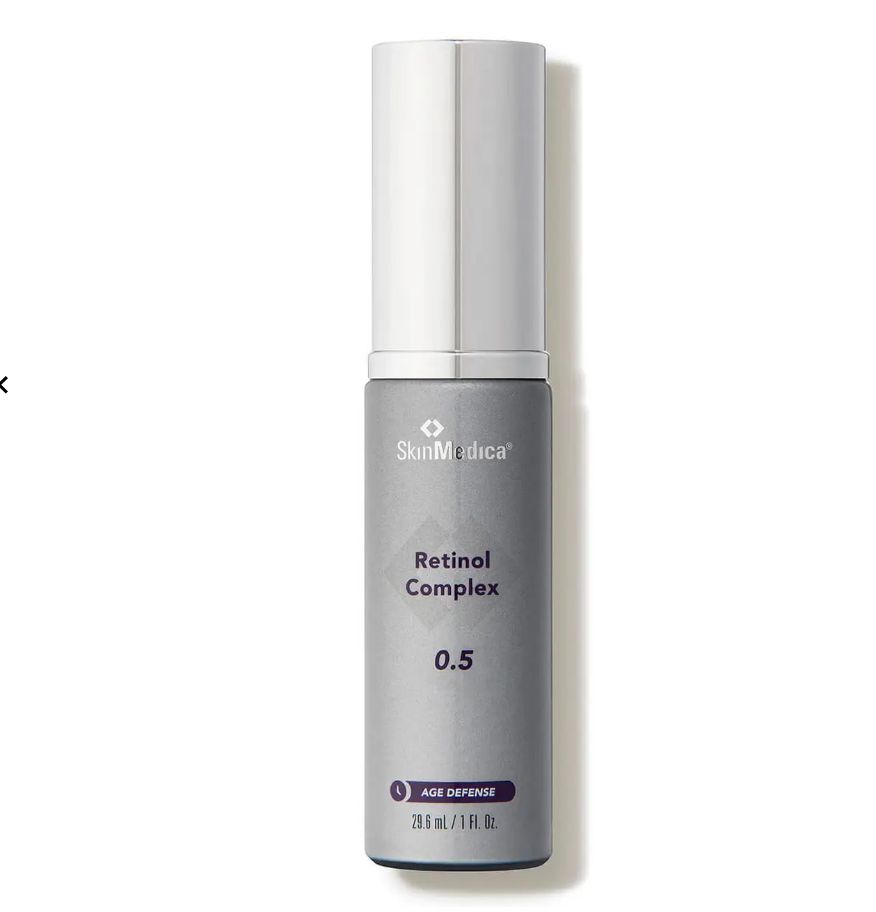
SkinMedica Age Defense Retinol Complex
“This gentle yet effective retinol will keep your skin cells stimulated to produce collagen, and accelerate cellular turnover so you have healthy skin cells at all times,” Kim says. Choose either the 0.5% or 1% strength, according to your needs.
Advertisement
Cleansers
Amazon
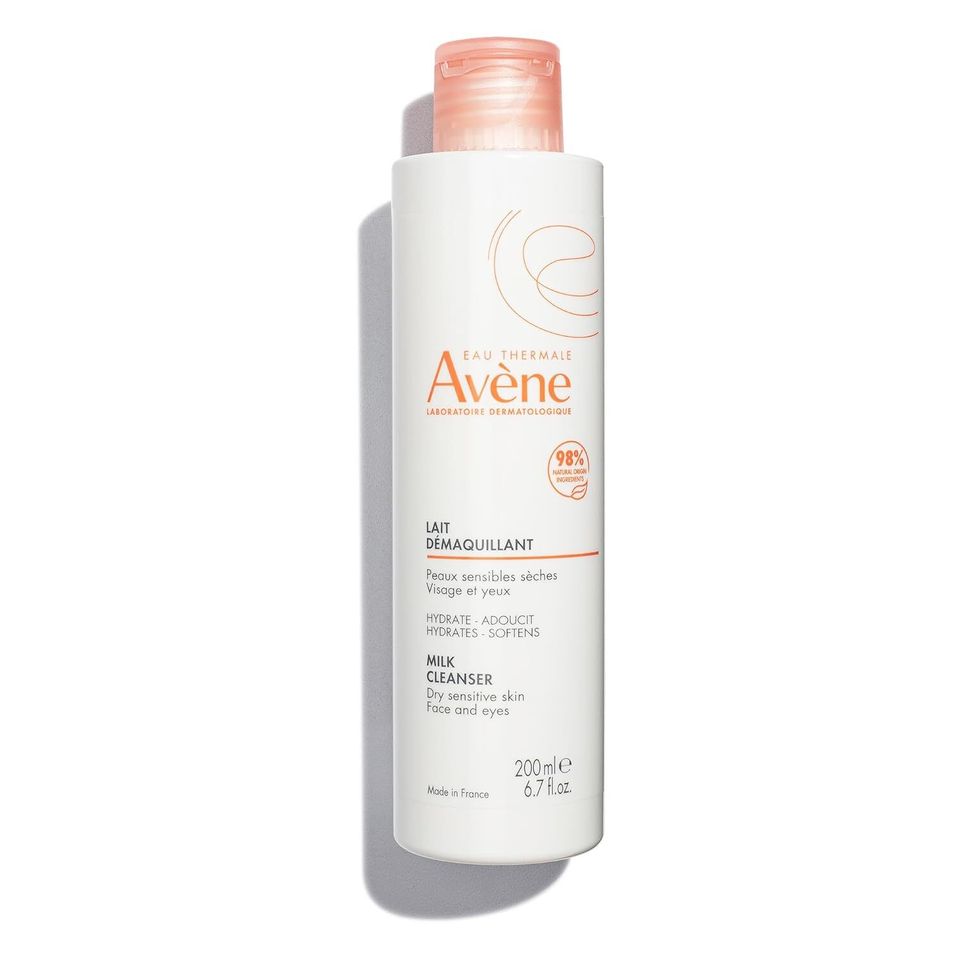
Eau Thermale Avène Milk Cleanser
“This is a creamy cleanser that’s gentle and does not strip skin of natural oils.” — Castilla
Target
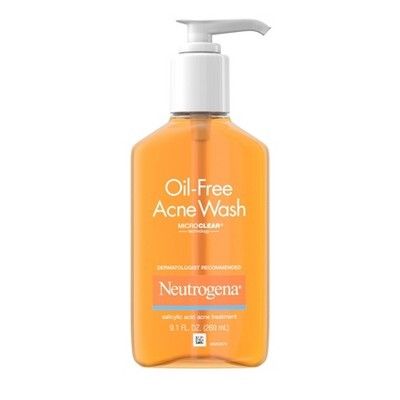
Neutrogena Acne Wash
“Even for those without acne, the 2% salicylic acid in it is a perfect exfoliator.” — Dr. Kenneth Mark, cosmetic dermatologist
Lip Products
Sephora
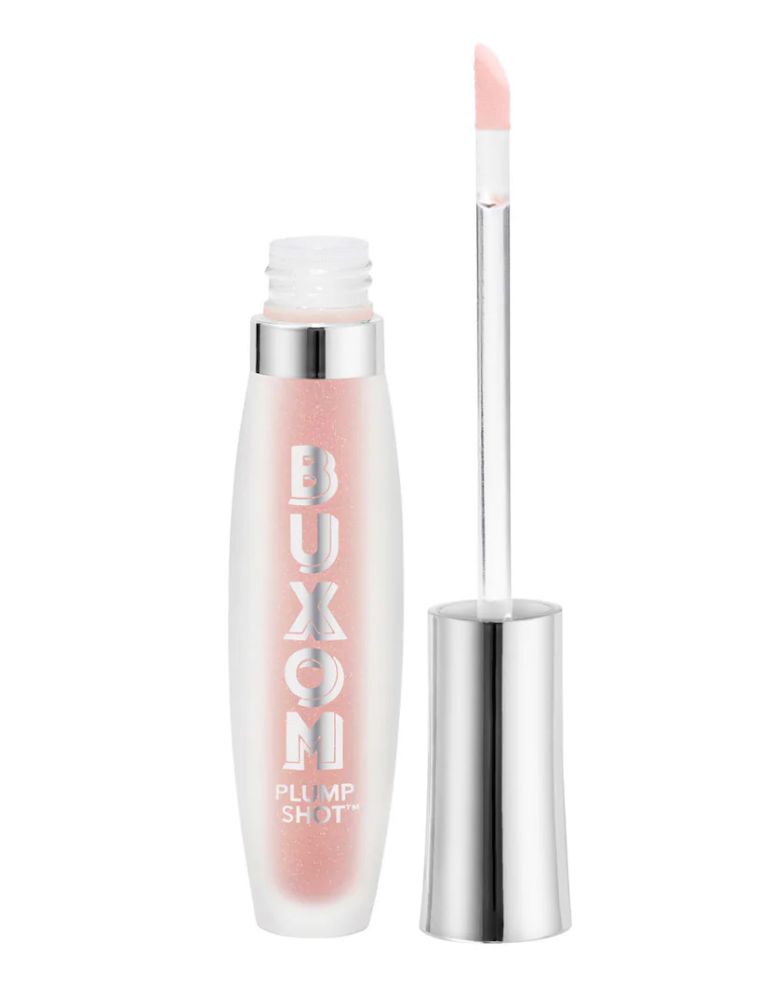
Buxom, Plump Shot Collagen-Infused Lip Serum
“This is a collagen-infused plumping lip serum gloss. It helps to visibly plump [and] smooths and conditions lips. As we age, we tend to lose volume in our lips, and it’s always important to hydrate!” — Badro
Advertisement
Amazon
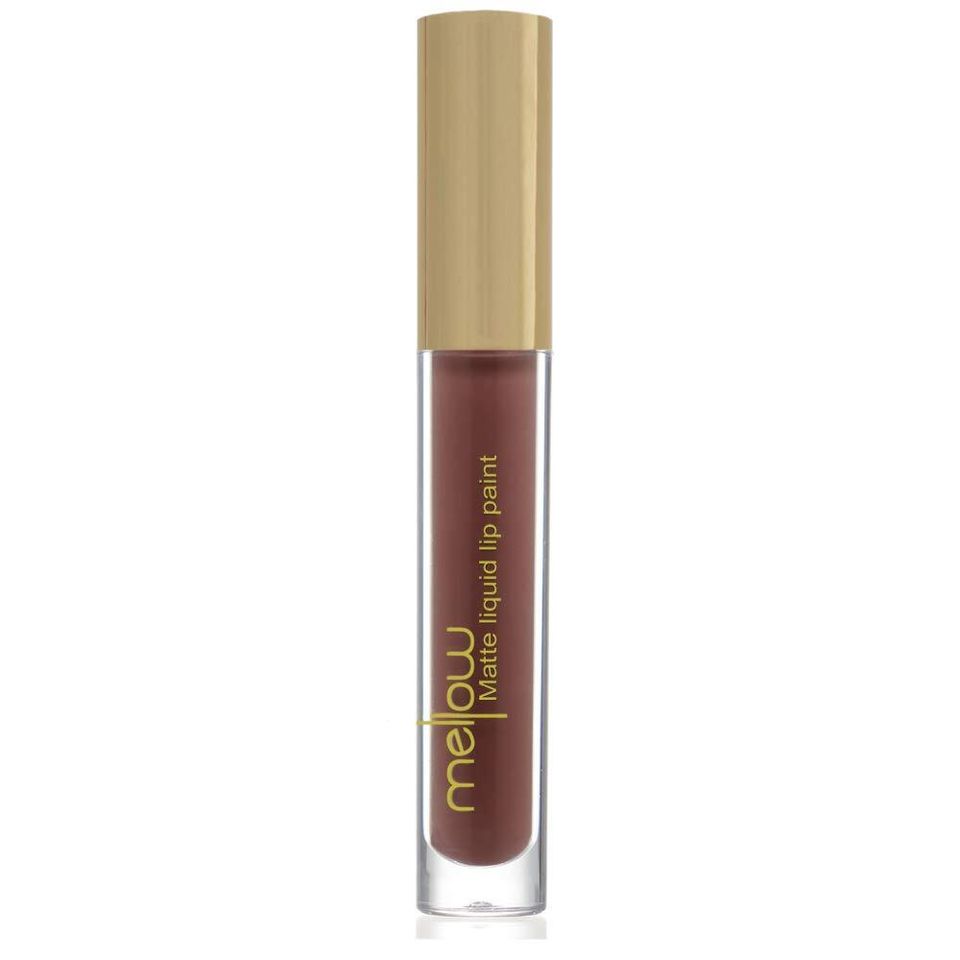
Mellow Liquid Lip Paint
“This has a long-wearing creamy formula, which is 100% vegan and cruelty-free. It even comes in 13 shades, and Ι always love a beauty product that Ι don’t have to keep reapplying throughout the day. ‘Auckland’ is also one of my favorite shades.” — Badro
Creamy Contour
Sephora
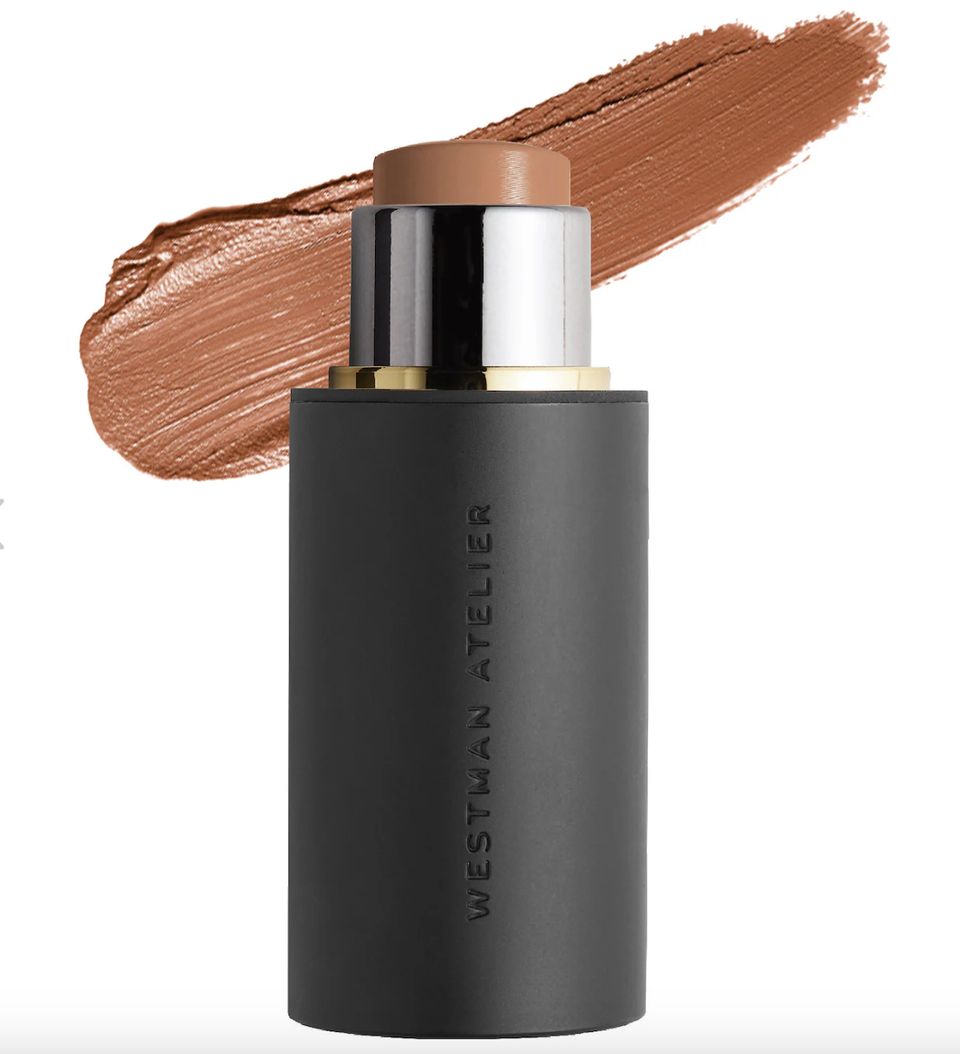
Westman Atelier, Face Trace Cream Contour Stick
“This is great if you’re looking for a great contour stick that’s also vegan. Depending on your skin type, this can last up to eight hours. Ι love a good product that keeps me from having to reapply.” — Badro
Creamy Concealer
Sephora
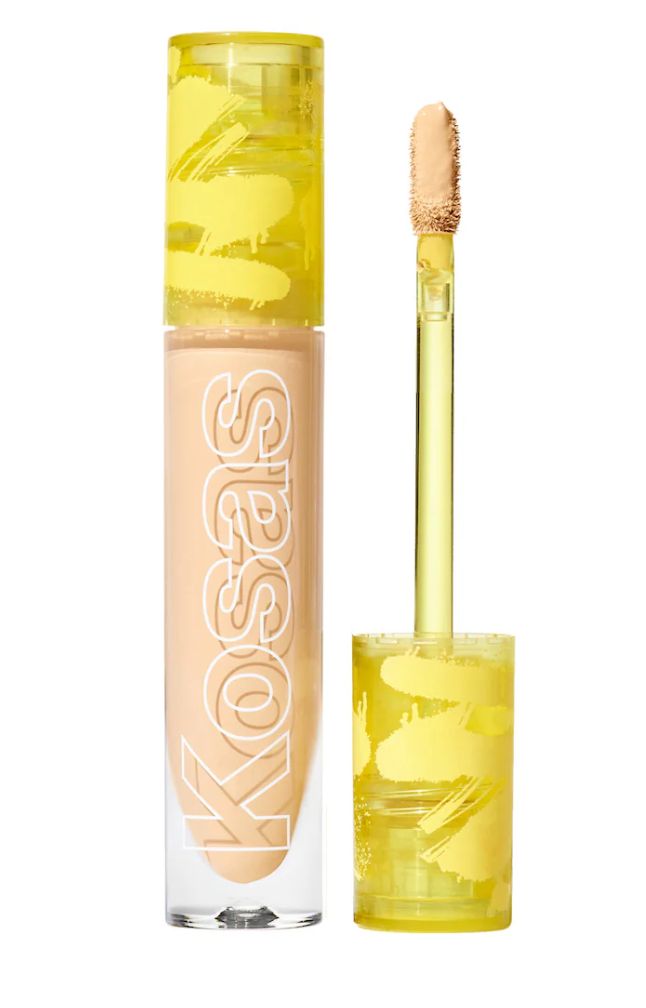
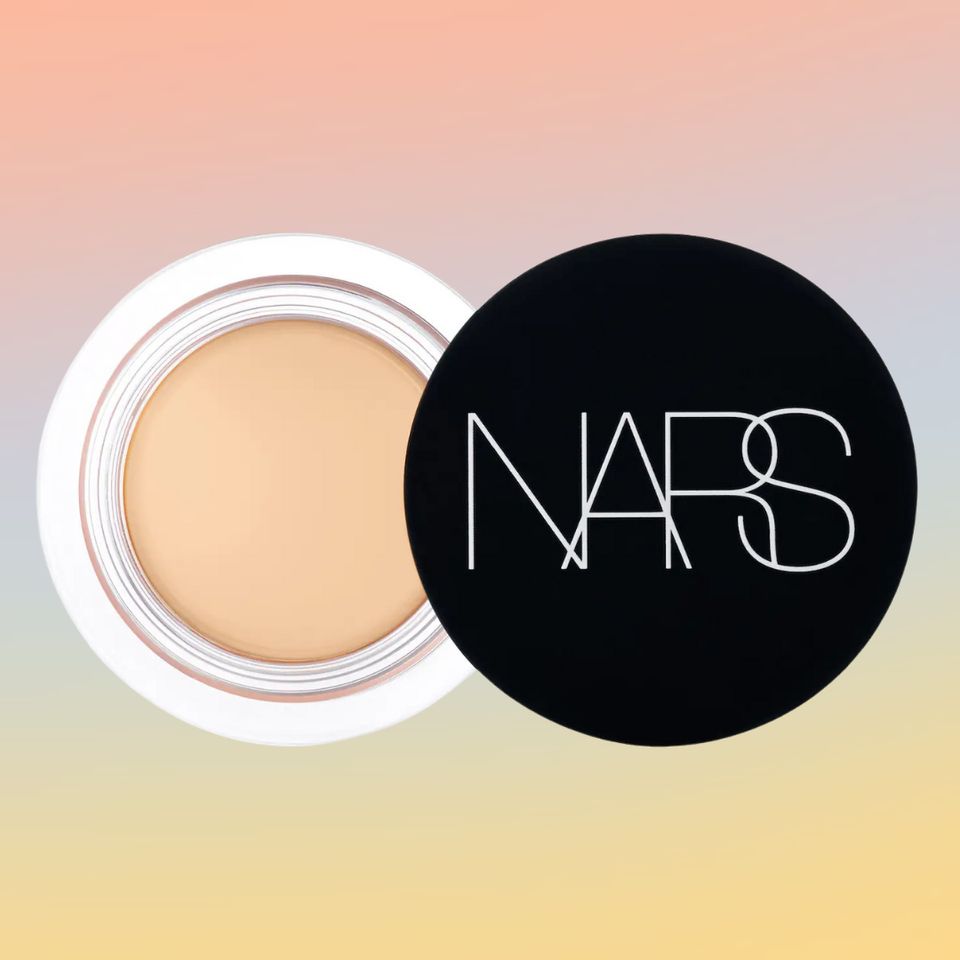
Kosas Revealer Concealer
“A great hydrating concealer is a must for any makeup bag.The key to using concealer over 40 is to be strategic. It’s not about heavy cover-up. It’s more important to spot-treat and place the product in such a way that it lightly veils imperfections and lifts and brightens where you need it.” — Nicole Walmsley, makeup artist
Advertisement
Eyebrow Pencil
Sephora
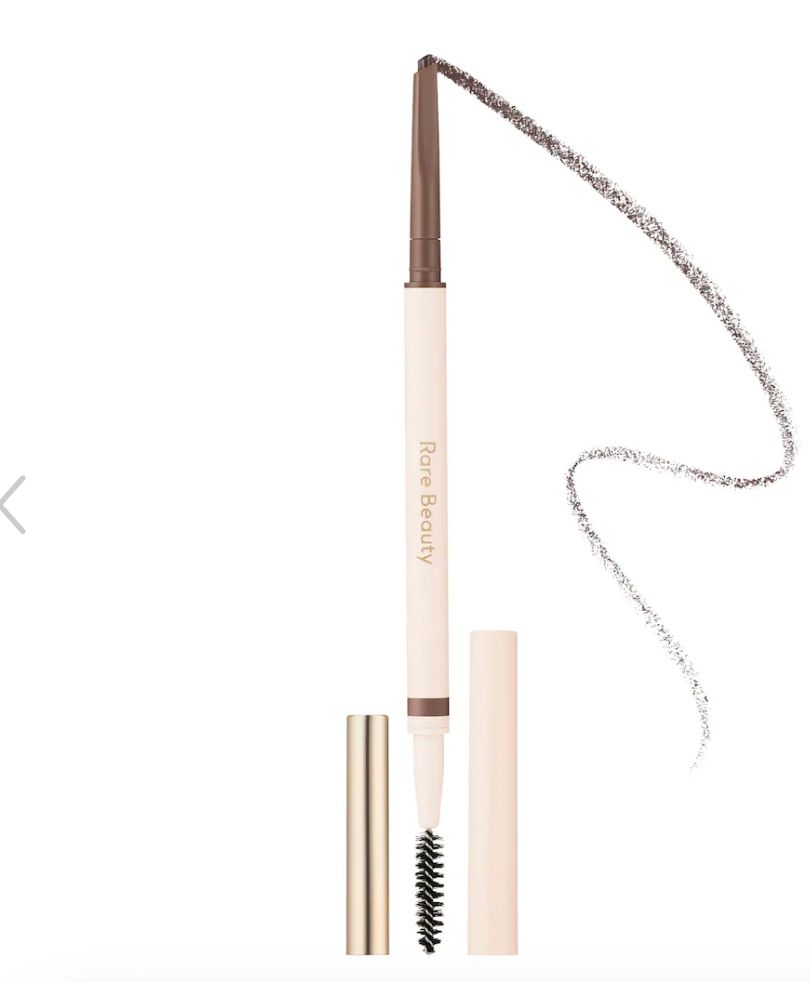
Rare Beauty Brow Harmony Precision Eyebrow Pencil
“Eyebrows tend to thin as we age, and we lose the frame and definition that they help to provide. Finding an eyebrow pencil to enhance and define is essential. The Rare Beauty pencil is a medium-coverage, waterproof formula that can be used to draw featherlike strokes mimicking the natural brow. The attached spoolie brush can be used to shape and finish the desired look.” — Walmsley
HuffPost and its publishing partners may receive a commission from some purchases made via links on this page. Every item is independently curated by the HuffPost Shopping team. Prices and availability are subject to change.
Prices change quickly on Prime Day and our team is working to keep stories as up-to-date as possible. Keep checking back for all of our top picks, plus Prime Day deals from our friends at BuzzFeed. As always, don’t forget to sign up for a free 30-day trial of Amazon Prime to take advantage of the best deals.
Advertisement
Isn’t there something so thrilling about finding a truly stellar and game-changing beauty product? It’s a huge joy, and you want to tell everyone how great it is and use it all the time and bask in its glory and congratulate yourself for choosing it and see other people experience it, too. It’s so satisfying to see good results that make a purchase truly worth it — especially when it’s a luxury beauty product that happens to be on sale during Amazon Prime Big Deal Days.
That’s how I feel about Revision Skincare’s YouthFull Lip Replenisher, which I bought last month while on a mission to find something that would care for and address my aging lips. My lips have gotten just as much sun damage as the rest of my face over the last nearly-five decades, and it was starting to show in fine lines. I’m not overly bothered by signs of aging, but I do want to take care of my face, and lip skin is wildly delicate.
I figured one of the most promising lip-safe active ingredients would be peptides, given that certain peptides can have skin-restoring abilities and help address things like loss of firmness, dullness and fine lines, and others are solid antioxidants. Although they don’t produce quick miracles — no skin care does — peptides can be effective, and some are gentle enough to be included in lip products.
Advertisement
Revision’s peptide treatment is currently 20% off during Amazon’s big sales event. Designed to target visible signs of lip aging, it not only has several peptides including palmitoyl tripeptide-1 and palmitoyl tripeptide-38, but also other research-backed ingredients like vitamins E and C and green tea that canwork well in tandem with peptides, plus very solid moisturizers like shea butter. I put it on overnight — more on that choice below — and let me tell you, I could actually tell a difference the very next morning.
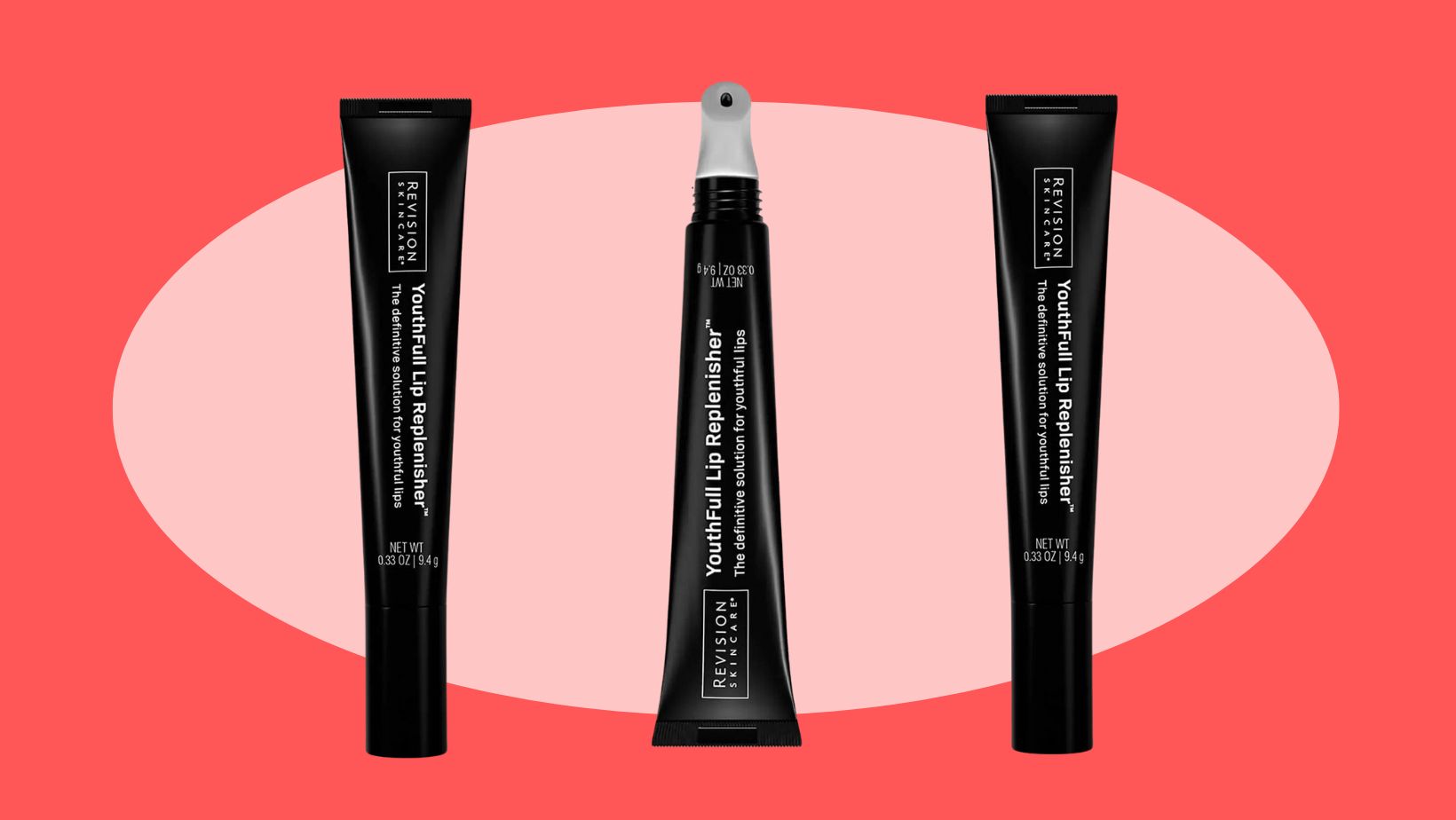
Revision Skincare YouthFull Lip Replenisher
My lips hadn’t been in terrible shape, but they definitely seemed smoother than they’d been in years. They weren’t puckery. They didn’t look wrinkly. And they certainly felt supremely healthy. I kept going with overnight use, and within days felt like this it was making a real difference. I was honestly floored when I woke up each morning, and kept being reminded during the day when they just felt so freshly smooth all the time. And given how little of it I have to squeeze out to give my lips a solid coat, I feel like this one tube is going to last for an almost comically long time (a relief given that $40 is way more than I typically spend on a lip balm).
I will note that when I first put this on, I immediately knew it wasn’t going to be a product I’d wear much during the day, despite Revisions’s guidance of applying it three times daily. It’s pretty thick and sticky (if you are constantly pulling your hair out of your lip gloss, you know the struggle). But as one reviewer noted, this is actually the product’s superpower, because it absolutely does not budge, even if you wear it overnight. “Although some reviews complain about the tackiness of the balm, that’s actually what is so great about this product!” wrote a Dermstore customer named Lizzie. “It sticks to lips better than any other balm I’ve tried.”
Advertisement
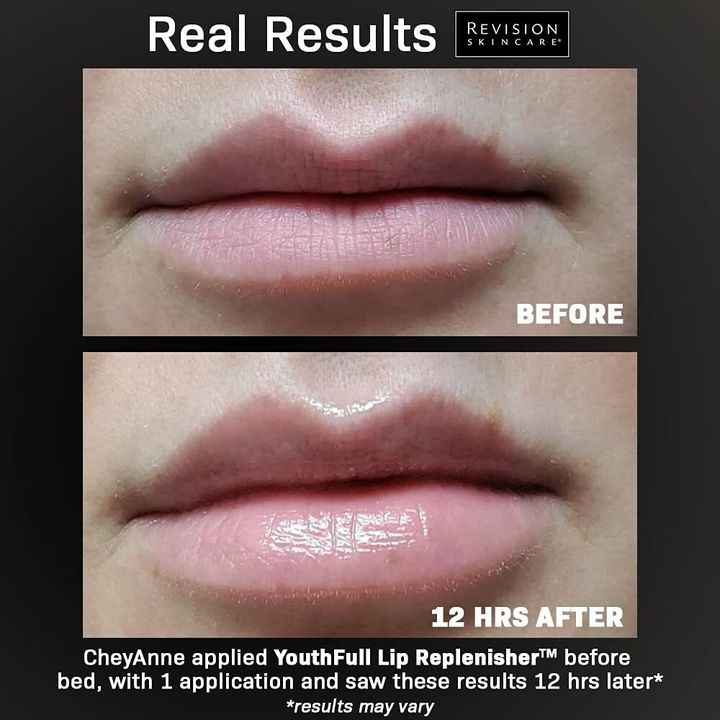
I’m only including this marketing image from the brand because I found my results to be very similar.
I can attest to this. Each morning when I wake up, it’s still there as if I just applied it. I sleep on my side, but it doesn’t melt off or get on my pillow. The fact that it clings so hard and lasts so long gives me some assurance that all those little peptides really are hard at work while I sleep, safely ensconced on my lips in a very stay-put formula.
Although some reviewers do enjoy it wearing this formula as a daytime gloss, many others are using it overnight only, too, and say it makes their lipstick easier to apply the next day. Some aren’t so concerned with fine lines, and simply use it for dry, cracked lips in winter or desert climates (and they say it’s hugely effective for that). Read some promising thoughts from verified Dermstore purchasers and Amazon reviewers below:
“Love this product. The day it arrived I used it twice, at noon and before bed. When I woke up in the morning I did a double take in the mirror. My 46 year old lips were reminded me of the 18 year old lips in my senior pictures! They were more defined on the edges, and a bit more plump. The results after one night were amazing!” — Julie at Dermstore
“I have a pretty epic lip balm graveyard in my beauty cabinet so I was not expecting much from this, but it knocked my socks off! It’s so good. Very thick and sticky, but that helps it stay on all night. I just wipe off the residue in the morning and my lips look amazing. I have not had a single skin flake since I started using this. I also love the smell, which is very delicate. Will definitely repurchase.” — Anonymous at Dermstore
“There are tons of lip moisturizers and masks and I’ve tried many of them. They essentially have the same end result…temporary hydration of the lips. None of them have ever really wowed me until I tried Revision! What makes it different? It adheres to the lips unlike any product that I’ve ever tried. I apply it at bedtime and it is STILL there in the morning! That kind of adherence means that the active ingredients make contact with the lips longer so they can work their magic. My lips are hydrated and plumped all day long with just a night time application so it’s very cost effective as well.” — Laura at Dermstore
“It actually works! My Dermatologist recommended this to me. Results are noticeable some in the beginning but with daily use (throughout the day) my lips are fuller, less wrinkles! (age 46)” — Amy Gragg at Amazon
“I am embarrassed to say how many of these tubes I’ve purchased since first using it after lip injections in August. There is absolutely nothing that comes close in both appearance and function. It stays on for hours and my lips are plump, hydrated and regaining their natural healthy tone and texture. My only complaint is that there isn’t a punch card because I will be buried in this lip treatment.” — Jessica at Dermstore
“I’ve tried so many lip masks. Laneige, Tatcha, First Aid Beauty (was amazing and now discontinued), Bite, Fresh, Ole Henricksen, Kiehl’s (tastes and smells fantastic, lasts on lips for 4 minutes)…Tarte, Buxom, Dior, was a Burt’s Bees fan for a decade. BB is nice and keeps the moisture in, but no active ingredients to nourish. Revision is serious business… I travel for work, am on planes and changing climates weekly. My lips are soft and nourished. I’m over 50, and no lip lines. **Can’t recommend strongly enough. 10/10**” — Kimberly S at Amazon
“Didn’t want to love this product due to the price point but it really works. Gives me a plump lip filler look when left on overnight. Definitely prefer this to the laneige lip mask. It does have a sticky/tacky feel so best to use overnight vs during the day.” — Lindsey at Dermstore
Vanna White isn’t interested in turning back the clock.
“I’m not trying to look 30 years old again because I’m not,” the “Wheel of Fortune” favorite told People in an interview published on Monday.
“I think wrinkles are beautiful,” White, 66, explained. “Someone who is completely with no lines, they don’t have any character. Be natural, be yourself and have personality.”
Advertisement
Comparing her flawless on-camera appearance with reality, the TV star said, “I don’t look like this without all this makeup. But you know what? I am older and I accept my lines and wrinkles.”
While White, who started her four-decade run on “Wheel” in 1982, wasn’t ruling out the future possibility of cosmetic surgery, she told People she’d much rather embrace her natural looks.
Vanna White, 66, explained why she’s not interested in looking like she’s in her 30s during an interview with People magazine.
Christopher Willard via Getty Images
“Will I ever have plastic surgery? Maybe,” the former beauty queen said. “But I’m kind of scared to do that.”
Advertisement
White signed a two-year contract with “Wheel of Fortune” in September, extending her time on the show through the 2025-26 season.
While the terms of her contract were not revealed, the deal came following reports White was willing to walk if the show didn’t boost her $3 million annual salary to a figure closer to Pat Sajak’s $15 million-a-year paycheck.
In June, Sajak announced he was retiring at the end of “Wheel’s” 41st season. Ryan Seacrest will take on hosting duties in fall 2024.
My friends love this game and so we play it. A lot.
“Guess.”
An awkward pause as the person looks me over. Guess too high and they risk insult. Too low and they’re pandering. Of course, the point of the game is to fail.
“32?” “38?” “41?”
“Wrong!” Everyone laughs. I do the reveal because otherwise, it feels like an accusation.
“I’m 50,” I say.
They knew they were wrong, but didn’t know how wrong. “What? No!” The jaw drops, the eyes widen, the eyebrows shoot up like birds startled off a wire. Then the familiar chorus: “You look great” ― sing it with me now ― “for your age.”
Advertisement
The reaction to an age reveal, particularly when someone’s older than you thought, is universal.
It’s a compliment, a victimless crime, a game where everyone wins. And of course I’m flattered. But while it was cute when I was 39 and people guessed 27, it hits different now that I’m 50. What used to be a fun fact is now met with the kind of shock I wish I’d done something more interesting to earn.
“But how though?” they ask, as if I’ve pulled off some kind of trick, a death-defying feat ― which I guess I have, since, as Seinfeld said, all I did was not die another year.
I’m going to go ahead and speak for women on the cusp of 50 and beyond when I say please, please stop being shocked by our ages. You’re not helping.
First, because we’re already shocked as it is. Every one of us, regardless of how old we are. Aren’t you just a little bit incredulous that you’re the age you are right now? Of course. And just as we’re getting used to the idea of this age, it changes again.
Advertisement
Look, I’m guilty of the same gaping curiosity ― pinging Siri with questions like “How old is Christie Brinkley” (69, if you’re interested) and “How old was Kim Cattrall in Season 1?” (41). TikTok exploded when we learned that the women in the “Sex and the City” revival were the same age as the “Golden Girls” were in 1988. These extremes leave very little room for regular women. The presumption is that you’ll either immediately become Bea Arthur at age 45, or are failing at life if you don’t look like J.Lo (who’s 54).
(Fact: If you didn’t look like J.Lo 20 years ago, you’re probably not going to look like her anytime soon.)
Maybe it’s the shock that’s so telling — because either we’re in denial that we’re aging or we’re terrified, or both. With the average lifespan of an adult in the U.S. hanging strong around 73, and even older for women, it’s not so surprising for any of us to turn 49 or 53 or 60. And if you’re lucky, you will.
The truth is, I don’t just look good for my age. I look … good. Period, the end. Part of it is genetic and part of it is privilege, which has given me access to excellent health care and hair color (and I’ll let you guess which costs more). I also chose not to get married or have children, so that accounts for why I may have less stress and more sleep. Sure, I do my part to maintain a healthy lifestyle, too. In other words, I have a lot of things working for me, some I earned, some I didn’t.
I also have plenty of friends who look fantastic, and they’d sooner tell you how many people they’ve slept with than what year they graduated college. Why? Because they fear breaking the illusion that they’re young and fertile, which we assume will cause our cultural stock to slide. We still believe that the measure of a woman’s vitality and power is to look as though she could get pregnant at any moment.
Advertisement
The roots of this are, of course, patriarchal, which is why we’re also supposed to be grateful that you’d still “hit that” ― or worse, that you actually prefer “mature” women. Gag.
In her book “Hagitude: Reimagining the Second Half of Life,” psychologist and mythologist Sharon Blackie points out that until very recently, women barely made it past child-bearing age.
“Now that we are living longer, it’s important to remember that fertility isn’t actually the norm in the context of an entire lifespan,” she writes. “We’re fertile (more or less) from approximately fifteen years old to around forty: twenty-five years out of an average…eighty.” That’s not a big window, and yet we have decided that that’s the shelf life.
No surprise, then, that menopause has for decades been pathologized, treated as a disease, dysfunction, a problem to be solved, rather than a stage we will simply pass through.
If you feel weird about turning 50 (or 30 or 75), chances are it’s because you believe that your power has a shelf life. Of course, that depends on how you define power. Youth has its own brand of power — all fire and endurance, the ability to stay up past midnight. But while some early forms of power may fade, others emerge.
Advertisement
There’s a kind of heft to age that has a power all its own, and it can feel good when you can whip it out to put people who dismiss you in their place. When I did some brand consulting for a major financial institution a few years back, the client (male, white, 70s) asked me if I had trouble getting people to take me seriously when I walked into a room (yes, he said that) because I was so young.
“Bob, exactly how old do you think I am?” I said. (I admit, I loved putting him on the spot.)
“I dunno, 30? 35?”
Wrong, Bob. And that was one of the many times I loved the reveal. Because if he didn’t take me seriously before, he did now.
And it’s not just men — plenty of women do it, too. I love it when a woman says, “Oh, you’re probably too young to remember that reference!” Bonus points if they wave a dismissing hand in your direction.
“Of course I remember The Monkees, Denise. I was born in 1973.” Denise looks at me differently after that, and I kind of love it.
<img class="img-sized__img portrait" loading="lazy" alt=""I have begun to let the world go — with all its petty grievances and bullshit, its made-up rules, its infinite chorus of egos and relentless demands," the author writes.” width=”720″ height=”1078″ src=”https://www.wellnessmaster.com/wp-content/uploads/2023/10/people-are-shocked-when-they-find-out-how-old-i-am-heres-why-its-not-a-compliment-1.jpg”>
“I have begun to let the world go — with all its petty grievances and bullshit, its made-up rules, its infinite chorus of egos and relentless demands,” the author writes.
Alice G Patterson of Loving My C
Advertisement
Hear me out: The power we thought we had as young women was the delusion ― on loan from a world that convinced us that its needs should be our aspirations. We are effectively encultured to believe that compliance and achievement are one and the same, and we are celebrated for both ― as long as we don’t get in the way.
Your power and mine don’t come from fooling people into thinking we’re younger; they come from becoming more of who we are, hitting the gas instead of pumping the brakes, being authentically and unapologetically ourselves, and above all, caring about some things more — and most things a whole lot less.
I don’t have any intention of “letting myself go.” But I have begun to let the world go — with all its petty grievances and bullshit, its made-up rules, its infinite chorus of egos and relentless demands. Girl, bye.
Our fear of aging represents not just the iron grip of patriarchal culture, but a limited imagination. If we believe our power stops at turning heads, what we’re actually lacking is vision.
What I’m already loving about 50, and I’ve only just arrived, is that because I’m past the fertility window and no one’s waiting on wedding invites from me, I can focus on what I actually want rather than spending precious energy maintaining others’ illusions. I can imagine what my life might be outside of old roles and expectations.
Advertisement
Fooled you into thinking I’m younger? Joke’s on you, I guess. It’s a fun party trick, but not a goal in and of itself. We’ve got far more to contribute than a trompe l’oeil of youth. Let’s reserve our shock and awe for what we’ll do next ― not despite our age, but because of it.
Terri Trespicio is the author of “Unfollow Your Passion: How to Create a Life that Matters to You” (Atria/Simon & Schuster, 2021). Her TEDx talk, “Stop Searching for Your Passion,” has more than 8 million views. She lives in Manhattan. Access her free series “The Passion Trap: Five Half Truths Keeping You From Living a Full life” at territrespicio.com/trap.
Do you have a compelling personal story you’d like to see published on HuffPost? Find out what we’re looking for here and send us a pitch.
It’s never too late to have a truly fabulous haircut. Yes, hair changes as we age, and you may not have the same thick and healthy tresses you sported when you were 18. But that’s no reason to resort to what some stylists call a “granny haircut.”
In the old days, it meant a tight perm and a blue rinse. Now, it refers to any wash-and-wear, low-maintenance cut.
Advertisement
But there are endless options to keep things fresh and lively, so there’s no need to resort to a full-on granny style (unless you absolutely want to). Hairstylists point to older style icons as inspiration.
“I always think of the women of Advanced Style on Instagram and how cool their hair always looks with their outfits,” said hair designer Luisa Popović. (If you haven’t followed it yet, it’s a project of photographer Ari Seth Cohen that’s dedicated “to capturing the sartorial savvy of the senior set.”)
Other stellar examples, she said, include Vivenne Westwood, who died in 2022, and who was famed for her signature bright orange hair. She also cited the “powerful looks” of Michèle Lamy, the raven-haired 79-year-old French fashion designer. “It all just emanates fearlessness,” Popović said.
Getty Images
Vivienne Westwood (left) and Michèle Lamy (right)
Advertisement
Tempted? Talk to a stylist.
If you’re ready for a refresh, redo or bold new direction, stylists have lots of fresh ideas that can make you feel at the top of your style game, no concessions to age required. “A big haircut can really change up the energy in your life,” said stylist Nikki Providence. “If things feel stagnant, sometimes a haircut can shake everything loose.”
“When we’re changing our hairstyle, our age doesn’t have to decide whether we go for long or short hair,” said stylist Mahogany Grace. “The health of hair matters a lot in choosing a new style. Try chatting with a couple of professionals to get ideas on how to style it based on its current condition.”
“I think personal preference should guide a client’s choices,” she said. “If a client is 20 or 80 and they love a bob, long hair or a pixie, they should wear one. As a stylist, my job is to make each cut unique by bringing a client’s individual features and beauty.’
How to choose the cut you want
How to decide which cut to choose? “There’s such a wide range of styles, cuts, colors available, now more than ever,” Popović said. “Spend some time looking online, or at magazines and books, to get inspired, and experiment in baby steps if you’re a little nervous to branch out from your usual.” In terms of those “baby steps,” Grace suggested that it might be a good idea to “reshape your current cut, maybe by adding softer layers around the face” as a good beginning.
Stylist Sonna Brado said, “One of the main questions I get from consumers on my Instagram feed is, ‘How do I find someone to look at my face shape and design something for me? I’m 50-something and feeling frumpy.’ Her advice for clients is to follow their own gut feelings, and to find a stylist who can interpret those feelings into a terrific haircut.
Advertisement
Stylist Akihisa Yamaguchi believes there’s a great cut out there, just waiting for you. “I definitely think that it’s possible to get your desired volume, texture and have fuller looks, while avoiding something that feels like an ‘old lady style,’‘’ she said. “I love medium-length bobs that instantly give you full volume hair and a nice saddle face frame layer that works nicely for the face.”
If you want to cut things short, there are smart ways to go about it, the stylists said. “If your hair has lost ‘presence,’ meaning it’s thin or wispy, a shorter or blunter cut will likely help it to look stronger and more solid,” Providence advised. “A bob can be sleek or soft, but the idea is for it to look intentional.”
Popović agreed, and suggested that pleasing yourself is most important: “The bob seems to be getting a lot of slack these days, but I’ll always love a good, sharp bob. It can be so chic. I ultimately think clients should go with styles that make them feel good, makes their hair look as healthy as possible and are maintainable with their daily routines. There’s no cookie-cutter style that works across the board for older clients.”
Consider adding some volume with hairpieces.
If your hair has been thinning, you might want to boost the volume of your existing cut with some artificial options. “I’m a huge user of hair extensions and hairpieces,” said stylist and creative director Paul Labrecque, who noted that Halo Couture is a favorite brand. Ditto from Popović: “I absolutely love wigs for switching up a look and having tons of versatility without a big commitment,” she said.
Advertisement
Labrecque uses tape-ins to fill in where hair has thinned. “It’s great for an A-line bob, to get that sharp point in the front,” he said. “If a woman has crown thinning, I use top pieces, which can be very small and made custom to cover crown splits and recessions.” There are some things to watch out for with extensions, however. “I shy away from poor-quality hair, or hair that’s overly short or long. The most flattering styles to me on older, duller hair sit under the chin and extend no longer than two inches from the collarbone.”
While thinning can be a problem for everyone, those who rely on relaxers may experience it more. “If you’ve relaxed your hair for a lifetime, you’re much more prone to hair recession,” Labrecque said. “Plus, weaves and extensions, over time, can hinder hair thickness.” He suggested “a fall, like Halo’s Hybrid Fall, can help. Halo’s version is attached with a thin fishing string, and it can reduce hair stress.”
Your styling routine needs an update, too.
How you take care of your hair after that great cut can also be secretly aging you. “When it’s overstyled, especially with too much hair spray or teased hair, that can be very ‘old lady’ style,” Yamaguchi said.
Providence agreed, saying that it’s OK to be a little low-key: “Let go of high-maintenance styles, and feel free to cut it short or pull it back. Pixie cuts were so cool in the ’90s, work on almost any texture, and can be fun and youthful all over again. I like when there’s a little softness to the edges. Let go of perfectionism, because it’s just holding you back.”
And whatever you do, remember that you’re allowed to have fun. “In this time, in this culture, it can be scary to age publicly, or even to evolve,” Providence said. “But I see openly aging as the ultimate show of confidence and independence. The world is more open than ever to all textures and types of hair. It’s a golden age for individualism, if you can see through the standard bland, ultra-polished styles on Instagram. Out there in real life, people are embracing wigs, creative color, locs, braids, twists and natural textures, opening the door to looking however they want.”
When it comes to getting older, there are many factors that help you live a fulfilled, healthy life — ones that go beyond working out and eating your vegetables (although that’s part of it, too).
“Aging well, in my opinion, consists of three different components,” said Dr. Parul Goyal, a geriatrician at Vanderbilt Health in Nashville. These categories are physical health, emotional connection and mental support, Goyal said.
Advertisement
These elements come together to help you live a life that’s rewarding, lively and healthful. Doctors say there are lots of behaviors that contribute to your physical, emotional and mental health as you grow older, and some clear signs that you’re taking care of yourself in these ways.
Below, geriatricians share the indicators that someone is aging well, along with a little advice if you feel like you’re not hitting the mark.
You take time to learn new things.
The older we get, the fewer chances we have to absorb new information; many of us are far out of school or work. The opportunities to learn are limited if those opportunities aren’t sought out.
“We also look at their cognitive health in this … making sure that they are staying mentally strong, they are using their mind, they are engaging in exercises to stimulate their mind, which means they are learning like a new skill,” Goyal said.
Advertisement
She encourages her patients to learn something new, whether it’s a new game, exercise, language or musical instrument.
“That will help form new pathways in the brain so that they can continue to stay cognitively strong,” she said.
You’re honest about your needs.
“So often, people don’t age well because they’re not upfront about what their needs are,” said Robyn Golden, the associate vice president of social work and community health at Rush University Medical Center in Chicago. “How do we make it OK for people to say, ‘This is what I need, I’m feeling lonely, I need someone to go out with on a Tuesday night.’”
Rampant ageism makes it easy for people to feel like a burden or invisible, Golden said, which can encourage silent suffering. But it’s important to push against that and let folks know when you’re having a tough time. So if you’re someone who can share your thoughts and needs with your family and friends, that’s a good sign.
What’s more, if you’re struggling with depression and anxiety, it’s important to let your doctor know. There’s often a false belief that anxiety or depression after a certain age is more “normal,” but Golden said this is not true.
Advertisement
“Depression can be treated at any age, and not just with medication, with counseling, with group interventions, you name it. So, I think that’s part of how you age well, being open to being able to say, ‘This is who I am, this is what I need,’” she explained.
You have a community.
Loneliness and isolation are a big problem, so much so that the surgeon general of the United States declared an epidemic of isolation and loneliness throughout the country.
“As you know, with the COVID pandemic, this has become really important. There was a lot of social isolation among our geriatric patients because they were confined to their homes,” Goyal said.
To combat feelings of loneliness and isolation, it’s important to bolster your social connections, whether that’s with friends, family, your church group or your community, she said.
There isn’t one right way to connect with your community, either. Golden said this could look like anything from volunteering at a local food bank to helping a neighborhood child learn to read.
Advertisement
Socializing can help your brain health, too, said Dr. Lee Lindquist, the chief of geriatrics at Northwestern Medicine in Chicago.
“We think of the brain as a muscle, so if you sit in a room with four walls all day and not talk to anybody, you’re almost living in a nursing home … your brain is going to go to sludge because it’s not getting any stimulation,” Lindquist said.
Socializing, whether that’s talking to people in person or on the phone, interacting with folks on Zoom or joining a book club, is a way to exercise your brain and make it stronger, said Lindquist.
Luis Alvarez via Getty Images
Learning new things, whether it’s a new workout or a new language, is beneficial to your brain as you get older.
You prioritize your physical health.
Eating nutritious foods and exercising are important all throughout your life, including when you reach an older age.
Advertisement
Goyal said she talks with her patients about eating a healthy diet that is rich in fruits and vegetables, and one that aligns with a combination of a Mediterranean diet and a DASH (Dietary Approaches to Stop Hypertension) diet. According to Goyal, the DASH diet is “a low sodium diet that is recommended for people that have high blood pressure.” The Mediterranean diet is a well-studied meal plan that is full of whole grains, healthy fats, lean meat and plant-based foods.
Drinking enough water is also part of this, Goyal said. And, beyond what you eat and drink, it’s important to keep yourself physically fit, too.
“I want people to keep moving, exercising. If you haven’t moved in a long time, or you’ve been sitting down for a long time, it’s sometimes useful to ask your doctors for a physical therapy order to help you with your gait and balance,” said Lindquist.
She noted that many of us may be afraid to move around as we get older because of a fear of falling, but exercising — whether you’re walking or joining a tai chi class — can help with your fall risk.
“Because what happens is if we choose not to walk or choose not to move, then it puts you at a higher risk for falling. So it’s almost like a catch-22,” added Lindquist.
Advertisement
When exercising, Goyal said it’s also important to work on your muscle strength, since muscle mass is lost as you age. Lifting weights, pilates, yoga and tai chi can all be a part of a good muscle-building exercise routine, Goyal said. Additionally, cardio fitness — like walking, biking, swimming and running — are important for your heart health.
You do things you enjoy.
“I love people who are doing activities and enjoying life, and doing it in a way that brings them enjoyment,” Lindquist said.
It’s not realistic to think that you’ll never deal with an illness or an injury, but that doesn’t mean you can’t do the things you love to do, whether that’s traveling, learning new recipes or playing games with your family.
“From my end, people get chronic illnesses throughout their life, but it’s all about managing their care and doing the best they can,” Lindquist added.
And if you’re doing things you enjoy, you likely won’t find yourself bored, and boredom can be a red flag as you age, Golden explained. “Feeling like the day is very, very long is not a good sign.”
Advertisement
Hobbies, volunteer work and spending time with loved ones are all good ways to combat boredom.
You talk to your doctor about the medications you take.
Just because you were prescribed one medication in your 50s doesn’t mean it’s still serving you 20, 30 or 40 years later.
“Many times, we end up taking too many medicines for what we actually need,” Lindquist said. “Your body is always changing, it may not need [certain] meds.”
She said it’s important to talk to your doctor about de-prescribing any unnecessary medications. For example, if you were prescribed medication for stress when you were working in your 50s, you may not need it after you retire.
“And so it may be that they don’t need these medicines, or that these medicines might actually be bad for them as they get older. So, it’s imperative that you talk to your physician [or] a geriatrician … specifically looking at what drugs are unnecessary or can be dangerous as you get older,” Lindquist noted.
You plan for the future.
“The other thing I always tell people is to plan ahead because as much as we all want to age well into our hundreds, healthy and happily, there is a very good chance that something might happen that you need to be hospitalized, or that you might need more support in your home,” Lindquist said.
Advertisement
It’s important to talk to your family and friends about what you want to happen if you are hospitalized, if you fall or if you experience memory loss. This way, your loved ones will be prepared if any unplanned, stressful situations occur.
“It’s not planning for end of life, which is like hospice, or [planning] you’re going to die in six months ― this is planning for the 20 years before you need help,” Lindquist explained. This is a way to ensure your voice is heard as you get older, and that those around you don’t make decisions for you.
This could look like having a conversation with your kids about what kind of support you want if you get to a point where you can’t care for yourself. Or it could look like talking with your partner about downsizing to a one-story house that won’t require frequent stair use.
Lindquist said it’s good to start this kind of planning when you retire, but it’s also important to know that these plans may change as your life progresses, and that is OK. As plans change, it’s crucial that you keep the conversation going and inform your loved ones.
If you need future-planning advice or tips on how to talk to loved ones about these potentially stressful conversations, Lindquist and her colleagues created Plan Your Lifespan, a free future-planning resource for older adults that’s backed by research, studies and funding from the National Institutes of Health.
Advertisement
If you haven’t done any of these things yet — or you haven’t prioritized them like you should — don’t panic. Now is always a good time to begin; the sooner you start focusing on these things the better. And even if you still think you have time, Goyal stressed that you still should make these behaviors a priority.
“The important thing I want to really communicate with this topic is that oftentimes people will ask me this question: ‘How do I age well?’ when they’re well in their 60s or their 70s,” Goyal said. “I really want people to start thinking about aging well from the time they’re in their 30s and their 40s.”
If you start focusing on healthy habits earlier in your life, you can carry them along into your golden years, Goyal said. Additionally, as you age, don’t focus so much on the number. That has nothing to do with aging well.
“Chronological age doesn’t mean a whole lot — so, 65, 75, 85, it’s how you’re feeling that makes that difference, not that number,” Golden said.
If you prioritize your relationships, your physical health, your mental health and your future plans, you’ll be set up to feel good no matter what year you were born.
Being older at work is still seen as something to hide.
Elizabeth Harris has witnessed the toll it takes on friends and family. She’s watched her friends avoid mentioning graduation dates and years of experience on resumes, and dye hair before a job interview.
“I have been super lucky. And I have not [experienced age discrimination], as far as I know,” said Harris, the chief strategy officer of media and ad agency Arc Worldwide. “But it’s out there, for sure.”
Advertisement
Older age should be seen as a competitive workplace advantage. A 60-year-old startup founder is three times more likely to create a successful startup than a 25-year-old tech founder. Teams with older workers are more innovative than ones without them, Deloitte research found.
But even with their wealth of wisdom and leadership, older workers are all too frequently dismissed and discounted.
So talking about your older age is already radical enough on its own. But what if there was a club where getting older was not just acknowledged, but celebrated and championed?
Advertisement
In 2018, Harris decided to do just that when she started a new employee resource group at her company: one for midlife and later-career workers.
She appreciated the great work of the ERGs for women and parents that she was involved in, but she noticed there were particular issues directly affecting people over 45 that weren’t being talked about enough.
“ParentKind was talking a lot about caregiving for little kids, but they weren’t talking about when you’re caregiving for kids and parents at the same time,” she said. “They do financial planning and seminars in VivaWomen!, which is our women’s group, but they weren’t talking about specifically how do you save for your kids’ college fund and retirement?”
The idea for this new ERG would be to focus “on ending age discrimination and really providing employees 45-plus with the resources that they need to thrive,” Harris said.
The new ERG, dubbed Sages, would be for midlife and older employees, but anyone would be welcome to join. “Ageism is an ‘ism’ that can affect everybody at some point in their life,” Harris said.
Advertisement
Taylor Glascock for HuffPost
Elizabeth Harris, chief strategy officer at Arc Worldwide, co-founded Sages after she realized existing employee research groups weren’t addressing issues facing older people.
Alma Klein, senior vice president and creative director at Arc Worldwide, was one of the members who joined outside the intended age range. Even though Klein wasn’t necessarily considered older in the workforce, helping older employees become more welcomed and valued within the agency came from an “altruistic and self-interested” place, she said.
“I didn’t see a ton of older employees, specifically older women, in creative roles,” Klein said. “And I feel like it was a bit of self-interest that I wanted to make sure that I could age-proof my career because I wasn’t ready to quit being in advertising.”
After launching, the new Sages group decided that its first programming would be about older women’s health, focusing on menopause. Harris said the organizers initially wondered if an event on menopause would draw a big enough crowd. They consulted with a Sages board member who was in her late 20s and was interested in hearing more on a topic that “nobody talks about,” Harris recalled.
Sages went forward with the forum, inviting two physicians to come speak. “A big part of what they spoke about was menopause. What it is, what it is not, what to expect, the changes that your body goes through and different ways to manage much of the less-than-fun stuff that comes along with it,“ Harris said. Turnout was a success.
Advertisement
“We actually had a bunch of guys show up because they’re like, ‘I want to understand what my wife is going through,’ so I was super happy and encouraged by it,” Harris said.
Since then, Sages has grown into a business resource group within the umbrella company of Publicis Groupe; ithas over 300 members. Sages events have included film screenings and sessions on retirement planning and caregiving benefits, while its policy branch works to effect broader change such as inclusive interview practices.
And on a basic level, Sages gives members a space where the joys and frustrations of getting older are accepted and not taboo.
Recent topics of discussion on the Sages’ internal chat on Teams have included appreciation for “Grace and Frankie” and “80 for Brady,” advice on how to handle hot flashes ― which Sages members subsequently rebranded as “power surges” ― and a study on the importance of not overlooking consumers over 50.
“There’s power in numbers, and especially in an industry that is very youth-oriented, it’s nice to find some other folks who you have something in common with,” Klein said about the feeling of solidarity Sages offers.
Advertisement
Taylor Glascock for HuffPost
Alma Klein, Arc Worldwide’s SVP creative director, co-founded Sages.
Age-focused ERGs are still the exception, not the rule.
Employee resource groups have a long history of advocating on behalf of underrepresented groups in corporate America. After the Civil Rights Movement of the 1960s, Black employees at Xerox pioneered the first employee resource group in the U.S. in 1970, called the National Black Employees Caucus. The affinity group connected Black Xerox employees across different cities, addressed work discrimination, and identified and advocated for Black employees to get promoted to top management within the company. Computer manufacturer Hewlett-Packard is credited with having the first ERG for LGBT employees in 1978.
Now, ERGs focused on women, race and ethnicity, and the LGBTQ+ experience are the most common types of resource groups for employees, according to a 2011 survey of 64 mostly global, for-profit companies ranging from 1,600 to 380,000 employees.
But openly acknowledging age diversity at work and making it the focus of an employee resources group is still rare and novel.
None of the top 10 largest employers in the U.S. have ERGs focused on the experiences of older employees. Theresa Welbourne, a professor of entrepreneurship at the University of Alabama, told HuffPost that for an upcoming study, she found that only 3% of ERGs out of a sample of 70 different ERG types were dedicated to people of different generations. While the study hasn’t been submitted for review yet, the early findings aren’t surprising.
Advertisement
“By not speaking about age in the workplace, the needs of older employees go underreported. And consequently, unresolved.”
– Kyra Leigh Sutton, an HR expert in the Rutgers School of Management and Labor Relations
Legal departments may hesitate to approve an age-specific ERG out of fear employees will either learn they are being mistreated or accuse each other of unfair special treatment and sue, said Anna Ettin, who helped launch the Inter-Generational Employee Network at Bank of America when she was a learning consultant there.
“Is this group offering a benefit to one generation or older employees that is not offered to younger employees?” is a question legal departments will want answered, Ettin said.
Kyra Leigh Sutton, an HR expert at the Rutgers School of Management and Labor Relations, said that generational ERGs, especially those directed at older workers, are rare because they could lead to members revealing how old they are. And there are risks associated with being seen as older.
“Some employees avoid speaking about age in the workplace, as they don’t want people to think there’s something they can’t do because of their age,” Sutton said. “Unfortunately, by not speaking about age in the workplace, the needs of older employees go underreported. And consequently, unresolved.”
Advertisement
As Klein put it: “It’s still OK to be ageist in our society.”
“Nobody’s going to cancel you for being an ageist … people get away with it,” she said. “We also have a culture where it’s not OK to say that you’re old.”
Age-focused ERGs help employees in the ‘sandwich generation.’
For the rare companies that do create one, age-focused ERGs offer a number of benefits to employees. One big perk? The better sense of belonging when you learn you’re not the only one who is that age.
AT&T’s Professional 50 Forward ERG was founded in 2014 and has over 4,000 members. Tom Hamrick, the group’s president, said what separates his ERG from others at the company is that members are part of the “sandwich generation”: People in this group often feel sandwiched between taking care of their own children and their aging parents, on top of other life events, he said.
Hamrick said one of Professional 50 Forward’s most popular events has been about retirement and estate planning.
“It was so liberating. We discussed things together that we never discussed before.”
– Karen Weiss, who helped launch Intuit Silver Network
Advertisement
For Sages board member Chandra Panley, who is the senior vice president of operations at the Starcom agency, one event that stands out was called “Dude, Where’s My Car?” about how to manage memory loss.
The pitch for interested employees was that “Our memories can be a big part of our identities. Join us for a coaching session where you’re going to learn strategies for being intentional, and how to be patient with ourselves and learn that it’s OK to ask for help,” Panley recalled.
“It was so fun and so interesting, and so well attended,” she added.
When age diversity is recognized, generational divides in the workplace can become bridges.
It’s now common to work next to someone at the beginning of their career while you are finishing yours. There are as many as five different generations in today’s workplaces, from people born between 1925 and 1942 to those born in the mid-1990s and later, according to the Society for Human Resource Management. And they don’t always understand each other.
That’s why ― in addition to ERGs that focus on the needs of employees of a certain age ― some employers create intergenerational ERGs to help bridge those gaps in work styles and communication.
Ettin, who helped launch the Inter-Generational Employee Network at Bank of America, said the idea began with her researching generational dynamics in 2010 and sending out an email survey to gauge whether employees would be interested in the topic.
Advertisement
Ettin got a strong response. “It was baby boomers saying, ‘My new manager is the same age as my kid who’s living in my garage apartment. How am I supposed to report to this guy?’ And the millennials are saying, ‘You guys hired me, you know, you got me out of my MBA program … and I’ve been sitting in a cubicle for six months. Nobody cares what I think,’” Ettin said.
“That’s when we’re like, ‘Oh, my gosh, this is an intergenerational issue. … We can’t just do a young employees group, that doesn’t actually serve our employees’ needs,’” she continued.
The Inter-Generational Employee Network launched in 2012 and now has 37,000 members and 33 global chapters at Bank of America. As part of the monthly new member orientation, hires learn about generational diversity from generational ambassadors and employees can take training opportunities about working with people in different life stages.
One powerful benefit to an intergenerational ERG is how it can connect two people with different tenures in an organization, so that it’s a mutual benefit to junior and senior employees, Ettin said.
Take it from Calandra Jarrell and Devan Kane, two Bank of America employees who started working together about a year and a half ago. Jarrell, the senior vice president of diversity and inclusion, is a Gen Xer and Kane, who works closely with Jarrell on her internal communications, is a millennial.
Advertisement
Courtesy of Calandra Jarrell and Devan Kane
Bank of America employees Calandra Jarrell (left) and Devan Kane (right) said their generational differences have helped them learn from each other.
It was an instant connection. “I immediately started learning from her and picked up on her energy,” Jarrell said. She said she’s learned from Kane about what younger generations want their employers to openly talk about, as well as the power of a “be brief, be bold, be gone” style of communication.
Instead of just texting, Kane will “just meet me where I am and pick up the phone and say, ‘Hey, let me talk you through this.’ And then all is right with the world,” Jarrell said.
“One thing my generation can be known for is being kind of super fast and almost reactive,” Kane said. “And what I’ve learned from Calandra, in just the short time we’ve known each other, is to take a deep breath, take a step back and let things almost come to you, which is not my nature.”
It’s a reminder of how age can be a barrier between co-workers, but it doesn’t have to be. It can also be a way to gain a new work friend and ally.
Advertisement
Here’s why everyone should care about age-focused ERGs.
Ultimately, aging is a life experience that everyone carries with them to work.
At Land O’Lakes’ Aging Successfully ERG, for example, anyone ― from interns to senior employees ― can join. The ERG teaches employees who are just out of college about 401ks and discusses phased retirement with employees interested in transitioning out of the workplace.
“The truth is that we’re all aging,” said Kevin Hoepker, the ERG’s co-lead.
To start your own age-focused ERG, Harris said to make membership inclusive even if the group is tailored for people of a certain age. “You don’t want to just be talking to yourselves,” she said.
When pitching the ERG, point out the value of keeping older workers engaged.
“We bring experience and wisdom and deep knowledge and client relationships. So there’s also a value to the experience and historical knowledge of older workers,” Klein said.
And if that’s not enough, remind bosses of the importance of reaching older customers. “Guess who’s got the deepest pocketbooks and the most spending money? Surprise, it’s people over 50. They hold a dramatic percentage of the wealth in America,” Klein said. “And yet too many brands are hyper-focused on the 18- to 34-year-old brackets.”
It may take some convincing, but it’s not too late to start your own age-focused ERG. You may be surprised by how many people will want to join.
Advertisement
Just last year in April, Intuit’s Karen Weiss posted a blog about the new Intuit Silver Network she was helping to launch to serve the interests of employees 50 and over.
After her post, she saw the internal channel for the group spike from 40 members to 560. Unprompted, members shared their ages when they joined.
“People were joining, saying, ‘I’m so happy, I finally feel seen and heard at work,’” Weiss recalled. “It was so liberating. We discussed things together that we never discussed before.”
“We’re not squeamish in the Silver Network,” Weiss said about their internal chats. “I presented to the group on the care and death of my elderly parents. And everybody had some aspect of that they related to, whether it was diapers for adults, whether it was dealing with hospice care. We talk about things that are not necessarily happy, but that are important.”
This October, Weiss said the Intuit Silver Network will do weekly one-hour Zoom sessions where members can work on building a legacy document of instructions for loved ones after death “so that by the end of the month, we’ll have it done. And we’ll have the support of each other.”
Plenty of surprises come with the aging process (like those weird noises our joints make or the monster hangovers that follow two sips of beer). But few are more of a bummer than the way our digestive system seems to lose interest in, well, digesting things.
“Intestinal issues can arise at any age and can become more prevalent as we age,” Dr. Sara Attalla, a gastroenterologist at Inspira Health in New Jersey, told HuffPost.
Advertisement
Roughly 60 million to 70 million Americans are affected by digestive diseases, according to the National Institutes of Health. Some of the most common symptoms? Heartburn, bloating, abdominal pain and changes in bowel habits (as in constipation, diarrhea or even a combo of the two).
Nailing down what’s causing your digestive drama can be tricky since it’s a multi-faceted problem that typically stems from a highly individual combination of aging and lifestyle-related culprits.
How The Aging Process Can Affect Digestion
As we age, the nerves and muscles in the gastrointestinal (GI) tract can start to glitch, resulting in changes to how our digestive organs function individually and work together — usually, this translates into the digestion process itself becoming sluggish and communication signals between digestive organs getting haphazard.
Movement within the esophagus and muscles involved in swallowing may not be as effective or coordinated, for instance, and can lead to higher rates of esophageal reflux (known as GERD, where your stomach contents start to make a comeback), while slower motility in the stomach can cause what you’ve eaten to linger and trigger indigestion.
Advertisement
“The stomach lining can also become thinner with age, which renders you more susceptible to injury in the stomach from things like inflammation,” Attalla said.
Decreased prostaglandin production over time (a hormone-like substance that plays a role in stomach acid secretion and GI muscle functioning) means a decrease in the protective lining of the stomach, too, leaving you more prone to gastritis and ulcers.
The next stop on your food’s digestive journey is a pit stop in the small bowel. “Slower motility here can lead to higher rates of bacterial overgrowth, which can cause bloating and diarrhea,” Dr. Sunana Sohi, a board-certified gastroenterologist at Gastroenterology Health Partners in Louisville, Kentucky, told HuffPost.
And if motility screeches to a halt in your colon, get ready for possible bouts of constipation and diverticulosis (a condition where small sacs form and push against weak spots in the wall of your colon, putting you at risk of symptom flareups, such as bleeding and inflammation).
Then there’s the chronic health conditions that tend to stack up as we get older (arthritisis, cardiovascular and metabolic diseases), many of which can cause limitations to the level of movement we can tolerate, further exacerbating gut motility issues. (“If you don’t move, neither does your gut,” Dr. Pritesh Mutha, an associate professor at McGovern Medical School at UTHealth Houston, told HuffPost.)
Advertisement
As for the medications we take to manage these conditions (both prescription and over-the-counter, especially NSAID pain relievers such ad aspirin and ibuprofen), they’re known to cause gastro-themed side effects of their own. Cue nausea, constipation, diarrhea, abdominal pain, even ulcers.
Moyo Studio via Getty Images
Chewing more slowly is one way to make eating easier on your digestive tract.
The Best Ways To Optimize Your Digestion As You Get Older
All of this is understandably frustrating and concerning. But experts stress there are ways to minimize any effects from age-related stomach issues. They recommend:
Chewing Better
Better digestion begins in the mouth. “Salivary enzymes help digest starch and fat in the mouth, decreasing the GI tract’s workload,” Mutha said. “The alkaline pH of saliva also helps neutralize acid in the esophagus due to reflux and alleviate GERD symptoms.”
Bonus: Cutting your food into smaller pieces and chewing at least 15 to 20 times per bite can help mitigate any complications associated with trouble swallowing.
Advertisement
Stimulating Saliva Production
Saliva production tends to decrease as we age, which can affect chewing and swallowing, Sohi said. According to the American Dental Association, dry mouth is twice as likely to strike when you take one or more medications daily, compared with people with no medications on their roster.
Things like regularly using an over-the-counter saliva substitute or sipping water between bites can be helpful if dry mouth is a problem for you at mealtime.
Eating More Food That’s Plant-Based, Less That’s Processed
The best way to optimize digestion is to eat a diet as low in processed foods and high in plant-based diversity as possible. “Diets high in processed food can alter the gut microbiome, leading to dysbiosis,” Sohi said, an unhealthy balance of gut bacteria that’s associated with higher rates of digestive disease.
Besides keeping your gut microbiome on the rails, going plant-based is the best way to increase your fiber intake, which is crucial to the quality and consistency of your number two sessions.
Fiber — soluble and insoluble — is what bulks up your poop, Mutha explained. This not only makes your time on the throne more pleasant and efficient, but it also decreases the likelihood of fecal incontinence and even helps treat diarrhea by absorbing water.
Advertisement
Staying Hydrated
Hydration is crucial to avoid constipation, Mutha said, especially once you start upping your fiber intake. The National Council on Aging recommends drinking one-third of your weight in fluid ounces daily. That means if you weigh 150 pounds, then you should be drinking 50 ounces (or 6¼ cups) of water per day.
Moving More
“Exercise stimulates the motility of the GI tract, so this can be very helpful for digestion,” Sohi said. “Lying recumbent on the couch after eating is one of the worst things you can do because not only does it not help with GI tract motility, but it can also promote acid reflux.”
Mutha agrees and recommends walking for roughly 15 minutes after your meals to help activate your stomach and improve gastric emptying.
Getting Enough Sleep
Sleep is a healing mechanism for the body, so not getting enough quality shut-eye — the recommendation is seven to nine hours per night — can adversely affect your gut barrier and immunity, Mutha said. Researchers are still nailing down the exact mechanisms behind how, but one theory is that sleep deprivation leads to an increase in microscopic inflammation in the bowel that may domino into gastrointestinal symptoms.
Mastering Your Medications
“Any and every medicine has GI side effects — even the ones that are prescribed for GI illnesses,” Mutha said. “Making sure you take your medications exactly as prescribed decreases the risk of side effects.”
Advertisement
NSAIDs should never be consumed on an empty stomach, for instance, while acid-suppressive medicines should be taken 30 minutes before breakfast. But if side effects happen anyway, let your doctor know.
When To Check In With Your Doctor About Your Digestive Issues
Even if you’re confident the digestive drama you’re experiencing is aging-related or a sign your lifestyle needs a revamp, “it’s important to not assume” and to “share your symptoms with your doctor anyway, as sometimes there can be a more serious underlying cause,” said Dr. Neena Mohan, gastroenterologist and assistant professor of clinical medicine at the Lewis Katz School of Medicine at Temple University in Philadelphia.
If, in addition to persistent changes in bowel habits, you’re also experiencing trouble swallowing, abdominal pain, nausea and/or vomiting, unexplained weight loss or have noticed blood in your poop (or it looks black and tarry), it’s time for a consultation with a gastroenterologist.
“Depending on the issue, your doctor may start with bloodwork and prescribe medications or do further testing, such as an endoscopy or colonoscopy,” Attalla said.
While it’s not exactly accurate to say it was a voice from the grave that commanded me to drop out of the Mrs. America pageant, it’s not exactly a lie, either. The truth lies somewhere in between and involves a questionable photographer, a threat from a friend to disown me, and a dingy bra once worn by Ivana Trump. But for five days, I was Cathy Alter, your Mrs. Georgetown DC.
It started from a place of insecurity — never a good thing in competition. My 11-year-old son, Leo, and I were sharing a late lunch at a British-style pub in Washington’s Dupont Circle. As we sat demolishing our mozzarella sticks, I took a moment to check my phone for emails. Maybe it was my text neck, or maybe Leo had never seen me in severe profile, but whatever the case, he reached over and grabbed the hunk of loose flesh residing below my chin (a wattle, a friend would helpfully explain).
Advertisement
“What’s that?” he asked, tugging on it like an udder.
I don’t remember how I answered him. But I do remember trying not to cry or ask my son if he was some kind of sociopath.
“I feel bad about my neck,” Nora Ephron confessed, in the opening essay and 2006 book of the same name.
“Our faces are lies and our necks tell the truth,” she wrote. “You have to cut open a redwood tree to see how old it is, but you wouldn’t have to if it had a neck.”
These days, at 57, it’s hard not to look in the mirror without thinking about how my reflection has changed. It’s me but not me. The face is certainly mine, just more gutted, the area underneath my eyes carved out by a wood gauge. It’s less feminine, somehow, and more Founding Fathers, especially when my hair is pulled back in a Jefferson braid. We won’t discuss my burgeoning FUPA.
Advertisement
To accept this image would be the healthiest way to proceed. The most empowering thing I could do for myself would be to love the marionette mouth, the nasolabial folds, the “elevens” between my brows, the time stamps that make this face uniquely mine. To say, to sing, to emblazon on a T-shirt: Here I am, world! A middle-aged woman with declining looks and a soft body!
Instead, I went home and sobbed to my husband, Karl.
“All boys should think their mothers are the most beautiful women in the world,” I said through my tears. “And it’s clear that Leo does not.”
“Well,” Karl said, “what can you do about it?”
I couldn’t tell if he was answering me rhetorically or expecting me to come up with an action plan.
And I did have a plan. Or, more accurately, a wild impulse that stomped on any attempt at levelheadedness.
“I’ll tell you what I’m going to do,” I told him. “I’m going to enter a beauty pageant — and win.”
The author, who is freaked out by birds, and her son, Leo, when he was a toddler.
Courtesy of Cathy Alter
When I was growing up in Connecticut, my parents threw an annual Miss America party where guests bet on the contestants as if the young women were racehorses. It was the hottest ticket in town. Friends arrived in evening gowns and tuxedos, tossed $20 into the pot, and rooted for their “girl” while tearing down the 49 others.
Advertisement
My mother, a 6-foot-tall beauty with a penchant for red lips and backless suede dresses, could be especially vicious, taking note of a competitor’s “thunder thigh” or “unfortunate underbite” or describing a pair of straight-on nostrils as looking like “the Holland Tunnel.”
As the owner of the hippest clothing boutique the Bermuda-bag-carrying women of our sleepy town had ever seen, my mother was a true arbiter of style and presentation. By midnight, everyone was tanked and the guest who got closest to choosing the evening’s winner paraded around in a homemade sash and dime-store crown, both courtesy of my mother.
Now, decades later, I found a slew of pageants on Pageant Planet, a website that consolidates local and regional contests including Miss Earth USA, Mr. Crimson and Cream, and the pageant I wound up entering, Mrs. DC America. There were pageants for veterans, for senior citizens (I’m still a few years away from that one), for full-figured women, and one that sounds like a meta version of itself, The Empowered Woman pageant. If I were to create a montage of the contestants I saw across the site, the result would look like the b-rolls from all the Real Housewives franchises in existence.
The rules to enter the Mrs. DC America pageant were straightforward. If you were married, you could enter — which meant I could potentially be competing with child brides. Contestants are judged in three categories: the interview, the evening gown and the swimsuit. As if striding across the stage in a bathing suit and high heels wasn’t terrifying enough, there would be an opening dance number. With choreography. The winner of Mrs. DC would go on to represent the District of Columbia at the national Mrs. America Pageant in Las Vegas.
The next morning, I called one of the pageant directors. After a bit of chitchat, I learned that I had a little less than five weeks to prepare for the event, which would be held at a community center over an hour away, in Frederick, Maryland. Somehow, I’d imagined that I’d have at least a year to get ready, both physically and mentally. Now things were becoming both very real and very surreal.
Advertisement
“What do you want your sash to say?” she asked.
When I hesitated, baffled by her question, she clarified. “Where do you live in Washington?”
Which is how I appointed myself Mrs. Georgetown DC, after forking over a deposit of $250 (the entire cost of entry was $750) and promising to schedule a headshot with the official pageant photographer within the week.
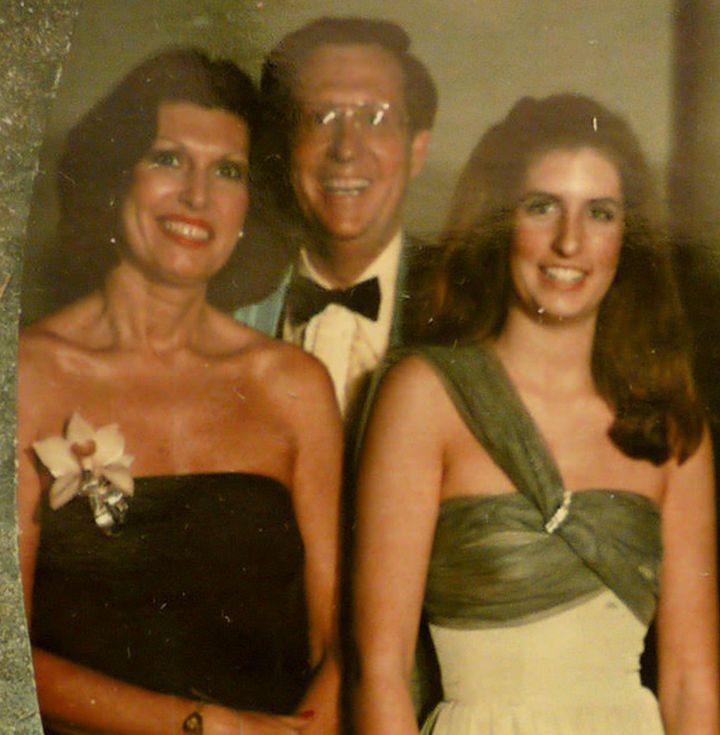
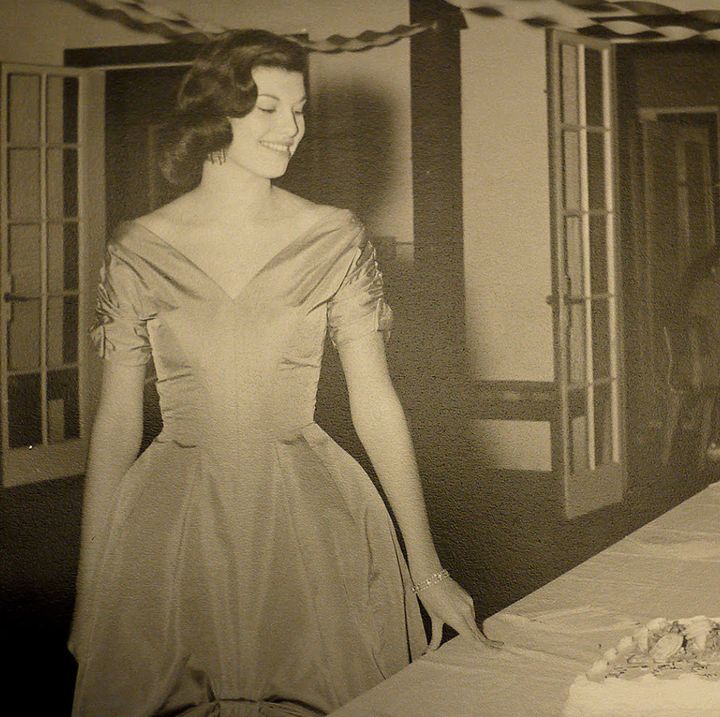
The author and her parents, Susan and Elliott Alter, in a photo taken on the author’s Sweet 16 and Susan’s 40th birthday. “The theme of the party, held in my mom’s old high school gym, was a 1950s prom,” the author writes.
Courtesy of Cathy Alter
I immediately launched into overdrive, making a to-do list like I was planning my wedding. Each action item begot new actions. I made an appointment for highlights, but did I also want to talk about hair extensions? How much were hair halos? (What were hair halos?!) There was no time to sit and reflect on who I was fast becoming.
I called the photographer and asked him what I’d need to bring to the photo shoot. Everything on his list included the word glitzy. Also, he advised, “Wear something that either shows your cleavage or your shoulders but not both. That’s just overkill.”
He suggested I buy a bag of rhinestones and glue them onto my bathing suit, which, for some reason, he kept calling a “one-piece bikini.”
Advertisement
“Are you going to photograph me in a bathing suit?” I asked him.
“No,” he said. “I just wanted to tell you about rhinestones.” His parting advice, worthy of its own bedazzled T-shirt was, “Go glam or go home.”
My friends were divided on my new title. Some had a field day at my expense. “Can your bathing suit be Victorian or come with a turtleneck?” asked one. “Does AARP have a beauty pageant?” asked another, choking back laughter. One emailed me an Amazon link for Preparation H, which has famously been used to tighten bags under the eyes. “Maybe you can use this on your butt, too,” was the subject line.
Others were more perplexed.
“It’s ironic that you’re looking for acceptance and confidence in the very place designed not to give it,” said one of my closest friends, expressing concern.
A few were outraged. When I met a friend and former editor, she pounded on the table. “You can’t do this!” she said, holding her fist up for another strike. “What does this say about the progress we’ve been making as women?”
She brought up how precarious it is to be female in the wake of Roe v. Wade and the gutting of abortion rights and the horrible message about appearance that I would be sending to Leo. She told me she wasn’t sure if she could be my friend if I went through with the pageant.
Advertisement
Still another saw me as a champion just for entering: “You’ve been given a bigger stage, to stand up for all people who feel less than. You’re saying, ‘I’m here, I made it, and so can you.’”
I had been Mrs. Georgetown for two days before the idea of competing began to seem like a genuinely half-baked idea. What the heck was I doing? And what sort of message was I sending to myself? To my husband? To Leo? (“Do you think I could win?” I had asked the poor kid, who immediately looked to Karl for a clue before answering, “It depends on the competition.”)
The author’s mother on the day of her Sweet 16 party. “That dress still hangs in the closet of the family home in Connecticut,” the author writes.
Courtesy of Cathy Alter
I’ve always had a complicated relationship with beauty. As their ruthless Miss America parties suggest, my parents placed great value on physical appearance. When we were little, my father used to chase my younger brother and me around our swimming pool with a spray bottle of Sun In hair lightener. After growing up poor, eating mayonnaise sandwiches and fending for himself, having golden-haired, sun-kissed children who looked like they belonged in the Kennedy compound was, for him, an emblem of success.
My mother’s guiding principle was that it was more important to look good than to feel good. When I was in high school, she sat me down and gently explained that because I was no natural beauty — “no Christie Brinkley” were her words — I’d always have to wear makeup.
Advertisement
I was on the tender cusp of womanhood, and my mother’s grim appraisal took root in my soul. Before dementia completely robbed her of the ability to speak, the last clear words my mother said to me were, “How about some blush?”
On my third day as Mrs. Georgetown, I decided it was time to try on evening gowns at my favorite consignment shop in D.C. Even though the saleswomen aren’t permitted to mention the origin stories of their merchandise, I’ve gotten in pretty good with some of the staff and have been able to wheedle out some details.
Along these lines, I wound up in the dressing room with what I knew was an evening gown once worn by Ivana Trump by a designer whose name I didn’t recognize. It was $125 and the color of tomato sauce from a can, with a mermaid silhouette, red jewels scattered down the front, and about 40 miles of tulle. When I unzipped it, I saw there was a grimy Calvin Klein strapless bra sewn inside, size 36C, and I had a sudden pang, knowing such a private detail about Ivana. My mother, too, wore a 36C. Placing my own breasts inside the bra — and being this close to its original owner — was surprisingly intimate.
I looked at myself in the dressing room mirror, trying and failing to imagine myself striding across a stage in a conference center in Frederick, Maryland, giving a royal wave, chest out, smile aided by Vaseline on my teeth, hammertoes screaming at the straps of my stilettos.
I heard a voice.
“Take it off,” it said. “It’s not you,” it said.
Whether it was my mother speaking or Ivana, it didn’t matter. The dress wasn’t me. And neither, I realized, was the pageant.
Advertisement
My mother often warned me about falling for a pretty face. “Looks fade,” she had said after a man with movie star looks obliterated my heart. She could have been talking about her own vulnerabilities around appearance and aging. It was the way I knew that, despite her critical eye, even she recognized deep down that there were things more valuable than looks. My mother would have been unsparing in her assessment of my chances in the pageant (none) and in my decision to enter it (dumb).
The author and her mother, taken on the author’s wedding day in 2006.
Courtesy of Cathy Alter
What good is beauty, anyway? It was surely a burden for my mother, who tried mightily to keep up appearances until that weight shifted to my father. He became her de facto makeup artist as she sat strapped in a wheelchair, unable to perform her own ministries, her hands clenched in rage.
After watching him spoon-feed her lunch (“Now, now,” he’d say whenever she tried to bite his fingers), the sight of him dabbing her lips with her trademark Love That Red made me reevaluate my own definition of devotion — of obligation. In the face of the inevitable, my father’s tacit efforts broke my heart.
On my final day as Mrs. Georgetown, I phoned the pageant director and dropped out of the race.
“Did something happen?” She sounded aghast, like maybe I had microderm-ed my face off.
“I don’t have the full support of my family and friends,” was my excuse, which approached the truth, at least partially.
Advertisement
The woman who went on to wear my Mrs. Georgetown sash, I learned later, was from Rockville, Maryland. In her official pageant headshot, she looks a little like a Facetuned Jennifer Coolidge.
The pageant fell on the same weekend as my father’s 90th birthday. Home in Connecticut, I showed my father a photo of my “replacement.”
“Good thing you dropped out,” he said. “You didn’t stand a chance.”
“Grandpa!” Leo looked at my face, concerned.
“Thanks for your vote of confidence,” I said, lightly punching his arm and reassuring myself that limitations are not heritable.
Later that night, Leo slipped me a note before bedtime. It read, in part, “I love you for yourself. I love your sweet, sweet, heart. Though you are beautiful, it’s what is inside that counts.”
It is a note I wish my mother would have written and dropped in the mail, addressed to herself.
Cathy Alter’s articles and essays have appeared in O, the Oprah Magazine, The Cut, Wired, and The Washington Post, among others. She is the author of “Virgin Territory: Stories From the Road to Womanhood,” the memoir “Up for Renewal: What Magazines Taught Me About Love, Sex, and Starting Over,” and “CRUSH: Writers Reflect on Love, Longing, and the Lasting Power of Their First Celebrity Crush.” She lives in Washington, D.C.
Aging gracefully means something different for everyone. When it comes specifically to skin care, some turn to Botox while others embrace a mature look. Then there are those who fall somewhere in between.
If you’re not interested in something as invasive ― or expensive ― as Botox but want to do something to improve the appearance of your skin, we (and dermatologists) have good news: There are plenty of ways to minimize fine lines and wrinkles without injectables.
Advertisement
Here’s how injectables work, in case you’re still wondering.
According to Dr. Jeannette Graf, a board-certified dermatologist and assistant clinical professor of dermatology at Mount Sinai School of Medicine in New York, Botox works by relaxing “specific muscles in the face to decrease lines that are caused by repeated movements to create “a lifted, relaxed look.”
In a story previously published by HuffPost, cosmetic dermatologist Dr. Peterson Pierre explained that Botox is produced from the same toxin that causes botulism: “The signal from the nerve to the muscle telling it to flex is blocked by Botox, thereby relaxing the muscle and improving lines and wrinkles.”
There are several other injectables that produce a similar effect, including Dysport, Xeomin, Jeveau and Daxxify.Dr. Dustin Portela, a board-certified dermatologist at Treasure Valley Dermatology in Idaho, explained that these injectables “all use the same active agent as Botox, botulinum toxin type A,” but have different carrier proteins that cause them to work a little differently.
None of these injectables remove wrinkles permanently, but if they are used regularly they can continue to soften lines “by decreasing repeated movements, which can cause them to deepen again,” Graf said.
Advertisement
Are there less-invasive procedures that work just as well as Botox?
If you aren’t opposed to a procedure but don’t want to use neurotoxins (Botox), there are alternatives. But Graf said that “nothing can take the place of a neurotoxin,” so no one should expect the same result as Botox with other treatments.
However, she explained that “rejuvenation procedures such as laser resurfacing, chemical peels and microneedling can be helpful in diminishing the look of lines while improving overall skin aging” without the use of neurotoxins.
Can topical products reduce the appearance of wrinkles?
Those who don’t want to, or can’t, use more invasive procedures can take steps to reduce fine lines and wrinkles at home. Portela advised that “nothing you apply topically will have the same effect as Botox.” Nevertheless, Graf said that “retinol is a good anti-aging ingredient” because it “boosts collagen production and can prevent fine lines and wrinkles after a period of long-term use.”
<div class="js-react-hydrator" data-component-name="Slideshow" data-component-id="2879" data-component-props="{"index":15,"contentListType":"slideshow","id":"624c50d9e4b0e44de9c75351","title":"The Best Retinol Creams, According To A Dermatologist","enhancements":{"fonts":{"primary":{},"accent":{},"caption":{}}},"dek":"","view":"slideshow","lastPublishedAt":"2023-01-26T16:20:12Z","slides":[{"embedData":{"type":"hector","url":"https://img.huffingtonpost.com/asset/624c5f6d2100004854505666.png","queryParams":{},"width":1080,"height":1080,"credit":"Amazon","creditUrl":"https://www.amazon.com/Neutrogena-Wrinkle-Anti-Wrinkle-Moisturizer-Sunscreen/dp/B004D2C57M"},"type":"image","common":{"id":"624c5f6fe4b0587dee6f1cc5","caption":"This is an excellent option for retinol newbies. Formulated for daytime use, Neutrogena's retinol moisturizer includes SPF 30, which is imperative to apply when using powerful ingredients like retinol. It fights fine lines, dullness, wrinkles, dark spots and more while hyaluronic acid adds much-needed plumping moisture so the moisture barrier stays healthy.","source":"","title":"Neutrogena Rapid Wrinkle Repair retinol moisturizer","type":"image","summary":"","badge":"","cta":[{"text":"Get it from Amazon for $19.99.","url":"https://www.amazon.com/Neutrogena-Wrinkle-Anti-Wrinkle-Moisturizer-Sunscreen/dp/B004D2C57M?tag=thehuffingtop-20&ascsubtag=64f9edb3e4b04eabcd0cc44a%2C-1%2C-1%2Cd%2C0%2C0%2Chp-fil-am%3D0%2C0%3A0%2C0%2C0%2C0","ampPositionInUnit":15,"positionInSubUnit":23,"isAmazonLink":true}],"meta":null,"credit":"Amazon","creditUrl":"Amazon","authorship":{"author":{"id":"000000000000000000000000","bio":{},"urls":{},"urlName":{"text":"","transliterated":""}}},"thumbnail":{"url":{"fileName":"624c5f6d2100004854505666.png","type":"hectorUrl"},"caption":"This is an excellent option for retinol newbies. Formulated for daytime use, Neutrogena’s retinol moisturizer includes SPF 30, which is imperative to apply when using powerful ingredients like retinol. It fights fine lines, dullness, wrinkles, dark spots and more while hyaluronic acid adds much-needed plumping moisture so the moisture barrier stays healthy.","credit":"Amazon","height":1080,"width":1080,"ops":""},"textWrap":"wrapped","imagePositionInUnit":14,"imagePositionInSubUnit":21,"authors":[],"isLiveblogSlide":false},"provider":null},{"embedData":{"type":"hector","url":"https://img.huffingtonpost.com/asset/624c5df6210000ff3550565f.png","queryParams":{},"width":1080,"height":1080,"credit":"Sephora","creditUrl":"https://click.linksynergy.com/deeplink?id=Zb4jl9GtVeY&mid=2417&u1=64f9edb3e4b04eabcd0cc44a&murl=https%3A%2F%2Fwww.sephora.com%2Fproduct%2Fretinol-vitamin-c-moisturizer-P448932%3Fcountry_switch%3Dus%26lang%3Den%26skuId%3D2278737%26om_mmc%3Dppc-GG_1918213323_70847770216_pla-418255026186_2278737_353573794235_1022762_c%26ds_rl%3D1261471%26gclid%3DCjwKCAjwrqqSBhBbEiwAlQeqGswbYGu5xuqJrywx5DQvvKppNDTs9HwTS4AKocTC6DRbmLQ-AkmfXRoCoJcQAvD_BwE%26gclsrc%3Daw.ds"},"type":"image","common":{"id":"624c5df8e4b0d8266ab1b86b","caption":"Those with sensitive skin may want to go easy on this potent mix of powerful active ingredients, as it could cause irritation. The combination of retinol and vitamin C helps to brighten and replenish the skin while also improving skin texture and fine lines. It’s a rich, nourishing cream that will protect against free radicals while working hard to hydrate and repair the skin.","source":"","title":"Kate Somerville +Retinol Vitamin C moisturizer","type":"image","summary":"","badge":"","cta":[{"text":"Get it from Sephora for $110.","url":"https://click.linksynergy.com/deeplink?id=Zb4jl9GtVeY&mid=2417&u1=64f9edb3e4b04eabcd0cc44a&murl=https%3A%2F%2Fwww.sephora.com%2Fproduct%2Fretinol-vitamin-c-moisturizer-P448932%3Fcountry_switch%3Dus%26lang%3Den%26skuId%3D2278737%26om_mmc%3Dppc-GG_1918213323_70847770216_pla-418255026186_2278737_353573794235_1022762_c%26ds_rl%3D1261471%26gclid%3DCjwKCAjwrqqSBhBbEiwAlQeqGswbYGu5xuqJrywx5DQvvKppNDTs9HwTS4AKocTC6DRbmLQ-AkmfXRoCoJcQAvD_BwE%26gclsrc%3Daw.ds","ampPositionInUnit":13,"positionInSubUnit":20}],"meta":null,"credit":"Sephora","creditUrl":"Sephora","authorship":{"author":{"id":"000000000000000000000000","bio":{},"urls":{},"urlName":{"text":"","transliterated":""}}},"thumbnail":{"url":{"fileName":"624c5df6210000ff3550565f.png","type":"hectorUrl"},"caption":"Those with sensitive skin may want to go easy on this potent mix of powerful active ingredients, as it could cause irritation. The combination of retinol and vitamin C helps to brighten and replenish the skin while also improving skin texture and fine lines. It’s a rich, nourishing cream that will protect against free radicals while working hard to hydrate and repair the skin.","credit":"Sephora","height":1080,"width":1080,"ops":""},"textWrap":"wrapped","imagePositionInUnit":12,"imagePositionInSubUnit":18,"authors":[],"isLiveblogSlide":false},"provider":null},{"embedData":{"type":"hector","url":"https://img.huffingtonpost.com/asset/624c5a68210000944350565d.png","queryParams":{},"width":1080,"height":1080,"credit":"Skin Better Science","creditUrl":"https://store.skinbetter.com/intensive-alpharet-overnight-cream-30-ml"},"type":"image","common":{"id":"624c5a6ae4b0d8266ab1ac0b","caption":"This potent cream is great for anyone who wants to up their retinol game but doesn’t quite want to go all the way to prescription strength. Just be sure to be diligent about sunscreen use. Formulated with both retinol and AHAs to improve the visible appearance of fine lines, wrinkles and uneven skin tone, Skin Better Science’s night cream is a powerful addition to any skin care regime. A higher concentration of glycolic acids helps to enhance the texture and feel of skin.","source":"","title":"Skin Better Science Intensive AlphaRet overnight cream","type":"image","summary":"","badge":"","cta":[{"text":"Get it from Skin Better Science for $130.","url":"https://store.skinbetter.com/intensive-alpharet-overnight-cream-30-ml","ampPositionInUnit":11,"positionInSubUnit":17}],"meta":null,"credit":"Skin Better Science","creditUrl":"Skin Better Science","authorship":{"author":{"id":"000000000000000000000000","bio":{},"urls":{},"urlName":{"text":"","transliterated":""}}},"thumbnail":{"url":{"fileName":"624c5a68210000944350565d.png","type":"hectorUrl"},"caption":"This potent cream is great for anyone who wants to up their retinol game but doesn’t quite want to go all the way to prescription strength. Just be sure to be diligent about sunscreen use. Formulated with both retinol and AHAs to improve the visible appearance of fine lines, wrinkles and uneven skin tone, Skin Better Science’s night cream is a powerful addition to any skin care regime. A higher concentration of glycolic acids helps to enhance the texture and feel of skin.","credit":"Skin Better Science","height":1080,"width":1080,"ops":""},"textWrap":"wrapped","imagePositionInUnit":10,"imagePositionInSubUnit":15,"authors":[],"isLiveblogSlide":false},"provider":null},{"embedData":{"type":"hector","url":"https://img.huffingtonpost.com/asset/624c5937230000f7a1139132.png","queryParams":{},"width":1080,"height":1080,"credit":"Sephora","creditUrl":"https://click.linksynergy.com/deeplink?id=Zb4jl9GtVeY&mid=2417&u1=64f9edb3e4b04eabcd0cc44a&murl=https%3A%2F%2Fwww.sephora.com%2Fproduct%2Fa-passioni-retinol-cream-P439926%3Fcountry_switch%3Dus%26lang%3Den%26skuId%3D2429694%26om_mmc%3Dppc-GG_1918213323_70847776216_pla-419441939211_2429694_353573794472_1022762_c%26ds_rl%3D1261471%26gclid%3DCjwKCAjwrqqSBhBbEiwAlQeqGg-C–JD2_EOb8Iu08x7Hx4l6F4noNU_vn6EZaTXwAArTS7Zbmt3sRoCh1oQAvD_BwE%26gclsrc%3Daw.ds"},"type":"image","common":{"id":"624c5939e4b068157f7cb895","caption":"If you’re seeking a more eco-friendly, vegan alternative that is also incredibly effective, then this is the one for you. Just be sure to go slow if you’re a retinol newcomer. Made with a vegan form of 1% retinol with peptides and niacinamide, Drunk Elephant’s night cream features a powerful combination of anti-aging ingredients along with soothing botanical extracts. It’s the best of both worlds for those looking for powerful, plant-based retinol that delivers results.","source":"","title":"Drunk Elephant A-Passioni retinol cream","type":"image","summary":"","badge":"","cta":[{"text":"Get it from Sephora for $74.","url":"https://click.linksynergy.com/deeplink?id=Zb4jl9GtVeY&mid=2417&u1=64f9edb3e4b04eabcd0cc44a&murl=https%3A%2F%2Fwww.sephora.com%2Fproduct%2Fa-passioni-retinol-cream-P439926%3Fcountry_switch%3Dus%26lang%3Den%26skuId%3D2429694%26om_mmc%3Dppc-GG_1918213323_70847776216_pla-419441939211_2429694_353573794472_1022762_c%26ds_rl%3D1261471%26gclid%3DCjwKCAjwrqqSBhBbEiwAlQeqGg-C–JD2_EOb8Iu08x7Hx4l6F4noNU_vn6EZaTXwAArTS7Zbmt3sRoCh1oQAvD_BwE%26gclsrc%3Daw.ds","ampPositionInUnit":9,"positionInSubUnit":14}],"meta":null,"credit":"Sephora","creditUrl":"Sephora","authorship":{"author":{"id":"000000000000000000000000","bio":{},"urls":{},"urlName":{"text":"","transliterated":""}}},"thumbnail":{"url":{"fileName":"624c5937230000f7a1139132.png","type":"hectorUrl"},"caption":"If you’re seeking a more eco-friendly, vegan alternative that is also incredibly effective, then this is the one for you. Just be sure to go slow if you’re a retinol newcomer. Made with a vegan form of 1% retinol with peptides and niacinamide, Drunk Elephant’s night cream features a powerful combination of anti-aging ingredients along with soothing botanical extracts. It’s the best of both worlds for those looking for powerful, plant-based retinol that delivers results.","credit":"Sephora","height":1080,"width":1080,"ops":""},"textWrap":"wrapped","imagePositionInUnit":8,"imagePositionInSubUnit":12,"authors":[],"isLiveblogSlide":false},"provider":null},{"embedData":{"type":"hector","url":"https://img.huffingtonpost.com/asset/624c5567210000485450564a.png","queryParams":{},"width":1080,"height":1080,"credit":"Target","creditUrl":"https://goto.target.com/c/2706071/81938/2092?subId1=64f9edb3e4b04eabcd0cc44a&u=https%3A%2F%2Fwww.target.com%2Fp%2Fcerave-skin-anti-aging-renewing-retinol-face-serum-for-fine-lines-wrinkles-and-skin-brightening-fragrance-free-1oz%2F-%2FA-16600972%3Fref%3Dtgt_adv_XS000000%26AFID%3Dgoogle_pla_df%26fndsrc%3Dtgtao%26DFA%3D71700000012735304%26CPNG%3DPLA_Beauty%252BPersonal%2BCare%252BShopping_Local%257CBeauty_Ecomm_Beauty%26adgroup%3DSC_Health%252BBeauty%26LID%3D700000001170770pgs%26LNM%3DPRODUCT_GROUP%26network%3Dg%26device%3Dc%26location%3D1022762%26targetid%3Dpla-895745642360%26ds_rl%3D1246978%26ds_rl%3D1248099%26gclid%3DCjwKCAjwrqqSBhBbEiwAlQeqGvWGjhDoIL056Ybj_SqxW2qPcLtngZp-roUArkUceVixNb6Uzcq49BoCcEYQAvD_BwE%26gclsrc%3Daw.ds"},"type":"image","common":{"id":"624c5568e4b0981745066a2b","caption":"Great for most skin types, beginners and those with sensitive skin, CeraVe’s offering includes an encapsulated, time-released retinol along with moisturizing, skin-repairing ingredients like ceramides, niacinamide and hyaluronic acid. It has a gentle-yet-effective formula that won’t cause irritation and helps smooth and brighten skin.","source":"","title":"CeraVe skin renewing retinol serum","type":"image","summary":"","badge":"","cta":[{"text":"Get it from Target for $25.99.","url":"https://goto.target.com/c/2706071/81938/2092?subId1=64f9edb3e4b04eabcd0cc44a&u=https%3A%2F%2Fwww.target.com%2Fp%2Fcerave-skin-anti-aging-renewing-retinol-face-serum-for-fine-lines-wrinkles-and-skin-brightening-fragrance-free-1oz%2F-%2FA-16600972%3Fref%3Dtgt_adv_XS000000%26AFID%3Dgoogle_pla_df%26fndsrc%3Dtgtao%26DFA%3D71700000012735304%26CPNG%3DPLA_Beauty%252BPersonal%2BCare%252BShopping_Local%257CBeauty_Ecomm_Beauty%26adgroup%3DSC_Health%252BBeauty%26LID%3D700000001170770pgs%26LNM%3DPRODUCT_GROUP%26network%3Dg%26device%3Dc%26location%3D1022762%26targetid%3Dpla-895745642360%26ds_rl%3D1246978%26ds_rl%3D1248099%26gclid%3DCjwKCAjwrqqSBhBbEiwAlQeqGvWGjhDoIL056Ybj_SqxW2qPcLtngZp-roUArkUceVixNb6Uzcq49BoCcEYQAvD_BwE%26gclsrc%3Daw.ds","ampPositionInUnit":7,"positionInSubUnit":11}],"meta":null,"credit":"Target","creditUrl":"Target","authorship":{"author":{"id":"000000000000000000000000","bio":{},"urls":{},"urlName":{"text":"","transliterated":""}}},"thumbnail":{"url":{"fileName":"624c5567210000485450564a.png","type":"hectorUrl"},"caption":"Great for most skin types, beginners and those with sensitive skin, CeraVe’s offering includes an encapsulated, time-released retinol along with moisturizing, skin-repairing ingredients like ceramides, niacinamide and hyaluronic acid. It has a gentle-yet-effective formula that won’t cause irritation and helps smooth and brighten skin.","credit":"Target","height":1080,"width":1080,"ops":""},"textWrap":"wrapped","imagePositionInUnit":6,"imagePositionInSubUnit":9,"authors":[],"isLiveblogSlide":false},"provider":null},{"embedData":{"type":"hector","url":"https://img.huffingtonpost.com/asset/624c54851e0000026b1b1eb7.png","queryParams":{},"width":1080,"height":1080,"credit":"Dermstore","creditUrl":"https://www.awin1.com/cread.php?awinmid=29069&awinaffid=837483&campaign=&clickref=64f9edb3e4b04eabcd0cc44a&ued=https%3A%2F%2Fwww.dermstore.com%2Fskinmedica-retinol-complex-0.5%2F11289677.html%3Futm_egbu%3DEverything%2BElse%2BSmart%2BShopping%2B-%2BHP%2B%2F%2BPF%26utm_egb%3D%26utm_ega%3D%26utm_egc%3DEverything%2BElse%2BSmart%2BShopping%2B-%2BHP%2B%2F%2BPF%26gclid%3DCjwKCAjwrqqSBhBbEiwAlQeqGlgUiMibVPhiLwN4MuV_IpGrn_cRLCDoR4gzpGJcZL0HpBlGkrPTRhoCz84QAvD_BwE%26gclsrc%3Daw.ds&platform=pl"},"type":"image","common":{"id":"624c5487e4b068157f7ca628","caption":"This option is best for those who know their skin can tolerate high levels of active ingredients. SkinMedica’s night lotion is formulated with multiple different strengths of retinol to help rejuvenate the skin and diminish the appearance of fine lines. Algae extract keeps skin soft, hydrated and protected against free-radical damage.","source":"","title":"SkinMedica age defense retinol complex","type":"image","summary":"","badge":"","cta":[{"text":"Get it from Dermstore for $78.","url":"https://www.awin1.com/cread.php?awinmid=29069&awinaffid=837483&campaign=&clickref=64f9edb3e4b04eabcd0cc44a&ued=https%3A%2F%2Fwww.dermstore.com%2Fskinmedica-retinol-complex-0.5%2F11289677.html%3Futm_egbu%3DEverything%2BElse%2BSmart%2BShopping%2B-%2BHP%2B%2F%2BPF%26utm_egb%3D%26utm_ega%3D%26utm_egc%3DEverything%2BElse%2BSmart%2BShopping%2B-%2BHP%2B%2F%2BPF%26gclid%3DCjwKCAjwrqqSBhBbEiwAlQeqGlgUiMibVPhiLwN4MuV_IpGrn_cRLCDoR4gzpGJcZL0HpBlGkrPTRhoCz84QAvD_BwE%26gclsrc%3Daw.ds&platform=pl","ampPositionInUnit":5,"positionInSubUnit":8}],"meta":null,"credit":"Dermstore","creditUrl":"Dermstore","authorship":{"author":{"id":"000000000000000000000000","bio":{},"urls":{},"urlName":{"text":"","transliterated":""}}},"thumbnail":{"url":{"fileName":"624c54851e0000026b1b1eb7.png","type":"hectorUrl"},"caption":"This option is best for those who know their skin can tolerate high levels of active ingredients. SkinMedica’s night lotion is formulated with multiple different strengths of retinol to help rejuvenate the skin and diminish the appearance of fine lines. Algae extract keeps skin soft, hydrated and protected against free-radical damage.","credit":"Dermstore","height":1080,"width":1080,"ops":""},"textWrap":"wrapped","imagePositionInUnit":4,"imagePositionInSubUnit":6,"authors":[],"isLiveblogSlide":false},"provider":null},{"embedData":{"type":"hector","url":"https://img.huffingtonpost.com/asset/624c53762100005ca050563e.png","queryParams":{},"width":1080,"height":1080,"credit":"Alastin Skincare","creditUrl":"https://go.skimresources.com?id=38395X987171&xs=1&xcust=64f9edb3e4b04eabcd0cc44a&url=https%3A%2F%2Falastin.com%2Fproducts%2Frenewal-retinol%3Fvariant%3D29495894801%26currency%3DUSD%26utm_medium%3Dproduct_sync%26utm_source%3Dgoogle%26utm_content%3Dsag_organic%26utm_campaign%3Dsag_organic%26gclid%3DCjwKCAjwrqqSBhBbEiwAlQeqGjXqQFRpJLh8QGV9sweO2bTHyTi3Z7k0aQ4ZwH4SDEFC6kAvjqCnQxoCnTAQAvD_BwE"},"type":"image","common":{"id":"624c5378e4b0e44de9c75965","caption":"Alastin’s retinol cream is available in two strengths, 0.25 and 0.5, so you can start with the lighter strength if necessary. Those who are ready to try a higher percentage of retinol should do so slowly, so your skin can get used to it even if you’ve long used active ingredients. It is formulated with an encapsulated retinol to decrease the appearance of fine lines and to smooth skin texture. It includes oat extract and antioxidants to help calm and soothe the skin while protecting against dehydration with powerful hydrators.","source":"","title":"Alastin renewal retinol","type":"image","summary":"","badge":"","cta":[{"text":"Get it from Alastin Skincare for $64.","url":"https://go.skimresources.com?id=38395X987171&xs=1&xcust=64f9edb3e4b04eabcd0cc44a&url=https%3A%2F%2Falastin.com%2Fproducts%2Frenewal-retinol%3Fvariant%3D29495894801%26currency%3DUSD%26utm_medium%3Dproduct_sync%26utm_source%3Dgoogle%26utm_content%3Dsag_organic%26utm_campaign%3Dsag_organic%26gclid%3DCjwKCAjwrqqSBhBbEiwAlQeqGjXqQFRpJLh8QGV9sweO2bTHyTi3Z7k0aQ4ZwH4SDEFC6kAvjqCnQxoCnTAQAvD_BwE","ampPositionInUnit":3,"positionInSubUnit":5}],"meta":null,"credit":"Alastin Skincare","creditUrl":"Alastin Skincare","authorship":{"author":{"id":"000000000000000000000000","bio":{},"urls":{},"urlName":{"text":"","transliterated":""}}},"thumbnail":{"url":{"fileName":"624c53762100005ca050563e.png","type":"hectorUrl"},"caption":"Alastin’s retinol cream is available in two strengths, 0.25 and 0.5, so you can start with the lighter strength if necessary. Those who are ready to try a higher percentage of retinol should do so slowly, so your skin can get used to it even if you’ve long used active ingredients. It is formulated with an encapsulated retinol to decrease the appearance of fine lines and to smooth skin texture. It includes oat extract and antioxidants to help calm and soothe the skin while protecting against dehydration with powerful hydrators.","credit":"Alastin Skincare","height":1080,"width":1080,"ops":""},"textWrap":"wrapped","imagePositionInUnit":2,"imagePositionInSubUnit":3,"authors":[],"isLiveblogSlide":false},"provider":null},{"embedData":{"type":"hector","url":"https://img.huffingtonpost.com/asset/624c510c2100005ca0505638.png","queryParams":{},"width":1080,"height":1080,"credit":"Amazon","creditUrl":"https://www.amazon.com/Paulas-Choice-CLINICAL-Treatment-Anti-Aging/dp/B00L5O2ZXK?th=1"},"type":"image","common":{"id":"624c510ee4b007d3845b5ed1","caption":"Retinol newbies and veterans alike can enjoy the benefits of this effective cream. This high-strength formula from Paula’s Choice absorbs quickly into the skin, smoothing, strengthening and brightening the complexion. Powerful antioxidants like vitamins C and E work in tandem with hydrating hyaluronic acid and skin-firming, nourishing peptides to safely deliver results.","source":"","title":"Paula’s Choice 1% retinol treatment with peptides and vitamin C","type":"image","summary":"","badge":"","cta":[{"text":"Get it from Amazon for $60.","url":"https://www.amazon.com/Paulas-Choice-CLINICAL-Treatment-Anti-Aging/dp/B00L5O2ZXK?th=1&tag=thehuffingtop-20&ascsubtag=64f9edb3e4b04eabcd0cc44a%2C-1%2C-1%2Cd%2C0%2C0%2Chp-fil-am%3D0%2C0%3A0%2C0%2C0%2C0","ampPositionInUnit":1,"positionInSubUnit":2,"isAmazonLink":true}],"meta":null,"credit":"Amazon","creditUrl":"Amazon","authorship":{"author":{"id":"000000000000000000000000","bio":{},"urls":{},"urlName":{"text":"","transliterated":""}}},"thumbnail":{"url":{"fileName":"624c510c2100005ca0505638.png","type":"hectorUrl"},"caption":"Retinol newbies and veterans alike can enjoy the benefits of this effective cream. This high-strength formula from Paula’s Choice absorbs quickly into the skin, smoothing, strengthening and brightening the complexion. Powerful antioxidants like vitamins C and E work in tandem with hydrating hyaluronic acid and skin-firming, nourishing peptides to safely deliver results.","credit":"Amazon","height":1080,"width":1080,"ops":""},"textWrap":"wrapped","imagePositionInUnit":0,"imagePositionInSubUnit":0,"authors":[],"isLiveblogSlide":false},"provider":null}],"settings":{"type":"standard","eventName":"","eventType":"standard"},"options":{"theme":"life","device":"desktop","editionInfo":{"id":"us","name":"U.S.","link":"https://www.huffpost.com","locale":"en_US"},"originalEdition":"us","slideshowAd":{"scriptTags":[],"otherHtml":""},"slideshowEndCard":{"scriptTags":[],"otherHtml":""},"isMapi":false,"isAmp":false,"isVideoEntry":false,"isEntry":true,"isMt":false,"entryId":"64f9edb3e4b04eabcd0cc44a","entryPermalink":"https://www.huffpost.com/entry/so-you-have-wrinkles-but-dont-want-botox-what-are-your-options_l_64f9edb3e4b04eabcd0cc44a","entryTagsList":"beauty,aging,skin-care,@ai_seo_headline","sectionSlug":"style","deptSlug":"lifestyle","sectionRedirectUrl":null,"subcategories":"","isWide":false,"headerOverride":null,"noVideoAds":false,"disableFloat":false,"isNative":false,"commercialVideo":{"provider":"custom","site_and_category":"us.style","package":null},"isHighline":false,"vidibleConfigValues":{"cid":"60afc111dcf87c2cd2f5d8bf","overrides":{"front_page_top_videos":{"desktop":"60b64354b171b7444beaff4d","mobileweb":"60b64354b171b7444beaff4d"},"top_media":{"desktop":"60b8e6bdc5449357a7ada147","mobile":"60b8e701c5449357a7ada2ee","iphone":"60b8e643cdd90620331bb1f6","ipad":"60b8e643cdd90620331bb1f6","androidphone":"60b8e699c5449357a7ada04c","androidtablet":"60b8e699c5449357a7ada04c"},"anthology":{"desktop":"60b8e616cdd90620331bb0ba","mobile":"60b8e671c5449357a7ad9f66","iphone":"60b8e643cdd90620331bb1f6","ipad":"60b8e643cdd90620331bb1f6","androidphone":"60b8e699c5449357a7ada04c","androidtablet":"60b8e699c5449357a7ada04c"},"content":{"desktop":"60b8e616cdd90620331bb0ba","mobile":"60b8e671c5449357a7ad9f66","iphone":"60b8e643cdd90620331bb1f6","ipad":"60b8e643cdd90620331bb1f6","androidphone":"60b8e699c5449357a7ada04c","androidtablet":"60b8e699c5449357a7ada04c"}},"playerUpdates":{"5668ae6ee4b0b5e26955d6a6":"60d2472d9340d7032ad7e443","56aa41bae4b091744c0440d8":"60e869dc7c5f3b17b6741b81","5841b2b5cc52c716ec6e5a7f":"60b8e355cdd90620331ba185","58b5e2b8d85a10302feee895":"60b64316b171b7444beafdb2","58b74698f78ced31417819ae":"60b8e5bec5449357a7ad9b52","58b74ccecebcea57e2c3a3d1":"60b8e5eac5449357a7ad9ca5","58cff690d85a100b9992bc39":"60b8e616cdd90620331bb0ba","58cffb3fb6d9b972a49a3c9d":"60b8e643cdd90620331bb1f6","58cffdd74d96935d7d6ec180":"60b8e671c5449357a7ad9f66","58d03a84f78ced6518eb2fa7":"60b643c82e76be41f112735c","592edf20e0fa177b0c26f7fd":"60b8e699c5449357a7ada04c","5b35266b158f855373e28256":"60b64354b171b7444beaff4d","5c116f29f79c4171d82b7c2a":"60b64440b171b7444beb040b","5c1170fc600c9a697bf0c6b9":"60b646102e76be41f1127ffc","5c47791afa1b317df8ae0c4f":"60b8e6bdc5449357a7ada147","5c477987a6b48b35f164773d":"60b8e701c5449357a7ada2ee","5c4779ee943c3c2a64f28371":"60b8e747cdd90620331bb861","5c477a26fcd67b26879bc7c2":"60b8e788c5449357a7ada67b","5d8921a78c3ae845f366c9b6":"60ae7be5f3a7c13a30417ff9","58b98b00ba82aa39a6534321":"60d0de7c9340d7032ad1146c","58b9d14cb6d9b96c9ec32af3":"60d0dec19340d7032ad115a0","58cff8eccebcea42931e0436":"60d0e005b627221e9d819d44","592edf5de0fa177b0c26f95b":"60d0e38fb627221e9d81adcf","58cff72fd85a100b9992c112":"60d0e447b627221e9d81b0da","56b4d34fe4b022697697c400":"60d2472d9340d7032ad7e443","60b8e4c0c5449357a7ad957d":"60e869dc7c5f3b17b6741b81"}},"connatixConfigValues":{"defaultPlayer":"ff7fdddc-5441-4253-abc4-f12a33fad58b","clickToPlayPlayer":"d014396e-b366-4c17-aeac-3ce906fa3fd0","videoPagePlayer":"f010447b-d244-4111-a314-7b4542ae4145","verticalPlayer":"e58cb05a-0bc8-4210-9108-fea82726c065"},"customAmpComponents":[],"ampAssetsUrl":"https://amp.assets.huffpost.com","videoTraits":null,"positionInUnitCounts":{"buzz_head":{"count":0},"buzz_body":{"count":64},"buzz_bottom":{"count":0}},"positionInSubUnitCounts":{"article_body":{"count":9},"blog_summary":{"count":0},"before_you_go_slideshow":{"count":110}},"connatixCountsHelper":{"count":0},"buzzfeedTracking":{"context_page_id":"64f9edb3e4b04eabcd0cc44a","context_page_type":"buzz","destination":"huffpost","mode":"desktop","page_edition":"en-us"},"tags":[{"name":"Beauty","slug":"beauty","links":{"relativeLink":"topic/beauty","permalink":"https://www.huffpost.com/topic/beauty","mobileWebLink":"https://www.huffpost.com/topic/beauty"},"relegenceSubjectId":978020,"department":{"name":"Life","slug":"lifestyle"},"section":{"title":"Style & Beauty","slug":"style"},"topic":{"title":"Health and Beauty","slug":"health-and-beauty","overridesSectionLabel":false},"url":"https://www.huffpost.com/life/topic/health-and-beauty"},{"name":" aging","slug":"aging","links":{"relativeLink":"topic/aging","permalink":"https://www.huffpost.com/topic/aging","mobileWebLink":"https://www.huffpost.com/topic/aging"},"department":{"name":"Life","slug":"lifestyle"},"section":{"title":"Wellness","slug":"healthy-living"},"topic":{"title":"How We Live: Wellness","slug":"how-we-live-wellness","overridesSectionLabel":false},"url":"https://www.huffpost.com/life/topic/how-we-live-wellness"},{"name":"skin care ","slug":"skin-care","links":{"relativeLink":"topic/skin-care","permalink":"https://www.huffpost.com/topic/skin-care","mobileWebLink":"https://www.huffpost.com/topic/skin-care"},"department":{"name":"Life","slug":"lifestyle"},"section":{"title":"Wellness","slug":"healthy-living"},"topic":{"title":"Skincare","slug":"skincare","overridesSectionLabel":false},"url":"https://www.huffpost.com/life/topic/skincare"}],"isLiveblogLive":null,"cetUnit":"buzz_body","bodyAds":["
The Best Retinol Creams, According To A Dermatologist
Portela also recommended using products with vitamin C to help protect the skin from damage caused by free radicals, hyaluronic acid to help “plump up” the skin, niacinamide to help improve skin texture, and peptides to stimulate collagen production and improve skin texture.
<div class="js-react-hydrator" data-component-name="Slideshow" data-component-id="4910" data-component-props="{"index":17,"contentListType":"slideshow","id":"641485c0e4b00c3e60738583","title":"The Most Effective Vitamin C Serums, According To Dermatologists And Reviewers","enhancements":{"fonts":{"primary":{},"accent":{},"caption":{}}},"dek":"","view":"slideshow","lastPublishedAt":"2023-05-15T19:44:10Z","slides":[{"embedData":{"type":"hector","url":"https://img.huffingtonpost.com/asset/641485371f00001a0099a1f2.png","queryParams":{},"width":1080,"height":1080,"credit":"Amazon"},"type":"image","common":{"id":"641485e6e4b0bc5cb6500fff","caption":"Sr. Shopping Writer Lourdes Uribe is absolutely devoted to this powerful vitamin C serum. Her esthetician recommended adding it to her lineup, and now she can’t imagine her skin without it. It’s an oil-based vitamin C-rich serum that not only has the potential to help reduce typical signs of aging like fine lines, wrinkles and sun damage, but can help to reduce scarring as well. While it costs a pretty penny, she thinks it’s absolutely worth it. A little goes a long way, making it less of a financial burden than one might imagine. It’s definitely worth the splurge.
Promising review: \"Love this stuff. It might be a tad expensive, but it has done wonders for my skin to even it out and make it so smooth. Lines seem to have almost vanished (I’m 57). I have sensitive skin and this was not harsh, nor did it break out my skin. VERY happy with this product and would recommend this to anyone with sensitive skin who wants their skin to feel soft and look radiant. I get SO many compliments on my skin. Have been using for 5 months and will continue to do so.” — Kindle customer","source":"","title":"iS Clinical Super Serum Advance","type":"image","summary":"","badge":"","cta":[{"text":"$150 at Amazon","url":"https://www.amazon.com/CLINICAL-Super-Serum-Advance-fl/dp/B009QZEHAO?tag=thehuffingtop-20&ascsubtag=64f9edb3e4b04eabcd0cc44a%2C-1%2C-1%2Cd%2C0%2C0%2Chp-fil-am%3D0%2C0%3A0%2C0%2C0%2C0","ampPositionInUnit":45,"positionInSubUnit":83,"isAmazonLink":true}],"meta":null,"credit":"Amazon","creditUrl":"","authorship":{"author":{"id":"000000000000000000000000","bio":{},"urls":{},"urlName":{"text":"","transliterated":""}}},"thumbnail":{"url":{"fileName":"641485371f00001a0099a1f2.png","type":"hectorUrl"},"caption":"Sr. Shopping Writer Lourdes Uribe is absolutely devoted to this powerful vitamin C serum. Her esthetician recommended adding it to her lineup, and now she can’t imagine her skin without it. It’s an oil-based vitamin C-rich serum that not only has the potential to help reduce typical signs of aging like fine lines, wrinkles and sun damage, but can help to reduce scarring as well. While it costs a pretty penny, she thinks it’s absolutely worth it. A little goes a long way, making it less of a financial burden than one might imagine. It’s definitely worth the splurge.
Promising review: \"Love this stuff. It might be a tad expensive, but it has done wonders for my skin to even it out and make it so smooth. Lines seem to have almost vanished (I’m 57). I have sensitive skin and this was not harsh, nor did it break out my skin. VERY happy with this product and would recommend this to anyone with sensitive skin who wants their skin to feel soft and look radiant. I get SO many compliments on my skin. Have been using for 5 months and will continue to do so.” — Kindle customer","credit":"Amazon","height":1080,"width":1080,"ops":""},"textWrap":"wrapped","imagePositionInUnit":44,"imagePositionInSubUnit":80,"authors":[],"isLiveblogSlide":false},"provider":null},{"embedData":{"type":"hector","url":"https://img.huffingtonpost.com/asset/6414854a1f0000310099a1f6.png","queryParams":{},"width":1080,"height":1080,"credit":"Sephora"},"type":"image","common":{"id":"641485ffe4b00c3e6073861c","caption":"This serum has an very high 20% concentration of vitamin C, plus mild fruit AHAs to act as gentle exfoliators and Japanese Angelica root extract that softens, smooths and helps to counterbalance and enhance the effects of vitamin C.
Promising review: \"This is the only serum I’ve ever used during the day that truly makes a difference. I have really sensitive skin but I can use this everyday and I actually see my skin brighter, smoother, less redness and over all improvement. I used the whole bottle before writing a review but honestly 2 weeks in I saw noticeable results. I’m scared to switch to any other vitamin c serum now!\" — iz95","source":"","title":"Tatcha Violet-C Brightening serum","type":"image","summary":"","badge":"","cta":[{"text":"$89 at Sephora","url":"https://click.linksynergy.com/deeplink?id=Zb4jl9GtVeY&mid=2417&u1=64f9edb3e4b04eabcd0cc44a&murl=https%3A%2F%2Fwww.sephora.com%2Fproduct%2Fviolet-c-brightening-serum-vitamin-c-aha-P439058","ampPositionInUnit":43,"positionInSubUnit":79}],"meta":null,"credit":"Sephora","creditUrl":"","authorship":{"author":{"id":"000000000000000000000000","bio":{},"urls":{},"urlName":{"text":"","transliterated":""}}},"thumbnail":{"url":{"fileName":"6414854a1f0000310099a1f6.png","type":"hectorUrl"},"caption":"This serum has an very high 20% concentration of vitamin C, plus mild fruit AHAs to act as gentle exfoliators and Japanese Angelica root extract that softens, smooths and helps to counterbalance and enhance the effects of vitamin C.
Promising review: \"This is the only serum I’ve ever used during the day that truly makes a difference. I have really sensitive skin but I can use this everyday and I actually see my skin brighter, smoother, less redness and over all improvement. I used the whole bottle before writing a review but honestly 2 weeks in I saw noticeable results. I’m scared to switch to any other vitamin c serum now!\" — iz95","credit":"Sephora","height":1080,"width":1080,"ops":""},"textWrap":"wrapped","imagePositionInUnit":42,"imagePositionInSubUnit":77,"authors":[],"isLiveblogSlide":false},"provider":null},{"embedData":{"type":"hector","url":"https://img.huffingtonpost.com/asset/641485222500001e0062f41a.png","queryParams":{},"width":1080,"height":1080,"credit":"Sephora"},"type":"image","common":{"id":"641485cce4b0a3902d3058c2","caption":"There are tons of vitamin C serums on the market, but this pick previously recommended by Dr. Brendan Camp, a board-certified dermatologist in New York, is a powerful, effective option for anyone looking to amp up their routine. It can help tackle sun damage, dark spots, lines, dullness and more.
\"Vitamin C serums neutralize the free oxygen radicals, which are unstable oxygen molecules that can damage cellular structures like DNA, lipids, and proteins. Used on a regular basis, they can also help brighten skin and reduce the appearance of sunspots,\" Camp said.
Promising review: \"Road to clear skin. I agree that this product have a strong scent but it goes away after applying moisturizer. However this is one of the best vitamins c I’ve used. It’s been 1 month, my dark spots are fading quickly. Make sure to use sunscreen. This product works! Won’t stop buying.\" — Jaiivee","source":"","title":"Dr. Dennis Gross 15% Vitamin C Firm & Bright serum","type":"image","summary":"","badge":"","cta":[{"text":"$85 at Sephora","url":"https://click.linksynergy.com/deeplink?id=Zb4jl9GtVeY&mid=2417&u1=64f9edb3e4b04eabcd0cc44a&murl=https%3A%2F%2Fwww.sephora.com%2Fproduct%2Fvitamin-c-lactic-15-firm-bright-serum-P501169","ampPositionInUnit":41,"positionInSubUnit":76}],"meta":null,"credit":"Sephora","creditUrl":"","authorship":{"author":{"id":"000000000000000000000000","bio":{},"urls":{},"urlName":{"text":"","transliterated":""}}},"thumbnail":{"url":{"fileName":"641485222500001e0062f41a.png","type":"hectorUrl"},"caption":"There are tons of vitamin C serums on the market, but this pick previously recommended by Dr. Brendan Camp, a board-certified dermatologist in New York, is a powerful, effective option for anyone looking to amp up their routine. It can help tackle sun damage, dark spots, lines, dullness and more.
\"Vitamin C serums neutralize the free oxygen radicals, which are unstable oxygen molecules that can damage cellular structures like DNA, lipids, and proteins. Used on a regular basis, they can also help brighten skin and reduce the appearance of sunspots,\" Camp said.
Promising review: \"Road to clear skin. I agree that this product have a strong scent but it goes away after applying moisturizer. However this is one of the best vitamins c I’ve used. It’s been 1 month, my dark spots are fading quickly. Make sure to use sunscreen. This product works! Won’t stop buying.\" — Jaiivee","credit":"Sephora","height":1080,"width":1080,"ops":""},"textWrap":"wrapped","imagePositionInUnit":40,"imagePositionInSubUnit":72,"authors":[],"isLiveblogSlide":false},"provider":null},{"embedData":{"type":"hector","url":"https://img.huffingtonpost.com/asset/641485482300003900573e3a.png","queryParams":{},"width":1080,"height":1080,"credit":"Dermstore"},"type":"image","common":{"id":"641485fbe4b0fef15243bf76","caption":"If you’re into skin care, you’ve likely heard people sing the praises of this cult-favorite serum, and with good reason. The SkinCeuticals C E Ferulic serum has been hailed by dermatologists for its ability to help lighten fine lines, firm skin, provide environmental protection and brighten a dull complexion. The stabilized formulation means all ingredients are working at the peak of their powers, in tandem with each other.
Promising reviews: \"I have tried many vitamin c serums and keep coming back to this one. It’s been highly effective on my skin, and while it’s pricey the results have been well worth it. One thing I have especially noticed is that it helps fade my acne scars pretty quickly.\" — GG
\"When I first bought this, I was so apprehensive because of the price. But it really is amazing! You have to use it consistently for a few weeks to see the results, but it’s worth it. My skin has never looked better. A little goes a long way, so the price is worth it.\" — Emma","source":"","title":"SkinCeuticals C E Ferulic acid serum","type":"image","summary":"","badge":"","cta":[{"text":"$182 at Dermstore","url":"https://www.awin1.com/cread.php?awinmid=29069&awinaffid=837483&campaign=&clickref=64f9edb3e4b04eabcd0cc44a&ued=https%3A%2F%2Fwww.dermstore.com%2Fskinceuticals-c-e-ferulic-with-15-l-ascorbic-acid-vitamin-c-serum-30ml%2F11289609.html&platform=pl","ampPositionInUnit":39,"positionInSubUnit":71}],"meta":null,"credit":"Dermstore","creditUrl":"","authorship":{"author":{"id":"000000000000000000000000","bio":{},"urls":{},"urlName":{"text":"","transliterated":""}}},"thumbnail":{"url":{"fileName":"641485482300003900573e3a.png","type":"hectorUrl"},"caption":"If you’re into skin care, you’ve likely heard people sing the praises of this cult-favorite serum, and with good reason. The SkinCeuticals C E Ferulic serum has been hailed by dermatologists for its ability to help lighten fine lines, firm skin, provide environmental protection and brighten a dull complexion. The stabilized formulation means all ingredients are working at the peak of their powers, in tandem with each other.
Promising reviews: \"I have tried many vitamin c serums and keep coming back to this one. It’s been highly effective on my skin, and while it’s pricey the results have been well worth it. One thing I have especially noticed is that it helps fade my acne scars pretty quickly.\" — GG
\"When I first bought this, I was so apprehensive because of the price. But it really is amazing! You have to use it consistently for a few weeks to see the results, but it’s worth it. My skin has never looked better. A little goes a long way, so the price is worth it.\" — Emma","credit":"Dermstore","height":1080,"width":1080,"ops":""},"textWrap":"wrapped","imagePositionInUnit":38,"imagePositionInSubUnit":67,"authors":[],"isLiveblogSlide":false},"provider":null},{"embedData":{"type":"hector","url":"https://img.huffingtonpost.com/asset/641485442300001900573e38.png","queryParams":{},"width":1080,"height":1080,"credit":"Amazon"},"type":"image","common":{"id":"641485f8e4b0bc5cb6501029","caption":"This award-winning serum from Revision Skincare is an excellent way to get smooth, glowy and even skin. It helps to support the skin’s natural production of vitamins C and E and can help to correct the effects of sun damage and free radicals.
Promising review: \"I found my miracle. It really works for me! For years like I mean forever I have been searching for the right product. I have very sensitive skin and I suffer from hyperpigmentation. I even went to a dermatologist and nothing worked. I saw this on Instagram and I thought to give it a try. It was very expensive but I was desperate. And now I don’t regret it. I bought the facial wash and I apply this treatment every night. The amazing thing is that, I saw the difference within a week. Now I am slowly buying other products and would create a routinely regimen for my face.\" — Verified user","source":"","title":"Revision Skincare C+ Correcting Complex 30%","type":"image","summary":"","badge":"","cta":[{"text":"$170 at Amazon","url":"https://www.amazon.com/Revision-Skincare-Correcting-Complex-30/dp/B07TJ8W931?tag=thehuffingtop-20&ascsubtag=64f9edb3e4b04eabcd0cc44a%2C-1%2C-1%2Cd%2C0%2C0%2Chp-fil-am%3D0%2C0%3A0%2C0%2C0%2C0","ampPositionInUnit":37,"positionInSubUnit":66,"isAmazonLink":true}],"meta":null,"credit":"Amazon","creditUrl":"","authorship":{"author":{"id":"000000000000000000000000","bio":{},"urls":{},"urlName":{"text":"","transliterated":""}}},"thumbnail":{"url":{"fileName":"641485442300001900573e38.png","type":"hectorUrl"},"caption":"This award-winning serum from Revision Skincare is an excellent way to get smooth, glowy and even skin. It helps to support the skin’s natural production of vitamins C and E and can help to correct the effects of sun damage and free radicals.
Promising review: \"I found my miracle. It really works for me! For years like I mean forever I have been searching for the right product. I have very sensitive skin and I suffer from hyperpigmentation. I even went to a dermatologist and nothing worked. I saw this on Instagram and I thought to give it a try. It was very expensive but I was desperate. And now I don’t regret it. I bought the facial wash and I apply this treatment every night. The amazing thing is that, I saw the difference within a week. Now I am slowly buying other products and would create a routinely regimen for my face.\" — Verified user","credit":"Amazon","height":1080,"width":1080,"ops":""},"textWrap":"wrapped","imagePositionInUnit":36,"imagePositionInSubUnit":64,"authors":[],"isLiveblogSlide":false},"provider":null},{"embedData":{"type":"hector","url":"https://img.huffingtonpost.com/asset/64148541250000190062f420.png","queryParams":{},"width":1080,"height":1080,"credit":"Sephora"},"type":"image","common":{"id":"641485f5e4b0cfde25c49072","caption":"This powerful serum from Paula’s Choice is formulated with 15% vitamin C, vitamin E, ferulic acid, hyaluronic acid and peptides that can help to fade away sun damage and hyperpigmentation as well as post-acne scarring while moisturizing and smoothing the skin.
Promising reviews: \"Products gives a good glow, notice a difference when I forget to apply in the morning. I have very sensitive skin and this product does not irritate my skin at all. Apply a SPF after, always.\" — tdkh
\"Great addition to skincare routine. This is my first time using vitamin C and it’s been almost three weeks since I started. I have dry skin and adding this to my everyday routine has been a game changer. My skin looks brighter and looks/ feels smoother.\" — gigiatsephora ","source":"","title":"Paula’s Choice C15 Vitamin C Super Booster","type":"image","summary":"","badge":"","cta":[{"text":"$55 at Sephora","url":"https://click.linksynergy.com/deeplink?id=Zb4jl9GtVeY&mid=2417&u1=64f9edb3e4b04eabcd0cc44a&murl=https%3A%2F%2Fwww.sephora.com%2Fproduct%2Fpaula-s-choice-c15-vitamin-c-super-booster-P469506","ampPositionInUnit":35,"positionInSubUnit":63}],"meta":null,"credit":"Sephora","creditUrl":"","authorship":{"author":{"id":"000000000000000000000000","bio":{},"urls":{},"urlName":{"text":"","transliterated":""}}},"thumbnail":{"url":{"fileName":"64148541250000190062f420.png","type":"hectorUrl"},"caption":"This powerful serum from Paula’s Choice is formulated with 15% vitamin C, vitamin E, ferulic acid, hyaluronic acid and peptides that can help to fade away sun damage and hyperpigmentation as well as post-acne scarring while moisturizing and smoothing the skin.
Promising reviews: \"Products gives a good glow, notice a difference when I forget to apply in the morning. I have very sensitive skin and this product does not irritate my skin at all. Apply a SPF after, always.\" — tdkh
\"Great addition to skincare routine. This is my first time using vitamin C and it’s been almost three weeks since I started. I have dry skin and adding this to my everyday routine has been a game changer. My skin looks brighter and looks/ feels smoother.\" — gigiatsephora ","credit":"Sephora","height":1080,"width":1080,"ops":""},"textWrap":"wrapped","imagePositionInUnit":34,"imagePositionInSubUnit":59,"authors":[],"isLiveblogSlide":false},"provider":null},{"embedData":{"type":"hector","url":"https://img.huffingtonpost.com/asset/6414853f1f00001c0099a1f4.png","queryParams":{},"width":1080,"height":1080,"credit":"Maelove"},"type":"image","common":{"id":"641485f0e4b0bc5cb6501017","caption":"Considered by many skin care enthusiasts to be an affordable alternative to SkinCeuticals’ cult-fave serum above, this option from Maelove is full of vitamins C and E, ferulic acid and hyaluronic acid. It provides long-lasting hydration as well as all the benefits that come along with a powerful vitamin C serum.
Promising reviews: \"So many c serums out there, but Maelove is wonderful. I stopped using SkinCeuticals. Maelove is less expensive and the serum does give me a clean tight glow.\" — Kay B.
\"My derm recommended this product and even he was impressed! Works just as well if not better than that very expensive brand we all know. I’m thrilled that I found maelove!!\" — Erica M.
\"Glowing skin. I love the texture! I noticed my skin looked a lot more alive, less dull and brightened within a couple of days. I use this consistently every morning after I wash my face.\" — Danielle K.","source":"","title":"Maelove Glow Maker antioxidant serum","type":"image","summary":"","badge":"","cta":[{"text":"$29.95 at Maelove","url":"https://go.skimresources.com?id=38395X987171&xs=1&xcust=64f9edb3e4b04eabcd0cc44a&url=https%3A%2F%2Fmaelove.com%2Fproducts%2Fthe-glow-maker","ampPositionInUnit":33,"positionInSubUnit":58}],"meta":null,"credit":"Maelove","creditUrl":"","authorship":{"author":{"id":"000000000000000000000000","bio":{},"urls":{},"urlName":{"text":"","transliterated":""}}},"thumbnail":{"url":{"fileName":"6414853f1f00001c0099a1f4.png","type":"hectorUrl"},"caption":"Considered by many skin care enthusiasts to be an affordable alternative to SkinCeuticals’ cult-fave serum above, this option from Maelove is full of vitamins C and E, ferulic acid and hyaluronic acid. It provides long-lasting hydration as well as all the benefits that come along with a powerful vitamin C serum.
Promising reviews: \"So many c serums out there, but Maelove is wonderful. I stopped using SkinCeuticals. Maelove is less expensive and the serum does give me a clean tight glow.\" — Kay B.
\"My derm recommended this product and even he was impressed! Works just as well if not better than that very expensive brand we all know. I’m thrilled that I found maelove!!\" — Erica M.
\"Glowing skin. I love the texture! I noticed my skin looked a lot more alive, less dull and brightened within a couple of days. I use this consistently every morning after I wash my face.\" — Danielle K.","credit":"Maelove","height":1080,"width":1080,"ops":""},"textWrap":"wrapped","imagePositionInUnit":32,"imagePositionInSubUnit":51,"authors":[],"isLiveblogSlide":false},"provider":null},{"embedData":{"type":"hector","url":"https://img.huffingtonpost.com/asset/6414853c2300003700573e36.png","queryParams":{},"width":1080,"height":1080,"credit":"Sephora"},"type":"image","common":{"id":"641485e9e4b01ea5cd8dcd81","caption":"Don’t sleep on the power of eye serums! Camp is also fan of this particular antioxidant-rich option from Kiehl’s, which is as hydrating as it is effective at improving the look of lines and discoloration.
\"Eye creams and serums maintain and help prevent the delicate skin around the eyes from showing your true age,\" Camp told us previously. \"Products with vitamin C or retinol are effective for encouraging collagen production and minimizing the appearance of wrinkles.\"
Promising reviews: \"Perfect Hydrating and Moisturizing Serum. This is the perfect serum for me because prepares my skin to put on my eye cream. It is so hydrating and moisturizing. Love it and I wish I had found it before. I don’t have dark circles, so I don’t know about this matter.\" — Zabrina","source":"","title":"Kiehl’s vitamin C eye serum","type":"image","summary":"","badge":"","cta":[{"text":"$55 at Sephora","url":"https://click.linksynergy.com/deeplink?id=Zb4jl9GtVeY&mid=1237&u1=64f9edb3e4b04eabcd0cc44a&murl=https%3A%2F%2Fwww.nordstrom.com%2Fs%2Fkiehls-since-1851-powerful-strength-dark-circle-reducing-vitamin-c-eye-serum%2F5582306","ampPositionInUnit":31,"positionInSubUnit":50}],"meta":null,"credit":"Sephora","creditUrl":"","authorship":{"author":{"id":"000000000000000000000000","bio":{},"urls":{},"urlName":{"text":"","transliterated":""}}},"thumbnail":{"url":{"fileName":"6414853c2300003700573e36.png","type":"hectorUrl"},"caption":"Don’t sleep on the power of eye serums! Camp is also fan of this particular antioxidant-rich option from Kiehl’s, which is as hydrating as it is effective at improving the look of lines and discoloration.
\"Eye creams and serums maintain and help prevent the delicate skin around the eyes from showing your true age,\" Camp told us previously. \"Products with vitamin C or retinol are effective for encouraging collagen production and minimizing the appearance of wrinkles.\"
Promising reviews: \"Perfect Hydrating and Moisturizing Serum. This is the perfect serum for me because prepares my skin to put on my eye cream. It is so hydrating and moisturizing. Love it and I wish I had found it before. I don’t have dark circles, so I don’t know about this matter.\" — Zabrina","credit":"Sephora","height":1080,"width":1080,"ops":""},"textWrap":"wrapped","imagePositionInUnit":30,"imagePositionInSubUnit":48,"authors":[],"isLiveblogSlide":false},"provider":null},{"embedData":{"type":"hector","url":"https://img.huffingtonpost.com/asset/641485341f00005b0099a1f0.png","queryParams":{},"width":1080,"height":1080,"credit":"The Inkey List"},"type":"image","common":{"id":"641485e2e4b0bc5cb6500fee","caption":"Ideal for sensitive skin or those who are only just beginning to dabble in active ingredients, this serum from The Inkey List is as powerful and effective as it is gentle. Vitamin C and plant-derived epidermal growth factors can help smooth, brighten and tighten the appearance of skin.
Promising review: \"Wonderful for Brightening. I have very sensitive skin, and have tried countless vitamin c serums. This is the only one that doesn’t burn when I apply, and leave my skin covered in red bumps. My skin looks brighter since I’ve started using this, and more plump. I feel like I can get away with wearing way less makeup on a daily basis since starting this.\" — miaaaa96","source":"","title":"The Inkey List 15% vitamin C and EGF serum","type":"image","summary":"","badge":"","cta":[{"text":"$15.99 at Sephora","url":"https://click.linksynergy.com/deeplink?id=Zb4jl9GtVeY&mid=2417&u1=64f9edb3e4b04eabcd0cc44a&murl=https%3A%2F%2Fwww.sephora.com%2Fproduct%2Fthe-inkey-list-15-vitamin-c-egf-brightening-serum-P455368","ampPositionInUnit":29,"positionInSubUnit":47}],"meta":null,"credit":"The Inkey List","creditUrl":"","authorship":{"author":{"id":"000000000000000000000000","bio":{},"urls":{},"urlName":{"text":"","transliterated":""}}},"thumbnail":{"url":{"fileName":"641485341f00005b0099a1f0.png","type":"hectorUrl"},"caption":"Ideal for sensitive skin or those who are only just beginning to dabble in active ingredients, this serum from The Inkey List is as powerful and effective as it is gentle. Vitamin C and plant-derived epidermal growth factors can help smooth, brighten and tighten the appearance of skin.
Promising review: \"Wonderful for Brightening. I have very sensitive skin, and have tried countless vitamin c serums. This is the only one that doesn’t burn when I apply, and leave my skin covered in red bumps. My skin looks brighter since I’ve started using this, and more plump. I feel like I can get away with wearing way less makeup on a daily basis since starting this.\" — miaaaa96","credit":"The Inkey List","height":1080,"width":1080,"ops":""},"textWrap":"wrapped","imagePositionInUnit":28,"imagePositionInSubUnit":45,"authors":[],"isLiveblogSlide":false},"provider":null},{"embedData":{"type":"hector","url":"https://img.huffingtonpost.com/asset/6414859a2300001b00573e3c.png","queryParams":{},"width":1080,"height":1080,"credit":"U Beauty"},"type":"image","common":{"id":"64148602e4b0cfde25c49088","caption":"If you’re more interested in a powerful blend as opposed to a serum that is primarily focused on vitamin C, try this compound from U Beauty. It fights free radicals, sun damage, dullness and more with both retinol and vitamin C, hyaluronic acid, mandelic acid and much more to leave skin soft, smooth and vibrant. It’s definitely a significant splurge, but reviewers say it’s worth it.
Promising review: \"I’ve been using so many products on my skin for years to help with redness, pores, texture, fine lines… You name it and nothing has ever come close to this resurfacing compound!!!! It has everything you need in one bottle. The price is definitely worth it without having to get Botox or pricey fillers!!\" — Angel B.","source":"","title":"U Beauty Resurfacing Compound","type":"image","summary":"","badge":"","cta":[{"text":"$228 at U Beauty","url":"https://prf.hn/click/camref:1011lwXM5/pubref:-6413808ae4b0cfde25c3dada/destination:https://ubeauty.com/products/resurfacing-compound","ampPositionInUnit":27,"positionInSubUnit":44}],"meta":null,"credit":"U Beauty","creditUrl":"","authorship":{"author":{"id":"000000000000000000000000","bio":{},"urls":{},"urlName":{"text":"","transliterated":""}}},"thumbnail":{"url":{"fileName":"6414859a2300001b00573e3c.png","type":"hectorUrl"},"caption":"If you’re more interested in a powerful blend as opposed to a serum that is primarily focused on vitamin C, try this compound from U Beauty. It fights free radicals, sun damage, dullness and more with both retinol and vitamin C, hyaluronic acid, mandelic acid and much more to leave skin soft, smooth and vibrant. It’s definitely a significant splurge, but reviewers say it’s worth it.
Promising review: \"I’ve been using so many products on my skin for years to help with redness, pores, texture, fine lines… You name it and nothing has ever come close to this resurfacing compound!!!! It has everything you need in one bottle. The price is definitely worth it without having to get Botox or pricey fillers!!\" — Angel B.","credit":"U Beauty","height":1080,"width":1080,"ops":""},"textWrap":"wrapped","imagePositionInUnit":26,"imagePositionInSubUnit":42,"authors":[],"isLiveblogSlide":false},"provider":null},{"embedData":{"type":"hector","url":"https://img.huffingtonpost.com/asset/6414852c1f00001b0099a1ee.png","queryParams":{},"width":1080,"height":1080,"credit":"Glow Recipe"},"type":"image","common":{"id":"641485dae4b01ea5cd8dcd55","caption":"Looking for a silky, gel-like serum that won’t feel heavy or sticky but is still full of all the aforementioned doctor-recommended ingredients? You might want to give this Glow Recipe serum a shot. It’s formulated with five kinds of vitamin C, guava, tranexamic acid and ferulic acid that can leave skin more glowy and even.
Promising review: \"I wear this everyday, my face looks brighter, healthier and I can tell its made a big difference on my skin. I have acne prone skin and lots of sun damage. Which helped both. Only thing that needs to improve is the bottle of the serum. By the time I’m done with it I have to take out the pump and hit the bottle on my hand lol. same goes with the eye guava eye serum bottle.\" — Jaqueline G.","source":"","title":"Glow Recipe Guava vitamin C dark spot serum","type":"image","summary":"","badge":"","cta":[{"text":"$45 at Glow Recipe","url":"https://shareasale.com/r.cfm?b=999&u=2986930&m=75102&afftrack=64f9edb3e4b04eabcd0cc44a&urllink=www.glowrecipe.com%2Fproducts%2Fguava-vitamin-c-dark-spot-serum","ampPositionInUnit":25,"positionInSubUnit":41}],"meta":null,"credit":"Glow Recipe","creditUrl":"","authorship":{"author":{"id":"000000000000000000000000","bio":{},"urls":{},"urlName":{"text":"","transliterated":""}}},"thumbnail":{"url":{"fileName":"6414852c1f00001b0099a1ee.png","type":"hectorUrl"},"caption":"Looking for a silky, gel-like serum that won’t feel heavy or sticky but is still full of all the aforementioned doctor-recommended ingredients? You might want to give this Glow Recipe serum a shot. It’s formulated with five kinds of vitamin C, guava, tranexamic acid and ferulic acid that can leave skin more glowy and even.
Promising review: \"I wear this everyday, my face looks brighter, healthier and I can tell its made a big difference on my skin. I have acne prone skin and lots of sun damage. Which helped both. Only thing that needs to improve is the bottle of the serum. By the time I’m done with it I have to take out the pump and hit the bottle on my hand lol. same goes with the eye guava eye serum bottle.\" — Jaqueline G.","credit":"Glow Recipe","height":1080,"width":1080,"ops":""},"textWrap":"wrapped","imagePositionInUnit":24,"imagePositionInSubUnit":38,"authors":[],"isLiveblogSlide":false},"provider":null},{"embedData":{"type":"hector","url":"https://img.huffingtonpost.com/asset/6414852f2500001e0062f41e.png","queryParams":{},"width":1080,"height":1080,"credit":"Ilia"},"type":"image","common":{"id":"641485dee4b01ea5cd8dcd5f","caption":"I had to throw this pick into the mix myself, because it’s perfect for those just starting to dip their toes into skin care. It’s a multitasking serum that is full of delicious active ingredients recommended by dermatologists, like vitamin C and niacinamide, while also functioning as both an SPF and a foundation, adding a touch of color to the skin.
Promising review: \"One of my favorite Ilia Products. I love subbing this out for the Super Serum Skin Tint a couple of times a week, especially during the summer or on days when I just want very light coverage. It gives your skin a glowy radiance and an extra dose of vitamin C. A little goes a long way. I find that when I wear Beyond C, I end up wearing less make-up because it provides such a natural, healthy and fresh look. I just combine it with brow gel and lip oil. It also saves me from needing a vitamin C serum those days!\" — Summer","source":"","title":"Ilia C Beyond Triple serum SPF 40","type":"image","summary":"","badge":"","cta":[{"text":"$64 at Ilia","url":"https://iliabeauty.nhuie7.net/c/2706071/679082/10539?subId1=64f9edb3e4b04eabcd0cc44a&u=https%3A%2F%2Filiabeauty.com%2Fproducts%2Ftone-3","ampPositionInUnit":23,"positionInSubUnit":37}],"meta":null,"credit":"Ilia","creditUrl":"","authorship":{"author":{"id":"000000000000000000000000","bio":{},"urls":{},"urlName":{"text":"","transliterated":""}}},"thumbnail":{"url":{"fileName":"6414852f2500001e0062f41e.png","type":"hectorUrl"},"caption":"I had to throw this pick into the mix myself, because it’s perfect for those just starting to dip their toes into skin care. It’s a multitasking serum that is full of delicious active ingredients recommended by dermatologists, like vitamin C and niacinamide, while also functioning as both an SPF and a foundation, adding a touch of color to the skin.
Promising review: \"One of my favorite Ilia Products. I love subbing this out for the Super Serum Skin Tint a couple of times a week, especially during the summer or on days when I just want very light coverage. It gives your skin a glowy radiance and an extra dose of vitamin C. A little goes a long way. I find that when I wear Beyond C, I end up wearing less make-up because it provides such a natural, healthy and fresh look. I just combine it with brow gel and lip oil. It also saves me from needing a vitamin C serum those days!\" — Summer","credit":"Ilia","height":1080,"width":1080,"ops":""},"textWrap":"wrapped","imagePositionInUnit":22,"imagePositionInSubUnit":35,"authors":[],"isLiveblogSlide":false},"provider":null},{"embedData":{"type":"hector","url":"https://img.huffingtonpost.com/asset/6414852523000039004479e5.png","queryParams":{},"width":1080,"height":1080,"credit":"Sephora"},"type":"image","common":{"id":"641485d0e4b01ea5cd8dcd3a","caption":"You really can’t go wrong with Drunk Elephant. The brand uses high-quality ingredients that users love, regardless of which product it might be. This serum includes vitamin C, ferulic acid, and vitamin E, all of which balance each other out and can improve uneven skin tone, fine lines and wrinkles and brighten the skin while fighting free-radicals.
Promising review: \"My absolute favorite. I love this serum so much! My skin feels so much nicer after I use it! If you’re looking for a product that makes your skin feel smooth, firmer, and add a glow then this is amazing! (Great for anyone).\" — smstew","source":"","title":"Drunk Elephant C-Firma Fresh day serum","type":"image","summary":"","badge":"","cta":[{"text":"$78 at Sephora","url":"https://click.linksynergy.com/deeplink?id=Zb4jl9GtVeY&mid=2417&u1=64f9edb3e4b04eabcd0cc44a&murl=https%3A%2F%2Fwww.sephora.com%2Fproduct%2Fc-firma-day-serum-P400259","ampPositionInUnit":21,"positionInSubUnit":34}],"meta":null,"credit":"Sephora","creditUrl":"","authorship":{"author":{"id":"000000000000000000000000","bio":{},"urls":{},"urlName":{"text":"","transliterated":""}}},"thumbnail":{"url":{"fileName":"6414852523000039004479e5.png","type":"hectorUrl"},"caption":"You really can’t go wrong with Drunk Elephant. The brand uses high-quality ingredients that users love, regardless of which product it might be. This serum includes vitamin C, ferulic acid, and vitamin E, all of which balance each other out and can improve uneven skin tone, fine lines and wrinkles and brighten the skin while fighting free-radicals.
Promising review: \"My absolute favorite. I love this serum so much! My skin feels so much nicer after I use it! If you’re looking for a product that makes your skin feel smooth, firmer, and add a glow then this is amazing! (Great for anyone).\" — smstew","credit":"Sephora","height":1080,"width":1080,"ops":""},"textWrap":"wrapped","imagePositionInUnit":20,"imagePositionInSubUnit":32,"authors":[],"isLiveblogSlide":false},"provider":null},{"embedData":{"type":"hector","url":"https://img.huffingtonpost.com/asset/641485182500003e0062f418.png","queryParams":{},"width":1080,"height":1080,"credit":"Dermstore"},"type":"image","common":{"id":"641485c5e4b01ea5cd8dcd1a","caption":"I’m a huge Sunday Riley lover and it’s not surprising to me that this serum is a fan favorite. This powerful and high-quality vitamin C serum was specifically formulated to target dark spots, signs of aging and more, leaving skin smooth and soft. Glycolic acid, a BHA, provides chemical exfoliation while stabilizing the vitamin C, refining and supporting the skin’s luminosity.
Promising review: \"I purchased the smaller size to try this out, and decided to purchase the regular size. My skin responds really well to this product. It doesn’t sting and makes my skin appear refreshed and hydrated. More like a lightweight lotion than a serum, in my opinion, but I really like that about it.\" — Meena","source":"","title":"Sunday Riley C.E.O. 15% Vitamin C Brightening Serum","type":"image","summary":"","badge":"","cta":[{"text":"$85 at Dermstore","url":"https://www.awin1.com/cread.php?awinmid=29069&awinaffid=837483&campaign=&clickref=64f9edb3e4b04eabcd0cc44a&ued=https%3A%2F%2Fwww.dermstore.com%2Fsunday-riley-c.e.o.-15-vitamin-c-brightening-serum-30ml%2F11588282.html&platform=pl","ampPositionInUnit":19,"positionInSubUnit":31}],"meta":null,"credit":"Dermstore","creditUrl":"","authorship":{"author":{"id":"000000000000000000000000","bio":{},"urls":{},"urlName":{"text":"","transliterated":""}}},"thumbnail":{"url":{"fileName":"641485182500003e0062f418.png","type":"hectorUrl"},"caption":"I’m a huge Sunday Riley lover and it’s not surprising to me that this serum is a fan favorite. This powerful and high-quality vitamin C serum was specifically formulated to target dark spots, signs of aging and more, leaving skin smooth and soft. Glycolic acid, a BHA, provides chemical exfoliation while stabilizing the vitamin C, refining and supporting the skin’s luminosity.
Promising review: \"I purchased the smaller size to try this out, and decided to purchase the regular size. My skin responds really well to this product. It doesn’t sting and makes my skin appear refreshed and hydrated. More like a lightweight lotion than a serum, in my opinion, but I really like that about it.\" — Meena","credit":"Dermstore","height":1080,"width":1080,"ops":""},"textWrap":"wrapped","imagePositionInUnit":18,"imagePositionInSubUnit":28,"authors":[],"isLiveblogSlide":false},"provider":null},{"embedData":{"type":"hector","url":"https://img.huffingtonpost.com/asset/64148529250000190062f41c.png","queryParams":{},"width":1080,"height":1080,"credit":"Sephora"},"type":"image","common":{"id":"641485d5e4b0bc5cb6500fcb","caption":"Perfect for people with sensitive skin or for someone who wants to start with a lower dosage, this 10% vitamin C serum includes vitamin E to soften the skin and squalane to deeply hydrate and soften.
Promising reviews: \"I’ve been using this product for a month now, and OMG hello bright skin! My skin has never looked so bright & glowy! This is a MUST HAVE in your collection! My sensitive skin needs gentle products, and FAB is my joy grail skin, body & haircare brand!\" — makeupandmomlif
\"Love this serum. It’s so light and soaks in right away. Lays great under moisturizer and makeup! Skin instantly looks brighter!\" — Bri092918","source":"","title":"First Aid Beauty 10% vitamin C brightening serum","type":"image","summary":"","badge":"","cta":[{"text":"$50 at Sephora","url":"https://click.linksynergy.com/deeplink?id=Zb4jl9GtVeY&mid=2417&u1=64f9edb3e4b04eabcd0cc44a&murl=https%3A%2F%2Fwww.sephora.com%2Fproduct%2F10-vitamin-c-brightening-serum-P500756","ampPositionInUnit":17,"positionInSubUnit":27}],"meta":null,"credit":"Sephora","creditUrl":"","authorship":{"author":{"id":"000000000000000000000000","bio":{},"urls":{},"urlName":{"text":"","transliterated":""}}},"thumbnail":{"url":{"fileName":"64148529250000190062f41c.png","type":"hectorUrl"},"caption":"Perfect for people with sensitive skin or for someone who wants to start with a lower dosage, this 10% vitamin C serum includes vitamin E to soften the skin and squalane to deeply hydrate and soften.
Promising reviews: \"I’ve been using this product for a month now, and OMG hello bright skin! My skin has never looked so bright & glowy! This is a MUST HAVE in your collection! My sensitive skin needs gentle products, and FAB is my joy grail skin, body & haircare brand!\" — makeupandmomlif
\"Love this serum. It’s so light and soaks in right away. Lays great under moisturizer and makeup! Skin instantly looks brighter!\" — Bri092918","credit":"Sephora","height":1080,"width":1080,"ops":""},"textWrap":"wrapped","imagePositionInUnit":16,"imagePositionInSubUnit":24,"authors":[],"isLiveblogSlide":false},"provider":null}],"settings":{"type":"standard","eventName":"","eventType":"standard"},"options":{"theme":"life","device":"desktop","editionInfo":{"id":"us","name":"U.S.","link":"https://www.huffpost.com","locale":"en_US"},"originalEdition":"us","slideshowAd":{"scriptTags":[],"otherHtml":""},"slideshowEndCard":{"scriptTags":[],"otherHtml":""},"isMapi":false,"isAmp":false,"isVideoEntry":false,"isEntry":true,"isMt":false,"entryId":"64f9edb3e4b04eabcd0cc44a","entryPermalink":"https://www.huffpost.com/entry/so-you-have-wrinkles-but-dont-want-botox-what-are-your-options_l_64f9edb3e4b04eabcd0cc44a","entryTagsList":"beauty,aging,skin-care,@ai_seo_headline","sectionSlug":"style","deptSlug":"lifestyle","sectionRedirectUrl":null,"subcategories":"","isWide":false,"headerOverride":null,"noVideoAds":false,"disableFloat":false,"isNative":false,"commercialVideo":{"provider":"custom","site_and_category":"us.style","package":null},"isHighline":false,"vidibleConfigValues":{"cid":"60afc111dcf87c2cd2f5d8bf","overrides":{"front_page_top_videos":{"desktop":"60b64354b171b7444beaff4d","mobileweb":"60b64354b171b7444beaff4d"},"top_media":{"desktop":"60b8e6bdc5449357a7ada147","mobile":"60b8e701c5449357a7ada2ee","iphone":"60b8e643cdd90620331bb1f6","ipad":"60b8e643cdd90620331bb1f6","androidphone":"60b8e699c5449357a7ada04c","androidtablet":"60b8e699c5449357a7ada04c"},"anthology":{"desktop":"60b8e616cdd90620331bb0ba","mobile":"60b8e671c5449357a7ad9f66","iphone":"60b8e643cdd90620331bb1f6","ipad":"60b8e643cdd90620331bb1f6","androidphone":"60b8e699c5449357a7ada04c","androidtablet":"60b8e699c5449357a7ada04c"},"content":{"desktop":"60b8e616cdd90620331bb0ba","mobile":"60b8e671c5449357a7ad9f66","iphone":"60b8e643cdd90620331bb1f6","ipad":"60b8e643cdd90620331bb1f6","androidphone":"60b8e699c5449357a7ada04c","androidtablet":"60b8e699c5449357a7ada04c"}},"playerUpdates":{"5668ae6ee4b0b5e26955d6a6":"60d2472d9340d7032ad7e443","56aa41bae4b091744c0440d8":"60e869dc7c5f3b17b6741b81","5841b2b5cc52c716ec6e5a7f":"60b8e355cdd90620331ba185","58b5e2b8d85a10302feee895":"60b64316b171b7444beafdb2","58b74698f78ced31417819ae":"60b8e5bec5449357a7ad9b52","58b74ccecebcea57e2c3a3d1":"60b8e5eac5449357a7ad9ca5","58cff690d85a100b9992bc39":"60b8e616cdd90620331bb0ba","58cffb3fb6d9b972a49a3c9d":"60b8e643cdd90620331bb1f6","58cffdd74d96935d7d6ec180":"60b8e671c5449357a7ad9f66","58d03a84f78ced6518eb2fa7":"60b643c82e76be41f112735c","592edf20e0fa177b0c26f7fd":"60b8e699c5449357a7ada04c","5b35266b158f855373e28256":"60b64354b171b7444beaff4d","5c116f29f79c4171d82b7c2a":"60b64440b171b7444beb040b","5c1170fc600c9a697bf0c6b9":"60b646102e76be41f1127ffc","5c47791afa1b317df8ae0c4f":"60b8e6bdc5449357a7ada147","5c477987a6b48b35f164773d":"60b8e701c5449357a7ada2ee","5c4779ee943c3c2a64f28371":"60b8e747cdd90620331bb861","5c477a26fcd67b26879bc7c2":"60b8e788c5449357a7ada67b","5d8921a78c3ae845f366c9b6":"60ae7be5f3a7c13a30417ff9","58b98b00ba82aa39a6534321":"60d0de7c9340d7032ad1146c","58b9d14cb6d9b96c9ec32af3":"60d0dec19340d7032ad115a0","58cff8eccebcea42931e0436":"60d0e005b627221e9d819d44","592edf5de0fa177b0c26f95b":"60d0e38fb627221e9d81adcf","58cff72fd85a100b9992c112":"60d0e447b627221e9d81b0da","56b4d34fe4b022697697c400":"60d2472d9340d7032ad7e443","60b8e4c0c5449357a7ad957d":"60e869dc7c5f3b17b6741b81"}},"connatixConfigValues":{"defaultPlayer":"ff7fdddc-5441-4253-abc4-f12a33fad58b","clickToPlayPlayer":"d014396e-b366-4c17-aeac-3ce906fa3fd0","videoPagePlayer":"f010447b-d244-4111-a314-7b4542ae4145","verticalPlayer":"e58cb05a-0bc8-4210-9108-fea82726c065"},"customAmpComponents":[],"ampAssetsUrl":"https://amp.assets.huffpost.com","videoTraits":null,"positionInUnitCounts":{"buzz_head":{"count":0},"buzz_body":{"count":64},"buzz_bottom":{"count":0}},"positionInSubUnitCounts":{"article_body":{"count":9},"blog_summary":{"count":0},"before_you_go_slideshow":{"count":110}},"connatixCountsHelper":{"count":0},"buzzfeedTracking":{"context_page_id":"64f9edb3e4b04eabcd0cc44a","context_page_type":"buzz","destination":"huffpost","mode":"desktop","page_edition":"en-us"},"tags":[{"name":"Beauty","slug":"beauty","links":{"relativeLink":"topic/beauty","permalink":"https://www.huffpost.com/topic/beauty","mobileWebLink":"https://www.huffpost.com/topic/beauty"},"relegenceSubjectId":978020,"department":{"name":"Life","slug":"lifestyle"},"section":{"title":"Style & Beauty","slug":"style"},"topic":{"title":"Health and Beauty","slug":"health-and-beauty","overridesSectionLabel":false},"url":"https://www.huffpost.com/life/topic/health-and-beauty"},{"name":" aging","slug":"aging","links":{"relativeLink":"topic/aging","permalink":"https://www.huffpost.com/topic/aging","mobileWebLink":"https://www.huffpost.com/topic/aging"},"department":{"name":"Life","slug":"lifestyle"},"section":{"title":"Wellness","slug":"healthy-living"},"topic":{"title":"How We Live: Wellness","slug":"how-we-live-wellness","overridesSectionLabel":false},"url":"https://www.huffpost.com/life/topic/how-we-live-wellness"},{"name":"skin care ","slug":"skin-care","links":{"relativeLink":"topic/skin-care","permalink":"https://www.huffpost.com/topic/skin-care","mobileWebLink":"https://www.huffpost.com/topic/skin-care"},"department":{"name":"Life","slug":"lifestyle"},"section":{"title":"Wellness","slug":"healthy-living"},"topic":{"title":"Skincare","slug":"skincare","overridesSectionLabel":false},"url":"https://www.huffpost.com/life/topic/skincare"}],"isLiveblogLive":null,"cetUnit":"buzz_body","bodyAds":["
The Most Effective Vitamin C Serums, According To Dermatologists And Reviewers
Advertisement
How can you prevent fine lines and wrinkles?
It’s never too late to start taking steps to reduce the signs of aging.
“Wearing SPF, applying moisturizer and staying hydrated are some daily practices that can improve the look and feel of skin,” Graf said. Adding a hat and sunglasses offers even more protection.
Advertisement
For a simple at-home routine to reduce the appearance of wrinkles, Graf recommended cleansing the skin in the morning and then using an antioxidant and sun protection. “Bedtime is for skin renewal,” she said. Before going to sleep, Graf recommended cleansing the skin again, followed by “gentle exfoliation and retinol.”
In addition, Graf said that a “healthy lifestyle overall is the best counter to fine lines and wrinkles.” According to Portela, if you “drink plenty of water, eat a healthy diet, exercise regularly, and get enough sleep” it’s possible to improve the look of your skin without the use of any procedures or special products.
Can makeup help reduce the appearance of wrinkles?
Another way to reduce the appearance of wrinkles without any Botox is to use makeup effectively.
Hydrating your skin with lightweight moisturizers before applying makeup will help plump up the skin and reduce the appearance of fine lines and wrinkles, said makeup artist Lidia Najera. Makeup artist Elaina Badro said that “priming skin before foundation application is very important if you want to minimize the appearance of fine lines via makeup” because it “helps to fill pores, lines, and blur imperfections.
Next, Najera recommended using liquid foundations and concealers instead of creams. “Liquid products are more lightweight and won’t sink into your wrinkles … these formulas also won’t crease during the day.” Najera also recommended applying all products with a light touch to avoid anything settling into fine lines and wrinkles, which will accentuate their appearance.
After priming, Matthew Waitesmith, a makeup artist and founder of Artis, said to use makeup that will create a “blurring effect” by minimizing the “textures and patterns” on your skin. To test whether a product will create this effect or will instead enhance the look of wrinkles, Waitesmith recommended putting “a little layer of product on the palm of your hand” and assessing whether the creases on your palm appear more or less prominent. “If you see a more defined skin pattern and texture where you put the product, then the pigments used in that formula are probably not great” at minimizing wrinkles, he said. Waitesmith recommended going through a trial-and-error process “until you see a result that looks more smooth and less defined in terms of skin pattern.”
Advertisement
<div class="js-react-hydrator" data-component-name="Slideshow" data-component-id="3774" data-component-props="{"index":31,"contentListType":"slideshow","id":"645a6563e4b03e16f19eceaf","title":"The Best Blurring Products For Impeccable Skin, According To Makeup Artists","enhancements":{"fonts":{"primary":{},"accent":{},"caption":{}}},"dek":"","view":"slideshow","lastPublishedAt":"2023-05-13T19:57:58Z","slides":[{"embedData":{"type":"hector","url":"https://img.huffingtonpost.com/asset/645a79e82200001900eea1b9.png","queryParams":{},"width":1080,"height":1080,"credit":"Sephora"},"type":"image","common":{"id":"645a79e9e4b0c10612e787ff","caption":"New York City-based makeup artist Anna Agostena told HuffPost that using a matte cream concealer like this one from Nars is her favorite way to cover areas with large pores.
\"I like to use a tiny fluffy brush and work very little product into the pores in circular motions. A little patience, and the pores disappear like magic!\" she said.
It comes in 30 shades and provides full coverage with the addition of several skin-beneficial ingredients, including wrinkle-reducing peptides, hyaluronic acid and antioxidants.","source":"","title":"Nars Soft Matte concealer","type":"image","summary":"","badge":"","cta":[{"text":"$32 at Sephora","url":"https://click.linksynergy.com/deeplink?id=Zb4jl9GtVeY&mid=2417&u1=64f9edb3e4b04eabcd0cc44a&murl=https%3A%2F%2Fwww.sephora.com%2Fproduct%2Fsoft-matte-complete-concealer-P416200","ampPositionInUnit":63,"positionInSubUnit":105}],"meta":null,"credit":"Sephora","creditUrl":"","authorship":{"author":{"id":"000000000000000000000000","bio":{},"urls":{},"urlName":{"text":"","transliterated":""}}},"thumbnail":{"url":{"fileName":"645a79e82200001900eea1b9.png","type":"hectorUrl"},"caption":"New York City-based makeup artist Anna Agostena told HuffPost that using a matte cream concealer like this one from Nars is her favorite way to cover areas with large pores.
\"I like to use a tiny fluffy brush and work very little product into the pores in circular motions. A little patience, and the pores disappear like magic!\" she said.
It comes in 30 shades and provides full coverage with the addition of several skin-beneficial ingredients, including wrinkle-reducing peptides, hyaluronic acid and antioxidants.","credit":"Sephora","height":1080,"width":1080,"ops":""},"textWrap":"wrapped","imagePositionInUnit":62,"imagePositionInSubUnit":103,"authors":[],"isLiveblogSlide":false},"provider":null},{"embedData":{"type":"hector","url":"https://img.huffingtonpost.com/asset/645a7c342600006d007ce2ae.png","queryParams":{},"width":1080,"height":1080,"credit":"Sephora"},"type":"image","common":{"id":"645a7c35e4b018d846b9aac8","caption":"\"I use [this palette] as the final step on my makeup applications. It gives a soft-focus blurry finish to the skin, while adding a natural coming-from-within glow,\" Agostena said. \"This powder removes the powdery look from setting powders and makes everything look more cohesive.\"
The palette comes in three color combinations that all offer radiant finishes that manipulate light to filter out the look of imperfections, pores, and wrinkles.","source":"","title":"Givenchy Ambient Lighting palette","type":"image","summary":"","badge":"","cta":[{"text":"$69 at Sephora","url":"https://click.linksynergy.com/deeplink?id=Zb4jl9GtVeY&mid=2417&u1=64f9edb3e4b04eabcd0cc44a&murl=https%3A%2F%2Fwww.sephora.com%2Fproduct%2Fambient-lighting-palette-P382309","ampPositionInUnit":61,"positionInSubUnit":102}],"meta":null,"credit":"Sephora","creditUrl":"","authorship":{"author":{"id":"000000000000000000000000","bio":{},"urls":{},"urlName":{"text":"","transliterated":""}}},"thumbnail":{"url":{"fileName":"645a7c342600006d007ce2ae.png","type":"hectorUrl"},"caption":"\"I use [this palette] as the final step on my makeup applications. It gives a soft-focus blurry finish to the skin, while adding a natural coming-from-within glow,\" Agostena said. \"This powder removes the powdery look from setting powders and makes everything look more cohesive.\"
The palette comes in three color combinations that all offer radiant finishes that manipulate light to filter out the look of imperfections, pores, and wrinkles.","credit":"Sephora","height":1080,"width":1080,"ops":""},"textWrap":"wrapped","imagePositionInUnit":60,"imagePositionInSubUnit":101,"authors":[],"isLiveblogSlide":false},"provider":null},{"embedData":{"type":"hector","url":"https://img.huffingtonpost.com/asset/645a73b42200001900eea1b3.png","queryParams":{},"width":1080,"height":1080,"credit":"Sephora"},"type":"image","common":{"id":"645a73b5e4b0c10612e7815f","caption":"Alexa Rae Johnson, a New York City-based makeup artist, recommends this translucent primer because it smooths skin and gives a blurred effect. Plus, she noted, it doesn’t pill up or feel thick on the skin like a lot of silicone primers.
Like the name suggests, it provides an airbrushed look and also extends the wear of your makeup. It’s free of parabens, phthalates and and sulfates SLS and SLES.","source":"","title":"Hourglass Vanish airbrush primer","type":"image","summary":"","badge":"","cta":[{"text":"$24+ at Sephora","url":"https://click.linksynergy.com/deeplink?id=Zb4jl9GtVeY&mid=2417&u1=64f9edb3e4b04eabcd0cc44a&murl=https%3A%2F%2Fwww.sephora.com%2Fproduct%2Fhourglass-vanish-airbrush-primer-P480609%3FskuId%3D2669026","ampPositionInUnit":59,"positionInSubUnit":100}],"meta":null,"credit":"Sephora","creditUrl":"","authorship":{"author":{"id":"000000000000000000000000","bio":{},"urls":{},"urlName":{"text":"","transliterated":""}}},"thumbnail":{"url":{"fileName":"645a73b42200001900eea1b3.png","type":"hectorUrl"},"caption":"Alexa Rae Johnson, a New York City-based makeup artist, recommends this translucent primer because it smooths skin and gives a blurred effect. Plus, she noted, it doesn’t pill up or feel thick on the skin like a lot of silicone primers.
Like the name suggests, it provides an airbrushed look and also extends the wear of your makeup. It’s free of parabens, phthalates and and sulfates SLS and SLES.","credit":"Sephora","height":1080,"width":1080,"ops":""},"textWrap":"wrapped","imagePositionInUnit":58,"imagePositionInSubUnit":97,"authors":[],"isLiveblogSlide":false},"provider":null},{"embedData":{"type":"hector","url":"https://img.huffingtonpost.com/asset/645a77932200001e00490a09.png","queryParams":{},"width":1080,"height":1080,"credit":"Sephora"},"type":"image","common":{"id":"645a7794e4b09eef830262fa","caption":"Both Johnson and Agostena picked this luxe matte powder as a must-have for its blurring effect, with Agostena calling it a \"real-life filter for your face.\"
It comes in six color combinations designed to illuminate the face. Each shade contains two colors for correction and two for radiance.","source":"","title":"Givenchy Prisme Libre loose setting powder","type":"image","summary":"","badge":"","cta":[{"text":"$59 at Sephora","url":"https://click.linksynergy.com/deeplink?id=Zb4jl9GtVeY&mid=2417&u1=64f9edb3e4b04eabcd0cc44a&murl=https%3A%2F%2Fwww.sephora.com%2Fproduct%2Fprisme-libre-loose-powder-P390722","ampPositionInUnit":57,"positionInSubUnit":96}],"meta":null,"credit":"Sephora","creditUrl":"","authorship":{"author":{"id":"000000000000000000000000","bio":{},"urls":{},"urlName":{"text":"","transliterated":""}}},"thumbnail":{"url":{"fileName":"645a77932200001e00490a09.png","type":"hectorUrl"},"caption":"Both Johnson and Agostena picked this luxe matte powder as a must-have for its blurring effect, with Agostena calling it a \"real-life filter for your face.\"
It comes in six color combinations designed to illuminate the face. Each shade contains two colors for correction and two for radiance.","credit":"Sephora","height":1080,"width":1080,"ops":""},"textWrap":"wrapped","imagePositionInUnit":56,"imagePositionInSubUnit":95,"authors":[],"isLiveblogSlide":false},"provider":null},{"embedData":{"type":"hector","url":"https://img.huffingtonpost.com/asset/645a74c72200002000490a02.png","queryParams":{},"width":1080,"height":1080,"credit":"Sephora"},"type":"image","common":{"id":"645a74c8e4b018d846b9a242","caption":"\"This foundation blurs the skin to appear flawless and glowing, while still feeling lightweight and super skin-like. You can use the thinnest layer and it will give ‘perfect skin’ on camera,\" Johnson said.
It comes in 40 shades and has medium coverage and a natural finish.","source":"","title":"Make Up For Ever HD Skin foundation","type":"image","summary":"","badge":"","cta":[{"text":"$45 at Sephora","url":"https://click.linksynergy.com/deeplink?id=Zb4jl9GtVeY&mid=2417&u1=64f9edb3e4b04eabcd0cc44a&murl=https%3A%2F%2Fwww.sephora.com%2Fproduct%2Fmake-up-for-ever-hd-skin-foundation-P479712","ampPositionInUnit":55,"positionInSubUnit":94}],"meta":null,"credit":"Sephora","creditUrl":"","authorship":{"author":{"id":"000000000000000000000000","bio":{},"urls":{},"urlName":{"text":"","transliterated":""}}},"thumbnail":{"url":{"fileName":"645a74c72200002000490a02.png","type":"hectorUrl"},"caption":"\"This foundation blurs the skin to appear flawless and glowing, while still feeling lightweight and super skin-like. You can use the thinnest layer and it will give ‘perfect skin’ on camera,\" Johnson said.
It comes in 40 shades and has medium coverage and a natural finish.","credit":"Sephora","height":1080,"width":1080,"ops":""},"textWrap":"wrapped","imagePositionInUnit":54,"imagePositionInSubUnit":93,"authors":[],"isLiveblogSlide":false},"provider":null},{"embedData":{"type":"hector","url":"https://img.huffingtonpost.com/asset/645a75132200001d00490a06.png","queryParams":{},"width":1080,"height":1080,"credit":"Sephora"},"type":"image","common":{"id":"645a7514e4b094269bb009ad","caption":"\"This powder will blur and mattify the skin without making it feel too matte, so while it controls shine, it will also leave a beautiful, smooth radiance,\" Johnson said.
The compact pressed powder comes in four shades that leave a natural finish. It also contains rose wax and almond oil that help soften and nourish skin.","source":"","title":"Charlotte Tilbury Airbrush Flawless Fnish setting powder","type":"image","summary":"","badge":"","cta":[{"text":"$48 at Sephora","url":"https://click.linksynergy.com/deeplink?id=Zb4jl9GtVeY&mid=2417&u1=64f9edb3e4b04eabcd0cc44a&murl=https%3A%2F%2Fwww.sephora.com%2Fproduct%2Fairbrush-flawless-finish-setting-powder-P433526","ampPositionInUnit":53,"positionInSubUnit":92}],"meta":null,"credit":"Sephora","creditUrl":"","authorship":{"author":{"id":"000000000000000000000000","bio":{},"urls":{},"urlName":{"text":"","transliterated":""}}},"thumbnail":{"url":{"fileName":"645a75132200001d00490a06.png","type":"hectorUrl"},"caption":"\"This powder will blur and mattify the skin without making it feel too matte, so while it controls shine, it will also leave a beautiful, smooth radiance,\" Johnson said.
The compact pressed powder comes in four shades that leave a natural finish. It also contains rose wax and almond oil that help soften and nourish skin.","credit":"Sephora","height":1080,"width":1080,"ops":""},"textWrap":"wrapped","imagePositionInUnit":52,"imagePositionInSubUnit":91,"authors":[],"isLiveblogSlide":false},"provider":null},{"embedData":{"type":"hector","url":"https://img.huffingtonpost.com/asset/645adcf42400001b00b007c3.png","queryParams":{},"width":1080,"height":1080,"credit":"Sephora"},"type":"image","common":{"id":"645adcf5e4b03e16f19f64aa","caption":"\"I love a good baked mineral powder. Packed with light-reflecting particles, it blurs fine lines under the eye with a luminous, skin-like finish and is great for setting concealer to prevent creasing and increase longevity,\" said Milwaukee-based makeup artist Shalisa Smith.
She recommended this baked powder from Pat McGrath Labs that comes in four shades and gives a radiant, natural finish.","source":"","title":"Pat McGrath Labs Sublime Perfection blurring under-eye powder","type":"image","summary":"","badge":"","cta":[{"text":"$34 at Sephora","url":"https://click.linksynergy.com/deeplink?id=Zb4jl9GtVeY&mid=2417&u1=64f9edb3e4b04eabcd0cc44a&murl=https%3A%2F%2Fwww.sephora.com%2Fproduct%2Fpat-mcgrath-labs-skin-fetish-sublime-perfection-blurring-under-eye-setting-powder-P456107","ampPositionInUnit":51,"positionInSubUnit":90}],"meta":null,"credit":"Sephora","creditUrl":"","authorship":{"author":{"id":"000000000000000000000000","bio":{},"urls":{},"urlName":{"text":"","transliterated":""}}},"thumbnail":{"url":{"fileName":"645adcf42400001b00b007c3.png","type":"hectorUrl"},"caption":"\"I love a good baked mineral powder. Packed with light-reflecting particles, it blurs fine lines under the eye with a luminous, skin-like finish and is great for setting concealer to prevent creasing and increase longevity,\" said Milwaukee-based makeup artist Shalisa Smith.
She recommended this baked powder from Pat McGrath Labs that comes in four shades and gives a radiant, natural finish.","credit":"Sephora","height":1080,"width":1080,"ops":""},"textWrap":"wrapped","imagePositionInUnit":50,"imagePositionInSubUnit":88,"authors":[],"isLiveblogSlide":false},"provider":null},{"embedData":{"type":"hector","url":"https://img.huffingtonpost.com/asset/645ae1272400001f00b007c7.png","queryParams":{},"width":1080,"height":1080,"credit":"Sephora"},"type":"image","common":{"id":"645ae128e4b018d846ba1ed2","caption":"If you’re looking for a blurring foundation, Smith recommends this popular option from Fenty.
\"We already know Rihanna basically invented shade range — and the same can be said about her tinted moisturizer. It has light, buildable coverage that feels like a second skin. This is literally like an Instagram filter for your face! I love to warm it up with my hands and press into the skin. It covers blemishes, color-corrects and leaves you with a beautiful velvety finish,\" she said.
It comes in 25 shades.","source":"","title":"Fenty Beauty Eaze Drop blurring skin tint","type":"image","summary":"","badge":"","cta":[{"text":"$35 at Sephora","url":"https://click.linksynergy.com/deeplink?id=Zb4jl9GtVeY&mid=2417&u1=64f9edb3e4b04eabcd0cc44a&murl=https%3A%2F%2Fwww.sephora.com%2Fproduct%2Ffenty-beauty-rihanna-eaze-drop-blurring-skin-tint-P470025","ampPositionInUnit":49,"positionInSubUnit":87}],"meta":null,"credit":"Sephora","creditUrl":"","authorship":{"author":{"id":"000000000000000000000000","bio":{},"urls":{},"urlName":{"text":"","transliterated":""}}},"thumbnail":{"url":{"fileName":"645ae1272400001f00b007c7.png","type":"hectorUrl"},"caption":"If you’re looking for a blurring foundation, Smith recommends this popular option from Fenty.
\"We already know Rihanna basically invented shade range — and the same can be said about her tinted moisturizer. It has light, buildable coverage that feels like a second skin. This is literally like an Instagram filter for your face! I love to warm it up with my hands and press into the skin. It covers blemishes, color-corrects and leaves you with a beautiful velvety finish,\" she said.
It comes in 25 shades.","credit":"Sephora","height":1080,"width":1080,"ops":""},"textWrap":"wrapped","imagePositionInUnit":48,"imagePositionInSubUnit":86,"authors":[],"isLiveblogSlide":false},"provider":null},{"embedData":{"type":"hector","url":"https://img.huffingtonpost.com/asset/645adff82200003500eea200.png","queryParams":{},"width":1080,"height":1080,"credit":"Sephora"},"type":"image","common":{"id":"645adff9e4b005be8fefdd82","caption":"Smith said this balm from Danessa Myricks Beauty is her favorite blurring product to use because of its versatility.
\"It comes in 11 flexible shades suitable for all skin types, and a ‘colorless’ universal shade that can be used as a primer. It controls oil like no other and fills in texture beautifully,\" she said.","source":"","title":"Danessa Myricks Beauty Yummy Skin Blurring Balm powder","type":"image","summary":"","badge":"","cta":[{"text":"$36 at Sephora","url":"https://click.linksynergy.com/deeplink?id=Zb4jl9GtVeY&mid=2417&u1=64f9edb3e4b04eabcd0cc44a&murl=https%3A%2F%2Fwww.sephora.com%2Fproduct%2Fdanessa-myricks-beauty-yummy-skin-blurring-balm-powder-P484039","ampPositionInUnit":47,"positionInSubUnit":85}],"meta":null,"credit":"Sephora","creditUrl":"","authorship":{"author":{"id":"000000000000000000000000","bio":{},"urls":{},"urlName":{"text":"","transliterated":""}}},"thumbnail":{"url":{"fileName":"645adff82200003500eea200.png","type":"hectorUrl"},"caption":"Smith said this balm from Danessa Myricks Beauty is her favorite blurring product to use because of its versatility.
\"It comes in 11 flexible shades suitable for all skin types, and a ‘colorless’ universal shade that can be used as a primer. It controls oil like no other and fills in texture beautifully,\" she said.","credit":"Sephora","height":1080,"width":1080,"ops":""},"textWrap":"wrapped","imagePositionInUnit":46,"imagePositionInSubUnit":84,"authors":[],"isLiveblogSlide":false},"provider":null}],"settings":{"type":"standard","eventName":"","eventType":"standard"},"options":{"theme":"life","device":"desktop","editionInfo":{"id":"us","name":"U.S.","link":"https://www.huffpost.com","locale":"en_US"},"originalEdition":"us","slideshowAd":{"scriptTags":[],"otherHtml":""},"slideshowEndCard":{"scriptTags":[],"otherHtml":""},"isMapi":false,"isAmp":false,"isVideoEntry":false,"isEntry":true,"isMt":false,"entryId":"64f9edb3e4b04eabcd0cc44a","entryPermalink":"https://www.huffpost.com/entry/so-you-have-wrinkles-but-dont-want-botox-what-are-your-options_l_64f9edb3e4b04eabcd0cc44a","entryTagsList":"beauty,aging,skin-care,@ai_seo_headline","sectionSlug":"style","deptSlug":"lifestyle","sectionRedirectUrl":null,"subcategories":"","isWide":false,"headerOverride":null,"noVideoAds":false,"disableFloat":false,"isNative":false,"commercialVideo":{"provider":"custom","site_and_category":"us.style","package":null},"isHighline":false,"vidibleConfigValues":{"cid":"60afc111dcf87c2cd2f5d8bf","overrides":{"front_page_top_videos":{"desktop":"60b64354b171b7444beaff4d","mobileweb":"60b64354b171b7444beaff4d"},"top_media":{"desktop":"60b8e6bdc5449357a7ada147","mobile":"60b8e701c5449357a7ada2ee","iphone":"60b8e643cdd90620331bb1f6","ipad":"60b8e643cdd90620331bb1f6","androidphone":"60b8e699c5449357a7ada04c","androidtablet":"60b8e699c5449357a7ada04c"},"anthology":{"desktop":"60b8e616cdd90620331bb0ba","mobile":"60b8e671c5449357a7ad9f66","iphone":"60b8e643cdd90620331bb1f6","ipad":"60b8e643cdd90620331bb1f6","androidphone":"60b8e699c5449357a7ada04c","androidtablet":"60b8e699c5449357a7ada04c"},"content":{"desktop":"60b8e616cdd90620331bb0ba","mobile":"60b8e671c5449357a7ad9f66","iphone":"60b8e643cdd90620331bb1f6","ipad":"60b8e643cdd90620331bb1f6","androidphone":"60b8e699c5449357a7ada04c","androidtablet":"60b8e699c5449357a7ada04c"}},"playerUpdates":{"5668ae6ee4b0b5e26955d6a6":"60d2472d9340d7032ad7e443","56aa41bae4b091744c0440d8":"60e869dc7c5f3b17b6741b81","5841b2b5cc52c716ec6e5a7f":"60b8e355cdd90620331ba185","58b5e2b8d85a10302feee895":"60b64316b171b7444beafdb2","58b74698f78ced31417819ae":"60b8e5bec5449357a7ad9b52","58b74ccecebcea57e2c3a3d1":"60b8e5eac5449357a7ad9ca5","58cff690d85a100b9992bc39":"60b8e616cdd90620331bb0ba","58cffb3fb6d9b972a49a3c9d":"60b8e643cdd90620331bb1f6","58cffdd74d96935d7d6ec180":"60b8e671c5449357a7ad9f66","58d03a84f78ced6518eb2fa7":"60b643c82e76be41f112735c","592edf20e0fa177b0c26f7fd":"60b8e699c5449357a7ada04c","5b35266b158f855373e28256":"60b64354b171b7444beaff4d","5c116f29f79c4171d82b7c2a":"60b64440b171b7444beb040b","5c1170fc600c9a697bf0c6b9":"60b646102e76be41f1127ffc","5c47791afa1b317df8ae0c4f":"60b8e6bdc5449357a7ada147","5c477987a6b48b35f164773d":"60b8e701c5449357a7ada2ee","5c4779ee943c3c2a64f28371":"60b8e747cdd90620331bb861","5c477a26fcd67b26879bc7c2":"60b8e788c5449357a7ada67b","5d8921a78c3ae845f366c9b6":"60ae7be5f3a7c13a30417ff9","58b98b00ba82aa39a6534321":"60d0de7c9340d7032ad1146c","58b9d14cb6d9b96c9ec32af3":"60d0dec19340d7032ad115a0","58cff8eccebcea42931e0436":"60d0e005b627221e9d819d44","592edf5de0fa177b0c26f95b":"60d0e38fb627221e9d81adcf","58cff72fd85a100b9992c112":"60d0e447b627221e9d81b0da","56b4d34fe4b022697697c400":"60d2472d9340d7032ad7e443","60b8e4c0c5449357a7ad957d":"60e869dc7c5f3b17b6741b81"}},"connatixConfigValues":{"defaultPlayer":"ff7fdddc-5441-4253-abc4-f12a33fad58b","clickToPlayPlayer":"d014396e-b366-4c17-aeac-3ce906fa3fd0","videoPagePlayer":"f010447b-d244-4111-a314-7b4542ae4145","verticalPlayer":"e58cb05a-0bc8-4210-9108-fea82726c065"},"customAmpComponents":[],"ampAssetsUrl":"https://amp.assets.huffpost.com","videoTraits":null,"positionInUnitCounts":{"buzz_head":{"count":0},"buzz_body":{"count":64},"buzz_bottom":{"count":0}},"positionInSubUnitCounts":{"article_body":{"count":9},"blog_summary":{"count":0},"before_you_go_slideshow":{"count":110}},"connatixCountsHelper":{"count":0},"buzzfeedTracking":{"context_page_id":"64f9edb3e4b04eabcd0cc44a","context_page_type":"buzz","destination":"huffpost","mode":"desktop","page_edition":"en-us"},"tags":[{"name":"Beauty","slug":"beauty","links":{"relativeLink":"topic/beauty","permalink":"https://www.huffpost.com/topic/beauty","mobileWebLink":"https://www.huffpost.com/topic/beauty"},"relegenceSubjectId":978020,"department":{"name":"Life","slug":"lifestyle"},"section":{"title":"Style & Beauty","slug":"style"},"topic":{"title":"Health and Beauty","slug":"health-and-beauty","overridesSectionLabel":false},"url":"https://www.huffpost.com/life/topic/health-and-beauty"},{"name":" aging","slug":"aging","links":{"relativeLink":"topic/aging","permalink":"https://www.huffpost.com/topic/aging","mobileWebLink":"https://www.huffpost.com/topic/aging"},"department":{"name":"Life","slug":"lifestyle"},"section":{"title":"Wellness","slug":"healthy-living"},"topic":{"title":"How We Live: Wellness","slug":"how-we-live-wellness","overridesSectionLabel":false},"url":"https://www.huffpost.com/life/topic/how-we-live-wellness"},{"name":"skin care ","slug":"skin-care","links":{"relativeLink":"topic/skin-care","permalink":"https://www.huffpost.com/topic/skin-care","mobileWebLink":"https://www.huffpost.com/topic/skin-care"},"department":{"name":"Life","slug":"lifestyle"},"section":{"title":"Wellness","slug":"healthy-living"},"topic":{"title":"Skincare","slug":"skincare","overridesSectionLabel":false},"url":"https://www.huffpost.com/life/topic/skincare"}],"isLiveblogLive":null,"cetUnit":"buzz_body","bodyAds":["
The Best Blurring Products For Impeccable Skin, According To Makeup Artists
Another trick Waitesmith recommended to minimize the appearance of wrinkles is distraction.
“For example, if you don’t want people to be focused on the area under your eye where you believe you have lines and wrinkles, then distract their attention elsewhere … with a noticeable and beautiful lip color and really define your lips so they look full and luscious,” he suggested. “Or sculpt and refine your eyebrows.”