My Mom Has Alzheimer’s And COVID-19. I Can’t Visit Her And It’s Traumatizing.

My guard was down when the caller ID lit up with the number from my mom’s care home on March 28. The ringing phone interrupted the time my husband and I were enjoying together over our coffee, a rare delight and an intentional moment of “looking on the bright side” of social distancing. I woke up that morning feeling like we were finally getting into a groove after more than two weeks into isolation. The days no longer stretched in endless minutes with constant interruptions. My mind had transitioned from shock toward acceptance. The breathless “what if” scenarios and endless emails starting with  “in these unprecedented times” had receded to the background. 

The disjointed words “your mom, vomiting, ER” tumbled through the line, echoing against the noisy rush of blood in my ears. My next words should have been, “I’ll meet her ambulance there,” followed by a scramble to grab my keys and race to the hospital. Instead, I was engulfed in stunned silence. 

Since my mom was diagnosed with Alzheimer’s disease seven years ago, I have been her primary caregiver and advocate. She once told her friend, “The kid will tell me what I need to do — she takes care of everything!” She had forgotten my name, but was certain of my capable care. 

I knew I would walk my mom to the end of her days on this earth, to the very end of this challenging Alzheimer’s journey, and she knew it, too. And I realized that in doing so, in fulfilling my duty to her and living my love for her, I would experience many heart-wrenching moments. I already have. I sat with her when the doctor said, “I think Alzheimer’s is causing what you are experiencing,” and I watched through tear-blurred vision as my mom’s face reddened in protest.

I knew I would walk my mom to the end of her days on this earth, to the very end of this challenging Alzheimer’s journey, and she knew it, too.

I hired her caregivers and fielded her calls when she didn’t want “these people” in her home. I bore her teasing tone when she called me her “handler” or replied in a sarcastic tone, “OK, Mommy,” to my directives. I signed do not resuscitate (DNR) orders. Eventually, I visited memory care homes and made the decision to move her in. Many difficult decisions are part of the slow, steady decline of Alzheimer’s. But never did I imagine that I wouldn’t be by her side when she needed me. 

When I hung up the phone, I knew implicitly that I would not be allowed to visit my mom at the hospital because it was very possible that she might have the coronavirus. As of March 18, the hospital my mom was sent to had stopped allowing visitors except under specific circumstances (like hospice). While nominally one visitor is allowed per emergency room patient “if necessary,” in practice no one advertises that. The hospital is fighting a war with an invisible enemy, and the risk of community spread is too great. The likelihood of the coronavirus being present within an ER setting was enough to prevent me from even contemplating going. However, because my mom is unable to understand or produce words anymore, I knew she would not be able to communicate with the medical staff, and without me ― her voice and advocate ― she would be confused, vulnerable and entirely alone.

I had no window into what was happening in the ER except for the lab results I received by email throughout the morning. Since my mom’s medical account is linked to mine, notifications containing these jolts of data kept arriving but without any context or explanation. For three hours, I heard nothing else. I tried to wait patiently, tried to stave off the nagging nervous ache in my stomach, tried not to jump to conclusions and hope that some IV fluids would make her healthy again. I had to assume she was receiving good care, even though I couldn’t put a face or name to any of the nurses or doctors. I couldn’t see her or talk to her. I could only imagine the hospital gurney she lay on, the colors of her hospital gown, and I wondered if she was warm enough, if she was scared, what the room looked like and how often the monitors beeped. A headache blossomed from my neck to the tip of my brain — intense, deep and throbbing. 

My mom is unable to understand or produce words anymore, so without me — her voice and advocate — she would be confused, vulnerable and entirely alone at the hospital.

I finally called the ER when I could no longer keep my anxiety at bay. The doctor reported that she was rehydrated but coughing, and her X-rays showed mild pneumonia. He was testing her for COVID-19 and would admit her for monitoring. 

But what could I do now? The die had been cast. She was on a gurney, sick and confused, rolling through an unfamiliar and frightening place, where she would stay until that coronavirus test came back. Would it be two days? Three? More? This chain reaction of events already felt so far out of my hands. For all my promises to be by her side when she needed me, for all the advocacy I’ve done on her behalf for the last seven years, I found myself in this moment merely miles away but a world apart. 

At 7 p.m. my phone rang again, this time with the hospital’s number on the caller ID. The doctor introduced himself as my mom’s attending physician and said he was calling to let me know that my mom’s COVID-19 test was positive. He said the prognosis for patients who are my mom’s age and who have her cognitive condition was not good, and that I needed to consider expanding the scope of her DNR if she took a turn for the worse. For the second time that day, silent streams coursed down my cheeks. I called my brothers to tell them to prepare for the worst. 

Just before bed, the dread, sadness and fear crept its way in more aggressively. Sleep became elusive, exhaustion battling with imaginings of my mom’s reality. My eyes quickly became sunken underneath bags of fatigue so large an airline would have charged me for extra baggage.

Isolation had never felt so complete. The notion that she might pass away wondering, in her lucid moments, why I had abandoned her destroyed me. I couldn’t do anything, not tell her I loved her or even hold her hand. This separation from connection, from any semblance of normalcy, is one of the most unimaginably inhumane and thoroughly vulnerable times of most of our collective lives. All of us are struggling with enormous amounts of uncertainty in this COVID-19 world. In my mom’s case, the tsunami of sick patients was already starting and the medical staff was overwhelmed. How could I empower myself and advocate for my mom from afar? How could I exercise power where I could?

He said the prognosis for patients who are my mom’s age and who have her cognitive condition was not good, and that I needed to consider expanding the scope of her DNR if she took a turn for the worse.

I needed to find a way to connect with her, so I started by reaching out to my Facebook community. I asked if anyone knew people who worked at the hospital where my mom was admitted, hoping to find a direct connection to my mom. Then, I sent my mom’s lab and hospital reports to a doctor friend. She helped me interpret what I was seeing and gave me the language for what I needed to ask during the doctor’s infrequent check-ins.

What else could I do? My mom was combative and refusing to eat. I was sidelined. I tried not to bug the nurses. But she is my mom and it is my job to ensure her welfare. I called twice a day. My mom is so visually connected that I didn’t think a phone call would do much. But we tried it. A nurse caring for my mom passed the phone to her. She didn’t say much, but I could hear her voice and her raspy breathing. I told her I loved her and that I was sorry she wasn’t feeling well.

I don’t know if it helped, or if she understood, but it made me feel better. She heard my voice, and that was a small joy.

The notion that she might pass away wondering, in her lucid moments, why I had abandoned her destroyed me.

And then, I connected with a friend of a friend who worked at the hospital, and I asked her to please tell my mom that her daughter loves her. Even if she may not understand it, I wanted her to hear it. I needed her to know that. If it’s her time, I can make my peace with that. But I wanted her to know I love her and would never have abandoned her.

Being able to get this message to my mom changed everything for me. 

Personal connection, even without physical contact, is enormously important. I have had a glimpse into the inhumanity of being pulled apart, how it tugs at your heart and empties out your soul, how it makes your head want to explode and how the feeling of something being amiss never leaves you the whole time, through every action of every day, even as you try to carry on.

So far, my mom has made it through the dicey early days of a COVID-19 infection, but even two weeks in she still has the virus. All of her caregivers must dress in full personal protective equipment, enhancing the sensation for her, surely, that aliens have taken over and removed anything familiar from her world. Few care homes are accepting coronavirus-positive dementia patients. Due to these “unprecedented times,” the rules are being written on the fly. With the hospital in desperate need of patient beds, for more than a week she sat mostly alone in a hospital room but couldn’t be discharged because there was nowhere for her to go.

There are no guarantees in this journey of life. Never before has that been so universally apparent. I’ve learned that it’s important to try to figure out ways to empower yourself and creatively strategize in order to diminish uncertainty and powerlessness. As I sat in an existential crisis on the sidelines while my mom navigated hospitalization alone, I discovered that I am scared and worried, but I am not helpless. In this moment of our collective history, as we weather the storm of this public health crisis, we may feel helpless, but we must also be resourceful, compassionate and courageous.

I did everything I could for my mom with what I had access to. And now with my mom back in her care home, I am enjoying seeing her on FaceTime and look forward to being able to visit her again when this isolation period is over. I am still hoping that she recovers fully from this, but I have to remind myself that whatever happens, she won’t remember this. I will.

A HuffPost Guide To Coronavirus

Share Button

These Alternative Treatments May Be The Answer To The Pain Of Aging

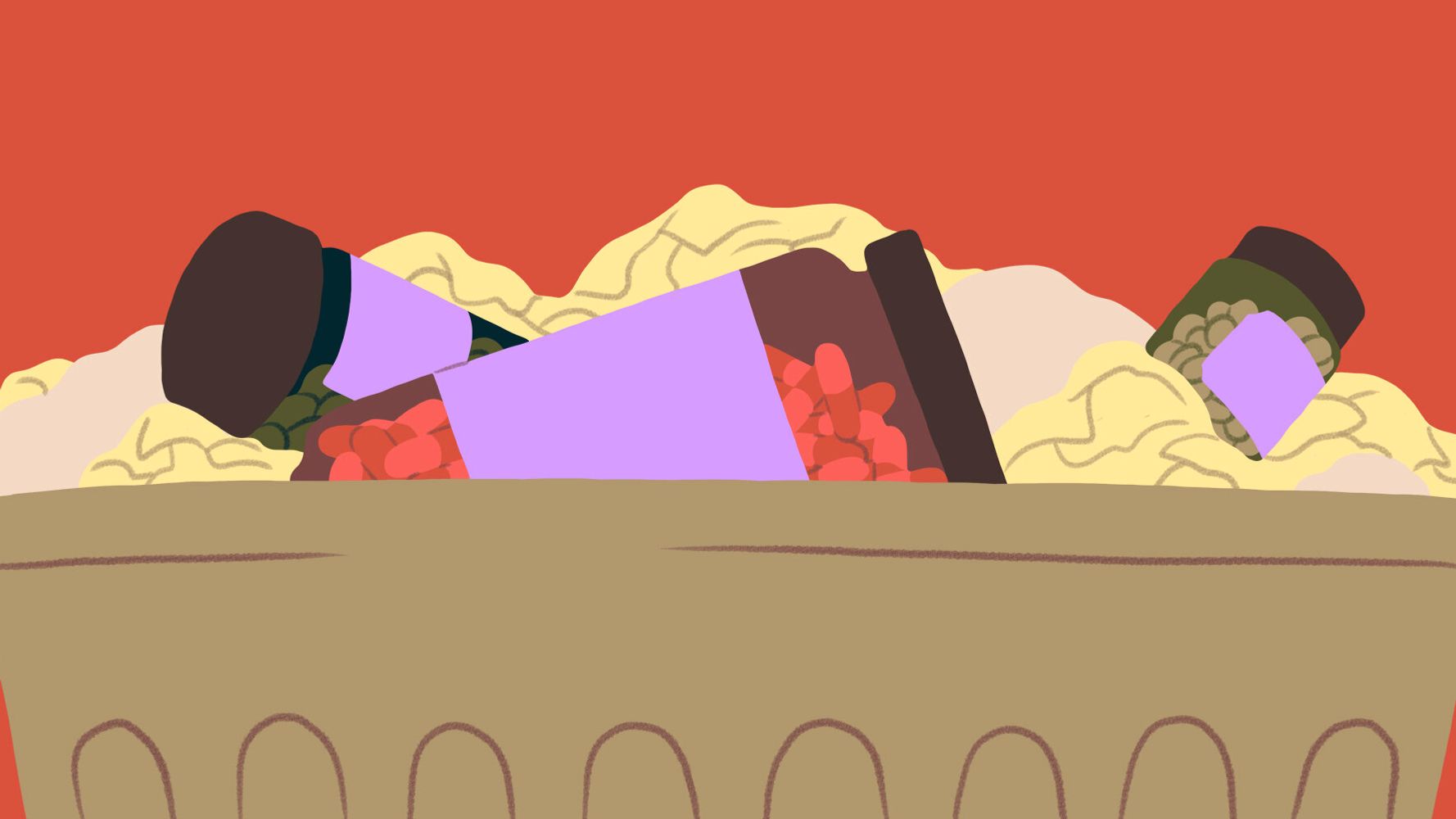
Illustration by Sara Andreasson for HuffPost

This story is part of Pain in America, a nine-part series looking at some of the underlying causes of the opioid addiction crisis and how we treat pain.

With age comes pain. Whether caused by injury, arthritis, cancer or any number of conditions, persistent pain affects up to four out of every five people age 65 and older.

While many turn to opioids and other medications, their risks, including the potential for abuse and overdose, are well known. Less well known (at least among the general public) are the added issues older adults can face when taking these drugs.

“The older you are, the more likely you are to develop an adverse side effect from a pain medication,” said Cary Reid, associate professor of medicine in the division of geriatric and palliative medicine at Weill Cornell Medicine and director at Cornell’s Translational Research Institute on Pain in Later Life (TRIPLL).

Those side effects, such as confusion and a heightened risk of falls, can be severe and can make doctors hesitant to prescribe pain medications to older adults. These drugs can also take longer to metabolize with age, meaning they can be more potent or stay in an elderly person’s system longer than expected. And because many older adults take other medications too, there’s also the risk of problematic drug interactions.

With the number of American seniors expected to almost double by 2060 — to nearly a quarter of the population — this all adds up to a growing need to find alternative treatments.

That’s where researchers like those at TRIPLL come in. One of 13 Roybal Centers that the U.S. government’s National Institute on Aging has funded to improve the lives of older Americans, TRIPLL focuses on nondrug approaches to managing and preventing chronic pain.

It’s casting a wide net, looking into alternatives that range from acupuncture and meditation to physical therapy, cognitive behavioral therapy and even mobile technologies.

Reporting Pain With Digital Health Technology

In one TRIPLL-funded project, Elizabeth Murnane, a postdoctoral scholar in the computer science department at Stanford University, and a team of researchers developed smartphone-based technology that adults 55 and older can use to self-report the intensity of chronic pain. The idea is to capture information about pain as it happens without burdening the patient, while serving as an alternative to pen-and-paper and verbal self-reporting measures commonly used in clinical settings or at-home methods that often suffer from low adherence or misreporting.

The test used nine different measures to capture the patient’s experience of pain, including a circle that fills with color when the interface is touched, and a widget for reporting pain with a numerical range of 0 to 10 that can be adjusted by tapping the screen. Early testing revealed some usability issues for older adults with low digital skills or motor, cognitive and visual impairments, so the researchers changed the design to be more touch and pressure-oriented, “in part motivated by how we’d sometimes observe our participants instinctually grasping the hand of a loved one or a chair or other object nearby in moments of pain,” Murnane explained. 

Now Murnane and her collaborators are working on a pain assessment tool that examines rhythms of pain intensity. 

Many factors can influence the experience of pain — age, gender, genes and how much sleep a person needs (and how much they actually get), Murnane said. “Healthy functioning and synchronization of the circadian system is known to deteriorate with age, contributing to a vicious cycle of sleep disruption and exacerbated pain in older adults.”

The researchers hope the data can be used to advance the basic understanding of pain and how it manifests in everyday life — behaviorally, psychologically and physiologically — as well as to design new tools for pain monitoring and management. For example, they hope to discover digital biomarkers of pain, which are bits of data collected with digital devices and wearables like smartwatches that can be used to explain or predict the presence of illness or disease. In Murnane’s case, these markers could be someone’s degree of forward flexion or how far they’ve walked on an inclined path, which researchers expect would correlate with pain severity, she said. 

Emotion Regulation Therapy

Negative emotions are also associated with chronic pain — typically, the more depression, anger, negativity and irritability that a patient feels, the more pain they report experiencing, Reid explained. 

Weill Cornell Medicine psychologist Dimitris Kiosses and a multidisciplinary team of researchers have been working on a psychosocial treatment called “problem adaptation therapy” that aims to provide elderly patients suffering from chronic pain with techniques — like deep breathing, relaxation and changing their perspective on a situation — to decrease the impact of negative emotions and increase the impact of positive ones. 

“The goal there is to have people recognize the kinds of emotions they experience and to develop strategies to minimize negative emotions, because research has demonstrated a strong link between negative emotions and increased pain and pain-related disability,” Reid said.

Barbara Chase, an 81-year-old New York City resident, learned valuable techniques for managing chronic back and nerve pain she experiences from Parkinson’s disease by participating in this program. She’s never liked taking medicine, she said, and is amazed by how helpful some nondrug alternatives — like listening to music and relaxing her body and mind — can be in managing pain. Chase now likes to go to the gym, turn off the lights, and listen to music through her phone while stretching and doing other movement exercises, which she says takes her to another place. 

“It makes me relax and I just forget,” Chase said. “I don’t think about it.”

Relaxing by lying on the floor, closing her eyes, and spreading out like a bird has a similar effect, she said, adding that she can often feel her pain coming on ahead of time, and now knows to use these emotion-regulation techniques to get rid of it. 

“It’s amazing,” she said. “And it’s free.”

Behavioral Treatment For Older Adults With HIV

Older adults with HIV are a growing population with high rates of chronic pain and substance use, and decreased physical function. To address these issues, researchers supported by TRIPLL developed an eight-week behavioral pilot study in 2016 that incorporated weekly tai chi and cognitive behavioral therapy sessions and used text messaging to facilitate behavior change.

Results from a small randomized control trial were positive — participants who took part in the CBT, tai chi and texting program experienced more pain relief, reduced substance use and improved physical performance compared to a control group who received standard care. Now the researchers are trying to obtain funding from the National Institutes of Health to support a similar but much larger trial.

Looking To The Future

Because many clinicians were trained to manage pain primarily with medication, educating them about nondrug approaches to pain management can be difficult, Reid said.

Another challenge is getting insurers to cover nonpharmacological pain management techniques, and without insurance coverage, many treatments become inaccessible for patients who can’t afford the out-of-pocket costs. 

Even finding places that offer those alternatives can be tough. “It’s often difficult in New York City, and if it’s difficult in New York City, imagine what it must be like if you’re living in a very rural state,” Reid said. “We’ve got to enhance the availability and dissemination of these kinds of tools.” 

Share Button

Joe Biden Calls Malarkey On Report Casting Doubt On 2024 Run

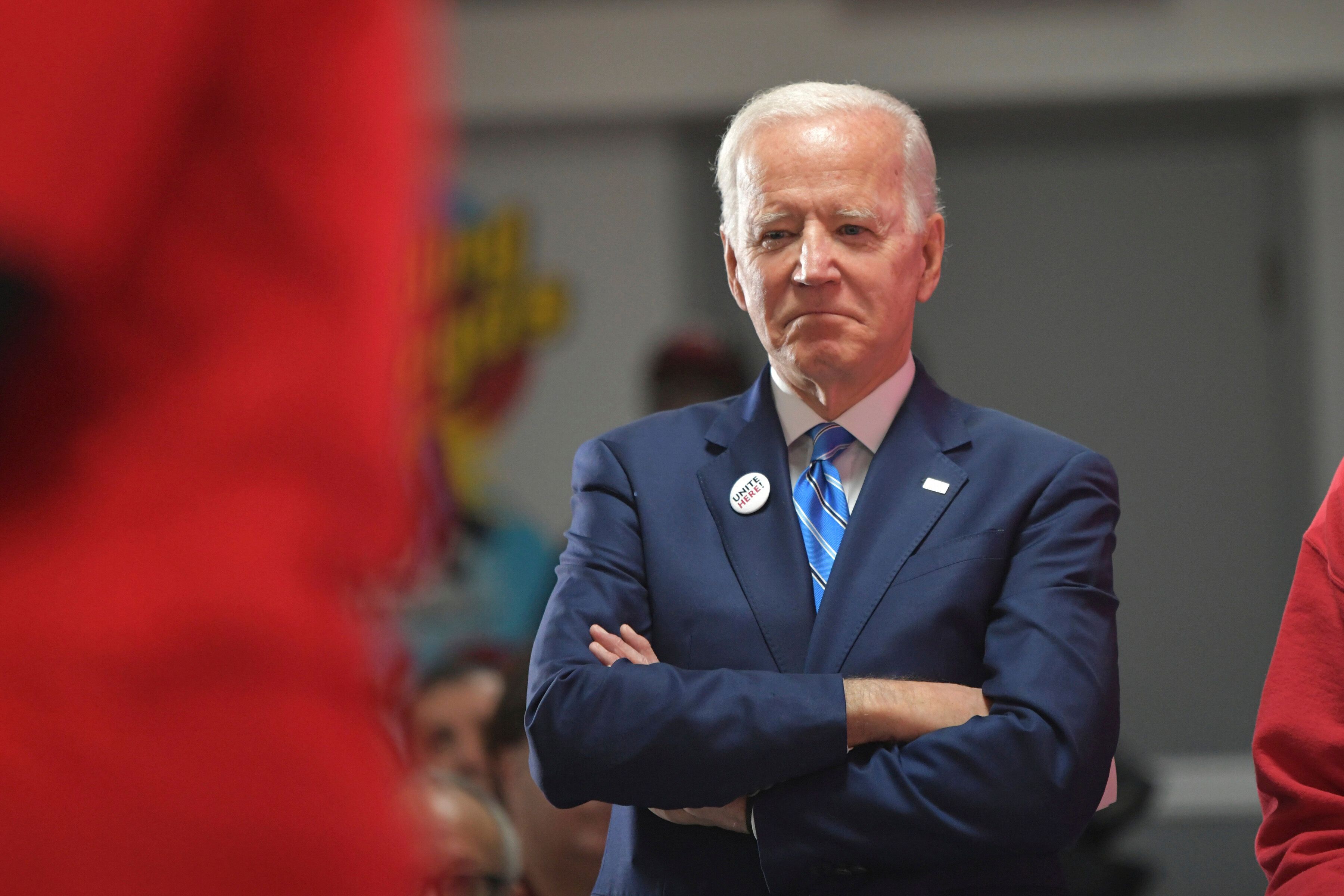
Joe Biden, the third-oldest candidate in the 2020 presidential race, has faced questions for months over whether he would limit himself to serving one term in the White House if elected. With varying force, he has denied any such intention. 

According to a Wednesday morning Politico report, however, the 77-year-old former vice president has “revived” the one-term debate among his closest advisers and is signaling that he would “almost certainly” not run again in 2024. 

“If Biden is elected, he’s going to be 82 years old in four years,” an unnamed adviser told Politico, “and he won’t be running for reelection.”

But the candidate himself said Wednesday that the report was pure malarkey. 

“I don’t have any plans on one term,” Biden told ABC News when asked about the Politico report, which he called “just not true.”

Kate Bedingfield, a Biden deputy campaign manager, chimed in over Twitter to deny it, as well.

“Lots of chatter out there on this so just want to be crystal clear: this is not a conversation our campaign is having and not something VP Biden is thinking about,” Bedingfield wrote.

Biden has appeared less certain in the past. In an October interview with Associated Press reporter Meg Kinnard, he seemed to be considering the possibility of a one-term presidency. 

“I feel good and all I can say is, watch me, you’ll see,” Biden said at the time. “It doesn’t mean I would run a second term. I’m not going to make that judgment at this moment.”

Age has cropped up repeatedly in the 2020 race as a raft of candidates vie for the Democratic nomination to challenge 73-year-old President Donald Trump

The oldest candidate, 78-year-old Sen. Bernie Sanders (I-Vt.), also refuses to say he would limit himself to one term ― even after his recent heart attack.

Former New York City Mayor Mike Bloomberg at 77 is second-oldest ― born the same year as Biden, 1942, but several months older than him. Sen. Elizabeth Warren (D-Mass.) is 70.

Share Button

15 Anti-Aging Skin Care Products Doctors Won’t Go Without

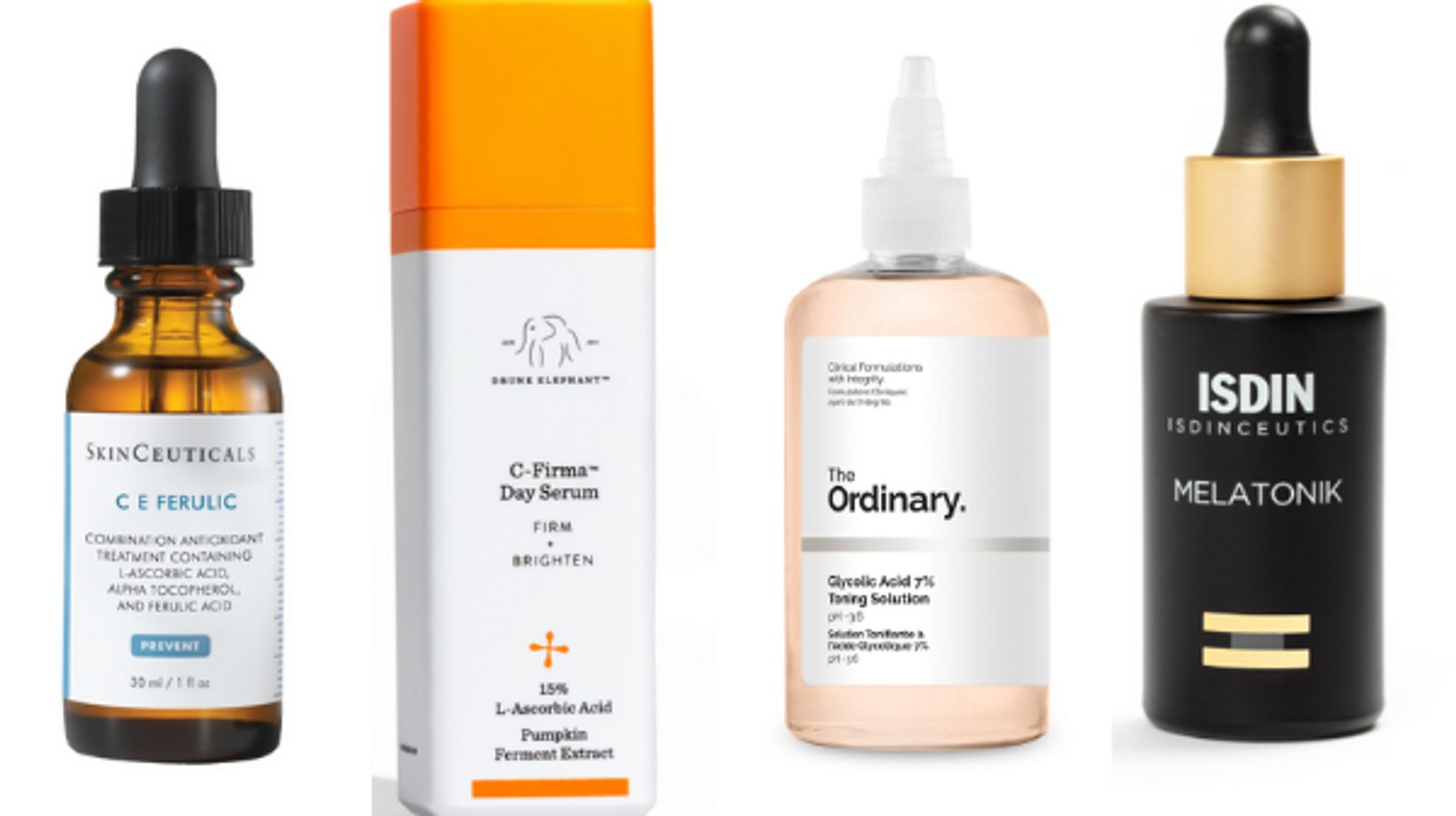
Every day, dermatologists and plastic surgeons treat their patients to make them look younger, whether it be with fillers, Botox, chemical peels or laser treatments. These treatments keep wrinkles at bay, improve sagging skin, elicit that youthful glow and erase age spots ― but which day-to-day products do dermatologists swear by to keep their skin looking fresh?

We asked some leading dermatologists and plastic surgeons from around the country to tell us about their favorite anti-aging skincare products. Now you can benefit from their secrets.

HuffPost may receive a share from purchases made via links on this page. Prices and availability subject to change.

Share Button

Lilly Singh: ‘My Vagina Has Never Looked More Distinguished’

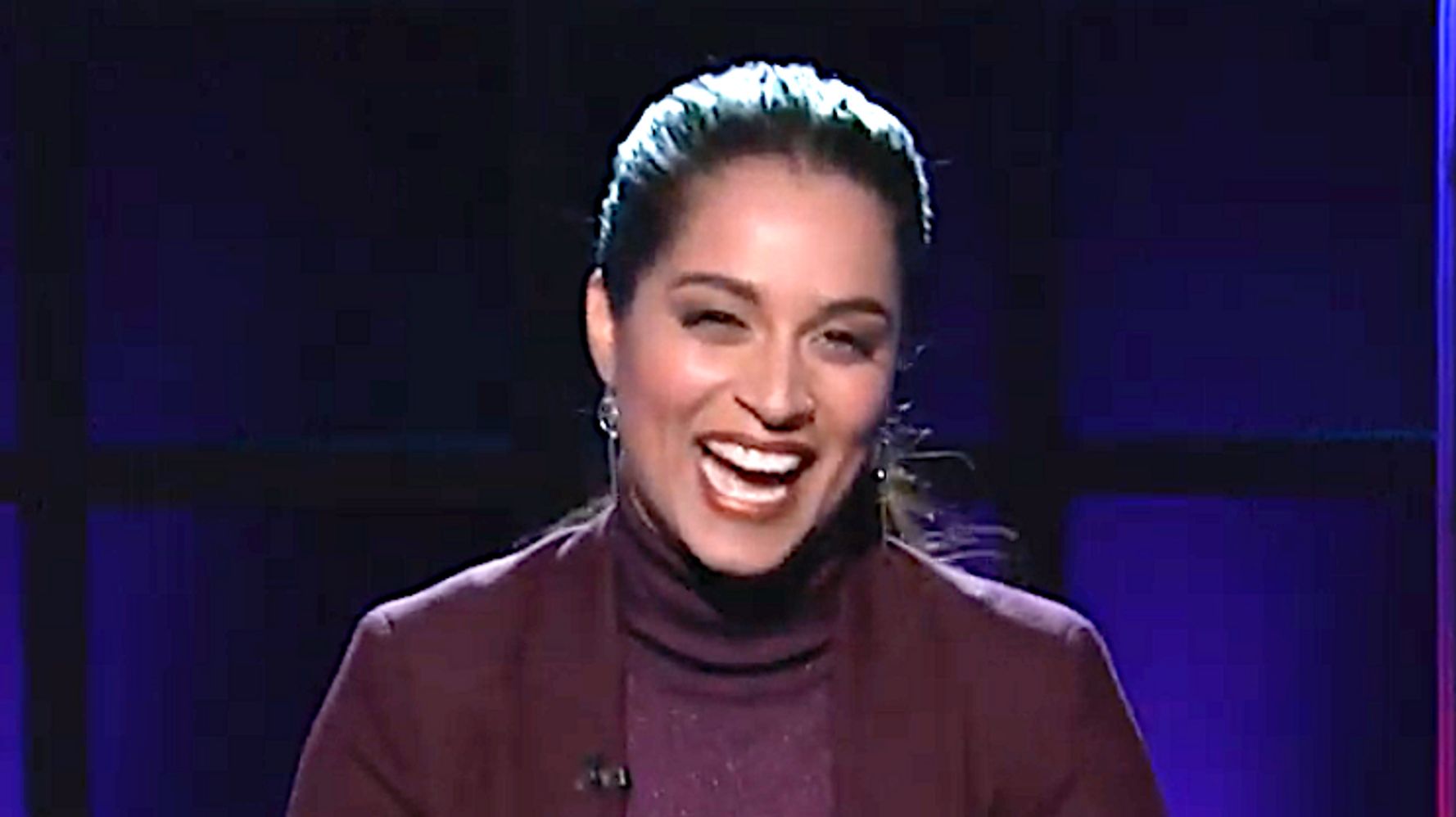
“A Little Late” host Lilly Singh celebrated her 31st birthday on Thursday and gave her audience a present: a rollicking monologue about getting older. 

The host of the new NBC show jabbed at a culture in which men actually welcome white hair.

“Cause men turn into George Clooney,” she said. “At the first sight of a white hair on a woman, she turns into that old lady who tries to give you apples on Halloween.”

But that was a mere setup:

“Finding white hair on your head is one thing, but finding white hair on your body is a whole different story,” she said. “But I will say that my vagina has never looked more distinguished.”

Watch the full routine above.

Share Button

Here’s What Being Married For 63 Years Has Taught Me About Love And Life

On July 14, 1956, when I married the only husband I’ve ever had, I was 18 years old, a high school graduate and a long-distance telephone operator. My husband, Ed, was 23, just a year out of the Marines and working as an electronic technician at a small shop near Detroit.

We lived five houses apart, but, since I was in the ninth grade when he joined the Marines, our paths weren’t likely to cross. Three years later, in September, we met through mutual friends, and we were engaged by Christmas. If I had doubts about getting married so young, they were drowned out by the potential spectacle of a grand wedding. I remember thinking, in the wee hours before I said, “I do,” if this doesn’t work out, I can always come back home. My parents weren’t that crazy about him, anyway.

My mother had other plans for me. She hoped all of those expensive singing, acting and dance lessons I had taken would eventually pay off. She wanted me to be the first in our family to go to college. She never dreamed I would give it all up to marry this boy I barely knew, this boy who was nothing like me, this boy who had habits I should have hated, who she believed showed no promise and would no doubt break my heart.

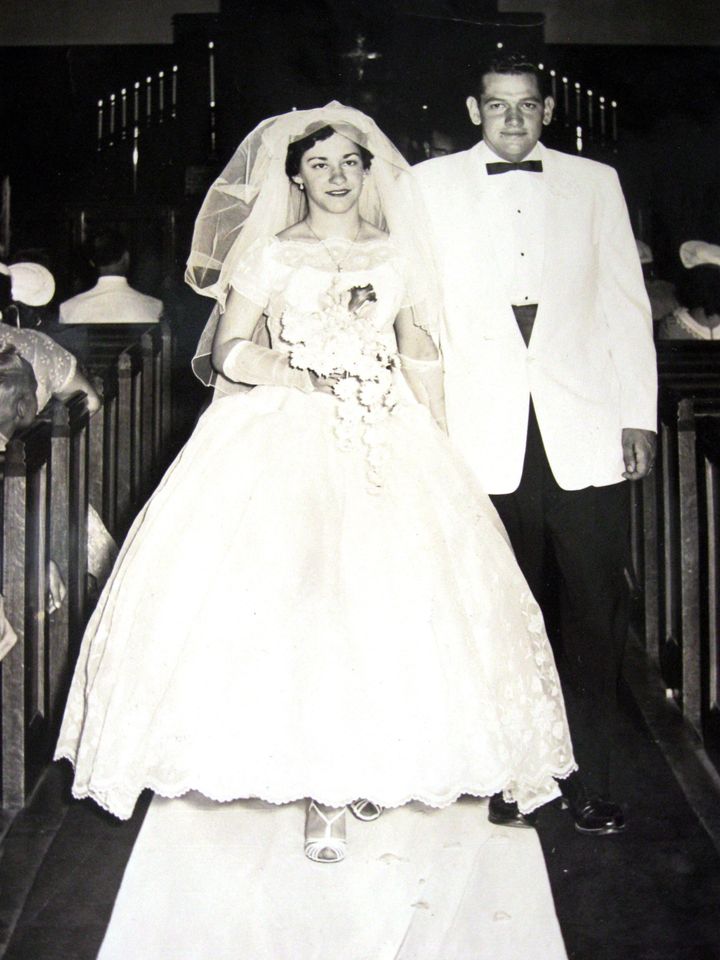
I ignored her fears. All I wanted was a big wedding. I loved how my boatneck, cap-sleeved, embroidered organdy wedding gown fit my wasp waist and showed off my curves. I paid $99 for it, using an installment plan, and wearing it was the closest I would ever come to feeling like a princess.

I couldn’t stop what I’d put in motion then, even if I’d wanted to. I couldn’t throw all that pomp away. I was about to star in my own carefully planned production and whatever might come afterward was a sacrifice I was willing to make. 

Ed hated every minute of it. He hated being in the spotlight and thought it was crazy to spend that kind of money on a single day of glory. But he did it. He put on his tuxedo and went along with it.

And from that day forward I was a married lady. I took his last name and our lives became so intertwined, I barely remember what it was like before he came along. We had three children, and our children had children, and one day Ed and I woke up and laughed at how carelessly we had joined, and how grateful we were that we had lived for the moment and couldn’t see ahead until it was too late ― until we were so entrenched as a couple we couldn’t imagine our lives any other way.

We're hitched! A photo from our wedding, which took place in Royal Oak, Michigan, on July 14, 1956.

We’re hitched! A photo from our wedding, which took place in Royal Oak, Michigan, on July 14, 1956.

So, how did we do it? How did we get this far without running away or killing each other? You’ll have to give me a minute. Sifting through more than six decades of memories to find those nuggets isn’t easy. And, as you can imagine, some of it I’d really prefer to forget. Still, the memories that count ― that stay with me ― are the happy ones.

As couples went, we couldn’t have been more different. Ed was an ex-Marine who liked baseball and Dixieland jazz and didn’t get literature or the arts at all. I was a bookworm, a dreamer, a romantic, a writer-in-hiding, a singer — and a soprano, at that. I liked classical music and singers like Mario Lanza and Deanna Durbin.

Ed smoked and drank and I didn’t. In fact, I hated both of those vices. He also didn’t especially like or want children. I, even at 18, couldn’t wait to have them. But from our very first dates, beyond the usual red-hot lusting, we discovered we actually had many things in common that just might make our unlikely pairing work. 

We talked. A lot. We were both FDR liberals who wanted to change the world. We both loved our parents and our families. We didn’t go in for ostentation or bragging and preferred quiet evenings to parties and noise. We were both curious and interested in the world around us, and saw ourselves exploring every bit of it together. Fearlessly.

So there was that.

We had three children in 10 years, and damned if Ed didn’t love each of them, right from the start. Later we had three grandchildren, and, if they didn’t invent wrapping their grandfather around their little fingers, they became major experts at it.

But neither of us were saints and the waters sometimes seemed to roil as often as they stayed calm. You can’t live for more than six decades with someone who started out as a stranger without some major gnashing and clashing. If there are no fights, it’s a sign that one of you has given up, waved the white flag and ultimately surrendered. The key is in how you handle the fights.

Both of us, thankfully, are good at getting over whatever it is that has us going at it. We apologize and we forgive. Early on, we adopted that old adage, “Never go to sleep mad,” and most of the time we can do that. Though not always. But holding grudges is exhausting and, luckily, neither of us has ever been very good at it. It also helps that we’re both really, really bad at remembering what happened ― even yesterday.

You can’t live for more than six decades with someone … without some major gnashing and clashing. If there are no fights, it’s a sign that one of you has given up, waved the white flag and ultimately surrendered. The key is in how you handle the fights.

Through the years we’ve had our share of upsets and heartache and even sheer terror. We’ve experienced life lessons so painful it still hurts to think about them. Ed has had heart problems, and I’ve lost a breast to cancer. Depression runs rampant in my family, and it strikes in every generation.

At times we’ve been the helpers, and at other times we’ve needed help. We’ve buried all four of our parents, along with siblings who died too young. Those weren’t events we would have chosen to face, but with each one we grew stronger together. We became battle buddies, bound forever, each of us grateful that the other was there by our side when things went wrong.

Ed and I aren’t romantic in the usual sense. We don’t write each other love notes, or work for weeks to find or make the right gifts. If we do give each other a gift it’s usually spontaneous and something inexpensive ― and not always on a birthday or a holiday.

Ed once bought me a bright yellow sweater, miles too big for my 5-foot frame, with a cowl neckline that threatened to devour me, simply because he’s colorblind and can only see bright yellow as a true color. It called out to him and he bought it. I wore it and he loved it. One year I bought him a dozen orange golf balls, forgetting that his colorblindness makes green and orange look the same to him, so he couldn’t find them on the fairways.

We don’t hold hands when we walk, or kiss in public. We say “I love you” at least once a day, but in private, so nobody will hear. And it works in his favor that he’s never once called me “the wife.”

But I am a wife, and I was a full-time wife during the volatile women’s liberation era. Those years were hard on us. I had grown used to being called by my husband’s name (Mrs. Edward Grigg), and it didn’t seem odd to me then that I couldn’t get a credit card without my husband’s signature, or have my name on the car title. He was the breadwinner and I was the stay-at-home mom. That’s just the way it was.

Then, in 1964, with the publication of her best-selling book, “The Feminine Mystique,” Betty Friedan came along and showed us housewives we had many reasons to be dissatisfied. She opened our eyes to our own self-worth and suddenly the men in our lives came to be seen as obstacles to our freedom. They got in the way of our achieving our true potential.

Those days were lethal to a lot of marriages. Ours survived, but not without a lot of push and pull. It was as if the earth began to shake underneath us, and when it stopped, the terrain was never the same.

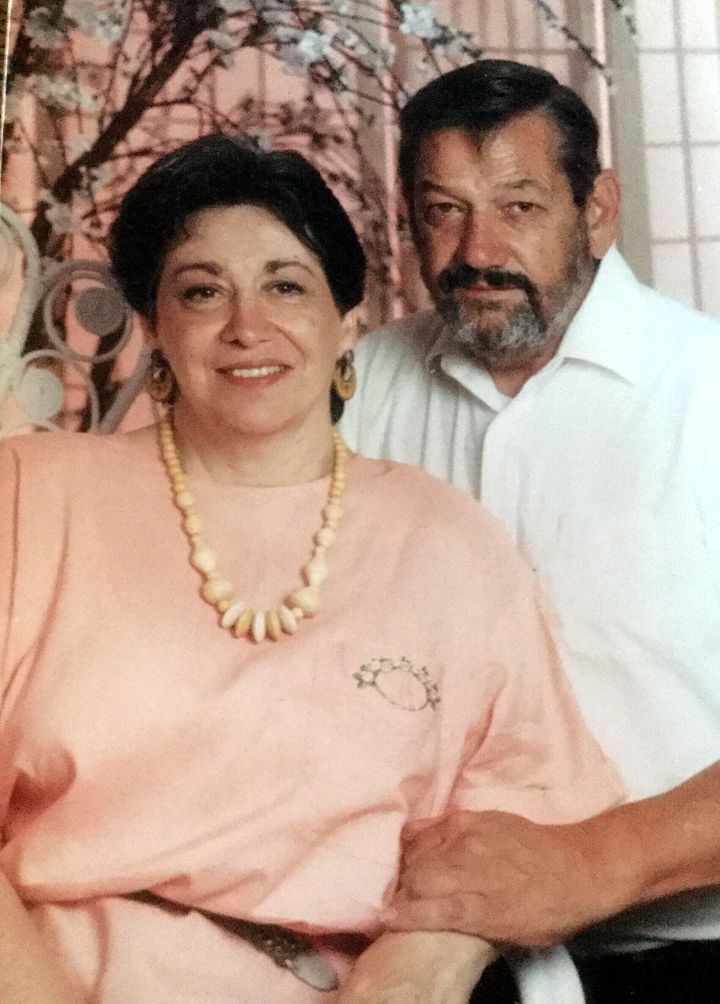
A photo of Ramona and Ed taken as a remembrance of their 35th wedding anniversary. 

A photo of Ramona and Ed taken as a remembrance of their 35th wedding anniversary. 

By 1971, when I became a charter member of Ms. magazine, subscribing even before the first issue came out, I called myself a feminist. I saw feminism as a call for equality and as a movement to shine a light on the abuses many women endured at the hands of the men they wanted to love and trust. But I couldn’t disavow the men in my own life: I loved my husband, my father, my father-in-law, my brothers and my son. I did not see them as the enemy.

I also read Marilyn French’s “The Women’s Room” and understood, on one level, the reason for the rage. Women had been held back for centuries, treated as chattel, as second-class citizens, as expendable baby carriers. I got it, and I wanted to help, but I couldn’t feel the hate that so many other women seemed to be inspired by. I was, in fact, often repelled by their rage.

I felt guilty that I was reasonably happy, even though, as a housewife and a mother, I wasn’t particularly productive ― at least I wasn’t productive in the sense that I was accomplishing anything outside my home, or taking advantage of these new and hard-earned freedoms the feminist movement was shining a light on.

In an effort to find any euphemism that might legitimize the mostly thankless work we did in our homes, and to give us some sense of stature, we housewives became “homemakers” or “domestic engineers.” For the first time, women were ashamed to stay at home.

It didn’t help that husbands everywhere, including mine, didn’t get it at first. They still lived with the notion that they were “babysitting” any time they had to watch the kids. We had grown up with specific roles in place: The husbands were the breadwinners and the wives held down the domestic front. Our husbands did home repairs and car repairs, and yardwork, but, for the most part, wives were expected to take care of everything else. There was no time for outside work ― or so the story went.

I give Ed a lot of credit for taking only a little time to come around. I’m sure the whole women’s lib prospect threw him for a loop, but I don’t remember arguing about it. I don’t remember ever making a decision about my own life, only to have him tell me I couldn’t do it. That wasn’t the way it worked with us.

When my youngest child was in school all day, I got my real estate license and went to work. I sucked at it. I loved houses but hated selling them. I thought the houses should sell themselves. I even thought I should point out the problems potential buyers might have missed. I didn’t last long.

I lucked into a job as secretary to a nursing director in a large hospital, even though my typing skills weren’t anywhere near the minimum requirements. She liked me, and that was enough. I loved working but I found I loved being at home, too. So when I quit after a few years to take care of my first grandchild, I found some semblance of balance by working as a freelance writer. I had dabbled in writing since I was a child, and it was the best of both worlds: I could watch my grandson grow and I could work from home.

By that time Ed was traveling a lot as a civilian tech associate working on government projects. He was away more than he was home — and I immersed myself in the thriving writing community in and around Detroit. Over time, I saw my main role as a writer and not as a housewife, which meant, as a couple, we were at another crossroad. I didn’t see it as moving on — I saw it as growing right where I was and blooming in a garden that, before, had been lying fallow.

A good long marriage is a gift but it won’t come without determination, dedication and a whole lot of love. … You forget those ugly words both of you threw out there specifically to hurt. You remember what brought you together in the first place, and you relive the moments that brought you joy.

I was a different person but so was Ed. And, miracle of miracles, once we got over our fears about growing apart, we began to talk. Again. His job and his travels all over the country gave him new stories worth telling. My experiences as a writer, an instructor, a conference speaker, a resident at writers retreats and a grant recipient gave me new stories to tell him.

He’s now my first reader and he’s good at it.

For a man who came of age in the ’50s, Ed had no real problem with helping his daughters turn into strong women. His awareness grew as the two of them grew, and they taught him more than I ever could about feminism. He gets it and he isn’t afraid to express it, something that delights the three of us to no end.

Ed and I moved away from the Detroit suburbs more than 20 years ago. We now live on an island in the north woods of Michigan, which is so remote we have to take a car ferry and drive the back roads for an hour to get to the nearest McDonald’s. Or the nearest hospital.

Healthy as we both thought we were, bouts of heart disease and cancer eventually caught up to us. With each scare, we become more and more desperate to hang on to each other.

We’ve grown old together ― something our young selves couldn’t even imagine. At 18 and 23, we couldn’t fathom ourselves in our 80s, still saying, “I love you,” grateful that we didn’t go through with any of our threats over the years to call it quits.

A good long marriage is a gift but it won’t come without determination, dedication and a whole lot of love. You learn after a while not to sweat the small stuff. You forget those ugly words both of you threw out there specifically to hurt. You remember what brought you together in the first place, and you relive the moments that brought you joy. 

You become a family, not by blood, but by heart and by endurance. You come to that point where, together, your old selves replace your young selves, and “until death do us part” doesn’t seem like such a long shot.

Ramona Grigg is a longtime columnist, essayist and blogger. Her political blog, Ramona’s Voices, ran for 10 years, starting on Barack Obama’s Inauguration Day in 2009. Ramona and her husband live on an island off the eastern coast of Michigan’s Upper Peninsula until the snow flies, and then they join a huge flock of snowbirds and head south for the winter. Some of her more recent work appears here, where she is editor of her own publication, Indelible Ink. You can find and follow Ramona on Twitter here.

Do you have a compelling personal story you’d like to see published on HuffPost? Find out what we’re looking for here and send us a pitch!

Share Button

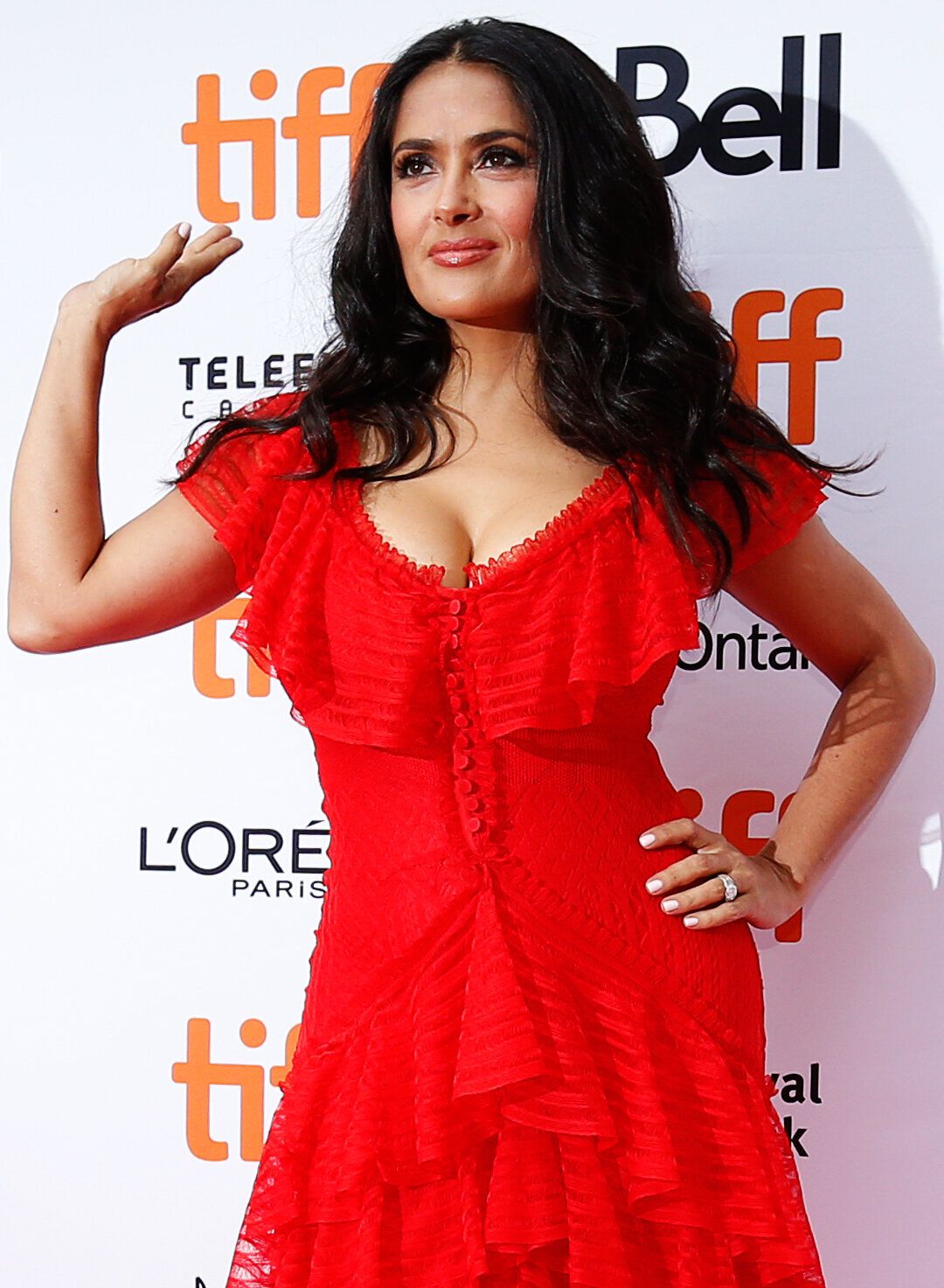
Salma Hayek Embraces Aging With Bikini Snap On 53rd Birthday: ‘So!?’

Actor Salma Hayek wowed on Instagram just ahead of her birthday, swatting away body insecurities and posting a stunning snap of herself in a bikini.

“Yes, tomorrow I’m 53. So!?” the Mexican star wrote Sunday in both English and Spanish.

Hayek has been a longtime advocate of body positivity, speaking about her own evolving relationship with her body and aging. She told InStyle UK in 2016 that entering her 50s sometimes challenged her confidence.

“Well I am entering my fifties so your body confidence isn’t that good,” she said in the interview. “I think it depends on the day, for everybody, there’s some days you say, ‘This is it,’ and you love it. Then there are days when you go, ‘This can not be it! Is this really it?’ So I think it’s up and down all the time!” 

The Oscar nominee has previously credited her success in life to being a late bloomer. She married at 39 and had her daughter Valentina at 41.

Hayek’s candid, no-makeup birthday post had stars like Pierce Brosnan, Lenny Kravitz, Cindy Crawford and British vogue editor Edward Enninful sending congratulations and birthday wishes.

Share Button

Gwyneth Paltrow On What Happens To Your Identity When You’re Not ‘F**kable’

Gwyneth Paltrow opened up about her looks, the aging process and struggling with her identity as she gets older on a recent episode of Goop’s new podcast, “The Beauty Closet.” 

“I’ve always felt so funny about my looks,” the “Iron Man” actress told Goop editors Jean Godfrey-June and Megan O’Neill. “I think that it’s very rare to think that you’re a beautiful person, and so, I feel like every other woman — like, I don’t see that when I look in the mirror.”

The Goop founder added that though she doesn’t always see herself as beautiful, other people have “considered” her that ― which she says is a “weird thing to be” as she gets older. 

“I think when you come to age, if you have this broad identity as that, what does it mean to get wrinkles and, like, get closer to menopause, and all these things?” she pondered. “What happens to your identity as a woman if you’re not fuckable and beautiful?”

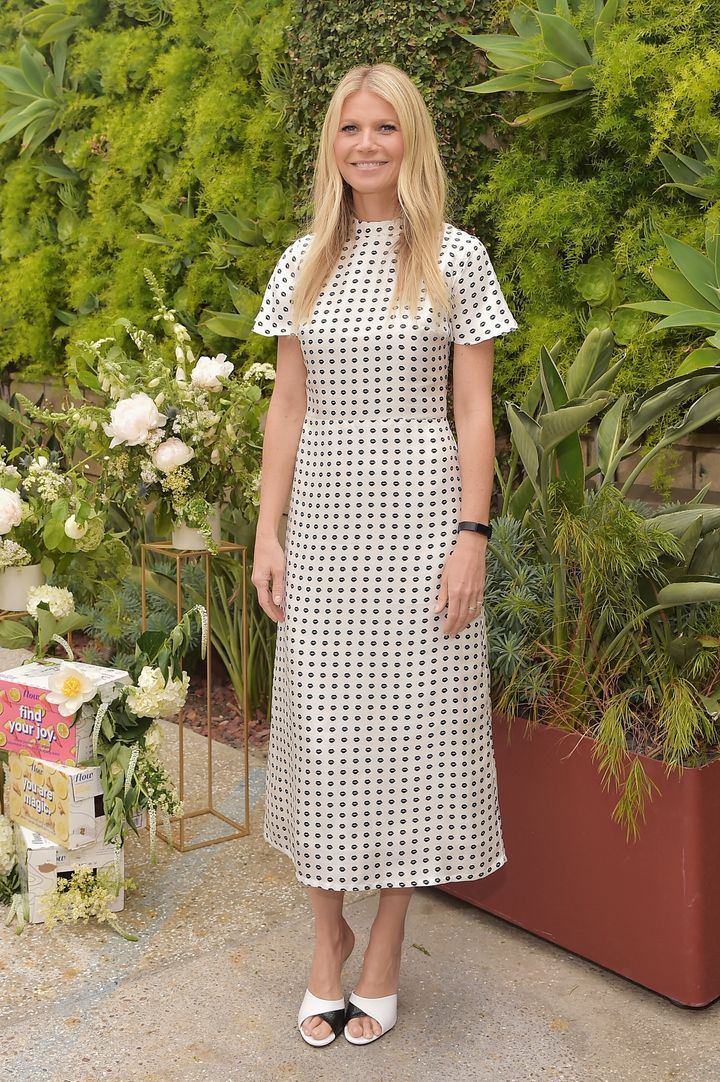
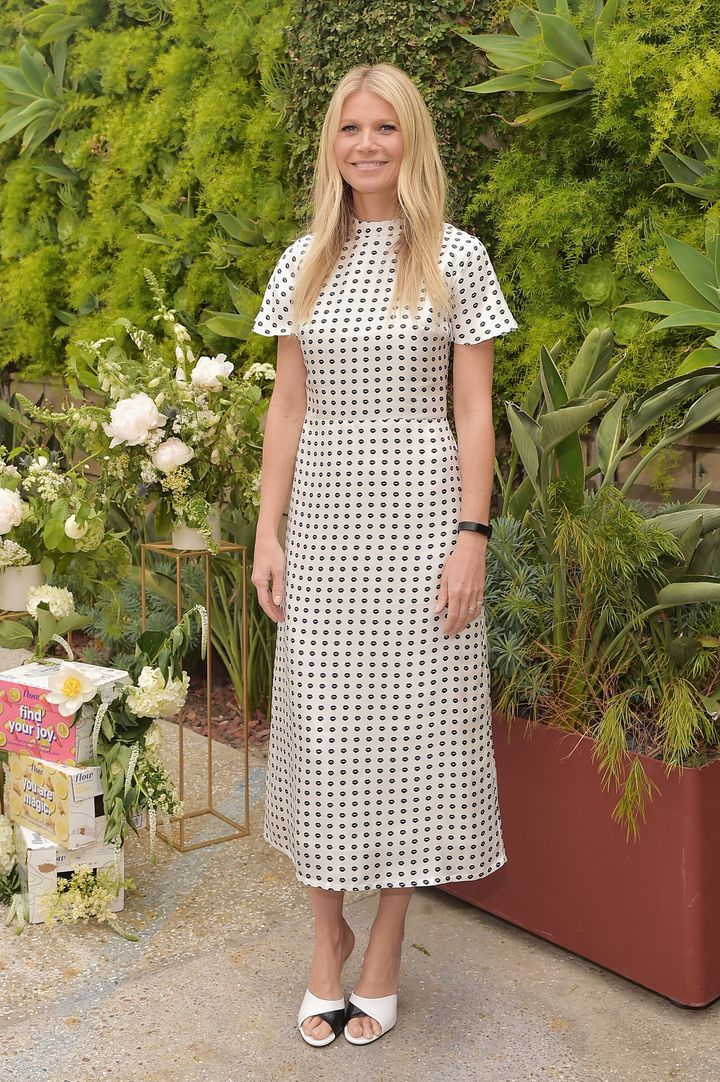
Gwyneth Paltrow hosts a Goop morning in celebration of first international campaign with Flow Alkaline Spring Water on June 6

Gwyneth Paltrow hosts a Goop morning in celebration of first international campaign with Flow Alkaline Spring Water on June 6 in Los Angeles. 

There are upsides to getting older though, as Paltrow said she feels “less judgmental” about herself, as opposed to when she was younger and “trying to please” people all the time. But that doesn’t mean she doesn’t still struggle with losing parts of her identity. 

“It’s like ― you feel so good, you know who you are, hopefully, you value the relationships in your life and your work and your contribution to the world,” Paltrow said.

“But then you’re like, ‘Wow, I have crow’s feet. Damn!’” she quipped. 

And as she gets older, Paltrow is experiencing lots of new things ― like being in  her first “adult relationship” with now-husband Brad Falchuk, a TV producer.

The Goop founder spoke about the difference in her new love with couples counselor Esther Perel in an interview with The Sunday Times last year. 

“Now, for the first time, I feel I’m in an adult relationship that is sometimes uncomfortable, because he sort of demands a certain level of intimacy and communication that I haven’t been held to before,” she said. “What came up in the first couple of years of our relationship was how incapable I was in this realm, how I feared intimacy and communication.”

Share Button

Gwyneth Paow On What Happens To Your Identity When You’re Not ‘F**kable’

Gwyneth Paltrow opened up about her looks, the aging process and struggling with her identity as she gets older on a recent episode of Goop’s new podcast, “The Beauty Closet.” 

“I’ve always felt so funny about my looks,” the “Iron Man” actress told Goop editors Jean Godfrey-June and Megan O’Neill. “I think that it’s very rare to think that you’re a beautiful person, and so, I feel like every other woman — like, I don’t see that when I look in the mirror.”

The Goop founder added that though she doesn’t always see herself as beautiful, other people have “considered” her that ― which she says is a “weird thing to be” as she gets older. 

“I think when you come to age, if you have this broad identity as that, what does it mean to get wrinkles and, like, get closer to menopause, and all these things?” she pondered. “What happens to your identity as a woman if you’re not fuckable and beautiful?”

Gwyneth Paltrow hosts a Goop morning in celebration of first international campaign with Flow Alkaline Spring Water on June 6


Gwyneth Paltrow hosts a Goop morning in celebration of first international campaign with Flow Alkaline Spring Water on June 6 in Los Angeles. 

There are upsides to getting older though, as Paltrow said she feels “less judgmental” about herself, as opposed to when she was younger and “trying to please” people all the time. But that doesn’t mean she doesn’t still struggle with losing parts of her identity. 

“It’s like ― you feel so good, you know who you are, hopefully, you value the relationships in your life and your work and your contribution to the world,” Paltrow said.

“But then you’re like, ‘Wow, I have crow’s feet. Damn!’” she quipped. 

And as she gets older, Paltrow is experiencing lots of new things ― like being in  her first “adult relationship” with now-husband Brad Falchuk, a TV producer.

The Goop founder spoke about the difference in her new love with couples counselor Esther Perel in an interview with The Sunday Times last year. 

“Now, for the first time, I feel I’m in an adult relationship that is sometimes uncomfortable, because he sort of demands a certain level of intimacy and communication that I haven’t been held to before,” she said. “What came up in the first couple of years of our relationship was how incapable I was in this realm, how I feared intimacy and communication.”

Share Button

I’m 53 And Completely Alone For The First Time In My Life

A thud from downstairs wakes me. I lie in bed for a moment, trying to place the sound. It was just the cat jumping down from the kitchen counter, I realize, stretching my body and climbing out of bed reluctantly.

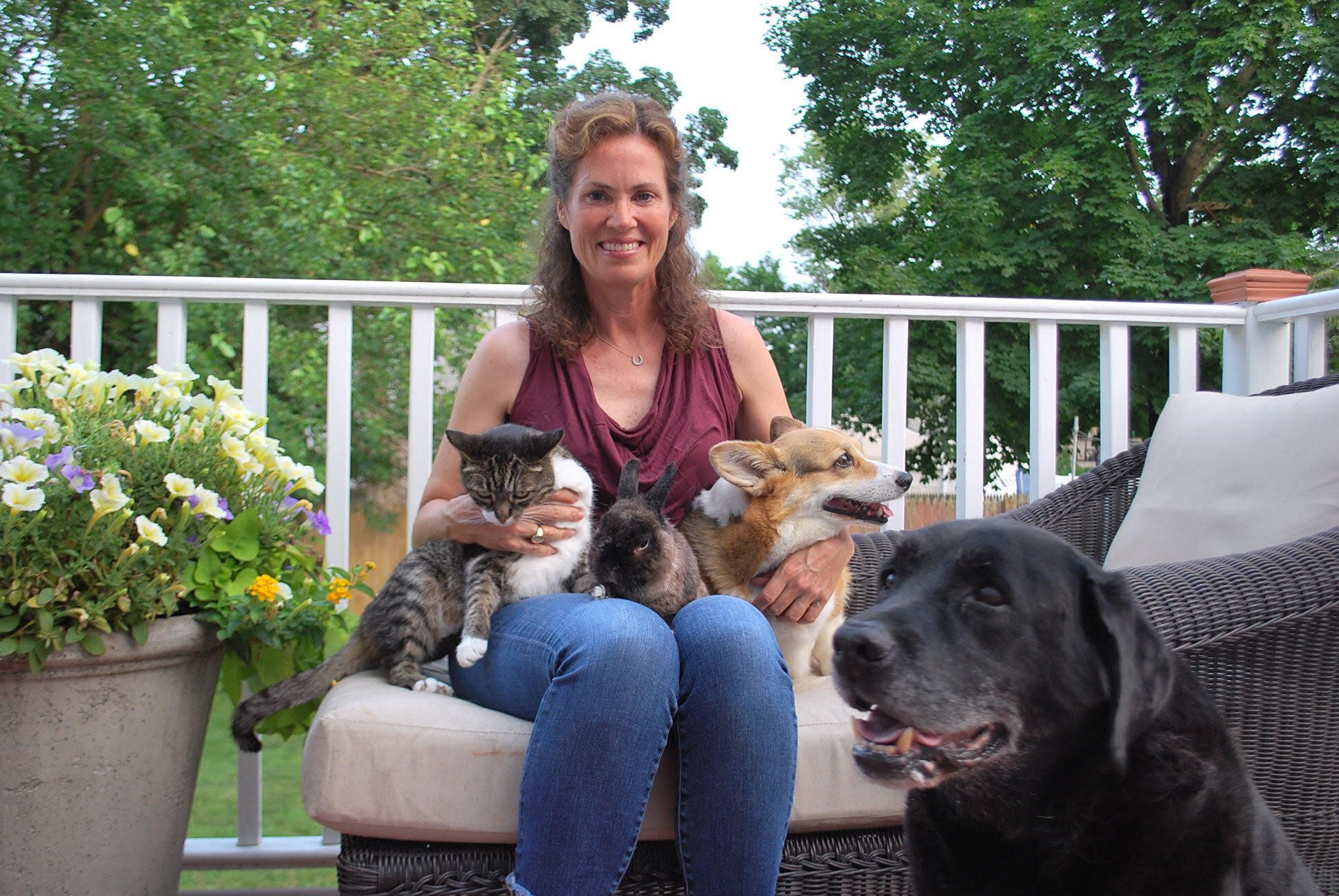
It isn’t even light yet. I hear Charlie stirring and then her fox-like face pokes out from under my bed, still half asleep and blinking her corgi eyeliner eyes. She follows me to the bathroom and waits for me to reach down and pet her.

“Good morning, girl,” I say, stroking the top of her head and feeling grateful for her company in my room every night.

I never thought I would be living alone at 53 years old. I never even imagined the possibility. I grew up in a house filled with three older brothers, some extended family members, and friends who lived with us periodically. That didn’t even count the constant stream of guests who came to stay, my parents collecting people like art over the years. When I left home for college, I lived with roommates in dorms or houses filled with other fellow students. After graduation, I lived with my boyfriend, who then became my husband, and the three children who followed, in a burgeoning family of my own. But one by one these children have grown and gone, the husband has become an ex-husband and I have found myself truly alone for the first time in my life ― save for the pets they left behind, the last breathing vestiges of an ecosystem I created.

As Charlie and I head for the stairs, Sugar comes stalking out of my daughter Maude’s empty room, her meow like a complaint. “She’ll be back in a few weeks,” I say to the cat reassuringly, but we both know that room, a room I had re-created for my youngest daughter in this rental house, is only a landing pad for her now that she’s away at college. Charlie and Sugar follow me down to the kitchen and I let them outside, calling for Hank, our aging black Labrador. Cocoa has his front feet propped up on the open door of his rabbit cage as we pass, his version of good morning. 

I turn on the coffee machine and pull my favorite cup from the dish towel where I left it to dry. I am still evolving in this foreign habitat, where there aren’t enough dirty dishes to run the dishwasher anymore and I feel environmentally guilty doing such small loads of laundry. As I open the door of the fridge to grab the milk, the sight of the few items sitting almost sheepishly on the shelves hits me in the face. I close the door quickly. 

The only shoes and coats to pick up by the back door now are mine. The backpacks that used to spill books and papers all over the kitchen table have disappeared, and nobody steals my phone charger anymore. I am cowed by the quiet. There is no music blaring when I walk into the house, no raised voices or peals of laughter, no cursing the dogs for farting. It was disorienting enough to be made redundant in a job I had done for 20 years, to have to reinvent my very reason for being. But each time one of my kids left home they took a piece of me with them, and it feels like my body hasn’t grown enough scar tissue to fill in the empty spaces.  

It was disorienting enough to be made redundant in a job I had done for 20 years, to have to reinvent my very reason for being. But each time one of my kids left home they took a piece of me with them, and it feels like my body hasn’t grown enough scar tissue to fill in the empty spaces.

Gibson, my eldest, took his music. The sound of him practicing the piano used to soothe my jangled nerves. He also took his poetry, pages of it that he left littered around the house so I could know what was in his mind ― to see the passion and complexity of his thoughts.

Wendy, my middle child, took her extreme weather ― fierce storms that tested my strength and challenged me to hold her. She also took the brightest and sunniest days ― days she filled with such crackling energy that everything seems a bit duller without her around.

Maude took her old soul and wise spirit, the compassion the rest of us lacked. She took away the dry humor and cautious demeanor she developed watching her two older siblings crash through adolescence. I closed my eyes and pictured her, like a little blond Buddha, reclining with the cat in her lap. 

Outside, Charlie barks, startling me from my thoughts. I let the animals back in and take my coffee into the dining room. As I sit down at the big farm table, I glance at the marks made by children no longer at their places ― drink rings and scratches, words imprinted from pencils pressed too hard on soft wood. I sip my coffee slowly, waiting for the caffeine to help dispel my feelings of loss. 

Charlie licks my ankle and I reach down to pet her where she lies under my chair, patiently waiting for our daily walk through the woods. I don’t have a day job ― I had been a stay-at-home mom since Gibson was born ― but now that my brood has flown I am more actively pursuing a writing career. I spend a great deal of time outdoors, with Charlie, but also riding my horse, a passion of mine from childhood that I reignited in my 40s. The connection I share with my mare is not only that of a successful athletic partnership and joyful outlet for our competitive spirits, but also a healing one for me. Horses are like therapists, and her calming presence has soothed many of the heartaches and tumultuous emotions I have suffered over the past several years. 

Although my days are active and I’m around enough people, I still don’t like living alone. The evenings are the hardest to face, without family dinners and the smell of cooking to bring everyone to the kitchen, my kids stepping over dogs to tell me about their days. Hank still lies down on the kitchen floor at dinnertime, waiting for me to chop vegetables so I can toss him the ends. The sorrowful look he seems to get in his eyes when he realizes there is no one to cook for makes me so sad that I reach into the fridge for a handful of Cocoa’s baby carrots to feed him. 

Being alone at bedtime isn’t any easier. Despite the problems in my marriage, I miss the presence of another body ― one without fur ― in my bed at night. “No offense,” I say to Sugar, who has leaped up to the table as if on cue. She sidles into my arm, purring softly. It isn’t just physical intimacy that I crave, I think to myself, running my hand down Sugar’s back. I still can’t picture a future in which I am not part of someone else’s world. This unmoors me. I feel adrift, like I’m floating out to sea, and it frightens me to realize that nobody knows where I am.

I had been separated for almost a year and was midway through my divorce when I started dating, searching for what I knew: the familiarity of attachment. I had just turned 50 and had no idea how to date, or anything about casual liaisons, having married my high school sweetheart. So I became involved in several serious relationships, one after the other. I told myself I was searching for love, for comfort in my grief, but now I think it was the fear of being alone that had me running scared into other people’s lives. 

I couldn’t recognize the truth during those relationships, however, because I had been grieving terribly for my empty nest and the loss of my marriage ― that fairy-tale happy ending. I was also grieving for the death of my father in the middle of it all, my safety net having disappeared like his body with cancer. I was lonely too. The slow death of my marriage had literally starved me of affection. We are herd animals after all, biologically programmed to mate, to live in groups for connection and safety. 

I can’t help feeling responsible for the hurt and pain my children have endured, but I’m angry too ― angry at myself for not valuing my own worth enough in our family dynamics. I fought harder for everyone else ― for our family unit ― for two and a half decades, but now here I am alone anyway.

I want to feel protected and loved by another human being but in some ways I feel in conflict with modern culture, which values independence over emotional need. I am almost ashamed to admit that I don’t want to be alone, that I’m somehow lacking because I want to share my life with someone. It’s like my body has not evolved in time to current social mores and I’m lost in the gap between, like a Darwinian statistic. 

Hank walks over and puts his chin on my thigh, gently reminding me that it is well past breakfast time. I fondle his ears and ruminate on how fear has actually sabotaged my ability to be with myself, how I don’t really know how to live without the context of another person. I am so used to sharing, to compromising and negotiating everything from physical space to emotions and dreams that I end up attaching too quickly in new relationships.

My warning system isn’t yet calibrated properly for dating, and I find myself trying to make things work even when I can’t picture the future that I want. I convinced myself that intimacy was the same thing as a promising long-term relationship, and it has taken me some time to realize that I don’t owe my whole self to those with whom I don’t have a history or children. It has taken me even longer to realize that I never owed my whole self to anyone

Now I want to wipe off the cultural shame I feel around my divorce, the sense of failure and broken family that as a mother has me tangled up in the center of it all. I can’t help feeling responsible for the hurt and pain my children have endured, but I’m angry too ― angry at myself for not valuing my own worth enough in our family dynamics. I fought harder for everyone else ― for our family unit ― for two and a half decades, but now here I am alone anyway. 

As I look around at the empty chairs, this house echoing with what I have lost, I realize it is time to create my own context. I have been paralyzed at times by fear and anxiety, even culture shock, at my new solitary status, but I have in fact survived. And perhaps there are advantages to being alone I hadn’t fully considered. I can choose where to live, how to live, who and what to love. I don’t need permission from anyone anymore, and I don’t have to sacrifice my dreams for someone else’s. I want to buy my own house with a garden for the animals. I want to keep riding and writing. I don’t want to be alone forever. I would like an intimate long-term relationship ― I think I’m hardwired for it ― but I won’t give all of me away ever again just for the sake of companionship.

A flood of hope surges through me at the possibilities of new dreams, of reviving old ones that never got realized and the freedom of my independence. As if punctuating that thought, Cocoa thumps loudly in his cage. “I’m coming!” I call to the rabbit. The dogs’ heads rise hopefully at the sound of my voice, and Sugar leaps down from the table. “OK, let’s go,” I say to them, pushing back my chair and heading into the kitchen, two dogs and a cat hot on my heels, the sound of their toenails clacking on the wood floor like music to my ears.

Ashley Collins is mother to three grown children and currently lives in Connecticut. She graduated from Stanford University in 1987 with a bachelor’s in anthropology. Her work has appeared online at Grown and Flown, Horse Network, the Roar Sessions, and Mothers Always Write, and has been published in the anthologies “Nothing but the Truth so Help Me God: 73 Women on Transitions” and “Here in the Middle: Stories of Love, Loss, and Connection From the Ones Sandwiched Between.” She currently writes a blog about her family and animals, and is working on a memoir about mothers, daughters and horses. You can read more about her at ashleycollinswriter.com and on social media on Facebook and Instagram.  

Do you have a compelling personal story you’d like to see published on HuffPost? Find out what we’re looking for here and send us a pitch!

Share Button