This Is What Being 30 Looks Like Around The World

Turning 30 is no simple life event. The milestone often prompts all sorts of introspection: evaluating career goals, feeling pressure about finding love or comparing the person you are now to the one you thought you would be at 30.

Back in 2014, photographer Stephane Domingues and writer Anne Hangouet set out on a 16-month trip to photograph and interview people around age 30 from around the world. Though their lifestyles differed, each of the pair’s thirty-something subjects had something in common, Domingues said.

“I would say that the main similarity [between 30-year-olds] is the awareness of who you really are, the accomplishment of yourself,” he told HuffPost. “I think the main reason is that you already have completed your studies, worked for several years, developed some passions and maybe even built a family. All these experiences enable you to understand who you are and what you want in life better.”

Domingues and Hangouet added another subject to their series this summer, and they plan to interview more soon, Domingues told HuffPost. They catalog all the portraits on their website, Being 30, and include each subject’s name, occupation and personal quotes. 

Here’s what 30 looks ― and feels ― like in 10 countries.

See more of Domingues and Hangouet’s work on Being 30.

Share Button

Julianne Moore Has The Most Refreshing Take On Aging

Julianne Moore is simply gorgeous, and so are her thoughts on getting older. 

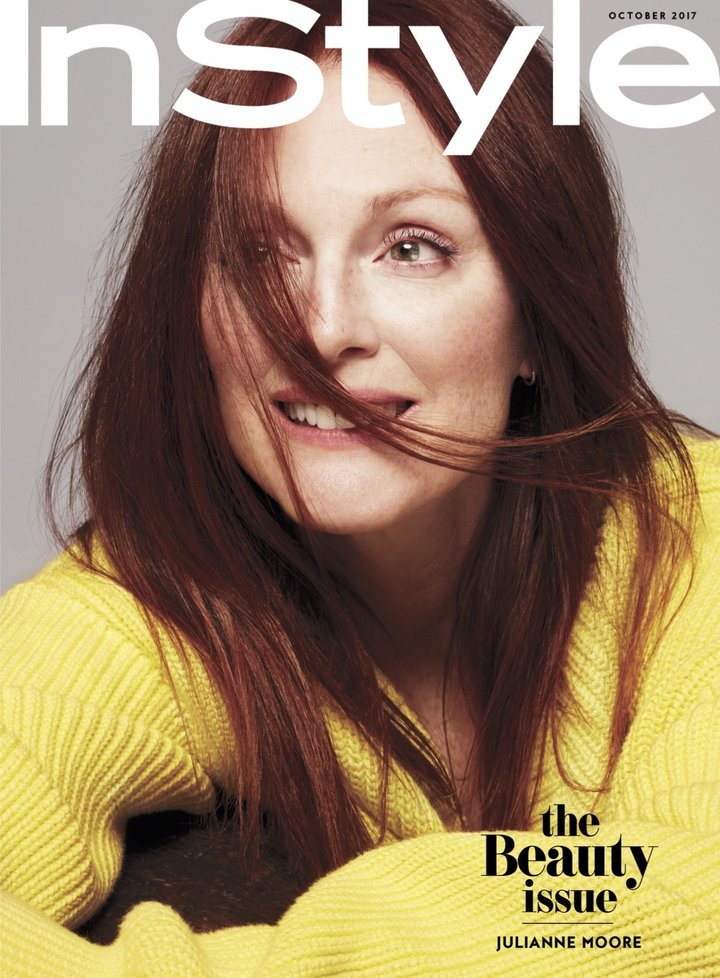
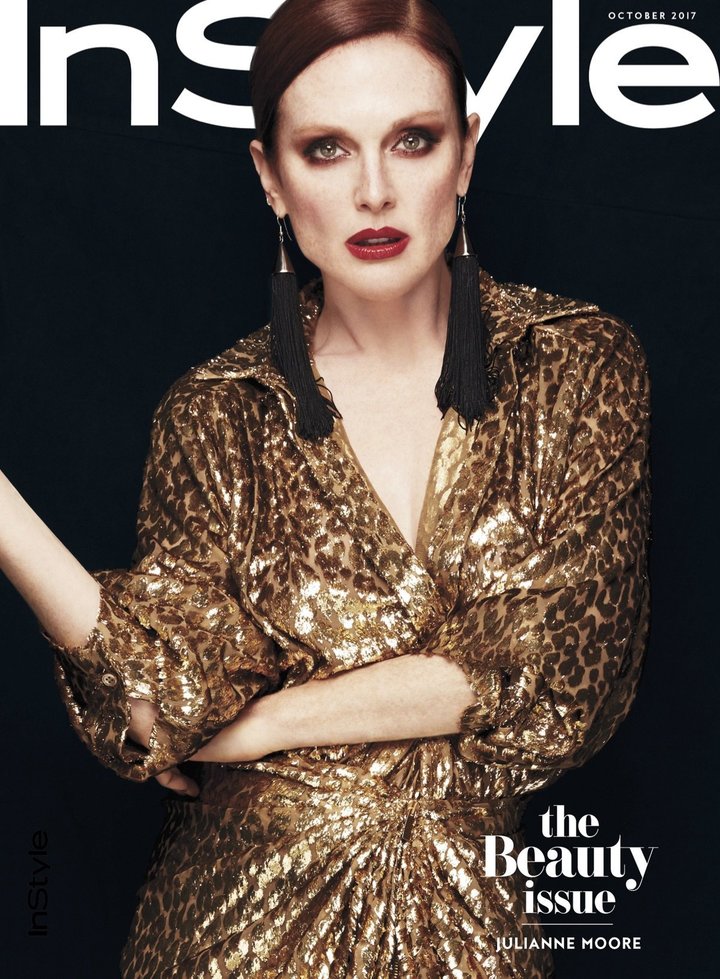
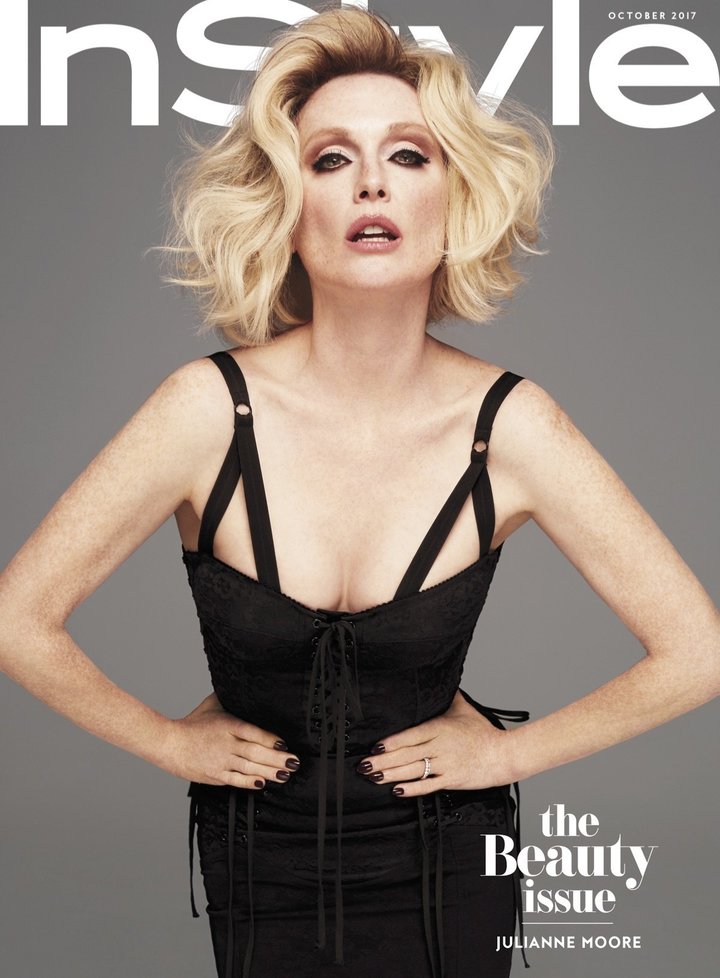
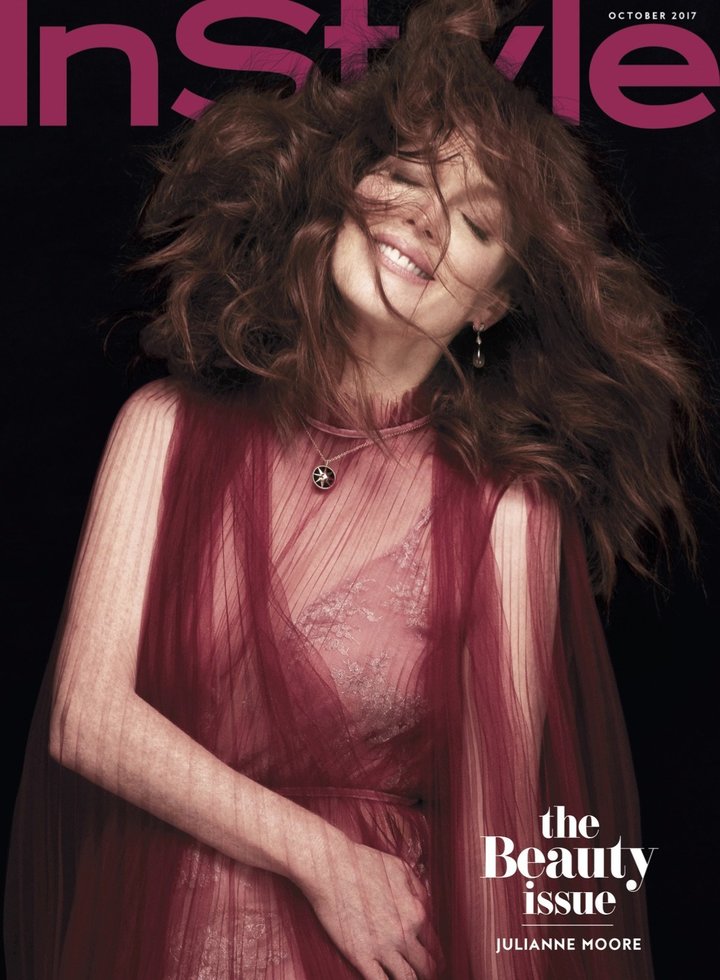
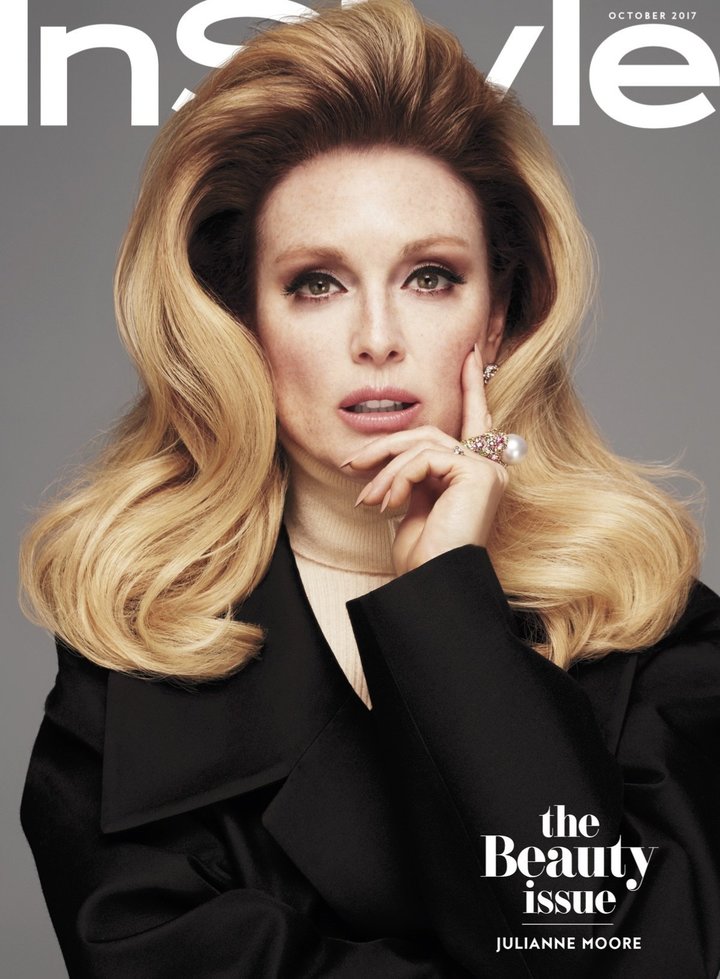
The 56-year-old actress recently shot five different cover looks for the October issue of InStyle, in which she serves up some YAAAS!!!-worthy comments on aging. While women are regularly pressured to appear as youthful as possible, she points out aging is a blessing.  

“I mean, let’s not talk about this idea of ‘Oh, no! I’m going to be 40!’ You could be dead,” Moore told InStyle. “So enjoy it. It’s a privilege to age!

Her cover looks range from Madonna-inspired to sweater-clad “girl next door”:


Moore has offered similarly positive thoughts on aging before, saying she prefers to avoid plastic surgery and even favors drugstore beauty products for glowing skin. Embracing aging is hitting the mainstream, too: Her InStyle profile comes just a few weeks after Allure announced it would ban the term “anti-aging” from its pages because growing older should be embraced and appreciated, not treated like something to fight off.

Moore of all this, please.

Share Button

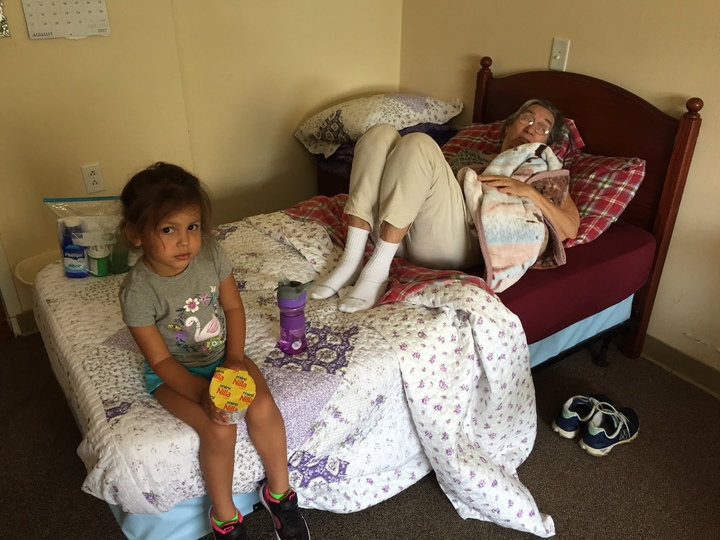
Watching My Mother Age Taught Me About America’s Lack Of Care For The Vulnerable

Since I teach mostly young people, college age, and have been an active cyclist with much younger friends for a while now, I have depended on a persistent self-deprecating joke about being old.

Since the end of 2016, a pelvis fracture, a winter of illnesses including the flu for the first time in decades, and then my mom’s stroke followed by my father’s death have all tempted me to shift that joke to a more serious view of life. However, I am increasingly convinced the problem with the human condition is not aging ― which is inevitable and preferred to the alternative ― but a lack of compassion and community in the U.S.

While literature and pop culture are awash in portrayals of the challenges that families bring, Kurt Vonnegut spent a great deal of his work as a writer ― in speeches, essays, and fiction ― arguing passionately for more human kindness as well as the importance of the extended family, an idealizing of tribal life that recognized the horror that is human loneliness.

Like most people, Vonnegut himself may have failed some or even often as a spouse, sibling, and father, but that doesn’t diminish the power and truth behind his essential message.

I suspect I have compassion for Vonnegut’s flaws since I share them along with his ideological commitments to kindness and community ― regardless of how inept I can be at both.

And my curmudgeon tendencies are strong, but as I grow older, and as I struggle with the necessary deteriorations of aging, I am more and more apt to recognize the futility of lamenting aging, of fearing and regretting old age (whatever that may be).

I remain frustrated with aging, and my vanity is triggered more than I like to admit. But I am more convinced than ever that the real fear is a lack of community as I continue to struggle with how to provide for my mom the sort of late life she deserves despite the consequences of her stoke (which took a significant part of her humanity) and the barriers we are encountering because, to be blunt, she has very little money to sustain her ― and the typically horrible insurance that most working-class and poor people are saddled with (if they have any at all) in the godforsaken U.S.

Many times, I have lamented that in the U.S. we simply do not care about children, and about that I am both deeply saddened and convinced. But that callousness and carelessness is a subset of a much larger and damning part of the so-called American character: we simply do not care about any vulnerable populations: children, disabled people, carers, and the elderly.

The great and caustic residue of being a rugged-individual culture is that we are willfully choosing to reject community in favor of Social Darwinism, consumerism, and the almighty dollar.

Instead of social safety nets being a foundational commitment among us, we have chosen to cast everyone to the fate of the Invisible Hand, our claims to being a Christian nation reduced to so-much hokum in practice.

The cost of growing old is in fact not the deterioration of the mind and body, but the consequences of aging being magnified by a people who refuse to provide for vulnerable populations as an unwavering commitment to human dignity.

I will continue to joke with my younger students and friends about being old; it is fun and often a way to assert my humanity into an environment that I recognize will eventually discard me because of age, although my privileges of being male, white, and well-educated will inoculate me for quite some time.

Despite my many, many flaws, my anger about the callousness of the U.S. toward vulnerable populations is not about me, and extends well beyond my sadness at how the world does not really care about my aging and disabled mother.

My anger is reflected in why Maggie Smith’s “Good Bones” has resonated so powerfully over the past several months. Smith forces us to admit “[t]he world is at least/ fifty percent terrible, and that’s a conservative/ estimate,” and she keeps us focused on the vulnerability of children.

My anger is enflamed because I do believe Smith’s closing lines: “This place could be beautiful, right? You could make this place beautiful.”

My anger grows because I doubt we will ever assure that comes to fruition.

To squander vulnerable populations ― from children to the elderly ― is to abandon our souls, to spit in the face of beauty, to declare our society morally bankrupt.

Share Button

Zara Used Models Over 40 And Totally Missed The Point

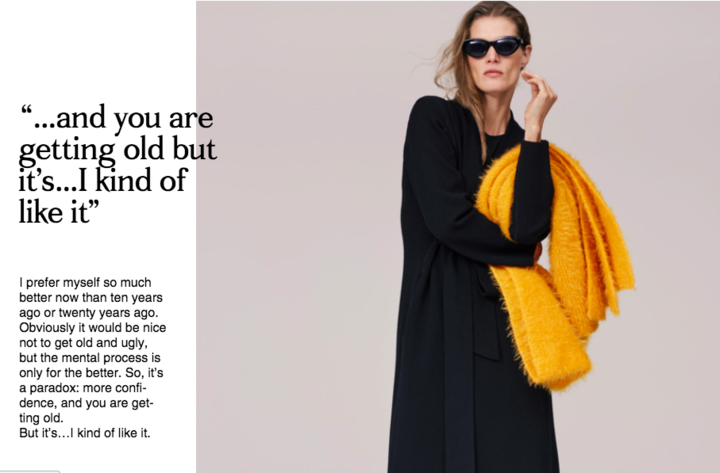
Zara recently introduced its new “Timeless” clothing collection with ads featuring models over 40. People rejoiced to see age inclusion the notoriously narrow world of fashion, but the positive messaging about aging is sadly overshadowed. 

That’s because Zara’s campaign confusingly highlights a statement that links growing older with getting “ugly.” Oof. 

The fast fashion retailer’s new line is fronted by models Kristina de Coninck, 53, Malgosia Bela, 40, and Yasmin Warsam, who is 41, according to Pret-A-Porter. On both Instagram and Zara’s website, the three women give personal testimonials about various subjects, including aging. 

In one testimonial, Bela delves into the subject of getting older, but uses some cringe-worthy language even as she says she likes the older version of herself. 

“I prefer myself so much better now than 10 years ago or 20 years ago. Obviously, it would be nice not to get old and ugly, but the mental process is only for the better,” she said. “So, it’s a paradox: more confidence, and you are getting old. But it’s… I kind of like it.”

The company highlighted her statement in a pull quote on its website, next to a her photo.


Linking “old” to “ugly” only reinforces gender stereotypes about aging women, and Zara’s unfortunate choice flies in the face of healthy progress. Models over 50 were represented more than ever during the last Fashion Week, and earlier this month, Allure was praised for banning the term “anti-aging” in an effort to help reframe growing older as an opportunity and a blessing, rather than an undesirable horror that saps a woman’s beauty and worth. Zara, which declined to comment, could easily help redirect the conversation. 

Instead, although the company’s campaign is admirable for highlighting women of an age we don’t often see in fashion campaigns, its messaging is still problematic. Sadly, such missteps are becoming routine for the Spanish brand: Back in March, Zara used thin models for a “love your curves” ad

Right idea, wrong execution ― once again. 

Share Button

This Chart Shows Why You Should Never Worry About Getting Older

Many of us can attest that life tends to get sweeter as we get older. But if you need more evidence to adopt a better outlook toward aging, this is it. 

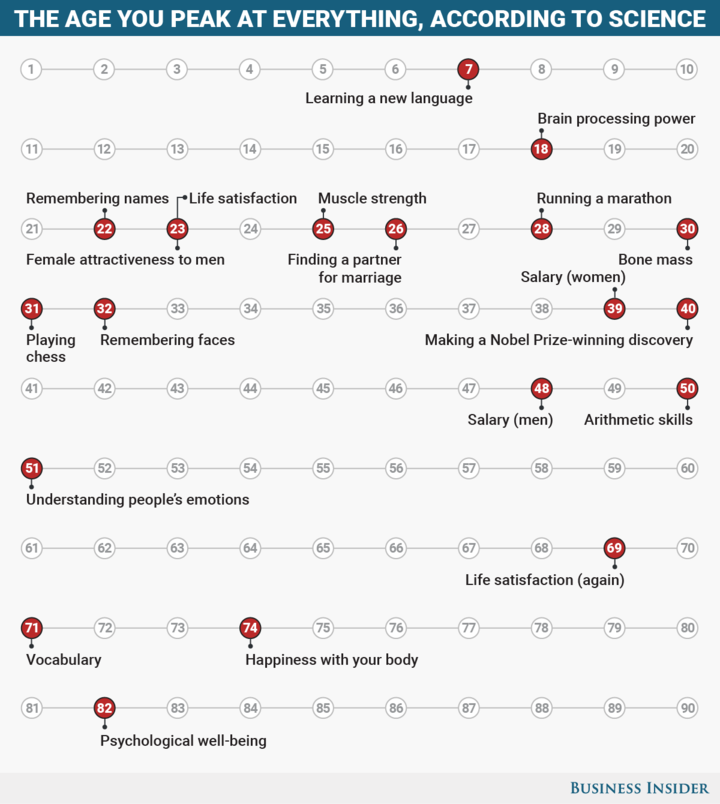
Business Insider created a timeline of peak ages for all sorts of milestones, health markers, achievements and skills, with points ranging from which age is best for remembering names to when you’re most adept at understanding emotions.

While some points, like bone mass, peak during younger years, much of the really good stuff ― like happiness with your body and psychological wellbeing ― comes later.


Of course, you should never let “peak ages” limit you: You can be a chess champion at 16 or 50 years old. You can run multiple marathons at 70, and a new study shows tech savviness doesn’t have nearly as much to do with age as some people think. But general peak ages do exist, especially in the health community.

Some of Business Insider’s information sources are informal, like an Okcupid survey used to determine the peak age for attractiveness. Its data pool was not a representative sample of the population, and the conclusion is therefore more for entertainment purposes. But most are based on scientific studies, like a famous 2013 life satisfaction study from the London School of Economics. Many of the timeline’s statistics come from a highly regarded MIT study on cognitive function and aging from 2015.

Overall, consider this timeline a pleasant reminder that everything from physical to emotional wins can come with age. Make every effort to take care of your body, and watch it give back to you.

Share Button

Allure Just Banned The Term ‘Anti-Aging’ And Everyone Else Should, Too

Women’s interest magazines are emotional rollercoasters rife with contradictory statements about self-love and confidence. They often tell us to love ourselves the way we are while pushing weight loss and wrinkle creams. 

That’s what makes this news so exciting: Allure just declared it will no longer use the term “anti-aging,” acknowledging that growing older is something that should be embraced and appreciated rather than resisted or talked about as if it’s a condition that drains away beauty.

“Whether we know it or not, [the term is] subtly reinforcing the message that aging is a condition we need to battle — think antianxiety meds, antivirus software, or antifungal spray,” wrote Editor-in-Chief Michelle Lee on Monday, adding, “Repeat after me: Growing older is a wonderful thing because it means that we get a chance, every day, to live a full, happy life.”

Fashion has slowly but surely done a better job at being more inclusive and accepting of race, size and age. The beauty industry has been a bit slower on its feet. Plus-size model Precious Lee previously pointed out that beauty advertisements exclude models over a certain size, for example, despite the fact that women of all sizes can wear makeup.

Like visual representation, language matters, too. Lee not only banned “anti-aging” from Allure, but called on readers to think about their own words: 

When talking about a woman over, say, 40, people tend to add qualifiers: ‘She looks great…for her age’ or ‘She’s beautiful…for an older woman.’ Catch yourself next time and consider what would happen if you just said, ‘She looks great.’ Yes, Americans put youth on a pedestal. But let’s agree that appreciating the dewy rosiness of youth doesn’t mean we become suddenly hideous as years go by.

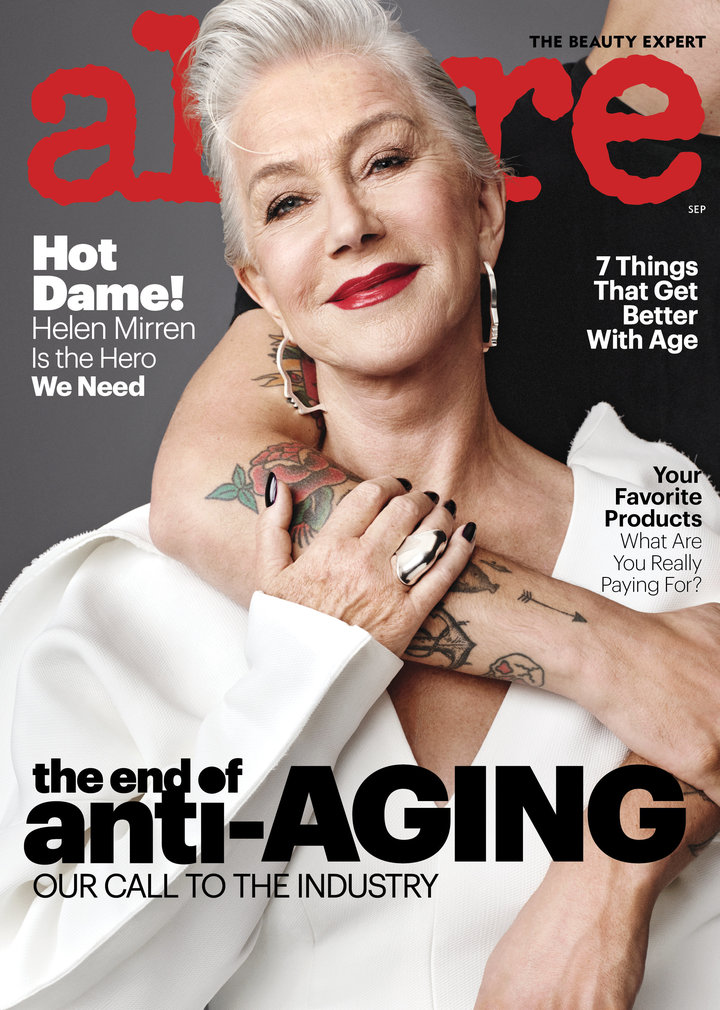
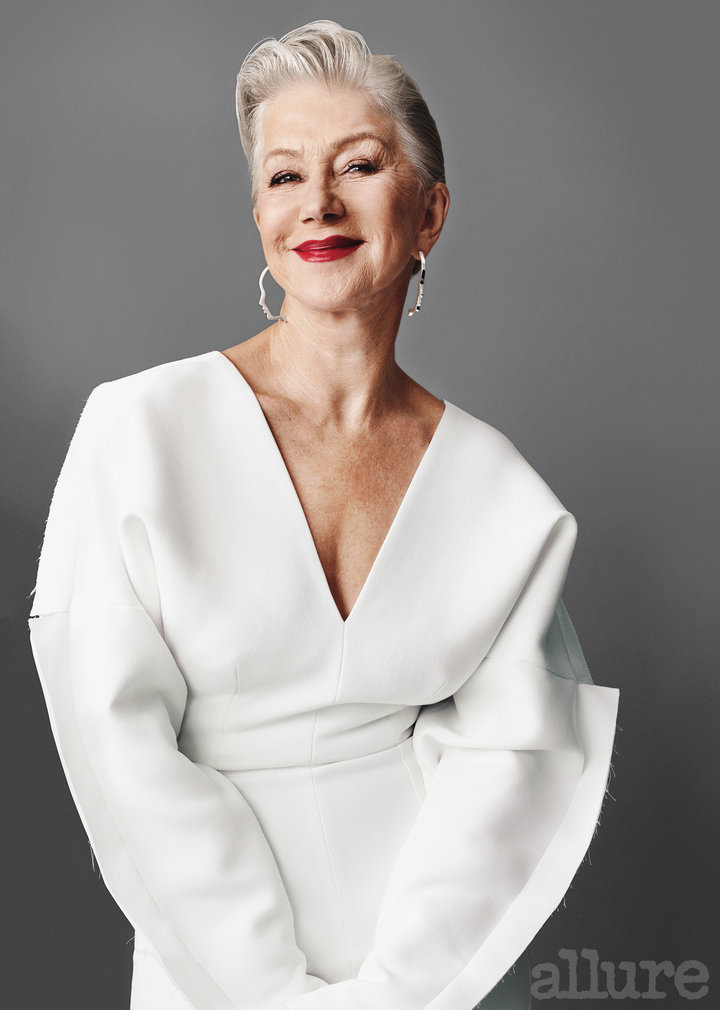
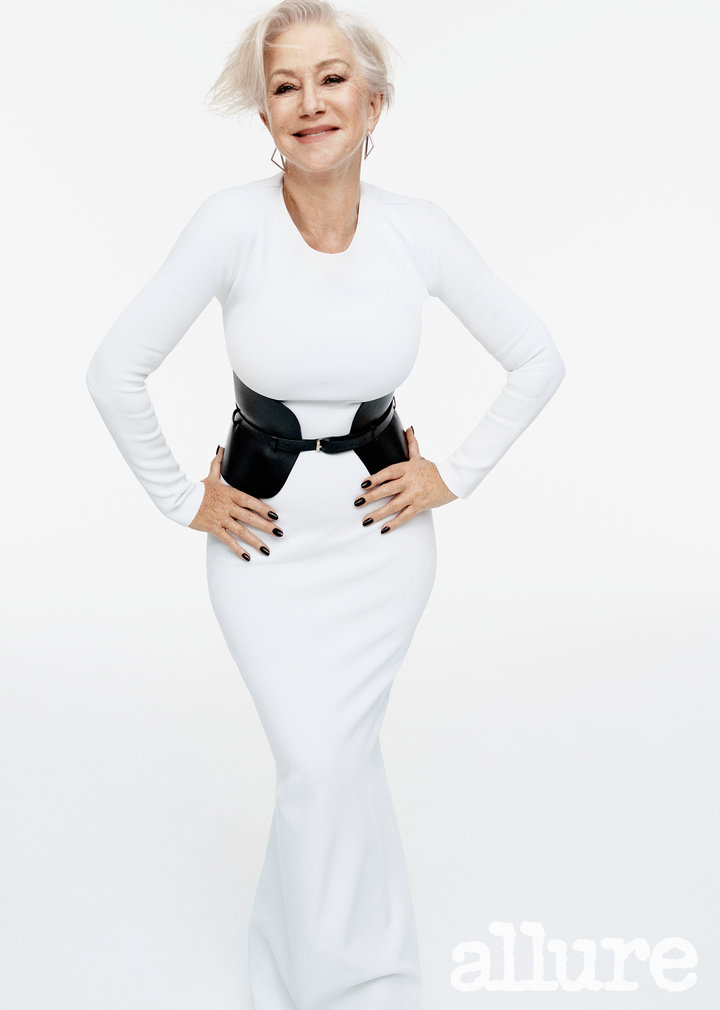
It’s great to see Allure pioneer a movement to embrace aging, and commit to actually helping women live their best lives in any decade. Allure’s September issue stars actress Helen Mirren, who, aside from looking drop-dead gorgeous in a slew of on-point looks (including one corset belt that might just change our minds about corseted dressing), waxes poetic on the topic.

She explained to Lee that women “know we’re getting older. You just want to look and feel as great as you can on a daily basis.”

Mirren’s no-holds-barred approach shines through in the rest of her spread and interview, too. She talks plastic surgery, being too polite in her younger years and the Trump family. 

Head to Allure to read both the Mirren interview and the magazine’s statement on “anti-aging.” 

Share Button

What We Can Learn From Supercentenarians About Our Own Aging

At the age of 102, Mollye Marcus would be the first family member up and out of her seat to wash dishes after the holiday dinner. When she was 104 years old, she knew exactly how much money her wallet held at any given time down to the penny. And two years later, Marcus canceled her medical alert system, insisting she had no need for such a thing.

According to her granddaughter, Debbie Tynan, she stayed incredibly sharp and quick-witted for most of her life. Marcus continued to date men even as she approached 100 — and would stretch the truth about her age.

“There are so many stories about my grandmother, like how she loved to tease and had a thing for good-looking men,” said Tynan. “When the paramedics came for her after being dehydrated, she started flirting with all these young EMS guys.”

While most of us hope to merely reach 90 years old, Marcus — who died at the remarkable age of 111 — belongs to a remarkable group of outliers called supercentenarians. While centenarians have attained a century in age, supercentenarians are those individuals who live to 110 or older.

While only three reported cases occurred before 1960 worldwide, their numbers have increased since. Today, 42 living supercentenarians (41 women and 1 man) live in countries like Japan, Italy, Jamaica, and the U.S., according to the Gerontology Research Group. One estimate states that seven in 1,000 people born at the turn of the last century lived to become centenarians, while one in 100,000 lived to be 110 or older.

Why does it happen?

Why do supercentenarians like Marcus win the longevity lottery? Scientists have begun to study individuals who reach what’s called “extreme old age” to discover what makes them unique — and possibly unlock secrets of long life in the process. Studies on supercentenarians have found that they not only live longer but also age more slowly. Age-related diseases like cancer, dementia, and stroke affect them much later in life. Other studies have found particular features in their genetic profiles.

“About 25 percent of how long a given person lives is due to genetic factors, and the rest is really luck and lifestyle,” said Stuart Kim, an aging researcher formerly at Stanford University who has spent time examining the genetic differences between supercentenarians, centenarians and regular people in hopes of better understanding what makes up the 25 percent.

Kim and his colleagues have sequenced the genomes of the oldest people in the world in order to tease out the genetic factors associated with extreme longevity. In a 2014 study, they performed whole-genome sequencing on 17 supercentenarians but failed to find a significant result due to small sample size. However, when interviewing the subjects and their family members, Kim noticed that many of them — including Marcus — remained cognitively and physically functional to a high degree well into old age.

“One way that a person could live to 100 is just luck — they didn’t have cancer, heart attack, or stroke. But if I look at that person, he’s going to look 100 years old,” said Kim. “The other potential is that a person might be aging slower, and after 100 years, this person only looks 70 years old, which is also the reason why he hasn’t had cancer, stroke, etc.”

One of Kim’s supercentenarians worked as a pediatrician until the age of 103, while another drove a car at 107 years old. Also, none of the 17 had cardiovascular disease, stroke, or diabetes at the time. These anecdotal findings are consistent with other studies that have shown a delay in onset of age-related diseases, physical and cognitive function impairment, and overall morbidity. Most supercentenarians maintained independence in daily life until 100 years old, only entering a nursing home or hospital around age 105.

In his latest study, Kim and his colleagues looked at 801 centenarians and 5,406 people over 90, finding five gene variants associated with age-related diseases that occurred less frequently in this long-living population. The findings suggest these variants may influence extreme longevity and a reduced rate of aging.

So aside from winning the genetic lottery, what can the average person do to not only live longer but also healthier? Peter Martin, a gerontology researcher at Iowa State University, has studied hundreds of centenarians over the years and learned about what contributes to successful aging.

“Other than some of the obvious characteristics, such as good physical health and high cognitive functioning, we also should consider social aspects such as good social relationships and social engagement, the personality of older adults, and the rich experiences that make up an important part of an individual,” said Martin.

The successful older adults in his studies also have aspects of their personality that promote longevity. They are resilient, outgoing, highly conscientious, and don’t worry easily. Staying active both physically and mentally can contribute to well-being later in life.

Have we hit our limit?

Tynan remembers her grandmother being an avid reader of Danielle Steele and maintaining a love for cooking and baking. She remained social for her entire life, playing cards with friends, staying in close contact with family, and involving herself in the local community.

“Family was the most important thing to her, and her world was her two daughters and grandchildren,” said Tynan. “She was sharp, loving, and very stubborn — but that also kept her going for so long.”

Overall, human life expectancy continues to rise, but one big question remains: As time goes by, will we keep getting older as a species? In other words, is there an upper limit to human lifespan? According to molecular geneticist Jan Vijg at the Albert Einstein College of Medicine, we’ve already hit a plateau when it comes to maximum lifespan.

During a recent lab meeting, Vijg and his colleagues discussed the unique case of supercentenarian Jeanne Calment. In 1997, she died at the extreme age of 122 years old and today is still considered the oldest person who ever lived. The researchers wondered why, after two whole decades, no one had broken Calment’s record or even come very close. (The second oldest person had been 119 when she died.)

“We thought, maybe we’ve hit the end of the human lifespan,” said Vijg. “Even with all the advances in medicine and technology, maybe we can’t do anything to extend human life past this point.”

Using global demographic data, their study found evidence that suggests human lifespan may indeed have hit its natural limit. In countries with the largest number of supercentenarians — France, Japan, the U.K., and the U.S. — the maximum reported age at death significantly increased from the early 1970s until the 1990s. But after 1995, the maximum age began to drop and remains on a downward trend ever since. In fact, the average age at death of supercentenarians hasn’t changed since 1968. While some scientists vehemently oppose the idea of a longevity limit, most agree with the study’s conclusion.

“There has been an enormous increase in the number of people over 100 years old, so why does lifespan hit against this ceiling of 115? We don’t know,” he said.  

Share Button

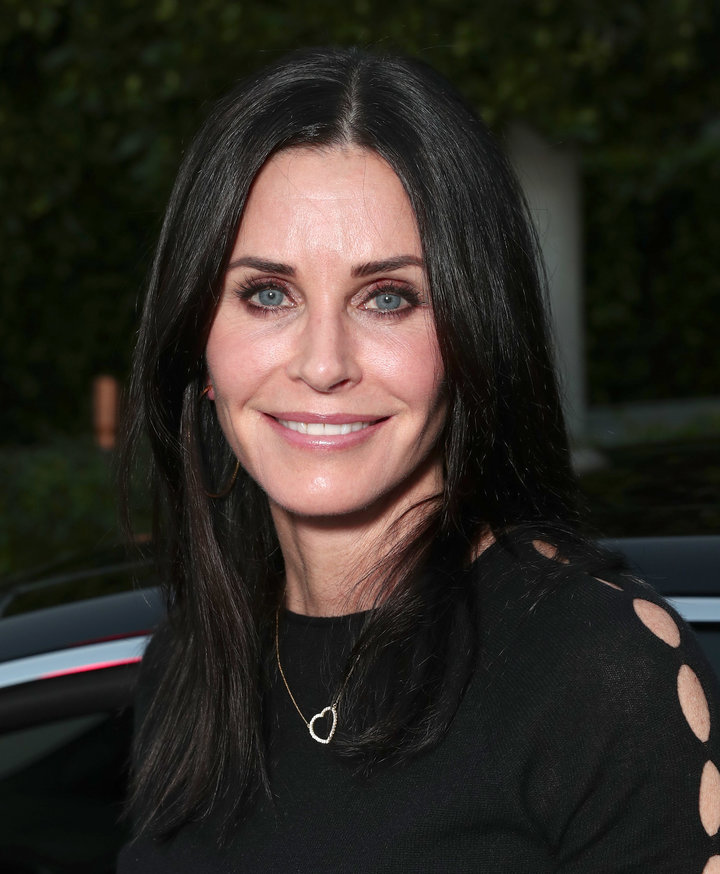
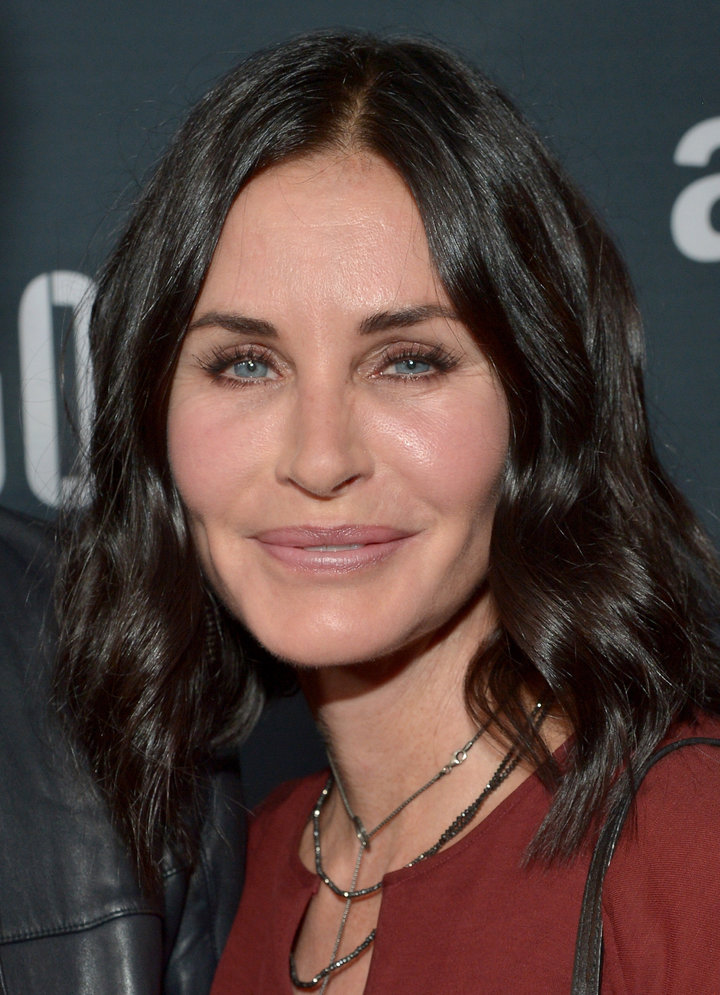
Courteney Cox Stopped Getting Fillers, Says She Wants To Age More Naturally

Courteney Cox recently cut ties with a longtime friend: her facial fillers. 

The 53-year-old told New Beauty that she is currently aging “as natural as I can be” after having all of her fillers dissolved. 

“I feel better because I look like myself,” she said. “I think that I now look more like the person that I was. I hope I do. Things are going to change. Everything’s going to drop. I was trying to make it not drop, but that made me look fake.”


Cox told the beauty website she became “layered and layered and layered” with procedures from different doctors recommended by various pals. It got to the point that she didn’t recognize herself in photos. 

Now, she said, she hasn’t had a procedure in six months.  

“You need movement in your face, especially if you have thin skin like I do,” she explained. “Those aren’t wrinkles—they’re smile lines. I’ve had to learn to embrace movement and realize that fillers are not my friend.”


We’re all about aging naturally and self-acceptance, so kudos to Cox. We just hope Ross, Chandler, Joey, Rachel and Phoebe still make the friend list.  

Head to New Beauty to read the entire interview.  

Share Button

Gorgeous Photos Show Disney Princesses Reimagined Years Later As Queens

Age ain’t nothing but a number, even for Disney princesses.

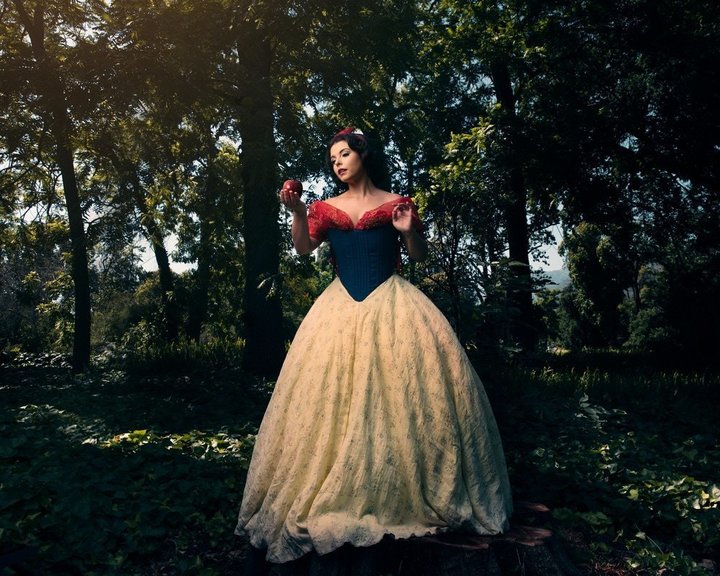
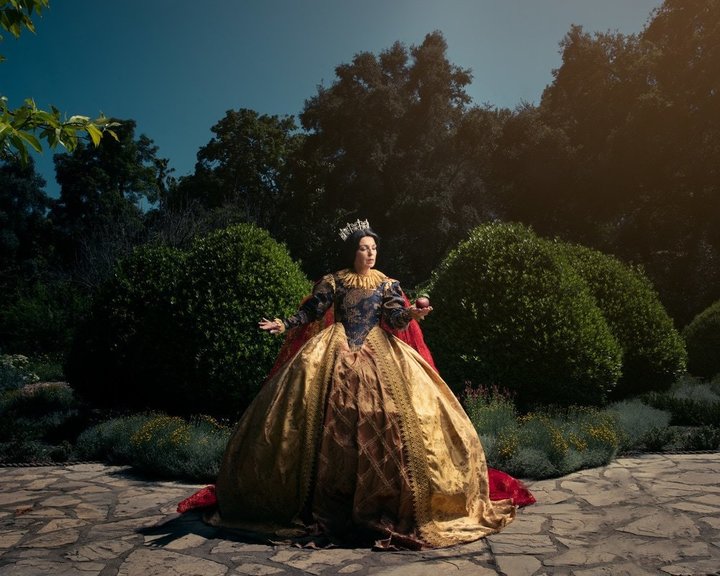
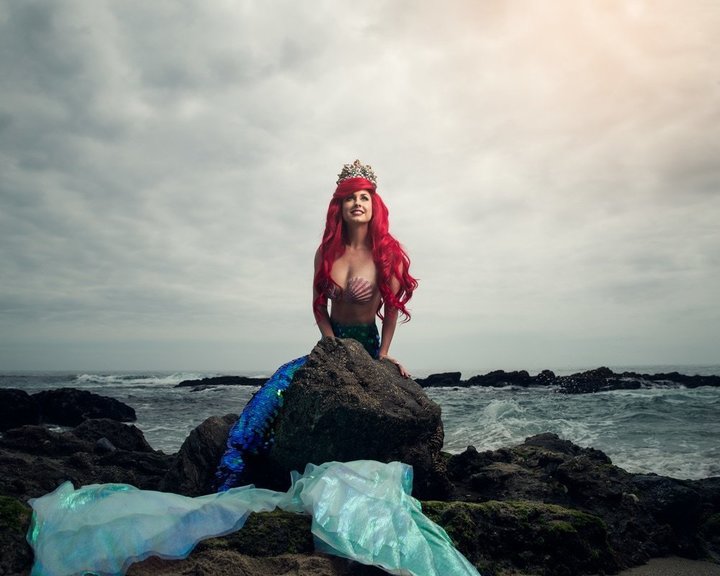
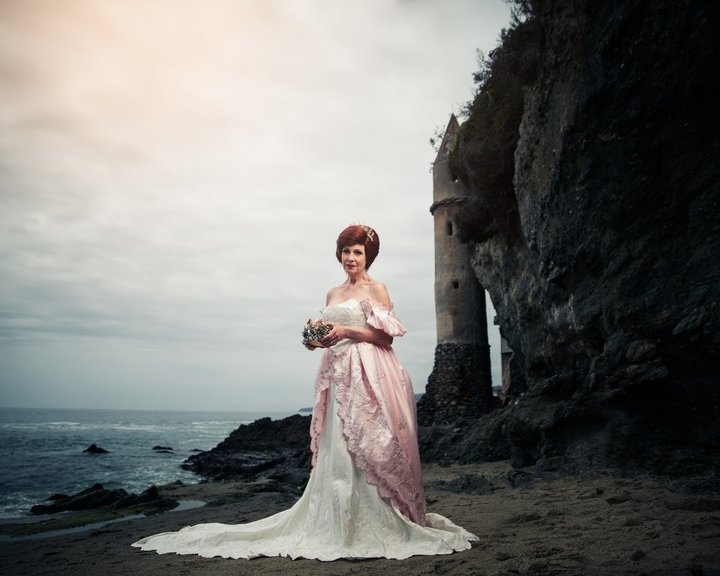
In a gorgeous new photo series, costume designer Nephi Garcia and photographer Tony Ross reimagined Disney princesses as powerful, mature Disney queens. And to make the shoot even more magical, the women portraying older versions of the characters are the real-life mothers (or mothers-in-law) of the princesses. 

Here’s younger Snow White as we know her from the movie:

And here she is as a queen, stately and still eating those apples:

Here’s Ariel, fresh out of water: 

And here she is as a queen, fully part of our world: 

Garcia ― whose intricate, Disney-inspired costumes have gone viral in the past ― created these gowns as a Mother’s Day tribute. He told HuffPost that it took a little convincing to get the moms involved, but once they slipped on the dresses, they were sold.

“They were definitely hesitant in the beginning, but as they saw themselves evolve into these amazing iconic queens, they got right into character.” he said.
Scroll down for more photos of your favorite Disney princesses looking even more regal with age:

Watch a video of the cosplay shoot below:

Share Button

15 Times Brooke Shields Captured The Highs And Lows Of Motherhood

Brooke Shields is no stranger to the highs and lows of parenting.

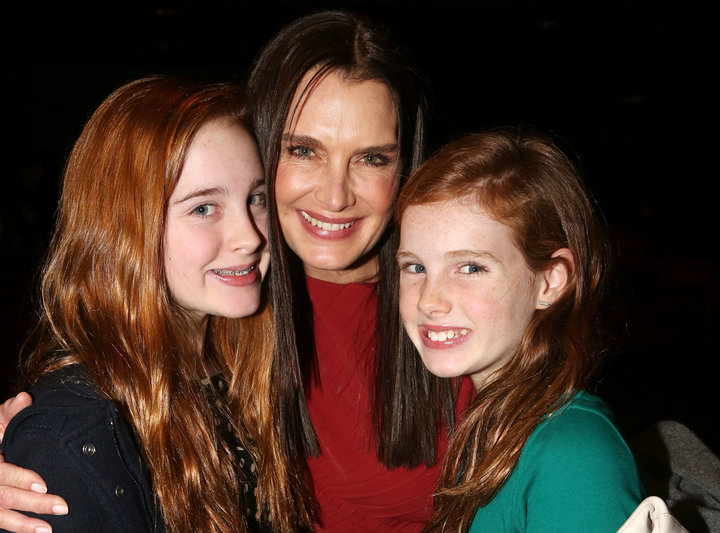
The actress and her husband, Chris Henchy, have two daughters, 14-year-old Rowan and 11-year-old Grier. Over the years, Shields has been incredibly open about her experiences as a mother ― from her battle with postpartum depression (the subject of her 2005 memoir Down Came the Rain) to her parenting rules to her hopes for her children. 

In honor of her birthday this week, we’ve compiled some of her most honest and touching quotes about parenthood.

On her fears as a mother

“I’m terrified that I’m not really understanding who they are, and that maybe one day they won’t feel like they can come to me ― that I will somehow fail them … I don’t know if you overcome it. The way I try to get through it is by talking to other moms. Either someone will do something that’s seemingly worse, and I’ll think, ‘At least I didn’t do that,’ but then someone will do something better and I think, ‘I’ve gotta learn that, I’ve got to do that instead!’”

On her advice for new parents

“Don’t be afraid to ask for help and don’t be too hard on yourself. If you think that everybody else has it figured out and you’re the only one that’s going crazy or yelling or feeling like you can’t do it all … you’re not alone.”

On living in the moment

“They’re not going to remember Mom was tired. They’re going to remember I did the weather chart or story time at school. So you just do it. And you’re tired … It’s the mundane stuff that is important.”

On playdates and raising grounded kids

If you’re not polite, you can’t come to my house. Manners [represent] respect and kindness. I want people to like my kids, and if they’re bratty, they’ll have a harder time in life.”

On the beauty of parenthood

“Once you love someone that much, you think, god, why did I do this to myself? It’s so heart-wrenching! And then you realize: It’s so heart-wrenching. That’s why I did it to myself.”

On her decision to speak out about her postpartum depression

“Because nobody was talking about postpartum depression, and women were suffering all the time. I wanted to educate women who were suffering and families of women who were suffering.”

On being a celebrity parent

“You know, the only reason why it seems like it’s more challenging is because it’s in the public eye to a certain extent and it’s scrutinized, but that is such a minor percentage. Really the challenges are just about being a mom. All moms have them, and nobody’s exempt.”

On staying calm as a mother

“Every day there’s a new challenge. My new thing is not screaming and not screaming back at them. I would engage in an absolute fight, and my husband would say, ‘What’s wrong with you? Why are you fighting with them?’ … Chris, my husband, calls it FOFO ― Find Out Before You Freak Out. So before I react, I’m now trying to just count to 10.” 

On how becoming a mom changed her life

“It took having a child, for me to feel like I belong, that I’m normal.”

On embracing imperfection as a parent

“I would have thought that I would have become one of those parents — just because it’s my nature to be such a perfectionist — that anything falling short, I would have seen as a failure. But something has happened to me over the past few years — it’s not Zen, believe me, I’m not at all Zen — but I’m so appreciative of even the chaos. It’s not about being perfect; it’s about being engaged.”

On work-life balance

“I had a moment where I realized I was spending all of my free time, which is so little, doing events and going to charities. I wasn’t putting my kids to bed at all. When you’re doing theatre it’s almost impossible to put them to bed and it really threw me for a loop. I have to work so when I’m not working, it’s easy to get caught up and say, oh, I’ll do that charity or I’ll do that thing for you. And your kids are with the babysitter and it’s heartbreaking.”

On how having kids changed her attitude toward her career

“Being a mom puts the rejection of being an actress in perspective.”


On mom peers

I get support from other moms and my therapist. It is only as important to connect with mom peers as it gives you comfort. If and when it gets competitive, it becomes toxic.”

On how parenthood shifts your priorities

“However, having my first daughter obliterated me. It took away all my power. All of a sudden I was experiencing something so foreign, which I had no response for. I had no resources to rely on. It was not simply about being the good girl, or being polite, or doing my job. A little human being was involved.”

On the joys of raising children

What I love most is being able to wake up in the morning with these innocent and truthful little people.”

Share Button