Most observers would think that starring in “The Odyssey” means being set for life.
But Oscar nominee Samantha Morton, who stars as Circe in the new Christopher Nolan blockbuster, dispelled that myth during a recent podcast appearance.
“I haven’t worked for a year since making ‘The Odyssey,’ you know ― and I’ve got really good agents and a manager, but at the end of the day, I’m 49,” the “Minority Report” actor said on the “Happy Sad Confused” podcast episode, released on Monday.
“Whilst I do believe I’m a good actor, there are other good actors out there. Do you know what I mean?” she said to host Josh Horowitz. “So, the politics of the industry has changed massively.”
Despite her age being a potential liability in Hollywood, Morton said that she does think she’ll “keep working ’til my 80s” at least.
Many women in Hollywood have opened up about how age affects the roles they get offered.
“When I started out as a child, I was warned that my career would fall off a cliff at the age of 35, which is something I know a lot of women face,” she told Porter magazine in 2023.
“Sex and the City” star Kim Cattrall put it more bluntly, telling ABC in 2016 that 35 was a seen as an “expiration date” for actresses.
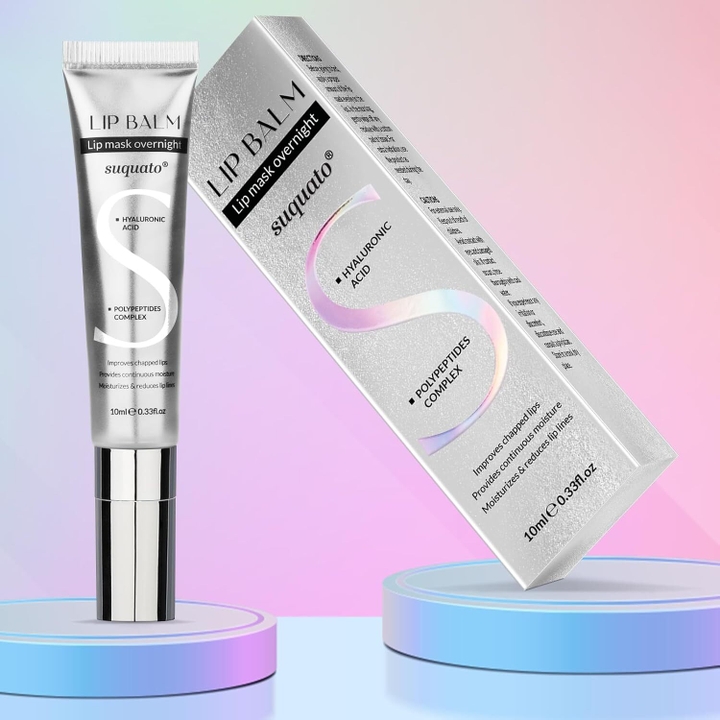
A good lip treatment is a crucial part of a skin care routine, especially as you age. Lips are often one of the first things people notice. More importantly, when they feel uncomfortable, you notice them more. This is especially so if you deal with dry lips or notice that yours are a little more textured than you’re used to due to natural aging. In the spirit of improving our lip TLC, we spotted a hyaluronic acid plumping gloss that reviewers swear addresses signs of aging lips and delivers “spa-like” results at a steal of a price. It’s26% off if you clip the on-page coupon, a solid deal for what reviewers call “a spa treatment for my lips” and even a Botox replacer.
It boasts a 3-in-1 formula that can be used as an overnight mask, a single-layer plumping gloss or a lip gloss topper for lipstick — and per the reviews, this baby is highly effective.
Advertisement
“This stuff took 10 years off my lips in one night,” another reviewer raved. “[I] put it on one night and in the morning I was shocked to see my lips were actually plump and juicy!”
“After one night my wrinkles were noticeably diminished,” reviewer L Quinn gushed about the plumping gloss. “After a few nights, my upper lip was smooth. No more Botox needed in my lips!!”
Talk about product efficacy?!
The winning combo in the ingredients list and practical product packaging is what makes this lip treatment a real winner.
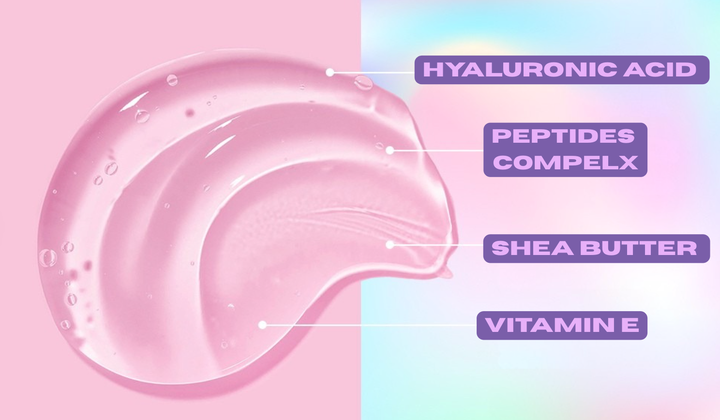
Made with hyaluronic acid and a strong peptide complex, the versatile lip treatment hydrates and boosts collagen to lock in moisture and reduce fine lines. The added shea butter and vitamin E keep your mouth nourished and protect it from the elements.
“The texture is extremely smooth and velvety, feels so luxurious to apply and wear,” one review shared. “It creates a mild, pleasant kind of tingling sensation, which is nice for a little mental confirmation that it’s working but without being overbearing or uncomfortable at all.”
Advertisement
Some say it’s scentless, while others compliment the subtle smell, yet everyone seems to agree the formula is long-lasting and feels great. ” It’s sort of sticky without actually being sticky and it stays on for a long time instead of disappearing after 20 minutes like regular lip balm often does,” one wrote.
“Sticky enough that it lasts but not sticky enough to get my hair caught in it,” another said.
Last but not least, the other ingenious part about this lip plumping treatment is the design of the applicator tip.
Advertisement
Considering the 4.3-star rated Suquato peptide lip treatment but need to know a little more? Check more reviews below from people loving the formula.
“Best lip treatment ever. I am 68 years old with thinning lips resulting in feathering. I’ve tried pretty much EVERY lip treatment – plumper on the market with varying results from “ok” to none. I was therefore pretty skeptical when I ordered this product – but boy was I ever wrong! Results were instantaneous and lasting. Feathering diminished to nearly gone! I LOVE THIS PRODUCT and it has become a daily part of my self-care and make-up routine. I HIGHLY recommend you try it!” — Eileen M Johnson
“I’m happy with this lip mask and how it plumps my lips.I’m 64 years old and have noticed thinning especially of my upper lip along with vertical lines and wrinkles on both upper and lower lips. I didn’t think to take a before pic but the picture I have provided was taken approx. 1 hour after application of the lip mask.” — SLG
“This is a 5 star plus review. I’ve tested this with DHC DRMTLGY CWB VASALINE I’m 63 and try all skin products. This is the best lip mask that stays on and moisturize.” — Sunshine62
“I’m 65 and HAD small lines all across my top lip. A few years ago I resorted to getting two injections of Botox on my upper lip to smooth out the wrinkles. The Botox was wearing off when I decided to try this product. After one night my wrinkles were noticeably diminished. After a few nights my upper lip was smooth. No more Botox needed in my lips!! Now I’m waiting for them to come out with a whole face serum!!” — L.Quinn
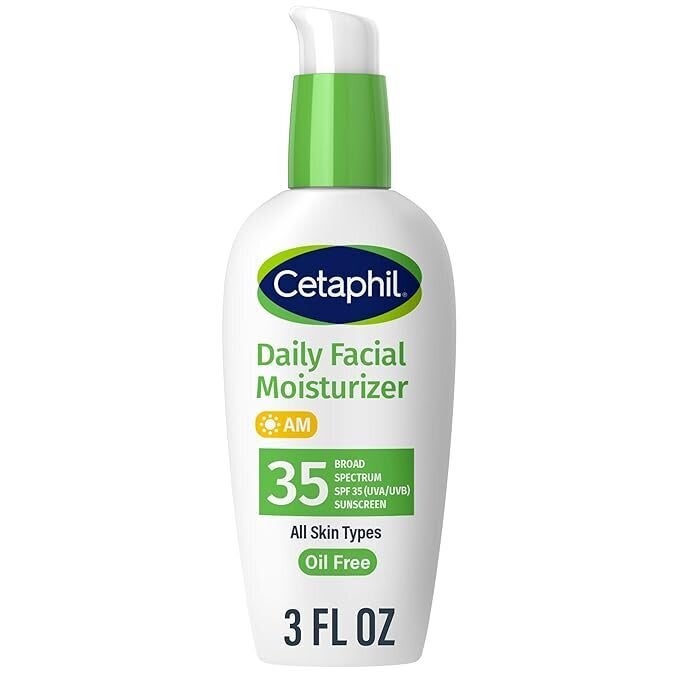
Cetaphil
An SPF-infused moisturizer suitable for all skin types
Yadav is a fan of the Cetaphil Face Moisturizer because it’s made with SPF 35 as well as “hydrating glycerin, conditioning panthenol and antioxidants like vitamin E and niacinamide, which also helps calm the skin,” she said. Oily skin types will appreciate its matte finish. Because it provides long-lasting hydration for up to 24 hours, it’s also suitable for those with dry or combination skin types.
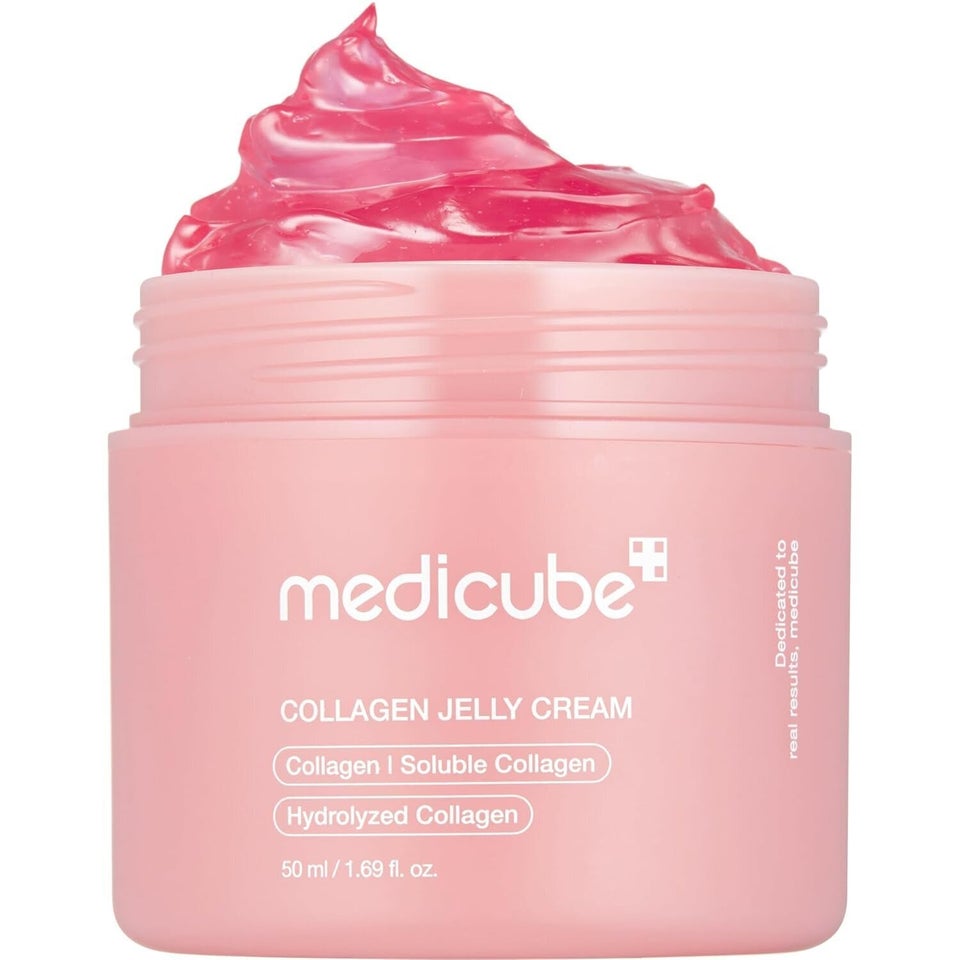
Medicube
A K-beauty collagen jelly that visibly plumps (BOGO available)
If glass skin is the goal, this editors’ pick is the road to getting there. From the K-beauty brand that you’ve undoubtedly seen on your For You Page more than a handful of times comes the Medicube Collagen Jelly Cream, a bouncy gel moisturizer that targets uneven skin tone as it hydrates. Instead of thick, pore-clogging oils, it uses hydrolyzed collagen and niacinamide to work its magic. Bonus: It’s available on a buy 3, get one free deal too! 👀
Promising review: “I was skeptical at 1st but one single I fell in love. A very little goes along way. You can use in a thin layer under makeup or thick for a overnight mask. I like to keep it refrigerated for that extra chill and it feel amazing. It hasn’t broken me out and just left me with beautiful glowing hydrating skin. For reference I am 40 with textured acne prone skin. I will definitely recommend and repurchase! Beautiful product.” — JustAmble
La Roche-Posay
A ceramide moisturizer that provides 48-hour hydration
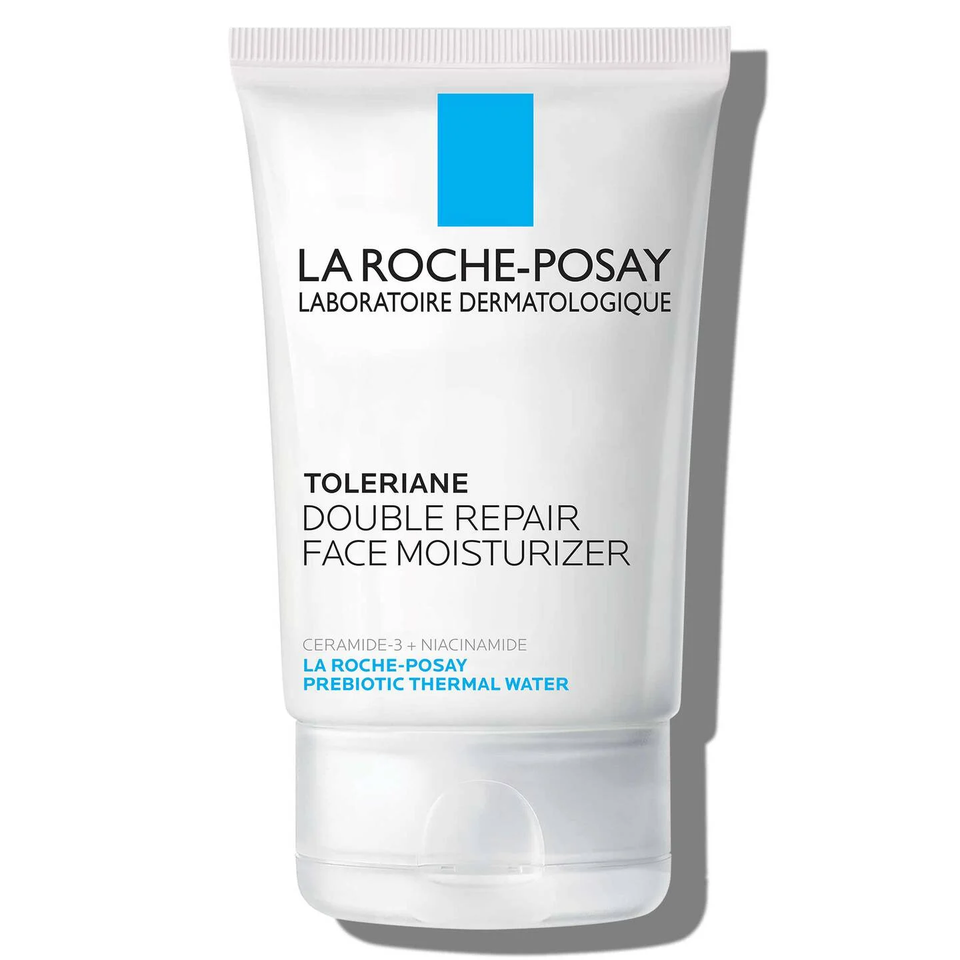
Looking for long-lasting moisture? You’ve found it in La Roche-Posay Toleriane Double Repair Face Moisturizer, which comes recommended by Stephens. “This is a go-to for sensitive or acne-prone skin because i’s oil-free and contains ceramide-3, niacinamide and prebiotic thermal water to calm and hydrate the skin without triggering breakouts,” she said. “It also helps restore the skin’s moisture barrier, which is often compromised in acne-prone individuals.”
Advertisement
Aestura
A sensitive skin-friendly, barrier-strengthening cream
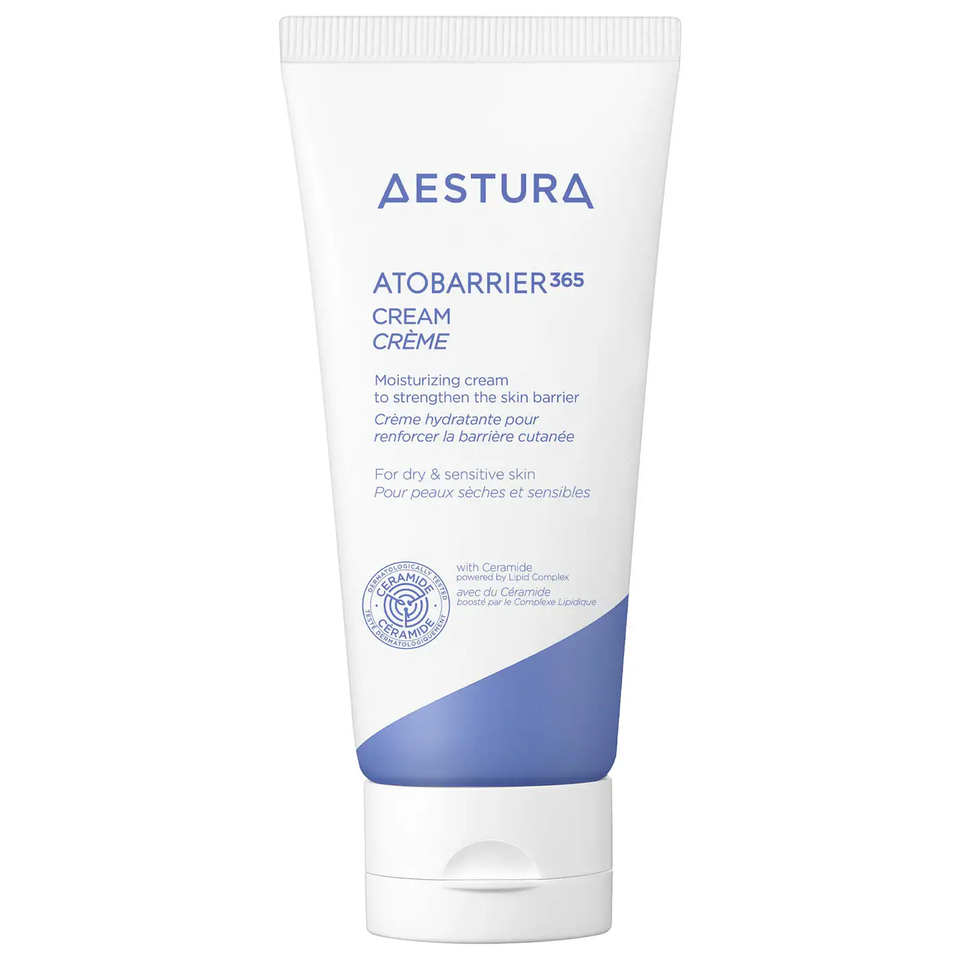
For a rich yet non-greasy moisturizer, the Aestura Atobarrier365 Cream Moisturizer is the best of both worlds. Dr. Y. Claire Chang, a board-certified cosmetic dermatologist, said it’s ideal for those with sensitive skin thanks to a patented blend of barrier-boosting ceramide capsules that allow the ingredient to stay within the skin barrier longer. “This leaves my skin looking glowy for hours — when applied, it feels luxuriously smooth and absorbs quickly into the skin, leaving the skin hydrated and protected without any heavy residue,” she said.
The Real Deal: We use deal trackers and commerce experience to sift through “fake” hike-and-drop deals and other deceptive sales tactics. Products will usually be rated at least 4 stars with a minimum 15% discount. (And when there’s an exception, we’ll tell you why.)
I experienced a startling moment when I was working on marketing copy for my most recent novel, “The Snowbirds.” The story follows empty nesters who head to sunny Palm Springs, California, to escape the harsh Midwestern winter and figure out the rest of their lives.
I described my characters as “middle aged” because they are my age, 56 (now 57), and that’s how I thought of myself — and them — the whole time I was writing the book. But my longtime editor suggested a slight modification to my text, one she never would have guessed would hit me sideways: She inserted the word “late” in front of those words.
Late middle age?
I stared at that phrase for a good long time and thought, what exactly is that? I thought I’d written a novel about the travails of midlife. Was it possible my characters had already rounded that bend … and so, too, had I?
Advertisement
Even though my editor is always right, my first instinct was denial, because most of the time I feel like my young self. I still act like a dumb teenager, saying and doing all the wrong things. I take yoga and lift weights. I wear barrel jeans. I attend concerts and try to stay hip. (True confession: I had to ask my grown kids which word to use instead of “hip.” They suggested “aura,” “rizz,” “skibidi,” “steeze” and “Ohio.” I wasn’t sure if this was actual slang or if they were making fun of me).
Yet there’s no denying the old is starting to push through. The warranty on our new mattress expires after I probably will. I make 5:30 p.m. dinner reservations. I use Hotmail. My lower back is a mess, and I get a kink in my neck unless I sleep on the exact perfect pillow.
When I was young, I liked to think my body was filled with stuffing. Now my internal organs call attention to themselves one at a time. After a few startling bouts of arrhythmia, I’ve even begun to fear my own heart.
Advertisement
Like most edits, this correction, once brought to my attention, seemed as obvious as the face that stares back at me when I accidentally have my phone camera on selfie mode. Honestly, how could I think I was still in straight-up midlife? Did I really expect to live to 114?
This isn’t the first time I’ve been startled off a mental set point age. For years — or even decades — I’ll see myself stuck on a certain notch on the life cycle dial until a jolt of recognition sends me reeling into a new era, like the first time a stranger called me ma’am, or when a Christmas card arrived from our kids’ former babysitter who now has her own children. I’ll never forget my late father-in-law returning from his high school reunion when he was in his 80s, dumbfounded. He couldn’t believe how old everyone else was.
When I was a kid, I loved to flip through the pages of family albums. I remember photos of my beautiful grandmother as a young woman. She’s young — flip — young — flip — young — flip — and just like that, she was the Nana I knew. There was no middle or late-middle age.
Advertisement
I thought aging was a flipped switch, and it sure seems that way when I look twice at a celebrity or someone I haven’t seen in a while because they’ve turned that corner.
I guess I figured I’d linger in midlife until that happened to me, or when a grandchild or retirement pushed me into senior territory. Then again, there are places in Palm Springs where 55 is the minimum age for the senior discount. My friends are getting grandchildren. My husband talks about retirement when he wants to scare me.
Nobody I know thinks of themselves as “late middle age” because the phrase signals the end of an era, like late antiquity or late modernism. The term sounds over-ripe, but also charitable. It says you aren’t old old, but you’re in the vicinity.
Advertisement
While some of our friends have already put deposits on assisted living places they don’t plan to move into for a decade, my husband and I decided to shake things up once this reality set in. We recently moved from Madison, Wisconsin, the beloved city where we raised our children, to Chicago. After cleaning out our parents’ homes, it felt good to get rid of our accumulated junk — skateboards, preschool construction paper art, my graduate school notebooks and papers, musty towels, and the Crock-Pot we never use — so our kids won’t have to when the time comes. We gave up extra rooms and a backyard to live on the third floor of a building with no elevator because we think the steps will keep us fit. Now we’re surrounded by people, traffic, concrete and activity (and Bears fans). When I search for parking or miss a bus on a subzero day, I console myself by thinking, this is good for my neural networks.
The late middle-aged author enjoying summer in Chicago.
Courtesy of Christina Clancy
Advertisement
Sometimes I wonder if, after feeling constrained by jobs and kids for so long, we put our lives in a blender and hit “puree” simply because we can. It’s scary and invigorating and maybe stupid, but I find myself wondering: If we don’t do this now, when will we?
Honestly, I’m enjoying this ambiguous in-between time defined by what I no longer am and haven’t yet become: post-young, pre-elderly. Sure, I have one eye on death, and my earlobes are longer, but I’m still young enough to adopt a puppy.
Despite the occasional Mohs surgery for skin cancer, there’s a lot to love about this age. I’m still healthy enough to travel and engage in most of the same activities I’ve always enjoyed. It’s a lot more fun for me to drink beers and have conversations about Plato’s cave with our kids than it was to change diapers and worry about missed curfews. I find it such a relief to stop talking with my friends about menopause — the thing everyone says nobody talks about.
Advertisement
I’m also not as fearful of old age because it isn’t what it used to be. The seniors I know lead incredibly active, vigorous lives. I care a lot less about how I look and what other people think of me. Maybe I’ve grown a thicker skin (publishing three books will do that), but what used to send me into a tailspin hardly merits a shrug now.
That’s why I wish there were a phrase to describe this phase in life that’s less doleful than “late middle age.” I’ve heard it referred to as “a second adolescence,” “the third chapter,” a “free period,” and “the queenteens.” A friend jokingly defines it as “20s with money.” Another friend likes to think she’s in “the freshman year of old age.”
The closest word I can think of sounds poetic, if a bit grim: “the gloaming” — the Scottish word for the mystical end of day when light fades but darkness hasn’t descended, a twilight filled with shadows made more dramatic by the golden, glimmering light.
Advertisement
I have a feeling I’ll linger here longer than I should, or until something jolts me out of it, like a stranger offering me their seat on the city bus.
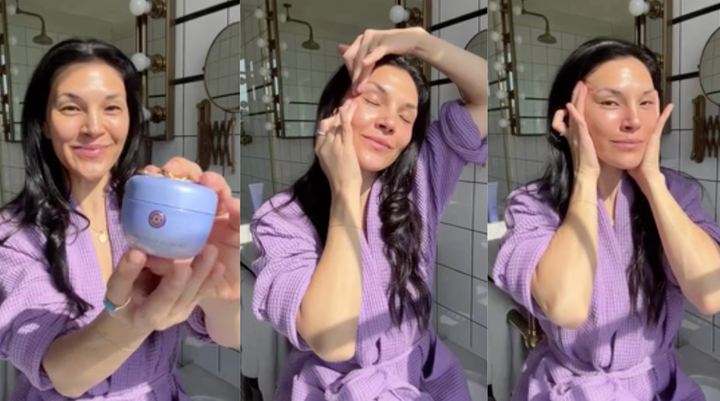
Tatcha’s plumping Dewy Skin moisturizer has become a cult favorite thanks to its gorgeous, silky-smooth formula that helps return bounce and luminosity to the face and neck. Designed to save skin from moisture-sucking air and oxidative pollution, reviewers say the cream makes their skin look “younger and more radiant,” and feels “incredibly luxurious and hydrating.” So much so, one writes the cream made her cancel her Botox plans, as with the cream, “my skin plumped up and glowed in a way like NEVER before.” If you’re looking to try the magic for yourself, you can snag the mini for just $25 at Amazon and Sephora.
Advertisement
Blended with antioxidants and ceramides — the cream is made to replenish mature, dry or compromised skin while plumping and reducing fine lines.
Deemed a “A HERO 🦸♀️ product forever!!!!🏆🥇” and “truly magic in a pot,” the Dewy Cream is a serious fan fav. Made with hyaluronic acid, squalane and the brand’s proprietary superfood concentrate, this nourishing cream is designed to keep your skin hydrated and soft.
Advertisement
Blended with antioxidants and ceramides, the cream helps replenish compromised skin barriers while plumping and reducing fine lines. It’s ideal for folks with mature, dry skin, anyone who lives in a high-pollution area or who otherwise craves a richer hydrator. A little goes a long way, too: One pearl-sized scoop is enough to cover your face and neck. It’s *so* moisturizing; one fan calls it “electrolytes for skin dehydration.”
A reviewer with fair, rosacea-prone skin who first tried the cream in a Sephora writes, “I literally watched my parched, dull, reddened skin turn happy, dewy yet not greasy, and less irritated. My skin just drank it up!”
Nancy, another Sephora shopper, deems the cream a “must-have for dry & mature skin,” calling it a staple in their daily routine. “My skin just soaks it up,” they wrote. “Leaves my skin looking refreshed and plump. Wears great under my makeup.”
Advertisement
Reviewers say the botanical blend makes their skin feel “younger and vibrant” — fast.
Of course, this beloved cream doesn’t just leave skin hydrated; in fact, reviewers credit the unique ingredients for wrinkle control and keeping skin feeling radiant and looking younger — thanks to potent ingredients like Japanese purple rice and peptide-heavy red algae.
According to the brand, these ingredients are intended to help boost the skin barrier, keep fine lines at bay and give skin an instant supple look. “I loved how it plumped up my old skin,” 69-year-old Wandawoo wrote. “I’ve already had compliments on how great my skin looks.”
“I have been using this for about 3 weeks and my 55 year old skin is looking more and more like 25 year old skin,” another shopper said, calling the cream an “age eraser.” “It looks hydrated and I couldn’t be happier!”
Advertisement
A 54-year-old reviewer writes that she tried the cream as “the crepy skin is starting to creep in,” noting “my old products were no longer doing their job.” While she was initially skeptical, she found the cream lived up to the hype. “Within the first use, I could tell that it was really moisturizing,” shewrote. “My skin also started to fill in as well as tighten. My skin is already improving. Though it’s pricey, it does its job and is worth paying for…” “…After the first use I noticed my wrinkles were beginning to vanish,” another wrote. “Do not hesitate to try this product, you won’t be sorry.”
Aaaaand it’s so plumping and smoothing, it’s replacing people’s Botox, more expensive skin care and even daily makeup.
You know a cream is good when it’s saving you money from professional skin treatments. “I was almost on my way to getting Botox and possibly filler because my skin was just looking and feeling…old,” shopper Crissy writes. “…But the second I started using this stuff my skin plumped up and glowed in a way like NEVER before.” Crissy continued calling the cream “the best skin care item that I own,” that’s “a lottt less than Botox.”
Advertisement
A 68-year-old reviewer with a collection of high-luxury skin care tried the cream after her 42-year-old daughter recommended it, calling the cream “a lot cheaper” than cosmetic procedures. “I must report this is as good, if not better than the products from Paris, I’ve been using which can cost upwards of $600 for a smaller amount,” she wrote. “I will now be buying this product line instead of the high-end products I’ve used in the past.”
Others say the cream has helped their skin so much, they “truly don’t even like wearing makeup anymore,” as, “my skin looks better without it I think!” “After putting the cream on at 6 am, working a 9 hour shift and then going to dinner..still was glowing,” one wrote. “I don’t need to wear foundation my skin looks exactly like I want it to,” another said.
Advertisement
Whether you’re stocking up on your holy grail or you’re curious to see what everyone’s talking about — grab Tatcha’s Dewy Skin Cream for 20% off in all sizes at Sephora. Here are more love notes from adoring Sephora shoppers.
“OMG!!! I’m a 68 year old grandmother and my face has years of aging but Ive tried to keep it in good shape. I’ve been using products from Paris for years. It’s expensive but I did not mind paying the price because it has really helped my skin stay moisturized and keep wrinkles at bay. My 42-year-old daughter who has beautiful skin informed me she has been using this brand for years. Well due to how well her skin looks I decided to try it out. It was under $100 and heck at 68 it’s a lot cheaper than cosmetic procedures and the large size I purchased will last me months. I must report this is as good, if not better then the products from Paris, Ive been using which can cost upwards of $600. for a smaller amount. This cream is absolutely wonderful as a moisturizer and softening wrinkles and after the first use I noticed my wrinkles were beginning to vanish. I will now be buying this product line instead of the high end products I’ve used in the past. Do not hesitate to try this product, you won’t be sorry.” — Suzie-Q
“I’m a 54 year old Asian woman, and I’ve always taken care of my skin and told I look 20 years younger. This year has been a struggle though as I’ve now reached the age where I really have to work hard to moisturize and maintain moisture. The crepy skin is starting to creep in, and the skin on my face is starting to look loose. My old products were no longer doing their job. I bought the smallest size of the purple jar to try, not expecting much. Within the first use, I could tell that it was really moisturizing. My skin also started to fill in as well as tighten. My skin is already improving. Though it’s pricey, it does its job and is worth paying for – at least for me.” — S. Severini
“i got compliments on my skin within a week of using this. not oily and does exactly what it says it will. very dewy and reduced my wrinkles. this will be my moisturizer for lifeee omg joy grail i put everyone on to tatcha !! on everyone” — babydolly7
“This product has been a go-to moisturizer for me for several years. It is expensive, but I’ve looked for less expensive alternatives and keep returning to this. A little goes a long way. It is probably best for dry, mature skin. I find I must let it absorb a bit before applying make up or else my face is super shiny, but it is one of the few moisturizers that does not settle into lines and wrinkles.It smells heavenly and is not animal tested, which I love.” — Cle013
Looking to give your body some TLC too? Check out this list of lightweight, summer-ready, super-moisturizing “body milks” from previous HuffPost Shopping reporting.
Amazon
A ceramide-filled milky essence by Cyklar
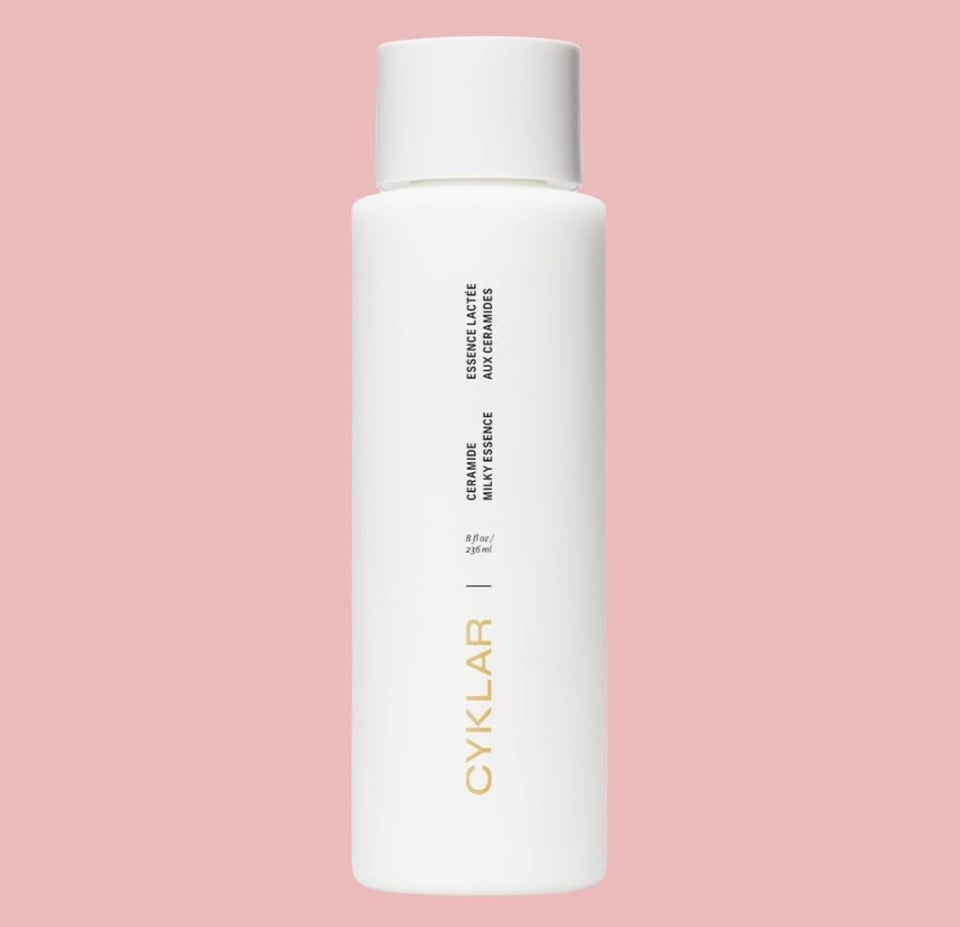
In the world of skin milks, this unscented milky essence by Cyklar is possibly the best known and features a very thoughtful mix of ingredients to deliver intense moisture and supple, soft skin. At the top of the list is a high-purity blend of ceramides to keep skin barrier function at its peak, along with skin conditioners like polyglutamic acid and urea that boost elasticity, draw in moisture and keep it there. “It absorbs, hydrates, and feels like it disappears within minutes while leaving the skin in much better condition,” one Amazon shopper said of this indulgent skin milk.
Sephora
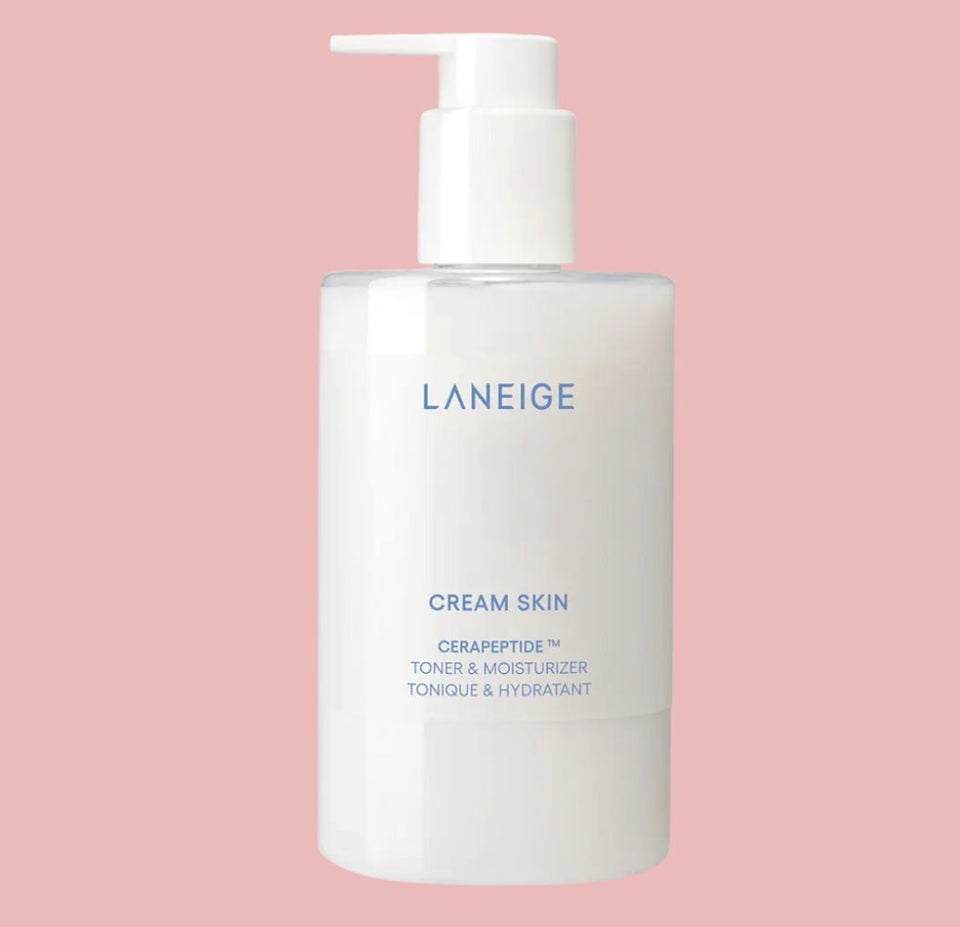
The Laneige Cream Skin Milk Toner with peptides
Laneige’s beloved Cream Skin Milk Toner is marketed mostly as a moisture-boosting and skin-plumping product for the face, however plenty of Cream Skin users also apply this nourishing Korean toner to the body and it now comes in a jumbo 10.8-ounce container with a pump that’s perfect for all-over purposes. The milky solution contains the standard fare for healthy, plump and more youthful-looking skin — ceramides and peptides — as well as white leaf tea, an ingredient filled with amino acids to moisturize and soothe the skin.
Amazon
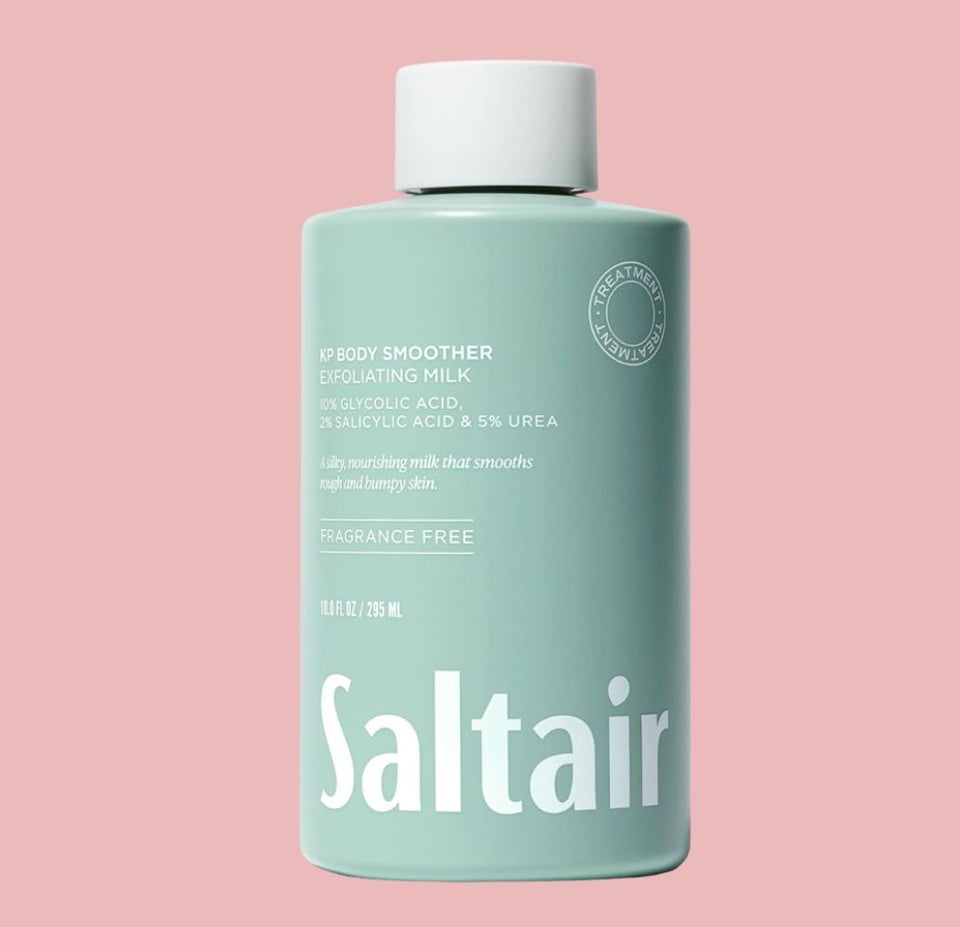
An exfoliating body milk for smooth skin
As a keratosis pilaris (KP) sufferer, I rely heavily on both physical and chemical exfoliators to give me the soft and even skin I know I deserve. Already a fan of Saltair’s body products, I was eager to try this exfoliating body milk, which I’ve been using for the past month or so and I’ve been really enjoying — even more than some pricier acid-containing body serums I’ve tried. This skin-smoothing formula uses a gentle blend of 10% glycolic acid, 2% salicylic acid, fruit enzymes and urea to slough away dead skin cell buildup and flakiness, while glycerin and hyaluronic acid draw moisture into the skin and keep it there.
Advertisement
The Real Deal: We use deal trackers and commerce experience to sift through “fake” hike-and-drop deals and other deceptive sales tactics. Products will usually be rated at least 4 stars with a minimum 15% discount. (And when there’s an exception, we’ll tell you why.)
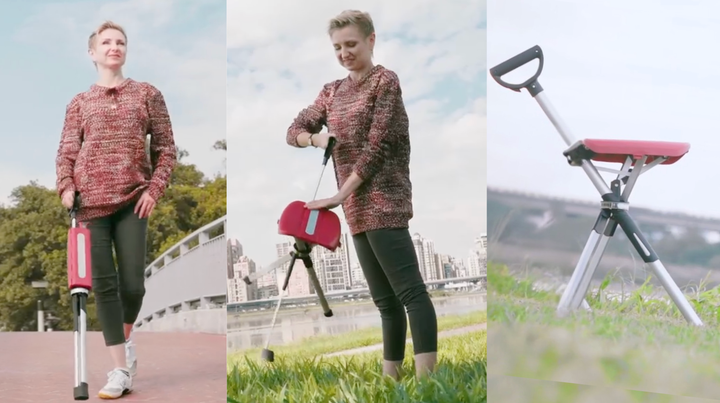
It’s summertime, baby, and that means longer times and lots of outdoor fun. Yes, if it’s tricky to navigate long periods of walking or standing — you may wonder how to make the outdoors more accessible. Boy, do we have good news. From the Taiwanese company Step2Gold, the aptly named Ta-Da chair is a versatile, genius tool that conveniently functions as a lightweight walking stick and then folds out into a chair whenever you need it. Even better? It’s currently 33% off, making it under $100 — but act fast, this is a ⚡️lightning deal ⚡️with limited stock.
Advertisement
Made from aircraft-grade aluminum, the 2.2-pound model is designed to perform as both a cane or hiking stick and a chair.
The chair has garnered heaps of glowing reviews thanks to its versatility, ease of use, portability and functionality. Made with lightweight, durable materials, it’s easy to tote around, according to multiple shoppers — who also say that despite its light, slim silhouette, it doesn’t sacrifice stability in either configuration.
Advertisement
When used as a cane, it has an ergonomic handle that’s designed to fit comfortably in your hand. When it’s snapped into a chair position, you can enjoy a large seat that is comfortable and evenly distributes weight (up to 300 pounds), with large anti-slip rubber feet for extra safety. Additionally, it features a safety buckle, seat lock and is constructed with a reinforced stainless steel seat rim for enhanced strength.
“It is really easy to open and close; it takes just seconds,” a reviewer wrote. ”…It takes just seconds and can even be done while you’re on the move again.” “With a couple of clicks, it unfolds to a stable little stool to take the weight off of painful hips or knees,” another wrote.
Reviewers particularly love it for travel, maintaining that it’s convenient to use through airports and on planes or anytime you have to stand in long lines.
In fact, many consider it an absolute must for vacations spent trekking on uneven cobblestones and wandering through museums. It’s also great for outdoor activities like festivals, picnics and children’s sporting events.
“This seat was a lifesaver on our trip to Europe,” one wrote, calling the chair “light enough to carry around all day.” ”…I used this seat for waiting in line at the airports, waiting in line for buses, crowding around listening to tour guides, etc. etc.”
Advertisement
“I don’t have to use the seat often, but knowing I have the option to sit *immediately* if I need to makes me more willing to go out,” another wrote. With many joking that when they used it in public, many jealous onlookers asked where to get one.
While it’s pricier than your average camp or outdoor chair, reviewers (and their PTs!) say it’s worth every penny for the peace of mind, freedom and comfort it brings.
″…If anyone else is uncertain about spending the money… I have to say, go for it. I have no regrets,” shopper Mary wrote. “I’ve already attended 1 event that I would not have even tried without it and I’m sure there’ll be others. It’s given me back a little more freedom, so well worth it.”
Advertisement
″…I just walked a considerable distance down a Gulf shore beach. I could pause wherever I liked, then click open this little stool to rest and enjoy the view,” an 80-year-old reviewer said. “It allows me to go places I might otherwise not risk. It’s completely changed what I’m able to do in my life!!! If you’re using a cane, you absolutely need this one!”
Shopper Phillip says the chair comes recommended by their doctor, calling the tool “Independence!” “This is a very durable product that gives me the freedom to walk and the freedom to sit when I’m shopping,” they said. “I use it several times a week and answer questions to others wondering where I got this handy device.”
Another writes, “My physical therapist is as impressed with this product as I am,” adding, “it is so easy to open & close & remains stable when I do need to sit & rest.”
Advertisement
Reviewers love this portable chair for giving them stability when walking or sitting on the go. Read more 5-star reviews and grab one for yourself on sale.
“I seem to have come down with a case of COG (Chronic Old Guy), however, I still enjoying walking my dogs in the park. This wonderful cane–chair (1) helps me keep my feet on uneven ground and (2) lets me stop to rest no matter where I happen to be. The seat also comes in handy when the sun blares down on a park bench. I simply set up in the shade, to the envy of all other park visitors. Whoever came up with naming it Ta–Da deserves a raise. Indeed, it’s hard not to yell out “ta–da” each time I unfold the seat.” — Steve Cuno
“I’m 73. My wife is 71 with mobility issues. This is a great leg and back saver. The three legs make it stable where ever you set it up. It opens and collapses easily. I can’t count the number of times people have asked what it is, where did we get it and want one for themselves. As an added bonus, when people see us carrying them, they are a little nicer and more courteous.” — R. Darrington
“Works great. It’s stable while walking as well as when you sit on the stool. My dad has a back injury so balance is not his friend. This cane is going to be so helpful when he travels and does walking tours. He’s quite happy with it.” — Grant Williams
“What a difference this cane/chair made for my husband on a recent trip to Paris. While he is able to walk without a cane, his respiratory condition and edema in his legs does not allow him to walk very far. The foldable chair worked great whenever he needed to take a break. He said the seat was fairly comfortable for these short periods. It was light enough to carry around as we walked through neighborhoods and yet sturdy enough to sit on…he weighs 224. The weight limit is 300+. We were able to tour Notre Dame Cathedral and other iconic Paris tourist spots, museums, et.al. without him tiring from walking. Excellent quality.” — Josie Riojas
Take a look at a few items that can make grocery shopping a little easier for people with mobility issues from previous HuffPost reporting.
Amazon
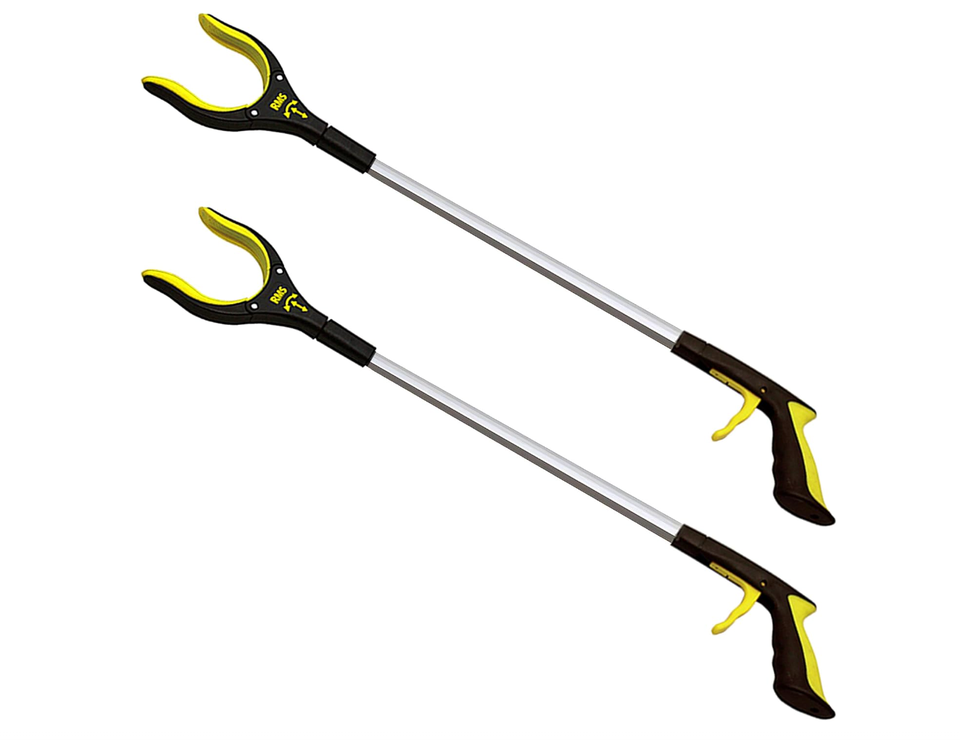
Grab a grabber
The number one tool Ellis and Wynne recommend for accessibility in grocery shopping — an extender grabber. It’s a super handy device that can help you reach high or low products, saving you from bending or over-extending. This pack comes with two, 34-inch extenders with a rotating jaw. These boast a 4.8 overall rating, with thousands of 5-star reviews noting how great they are for grocery shopping and wheelchair users.
Bonus: They’re also plenty useful at home if you have high cabinets and shelves or trouble bending to reach things.
Amazon
Opt for a dolly cart with stair-friendly wheels
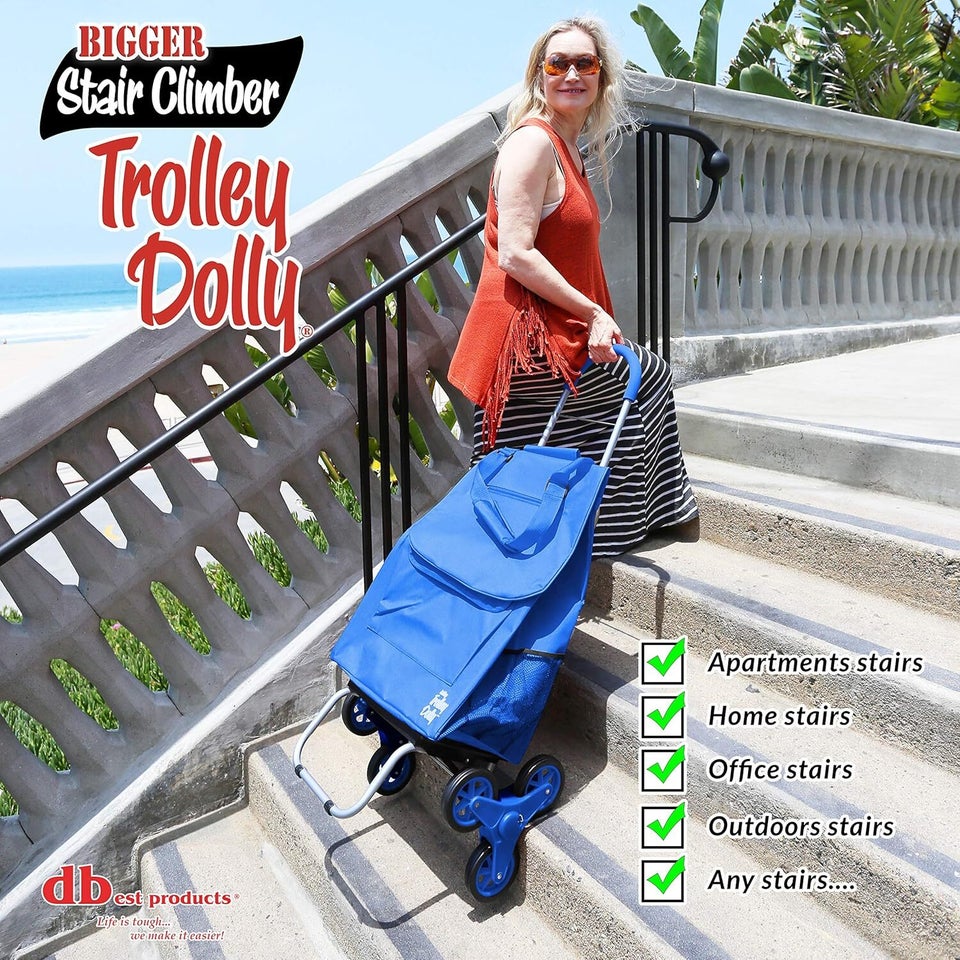
Another great cart option, this folding, lightweight “Stair Climber” cart is collapsible and can carry up to 150 pounds. It’s made with two trios of wheels that easily go up and down stairs. Find it in blue, red and black all with eight compartments.
Promising review: “I was getting so tired of making several trips to my car to retrieve my groceries after each shopping trip. I saw this trolley on Amazon and decided to buy it. Best purchase ever. I now can bring all my groceries in with one trip to the car. I also love that its wheel design allow the trolley to climb my front steps making it so easy for me. I have used it in the house to help me carry things upstairs and the climbing feature makes it safe and easy for me. If you’re trying to decide on buying one, I highly recommend it. I’m a senior citizen and I wouldn’t be without it. It also folds Down pretty well for storing.” — m Robinson
Amazon
Or a more classic folding cart that will go anywhere
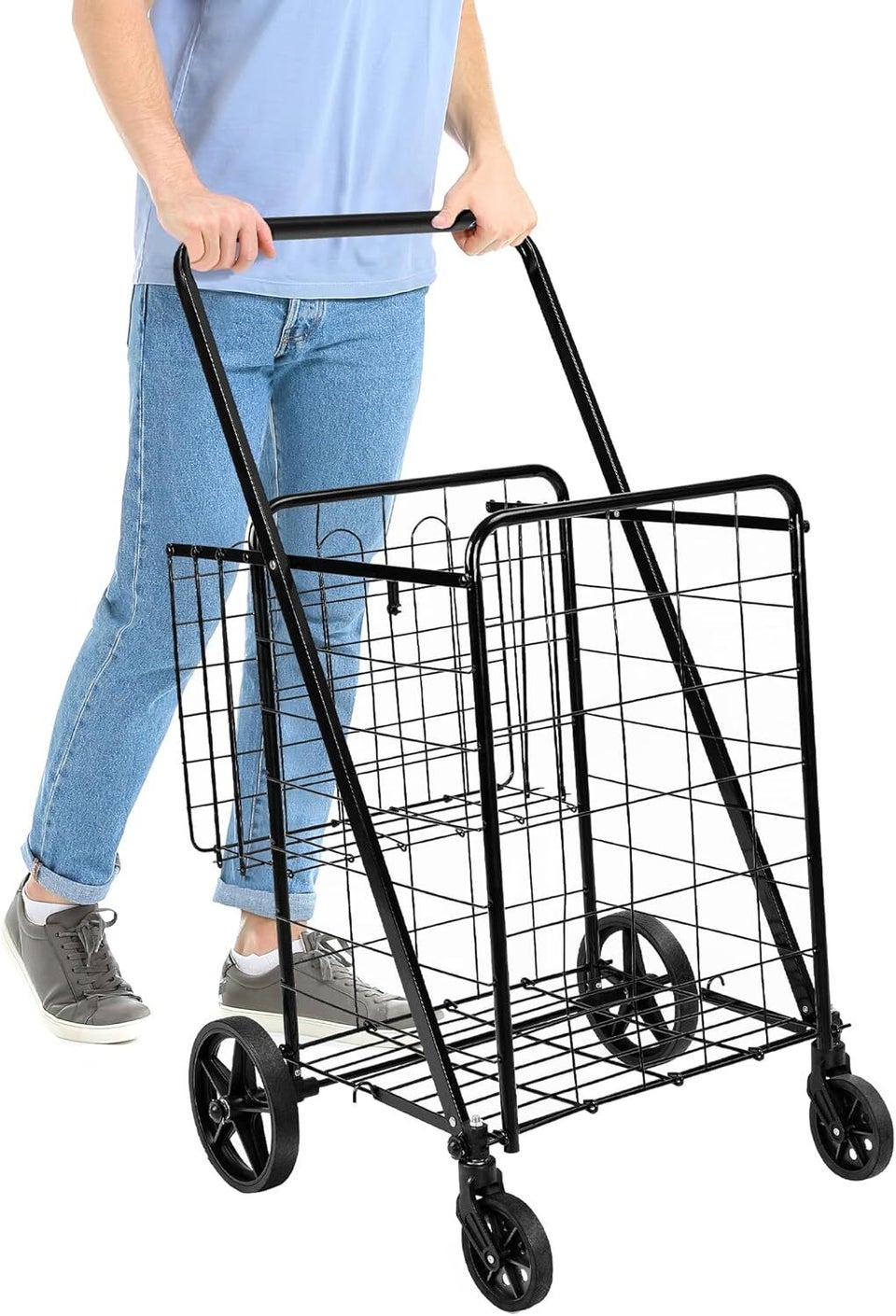
Whether you take this into the store and use it around or just use it to bring your bagged groceries into your house, this foldable cart will be a welcome addition to your home. This is an extra-large option that can hold 50-70 pounds with two baskets, 360-degree swivel wheels and a foam-covered handle.
Promising review: “I order this for my mom and she loves it. The height is perfect for her so that she does not have to bend over. (Mom is 5’8″) Very sturdy construction. Large enough to carry her groceries. And the smaller attached basket is a bonus. She loves it!” — Sheila
“This makes hauling groceries up my steps much easier and can usually do 6 bags in one trip. Love it” — Kindle Customer
Advertisement
The Real Deal: We use deal trackers and commerce experience to sift through “fake” hike-and-drop deals and other deceptive sales tactics. Products will usually be rated at least 4 stars with a minimum 15% discount. (And when there’s an exception, we’ll tell you why.)
On a hot summer day, the last thing you need is to make multiple trips carrying heavy things on foot. Whether you’re a camper, gardener, beach bum, apartment dweller or just someone who grocery shops, adding a rolling cart to your routine may take a load off — literally. Weighing just over 10 pounds, reviewers call this collapsible, easy-to-assemble wagona true godsend for hauling the heavy stuff. To lighten the load on your wallet, you can currently snag the black option for 20% off, though the other colors (blue, pink and red) are all under $40, even at full price.
Advertisement
Reviewers say this lightweight wagon is “easy to put together and works perfectly” for towing everything from “Costco hauls and small furniture,” to cleaning supplies around the house.
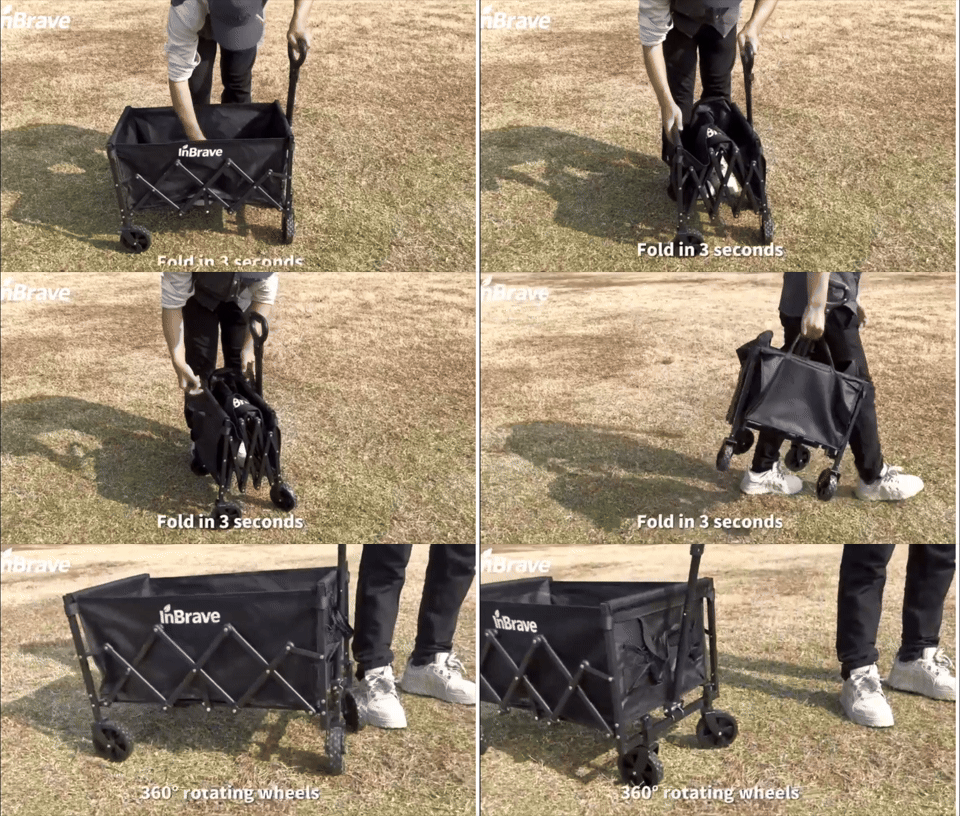
With an accordion-style carbon steel frame and tire-like wheels designed for all terrains, this small-but-mighty wagon is ready to tackle all sorts of hauls. When extended, it measures 26.8 inches by 17.7 inches and can hold 120 liters or up to 380 pounds. As it comes partially assembled, you just need to pop in the wheels and adjustable handle and attach the tear-resistant and waterproof fabric liner with Velcro, and you’re ready to roll. The fabric lining can be easily removed and thrown in the washing machine to keep it clean.
Advertisement
Reviewer Romero especially appreciates the high weight capacity, which is “not flimsy like other carts I’ve tried,” making it perfect for loading “groceries, camping gear, and even heavy gardening supplies.”
Shopper Jeff initially bought the wagon to haul firewood, hoping with 360-degree wheels, it would move over “concrete, brick, gravel and grass” better than a wheelbarrow or dolly. (Spoiler alert: it did.) “This cart does it all, and it can handle a lot of weight,” Jeff said. “It’s also convenient for hauling the associated coolers, Bluetooth speakers, chairs, and everything else that comes with setting up an impromptu bonfire party!”
Others swear by it for moving stuff within their homes, with Oneher calling it a “great little helper 🥰” that offers much-welcome assistance when needed. “[It’s] able to move around easily inside my apartment,” one wrote. “ I can also load all our groceries up and wheel it into the house,” another said.
Advertisement
Because it’s *so* compact when folded, you can take it nearly anywhere to save your body from heavy lifting. (Or just leave it in your car.)
Deemed “perfect for apartment living” and approved by grandparents, this wagon folds down small for easy storage. When full collapsed, the wagon measures 10.6 inches by 17.7 inches, with the brand comparing it to the size of a briefcase. Because it’s so seamless to keep in a trunk or closet, reviewers say they use it a lot, especially to make consistent, weekly chores easier, like yardwork and house cleaning.
Advertisement
“As a 90 year old tasks such as unloading groceries can be daunting. My cart makes it easy,” Maggie wrote.
“…A chore that once took multiple trips now done in one or two,” they continued. “Cart rolls easily and holds more than I expected it to. May be my new favorite thing.
“I can easily now carry stuff like bags of donations of decluttered items to our vehicle in one trip and it lessens the tripping risk,” another said.
Advertisement
This baby is also loved for making special occasions easier, like setting up parties or traveling with little ones. One reviewer used the wagon when visiting friends who lived on the fourth floor of a condo building. “…It was the most effortless unpacking experience when we visited them,” they wrote. “We just put all of our bags and stuff in one trip in their cart and took the elevator and our arms weren’t hurting.”
Reviewers love this rolling wagon for taking the heavy lifting out of, well, everything! Read more 5-star reviews and grab one on sale — your back will thank you.
“As a 90 year old tasks such as unloading groceries can be daunting. My cart makes it easy.Unload groceries into the cart, wheel it into the kitchen and a chore that once took multiple trips now done in one or two. Cart rolls easily and holds more than I expected it to. May be my new favorite thing.” — Maggie
“Perfect for apartment living! I bought this to be able to haul items from my car to my building and back and forth from my garage and it doesn’t disappoint! Easy to assemble, light weight and compact! It has enough to space to hold and haul everything I need it too and I can use it for my granddaughter as well! It is very stable and sturdy and easy to maneuver in the apartment and outside. Extremely affordable and can carry decently heavy items!” — Heather Logan
“Love it! I use it for yard work to carry around gardening tools, yard waste, tarps, cords, etc. and also to help me carry in my groceries from the car quickly! It’s so easy to collapse and put up and stores so compactly.” — Crohn’s With Kids
“This works well around the house and garden as well as shopping or markets where you buy many things without the hassle of having to run back and forth to the car.” — Jason
“This wagon is a great size and holds a lot more than I expected. The quality feels solid, with a sturdy frame and durable fabric. It folds up easily for storage and doesn’t take up much space in the trunk.The all-terrain wheels roll smoothly on pavement, grass, and uneven surfaces, even when the wagon is loaded. Overall, it’s practical, easy to use, and works well for shopping, beach trips, and outdoor activities. I also uploaded a video to show how it rolls and how much it can carry. Highly satisfied with this purchase.” — Micheal
Advertisement
The Real Deal: We use deal trackers and commerce experience to sift through “fake” hike-and-drop deals and other deceptive sales tactics. Products will usually be rated at least 4 stars with a minimum 15% discount. (And when there’s an exception, we’ll tell you why.)
I always believed my natural hairiness was due to my Italian heritage. Every drop-dead gorgeous woman in my family spent Saturdays religiously waxing their upper lips. While it is certainly every individual’s choice as to who waxes and why, in my family, it was basically a rite of passage. At 10 years old, I sat at the kitchen table as my mom dripped microwaveable hot wax onto my lip, then ripped it off to searing pain.
When I hit my 20′s, the hair growth was… intense. I realized that it wasn’t my heritage alone making me a little fuzzier than the average woman; it was actually a medical condition: Polycystic Ovarian Syndrome (PCOS), which causes hirsutism (the rapid growth of facial hair) in women. Now, after over 20 years of waxing, I am done: The skin damage, the pain— I am determined to find a better way. And I think I may have found it in this little-known $20 device hiding on Amazon.
Advertisement
Evidently, facial trimmers are some of the best ways to remove hair. Not only are they painless, but they’re also precise.
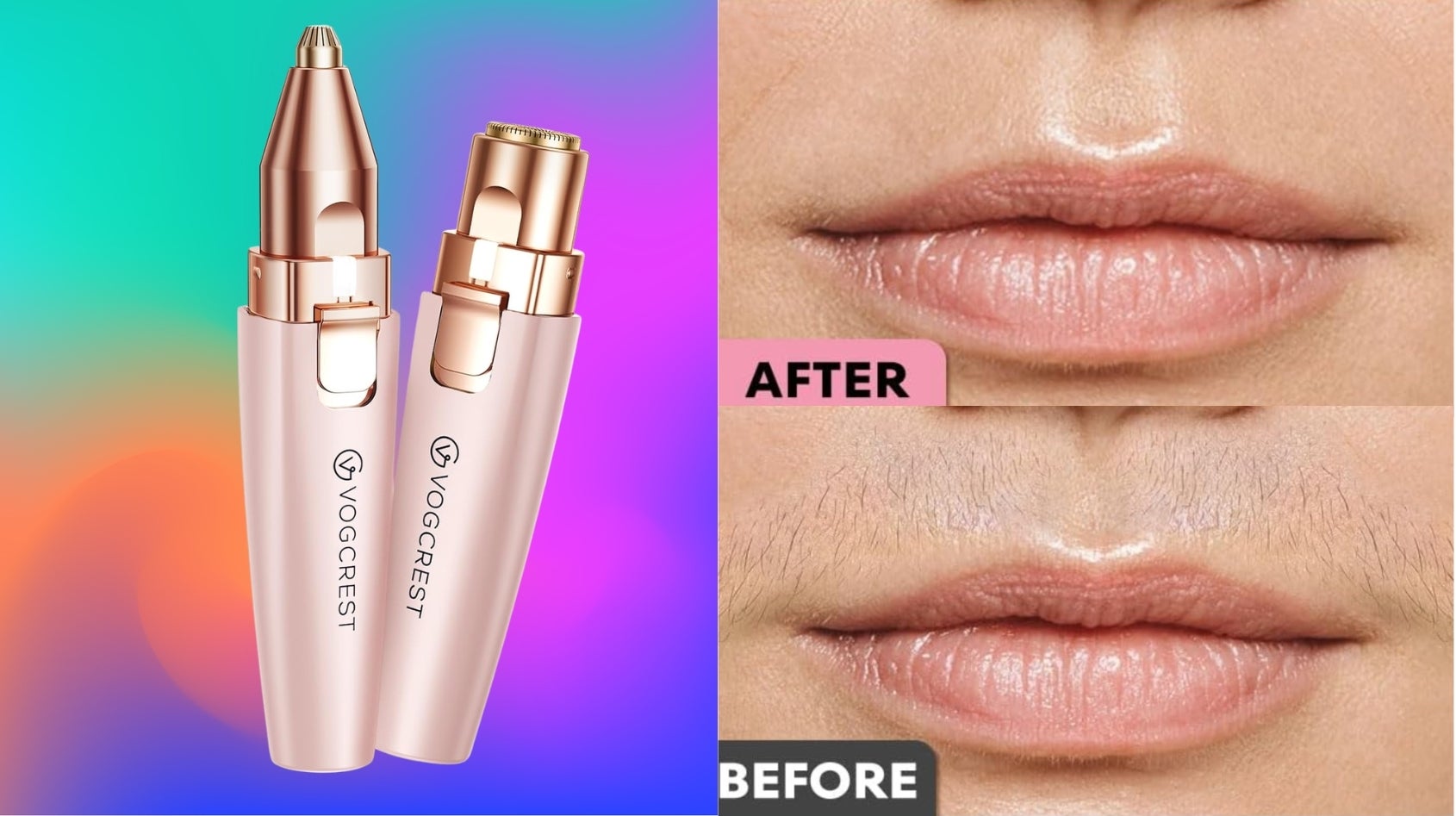
This particular design is meant to remove facial hair closely without the risk of razor bumps or nicks. It comes with two heads: One for your delicate areas like the upper lip, chin, and neck, and another for your eyebrows and even your nose. As one reviewer put it, the design makes for “great precision and a smooth, gentle trim every time.”
Advertisement
It features a 1,000 RPM motor for “faster hair removal” and even comes with a little LED light to make visibility even easier. And with dual blades and a titanium-plated head, skin irritation should be at a minimum. Several reviewers noted how great it is for being cautious with mature and even sensitive skin.
The razor is also portable and rechargeable, so it is easy to throw in your bag for trips or take on the go to freshen up. Additionally, as a fun aside, it’s available in a multitude of colors.
While I should be above societal beauty standards, I am, alas, just a girl looking to lead a peach-fuzz-free life. This cool find can give people like me the convenience and ease of hair removal on the go. As someone who has spent many a frantic five minutes in the car plucking out rogue chin hairs before an event, something like this could be life-changing.
Advertisement
Even if you aren’t a hairy gal trying to prevent a 5-’o-clock shadow like me, this little device is well worth it for other reasons.
People are reporting it helping with a few different skin needs. Several reviewers also note that it helps remove dead skin.
Advertisement
Plus, one user shared that it also helped with their blackheads triggered by ingrown hairs.
If you wear makeup, just give this a quick swipe over your face, and your products will lay smoother and more evenly than before.
For less than the price of a salad and a Diet Coke, I can embark on my quest for baby-smooth skin? That’s an immediate add-to-cart for me. If you’re joining that reason or another, then snag it today while the price is this good. Check out more promising reviews below:
“As a 52 year old woman, I [have] always struggled with facial hair. I have been using these type of devices since they first came out… late 90… early 00s? Before that it was those awful smelly creams. Let me tell you ladies, this is next level holy effing grail!!!!!! My face has never, ever in my life felt so smooth, looked so nice… not a single stubble to be seen or felt. I was hesitant to buy this one for a while thinking I have tried them all and it can’t be better then the one I was currently using. Wish I had bought it sooner, it’s life changing!” — Anyasings
“As a Senior, this product was easy to assemble and to use. It is gentle to an old face and did a wonderful job on the fine peach fuzz and firmer hairs. I’d recommend this product, I’m very well pleased with it and would buy it again.” — Camille
“This face and eyebrow hair trimmer remover is absolutely the best thing in the whole world I suffered from acne my whole life now I’m 51 years old and I have very deep blackheads and I’ve tried everything to remove them and nothing worked and as a trimming my facial hair it was removing my blackheads I am like beyond happy with this product and it works perfectly to remove my facial hair I am just so happy with this product” — Alana J. Cooley
“Who knew I had so much peach fuzz! And eyebrows are so light that shaving is difficult.” — Wildflowersgal
“Old crone’s delight. Just what is needed to keep looking good. A quick fix for lip/chin hairs, as well as touching up the eyebrow area. Best grooming product ever for the hair-gifted out there.” — Ragnar
Advertisement
The Real Deal: We use deal trackers and commerce experience to sift through “fake” hike-and-drop deals and other deceptive sales tactics. Products will usually be rated at least 4 stars with a minimum 15% discount. (And when there’s an exception, we’ll tell you why.)
Advancing age and the accompanying decline in mental acuity and physical strength have been discussed a lot lately — especially when the 2024 presidential election featured two of the oldest candidates in history until President Joe Biden withdrew his candidacy in July.
However, many senior citizens are leading active and productive lives. I am 84 years old and in good health, both mentally and physically. I can’t say for certain why I’m in such good shape, but I attribute it to certain routines I have followed over the years.
I have stayed pretty self-sufficient and don’t like people prejudging what I can and cannot do because of my age. A few years ago, when I was in my late 70s, my daughter’s childhood friend visited us with her husband. One day, we needed to take something down from a high shelf. I walked to the garage and brought out a stepladder. The husband immediately reacted as if I had done something wrong.
Advertisement
“Uncle,” he said, “you should not be doing this at your age.” I told him I was perfectly capable, but he proceeded to take the ladder from me and get the item.
Two Decembers ago, a young relative stayed with us for a few days. One morning, I made tea and brought it to her at our breakfast table.
“What is this?” she said. “You sit. I will make breakfast.”
I told her that I make breakfast every day. I have been doing this and other household chores for years. I am not going to stop just because I am getting old.
Advertisement
Here’s my take on living a satisfactory and long, healthy life. I am not, by any means, an expert on anything — these are my thoughts based on how I am living my life and why I think it is helping me.
The author and his wife, Bharati, visited Machu Picchu in Peru in October 2016.
Courtesy of Ashok Shenolikar
1. Don’t procrastinate on doing what you want to do.
My wife and I have always made time to vacation in different parts of the world, focus on hobbies and learn new skills.
Advertisement
In just the past 18 months, we witnessed the glory of lavender fields in full bloom in France, ziplined in Costa Rica and cruised along the Chilean Fjords to Argentina. In earlier travels, we visited much of Western Europe, almost all of South America, plus South Africa and Zambia. We have visited the ends of the three continents — Kanyakumari in India, Cape of Good Hope in Africa and Cape Horn in South America. We have seen Niagara Falls, Victoria Falls and recently, Iguazu Falls. Our bucket list has reached rock bottom. If something pops up in the future, we will take the opportunity. But we feel fulfilled.
When I posted some of our travel photos, one of my nephews said, “Uncle, I am impressed by your enthusiasm, curiosity, and energy in traveling to all these wonderful places at your age. You are an octogenarian nomad.”
Our lives have been enriched by all this travel. We met interesting people who are gardeners, artists, book lovers and foodies, just like us. We made long-lasting friendships. I can’t imagine what my life would be if I just stayed put.
Advertisement
2. Love, trust and support your significant other.
In July, my wife Bharati and I celebrated our 54th wedding anniversary. After living so many years together, I have learned how love and appreciation grow because of shared experiences. Having been together for over half a century, through thick and thin, I think about the meaning and significance of our wedding vows.
We are both Hindus. In the Vedic wedding ceremony, there is a ritual of Saptapadi (seven steps around a fire, for the fire god) during which we made vows similar to “for better, for worse, for richer, for poorer, in sickness and in health, to love and to cherish, till death us do part.”
Looking back, I wonder how we survived our initial years after we were married, when we faced long odds. After our wedding, Bharati had to stay back in India when I returned to America. It took her one year to get her visa due to India’s government bureaucracy. After she arrived in the U.S., she had to acclimate to a new country far different from where she had lived.
Advertisement
All newlyweds have challenges when starting a new life together, but ours were exacerbated by the economic climate in the early 1970s. I graduated with a master’s degree in engineering from the University of Oklahoma. At the time, the country was in the grip of a severe recession. Large companies were laying off people. It took me more than two years to gain footing in a good job.
Our earnings were meager during this period, but we still enjoyed our life. In the following years, we suffered the loss of our first child to spina bifida and two difficult pregnancies a few years later. We recovered from all of this and had a reasonably successful middle-class life. I learned that when two people love, trust and support each other, things tend to work out.
The author and his wife, Bharati, pose together in Hyderabad, India, on their wedding day (July 1970).
Courtesy of Ashok Shenolikar
Advertisement
3. Modify your lifestyle as your body changes.
Our bodies change as we get older, and we need to adjust. Don’t live in denial. We have to listen to our bodies as well as to doctors. If you have a problem with hearing, get a hearing aid. If you have a problem with balance, get a cane. I have one that converts to a chair so I can sit when I am tired of standing.
After doing chores for over 40 years, I now avoid doing stuff that may cause bodily harm, such as shoveling snow or mowing the lawn. I am extremely careful to avoid falls. After attending a regular yoga class for years, I have switched to chair yoga. I now use a recumbent bike instead of a regular one. And there is one new thing I have started doing that I never did in my younger years: I take an afternoon nap.
During our many travels, we came across many people using canes, walkers and wheelchairs who were able to take part in outdoor excursions. Their aging bodies didn’t stop them from enjoying their vacation.
Advertisement
4. Keep busy and intellectually occupied.
One of the challenges of retired life is staying occupied. Studies have shown that mentally stimulating work helps stave off dementia. That makes sense to me. There is plenty of time to fill. You can only watch so much TV. You have to find things that challenge your brain.
Just before I retired in my early 70s, I started learning Spanish. It’s my fourth language after Hindi, Marathi and English.
I watch Spanish telenovelas, and every Saturday, I attend a Zoom meetup group to practice speaking (I can make small talk). I come across new words during these meetings, but I soon forget them. It’s like remembering the names of strangers at parties.
Advertisement
“The inability to retrieve names, even those we know well, is a common complaint of aging,” a recent article in The Washington Post noted, adding that forgetfulness by itself is not a sign of cognitive issues.
I spend at least a couple of hours, Monday through Friday, engaged in writing-related activities: a new blog, brainstorming topics for a new piece, researching opportunities to publish. I have published a novel and have finished a second manuscript.
From left to right, the author’s son Sachin, daughter-in-law Alka, granddaughter Ruhi, wife Bharati, daughter Sukanya, granddaughter Maya, grandson Kieran, the author, and son-in-law Ryan pose on vacation in November 2023. “We’re ready for a zip-line adventure in Costa Rica!” he writes.
Courtesy of Ashok Shenolikar
Advertisement
5. Make every day as productive as possible.
People often say I look younger than I am. I haven’t done anything special to achieve this feat. I am an ordinary man living an ordinary life, but I have created a specific structure to my life.
You might say my days are like those of Bill Murray in the movie “Groundhog Day”: I get up, read the paper, exercise, take an after-lunch nap, write for a couple of hours, and then spend my night reading books (mostly fiction) and magazines like Writer’s Digest, Poets & Writers, and the New Yorker while watching TV. It’s nothing too extraordinary, but I have been consistent.
I’ve never followed any diet. I eat and drink what I want, in moderation. I have been mostly a vegetarian, although we occasionally eat poultry and seafood, but never red meat. I’ve never smoked, despite the temptation.
Advertisement
For a number of years, I did the 15 minutes of daily exercise recommended by the Royal Canadian Air Force. This consisted of sun salutes, push-ups, squats, and in-place jogging. I worked in an office for 40 years and I made a point of taking a walk every day at lunch — even when it was freezing cold outside. My colleagues would ask, “Did you do your daily constitutional walk even today?” After retirement, I joined a gym to continue my exercise routine.
I haven’t played any demanding sports or participated in marathons that resulted in injury or long-term health issues. This is by no means a criticism of those who do these things. I admire them. However, at the end of each day, I am content to have done something useful. Perhaps this discipline has contributed to my being in the good shape that I am. I accept the fact that sometimes illness comes without notice and for no reason. I guess I have been lucky as well.
From left to right: The author’s son Sachin, daughter-in-law Alka, granddaughter Ruhi, wife Bharati, and the author explore the gardens of Indianapolis Museum of Art in October 2022.
Courtesy of Ashok Shenolikar
Advertisement
6. Hang out with your friends.
Last year, Dr. Vivek Murthy released a new surgeon general advisory calling attention to the public health crisis of loneliness, isolation and lack of connection in our country. It doesn’t have to be that way — and it doesn’t take much to combat it. Connection can be small talk with people we meet in a library, in an exercise class, or making a quick call to a friend or relative.
Making new friends and having a social circle has been great for my well-being. I met several nice people when I managed the Northern Virginia Writers Guild in my 70s. And I made friends with people who attend my Spanish-speaking meetup group. We invite them to our house for brunch from time to time.
My wife’s outgoing personality has helped us make friends in our neighborhood, too. We are part of a foodie group that goes out for lunch every month or so. Sometimes we meet our friends for happy hour. Some of our friends have been in our lives for over 40 years. Many of them have become like our extended family; we celebrate with them on joyous occasions and lean on them in times of trouble.
Advertisement
7. Don’t let conflict get to you.
Throughout our lives, we come across many different people, including parents, siblings, friends, neighbors, work colleagues and significant others, and tensions can arise when our views conflict with others. Disagreements can be triggered by just about anything — from what to eat for dinner or what movie to watch to (of course) politics — and it’s often hard to come to a consensus.
So, how do we maintain a good relationship over a long period? As Audrey Hepburn once said, “Happiness is health and a short memory!” What’s the use of keeping a grudge? Just forget it and go on with your life. If you don’t like what someone, including your spouse, says, you can have a cordial discussion instead of getting mad and throwing tantrums. Ultimately, relationships are a two-way street: We can’t control how another person behaves, we can only control our behavior.
The author and his wife, Bharati, visited Iguazu Falls in Brazil in March 2024.
Courtesy of Ashok Shenolikar
Advertisement
Where do I go from here? I will keep living the way I now do. I worry about getting a lengthy illness because I don’t want to be a burden to anyone. If my end has to come, let it come fast.
Sometimes I also worry about the safety of our children and grandchildren because there are so many crazy things happening around the world every day. However, you can’t live in a constant state of fear. If something happens, deal with it then. Enjoy your life as much as you can. That’s not a secret formula — it just helps to say it out loud every once in a while.
Ashok Shenolikar is a novelist, short-story writer, and essayist based in Ellicott City, Maryland. A retired engineer, his writing can be read on his blog, ashokshenolikar.com. His essays have been published in The Academy of Heart and Mind, The Pilcrow & Dagger and India Abroad. He managed the Northern Virginia Writer’s Guild Meetup from 2013 through 2019. His novel “Choices They Made” is available in paperback and Kindle versions.
Advertisement
This piece was previously published on HuffPost and is being shared now as part of HuffPost Personal’s “Best Of” series.
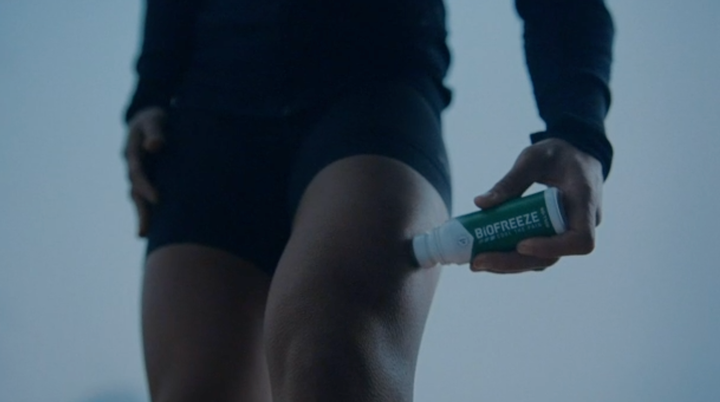
Forgive the pun — but body aches are a pain. Whether you’re dealing with chronic discomfort or just like to be prepared, reviewers swear by this roll-on cooling gel by Biofreeze for “fast and effective” pain relief, wherever they are. Reviewers call the packaging “like deodorant for back pain,” allowing easy, direct application without getting product all over your hands. Yet, users really love the formula, calling it the best over-the-counter product you can get that “tops most prescription products for aches and muscle pains.” Right now, you can snag a bottle on a rare deal for 25% off, but act fast — it’s a lightning sale that will be over soon.
Advertisement
In previous reporting, physical therapists told HuffPost that topical creams like Biofreeze offer “immediate relief to sore areas” — allowing for more movement with less pain.
This fast-acting cream is made with 5% menthol, for instant cooling, as well as soothing aloe leaf extract, arnica, green tea leaf and lemon balm. The brand says the potent formula is designed to “block” pain signals in your body, giving you an instant boost of citrusy-cooling.
Advertisement
Reviewers say the gel has “a pleasant minty smell that diminishes quickly,” especially because you don’t need to use your hands to apply it.
Per the brand, the gel can be used on nearly all external needs from back aches to arthritis, bruises, sprains and pains on your shoulders, knees, wrists and more.
“When I feel a bit of a muscle tightness, headache or neck pain I roll this on the neck and within 20 minutes, I have totally forgotten about the pain and can move freely without pain again,” shopper Oregon Gma. “This relief lasts almost all day and I roll it on again and am good for the night.”
Advertisement
As experts previously told HuffPost, these types of topical creams can also be great during physical therapy or working out as they “allow patients to perform exercises with reduced discomfort and increased effectiveness.”
“A few years ago I was in a bad car accident and tore my patellar tendon and broke my scapula-this takes the ‘edge’ off so that I can get going again with my workouts and with home improvement projects,” Zoe P. wrote .”Thank you so much for offering the Professional Biofreeze online!!”
Advertisement
Reviewers love this cooling cream for swiftly easing aches and pains. Read more 5-star reviews and grab some for yourself on sale.
“The best you can buy otc product & tops most prescription products for aches and muscle pains Used many will come back to this every time. Would recommend to anyone!” — Moes’Placeholder
“Worked Wonders For Me. I have had surgeons tell me that I am not a candidate for neck surgery as of yet but they agree that there is substantial damage. I have been through a year of physical therapy without relief of neck pain. I have a pain doctor that gives me nerve blockers every 3 months. A friend told me about this product and after 2 months of research and procrastination, I finally purchased a bottle. I wish I would have done that 2 years ago. When I feel a bit of a muscle tightness, headache or neck pain I roll this on the neck and within 20 minutes I have totally forgotten about the pain and can move freely without pain again. This relief lasts almost all day and I roll it on again and am good for the night.” — Oregon Gma
“If you never tried Biofreeze, I’m not really sure what to tell you. Especially on a roller. If you have back pain, you roll this on like deodorant and it immediately works. There’s no waiting. It doesn’t last as long as icy hot but it feels a lot better. It goes on a lot easier and it doesn’t leave any grease in your hands, it’s like deodorant for back pain. It really is a remarkable product and I actually saw a chiropractor recently who offered me a bottle and that’s when I knew for sure that I got the right stuff. I strongly recommend it” — Supreme Parties
“I just fractured my pelvis and the bio freeze is what sold me on Amazon home delivery. I had purchased other home items but the bio freeze saved my life because I was stuck in a wheel chair for 8 weeks. Bio freeze saved my life.” — Cynthia Baker
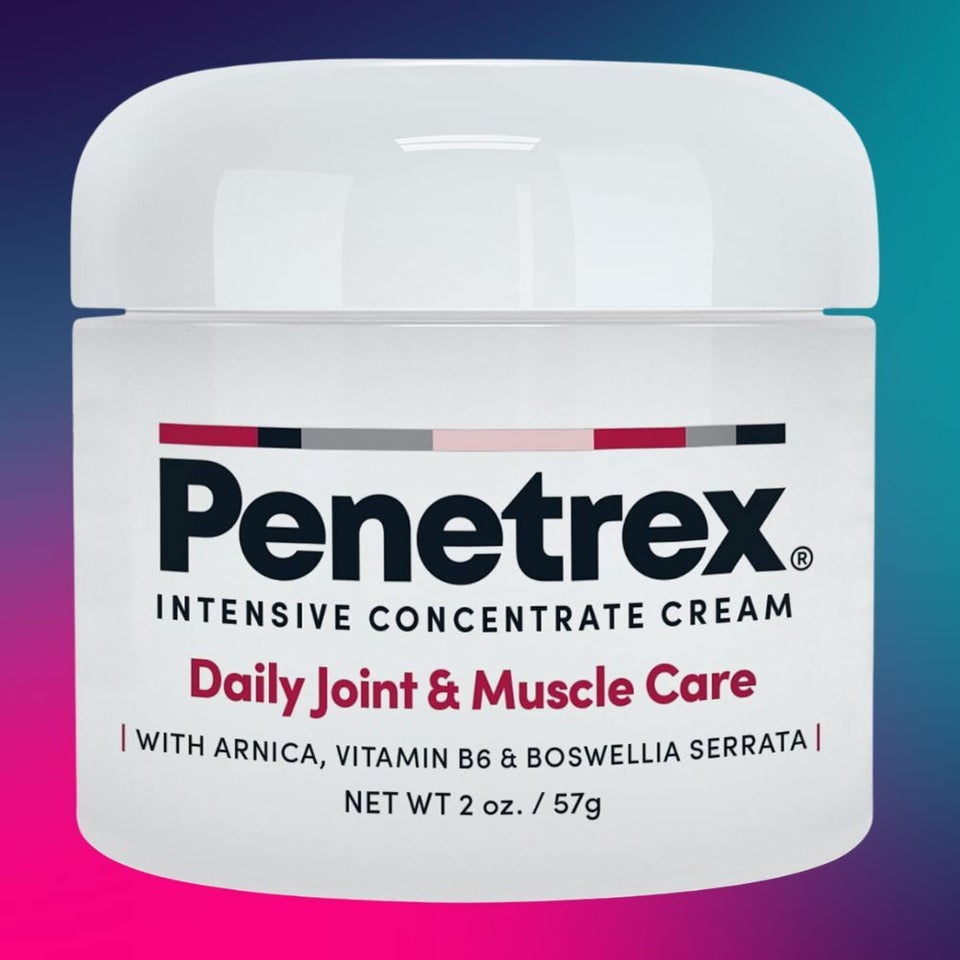
The Penetrex recovery cream is possibly one of the most impressively reviewed pain-relief topicals on Amazon that features a concentrated blend of natural ingredients. It’s a non-greasy and sensitive skin-friendly formula containing arnica and vitamin B6 to soothe sore and achy muscles without the burning or freezing sensation of other numbing creams.
Promising review: “Penetrex works for me. I have tried many different pain relieving creams and really believed a topical cream could not eliminate pain. Some products have a lot of Menthol that distracts from the pain for a while. I broke my wrist in 2015 and have 10 metal pins in my wrist. My hand, as well as my wrist, are frequently painful. I think some arthritis is developing. I am so thankful to have found Penetrex. When my hand or wrist starts hurting, I rub in a small amount of Penetrex and the pain goes away. I have not timed how long it takes. I just know if I want the pain to stop, I use Penetrex and not long after, I realize the pain is gone. I keep a jar at home and at work. I will not be without it, so I hope the company stays around for a very long time. Penetrex is not sticky or greasy, it rubs in completely like a hand cream or lotion. It has a mild fragrance, not a strong odor like some sports creams. I was introduced to electrode therapy and ultrasound during my physical therapy sessions for my wrist. I purchased both for home use. Penetrex works better than either of those therapies. I recommend you try it. It may not work the same for everyone and every type of pain, but it is worth a try.” — Rita Berry
Amazon
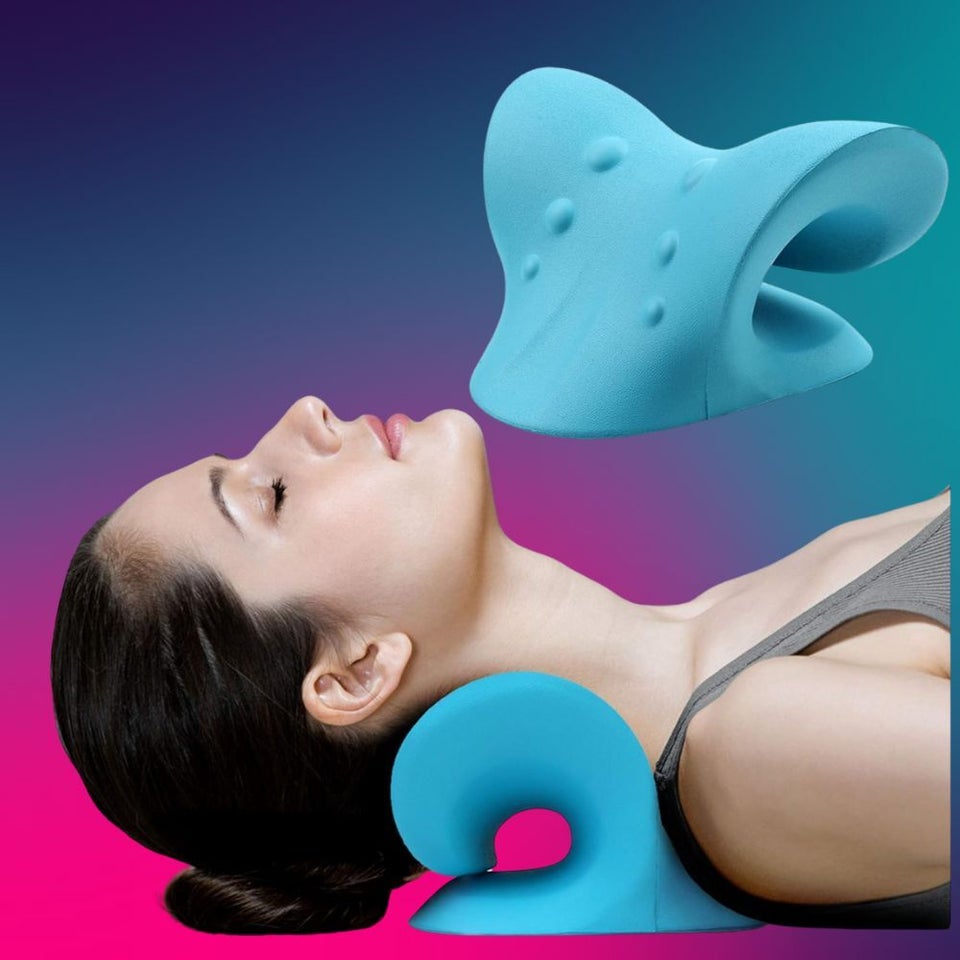
A cervical traction pillow for the neck and shoulders
According to one reviewer, this odd-shaped pillow made their shoulder pain “disappear completely” using a stretching technique called cervical traction, which involves gently creating space between the bones of the neck. The pillow is made from a dense foam and strategically follows the natural curvature of the spine to ease pain in as little as 10 minutes a day.
Promising review: “So here’s a backstory, I have a pinched nerve and I am an artist who uses their hands A LOT. It causes me a lot of pain in my right hand, which causes my arm to go numb at night and aches all through the night. It stems from my shoulder and for the last several days I’ve been in a ton of pain, unable to sleep. I bought this on a whim with the hope for some relief in my neck and shoulder. As soon as it arrived I opened it and used it for less than a minute. That 45 seconds I was on it made my shoulder pain disappear completely. I was shocked.. but so happy to finally have this relief. Let me be clear, my back and shoulder is messed up from several things.. and it hurt because of the tension I’ve kept when I used this product. But it was the kind of pain you would get from a deep tissue massage or something like that. I’ve continued use through the day, using around 1-2 minutes total. No pain, no aches, my neck feels less tense and my shoulder pain is completely gone. I will continue using it daily! Highly recommended” — Z
Amazon
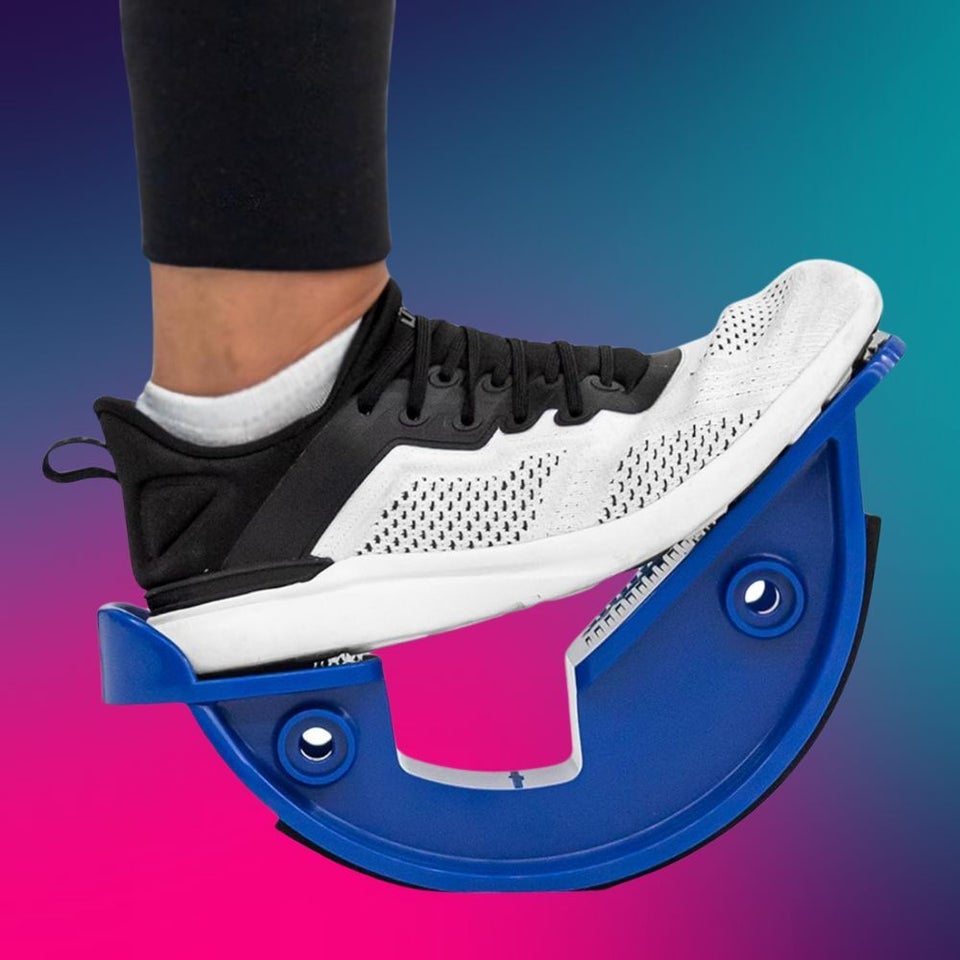
A podiatrist-approved foot stretcher for plantar fasciitis
Podiatrist Louis J. DeCaropreviously told HuffPost that when it comes to managing plantar fasciitis pain, “the best a [person] can really do is stretch the posterior column which runs from the hamstring down to the calf, to the Achilles and through the bottom of the foot to connect to the plantar fascia.”
DeCaro teaches his patients heel inversion stretches, which he said should be done “prior to all activities that involve running or long walks and should be done with the foot as neutral as possible.”
Although you don’t need a device for the heel inversion or posterior column stretches that DeCaro refers to, many Amazon reviewers claim that this rocking foot stretcher has made “a world of difference” in treating their plantar fasciitis pain. The rocker design holds the foot in the optimal position for an accurate and efficient stretch and has slip-resistant pads to keep the stretcher in place while in use.
Promising review: “I recently developed plantar fasciitis and it was causing me all kinds of pain in my knee, heel and ankle. Using this device before and after my runs made a world of difference. [The] pain is subsiding and I’m able to continue training. Such a great device for a hard-to-stretch area – highly recommend.” — Bels
Advertisement
The Real Deal: We use deal trackers and commerce experience to sift through “fake” hike-and-drop deals and other deceptive sales tactics. Products will usually be rated at least 4 stars with a minimum 15% discount. (And when there’s an exception, we’ll tell you why.)
It’s time to seize the moment! Nordstrom’s Anniversary Sale is officially here, and the beauty deals are sweet enough to make any shopper blush☺️. While the retailer is known for its premium beauty offerings, this event is the perfect opportunity to stock up on favorites without taking a major hit to your wallet. From gift sets featuring beloved anti-aging night creams to hairsprays that add volume to fine, thinning hair, there’s no shortage of worthwhile finds. Whether you’re treating yourself or snagging something for someone else, now’s the time to snag these beauty must-haves before the sale comes to an end.
The Real Deal: We use deal trackers and commerce experience to sift through “fake” hike-and-drop deals and other deceptive sales tactics. Products will usually be rated at least 4 stars with a minimum 15% discount. (And when there’s an exception, we’ll tell you why.)