6 Makeup Mistakes That Instantly Age You (And What To Do Instead)

If your makeup has been looking heavy, dull or just entirely off, it might not be your products — it’s how you’re using them. Certain application techniques can subtly emphasize fine lines, texture and unevenness, making skin look older than it actually is. And because so many of us stick to the same routines for years, those small missteps can quietly add up.

“As we age, skin loses collagen, elasticity and natural hydration, which results in texture becoming more visible, pores looking larger and increased skin laxity,” said makeup artist Sheri Knight. “Makeup that once sat beautifully can suddenly settle or look heavy, so adapting your routine is everything.”

Ahead, the six makeup habits that can instantly age your look — plus exactly what to do instead for smoother, fresher-looking skin.

1. Over-powdering your entire face

According to makeup artist Erica Taylor, over-powdering is a sure-fire way to instantly make the skin appear older. “As skin becomes drier and more textured with age, powder can settle into fine lines and emphasizes dullness,” she said, adding that areas with visible lines like around the mouth, crow’s feet and underneath the eyes are especially prone to creasing.

To properly set your face, Taylor recommended lightly setting just the T-zone with a talc-free powder to control shine without flattening the skin. Also, proper skin prep, like gentle exfoliation and layering hydration, combined with hydrating mists throughout your routine, can help you further lock in makeup without dulling the glow. “Opt for skin care-infused, dewy setting sprays, like the Anua Hydrating PDRN Hydrating Capsule Mist, rather than matte-ifying ones to avoid emphasizing fine lines,” she said.

Woman makeup

Naked King via Getty Images

Woman makeup

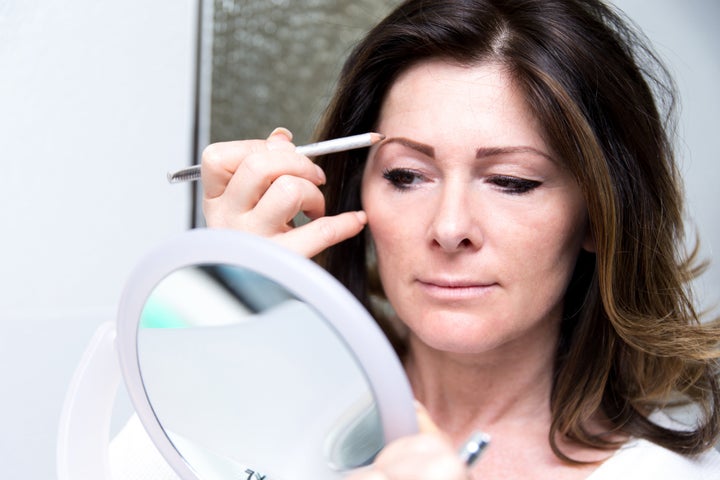
2. Drawing on harsh, structured brows

Brows are an understated area that can quietly shape your entire face, playing a bigger role in how youthful you look than most people realize. Fuller, softly structured brows tend to frame the eyes and lift your features, creating a fresher, more awake appearance. On the flip side, overly thin, harshly drawn, or overly dark brows can look rigid and flatten the face, which can read as older.

“Harsh, overly structured brows can drag the face down and compete with your features instead of framing them,” said Knight. “As we age, softness is key — use hair-like strokes and build gradually, focusing on filling sparse areas rather than drawing a whole new brow.”

Aim to keep the inner brow softer and less dense, with the arch sitting slightly higher and the tail not dropping too low. This placement helps create a subtle lift and a more awake, refreshed look. And to hold everything in place, top off with a lightweight gel like the Benefit Cosmetics Dream Sheen Waterproof Tinted Brow Glaze Gel.

3. Applying heavy eyeliner (especially on the lower lash line)

Applying heavy eyeliner, especially along the lower lash line, can drag the eyes downward and make them appear smaller and more closed off. Plus, dark, thick lines under the eye can emphasize shadows, fine lines and any natural hollowness, which can contribute to a more aged look.

Makeup artist Alexandra McCormick said that when it comes to brows, it’s all about lifting. That means keeping the liner thin and tight along the upper lash line rather than heavy or thick, and tightlining — a technique that involves lining the inner waterline — to create subtle definition without adding visible weight. You can also try using an eyeshadow as eyeliner for a softer, more diffused look, or a soft brown liner pencil (rather than black) to create definition without the rigidity of a hard line, said McCormick.

4. Skipping cream-based products

When it comes to formula, relying solely on powders for blush and bronzer can make skin look drier, flatter and more textured. Cream formulas, on the other hand, tend to melt into the skin, adding back that natural-looking dimension and subtle glow that powder alone can’t always achieve. “This natural radiance catches the light, which adds the appearance of volume to the face,” Taylor said.

To keep your skin from looking glowy (not greasy), Taylor recommended a balanced approach of combining light powdering in strategic areas with creamy or luminous textures. Try lightly powdering only the T-zone to control excess oil while keeping the rest of the face luminous with cream formulas.

The key for more youthful-looking lips is to choose a lip liner close to your natural lip tone and use light, feathery strokes rather than a hard outline.

Westend61 via Getty Images

The key for more youthful-looking lips is to choose a lip liner close to your natural lip tone and use light, feathery strokes rather than a hard outline.

5. Using frosty eyeshadows

Frosty eyeshadows can unintentionally age the eyes because of how they interact with texture — shimmer-heavy, icy finishes tend to reflect light in a way that highlights fine lines, creasing and any natural dryness on the lids, making the area look more textured than it is. Rather than applying a whole wash of frosty eyeshadow all over the lid, McCormick said to add “a touch on the inner corner of the eye to brighten and a soft highlight on the center of the lid to give a wide awake appearance.”

For the most flattering look, though, go for a satin finish eyeshadow or a soft matte texture — these will smooth and refine the eyes while also allowing the skin to move naturally, said McCormick.

6. Not defining the lips

“As we age, the natural lip border softens and can lose definition — lips appear thinner and less structured, and lipstick can also bleed into fine lines around the mouth,” McCormick said.

The key for more youthful-looking lips is to choose a lip liner close to your natural lip tone and use light, feathery strokes rather than a hard outline. “Neutral pinks, rose tones, soft berries and warm nudes tend to feel fresh and enliven the complexion,” said McCormick, who recommended avoiding overly cool or flat tones that can drain warmth and life.

Share Button

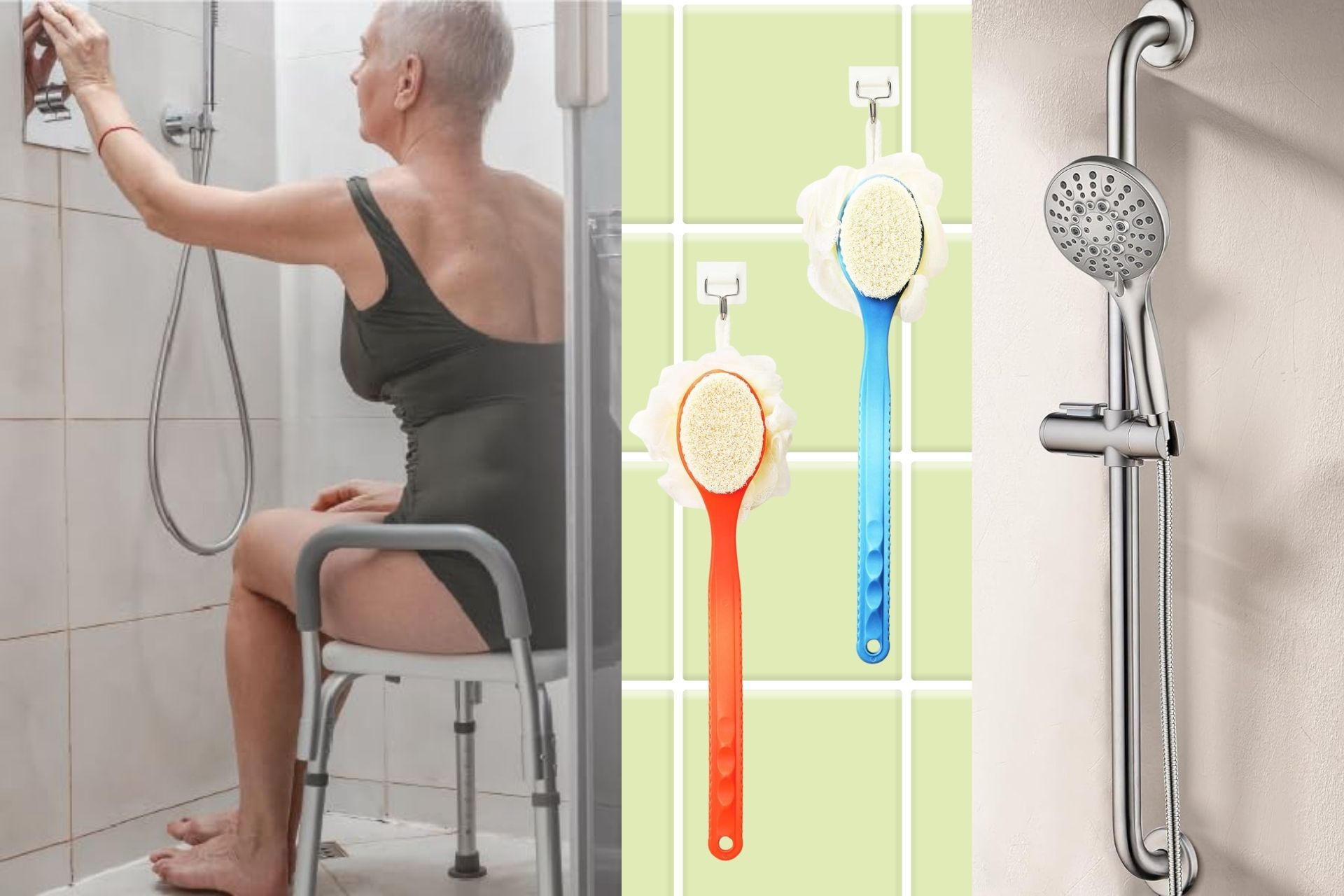
10 ‘Worth Every Penny’ Shower Products For Folks With Limited Mobility

For folks with limited mobility, day-to-day activities and tasks can take more effort and pose increased risk. Showering, in particular, can be challenging and even downright scary. Getting in and out of the tub and moving around in the shower presents the possibility of slipping or falling because of wet surfaces.

We’ve found some reviewer-beloved products from Amazon that folks swear by for preventing injuries while bathing. Many people say these items changed and saved their lives, and some even deemed a product the “Cadillac” of shower assisters! Read on for some of their favorite picks.

The original version of this story was published on HuffPost at an earlier date.

Share Button

This Is Not A Drill: Tatcha’s ‘Worth The Splurge’ Dewy Skin Cream Is On Sale In Every Size

Tatcha’s plumping Dewy Skin moisturizer has become a cult favorite thanks to its gorgeous, silky-smooth formula that helps return bounce and luminosity to the face and neck. Designed to save skin from moisture-sucking air and oxidative pollution, reviewers say the cream makes their skin look “younger and more radiant,” and feels “incredibly luxurious and hydrating.Fans of the cream already know how rarely it goes on sale (it’s been full price on Amazon since Black Friday), so needless to say, Sephora offering 20% off every size is a big flippin deal — especially when it’s still full price at Amazon.

In the heat, your skin may feel drier than ever. Made with hyaluronic acid, squalane and the brand’s proprietary superfood concentrate, this nourishing cream is designed to keep your skin hydrated and soft. Blended with antioxidants and ceramides, the cream helps replenish compromised skin barriers while plumping and reducing fine lines. It’s ideal for folks with mature, dry skin, anyone who lives in a high-pollution area or who otherwise craves a richer hydrator. A little goes a long way, too: One pearl-sized scoop is enough to cover your face and neck.

A reviewer with fair, rosacea-prone skin who first tried the cream in a Sephora writes, “I literally watched my parched, dull, reddened skin turn happy, dewy yet not greasy, and less irritated. My skin just drank it up!” Nancy, another Sephora shopper, deems the cream a “must have for dry & mature skin,” calling it a staple in their daily routine. “My skin just soaks it up,” they wrote. “Leaves my skin looking refreshed and plump. Wears great under my makeup.”

Of course, this beloved cream doesn’t just leave skin hydrated; in fact, reviewers credit the unique ingredients for wrinkle control and keeping skin feeling radiant. According to the brand, these potent ingredients are intended to help boost the skin barrier, keep fine lines at bay and give skin an instant supple look. “I loved how it plumped up my old skin,” 69-year-old Wandawoo wrote. “I’ve already had compliments on how great my skin looks.”

“I have been using this for about 3 weeks and my 55 year old skin is looking more and more like 25 year old skin,” another shopper said, calling the cream an “age eraser.” “It looks hydrated and I couldn’t be happier!”

This is my absolute holy grail moisturizer that I will always continue to repurchase! I have very dry skin and this product makes my skin feel hydrated and glowy. It’s also significantly reduced the appearance of my fine lines and wrinkles.” — Ally236

Fantastic moisturizer! My skin totally drinks this up. Skin is more hydrated, plump, and wrinkles on smile lines definitely improved. Tatcha will now me my go to skincare! I’ve been using so many skincare products out there such as Drunk Elephant, LA Mer, LA Prairie….Tatcha works the best for my skin!” — vmgal

“i got compliments on my skin within a week of using this. not oily and does exactly what it says it will. very dewy and reduced my wrinkles. this will be my moisturizer for lifeee omg joy grail i put everyone on to tatcha !! on everyone” — babydolly7

“This product has been a go-to moisturizer for me for several years. It is expensive, but I’ve looked for less expensive alternatives and keep returning to this. A little goes a long way. It is probably best for dry, mature skin. I find I must let it absorb a bit before applying make up or else my face is super shiny, but it is one of the few moisturizers that does not settle into lines and wrinkles. It smells heavenly and is not animal tested, which I love.” — Cle013

The Real Deal: We use deal trackers and commerce experience to sift through “fake” hike-and-drop deals and other deceptive sales tactics. Products will usually be rated at least 4 stars with a minimum 15% discount. (And when there’s an exception, we’ll tell you why.)

Share Button

I Grew Up Hunting. At 70, I Had A Life-Changing Realization About Killing.

As I enter the eighth decade of my life, I find that I no longer want to kill anything.

Anything at all.

This dawned on me one recent night as I was brushing my teeth. A fly was buzzing around, in the chaotic path that makes sense only to flies, and I absent-mindedly swatted at it with my free hand. It was an arguably lucky swat, sending the fly in a spiral down to the drain hole of the sink. As it lay there, weakly flailing alongside the stopper, a perfect victim waiting to be washed away, I reached for the faucet handle … and stopped myself, feeling a twinge of misgiving.

About a fly.

How did I come to this? Growing up in a family where hunting season meant putting food on the table, I often hunted with my father, and I killed numerous creatures, including deer and antelope. I would join in the field-dressing of the carcasses (these were not fancy hunts facilitated by a guide; it was just my dad and me, bumping along snowy gravel roads in a battered Chevy pickup), so I was immersed in the visceral aftermath. Whatever misgivings or remorse I had were overwhelmed by the work at hand.

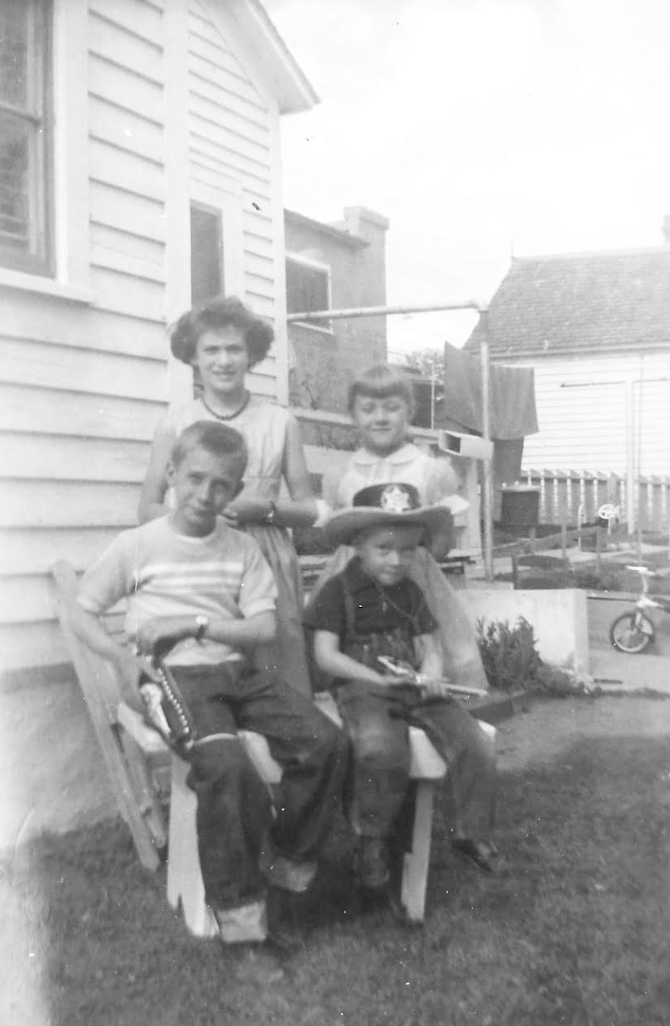
The author (lower right) with his siblings. "Even at age 4 or so, I had a gun in my hand," he writes.
The author (lower right) with his siblings. “Even at age 4 or so, I had a gun in my hand,” he writes.

Courtesy of Larry F. Slonaker

My father had no remorse. He grew up in northern Montana over a hundred years ago, one of eight children who lived on a homestead in a shack without electricity or running water. Hunting was an intrinsic part of life for him and his brothers — a never-ending exercise to bring home protein to feed a large family. Beyond that, though, they took joy in the act itself — the rush brought on by pursuing, shooting and killing. I know it’s unbelievable (unfathomable, really) to many, but for some it’s undeniably true.

That’s the boldface dividing line between those who hunt and those who find it repulsive. As a kid, I had none of the privations my dad had experienced, but I was introduced early to that thrill of the hunt and the kill. In my childhood home, autumn was enlivened by football, Halloween and deer season.

Then the day came for me to leave that home. I went off to college in a big city, and then started a career in journalism, where co-workers were almost all anti-gun and anti-hunting and not timid about saying so. Within an otherwise like-minded bubble, I was an outlier who thought it was OK for a person (that is, a demonstrably sane person who has had safety training) to own a gun, and to shoot an animal for food. While I didn’t hide my feelings about it, I didn’t go out of my way to advertise them, either.

A photo of the author that ran with a magazine article he wrote about hunting.

Courtesy of Tom Van Dyke

This changed one September, when an in-law who was a veteran hunter persuaded me to go deer-hunting with him. I thought it would be interesting to revisit that experience, and at the same time, reexamine this whole notion about the joy of hunting. I pitched a story to the editor of my newspaper’s Sunday magazine, the late Jeffrey Klein (once of Mother Jones), who signed off with enthusiasm.

The story ended up being a lot about the nature of hunting, and not very much about the hunt itself, except for a description of two or three confused minutes in which I ended up shooting a buck. When it was published — complete with a woodsy photo of me carrying a rifle and wearing a Natty Bumppo-like scowl — it elicited an onslaught of reader response, including the most hateful mail I’d ever received. (When you write a weekly column, as I did, you sometimes are a convenient target for the angry, the disgruntled, the anal grammarian, etc.). Workplace reactions were more muted, but I did detect a subtle shift among my colleagues.

The larger shift occurred internally. I spent a lot of time reviewing the hunt and brooded over one part in particular. As is often the case, no matter how skilled the hunter, there was a lapse of several seconds or longer between when the animal was struck and when it drew its last breath. As somebody with easy access to countless sources of humanely processed protein, I asked myself: How could I justify that lapse, just for a taste of some vague atavistic thrill?

I couldn’t. And that’s the realization that started my transformation.

At first the change was gradual. Because my wife and I live in a semi-rural area, we have numerous critters hanging around. When we moved in, our horseshoer — a lanky old cowpoke who loved to hunt and shoot — warned us about diurnal skunks, which he claimed are inevitably rabid.

“If you see a skunk in the daylight, you better shoot it,” he told me.

He said this with such conviction that I was ready to shoot any skunk under the sun.

But one afternoon as I was entering an outbuilding with one foot on a step and the other on the ground, I froze. A decidedly non-rabid skunk had suddenly materialized from behind me, and proceeded to casually waddle directly between my legs, and thence into a small gap under the building. (It did not emit that acrid, sense-shocking odor usually associated with a skunk… just a whiff, maybe akin to that of a slightly flatulent and embarrassed elder relative shuffling to a corner of the room.) I was no more inclined to shoot that skunk than my own dog.

The image of this creature going about its business — and, it seemed to inquire, why didn’t I mind my own? — awakened in me a sensibility of whenever-possible-live-and-let-live. As time passed there were more skunks, then possums in the garage (mama and four or five babies, all aghast at the site of me), bold and kind of scary raccoons, raucous crows, and so on. We cohabitated without incident, though the lawn and the dogs’ water bowls did suffer some.

"Here I am with my all-time favorite horse, an Appaloosa named Bobo," the author writes.
“Here I am with my all-time favorite horse, an Appaloosa named Bobo,” the author writes.

Courtesy of Larry F. Slonaker

This became the rhythm of life for months and years, until a sudden change. Maybe intensification would be a better word. A time came when I swung drastically to where live-and-let-live became more like live-and-let-everything live. Not only that — help them live.

There was the mouse that had been fetched indoors by the cat, who relinquished it only after considerable coaxing. I gently swept the dazed creature into a dustpan and transported it to a reasonably safe spot outside. Soon after, there was another mouse (wait, was this the same mouse?), whose best-laid plan to get a drink from the edge of the swimming pool had gone agley. As it desperately swam, I scooped it out and deposited it to another safe spot, adding a gratuitous admonishment to be more careful.

There was the wolf spider that I collected with the same dustpan; the lizard, also packed in by the cat, also relocated via the dustpan; and the hummingbird, which trapped itself in the garage and chose the cobwebby window as the only way out, despite the garage door whose gaping openness, in hummingbird dimensions, must have been akin to the Grand Canyon. (The process of shepherding it out the door required a full 15 minutes of slow-mo walk-and-talk-and-wave action.) There was even the nest of pesky yellowjackets gingerly hauled from the barbecue area to the back pasture, which mitigated their peskiness not at all.

And then at last there was the fly, dazed at the sinkhole, my hand poised at the faucet handle, bringing me back to the question: How did I come to this?

Answer: I got old.

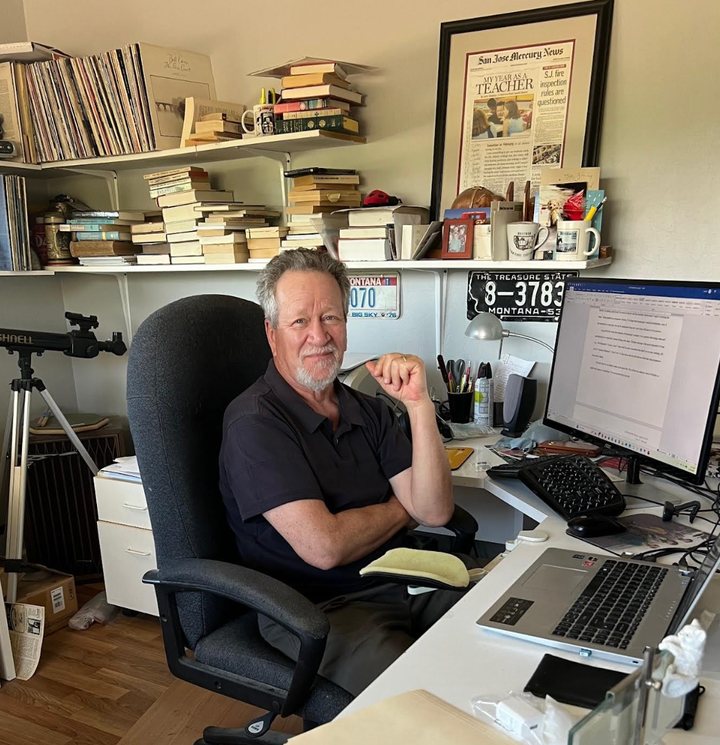
The author in his office.

Courtesy of Larry F. Slonaker

After age 30, the ensuing birthdays were inconsequential. Just another day. But surprise! The 70th, the ol’ seven-oh, wasn’t another day, but that day. At 70, a heretofore gossamer notion was revealed to be fact. Everybody must die — shockingly, even me.

Facing this reality, I realized I had no interest in hastening others to their own fate. I kept thinking of Robert Burns’ mouse, and those self-referential lines:

…thy poor, earth-born companion, / An’ fellow-mortal!

Yes, on this earth, we far-flung and disparate fellow-mortals are all crowded together onto one ineluctable path to the same end. So don’t let me rush you.

Some will want to remind me that as we proceed on the path, there always will be blood. Old fools cannot change the immemorial dynamic of dog-eat-dog and cat-eat-mouse and kill-or-be-killed. Albert Schweitzer’s “Reverence for Life” is delusional, laughable. I’m unmanly, sentimental, weak.

Yeah, I’m good with all that.

As for the fly: I wrapped it up in a bit of tissue, took it outside, and lay it on the porch. The next morning — where, how, who knows, didn’t matter — it was gone.

Larry F. Slonaker is an essayist and the author of the novel “Nothing Got Broke.” He was born and raised in Great Falls, Montana, and worked as a writer and editor at the once-renowned San Jose Mercury News, and the still-renowned Stanford University. There were a few stops at never-renowned places as well. He and his wife now live in California on five acres, which is just large enough to contain three horses and several semi-feral (all neutered!) cats.

Do you have a compelling personal story you’d like to see published on HuffPost? Find out what we’re looking for here and send us a pitch at pitch@huffpost.com.

Share Button

Your Body Odor Changes With Age. Luckily, We Found A Solution To ‘Old People Smell.’

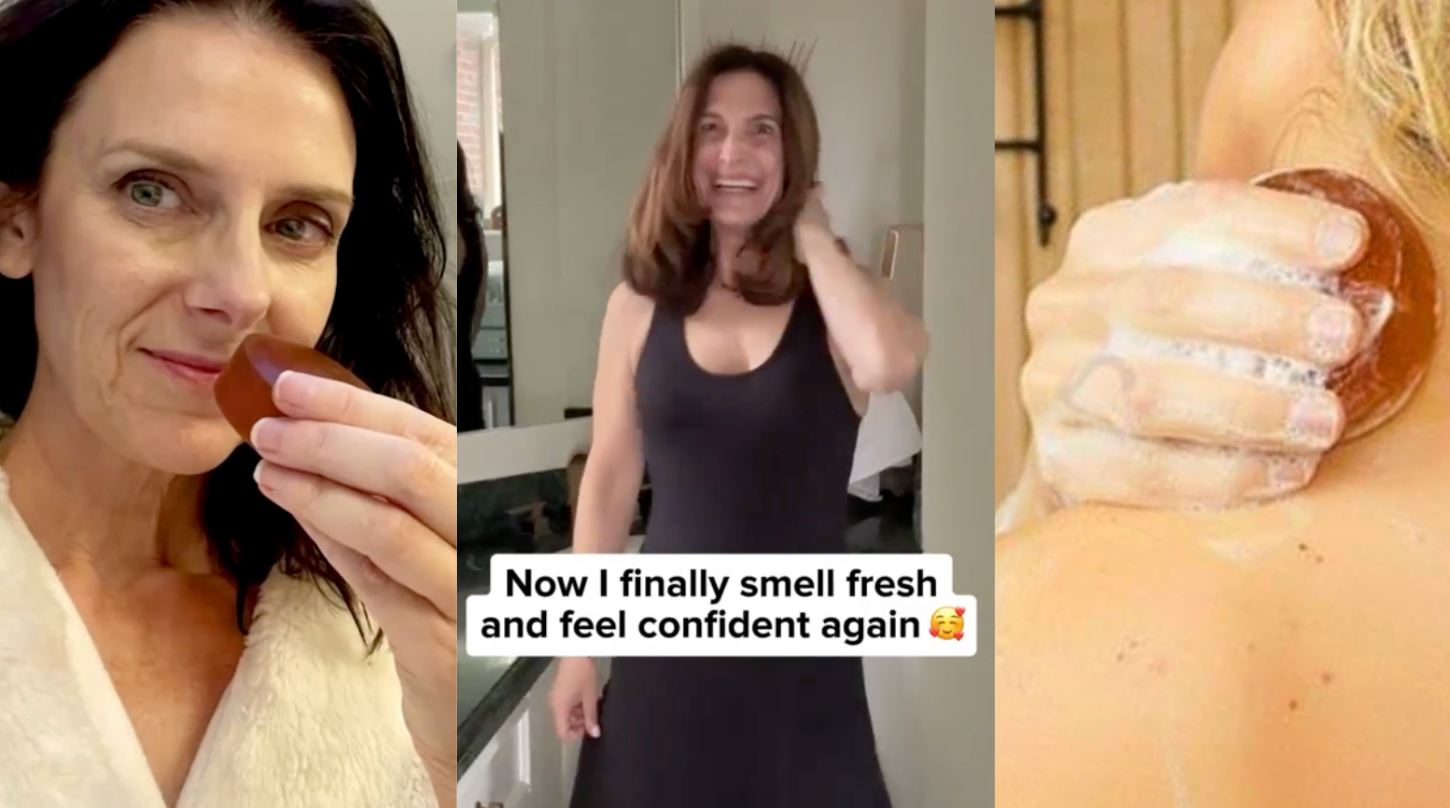
People of all ages get body odor at some point, especially in the summer. But did you know that body odor can change with aging? In previous coverage, experts have shared that age-related body odor is a thing, caused by skin naturally producing different organic compounds. The smell is distinct from regular BO, yet you could be so used to it that you don’t notice it when others around you do. Still, it isn’t a poor hygiene indicator, as it doesn’t come off with just normal soap and water. It may, however, be addressed with this special bar of Japanese persimmon soap from the brand Mirai Clinical, which currently happens to be on super-rare sale at 20% off right this second.

In previous HuffPost reporting, this circular, amber bar was suggested as a possible solution to “old people smell” — a biological phenomenon caused by the compound 2-nonenal.

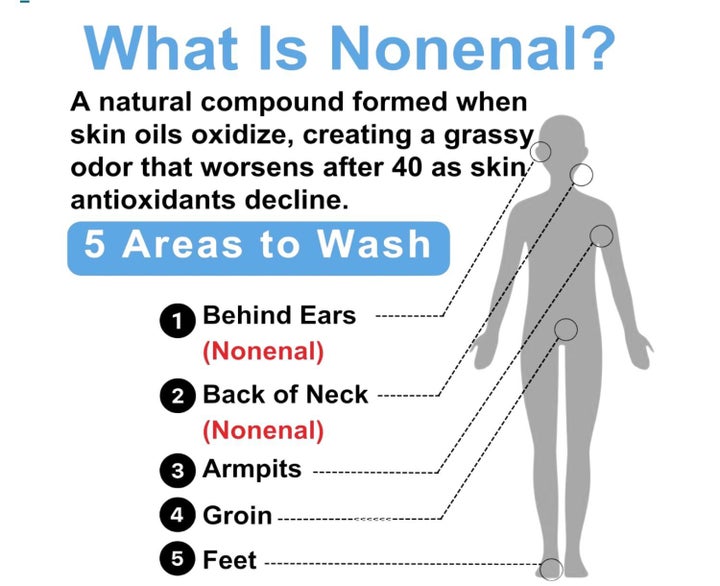
Typically beginning after age 40 and caused by antioxidant defenses declining in the skin, nonenal odors can have a mild to moderate organic or musty smell that varies from person to person, we’re told by dermatologists. And you might not even be able to notice it on yourself due to something called olfactory adaptation, where you become accustomed to the scent since its development is so gradual. It’s also not necessarily unpleasant to all humans, since smell is so subjective. But, if it is a concern for you, this is a possible solution.

“Persimmon soap, which contains tannins, has a plausible mechanism and a long history of use, though large randomized trials are lacking,” dermatologist Dr. Naana Boakye, founder of Bergen Dermatology, previously suggested.

And while Boakye did not mention a specific brand, the Mirai bar soap appears to be the most popular and widely reviewed option. (The founder even appeared on “Shark Tank” last year.) This formula has a dense concentration of persimmon-derived tannins, along with green tea extract, an ingredient that’s rich in antioxidants for continual defense throughout the day.

The palm-sized, delicately scented soap works best when lathered onto key areas of the body where nonenal odors generally develop like feet, under the armpits and along the back of the neck.

One Amazon customer put it to the test behind their ears, another part of the body where this smell can commonly develop.

“The results were pretty remarkable,” they claimed in their review. “I washed behind my ears on day one and then didn’t do it again for three days, constantly smelling that area each day. The smell stayed gone for two days, and by about the third day, it was starting to become slightly noticeable. That made me a believer.”

Others claim the soap worked on perimenopausal-related odors and just body odors in general that had previously been resistant to other soap formulas.

Reviewers love Mirai Clinical’s persimmon soap for making them feel (and smell!) their best. Read more 5-star reviews and grab a bar on sale.

Magical!! This stuff really works! No more perimenopause weird odor. I was going crazy! Bought a bunch more because it’s an essential now.” — An

The perfect soap for seniors. This is a fantastic product. I had been changing soaps, shampoos, laundry soaps and sheets, and the unpleasant smell remained. Within days of using Mirai clinical persimmon soap I smell clean and fresh again. I also use the deodorant. I like the round shape of the bar and it makes a nice lather. I recommend this to everyone.” — Kindle customer

“Now get ready because I am going to get slightly gross for a minute. I rubbed my finger behind both my ears and smelled and yeah, it wasn’t great, even though I just washed that morning. So I gave the soap a shot and in particular focused on behind the ears. The result were pretty remarkable. I washed behind my ears on day one and then didn’t do it again for 3 days. Constantly smelling that area each day. The smell stayed gone for 2 days and by about the 3rd day it was starting to become slightly noticeable. That made me a believer. So I started using it in all the places the nonenal is at. I start by washing my entire body with regular soap and then at the end of my shower I use this soap in all the places they teach you that nonenal shows up. I have to say that I feel much more confident about how I smell after using it. No one wants to go through hormonal changes but we all have to. At least now we can be more comfortable in our skin while we go through it. I know it’s very expensive for a soap. But it is worth it. And if you only use it on the parts of the body that the nonenal smell comes from you won’t have to buy it again for a couple of months.” — L.B. (This review has been edited for length. Read the full review.)

“I’m glad I decided to try this soap despite the cost. It’s a large bar that hopefully will last for months and lathers very well with a pleasant clean smell. I noticed after using the bar the sour odor that I have been struggling with is absent. I hope this soap works as well for you as it has for me.” — Patricia Kroepel

The experts consulted for this story do not necessarily endorse the products ahead unless otherwise noted.

Looking for more dermatologist-recommended products for combating age-related body odor? Check out these three finds, courtesy of HuffPost shopping.

Amazon

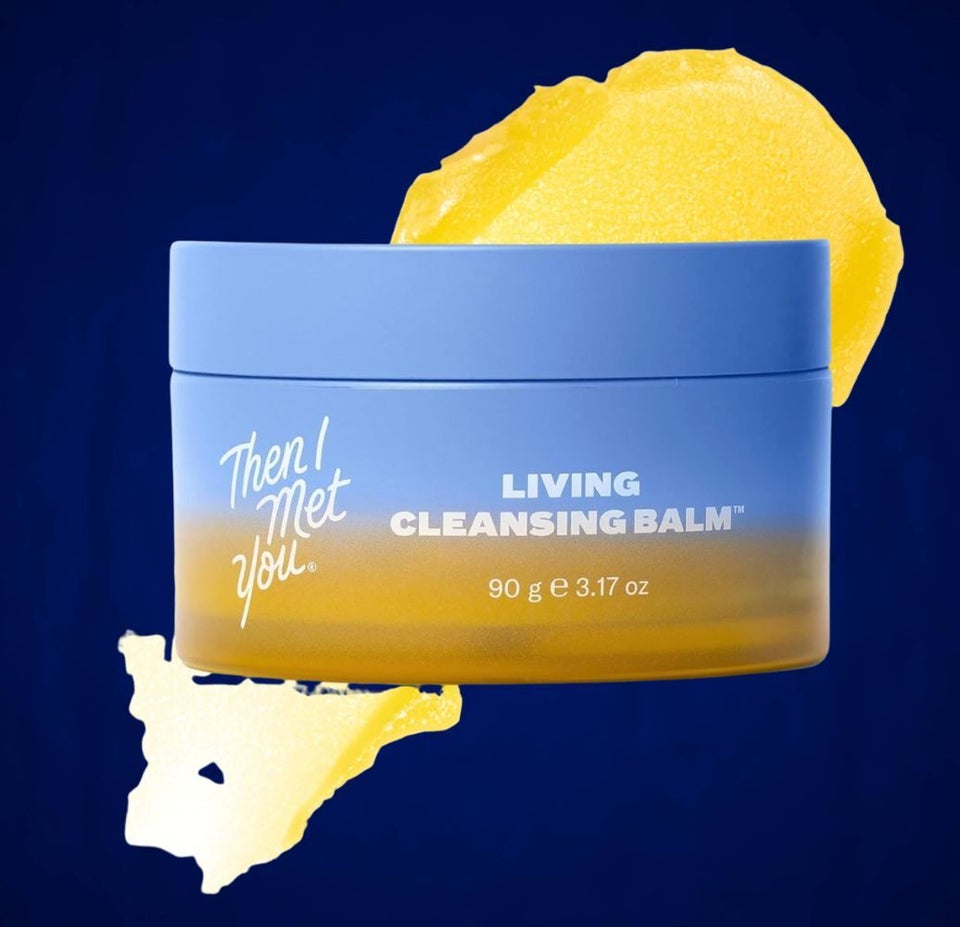
A Korean cleansing balm with persimmon

“It’s rather rare to find a toner or cleanser with persimmon extract, but the Then I Met You Living Cleansing Balm has one of the highest sources of [it],” Safaee said. It’s not just persimmon extract that makes this sorbet-soft balm a concentrated source of tannins, but also a dose of grapeseed oils.

And in case you’re not familiar, cleansing balms are an effective and expert-recommended way to melt away sunscreen, stubborn makeup, oil and other impurities from the skin before using a traditional cleanser in your nightly skin care routine.

Amazon

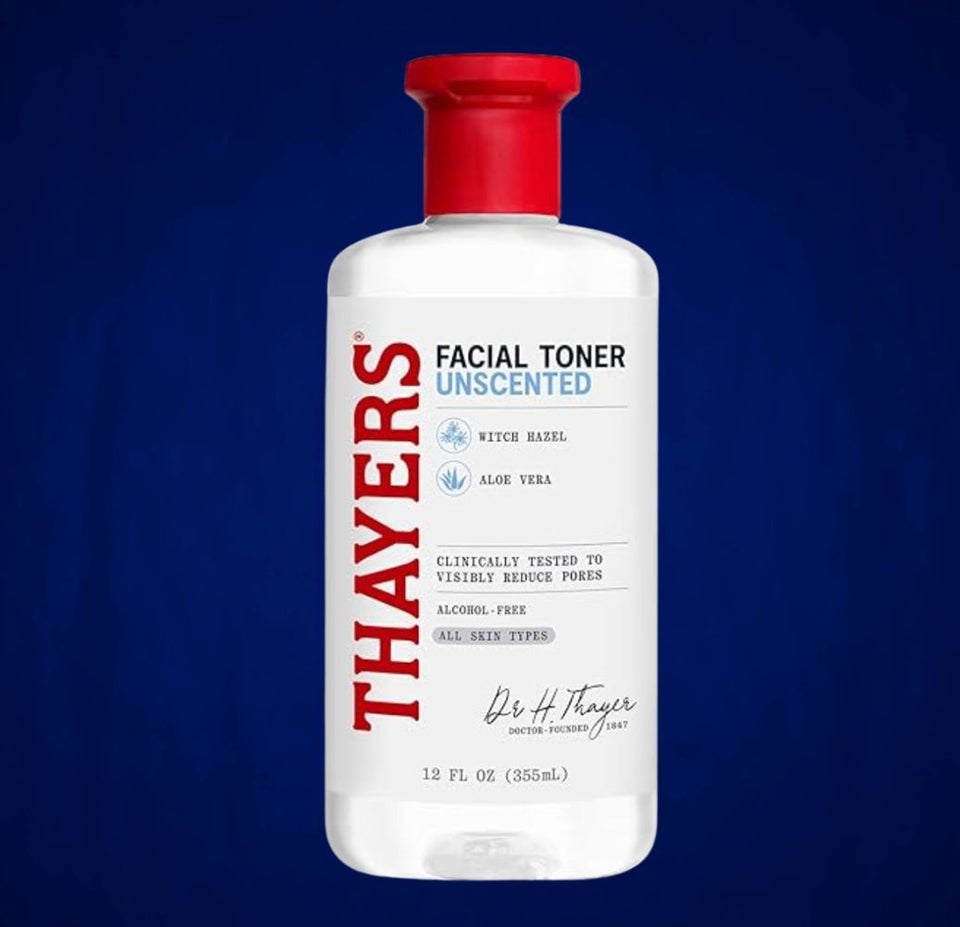
An alcohol-free witch hazel toner

According to Los Angeles-based board-certified dermatologist Dr. Maryam Safaee, witch hazel is one of the most popular forms of tannins and although there are a lot of toner options out there featuring this ingredient, this classic witch hazel astringent by Thayers is her favorite.

“Usually, most toners are made with alcohol, which can be very dehydrating to the skin. However, Thayers has the water-based witch hazel toner, which makes it gentle enough to be used daily,” she said.

Available in scented or unscented versions, this hydrating and irritation-free formula is also affordable enough to apply liberally not just to the face, but to key areas of the body that produce nonenal odors like the back of the neck, armpits, groin and feet.

Sephora

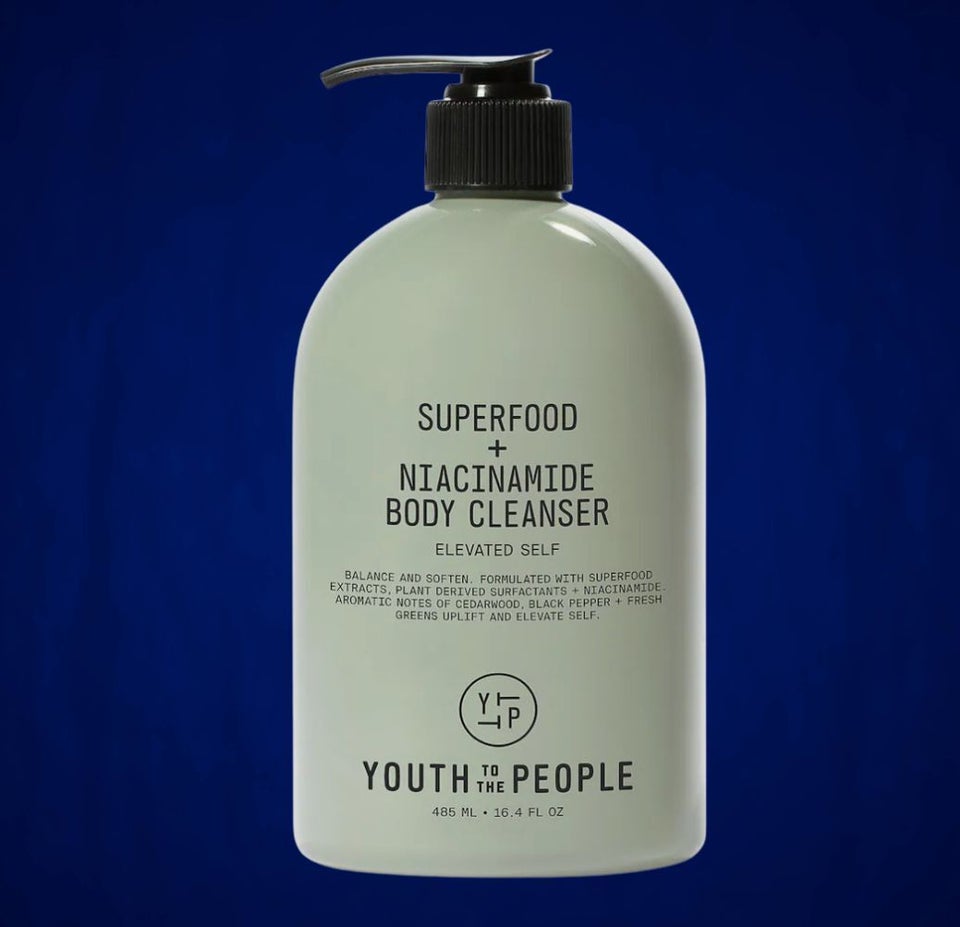
A body cleanser with green tea extract

Safaee mentioned green tea as another tannin-containing ingredient useful to combat nonenal odors, so we selected Youth to the People’s Superfood body cleanser, a nourishing and gently purifying formula containing both green tea and kale extracts — both of which are rich in antioxidants. Featuring notes of fresh greens, black pepper and cedarwood, the Superfood body wash also contains niacinamide, another beloved antioxidant that can hydrate and even skin tone.

The Real Deal: We use deal trackers and commerce experience to sift through “fake” hike-and-drop deals and other deceptive sales tactics. Products will usually be rated at least 4 stars with a minimum 15% discount. (And when there’s an exception, we’ll tell you why.)

Share Button

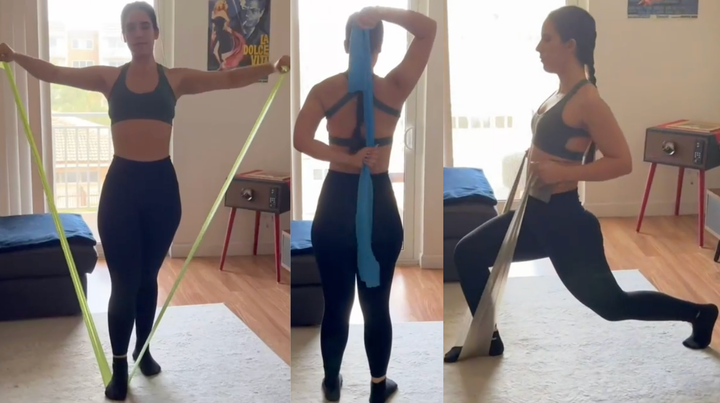
These $12 Resistance Bands Are ‘Grumpy Old Man’-Approved For Easy Strength Training

Physical therapists have long emphasized the importance of strength training, especially for older adults. According to experts, strength training isn’t just for working out; it can also help build independence by keeping older folks safe and stable in their daily activities. If you’re looking for an easy (and affordable) way to strength train at home, this set of five resistance bands may be it. While the pink and blue packs go for close to $17, the multicolor set is just $12, making it 33% off.

The set includes five color-coded bands with varying resistances and is loved by older users for its extra length and width.

Each color band offers a different level of resistance, from three to 20 pounds. The bands are made of thermoplastic elastomer (TPE), a stretchy, latex-free material that blends qualities of rubber and plastic. Each band measures 59 inches long and 6 inches wide, making them extra accessible to hold and use. Reviewers who have tried many bands compliment the durability and quality of this set, with many saying it’s the best set they’ve tried.

“What I really like is that these are both wide and long. What that means is that they are long enough to give you the stretch necessary for physical therapy and wide enough that you can hold them tightly,” one user wrote. “These are far superior to the ones that the PT facility I went to uses.”

“Wide, long and easy for an elderly woman with arthritic hands to use,” another user says. The bands are even “grumpy old man” approved for making strength-building easy and fun.

Because the bands are light and are easy to hold, they’re loved by older reviewers for making movement more accessible. A 69-year-old reviewer says the bands are “good even when I’m watching TV to work out with them,” joking that he’s a enjoying them as a “grumpy old man!”

“I bought these for my elderly mother to add a bit of resistance for her exercises,” one reviewer wrote. “…Being in her mid 70s she is work on stabilizing herself and adding some upper body strength, too. While anyone could get benefit from these, I believe this is the perfect end user for this type (beginner and elderly).”

Many reviewers who bought the bands for their older parents say they ended up buying a set for themselves. “I bought these for my mother. They are super easy for her to use. She is 88 years old and she loves them,” Jeff wrote. “They are super awesome and we really loved them.”

Shopper Newton calls the bands “incredibly helpful” for both building strength and “recovering safely” at home. “They’ve allowed me to start my muscle recovery process at home, progressing step by step at my own pace,” Newton says. “…I also like that they can be adjusted to fit different needs and levels.”

Reviewers love these resistance bands for helping build strength at home. Read more 5-star reviews and grab a set for yourself for $12.

I bought these for my elderly mother to add a bit of resistance for her exercises. They provide a wide range of ‘weight’ and start with as little as 5lbs. She’s able to comfortably use the red one (the second lightest), so this set will be all she needs. Being in her mid 70s she is work on stabilizing herself and adding some upper body strength, too. While anyone could get benefit from these, I believe this is the perfect end user for this type (beginner and elderly).” — Jaych79

Wide, long, and easy for an elderly woman with arthritic hands to use. Decent selection of resistance options, though probably not suitable for non-rehab type workouts” — Joshua Noble

“What I really like is that these are both wide and long. What that means is that they are long enough to give you the stretch necessary for physical therapy and wide enough that you can hold them tightly. These are far superior to the ones that the PT facility I went to uses.” — Catfish Jeff

“These resistance bands have been incredibly helpful for me. They’ve allowed me to start my muscle recovery process at home, progressing step by step at my own pace. They are very strong and durable, yet comfortable to use. I also like that they can be adjusted to fit different needs and levels. Overall, a great tool for anyone looking to build strength or recover safely at home.” — Newton

“Fast delivery, love the package that tells you the strength of each one, individually packaged. Just started with them, but you could tell the durability. My age it’s good even when I’m watching TV to work out with them. 69-year-old army veteran. Enjoying grumpy old man!” — Roy

“I bought these for my mother. They are super easy for her to use. She is 88 years old and she loves them. They are super awesome and we really loved them. Yes, I even use them some myself. Great product. I highly recommend it.” — Jeff

Looking for more tools to get moving from the comfort of your home? Check out these three recent reader favs (psst: some may be on sale).

Amazon

,

Amazon

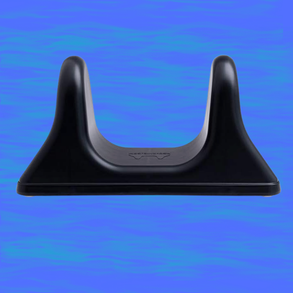
A muscle release tool for pain relief (38% off)

HuffPost contributor Megan Lasher swears by Pso-Rite’s muscle release tool for releasing back pain after long days on their feet. “You simply lie faced-down on the tool, situating it so the points of the U sit right above your hip joints, and wait as the muscle slowly begins to release,” they wrote. “In my experience, using the tool creates the type of cathartic pain you’d experience with a deep tissue massage. There’s a pinch as you settle into place, and a slow release the longer you lay on the prongs of the U. The full effect sets in after about a minute for me personally, and lasts for a few days (but I rarely go so long between sessions.)”

Amazon

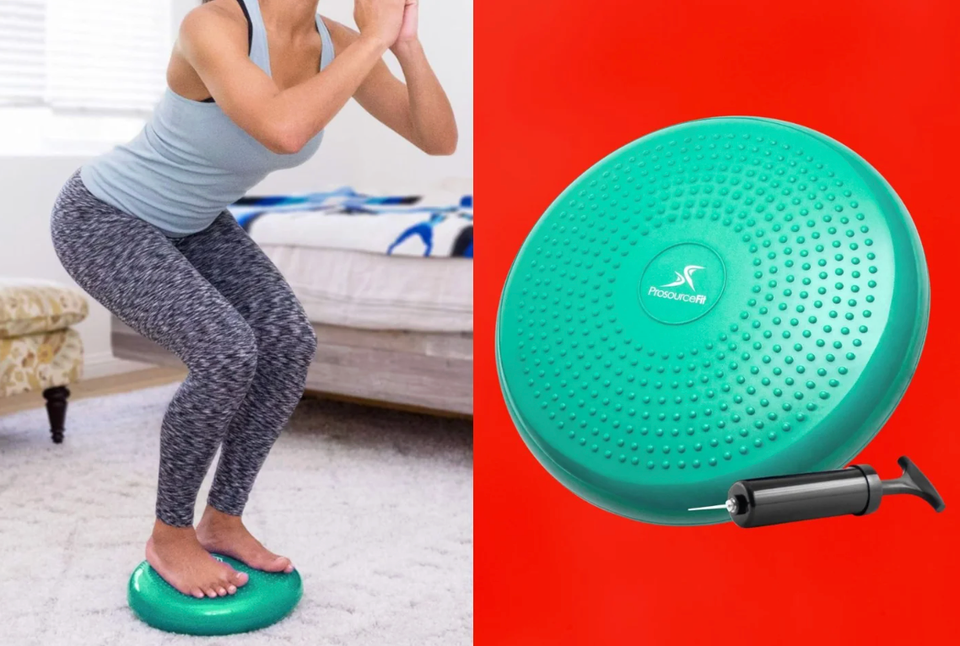
A ProsourceFit balancing disc

“These discs can be helpful when used in the right context,” Annalise Calo, physical therapist at WAVE Physical Therapy & Pilates in Ohio said of balancing tools like the ProsourceFit disc. It’s a 15-inch inflatable cushion that can be used to perform a number of balancing and core-strengthening exercises. ”[They] move as your weight shifts, helping to improve proprioception (awareness of your position in space) and reaction time,” Calo said.

Amazon

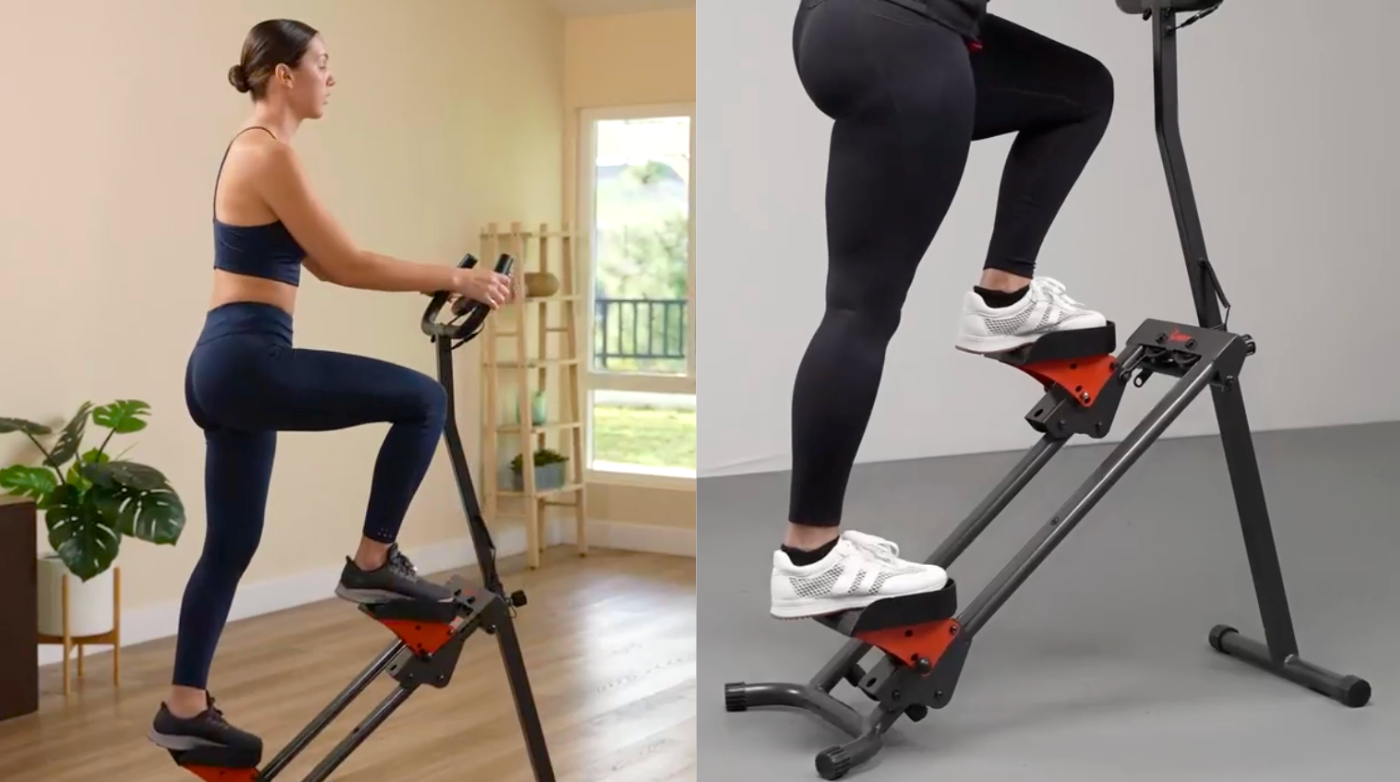
A foldable stair stepper

The Real Deal: We use deal trackers and commerce experience to sift through “fake” hike-and-drop deals and other deceptive sales tactics. Products will usually be rated at least 4 stars with a minimum 15% discount. (And when there’s an exception, we’ll tell you why.)

Share Button

New Study Reveals The ‘Sweet Spot’ Amount Of Sleep For Healthy Aging

If you want to age well, the amount of sleep you get matters. A new study suggests there’s a “Goldilocks” time frame you want to aim for ― and it’s slightly less than eight hours.

Analyzing biological clocks throughout the human body, researchers found that too few hours of sleep (anything less than six hours) may speed biological aging in the brain, lung, heart and immune system. But too much sleep (more than eight hours) also accelerates aging in nearly every organ in the body, according to study, published in the journal Nature last month.

If you’re looking to age minimally, the “sweet spot” is between 6.4 and 7.8 hours of sleep per day.

Getting either too much or too little sleep was also associated with a range of physical health conditions, including obesity, type 2 diabetes, hypertension, coronary artery disease and gastritis. Insufficient and excessive sleep durations were also significantly associated with depression and anxiety disorders.

The study supports “the idea that sleep is important in maintaining organ health within a coordinated brain-body network, including metabolic balance and a healthy immune system,” Junhao Wen, the lead researcher and an assistant professor of radiology at Columbia University Vagelos College of Physicians and Surgeons, said in a press release.

Wen and his colleagues used advanced statistical models called “aging clocks” to figure out the amount of sleep that’s associated with accelerated aging.

While most aging clocks estimate biological aging across the entire body, organs age at different rates. Wen and his team developed organ-specific aging clocks that may provide patients with more personalized and precise insights into their health.

“In the liver, for example, we have an aging clock built with protein data, an aging clock of metabolic data, and an aging clock of imaging data,” Wen said.

The hypothesis is that different organs, even within the same person, age at different rates, Wen told The Washington Post.

This doesn’t mean that sleep duration alone is aging our organs faster or slower, but too much or little sleep may be markers of poorer overall health in the body.

Short and long sleep sessions were also significantly associated with depression and anxiety disorders.

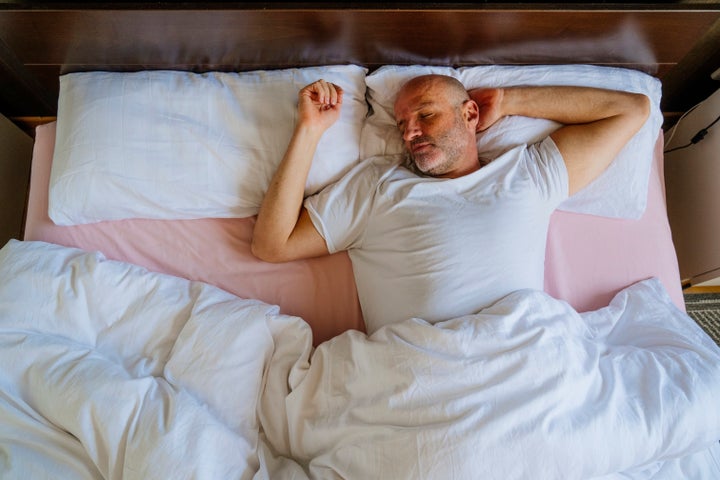
KARRASTOCK via Getty Images

Short and long sleep sessions were also significantly associated with depression and anxiety disorders.

One limitation for the study? Wen said more research is needed involving people of Asian and African descent, since the data for sleepers was taken from U.K. Biobank data, which is heavily weighted toward people of white European ancestry.

Why is too much sleep a bad thing?

Research has long confirmed that chronically under-sleeping can lead to a reduced lifespan and a range of health issues: hypertension, cardiovascular disease, stroke. But those who love to sleep may wonder: Why might too much sleep be a problem?

“Chronically long sleep time is associated with many health issues because oversleeping is often a byproduct of an underlying disease such as a sleep disorder like sleep apnea, inflammatory conditions, cancer, neurodegenerative disorder, and poor mental health,” said Dr. Chelsie Rohrscheib, a neuroscientist and researcher at Wesper, a company that designs at-home tools for diagnosing sleep disorders like sleep apnea.

Some studies have shown that long-sleepers have markers of inflammation, which is associated with diseases like cardiovascular disease and cancer, said Rohrscheib, who is not affiliated with this current study.

“The other answer is that long sleeping increases a sedentary lifestyle and reduces the total amount of physical activity achieved each day,” Rohrscheib told HuffPost.

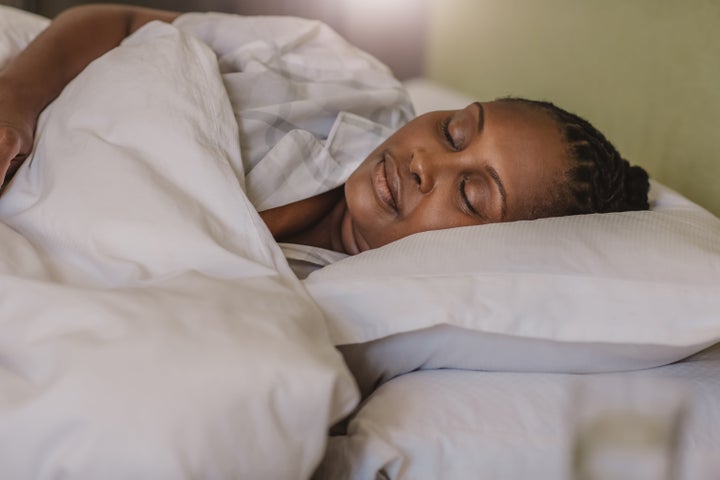
The study showed that women may need a little more sleep than men.

Goodboy Picture Company via Getty Images

The study showed that women may need a little more sleep than men.

Women need a little more sleep.

The study also found that women may need a little more sleep than men. The difference is relatively small, though, said Rohrscheib: typically about 10 to 20 additional minutes per night.

The exact reasons for this remains unclear, but sleep researchers believe it may be related to hormonal differences and fluctuations throughout life, particularly during the luteal phase of the menstrual cycle, pregnancy and menopause.

“Others have proposed that women may experience greater emotional and cognitive demands, which could increase the need for sleep to support essential brain functions such as memory consolidation, emotional regulation, and overnight recovery,” she said.

The “sweet spot” is less than eight hours, what we traditionally associate with quality sleep.

Dr. Chris Winter, a a neurologist and host of the podcast “Sleep Unplugged,” said the study’s most interesting finding was its suggested optimal sleep range of 6.4 to 7.8 hours per night ― slightly below the eight hours many of us have been taught is the sleep “magic number.”

“The range is essentially an average of seven hours of sleep, not eight,” Winter, who was not affiliated with the study, told HuffPost. “I would love to dislodge from the public’s collective mentality about sleep that ‘eight hours’ of sleep is ideal for everyone, or even attainable for everyone. It’s not.”

Winter’s takeaway is that we should aim for a consistent seven hours or so on average, though if eight works for you, more power to you. A person’s need for sleep varies greatly based on age, lifestyle and genetics.

“If you struggle to get eight consistently, this is not something to overcome to optimize your health,” he said. “It may simply be that your body favors a number below what you are shooting for, yet still well within the range of optimized.”

Share Button

Tina Fey Gives Blunt 2-Word Description For ‘Disgusting’ Changes In Her 50s

Tina Fey apparently isn’t thrilled by what’s under her bossypants.

In an interview with “Today” published Thursday, the “Mean Girls” creator got pretty candid about aging.

Tina Fey attends a screening and Q&A event for "The Four Seasons" on June 2.
Tina Fey attends a screening and Q&A event for “The Four Seasons” on June 2.

Dominik Bindl via Getty Images

Fey, 56, told the outlet that she wasn’t really prepared for the realities of entering her 50s until, well, she did. The “Saturday Night Live” alum emphasized some of the surprising changes by describing them with a two-word term: “reverse puberty.”

“I feel like it’s a reverse puberty in a way. It’s like your body starts to change and be disgusting in new ways,” Fey told the outlet with a laugh. “When you’re 12 or 13, you’re like, ‘Why am I so oily?’ And now you’re like, ‘Why am I so papery?’” she added.

Fey said that she finds some solace with her fellow writers in the “Four Seasons” writers’ room.

“We’re all pretty much the same age,” she said of the creative team behind her Netflix series.

“Almost all of us have known each other a super long time, and so all the writers are really good about sharing their own things,” she added before revealing that some of their aging-related experiences have been used in the show.

“Then sometimes our spouses are like, ‘Is that me?’ And then we’ll usually just be like, ‘No, no.’ We’ll just lie and say, ‘That’s so and so,’” Fey said.

Fey with her “Four Seasons” co-star Colman Domingo for the show's Los Angeles premiere in May.
Fey with her “Four Seasons” co-star Colman Domingo for the show’s Los Angeles premiere in May.

Brianna Bryson via Getty Images

In an interview with The Hollywood Reporter last year, Fey said she now struggles to stay up past midnight, which proved quite a challenge for her at the “SNL50” afterparty last year.

“I’ve never been able to get over the fact that I left the 40th afterparty before Prince’s surprise set,” Fey told THR. “So the whole week leading up to the 50th, I drank water, I went to bed early, I saved it all up. But when I got to the afterparty, I couldn’t find any of my friends, and obviously, there was no chance of Prince, so I thought, ‘Actually, I’m out.’”

Share Button

Struggling With Balance As You Age? Experts Say There Might Be A Simple Solution.

The experts consulted for this story do not necessarily endorse the products ahead unless otherwise noted.

Experts tell us that balance is something that can likely decline with age, unless you take measures to train it — a worthwhile endeavor, according Annalise Calo, physical therapist at WAVE Physical Therapy & Pilates in Ohio. She said the risks associated with weaker balance come from a person’s reduced ability to quickly recruit the muscles needed to prevent a fall, which can lead to increased mortality in the case of pelvic fractures, some studies show. After coming across this popular $18 “balancing disc” online, we asked Calo if this is as effective a training tool as reviewers claim it is.

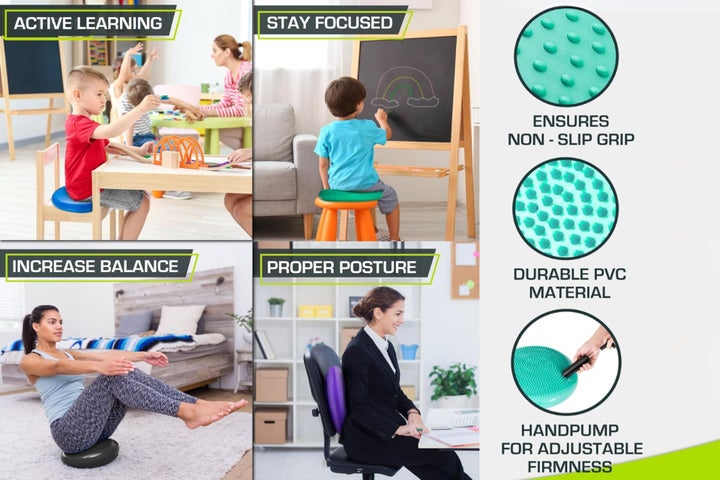
“These discs can be helpful when used in the right context,” Calo said of balancing tools like the ProsourceFit disc, which is a 15-inch inflatable cushion that can be used to perform a number of balancing and core-strengthening exercises. ”[They] move as your weight shifts, helping to improve proprioception (awareness of your position in space) and reaction time.”

Calo notes that a disc like this shouldn’t be first in line for balance training, but rather used as an adjunct tool, and it’s not for people who have severely compromised balance. Someone should be able to stand for at least 30 seconds in certain positions — with one foot in front of the other, for example, or on one leg only — if they are going to use this tool.

Calo also indicated that posture is something that is additionally impacted by age, “due to reduced joint space or disc height and decreased proximal muscle strength, which normally helps keep the body more upright,” she said.

The ProscourceFit disc aims to engage multiple core muscles that are required for maintaining a healthy posture, and can even be placed behind the back while sitting to provide support or as a cushion to help reduce sedentary habits while sitting for long periods of time. This is important to note because, as Calo pointed out, sitting more frequently can reduce hip flexor mobility, which also leads to a more bent-over posture.

“This pillow is particularly good when sitting at a computer. It allows me to move my spine as I sit. So much better than being locked in a postural slump. I also like being boosted a couple of inches taller, which helps with the angle of my hands on a keyboard,” one Amazon customer said.

Made with a dual-textured surface on both sides to prevent slipping, the disc can be inflated to your preferred firmness and intensity levels. The device will be more supportive when filled to capacity with air, making it easier to stand on. You can deflate the cushion to create a less stable surface and challenge yourself further.

“You can stand on these discs with both legs or a single leg. If you have mastered those activities, you can work towards closing your eyes while standing on one or both legs,” Calo said.

She said that you can even get more advanced and stand on the disc while passing a weight from hand to hand, or place the disc on a step and step up and down onto it, paying close attention that there is no risk of slipping.

One ProsourceFit balancing disc reviewer claimed that they used to have trouble walking, often tripping. Then, after about two weeks of regular use with the disc, they noticed a big difference.

“I now have more confidence in walking and getting in and out of the bathtub,” they wrote.

Before you try out these discs for yourself, Calo cautions that many older adults have worse balance than they realize and should see a professional, like a physical therapist, to assess it before training independently.

Promising Amazon reviews:

″I really like my balance disks. Had trouble walking, tripping n very unsteady. I now have more confidence in walking and getting in n out of the bathtub. I use mine most days 3 times a day. I stand balancing then I do a light bounce about 10 minutes at a time. I use mine close to the kitchen sink or counter so I have something to grab if I loose balance. Sooo glad I have them. Made a big difference in about a 2 weeks.” — Pamela Woodard

“Everyone in my house uses this! Best $10 I’ve spent. Really works your core strength while balancing. I do some yoga poses and I can definitely feel a difference.” — yvette c

“I bought this to work on my one leg balance, and it has done a great job! Easy to inflate, and perfect size for practicing standing on one leg. After practicing on this, my balance on the floor is greatly improved. Well worth the price just for that.” — Annie C.

I use this on my office chair for balance and posture. It allows me to ‘free sit’, encourages me to move and balance – thus strengthening my core muscles, keep my spine flexible and strengthen my back up to my shoulders.
I’m still recovering from being rear ended, and this is an easy tool to get more of a work out all day every day. It is helpful for balance – standing on it as well. It has helped re-train my brain through dizziness and balance issues.”Nancy Horne

If you want to explore more expert-recommended products to treat sore muscles, reduce pain and promote movement at home, take a look at the list below, gathered from previous HuffPost reporting:

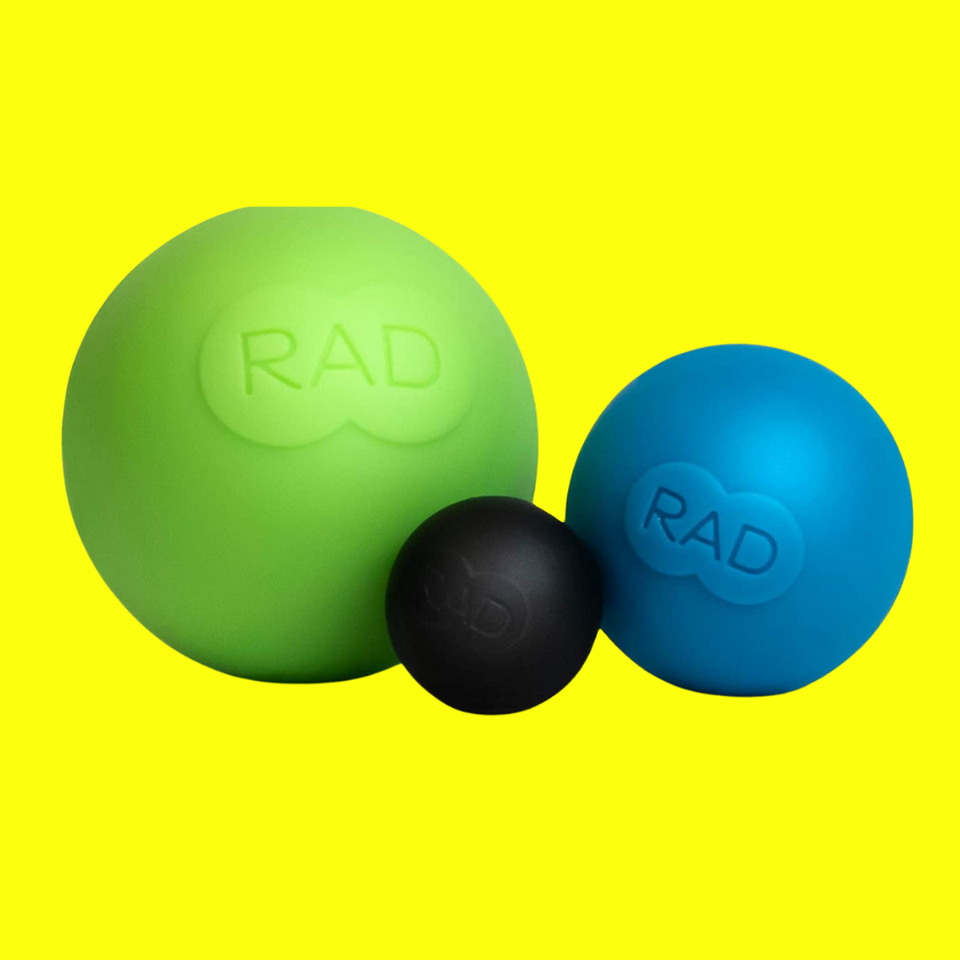
Rad Rounds: three-density massage balls

Melissa Oleson, a physical therapist, registered yoga instructor and integrative nutritional health coach, keeps Rad Rounds on standby at home. These balls relieve aches and pains associated with conditions like plantar fasciitis and myofascial pain. They’re designed for targeted massaging use, so you simply rub one around in circular motions on the affected areas for relief.

“Rad Rounds are essentials in my house to help keep me moving, work on my mobility, and trigger point trouble spots to help combat that forward posture we get from being behind our devices or as recovery tools from workouts,” Oleson previously said.

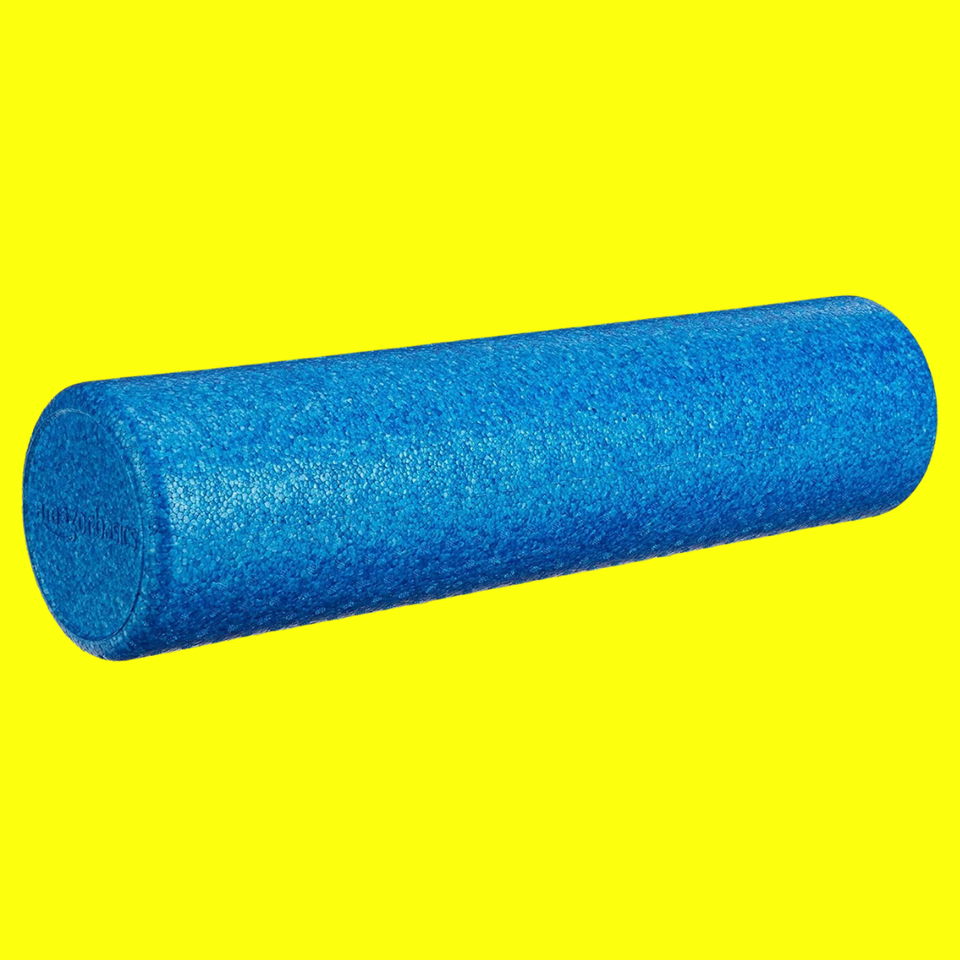
A high-density round foam roller

Lisa Mitro, a Virginia-based physical therapist who specialized in helping runners, always keeps a round foam roller at home to stretch out and soothe muscles.

“I keep this at home because not only is it great for self-massage, it can also double as an exercise tool. They are relatively cheap and easy to find!” Mitro previously said.

Foam rollers are lightweight and often used for balance, strengthening, flexibility and rehab exercises. They come in various sizes, including 12, 18, 24 and 36 inches. The one included here comes in blue, blue speckled, black and purple speckled colors.

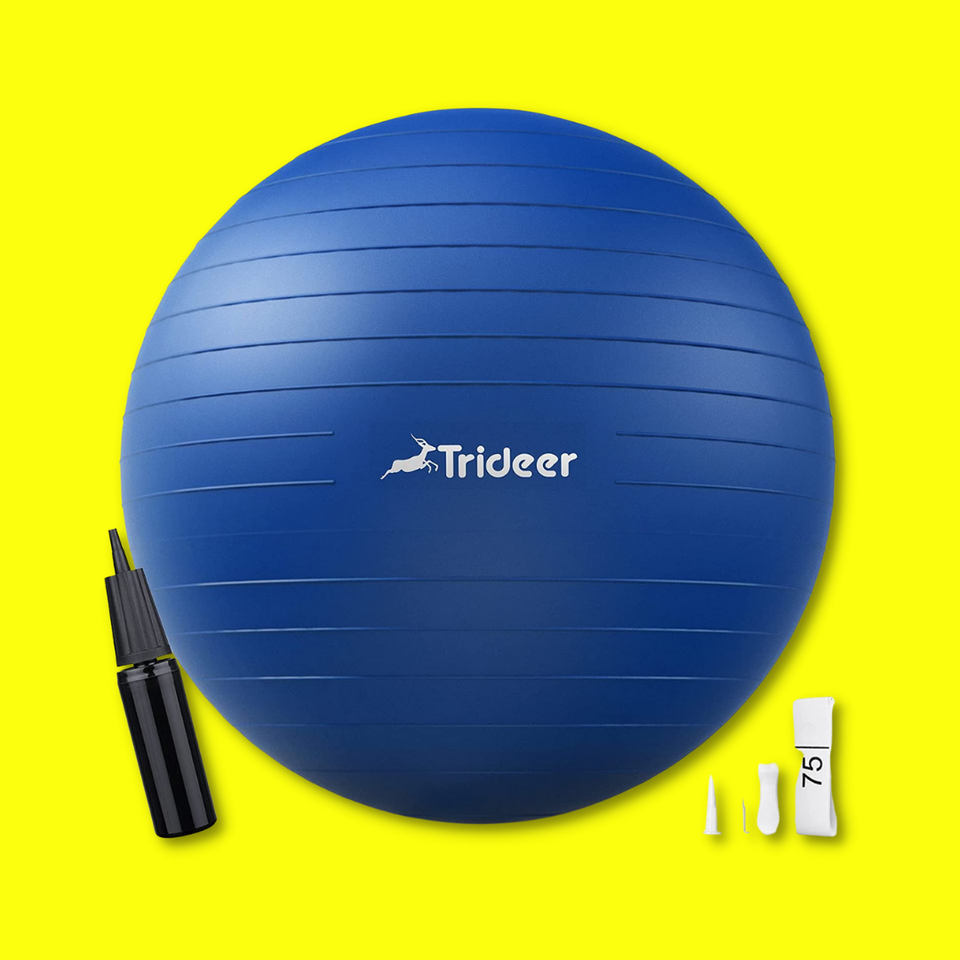
A Trideer exercise ball

For Monica Frydach, a Wisconsin-based physical therapist and founder of Moving Like A Mother, an exercise ball comes in handy as part of an everyday routine.

“An exercise ball is a great alternative to sitting on a chair as it promotes core activation and better posture. I use it for exercise, core strengthening, stretching, pregnancy and more,” Frydach previously said.

Share Button

People With Neck And Back Pain Say This 4-Piece Sleep Solution Really Works

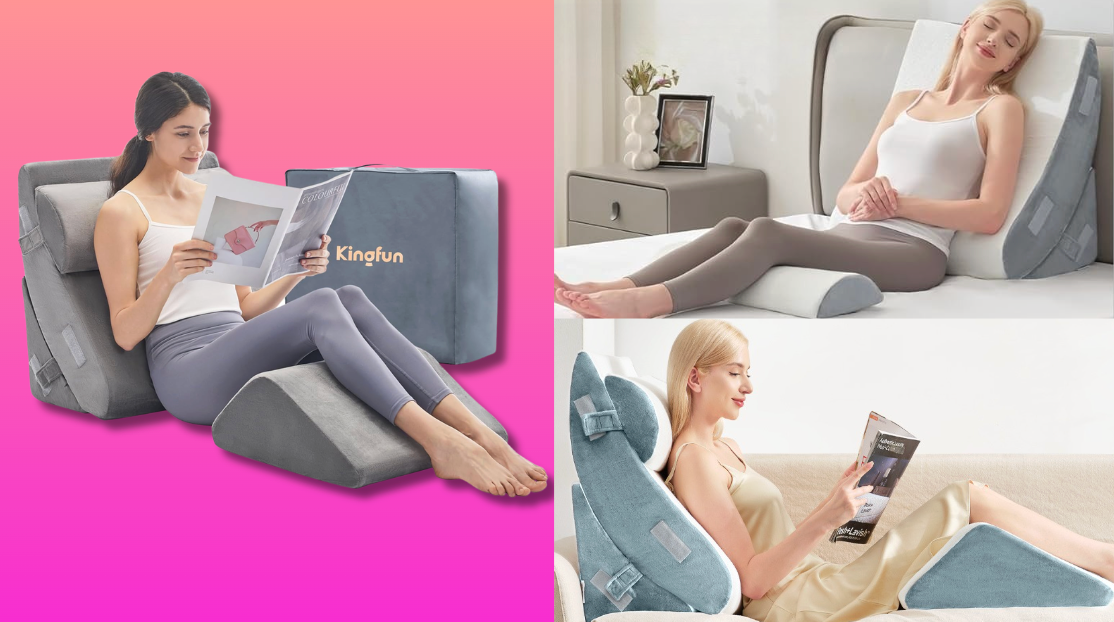
Countless times, we’ve been told by pain experts, spinal doctors and other professionals that your pillow plays a critical role in managing neck and back pain. Case in point: this four-piece wedge pillow set that reviewers say offers “life-changing comfort and support.” Even better? A variety of these sets are currently on sale. According to our price trackers, the white and gray set, which is usually $129.99, is down to just $67.99 today. That’s almost 50% off!

The set features four high-density foam pillows that can accommodate your body in countless ways.

Whether you need leg elevation, or lumbar and back support, these pillows can help your alignment. You can angle the back pillow horizontally to keep you supported in more conventional supine sleep positions, while the elongated pillow can support the neck, back or arms.

“All the [different] pieces can be adjusted to fit you exactly, the best way for your pain,” one reviewer wrote. “…Having this with the knee rest made sleeping so much easier.”

The pillow’s covers, which are removable and machine-washable, are made with a soft fleece material. It also features anti-slip points so that your pillows stay exactly the way you want them. Reviewers also say this pillow set has come in clutch for post-surgery healing, pregnancy, reading in bed, or for anyone who suffers from chronic back pain.

“This set has been a game-changer for my sleep and relaxation,” shopper Mike said. “Each piece is thoughtfully designed and incredibly versatile — whether I’m reading in bed, elevating my legs, or needing back support, there’s a perfect wedge for the job.”

Fans say the memory foam gives “just the right balance of firmness and softness,” seriously helping with pain reduction.

“It conforms to the body without sinking too deep, offering real orthopedic support,” Mike added. “I’ve noticed a significant reduction in back and neck pain since I started using it.”

Another shopper, who was using the pillows after recovering from surgery, says the pillow doesn’t just offer physical comfort — it helps you feel better emotionally.

“There are 40 million versions of this out there on Amazon. THIS is the one you need for post-surgery,” they wrote. “…This is expensive for something you may only use for a few weeks, but I really think for your comfort and sanity, it is a purchase well worth making.”

“I’ve noticed a significant reduction in back and neck pain since I started using it,” one Amazon customer enthused.

The pillows may even help with snoring — something backed up by reviewers and research.

Inclined pillows aren’t just for physical pain relief. According to The Sleep Foundation, “a wedge pillow can help promote proper spinal alignment and relieve pressure on the back, neck, and shoulders.” There’s also research to suggest that sleeping in a supported, inclined position can reduce snoring and obstructive sleep apnea, as well as nasal congestion.

Fans who used to snore say the pillow is making their sleep partners happy, because with the lift “I seldom snore anymore.”

“Another unforeseen benefit is my lack of snoring while sleeping on them,” reviewer super duper wrote, saying the pillows have “made my recovery so much easier.”

Reviewers love this four-piece wedge pillow set relaxing comfort. Take a look at more promising reviews, and grab a set for yourself on sale.

Life-changing comfort and support! I recently purchased the Kingfun 4pcs Orthopedic Bed Wedge Pillow Set, and I couldn’t be happier. This set has been a game-changer for my sleep and relaxation. Each piece is thoughtfully designed and incredibly versatile—whether I’m reading in bed, elevating my legs, or needing back support, there’s a perfect wedge for the job.
The memory foam is high-quality, with just the right balance of firmness and softness. It conforms to the body without sinking too deep, offering real orthopedic support. I’ve noticed a significant reduction in back and neck pain since I started using it.
The covers are soft, breathable, and easy to remove for washing. I also appreciate how everything stays in place without sliding around, thanks to the smart design. Whether you’re recovering from surgery, managing chronic pain, or just looking to elevate your comfort, this wedge set is well worth it. Highly recommended!” —mike

“These pillows are well-made, firmness just perfect! They are used on the bed and couch. Great for people with a bad back, wonderful, elevation, head, arms, legs etc. I like that they have removable slips with a zipper, easy to wash. Comes with a bag to store when not in use.” — celia vanhoose

Worked out great for my husband’s recent full shoulder replacement surgery 2 weeks ago. The different pieces are making it easy to keep him comfortable wherever he is sitting or sleeping. The pieces have a soft, grip-like material so they can be changed around to help with different positions. He is able to sleep comfortably because it helps him not move, so he doesn’t risk injury by being able to lie back safely. Some reviews indicated the Velcro straps don’t line up. They are a little off, but can still strap if you feel it’s necessary, but honestly, I have not even needed to use them, as these stay in place because of the material. Soft and very comfortable. Definitely is helping with managing through the pain from surgery. Well worth the price. HIGHLY RECOMMEND.” —Kim

“I bought this wedge pillow when my second trimester started because I couldn’t sleep flat anymore without it being uncomfortable. Having this pillow got me through the rest of the pregnancy because I could Sleep at an incline. I would definitely recommend this pillow for anyone who finds it unbearable to sleep supine (on back). Also helps with heartburn.” —Connie Loh

The Real Deal: We use deal trackers and commerce experience to sift through “fake” hike-and-drop deals and other deceptive sales tactics. Products will usually be rated at least 4 stars with a minimum 15% discount. (And when there’s an exception, we’ll tell you why.)

Share Button