If you’ve ever heard about “salmon sperm facials,” you may already know about PDRN. Found in many Korean beauty products, it’s a mega-popular, anti-aging skincare ingredient, typically derived from, you guessed it, salmon sperm. If you’d like to see the plumping, tightening and refreshing results for yourself, we spotted a 4-pack of K-Beauty PDRN overnight masks on a ⚡️lightning deal⚡️for 27% off. Reviewers call the masks a “MUST HAVE in my anti-aging mature skin era” and even “better than a professional facial.” Right now, you can snag them on sale for the first time since March — if you’re fast enough to grab ’em.
Advertisement
Made with PDRN and hydrolyzed collagen, users say that with these color-changing, overnight jelly masks, “I wake up looking three years younger.”
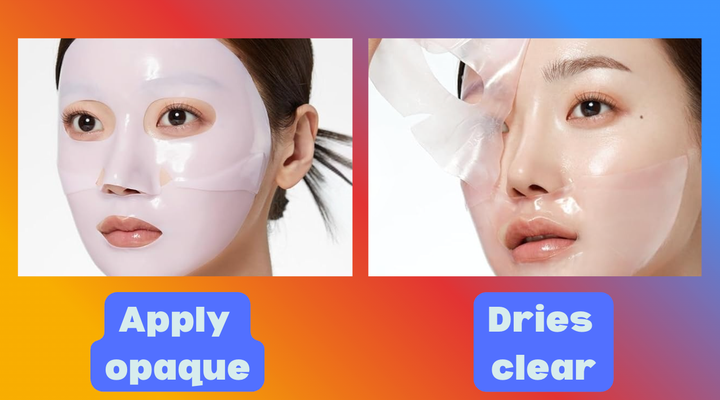
They go on as a cool, opaque gel, then become clear as they dry, indicating that your skin has soaked up all the good stuff. The brand says you want to leave the mask on for 3-4 hours, though many report wearing it to bed and letting it set overnight. You can also find the yellow brightening and red firming options on sale. Coming in two pieces, the mask is easy to put on and comfortable to wear, staying put and giving an instant cooling, refreshing feel the moment you put it on. They’re incredibly popular with HuffPost readers, featured in many Black Friday and Prime Day stories, and have garnered TikTok virality. They’re also loved by reviewers as a standout, exceptional at-home face mask.
Advertisement
“What sets this mask apart is the luxurious, spa-like experience it provides overnight,” reviewer Hilary Buckeye said. “Each time I use it, I wake up to skin that feels rejuvenated, smooth, and radiant, as if I’ve just had a professional facial. The jelly texture adheres comfortably and locks in moisture, making it perfect for overnight use.”
Another writes they were “in disbelief” with how quickly they started seeing results. “…Pores got smaller, wrinkles almost completely disappeared, and my skin feels incredible,” one said. “I wear one to bed & wake up with hydrated skin & significantly reduced wrinkles,” another wrote. (Note: According to previous HuffPost reporting, no topical product can make your pores physically smaller, but products can make pores appear to look smaller.)
Some say it gives them a “fresh botox” look, while others say the masks make them feel more confident going make-up free.
Of course, no topical product is going to give the same effects as medical-grade treatments (like Botox). Yet, reviewers swear by these masks for making them feel like they’ve just seen a professional. “If you want your face to feel like you just got Botox, hydrafacial and you reverse aged your face 5 years with ultra hydration then buy these masks,” Maddie wrote.
Many speak to how fresh it makes their skin feel, “especially if it’s been dry or dull. “I like using these when I want that extra glow without doing anything complicated, one says, with another adding, “I have gotten so many compliments on my skin and this is after only a few uses.”
Others say the masks have brought such an upgrade to their skin, they feel better going bare-faced. “I use this as well as other Medicube products and my skin has never looked so good,” a reviewer in their ’40s who has “worn a full face of makeup since I was a teen,” wrote. “I don’t even wear foundation as often.”“It has given me the confidence to go without any foundation,” another said. “…Don’t know how they manage, but my skin feels tighter and incredibly moisturized at the same time.”
Advertisement
Want to know what others are saying about these PDRN and collagen masks? Read more 5-star reviews and grab a 4-pack on sale.
“I used the mask and the results are amazing. Your face looks radiant, smooth. The mask tight the wrinkles around your face. Excellent choice for thickness and smooth, bright, soft face.. Great product.” — Jeannette Carrera
“I’ve been using this mask for a few weeks now, and it’s quickly become a favorite in my skincare routine. The jelly-like texture feels luxurious and cool upon application, and it transforms from pink to clear as it absorbs, signaling optimal hydration. I typically apply it before bed and wake up to skin that feels plump, smooth, and noticeably more radiant.” — sam
“Absolutely love these! I wear one to bed & wake up with hydrated skin & significantly reduced wrinkles! I sleep on my stomach so always have one side of my face that has more wrinkles in the morning, when I wear one of these masks that is eliminated. Will definitely purchase again!” — MHP
Want more Korean skincare made with PDRN? We’ve got you! Check out these finds, courtest of HuffPost Shopping.
Amazon
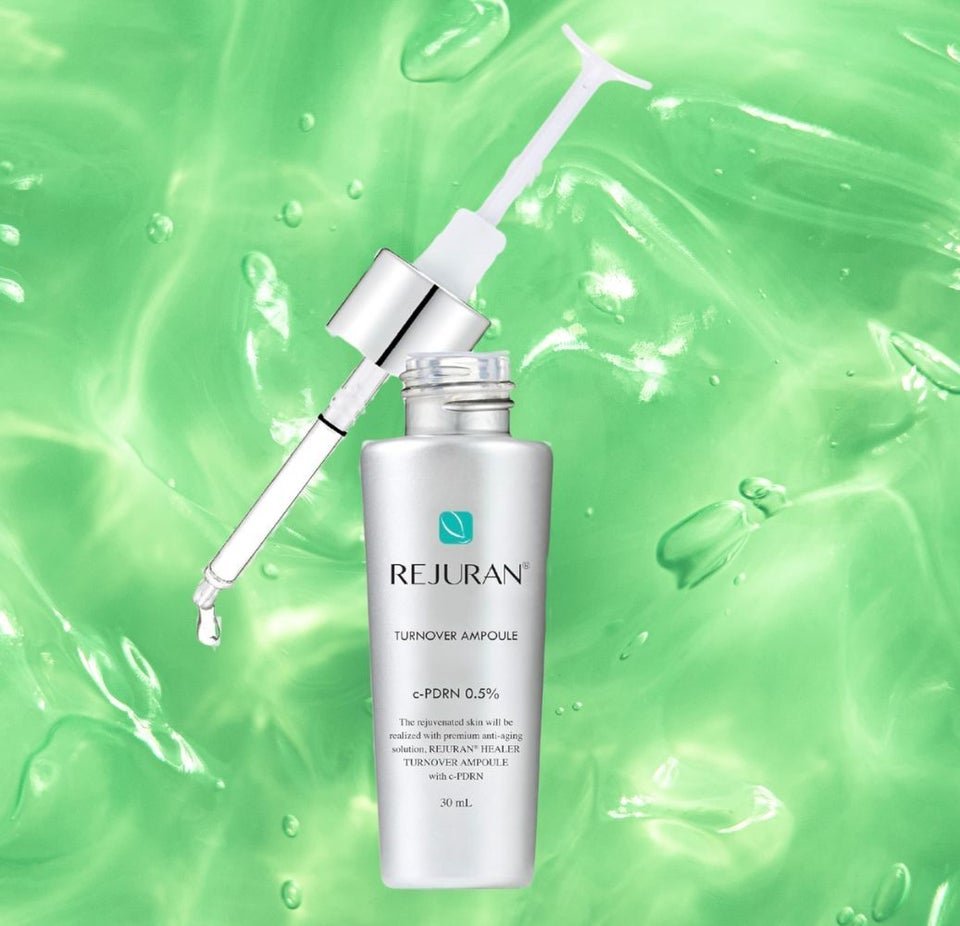
A salmon-derived PDRN ampoule with claims of an optimized delivery system (15% off)
The Rejuran Turnover ampoule, a recommendation from Frieling, claims to be the original salmon PDRN product and a brand that is most recognized in this category, according to Gould. This DNA-based formula is enriched with highly purified salmon serum and salmon sperm extracts, ingredient types that are the ideal molecular size for the best and deepest absorption possible, based on brand claims. The ampoule also contains supportive peptides for additional plumping power and raspberry leaf extract, an antioxidant-rich ingredient that soothes and protects against premature skin aging. Get it for 15% off when you hit the coupon.
Amazon
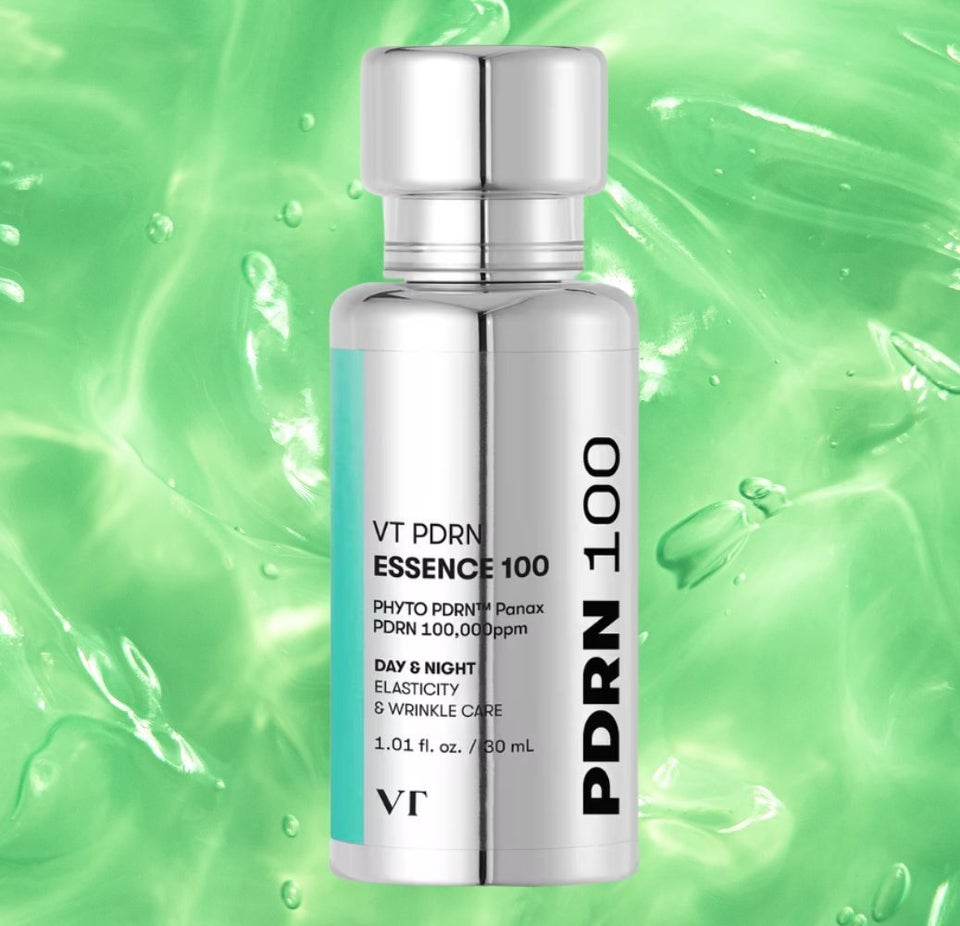
A highly concentrated PDRN essence to increase elasticity (19% off)
Gould, Spearman and Frieling all mentioned the VT Cosmetics PDRN 100 Essence, a vegan product that contains at least a 10% concentration of PDRN sourced from wild-grown Korean ginseng. According to the brand, ginseng-derived PDRN has a low molecular weight, meaning it’s extra stable and offers maximum absorption into the skin. Safe for day and night use, the VT essence also contains panthenol to calm red and troubled skin and ceramides, which are essential for a strong and healthy skin barrier. Get it for 19% off.
Amazon
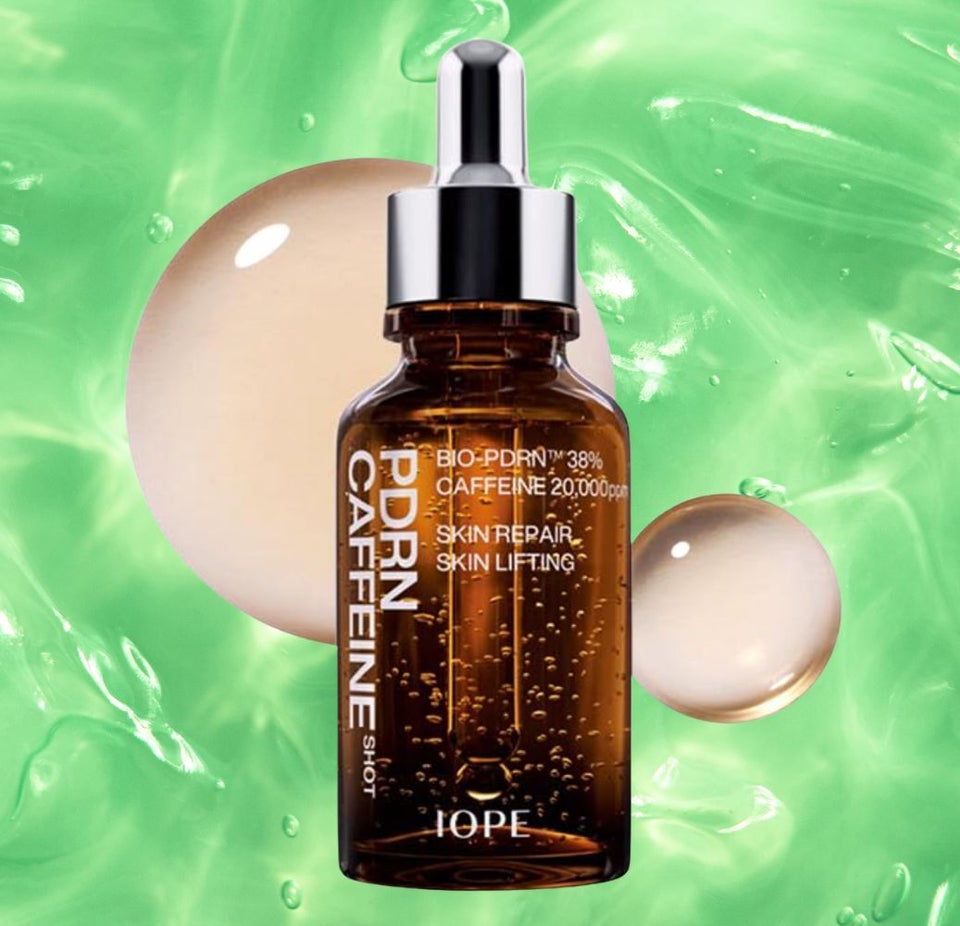
The internet-famous PDRN caffeine serum that started it all
Advertisement
Amazon
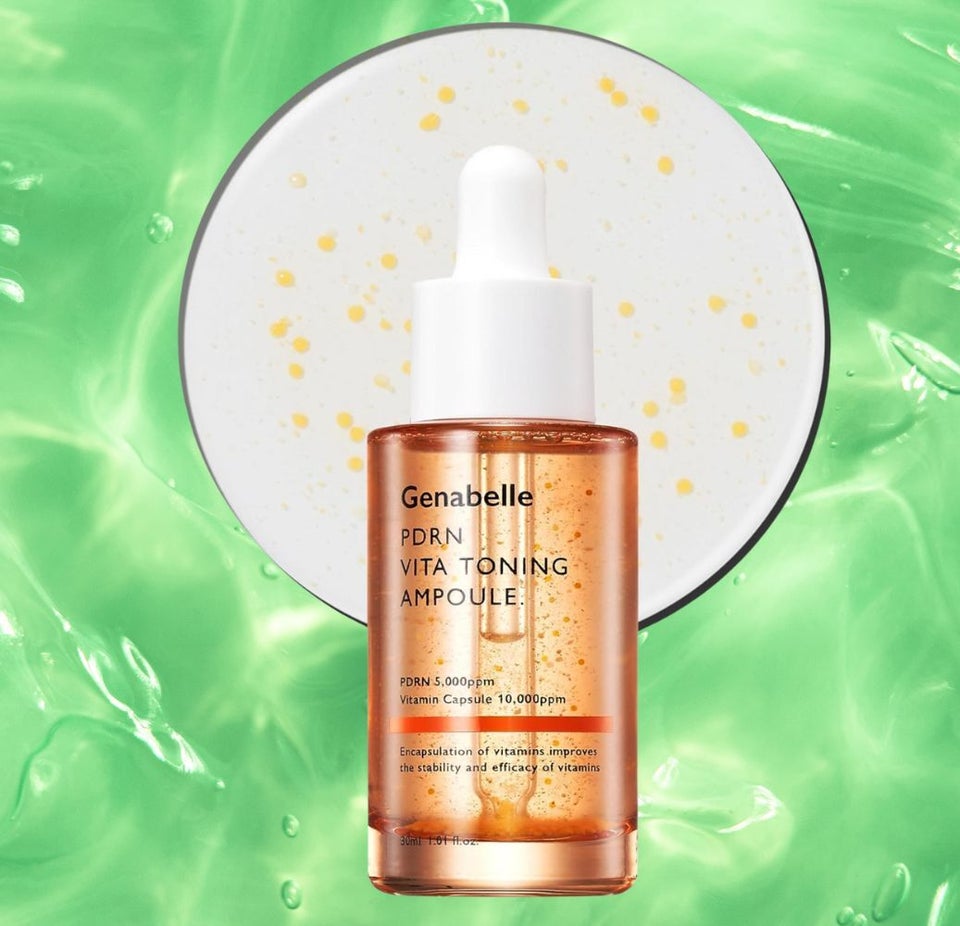
A skin-brightening PDRN serum enriched with vitamins
Frieling also suggested the Genabelle PDRN Vita Toning ampoule, a lightweight daily serum that features encapsulated vitamins, which keeps them fresher and more potent until the moment of application. The combination of vitamins B, C and E promises antioxidant protection and skin-brighening power that helps to fade dark spots and irregular skin texture. The salmon PDRN base also contains a plumping peptide complex and hyaluronic acid, a well-studied humectant that’s known for drawing moisture into the skin for a dewy and hydrated complexion.
The Real Deal: We use deal trackers and commerce experience to sift through “fake” hike-and-drop deals and other deceptive sales tactics. Products will usually be rated at least 4 stars with a minimum 15% discount. (And when there’s an exception, we’ll tell you why.)
Advertisement