These Jaw-Tightening Masks ‘Took 10 Years Off My Face’ For Less Than $20

Your skin care routine deserves way more TLC than a mere wash-and-moisturize combo, especially as you age or as you face different health challenges. That said, an area that too many people tend to forget is the chin and jawline. Thankfully, we’ve discovered a V-line lifting collagen face mask that Amazon reviewers love not only for how it defines and moisturizes the chin area, but also for how comfortable it feels to sleep in. Not only is this bad boy just under $25, but shoppers also admire the mask’s softness, non-odor, cooling abilities and, of course, the way it provides a “magical facelift” with just a few uses.

While these masks may seem like so many others, reviewers say this set is in a league of its own, with a design that the brand says lifts, tightens, and sculpts even the most problematic skin.

“Color me surprised,” one reviewer shares. “I can’t believe this worked. I have lost 100lbs after having gastric sleeve and my neck has noticeably been sagging and looking rough. I have only done two treatments so far, but even after one, the changes were super noticeable! I’m definitely going to add these masks to my nighttime skin routine.”

Designed with Japanese and power-packed hydrogel, this mask is a true treasure for folks determined to sculpt their jawlines to perfection. Unlike other V-line face masks, these masks provide a precise lift and a stretchable fit, designed to accommodate all face shapes.

The lifting masks are formulated with skin-loving ingredients for individuals partial to multitasking.

This beloved jaw-tightening mask also features a mix of natural ingredients — collagen, aloe vera, and hyaluronic acid — that work to deeply moisturize and refresh skin, while also boosting skin radiance. Granted, while skincare goals vary, everyone appreciates a product that can provide the basics while snatching your jawline to perfection.

“These masks really work! I can tell a huge difference in my jawline and neck,” says Cashlady. “These are much more comfortable on my ears because they stretch without breaking like some of the other brands. My face feels moisturized, soft, and smooth after each use, and I can see my jawline and neck tightening up after each use! I have tried several brands, and this is by far the best.”

Available in various packs, these masks work like a charm to depuff, contour, and revitalize your jawline, while also featuring ultra-soft ear loops that ensure a non-slip construction for seamless wear.

If you’re ready to stop spending money on firming creams, painful masks, or trying to define your jawline with targeted exercises, these Stylia masks may be the missing piece to your nighttime routine.

Need more convincing before adding these to your cart? Take a look below to hear from other shoppers who are in awe of these jaw-tightening masks.

“I came across an ad for these. I figured it was just another scam and I was going to waste my money. I am pleasantly surprised by these. I feel like these are very high-quality and fit nicely. They stretich nicely, the silicone on the inside sticks very well and the outer side is a soft, felt like material. I’ve been wearing these with an additional chin strap at night for a few hours while watching TV and doing things around the house. After I remove this, I do my normal skin care routine and I have been wearing a chin strap at bedtime. I really didn’t think I would see any results. This morning I woke up and I honestly couldn’t believe my neck skin is tighter. I also started a few facial exercises. So I believe these along with the strap at bedtime and some facial exercises are making an impact on my skin. I absolutely recommend these. I think the key is to treat before it becomes a big problem. I wish they had these 30 years ago. I would’ve started treatment when I was 20 as a preventative.” — Dobie Girl

“I love this product. I had some facial injections in my chin, lip, and jaw area, and had significant bruising. I put this on right when I go to bed, and I leave it on all night. I also store it in the refrigerator. It really helped with the bruising, the overall texture of my skin, and especially improved the hydration of my skin. I also think it helps improve the jawline. I wake up, looking so refreshed. I have worn one every night for the past week and will probably go to once or twice a week, or when I need a pick-me-up. I will continue to re-purchase.” — DRA

“I was skeptical at first. However, using it according to the directions, it actually lifted and tightened my chin. I started noticing the difference after two weeks, so please be patient. People have noticed without me saying anything. I’m about to be 58 years old, and it looks like I took about 10 years off my face. It’s very comfortable; sometimes I forget I’ve put it on. It is definitely not sticky and fits your chin perfectly. It does say to stretch it before you put it on, but I recommend stretching it as you’re going along this way; you don’t overstretch it, so it fits perfectly around the ear without missing any part behind the jaw. They have no odor. I highly recommend these because it actually works. I am very pleased with the results.” — peppercorn

“This product is really good for lifting and smoothing out wrinkles on the neck. It doesn’t just work on the double chin; it also helps with the wrinkles on the neck while lifting up the chin. I really like these chin and neck lifts.” — Josephine Harris

The Real Deal: We use deal trackers and commerce experience to sift through “fake” hike-and-drop deals and other deceptive sales tactics. Products will usually be rated at least 4 stars with a minimum 15% discount. (And when there’s an exception, we’ll tell you why.)

Share Button

Reviewers Can’t Believe What This Under-$10 Overnight Balm Does For Their Aging Lips

Believe it or not (you probably do), a good lip treatment is a crucial part of a skin care routine, especially as you age. Lips are often one of the first things people notice about you and when they feel uncomfortable, you notice them even more, too. This is especially so if you deal with dry, cracked lips or have noticed that yours are a little more textured than you’re used to due to natural aging. If you’ve been searching for a good lip product or are simply today-years old finding out you should be more thoughtful about your pick, then big news: We just spotted a unicorn of a hyaluronic acid plumping gloss that reviewers swear addresses signs of aging lips and delivers “spa-like” results with a drugstore price.

Even better? Amazon’s labeled this with a 5% discount, but according to our price trackers, it usually goes for $15 and is currently only $9.95 if you clip the on-page coupon for the extra discount — totally a 33% markdown! That’s a steal of a price to pay for a product that reviewers dub “a spa treatment for my lips” and even a Botox replacer.

You may be familiar with the $42 2025 HuffPicks beauty winner, Youthfull Lip Replenisher, for aging lips. Today, let us raise you the Suquato peptide lip treatment, also designed to fill out wrinkles and restore bounce for just under $10 right now!

It boasts a 3-in-1 formula that can be used as an overnight mask, a single-layer plumping gloss or a lip gloss topper for lipstick — and per the reviews, this baby is highly effective.

“This stuff took 10 years off my lips in one night,” another reviewer raved.

“[I] put it on one night and in the morning I was shocked to see my lips were actually plump and juicy!”

“After one night my wrinkles were noticeably diminished,” reviewer L Quinn gushed about the plumping gloss.

“After a few nights, my upper lip was smooth. No more Botox needed in my lips!!”

Talk about product efficacy?!

The winning combo in the ingredients list and practical product packaging is what makes this lip treatment a real winner.

Made with hyaluronic acid and a strong peptide complex, the versatile lip treatment hydrates and boosts collagen to lock in moisture and reduce fine lines. The added shea butter and vitamin E keep your mouth nourished and protect it from the elements.

“The texture is extremely smooth and velvety, feels so luxurious to apply and wear,” one review shared. “It creates a mild, pleasant kind of tingling sensation, which is nice for a little mental confirmation that it’s working but without being overbearing or uncomfortable at all.”

Some say it’s scentless, while others compliment the subtle smell, yet everyone seems to agree the formula is long-lasting and feels great. ” It’s sort of sticky without actually being sticky and it stays on for a long time instead of disappearing after 20 minutes like regular lip balm often does,” one wrote.

“Sticky enough that it lasts but not sticky enough to get my hair caught in it,” another said.

Last but not least, the other ingenious part about this lip plumping treatment is the design of the applicator tip.

Considering the 4.5-star rated Suquato peptide lip treatment but need to know a little more? Check more reviews below from people loving the formula.

This balm leaves my lips really well-hydrated. They were very dry before, and they’re improved so much.” — Alina Riano Cruz

This product has been such a game changer for my lips! I apply every night before bed and on really dry days I apply occasionally during the day. My lips are plump and soft and I’ve noticed visibly less wrinkles in my lips.Best part is the plumping effect without the burning sensation the lip plumper a usually have!! One of the best lip products I’ve used!” — StexRN18

“I put this lip treatment on every night. It glides on smoothly and stays on for a long time. My lips are incredibly soft and are not chapped any more when I wake up. I do recommend this product for those who have dry and chapped lips. You will see the difference after a few tries.” — Dancer

“I have chronically dry lips. Always have.. doesn’t matter how much water I drink.. I’m an avid chapstick user.. it will help temporarily but not long. I’ve tried SO MANY products for dry lips and this is the first product that I’ve ever been blow away by! I used a little during day and noticed a few hours later that my lips were incredibly soft.. used the thick layer overnight.. ITS INCREDIBLE!!!” — Jen Elizabeth

Looking for more skin care upgrades? Check out these dermatologist-backed recommendations, previously reported by HuffPost Shopping contributor Michelle Rostamian.

CeraVe

A lightweight lotion that can be used on the face and body

Dermatologist Dr. Geeta Yadav said that although the Cerave Daily Moisturizing Lotion is lightweight, it’s nourishing thanks to a blend of ceramides and hyaluronic acid, which help add hydration into the skin and reinforce the skin barrier, preventing irritation and transepidermal water loss (TEWL). “Though it’s best for those with normal to dry skin, those with oily skin can use it when their skin gets drier (in winter, for example),” she said. Not to mention, it can be used on both the face and body, making it great for those who value a low-maintenance skin care routine with minimal products.

Tula

This multi-tasking SPF moisturizer that feels like silk

The Tula 24-7 Moisture Hydrating Day Cream is a multi-tasking powerhouse. Not only does it act as a moisturizer and sunscreen with its SPF 30, but board-certified dermatologist Dr. Alexis Stephens also said it has a silky texture that absorbs quickly, making it ideal for use under makeup as a primer. Plus, it contains “probiotics and ceramides to support the skin barrier without clogging pores,” she said.

Cetaphil

An SPF-infused moisturizer suitable for all skin types

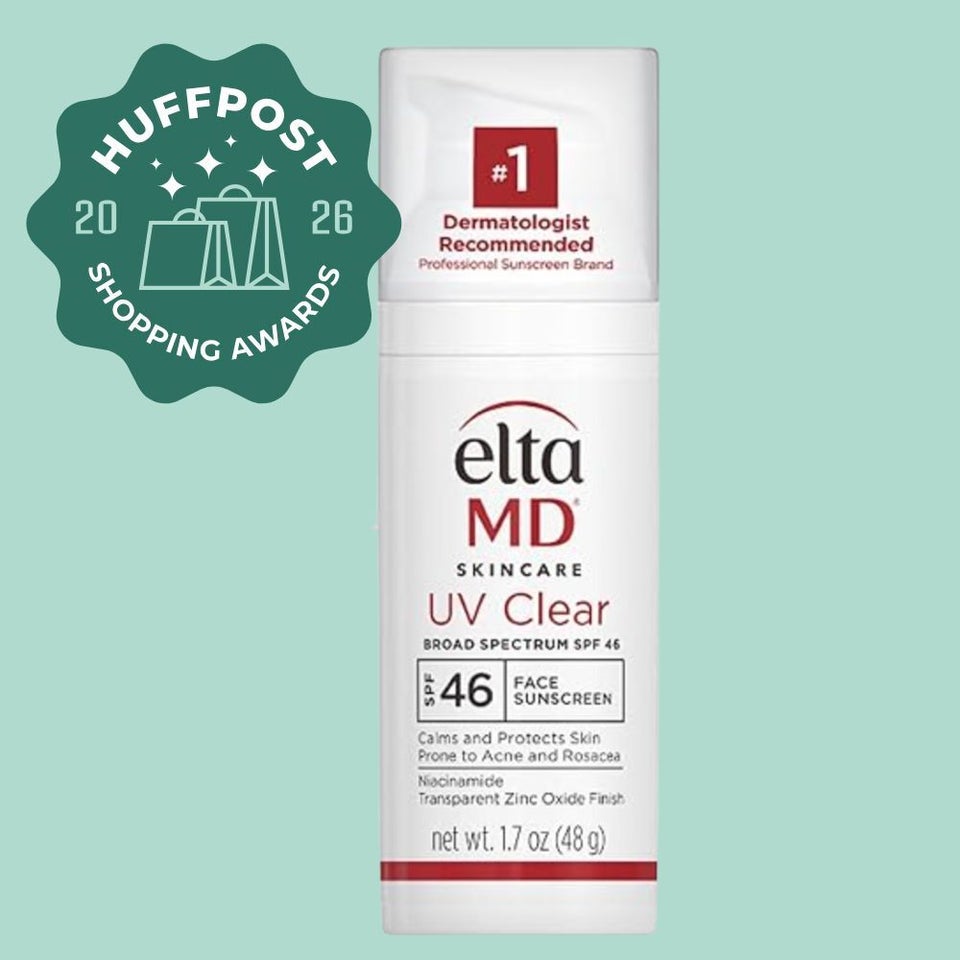
Yadav is a fan of the Cetaphil Face Moisturizer because it’s made with SPF 35 as well as “hydrating glycerin, conditioning panthenol and antioxidants like vitamin E and niacinamide, which also helps calm the skin,” she said. Oily skin types will appreciate its matte finish. Because it provides long-lasting hydration for up to 24 hours, it’s also suitable for those with dry or combination skin types.

La Roche-Posay

A ceramide moisturizer that provides 48-hour hydration

Looking for long-lasting moisture? You’ve found it in La Roche-Posay Toleriane Double Repair Face Moisturizer, which comes recommended by Stephens. “This is a go-to for sensitive or acne-prone skin because i’s oil-free and contains ceramide-3, niacinamide and prebiotic thermal water to calm and hydrate the skin without triggering breakouts,” she said. “It also helps restore the skin’s moisture barrier, which is often compromised in acne-prone individuals.”

Neutrogena

A layerable gel moisturizer for oily and acne-prone skin

Neutrogena’s Hydro Boost Hyaluronic Acid Water Gel Moisturizer is a gel-based moisturizer that “works beautifully for oily and acne-prone skin types,” said Stephens. “It’s non-comedogenic and features hyaluronic acid to deeply hydrate without feeling greasy or heavy on the skin.” Plus, it layers well under sunscreen and makeup.

Aestura

A sensitive skin-friendly, barrier-strengthening cream

For a rich yet non-greasy moisturizer, the Aestura Atobarrier365 Cream Moisturizer is the best of both worlds. Dr. Y. Claire Chang, a board-certified cosmetic dermatologist, said it’s ideal for those with sensitive skin thanks to a patented blend of barrier-boosting ceramide capsules that allow the ingredient to stay within the skin barrier longer. “This leaves my skin looking glowy for hours — when applied, it feels luxuriously smooth and absorbs quickly into the skin, leaving the skin hydrated and protected without any heavy residue,” she said.

Medicube

A K-beauty collagen jelly that visibly plumps

If glass skin is the goal, this editors’ pick is the road to getting there. From the K-beauty brand that you’ve undoubtedly seen on your For You Page more than a handful of times comes the Medicube Collagen Jelly Cream, a bouncy gel moisturizer that targets uneven skin tone as it hydrates. Instead of thick, pore-clogging oils, it uses hydrolyzed collagen and niacinamide to work its magic.

Promising review: “I was skeptical at 1st but one single I fell in love. A very little goes along way. You can use in a thin layer under makeup or thick for a overnight mask. I like to keep it refrigerated for that extra chill and it feel amazing. It hasn’t broken me out and just left me with beautiful glowing hydrating skin. For reference I am 40 with textured acne prone skin. I will definitely recommend and repurchase! Beautiful product.” — JustAmble

Environ

This quick-absorbing luxury formula for dry skin

Reszko said that the Environ Focus Care Moisture+ Super Moisturiser is perfect for normal to dry skin types that are also sensitive as it’s a super hydrating formula that’s made without pore-clogging oils. Instead, it’s formulated with ingredients like vitamin C and antioxidants to boost skin radiance and improve skin barrier function. Reszko said to use it twice a day — morning and evening — after washing your face.

Facile

This dermatologist-formulated moisturizer that feels like second skin

The only thing better than a feather-light moisturizer is one that plumps the skin at the same time. Cue the Facile Barely There Hyaluronic Acid Lightweight Moisturizer, one of our editors’ picks which was formulated by a dermatologist and uses skin-boosting panthenol and squalane to leave skin looking and feeling baby-soft.

Promising review: “I love Facile’s moisturizer! I’ve been using Facile for over a year and love the lightweight feel of this and it’s perfect for day and night. My go to!” — stephnina

BeautyStat

This probiotic-rich gel-cream hybrid

Hailing from cosmetic chemist Ron Robinson comes the BeautyStat Cosmetics Probiotic 24HR Moisture Boost Cream Moisturizer. Another editors’ pick, the gel-cream texture of this moisturizer instantly absorbs into the skin without feeling greasy (oily skin, rejoice), plus it’s formulated with hyaluronic acid and a proprietary moisture complex to keep the skin barrier happy (and the pores clear).

The Real Deal: We use deal trackers and commerce experience to sift through “fake” hike-and-drop deals and other deceptive sales tactics. Products will usually be rated at least 4 stars with a minimum 15% discount. (And when there’s an exception, we’ll tell you why.)

Share Button

I Never Expected My Mom To Move Into A Retirement Community. I Now Realize She May Have Been Hiding A Devastating Secret.

Lately, I find myself weeping in my bed when the night sky is at its blackest and my husband, Geoff, is dead asleep on his side, his silhouette a distant mountain range. I press my face into my damp pillow to mute the occasional, plaintive chirp.

I’ve never been much of a crier, so these late-night keening sessions make no sense. I’m a 59-year-old, happily married woman, and my children are healthy and grown, yet when the lights go out and the world lies down, a single phrase repeats itself in my mind: I want my mom.

If you believe in deeply personal journalism — the kind that connects us in our hardest, most honest moments — please consider becoming a HuffPost member today.

My mother isn’t missing or gone. She lives a short 20-minute drive away in an assisted living facility. When I visit, she looks like herself, shorter than me, hair dyed brown and styled in pert curls, with a smile people say looks like mine. When she speaks, her word choices, her intonations and the way she moves her hands are all her, but if you sit with her for more than a few minutes, you learn she’s less like herself and more like a carnival hologram — repeating a limited, looping set of thoughts and comments:

“I have nine windows in my apartment.”

“My cat is the best roommate I’ve ever had.”

“Did I tell you your husband reminds me of my dad?”

For decades, my mother had been single and independent, living on her own, volunteering and singing in a local chorale. At 78, she was in excellent health and had great energy, so I was taken by surprise when she announced she’d be moving into a retirement community near my home.

“An old folks’ home?” I said. “But you’re in great shape.”

“It’s not a ‘home,’ it’s a retirement village. Just like apartment living, but I don’t have to cook anymore.”

“No loss for the world there,” I snorted, and she elbowed me.

Together, we visited the facility, more like a resort with scheduled activities and concerts than the 1970s nursing home my paternal grandmother had lived and died in. But still. Weaving through walkers and motorized scooters to get to the facility’s restaurant, I said, “These people, they’re nice, but they seem… elderly.”

She squared off with me. At 5’1”, she projects an air of sweet amiability, but she’s actually stubborn as an old root.

“My mother was sick my entire childhood,” she said. It was true. Her poor mother suffered for nine years, Bible in hand and disapproval on her face, until she finally died, releasing my 17-year-old mother. “I’m not doing that to you.”

“It’s not remotely the same! I’m older, and you’re not sick, or nasty.” I looked at her sideways. “At least most of the time.”

On our way out, we passed a locked industrial door, behind which was the “Assisted Living Wing” and “Memory Ward.” Pastel-colored cutouts of flowers and butterflies, the sort you’d see taped to a nursery school wall, decorated the door.

“What’s in there?” I asked, and made scary ghost sounds.

“You, if you keep it up.”

It never occurred to me there might be something she wasn’t telling me.

The author, age 2, with her mother

Courtesy of Kathryn Smith

On March 12, 2020, the day after Tom Hanks and Rita Wilson announced they had COVID-19, my mother’s Toyota Camry pulled into my driveway, and out she stepped with two suitcases, the food from her refrigerator, her recycling and her cat, named Jello, howling and spitting in its carrier.

“Just until we flatten the curve,” she said, reluctant to leave her apartment. “And not a minute more.” She lived with me for a year.

My mother and I are different people. She’s fussy. I’m casual — sloppy, even. She’s soft-spoken. I’m loud. She’s ladylike. I intentionally storm through a room. And while I know I’m not the refined young lady she hoped for as a daughter, she’s been my champion.

When I was young, I hated wearing dresses, so she sewed me pants. And when a male teacher told her, “Your daughter must wear dresses to school — pants are inappropriate,” she fired back, “You’re either going to let her wear pants, or you’re going to see her underwear, because she’s always upside-down on the monkey bars!” I got to wear pants.

At the beginning, we managed to find joy and beauty in our togetherness during the lockdown. We visited the local arboretum, haunted our old town, even had a picnic on the porch of our old house.

“Nobody lives here! Who’s going to care?”

We peeked in the windows and tried to see if any doors were unlocked. She stood watch for me while I crawled under the porch to see if old treasures I had hidden were still there.

“Nothing but spiders and dirt.”

I visited her room daily with chocolate chip cookies. “Wellness check,” I’d say, and she’d invite me into her too-warm space. I’d nudge Jello, ever a grumpy thing, off the armchair and sit down for a quick chat over the blaring television. It was during one of those visits that I first noticed something was off.

“Mom, you shouldn’t watch the news 24 hours a day. It’s grim.”

“I leave it on for the company — the voices.”

“You live with me. That’s enough voices for anyone. If you have to watch TV, can you at least watch Netflix?” I handed her the remote.

“That thing’s too complicated. I like the news,” she said and took a dainty bite of her cookie.

“For goodness’ sake! You just push this button here that says Netflix.” She waved me away.

The next day, she poured laundry detergent into our dryer.

“I don’t know what I was thinking,” she said. “I’ll pay for it.”

“It’s no big deal,” I said.

I’d once put the cereal box in the fridge and the milk in the cupboard. Our family can be spacey like that, so I wrote it off.

But as her memory glitched more frequently, I found myself becoming impatient. It was easier to be annoyed with her, easier to look away from what might be happening to her, from what might one day happen to me. It was easier to imagine she was being lazy-minded or stubborn.

“You just met with your surgeon two weeks ago, don’t you remember? Your pain is coming from your spine, not your hip, so you have to do physical therapy,” I told her one afternoon.

“Pardon?”

“DO YOUR PHYSICAL THERAPY! And can you wear your hearing aids? It’s very annoying to repeat myself all the time.”

“I don’t like physical therapy,” she said. “And anyway, you’re the only one I can’t hear.”

"This is Jello, and he's daring me to even think about coming any closer," the author writes.
“This is Jello, and he’s daring me to even think about coming any closer,” the author writes.

Courtesy of Kathryn Smith

Our arguments regressed. We were silly, a little petty, almost joking, but not quite. I found myself using the same words she’d spoken to me when I was young, pantomiming a role reversal we didn’t realize was well underway.

“Do as you’re told!” I’d demand, only half joking when she ate mostly chocolate.

“You’re not the boss of me!” she’d say, and cross her arms.

And then she drove into oncoming traffic with my daughter in the car. It was a close call — the other car swerved. My daughter told me she’d never let Grandma drive her again.

I wish I could say I took her keys that day, but I didn’t. It’s difficult — removing your parents’ means of transportation. They’re not the Uber generation. You take their keys, you take their independence.

A few weeks later, I called my mother while waiting in the social distancing line that snaked around Trader Joe’s.

“Thank goodness you called! My phone isn’t working!” she said, breathless.

“You’re on your phone now, Mom,” I said.

“I couldn’t call anyone. I couldn’t find anyone’s numbers. I was all alone!”

It wasn’t upsetting that she couldn’t work her phone for a moment — many older people struggle with technology. It was upsetting that she was panicked, desperate and at a loss for what to do, when really, all she had to do was step out of her bedroom and ask any of her grandchildren for assistance. It was upsetting because she felt helpless and afraid.

“What’s going on, Mom?” I asked when I got home. It never occurred to me she could be any other than the way I had always known her: capable, pragmatic and independent. I didn’t know that these days — the early days — were the good days when she remembered where she was, who she was, who I was.

The day I took her keys was the day she mistook my daughter for me.

“It was easier to be annoyed with her, easier to look away from what might be happening to her, from what might one day happen to me.”

As intelligent, sentient beings, we sure can be shockingly unaware of our own emotions and why we’re feeling them. Recently, I was hiking in a forest near my home. I came upon an elderly woman in hiking boots sitting on a fallen tree near a brook, leaning on her walking stick. I couldn’t imagine how she had gotten there.

“Are you OK?” I asked.

She smiled. “I’m just taking a breather. I live a mile up there.”

She pointed her stick up the steep, wooded hill. She’d come from Sweden decades earlier to marry an American who’d recently moved them into a retirement home. Like my mother, she was born on the cusp of World War II. Unlike my mother, she spoke about politics, current events, a book she was reading. Then she got up and stretched. I didn’t want her to go.

“Can I visit you, maybe help with your errands?” I asked. She looked at me, puzzled, and I felt instant embarrassment. This was not a woman who needed help with her errands. She had just walked a mile into the woods. Why would she need me to visit her?

One of my husband’s pandemic projects was to hang birdhouses all around our yard. A storm knocked one down, and four bluish babies with giant open mouths tumbled out onto the grass. Blind, chirping and barely able to move, they reminded me of the P.D. Eastman book “Are You My Mother?” about a baby bird who searches for his mother. He asks everything he comes across: a dog, a hen, a steam shovel, “Are you my mother?”

As I slid a spoon under the wobbly birds’ bodies and poured them back into their home, I was struck by a thought: I’m the baby bird in P.D. Eastman’s book. I’m looking for my mother, who is slipping away from me. And the lovely Swedish woman in the woods? She is not my mother.

The author with her mother. "We were off on some pandemic adventure," she writes.
The author with her mother. “We were off on some pandemic adventure,” she writes.

Courtesy of Kathryn Smith

Six months after my mom packed up Jello and moved back to her apartment, I got a call from the onsite nurse explaining she had accidentally consumed five weeks’ medication in two weeks. It was time for her to move into assisted living.

I remembered the door with the flowers and butterflies.

I believe she saw this coming. I believe she knew her mind was slipping, so she moved herself into a place where, at some point, she could get professional care, and where, like she said, she wouldn’t become a “burden.”

One of the things she says in her moments of clarity is, “My parents died young. I didn’t have anyone to model getting old for me.”

Thanks to her, I do. And thanks to her, as the child of a person who is getting old, I’m learning to be more patient, more understanding.

I call her daily. I visit her often. And every now and then, the mother I know returns for a cameo, then disappears just as quickly.

In her darker moments, she tells me, “I’ve had a good life, but if I could push a button and end it now, I would.” I’d like to tell her to hang on — that things will get better — but we both know that’s not true. So I just remind her she is beloved. And we list all the people who’ve loved her in her life, including the boyfriend she dumped in college.

I’m learning to love her differently, perhaps more deeply and from a place of gratitude, not of need and expectation. I’m trying to be the grown-up now — to champion her, the way she did me. It’s not easy. And in the wee hours of the night, when the loss of my mother as I knew her overtakes me, I allow myself to have a cry in my pillow.

Kathryn Smith has published fiction and creative nonfiction in Philadelphia Stories, poetry in Apiary, and twice won an honorable mention from Glimmer Train. She graduated with a B.S. in economics from the University of Pennsylvania and an MBA from the University of California at Berkeley. She is currently working on a memoir, “Stories of an Uncouth Girl.” You can reach her on Instagram @KathrynSmithStories.

Do you have a compelling personal story you’d like to see published on HuffPost? Find out what we’re looking for here and send us a pitch at pitch@huffpost.com.

Share Button

Experts Warn These Early Dementia Signs Often Get Missed — But Early Detection Makes A Big Difference

While it can be hard to manage age-related changes of any kind, it can feel extra tough when those changes impact your memory and cognition. But it’s especially important to pay attention to brain-related changes as you get older.

While all cognitive changes are not dementia, some are. Dr. Gregory Day, a behavioral neurologist and dementia specialist at Mayo Clinic in Florida, defines dementia as a “change in memory and thinking. So, something that’s different from before — and for me to consider it as dementia, it needs to interfere with daily life.”

Dementia is only expected to become more common in this country; recent research predicts 42% of American adults over 55 will have dementia in their lifetime.

By understanding the signs of the disease and getting an early diagnosis, individuals and caretakers can better plan and prepare for the future, and potentially make decisions about care and treatment.

Early diagnosis can also help folks potentially get access to treatments that can help slow the progression of certain forms of dementia, experts told HuffPost. (Dementia is an umbrella term that describes multiple forms of cognitive impairment, with Alzheimer’s disease being the most common type.)

The early signs of dementia are important to know but can “run the gamut,” said Dr. Stephanie Nothelle, a geriatrician and an associate professor at Johns Hopkins School of Medicine in Baltimore, but there tend to be a few that often present first.

1. Short-term memory loss.

“I think the thing that people often think about is short-term memory loss, and that really is common,” Nothelle said.

This isn’t the same thing as momentarily forgetting the word you want to use or a one-off absentminded moment, like forgetting to grab your hat before going out for a walk.

Instead, it’s something like “having a conversation with someone and then a couple hours later, not remembering the details of that conversation,” explained Nothelle.

Dr. Jori Fleisher, an associate professor of neurological sciences at Rush University in Chicago, said that it’s also common for folks with short-term memory loss to repeat themselves in conversations and ask “the same questions frequently.”

“A hard time holding on to things that they’ve learned recently. That’s a short-term memory issue,” Fleisher said.

According to Day, there are some real-world, practical issues he tends to look for as potential memory red flags.

“I’m looking for people who have made mistakes, maybe with medications, where they wouldn’t have before [such as forgetting to take it or taking a double dose], perhaps some difficulty keeping track of appointments and keeping the days straight, needing more reminders for that,” Day said.

This short-term memory loss could also look like missing appointments or showing up on the wrong day or having difficulty finding their way along a familiar route, Day added.

Some people are naturally more forgetful than others and have been that way all of their lives. That’s not worrisome. Instead, Day is concerned with “changes from before that are consistent or starting to become consistent, that are beginning to interfere with daily life.”

2. Trouble with the ‘planning part of your brain.’

It’s also common for people to experience trouble with “executive functioning,” which Nothelle describes as the “planning part of your brain.”

“So, if you have a complex task, [for example] you have to plan a dinner party and you’re having a hard time doing everything involved … there’s all these little logistics and things to keep track of when planning something like a dinner party,” she said.

You may have to remember your guest’s dietary restrictions, plan out a menu, shop for ingredients, cook, arrange serving dishes, clean, make cocktails and choose a playlist.

“If you’re not able to do that anymore, that can be a sign that there’s something going on,” Nothelle said.

While dementia can present in many different ways, short-term memory loss and personality changes are among the early signs of the disease.

spawns via Getty Images

While dementia can present in many different ways, short-term memory loss and personality changes are among the early signs of the disease.

3. Personality changes.

“Another way that I have seen it manifest is people will have changes in their mood or their personality,” Nothelle said.

Maybe a loved one who used to be very outgoing is now more shy or vice versa. Or maybe someone is more apathetic or, perhaps, more impulsive than they used to be. This isn’t normal aging or an older person just not having a filter.

“These are all just reflections of subtle changes in the brain,” Nothelle noted.

4. Consistent trouble finding the right word.

A common complaint and reason people seek medical attention is word-finding difficulty, Day said. “Occasional difficulty coming up with a name, fine,” said Day. It’s also normal to sometimes forget the name of a common object, he said.

“When it’s inconsistent, not a concern, but when this is an everyday thing and maybe even when it’s interrupting conversation, now that’s a sign of much more prominent word-finding difficulty that would warrant evaluation,” he said.

5. Susceptibility to financial scams.

“Something that we need to be really, really aware of, and unfortunately just gets more and more common, is susceptibility to financial scams,” said Fleisher.

“Patients with dementia are at increased risk, and scammers know that, so they tend to prey on older individuals in the middle of the afternoon,” added Day.

There is shame involved with falling for a scam, but scammers are getting smarter and sneakier, making it easier and easier to fall for the trick, noted Fleisher.

But, if you have a loved one who falls for one of these scams, it’s worth inquiring about their cognitive state.

Dementia is common, but there are things you can do to reduce your risk or slow the progression of the disease.

Healthy lifestyle habits can not only slow the progression of dementia but can also help prevent it.

For some people, genetics put them at higher risk of developing dementia, but “even in people where there is a genetic component, there’s good evidence to say that all of the following still make an impact, and maybe make an even bigger impact,” Fleisher said.

Really, folks should follow the advice from their doctors when it comes to maintaining a healthy body — these habits also help maintain a healthy brain, according to Day.

“The most important things that I think about … well, we should be screening for high blood pressure, cholesterol, blood sugar problems, and treating or addressing those problems when they exist,” Day said.

We should also prioritize a good night’s sleep, he said, and manage things like sleep apnea — “addressing that and treating that effectively can really improve brain health and brain function, and, I think, decrease the risk of dementia in the future,” Day said.

“And then there’s the day-to-day things, good brain housekeeping things, we all know we should be doing,” Day said. This includes exercising, eating a nutritious diet with plenty of fruits and veggies, limiting (or not drinking) alcohol and quitting smoking. It’s also helpful to spend time with other people, said Fleisher.

“It can sometimes seem daunting. If you’re reading a long list of things and you’re not doing any of them, you don’t have to start doing them all immediately,” Day said.

“Take that small step forward … introduce a 20-minute walk three times a week — you don’t have to start training for a marathon,” Day added.

“These are positive steps towards brain health, and if the goal is to reduce the future risk of dementia, I think each of those steps matters and can be helpful for that,” Day said.

While there isn’t a cure for dementia, these changes can help people who are diagnosed, Fleisher noted.

“We want to use everything at our disposal to slow down progression so people can live longer and live better and have better quality of life in that time,” Fleisher said. “There are countless examples of people living well with dementia. I think that stigma of getting this diagnosis and that being ‘the end,’ that is not where we are in 2025.”

People with dementia are living rich, full lives because they’re empowered by knowledge and helpful health care teams, Fleisher said.

Share Button

Trump’s Rumored Theory On Exercise Has People Talking. Here’s What Experts Think.

At this point, it’s clear that President Donald Trump is a sleepy guy.

Earlier this week, Trump was caught dozing off while both Secretary of State Marco Rubio and Housing and Urban Development Secretary Scott Turner spoke during a Cabinet meeting.

It’s just the latest instance of the 79-year-old being photographed asleep on the job, a tendency that has led some, including Gov. Gavin Newsom (D-Calif.), to call him “Dozy Don.”

A sleepy President Donald Trump attends a meeting of his Cabinet alongside Interior Secretary Doug Burgum, Secretary of State Marco Rubio and Defense Secretary Pete Hegseth.

Chip Somodevilla via Getty Images

A sleepy President Donald Trump attends a meeting of his Cabinet alongside Interior Secretary Doug Burgum, Secretary of State Marco Rubio and Defense Secretary Pete Hegseth.

But if the president is tired, it’s probably not because of his exercise regimen. Last week, Trump’s interesting take on exercise resurfaced on social media after The New York Times published a detailed report on Trump showing signs of aging and making fewer public appearances in his second term compared to the same point in his first term.

Sandwiched between details about Trump’s diet (he’s apparently a red meat guy and eats “McDonald’s by the sackful”) and his weight, the Times mentioned the baffling views he reportedly holds on physical activity:

He does not get regular exercise, in part because he has a long-held theory that people are born with a finite amount of energy and that vigorous activity can deplete that reserve, like a battery.

It’s not the first time the media has reported this. In a 2017 profile on President Donald Trump in The New Yorker, writer Evan Osnos said Trump believes “a person, like a battery, is born with a finite amount of energy.”

While Trump has never explicitly stated this odd theory in his own words in public, sources say it’s a belief he’s held since he was a younger man. In the 2016 biography “Trump Revealed,” Washington Post reporters Michael Kranish and Marc Fisher write:

“After college, after Trump mostly gave up his personal athletic interests, he came to view time spent playing sports as time wasted. Trump believed the human body was like a battery, with a finite amount of energy, which exercise only depleted. So he didn’t work out. When he learned that John O’Donnell, one of his top casino executives, was training for an Ironman triathlon, he admonished him, ‘You are going to die young because of this.’”

It’s resurfaced that President Donald Trump has a rather interesting take on physical activity: Don't exercise, or you'll lose the finite amount of energy you were born with.

Illustration: HuffPost; Photo: Getty Images

It’s resurfaced that President Donald Trump has a rather interesting take on physical activity: Don’t exercise, or you’ll lose the finite amount of energy you were born with.

What does Trump do for exercise? If you count golf, plenty of that. But he also seems to think that just standing around is all the workout you need. Here’s what he told The New York Times magazine in 2015:

“Trump said he was not following any special diet or exercise regimen for the campaign. ‘All my friends who work out all the time, they’re going for knee replacements, hip replacements – they’re a disaster,’ he said. He exerts himself fully by standing in front of an audience for an hour, as he just did. ‘That’s exercise.’”

Is it, though? It’s a big stretch, said Christine Persaud, a sports medicine physician at SUNY Downstate Health Sciences University in Brooklyn, New York.

“Standing at a podium is better than sitting, but it does not strengthen the heart, muscles, or bones in the way that keeps people mobile and independent as they age,” Persaud said.

As for the claim that exercise depletes our energy reserves, as you probably could have guessed, that’s misguided, too.

“The idea that we are born with a fixed amount of energy that gets depleted by exercise like a battery does not match what we know in medicine,” Persaud told HuffPost.

Regular physical activity is what makes the body better at producing and using energy. For instance, a 2014 study pooling together data from over 40,000 adults found that marathon runners had a 30% lower risk of death and a 45% lower risk of cardiovascular mortality compared with non-runners.

Frequent exercise actually results in living longer.

“Exercise increases mitochondrial efficiency — essentially the body’s ‘power plants’ — and improves cardiovascular and metabolic health,” Persaud explained. “Long-term studies also show active people live longer and have lower rates of chronic disease.”

Trump does a lot of golfing, but not much else when it comes to exercise.

Jane Barlow – PA Images via Getty Images

Trump does a lot of golfing, but not much else when it comes to exercise.

Still, Trump isn’t the only person alive who appears to hold a weird “battery” theory of life force. Katie Gould, the founder of KG Strong, a kettlebell and strength training studio in Philadelphia, said she’s heard clients share their own versions of it.

“I’ve definitely had people worry that if they ‘use up’ their joints or heart with exercise, they’ll burn out faster,” Gould told HuffPost.

But our bodies aren’t phone batteries with a fixed charge; like our muscles, our bodies are systems that adapt to the demands we place on them, Gould said.

“Smart, appropriately dosed movement actually improves energy, resilience, and longevity over time,” she said. “What really wears us down isn’t using our bodies, it’s never using them at all.”

OK, but where would Trump have come up with this?

If you dwell on it long enough, Trump’s reported theory almost sounds like an ancient belief ― or at the very least, something no modern person would believe.

Aristotle did actually think that our bodies are animated by a kind of innate heat, and that death occurs when it is finally depleted. But the Greek philosopher and polymath was pro-exercise, according to Donald J. Robertson, a psychotherapist and author of “How to Think Like a Roman Emperor.”

“He certainly didn’t think we were at risk of ‘running out’ of energy by running around too much,” Robertson told HuffPost.

If anything, Trump has more in common with certain 19th-century vitalists, who worried that modern overstimulation and overexertion could drain the body’s “nerve force,” Robertson said.

“That led to a short-lived medical fad for diagnosing patients with ‘nervous exhaustion’ or neurasthenia,” the psychotherapist explained.

Silas Weir Mitchell, a Philadelphia-based physician, went on to develop the once-famous “rest cure” for neurasthenia, which was an extreme regimen of enforced inactivity, bed rest, and high-calorie feeding designed to rebuild the patient’s supposedly depleted vital reserves.

“I actually think it’s possible, unless he was joking, that Trump has somehow absorbed these sorts of ideas from somewhere or other,” Robertson said.

“The idea that we are born with a fixed amount of energy that gets depleted by exercise like a battery does not match what we know in medicine,” said Christine Persaud, a sports medicine physician.

Chip Somodevilla via Getty Images

“The idea that we are born with a fixed amount of energy that gets depleted by exercise like a battery does not match what we know in medicine,” said Christine Persaud, a sports medicine physician.

What should a 79-year-old person be doing for exercise to stay healthy?

The White House claimed earlier this week that Trump’s MRI from October, during his second “yearly” check-up in just six months, shows the 79-year-old is in “excellent health.” (It’s a statement that seems to be at odds with Trump’s diagnosis less than six months ago of “chronic venous insufficiency.”)

Sleeping on your physical fitness isn’t going to help most of us as we age, though. If anything, the misconception that exercise is dangerous is what actually puts people at higher risk for frailty, falls and chronic disease, Persaud said.

“While standing and public speaking is demanding and burns some calories, it does not provide the cardiovascular or musculoskeletal benefits that help people stay strong and independent as they age,” she said.

For adults, the American Heart Association recommends 150 minutes of moderately intense activity per week, plus strength training twice weekly. Even simple things like brisk walking, light strength work, or tai chi have proven benefits for heart health, mobility and longevity, Persaud told us.

Gould said that at 79, you want to have a mix of walking or other cardio, strength training for muscle and bone health, and some balance work to help prevent falls.

“The people I see thriving in their 70s and beyond aren’t just on their feet, they’re loading their muscles, challenging their hearts and moving in a variety of ways consistently,” she said.

At 79, you want to have a mix of walking or other cardio, strength training for muscle and bone health, and some balance work to help prevent falls, said Katie Gould, the founder of KG Strong, a kettlebell and strength training studio in Philadelphia.

FreshSplash via Getty Images

At 79, you want to have a mix of walking or other cardio, strength training for muscle and bone health, and some balance work to help prevent falls, said Katie Gould, the founder of KG Strong, a kettlebell and strength training studio in Philadelphia.

Gould added that blasé comments about exercise usually come from a place of considerable privilege. It’s easier to say you “don’t need” to work out when you have doctors tracking your labs, chefs managing your food, and money to throw at health problems, as the president does.

“Most people don’t have that, but they do have access to movement, and strength training in particular is one of the most powerful, affordable tools we have to live longer, more capable lives,” Gould said.

For women especially, lifting weights helps protect bone density, reduce fall risk, and build the confidence to move through the world on their own terms. She added that it’s an especially important message to emphasize right now as more people experiment with GLP-1s for weight loss.

“In a moment when so many people are being pushed toward quick fixes and weight-loss drugs, it’s important to remind folks that strength and sport are not cosmetic ― they’re health care,” she said.

Share Button

A New Study Revealed Doing This Highly Enjoyable Activity Every Day Could Lower Your Dementia Risk

Turn up that Zeppelin: A recent study found that older adults who regularly listen to or play music have a significantly lower risk of developing dementia.

A research team from Monash University in Australia looked at data from more than 10,800 adults over the age of 70 and found that those who listened to music most days experienced a 39% lower likelihood of developing dementia compared with those who sometimes, rarely or never listened to music.

Those frequent music listeners had a 17% lower incidence of cognitive impairment, along with higher overall cognitive scores and better episodic memory (used when we recall specific, everyday events).

Playing an instrument ― including singing ― was associated with a 35% reduction in dementia risk. Those who both listened to and played music on a regular basis had a 33% reduced risk of dementia and a 22% reduced risk of cognitive impairment.

For older adults worried about dementia ― a disease that affects 7 million people and is becoming more common as life expectancy increases ― turning on some music is an easy, low-effort way to ease a bit of that anxiety.

“We know that listening to music engages multiple brain areas at once, acting like a full-brain workout,” said Emma Jaffa, a biomedical science Monash honors student who conducted the study alongside Joanne Ryan, a professor of biological neuropsychiatry at Monash.

SolStock via Getty Images

“We know that listening to music engages multiple brain areas at once, acting like a full-brain workout,” said Emma Jaffa, a biomedical science Monash honors student who conducted the study alongside Joanne Ryan, a professor of biological neuropsychiatry at Monash.

Although the topic is still relatively underexplored, the study’s co-authors have several hypotheses — supported by earlier research — about why music might stimulate the brain.

“We know that listening to music engages multiple brain areas at once, acting like a full-brain workout,” said Emma Jaffa, a biomedical science Monash honors student who co-authored the study with Joanne Ryan, a professor of biological neuropsychiatry at Monash.

“Previous studies show it improves processing speed, language, memory and coordination,” she told HuffPost. “Plus, it often involves socializing with others, which helps protect brain health.”

As a bass player and singer herself, the findings were of particular interest to Jaffa.

She also loves the idea of tangible research ― research that you can actually do something with, that truly helps people. “I think that’s what drew me to this topic. It was the combination of a hobby and the possibility of delivering actionable insights to others,” she said.

“Previous studies show [listening to music] improves processing speed, language, memory and coordination,” Jaffa told HuffPost. “Plus, it often involves socializing with others, which helps protect brain health.”

andreswd via Getty Images

“Previous studies show [listening to music] improves processing speed, language, memory and coordination,” Jaffa told HuffPost. “Plus, it often involves socializing with others, which helps protect brain health.”

Jaffa said the question she gets most often about the study is, “Are some genres of music more beneficial than others?” Is Coltrane or Clapton superior when it comes to improving cognitive function?

While she doesn’t have the answer (participants weren’t asked about what they were listening to), she said it’s definitely something she wants to explore in future research. (That and if listening to music has any bearing on reducing the risk of cognitive decline for those younger than 70.)

It’s no surprise that researchers like Ryan and Jaffa are exploring this topic, given how devastating dementia symptoms can be. People with the condition may develop speech difficulties, memory loss, mood changes and trouble completing everyday tasks.

Another recent study, published in October in the American Journal of Geriatric Psychiatry, found that having a sense of purpose may protect against dementia by keeping the brain more resilient and is linked to a lower risk of developing it. Other research-backed ways to support cognitive resilience during the aging process? Moderate to vigorous exercise, spending time with others ― hopefully while listening to music ― and even doing chores.

Share Button

New Study Reveals When The ‘Adulthood’ Brain Phase Actually Starts — And It’s Way Later Than You Think

When does adulthood actually start? Probably later than you think. According to a recent study published in the journal Nature Communications, when it comes to brain functionality, adulthood starts at 32.

The study was conducted by researchers at the University of Cambridge in the United Kingdom. The findings show that the human brain has five phases throughout a lifespan, and researchers say they are all broken up by age — 9, 32, 66 and 83, on average. Researchers referred to these ages as “turning points” when the brain rewires and goes through age-related changes.

The childhood brain, a time of high growth, lasts through roughly age 9, when it then changes to the adolescent brain, which continues until 32. Yes, 32.

This doesn’t mean that someone who is in the later part of this adolescent brain phase is going to act like a teenager, Dr. Alexa Mousley, the study leader, told The Guardian. Instead, it means their brains simply resemble each other as they continue to grow and form until the adult brain phase is reached. This adolescent brain phase is the only time when brain efficiency is consistently increasing, study authors said.

Age 32 also marks the “strongest shift” of all of the brain changes. Around this time, the brain goes into its adult era ― the longest phase ― which lasts until roughly age 66. During the adult era, or adult “epoch” as researchers call these phases, there is a “plateau in intelligence and personality,” the study press release states. Meaning, brain function stays pretty much the same for these decades.

At 66, the brain changes, and it moves into the “early aging” phase, which does not have dramatic changes, but the brain does show “further reduced connectivity as white matter starts to degenerate,” Mousley said in a press release. This aligns with the physical health issues that often start to appear in the 60s, Mousley said.

“This is an age when people face increased risk for a variety of health conditions that can affect the brain, such as hypertension,” Mousley said in the statement. Hypertension (also known as high blood pressure) can put you at higher risk of stroke and cognitive decline.

The final epoch starts at 83 and is known as “late aging,” which is a time when brain connectivity reduces and there is more reliance on specific regions.

To gather this data, researchers looked at a number of factors, including brain compartmentalization, along with the changes and deterioration of the nerve fibers in the brains of 3,802 people ages 0 to 90 via data from MRI scans. All participants were described as “neurotypical.”

This study does have limitations. The late-aging group of people was smaller than the other groups. More, participants in all groups had to meet certain health criteria, which may make them healthier than the general public. This could mean that study participants’ brain functionality may be more optimal.

The brain does not reach adulthood until about age 32, according to a new study.

Jose Luis Pelaez via Getty Images

The brain does not reach adulthood until about age 32, according to a new study.

Brain changes are inevitable as you age, but there are things you can do to keep your brain healthy.

Brain health is a major concern for people as they grow older, especially with more than 6 million Americans having a dementia diagnosis. Forgetting things here and there is no major cause for concern as you get older, but if those memory issues disrupt your life, you should talk to a doctor.

There are things you can do to help keep your brain as optimal as possible throughout your lifetime.

Healthy habits, overall, can help reduce dementia risk factors. It’s important to get enough sleep (seven to nine hours nightly), manage conditions like high blood pressure and high blood sugar, consume a diet with lots of fruit and veggies and prioritize time with loved ones.

Studies show it’s also beneficial to challenge your mind, whether that’s by taking music lessons or completing puzzles, learning a new language or enrolling in an interesting class. These kinds of challenges help the brain form and grow new connections.

Exercise is also a crucial factor in maintaining cognitive health. Regular exercise can help prevent dementia, benefit those with cardiovascular diseases (which also impact the brain) and can increase cognitive processing speed.

“Over longer periods of time, exercise and physical activity increase formation of new brain cells … which will impact memory and other functions of the brain,” Dr. S. Ausim Azizi, a professor and section chief of behavioral neurology at the Yale School of Medicine, previously told HuffPost.

There are also genetic factors that are out of your control that contribute to cognitive issues, but following brain-healthy behaviors can still benefit your mind.

No matter what you do, your brain will age, change and degenerate (just like your body), but this new research about the brain’s “epochs” can only help doctors understand more about the changes and risks associated with the brain throughout the lifespan.

Share Button

‘Terminator’ Star Linda Hamilton Explains Why She Won’t ‘Spend A Moment’ Doing This As She Ages

Linda Hamilton isn’t trying to turn back the clock.

At 69, the “Terminator” actor explained she doesn’t “chase beauty” as she’s gotten older in an interview with AARP that came out on Wednesday.

“I do not spend a moment trying to look younger on any level, ever,” she explained. “I have just completely surrendered to the fact that this is the face that I’ve earned. And it tells me so much. And sometimes it’s stuff I don’t want to hear.”

Hamilton, who returns to the screen in the new season of “Stranger Things” that debuted this week, added, “I don’t chase beauty, and I don’t chase longevity particularly.”

Linda Hamilton, here at a London screening of "Stranger Things" earlier this month, talked about her approach to aging in a new interview with AARP.
Linda Hamilton, here at a London screening of “Stranger Things” earlier this month, talked about her approach to aging in a new interview with AARP.

Variety via Getty Images

For the star, being present and being flexible are both far more important ways to stay healthy than trying to recapture the past.

“I’m fully planted in the moment, but that doesn’t mean you don’t try to be healthy,” she said. “But not all the time — sometimes it is just a jelly donut.”

Hamilton, here in 1991's "Terminator 2: Judgment Day," returns to her sci-fi roots in the latest season of Netflix's "Stranger Things."
Hamilton, here in 1991’s “Terminator 2: Judgment Day,” returns to her sci-fi roots in the latest season of Netflix’s “Stranger Things.”

CBS Photo Archive via Getty Images

“I’m not rigid, which is a fantastic way to get older,” Hamilton added. “I’ve always said that rigidifying is what kills us: the rigid thoughts and the sort of not moving.”

Stressing the importance of going with the flow, she told AARP, “I’ve tried very hard in my life to stay as fluid as possible.”

“One definition of happiness is being in the middle of a fast-moving river and not trying to swim to the left or the right side,” she went on. “And that, truly, is kind of what my life has been. It’s been a great, fun ride.”

Share Button

This 1 Activity Is Great For Your Brain — And It’s Extremely Simple To Do

The maxim “movement is medicine” exists for a reason. When done safely and properly, physical activity can boost your mood, bone health and more.

While the connection between exercise and, say, muscle development is apparent, some of its benefits are less obvious. One of these relates to brain health.

Research shows that exercise can lower your risk of dementia and help with your overall brain function. And now, a study published in the Annals of Behavioral Medicine journal found even more reason to get moving for the sake of your brain.

Researchers discovered that recent physical activity helped participants take in and understand information faster — what’s known as cognitive-processing speed.

The study included 204 people between the ages of 40 and 65. For a week, they checked in with researchers six times a day, or about every 3.5 hours. During these check-ins, participants reported their recent physical activity and completed short cognitive assessments that measured their cognitive-processing speed and so-called working memory, the brain’s short-term storage.

What makes this study interesting, though, is that participants didn’t just report structured fitness activities like cycling, jogging and tennis; they also tracked everyday movements like playing with their kids or going for walks. Physical activity was rated as light, moderate or vigorous.

Experts found that all levels of physical activity, from doing chores to going for a brisk run, were good for brain function. While the study didn’t find that this was linked to more accurate working memory, those who engaged in physical activity in the hours before a check-in showed improvements in cognitive-processing speed equivalent to being four years younger.

So, yes, there’s likely a reason why it can feel harder to get work done after sitting at your desk for hours and hours with no break.

One limitation of this study is that participants self-reported their physical activity levels, which could leave room for error. The number of participants was also pretty small, but experts agree with the findings nonetheless.

The study … affirms the long-held understanding that exercise is beneficial for the brain, and it improves brain function,” Dr. S. Ausim Azizi, a professor and section chief of behavioral neurology at the Yale School of Medicine, told HuffPost via email.

“The results showed that individuals who were physically active performed better in these cognitive tests, demonstrating [that the] human brain is plastic,” Azizi added. Neuroplasticity is the ability of the brain to change, and it can help you learn as you age, according to the Mayo Clinic.

Exercise is tied to better brain function.

Maskot via Getty Images

Exercise is tied to better brain function.

How does exercise benefit the brain?

Research indicates that exercise and physical activity are good for the brain in many different ways. “There are changes that happen in our brain when we have physical activity,” said Emily Rogalski, a professor of neurology at the University of Chicago.

“[Physical activity] is one of the 10 factors that improve cognition and brain health in general,” said Azizi, adding that it also decreases your likelihood of developing degenerative diseases like dementia or Parkinson’s.

And movement is good for the proteins in the brain, added Rogalski.

“There are proteins in our body that are helpful for maintaining proper health, and [brain-derived neurotrophic factor] is one of those proteins that play a big role in brain health and development and function,” she said.

“It’s thought to be a protein that’s really critical for learning and memory and cognitive processes,” Rogalski noted. “It’s been shown to be increased in the presence of physical activity, and that’s been shown through both animal models as well as human testing.”

There’s even more benefit if you stay active in the long run. “Over longer periods of time, exercise and physical activity increase formation of new brain cells, neuron and glia alike, which will impact memory and other functions of the brain,” said Azizi.

Physical activity is also good for your cardiovascular health, and “our heart, of course, is linked to our brain,” said Rogalski. For instance, high blood pressure increases not only your risk of heart attack, but your risk of dementia, too. The same goes for high cholesterol. Exercise can help lower both high blood pressure and high cholesterol.

How much movement do you need?

You should aim for at least 150 minutes of moderate-intensity exercise each week, as well as at least two days of muscle-strengthening exercise (like weightlifting or heavy gardening), according to the government’s Physical Activity Guidelines for Americans.

Examples of moderate-intensity exercise include brisk walking, bike riding and playing doubles tennis.

The guidelines emphasize the importance of moving more and sitting less, which is made clear by the recent study, too. Beyond typical exercise, you should aim to get moving around the house as much as possible, too — just like the study participants who engaged in chores and similar activities.

Instead of sitting at your desk for hours on end, get up to refill your water bottle, take your dog outside or simply walk up and down the stairs a few times.

Movement is just one way to keep your brain sharp (albeit a crucial one). Adequate sleep and exercising your brain — such as by challenging yourself with puzzles and learning new things — are also important, said Rogalski.

“All of these things have positive impacts on our overall health … as well as our cognitive health,” she said.

Share Button

Could Stress Be Responsible For Your Bloating, Bad Skin And Hair Loss? Doctors Weigh In

If you’ve scrolled social media at all over the past few years, you’ve probably come across content warning of the dangers of high cortisol levels in your body. Countless influencers claim that the hormone causes poor sleep, depression and even a range of beauty issues, from wrinkles to puffy faces and thinning hair.

While it would be useful to have a single culprit for all of our beauty woes, is cortisol really to blame? We asked some leading dermatologists and hair restoration experts to explain what cortisol is and why it has such a bad reputation when it comes to beauty woes.

What is cortisol?

According to Dr. Tanya Kormeili, a board-certified dermatologist with the Derm and Rejuvenation Institute in Santa Monica, California, “Cortisol is a hugely necessary steroid hormone without which we would all be dead.” Although too much cortisol can be harmful in rare cases, for most people, cortisol is not the enemy it’s made out to be, she explained.

How much of our looks can we control if so many elements are affected by stress?

Klaus Vedfelt via Getty Images

How much of our looks can we control if so many elements are affected by stress?

Cortisol is a steroid hormone produced by the adrenal glands, explained Dr. Michelle Draznin, a board-certified dermatologist with Kaiser Permanente. It’s commonly known as “the stress hormone” because our bodies produce extra cortisol to trigger the body’s fight-or-flight response when we are under acute stress, explained Dr. Corrie Alford, a board-certified dermatologist with MetroDerm in Atlanta, Georgia. When that happens, “cortisol increases blood pressure, heart rate and muscle tension,” Alford said.

However, cortisol does a lot more than help us escape a pride of lions. It’s critical for maintaining appropriate organ function and regulating blood pressure, glucose levels, immune response and the sleep-wake cycle, according to Alford.

There’s a difference between short-term spikes and chronically excessive cortisol levels.

Because cortisol naturally rises and falls in sync with the rhythm of our days, for most people, periodic high cortisol levels are not harmful to their health or appearance. “It is highest early in the morning in order to get people up and going, and lowest late in the evening in order to facilitate sleep,” Draznin explained.

Additionally, “during short periods of high stress or trauma, cortisol levels increase rapidly,” Alford said. For example, cortisol increases when we are under mental stress, such as trying to meet a deadline at work, after a fight with a friend, or reading about geopolitical events. Cortisol also increases when we are under physical stress, such as strenuous exercise or exposure to extreme temperatures, she explained.

Chronically high cortisol levels are another story. “Very high constant stress” can cause excess cortisol over a prolonged period of time, although that is rare, Draznin explained. Other conditions that can cause long-term excess cortisol production include adrenal gland tumors, pituitary gland tumors and long-term steroid use for autoimmune diseases or cancer, she added. Chronically high cortisol can suppress your immune system function, increase inflammation and cause hypertension, elevated glucose and fatigue.

High cortisol levels can change our skin.

Excess cortisol reduces the production of the skin’s building blocks, collagen and elastin, Alford explained. “As their production slows, the skin becomes thinner and more prone to premature wrinkles and stretch marks,” she said.

Too much cortisol can also lead to altered oil production, resulting in acne, dry skin or both, Alford explained. “Because cortisol causes androgen production, sebum levels rise and acne is inevitable. Additionally, cortisol slows down epidermal cell turnover so skin can look dull and flaky,” Kormeili said.

High cortisol levels can also cause melasma, or dark patches on the skin, she added. Chronically elevated cortisol can also slow wound healing, leading to scarring, she said.

Too much cortisol long-term can change how our faces and bodies look.

High cortisol can also lead to facial adiposity, a build-up of fat that can change the shape of your face, Draznin explained. This is sometimes called “moon face,” because it makes the front of the face so round that it can be difficult to see a person’s ears from the front. Excess cortisol can also cause fat accumulation behind the neck, known as buffalo hump, according to Kormeili.

Moreover, excess cortisol can increase sodium retention, leading to fluid buildup in tissues. Fluid buildup can cause a bloated-looking face and puffy eyes, Draznin explained. Additionally, at high levels, cortisol can alter digestion. This can cause abdominal bloating and distention, she said.

Chronically high cortisol can cause “wear and tear” on our bodies.

If you’re under a lot of stress, your cortisol levels might remain high throughout the day. “By nighttime, you are crashing into fatigue rather than the natural decline of cortisol levels to help in gentle sleep regulation,” Kormeili said. This can prevent you from getting a good night’s sleep, leaving you looking tired and haggard when you wake up.

In more general terms, “chronic stress and high cortisol levels are increasing the wear and tear on our body, which we call allostatic load,” Kormeili said. This can lead to premature aging, including how we look.

Hair loss related to high cortisol levels “generally occurs roughly three months after an immense stressor and reverts to normal three months after the stressor has subsided,” explained Dr. Michelle Draznin.

PixelsEffect via Getty Images

Hair loss related to high cortisol levels “generally occurs roughly three months after an immense stressor and reverts to normal three months after the stressor has subsided,” explained Dr. Michelle Draznin.

High cortisol over a long period of time can cause hair loss.

Chronically high levels of cortisol can also be a factor in hair loss, explained Dr. Yücel İskender, chief medical officer and board member at NOVE Group, a hair transplant center in Turkey. Excess levels of cortisol can disrupt the hair’s natural growth cycle by prematurely forcing hair follicles into the telogen, or resting, phase of hair growth, he explained. “This leads to the widespread shedding we call telogen effluvium,” İskender said.

High cortisol can also reduce the amount of oxygen that reaches the scalp and cause an imbalance in hormones that play a role in how our hair looks and how much we have, he said. “Over time, this combination of stress, inflammation and hormonal disruption can make hair more fragile and prone to shedding,” İskender explained.

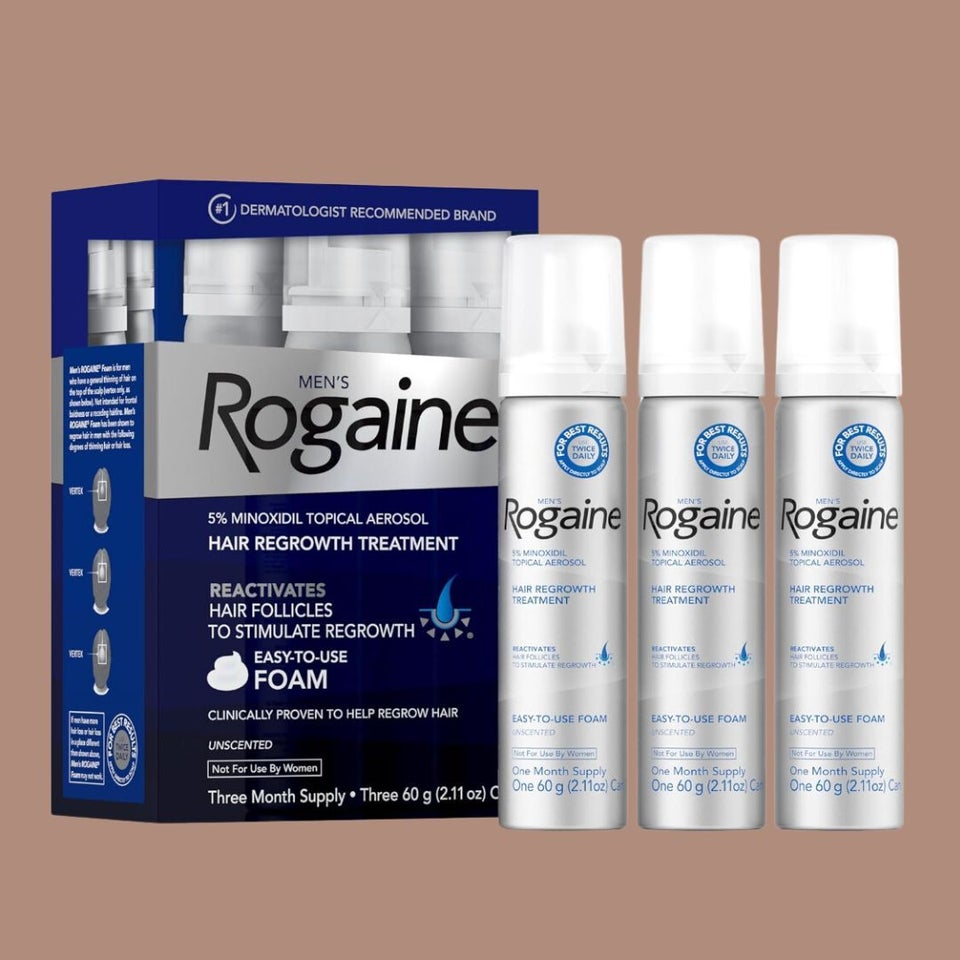
Hair loss related to high cortisol levels “generally occurs roughly three months after an immense stressor and reverts to normal three months after the stressor has subsided,” Draznin explained. If hair does not return to its normal appearance on its own, lifestyle changes to reduce stress or medical or pharmacologic options such as topical minoxidil may help, İskender said. Hair transplants are usually only recommended for permanent hair loss and generally would not be appropriate for temporary thinning related to high cortisol levels related to stress, he explained.

Is there anything we can do to control high cortisol?

Although social media is full of reels promising fail-proof ways to control cortisol to help you look your best, they probably won’t work. “We cannot really control cortisol secretion,” Draznin said. Moreover, absent a serious medical issue that causes chronically high cortisol levels, it’s unlikely that reducing cortisol will solve your beauty problems anyway.

If you’re concerned that you have chronically high cortisol, you should consult with a doctor, Draznin recommended. However, she stresses that just having one symptom of chronically high cortisol, such as dry skin or bloating, isn’t usually cause for alarm.

For those still committed to trying to lower their cortisol levels in hopes of gaining radiant skin, a full head of hair and a flat stomach, Kormeili has some suggestions. “You can stay on top of your cortisol levels by getting adequate sleep, creating relaxation through moderate exercise, laughter and connection to others while eating a balanced diet with proteins and staying away from excess sugars, alcohol and caffeine,” she advised. İskender noted that although moderate exercise may help lower cortisol, excessive exercise can increase cortisol because it puts the body under stress.

Nevertheless, unless your cortisol levels are abnormally high, trying to lower cortisol too much or eliminate it entirely isn’t wise. “Low cortisol is not consistent with survival,” Draznin said.

Share Button