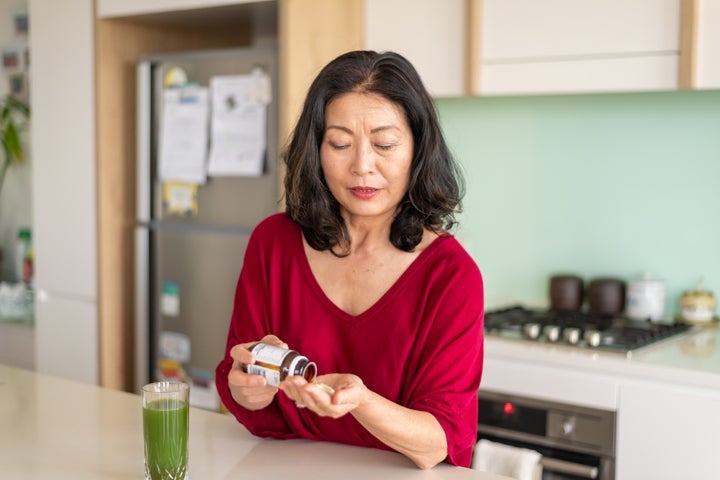
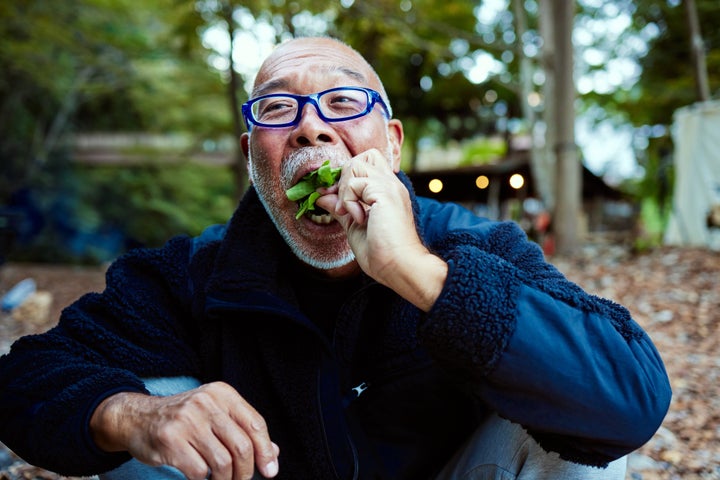
If you feel tired or weak and no good night’s sleep can cure it, that bone-deep weariness might be from a vitamin B-12 nutrient deficiency.
New breakthrough studies suggest that vitamin B-12 is not only important for supporting a healthy brain, but can be critical for supporting and maintaining healthy muscles, especially as people age.
Advertisement
In a 2026 study published in the journal of Nutrition, researchers at Cornell University and the University of Alabama at Birmingham found that low vitamin B-12 levels could stop mitochondria from functioning properly for skeletal muscle cells.
Mitochondria are cellular structures that turn what you eat and the oxygen you breathe into energy that can get you out of a chair and lift heavy packages.
And in this study, researchers created a mild B-12 deficiency measured by the functional biomarkers in mice; this deficiency led to notably impaired skeletal muscular function and energy production.
Advertisement
The mice “had physically smaller muscles,” Martha Field, an author of the study and an associate professor in the division of nutritional sciences at Cornell University, told HuffPost. “We see impacts on muscle mitochondrial function with what I think is a mild deficiency.”
“It needs a human trial, it’s preclinical, but it sets the stage for an impact of B-12 status on muscle function,” Field said.
Losing muscular strength and mass, or sarcopenia, is a common frustration with aging ― but perhaps vitamin B-12 can help slow this down. Field’s collaborator, Anna Thalacker-Mercer of University of Alabama at Birmingham, did a similar study on aging mice that received a vitamin B-12 supplementation for 12 weeks, and found that B-12 supplementation improved mitochondrial biology.
Advertisement
“We think that the B-12 supplementation was helping to maintain muscle mass in the older mice,” Thalacker-Mercer told HuffPost.
In this way, B-12 supplementation can improve mitochondrial health and help combat weakened muscular function.
“It’s not the holy grail for muscle aging or sarcopenia, but it could really help at least some people to attenuate the loss,” Thalacker-Mercer suggested.
Advertisement
A boy and the sea via Getty Images
Vitamin B-12 is a misunderstood nutrient. It has been linked to anemia, but new studies are suggesting it is critical for maintaining muscle mass and strength as we age.
Increasing Vitamin B-12 Could Support Aging Muscles
Vitamin B-12 is a nutrient your body cannot make on its own. It is found primarily in animals, so vegans and vegetarians are prone to being deficient in B-12. But just eating more eggs and steaks won’t automatically cure a B-12 deficiency.
Exact numbers vary, but one estimate found that 1 in 8 adults over 50 reported low B-12 status.
“Even if our diet stays the same throughout our entire life, our ability to absorb these things through the intestines and the [gastrointestinal tract], it changes” as we age, Thalacker-Mercer said.
Advertisement
A sedentary lifestyle and being less physically active already impact how muscles age, but perhaps B-12 deficiency is another important driver people should not ignore, these studies suggest. Field said B-12 deficiencies are not mimicking the signs of aging, but could be “exacerbating” impaired muscle function.
For an older adult, a vitamin B-12 deficiency might appear as no longer being able to walk through the entire grocery store without feeling fatigue, Thalacker-Mercer said as an example. If your energy levels keep dropping, “that could be due to mitochondrial dysfunction and B-12,” Thalacker-Mercer said.
Field and Thalacker-Mercer’s studies were done on mice, not humans, but there have been other observational studies done on humans that show a link between improving B-12 levels and strengthening muscle mass and function. One small 2024 study done on vitamin B-12 deficient elderly people found that their muscle strength improved after three-month regimen of oral B-12 supplements.
Advertisement
If you suspect you are low on B-12, it’s best to seek professional medical help, so your physician can assess if you are deficient in this nutrient and determine the best supplemental dosage. You don’t want to take too much B-12 without medical guidance –– one 2020 study in JAMA Network Open suggests that very high concentrations of vitamin B-12 were linked to early deaths.
“I always tell people the best thing you can do is know your status,” Field said. “Talk to your doctor, have your [B-12] status measured, and then make an informed decision whether a supplement would be appropriate.”
“At the very least, have your doctor check your B-12 levels, because a lot of doctors don’t, and it’s an easy test to run,” Thalacker-Mercer said.
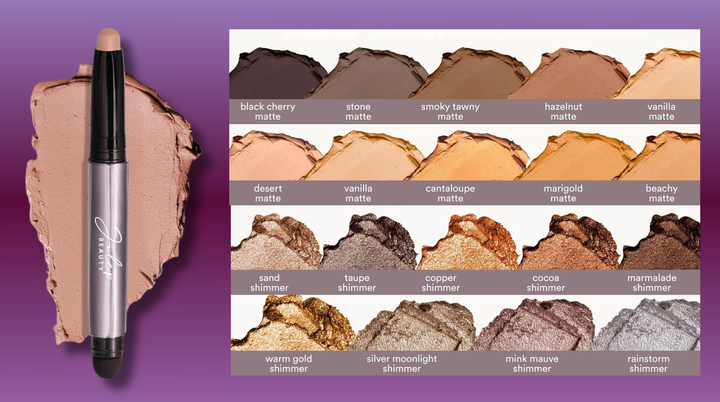
What’s better than a long-lasting eyeshadow stick that glides over lines and wrinkles without creasing? How about a long-lasting eyeshadow stick on sale? This slender stick from Julep delivers an easy-to-apply, cream-to-powder, waterproof eyeshadow LOVED by reviewers with mature skin for its seamless application, smoothness and staying power. Right now, you can snag it in dozens of shades, including mattes, shimmers, neutrals and neons, for 20% off, or just $16. This is the lowest price it’s been in weeks, so we recommend snatching one (or a few) fast!
Advertisement
This twistable stick comes in an abundance of colors and finishes, infused with brightening Vitamin C and hydrating Vitamin E. (Plus, a built-in smudger for easy application.)
The silky, buildable formula has a silicone base infused with Vitamin C and Vitamin E for extra nourishment around your eyes. It goes on creamy, gliding over lines and wrinkles “nicely without tugging,” then dries into a “powder finish that stays in place,” with superior color payoff. “It goes on easily, doesn’t get in creases and stays all day,” one reviewer writes.
Advertisement
Whether you use it as an eyeshadow, eyeliner, under-eye concealer or even a highlighter or contour stick — simply swipe it over your face, no brushes needed. (Though you do get a built-in smudging tip on the bottom, for easy blending on the go.)
Don’t be fooled by how light it feels — this stuff is waterproof, smudge-resistant and crease-proof after it dries down. “I work 10 hour days and sweat a lot…this eyeshadow stick will not budge,” shopper Catherine wrote. “Not even from the waterline.” “It is soft enough not to drag during application but once it’s on my lid it doesn’t smear,” another said. Yet, reviewers agree that when it’s time to take it off, the product comes off easily with a wipe or remover.
Reviewers call it “an imperfection eraser” for wrinkles and veins, offering even, full coverage that’s still “subtle enough for my 80-year-old eyelids!”
While these sticks are adored by users of all ages, they’ve become a fan favorite among users with mature skin. The cream-to-powder formula has been deemed “fabulous for aging eyelids” for how it slides and glides “without skipping on crepey eyelids” or bleeding into lines.
“As a mature woman, I appreciate that the product does not settle in wrinkles but glides over making a smooth looking lid,” one shopper said. “This shadow goes on smoothly and doesn’t crinkle into the wrinkles,” a 73-year-old reviewer added.
Others celebrate how full coverage the formula is, without overwhelming you with pigment. “I have a lot of purple discoloration and veins on my upper lids. I use the color putty and it actually completely covers them,” Jane wrote, calling it “a winner” product that’s worth the buy.
Advertisement
“Brightens and adds color and interest to my eyes without being garish or overbearing,” another said, calling it a “lovely subtle color.” It “accentuates eyes even though I wear glasses.”
Reviewers love this dreamy and creamy eyeshadow stick from Julep for gliding over their lids with ease. Read more 5-star reviews and grab one for yourself for 20% off.
“I am impressed with the Julep Eyeshadow Cream to Powder Waterproof Shadow sticks. I have tried other brands and they do not glide on as smoothly or have the rich color of the Julep brand. As a mature woman, I appreciate that the product does not settle in wrinkles but glides over making a smooth looking lid. I also find them so easy to travel with and they don’t take up much space in my make up bag, no brush or applicator needed! There are so many great colors to choose from and they are easy to remove at the end of the day with a makeup cleansing wipe.” — MD Ochoa
“This is a great product, particularly for more mature women who may worry about creasing. I used to use a very expensive cream mineral shadow but the company does not make it anymore. This is just as good at a fraction of the cost. It has full coverage and good pigment. Highly recommend.” — Karena
“If I could meet with the creator of sliced bread and the creator of Julep Eyeshadow 101 Crème-to-Powder Waterproof Eyeshadow Sticks, I would have to break the news that the Eyeshadow Sticks by Julep are my favorite invention of all time! I’ve always preferred creme eyeshadow to powder, but it tended to crease and fade after a few hours. Then I tried Julep, and it goes on as a creme but dries as a powder and stays fresh looking all day long. I was skeptical that it wouldn’t work for me because my skin and I are at a more ‘mature’ age, but it has never creased, faded or disappeared and the products are true to the colors that are advertised. Not sure I will ever go over to the ‘shimmer’ sticks since I am a matte gal, but I can say for certain that this product is made for all ages and all skin types, and it will take another awesome invention to get me to leave Julep…” — KMW
“I have numerous colors of Julep Cream-to-Powder shadow. I’m 73 years old so my eyelids have some wrinkles. This shadow goes on smoothly and doesn’t crinkle into the wrinkles. It’s stays on most of the day. For the price this is a super product.” — Amazon customer
“This goes on so smoothly and stays where I want it. The color is pretty and flattering. I am almost 70 and have hooded eyelids and this camouflages the eyelids and gives me confidence to be seen.” — Garrison
Advertisement
Or maybe you want eyeliners for mature skin, for under $10? Oh yeah, we got a list for that too. Check out these favs loved by reviewers with mature skin, courtesy of HuffPost Shopping.
Walmart
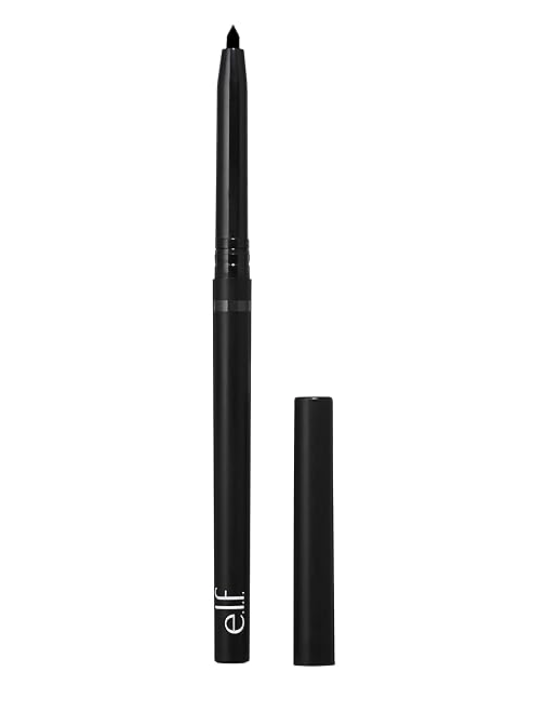
Best drugstore black: E.l.f. no-budge retractable eyeliner (17% off)
Creamy and pigmented, this retractable eyeliner is waterproof and will last for the day. It comes in a streamlined package that is easy to put on and will ensure you get the product exactly where you want it and not anywhere you don’t. Get it for 17% off.
Promising reviews: “All of ELF’s products are great, but this eyeliner is the best I’ve ever used, and I’m 50 so I have used a lot of eyeliners.” — Lara Beth
“Love it. I am an older woman, most pencil liners pull my skin and don’t produce a good continuous line. This pencil glides on and STAYS out all day long!!!!” — Kindle Customer
Amazon
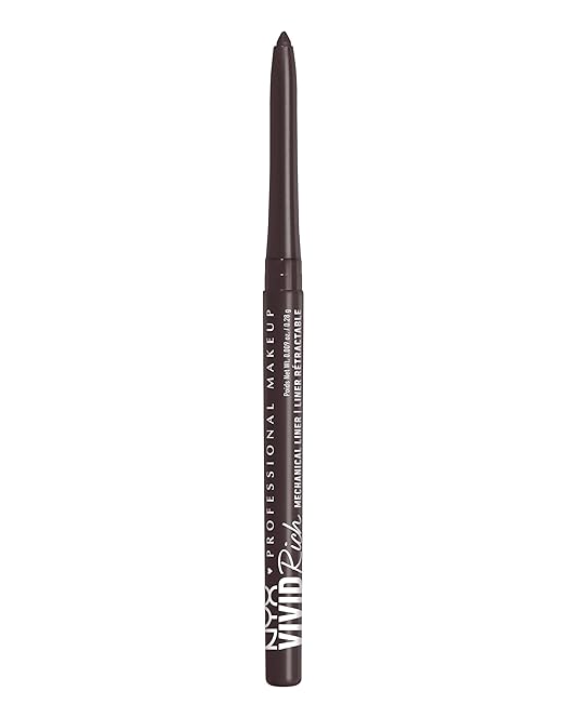
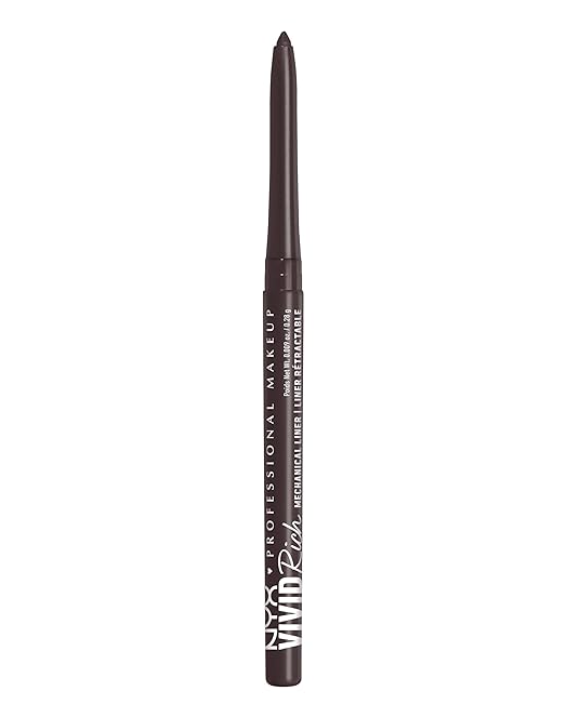
Best drugstore brown: NYX vivid rich mechanical eye pencil
With the glide of a liquid formula with the ease and precision of a stick, this twisting retractable pen is creamy and long-lasting. Heat and humidity-proof, it won’t bleed as you’re wearing it, giving you definition for hours on end.
Promising review: “The color is soft and rich. It glides on smoothly. I’m 70 years old but it’s easy to control the fine tip. The color is beautiful for an older woman. I highly recommend this color and this pencil.” — LB
“I have been wearing eyeliner since I was a teenager and I can say with 100% confidence that this is by far the best eyeliner I have ever used. I’m a pencil girl so I can’t speak much about liquid. But this goes on really nice and doesn’t pull or tear at my aging skin. It lasts all day under normal conditions and has stayed on for hours in the water. Love the bronze color with the tiny sparkles. It’s the only liner ibhave purchased in several years now. And the price… FAHGEDABOUDIT! 5 STARS across the board.” — Vanessa L. Knight
Amazon
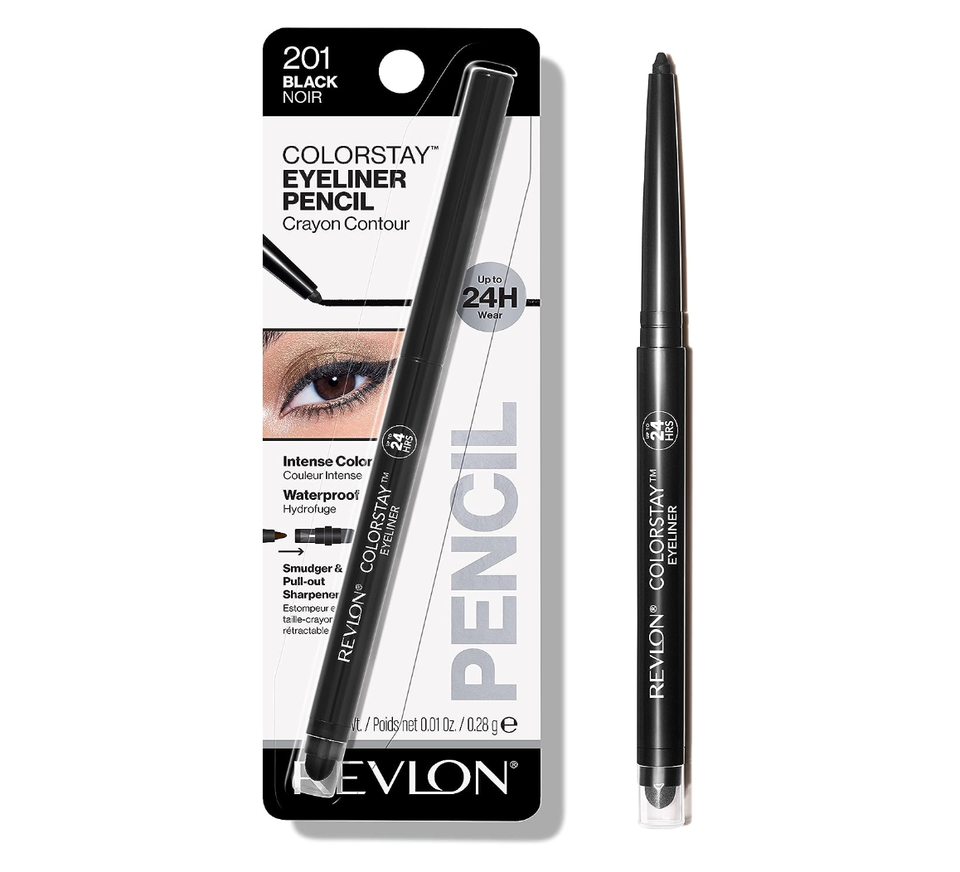
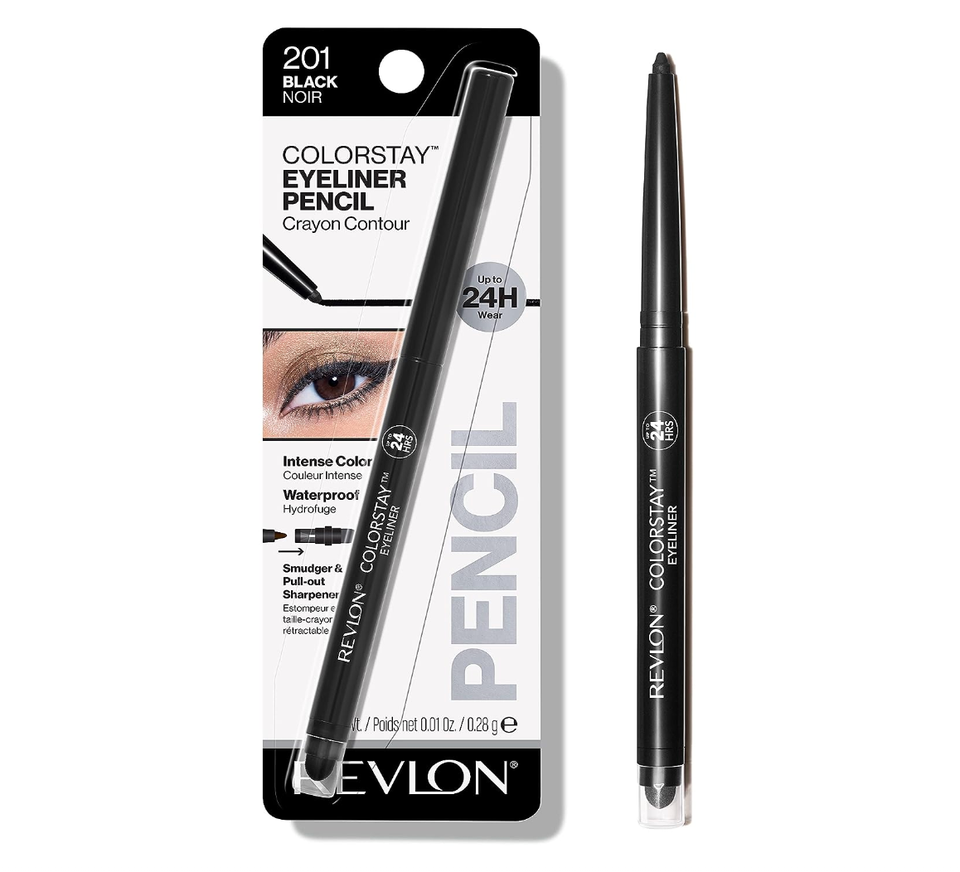
Best waterproof: Revlon pencil eyeliner
Another drug store classic that has earned plenty of praise, the Revlon Colorstay eyeliner has a built-in sharpener and smuger at the bottom to make your life even easier. It’s waterproof, creamy, easily drapes over your skin and lasts for up to 24 hours.
Promising review: “I’m old and have crepey skin everywhere including around my eyes. I needed a soft pencil as powder shadows were irritating my eyes. This pencil does the trick. It’s not smudge proof or water resistant, but I don’t care about that.” — M
“I originally purchased at Target/Walmart but found a better deal here on Amazon. I wear department store cosmetics, but none of the pencil liners compare to this one – this one really stays and does not smudge. I’ve recommended it to many of my friends who ask how my liner stays on so nicely. It’s easy to apply, and comes off easily with my face wash, but you don’t get creases and it doesn’t bleed into crows feet. Hope they never stop making this because I tried all the expensive and drug store pencils. Goes on like liner, but is a pencil with a smudger on one end.” — GOLDEN GIRL
Advertisement
The Real Deal: We use deal trackers and commerce experience to sift through “fake” hike-and-drop deals and other deceptive sales tactics. Products will usually be rated at least 4 stars with a minimum 15% discount. (And when there’s an exception, we’ll tell you why.)
Three years ago, I stood beside my husband Al’s bed and prepared to say goodbye.
After 25 years of marriage, cancer was taking him where I could not follow. Before he died, he looked at me and said something that shocked me at the time.
“Diane, you’ll need another man.”
I immediately dismissed the idea. I was 80 years old. I had already experienced a full life. What on earth would I need another man for? I certainly wasn’t looking for one.
Advertisement
Then life did what life often does. It ignored my plans.
Just a few months after Al died, friends introduced me to a man named Bob. I welcomed it because I was experiencing what I later discovered, after many late-night Google searches, was called “widow’s fire,” a fierce longing for intimacy and closeness after losing a spouse that, despite being surprisingly common, few people talk about.
Some people, including some of my children, thought it was too soon for me to begin dating. But grief doesn’t follow a timeline.
I wasn’t looking to replace Al. No one could. But for 25 years of marriage, I had been part of a pair. Suddenly, I was standing alone. The silence and loneliness were overwhelming.
Advertisement
What I realized was that I didn’t want to spend the rest of my life alone. I wanted companionship, laughter, conversation and, yes, physical attraction. And to my surprise, I found that in Bob, a kind, funny and handsome man who understood that loving him didn’t mean I loved Al any less.
Bob and I have been together for more than two years. We are deeply committed to one another, but marriage isn’t part of our equation. At our age, we’ve learned that relationships don’t need to look a certain way to be meaningful. What works for us is love, honesty and a healthy dose of practicality.
That practicality was put to the test recently when Bob and I embarked on a 22-day adventure through Norway, France and Spain. With me at 82 and Bob at 83, traveling halfway around the world requires a little more planning than it did a few decades ago.
Advertisement
Before we left, I sent an email introducing my daughter and son-in-law to Bob’s brother and sister. Not because we were planning a family reunion. Because we were 82 and 83 years old and about to cross an ocean together.
“Should we get lost along the way and need your assistance,” I wrote, “you now can connect with one another and try to retrieve, grieve or rejoice from our far distant travels.”
I also informed everyone that I had travel insurance in case my body needed to be shipped home and that Bob had thoughtfully prepared his own end-of-life arrangements. My children thought it was hilarious. Bob’s family may have thought I was crazy. They’re not entirely wrong.
Advertisement
But if you’re going to travel the world in your 80s, you learn to laugh about the realities that come with it. Like money. People don’t like talking about finances in matters of romance, but they should.
In our case, I happen to have a larger wallet than Bob. Before we left, we talked openly about expectations. I agreed to pay for the trip itself, including the airline tickets. Bob was perfectly willing to fly economy. I was perfectly unwilling to sit in first class without him. The good Lord knows I’m spoiled, and I wasn’t going to be up front sipping champagne while the man I loved was squeezed into seat 34B. Besides, I like him next to me.
We agreed that he would cover many of the extras along the way, including meals, excursions and spontaneous treats. There were no complicated contracts. Just two adults having an honest conversation.
Advertisement
Widowhood taught me many things. Like I wish more people understood that discussing money isn’t unromantic. Avoiding it is.
The author and Bob ending a long day at the hotel bar with their favorite drink, Old Fashioneds.
Photo Courtesy Of Diane Heiler
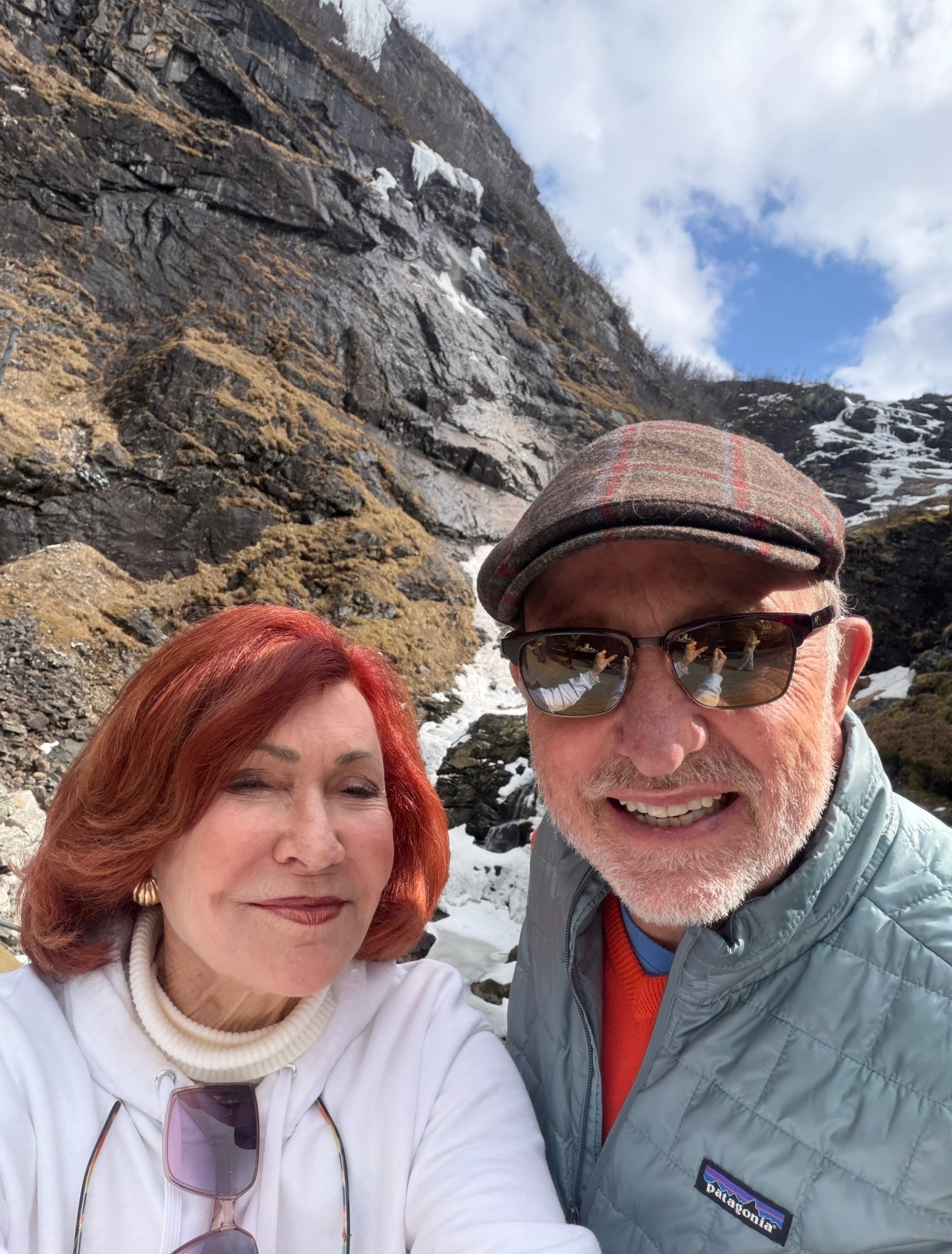
The trip itself became a lesson in something even bigger. Standing in Norway, surrounded by glaciers that looked as though they belonged on another planet, I found myself thinking about Al. He loved to travel.
Advertisement
The glacier train rides were breathtaking. The scenery was so beautiful it almost didn’t seem real. It was colder than a witch’s teat but magnificent. Al and I had never made it to Norway together, and I couldn’t stop thinking about how much he would have loved it.
Unexpectedly, I didn’t feel guilty. For a long time, widows are made to feel that happiness somehow betrays grief. It doesn’t. Missing Al and loving Bob can occupy the same space. Both things are true.
Bob understood that. He never tried to compete with my memories. He simply stood beside me while I carried them. That’s one of the many reasons I love him.
Advertisement
Norway also introduced me to two things I never expected: iced cider and brown cheese.
The cider was delicious.
The cheese was downright addictive.
I liked it so much that I packed half a pound of it in my suitcase and hauled it through France, Spain and all the way back home to Florida.
At 82 years old, apparently, I travel internationally with contraband cheese.
The author and Bob sailing on a catamaran through Sognefjord, Norway’s largest and one of its most breathtaking fjords.
Photo Courtesy Of Diane Heiler
Then there was Bergen.
The minute we arrived, I announced to Bob, “I could live here.”
It had everything I love: beauty, charm, walkability and friendly people. We spent our days wandering old streets, taking in spectacular views and pretending, just for a moment, that we belonged there.
Advertisement
Next came France.
Of all the places we visited, Normandy affected me the most.
Standing among the endless rows of white crosses at the American Cemetery overlooking Omaha Beach, I felt humbled in a way that is difficult to describe.
The older I get, the more familiar loss becomes. Friends die. My spouse died. Parents die. Even pieces of ourselves disappear. The woman I was at 40 no longer exists. Neither does the woman I was before widowhood.
Yet there I was, halfway around the world, still creating memories. Still laughing. Still planning. Still living.
Advertisement
Spain brought its own lessons.
I use wheelchair assistance because of a painful foot. Bob uses a cane. Airport assistance services managed to leave us at the wrong gate on two separate occasions, causing us to miss our flights.
After missing our second flight, I told Bob I could have learned to become a professional tango dancer in less time than it took airport personnel to move my behind through that airport. For two days we were shuffled from gate to gate while trying not to lose our sense of humor. Thankfully, we succeeded.
By the time we reached Mallorca after nearly three weeks abroad, we realized something. We may have been tourists, but we didn’t particularly want to be around tourists anymore.
Advertisement
Maybe we were tired. Maybe we missed our own beds. Or maybe we had officially become old people. Either way, home was sounding awfully good.
Traveling at 82 also comes with one unexpected advantage: I no longer care about impressing anyone.
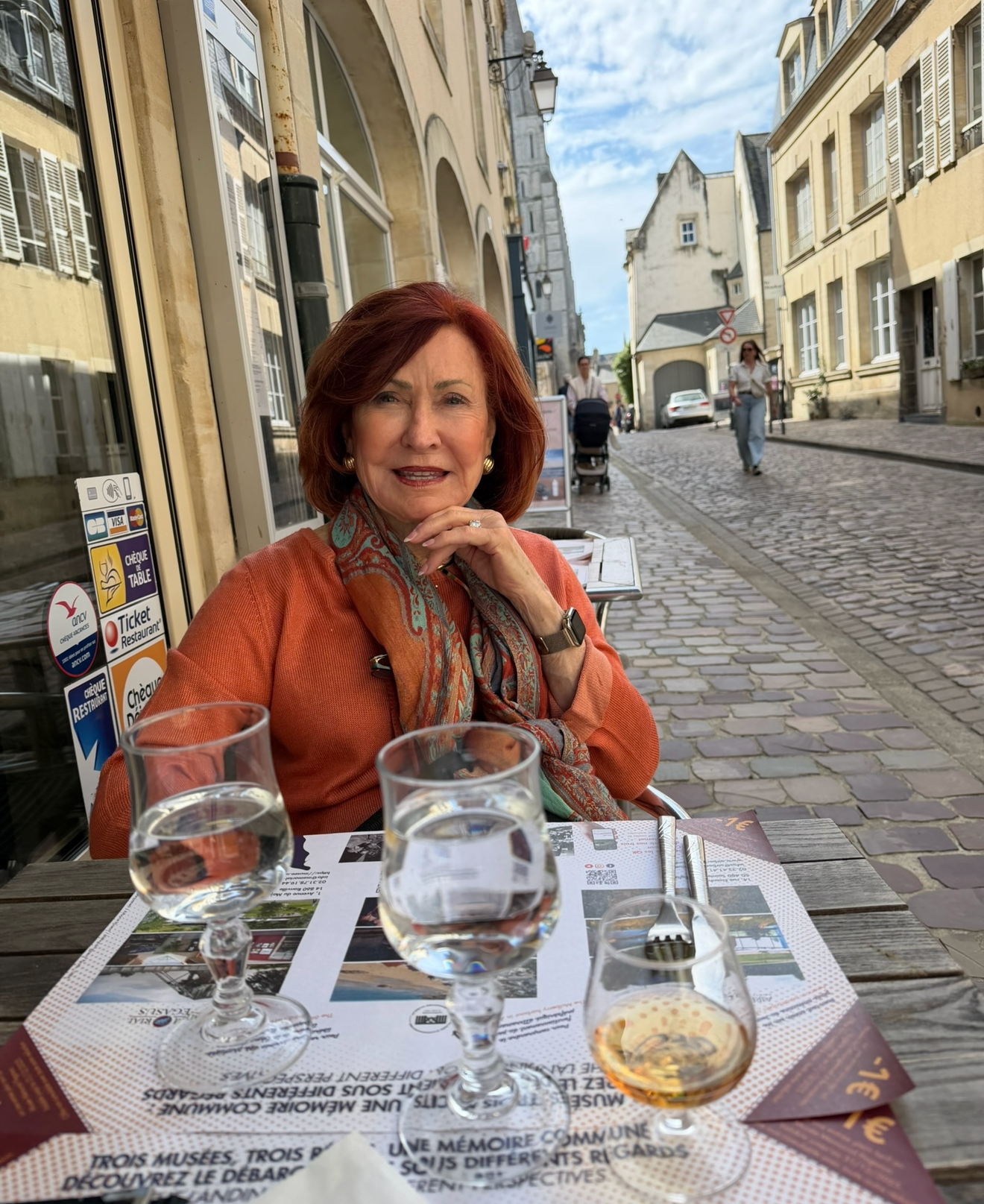
The author having a delicious meal at Le Marsala in the heart of beautiful Bayeux, France.
Photo Courtesy Of Diane Heiler
When I was younger, I packed as though every day required a completely different outfit, matching shoes, jewelry and accessories. These days, I pack for comfort, practicality and the occasional nice dinner. For 22 days abroad, Bob and I shared one checked suitcase, and we each carried a small bag. It wasn’t because we were trying to prove anything. It’s simply that we’ve learned what matters and what doesn’t.
Advertisement
I’ve discovered that one scarf, one pair of comfortable shoes and a little confidence can carry you remarkably far. That’s one of the gifts of aging. You spend less time worrying about how you look and more time enjoying where you are.
At this age, I’ve learned that nobody really cares what you’re wearing, whether your hair is perfect or if you’ve packed the right shoes. What people remember is whether you laughed, loved, showed up and enjoyed the journey.
And that’s true whether you’re standing on a glacier in Norway, wandering the streets of Barcelona or simply sitting beside a koi pond at home with someone you love.
Advertisement
The greatest surprise of the trip wasn’t Norway’s glaciers, Normandy’s history or Barcelona’s architecture. It was realizing how comfortable I have become with this unexpected chapter of my life.
If you had told me three years ago, while I was sitting beside Al’s hospital bed, that I’d be crossing Europe with another man, I would have told you that you were out of your mind.
If widowhood has taught me anything, it’s that we don’t honor those we’ve lost by stopping our lives. We honor them by continuing to live them.
Advertisement
When Al died, I thought my story was winding down. Instead, it simply changed genres.
The author and Bob enjoying a drink by their hotel’s pool, overlooking the beautiful yacht basin in Mallorca.
Photo Courtesy Of Diane Heiler
These days, I’m perfectly content sitting beside that pond with Bob discussing books, sports, grandchildren, politics or whatever we’re streaming on Netflix. Twenty years ago, I would have called that boring. Now I call it happiness.
One of the most damaging myths about aging is that life becomes smaller. I’ve found the opposite. Life becomes more precious. At some point, every one of us realizes our time is finite. The horizon becomes visible. Oddly enough, that’s what makes each day matter more.
Advertisement
At 82, the future looks different than I imagined. It includes a new love. A few more aches and pains. Occasionally a wheelchair. And gratitude for every single day I still get to wake up and see what comes next.
Al knew all this before I did. He knew I would need companionship. He knew I would need laughter. He knew I would need someone to sit beside me on airplanes and hold my hand during life’s inevitable turbulence. Most of all, he knew I would need a future.
As it turns out, he knew me better than I knew myself.
Diane Heiler is the author of “A Widow’s Fire: An Intimate Memoir of Heartbreak, Survival and Moving On.” Widowed in 2023 after caring for her husband through his battle with cancer, she writes about grief, resilience and finding joy again after profound loss.
Last week, Urban Decay’s 24/7 Glide-On waterproof eyeliner pencil was a Prime Day smash with HuffPost readers. Made with Vitamin E and jojoba oil, it applies “smooth as butter,” even over mature and textured skin, before drying into a smudge-proof liner that will last all day. Reviewers in their 60s and 70s love the stick for being “very soft on old eyelids,” gliding over wrinkles without “overemphasizing” or bleeding into fine lines. While it’s typically a luxury product, it’s still on sale with its Prime Day 40% off discount, at Amazon and Ulta, making it closer to a drugstore buy than the luxury eyeliner it truly is.
Advertisement
A modern take on a classic favorite, this blendable stick comes intons of colors and can be used in oh, so many ways…
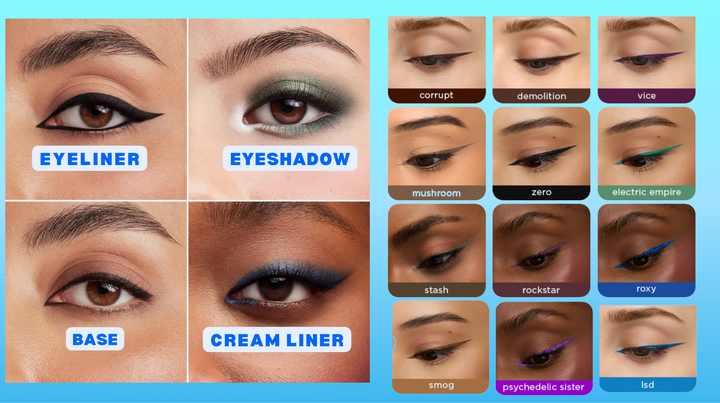
Don’t be fooled by its straightforward packaging; this eyeliner pencil is versatile. You can find it in dozens of colors, from neutrals to neons, and apply it as a traditional eyeliner, a cream liner or even an eyeshadow. The huge color selection is ideal for creative looks and everyday glam alike, offering hues for all sorts of tones and tastes.
Advertisement
“I use the smoke gray because the black is too dark for my 65+ years,” shopper Sharon wrote. “Bourbon is a stunning deep brown with subtle warm undertones,” another said. “Softer and more versatile than black but still bold enough to define your eyes.” Many love the shade Rockstar, a dark matte purple, for adding “depth without looking harsh.”
Shoppers celebrate how creamy the formula is, giving superior pigmentation and staying power without feeling chalky or dry.
The formula is designed to go on smoothly, giving you time to blend and adjust as needed. But, “once it sets, it stays put,” Cris writes, not fading or transferring through the day. “It truly glides on…no tugging, no skipping, no fighting with a dry pencil that gives up halfway through your lash line,” they added. “The texture feels more like a beautiful gel in pencil form, and the color payoff is rich and deep from the first swipe…If you’re tired of eyeliners that dry out, drag, or crumble, this one is such a relief to use.”
Advertisement
“Gorgeousss, slides perfectly and doesn’t smudge easily,” Maya wrote. “I have so many black eyeliners, and I’m really picky, this one is one of my favs.”
And it’s LOVED by reviewers with mature skin.
Another selling point for this 40% off stick — it’s a dream to use over wrinkles or texture. A 60-year-old reviewer calls it “the Goldilocks of eye pencils,” for how easily it applies to so many skin types.
“I’ve tried so many different eyeliners suggested for mature eyes & this one so far has been the best,” shopper Vickie said. “It goes on fairly smooth considering I’m 75 & the skin on my eyelids isn’t smooth.”
Advertisement
Others agree the product “goes smoothly over my wrinkle lines,” “lasts well without smearing,” and “was easy to put on under glasses.” “Pushing 60 and this works great on old tired skin,” Donna wrote. “This liner is so soft and smooth on my eyelids,” another 68-year-old reviewer said. “I wish that I had found this years ago! I love the color!!”
Reviewers love this hydrating eyeliner pencil for gliding on with ease and staying on all day. Read more 5-star Amazon reviews and grab one for its Prime Day price of 40% off.
“Best and most pigmented eyeliner ever! I absolutely L❤️VE the variety of colors and it goes on as smooth as butter. I’ve been a customer for years and I will continue to be a customer.” — MRJax1968
“I’ve used [the shade] Rockstar for years and turned other green eyed people on to it. It stays on, isn’t too harsh on my 60 year old eyelids or anyone else’s and is the Goldilocks of eye pencils. I know the color recommend chart doesn’t point green eyes people to it, but I promise it’s perfect ! Not weird, classy and easy to work with.” — Joni K.
“I’m a 68 year old woman. This liner is so soft and smooth on my eyelids! I wish that I had found this years ago! I love the color!!” — LuAnn Principe
“An Eyeliner That Acts Like a Gel, Not Chalk. This eyeliner is exactly what I’ve been missing. It truly glides on…no tugging, no skipping, no fighting with a dry pencil that gives up halfway through your lash line. The texture feels more like a beautiful gel in pencil form, and the color payoff is rich and deep from the first swipe. The shade Rockstar is a gorgeous dark purple that adds depth without looking harsh, and it applies smoothly and evenly every time. If you’re tired of eyeliners that dry out, drag, or crumble, this one is such a relief to use.Once it sets, it stays put. You have just enough time to smudge if you want a softer look, but after that it locks in and lasts all day without transferring or fading. It’s comfortable to wear and doesn’t feel dry on the lash line, which I really appreciate. It’s creamy, intensely pigmented, and easy to apply — a perfect option if you want long-wearing color without the chalky struggle.” — Cris Hidalgo
“I’ve tried so many different eyeliners suggested for mature eyes & this one so far has been the best. It goes on fairly smooth considering I’m 75 & the skin on my eyelids isn’t smooth. Overall I like it very much.
Update: After using it for this month, yes, I’m loving it still. Had a problem figuring out how to sharpen it but found the NYX sharpener works great. Much less expensive than the one from Urban Decay, which, by the way, isn’t available on Amazon. Wonder why not?” — Vickie
Advertisement
Or maybe you want eyeliners for mature skin for under $10? Yup, we have a list for that too. Check out these favs loved by reviewers with mature skin, courtesy of HuffPost Shopping.
Nordstrom
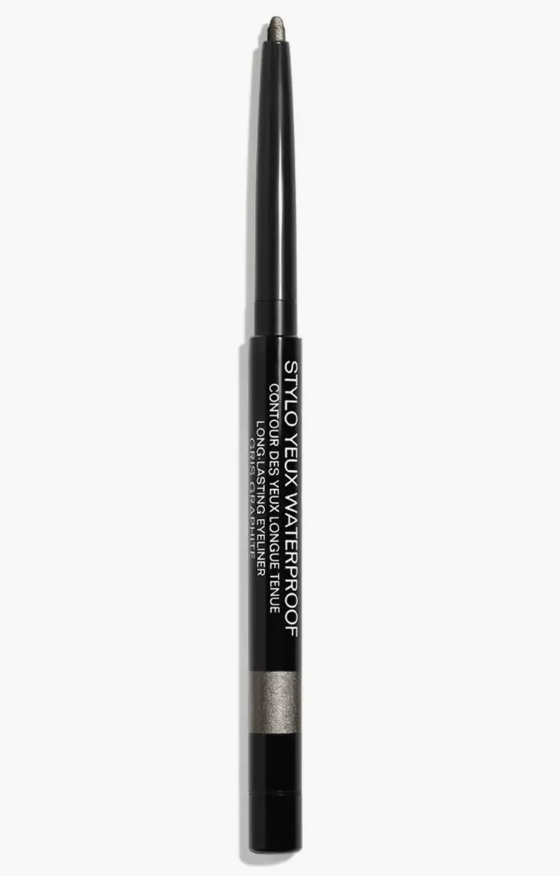
Best luxury brown: Chanel waterproof long-lasting eyeliner
A little softer than a black liner while still being eye-catching, this waterproof, smudge-proof liner is resistant to water, humidity and oil. It has a an easy-twist compartment with a retractable tip that’s not strenuous to put on and will help the product stay in play. Reviewers say the product is soft and easy to apply on mature skin without being super smudgy.
Promising reviews: “I purchased the 20-Espresso color to replace the one I have been using. As a mature woman, black is not for me. The espresso is easily applied and stays in place. It is dark enough without being stark, like the black color. The one it is replacing seemed to last quite a long time, probably 3 months at least. I recommend this product and color whether you are mature or just wanting a change of pace black.” — sasaru
“This eyeliner in ANY color should be a staple in your makeup drawer. I was a HUGE sceptic of CHANEL products but I switched because my skin has become more “mature” wow, nothing disappoints, especially the eyeliner, I bought in black, blue, and this rose color. Wow, perfect for summer! I Am olive complexion.” — MUST TRY
“I am over 70 so I tried espresso color. Easy to apply and not as stark as pure black. It lasts all day and no smudging. Worth the price for this quality product.” — CCCS
Amazon
Best drugstore brown: NYX vivid rich mechanical eye pencil
With the glide of a liquid formula with the ease and precision of a stick, this twisting retractable pen is creamy and long-lasting. Heat and humidity-proof, it won’t bleed as you’re wearing it, giving you definition for hours on end.
Promising review: “The color is soft and rich. It glides on smoothly. I’m 70 years old but it’s easy to control the fine tip. The color is beautiful for an older woman. I highly recommend this color and this pencil.” — LB
“I have been wearing eyeliner since I was a teenager and I can say with 100% confidence that this is by far the best eyeliner I have ever used. I’m a pencil girl so I can’t speak much about liquid. But this goes on really nice and doesn’t pull or tear at my aging skin. It lasts all day under normal conditions and has stayed on for hours in the water. Love the bronze color with the tiny sparkles. It’s the only liner ibhave purchased in several years now. And the price… FAHGEDABOUDIT! 5 STARS across the board.” — Vanessa L. Knight
Amazon
Best waterproof: Revlon pencil eyeliner
Another drug store classic that has earned plenty of praise, the Revlon Colorstay eyeliner has a built-in sharpener and smuger at the bottom to make your life even easier. It’s waterproof, creamy, easily drapes over your skin and lasts for up to 24 hours.
Promising review: “I’m old and have crepey skin everywhere including around my eyes. I needed a soft pencil as powder shadows were irritating my eyes. This pencil does the trick. It’s not smudge proof or water resistant, but I don’t care about that.” — M
“I originally purchased at Target/Walmart but found a better deal here on Amazon. I wear department store cosmetics, but none of the pencil liners compare to this one – this one really stays and does not smudge. I’ve recommended it to many of my friends who ask how my liner stays on so nicely. It’s easy to apply, and comes off easily with my face wash, but you don’t get creases and it doesn’t bleed into crows feet. Hope they never stop making this because I tried all the expensive and drug store pencils. Goes on like liner, but is a pencil with a smudger on one end.” — GOLDEN GIRL
Advertisement
The Real Deal: We use deal trackers and commerce experience to sift through “fake” hike-and-drop deals and other deceptive sales tactics. Products will usually be rated at least 4 stars with a minimum 15% discount. (And when there’s an exception, we’ll tell you why.)
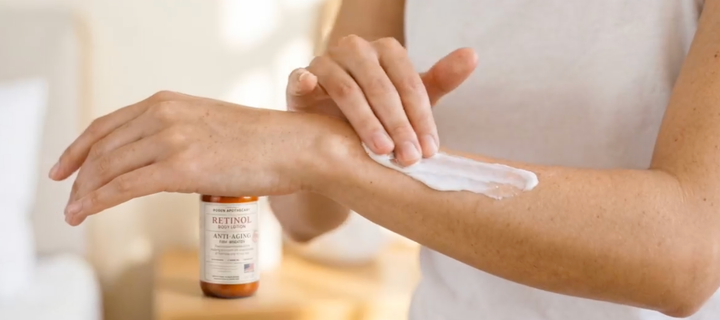
Serious skin care doesn’t have to cost serious prices. Case in point: Rosen Apothecary’s anti-aging retinol body lotion designed to smooth and brighten skin — for under $20. This “Holy Grail of lotion” is currently 28% off, making it under $18, the lowest price it’s been since May. Reviewers love how soft and light the cream is, saying it glides on “like water,” absorbs quickly and offers a light mango scent that’s perfect for summer. Though, it’s mainly loved for how effective it is, with reviewers reporting softer, smoother, brighter skin just days after using it.
Advertisement
Made in the U.S.A. with retinol and caffeine, this nourishing cream will have you saying “Goodbye crepey skin” and, “Hello youthful softness!
Designed for use on your body, this powerful cream works to reduce the appearance of fine lines and wrinkles, while keeping your skin supple and soft. The brand says the retinol boosts collagen production to keep your skin plump and smooth (a process dermatologists have confirmed in previous HuffPost reporting), while the caffeine brightens and tightens (another expert-confirmed process you can read previous HuffPost reporting about).
Advertisement
“This is the most amazing body lotion I’ve ever used,” shopper S. Melissa Reaves writes. “I lotion in the morning and before bed and I can see such a difference in my skin. I am 59 years old, but I feel like my skin looks 40. That’s a big deal. HIGHLY recommend.”
Reviewers say the cream has helped smooth crepey skin on their arms, “they look so much better using this,” one wrote, with others calling it the “perfect body lotion.” “I’ve been using this for 6 weeks,” one shopper said. “I’ve noticed less crepe in my legs, neck, arms and face.” Others say the cream has worked wonders on fine lines and wrinkles, even tone and texture and generally “makes my skin look younger and healthy.” “I have only used it three days and I have noticed a difference in my skin,” Ann-Marie wrote. “It made my skin soft already!”
Plus, fans say the argan oil, hyaluronic acid, coconut oil and collagen amino acids keep their skin superiorly hydrated and nourished — even in the summer.
“I live in South Georgia and it gets HOT! I needed a lotion that would not be greasy, be lightweight, absorb FAST and help with the look of aging,” shopper Jessica wrote. ”..It checks ALL the boxes! After putting this one I can put on bug spray and sunscreen without worrying that it’s all going to get gross.” (Editor’s note: experts have told us that retinol makes your skin more sensitive to sun, so using an SPF with this is a must.)
Shoppers appreciate how creamy and silky the lotion is, without feeling heavy or greasy, but still keeping their skin nourished. “I find that my arms look nicer when I use this product,” one wrote, “I like how my arms look hydrated instead of dry.”
Shopper Tara says the cream has a “velvety-smoothness” similar to hair conditioner, that’s not sticky on the skin. “This actually gets absorbed but also continues to work for so long,” they said, noting the cream “keeps my skin hydrated & [smelling] great all day.” “I love it. Great price for the size of the bottle. The smell is very light & “summer-ish”🙂🖤.”
Advertisement
Reviewers are swooning over this smoothing retinol body lotion. Read more 5-star reviews and grab some for under $20.
“Goodbye Crepey Skin―Hello Youthful Softness! This is the most amazing body lotion I’ve ever used. I even bought two more bottles to just have because I KNOW I will use them. I lotion in the morning and before bed and I can see such a difference in my skin. I am 59 years old, but I feel like my skin looks 40. That’s a big deal. HIGHLY recommend” — S. Melissa Reaves
“Holy grail of lotion. I live in South Georgia and it gets HOT! I needed a lotion that would not be greasy, be lightweight, absorb FAST and help with the look of aging. I don’t do a ton of reviews, usually just when something really catches my attention…I should probably change that lol but this lotion…it checks ALL the boxes! After putting this one I can put on bug spray and sunscreen without worrying that it’s all going to get gross. I am 35 years old and a woman at the store today thought I was 25! I know I don’t look old but this stuff took away what little lines I was getting and it’s only been a month. Just ordered my second bottle….oh and I use it on my face too and I have super sensitive skin. Everything makes me break out but this doesn’t!” — Jessica
“This lotion feels and smells ammazing. I use it on my hands and decolletage and it left my hands feeling so smooth and moisturized. I have used on my decolletage area as well and the texture feels better but no visible changes yet. I foresee this stuff only getting better for me. Highly recommend…did I mention how great it smells? 😀” — Terrell
“I’ve been using this for 6 weeks. I love that it is an all over body cream. I’ve noticed less crepe in my legs, neck, arms and face.” — Amazon customer
“This stuff works and fast. I noticed a difference in Just 2 days. I’ll keep using it. My skin is softer and I’ve seen dark patches of skin getting less noticeable. I’ll keep working on wrinkles, but it’s helped and I’ve used it for just a week.” — K M
As a dermatologist previously told HuffPost, “if you’re not using sunscreen, don’t spend your money on retinol.” To ensure your skin stays protected, check out these three <a href="https://www.huffpost.com/” target=”_blank” class=” js-entry-link cet-internal-link” data-vars-item-name=”dermatologist-recommended sunscreens” data-vars-item-type=”text” data-vars-unit-name=”6a43d7e0e4b0f259890fcd1f” data-vars-unit-type=”buzz_body” data-vars-target-content-id=”/%3Casset-code%20id=%226a43fdfce4b0f2598910096c%22%20type=%22collection%22%3E%3C/asset-code%3E” data-vars-target-content-type=”feed” data-vars-type=”web_internal_link” data-vars-subunit-name=”article_body” data-vars-subunit-type=”component” data-vars-position-in-subunit=”31″>dermatologist-recommended sunscreens, courtesy of HuffPost Shopping.
Dermstore
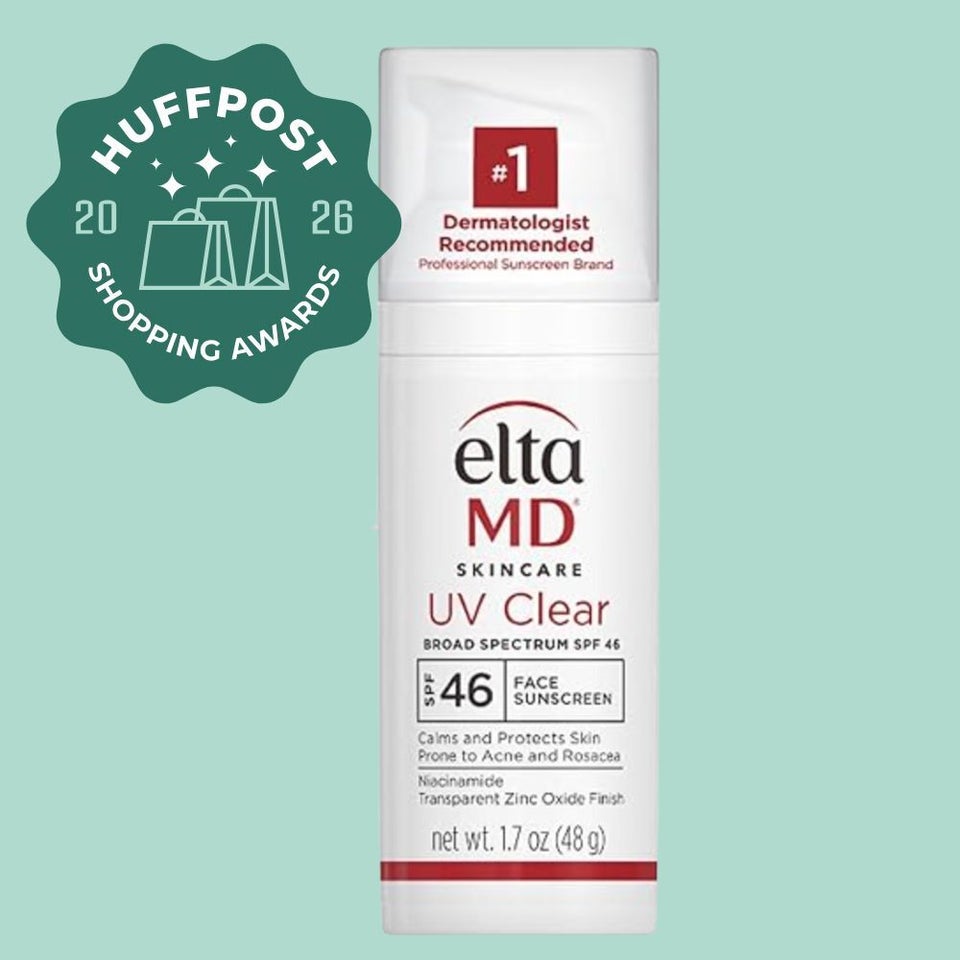
EltaMD UV Clear SPF 46
Dr. Sonia Badreshia-Bansal, MD, board-certified dermatologist, says that “the best SPF for daily use is one that you’ll actually wear — lightweight, invisible and comfortable under makeup.”
She recommends a mineral SPF with low irritation potential, like this cult-fave SPF that is beloved by both HuffPost readers and editors alike. It’s formulated with hyaluronic acid to deeply moisturize skin while the inclusion of lactic acid lightly exfoliates skin and can help to reduce hyperpigmentation and shine. It’s a great option for people like me with sensitive and acne-prone skin. I turn to it anytime I’m going to be spending a lot of time in the sun, or when I’m post-procedure and want to protect my skin without irritating it.
Amazon
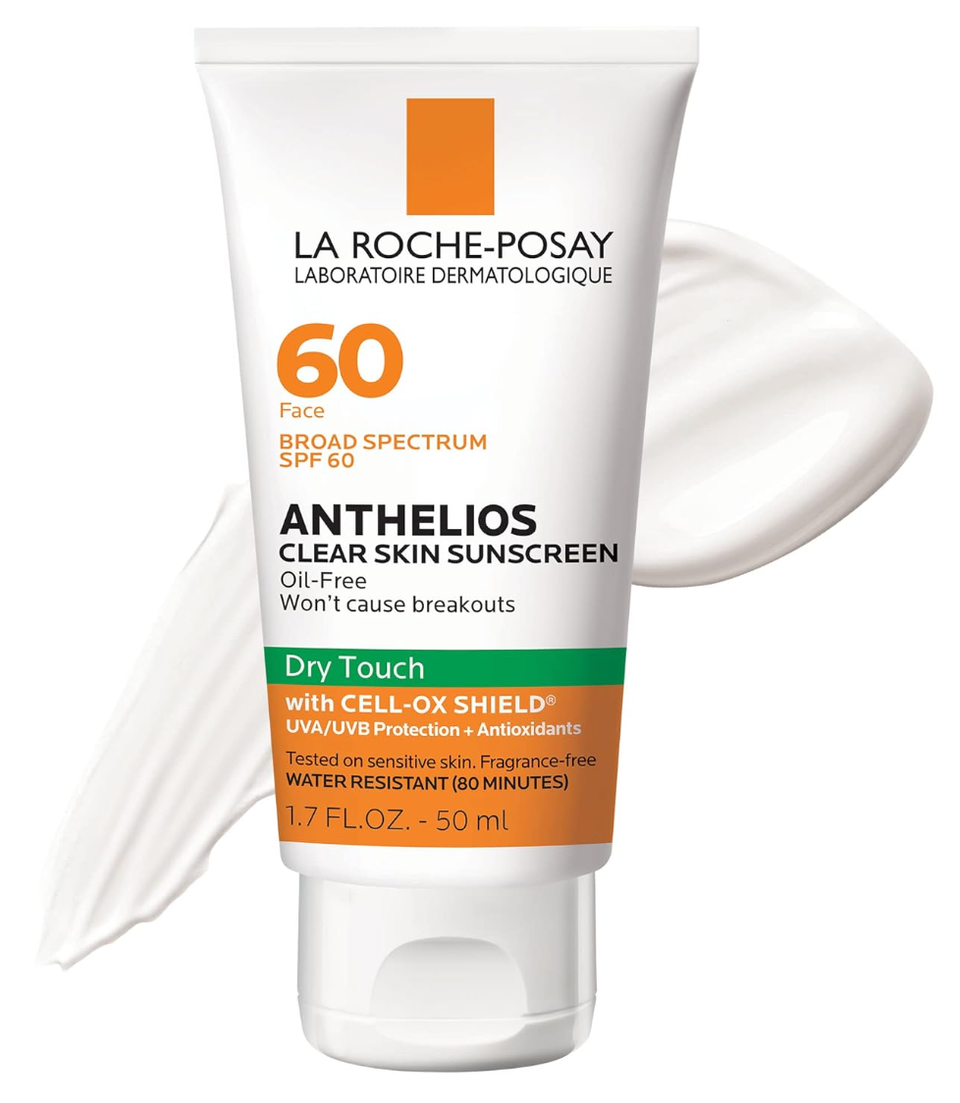
La Roche-Posay Anthelios Clear Skin Sunscreen Dry Touch SPF 60
Having earned The Skin Cancer Foundation’s Seal of Recommendation, this La Roche-Posay is Dr. Alexander Witkowski, MD, PhD, board-certified dermatologist and Melanoma Research Alliance Dermatology Advisor’s personal favorite and “go-to” sunscreen, both for daily use and for days with extended sun exposure. It’s also what he uses on his 4-year-old child on beach days, bike rides or hikes. He noted that this oil-free SPF is very popular among dermatologists and is formulated with antioxidants that can help protect the skin from environmental damage. He also noted it contains senna alata, “a tropical leaf extract known for its ability to combat oxidative stress and support the prevention of premature skin aging.” You can’t go wrong with this non-comedogenic, water-resistant formula that is also well-suited for sensitive skin.
Sephora
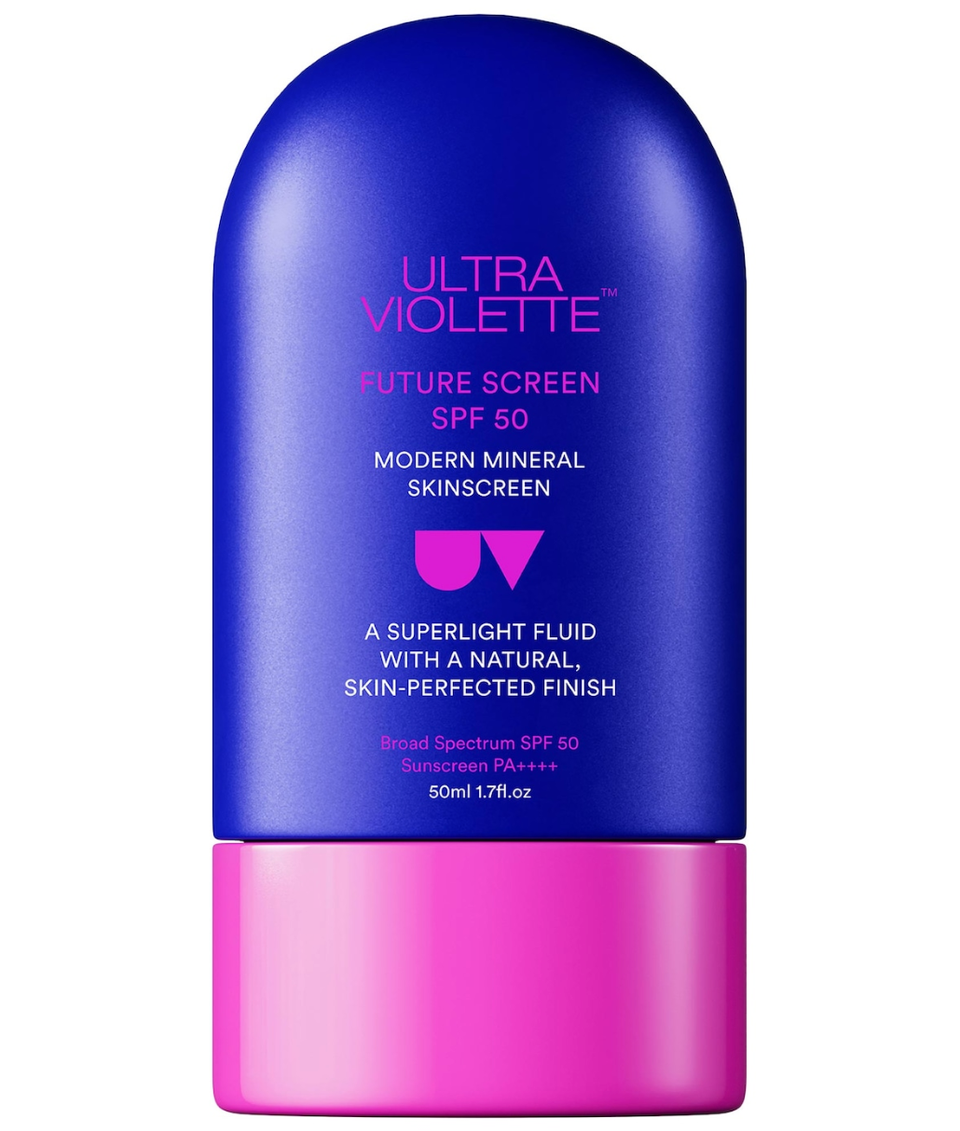
Ultra Violette Future Screen SPF 50
The cult-fave Australian brand Ultra Violette is finally available in the U.S. at Sephora! If anyone knows how to protect their skin from harmful rays, it’s Southern Hemisphere-dwelling Australians. I stock up on their sunscreens and lip balms every time I’m Down Under, and this development is a real thrill for skincare lovers. Board-certified dermatologist Dr. Jessie Cheung of Chicago’s Cheung Aesthetics & Wellness told HuffPost that this must-have SPF is “packed with mineral blockers to protect from the harsh Aussie sun, but feels silky and lightweight.”
Advertisement
The Real Deal: We use deal trackers and commerce experience to sift through “fake” hike-and-drop deals and other deceptive sales tactics. Products will usually be rated at least 4 stars with a minimum 15% discount. (And when there’s an exception, we’ll tell you why.)
It’s not breaking news that exfoliating pads remove makeup and tone skin pretty well. However, we’ve spotted RoC’s Line Smoothing cleansing pads that do you one better: RoC made these babies to remove makeup and work to smooth fine lines — and shockingly, reviewers are reporting that they’re actually effective. People are literally canceling Botox appointments because these foam-infused pads are surprisingly doing quite enough. And the kicker is that they’re less than $12. An $11.97 alternative to a beauty procedure? Consider us attentive.
Let’s get this out of the way: Of course, the pads don’t perform an actual Botox treatment. Needles are sold separately and at a much higher price. However, reviewers say the changes they are seeing have been more than enough to pause office visits in favor of a simple tweak to their skincare routine.
“Normally I would feel the need to get botox again by this point but these really do smooth my fine lines,” they continued.
“I’m not exaggerating when I say they give you an instant facelift.”
Instant facelift is a tall order for cleansing pads, so we always raise our virtual eyebrows when anyone shares that about a skin care product — except this isn’t the only shopper who decided against a procedure after trying these specific pads.👀
Advertisement
No joke, reviewers call the foamy discs a “much less expensive and invasive option” than Botox, while providing the Botox-like smoothing.
“I am 53 and my concerns were forehead furrows, lip lines, marionette lines and some jowls starting to sag. I was considering looking into mini lift or maybe fillers like Botox,” another reviewer shared, noting they were concerned the pads would be “strong enough” as they don’t contain retinol.
“The results from using this product have been significant,” they wrote. “The most significant improvement is diminished appearance of lip lines…Brow furrows appear far less defined-still there but not as deep. I really hadn’t expected a change in the marionette lines or jowl thing-but they too are noticeably diminished!”
Advertisement
“I have found the glabellar lines between my eyebrows have become way less noticeable,” another said. “I was considering botox to help with those so I am quite happy to have found a much less expensive and invasive option. I have also noticed a considerable amount of brightening of my skin in general.”
So, how exactly are these pads this effective? Good question.
We’ve confirmed with experts just how crucial yet often forgotten the exfoliation step is to a mature skin care routine. The process helps remove dead skin to “reveal brighter and more rejuvenated skin,” and reduce the appearance of lines and wrinkles, aesthetician Sean Lundy previously told HuffPost.
Advertisement
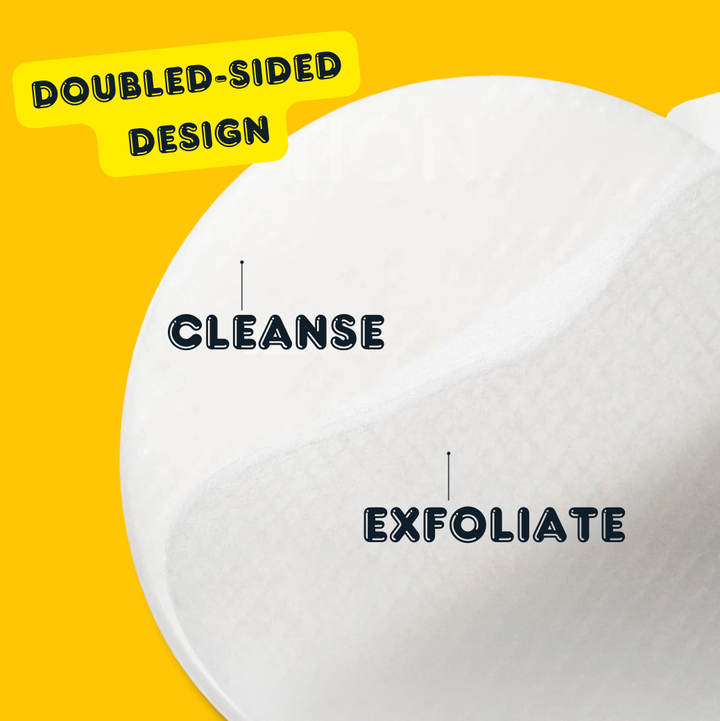
With the RoC pads, you can tackle the cleansing and exfoliation in one session. The smooth side is great for gentle cleaning, while the textured side offers physical exfoliation as you swipe. Additionally, the foam in the pads boasts ultra-hydrating ingredients like glycerin and butylene glycol to plump the skin, while the glycine soja (soybean) protein works as an antioxidant and skin-conditioner.
Beyond addressing wrinkles, reviewers report a slew of other noticeable facial improvements — making these pads a no-brainer routine upgrade.
People are sharing that their pores look smaller, makeup sits nicer and lifelong bumpy, oily skin is finally starting to look smooth and matte. Several shoppers also note that their skin has an “undeniable new glow.” That, good people, is evidence of a product that multi-tasks hard.
Advertisement
The brand says they’re gentle enough to be used twice daily, as you prep your face for the day and as you wind down for sleep. You get 28 pads in a pack, though many cut them in half to double the amount. Reviewers say the pads rival luxury skincare in experience and effect, at an unbeatable price.
Reviewers love these handy pads for making smoothing skin care quick and easy. Read more 5-star reviews and grab a set for yourself for under $12.
“I bought these on a whim in December when I ran out of my normal cleanser not expecting much. After 3 months I can safely say I’m amazed. This is one of my favorite skincare products and I’ve used everywhere from high end, prescription and drugstore. I’m 37 and have the start of wrinkles on my forehead. I usually get botox twice a year, normally I would feel the need to get botox again by this point but these really do smooth my fine lines.I’m not exaggerating when I say they give you an instant facelift. After 3 months I have less discoloration and my face feels fresh. I 100% recommend these. I can’t believe how affordable they are!” — BBRebBe
“These are amazing. I was contemplating botox due to lines in my forehead. I decided to try these disks and my skin was brighter and softer after using the first time. It had the kind of glow like I had been to the spa. I have been using almost daily for about 1 week and the difference is visible to me. The lines in my forehead have not vanished (it isnt magic) but they have dramatically diminished. I will continue to use all over my face. I hate I did not take before and after pictures.” — Monica
“Love, love this product. I’ve been using RoC products for 12 years, since I first read they were best all around for fighting wrinkles without draining your wallet. These remove makeup so fast and leave my face feeling incredibly refreshed. I find I sleep better too when I use these. I cut them in half to make them go further.” — Lelsie Stuart
“I will add my voice to all the happy reviewers of this product. I have been very pleased with how it has worked on my skin. I don’t have many wrinkles to contend with but I have found the glabellar lines between my eyebrows have become way less noticeable. I was considering botox to help with those so I am quite happy to have found a much less expensive and invasive option. I have also noticed a considerable amount of brightening of my skin in general.
Looking for more skin care for mature skin that reviewers say actually makes a difference? Check out this list below, courtesy of HuffPost Shopping.
Target
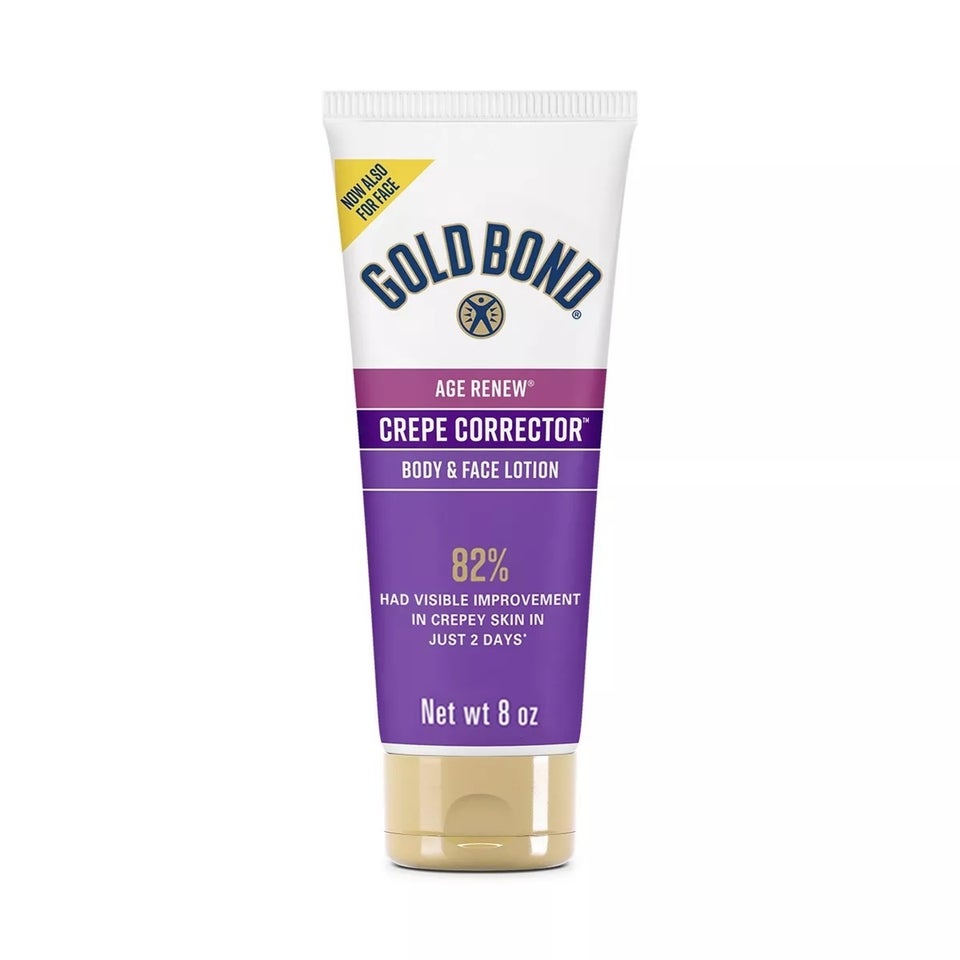
Gold Bond Age Renew Crepe Corrector body and face lotion
We’ve covered this affordable face and body cream from Gold Bond before, and it doesn’t seem like its popularity is going away any time soon. If you’re dealing with thin, fragile, “crepey” skin, this non-greasy, fast-absorbing product is specifically formulated to firm and hydrate the skin with seven moisturizers and three vitamins. You can use this on your face as well as your neck, arms, the backs of your hands or wherever else you notice your skin looking dry, thinner and more fragile.
Promising Amazon review: “If you are looking for a truly budget friendly, and exceptionally versatile line of facial & body care, this is it. I have used the Crepe erase on my arms and legs for 2 weeks and I see a real game changer. Are my arms and legs devoid of all crepiness? NO! Don’t let any brand tell you that they can make any natural aging bodily changes disappear. However, this cream, when used consistently will provide a temporary plumpness to those crinkled areas. Sufficient to give you confidence to wear short sleeves, or straps, along with shorts or swimsuit. I am 65, I am happy and grateful to have reached my mature age, nevertheless, I want and will give my skin all the effective products to keep them as supple as is possible.” — marihad t arrus
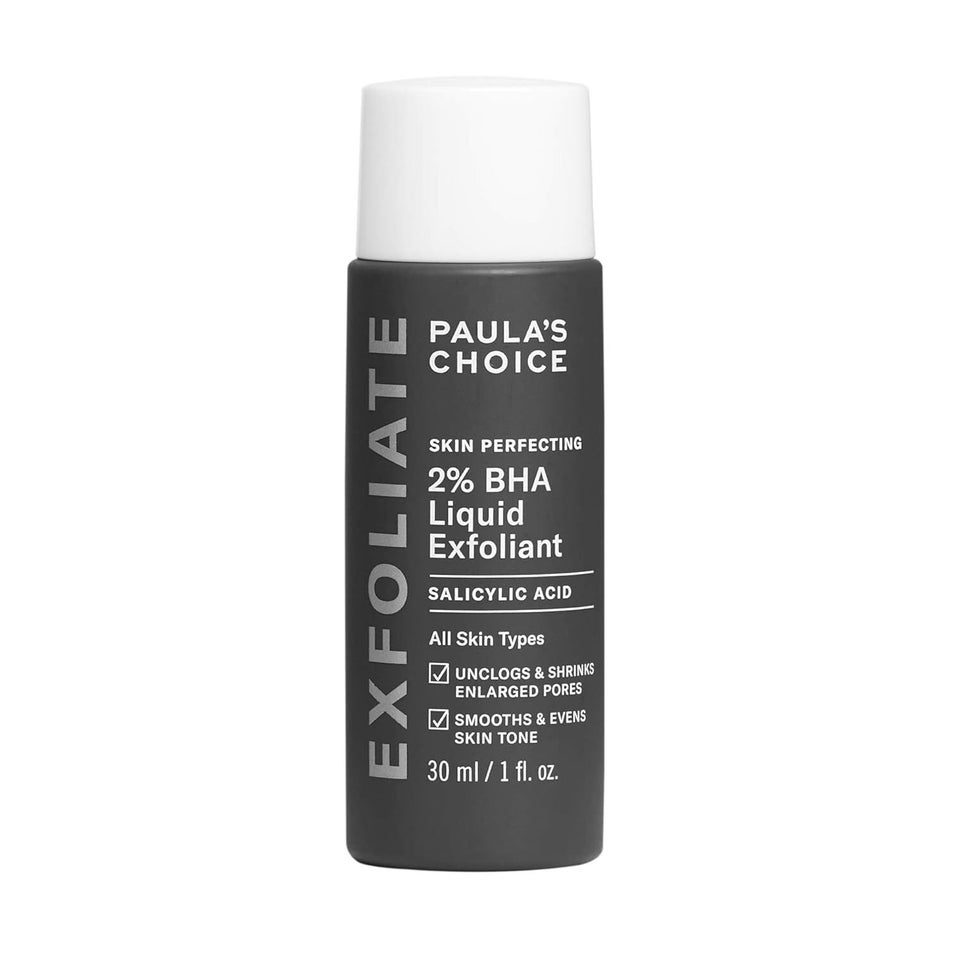
Containing beta hydroxy acid (BHA) to help clear the buildup of dead skin, this Paula’s Choice exfoliant can reduce enlarged pores, as well as blackheads and whiteheads. It can also smooth your skin’s texture while improving the skin barrier. You can grab this in a travel size or a full 4-ounce bottle.
Promising Amazon review: “I’ve been using this stuff for about 6 weeks and my skin did a lot of purging for the first couple of weeks like a lot the the “bad” reviews on here said, but it was helping get all the gunk out from under my skin including some really tough white heads and hard little bumps in my skin so I was happy to ride it out. Now after six weeks of using at night, I can see a huge difference in my skin, especially in the pore size on my cheeks and nose. I’ve always had large pores and a few acne scars here and there since I was a teenager and it’s made me self conscious my whole adult life, but for the first time EVER, I look at my skin and all I see is smooth, healthy skin! I am early 40s and the fine lines in my forehead and around my eyes are virtually gone too. I’m amazed! Looks like I have a filter on! So happy I found this product!” — MF
Amazon
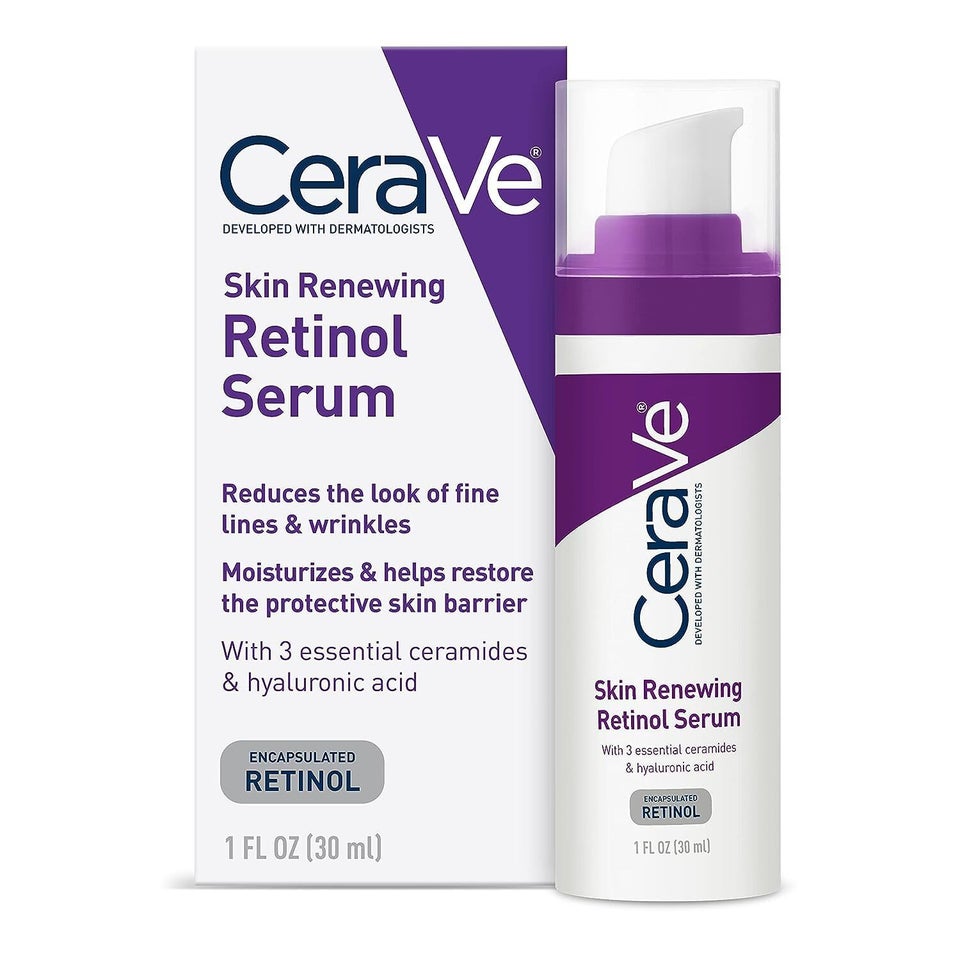
CeraVe Skin Renewing retinol serum
If you can’t stomach spending $85 on a retinoid serum, no worries — there are affordable alternatives that reviewers also love, like this retinol serum from CeraVe. In addition to retinol, it contains hyaluronic acid and niacinamide for a moisturizing boost. The retinol can help with wrinkles and fine lines, and the product is sensitive skin-friendly, as it’s fragrance-free and noncomedogenic with a gentle formula.
Promising Amazon review: “I am almost 70 and I see a noticeable difference after two weeks. I had slight flaking the first week, but that stopped. My skin is firmer, softer, and the wrinkles less noticable. I will be ordering again.” — Marilyn
Advertisement
The Real Deal: We use deal trackers and commerce experience to sift through “fake” hike-and-drop deals and other deceptive sales tactics. Products will usually be rated at least 4 stars with a minimum 15% discount. (And when there’s an exception, we’ll tell you why.)
There’s plenty of one-size-fits-all health advice out there. But for people of a certain age, the diet and exercise recommendations aimed at younger folks just aren’t as helpful as they used to be. Our bodies have changed, and we don’t need to start hardcore exercise routines or embark on crazy fad diets that skip entire food groups.
These days, there’s too much health information coming at us from all sides, much of it from questionable sources. That can be overwhelming at any age. We asked a group of cardiologists, nutritionists and other health professionals for one simple piece of advice they would give to all their senior patients.
HUIZENG HU via Getty Images
It doesn’t take hours at the gym or training for an Ironman Triathlon to maintain your health.
Advertisement
What nutritionists wish their patients would do
When it comes to a healthy senior lifestyle, we can all benefit from some advice from a nutritionist who treats senior patients regularly. Four of them shared their top tips, and each one is a powerful tool for wellness.
As we age, it’s especially important to make sure we are getting plenty of fiber. Registered dietician nutritionist Kathleen Garcia-Benson told us: “Fiber is essential for a healthy digestive system, regular bowel movements, and is associated with a lower risk of colon cancer. Easy ways to boost fiber include snacking on berries, adding ground flaxseeds or chia seeds to oatmeal, or using a fiber supplement. Just be sure to drink plenty of water when increasing fiber!”
Nutritionists also urge seniors to make sure they are getting enough protein. According to registered dietician Courtney Pelitera, one of the biggest effects of aging seen across the board is something called sarcopenia, or the breakdown of muscle mass, strength and function.
Advertisement
“A great way to preserve as much muscle as possible (besides regular exercise) is to make sure the diet is adequate in protein,” Pelitera said. “I like to encourage at least 20g of protein or more per meal with older adults.”
Another common problem for seniors is deficiency of vitamin D, which plays a role in muscle movement and immune function, and is needed to keep bones healthy.
“The body becomes less efficient at converting sunlight into Vitamin D as we age, and older adults are at increased risk for having low levels,” said RD Annette Snyder. “Food sources of vitamin D include fatty fish (salmon, tuna, trout, mackerel), egg yolks, fish liver oil, mushrooms, and fortified dairy products.”
Advertisement
Something as basic as hydration can also become a problem for seniors. RDN Colette Micko says this is because the natural mechanisms that increase the sensation for thirst are diminished as you age.
“This means you cannot rely on feeling thirsty to signal that your body needs water,” she said. “Staying adequately hydrated is important for nearly every cell in your body to function, and can help with energy levels, digestion, body temperature regulation and lubrication of joints.”
Micko recommends increasing your water intake to a minimum of 48 ounces per day by drinking on a schedule, always keeping fluids nearby and focusing on hydrating foods like fruits and vegetables. This can all help ensure you are meeting your body’s minimum requirements.
Advertisement
The diet tips medical doctors wish their patients would adhere to
The best thing that older adults can do to protect their heart health is to eat whole, plant-based foods ― and Dr. Katie Golden, a board-certified emergency medicine physician, recommends the Mediterranean diet, to be consumed joyfully with friends and family.
Maki Nakamura via Getty Images
Doctors cite fiber, protein and vitamin D as essential nutrients for older adults.
“It’s all about eating fresh fruits and vegetables, whole grains, lean proteins, and healthy fats,” Golden said. “Also, enjoy yourself and the company of those around you while doing it, because mental health and well-being is an important part of physical health.”
Advertisement
And all the cardiologists we spoke to agreed on one thing ― the importance of exercise. Just do whatever you can do. According to Dr. Eldad Einav, a cardiologist, obesity specialist and clinical assistant professor at SUNY Upstate Medical University, study after study shows that exercise helps with blood pressure regulation, cholesterol management, blood sugar regulation, weight maintenance, inflammation, stress, mortality, energy, stamina, sleep, cognitive ability, joint health, balance, mobility, immune system function and social interaction.
Exercise guidelines from a medical doctor
It doesn’t take hours at the gym or training for an Ironman Triathlon to maintain your health. Dr. Dany Sayad, medical director for the Tampa General Hospital Heart & Vascular Institute’s General Cardiology Center of Excellence, told us: “If I could get my senior patients to do one thing, it would be to exercise a minimum of 150 minutes per week.”
“The exercise should be tailored to the patient’s physical abilities,” Sayad said. “Chair yoga, pilates, and most importantly walking would improve not only the cardiovascular system but also lower the risk of fall, the anxiety and ameliorate the sense of well-being.”
Advertisement
Things doctors wish you’d stop doing
If your doctor hasn’t already told you, cardiologists have a short list of habits you need to quit. According to Dr. Philip Nimoityn, a clinical cardiologist at Cardiology Consultants of Philadelphia at Jefferson, “seniors interested in maintaining cardiovascular health should pursue a heart-healthy lifestyle including avoidance of obesity, smoking and excessive alcohol consumption.”
“A well-balanced diet, such as the Mediterranean diet, is beneficial in reducing the risk of cardiovascular disease,” Nimoityn said. He also recommends asking for a few specific tests to make sure your heart is in tip-top shape.
“Better screening for cardiovascular disease can be achieved by supplementing standard lipid screening with additional tests including Apo-B, lipoprotein(a) and high-sensitivity C-reactive protein, which identifies vascular inflammation that can now be treated to reduce future risk,” Nimoityn said. “A CT coronary artery calcium score is also very useful in stratifying an individual’s cardiovascular risk.”
Advertisement
The original version of this story was published on HuffPost at an earlier date.
Prices change quickly on Prime Day, so keep checking back to see the latest updates. Make sure to sign up for an Amazon Prime account to get the deals.
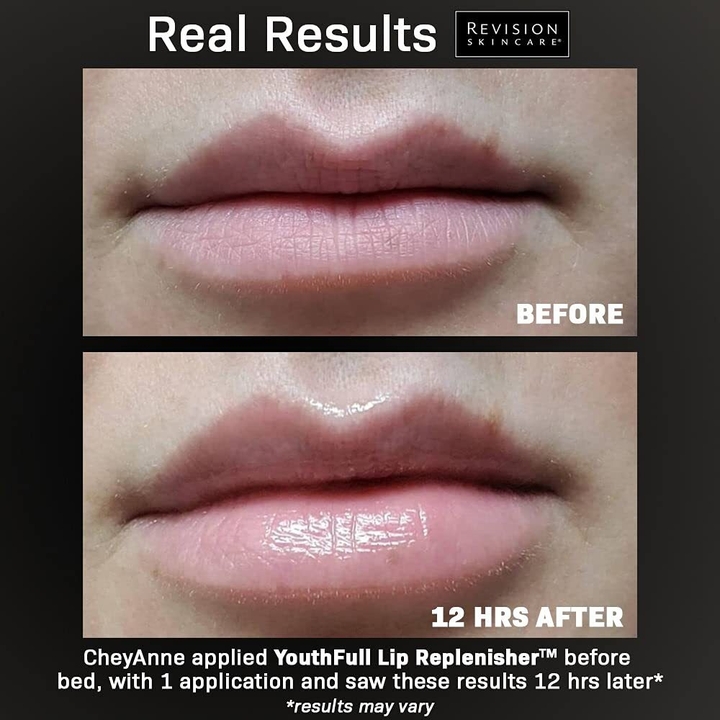
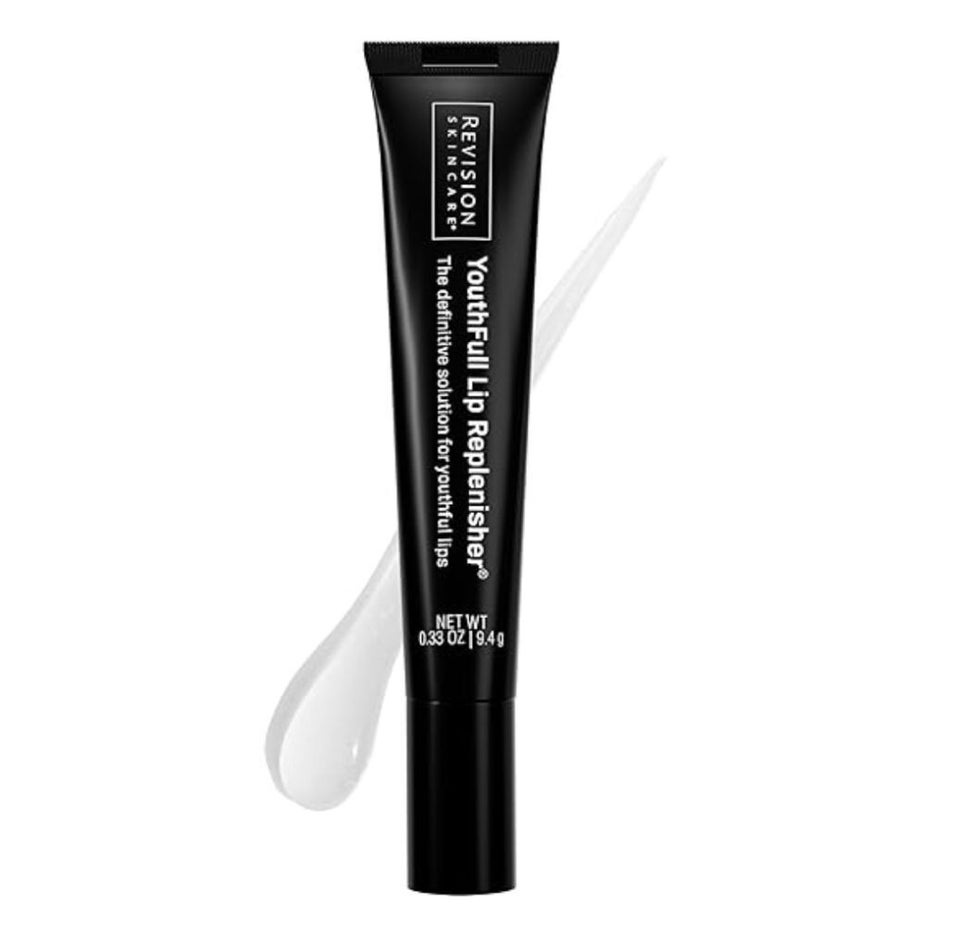
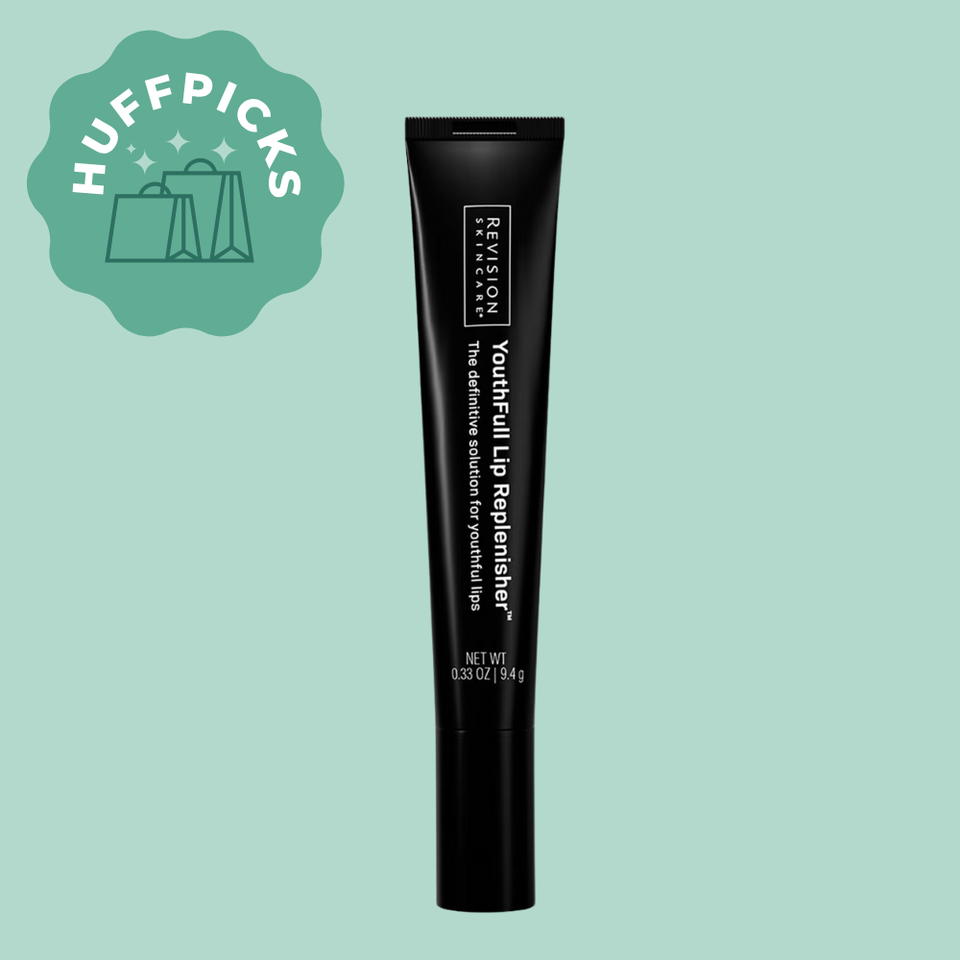
Some products go on sale so rarely that it feels like breaking news when the price tag drops. That’s certainly the case for Revision Skincare’s YouthFull Lip Replenisher, a luxury, peptide-infused lip balm that I credit for transforming my aging lips. It’s like no other product out there for smoothing and replenishing my smile. After months of stubbornly sitting at full price, it’s on rare sale for Amazon Prime Day for 30% off, the lowest price it’s been since Black Friday. Trust, this balm is worth every penny at full price, so this deal is a steal. But you have to move fast because Prime Day ends tonight, and the deals are going with it.
Advertisement
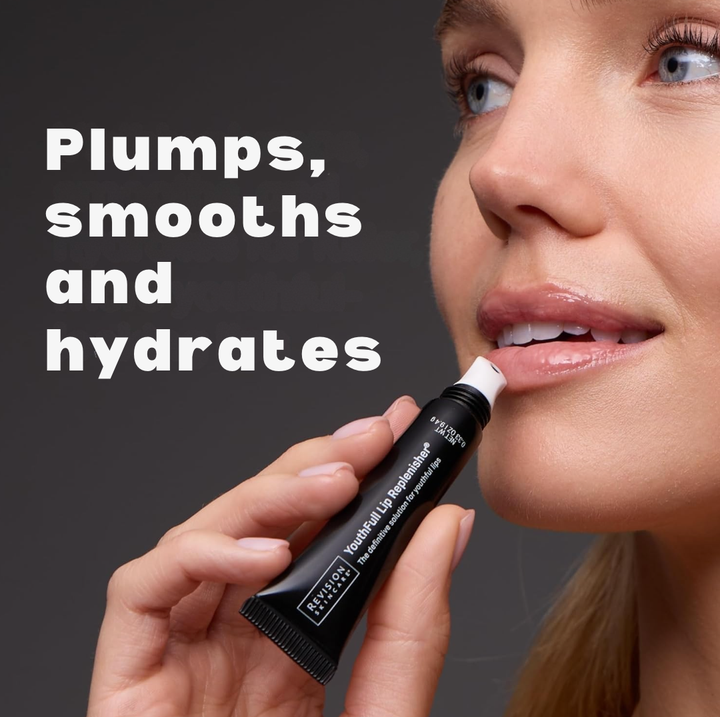
Designed to target visible signs of lip aging, the balm has several peptides and other research-backed ingredients like vitamins E and C and green tea.
I’m only including this marketing image from the brand because I found my results to be very similar.
Advertisement
My lips have gotten just as much sun damage as the rest of my face over the last nearly five decades, and it was starting to show. I decided to try the YouthFull Lip Replenisher in a mission to combat signs of aging on my lips. I’m not overly bothered by wrinkles, but I do want to take care of my skin. Yet, I can’t slap retinol cream on my lips like I can on my crow’s feet. Lip skin is wildly delicate.
I figured one of the most promising lip-safe active ingredients would be peptides, given that certain peptides can have skin-restoring abilities and help address things like loss of firmness, dullness and fine lines and others are solid antioxidants. Although they don’t produce quick miracles — no skin care does — peptides can be effective, and some are gentle enough to be included in lip products. I tried a few of them, including Hailey Bieber’s peptide lip gloss (what can I say? she has good skin!), but nothing was really doing it for me.
More, the balm offers vitamins E and C and green tea, which have been studied to work well in tandem with peptides. Plus, the balm offers very solid moisturizers like shea butter.
Advertisement
I put it on overnight, and let me tell you, I could actually tell a difference the very next morning. No wonder reviewers call it “the holy grail of anti aging lip products!”
I will note that when I first put this on, I immediately knew it wasn’t going to be a product I’d wear much during the day, despite Revisions’s guidance of applying it three times daily. It’s pretty thick and sticky (if you are constantly pulling your hair out of your lip gloss, you know the struggle).
Advertisement
But as one reviewer noted, this is actually the product’s superpower, because it absolutely does not budge, even if you wear it overnight. “Although some reviews complain about the tackiness of the balm, that’s actually what is so great about this product!” wrote a Dermstore customer named Lizzie. “It sticks to lips better than any other balm I’ve tried.”
I can attest to this. Each morning when I wake up, it’s still there as if I just applied it. I sleep on my side, but it doesn’t melt off or get on my pillow. The fact that it clings so hard and lasts so long gives me some assurance that all those little peptides really are hard at work while I sleep, safely ensconced on my lips in a very stay-put formula. I kept going with overnight use, and within days felt like this it was making a real difference. My lips hadn’t been in terrible shape, but they definitely seemed smoother than they’d been in years. They didn’t look wrinkly. And they certainly felt supremely healthy.
Although some reviewers do enjoy it wearing this formula as a daytime gloss, many others are using it overnight only, too, and say it makes their lipstick easier to apply the next day.
Advertisement
I was honestly floored when I woke up each morning, and kept being reminded during the day when they just felt so freshly smooth all the time.
And given how little of it I have to squeeze out to give my lips a solid coat, I feel like this one tube is going to last for an almost comically long time (a relief given that $40 is way more than I typically spend on a lip balm).
Some aren’t so concerned with fine lines, and simply use it for dry, cracked lips in winter or desert climates (and they say it’s hugely effective for that).
Advertisement
I can’t say enough good things about Revision’s lip treatment, a sentiment that seems to be shared by everyone who’s tried it. Read more 5-star reviews and grab one for yourself before the Prime Day price jumps back to normal.
“This deserves 10 stars. I was given this as a gift from a friend, and I loved it so much I bought the regular and the tinted. Worth every single penny! Yes, it is very sticky, but I honestly prefer when glosses/balms are sticky because I feel like that helps it last all day. Plus it makes my lips feel super moisturized after taking it off. Since it’s sticky, a little goes a long way, which is such a plus given this is a little pricey!” — Marie
“After years of hearing people mention having a ‘holy grail’ product, I finally have my own. This stuff is incredible! I originally got it after having a lip moisturizing treatment done, because it was recommended as a great post-treatment maintainer, but it works fantastically all the time. I have always had great lips, but they’ve been thinning due to age. This makes them look insanely plump, incredibly moisturized, and very ‘I used a filter but in real life.’ One caveat: it is crazy sticky. That’s what keeps it on as a great all-night moisturizer, and doesn’t require constant touch-ups on a night out. But it’s definitely a hair-grabber in a windstorm. Absolutely worth it to me to just wait and put it on when I’m inside!” — Golden golden
“It actually works! My Dermatologist recommended this to me. Results are noticeable some in the beginning but with daily use (throughout the day) my lips are fuller, less wrinkles! (age 46)” —Amy Gragg
“I’ve tried so many lip masks. Laneige, Tatcha, First Aid Beauty (was amazing and now discontinued), Bite, Fresh, Ole Henricksen, Kiehl’s (tastes and smells fantastic, lasts on lips for 4 minutes)…Tarte, Buxom, Dior, was a Burt’s Bees fan for a decade. BB is nice and keeps the moisture in, but no active ingredients to nourish. Revision is serious business… I travel for work, am on planes and changing climates weekly. My lips are soft and nourished. I’m over 50, and no lip lines. **Can’t recommend strongly enough. 10/10**” — Kimberly S
Amazon
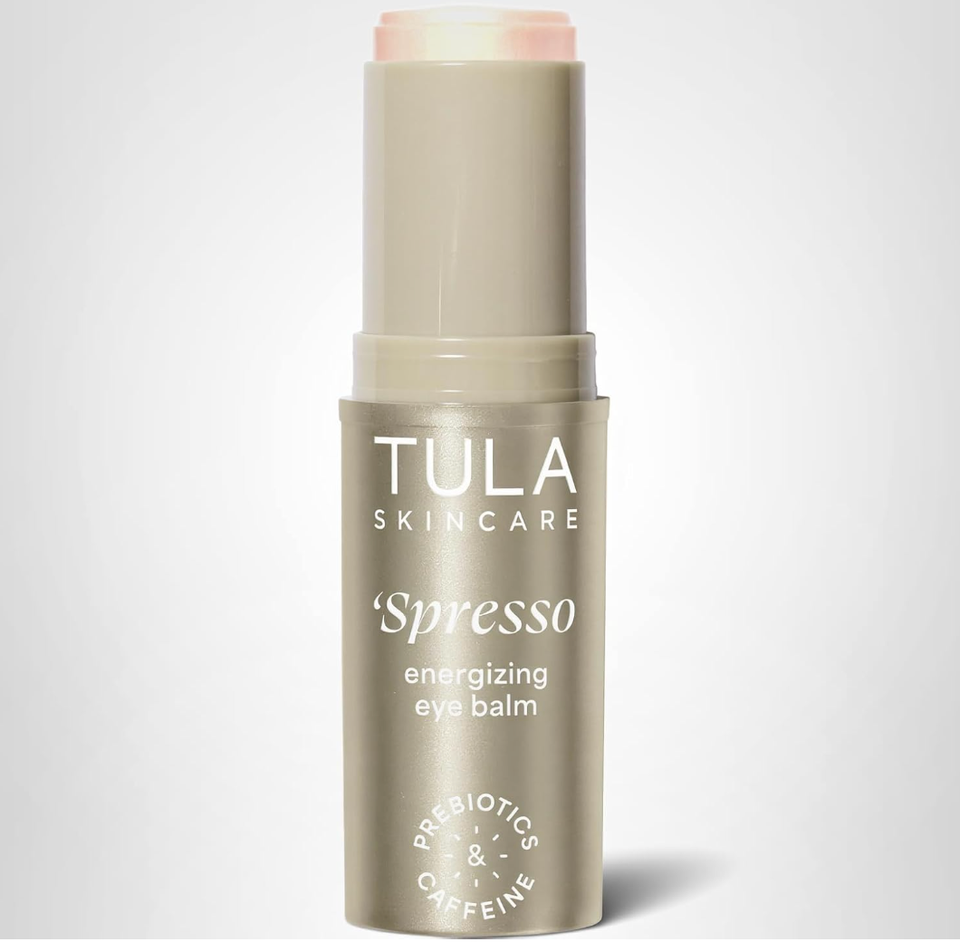
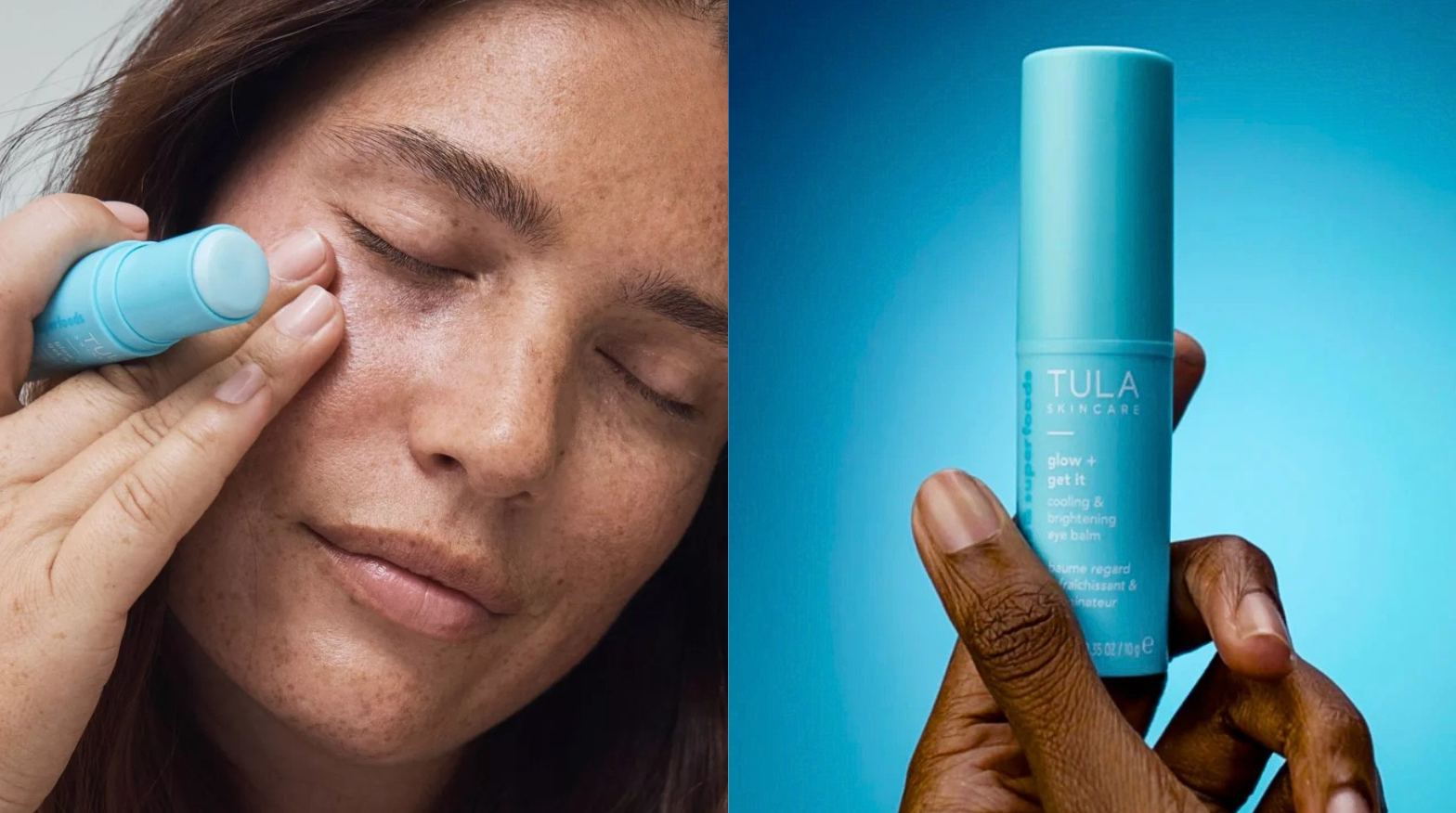
Tula’s brightening eye balm stick (30% off list price)
A simple balm stick can be one of the easiest ways to give your eye bags a wake-up call — and way more cost-effective. Not sure where to start? Tula’s hyaluronic acid and caffeine eye balmshave impressed reviewers of all ages, with some claiming it makes them “look years younger” and garners them compliments on their skin, even after a terrible night’s sleep. The price on this balm seems to only go down during major Amazon sales like Black Friday or the Spring Sale, so you might be stuck waiting until fall to get it for under $30 if you don’t grab it now.
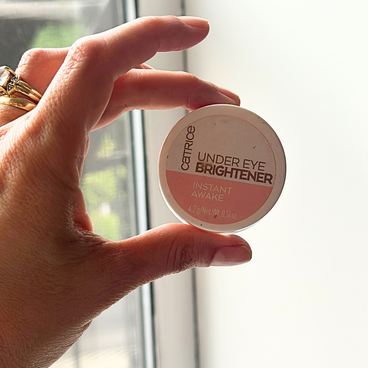
An undereye brightener that works miracles for the sleep-deprived (20% off list price)
Lourdes Avila Uribe/HuffPost
,
Lourdes Avila Uribe/HuffPost
If, like me, you suffer from dark under-eye circles, then this is an incredible tool in your arsenal. It’s a brightener that not only helps to lighten dark circles, but can give eyes a more open, awake look. I wear it on its own or layered under concealer on especially tragic days. It’s really lightweight and has a smooth finish that stays put without creasing. I love it on days when I don’t want to wear makeup but need to perk up my overall appearance. It honestly takes years off my face and is a must for anyone with babies and small kids. It’s available in four shades, and is formulated with skin-loving ingredients like hyaluronic acid and shea butter. And for this price, it’s worth picking one up and giving it a shot.
Amazon
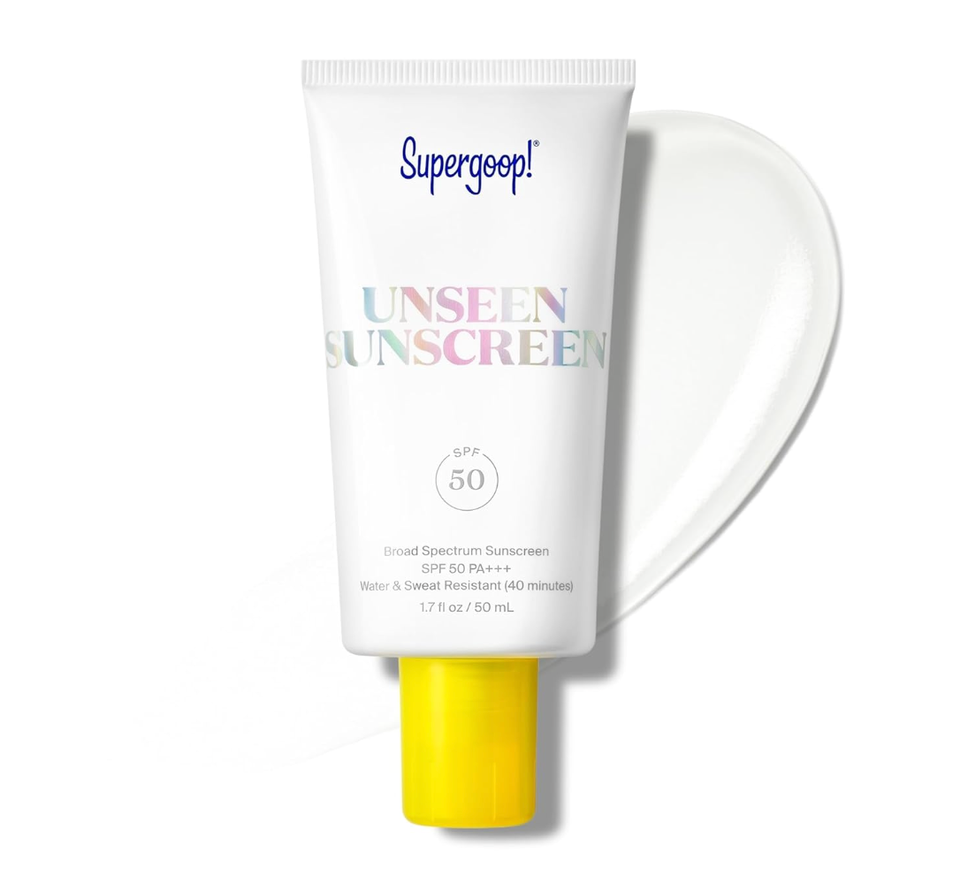
Supergoop’s famous invisible and weightless sunscreen (35% off list price)
This cult-favorite sunscreen from Supergoop is arguably the product that put this trendy sun care brand on the map. It’s renowned for its clear, lightweight and unscented formula that won’t leave behind an irritating white cast but still offers broad-spectrum protection. It’s also oil-free formula, great for anyone who might have sensitive or acne-prone skin, and layers seamlessly beneath makeup or can be worn on its own. Middle age is not the time to be messing around with skin health, and as experts have mentioned, it’s the most effective anti-aging skin care product you can use.
Advertisement
Amazon
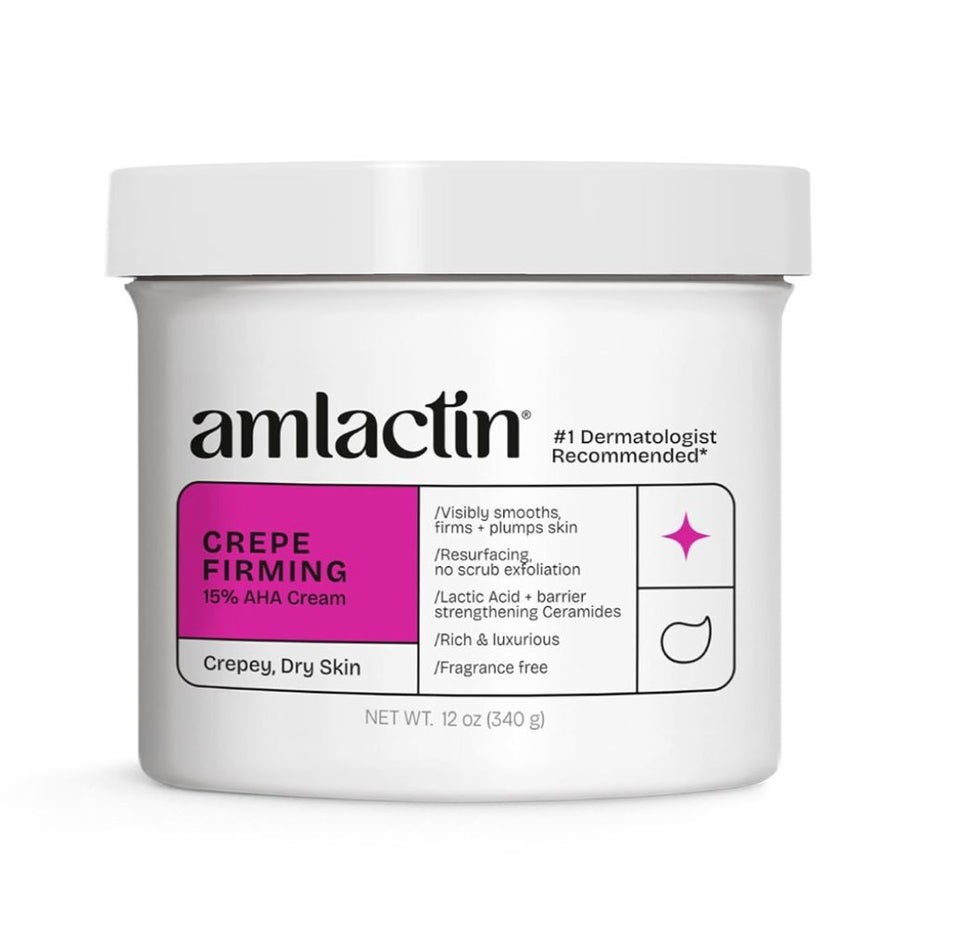
An iconic resurfacing lotion with a skin-firming twist (15% off list price)
For anyone who just wants one body care product that will do it all, we suggest this body cream. Amlactin is a trusted brand for its lactic acid-containing lotions that help exfoliate rough, bumpy and textured skin. In addition to that 15% concentration of must-have resurfacing power, this cream also contains barrier-restoring ceramides and hydrators to help firm and soften thin, crepey skin that often comes with age.
In past HuffPost reporting, experts have explained the benefits of ceramides, which can strengthen the skin barrier, aid in moisture retention, and keep irritants at bay.
Amazon
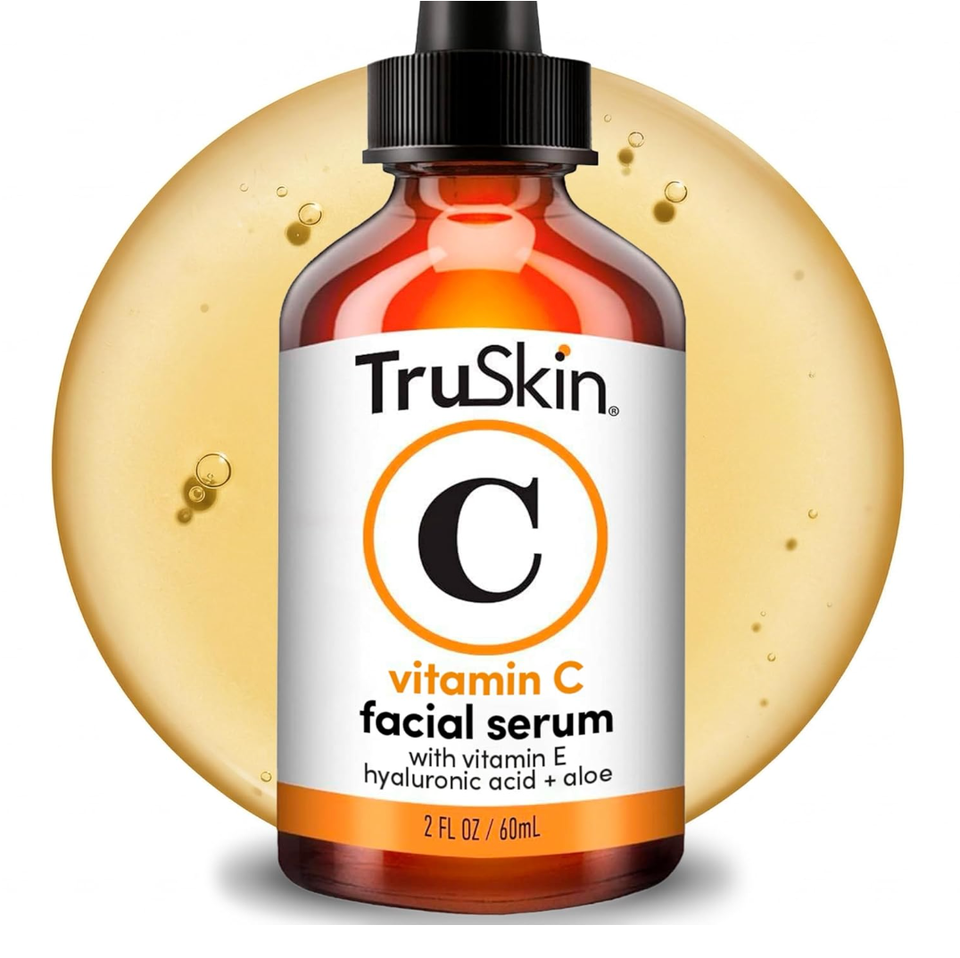
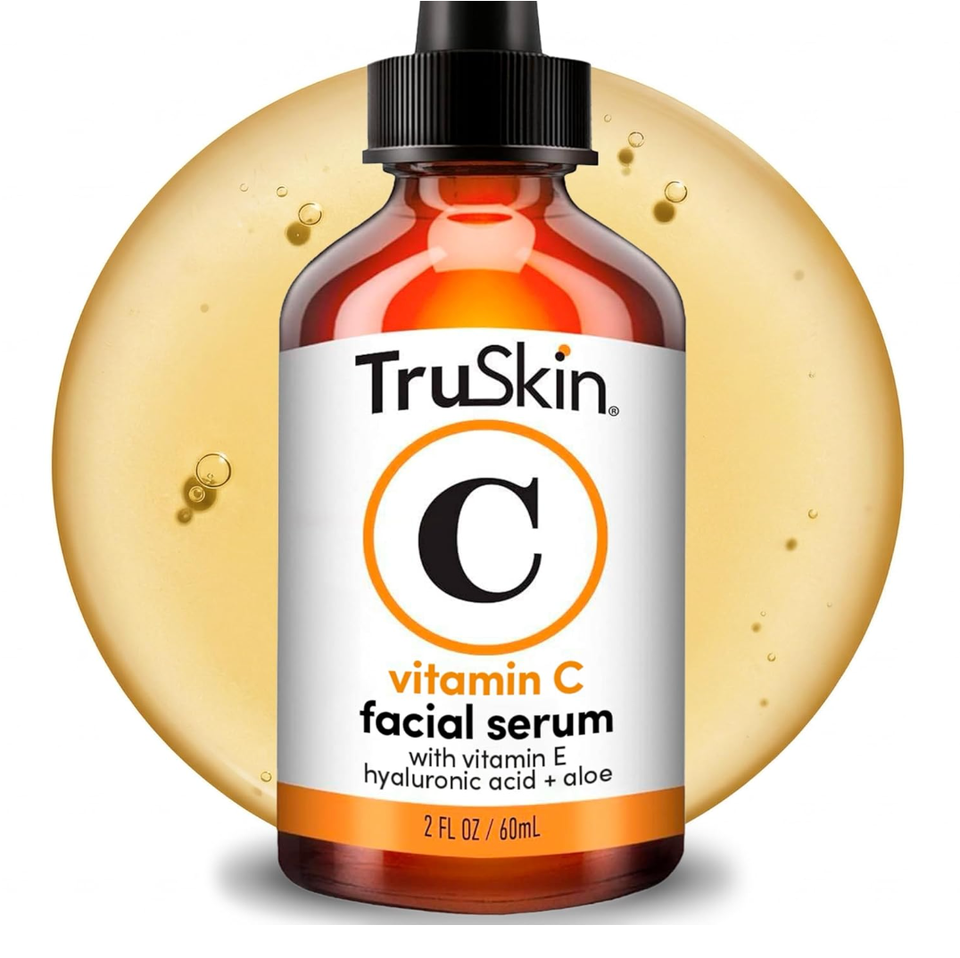
AmazonTruSkin vitamin C serum (49% off list price)
In case you didn’t know, vitamin C is a really valuable player in the skin care game. In fact, after sunscreen and retinol, it’s the most helpful ingredient in defense against premature skin aging, as experts have previously explained: It can promote collagen production and can protect against the damaging effects of free radicals.
This makes this popular serum’s enthusiastic reviews all the more viable. The nourishing formula works to reduce in fine lines, sun damage and aging spots — improving the appearance of skin conditions like melasma and an overall increase in skin brightness and radiance.
Amazon
Revision Skincare YouthFull lip replenisher (30% off list price)
We’ve rarely seen an audience response quite like we did when former HuffPost editor Janie Campbell introduced our readers to the Revision Skincare YouthFull lip replenisher. You purchased this nourishing lip product in droves, and upon closer inspection, it’s clear why. Campbell made a compelling case for this balm, calling it a “truly stellar and game-changing product.”
Formulated with several peptides, vitamins E and C, green tea and shea butter, it’s designed to target visible signs of lip aging like puckering, wrinkles, dryness and dullness. And while it’s not typically like us to recommend such an expensive lip balm, the results speak for themselves. It has a thick, tacky texture that really grips the lips, making it a great overnight treatment.
In previous HuffPost reporting, experts explained why peptides are such a popular ingredient and how they work. Peptides can also help skin “appear plumper and smoother” and improve skin hydration, texture and firmness, said Dr. Kseniya Kobets, a dermatologist and the director of cosmetic dermatology at Montefiore Einstein Advanced Care in Elmsford, New York. They are particularly beneficial for “lines that form with expression, such as laugh lines around the mouth and eyes,” added Dr. Toral Vaidya, a dermatologist with MDCS Dermatology in New York.
Advertisement
Amazon
A PDRN collagen capsule cream that one editor swears by (27% off list price)
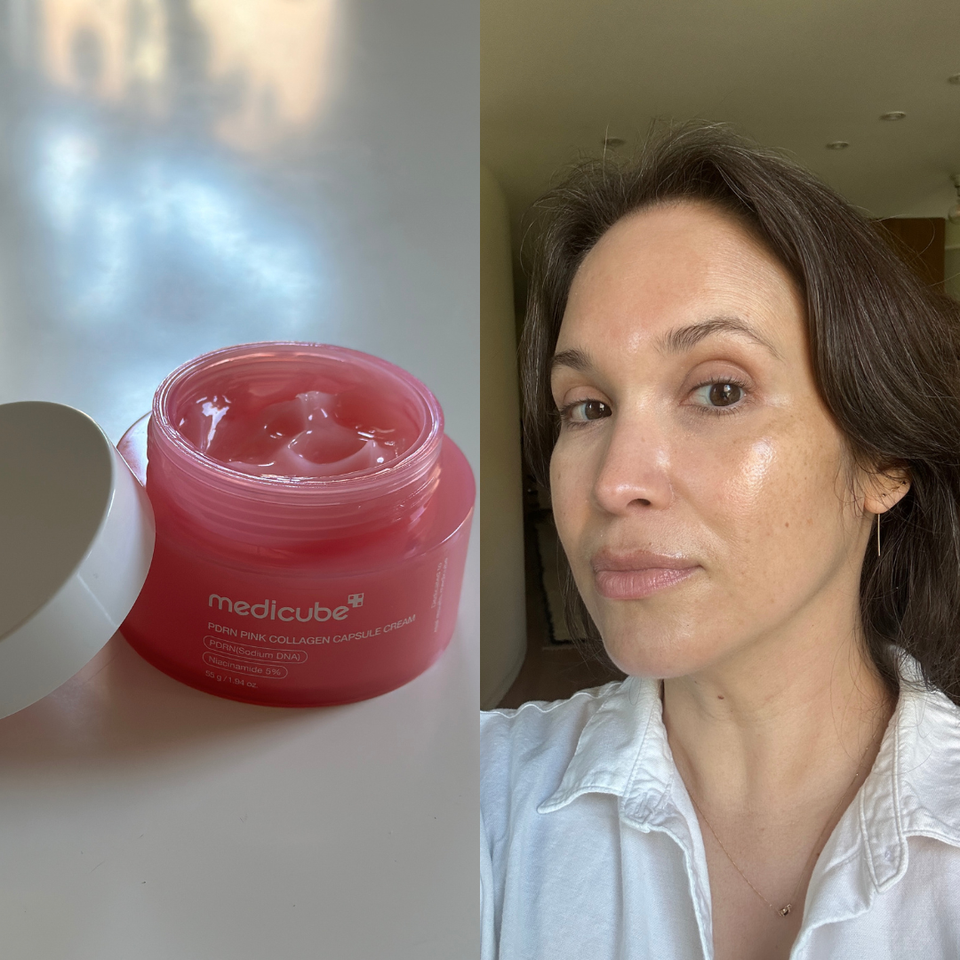
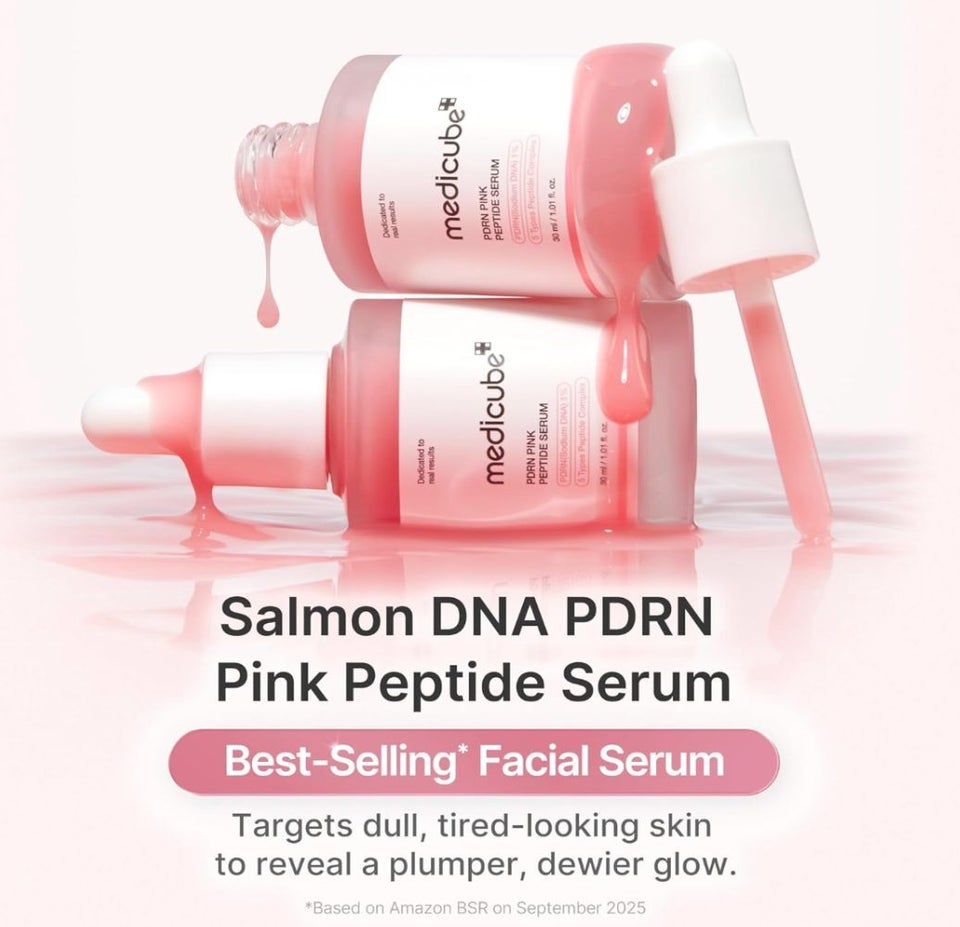
I previously wrote about my love-love relationship with Medicube’s PDRN collagen capsule cream, a unique moisturizer featuring suspended spheres in a jelly-like cream — an encapsulation formula the brand claims is the most effective delivery method of its main plumping ingredient, PDRN.
The result is a highly customizable and effective cream that is light as a feather yet somehow also incredibly hydrating. The satiny, dewy finish makes it feel like it’s much more expensive than it actually is. I recently got a facial and my aesthetician confirmed that the state of my skin was much improved. It’s a must for dry or finicky middle-aged skin like mine.
Amazon
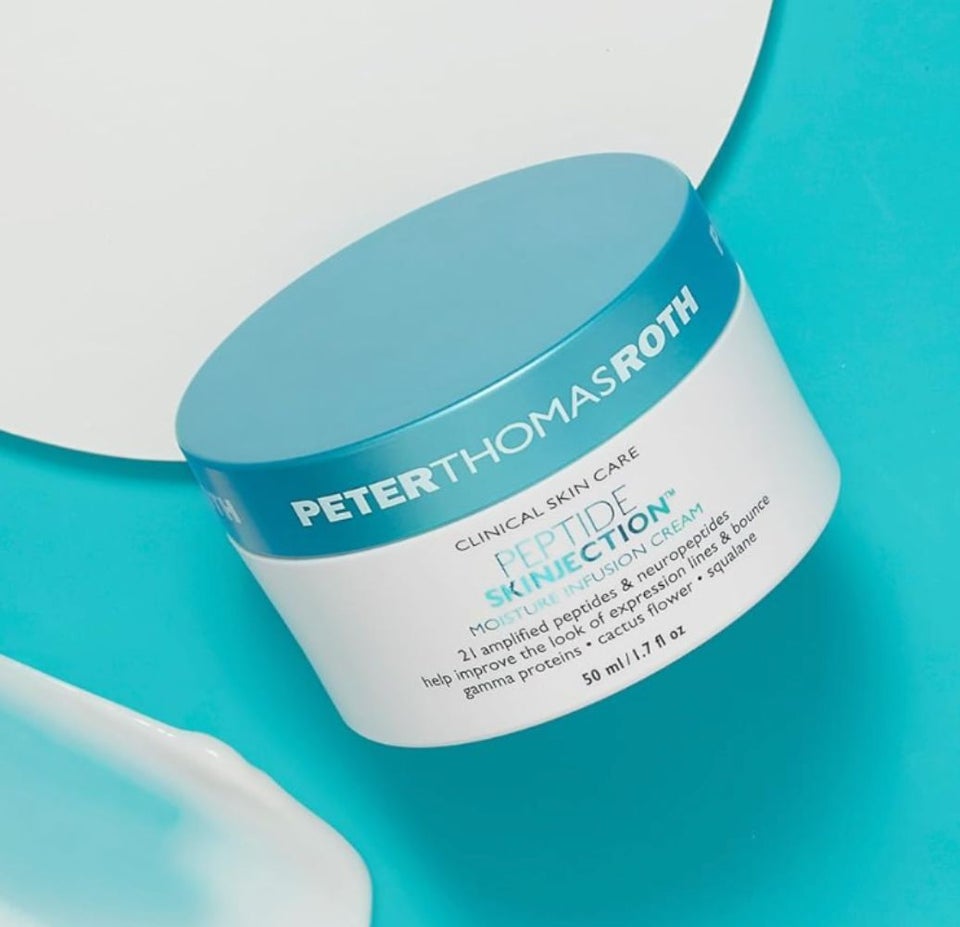
A peptide-injected face cream that relaxes fine lines (41% off list price)
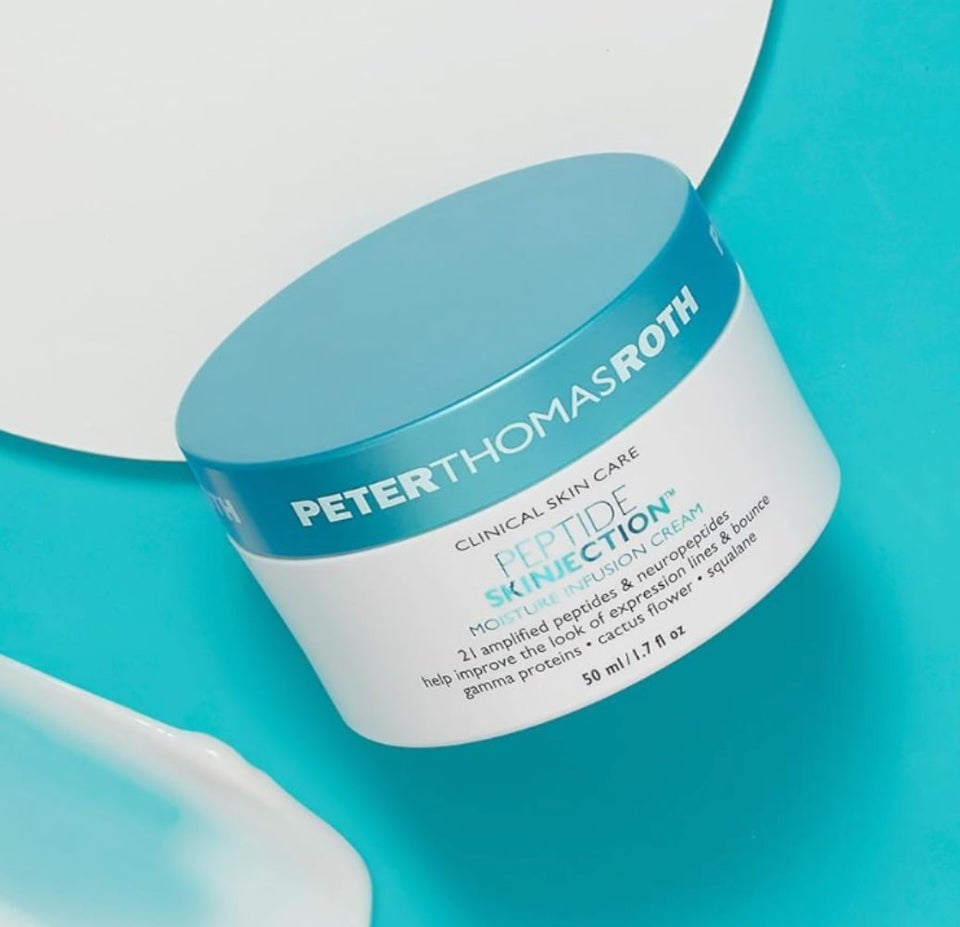
HuffPost shopping writer Tessa Flores will always opt for a moisturizer with peptides for their proven skin-plumping power and the way they always make her skin feel juicy and hydrated like this one. Peter Thomas Roth created an amped up moisturizer that contains both regular peptides and neuropeptides, which may reduce the appearance of expression lines, similarly to how neurotoxins like Botox work, but on a much lesser scale. It also contains some of dermatologist-beloved hydrators like squalane and hyaluronic acid.
Amazon
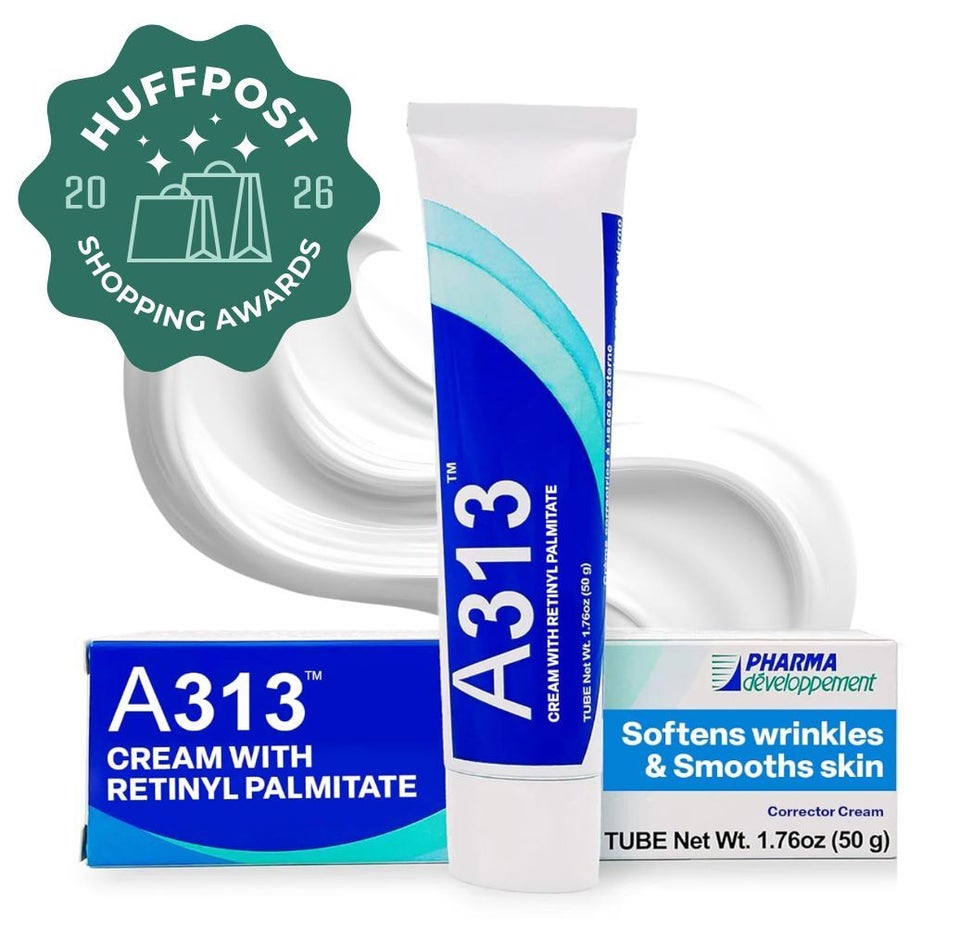
A French pharmacy cream with three types of retinol (25% off list price)
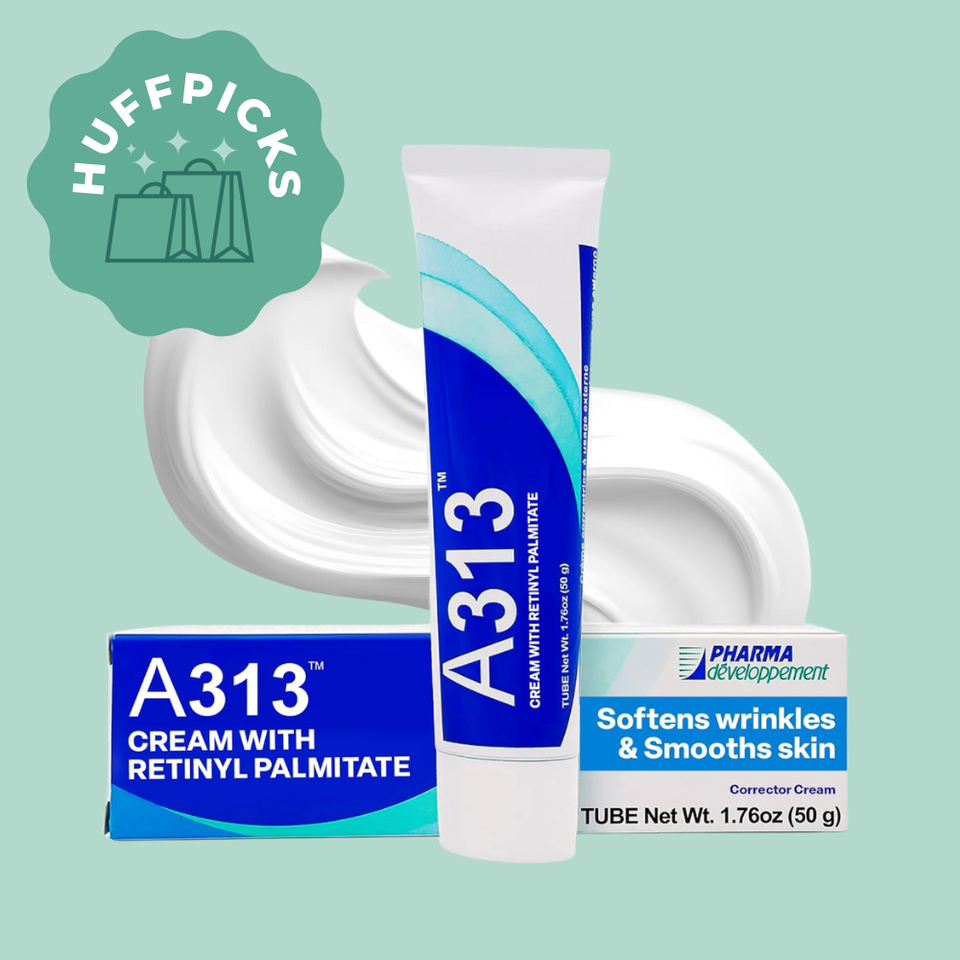
If there’s one thing that HuffPost readers and editors love, it’s French pharmacy skin care products. A313 cream is the highest-strength retinol cream you can get over the counter, with three kinds of retinol that can help stimulate collagen. Its efficacy is renowned, as is the reasonable price point, making it a unique entry in the retinol category.
Reviewers have long noted that it’s nearly as potent and effective as prescription-strength Tretinoin, without the negative side effects. In fact, some users who had been using prescription-strength Tretinoin then switched to this alternative and say they prefer A313 and have maintained the same results they had with the prescription-strength formula.
In past reporting, dermatologists have explained that because this product has very few ingredients, it can be a smart choice for anyone who’s sensitive to fragrances or other additives that may appear in other OTC retinol products.
Ultimately, what makes A313 distinctive (along with the price) is the thick occlusive texture, which is closer to a balm, and according to reviewers, can be more hydrating compared to other pricier formulations that you might find on the OTC market. The brand claims that the 2% retinol concentration can help unclog pores, minimize fine lines, reduce hyperpigmentation and even out skin texture.
Advertisement
Amazon
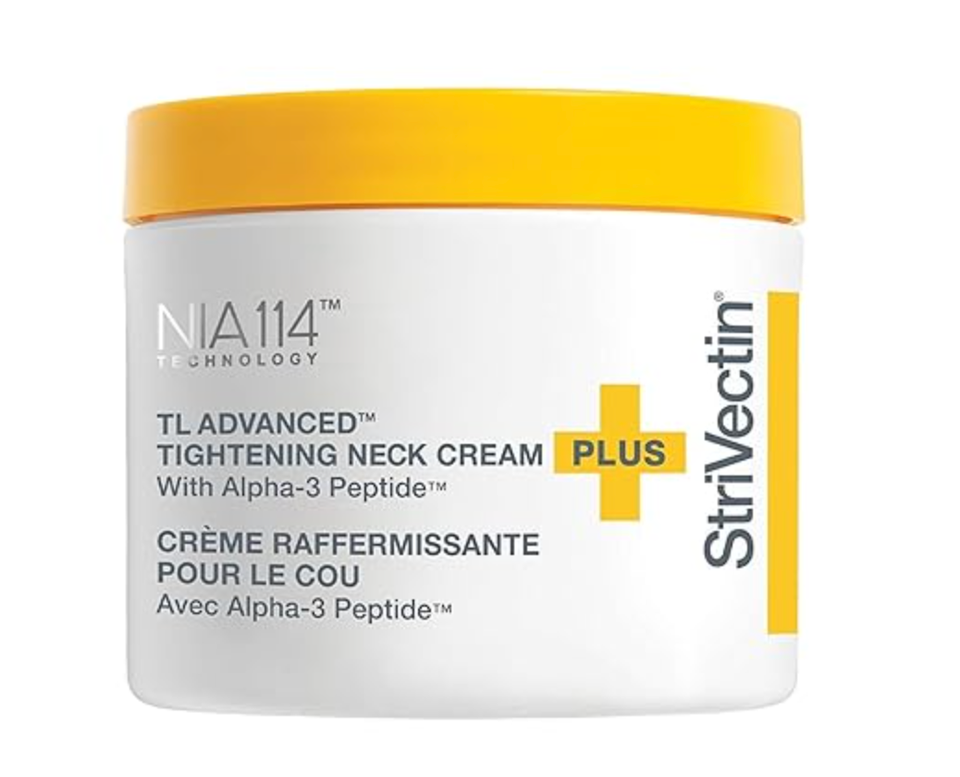
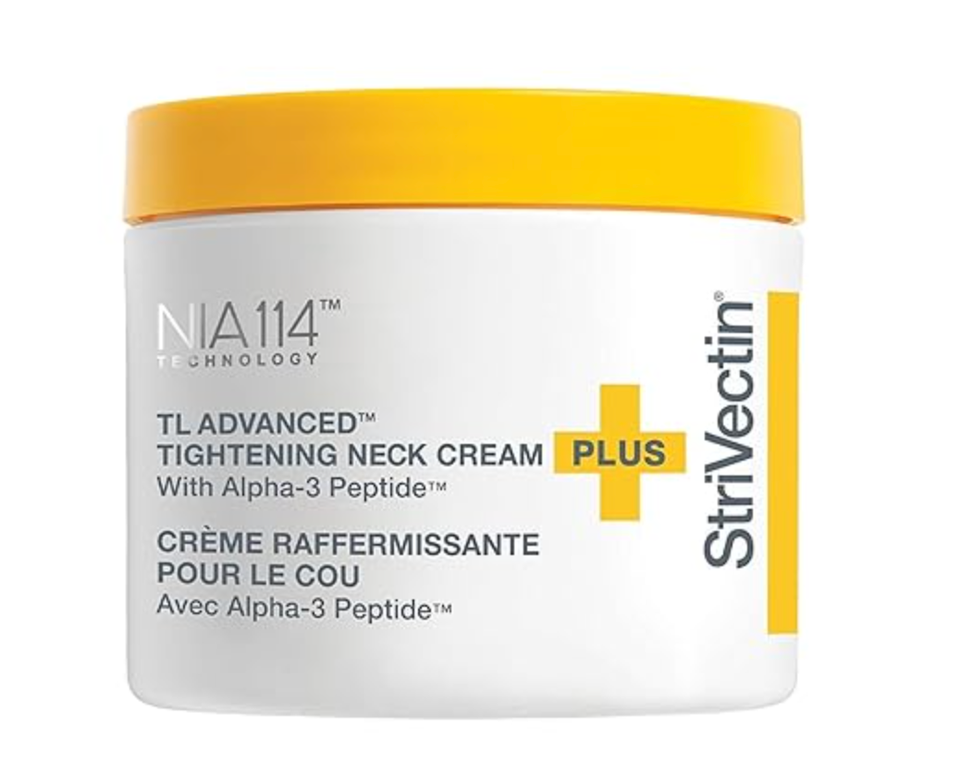
StriVectin tightening neck cream (41% off list price)
This dermatologist-recommended neck tightening cream by StriVectin is a targeted creamcontaining spilanthol, an ingredient designed to strengthen the skin, along with a patented peptide exclusive to the brand. Peptides can help to improve collagen levels and elastin which can help to fight skin laxity. This neck cream can also help brighten and even skin tone, diminishing the appearance of sunspots. Two different sizes are on sale for Prime Day (the larger 3.4-ounce size is pictured here).
Amazon
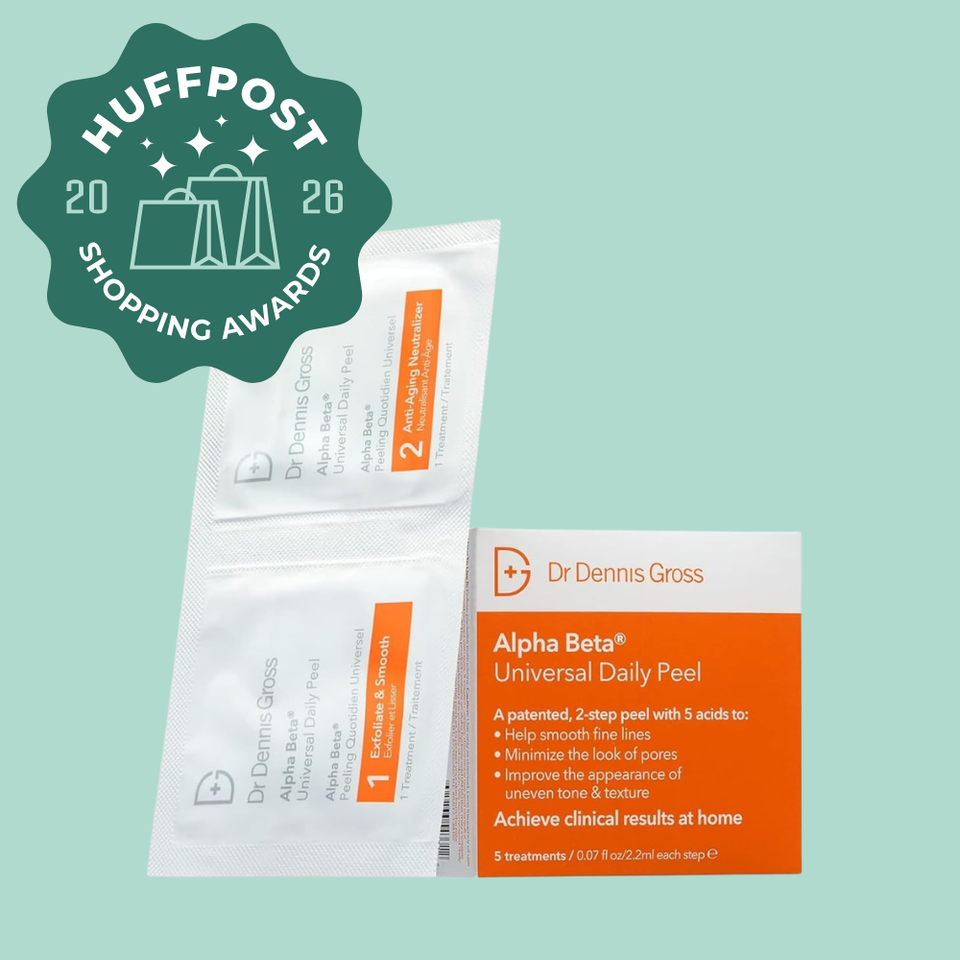
Dr. Dennis Gross Alpha Beta daily peel pads (25% off list price)
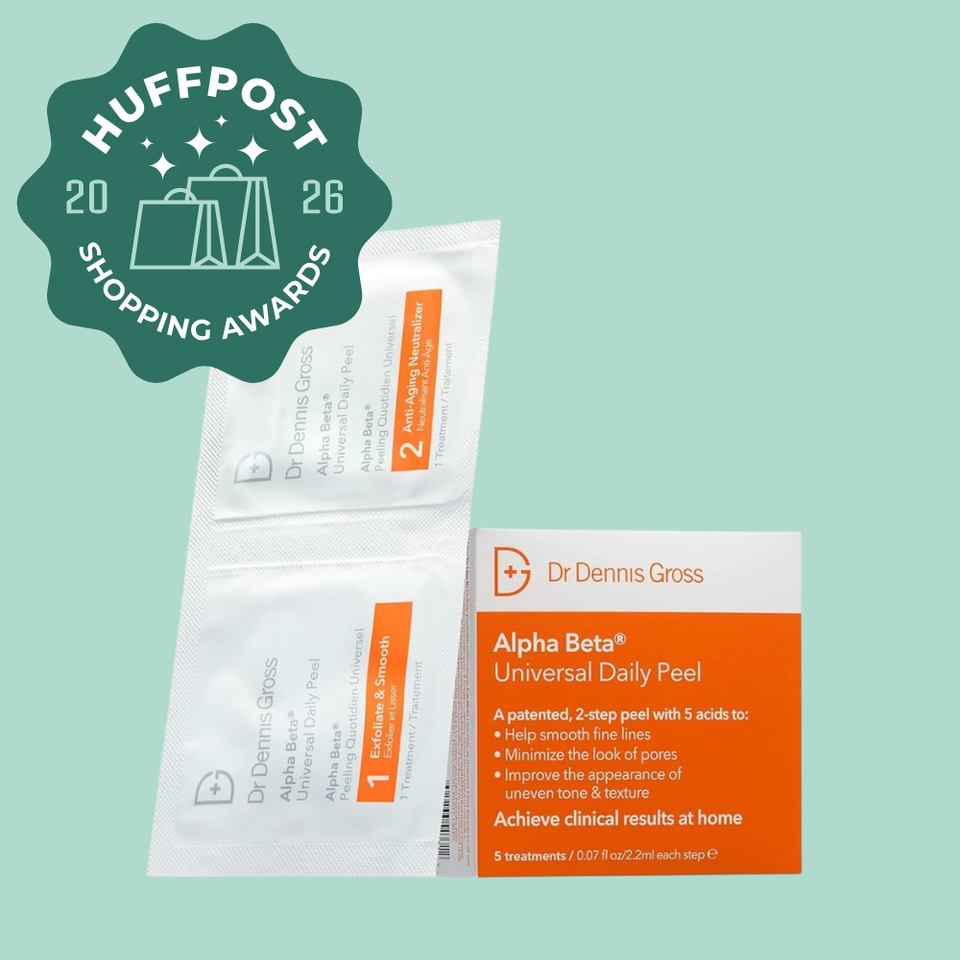
“I simply wipe down your face with these exfoliating pads, go to sleep, and wake up glowing like never before. These wipes are seemingly “magic,” helping my pores look smaller, minor acne clear up, fine lines iron out, and my skin [feel] baby smooth,” Lehmann said of the 2026 winner.
Also previously suggested to HuffPost by board-certified dermatologists, the Dr. Dennis Gross daily peel pads can offer the benefit of a chemical peel, but with a gentler approach than what you might find in a dermatologist’s office. Each treatment contains two pads: one to exfoliate and smooth your skin, and one that provides anti-aging benefits. The pads are pre-dosed with five acids, including glycolic, salicylic and lactic, that each work to reduce dullness and uneven texture, pores and hyperpigmentation. They were even compared (and preferred) to an in-office chemical peel by Amazon customers.
Amazon
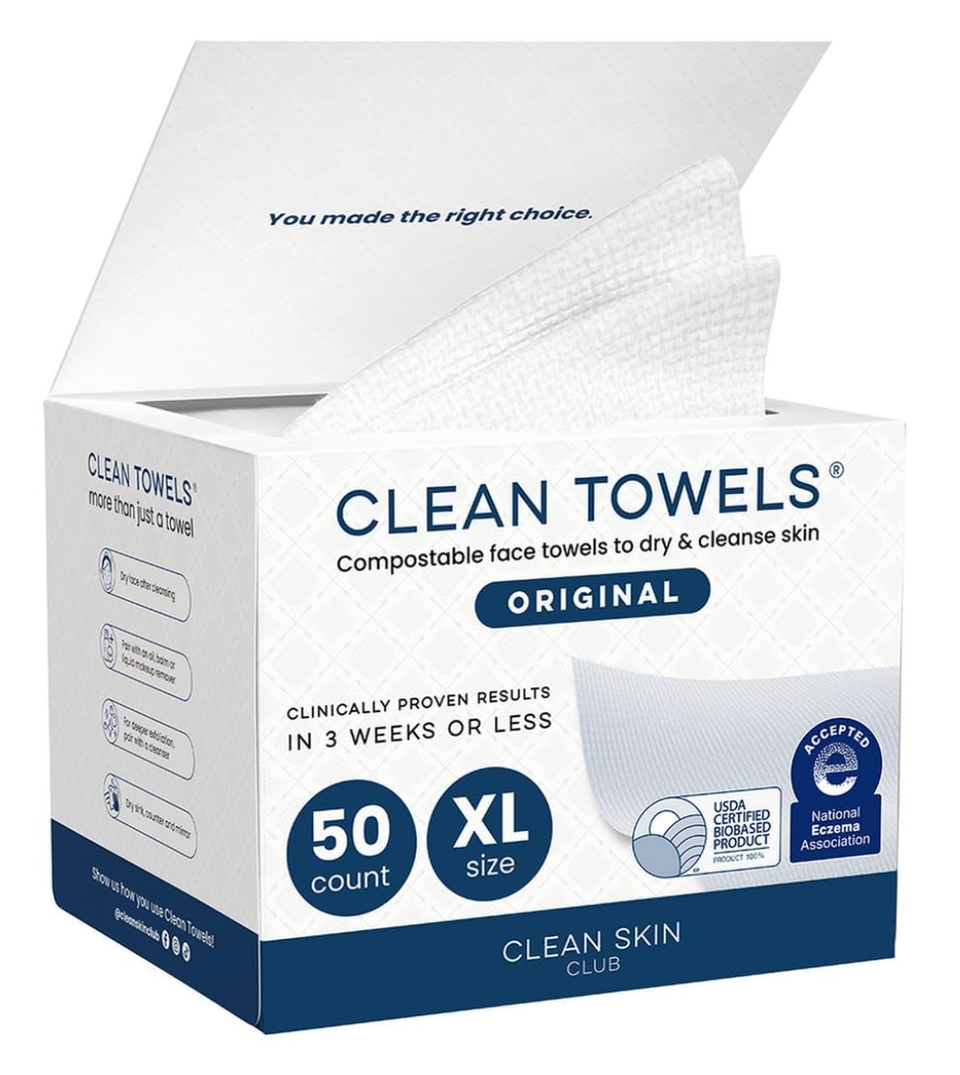
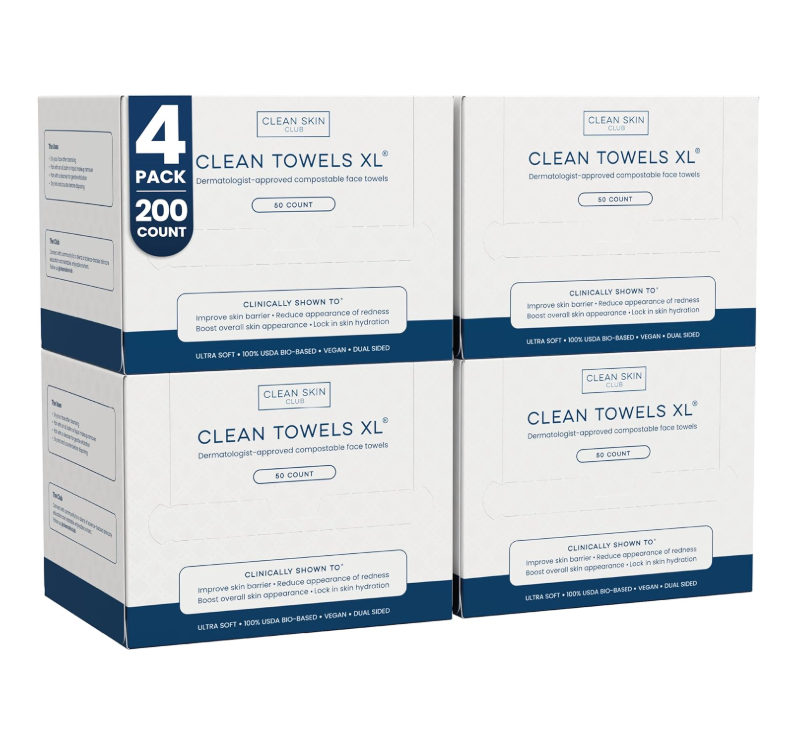
Clean Skin Club disposable facial towels (20% off list price)
Washing your face daily can feel like an arduous task, made more so when you factor in the labor or having to launder washcloths. As if that weren’t annoying enough on its own, dermatologists have previously told HuffPost that washcloths can harbor a plethora of microorganisms when left wet for a prolonged period.
The search for a sanitary solution led former HuffPost Shopping writer Haley Zovickian to the cult-favorite Clean Skin Club towels. Plant-based and disposable, they’re designed to help keep skin germ-free post-wash, so you can apply products with a fresh face, clean conscience and without added microorganisms.
Endorsed by thousands of happy reviewers, these soft, plush and surprisingly large towels are as good as it gets. Some users even noted that they helped to reduce skin irritation. It’s no wonder they’ve become a staple in myriad HuffPost readers’ skin care routines, making them worthy of high praise.
Advertisement
Amazon
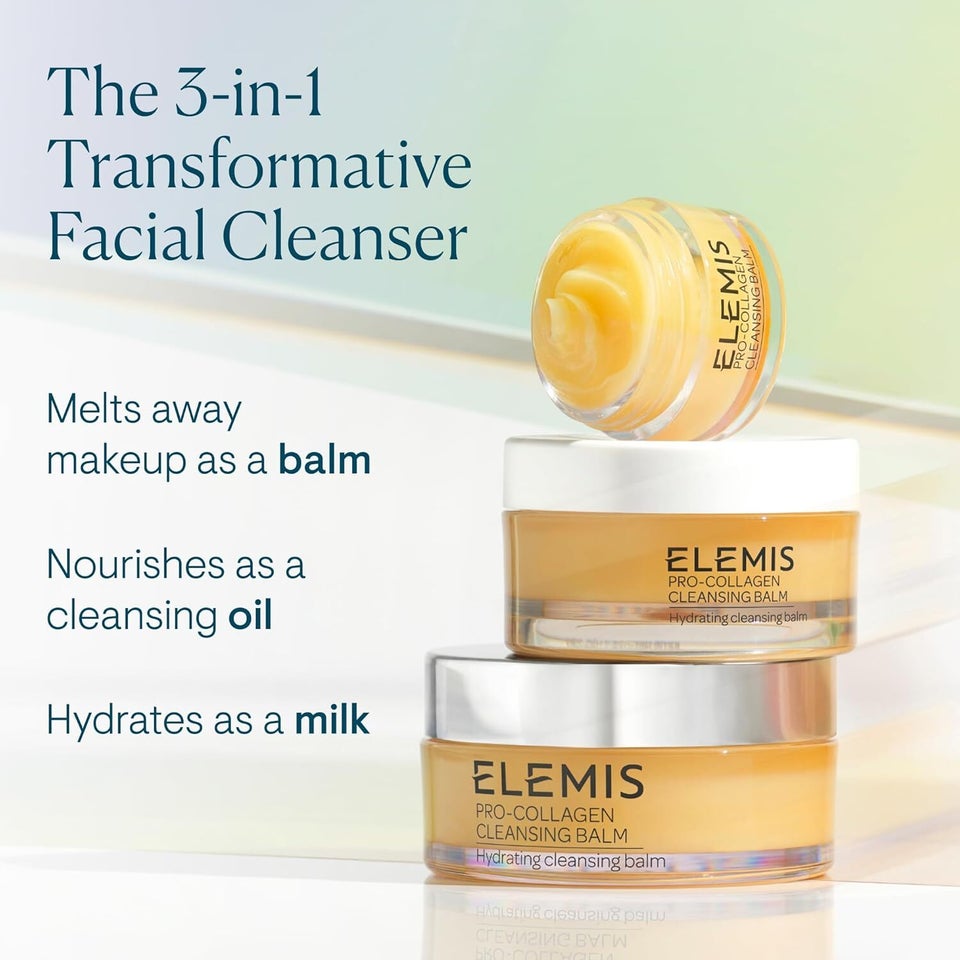
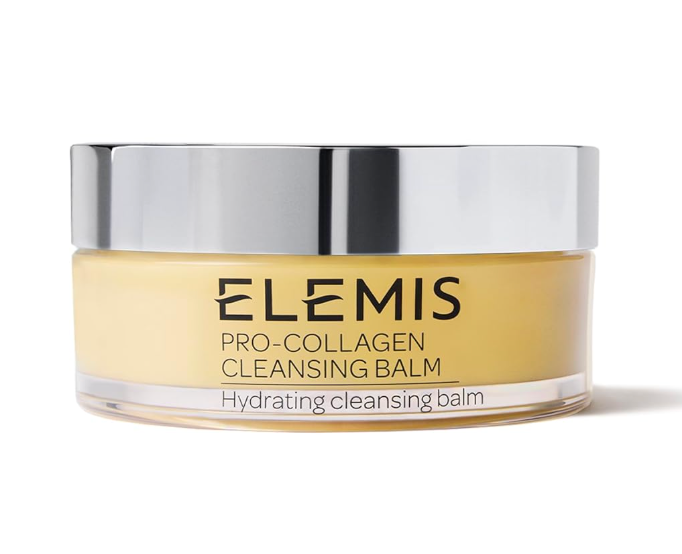
A luxury pro-collagen cleansing balm (45% off list price)
The first time I tried the famous Elemis cleansing balm, I couldn’t believe how soft, supple and clean my skin felt. And it’s been endorsed by dermatologists in previous reporting. I had always assumed that someone with acne-prone, oily skin like me should stay away from oil cleansing, but I couldn’t have been more wrong. It has a buttery soft consistency that starts off like a rich, thick oil and slowly melts into the skin, dissolving makeup, grime and impurities. It’s formulated with fatty acids that can help to improve skin elasticity and moisture retention, and the brand says its starfish and elderberry oils help soothe irritation and smooth out the complexion.
My colleague Kristen Aiken is also a huge fan of this cleansing balm. She told me that “this item is way pricier than what I’m usually willing to spend on cleanser (which is usually from the drugstore and under $10), but I’ve found it’s one of the only products that can effectively cleanse my skin AND nourish it without making me break out. I have perpetually dry skin no matter how much water I drink, and this saves me from drying out (especially in the winter months). Bonus: If you use it as a second round of double-cleansing (i.e. after you’ve already removed the day’s initial layer of gunk), you can use your favorite facial massage tool over top it, to help your tool slide smoothly along your face and de-puff.”
Amazon
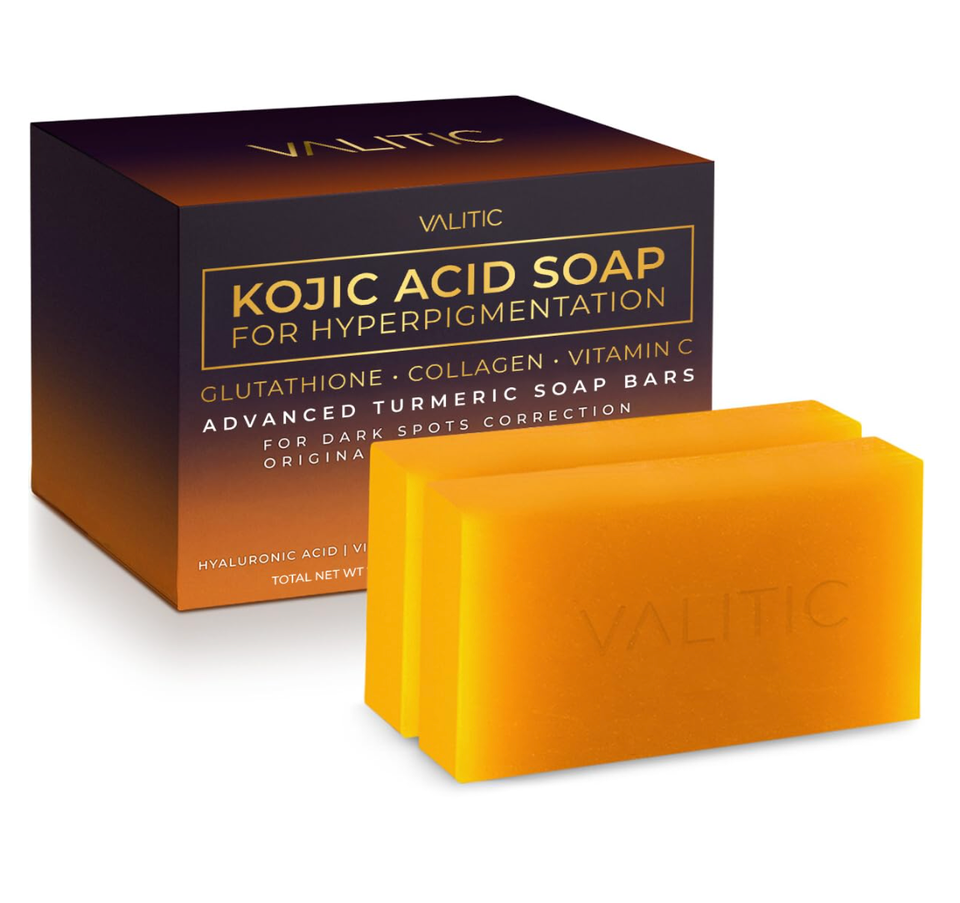
My magic kojic acid bar soap that brightened my underarms (24% off list price)
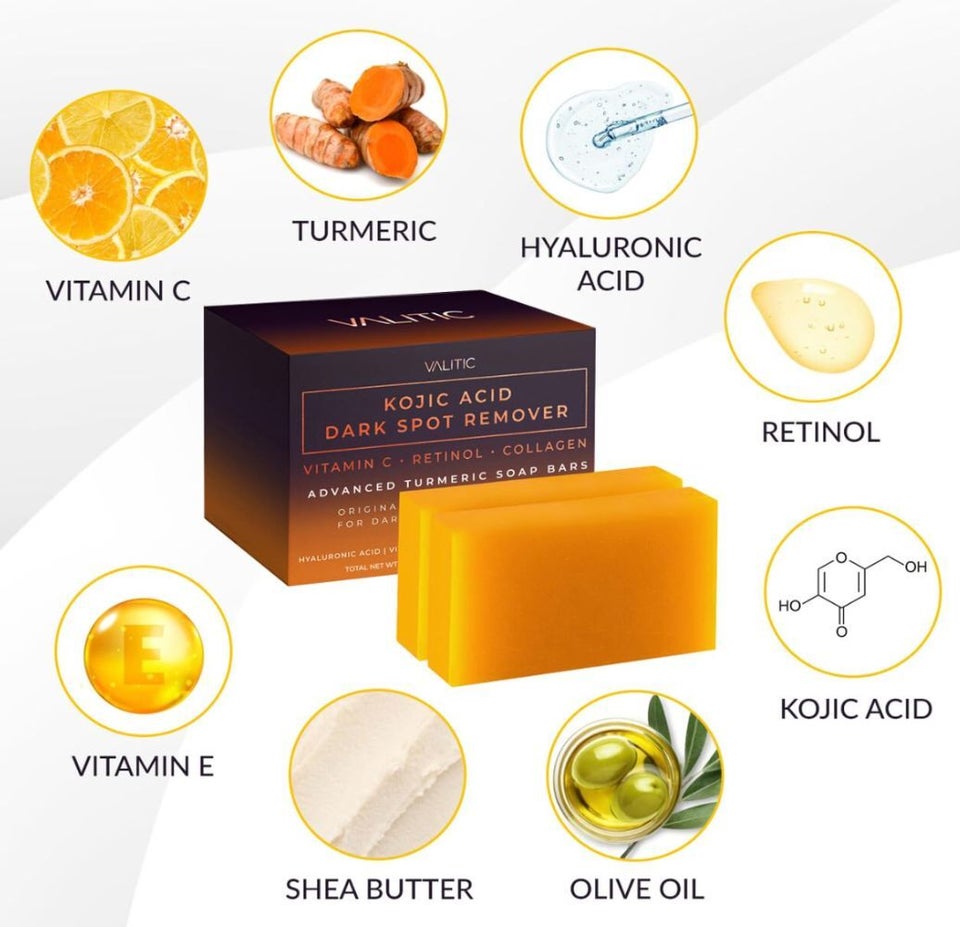
This bar soap is surprisingly great for brightening skin and reducing dark spots, thanks to kojic acid, tranexamic acid, vitamin C and glycolic acid — ingredients previously cited by dermatologist for their collective ability to combat hyperpigmentation. Both Flores and I are big fans of these Japanese-formulated bar soaps that are also packed with other skin-loving ingredients such as hydrating hyaluronic acid and retinol, which is essential for promoting collagen production.
Amazon
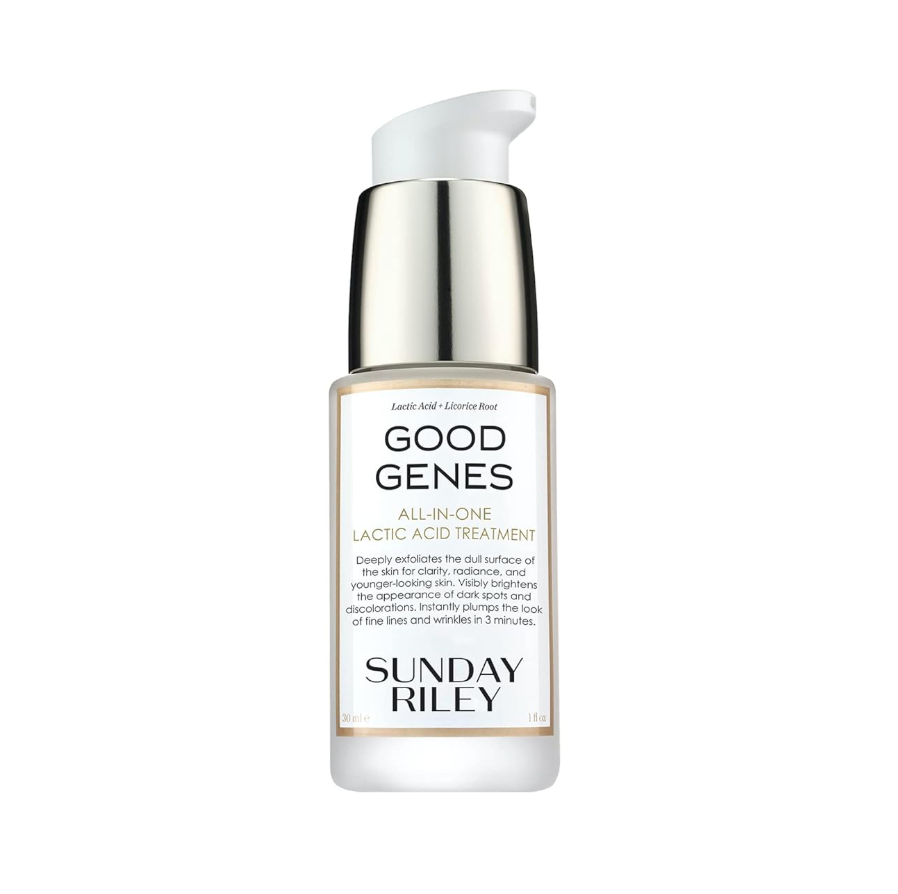
Sunday Riley Good Genes lactic acid treatment (40% off list price)
I am a longtime fan of Good Genes, it’s an incredibly powerful and rapidly effective serum. The secret is in the high percentage of active ingredients in both, particularly content of lactic acid. It is a unique chemical exfoliant that encourages quick cell turnover in the surface layers of the skin, leaving it smooth and helping clear up blemishes. It’s paired with licorice and lemongrass, which help brighten up the look of dark spots, sun damage and other discoloration, and prickly pear extract that helps soothe redness and calms sensitive skin. This serum will go on sale here and there, but rarely at such a steep discount. It’s definitely worth taking advantage while you can.
In previous reporting, experts said that products with lactic acid are a good option for anyone looking to treat dry, dead skin and improve hydration. It can also be used to soften the little bumps some people get on the backs of their arms, known as keratosis pilaris.
Advertisement
Amazon
Shark FacialPro Glow hydro-powered facial system (25% off list price)
Amazon
An incredibly moisturizing Laneige water sleeping mask (30% off list price)
This overnight mask is meant to be moisturizing and hydrating, with a blend of sleepy scents, including orange flower, rose and sandalwood. It’s formulated to feel rich and luxurious, wihtout leaving skin greasy. Hyaluronic acid, niacinamide, squalane, ceramides and other dermatologist-recommended ingredients give this night cream a whole lot of oomph.
Amazon
Image Skincare Vital C hydrating anti-aging serum (20% off list price)
We know dermatologists love vitamin C serums, and this one is formulated with hyaluronic acid to lock in moisture while delivering antioxidant goodness. It’s on the pricier side, making this the right time to save when you shop. One reviewer raved, saying, “My skin has never felt this good!” They added, “The scent is light, fresh, and not overpowering—just enough to feel like a little spa moment each time I use it. What really sold me, though, was how hydrated and smooth my skin felt afterward. It absorbed beautifully without feeling greasy or sticky. I’ve been using it daily since and my skin looks brighter, feels softer, and has a healthy glow.” Another boasted, “I’ve gotten compliments that my face is glowing.”
Advertisement
Amazon
A PDRN serum packed with five different plumping peptides (32% off list price)
In previous reporting, experts suggested this recognizable pink serum, a Korean beauty brand that’s quickly become synonymous with tons of PDRN-based products, from jelly masks to toners and face creams. The PDRN peptide serum is one of Medicube’s best sellers on Amazon, and in addition to salmon sperm-derived PDRN, it’s enriched with a complex containing five different types of peptides. According to dermatologists that we previously spoke to, peptides are amino acid proteins known to boost collagen production, improve skin texture and promote wound healing.
Amazon
A famous caffeine serum that tackles all your skin care bases (20% off list price)
HuffPost readers love a high-quality skin care product that can replace pricey facial treatments, like this K-beauty serum that one beauty TikToker calls “filler in a bottle.” Its prowess is attributed to an ingredient called PDRN, which is widely used in injectables overseas. Like the aforementioned Medicube serum, it has anti-inflammatory and tissue-repairing capabilities that can improve skin firmness and leave recipients with a telltale glow. It’s usually extracted from salmon sperm cells, but Iope’s serum has a completely vegan, plant-based formula that is as unique as it is effective.
Additional ingredients like niacinamide, probiotics and caffeine round out this repairing formulation — all ingredients that are beloved by HuffPost editors and readers alike. It’s such a great product that it was awarded a HuffPost Awards seal of approval.
I have covered countless serums in my many years of beauty reporting, and this one by Iope covers all my must-have bases. My skin is significantly more hydrated, glowy and bouncy. I make an effort to put it on my neck lines and it definitely helps to blur them as well. I’m a convert for life.
First Aid Beauty
An ultra-rich repair cream that’s helped my eczema (40% off list price)
Flores is a fan of a few First Aid Beauty products, like this intensive repair cream. She credits it with saving her itchy, flaky, eczema-prone skin on more than one occasion. Dermatologist have also previously sung this product’s praises, citing the soothing, barrier-repairing powers of ingredients like colloidal oatmeal, shea butter and allantoin.
Advertisement
Amazon
A brightening and depuffing multi-balm from Korea (25% off list price)
In a previous story, HuffPost shopping writer Griffin Wynne reported that topical calcium can strengthen the skin barrier and increase cell turnover, making it a useful ingredient for anti-aging skin care. That’s where this Dr. Melaxin calcium multi-balm stick comes in: This non-sticky balm contains calcium, vitamin D, collagen, elastin and adenosine to smooth, hydrate and firm the skin, plus reduce the appearance of wrinkles. In previous reporting, experts have extolled the virtues of collagen and elastin, making them foolproof ingredients in any anti-aging regime.
The stick packaging makes it so easy to apply this balm wherever needed on the face and neck without making a mess. Best of all, reviewers in their 50s and 60s love it for its help with “turkey neck” and fine lines.
Amazon
First Aid Beauty KP Bump Eraser body scrub (36% off list price)
This exfoliating scrub, which has earned a cult following among people with all types of skin, is a fine pumice-based formula that functions closer to a microdermabrasion treatment. Flores says, “I have been a dedicated user of First Aid Beauty’s KP bump eraser for years as a way to instantly treat my incredibly stubborn and very obvious keratosis pilaris on my arms. Its ability to soften rough skin is probably primarily due to its 10% concentration of AHAs, like glycolic and lactic acids.”
This category of derm-approved chemical exfoliants can work to refine skin texture and slough off the dead skin cells that are responsible for those pesky bumps. The formula is also enriched with natural bisabolol, an antioxidant that offers soothing benefits post-exfoliation.
Amazon
A 40% urea cream for baby-soft skin (19% off list price)
Experts previously put us on the skin-smoothing benefits of urea, especially when it comes to softening rough and cracked callused heels, psoriasis, keratosis pilaris and more. The Ebanel intensive moisturizing and softening cream, which, at 40%, contains the highest concentration of urea out of many market options out there. Protective, intensely moisturizing and softening, this cream also features 2% salicylic acid to help exfoliate away patches of rough and flaky skin, as well as targeting things like calluses, corns and cracked skin. The shea butter-based formula is enriched with trusted hydrators like hyaluronic acid, coconut and jojoba oils, and antioxidants like green tea and vitamin E. It’s a combination that can be useful for feet and elbows and even promote healthier-looking nails.
Advertisement
Amazon
Clinique Dramatically Different Moisturizing Lotion+ (30% off list price)
Also loaded up with dermatologist-beloved ingredients like urea, along with glycerin and other nourishing ingredients, this timeless facial moisturizer will never go out of style. It is made to seriously soften and smooth skin, qith a quickly absorbing formula that can help to repair and strengthen your natural moisture barrier. Pick up a bottle and find out why it’s been a must-have since it was first developed in 1968.
Amazon
A glazed jelly lip mask that I trust to plump and hydrate my lips (19% off list price)
Flores swears by this Korean lip mask with a distinctive jelly texture and a heavy dose of derm-approved PDRN to minimize the appearance of her lip lines, make her pout look more plump and, above all, stave off chronic dryness — especially around the corners of the mouth where regular retinol use can make it go flaky. Not quite a balm and not quite a gloss, but somewhere in a delightful jammy middle, the Abib treatment feels cushiony and velvet-like on the lips and not at all sticky. Because of this, it’s much more comfortable to wear as an overnight lip mask and she loves waking up with noticeably softer lips.
A set of teeth whitening strips (36% off list price)
Dentists have previously recommended these Lumineux whitening strips for people with sensitive teeth. They’re non-toxic and peroxide-free, instead using natural ingredients like coconut oil and Dead Sea salt. The box comes with seven treatments that work in much the same way as the Crest strips: Apply them for 30 minutes once a day for four days, and then once a week after that or as directed by your dentist.
We all know what a difference shiny, white teeth can make to your overall youthful appearance, and this is an easy way to brighten up your complexion.
Advertisement
Amazon
A tried and true minoxidil foam by Rogaine (15% off list price)
Rogaine is probably the best-known product that features minoxidil as the active ingredient for hair growth. This three-month supply features a 5% minoxidil along with a variety of botanical extracts and humectants, which can draw moisture into the hair.
The once-a-day treatment is also in the form of a foam — an important requirement according to experts we’ve previously spoken with — so the product won’t drip down to other areas of the face, thus risking unwanted hair growth.
Amazon
A serum with a concentrated dose of retinal for wrinkles (25% off list price)
If you’ve ever wondered how to get your hands on some of the strongest retinoids, without a prescription, this is a much-talked-about option, which actually comes in six strengths for everyone from the retinol beginner to the seasoned expert. The Medik8 Crystal Retinal (in the mid-strength option) is also one of my favorites, it’s an effective yet gentle addition to my repertoire.
It leaves my skin looking and feeling great. Not only does it address typical signs of aging like wrinkles and texture quickly and efficiently, but it’s also helped to round out my anti-hyperpigmentation routine without stripping my skin of moisture or being overly harsh. The formula is balanced with hyaluronic acid and glycerin to help keep skin supple, soft, smooth and hydrated.
The Crystal Retinal 10 is no longer on sale, but you can still get the other formulations at a discount. Just act fast — they’re lightning deals and inventory is limited!
Amazon
A two-pack of a heavy-duty hand cream (20% off list price)
If you’re hard on your hands, you need a hand cream that works even harder. O’Keeffe’s Working Hands cream nourishes even the most chapped hands, supporting healing and alleviating pain from blistered skin. Apply it daily and help your hands go from dry to baby soft. If you’re in perimenopause, you need this in your dry skin arsenal. It’s chock-full of all the nourishing ingredients our dry skin craves.
Advertisement
The Real Deal: We use deal trackers and commerce experience to sift through “fake” hike-and-drop deals and other deceptive sales tactics. Products will usually be rated at least 4 stars with a minimum 15% discount. (And when there’s an exception, we’ll tell you why.)
Prices change quickly on Prime Day, so keep checking back to see the latest updates. Make sure to sign up for an Amazon Prime account to get the deals.
In previous HuffPost coverage, experts have shared that our body odor can actually change with aging, thanks to our skin naturally producing different compounds over time. The smell is distinct from regular BO, and while it isn’t a poor hygiene indicator, it generally doesn’t come off with just ordinary soap and water. It may, however, be addressed with this special bar of Japanese persimmon soap from the brand Mirai Clinical. It was runaway hit with HuffPost readers from the first time we covered it. For Amazon Prime Day, you can nab it for a whopping 38% off (aka, the lowest price we’ve seen it at, ever).
Typically beginning after age 40 and caused by antioxidant defenses declining in the skin, nonenal odors can have a mild to moderate organic or musty smell that varies from person to person, we’re told by dermatologists. And you might not even be able to notice it on yourself due to something called olfactory adaptation, where you become accustomed to the scent since its development is so gradual. It’s also not necessarily unpleasant to all humans, since smell is so subjective. But, if it is a concern for you, this is a possible solution.
“Persimmon soap, which contains tannins, has a plausible mechanism and a long history of use, though large randomized trials are lacking,” dermatologist Dr. Naana Boakye, founder of Bergen Dermatology, previously suggested.
And while Boakye did not mention a specific brand, the Mirai bar soap appears to be the most popular and widely reviewed option. (The founder even appeared on “Shark Tank” last year.) This formula has a dense concentration of persimmon-derived tannins, along with green tea extract, an ingredient that’s rich in antioxidants for continual defense throughout the day.
Advertisement
The palm-sized, delicately scented soap works best when lathered onto key areas of the body where nonenal odors generally develop — like feet, under the armpits and along the back of the neck.
One Amazon customer put it to the test behind their ears, another part of the body where this smell can commonly develop.
Advertisement
“The results were pretty remarkable,” they claimed in their review. “I washed behind my ears on day one and then didn’t do it again for three days, constantly smelling that area each day. The smell stayed gone for two days, and by about the third day, it was starting to become slightly noticeable. That made me a believer.”
“Magical!! This stuff really works! No more perimenopause weird odor. I was going crazy! Bought a bunch more because it’s an essential now.” — An
“The perfect soap for seniors. This is a fantastic product. I had been changing soaps, shampoos, laundry soaps and sheets, and the unpleasant smell remained. Within days of using Mirai clinical persimmon soap I smell clean and fresh again. I also use the deodorant. I like the round shape of the bar and it makes a nice lather. I recommend this to everyone.” — Kindle customer
“Now get ready because I am going to get slightly gross for a minute. I rubbed my finger behind both my ears and smelled and yeah, it wasn’t great, even though I just washed that morning. So I gave the soap a shot and in particular focused on behind the ears. The result were pretty remarkable. I washed behind my ears on day one and then didn’t do it again for 3 days. Constantly smelling that area each day. The smell stayed gone for 2 days and by about the 3rd day it was starting to become slightly noticeable. That made me a believer. So I started using it in all the places the nonenal is at. I start by washing my entire body with regular soap and then at the end of my shower I use this soap in all the places they teach you that nonenal shows up. I have to say that I feel much more confident about how I smell after using it. No one wants to go through hormonal changes but we all have to. At least now we can be more comfortable in our skin while we go through it. I know it’s very expensive for a soap. But it is worth it. And if you only use it on the parts of the body that the nonenal smell comes from you won’t have to buy it again for a couple of months.” — L.B. (This review has been edited for length. Read the full review.)
“I’m glad I decided to try this soap despite the cost. It’s a large bar that hopefully will last for months and lathers very well with a pleasant clean smell. I noticed after using the bar the sour odor that I have been struggling with is absent. I hope this soap works as well for you as it has for me.” — Patricia Kroepel
The experts consulted for this story do not necessarily endorse the products ahead unless otherwise noted.
We have LOADS more Prime Day beauty deals where this came from! Browse this curated list below for more of the goods.
Amazon
Drunk Elephant’s famous glow-inducing bronzing drops (50% off list price)
At a jaw-dropping discount of 50% off, Drunk Elephant’s D-Bronzi Sunshine Drops are for anyone who wants a glow-within-complexion with the added benefits of skin care. Popular on TikTok, these drops can be added to your foundation or used alone and are infused with peptides, antioxidants and fatty acids while delivering a bronzy wash of glossy color. HuffPost executive editor Kate Palmer calls them “potent and useful!”
Amazon
Anua PRDN + hyaluron cream (30% off list price)
Our first impression of this Korean PDRN cream by Anua, which we awarded in 2026, was when one reviewer compared it to “a miracle cream” and said they were unable to say enough good things about this under-$25 formula.
PDRN, as it’s been previously described to us by board-certified dermatologists, is a portion of DNA that’s typically derived from salmon sperm and has been shown to accelerate repair of damaged skin and promote new tissue growth. It also boosts hydration in the skin, promotes cellular turnover and reduces hyperpigmentation.
The cream also offers other anti-aging heavy-hitters, like hyaluronic acid for plumping and hydration, niacinamide for protection, squalane for softening, glycerin for moisture, and turmeric, aloe and eggplant extras for soothing and brightening. Lightweight and non-greasy, users say it quickly soaks into your skin and plays well with other products.
One 40-year-old reviewer with combination dry and oily skin and acne says after using the cream, “I have elasticity and softness as I had in my 20s.” They also note that they’ve been getting many compliments on their skin — something they are not used to. “My face at 65 years old looks and feels about 40,” another wrote.
Amazon
Clinique’s Almost Lipstick tinted balm in Black Honey (25% off list price)
Clinique’s Black Honey Almost Lipstick has stood the test of time and remained an iconic makeup staple for many, myself included. I have always found that it’s the perfect, low-maintenance daily lip product for a little slick of color and hydration. The nostalgia factor, combined with the nourishing formula and timelessly romantic hue that looks good on everyone, has earned it legions of devotees. “My favorite part about the Almost Lipstick is how comfortable it feels on the lips,” said senior shopping writer Tessa Flores.
Part of what makes it so special is the “Almost Lipstick” formula. It’s technically an emollient-rich and ultra-moisturizing tinted balm that deposits a sheer, buildable kiss of color. It’s more hydrating than a traditional lipstick thanks to seed oils that give it a perfect sheen without the sticky feel of a gloss. There are three different “Almost Lipstick” shades, but Black Honey is the enduring star, perhaps due to the brand’s claim that it has a “chameleon-like ability to flatter all skin tones yet look different on everyone.” Apparently, Clinique sells seven tubes every minute!
While Black Honey never really went away, there has been a cultural resurgence of late thanks to social media. It’s all over TikTok, and not only do influencers love it, but so do beauty editors, and that includes the HuffPost shopping team. Black Honey’s enduring popularity and resiliency has earned it a top spot on the 2026 HuffPost Shopping Awards list of beauty must-haves.
Advertisement
Amazon
Kahi Wrinkle Bounce balm (41% off list price)
This reader-favorite multi-balm makes smoothing and hydrating the trouble areas on your face impossibly easy, earning it a 2026 HuffPost Shopping Award.
Featured in the fall, the Kahi Wrinkle Bounce balm is a lightweight and hydrating stick, enriched with fermented jeju oil and a collagen combo with salmon DNA (the PDRN portion of this formula), which works to deeply moisturize the skin and support skin renewal. Additionally, the balm helps diminish fine lines and improve skin clarity to reveal a more radiant complexion.
HuffPost readers and Kahi Balm reviewers alike have had a longstanding obsession with this treatment stick, which you can swipe under the eyes to target dehydration and crow’s feet, on the lips and forehead.
“I just turned 50. I have always taken care of my skin and looked younger than my age, but this year I started to notice more wrinkles popping up,” one Amazon shopper wrote, ” I started using this every night before bed, all around my eyes and lips. After about a week, I saw a huge difference!”
Amazon
An absolutely peerless prescription-strength French retinol balm (25% off list price)
If there’s one thing that HuffPost readers and editors love, it’s French pharmacy skin care products. A313 cream is the highest-strength retinol cream you can get over the counter, with three kinds of retinol that can help stimulate collagen. Its efficacy is renowned, as is the reasonable price point, making it a unique entry in the retinol category — and a 2025 HuffPost Shopping Award winner.
Reviewers have long noted that it’s nearly as potent and effective as prescription-strength Tretinoin, without the negative side effects. In fact, some users who had been using prescription-strength Tretinoin then made the switch to this alternative, say they prefer A313 and have maintained the same results that they had with the prescription-strength formula.
In past reporting, board-certified dermatologist Dr. Rebecca Marcus explained that, “[A313] contains minimal ingredients in its vehicle, which is helpful for those who are sensitive to fragrances or other ingredients that are commonly found in OTC retinol products.”
Ultimately, what makes A313 distinctive (along with the price) is the thick occlusive texture, which is closer to a balm, and according to reviewers, can be more hydrating compared to other pricier formulations that you might find on the OTC market. The brand claims that the 2% retinol concentration can help unclog pores, minimize fine lines, reduce hyperpigmentation and even out skin texture.
Amazon
Tosowoong arbutin 7% + tranexamic acid 4% cream (30% off list price)
Unlike your run-of-the-mill sun spots, we know that melasma is arguably one of the most clingy and temperamental skin conditions to treat. That’s what makes this Korean drugstore cream — originally featured mid-last year and well-received by HuffPost readers — all the more impressive, and worthy of a 2026 HuffPost Shopping Award.
It contains a 7% concentration of arbutin, an antioxidant with brightening properties that works by inhibiting the over-production of melanin in the skin, which causes hyperpigmentation. It contains other well-trusted ingredients in the world of melasma care, one of which is 4% tranexamic acid, which is revered for its ability to reduce pigmentation associated with melasma, without causing any kind of irritation.
There’s also niacinamide, a workhorse antioxidant that you’re most likely already familiar with. If you’re not, just know that this all-skin-concerns ingredient can reduce redness, acne, and, most notably, brighten the complexion.
“I’ve been using it for about a third application, after washing my face and wow! I see drastic fading already!” one Amazon reviewer claims.
Advertisement
Amazon
A buzzy serum that readers can’t stop buying (20% off list price)
HuffPost readers love a high-quality skin care product that can replace pricey facial treatments, like this K-beauty serum that one beauty TikToker calls “filler in a bottle.” Its prowess is attributed to an ingredient called PDRN, which is widely used in injectables overseas. It has anti-inflammatory and tissue-repairing capabilities that can improve skin firmness and leave recipients with a telltale glow. It’s usually extracted from salmon sperm cells, but Iope’s serum has a completely vegan, plant-based formula that is as unique as it is effective.
Additional ingredients like niacinamide, probiotics and caffeine round out this repairing formulation — all ingredients that are beloved by HuffPost editors and readers alike.
The combination of a buzzy new ingredient like PDRN and time-honored stalwarts like the ones we just mentioned joined forced to create the perfect beauty product storm that earned this serum a 2025 best-in-show badge. Both Flores and Uribe have covered countless serums in their many years of beauty reporting, but this one covers all their must-have bases.
Dermstore
A (usually) $40+ lip balm that we swear is worth every dang penny (30% off list price)
We’ve rarely seen an audience response quite like we did when former HuffPost editor Janie Campbell introduced our readers to the Revision Skincare YouthFull lip replenisher, one of our 2025 winners. You purchased this nourishing lip product in droves, and upon closer inspection, it’s clear why. Campbell made a compelling case for this balm, calling it a “truly stellar and game-changing product.”
Formulated with several peptides, vitamins E and C, green tea and shea butter, it’s designed to target visible signs of lip aging like puckering, wrinkles, dryness and dullness.
And while it’s not typically like us to recommend such an expensive lip balm, the results speak for themselves. It has a thick, tacky texture that really grips the lips, making it a great overnight treatment. Campbell could see results upon her very first application, and other reviewers agree, including one at Dermstore who said it gives her “a plump lip filler look when left on overnight.” Say no more!
Amazon
A nail concealer beloved by HuffPost editors (20% off list price)
When multiple HuffPost editors are raving about one product, you know it’s going to be pretty magical. Case in point: Londontown’s cult-fave nail concealer. It’s a game-changer whether you’re looking to take a break from gel manicures, want to touch up your polish at home between visits to the salon or simply want a quick and easy way to give your paws a refresh.
Senior reporter Lydia O’Connor first brought this nail polish to the Shopping team’s attention, and it very quickly became apparent that it’s beloved across the entire newsroom. “I am obsessed with this product,” O’Connor said in previous reporting.
Greta Geiselman, our director of office services, swears by it, saying “I love this brand! For quick manis, I can put on two coats, no top or bottom needed and it dries quickly. Buildable coverage and fun colors.”
Aiken proclaimed, “I love this stuff!…I have really weird nails (the whites are jagged because I use my hands too much and have ‘nailbed trauma’) and I’m too rugged to paint my nails because it instantly comes off, but I love the nail concealer because it looks natural but just, better. And it doesn’t show when it starts to chip off.”
Their glowing reviews, combined with our audience’s fervor for this nail concealer, has earned it a coveted 2025 HuffPost Shopping Award designation. The concealer comes in four different colors that look great on a variety of skin tones: bubble, pink, milky and quartz. Each formula contains optical brighteners to give nails a subtle gleam and hide imperfections and discoloration, along with plant extracts and a nourishing complex.
Advertisement
Amazon
Lancôme Lash Idôle lifting and volumizing mascara (40% off list price)
Lancôme’s Lash Idôle, a 2026 winner, has a lightweight, long-lasting formula that’s infused with white tea extract for conditioning your lashes as it coats them. It helps fan your lashes out and give them a whole lot of fluttery oomph without smudging. “Goes on smoothly,” user me q. wrote. “I am 68 years old and my lashes look like lashes of a 20-year-old. I won’t be using anything else.”
The inner curve has smaller bristles for building volume, and the exterior of the curve has longer ones for helping lengthen and separate your lashes. Reviewers can’t get enough. “It really does lift and separate the lashes, giving a wide-eyed look without clumps,” A’Ville Triathlon said. “The brush grabs every lash, even the tiny ones and builds nice volume without making them feel heavy or sticky.”
Amazon
Erborian CC Red Correct cream (30% off list price)
Whether you’re struggling with a condition like rosacea or are simply prone to irritation, there’s one item that doubles as both skin care and makeup with legions of devoted fans (both online and in the HuffPost newsroom) that is formulated to correct even the ruddiest complexion, and it is worth every penny.
According to many, the Erborian CC Red Correct color-correcting cream is one of the best K-beauty products out there. It’s designed to help neutralize redness and calm skin in both the short and long term, with more visible benefits the longer you use it. It also has SPF 25 sun protection. It’s formulated with centella asiatica, also known as tiger grass, which has been used for thousands of years for its soothing and calming properties. The inclusion of glycerin can hydrate and strengthen the skin’s natural moisture barrier, so your skin stays soft and supple even while the active ingredients work hard to nourish the skin.
The critical mass of positive testimony from our colleagues here at HuffPost made it a no-brainer when it came to including it in 2026’s HuffPost Shopping Awards. O’Connor called it “a miracle product.” She came across it while searching for something to counter her skin’s redness and blotchiness, saying, “It’s very your-skin-but-better and just sort of blurs everything while cutting down on red undertones.” She uses it by itself on her “no makeup days” but finds that it’s great under foundation and concealer as well.
HuffPost senior reporter Carly Ledbetter said, “As someone with rosacea, it is the only ‘green’ product that makes my skin look normal.” Senior reporter Jessica Schulberg chimed in, saying, “I’ve influenced every single one of my friends to try it, it’s literally the only makeup I wear now. It’s magical.”
The finish is lighter than expected from such a transformative product, so even those with dry skin or who are acne-prone can enjoy it. It is also worth noting that this product is best suited for those with lighter skin tones who are prone to redness. Those with more melanated skin may find that it leaves a white cast.
Amazon
Avéne Cicalfate+ restorative protective cream (30% off list price)
In the fall of 2025, senior shopping writer, Tessa Flores, wrote about how the Avène Cicalfate+ restorative protective cream saved her skin during an eczema breakout when she didn’t have access to the prescription steroid cream that she usually depends on in these situations. “After it managed to instantly soothe and soften the unbearably itchy and burning patches on my fingers and hands, I quickly learned why this French treatment lotion has such a hearty reputation for helping those with the most troubled and sensitive skin,” she said.
It would appear that HuffPost readers also hoped that the Avène cream would be their skin savior, because, during the colder winter months, our shopping trackers marked it a consistent top seller. Ultimately, we named it a winner among skin care products in 2026.
Functioning as a shielding and isolating layer to compromised skin, this richly textured cream has 45 uses and works by creating the optimal condition for damaged skin to recover by employing protein-rich probiotics and a copper-zinc-sulfate complex.
Advertisement
Amazon
Dr. Dennis Gross Alpha Beta daily peel pads (25% off list price)
“I simply wipe down your face with these exfoliating pads, go to sleep, and wake up glowing like never before. These wipes are seemingly “magic,” helping my pores look smaller, minor acne clear up, fine lines iron out, and my skin [feel] baby smooth,” Lehmann said of the 2026 winner.
Also previously suggested to HuffPost by board-certified dermatologists, the Dr. Dennis Gross daily peel pads can offer the benefit of a chemical peel, but with a gentler approach than what you might find in a dermatologist’s office. Each treatment contains two pads: one to exfoliate and smooth your skin, and one that provides anti-aging benefits. The pads are pre-dosed with five acids, including glycolic, salicylic and lactic, that each work to reduce dullness and uneven texture, pores and hyperpigmentation. They were even compared (and preferred) to an in-office chemical peel by Amazon customers.
Amazon
Revlon One Step Volumizer Plus hair dryer and styler (40% off list price)
HuffPost shoppers still can’t get enough of this cult-fave styler and dryer from Revlon — a surefire way to get glossy, sleek hair. It’s shaped like a regular round brush with detangling bristles, and comes with three heat settings so you can style, dry and smooth your hair all in one go. It’s a must for anyone who loves that freshly blown-out feeling. Once you add this to your hair arsenal, you may not even need any other styling tools cluttering up your bathroom.
Amazon
Tula’s brightening eye balm stick (30% off list price)
Advertisement
Amazon
A four-pack of Clean Skin Club disposable facial towels (28% off list price)
Washing your face daily can feel like an arduous task, made more so when you factor in the labor or having to launder washcloths. As if that weren’t annoying enough on its own, dermatologist Joshua Zeichnerpreviously told HuffPost, “Items like washcloths can be a breeding ground for microorganisms if they are left out wet and reused.”
The search for a sanitary solution led former HuffPost Shopping writer Haley Zovickian to the cult-favorite Clean Skin Club towels. Plant-based and disposable, they’re designed to help keep skin germ-free post-wash, so you can apply products with a fresh face, clean conscience and without added microorganisms.
Endorsed by thousands of happy reviewers, these soft, plush and surprisingly large towels are as good as it gets. Some users even noted that they helped to reduce skin irritation. It’s no wonder they’ve become a staple in myriad HuffPost readers’ skin care routines, making them worthy of high praise.
Amazon
A tried and true minoxidil foam by Rogaine (15% off list price)
Rogaine is probably the best-known product that features minoxidil as the active ingredient for hair growth. This three-month supply features a 5% minoxidil along with a variety of botanical extracts and humectants, which can draw moisture into the hair.
The once-a-day treatment is also in the form of a foam, an important requirement according to experts we’ve previously spoken with, so the product won’t drip down to other areas of the face, thus risking unwanted hair growth.
Amazon
The only dry shampoo that I will ever use on my hair (29% off list price)
Both Flores and fellow senior shopping writer, Lourdes Avila Uribe, are longtime fans of this dry shampoo by Living Proof because it’s as close as you can get to freshly washed hair. It’s definitely on the higher end of the price spectrum for a product like this one, but it’s well worth it for the results. It doesn’t leave my scalp or hair feeling gritty with excess buildup; it’s like starting over with a clean slate without the hassle of drying and styling your hair again. But what has amazed us the most over the years of use is that it so effectively soaks up oil and dirt without leaving behind an unappealing chalky residue. Flores added that “despite the fact that I routinely spray on quite a bit of dry shampoo for multiple days in a row, it is never visible on my dark hair.”
It is formulated with a mix of starch and mineral blend powders that are known to quickly absorb excess oil and sweat, while an odor neutralizer gives hair a surprisingly fresh scent that makes it smell freshly washed. But it isn’t just absorbing oil; it leaves hair looking and feeling fresh and clean while also adding volume and movement.
Advertisement
Amazon
A salmon PDRN serum by one of my favorite K-beauty brands (21% off list price)
Medicube is one of Flores’ and Uribe’s favorite brands for reliable K-beauty products, and this salmon PDRN serum is one of its top-sellers (it’s even been previously suggested to us by dermatologists). In addition to salmon sperm-derived PDRN, it’s enriched with a complex containing five different types of peptides. According to dermatologists that we previously spoke to, peptides are amino acid proteins known to boost collagen production, improve skin texture and promote wound healing.
Amazon
My magic kojic acid bar soap that brightens underarms (24% off list price)
Flores said, “I have used this kojic acid bar soap as the first in-line product in my shower routine for about two years now, particularly on my arms for my KP and my underarms for any hyperpigmentation — and it really works.”
These bar soaps harness the power of active ingredients like vitamin C and retinol combined with the nourishing benefits of hyaluronic acid, vitamin E, shea butter and olive oil to potentially help even out skin tone, lighten dark spots, smooth skin and reduce blemishes. This two-pack has myriad glowing reviews attesting to its prowess, and could be a good tool in your skin health arsenal.
Amazon
A 40% urea cream for baby-soft skin (19% off list price)
Experts previously put us on the skin-smoothing benefits of urea, especially when it comes to softening rough and cracked callused heels, psoriasis, keratosis pilaris and more. The Ebanel intensive moisturizing and softening cream, which, at 40%, contains the highest concentration of urea out of many market options out there. Protective, intensely moisturizing and softening, this cream also features 2% salicylic acid to help exfoliate away patches of rough and flaky skin, as well as targeting things like calluses, corns and cracked skin. The shea butter-based formula is enriched with trusted hydrators like hyaluronic acid, coconut and jojoba oils, and antioxidants like green tea and vitamin E. It’s a combination that can be useful for feet and elbows and even promote healthier-looking nails.
Advertisement
Amazon
A serum with a concentrated dose of retinal for wrinkles (25% off list price)
If you’ve ever wondered how to get your hands on some of the strongest retinoids, without a perscription, this is a much-talked-about option, which actually comes in six strengths for everyone from the retinol beginner to the seasoned expert. The Medik8 Crystal Retinal (in the mid-strength option) is also a favorite of Uribe’s, who called it an effective yet gentle addition to her repertoire.
“It leaves my skin looking and feeling great. Not only does it address typical signs of aging like wrinkles and texture quickly and efficiently, but it’s also helped to round out my anti-hyperpigmentation routine without stripping my skin of moisture or being overly harsh,” Uribe said. “The formula is balanced with hyaluronic acid and glycerin to help keep skin supple, soft, smooth and hydrated.”
Amazon
A glazed jelly lip mask that I trust to plump and hydrate my lips (19% off list price)
Flores swears by this Korean lip mask with a distinctive jelly texture and a heavy dose of PDRN to minimize the appearance of lip lines, make pouts look more plump and, above all, stave off her chronic dryness — especially around the corners of the mouth where regular retinol use can make it go flaky. “Not quite a balm and not quite a gloss, but somewhere in a delightful jammy middle, the Abib treatment feels cushiony and velvet-like on the lips and not at all sticky. Because of this, it’s much more comfortable to wear as an overnight lip mask and I love waking up with noticeably softer lips,” Flores said.
A luxury pro-collagen cleansing balm (30% off list price)
Uribe said that the first time she tried the famous Elemis cleansing balm, she couldn’t believe how soft, supple and clean her skin felt. “I had always assumed that someone with acne-prone, oily skin like me should stay away from oil cleansing, but I couldn’t have been more wrong,” she said.
According to Uribe, It has a buttery soft consistency that starts off like a rich, thick oil and slowly melts into the skin, dissolving makeup, grime and impurities. It’s formulated with fatty acids that can help to improve skin elasticity and moisture retention, and the brand says its starfish and elderberry oils help soothe irritation and smooth out the complexion.
Our colleague Kristen Aiken is also a huge fan of this cleansing balm. She told Uribe that “this item is way pricier than what I’m usually willing to spend on cleanser (which is usually from the drugstore and under $10), but I’ve found it’s one of the only products that can effectively cleanse my skin AND nourish it without making me break out. I have perpetually dry skin no matter how much water I drink, and this saves me from drying out (especially in the winter months). Bonus: If you use it as a second round of double-cleansing (i.e. after you’ve already removed the day’s initial layer of gunk), you can use your favorite facial massage tool over top it, to help your tool slide smoothly along your face and de-puff.”
Advertisement
Amazon
Biodance Bio Collagen masks 4-pack (25% off list price)
It’s possible you’ve seen some version of these overnight hydrogel masks on TikTok that start off opaque and become transparent as all of the infused goodness absorbs into skin, leaving behind a complexion that’s plump, hydrated and glass-like. These Biodance masks contain a collagen-peptide that’s of a low molecular weight to penetrate deeper into the skin. It also has brightening niacinamide, moisture-trapping hyaluronic acid and galactomyces to improve skin tone and texture.
Amazon
A nourishing body oil that performs well above its $20-something price tag (17% off list price)
Flores has had chronically dry and troubled skin since childhood, but my years’ worth of experience in parched-skin troubles have finally led her to curate a body care routine that has actually made her skin the healthiest it’s ever been. This past winter, she even shared this effective ritual with readers and one product seemed to lead the pack in consumer interest.
“My beloved Saltair nourishing body oil is one of the best formulas of its kind that I’ve tried (including better than the uber-popular Osea Undaria algae body oil), and I’m pleased to know that it’s finally getting the flowers it deserves,” Flores wrote.
“As a person who is opposed to certain textures, I’m in love with the fact that this formula doesn’t sit greasy or stick atop the skin. It actually soaks in quickly and thoroughly to the point that I’m able to throw on my clothes right after and not leave a stain. Deceptively luxurious and available in five mild scents, it’s enriched with three different oils that are nourishing and rich in antioxidants like squalane and moringa. Since incorporating this glossy goodness into my daily post-shower routine, it has noticeably helped trap in hydration, improve texture and succeeded in making my skin feel bouncy and soft, well into the following day. I’ve also noticed that my tattoos appear more vibrant and renewed.”
Amazon
A peptide-injected face cream that relaxes fine lines (44% off list price)
Flores said that she will always opt for a moisturizer with peptides for their proven skin-plumping power and the way they always make her skin feel juicy and hydrated. Peter Thomas Roth created an amped up moisturizer that contains both regular peptides and neuropeptides, which may reduce the appearance of expression lines, similarly to how neurotoxins like Botox work, but on a much lesser scale. “It also contains some of my favorite hydrators like squalane and hyaluronic acid,” Flores said.
Advertisement
Amazon
Charlotte Tilbury’s lip-defining pencil infused with hydrators (29% off list price)
Charlotte Tilbury’s lip liner in the shade Pillow Talk — a famous rosy hue that comes in several depth options to suit everyone — is a makeup product that needs no introduction. “I always have one of these in my bag to slightly overline my lips without looking completely unnatural,” Flores said. The creamy formula is also really hydrating, infused with jojoba oil, hyaluronic acid and ceresin to help prevent smudging and transfer.
Amazon
A brightening and depuffing multi-balm from Korea (17% off list price)
In a previous story, HuffPost shopping writer Griffin Wynne reported that topical calcium can strengthen the skin barrier and increase cell turnover, making it a useful ingredient for anti-aging skin care. That’s where this Dr. Melaxin calcium multi-balm stick comes in: This non-sticky balm contains calcium, vitamin D, collagen, elastin and adenosine to smooth, hydrate and firm the skin, plus reduce the appearance of wrinkles.
The stick packaging makes it so easy to apply this balm wherever needed on the face and neck without making a mess. Best of all, reviewers in their 50s and 60s love it for its help with “turkey neck” and fine lines.
Amazon
A three-piece kit of popular Olaplex products that softens hair dramatically (30% off list price)
Olaplex is a must for people with bleached or color-treated hair. It’s designed to reduce breakage while conditioning and strengthening your hair, with reviewers claiming that it leaves their hair soft, smooth and ultra-shiny. This set of three includes some of the brand’s most popular products: No. 4 Bond Maintenance shampoo, No. 5 Bond Maintenance conditioner and No. 7 Bonding Oil. It is formulated for all hair types, and those with curly or damaged hair can also get a lot out of it.
Although Flores said that she’s been using the bonding oil pre-heat styling for many years now, she just started using the Bond Maintenance shampoo and conditioner about a year ago, and, “almost with the first use, I felt my hair was softer and less frizzy after blow drying — it’s a popular choice of many for a reason,” she said.
Advertisement
Amazon
A makeup artist-endorsed definition mascara (20% off list price)
According to Flores, this was the tube of mascara that solidified the potential of drugstore formulas. The L’Oreal Voluminous mascara line was previously recommended to us by professional makeup artists as a good budget option for anyone looking to experiment with mascara shades that go beyond just black or brown.
“There’s something about the product consistency of this mascara and the fluffy barrel brush that makes my lashes look longer and noticeably volumized, without looking weighed down or spidery. It also never flakes or smudges, even when the tube is a little older. I’ve even opted to try a few other colors, including the deep violet shade that I like so much, I find myself grabbing for it more than my go-to black. You’ll want to opt for this if you’re after a set of lashes that look fanned, wispy and not overly unnatural,” Flores said.
Amazon
A skin-firming neck and chest cream from Nivea (43% off list price)
We’ve often heard comparisons made between Nivea’s classic cream formula and the uber-luxe Crème de la Mer, and while we’ve slightly debunked that theory in previous reporting, Nivea’s formulas will always remain trusted and iconic in my heart and bathroom cabinet. This particular drugstore formula features a trio of ingredients to help soften those deep lines you get in between the breasts and on the neck.
Amazon
Shark FacialPro Glow hydro-powered facial system (25% off list price)
Advertisement
Amazon
TruSkin vitamin C serum (50% off list price)
In case you didn’t know, vitamin C is a really valuable player in the skin care game. In fact, after sunscreen and retinol, it’s the most helpful ingredient in defense against premature skin aging, according to a previous HuffPost report. Per the experts, vitamin C applied topically protects skin from external toxins and free radicals that cause premature skin aging, while enhancing collagen production.
This makes this popular serum’s enthusiastic reviews all the more viable. The nourishing formula works to reduce in fine lines, sun damage and aging spots — improving the appearance of skin conditions like melasma and an overall increase in skin brightness and radiance.
First Aid Beauty
An ultra-rich repair cream that’s helped my eczema (30% off list price)
Flores is a fan of a few First Aid Beauty products, like this intensive repair cream. She credits it with saving her itchy, flaky, eczema-prone skin on more than one occasion.
The moisturizing formula was even previously recommended by Dr. Azadeh Shirazi, a board-certified cosmetic and medical dermatologist in San Diego. “[It’s] a must-have for winter!” she said. “It’s a rich cream formulated with colloidal oatmeal, which relieves irritation, and shea butter, which protects and maintains our skin barrier. Allantoin also helps calm and soothe the skin.”
Amazon
StriVectin tightening neck cream (41% off list price)
This dermatologist-recommended neck tightening cream by StriVectin is a targeted creamcontaining spilanthol, an ingredient designed to strengthen the skin, along with a patented peptide exclusive to the brand. Peptides can help to improve collagen levels and elastin which can help to fight skin laxity. This neck cream can also help brighten and even skin tone, diminishing the appearance of sunspots. Two different sizes are on sale for Prime Day (the larger 3.4-ounce size is pictured here).
Advertisement
The Real Deal: We use deal trackers and commerce experience to sift through “fake” hike-and-drop deals and other deceptive sales tactics. Products will usually be rated at least 4 stars with a minimum 15% discount. (And when there’s an exception, we’ll tell you why.)
I am 44 years old and I might be the only woman I know who doesn’t mind getting older. In fact, I relish it.
Don’t get me wrong — I’m not fond of everything that comes with it. My hips hurt. My eyesight is getting worse. I’m forced to decide between a glass of wine or a sleepless night. Gray hair, not-so-fine lines and deep wrinkles are certainly humbling. Oh, and my moisturizers are now more expensive than they’ve ever been.
None of this is fun. But aging has given me something that I didn’t even know I needed: delicious invisibility and freedom from unwanted male attention.
Advertisement
I know that many will take issue with my stance. Society is not kind to women who age, and no one knows that better than women themselves. No one enjoys being ignored when they need something, but the world is not kind to girls or women at any stage, and what I’m talking about is something far more sinister than the store clerk who looks right past me.
I remember the first time a man I didn’t know put his hands on me. It happened in broad daylight at a popular spot in Brooklyn, New York, where locals go to enjoy the view of the Hudson River and the Verrazano-Narrows Bridge that connects my borough to Staten Island. I was 15 years old and enjoying summer break. I spent my days biking around the city and often stopped at this spot, which I’d loved since my parents took me there as a small child.
The author, age 12, attends her elementary school graduation. “I was on the cusp of discovering that my body was soon to be up for unsolicited criticism, inspection and debate by family and strangers alike,” she writes.
Courtesy of Christina Wyman
Advertisement
I hopped off my bike and was admiring the whitecaps that rushed under the bridge when I felt his hand up my shorts. Then, just as quickly, he sped away on his bicycle while his friend cheered him on. The assault was fast, calculated and breathtakingly scary. I wonder now how many other unsuspecting women and children he groped before — and after — me.
I never saw the face of that man who made me afraid to go to the promenade by myself from that point forward. Nearly 30 years later, I’ve never forgotten the assault. For too many years I blamed myself for what happened: Maybe if I’d stayed on my bike … Maybe if I hadn’t worn such short shorts … Maybe if I hadn’t been so taken by that view …
That man was not the first or last to challenge my relationship with public spaces. The following year, another guy I didn’t know cornered me against a gate and wrapped his leg around my waist before animatedly thrusting his hips into me until I shoved him away with all the force my teenage body could muster. His friends laughed as I hurried off in the opposite direction, glancing over my shoulder until they were out of sight.
Advertisement
A few years before either of those encounters, I was walking to a family member’s house a few blocks from my own home when a man who appeared to be my father’s age pulled up next to me in a van and said, “Hey, little girl, I have a bag of candy for you.” Though this sounds like something out of an after-school special — almost too cliche to be real — the danger I felt in that moment was visceral, and I ran away from him as quickly as my feet would carry me.
The author, age 14, attends her eighth grade prom. “This was around the time when I began to receive comments about looking older than I actually was,” she writes.
Courtesy of Christina Wyman
I know I’m not the only one who has experienced something like this. Many girls and women are often suddenly confronted by a car horn, a whistle or obscenities being leveled at us by men and boys. It seems to get them off, and I would wager that some of them fully intend to instill a bit of fear in their targets.
Advertisement
A few years ago I was on a walk in a rural town when a man approached me on foot, got uncomfortably close and whispered, “Nice tits,” before rubbing himself and walking away. This happened mere feet from a preschool. It was the first time I called the police during an otherwise peaceful walk in broad daylight. I was on high alert the entire way home. I had no way to prove what had just happened, and I’m not sure the police ever came.
Women and girls are targets for unwanted male attention wherever they find themselves. Everything I’m describing has taken place in cities, suburbs and rural towns, and it’s often much worse. It happens in nightclubs. It happens in grocery stores. It’s happening on busy streets in the middle of the day. Women are told to smile. They’re badgered for their numbers. They’re called names if they don’t respond or dare to call out the behavior. It is relentless. It is daunting. And it’s exhausting.
For many of us, this kind of attention begins in our own homes, long before we’re able to make sense of our experiences. I, like many girls, was conditioned by my family to believe that my body was up for criticism, inspection and commentary. When aunts and uncles comment on the length of your legs, or when your parents talk openly about how you’re “filling out” (or not filling out), or when your grandparents admonish you for not “sitting like a lady” before you have any idea what they mean, you come to accept this hyper fixation on your body as normal.
Advertisement
The author is seen at age 16. “This was around the time when more aggressive attention became a normal part of day-to-day life,” she writes.
Courtesy of Christina Wyman
To make matters worse, I was told that unwanted male attention was always the fault of the girl or woman receiving it — no matter what. If I was courageous enough to report these confusing, infuriating and terrifying encounters with strange men and boys to my parents, they would summarily dismiss them as my fault.
Our culture does the exact same thing. Just look at Donald Trump (the former president of the United States!) and the way he has treated women — and how our society has normalized his repugnant behavior. It’s 2024 and we’re still considered playthings for men. And if we don’t like it, we’re labeled rude or frigid, and told we can’t take a joke or don’t know our place.
Advertisement
So, I could not be more thrilled to finally be at an age where I’m mostly unseen by men. With each passing year, I find myself navigating unwanted male attention less and less, which means I can now do something as simple as go for a walk without preemptively bracing myself for rude and hypersexualized comments or uninvited physical contact.
It shouldn’t have to be this way. We shouldn’t have to wait half of our lives to feel safe in our own skin. We shouldn’t have to secure the invisibility that aging offers us to exist in the world without fear of who will approach us and what they’ll say or do. Just think of how much mental and emotional energy we waste — and what we could be capable of if we could spend all of that time and energy creating or connecting with others. What’s more, if women were respected — and desired for more than just their bodies — we might not be rendered invisible as we age (which obviously comes with disadvantages too), and I wouldn’t have to be so overjoyed about finally living undetected.
Unfortunately, it’s too late for me — I’ve already aged out — but it may not be too late for the women and girls coming up after me.
Advertisement
A recent photo shows the author. “I’m an exhausted, middle-aged, certified cat lady who is glad to finally be experiencing peace,” she writes.
Courtesy of Christina Wyman
As an author, I believe that starting conversations about these kinds of experiences can be a powerful part of the solution. I write children’s books about unpalatable topics like bullying, family dysfunction and gender-based harassment involving minors because I do not want these traumas to continue to thrive in silence. If we can teach children how to resist objectification — and teach boys not to objectify in the first place — we can change the dominant narrative about women in our culture. For me, it all begins with a simple idea: No one is entitled to opinions about — or access to — other peoples’ bodies without their consent. Period. And I will not stop talking with children about these difficult topics until society has turned a corner.
I’m not holding my breath. It won’t be easy. It will take courage, dedication, uncomfortable discussions, and a lot of support and understanding. But it’s worth fighting for. Besides, now that I’m invisible, I’ve got all of that extra time and energy on my hands, so I hope I can help make the world a little more palatable for the girls who will soon inherit it.
Advertisement
Christina Wyman is a USA Today bestselling author and teacher living in Michigan. “Slouch,” her highly anticipated middle-grade novel, is about a tall girl navigating friends, family, self-esteem, boundaries and the terrifying realization that her body no longer seems to belong to her. It is available wherever books are sold, including local independent bookstores, starting in October 2024. Her debut novel, “Jawbreaker,” a middle-grade book that follows a seventh grader with a craniofacial anomaly, was named one of Publishers Weekly’s best books of 2023.