I Wasn’t Sure How To Celebrate Turning 70. Then I Sent An Email That Changed My Entire Year.

A decade ago, when I hit 60, I began to see that birthday gifts were overrated, that what I needed were shared experiences. As my 70th approached, I felt motivated to do something meaningful. Something personal. I asked myself, what can I do to fill my memory bank? Swim 70 laps? Make 70 charity donations? String a necklace with 70 heirloom beads? More than anything, I wanted to spend cherished time with loved ones. And I was not alone. According to research, people derive more happiness from experiences. Spending quality time with friends and family fosters satisfaction and enduring memories become embedded in the brain.

My objective was to do something that would sidestep the fret of sorting out a guest list as well as the fuss of planning and hosting a party during the holidays, a particular chore for me, given that I was born the day after Christmas. A list maker, I landed a plan. I would log 70 experiences during the year with the people I love. Their job: to propose. My job: to say yes.

On January 4, 2023, I composed the following email:

Dear person I love,

Having just rolled past 69, I am thinking about the large number looming on the horizon.

To honor that large number, I want to log in 70 experiences in 2023 with people I love. My goal is to say yes to whatever you might propose, no matter how big or small. Anything from a cup of coffee to a trip to a national park; from a walk in the woods to a Broadway show; from a manicure to a dance party.

But please, no thrill-seeking. No roller coasters or bungee jumping. And nothing that involves a shark tank.

I look forward to saying yes to your proposal, to a calendar full of one-of-a-kind events and to fully enjoying memorable moments with you.

With love,

"Grooving with my sisters at the Monterey Jazz Festival," the author writes.
“Grooving with my sisters at the Monterey Jazz Festival,” the author writes.

Courtesy of Megan Vered

I pressed send, wondering if people would take my request seriously or regard it as yet another big idea, a so-called Meganism. My daughter was the first to respond, Best plan ever! My inbox quickly swelled with offers. Come pick raspberries on my farm. I’ll make you pizza. Let’s go glamping! How about a theater trip to London? We can walk a labyrinth. Let’s sip high tea wearing hats and gloves at a fancy hotel. A special walk along the bay? I’m taking you to a modern dance class.

As responses multiplied, I felt gratitude for my fabulous roster of longtime friends and for the inspired menu being laid out before me. But I wondered, will I have enough pizzazz for six experiences every month? The desire for that many one-on-ones out in the world? What about my writing deadlines, teaching schedule and all my other obligations? And what about the general busyness of the people in my life and the fact that many of them live across the country or even in another country altogether? I decided that if in 2023 I didn’t manifest the full palette of experiences, I could stretch my birthday into 2024, like mouth-watering taffy.

"Some photo booth silliness with my friend Stephanie back in the day," the author writes.
“Some photo booth silliness with my friend Stephanie back in the day,” the author writes.

Courtesy of Megan Vered

I created a journal to keep track of my ambitious undertaking. As offers came in, I added them to the master list.

Despite distance, full schedules and plain old inertia, I eked out a handful of new experiences each month. Though I did not visit a nudist colony, hang glide, or eat insects — all of which were suggested — I hiked, kayaked, picnicked, rode the ferry and train, drank steaming cups of coffee and chai, dined out, listened to live music, visited museums, danced, attended literary events, confabbed with writing pals, road-tripped to LA, and traveled overseas to stay with friends in Europe.

While in Holland, I ate the biggest and tastiest artichoke at Café Restaurant Amsterdam, gorged on sweet and sour pickles at the Yiddish pickle store that has been there since 1850, braved the largest summer storm the Dutch had seen in 50 years while on a canal boat, toured museums, rode buses and bikes, and shopped in secondhand stores.

While driving the North Coast 500 with my husband in Scotland, I tasted my favorite scotch at the Cardhu distillery, sipped a variety of teas, became a haggis and cranachan connoisseur, hiked, toured gardens and other landmarks, dodged frequent downpours, and survived a horrendous bout of food poisoning. And, everywhere I went, there were bookstores, old and new.

"Here I am seeing Pink Martini with my friend Karen (left)," the author writes.
“Here I am seeing Pink Martini with my friend Karen (left),” the author writes.

Courtesy of Megan Vered

My year was filled to the rim. I carved out intentional time to have fun with friends and family and am grateful to all who indulged me. To my surprise, most of the experiences that rose to the top were within driving distance of my home, did not break the bank, and, most important, with each experience I learned something about myself and made a memory with a loved one.

I embraced the glee of playing tourist in my hometown while riding the hop on, hop off bus through San Francisco’s many and diverse neighborhoods with Stephanie, who has known me since the days of baby teeth. I discovered that a woman my age can up her glow without being garish as I weeded through the overabundance of black and gray in my wardrobe with Lindi. I bartered teenage insecurity for a senior sense of cool during a modern dance class with Jen. I reaffirmed that some things are best left in the past while listening to Pink Martini with my once high school rival, now lifelong pal Karen. I observed, while floating in the healing waters of Calistoga with Quinn, that though we were missing Lolo, our third Musketeer, traditions live on even after friends die.

"This is me (right) on the ferry to Bainbridge with my writer pal, Jen," the author writes.
“This is me (right) on the ferry to Bainbridge with my writer pal, Jen,” the author writes.

Courtesy of Megan Vered

Having crossed the threshold to 70, I feel full, not in a cake-and-ice-cream way, but filled with memories of a year well spent. My birthday project confirmed for me that artistic inhibition is a state of mind; rivalry over a hot boy ain’t worth it; what matters is the thrill of my own inner experience; and though the eras pass us by, the voices of the past live on. My year of fun helped me see that though I may slow down as I age, neither my dazzle nor my friendships have dimmed. I won’t stop dancing until the floor drops out from under me.

Many people, upon hearing my plan, told me they were going to follow in my footsteps on their next big birthday. Should you decide to do the same, the process is a breeze: 1) count the number of years you’ve been on the planet; 2) compose an email, setting an intention that expands your comfort zone, even if only a wee bit; and 3) send it to your people. I trust they will respond. If you prefer a DIY approach, set your bar to match your milestone and let the fun begin: create a certain number of ethnic meals, learn songs in other languages, recite poems by your favorite poet, or crest never-hiked mountains. Use your birthday to browse through the continuing education catalog of life.

"Kayaking on the sparkling water of the San Francisco Bay with my husband and my Westie, Hamish," the author writes.
“Kayaking on the sparkling water of the San Francisco Bay with my husband and my Westie, Hamish,” the author writes.

Courtesy of Megan Vered

As I recount the events of my milestone birthday and look ahead toward the upcoming year, I wonder-dream what I might do to fill my 71st cup with delight. Surely there are more experiences to curate, more memories to mint. Earlier this week, while watching the sun settle over the swells of the San Francisco Bay, I remembered a treasured life motto, as imparted by a longtime friend: “Find a reason to say yes.” And I did. Seventy times.

Megan Vered, a native of Berkeley, California, has been writing for most of her 70 years. Her essays and interviews have appeared in Shondaland, the San Francisco Chronicle, the Los Angeles Review of Books, and the Writer’s Chronicle. She holds an MFA in Creative Writing from Vermont College of Fine Arts. Megan serves on the board of Heyday Books and leads local and international writing workshops. If you tell her a joke she will always laugh. For her 71st birthday, she hopes to dance with Taylor Swift, Please visit her at www.meganvered.com.

Do you have a compelling personal story you’d like to see published on HuffPost? Find out what we’re looking for here and send us a pitch at pitch@huffpost.com.

Share Button

Martha Stewart Reveals What Work She’s Had Done To Her Face

Martha Stewart is revealing her secrets behind her never declining face card.

On Thursday, the home decor mogul, 82, dished about how she’s achieved her timeless look on the iHeartRadio “The Martha Stewart” podcast.

While chatting with her cosmetic dermatologist, Dr. Dan Belkin, Stewart cleared the air about how much work she’s had done on her face.

“Everybody is so interested when they see a selfie of me posted on the internet,” she said. “So many comments are about my face lift, and who did it and when did I have it done and how much retouching is on the photograph, and I just want to set the record straight.”

During the episode, Dr. Belkin detailed the types of treatments he’s given Stewart, including skin tightening, fillers in her cheeks and muscle-relaxing injections in her neck and jawline.

“We’ve done a little bit of skin tightening on you,” Dr. Belkin explained. “We’ve done a little ultrasound tightening I think, a long time ago. We did a little softwave, which is an ultrasound based tightening device. And we’ve done a little bit of Ulthera, which is a great ultrasound based skin tightening that works.”

But Dr. Belkin insisted that it doesn’t take him much to keep Stewart looking youthful because the TV personality takes care of her health.

“So it’s not so complicated,” Stewart added, shutting down the plastic surgery rumors. “And it’s not cutting me and sewing me up. It is really preventative and very encouraging because it really does make me look better.”

The cookbook author then doubled down on a healthy lifestyle being her “secret” behind looking ageless.

“I don’t think a lot about age, and I don’t really want to look my age at all,” she explained. “And that’s why I really work so hard at it. I exercise… my diet which is a very healthy, normal diet. I don’t do any fad diets or any pills or anything like that. I just eat really well, and I watch what I eat and that’s really a secret.”

Stewart is no stranger to pushing back on aging stereotypes. She most recently established herself as the thirst trap queen due to her internet-breaking sultry selfies on social media.

Last October, the Martha Stewart Living founder slammed the notion that women should be “dressing for one’s age.”

After Page Six interviewed her about her thoughts on age-appropriate attire, Stewart fired back with the perfect reply.

“Dressing for whose age?” she questioned with a laugh.

“I don’t think about age. I think people are more and more and more [fabulous] than they’ve ever been in their senior years, and I applaud every one of them,” Stewart explained.

She added: “I’ve dressed the same since I was 17. If you look at my pictures on my Instagram, I look pretty much the same.”

“The Martha Stewart” podcast episodes air every Wednesday.

Share Button

How Young Is Too Young For ‘Baby Botox’ And Fillers?

For people who grew up in the ’90s and 2000s, plastic surgery of any kind was still very much in its “hush-hush” era. While there was immense pressure to never age, it was still taboo to admit to receiving any kind of medical enhancements.

But things are different in the 2020s, the era of TikTok.

Now, celebrities and influencers are more open regarding their anti-aging treatments. On the one hand, this sheds some much-appreciated transparency that explains why so many famous people seem to age differently than the rest of us. But the greater awareness around these procedures has also normalized them, causing many viewers to wonder, “Do I need to get this procedure, too?” And it’s affecting people at a younger and younger age. (Ever heard of “baby Botox”?)

So, are these treatments and procedures appropriate for everyone? Considering so many followers of beauty-focused social media accounts are below the age of 25, could these young users be influenced to get anti-aging treatments that are detrimental in the long run?

We asked four dermatologists whether they think their younger patients should consider baby Botox and other trendy anti-aging procedures.

There’s one procedure dermatologists say MIGHT be appropriate in your 20s

‘Baby Botox’ refers to the use of targeted neuromodulators (such as Botox)… at lower doses than traditional dosing,” said Dr. Ahuva Cices, a cosmetic dermatologist and assistant professor of dermatology at the Icahn School of Medicine at Mount Sinai Hospital in New York. “This allows for more subtle, softer results.”

Essentially, this smaller amount of neurotoxin creates less of the “frozen” look that results from Botox’s muscle-paralyzing effect.

“When patients first get Botox, it’s very common for them to allude to, ‘Don’t give me too much. I still want to be able to show my expressions and smile and emote,’” said Dr. Teo Soleymani, a California-based, double board-certified dermatologist.

With the lower dosages of baby Botox, patients can enjoy the best of both worlds.

“Instead of 30 to 40 units for muscle groups, 10 to 20 units are used instead,” said Dr. Elaine Kung, a board-certified dermatologist, assistant professor of dermatology at New York Presbyterian-Weill Cornell Hospital, and founder of Future Bright Dermatology. “Baby Botox prevents lines from deepening while preserving facial expression in people who are younger.”

But these lower Botox dosages might not be suitable for all patients. If you already have prominent lines, even the full dosage of Botox will only do so much.

“We found that [Botox] doesn’t do much for [deep] wrinkles that are already formed,” Soleymani said. “What we found is that [Botox] is much better at paralyzing the muscles that form dynamic lines, or lines that show up during movement.”

That’s why many dermatologists recommend that patients interested in Botox begin treatment as early as their 20s or 30s ― whenever they first notice wrinkles and lines starting to form when their face is at rest.

So-called "baby Botox" uses lower dosages of neurotoxin injections than traditional Botox treatments.

Vesnaandjic via Getty Images

So-called “baby Botox” uses lower dosages of neurotoxin injections than traditional Botox treatments.

The best way to treat a wrinkle is to address it early before it permanently sets in, or to prevent it from developing at all,” said Dr. Joshua Zeichner, a New York-based board-certified dermatologist and associate professor at the Icahn School of Medicine.

But if you aren’t yet seeing the first signs of wrinkles, the dermatologists suggest skipping baby Botox. “If a patient does not have any lines, then I do not recommend getting Botox,” Zeichner said.

It’s difficult for medical professionals to determine which muscles need to receive Botox if there are no lines showing where long-term wrinkles could develop in the first place. It’s also important to remember that the facial structure you have in your teens and early 20s might not be the same structure you have later in life.

“If your facial musculature and anatomy are still developing, which is in your teenage years, then I think [Botox] is premature,” Soleymani said.

The procedures derms say you should NOT get in your teens or 20s

“There is a trend among younger patients that follow various aesthetic and beauty accounts on TikTok and Instagram requesting more invasive and advanced treatments,” Cices said. But the dermatologists we spoke with all warned against getting the following procedures at a young age.

Fillers

Most of us are aware, to some extent, that many beauty standards are cyclical—the pencil-thin eyebrows of the ’90s and 2000s giving way to the thick brows of the mid-2010s before laminated eyebrows took the spot as the current eyebrow trend.

The fact that many hyaluronic fillers supposedly dissolve naturally, or could be dissolved with hyaluronidase injections, gave many people peace of mind that fillers would be a “reversible” procedure once the full-lip trend was “out.”

However, Soleymani pointed out that while these fillers may be reabsorbed and dissolved to a certain extent, the residue of fillers can remain at injection sites.

“There are many people I’ve operated on which I’ve pulled out filler from their cheek, face, or lip, and they haven’t had any injections for five, six, seven years,” Soleymani said.

He also noted that getting fillers too early and too often can potentially change the structure of our facial features as we inject more and more over time, as evidenced by the infamous “duck lips.”

“Over time, the weight of that filler persists in the lip, and then you get elongation and this duck billing that occurs,” Soleymani said. “Trying to correct those is so much harder than just not having it done too early in the first place.”

Surgeries like buccal fat removal, mini face lifts and brow lifts

It’s safe to say that current beauty trends lean more “mature,” with a dramatic, angular, “snatched” look. And many people are getting procedures like cat- and fox-eye surgeries, brow and mini face lifts, and buccal fat removal to achieve this aesthetic.

However, younger patients should be cautious with these surgeries ― particularly with buccal fat removal ― as their faces haven’t fully developed yet.

“Adolescence is a rollercoaster of hormonal and physical changes, often bringing fluctuations in weight. These fluctuations can dramatically affect the size and position of the buccal fat pads, making any surgical interventions premature and unpredictable,” Kung said. “Think of it like trying to tailor a suit before you’ve finished growing ― you might end up with an ill-fitting look later on.”

It might be tempting to think “I can fix those issues later down the line with more surgeries.” But it’s important to remember that surgery has limitations. Every time you go under the knife, you risk further complications and the development of scar tissue.

“Any time you manipulate something, you are going to leave long-term, permanent footprints in its place,” Soleymani said. “Obviously, there’s only so much skin that can be stitched and cut.”

So if you’re young and there’s a specific feature you’re insecure about, or something you’d like to change, sometimes the best thing you can do for yourself is wait.

“Generally, the rule of thumb is anything that you want to do that can change the appearance or the structure of your face or skin, you should do when your body reaches a more static time in your life, when you’re not continually developing or [changing],” Soleymani said.

Social media, your dermatologist, and you

With the rise of social media and the various filters that make our favorite influencers look flawless 24/7, as well as the increased time we’ve spent staring at our faces on video calls, our standards of beauty have become warped.

“I had way fewer patients in their early 20s asking for filler three years ago than I do now. A lot of them complained about the way they look on Zoom or video conferencing,” Soleymani said. “They had more time to spend in front of Zoom, with virtual meetings, virtual work settings, and more time just in idling, which resulted in more scrutiny of their appearance.”

Before rushing out to get surgery, it could be a good idea to evaluate your relationship with social media and Zoom. (Rest assured, no one looks good on Zoom.)

And if you do decide to move forward with receiving any kind of treatment or procedure, remember that what worked for your friend or your favorite influencer might not be suitable for you.

“It is important to recognize that every patient is unique and can benefit from a personalized approach prior to receiving any aesthetic treatments,” Cices said. “When patients come in for cosmetic consultations, we discuss treatment goals and evaluate what can be done to achieve those long-term results.”

Share Button

The Ideal Morning Skin Care Routine For Every Decade Of Your Life

Keeping up a solid morning skin care routine is a key to achieving healthy skin. And of course, your skin’s needs change as you age, requiring different products and routines. How you treat your skin in the morning affects you throughout the day, protecting against pollution and harmful UV rays. (Your nighttime routine, on the other hand, includes more actives to heal the skin overnight.)

“As we age, our skin care routine needs to do more of the work that our skin was able to do itself [when we were younger],” said Dr. Luke Maxfield, a board-certified dermatologist. Due to intrinsic and extrinsic factors, the skin creates less oil and can be more fragile, featuring an uneven texture and tone.

The skin can also become drier due to hormonal changes, your pigmentation can increase and you’ll see a decrease in collagen. “Cell turnover slows down as we age. We need to hydrate more and exfoliate in strategic ways to keep up a vibrant, healthy-looking face,” said Dr. Nava Greenfield, a board-certified dermatologist.

But these changes happen at different rates, depending on your age. Read on to find out the routines the experts recommend for each decade of life.

In your 20s

During your 20s, the morning routine is all about preventing damage, focusing on a mix of antioxidants and adequate sunscreen protection. Now is the time to set up good, consistent habits. “The skin has volume, it is full of collagen and the discoloration is minimal. Keeping these qualities is the focus,” Greenfield said.

At this age, you might still be dealing with adolescent acne or rosacea, explained Dr. David Li, a board-certified dermatologist at Boston Derm Advocate. “It would be a good idea to integrate a cleanser to target these concerns,” Li added.

Maxfield highlighted the importance of an antioxidant serum in conjunction with sunscreen during your morning routine. Sunscreen is of course the hero, “Everything else in skin care is wasted, is trashed, if sun protection is ignored,” he said.

“Most of the skin cancers that we diagnose and remove in-clinic are due to decades of cumulative sun damage, and the compounding effect of using a good sunscreen in your 20s cannot be understated,” Li added.

Li’s morning routine for your 20s

Maxfield’s morning routine for your 20s

Greenfield’s morning routine for your 20s

  1. Gentle cleanser: La Roche Posay Toleriane Hydrating Gentle Cleanser

  2. Moisturizer: REN Evercalm Global Protection Day Cream “because of its combination of natural oils and antioxidants which hydrate and protect your skin.”

  3. Sunscreen: Eucerin Sensitive Mineral Face because “it’s economical, rubs in really nicely without leaving a white cast and offers broad spectrum coverage.”

In your 30s

In this decade you can start incorporating anti-aging products while keeping up with damage prevention and antioxidant protection. “The 30s have been defined as the aging decade by some,” Maxfield said.

The skin starts to lose some hydration and develop some fine lines and discoloration from sun damage build-up,” Greenfield said. “I recommend adding a product that will not only protect and hydrate but also treat some of these issues.”

“While many but not all grow out of acne by this time, this is when rosacea most commonly manifests,” Maxfield said. Rosacea can appear as flushing, oil gland growth, eye irritation, or pimples. Sulfur is Maxfield’s preferred ingredient to combat these.

You may now consider adding an eye cream to protect the delicate eye area, which becomes dry and thinner in your 30s. Maxfield recommends ingredients like retinol, niacinamide, caffeine and peptides, which are gentle and can help with the texture, tone and collagen production.

You may also begin to experience collagen loss during this period, so Li suggests using antioxidants and keeping up with hydration.

Li’s morning routine for your 30s

Maxfield’s proposed routine in your 30s

Greenfield’s morning routine for your 30s

  1. Gentle exfoliating cleanser: Carbon Theory Salicylic Acid Exfoliating Gel Cleanser. “It is gentle but offers a subtle exfoliation to remove some buildup of dead skin and brighten.”

  2. Antioxidant Serum: Skin Better Sciences Alto Defense Serum. “This contains vitamins C and E17 which provide abundant antioxidants for young skin to protect and maintains skin tone and vibrancy.”

  3. Sunscreen: Eucerin Sensitive Mineral Face

Loss of collagen could become more pronounced in your 40s.

MoMo Productions via Getty Images

Loss of collagen could become more pronounced in your 40s.

In your 40s

In this decade, wrinkles start becoming deeper and more abundant, and the skin may appear duller, Greenfield notes. “While many active ingredients are introduced in the evening routine, the morning is also an opportunity to incorporate a couple of helpful products,” Greenfield added.

“We want to maintain and start addressing some skin barrier aging changes,” said Maxfield. The stratum corneum (the uppermost skin layer) hydration peaks at 40 and then declines, so Maxfield recommends a ceramide moisturizer to support it.

Li explained that the loss of collagen is becoming more pronounced in your 40s and skin laxity may also be an issue, with sagging skin under the eyelids, cheeks, nasolabial folds and marionette lines.

Li’s morning routine for your 40s

Maxfield’s morning routine for your 40s

In your 50s

Hormonal changes may start causing skin issues in your 50s, especially if you are perimenopausal. This will make your skin dry, so focusing on hydration is important, as well as correcting any damage done in the previous decades.

“Remember the protection step we started in our 20s? Well, depending on how consistent we were with this, now we really start to notice a dramatic difference,” said Maxfield. A hydrating cleanser is essential at this stage, as well as “replacing lipids and oils that are no longer optimally produced in our skin,” he added.

The loss of volume becomes more prominent, resulting in a hollowing appearance and scars or trauma become more noticeable as the collagen levels decrease.

Li’s morning routine for your 50s

Maxfield’s morning routine for your 50s

Greenfield’s morning routine for your 50s

Your skin can begin to thin in your 60s.

Klaus Vedfelt via Getty Images

Your skin can begin to thin in your 60s.

In your 60s

Skin begins to thin, and Maxfield suggests using an exfoliating cleanser. “Exfoliation and alpha hydroxy acids (AHAs) signal collagen growth, which can not only help even out tone but also signal and boost collagen growth,” he advised. With the added exfoliation you have to be consistent with your sunscreen, as acids can make the skin more photosensitive.

Brown spots from the sun and genetic predisposition will continue to manifest, as well as worsening of pre-existing wrinkles and skin laxity,” said Li. Undereye puffiness may be more pronounced, so a hydrating cream can help.

The general focus is on hydration, antioxidants and brightening, said Greenfield.

Li’s morning routine for your 60s

Greenfield’s morning routine for your 60s

In your 70s

“In our 70s, some of the structural changes on the face, bone resorption, fat pad migration, and tendon laxity become more prominent,” said Maxfield. Continued collagen loss may make your skin more prone to sensitivity, dryness and even bruising.

Due to the increased sensitivity, you might consider removing any products with fragrances from your routine.

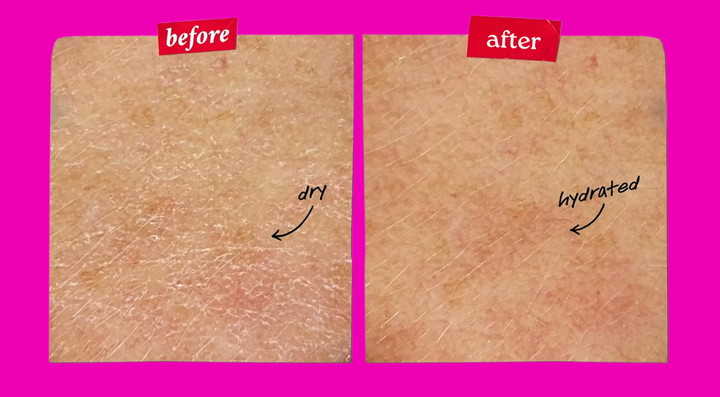
The experts agreed that the dryness of the skin also affects the body, and this is something not talked about enough. The skin cell turnover is slower allover and the natural skin oils are reducing, causing flaky, cracked skin.

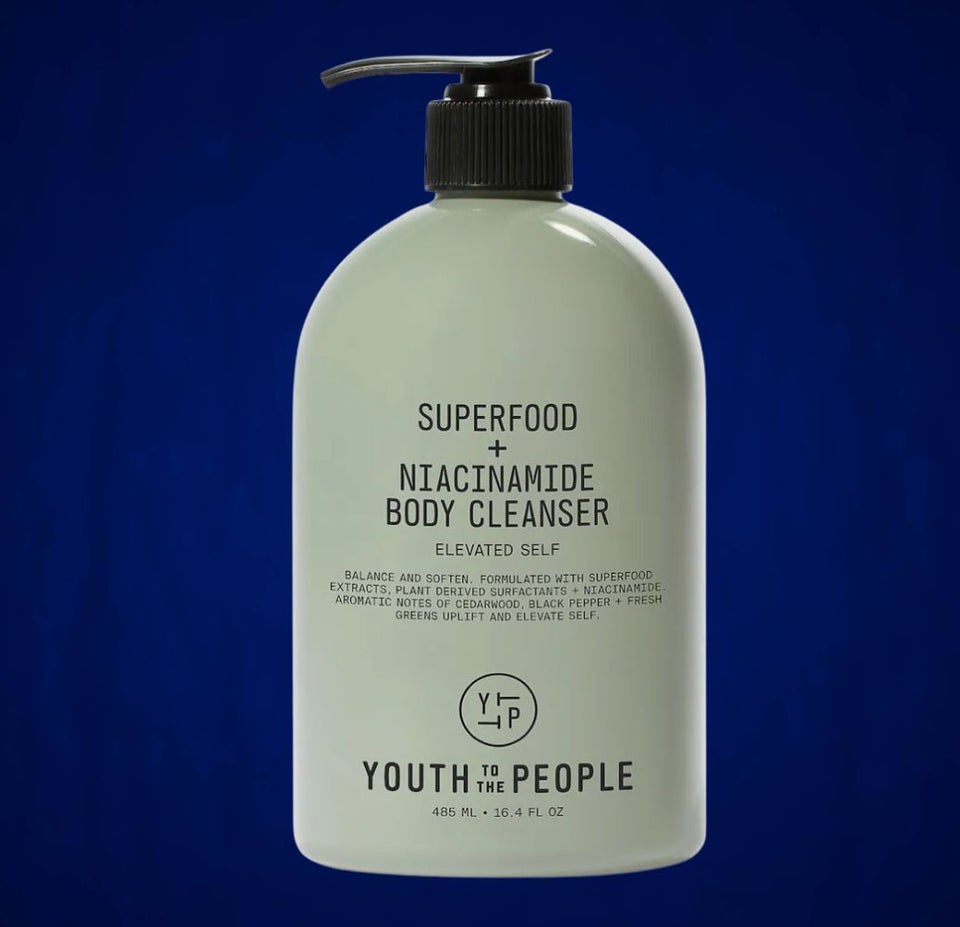
An exfoliating product like a shower gel or lotion, paired with a thick moisturizer, can address these issues. Add a specialized exfoliating foot product and you’re good to go.

Li’s morning routine for your 70s

Maxfield says to add these products in your 70s

Greenfield’s morning routine for your 70s

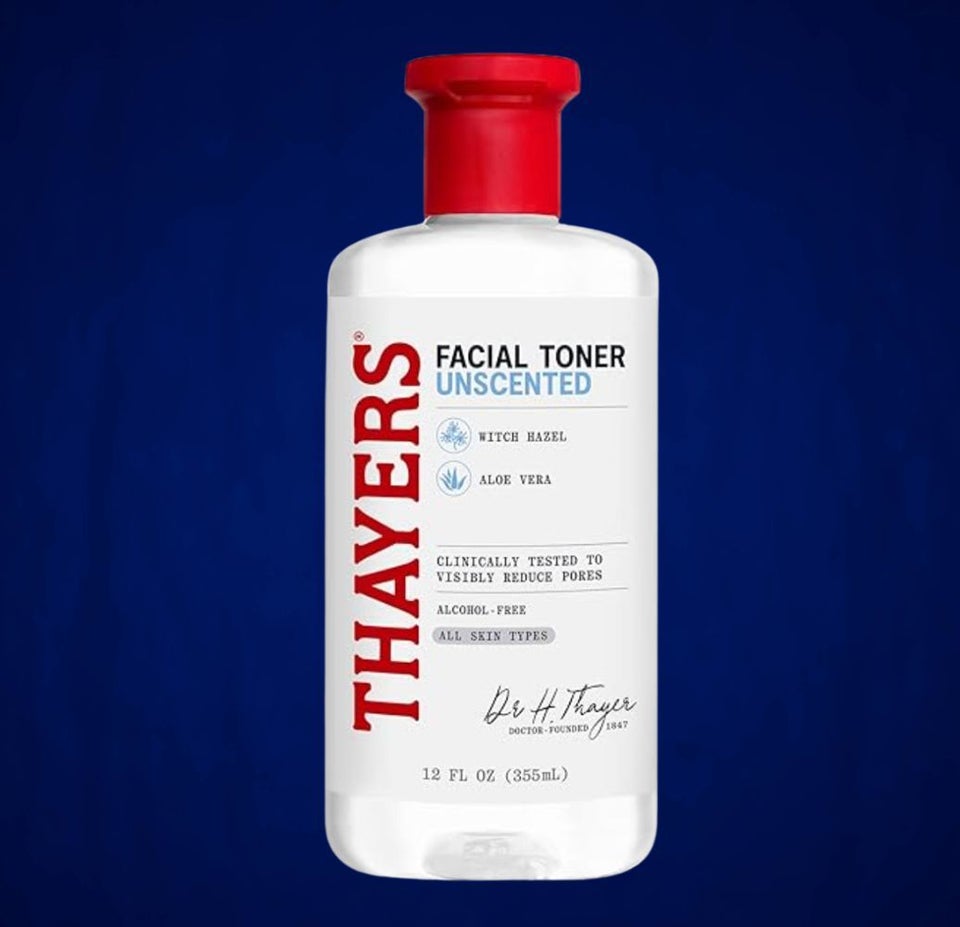
  1. Cleanser: La Roche Posay Toleriane Hydrating Gentle Cleanser

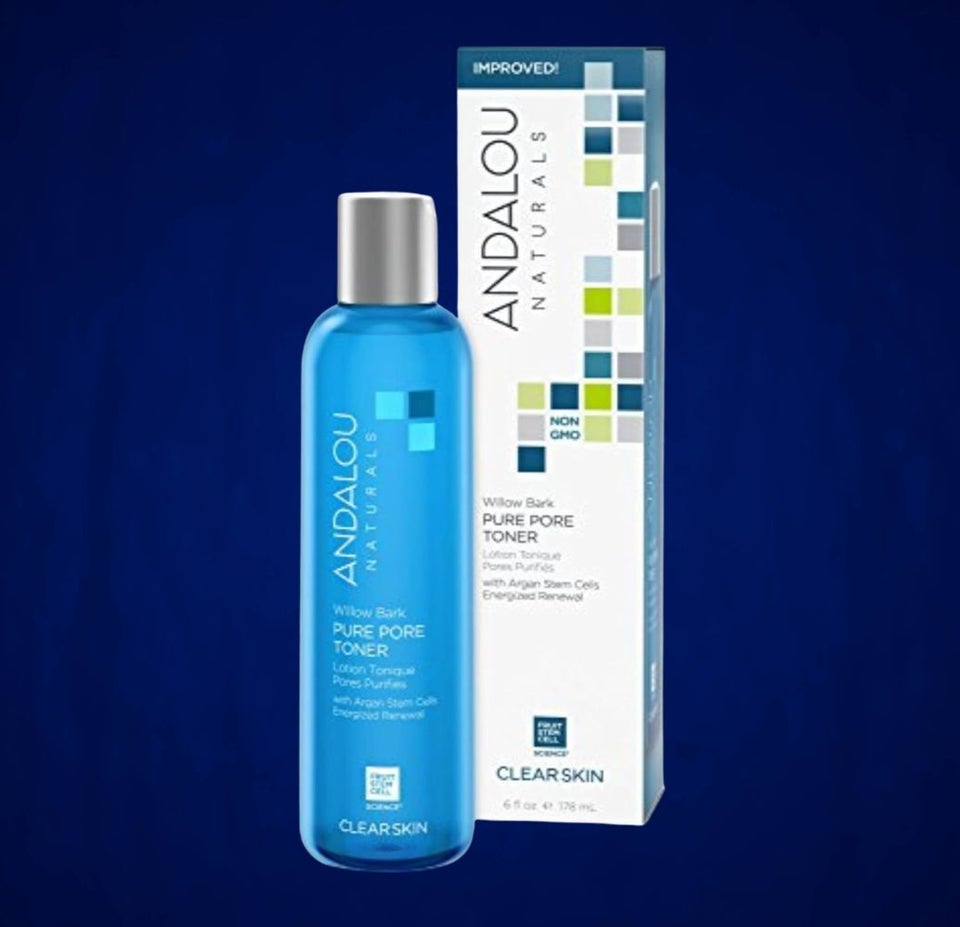
  2. Exfoliator: REN Ready Steady Glow Daily AHA Tonic “to be used twice weekly.”

  3. Antioxidant moisturizer: Cetaphil Restoring Body Lotion with Antioxidants. “Use this liberally: apply a generous layer to gain the benefits of the niacinamide and vitamin E and meadowfoam seed oil.”

  4. Sunscreen: Eucerin Sensitive Mineral Face

In your 80s

“One of the main concerns people notice in their 80s is thin skin, especially on the arms, which results in solar purpura (purple/red discoloration) or spontaneous bruising of the arms from time and sun exposure. And while nothing dramatically reverses and completely treats this, thickening the skin with a body retinol and exfoliant could only help,” said Maxfield.

Transepidermal water loss is a concern here, so keep up with your reparative moisturizers. You can also add an emollient-based product (like Vaseline and Aquafor) for the hands, arms and legs, to target the flaky skin.

Li’s morning routine for your 80s

HuffPost and its publishing partners may receive a commission from some purchases made via links on this page. Every item is independently curated by the HuffPost Shopping team. Prices and availability are subject to change.

Share Button

Doctors Reveal Exactly What Happens To Your Brain After You Turn 50

No matter our age, most of us are guilty of saying, “I must be getting old,” when we can’t quite find the words to describe something or an important item on our to-do lists slips our minds. Indeed, our brains do change with age; research suggests that the brain shrinks about 5% per decade starting at age 40.

But as we get into our 50s and 60s, what can we expect to happen to our brains? What little slip-ups can be attributed to normal brain aging, and what can signify something more serious? We spoke with doctors to find out:

Brain Changes To Expect Once You Hit Your 50s

In your 50s, your brain is already shrinking. “The cortex ― outer layer of the brain ― becomes thinner, the myelin sheath surrounding the fibers of neurons may begin to degrade, and receptors don’t fire as quickly,” explained Dr. Dylan Wint, a neurologist and neuropsychiatrist at the Cleveland Clinic.

That being said, most people are still pretty sharp in their 50s — but they may start to notice some changes in their cognition. “In your 50s, cognitive functions such as on-demand recall of names and numbers, processing speed, rapid task-switching and spatial skills can diminish,” Wint said. “This tends to continue in the decades ahead.”

More noticeably, during this time you might see a subtle decline in what is called episodic memory, or “the mental diary that includes ‘meta-tags,’ such as who was present at a meeting last week and on what day that meeting was held,” Wint said. “On the upside, other facets of cognition, such as moral judgment, wisdom and emotional regulation, usually continue to improve during this period.”

Dr. Dale Bredesen, a neuroscience researcher at the Pacific Neuroscience Institute, added that hormonal changes can contribute to cognitive changes as well.

“In our 50s, hormonal changes due to menopause in women, and andropause in men, typically occur,” he said. “Cognitive decline can occur due to a sudden drop in hormones, such as the drop in estradiol associated with menopause. People often find more fat accumulation in the 50s as well, which is associated with cognitive decline.”

As you enter your 60s, Wint said, brain shrinkage becomes more noticeable. “Although you retain your lifetime of accumulated knowledge, your brain becomes less efficient at accessing that knowledge and adding to it,” he explained.

Bredesen noted that issues that are more likely to pop up in your 60s, such as heart disease and chronic inflammation, can further contribute to cognitive decline.

Your brain shrinks as you get older, but exercise and other healthy habits can keep it as sharp as possible.

Thomas Barwick via Getty Images

Your brain shrinks as you get older, but exercise and other healthy habits can keep it as sharp as possible.

Normal Signs Of An Aging Brain — And When To Worry

It’s normal to experience some cognitive decline as we age. But when is forgetfulness a sign of something more serious?

“The most prominent effect of typical aging is probably the slowing of mental processes, particularly coming up with names, switching tasks, changing ingrained habits and incorporating new information,” Wint said. “Our brains usually compensate for these changes, so we can still function robustly and independently.”

Cognitive decline becomes concerning when it starts to interfere with daily functioning. “This is never normal, and is formally called dementia,” Wint said. “However, in between typical cognitive aging and dementia is a zone of mild cognitive impairment (MCI), where cognition is not normal for age — formal testing may be necessary to detect this — but does not interfere with routine daily activities. About 50% of people with MCI will progress to develop dementia over the next three to five years.”

If you are experiencing forgetfulness, trouble with communication, or other symptoms that concern you, Wint suggested that you consider a consultation with a geriatrician or neurologist.

“It doesn’t mean you have Alzheimer’s disease or another type of dementia, but a specialist can help to narrow down the cause and any potential treatments or lifestyle changes that may be helpful,” he said.

How To Keep Your Brain Healthy As You Age

While there’s not a lot that can be done about the natural brain shrinkage that comes with aging, both Wint and Bredesen emphasized that lifestyle can make a huge difference for your brain.

“Exercise has the largest effect on brain health,” Wint said. “Regular, moderate aerobic exercise reduces the risk of cognitive decline. It’s also important to stay connected as we age, as a rich in-person social network provides support, reduces stress, combats depression and enhances intellectual stimulation.”

Since many medical conditions are strongly linked to a decline in brain function, maintaining body health is a huge component of maintaining brain health.

“Keep your blood pressure and weight at healthy levels, take medication as prescribed, minimize salt and sugar, keep active, and stay socially connected and positive,” Wint said. “Sleep quality is very important, too, and you should see a professional if your sleep is inadequate in quantity or quality.”

Bredesen added that brain health should be thought of as a lifelong goal, so if you’re in your 20s or 30s, it’s important to take steps now.

“Try to avoid processed food, avoid street drugs and heavy alcohol use, avoid smoking ― yes, even vaping ― avoid sleep loss and major stress, and keep your gut microbiome and oral microbiome optimal,” he said.

Aging happens whether we like it or not. But as both Wint and Bredesen emphasized, lifestyle can make a huge difference in the rate at which your brain health declines, and whether you develop dementia down the road. So start now — your mind and memory will thank you.

Share Button

Women Over 50 Reveal The Most Toxic Beauty Trends From Back In The Day

They say trends are cyclical, but when it comes to beauty and makeup fads, some really need to be put to bed. Supersized Flock of Seagulls-esque hair and skinny eyebrows? They can go, though Gen Z seems dead set on reviving the latter, for reasons we don’t fully understand.

And we definitely need to say goodbye to tanning beds, given what we know about skin cancer.

In the spirit of letting go of legitimately bad trends, we asked ladies over 50 to share the style and beauty trends they’re glad no longer exist (or at least seem to be on the way out.) See what they had to say below.

1. Using orange juice cans as hair rollers

“In the days before blow dryers and round brushes, we made our own beauty products! We would slather our hair with Dippity-Do and roll it on repurposed frozen orange juice cans. Have you ever slept on metal rollers? There are two possible positions: face down, or with your head hanging over the side of the bed. I would take the rollers out in the early morning hours, smooth my hair down and lie on my back trying not to move, then try to sleep.” ― Jennifer Ebelhar, a 69-year-old style coach and @theStyleEquation on TikTok

2. The oil-and-foil approach to tanning

“Oil and foil is the first beauty trend I’m thrilled is gone. If you’re too young to know, this is how we used to get a tan back in the ’60s: You’d oil up your skin and put foil nearby to reflect the sun. Yes, it’s nuts.” ― Sonia Lovett, a 71-year-old who runs the fashion blog Style Beyond Age

“We used to slather baby oil all over our body when we were younger. In fact, when I was in college at UCLA, we had a tanning competition, where we would put a small sticker on our body as a baseline for comparison and then slather on the baby oil and bake all day. I nearly won the dubious event and had my damaged skin as the prize! And we’d never wear sunscreen. I was one of the few people I knew who wore 15 SPF and people thought I was nuts.” ― Cynthia Gouw, a 60-year-old broadcast journalist and beauty influencer

"We had a tanning competition, where we would put a small sticker on our body as a baseline for comparison and then slather on the baby oil and bake all day," said Cynthia Gouw, a 60-year-old broadcast journalist and a beauty influencer.

Romano Cagnoni/RETIRED via Getty Images

“We had a tanning competition, where we would put a small sticker on our body as a baseline for comparison and then slather on the baby oil and bake all day,” said Cynthia Gouw, a 60-year-old broadcast journalist and a beauty influencer.

3. Overplucking eyebrows

“Please don’t wax or pluck them yourself like I did. Like countless others, they just never grew back! In the ’90s, extremely thin and arched eyebrows were considered fashionable, and many women, myself included, resorted to excessive tweezing or waxing to achieve this look.

“I have resorted to buying so many eyebrow pencils, gels, powders, not to mention the huge amount of money I have spent on microblading, micro-feathering and any new eyebrow products I see on Instagram. I have learnt how to fill and fluff them to the best of my ability and they look OK, but if I could tell the younger me anything, it would be, ‘Leave them alone!’” ― Violet Trikilis, a model and style influencer

4. Asymmetrical hairstyles with bleached bangs

“I’m 57 years young now. But when I was in high school, Madonna was huge! We all wanted to be her with our neon pink lace skirts and ripped sweatshirts that fell off our shoulders. And we all wanted to have hair just like her, including my girlfriend and I. So, what did two idiot teenagers do? We grabbed a pair of scissors and cut each other’s hair in an asymmetrical shape. Then we found some hair bleach, took a chunk of our bangs, and bleached them. For reference, my natural hair color is dark brown. Well, we both ended up with orange bangs … not Madonna!

“My mom freaked out and brought me to get it fixed and I ended up with a pixie cut and almost jet-black hair because the bleach did so much damage. My Madonna dream hair ended that day!” ― Michele Baratta-Detwiler, a 57-year-old fashion and DIY content creator

Sadly, the Madonna look really only worked on Madonna.

Michael Putland via Getty Images

Sadly, the Madonna look really only worked on Madonna.

5. Cake-like makeup

“I also haven’t seen super matte setting powder in a while. Solid cake setting powder used to be in fashion. Now I look for a balance, you have to keep a little glow and glisten when you age, at the same time you don’t want to look like the tin man… so all of these very luminous products have to be used sparingly and in strategic spots rather than everywhere as we age gracefully.” Carla Rockmore, a designer and style influencer

6. Helmet head hair

“The days of Aqua Net and perfectly coiffed hair are thankfully gone, especially because I have never wanted to take too much time primping. Anything too obviously done does not read modern to me. I prefer a polished yet ‘je ne sais quoi’ to my look.” ― Lovett

Helmet hair, pictured here in a stock photo, was definitely a thing.

Jena Ardell via Getty Images

Helmet hair, pictured here in a stock photo, was definitely a thing.

7. Using milk of magnesia on oily skin

“The one beauty trend that made me grit my teeth was using MOM (milk of magnesia) on the face to control oil. This one really got under my skin because my skin is oily. In my beginning stages of wearing makeup I struggled with learning how to control the oil while wearing makeup. I tried everything, including this so-called hack. But after learning the potential risk to the skin and seeing actual makeup clients of mine suffer from the side effects, I emptied that bottle in the toilet. Now I’m an advocate for not following every trend without due diligence. I’ve recently seen younger women using Calamine lotion for the same reason. I hope this one fades as well.” ―Dorciah Sloane, a 53-year-old makeup artist and style influencer

8. Outrageous eyeshadow shades

The ’80s was the period for the most outrageous colors in eyeshadow and one simply could not get enough glitter! The brightest blues, yellow, orange, fuchsia donned our eyelids and at times all the colors of the rainbow balanced precariously on our eyelids. At the time, I worked as a makeup consultant and spent hours on applying my makeup that was so bright you could see it from the moon! In the 80s, eyeshadow and lipstick stayed on for days, it was so long lasting it was hard to remove ― probably due to the carcinogenic ingredients that went into the products.

“These days, I am happy with a more natural look with eyeshadow that enhances not takes over your face! I prefer mineral-based makeup and treatment ― makeup that cares for your skin.” ― Jayne Dalton, a 61-year-old style influencer

Did you really live in the '80s if you didn't have eyeshadow in every shade of the rainbow?

Rebecca Handler via Getty Images

Did you really live in the ’80s if you didn’t have eyeshadow in every shade of the rainbow?

9. Curled bangs

“You know what was awful? The ’80s curled bangs split horizontally with one half curled down toward your face and the other flowing back towards your crown made frozen by Aqua Net! As junior class president and vice president in high school, my twin sister and I were in charge of decorating the gym into a prom paradise! The night before our senior pictures we spent all night decorating and got about two hours of sleep in order to wake up at 5:30 a.m., dry our permed hair, and get our bangs just right! With tired eyes we got to school and stood in line to take pictures. The assistant to the photographer grabbed a comb and some Aqua Net and told us our hair would look better on camera if she fixed it. In a daze we agreed and took the shots! Later on between bells, we went into the bathroom and gazed in horror at the mall bangs she gave us. Granted, we did curl ours down, but never backwards, and now we sported that look in our senior pictures. To this day, we avoid bangs.” ― Tegan Higgins, a 51-year-old influencer who runs @tandttwintalk on Instagram and TikTok with her twin sister

10. Thinking makeup is a must

“I am glad that we’re starting to go more natural with our makeup trends, so we don’t see so much heavy contouring anymore. Pamela Anderson has set an example by showing up all nude. I like that. We should celebrate more natural looks and features as the new normal.” ― Mette Sørrig Andersen, a 53-year-old content creator

Share Button

Grandparents Are Getting Older, On Average. Here’s Why That Matters.

Kathy L. is a 46-year-old mother of three in North Carolina. Five years ago, she moved her family back to her hometown in order to help care for her aging parents, but for the past year and a half, the family has devoted significant time and resources to caring for her husband’s aunt, who has dementia. Her children were ages 15, 11 and 9 when the aunt came to live with them last summer.

Initially, the plan was to care for the aunt at their home for 12 weeks, at which point her long-term care insurance would kick in to cover the cost of an assisted living facility. But after 8 weeks, the family decided to pay out of pocket to move her into one.

“Our family hit a breaking point,” Kathy L. told HuffPost.

“Dementia patients can often get aggressive because they are confused/scared and don’t know what’s going on,” she explained. While her two older sons were able to handle the aunt’s outbursts, her youngest child struggled. Kathy L. said her 9-year-old daughter was “crying every day and was terrified to say or do anything that would set her off.”

In addition, her husband was granted power of attorney for his aunt, taking care of her finances and clearing out and selling her home.

In spite of these challenges, Kathy L. says the experience of providing this care wasn’t all negative. “I also feel very honored to be able to help,” she said. “There are a lot of layers of feelings involved.”

People like Kathy L. who find themselves in the dual — and at times competing — roles of providing child care and elder care simultaneously are sometimes referred to as the “sandwich generation.”

With an aging population and a declining fertility rate globally, more and more families are likely to find themselves in this situation.

A research group at the Max Planck Institute for Demographic Research (MPIDR) in Rostock, Germany, headed by Diego Alburez-Gutierrez, recently published a paper entitled “Projections of Human Kinship for All Countries.” Using data from the UN World Population Prospects 2022 report (the most recent year available), researchers were able to make probabilistic predictions of what the families of the future will look like.

One important finding is that family networks — measured by the number of biological relatives a person has — are going to get smaller. (While the researchers understand that family can mean much more than the people who are biologically related to you, for the purposes of this research, they did not include other kinship relations such as spouses, in-laws, adopted children or LGBTQ family structures.)

People are going to have fewer living relatives, on average. “At every age, we see that as we move into the future, families will become smaller,” Alburez-Gutierrez told HuffPost.

For example, a 65-year-old woman in 1965 could be expected to have 41 living relatives, while a 65-year-old woman living in 2095 is projected to have only 25. The drivers of this change are delayed childbearing and declining fertility rates. Some countries have already seen their birthrates decline, while others may experience this in the years to come.

Another trend shaping demographics, the researchers found, is that families are becoming “more vertical,” Alburrez-Gutierrez said. “That means that you’re going to have fewer lateral kin — siblings, your cousins — and because people are living longer, it means that you will have more genealogical generations at the same time.”

In other words, you will probably have fewer siblings and cousins, but you’re more likely to get to meet your great-grandparents.

One finding that Alburez-Gutierrez found striking, he said, was that “the probability that a newborn baby will have a living grandparent, let’s say in countries of the Global North, it will be 100% in the coming years.”

Also, “in Europe, it will be increasingly common [for a baby] to have up to six living great-grandparents when they are born.”

The researchers also found increasing age gaps between generations in families, leading to people becoming grandparents (and great-grandparents) at later ages. For example, if you have a child when you’re 20 and that child has a child when they’re 20, you become a grandparent at age 40. But if you have a child at age 40, and then your child has a child at age 40, you won’t become a grandparent until you’re 80. Increasing life expectancies mean that you’re more likely to be around to see the birth of grandchildren — and great-grandchildren — but these increasing age gaps mean that you’re more likely to be frail or disabled when you do meet them.

There are advantages and disadvantages to these population changes.

A big advantage of increasing longevity is that we are more likely able to meet, spend time with and build relationships both with our grandparents and even great-grandparents.

Ellen Carbonell, a professor of social work at Rush University, explained that the roles of grandparents in the U.S. have changed over time.

“Today, grandparents’ roles are more diverse than ever before,” Carbonell told HuffPost. In addition to their “traditional roles as family historian, and provider of love, support and wisdom,” Carbonell explained, grandparents are more likely to function as childcare providers.

“No longer simply ‘babysitting’ grandchildren to give parents some free time, many grandparents are providing childcare for grandchildren on a regular basis,” Carbonell said.

Since grandparents are older, on average, when their grandchildren are born, they are also more likely to be retired.

“There can be a greater ease and enjoyment of the role without the competing tasks that come with employment. This greater flexibility can be seen in grandparents who relocate to be closer to their out-of-state children and grandchildren so they can be more involved in their day-to-day lives,” Carbonell said.

These advantages assume good health, which isn’t a guarantee and becomes less likely the older a grandparent gets. Older grandparents also may lack financial stability.

“Many have been unemployed or underemployed for years, or have contributed financially to the care of others, leaving them particularly strapped financially during their grandparenting years,” Carbonell said.

When a grandparent needs financial support or caregiving, the burden may fall to family members who are also caring for children, creating the “sandwich” dynamic.

These dynamics can both be at play at the same time within one family. Kathy L., for example, was able to turn to her mother for help with childcare at the same time that she was serving as a caregiver for her own father and her husband’s aunt. The layers of her situation were both emotional and logistical.

With so many generations living at the same time, there are increasing instances of what Alburez-Gutierrez called the “grand-sandwich” and Carbonell called the “club sandwich” of one generation caring for parents, children and grandchildren. Such a load can take a heavy “physical, emotional and financial toll,” Carbonell said. Increased longevity, in other words, can make for more caregivers but also more caregiving responsibilities.

“The increased availability in the sense of grandparents and great-grandparents in the future, which we think is going to happen, doesn’t necessarily mean that there will be more sources of informal care within families,” Alburez-Gutierrez said. “Actually it may be the other way around. We’ll place more of a burden on the current generation.”

Grand- or club-sandwich caregivers, Carbonell explained, may put their own needs last and delay preventative health care. The sandwiching also creates an unstable network that is likely to collapse if an emergency arises.

“With no built-in backup for care provision,” Carbonell continued, “we can see how the fragility of a tightly stretched care system can be pushed beyond its ability to cover care needs.”

The ramifications of these demographic changes extended beyond individual families.

With fewer living relatives within each generation, the caregiving duties will fall to a smaller number of people, increasing their responsibilities. It will also mean that more families look to public and private institutions to provide care for the members of their family who need it.

“One challenge will be that even in countries that have taken into account the aging of the population, and introduced measures to try to address that in terms of restructuring pension schemes or changing the retirement age, is they have still assumed that there was going to be this constant pool of informal support” to provide care, Alburez-Gutierrez said.

Grandparents stepping in to fill the child care gap. Kathy L. and her husband stepping in to care for his aunt. Without this unpaid labor, our society wouldn’t be able to function. If a shrinking, aging population means that we have to outsource more of this labor, and pay for it, it will require a huge financial investment.

Carbonell pointed out that caregiving, whether for children or elders, often falls to women. When they take time out of the workforce to care for family members, they lose both seniority and years of accumulated pension or social security contributions.

Paid caregivers also tend to be women, many of them immigrants, and the pay for such work is often low, leading to a high turnover rate.

As it stands, the system is fragile, and the combination of increased longevity and declining birthrates continue to add stress.

“This country has no comprehensive long-term care system, particularly for older adults. It is crucial that this issue be explored and dealt with promptly, as an increasingly aging population will be needing care for which there is currently no plan,” Carbonell said.

While these are serious concerns, a “sandwich” situation in which your children witness you caring for elderly family members can also be a source of meaning and insight.

“As hard as it was this past summer, I think our kids saw what it looks like to take care of family,” Kathy L. said.

“Our 15-year-old saw us cleaning up after our aunt one time … and said, ‘Wow, I can’t wait ‘til it’s my turn to do this for you guys.’ And I was struck with two competing feelings: One, I hope you never have to do this for me, and two, I’m so thankful that you automatically expect that’s what you’ll do.”

Share Button

14 Beauty Hacks From Radiant Older Women On TikTok And Instagram

Forget new TikTok beauty trends like coffee scrubs and makeup underpainting. In our book, the best beauty hacks tend to be time-tested, passed down from one generation to the next: Your grandma’s jojoba oil cure for dry winter skin, or your favorite aunt swearing by Retin-A and ample sunscreen.

We recently turned to post-50 beauty influencers and asked them to share the beauty hacks they swear by. From tips on chemical peels, to cheap alternatives to pricey products, see what they had to say below.

Vaseline is good for everything.

“The running joke is I love Vaseline more than my husband. On my last press trip, I took a photo with my beloved Vaseline. It’s a staple I use daily. I rub Vaseline on my wrist, legs, and neck daily before applying my favorite scent because Vaseline acts like a skin primer, and the fragrance adheres to your skin, thus staying on longer. It’s a great way to extend the life of your perfume.” ― Tomiko Harvey, the 52-year-old luxury content creator at Password & Grub

Tomiko Harvey jokes that she loves Vaseline more than her spouse.

Photo courtesy of Tomiko Harvey

Tomiko Harvey jokes that she loves Vaseline more than her spouse.

Beauty comes from within ― and with the help of Vitamin C.

“If you want to join the exclusive club of ‘aging gracefully,’ start now with becoming the person you always should’ve been: You do that through creating a life of confidence of purpose, harnessing your regrets, embracing kindness, and adding a heaping dose of Vitamin C and retinoids to your skin care regimen. I’d also recommend rapidly deploying massive quantities of sunscreen to slather all over your body. Don’t forget your neck!” ― Cynthia Gouw, a 60-year-old broadcast journalist and a beauty influencer

Cynthia Gouw's glow is a credit to Vitamin C and retinoids.

Photo courtesy of Cynthia Gouw

Cynthia Gouw’s glow is a credit to Vitamin C and retinoids.

Don’t underestimate the power of a full night’s sleep.

“Getting enough sleep is essential for maintaining and enhancing your natural beauty. Lack of sleep can lead to puffy eyes, dull skin, and overall tired-looking appearance. Prioritize getting 7-8 hours of quality sleep each night to allow your body to rejuvenate and repair itself.” ― Jo Placencio, a 54-year-old blogger at Peace Love Glam

Jo Placencio does her best to get a good night's rest.

Photo courtesy of Jo Placencio

Jo Placencio does her best to get a good night’s rest.

Get a prescription for Retin-A or Tretinoin.

“If I had to do it all over again, I would invest in my skin care routine sooner rather than later. If it comes down to choosing a beauty item, definitely run to your dermatologist and ask for a prescription Retin-A or Tretinoin. This one product is going to help with hyperpigmentation, acne, wrinkles and the overall improvement of your skin. SPF has saved me from so much heartache. As I approach 50 this year, I wish I had known about the importance of using it when I was younger but it’s never too late to start.” ― Shalonda Miles, a lifestyle content creator

Shalonda Miles recommends getting a prescription for Retin-A or Tretinoin.

Photo courtesy of Shalonda Miles

Shalonda Miles recommends getting a prescription for Retin-A or Tretinoin.

Use olive oil as a makeup remover.

“I come from an Italian family and olive oil is used in everything including my skin care regimen. As I’ve mentioned on TikTok, I like to use it to remove my makeup and to give my skin a natural boost of hydration and nourishment. I know what you’re thinking: Won’t it clog my pores or make my skin oiler? Nope! Its lightweight texture won’t clog pores, making it great for all skin types. It’s packed with antioxidants and vitamins E and K, which work wonders in keeping your skin soft, smooth, and radiant. Olive oil not only helps to moisturize deeply but also has anti-inflammatory properties, making it great for soothing irritated skin. Think of it as a little bottle of liquid gold that pampers your skin and leaves you with a healthy, natural glow!

To remove your makeup, grab a washcloth and a good quality organic oil. The best oils are extra virgin olive oil, coconut oil, or one of my favorites, jojoba oil. Now for the cool part: Slather on your oil of choice and massage it into your skin and over your eyes. Don’t worry, it won’t irritate your eyes or make them feel cloudy. While you’re doing that, run some super hot water over a washcloth and wring it out. Now, put it over your face, making sure it’s had a bit of time to cool down. It should create a steam-like feeling like you are at the spa having a facial…my fave! Now gently take the cloth and remove all your makeup. It’s like magic!” ― Michele Baratta-Detwiler, a 57-year-old fashion and DIY content creator

Coming from an Italian family, Michele Baratta uses olive oil in everything, including her skincare regimen.

Photo courtesy of Michele Baratta

Coming from an Italian family, Michele Baratta uses olive oil in everything, including her skincare regimen.

Beautiful makeup begins with beautiful skin.

“In the early stages of my career when I worked for Bobbi Brown, I would have clients young and old sit in my chair and want a miracle cure for their skin. When I give consultations I always begin with skin care. Depending on the client, I would adjust my consultation according to their skin concerns. Then as the consultation went on I would of course end with makeup. I’d say 85% of individuals would pass on the skin care and get the makeup, which they would use as a bandaid to their skin concerns. This tore at my heartstrings. That experience kickstarted my transition into educating people on how beautiful makeup begins with beautiful skin. Skin care should always be your number one priority if you want your makeup to look good.” ―Dorciah Sloane, a 53-year-old makeup artist and style influencer

"Skin care should always be your number one priority if you want your makeup to look good," said Dorciah Sloane.

Photo courtesy of Dorciah Sloane

“Skin care should always be your number one priority if you want your makeup to look good,” said Dorciah Sloane.

Enhance your natural features, don’t mask them.

“My timeless beauty tip for younger generations? Focus on enhancing your features rather than masking them with heavy makeup and full face contouring, the trend the Kardashians were pretty famous for. The ‘less is more’ beauty trend is about embracing and enhancing one’s natural skin and beauty, promoting self-confidence and cultivating a style that stands the test of time.” ― Violet Trikilis, a model and style influencer

Violet Trikilis isn't a fan of overdone contouring.

Photo courtesy of Violet Trikilis

Violet Trikilis isn’t a fan of overdone contouring.

Don’t be afraid of unconventional beauty products.

“As a tea specialist, I’m a proponent of utilizing tea in my beauty regime, like in S’Able Lab’s Rooibos micellar water ultra-fine mist, which adds replenishment before cleansing.”― JoAni Johnson, a model, activist and tea blender

JoAni Johnson uses tea in her beauty regime.

Look into chemical peels.

“My favorite beauty hack is chemical peels. They range from superficial peels to deep peels according to skin type and results desired. When administered by a trained professional, they can be game-changing for the skin, resulting in skin that glows. Hyperpigmentation from acne scars are lightened, and fine lines improve. One of my favorite benefits of a peel is that it results in better absorption of skin care products.” — Elaine Davis, a fashion influencer who runs the blog Square Pearls

Elaine Davis loves a good chemical peel.

Photo courtesy of Elaine Davis

Elaine Davis loves a good chemical peel.

Not every trend is for you.

“Remember: Just because a beauty trend is popular doesn’t mean it’s right for you! Pick and choose but remember it’s important to update your beauty look just like your wardrobe if you want to look modern and effortless.” ― FiFi Milne, editor of The FiFi Report

Don't blindly chase trends, said FiFi Milne.

Photo courtesy of FiFi Milne

Don’t blindly chase trends, said FiFi Milne.

Use sunscreen on your face, neck and chest area.

“Apply a good quality SPF and keep your face and chest out of the sun by wearing a big hat or staying in the shade. Your future self will thank you!” ― Annamaria Kalebic, a 52-year-old beauty influencer

Annamaria Kalebic says ample SPF and a big floppy hat is a must if you're in the sun.

Photo courtesy of Annamaria Kalebic

Annamaria Kalebic says ample SPF and a big floppy hat is a must if you’re in the sun.

“SPF is so important. I like Trish McEvoy’s Beauty Booster cream SPF 30. It glides on beautifully, disappears into the skin and doesn’t change my skin tone. You can seek out all facelifts in the world, but if you don’t take care of those three areas, you will not have accomplished what a facelift is meant for.” ― Sonia Lovett, a 71-year-old who runs the fashion blog Style Beyond Age

Wear color close to your face.

“Wearing color close to your face is a major beauty hack because as you age, your natural luminescent complexion starts to evolve. Adding colors that suit your skin tone on your neckline or to your lip, will boost your beauty quotient and substantially add life into your skin.” ― Carla Rockmore, a designer and style influencer

Carla Rockmore recommends introducing more color to your wardrobe, especially in pieces around your face.

Photo courtesy of Carla Rockmore/Stewart Cohen Dream Pictures

Carla Rockmore recommends introducing more color to your wardrobe, especially in pieces around your face.

Don’t underestimate the power of Ponds Cold Cream.

“The best beauty hack and one we have used for years is to finish your nightly routine with Ponds Cold Cream! On TikTok, they call it slugging now. Our Nana used it and she had the most glorious skin! As 8-year-olds perched on ottomans bookending Nana sitting at her gorgeous mid-century modern blond makeup table, I can remember her saying, ‘Put this on your face every night and your skin will thank you when you are my age.’ We used it religiously starting in our late teens. Now we use all types of creams, but if you were to take a look in our bathrooms, our Ponds Cold Cream is front and center on our mirrored trays. The vintage rose and powder smell reminds us of our Nana, a vibrant woman who we considered the most beautiful woman on the planet. Whenever we think of aging and how society can be particularly harsh on women aging, we harken back to our youthful minds recognizing the beauty of our grandmother.” — Tiffany Dietz, a 51-year-old influencer who runs @tandttwintalk on Instagram and TikTok with her twin sister Tegan Higgins

Twins Tiffany Dietz and Tegan Higgins both love Ponds Cold Cream, a product recommended to them by their grandma.

Photo courtesy of Tiffany Dietz and Tegan Higgins

Twins Tiffany Dietz and Tegan Higgins both love Ponds Cold Cream, a product recommended to them by their grandma.

The cheapest hack yet? Embrace your natural beauty.

“Looking back at the silly hair styles and garish makeup of my youth (blue eyeshadow and frosted lilac lipstick!), my hack is simple: Instead of chasing every new style, embrace your natural beauty. Trends come and go, but what makes you unique is timeless. Thirty years from now, you will be astonished at how beautiful you were. You’ll also be sad that you spent so much time following the ever-changing whims of popular trends.” ― Jennifer Ebelhar, a 69-year-old style coach who goes by @theStyleEquation on TikTok

Share Button

Experts On Aging Reveal The 5 Major Habits That Will Improve Your Longevity

Remaining healthy and sharp are goals for most people as they age. But one group of people — known as “SuperAgers” — is said to have this all down as they go through life, even into their later years.

The term SuperAgers was created by researchers at Northwestern University, who define it as “adults over age 80 who have the memory capacity of individuals who are at least three decades younger.” Northwestern University is one of just a handful of institutions in the country that have SuperAging research programs.

Experts stress that SuperAgers are not the same as people with good longevity, with the main difference between them being one’s brain. Studies show that SuperAgers’ brains resemble those of much younger people.

Specifically, less brain volume loss is seen in SuperAgers in comparison to a person who just has good longevity, according to Northwestern Medicine, an affiliate with Northwestern University’s Feinberg School of Medicine. For example, someone who is, say, 87 years old with good longevity, may have a brain that also matches their age.

Tamar Gefen, an assistant professor at the Mesulam Center for Cognitive Neurology and Alzheimer’s Disease at the Feinberg School of Medicine, noted that “there is no special trick to becoming a SuperAger — at least not yet.”

“Like most trajectories of age, or conditions of life, it is a combination of biology, environment and personal agency,” she said.

According to Jennifer Ailshire, an associate professor of gerontology at the University of Southern California, some SuperAgers may have certain qualities, though.

“We think of SuperAgers … as people who are reaching 85 years of age, so they’re exceeding the typical or average life expectancy for … their cohort,” Ailshire said. “For us, a SuperAger is not just someone who’s long-lived. It’s also someone who’s maintained a fairly high level of physical, cognitive, psychological and social well-being.”

How people go about accomplishing these qualities can be vastly different.

“For some, it is drinking a beer [or a few] at night. For others, it’s abstaining from vices. Some are still running successful businesses, while others have been retired for years,” Gefen said. ”I suppose the common denominator is that most appear to be socially active or engage in continuous, meaningful activity. But there are exceptions.”

The researchers we spoke to stressed that there is no direct roadmap to becoming a SuperAger. That being said, there are some positive habits you can adopt from them to bolster your cognitive and physical functioning well into your later years. Here are the key habits to practice:

1. Move your body regularly.

“A lot of research shows that daily body movement is associated with both longevity and healthy aging,” Ailshire said. “I don’t use the word exercise, though, because I think we all have a connotation with exercise that’s like hitting the gym or running or something. But these may just be activities like gardening, doing crafts, kind of working around the house.”

Even walking counts as movement, with Ailshire adding that a focal point for SuperAgers is avoiding sedentary behavior.

“It is a little hard for all of us to avoid sedentary behavior — most of us have computer jobs,” she said. “But they’re very physically active and they have been their entire lives.”

2. Engage in social activities.

People who age well regularly socialize, whether it’s spending time with friends or family, volunteering or spending time at work with colleagues, Ailshire said.

Research shows people with strong social connections live longer and have better cognitive and physical health.

Having a strong social network is an important part of healthy aging.

FG Trade via Getty Images

Having a strong social network is an important part of healthy aging.

3. Do what you can to reduce controllable stress.

Between work, money, medical issues and family problems, life is inherently stressful. But keeping your brain and body sharp means reducing unnecessary stress at all costs.

“Some [SuperAgers] have basically said, ‘I haven’t gotten involved in other people’s drama and tried to keep from being angry a lot, from being stressed a lot,’” Ailshire said. “I find that kind of striking that they’ve at least avoided stress to the extent they could — they didn’t create their own stress.”

4. Challenge your brain.

According to Ailshire, cognitive stimulation is important for healthy aging, too, and there are many ways you can challenge your mind as you grow older.

“You’re never too old to learn a new language, learn a new way of picking up an instrument or do something that really challenges you cognitively or mentally,” she said.

However, the key is making it mentally stimulating for you. Gefen noted that if a certain task, like a crossword puzzle, induces panic, don’t bother.

5. Make time for the things you enjoy.

Based on the published scientific literature she’s read, as well as the SuperAgers she’s spoken to, Ailshire summarized that these healthy older individuals are “people who are doing the things that make them feel happy and fulfilled.”

Gefen seconded this, saying: “Depending on whether one has the luxury to do so, one recommendation is to engage in activities that are engaging, enjoyable, motivating and not stress-inducing.”

Share Button

So THAT’S Why Drinking Alcohol Makes You Feel Worse As You Get Older

“Drink in moderation” is advice we hear often, but as most people can attest to after a booze-filled holiday season, it isn’t easy to stick to.

When we can stick to moderate drinking, however, we usually feel pretty good about ourselves.

According to the 2020-2025 Dietary Guidelines for Americans, moderate drinking is defined as no more than two drinks per day for men, and no more than one drink per day for women. That means if we have a glass of wine after work every day, we’re not doing much harm to our bodies and brains, right? That depends.

Dr. Elizabeth Landsverk, a geriatrician and dementia expert, tells HuffPost that the way alcohol impacts the body will vary based on your age. If your 2024 goals include plans to drink in moderation, here’s what she wants you to know.

How 1-2 Alcoholic Drinks Per Day Impact The Body In Your 20s, 30s And 40s

Your 20s, Landsverk says, are a resilient time for the body — which is probably why hangovers aren’t nearly as bad during that decade. “The liver and brain have the most resilience during that time,” she said. “The frontal lobes (reasoning, and judgment) are not quite developed. One is more likely to be open to drinking more or taking more risks, and this can set habits that will cause problems down the line.”

You probably won’t notice a huge difference as you head into your 30s as long as you’re drinking moderately, but it’s important to keep your overall health in mind. “Ask yourself: How is your health otherwise? Obesity, which is epidemic in America, increases the risk of non-alcoholic fatty liver,” Landsverk said. “Alcohol increases the risk of liver disease and scarring (cirrhosis). As a geriatrician, I would say a glass or two a week is fine. Some doctors say one drink a day is fine, but it is also neurotoxic and that can catch up with you.”

In your 40s, more health risks begin to pop up, Landsverk explains. “Obesity, diabetes, hypertension and high cholesterol all increase the risk for heart attacks, strokes and small stroke dementia,” she said. If you’re living with any of these conditions, even a small amount of alcohol can further increase your risk of events like heart attacks or strokes, so keep that in mind.

How 1-2 Alcoholic Drinks Impact The Body In Your 50s And 60s

Once you hit your 50s, Landsverk says, even moderate drinking can wreak havoc on the body. “Alcohol, besides the vascular damage and dementia risks, increases the risk of breast cancer, esophageal cancer and liver cancer (after disease),” she said. Because cancer risk drastically increases as we age, adding any amount of alcohol into the mix will only further increase that risk. “Plus, as we age, good sleep is more elusive,” Landsverk added. “Substances like caffeine, cigarettes and alcohol all hinder sleep”

In your 60s, you’ll likely begin to feel the effects of moderate drinking on your body. “I can speak from experience: This is the age when tolerance may decrease dramatically,” Landsverk said. “I am healthy. I can ski or swim a mile, but a glass of wine makes me feel ill and slow the next day.”

This, she says, is because older people are more likely to lose the enzyme to metabolize alcohol (alcohol dehydrogenase). “At this point, I can tolerate about one glass a week,” Landsverk noted. “If I had it daily, I would feel sick with just one glass a day. Older people have less reserve in the brain, liver and kidneys. The damage to the brain from even one glass a day is worse [when you’re over 60].”

Landsverk suggests that you think of alcoholic beverages like candy bars. “They’re nice with some meals, but they can increase your weight and blood sugar, and over decades adds to cancer risk and chronic illnesses that can lead to poor health.”

If you want to stay as healthy as possible and feel your best as you age, do you have to give up alcohol completely? No, Landsverk emphasizes, and it’s important to remember to remember that other factors influence the impact alcohol has on your health and well-being, such as if you’re living with a disease like obesity or hypertension.

If you’re older and in generally good health, you shouldn’t worry too much about the occasional alcoholic beverage. That’s certainly the case for Landsverk. “I have decided that a glass of wine with a nice meal is worth it,” she said. “But not every night.”

Share Button