Researchers warn against homemade sunscreen

Recent years have seen a rise in do-it-yourself care products, from deodorant to soap and toothpaste. Recipes for homemade sunscreen are some of the most popular among social media users. However, a new study warns that homemade sunscreen may offer no protection against ultraviolets.
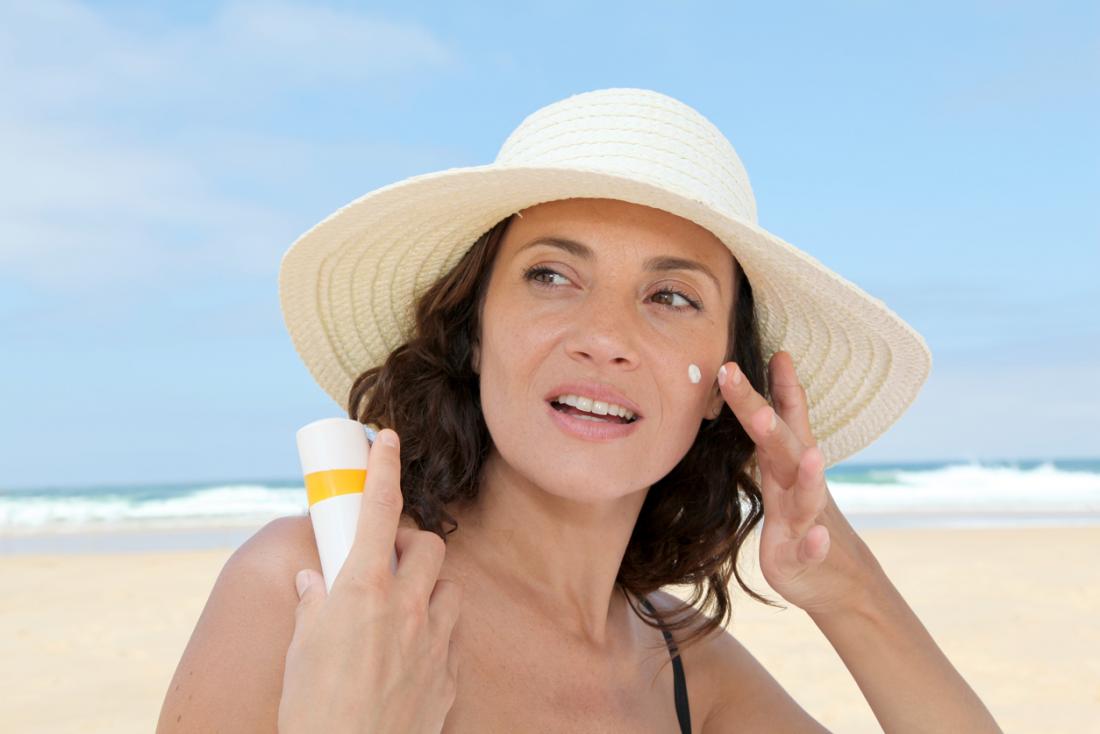
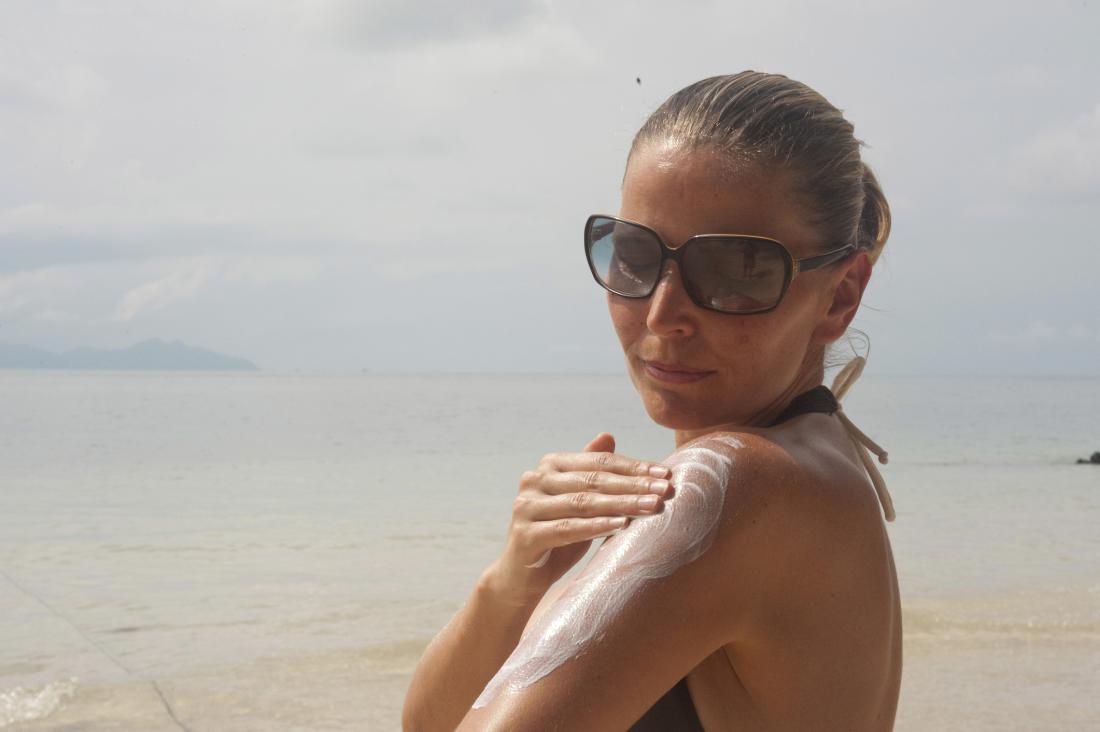
woman applying sunscreen
A new study explains that homemade sunscreens may be ineffective and advises that we steer clear of these DIY products.

A quick Google search for the term “homemade sunscreen” will list about 9,750,000 results. Many are recipes for “natural,” “simple,” and “nontoxic” do-it-yourself (DIY) products.

The allure of DIY sunscreen is rooted in multiple factors, such as potentially lower costs and the belief that an all-natural cream made with handpicked ingredients is more healthful than a mass-produced sunscreen with an ingredient list that features chemicals with illegible names.

However, a new study warns that we shouldn’t trust the sunscreen recipes that we find online to yield a product that offers the protection we need against sunburn.

The study comes from a team of researchers from the Center for Injury Research and Policy at the Nationwide Children’s Hospital, in Columbus, OH, and the Brooks College of Health at the University of North Florida, in Jacksonville. Its findings will appear in the journal Health Communication.

“The internet is a great place for families to go to for recipe inspiration and arts and crafts projects, but not necessarily for making their own safety-related things,” warns study co-author Lara McKenzie, Ph.D.

Homemade sunscreen is ‘risky’

Since social media are a top source, worldwide, when it comes to DIY products, the researchers turned their attention to one such website: Pinterest, a social platform that allows users to display moodboard-like digital collections of their interests.

Some data suggest that Pinterest is the fourth most popular social media platform in the United States, where the website had an estimated 77.4 million users in 2018.

In the current study, the researchers looked at how Pinterest users described and rated various recipes for homemade sunscreen. According to the researchers, this is the first ever study to look at the portrayal of DIY sunscreen on Pinterest.

They found that most — 95.2%, to be exact — of the saved posts (called “pins”) regarding DIY sunscreen suggested that the homemade products were effective, and 68.3% of the pins promoted DIY sunscreens that, the researchers say, did not ensure appropriate protection against ultraviolet (UV) radiation.

Moreover, the team noted that a third of the posts featuring recipes for homemade sunscreen claimed specific sun protection factor — rendered on commercial packaging as “SPF” — rankings, of anywhere from SPF 2–50.

However, the researchers warn that such claims can be misleading, since the ingredients featured in those recipes actually offer minimal protection against UV radiation.

Yet many people appear to show keen interest in these recipes pinned on Pinterest, with users saving each such pin, on average, as many as 808 times. One specific DIY sunscreen pin was saved over 21,700 times, the team saw.

In their study paper, the investigators write that “[s]ocial media has become a powerful tool for sharing health information, yet it becomes dangerous when the information being shared isn’t accurate or complete.”

This also applies when people take the information regarding homemade sunscreens for granted. The researchers explain that specialists do not test such products, and for this reason, they may not provide any protection against UV rays at all.

Homemade sunscreen products are risky because they are not regulated or tested for efficacy like commercial sunscreens. When you make it yourself, you don’t know if it’s safe or effective.”

Lara McKenzie, Ph.D.

The Centers for Disease Control and Prevention (CDC) note that having “a history of sunburns, especially early in life,” can increase the risk of developing skin cancer. Thus, it is important to wear sunscreen that is tested and proven to be effective, from childhood onward, whenever exposed to strong sun.

Currently, the American Academy of Dermatology recommend using sunscreen that offers broad-spectrum protection — that is, protection against both UVA and UVB rays. It should also be SPF 30 or higher and water-resistant.

The same guidelines state that adults should apply about 1 ounce of sunscreen all over their skin. Individuals should reapply the cream once every couple of hours when out in the sun and even more frequently if they go swimming or become sweaty.


Share Button

Trump Calls Buttigieg ‘Alfred E. Neuman,’ Buttigeig Calls Trump Old

President Donald Trump came up with a nickname Friday for Democratic presidential candidate Pete Buttigieg: Alfred E. Neuman — the freckle-faced, gap-toothed nerdy cover boy of Mad Magazine.

But Buttigieg came back with his own zinger, slying dinging the 72-year-old president’s age, saying the outdated reference was a “generational thing.”

Trump told Politico Friday that “Alfred E. Neuman cannot become president of the United States,” when he was asked in a phone interview what he thought of the mayor of South Bend, Indiana.

Asked later about his new moniker, Buttigieg, 37, said he had “to Google” the reference to the mascot of a humor magazine launched in 1952.

“I guess it’s just a generational thing. I didn’t get the reference. It’s kind of funny, I guess,” said Buttigieg. 

He added that he was “surprised” Trump wasn’t “spending more time trying to salvage this China deal.”

Others also piled on Trump. New York Times political reporter Maggie Haberman tweeted that the Neuman reference would have worked better 20 years ago.

Mad got a bit of dig in at Buttigieg:

Trump appeared to imply in the Politico interview that Buttigieg, who is gay, isn’t tough enough to take on America’s international rivals. “He’ll be great representing us against President Xi of China,” Trump said sarcastically. “That’ll be great. I want to be in that room, I wanna watch that one.” 

Buttigieg, a former Rhodes scholar and Navy Reserve intelligence officer,  served in Afghanistan. Trump dodged the draft decades earlier because of “bone spurs.” He told shock jock Howard Stern that he suffered his own “personal Vietnam” during that time dodging sexually transmitted diseases sleeping with women. “I feel like a great and very brave soldier,” he said (video below).

Share Button

Hair breakage: 10 causes and ways to repair

Hair breakage can happen for a variety of reasons, including specific hair products, diet, and stress. Home remedies can help.

People can experience hair breakage that affects all types of hair from straight to curly. It can make hair look frizzy or coarse either at the ends or near the top, or crown, of the head.

In most cases, hair breakage is temporary, and people can repair their hair and restore its strength by using products and home remedies.

In this article, we look at 10 common causes of hair breakage and ways to treat and prevent future breakage and hair damage.

What is the cause?

The following section explores the common causes of hair breakage:

1. Hair products and styling

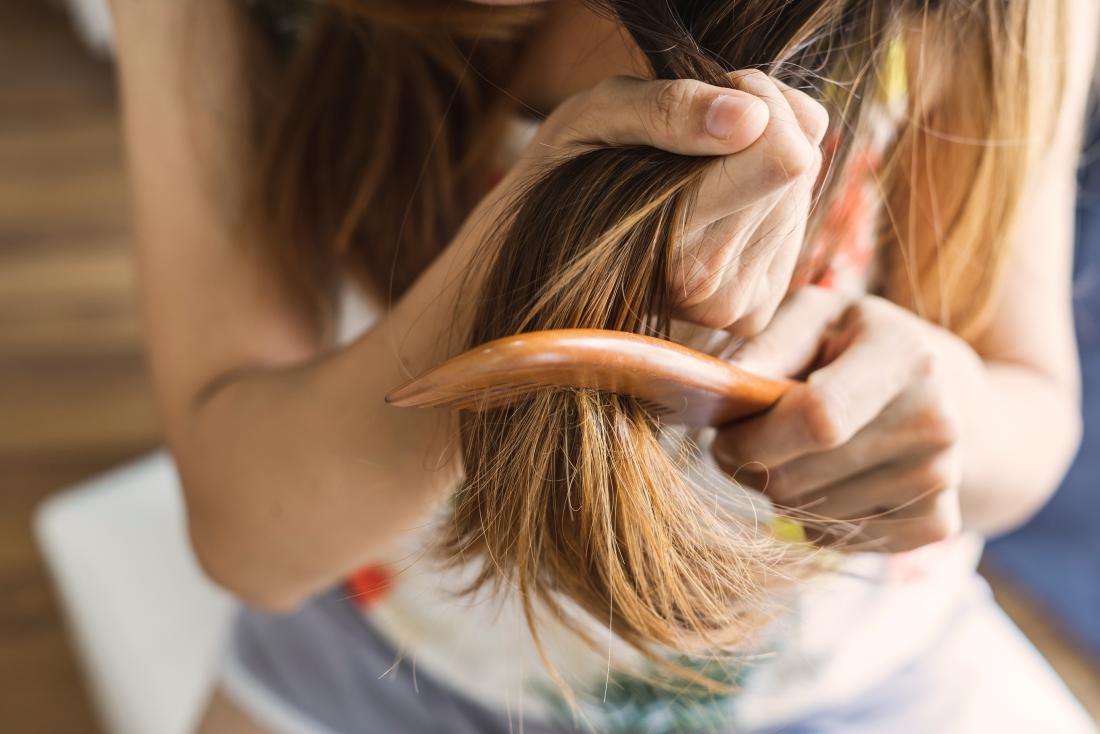
Woman brushing her hair which can cause hair breakage
Common causes of hair breakage can include styling and over-brushing.

Products that people use for coloring, perming, or relaxing the hair contain chemicals that can weaken the hair and make it more likely to break.

Even some shampoos can cause the hair to break, become brittle, or turn frizzy.

A 2014 study reported that the acidity, or pH, of a shampoo may affect hair breakage. Certain shampoos are alkaline, or basic, which can cause a negative charge on the hair. This creates more friction between hair strands and can lead to hair breakage.

Avoiding the application of harsh chemicals to the hair and choosing a shampoo with a neutral pH can improve hair health.

2. Over-brushing

Brushing the hair too much can also cause breakage.

People may not need to brush their hair as much as they think. The American Academy of Dermatology advise only brushing hair as much as people need to style it. Notably, the idea that people should brush their hair with 100 brushstrokes is a myth.

3. Heat and lack of moisture

Frequently using heat on the hair can damage the hair shafts and remove the moisture from the hair, which can cause brittle hair and hair breakage.

Over time, the following heat treatments can damage the hair:

  • blow-dryers
  • straighteners
  • curling tongs

Hot weather and humid climates can also dry the hair out and increase the risk of breakage.

People can often avoid and prevent future hair breakage by reducing heat treatments.

4. Towel drying

Rubbing wet hair with a towel can damage the hair, increase frizz, and cause breakage. Wet hair breaks more easily than dry hair.

Instead of rubbing the hair, try wrapping a towel around it to absorb the moisture, or letting it dry naturally in the air.

5. Not having regular haircuts

A lack of regular haircuts can result in split ends. These broken ends make the hair more likely to break higher up, nearer the hair shaft.

Getting regular haircuts, even when an individual is growing out their hair, can help to keep hair healthy and strong.

A hairdresser will also be able to give advice for maintaining healthy hair and addressing any current issues people may be experiencing.

6. Diet

brazil nuts in pot
Brazil nuts contain selenium.

Nutrition plays an integral part in promoting healthy hair. If people are deficient in certain nutrients, they may have weakened hair that appears dry, dull, or brittle. Severe nutrient deficiencies may also lead to hair loss.

Eggs and fish contain biotin, which is essential for healthy hair growth, and Brazil nuts offer hair-boosting selenium. Learn about foods for healthy hair growth here.

It is essential that people get a balanced diet that contains plenty of the following:

Once people resolve any nutritional deficiencies, they will likely find their hair becomes stronger and healthier again.

7. Tight hairstyles

If people are tying their hair back frequently in tight hairstyles, or using elastic bands to tie their hair up, this can lead to hair breakage. Tight hairstyles can stretch or break the hair away from the root.

If people regularly wear their hair in tight styles such as buns, cornrows, or braids, it may lead to a type of hair loss called traction alopecia. Although this is a temporary hair loss that the hair can recover from, it can become permanent if it keeps happening.

Elastic ties can also pull tightly on the hair and increase the risk of breakage. People can switch to covered hair ties and wear their hair in a variety of loose styles to relieve pressure on the hair.

8. Stress

Extreme stress can cause damage to the hair and a condition called telogen effluvium.

A severe shock or stress can cause the hair roots to reach the resting stage of their growth cycle before they are meant to and the hair comes loose from the scalp.

Once stress has passed, people will usually find the hair regrows. If people notice unusual amounts of hair shedding, they should see their doctor to check for the underlying cause.

9. Thyroid disorders

Thyroid disorders can cause hair breakage. If people have a thyroid disorder, they may notice very brittle, dry, and dull hair. Hair can also become thinner, or people may notice excessive shedding or bald patches.

People with a thyroid disorder may also notice changes to their skin and nails, including the following:

  • nails crumble or break easily
  • wounds heal more slowly than usual
  • deep lines on the palms and soles of the feet
  • itchy skin

If people notice any of these symptoms, along with fatigue, they should see their doctor to check if they have a thyroid disorder.

10. Eating disorders

Eating disorders can cause breakage to the hair and can lead to hair loss.

The malnutrition and health issues that come from eating disorders can disrupt the natural cycle of hair growth. This disruption can cause hair to break off during the growth phase of the hair cycle, which is called the anagen.

Treating hair breakage

People can often boost the health of their hair by addressing the cause, using hair-strengthening products, or changing their haircare routine.

The following sections look at ways to treat hair breakage:

Change haircare routine

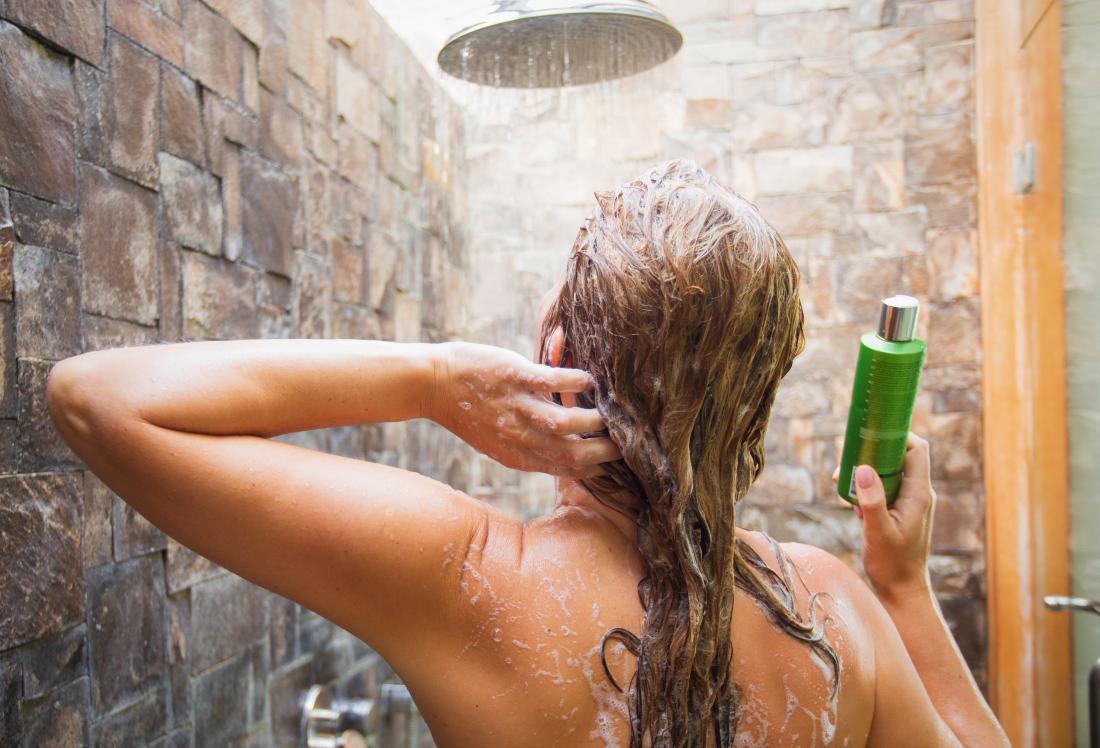
Woman in the shower using a conditioner
A person should change their haircare routine and use a conditioner to treat hair breakage.

Switching haircare routines can help if hair products or styling methods, such as harsh chemicals or heat treatments, are damaging the hair. Try air-drying the hair and using gentle products that contain fewer harsh chemicals.

People may find switching their hair products to ones that care for damaged hair, restore moisture, and strengthen hair may help to prevent hair breakage.

If people swim often, they can use a shampoo and conditioner that specifically restores any damage that chlorine and other chemicals in pools can cause to the hair.

Use a conditioner

Not using a conditioner after washing hair with shampoo can result in hair damage. A conditioner neutralizes the charge of the hair, which can help to lessen frizz and detangle hair.

Conditioners can also help to increase shine and smoothness of hair, making it more manageable.

Reduce stress

If stress is the cause of hair breakage, people can arrange to take time to relax and unwind, which can improve the condition of their hair. Read about ways to bust stress here.

Dietary changes

When the hair has lost its strength because of a person’s diet, they can try eating foods that strengthen the hair again. These foods include ones with plenty of protein, omega-3s, iron, biotin, and zinc.

Prevention

People can take steps to avoid future hair breakage, including the following:

  • using a conditioner after shampooing hair
  • massaging shampoo into the scalp and rinsing it through the hair, rather than rubbing it in
  • wearing a swimming hat to protect the hair from chlorine and other chemicals in pools
  • washing hair with a specialized swim shampoo after swimming
  • drying hair by wrapping it in a towel or letting it dry naturally
  • letting hair air dry slightly first before blow drying or brushing
  • limiting the use of hot tools on the hair, such as straighteners or curling tongs
  • reducing use of coloring and styling products
  • changing hairstyles often
  • using proper hair bands and tying the hair loosely
  • brushing hair gently, and just enough to style it
  • keeping extensions or weaves in for only 2–3 months at a time
  • eating a balanced diet to ensure the hair is getting all the nutrients it needs

Summary

Reducing or avoiding causes of hair damage and taking steps to care for the hair correctly can help to keep the hair strong and healthy. This can also help to prevent any worsening symptoms, such as hair loss.

If people notice excessive or unusual hair loss, they should see their doctor, as it may signal an underlying health condition.

Share Button

Best ways to remove facial hair at home

While facial hair is natural in males and females, some people prefer to remove some or all of it. There is a range of options to remove facial hair at home, including over-the-counter creams and with tools such as razors, tweezers, and epilators.

The skin on the face is more sensitive than skin elsewhere on the body. When removing facial hair, be sure to look after the skin by cleansing and moisturizing afterward.

Read on for six simple ways to remove facial hair at home plus some other, more permanent methods to consider.

1. Shaving

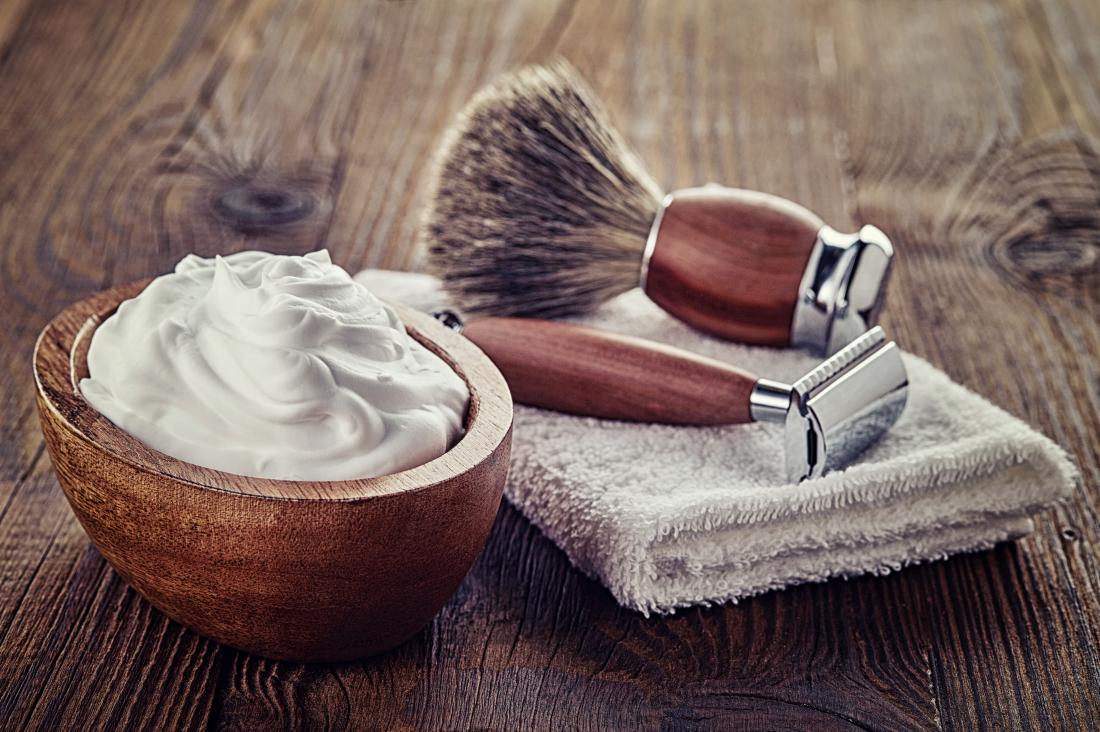
Shaving razor and cream to remove facial hair at home
A person can wet shave using a razor and shaving cream.

The benefit of shaving is that it is easy to do, pain-free, and affordable. Although effective at removing hair, the results are short-lived.

Shaving does not remove hair at the root, but at the same level as the skin, so it will grow back more quickly. People can expect hair to grow back within a day or two.

People can shave areas of their face with a razor, using either a dry shave or a wet shave.

A dry shave uses an electric razor, so people will not need to use water or shaving foam. To dry shave:

  • Wash the face to remove dirt and oils, and then dry with a clean towel.
  • Keep the skin taut by pulling it firmly to create a smooth surface to shave on.
  • Run the razor slowly over the area in the direction of the hair growth.
  • Keep the blade at right angles to get the best contact between the skin and razor.
  • Depending on the razor, move the blade using circular or straight motions.

To wet shave, people can use a disposable or long-life razor with either soap and water or shaving cream:

  • Wash the face with warm water to soften the skin and remove dirt and oils.
  • Apply soap and water or shaving cream.
  • Hold the skin taut and shave in the same direction the hair grows.
  • Rinse the blade in between each stroke.
  • After finishing, wash the face with cool water and pat dry.

If there are any moles or spots on the face, take care to avoid these or shave very lightly over them.

After shaving, rinse the face and apply a moisturizer to rehydrate the skin. Clean the razor and store it in a dry place. When using a disposable razor, replace after 5–7 shaves.

When shaving a small area of the face, try using a small razor specifically designed for the face. Online stores offer a range of facial razors with plenty of customer reviews to help choose the right one.

2. Tweezing

People can use tweezers to pull the hair out from the root. Tweezing removes one hair at a time, so it can be more time consuming and is best for small areas of hair removal, such as around the eyebrows.

Tweezing can be temporarily painful and cause slight redness, but these sensations should quickly fade.

To remove facial hair using tweezers:

  • Wash the area of skin with warm water, and then pat dry.
  • Pull the area of skin taut and grip the hair with the tweezers.
  • Firmly and quickly pull in the direction of hair growth.

After tweezing, rinse the area with cold water or an astringent solution to prevent skin irritation.

3. Waxing

Waxing removes hair from the root by applying melted wax to the skin. When people let the wax cool and then rip it away from the skin, it takes the hair with it.

People can use waxing as a way of removing facial hair, although they should take care to avoid delicate areas such as the nose and ears and any areas of sensitive or irritated skin.

People should not wax on any areas of skin that have:

People should also avoid waxing if they have:

Waxing is an effective way of removing hair, and the effects can last for several weeks. It can be more painful than other methods as it removes hair from the root.

If people want to wax facial hair at home:

  • Avoid using any retinoid products 2–5 days before waxing the face as this can cause the skin to come away with the hair.
  • Wash and dry the face before waxing.
  • Test the wax on the inside of the wrist to check the temperature. It should feel warm with no pain or burning sensation.
  • Apply the wax in the same direction of the hair growth.
  • Press the strip of cloth, provided with the pack, firmly on top of the wax and leave for 2–3 seconds, or as long as the instructions state.
  • Hold the skin taut and quickly pull the cloth strip away, pulling in the opposite direction to that in which the hair grows.
  • To ease any pain that accompanies waxing, apply a cold compress to their face afterward.

People should stop waxing if they notice any swelling or redness and see their doctor or dermatologist if this lasts for more than a few days.

If people are unsure about waxing at home, they can talk to a dermatologist for more information.

4. Using an epilator

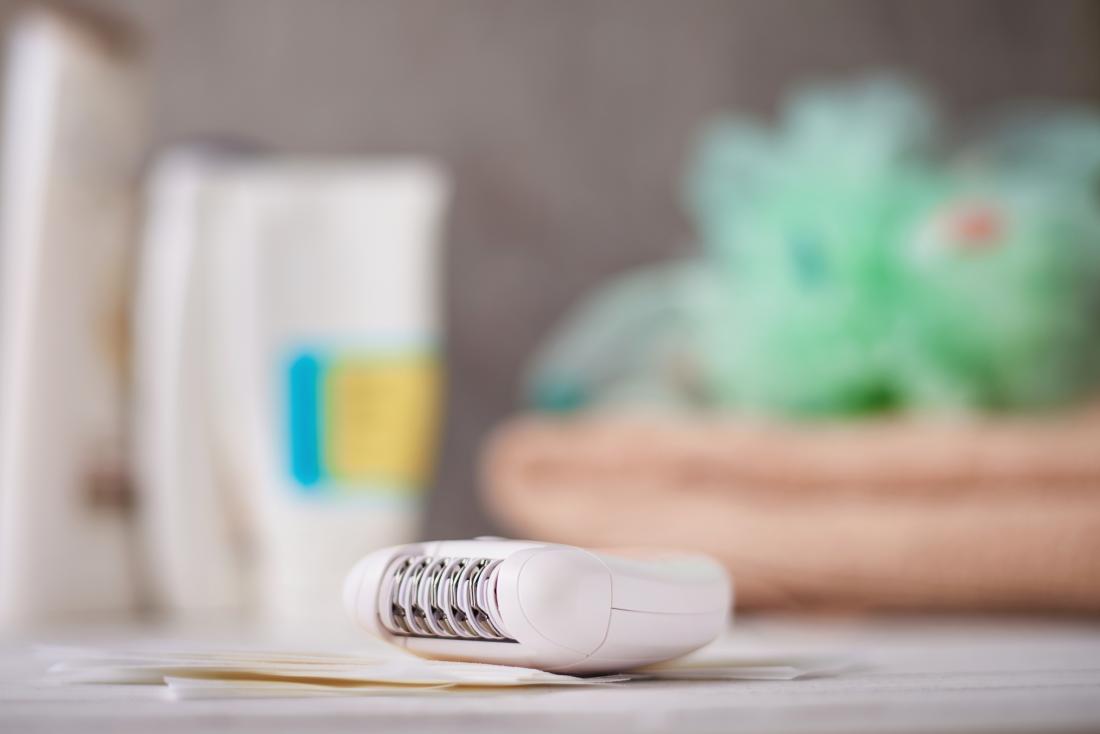
Epilator
An epilator removes hair from the root.

An epilator is an electrical device that removes hair from the root using rotating tweezers that pull the hair upwards. A small epilator may be best for use on the face or smaller areas of hair.

People can try this method by following the instructions of the epilator they are using. The instructions may include these steps:

  • Exfoliate the skin before epilating.
  • Hold the device at a right angle to the skin surface.
  • Move the epilator slowly over the area of hair.

People may find epilating painful as it pulls hair up from the roots. This means that it also provides longer lasting results.

People can find epilators in drug stores or choose between types of epilator online.

5. Using depilatory cream

People can use a depilatory cream to remove facial hair. Depilatory creams remove the hair by dissolving the structure of the hair. People can then just wipe the hair away from the skin.

Some people may experience irritation or an allergic reaction to these types of creams, so they should carry out a patch test on a small area of skin before applying to their face. Avoid using this cream around the eyes or eyebrows.

People should not use depilatory creams on any area of skin that is:

  • particularly sensitive
  • irritated or burnt
  • inflamed
  • broken or chapped

People should carefully follow instructions for the depilatory product they are using and stop if they notice any irritation.

Drug stores and online stores sell depilatory cream suitable for the face.

6. Topical creams or medication

If an individual finds other methods of hair removal are not effective for them, they may consider using a topical prescription cream, such as Vaniqa.

People should test any creams on a small patch of skin before applying to their face, as these products may irritate. If an individual notices a reaction to the product, they should stop using the cream and talk to their doctor if the irritation does not pass.

Like other home methods, topical creams have temporary results, and the effects may last for 1 to 2 weeks. Some of these creams can contain strong chemicals, and people should talk to their doctor about any side effects.

Permanent methods

Laser hair removal is a long-term but not a permanent method for hair removal. If a person wants to remove their facial hair permanently, they can try electrolysis.

Electrolysis destroys the growth of the hair at the base of the hair follicle, which means the hair is unable to grow back.

Electrolysis is a permanent option for removing hair, and the Food and Drug Administration (FDA) recognize it as a method of permanent hair removal. Electrolysis is safe to use on the face.

During electrolysis, an electrologist will insert a sterile needle into the hair follicle. A small amount of electrical current then passes through and destroys the cells that stimulate hair growth. People will need repeat treatments to complete the electrolysis process.

Outlook

There are many ways to remove hair from their face, and people can choose whichever method they feel best works for them and their skin.

If unsure about carrying out any methods of hair removal at home, talk to a dermatologist or other cosmetic professional. Discuss any medical conditions that may affect the safety of hair removal before treatment.

People can consult a dermatologist about permanent solutions, such as electrolysis.

If females notice any unusual changes to the hair growth on their face, they should see their doctor, as it may signal an underlying health condition.

Share Button

Best ways to remove upper lip hair

It is natural for both men and women to have some upper lip hair, but people may prefer to remove it. Creams, razors, electronic tools, and natural methods can remove the hair temporarily, and people can see a dermatologist for permanent removal.

Some methods, such as shaving or waxing, remove the hair immediately while others, including creams and electrolysis, work over a more extended period.

Read on for instructions on 10 ways to remove hair from the upper lip.

1. Use a razor

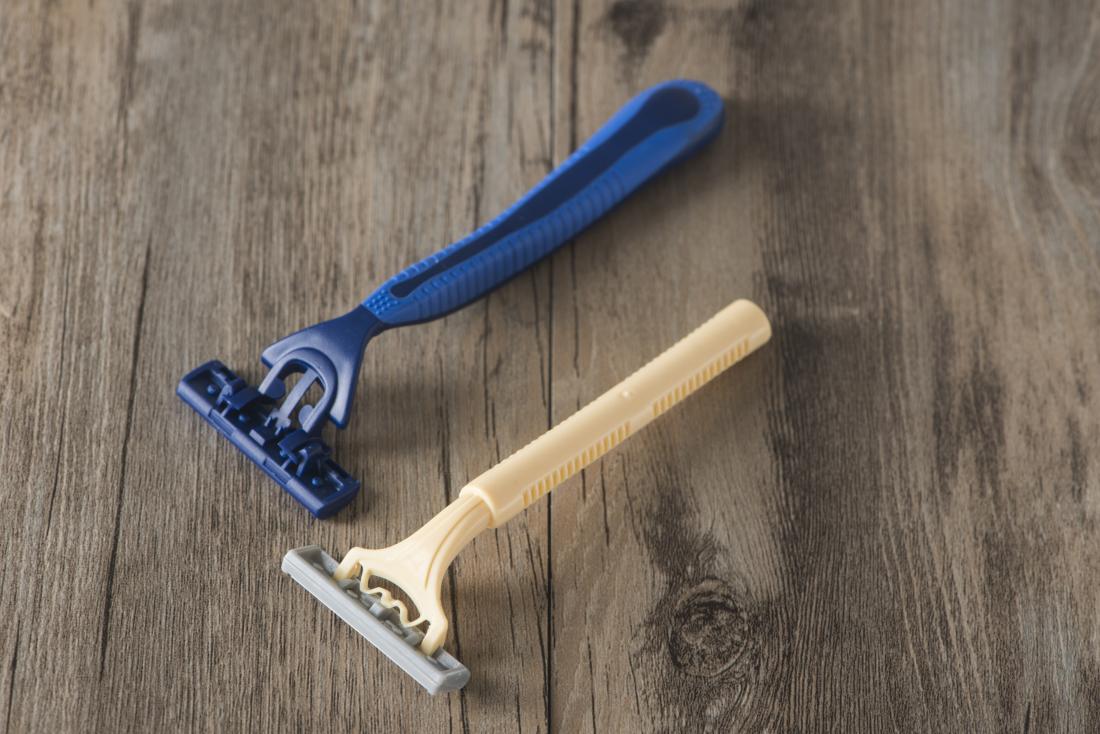
Shaving razors on wooden table
Hairs may regrow within 2 days of shaving.

Shaving is an easy and affordable way of removing upper lip hair, and it can be less painful than other options for sensitive areas of skin. Smaller razors are better than larger ones for removing hair from the upper lip.

Shaving is a temporary method of removing hair, which means that people may notice hair regrowth within 1–2 days.

To shave the upper lip, apply shaving cream, and use a clean razor to shave in the direction of the hair growth. Pull the upper lip down while shaving to keep the skin taut and create a cleaner shave. Take care to avoid shaving over any spots or cuts.

Razors that manufacturers have designed specifically for the upper lip are available in drugstores, or people can choose between a range of products online.

2. Hair removal creams

Some hair removal creams are safe to use on sensitive facial skin, including the upper lip.

Depilatory creams are highly alkaline solutions that break down the protein bonds in the hair, causing it to dissolve. At this point, people can simply wipe the hair away.

To use this cream, apply it to the upper lip for as long as the instructions advise and then rinse it off, along with the loose hair.

Depilatory creams are an easy, affordable, and quick way of removing lip hair. However, these creams do not dissolve hair down to the root, so they only have a short-term effect.

Some creams have a strong smell that people may find off-putting. Depilatory creams contain strong chemicals that can sometimes irritate the skin. It is important to do a patch test on another area of skin before applying one of these creams to the face.

If people notice any sensitivity to these creams, they should stop using them. Depilatory creams are not suitable for use on any broken, sunburnt, or irritated skin.

Drugstores and online stores sell hair removal creams specifically for use on the face.

3. Hot wax

People can apply a waxing strip to their upper lip to remove hair. Waxing can be painful on sensitive areas of skin, such as the upper lip, but it provides longer lasting results as it removes the whole strand of hair.

To wax their upper lip hair, a person can apply hot wax to this area of skin and press it down firmly with a cloth strip while it cools. They then need to pull the strip away quickly, which uproots the hair, leaving the skin hair-free for several weeks.

Waxing is most effective when the hair is a certain length. The American Academy of Dermatology (AAD) recommend that hair should be one-quarter to three-quarters of an inch before waxing. If the hair is longer than this, it might make waxing more painful.

People can buy home waxing kits from their local drugstore or online.

4. Tweezing

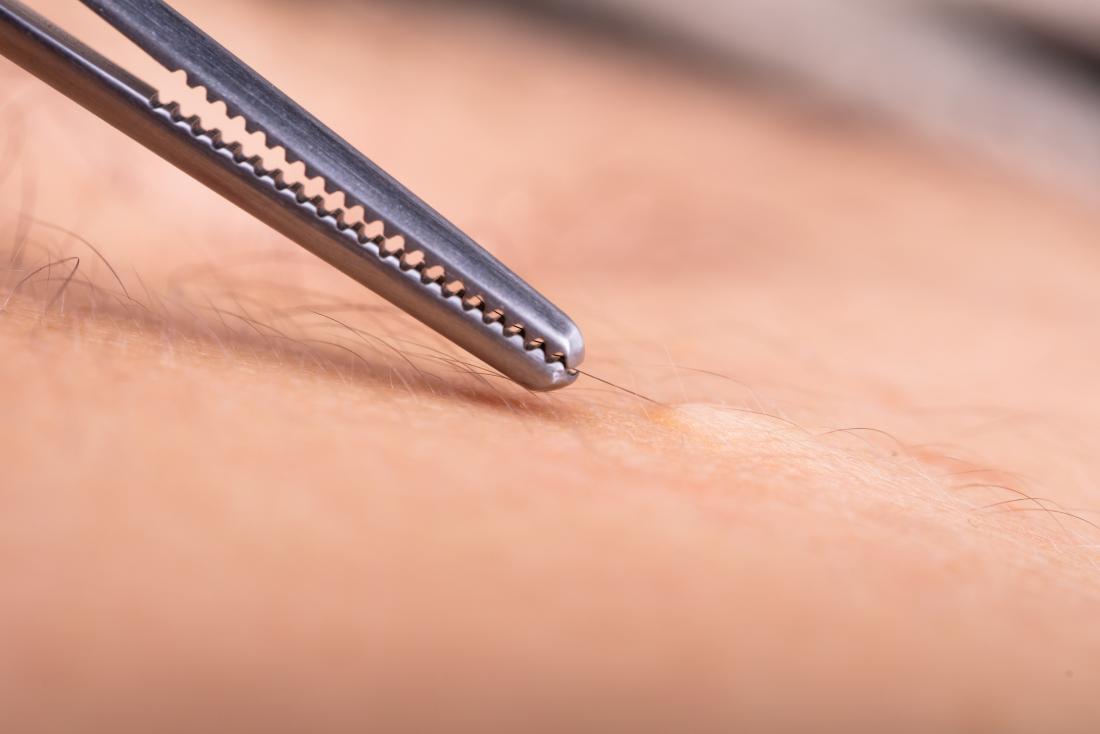
Tweezers pulling at hair
Tweezers are effective for removing a small number of individual hairs.

People can use tweezers to remove hair from their upper lip. Tweezing removes one hair at a time by pulling it up from the root, so this method is suitable for small areas of hair removal, such as the upper lip.

After cleaning the skin, a person can use a clean pair of tweezers to pluck out each hair from the upper lip as follows:

  • hold the skin taut by pulling down on the upper lip
  • pinch the hair with the tweezers and pull sharply in the direction of the hair growth
  • rinse the upper lip with cold water

5. Use an epilator

An epilator is a handheld electrical device that removes hairs in a similar way to tweezers by plucking them from the root. Epilators remove more than one hair at a time though, so epilating is a more efficient method than tweezing.

People may find that exfoliating the upper lip with a facial scrub before using an epilator gives a better result. People can then run the epilator over the upper lip to remove any unwanted hair.

An epilator may cause some redness of the skin, which should soon pass. However, anyone who notices any skin irritation from using an epilator should stop using it.

People can buy epilators from drugstores or online. Small epilators or those that the label describes as being for use on the face may be more comfortable and easier to use.

6. Spring hair removal tool

People can use a spring hair removal tool to remove hair from the upper lip.

The tool is a length of spring that works by plucking out strands of hair. People can bend the stick into a U-shape and roll it over their upper lip to remove the hairs.

Some drugstores and online stores sell a variety of spring hair removal tools.

7. Threading

Threading is another technique for hair removal. Like tweezing and epilating, it works by removing hair from the root, so the effects are temporary but last longer than shaving.

During this treatment, a dermatologist or beautician winds a length of thread around the hairs on the upper lip and then pulls sharply so that they come out at the root.

8. Try sugaring

Sugaring equipment for hair removal.
Sugaring is a hair removal technique that uses natural ingredients.

Sugaring is a natural option for removing facial hair. Although there are no scientific studies to confirm that it works, some people find it effective, and trying it does not pose any risks.

People have used the sugaring method, which works similarly to hot wax, for centuries. The sugar in the solution also works as an exfoliant, which can help soften skin.

To use this method, thicken sugar with other natural substances and heat it. Once the mixture has cooled, apply it to the upper lip and firmly press a clean strip of cloth over it before pulling the cloth away quickly in the direction of the hair growth.

Some people use the following ingredients to create a sugaring paste:

  • honey
  • sugar
  • lemon juice
  • water

People should ensure that the paste has cooled to room temperature before applying it to their skin.

Before trying any home remedies on the face, apply a small amount to another area of skin to test for an allergic reaction or skin irritation. If either occurs, stop using the paste and speak to a doctor if the symptoms do not go away.

9. Laser hair removal

Laser hair removal is an effective way to get rid of upper lip hair. During this procedure, a dermatologist directs a concentrated beam of light at the hair follicle to destroy the hair.

Laser hair removal is not a permanent method, but its results can last for up to several months. People may find that they need between two and six treatments to remove the hair.

Although people can purchase at-home laser hair removal kits, these are not suitable for use on the face. The AAD advise people to see a board-certified dermatologist for laser hair removal, as it can have dangerous side effects if an unskilled person attempts it.

10. Electrolysis

Electrolysis uses an electrical current to remove body hair. An electrologist will insert a tiny probe into the hair follicle where a small electrical current will destroy both the hair and follicle. This damage prevents the hair from regrowing, so electrolysis removes hair permanently.

Electrolysis is suitable for sensitive areas of skin, such as the upper lip.

Summary

There are many effective ways to remove hair from the upper lip. People can choose their preferred method depending on their skin type, budget, and how long they want the effects of hair removal to last.

A person who is uncertain about how best to remove hair from their upper lip can talk to a dermatologist or cosmetic professional.

When undergoing any cosmetic procedure, it is essential to ensure that a board-certified dermatologist provides the treatment.

Share Button

I’ve Decided To Let My Gray Hair Grow Out At 32, And I’ve Never Felt More Confident

I remember being little and sitting in the doorway of the bathroom watching as chunks of my mom’s hair fell into the sink, clumping in puddles of her tears. I was 7. She’d just gotten another haircut from another hairdresser and, like the last one she’d gone to, this one was awful at her job. The cut wasn’t what she wanted at all. The color was faded at the roots because of her grays.

She hated her grays. Mom moved closer to the mirror, craning her neck to see the back of her head. She pinched a section of hair between her index and middle fingers. “There’s no way I can go in public like this.”

I don’t remember my first haircut, but I remember the first time I dyed my hair. I was 14 and in high school. No longer were our bodies acceptable just the way they were. They needed to be manipulated ― made more beautiful. Makeup. High heels. Expensive clothing. Hair dye. I begged mom to color my hair; it was so boring, a stupid brown. She agreed to highlights with some hesitation, admitting they would be cute framing my face. We couldn’t afford a salon, so I bought a highlighting kit at Walmart. Mom helped me pull my hair through a plastic cap and gently coated each strand in bleach. When we were done, my hair was no longer boring. It sparkled in the sun like tinsel. I thought of all the friends I would make. All the boys who would ask me out.

The reality was that no matter how many highlights I put in my hair, no matter how thin I got, no matter how perfect my makeup was, someone didn’t approve. The more disapproval I got, the more I tried to fix my flaws. I got a tan. I adjusted my weight. I got braces. I bleached my hair totally blonde. I watched TV shows like ”What Not to Wear” and ”Extreme Makeover” and fantasized about all the expensive clothes I would be able to afford one day, all the plastic surgery I’d finally be able to get.

The reality I found was no matter how many highlights I put in my hair, no matter how thin I got, no matter how perfect my makeup was, someone didn’t approve.

I was 18 when I discovered my first gray hair, and I was mortified. I hadn’t even made it to 20, and there it was ― a symbol of death growing right out of the top of my head. When I told my mom what I’d found, she told me she had a gray streak in college. “Sorry, honey. Looks like you got the bad genes.” I decided I would never let my natural hair grow out. No one but my mom could know my secret. I dyed dark. I dyed it more and more until, eventually, it was black. People said it made my eyes pop. I was exotic and sexy and looked so young for my age.

By the time I was in my twenties, my looks had become my identity. They had become my worth. In my mind, if people did not approve of my appearance, I was not approved of as a human being. When I try to pinpoint the moment I started believing my looks were so important, it mostly feels like I was born knowing it. But I don’t believe that. Maybe it began with my mother, or her mother, or her mother. Seeing my mom in that mirror stuck to me. If beauty was that important to her, then it should be to me.

Maybe it was the makeover shows we watched as a family. Or maybe it was all the boys who paid more attention to my body than to my thoughts. Maybe it was commercials. Maybe it was the girls who “discovered” me in high school, who took me on as a “project,” over-plucking my eyebrows, straightening my dyed hair and painting my mouth with thick, brown lipstick. I can’t say where it began, but by the time I was 32, I was exhausted. I had been dying my hair religiously to hide my grays, and I was generally sick of being in battle with my own body.

I decided to fight back. I knew that the intense emotions I attached to my looks were irrational even if they were very real, and I was determined to beat them into submission. I knew it would be difficult for me, so I started by making small changes. I wore less makeup and let myself gain some weight. I stopped using anti-aging cream and stopped wearing heels. Each time I made a change to my appearance that felt like a big deal, I realized it really wasn’t. In retrospect, it all seemed so silly.

I knew that the intense emotions I attached to my looks were irrational even if they were very real, and I was determined to beat them into submission.

But I was still dying my hair. Hair was the one thing on my body I had some control over. No cream would ever prevent me from getting wrinkles, and no amount of exercise would make my body look like it did when I was 18. But if I dyed and styled my hair, it looked just as good as it ever did. If I let it go, people might think I let myself go. Worse, they would find me less attractive because I would look older. They would know that I’d gotten the bad genes. But why did I care what everyone else thought? It was my last battle, and I was ready to fight it.

When I decided to make the hair appointment, part of me was apprehensive and unsure. Another part was ready to get it over with, ready to prove that my fear was irrational. My hairdresser was beautiful with long, blonde hair and contoured cheeks. When I told her I wanted to shave the sides of my head and cut the rest of my hair to my cheekbones, she raised an eyebrow. “You sure?”

I looked at myself in the mirror. My dark hair fell in waves at my shoulders, as it had for so many years. So shiny. So feminine. “Cut it off,” I said. I wanted it gone. As long chunks of hair fell to my lap, I was afraid, but also felt powerful because I wasn’t letting that irrational fear rule me anymore. When she was finished, I got out of the chair and examined myself in the mirror. I craned my neck to see the back of my head. The top would take a while before all the color grew out because I wasn’t interested in shaving my entire head. The bottom half, however, had no dye for the first time in 18 years. The gray was more like silver, like highlights, like tinsel. I loved it.

It seems silly, maybe, that hair can be so important to someone. But it was never about the hair itself for me. It was about being accepted and valued. We live in a society that tells women they are only valuable ― are only acceptable― if they are youthful. We live in a society that spends hundreds of billions of dollars a year on anti-aging products. We live in a society that not only has a large gender divide in media representation but an even larger age divide.

Hair is one of the most obvious visual signs of aging, and I hid mine because I wanted to remain visible.

And it’s not just media. We tuck the elderly away in nursing homes, we are too uncomfortable to openly talk about death and I’ve seen an alarming number of obituaries in the local newspaper with pictures of the deceased that were taken 50-plus years ago. We don’t want to see aging bodies and are actively trying to hide them. Hair is one of the most obvious visual signs of aging, and I hid mine because I wanted to remain visible.

It’s been a year since I first cut my hair off, and I am finally totally gray. The biggest surprise? I’ve never gotten more compliments. People think it’s cool, their reactions much stronger than it ever was when it was black or brown. The bigger surprise? I’ve never felt more confident. In fact, I love what I see in the mirror. It isn’t that I feel more beautiful, necessarily. I feel just as pretty as I did before. It’s that beauty isn’t the source of my confidence anymore.

Rather, I’m finding it in the bravery it took for me to give such a ridiculous beauty standard the middle finger, even though I suspected I might be judged or rejected. As someone who has fought so long to fit in, it was so freeing to decide to end it. In a way, my gray hair is a reclamation. It is me owning my aging body and giving it space to exist in the world without shame. That makes me feel really powerful.  

I’m also happy to report that mom has embraced her gray hair, too. She was part of my inspiration. She went gray a few years before me, and she looks gorgeous. She is too cool with her buzzed head, white hair and thick-rimmed, colorful glasses, and she knows it.

I figured if my mom can do it, I can, too. The best part: People say we look alike all the time now. Both of us take it as a huge compliment.

Have a compelling first-person story you want to share? Send your story description to pitch@huffpost.com.

Share Button

Hair growth: 6 home remedies

Hair growth depends on several factors, including a person’s genetic history. However, there are some home remedies that may help.

Whether a person is trying to prevent hair loss or encourage more growth, knowing some tips on diet and how to treat the hair can help them achieve their goal.

When hair loss is due to a medical condition, however, it is best to speak to a doctor about appropriate treatments.

The following home remedies may encourage hair growth:

1. Eating more protein

home remedies for hair growth nuts
Eating high-protein foods, such as nuts, can help the body grow new hair.

The body needs protein to grow new hair. Hair loss can arise due to a protein deficiency.

Examples of healthful dietary protein sources include:

  • beans
  • eggs
  • fish
  • nuts
  • lean meats
  • seeds

A person’s daily protein needs vary based on how physically active they are and how much muscle mass they have.

2. Increasing iron intake

Iron is another nutrient the body requires to grow healthy hair. Some dietary iron sources include:

  • clams
  • lentils
  • oysters
  • pumpkin seeds
  • spinach
  • white beans
  • lean beef
  • turkey

Many manufacturers also fortify their foods with iron, which means that they have added iron to them.

People who do not eat meat have iron requirements as high as 1.8 times those of people who do eat meat. This is because the body does not absorb nonanimal sources of iron as effectively.

3. Trying aromatherapy

According to the authors of 2011 study paper, aromatherapy can help stimulate hair growth.

Examples of herbs that aromatherapy practitioners may use to promote hair growth include:

  • cedarwood
  • lavender
  • rosemary
  • thyme
  • tulsi

When using essential oils on the scalp, be sure to mix only a few drops into a carrier oil, such as coconut oil or walnut oil. The researchers also state that inhaling the scent of these oils may affect hair growth.

More research is necessary to determine whether essential oils are an effective solution for hair growth.

Some people may experience topical allergic reactions when using essential oils, so it is best to try a small test patch 24 hours before applying the mixture to the whole head.

4. Massaging the scalp

Massaging the scalp helps stimulate blood flow to the scalp, which could help encourage hair growth.

A small Japanese study found that men who massaged their scalps for 4 minutes per day with a scalp massage device had thicker hair after 6 months.

People can use the pads of their fingertips to massage the scalp in gentle circles. Devices to massage the scalp are also available in drug stores and online.

5. Using pumpkin seed oil

home remedies for hair growth pumpkin seed oil
Taking pumpkin seed oil may increase hair growth.

The authors of a 2014 study looked at whether pumpkin seed oil could help hair growth.

They discovered that men taking 400 milligrams (mg) of pumpkin seed oil for 6 months experienced a 40 percent increase in average hair count, whereas those taking a placebo only experienced a 10 percent increase.

The men all had a history of androgenic alopecia, or male pattern baldness. They were not currently taking other supplements for hair loss and were between 20 and 65 years old.

6. Taking saw palmetto

A 2-year-long study found that supplementation with saw palmetto may increase hair growth in men with male pattern baldness.

The participants took 320 mg of saw palmetto every day for the duration of the study.

After 2 years, the participants experienced hair growth primarily in the vertex, or the top and back of the scalp. This is a common site for bald spots in men.

Causes of hair loss

Many people experience aging-related hair thinning or male or female pattern balding.

Doctors tend to divide hair loss not related to age into two major categories: scarring and non-scarring hair loss. Generally speaking, scarring hair loss is permanent. Examples of scarring hair loss causes include scarring alopecia.

Non-scarring hair loss causes can include alopecia areata (hair loss in patches) or telogen effluvium.

Telogen effluvium causes hair follicles to remain in a resting state. As a result, a person’s hair does not grow as quickly or as much as it once did.

This condition can be the result of the following “shocks” to the body:

  • giving birth
  • having a fever
  • having an inadequate protein intake
  • undergoing major surgery
  • having a severe chronic illness

ïtaking certain medications, such as antidepressants, beta-blockers, calcium channel blockers, or retinoids

Prevention

home remedies for hair growth hair dryer
People can try to encourage hair growth by avoiding using blow-dryers set to a high heat.

Eating a nutritious diet and keeping stress levels low can help prevent hair loss and encourage hair growth.

In addition to these steps, other ways to encourage hair growth include:

  • not using hair accessories that can cause hair breakage, such as hairpins, clips, and rubber bands
  • avoiding styling products that can damage and break the hair, such as blow-dryers set to a high heat, straightening irons, and curling irons
  • limiting the use of bleach, relaxers, and hair dyes
  • avoiding excess shampooing or brushing
  • when the hair is wet, avoiding brushing it or applying plastic or rubber hair ties

Treating the hair as gently as possible can help preserve it and minimize the rate of hair loss.

Sometimes, however, hair loss is inevitable due to age.

When to see a doctor

Hair loss is not necessarily a condition that affects a person’s overall health, but it can greatly impact their mental well-being and self-esteem.

A person should see their doctor if they are concerned about hair loss, especially if they are taking supplements or have made dietary changes and are losing hair.

A doctor may recommend seeing a dermatologist, who can conduct additional testing if necessary to determine appropriate treatments.

Summary

Some aspects of hair growth, such as genetics, are out of a person’s control. However, a person may see improved hair growth if they follow a healthful and nutritious diet.

Using some home remedies and taking good care of the hair may help enhance thickness and growth. If a person is concerned about hair loss or growth, they should talk to a doctor.

Share Button

List of the best vitamins for skin

Research suggests that some vitamins might play a key role in skin health. In many cases, these vitamins are most effective when a person applies them directly to the skin. Following a healthful, balanced diet that is free of vitamin and nutrient deficiencies may improve skin health by boosting overall health.

Skin care and supplement manufacturers are quick to claim that the right vitamin can revolutionize skin health, fight aging, and cure acne.

Vitamins are not revolutionary, however. They are naturally occurring substances that the human body needs to function normally.

So, the main way in which vitamins affect skin health is by ensuring that the body remains healthy overall.

Vitamin A

Sweet potato, kale and quinoa salad with dark leafy greens and vitamin a for skin
Sweet potato and dark leafy greens contain vitamin A.

Many multivitamins contain 100 percent or more of the recommended daily intake of vitamin A. Other good sources of vitamin A include carrots, dark leafy green vegetables, sweet potatoes, and eggs.

Retinoids, including retinol, tretinoin, isotretinoin, and similar chemicals, are manufactured forms of vitamin A.

These products come in creams and serums to apply directly to the skin. Many studies support the benefits of retinoids for skin health.

Retinoids increase the rate of cell turnover. This can improve the texture and tone of skin, exfoliate dull and lifeless skin, fight acne, and slow the signs of aging.

A 2015 study found that retinol and retinoic acid increased skin thickness over 4 weeks. Retinoids also increased collagen gene expression. After 12 weeks, study participants had visible reductions in wrinkles.

Retinoids can increase the skin’s sensitivity to the sun. For this reason, it is vital to wear sunscreen while using retinoids, and for several weeks after. Retinoids can also be drying, so people should use a quality moisturizer and start slowly.

Try applying retinoids once or twice per week before going to bed, then gradually increasing the frequency of use to once daily.

B-complex vitamins

Several B-complex vitamins may improve skin health. The water-soluble vitamins are readily available as supplements, including as supplements that include all 12 B-complex vitamins.

Research into the role of vitamin B-complex supplements is promising, though inconclusive. A 2018 study found that vitamin B could help the body produce healthy new skin cells.

Not all research has found such benefits, though many studies suggest that B-complex vitamins are most effective when people apply them directly to the skin.

Vitamin B-3, or niacinamide, may help some signs of skin aging. Some studies suggest that it may help reduce the appearance of age spots and other forms of skin discoloration. Some women report improvements in their skin and hair when taking prenatal vitamins that contain folic acid.

Folic acid may also improve signs of skin aging, according to one 2011 study. Researchers found that a cream containing folic acid and creatine supported collagen gene expression and collagen fiber density. Collagen tends to decline with age, which cause wrinkles and saggy skin.

Vitamin B-5, or pantothenic acid, may help with both acne and skin aging. A randomized controlled trial from 2014 found that people who took a B-5 dietary supplement for 12 weeks saw significant reductions in acne and skin inflammation.

One 2010 study examined the effects of a skin cream containing vitamins E, B-5, and B-3. The cream improved skin tone and texture within 6 weeks. It also helped with age spots and hyperpigmentation.

Some dietary sources of B-complex vitamins include meat, eggs, seafood, nuts, and seeds.

Vitamin C

Vitamins and minerals supplements or pills spilling out of bottle onto wooden surface
A person can take multivitamins to ensure that their intake of vitamin C is adequate.

Vitamin C is an antioxidant. This means that it may reverse free radical-induced oxidative damage.

Most research suggests that oxidative damage plays an important role in aging, including skin aging.

In theory, this could mean that vitamin C supplements might improve skin health and slow the skin aging process. Research to support this claim varies, however.

Most studies have found few benefits associated with vitamin C, though a 2010 study does suggest that vitamin C may slow sun-related skin aging.

There is no harm in trying to get more vitamin C. Most multivitamins contain vitamin C, and it is also readily available in many citrus fruits as well as most vegetables, including broccoli, cauliflower, and squash.

Applying topical vitamin C directly to the skin may improve elasticity, helping the skin look younger and brighter. Vitamin C serums may also stimulate collagen production, fighting the damaging effects of the sun.

Vitamin C might also be an effective skin moisturizer. A 2012 study found that formulas containing vitamin C improved both skin moisture and smoothness for at least 3 hours following application.

Vitamin D

Vitamin D supports skin cell metabolism, helping the skin grow and repair itself. So, inadequate levels of vitamin D may trigger skin problems. Beneficial sources of vitamin D include fortified products such as milk and cereal, as well as salmon, swordfish, and tuna.

Vitamin D may also help with chronic inflammation. Inflammation can lead to skin irritation, some types of acne, and eczema. In fact, one 2010 study found that using a cream containing vitamins D and E could help with atopic dermatitis.

Vitamin E

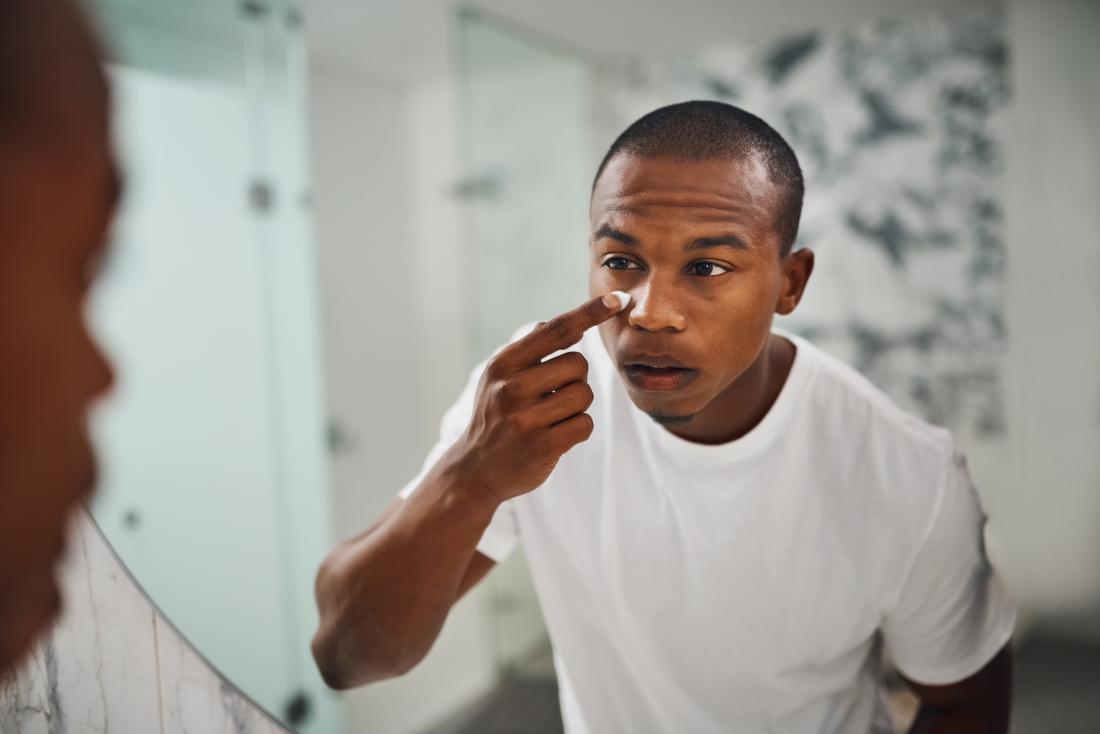
Black or african american man looking in bathroom mirror applying cream or lotion to skin under eyes.
Vitamin E is a common ingredient in skin care products.

Like vitamin C, vitamin E is an antioxidant that may slow aging that free radicals cause.

Preliminary research suggests that vitamin E supplements may slow skin aging, but the research is not conclusive. Seeds, nuts, spinach, mangoes, and corn are rich in vitamin E.

Many skin care products contain vitamin E. It is a popular scar remedy. However, research into vitamin E’s ability to reduce the appearance of scars has reached contradictory conclusions.

A 2015 review found that vitamin E did prevent scarring in some studies, but in other studies, vitamin E either did not work or made scars worse.

Also, a 2010 study found that applying topical vitamin D and vitamin E cream could help with atopic dermatitis.

Some research suggests that vitamin E may help with wound healing, especially in combination with vitamin C and zinc. It may also help treat acne and pressure sores.

Summary

Many vitamins can improve skin health, especially in people with vitamin deficiencies. Malnourishment can cause a range of skin problems, so eating a varied and nutrient-dense diet remains one of the best things a person can do for skin health.

People should take care not to over-supplement with vitamins, as having an excess of certain vitamins can cause health issues.

People with concerns about specific skin conditions should choose vitamins based on their needs. Not all vitamins are appropriate for all skin conditions, and the wrong combination may even make some issues worse. For example, using too many products containing vitamin A can dry and irritate the skin.

For help choosing the right skin care products and following a skin-healthy diet, see a dermatologist.

Some of the products listed in this article are available for purchase online.

Share Button

Top 6 remedies for dry skin on the face

Some people are more prone than others to dry skin on the face. Gentle treatments and home remedies can relieve dry facial skin and prevent it from coming back.

People may experience dry skin on their face as a result of many factors, including changes in temperature or humidity, using soaps with harsh chemicals, and skin conditions, such as eczema.

In most cases, people can get rid of dry skin using home remedies and over-the-counter (OTC) treatments.

In this article, we look at why some people experience dry skin on their face and discuss treatments and home remedies.

What causes it?

Woman using a moisturizer for dry skin on face
A person can moisturize daily to treat dry skin on their face.

The skin naturally produces an oil called sebum. When the skin produces too much oil, this can lead to pimples. However, having some sebum on the skin is important for keeping it hydrated and protecting the cells from infection.

Skin that is not creating or replenishing enough sebum can become dry.

Dry skin can be itchy, and it may look flaky and bumpy or have red patches. Dehydrated skin lacks water and appears dull or rough.

Some potential causes of dry or dehydrated skin on the face include:

  • cold weather
  • dry air
  • exposure to harsh chemicals in soaps or other products
  • washing the skin excessively
  • unbalanced skin pH
  • skin conditions, such as atopic dermatitis, seborrheic dermatitis, and psoriasis
  • diabetes
  • hypothyroidism
  • smoking
  • spending too much time in direct sunlight

People can treat dry skin using several different methods. The best treatment option will depend on the cause of someone’s dry skin and its severity. Treatments also vary among different skin types, which can be normal, dry, oily, or combination.

1. Moisturize daily

Moisturizers, ointments, and creams improve the skin’s natural barrier function, which promotes water retention.

Moisturizing overnight can provide extra benefits. A person can apply moisturizer to their face before bed and wash it off with a gentle cleanser in the morning.

Many different moisturizers are available to purchase. It can take some trial and error for a person to find the best one for their skin type.

Gentle, face-friendly moisturizers often contain the following beneficial ingredients:

  • hyaluronic acid
  • ceramides
  • colloidal oatmeal

Some moisturizers and other skin care products contain drying agents that can make dry skin worse. In general, people should avoid products that contain:

  • alcohols
  • artificial fragrances or colors
  • dioxane
  • petrolatum or petroleum

Some people may prefer to use natural moisturizers to help relieve dry skin on the face. These include:

Coconut oil and shea butter contain natural oils. Some people with normal, oily, or combination skin types may experience breakouts after using these products.

2. Use a gentle cleanser

Soaps that contain fragrances, colors, and other chemicals can irritate and dry out the skin. It is generally better to opt for mild, fragrance-free cleansers or facial soaps and to avoid products that contain alcohols, artificial colors, and plastics.

Ingredients to avoid include:

  • sodium lauryl sulfate (SLS)
  • those that derive from mineral oil, including petroleum and paraffin
  • parabens
  • diethanolamine (DEA)
  • monoethanolamine (MEA)
  • triethanolamine (TEA)

3. Exfoliate to remove excess dry skin

Woman washing her face with an exfoliator for dry skin on face
A person can remove excess dry skin by exfoliating.

The skin naturally makes new cells and sheds old cells, typically replacing itself within about a month.

When dead skin cells become stuck on the surface, people may notice dry patches and clogged pores.

Exfoliating helps remove dead skin cells, which can reduce dry patches and improve the skin’s overall texture.

Exfoliators can be either mechanical or chemical.

Mechanical exfoliators

Mechanical exfoliators include:

  • cleansing brushes
  • exfoliating washcloths
  • facial scrubs

This form of exfoliation works by physically removing dead cells from the surface of the skin.

Chemical exfoliators

Although they sound harsh, many people consider chemical exfoliators to be gentle alternatives to mechanical exfoliators.

Chemical exfoliators include alpha-hydroxy acids (AHAs) and beta-hydroxy acids (BHAs).

AHAs dissolve dead cells on the surface of the skin while BHAs penetrate the deeper layers of the skin to remove dead cells from pores. Both AHAs and BHAs increase cellular turnover, which helps keep the skin soft and supple.

How to use exfoliators

People can use mechanical and chemical exfoliators alone or in combination.

A recent small-scale study examined the effects of combining an AHA-containing chemical peel with mechanical exfoliation. The authors observed that the combination treatment led to more significant improvements in hydration and skin elasticity than the chemical peel alone.

However, it is important to note that overusing these products can make dry skin worse. People using an exfoliator for the first time should test it on a small area of their face and wait a few days to see how their skin reacts before using it more extensively.

A person should avoid exfoliating every day as this can irritate and dry out the skin. Applying a good moisturizer immediately after exfoliating will help lock in moisture.

4. Practice better bathing habits

It is best to use warm, not hot, water when bathing or washing the face because hot water can strip the skin of its natural oils.

Spending too much time in water can remove sebum from the skin. The American Academy of Dermatology recommend limiting showers and baths to 5–10 minutes or less to help heal dry skin.

After bathing or washing the face, people should immediately apply a moisturizer to help lock in moisture.

5. Use a humidifier

Constantly running air conditioning (AC) and central heating units indoors removes moisture from the air and the skin.

A person with dry facial skin may wish to try limiting their use of AC and heating or start using a humidifier to add some moisture to the air indoors.

6. Medication

A skincare specialist, known as a dermatologist, or another healthcare professional may prescribe a topical ointment or cream for people who have skin conditions or those who have dehydrated skin that does not respond to conventional treatments.

The type of medication will vary depending on the cause of the dry skin. Medications commonly contain hydrocortisone, a steroid that helps keep the skin hydrated.

Prevention

using sunscreen on the face
Wearing sunscreen every day can prevent dry skin on the face.

People can use the following tips to prevent dry skin on their face:

  • washing the face daily with a gentle cleanser
  • wearing sunscreen every day
  • applying moisturizer after bathing or washing the face
  • using warm, not hot, water when washing the face and bathing
  • staying hydrated by drinking plenty of water
  • limiting caffeine intake
  • limiting time in direct sunlight
  • avoiding artificial tanning
  • using a humidifier
  • quitting smoking, if necessary

Outlook

Environmental and lifestyle factors can contribute to the development of dry skin on the face. People can manage and prevent dry skin on this part of the body by using gentle treatments and home remedies.

If dry skin does not improve or it worsens, a person can see their doctor or dermatologist. People with dry skin that does not respond to OTC treatments or home remedies may benefit from using a prescription-strength cream or ointment.

Share Button

Best remedies for dry skin on the feet

Having dry, rough, or cracked skin on the feet is common. The feet have fewer oil glands than other areas of the body, and they experience daily wear and tear. People can relieve dry skin on the feet using some simple home remedies.

Dry skin often appears on the heels and sides of the feet and between the toes. It may make the affected area feel itchy, tight, and even painful. Although this may be irritating, it is rarely harmful.

Simple foot soaks, moisturizers, and regular exfoliation can reduce dry skin on the feet, remove areas of dead skin and calluses, and prevent them from returning.

In this article, we look at the causes and treatment of dry, cracked, or scaly skin on the feet.

Causes

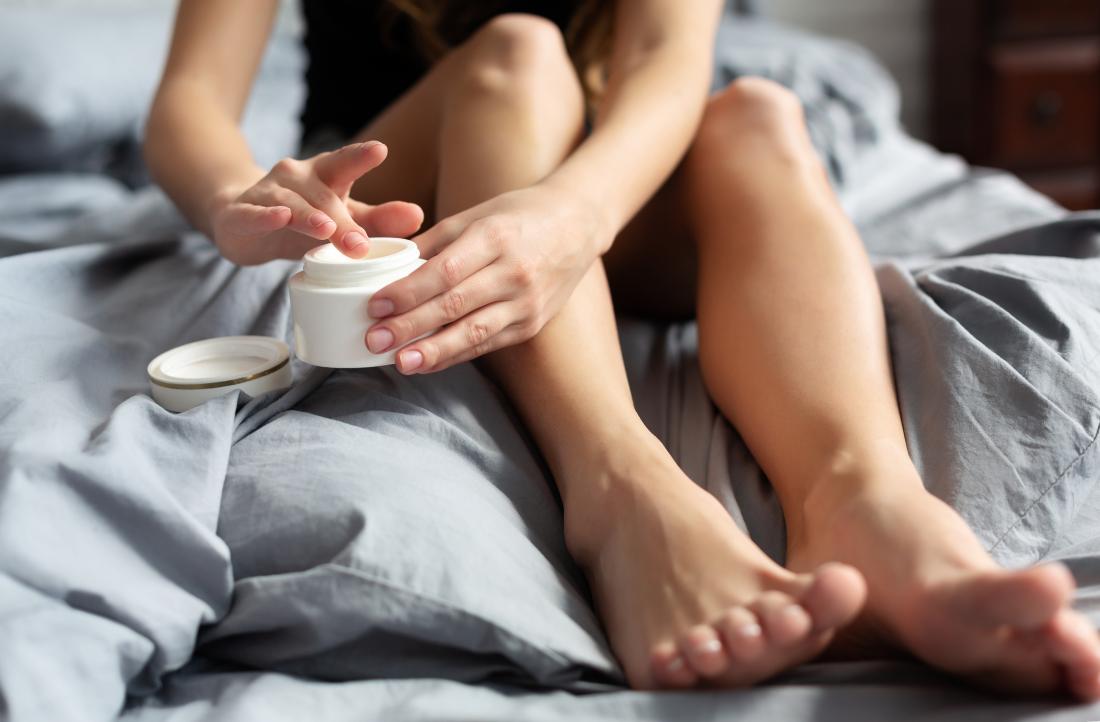
Person sitting on bed with bare feet applying lotion or cream to dry skin
Regularly applying moisturizer to the feet can help prevent dry skin.

The following everyday factors may cause dry skin on the feet:

  • A lack of moisture. Dry, cracked, and flaking skin is especially common on the heel and sole because these areas have fewer oil glands than skin elsewhere on the body.
  • Irritation. Standing for too long or wearing poorly fitting shoes can put constant pressure on specific areas of the feet or cause friction of the skin. As a result, these areas of the feet may become dry, calloused, or cracked.
  • Heat and humidity. Closed shoes, such as sneakers and boots, create an extremely hot and humid environment for the feet. Heat and humidity draw moisture from the skin, which can lead to dry, thick, or cracked areas on the feet.
  • Soaps. Soaps and body washes that contain harsh chemicals or irritants can strip moisture from the skin. Failing to wash excess soap off the feet can also cause these problems.
  • Aging. Over time, the skin loses its ability to retain water, becoming thinner and less plump. Older people may be more likely to experience dry skin as a result of the natural aging process.
  • Medications. Certain medications, including diuretics, can cause dry skin on the feet.

Dry skin on the feet may also occur as a result of a medical condition, such as:

  • Athlete’s foot. Athlete’s foot is a fungal infection that causes a scaly rash between the toes and underneath the foot.
  • Eczema. Eczema refers to a group of conditions that cause skin inflammation. People can develop eczema anywhere on their bodies. Common symptoms of eczema include dry, crusty, or itchy patches of skin.
  • Psoriasis. Psoriasis is a chronic autoimmune condition that causes thick, scaly patches of skin. People can develop psoriatic patches almost anywhere on their body, including their feet.
  • Hypothyroidism. People with hypothyroidism may develop extremely dry feet because their thyroid gland cannot regulate the sweat glands in the feet, which can lead them to become dry.
  • Diabetes. Living with uncontrolled diabetes may result in damage to the peripheral nerves, which is called neuropathy. Neuropathy can affect the nerves that regulate oil and moisture in the feet, which can cause the feet to become dry or cracked.

Treatments and remedies

Dead cells on the surface of the skin naturally fall off, and new cells take their place. When a person does not remove the buildup of dead skin cells, they can form thick, flaky patches on the feet.

Over time, dry areas can become thick or cracked, especially on the heels. Cracked heels make the feet vulnerable to infection, while thick calluses can make walking difficult or uncomfortable.

In the following section, we discuss five of the best ways to treat dry skin and remove dead skin from the feet.

1. Exfoliate

Exfoliation involves removing dead surface-layer skin using either a physical or chemical exfoliator.

Physical exfoliators include:

  • foot scrubs
  • body brushes
  • electronic callus removers

People can buy foot scrubs or make their own at home by mixing honey, warm water, and sugar.

Chemical exfoliators take the form of lotions or thin liquids. They contain ingredients that dissolve dead cells on the surface of the skin, such as glycolic acid, lactic acid, and alpha-hydroxy acid.

Foot peels are popular chemical exfoliators that manufacturers have designed specifically for the feet. Some foot peels contain artificial fragrances and alcohols that can irritate sensitive skin, so it is important to check the list of ingredients for any potential allergens or irritants before buying a foot peel.

For a gentler foot peel, people can use chemical exfoliators that the label describes as being suitable for facial use.

People can choose between brands of exfoliating product online:

2. Foot soak

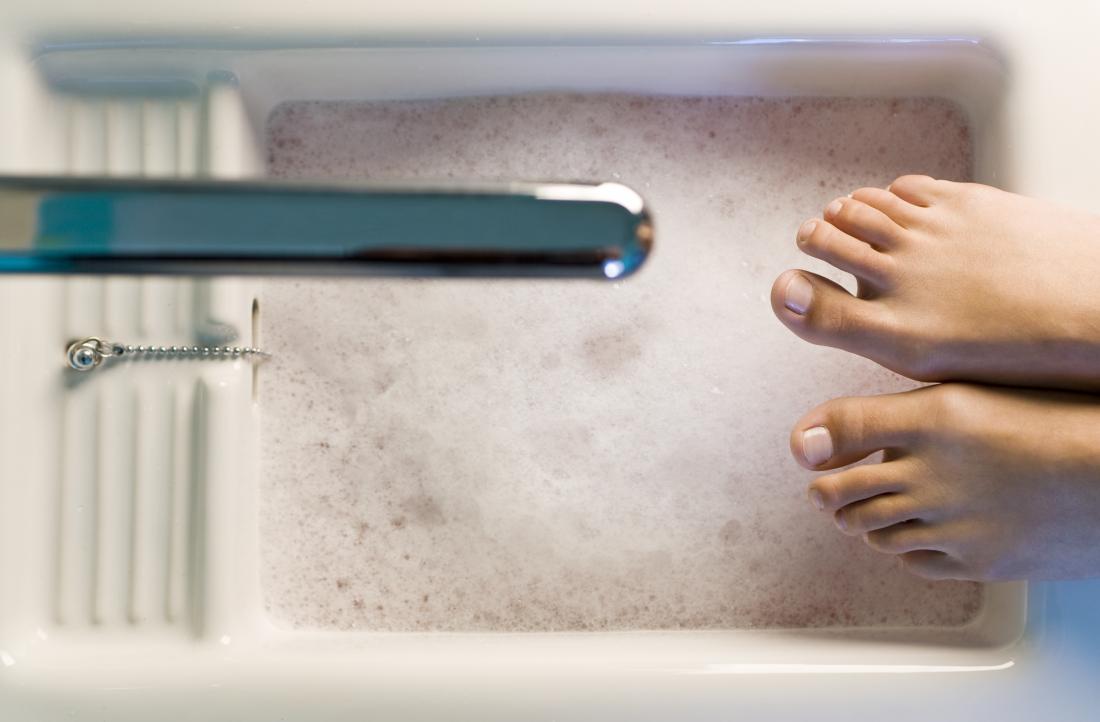
Person having foot spa soak
A person can add different ingredients, such as oatmeal or Epsom salt, to a foot soak.

Soaking the feet in warm water helps soothe and loosen dry skin while improving blood circulation to the feet, which can help prevent dry skin in the future.

Adding a small amount of vinegar to a foot soak may help treat mild forms of athlete’s foot. Vinegar has powerful antimicrobial properties that may help disinfect the feet and even eliminate foot odor.

Learn more about vinegar foot soaks here.

Other beneficial ingredients to consider adding to a foot soak include:

  • Epsom salt
  • honey
  • oatmeal
  • lemon juice
  • peppermint essential oil

3. Pumice stone or foot file

People can use a pumice stone or metal foot file to remove dry skin and calluses from the feet.

They can do this by following the steps below:

  1. Soak the feet in warm water to soften the dead skin.
  2. Wet the pumice stone or foot file with warm water.
  3. Gently rub the pumice stone or foot file over the dead skin or callus. Use circular motions with a pumice stone and gentle back-and-forth motions with a foot file.
  4. Rinse the dead skin off the feet. Repeat step three as necessary.
  5. Pat the feet dry with a clean towel.
  6. Moisturize the feet with cream, lotion, or oil.

People can buy pumice stones in drug stores or choose between brands online.

4. Moisturize

Regularly moisturizing the feet will help reduce existing dry skin and prevent new dry skin from accumulating. Moisturizing the feet after using an exfoliator or a pumice stone will help the skin lock in moisture.

It is best to avoid lotions, creams, and moisturizers that contain alcohol, added fragrances, and artificial colors as these ingredients can worsen dry skin.

Instead, a person should look for products that contain:

  • humectants, such as urea, aloe, and hyaluronic acid
  • emollients, which include plant-based butter and oil
  • occlusives, such as petrolatum, lanolin, and coconut oil

5. Wear moisturizing socks to bed

For extra hydration, a person can try using moisturizing gel-lined socks. These are available to purchase online, or people can create their own.

Gel-lined socks contain natural oils and vitamins that help hydrate and repair dry skin on the feet. The individual just needs to slip on a pair and wear them around the house for a few hours. Afterward, they can place the socks in the washing machine and let them air-dry.

People can get similar results using their usual moisturizer and a good pair of cotton socks. At bedtime, they can apply a generous amount of moisturizer to the feet before slipping on a pair of breathable, cotton socks. In the morning, they should remove the socks and rinse the feet.

Prevention

Wearing shoes that fit properly can support healthy feet.

People can use the following tips to help prevent dry skin on their feet:

  • practicing proper foot hygiene, which includes thoroughly cleaning the feet, removing dead skin, and keeping the skin hydrated with a good moisturizer
  • avoiding lotions, soaps, and body washes that contain alcohol, added fragrances and colors, and other potential irritants
  • using warm, rather than hot, water for showers, baths, and foot soaks
  • wearing shoes that fit correctly
  • instead of vigorously rubbing the feet after a shower, gently patting them dry with a clean towel

Summary

Wearing the wrong shoes or spending too much time standing can result in dry, itchy feet and areas of irritated or scaly skin. Without treatment, dry skin can thicken and crack open, leaving the feet vulnerable to infection.

People can use pumice stones, exfoliators, and foot soaks to remove dry skin from their feet at home. Regularly applying moisturizer and removing dead skin will help keep the feet healthy and hydrated.

Certain medical conditions, such as eczema, hypothyroidism, and diabetes, can cause very dry skin on the feet.

People who have severely dry skin on their feet might want to consider contacting a specialist foot doctor called a podiatrist or another healthcare professional to discuss possible treatment options.

Share Button