As it turns out, it could prove an excellent way to boost your performance at the gym, as well as aiding in your recovery.
Advertisement
Research suggests that either the drink itself, or a green tea extract, could improve everything from your antioxidant balance during exercise to how well your muscles hold up afterwards.
How can green tea help my workouts?
1) Green tea extract could help your muscles to recover
A 2018 paper found that green tea extract could help to “reduce the marker of muscle damage after exercise”, though it didn’t make participants’ muscles less sore after a gruelling workout.
Advertisement
This “suggests the green tea extract supplementation has positive effects on muscle recovery after strenuous exercise”.
2) Green tea might diminish oxidative stress
Meanwhile, 2021 research suggested that the antioxidants present in green tea (the kind you drink, not a supplement or extract) could help to diminish “oxidative stress” on our bodies while we’re pushing ourselves in the gym.
Oxidative stress is an imbalance of free radicals, which can harm cells, and antioxidants, which neutralise them. This imbalance can sometimes lead to cell damage and can happen during excessive or very heavy exercise.
Advertisement
This research found that “the consumption of green tea during and following exercise can lower oxidative stress,” though the authors added more research is needed. A separate study noted that most people will need to consume green tea regularly for at least a week to see “significant differences” here.
3) Green tea extract could help you last longer during exercise – and may help you burn more fat while doing so
Lastly, green tea extract might help you to burn more fat and push yourself further during workouts, too.
Advertisement
At least, that’s according to a 2025 paper, which focused on the effects of ginger and green tea extracts on active men in different temperatures.
Only green tea extract seemed to consistently improve their cycling endurance and energy efficiency while working out – meaning it relied more on the burning of fat than carbohydrates to power the men’s workouts.
In a brutal reshuffle, the new prime minister also dumped David Lammy, Peter Kyle, Steve Reed, Lord Hermer and Liz Kendall.
Advertisement
They are expected to make way for key Burnham supporters, including Louise Haigh.
It is understood that she was offered “a big job” by Burnham but turned it down.
Announcing her departure on X, Reeves said it had been “the privilege of my life to serve as the Chancellor of the Exchequer”.
She said: “The economy today is stronger, fairer and more resilient because of the choices we have taken as a Labour government over the past two years.
“Stability restored, investment delivered and reform to our economy under way. I said when I was appointed chancellor that I would judge my time in office if the lives ordinary working class people have been improved. I’m proud to say that they have.
Advertisement
“And to every young woman and girl let my time in office show there should be no ceilings on your ambitions, your hopes or your dreams.
“I wish the very best of luck to my successor, Andy and his cabinet. You have my full support, and I will continue to play my part in helping this Labour government deliver the change the country needs.”
Lammy, who was Keir Starmer’s deputy PM as well as justice secretary, said he “would have been proud to continue serving” in the cabinet, but had been sacked.
Advertisement
He said: “A new prime minister is entitled to build his own team, and I wish Andy Burnham and the new cabinet every success.”
Housing secretary Steve Reed, one of Starmer’s staunchest defenders, said he was “disappointed to be leaving government now”.
Kyle, who was business secretary, was another Starmer ally ousted as Burnham’s draws up his own top team.
Advertisement
Lord Hermer, who was Starmer’s attorney general, also said it had been “the privilege of my life to serve my country”.
“I will continue to support this Labour government from the backbenches, as it delivers the change this country desperately needs,” he said on Bluesky.
“Andy and his team know they have my utmost support and I wish them nothing but success.”
This is a breaking news story and will be updated. Follow HuffPost UK on Twitter, Facebook and Instagram.
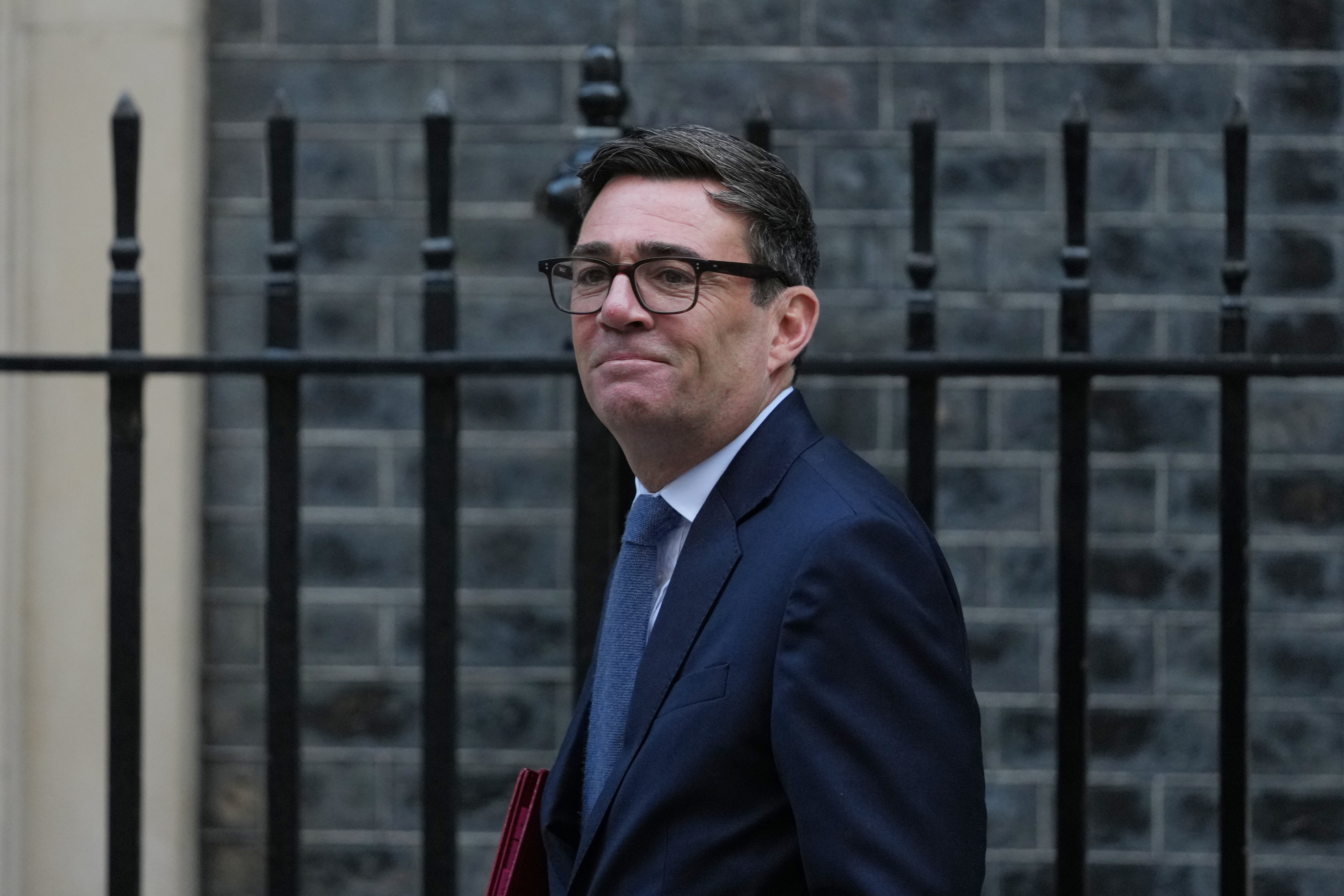
Andy Burnham has started to announce his ministerial picks on his first official day as prime minister.
The new PM is looking to draw a line in the sand between Keir Starmer’s government and his own, and so will likely root out those most closely linked to his predecessor.
Advertisement
However he has said he wants to run a more “collaborative” type of politics, suggesting he would be happy to have a range of ideologies in his top team.
Here’s what we know so far.
Cabinet Dismissals
Rachel Reeves has been sacked as the chancellor, having been closely tied to Starmer’s government and helped him enact any major economic policies.
She wrote on X: “I wish the very best of luck to my successor, Andy and his cabinet. You have my full support, and I will continue to play my part in helping this Labour government deliver the change the country needs.”
Advertisement
She was reportedly offered a role in Burnham’s government but turned it down.
Steve Reed was dismissed as housing and communities secretary, too.
He was loyal to Starmer to the very end so it is unsurprising he added a brutal parting shot for the new administration in his resignation letter.
The Labour MP wrote: “Keir Starmer showed loyalty to me by appointing me to his Cabinet. I make no apology for returning that loyalty. It’s what is expected of functioning teams, and I hope those who did not show loyalty to Keir will now show it to you.”
David Lammy was also kicked out of government after serving as deputy prime minister, justice secretary and previously his foreign secretary.
Advertisement
The Starmer loyalist wrote on X: “I would have been proud to continue serving in cabinet. But a new prime minister is entitled to build his own team, and I wish Andy Burnham and the new cabinet every success.”
Peter Kyle was also sacked as business secretary while Liz Kendall was fired as the work and pensions secretary.
Attorney General Lord Hermer and close friend to Starmer was kicked out, too, though he said the incoming government will have “my utmost support”.
Advertisement
The new prime minister is yet to confirm who he wants in his cabinet.
Wider Government
James Timpson, who was appointed to the Lords to serve as prisons and probation minister back in 2024, announced he was “retiring” today.
He spent longer in the post than anyone else appointed to the ministerial position over the last 15 years.
Science minster Patrick Vallance – and the government’s chief scientific adviser during the pandemic – quit on Monday morning, citing “personal reasons”.
Advertisement
It comes amid speculation the science department could be disbanded under Burnham.
This is a breaking news story. Check back for updates or follow HuffPost UK on X at @HuffPostUK or on Facebook.
Listen to Commons People, the podcast that makes politics easy. Every week, Kevin Schofield and Kate Nicholson unpack the week’s biggest stories to keep you informed. Join us for straightforward analysis of what’s going on at Westminster.
Andy Burnham’s government intends to scrap Keir Starmer’s plan to implement digital ID, a close ally to the incoming prime minister has confirmed.
Dropping the controversial scheme is part of Burnham’s bid to put his own stamp on government and distance himself from his predecessor’s most divisive policies.
Advertisement
Starmer announced plans for a digital ID scheme last September to crack down on illegal working, but it sparked fears about whether personal data might then be at risk.
Speaking to Laura Kuenssberg on the BBC, deputy Labour leader Lucy Powell said scrapping the programme move would allow ministers to be “laser focused on the cost of living, laser focused on rewiring the economy, rewiring the political system in this country, and clearing the decks, if you like, from of all of the other things that might distract and take away from that in terms of the focus of the government”.
Asked how much money would now be freed up for other means, Powell said: “The OBR said it would cost, I think, £1.8 billion over the over the coming years.
Advertisement
“That’s not an insignificant amount of money. That will obviously be re-prioritised and redistributed in different ways.
“But as I say, it’s not just about the money.
“It’s actually about the attention and the focus, so that the the whole of government machinery can work in service of the agenda and the vision that the Labour government is setting out under under Andy Burnham, and I think that is important.”
She also claimed Burnham will deliver on the Labour manifesto by being “bolder” and “clearer” about what the party stands for.
Advertisement
Powell confirmed there would be a “change of emphasis” on North Sea oil and gas drilling under Burnham as well.
There has been widespread speculation that the new prime minister might issue new drilling licences to boost the UK’s energy security, even though the 2024 Labour manifesto pledged not to.
Advertisement
Though she did not confirm what Burnham intends to do on the divisive topic, Powell said the new PM would take a “more pragmatic approach” towards North Sea drilling.
Powell said: “We’ve been really clear that the way to achieve, in the long term, energy security and lower bills is by ensuring that we do have our our own homegrown, clean, much cheaper energy.
“But we’ve been absolutely clear that North Sea gas and oil is an important part of that transition.
“It’s an important part of the mix, and I think what Andy’s talking about is taking a more pragmatic approach and working with the industry to make sure that it can contribute to that transition and to the the mix that is needed over the long term.
Advertisement
“So let’s see what he’s got to say about that. But I don’t think it’s a change of policy. It’s more a change of emphasis.”
Burnham was confirmed as the leader of the Labour Party on Friday after running uncontested to replace Keir Starmer, and will be announced as prime minister on Monday.
He said last week he has not yet decided on his ministers because he thinks it would “cause complete chaos if you start half a reshuffle before you’re in position”.
His refusal to confirm who might be in his cabinet and at the heart of his government operation has led to widespread confusion – even though Burnham has pledged to make Labour more united and to stop in-fighting.
Advertisement
BBC presenter Laura Kuenssberg asked Powell, a close ally to Burnham, about the particularly mixed reports about whether energy secretary Ed Miliband might get a senior position.
The presenter said: “Burnham has promised to end factionalism in the Labour Party but there has been quite a lot of briefing already, a lot of briefing against Ed Miliband.
“It doesn’t bode, very well, does it, for Andy Burnham’s promise of ending all that unhappiness and in-fighting within the party?”
Advertisement
Powell replied: “There’s been a lot of speculation in the media about various individuals which has been really quite horrible, to be honest, and unedifying.
“I know that as political journalists, maybe you’ve not had the story of the Labour leadership crisis to write about for the last few weeks, because actually I’m really proud of the way in which the Labour Party has come together in a consensus around Andy Burnham being the next leader.”
She claimed the media is “looking for other personalities and other disagreements” to write about.
Kuenssberg hit back: “Journalists write about things they are told about.”
Jacob Rees-Mogg, former Tory minister, then criticised Powell’s response while sitting on Kuenssberg’s panel.
Advertisement
“Lucy Powell, an admirable person in many ways, was saying something she knows isn’t true at the end, when she said these stories are coming from disgruntled journalists because they didn’t have a big enough story to write,” he said.
Rees-Mogg added that reporters “do not make things up” and only write “what they are given by politicians”.
Advertisement
Listen to Commons People, the podcast that makes politics easy. Every week, Kevin Schofield and Kate Nicholson unpack the week’s biggest stories to keep you informed. Join us for straightforward analysis of what’s going on at Westminster.
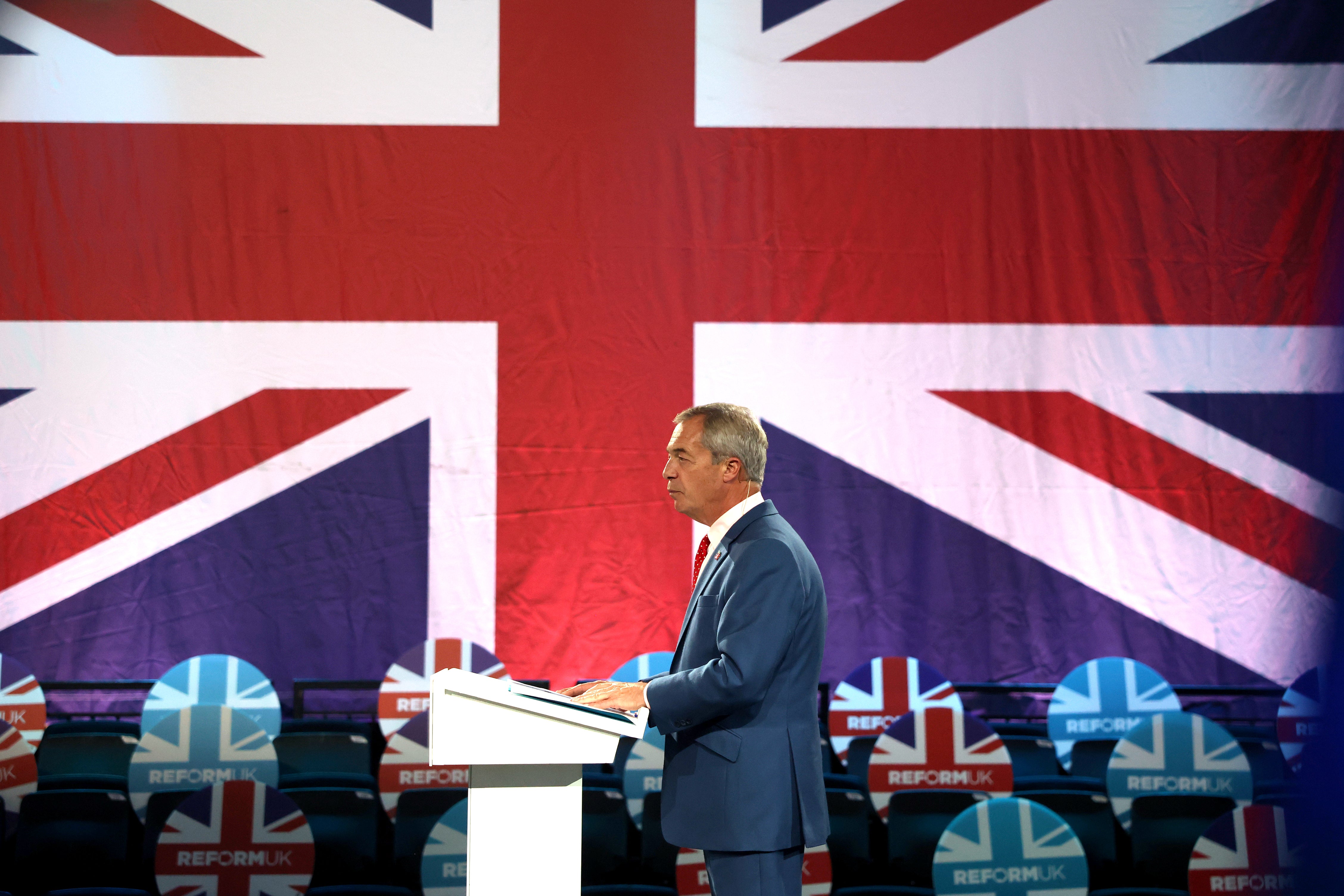
Boris Johnson has hit out at Reform UK for consistently taking credit for getting Brexit over the line.
The former Conservative prime minister, who campaigned in the 2019 general election on the promise to “get Brexit done”, claimed Nigel Farage’s party did not do a “bean” towards actually securing our EU exit.
Advertisement
Both Johnson and Farage were part of the Leave movement in the run-up to and shortly after EU referendum in 2016, though on different campaigns – the then-Tory MP Johnson was in Vote Leave while Farage led Leave.EU.
Farage and his party Reform UK – formerly the Brexit Party – have consistently attacked Johnson’s legacy after migration soared once the UK left the EU.
Sky News presenter Trevor Phillips asked Johnson on Sunday: “Are you at all embarrassed by the way that Reform and others are using the term ‘Boriswave’?
Advertisement
“Because it is true that net migration, for better or worse, has been higher as a consequence of decisions you took than any time in our history.”
Johnson said Brexit gave the UK power to “control immigration”.
He continued: “We have the power under Brexit, and under Brexit, which I secured and which those people didn’t – they didn’t even exist!”
“They did not have a single MP,” he said, referring to Reform UK. “They did not do a bean to get Brexit through the House of Commons. Not a bean.
Advertisement
“ And they swank around claiming to have been responsible for it.
“They did, they did nothing to deliver Brexit.
“The hard Brexit I went through the House of Commons I want to move, enables us, enables this country not only to have as few people because we want overall, but also under our laws, to decide who comes from where.”
Reform UK spokesman hit back at that criticism, telling HuffPost UK: “Boris only had his majority because we put country before party in 2019.
“Boris then broke Britain so badly that the Conservatives haven’t led a single opinion poll since.”
Advertisement
Listen to Commons People, the podcast that makes politics easy. Every week, Kevin Schofield and Kate Nicholson unpack the week’s biggest stories to keep you informed. Join us for straightforward analysis of what’s going on at Westminster.
These are assigned based on tests that measure people’s levels of extroversion (E), introversion (I), sensing (S), intuition (N), thinking (T), feeling (F), judging (J) and perceiving (P). Our balance of these factors is meant to reflect how we receive and give energy (E or I), take in information (S and N), reach conclusions (T and F) and relate to the outside world (J and P).
In total, there 16 Myers-Briggs personality types, made up of different combinations of these four traits.
Advertisement
And the rarest kind seems to be INFJ, which describes around just 1.5% of the population.
We spoke to psychologist and CEO of Male Allies UK, Lee Chambers, about what INFJ personality types usually experience, and how they’re often “misunderstood”…
What does an INFJ personality type mean?
INFJs score highly on introversion, intuition, feeling and judging.
They may “seek meaning and connection in ideas, relationships, and material possessions”, Myers-Briggs’ site reads.
Chambers explained that INFJs will often “look calm on the outside while processing a lot on the inside”.
Advertisement
“They tend to be intense, while also being quiet, enjoying time with a small, close-knit group, going deep in conversation, [and] actively listening, before stepping away to recharge alone,” he continued. “They are likely to enjoy routine, space to reflect, and doing things that have meaning.”
He added: “They tend to be well attuned to the energy of rooms of people, often care deeply about the feelings of others, and prefer harmony, while having low tolerance for bravado, small talk, and things they perceive as shallow.”
Advertisement
How do INFJs connect with others?
The psychologist said this personality type tends to enjoy meaningful activities with people who share a passion for what matters to them.
“But they also find joy in space to reflect, expression through creativity and feeling in alignment,” he noted.
“A slower, deeper type of connection, with just a few people, tends to create the trust that this personality type values. And many have a personal mission they are on, that they get happiness from bringing to the world.”
Advertisement
How are INFJs perceived?
Chambers added that INFJs are “easily misunderstood, their quietness mistaken for being cold and secretive”.
Their empathy can make them seem like a “soft touch” to some, while others might think their deep caring tendencies mean they’re constantly emotionally available.
In reality, though, the expert said INFJs need “solitude to recharge”.
Meanwhile, their capacity for deep thought might sometimes make them appear overly serious.
“While every INFJ is an individual, they are likely to listen more than they speak, always look like they have it together (even when they don’t), are good at picking up emotional undercurrents, and remember the thing others miss,” he ended.
There are many perspectives the general public holds about death that mediums personally feel are untrue.
A medium’s main job is to help people connect with loved ones who have died; they see themselves as middlemen who communicate messages and bridge the gap between the physical and non-physical world, according to medium Alexis Williams. What’s more, some serve as a guiding light to navigate death, which is something so many people struggle to understand.
Advertisement
“The medium essentially becomes the antenna between worlds. What mediums train themselves to do to effectively receive messages is move or shift their own thoughts and awareness to the side and be completely open and receptive to the impressions that come to them from the consciousness they are connecting with,” Williams told HuffPost.
Mediums believe they have a unique and personal connection to death that many people do not – from what happens to our souls after we die to what the transition to the afterlife looks like. They navigate various religions, beliefs and fears people have about dying.
Here’s what they want you to know about their experiences with death.
1. Death is not a “door closing,” but a chance for a continued relationship
While we may no longer be able to talk to those who have died the way we did when they were alive, Williams said the biggest misconception she feels people have about death is that it’s a complete ending.
Advertisement
“Most people think of death as a door closing, when what I experience over and over is that it’s a frequency shift,” she said.
The communication may look different, but you don’t need a medium to tell your loved ones what you want to say. “They are always around and hear you,” medium Emilee Koch told HuffPost. This continues your relationship in a new way, one that allows you to remain connected with them until you’re reunited again.
“I wish people understood that dying does not mean you are no longer existing,” medium Naomi Attar said. “There are pieces of you that continue, just not in physical form. Our loved ones visit us frequently and try to speak to us. Everyone can listen to their loved ones in spirit; the issue is that most don’t listen.”
Advertisement
“Our consciousness lives on, our memories live on, the love we have for others lives on, and we’re not finished learning even on the other side,” Attar added.
Also, mediums believe our loved ones send us signs when they die. “We just have to pay attention. They would never abandon you, and they send signs so you know how much you still mean to them,” Attar said.
This could look like them appearing in dreams, songs that come on in the right moment, conversations with other people and other physical signs. It’s a new, unique way to stay connected with you.
Advertisement
2. A fear of death is normal, but limiting
Death can be scary for so many people, and that fear may impact how you view what happens after someone dies. It may also affect your belief in what happens to us after dying.
“When the body is in fear, it narrows what we’re able to take in, physically and energetically, and the possibilities we believe are available,” Williams said.
The perception of death can vary from person to person. Some believe in heaven and hell, others believe there is no afterlife, and so many of us simply aren’t sure what happens after you die. But no matter what you believe in, dying can be a scary thing to think about, and it’s normal to fear it.
Advertisement
“We fear what we don’t understand. It can be difficult to understand something we have not experienced. Some need to be proven differently but will still find ways to excuse it,” Attar said.
“I also find people can be fearful of the opposite – what if there is no afterlife? They want to believe it so badly that the thought of it not being true is fearful itself. But what is fascinating to me is that no matter the cause or reason for fear, they are hyper-focused on the dying itself rather than living their life to the fullest knowing the dying is inevitable.”
3. Death is an opportunity to let go of pain
The dying process differs for everyone, but mediums believe that death presents an opportunity to let go of pain. “Once our soul finally lets go, we are no longer filled with pain, whether emotion or physical,” Koch says.
Advertisement
Others believe that experiences from past lives carry into the next.
“I don’t believe there is one set of rules for [dying or an afterlife], and it is something that no one truly knows with full certainty. Maybe that’s part of the mystery and something we aren’t meant to know until the time comes for each of us,” Attar said.
“What I do know, though, is that we have many lifetimes and carry experiences from other lives into our current one. Some repeat relationships and people across multiple lifetimes. It’s this never-ending journey, and I think that’s beautiful.”
She continues: “Everyone has their own views of what death is like, but what I will say is that when spirit is speaking about their process, they often speak of who was there with them, how they felt, and how much love they had around them. They have told me many times that they are going ‘home,’ but no one really knows what ‘home’ means.”
Advertisement
4. The dead aren’t alone and haven’t left you
Losing a loved one and worrying about them in the afterlife – or wherever – is completely normal. But mediums want you to know that they aren’t alone when their souls let go and cross over. And you aren’t alone either.
“We are greeted with more love than you can imagine while here on earth. A lot of times, people are worried that the person who passed is by themselves, sad or disappointed about something that happened here. They never, ever are,” Koch said.
When someone dies, whether it be a parent, grandparent, friend or spouse, your daily life may completely shift. You aren’t doing the things you used to do with them because they are no longer in this world with us in the way they once were. But our relationship with the deceased still exists – just in a new form.
Advertisement
“I wish more people understood that death isn’t the end of the road for us, or the end of our relationship with our loved ones,” Koch said. “It never makes the grieving process easier, but it does give us hope and comfort knowing our loved ones are still with us.”
There’s nothing quite like spending time by the pool. Cool water. Time with loved ones. A delicious snack. What could be better?
But before you grab your towel and jump in the water, pay attention to a few common poolside habits that doctors wish more swimmers and parents would think twice about.
Advertisement
We spoke to some clinicians about the behaviours they’d personally avoid in and around the pool this summer. Here’s what they had to say:
1. They’d never skip rinsing off before getting in the pool
It might feel pointless, especially if you’re planning to shower afterwards, but a pre-swim rinse matters more than you may realise.
Sweat, sunscreen, body lotions, hair products and natural skin oils all react with chlorine when they hit the water, which reduces chlorine’s ability to kill germs and creates irritating byproducts that can sting eyes and aggravate skin.
Advertisement
That’s why the Centers for Disease Control and Preventionrecommends a quick pre-swim rinse, at least a minute under the shower, to wash off bacteria and other microbes you might unknowingly be carrying in.
This is especially key if “someone is dirty or has sand on them, as to not contaminate the water or clog up filtration systems,” said Dr Chris Bunick, a Yale Medicine dermatologist and associate professor at Yale School of Medicine.
2. They’d never bring glass anywhere near the pool
It’s easy for glass to end up around the pool in the summer, whether from an open bar, poolside cocktails or carrying bottled beverages near the water. However, it can be a risk for both swimmers and people on the deck.
Advertisement
“Broken glass is not a visible hazard. Whether on the pool deck or in the water, it can be nearly invisible,” said Dr Steven Valassis, chair of the emergency department at Hartford HealthCare St. Vincent’s Medical Center.
“When combined with the fact that people are typically barefoot, this can lead to significant lacerations. Nearly 5% of these lacerations are deep enough that they require hospital admission and surgical repair,” he added.
Additionally, glass that ends up in a pool can be especially problematic because even tiny pieces are difficult to detect and remove, sometimes necessitating a full drain as well as professional cleaning, Dr Valassis explained.
Advertisement
The good news is you don’t have to ditch your poolside drink, just the glassware. Try plastic cups or aluminum cans instead.
Maryna Terletska via Getty Images
Leaving a child unattended by the pool — even for a short period of time — can be incredibly dangerous, doctors warn.
3. They’d never leave a child unattended, not even for a minute
The biggest misconception parents get about drowning is that they think they’d hear if their child got into trouble in the water. But the reality is far scarier.
Advertisement
“Drowning is fast, often silent, and can happen to any child. A survey found that 48% of parents mistakenly believe they would hear splashing or crying if a child was in trouble. Sadly, this is often not the case,” Valassis said.
Although swim lessons can help improve water safety skills, the American Academy of Pediatrics emphasises that swim lessons alone do not eliminate a child’s risk of drowning.
Drowning can happen in seconds, according to the CDC, so constant, focused supervision is non-negotiable, no matter how well your child swims.
Advertisement
4. They’d never swim while sick
Even if you’ve been looking forward to a day at the pool, it’s best to sit this one out if you’re feeling under the weather – especially if you’re dealing with a stomach bug.
“Swimming in the pool while sick is generally not a good idea, because further swimming and activity may precipitate nausea, vomiting and add risk for dehydration, all which may make a person more ill,” Dr Bunick said.
There’s also the issue of getting others sick through close contact. “Illnesses can be transmitted through pool water because the chlorine or other chemicals do not necessarily work instantly to stop infectious agents, thus allowing a window of time for infectious agents to pass to other people,” Dr Bunick added.
Advertisement
Bob Thomas via Getty Images
Emergency room physicians have seen many traumatic injuries from diving into the shallow end of a pool.
5, They’d never swim with an open wound
If you have a fresh scrape, deep cut or surgical incision, it’s best to keep it dry.
“It is best to not swim in the pool with an open wound, especially with a deep scrape or gash,” Dr Bunick said.
“First, the chlorine or other chemicals used to treat the water can further damage tissue in the wound, adding to skin breakdown and inflammation. Second, there is risk of infection of the wound with continued exposure to water, and this risk is increased more if swimming in lake, river or ocean water.”
Advertisement
If you have a minor cut or paper cut, you likely don’t need to skip the pool altogether. Dr Bunick recommended covering the wound with a healing ointment and a waterproof bandage before swimming in chlorinated water.
Just keep an eye on the area afterward, as redness, swelling or drainage could signal an infection that needs further medical attention, he explained.
6. They’d never dive into shallow water
While it may seem unlikely, this scenario is more common than many people realise, especially for children, who can get into trouble without ever reaching the deep end of the water.
Advertisement
“If a child dives into a shallow pool and hits their head on the bottom, the initial impact can cause a head/brain injury. The force is then transmitted from the head to the neck and cervical spine, where the spinal cord can be injured. This can potentially lead to paralysis and, in severe cases, the inability to breathe independently,” Dr Valassis said.
Most of these injuries don’t happen at public pools with lifeguards; they happen at home, Dr Valassis explained. The American Red Cross recommends going feet first into unfamiliar water.
The good news, Dr Valassis emphasised, is that most pool injuries are preventable with basic precautions and awareness. So this summer, swim smart and enjoy the splash.
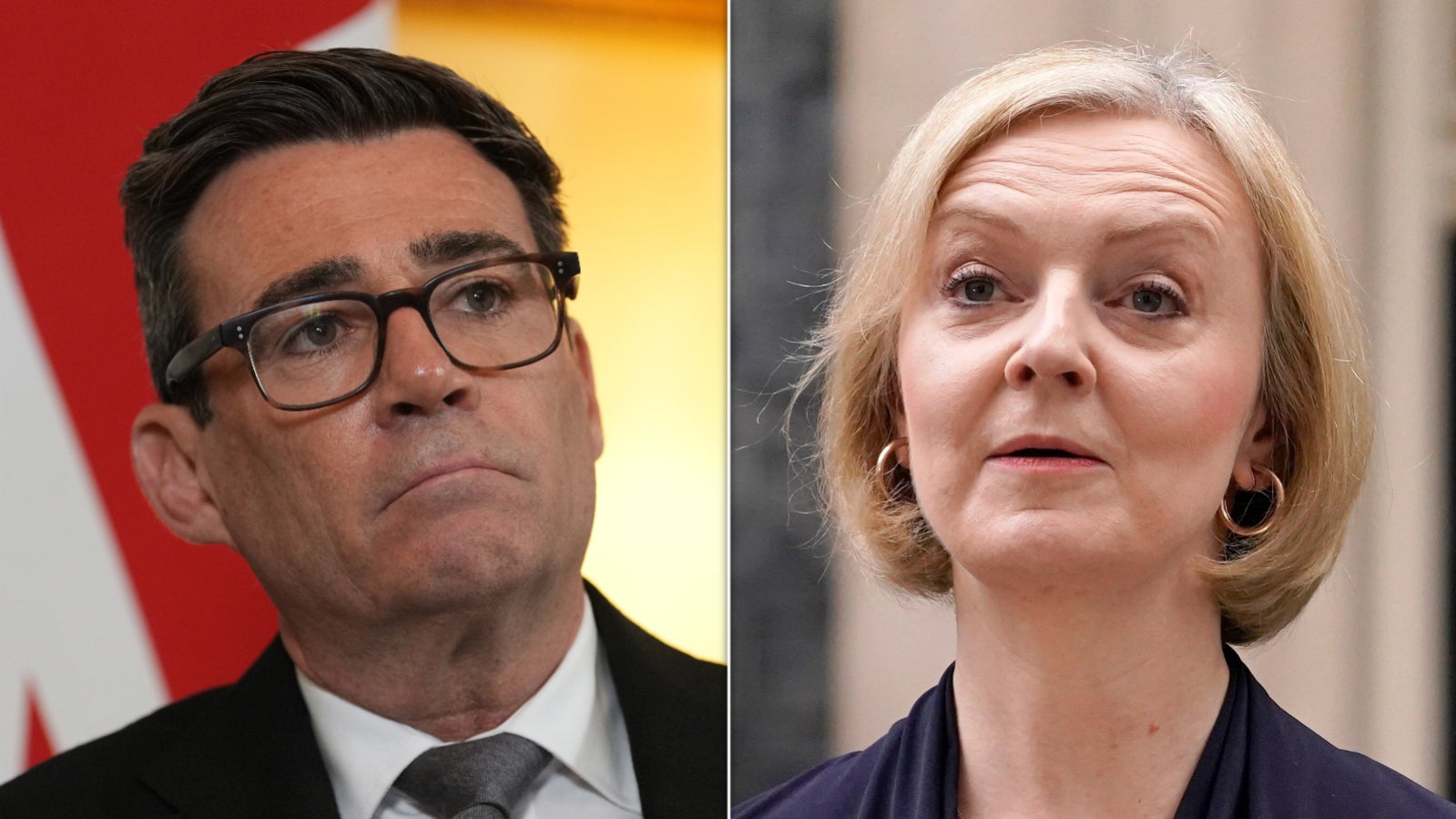
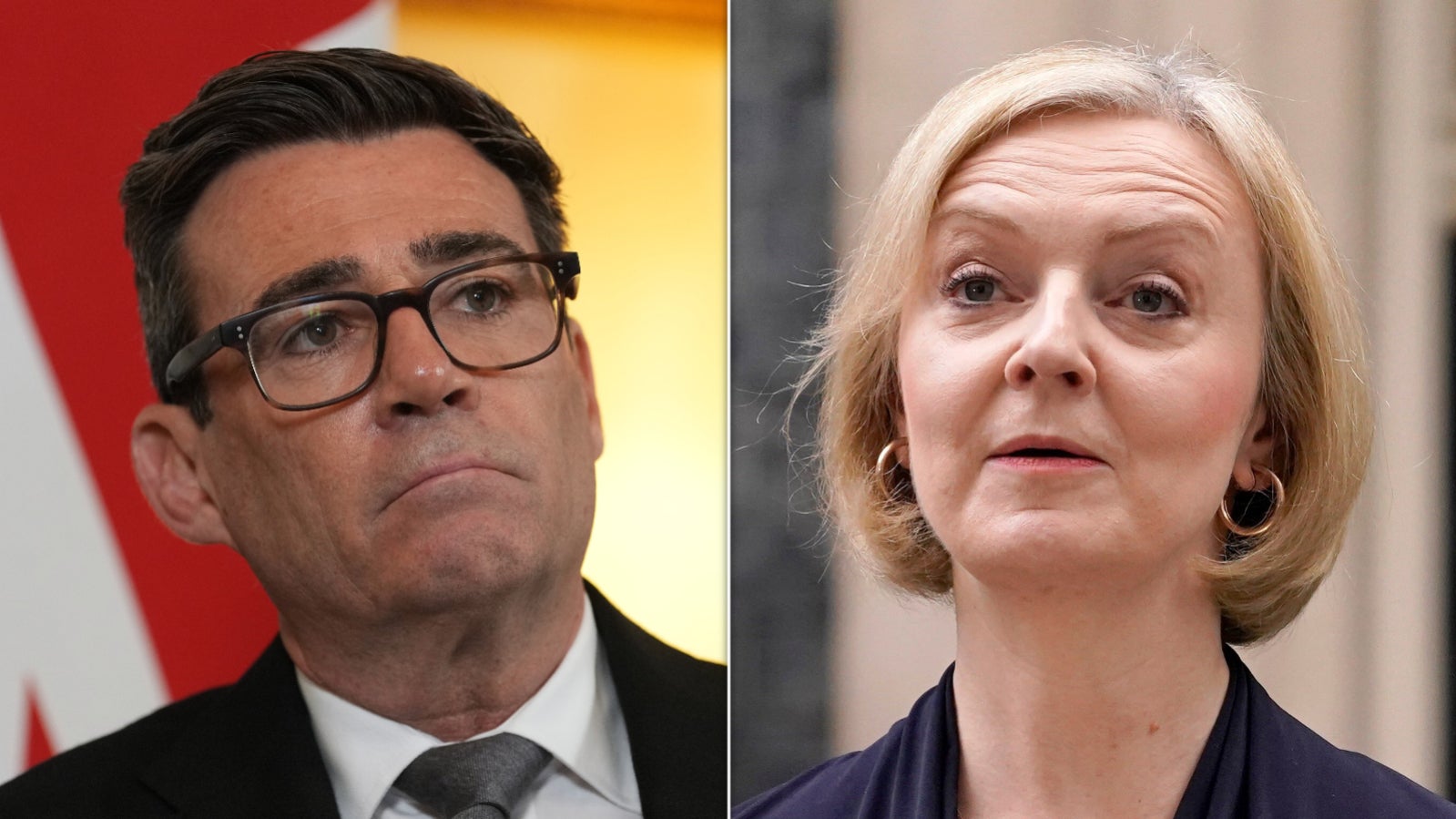
Liz Truss has predicted that Andy Burnham will lead Britain into a “financial crisis” in a moment which feels like pure satire.
The former Conservative prime minister famously planned to implement £45 billion of unfunded tax cuts which sent the pound into decline and the markets into turmoil.
The chaos unleashed by her mini-Budget meant Tory MPs quickly pushed Truss out of office after just 49 days – making her the UK’s shortest-serving prime minister in history.
However, speaking at CPAC GB – a right-wing conference which is a spin-off of its American counterpart – Truss has predicted that the incoming PM Burnham would send the UK into “financial crisis”.
Advertisement

According to the Mirror, she said: “The money’s going to run out. I think the problems with migration are going to get worse and the general decay and stagnation of Britain is going to continue.
“I think the question is how long the pro-progressive authorities can continue.
“My prediction is that there will be another prime minister before 2029.”
Burnham was announced as the Labour leader on Friday and is set to become the next prime minister on Monday when Keir Starmer hands over the keys.
There is some trepidation about his plans for the economy amid fears he could push public spending hikes.
Advertisement
Truss’s words also come after the International Monetary Fund (IMF) warned Burnham this week that the UK is still struggling with the scars left behind by Truss’s mini-budget of 2022.
Four years on, and gilt markets are still nervous about the UK fiscal policy than previously, and according to the IMF, there has been a “regime change” on bond markets as a result.
Truss also told the conference: “We’ve had seven prime ministers in ten years.”
She added: “That’s the equivalent of a crap football team changing its manager all the time but not changing what happens on the pitch.”
Advertisement
It seems to have escaped her attention that five of those seven prime ministers have been Conservative – and she was one of them.
Truss also tried to call for right-wing figures to join her “counter-revolution” rather than going for jobs outside of politics.
“It’s time for successful people in Britain who actually care about the future of our country to step up. To stop being such cowards because at the moment they’re being cowards,” she said.
Advertisement
Truss lost her seat to the Labour Party at the 2024 general election.
According to the Mirror, barely a third of the 500-seat hall was occupied for her appearance at CPAC GB.
Burnham’s team has been approached for comment.
Listen to Commons People, the podcast that makes politics easy. Every week, Kevin Schofield and Kate Nicholson unpack the week’s biggest stories to keep you informed. Join us for straightforward analysis of what’s going on at Westminster.