The best ways to get rid of acne scars

Acne breakouts can be frustrating, and they can also leave scars on the face and other areas of the body. Some people find that acne scars are an unwanted reminder of a painful and bothersome condition. However, acne scars do not have to be permanent, as some home remedies and medical treatments can help get rid of them.

In this article, learn about a variety of ways to help reduce the appearance of acne scars and promote healthy skin.

Home remedies

Various remedies are available over the counter, many of which can help people manage their acne and reduce the appearance of scars.

Salicylic acid

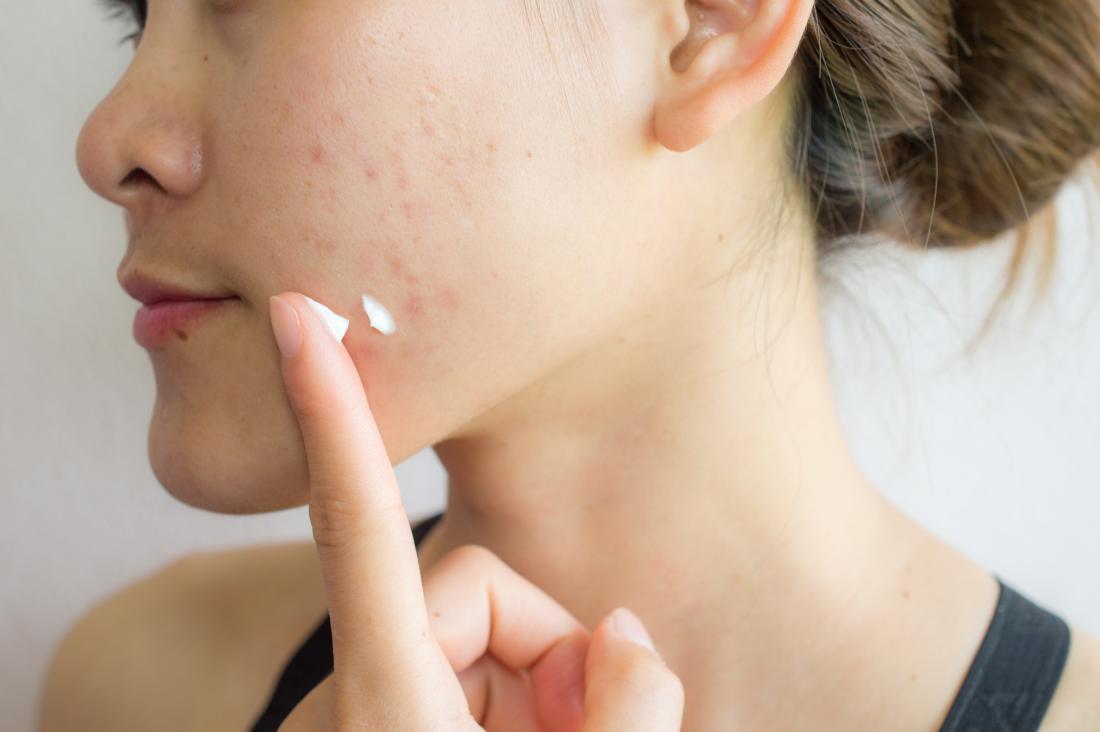
Woman with acne scars applying lotion, cream, or treatment to skin on face.
Acne is a common skin complaint, with many people experiencing acne scarring.

Salicylic acid is a naturally occurring compound that is often an ingredient in acne skin care products. Salicylic acid helps clear dirt, skin cells, and other debris that leads to acne from the pores of the skin.

It also helps reduce swelling and redness in the area, which may minimize the appearance of scarring.

Salicylic acid is beneficial for all scar types. It makes a good addition to a daily skin care routine for most people who live with acne.

People with sensitive skin may need to test a product containing this acid on a small area of skin before using it on their entire face, as it may cause dryness or irritation.

Retinoids

Some topical retinoids may help get rid of acne scars. As the authors of a review in the journal Dermatology and Therapy note, topical retinoids block inflammation, reduce acne lesions, and speed up cell regeneration.

The authors also state that retinoids could help lighten hyperpigmented acne scars, including those in people with darker skin tones.

It is important to note that retinoids can make the skin sensitive to the sun. Anyone using retinoids for acne or scar treatment should wear sunscreen when going outdoors.

Alpha hydroxy acids

Alpha hydroxy acids (AHAs) can help get rid of dead skin cells and prevent clogged pores. Doctors may recommend AHAs for treating acne and reducing the appearance of acne scars.

AHAs are a mild form of acid that scrapes away the outer layer of skin to reveal fresh, new skin underneath. This process may help with discoloration due to scarring.

Lactic acid

Lactic acid can act as a gentle peel to pull away dead skin cells. It may help reduce the appearance of scars and smooth the overall texture of the skin.

Lactic acid may also help lighten dark scar tissue, although it sometimes causes hyperpigmentation. Due to this possible adverse effect, it is best to test products that contain lactic acid on a small patch of skin before using them to treat acne scarring.

Many products for acne contain lactic acid. It is also present in diluted apple cider vinegar, which makes for a more natural, cost-effective treatment.

Natural remedies

Many people use natural remedies to help clear up acne scars, but the science behind them is unclear. Some may cause further irritation or other problems so people should use them with caution.

Home remedies that people have traditionally used to treat acne scars include:

Medical treatments

Several medical treatments are available to help reduce acne scars. A dermatologist may recommend different procedures depending on a person’s skin type and the extent of the scarring.

Medical treatments for acne scars include:

Chemical peels

A dermatologist can recommend medical treatments for acne scarring.

A dermatologist can recommend a type of peel that is suitable for a person’s skin type, acne severity, and scarring.

The authors of a 2017 review on treatments for acne scarring note a study that found that six of 10 participants using a specific type of chemical peel called trichloroacetic acid (TCA) had at least a 70-percent improvement in their acne scarring.

Other chemical peels may be less effective. For instance, 25 percent of those who used glycolic acid did not see any reduction in the appearance of scars.

A person may need to try different types of peel to determine which one works for them.

Injections

Injections of corticosteroids may help with the treatment of raised acne scar tissue if a person has either hypertrophic or keloid scars.

The treatment typically consists of a series of injections. A dermatologist can do these injections in their office once every few weeks, monitoring the results.

Dermal filler

In some cases, dermatologists may recommend using soft tissue fillers to reduce the appearance of scars.

Dermatologists may choose a filler that consists of a collagen-based product, which may require allergy testing. Alternatively, removing fat from another part of the body to use may be an option. They can also use other commercial fillers, such as polymethylmethacrylate (PMMA), hyaluronic acid (HA), and poly-L-lactic acid (PLLA).

Dermal fillers work best for atrophic scars, but many are temporary. Treatment typically lasts between 6 and 18 months.

There are some permanent options, however, that a person can discuss with their dermatologist.

Microneedling

Microneedling is the process of inserting tiny needles into the skin surrounding the scar to stimulate the body to make more collagen. This collagen may reduce the appearance of acne scars by smoothing out the skin.

In a 2017 review, microneedling provided an improvement of 31 to 62 percent in the appearance of acne scars.

However, microneedling can cause side effects. Many people experience redness, pain, and inflammation after the treatment, but these effects subside over time.

Laser treatment

Laser treatment resurfaces the skin without the use of chemicals or scrubs. It removes the uppermost layer of skin to reveal the younger skin cells underneath, which can help reduce the appearance of scarring.

Laser treatment is not suitable for everyone, however, as its success is mostly dependent on the acne scarring that a person has and their skin type. The treatment may also cause a reaction in some people, especially those with sensitive skin.

Types of acne scar

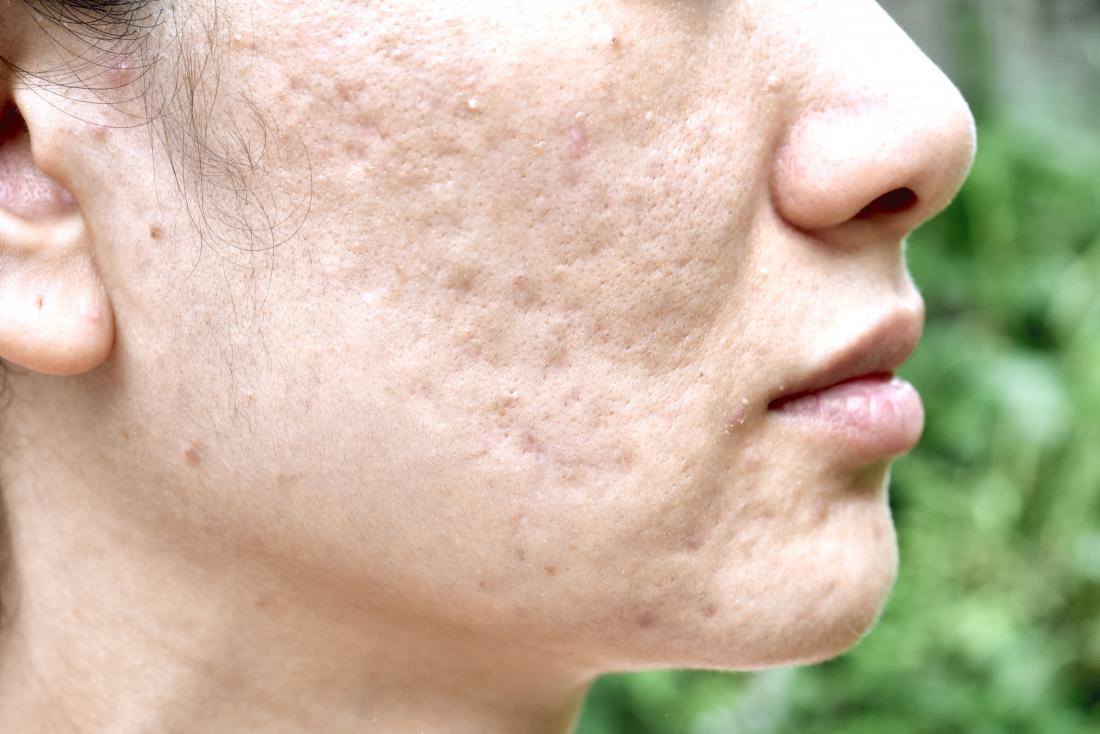
Side profile of person with acne scars
Some treatments are more effective for specific types of acne scars.

Suitable treatment options may vary slightly depending on the type of scarring that acne has caused. There are three types of acne scars:

  • Atrophic scars: These scars appear as small indentations in the skin. They occur when the skin does not make enough fibroblasts in the healing process. Fibroblasts are cells that play a crucial role in wound healing and the synthesis of collagen.
  • Hypertrophic scars: These occur when the skin makes too many fibroblasts as the acne spot heals, causing a raised scar.
  • Keloid scars: These are similar to hypertrophic scars but are typically much thicker than the original acne spot. They are usually darker than the surrounding skin and can be red or brown. Keloid scars may also cause symptoms, such as itchiness or pain.

Summary

Acne scars can be an unwanted reminder of acne and may reduce self-esteem in some people, but they do not have to be permanent.

Many people have success using one or more home remedies. In cases of stubborn scarring, receiving medical treatments in the dermatologist’s office can also help get rid of acne scars.

The home remedies that we list in this article are available for purchase online:

Share Button

10 natural remedies for dandruff

Dandruff is a skin condition that affects the scalp, causing itchy, flaking skin and greasy patches.

Causes of dandruff include:

  • seborrheic dermatitis
  • dry skin
  • allergic reactions to hair and skin products
  • other skin conditions, such as eczema or psoriasis
  • diet
  • overgrowth of a yeast-like fungus called Malassezia

There are many over-the-counter (OTC) topical medications and special shampoos that treat dandruff. However, people can also help eliminate dandruff at home using the natural remedies below.

1. Tea tree oil

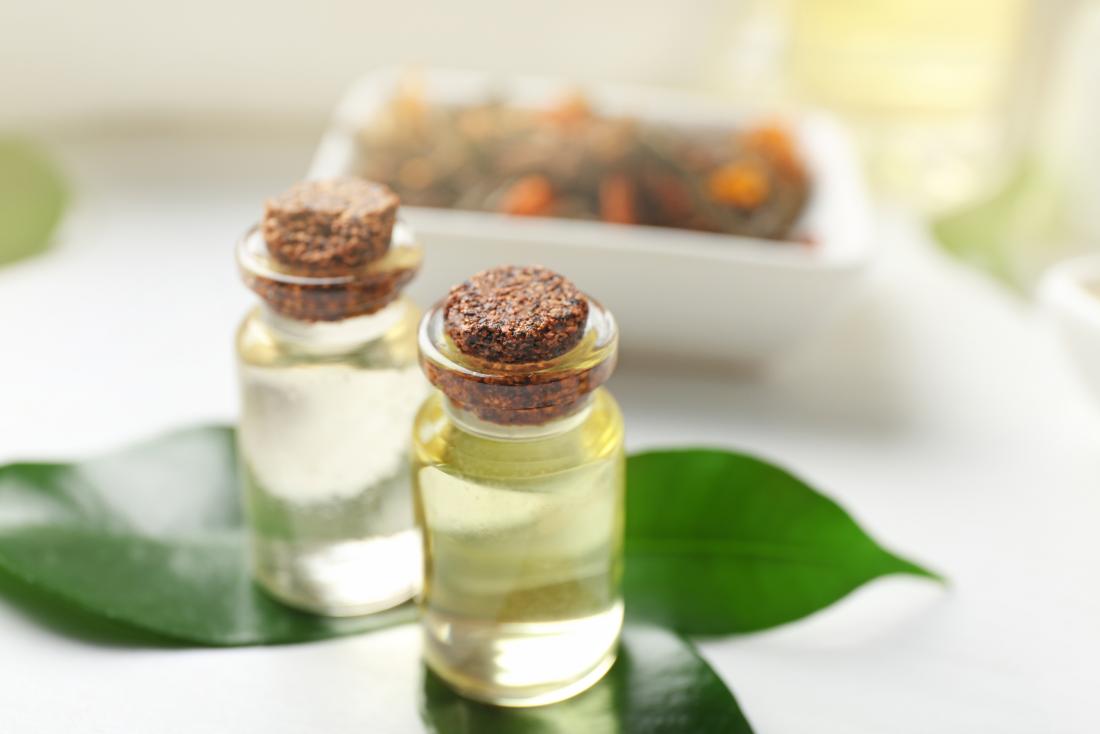
Tea tree oil for treating dandruff naturally
A person should dilute tea tree oil before use.

Tea tree oil is an essential oil that comes from the Melaleuca alternifolia plant. Historically, people have used tea tree oil to treat a variety of conditions, such as acne, athlete’s foot, and dermatitis.

Tea tree oil contains a compound called terpinen-4-ol, which possesses powerful antimicrobial properties. Tea tree oils containing high concentrations of terpinen-4-ol may help reduce dandruff by suppressing the growth of fungi and bacteria on the scalp.

The authors of a 2018 study examined the bacterial composition of 140 Indian women’s scalps and discovered that women with dandruff tended to have more Staphylococcus epidermidis (S. epidermidis) bacteria than those without dandruff.

A review from 2017 examined the antimicrobial effects of various essential oils. The authors suggested that the compounds in tea tree oil may effectively control S. epidermidis bacteria.

Applying tea tree oil directly on the scalp can cause inflammation or rashes, so people interested in using tea tree oil to treat dandruff can start by adding a few drops to their regular shampoo.

Alternatively, shampoos containing tea tree oil are available in some drug stores and online.

2. Lemongrass oil

Traditionally, people have used lemongrass and lemongrass oil to treat digestive issues, lower blood pressure, and reduce stress.

Lemongrass oil has antimicrobial and anti-inflammatory properties that may help reduce dandruff symptoms.

According to the findings of a small study published in 2015, hair tonics containing 10 percent lemongrass oil reduced dandruff by 81 percent after two weeks.

Like tea tree oil, lemongrass oil may cause irritation or allergic reactions if a person applies it directly to the skin. People can dilute lemongrass oil with water or mix a few drops into their regular shampoo or conditioner.

People can purchase lemongrass oil at health food stores and online.

3. Aloe vera gel

Aloe vera is a succulent plant known for its healing properties. The gel in its leaves contains several bioactive compounds, such as amino acids and antioxidants, that may reduce dandruff.

Authors of a 2019 review examined 23 clinical trials involving Aloe vera. The findings of these studies suggest that aloe vera gel may improve moisture retention in the skin and promote wound healing. Aloe vera may also reduce inflammation, which can help people with dandruff symptoms, such as itchiness.

Research from 2015 suggests that the antifungal and antibacterial properties of Aloe vera may prevent dandruff.

The authors of a small study involving 25 people concluded that a new topical gel containing Aloe vera was effective in treating a form of dandruff called seborrheic dermatitis.

People can use aloe vera gel directly from the plant, or purchase the gel online.

4. Omega-3 fatty acids

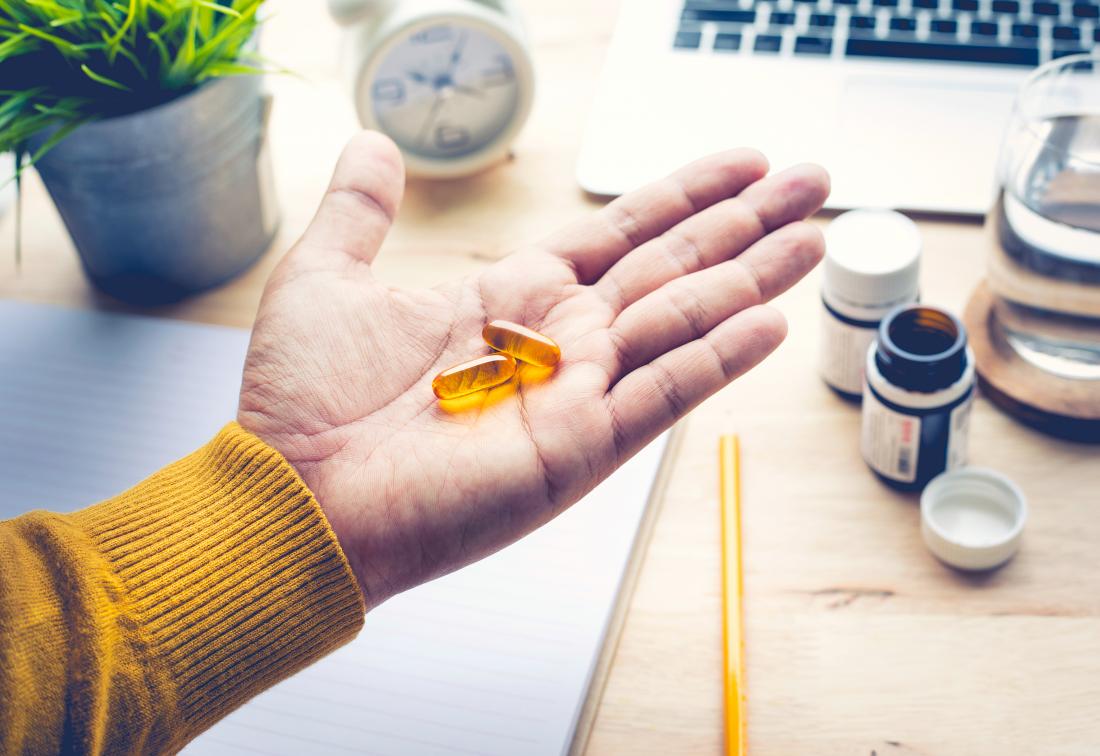
Omega-3 supplements can help improve skin and hair health.

Omega-3 fatty acids may lower blood pressure, increase “good” HDL cholesterol levels, and support heart and brain health. A deficiency in this fatty acid can result in adverse symptoms, such as dandruff, brittle nails, and dry skin.

Omega-3s provide several skin benefits, such as

  • managing oil production
  • regulating inflammation
  • improving hydration
  • reducing signs of aging

Foods containing large quantities of omega-3s include salmon, mackerel, and walnuts. People can also take omega-3 supplements.

The National Institutes of Health (NIH) recommend that most adults consume 1.1 to 1.6 grams of omega-3 fatty acids per day.

Omega-3 fatty acids are available in pharmacies, health food stores, and online.

5. Aspirin

Aspirin is an OTC pain reliever that could potentially reduce dandruff symptoms. Aspirin contains salicylic acid, an active ingredient commonly used in dandruff shampoos.

Salicylic acid can help exfoliate excess dandruff flakes, prevent oil buildup, and reduce inflammation on the scalp.

To use salicylic acid on dandruff, try crushing one or two uncoated aspirin tablets into a fine powder and mixing the power with a dollop of regular shampoo.

In the shower, apply the mixture to the hair and leave it there for a few minutes before rinsing it out.

People can buy aspirin in pharmacies and online.

6. Baking soda

Sodium bicarbonate, which many people know as baking soda, may help reduce dandruff. Baking soda is an exfoliant that can remove excess skin cells and oil on the scalp.

Baking soda also possesses antifungal properties that may help fight the fungus responsible for dandruff.

Baking soda has a very high pH level, which can damage the scalp if a person uses it too frequently. Using too much baking soda can strip the hair of its natural oils, which can cause dryness or irritation, so people should use it in moderation.

Baking soda is available in most grocery stores, health food stores, and online.

7. Zinc

Zinc is a mineral that supports the body’s immune system and promotes cell growth. People can get zinc from animal proteins, nuts, and whole grains.

According to the NIH, severe zinc deficiencies have been associated with hair loss, diarrhea, impotence, and skin lesions.

A comprehensive review from 2016 lists zinc deficiency as a potential contributing factor for seborrheic dermatitis and dandruff.

Many dandruff shampoos contain zinc pyrithione because it prevents fungal growth and removes excess skin cells from the scalp.

People can purchase zinc supplements in drug stores and online.

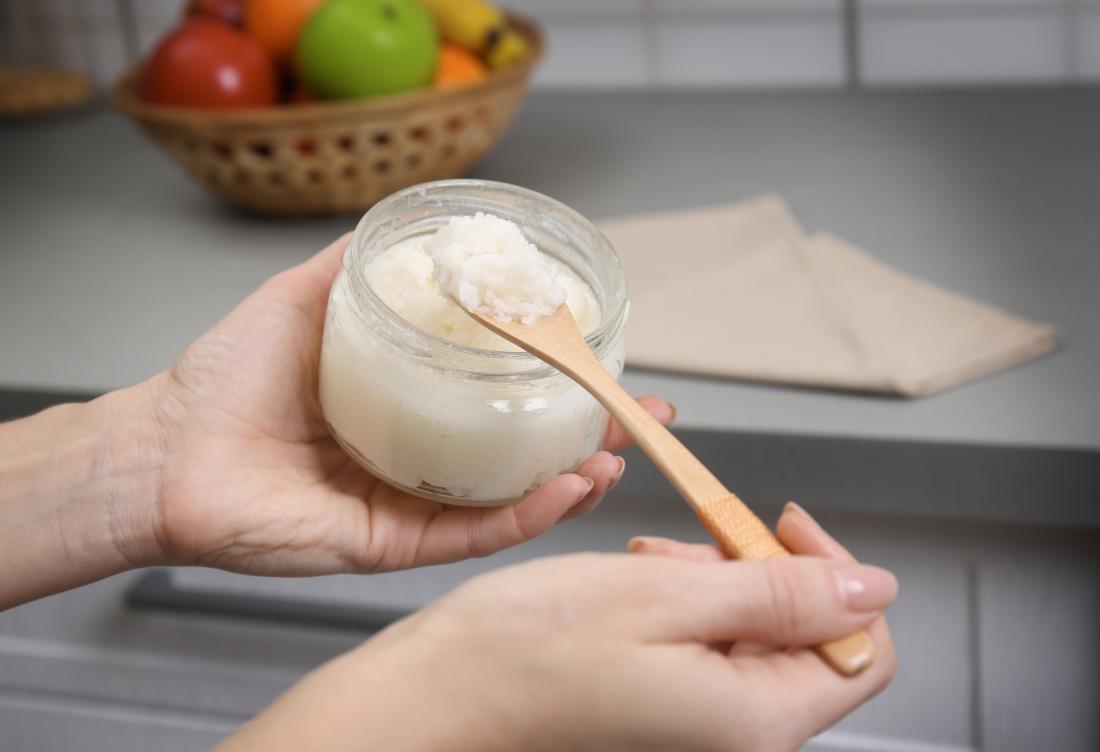
8. Coconut oil

Coconut oil can help hydrate a dry scalp.

Coconut oil may help improve hydration, reduce irritation, and prevent fungal growth on the scalp.

Findings from a test tube study found that cultured coconut extract lowered inflammatory markers in human skin samples. Another study observed similar anti-inflammatory properties after applying virgin coconut oil to artificial skin samples.

According to the findings of one clinical trial, applying virgin coconut oil to the skin led to a 68.23 percent decrease in atopic dermatitis symptoms in a group of 117 children aged 1 to 13 years old.

These preliminary studies show promising results, but researchers need to carry out more investigations to evaluate the role of coconut oil in treating dandruff.

People can try applying coconut oil directly to the scalp before washing it out or find a shampoo that contains coconut oil.

Coconut oil is available for purchase in grocery stores, health food, and online.

9. Dietary changes

Food can have dramatic effects on the body. Food may not be the root cause of dandruff, but it may make symptoms worse.

There is currently little research on how food affects dandruff. However, a growing body of research suggests an association between diet and inflammatory skin disorders, such as seborrheic dermatitis.

Fruits and vegetables contain many essential vitamins, minerals, and antioxidants that may help reduce inflammation.

The results of a recent observational study involving 4,379 people showed that individuals who reported eating more fruits were less likely to have seborrheic dermatitis.

The results also suggest that typical Western diets may increase the risk of seborrheic dermatitis in females.

A 2018 review showed that a biotin deficiency could lead to several skin disorders, including seborrheic dermatitis. Biotin, also known as vitamin B7, plays a role in supporting healthy hair, nails, and skin. Biotin-rich foods include:

  • liver
  • egg yolks
  • nuts
  • salmon
  • nutritional yeast

10. Reduce stress

Stress plays a significant role in a person’s overall health. Prolonged stress can cause increases in blood pressure, heart rate, and inflammation.

Although stress may not directly cause skin disorders, it can worsen or trigger existing ones.

A Japanese study published in 2014 examined the relationship between anxiety-induced stress and atopic dermatitis. The participants with atopic dermatitis reported higher levels of anxiety than those without the condition.

Summary

Dandruff is a skin condition that causes itchy, flaky skin on the scalp. This condition can impact a person’s self-esteem and overall quality of life.

While few research studies have specifically examined the effects of natural remedies for dandruff, many of these remedies have positive anecdotal evidence.

Not all home remedies will work for everyone. Anyone with an underlying skin condition, such as eczema or psoriasis, may wish to speak to a doctor before trying a new natural remedy.

Share Button

Sandra Oh On Why She’s Giving ‘Less F**ks’ And Feeling More Secure

Sandra Oh is not necessarily missing her 20s. 

In an interview with InStyle, the “Killing Eve” star explained that as a 47-year-old, she’s feeling much more secure, professionally, and giving “less fucks.” 

Modeling a “crazy dress with mirrors” for her photo shoot with the outlet, she said she is completely equipped to own whatever she’s doing. 

“You need me to put on a crazy dress with mirrors? Yeah, sure. I’m going to work the shit out of this!” is her reaction now, she said.

“I don’t know what I’m doing. It’s, like, you give less fucks,” she added.

Sandra Oh said "aging is the greatest."

Sandra Oh said “aging is the greatest.”

The actress told InStyle that “aging is the greatest” as “it really gives you more space to be that person in the mirrored dress who has always been inside.”

But Oh also agrees her early days in the industry were valuable. She told the outlet that it’s “really such a powerful time when you’re 23, 24 [years old].”

“There is a certain energy and boldness, but I’ve always been driven. This industry can be crushing, but I fucking love it,” she said. “I love it, and I think I would be acting and doing something creative no matter what.”

The actress has certainly been having a year of “less fucks” and a lot of success. Oh not only co-hosted the Golden Globes, but she also took home the award for Best Performance by an Actress in a Television Series ― Drama.

And later this month, she’s slated to host “Saturday Night Live,” becoming the third Asian woman in the program’s history to do so. Lucy Liu and Awkwafina have both hosted in the past.  

The second season of “Killing Eve” is set to begin April 7.

Read the full interview at InStyle.

Share Button

This Is What No One Tells Women About What Happens To Your Body In Your 40s

The symptoms were subtle at first: insomnia, a racing heart, a lost word, sometimes a wrong word. But within months there was no denying it. Soon enough there were panic attacks, sobbing fits and that verboten emotion of middle-aged women ― rage. Just after my 40th birthday, I bled for 10 days straight.

Trying to make sense of these changes, I kept coming back to a childhood memory. Sitting on the orange shag carpet in my Midwood, Brooklyn, living room, at the age of 8, my family was gathered around our color television watching an episode of “All in the Family. Archie Bunker was yelling at his wife, Edith, to hurry up and go through her “change.” My parents chuckled knowingly as I tried to keep up with the plotline. That was the totality of my education on menopause. But Edith looked to be in her 50s and, as far as I could tell, I still had a whole decade before I needed to “change.”

I dialed my OB-GYN, gearing up to explain this anomaly, to convince her that I was a freak of nature. But the nurse cut me off, introducing a new word to my lexicon: perimenopause.

That was the moment I learned that before menopause, there is a completely separate, though somehow related hell called perimenopause. According to the nurse, this marked the beginning of a gradual decline in estrogen in my body ― and, “by the way,” she added, “it can last for years.” She said that last bit like she was indoctrinating me into a special invitation-only club. I half expected to get an ID card.

But I could read between the lines, and what she was really saying was, This is when both your body and your mind begin to betray you. I called up my girlfriends to discuss and, in doing so, became the bearer of bad news.

“Did you know about this?” I demanded, wondering if everyone else had been in on this secret. I was met with silence. We had all been duped. No one had told us.

When I was pregnant, other women bombarded me with advice, perhaps because that was supposed to be a “joyous” time and people wanted to share in it, but this was different. This was the darker side of womanhood.

I started researching phrases like “sex in your 40s,” “pissed at my family all the time,” and “left boob pain; am I dying?” When that didn’t garner satisfactory answers, I began making regular appointments with a naturopathic doctor, studying the benefits of essential oils, throwing back vitamins and herbs like an addict, and becoming obsessed with “female” tea ― hibiscus, primrose, milk thistle, anything reminiscent of a beautiful blossoming flower.

Fast-forward five years, at the age of 44, with my son in his tweens, both of us now full-tilt with yoyo-ing hormonal surges, and my husband deep into his own midlife crisis, contemplating giving up his power equipment business and moving us to Central America. I began locking my bedroom door, an apparently seismic shift that offended the rest of the family, but in doing so, I created a small space for myself to think and breathe and read for a few precious hours each evening and further adjust to the increasing changes in my body: the longing for complete silence, the new sensitivity to smell, coping with what felt like sensory overload.

And then, just as I began embracing that long-craved autonomy, a hitch.  

With my first missed period, I denied the possibility, but by the time the estimated date of the second one came and went, I had begun cupping my breasts in the shower to see if they were sore and feeling my belly for the telltale firmness. And afterward, I’d catch my naked profile in the mirror looking for visible differences in my body. Was I glowing? I definitely wasn’t glowing.

Google was no help. As if God, the universe or some other holy power were in on the conspiracy to drive all middle-aged women mad, it turns out the symptoms of pregnancy are almost identical to the symptoms of perimenopause: weight gain, breast tenderness, spotting. I had them all.

Friends and I had begun whispering about our ‘changes’ at book club meetings and writing groups and those all too rare ‘moms’ nights out,’ and soon I found that this is a dirty secret we keep, walking through life, all of us pretending to hold it together, while inside we are unrecognizable to our own selves.

My husband was painting the deck when I approached him with the news early one morning. I had waited weeks but my anxiety, always stalking beneath the surface, was now becoming an unmanageable beast. “I might be pregnant,” I blurted out. His brush paused mid-stroke. I could see his unspoken thoughts floating like specks of pollen through the warm spring air.

“Well, we’ll figure it out,” he said, before dipping his brush again.

My first pregnancy had put me in bed for five months, with the label “high risk” slapped on my tender uterus. Aside from the life-threatening complications for me and my baby, I had suffered from both prenatal and postpartum depression that lasted years. Now faced with the prospect of having an offensively termed “geriatric pregnancy” at the age of 45, the odds were stacked against me. Not to mention the logistics. Where would we even put a baby?

Two days later, when I can no longer delay the inevitable ― the blood pressure medication I am on too detrimental to a fetus for me to continue without speaking to my doctor ― I sit on the bathroom floor early in the morning, squinting at the directions on a pregnancy test while the rest of the house lies in quiet slumber. My hands tremble as I peel off the wrapper. I brace myself and wait the three required minutes.

As the clock ticks, I question whether I could muster even the smallest desire to care for a newborn. I have middle-of-the-night hot flashes where I blindly stomp around my bedroom ripping off clothes and cursing the air conditioner because subarctic is not a temperature setting. The very thought of being prematurely awoken from hard-won sleep gives me palpitations. I’m on not one but two medications that say something along the lines of, if you’re even thinking about getting pregnant, don’t be in the same room as these pills.

Friends and I began whispering about our “changes” at book club meetings and writing groups and those all too rare “moms’ nights out,” and soon I found that this is a dirty secret we keep, walking through life, all of us pretending to hold it together, while inside we are unrecognizable to our own selves.

With it out in the open, my girlfriends had been speaking more freely, lauding Botox, fillers, vibrators and therapy as ways to empower ourselves and confront these years. I am in no way prepared to cast off this tribe of unabashedly honest women to form new relationships with young, lithe mothers who have an endless supply of their own collagen.

Four bars on the stick appear. The results are in.

Not Pregnant.

I wipe away my tears, wishing someone would have mentioned I’d spend much of my midlife on the bathroom floor, crying ― I would have opted for nicer tiles.

I sit there for a few moments and then crawl over to the garbage pail, burying the test, but the heaviness in my heart surprises me. I could wake up my husband, but he could never understand what it means to be on the cusp of 45 taking a pregnancy test. He could never intrinsically comprehend the implications of what it would mean to be pregnant at this age, and alternately, how devastating it is to know that I will likely never be pregnant again. That chance for the elusive second child I had never been sure I wanted vanishes into the bottom of a wastepaper basket buried beneath snotty, tear-stained tissues. Before the complications of my first pregnancy, I had planned on so many children.

I dig the test out of the trash can and hold it to my heart as if it is an actual embryo, thinking about how I, like so many other women in their 40s, am in between ― taking care of both kids and parents ― the sandwich generation. But who is taking care of us while we navigate this new territory? Who is telling us that it is perfectly normal to drive halfway to work before realizing that we forgot to pop in our contacts? Who is consoling us as we sit in our cars at the school pickup line crying to songs like “Shut Up and Dance with Me” because we haven’t really danced in years? Who peels us off the bathroom floor when we are frightened?

I grab hold of the tub, noting that it could use a good scrubbing, and pull myself up. Walking to the mirror, I take stock of my body, my rounded belly, my sun-weathered décolletage, the triceps that are not as firm as they used to be. I have changed so much. I have stopped caring what anyone else thinks, have started claiming my time, growing my tribe, and trying so hard to hold onto the shits I have because I have so few left to give. I am more beautiful and confident than I have ever been in my life, while simultaneously becoming invisible to much of the world.

Perimenopause is like preparing to graduate college. There are so many choices to make, so many options, only now I don’t have the cushion of youth to bounce back from my mistakes.

I hear a soccer ball being thwacked against a wall. Casting my thoughts aside, I throw the test in the pail once again and tie up the bag so my tween doesn’t accidentally discover it. And then I open the medicine cabinet and take out a vial of lavender scented oil. I dab dots on pressure points; I’m told it will keep me calm.

Do you have a compelling personal story you’d like to see published on HuffPost? Find out what we’re looking for here and send us a pitch!

Share Button

CBD for acne: Does it work?

Cannabidiol, or CBD, is a natural compound present in the Cannabis sativa plant. It is only one of over 100 compounds in cannabis, but it has many potential health benefits. Can CBD oil also treat acne?

Acne can be a source of irritation for people of all ages, and new natural ways to fight acne are always welcome.

There is some evidence to suggest that CBD oil can be beneficial for acne and other skin conditions. Some people apply CBD topically to the breakouts themselves, while others take it orally for long-term prevention.

Can CBD oil treat acne?

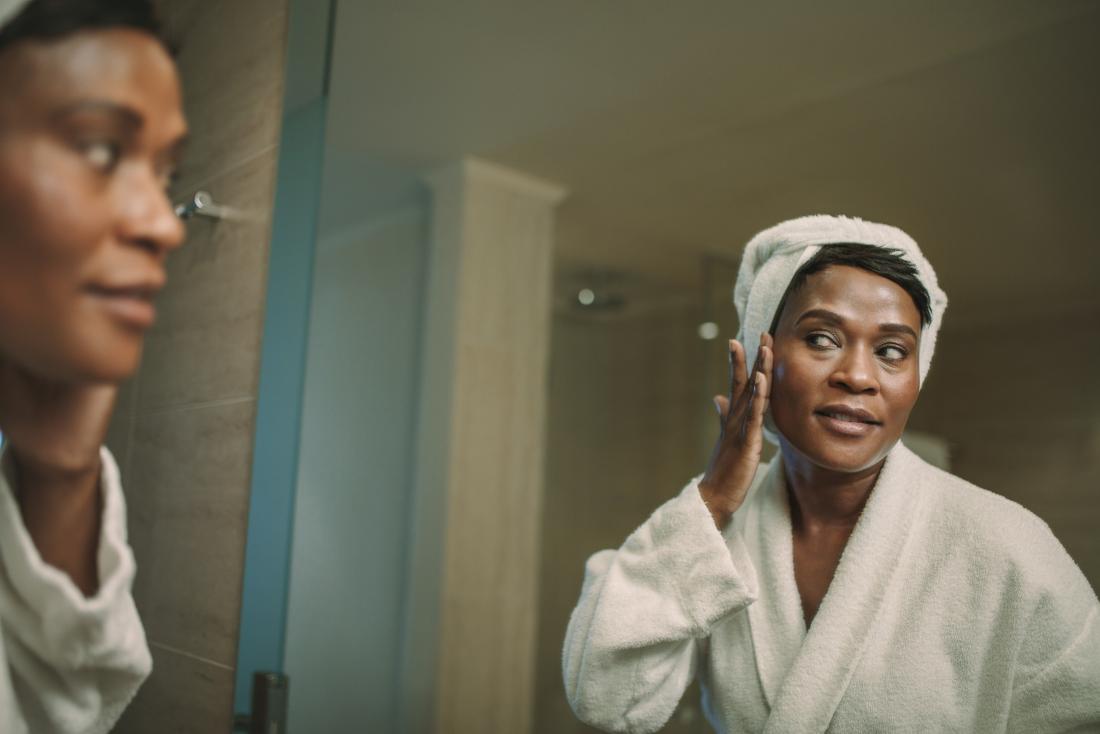
Woman in front of bathroom mirror applying CBD oil or moisturizer to her face to treat acne
CBD oil may help prevent acne breakouts.

There is some evidence to suggest that CBD oil may be helpful for acne. What that means may vary slightly in each case, based on what kind of acne a person has and what is causing it.

CBD oil may help reduce various types of acne thanks to its ability to adjust how the body creates sebum. Sebum is a waxy, oily substance the skin makes. CBD oil also has anti-inflammatory properties.

Acne is the most common skin condition in humans. Most people deal with acne at some point in their lives, be it occasionally or on a daily basis

Sebum helps protect our skin from the outside world. However, it can mix with dead skin cells, dirt, or other pollutants and become trapped inside a pore. This clogged pore then becomes acne.

Many factors influence acne, including excess sebum production, hormonal imbalances, and genetics. Some other factors, such as diet, stress levels, and some medications, may also increase the severity of a person’s symptoms.

A 2014 study explored the effects of CBD on human sebocytes, which are the cells that create sebum. The researchers found that the CBD prevented these cells from creating too much of the oily sebum.

They also revealed that the CBD oil triggered an anti-inflammatory reaction in the cells and prevented inflammatory cytokines from activating. Cytokines may trigger acne, so reducing them may help prevent further breakouts.

A 2016 review of the cannabis plant highlighted its antibacterial and antifungal effects. These effects may help reduce infections from dirt and other pollutants on the skin.

While the initial results from these studies are promising, human trials are still lacking. For doctors to recommend CBD oil or cannabis products as part of an anti-acne skincare routine, studies in humans will need to provide direct evidence.

How to use

To use CBD oil on the skin, simply mix it with a carrier oil and apply it directly. It is important to start by using a carrier oil that works with the person’s skin. Carrier oils include:

Taking oral CBD may also help with acne in some cases, as the anti-inflammatory compounds are still active when they enter the body.

However, studies exploring CBD and the skin have applied CBD directly to the sebum-creating cells of the skin, so topical application may be best.

There are also many topical products containing CBD available for purchase online. However, people should check the other ingredients in the product to avoid exposure to harsh or irritating ingredients.

It is also vital to ensure that the distributor has conducted third-party laboratory tests to confirm the product’s CBD content.

In 2017, researchers tested 84 different consumer products containing CBD and found that 26 percent of them contained less CBD than the label suggested.

Other products also contained other compounds, such as tetrahydrocannabinol, the psychoactive component of cannabis. Although it is unlikely to cause a “high” if a person applies it topically, it might be important to watch out for if people have sensitive skin or undergo regular drug tests.

CBD for other skin problems

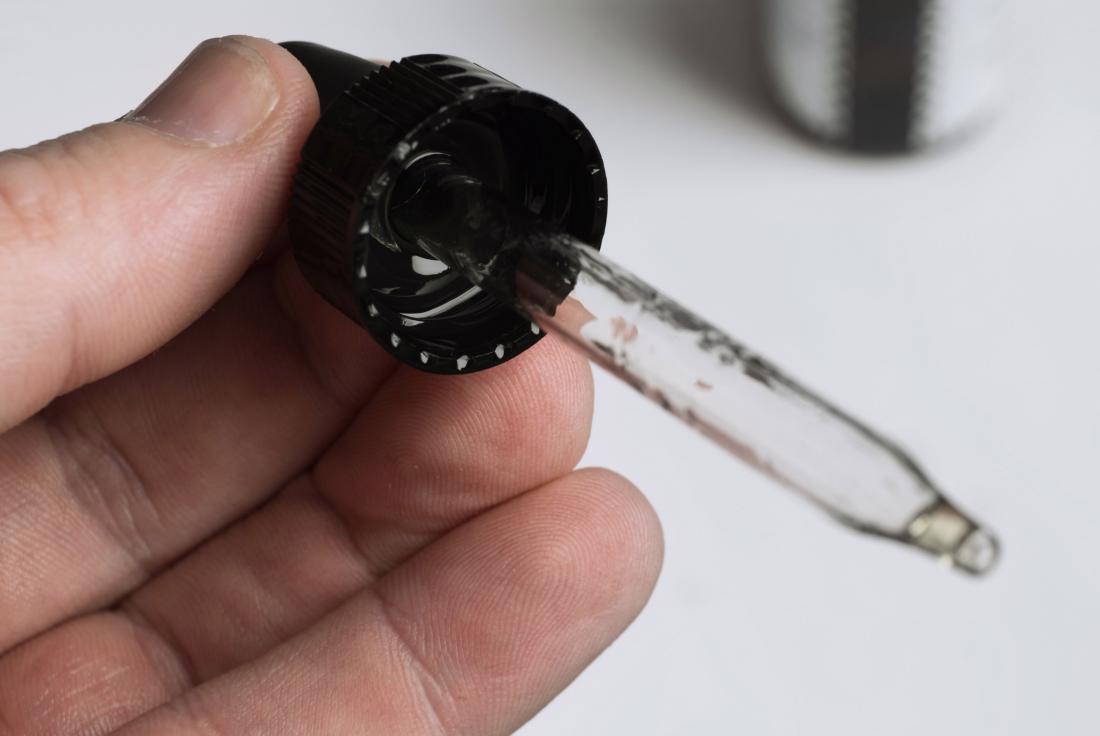
Hand holding dropper with essential oil
A person can mix CBD oil with a carrier oil to treat acne and sensitive skin.

CBD may also help a person manage other skin conditions due to its anti-inflammatory properties. CBD also has an antioxidant effect in the body, which may also be helpful for other skin problems.

Eczema and psoriasis: The anti-inflammatory compound may help reduce potential triggers of eczema and psoriasis in some people. CBD may also help balance the immune system, which influences these conditions. However, more direct research is necessary.

Sensitive skin: These same benefits may help soothe sensitive skin and reduce the appearance of general irritation. However, people should be cautious about any added ingredients, as these may irritate sensitive skin.

Aging and wrinkles: CBD has an anti-inflammatory and antioxidant effect, which may promote overall skin health and reduce age lines and wrinkles. However, there are many other antioxidants, such as those in vitamin E and fruits, that are more accessible than CBD oil.

Takeaway

There is some evidence to suggest that CBD oil may help treat acne. The compound acts directly on the cells that make sebum, which can help balance oil production and reduce inflammation.

However, more direct research in humans can help give these claims a solid backing. Anyone curious about using CBD oil should speak to a skincare specialist.

Share Button

Young Blood Scam: FDA Warns Against Unproven Anti-Aging Transfusions

The Food and Drug Administration issued a forceful warning Tuesday that transfusions of young donor plasma, which have been marketed to fight aging and a variety of diseases, are not only unproven ― they could be harmful.

You’ve probably seen the headlines about the alleged young blood” miracle treatments where for-profit medical startups charge thousands of dollars to inject older patients with infusions of blood plasma from young donors. If the reported claims about those treatments sound too good to be true, that’s because they are, according to the FDA.

Injecting young donor plasma to treat or prevent aging, as well as conditions such as Alzheimer’s and Parkinson’s disease, has “no proven clinical benefits” like those advertised and is “potentially harmful,” FDA Commissioner Scott Gottlieb said in a statement. Peter Marks, director of the agency’s Center for Biologics Evaluation and Research, joined him in issuing the warning.  

“It’s just a matter of time before there are going to be people harmed by this — and harmed by it, with no opportunity for therapeutic benefit,” Gottlieb told HuffPost in a phone interview.

He and Marks lambasted for-profit young plasma companies peddling an unproven therapy for financial gain: “Simply put, we’re concerned that some patients are being preyed upon by unscrupulous actors touting treatments of plasma from young donors as cures and remedies.”

“The promotion of plasma for these unproven purposes could also discourage patients suffering from serious or intractable illnesses from receiving safe and effective treatments,” they added.

We’re concerned that some patients are being preyed upon by unscrupulous actors touting treatments of plasma from young donors as cures and remedies. The Food and Drug Administration

In late December, HuffPost published an investigation into Ambrosia, a startup that sells young plasma treatments that offer numerous alleged potential benefits. Ambrosia’s founder, 34-year-old Jesse Karmazin, earned extensive, unskeptical media coverage, despite never showing any proof his transfusions actually helped people in the ways he claimed.

Karmazin — who cannot legally practice medicine in any state, and is explicitly prohibited from practicing in Massachusetts by authorities — announced recently he was soliciting customers in multiple states, charging $12,000 for two liters of young plasma. Other medical establishments, such as the Maharaj Institute in Florida, have also announced plans to charge patients for young plasma transfusions, and various studies of the treatments are ongoing.

Plasma transfusions have long been recognized as a treatment for particular health issues, such as for trauma patients. But the FDA urges people to be cautious and consult with their doctors before considering such treatments to combat aging or other conditions.

The agency also strongly discourages people from pursuing young plasma therapy outside of clinical trials conducted under “appropriate institutional review board and regulatory oversight.”

Companies generally need to get approval from the FDA before they can claim that a drug or medical product treats, cures or prevents a disease. Young plasma treatments have not gone through the “rigorous testing” that the FDA normally requires in order to confirm a therapeutic benefit and to ensure safety, the agency said.

Karmazin, Ambrosia’s founder, saw no need to go through the FDA’s drug approval process for his study, in which participants paid to receive plasma from young donors. He also never released the study’s findings, though he touted impressive results in the media, claiming young plasma could help everything from Alzheimer’s to blood cholesterol levels.

“I’m not really in the camp of saying this will provide immortality,” he told one reporter, “but I think it comes pretty close.”

Such claims are not only premature, according to the FDA, but risks surround plasma transfusions. In rare cases, the complications can be fatal.

For patients receiving plasma for a recognized use, such as managing clotting abnormalities, the FDA has determined that the benefits outweigh the risks.

I’m not really in the camp of saying this will provide immortality, but I think it comes pretty close. Ambrosia founder Jesse Karmazin, speaking to a reporter

Gottlieb and Marks also raised concern about the dosing of young plasma transfusions. They noted that they had seen reports of large volumes of young plasma being administered to patients, which can create “significant risks,” such as respiratory and cardiovascular issues.

This backs up what medical professionals told HuffPost last year: “In general, somebody who does not need a blood transfusion would be at great risk for all sorts of things, short term and long term,” by undergoing such treatments, said Phuoc Le, a physician and global health specialist who teaches at the University of California, San Francisco. Le was alarmed that Ambrosia claimed to give patients about 2 liters of plasma over just one to two days.

In wake of the FDA statement, the Ambrosia story can be seen in some ways as a media failure: Reporters ran with vampire headlines without answering basic questions about the procedure, effectively serving as free advertising for an unproven treatment. (A report that Peter Thiel, the tech entrepreneur billionaire, was interested in young blood, and the “blood boy” parody in HBO’s “Silicon Valley,” contributed to the media frenzy.) Meanwhile, Karmazin wouldn’t even tell reporters where he got his plasma.

HuffPost found that at least some of it came from a nonprofit blood bank in South Texas that recruited teenage donors for “saving lives,” but noted on a consent form that blood components could be used for “any other medical purpose.” The bank decided to stop selling young plasma after HuffPost reached out.

Generally, the FDA will consider taking regulatory and enforcement actions against companies that “abuse the trust of patients and endanger their health … by promoting so-called ‘treatments’ that haven’t been proven safe or effective for any use,” the statement noted.

The FDA is going to look at what enforcement activities it can take given “the scope of our concern,” Gottlieb told HuffPost.

“The first step was to put out a public health advisory alerting consumers and providers,” he said. “We’ll take it from here.”

This story has been updated with additional comments from Gottlieb.

Share Button

A Harvard Geneticist Wants To Sell A Magical Molecule To Reverse Aging. It Works. In Mice.

[unable to retrieve full-text content]

Share Button

Stop Doing The 10-Year Challenge Because Mariah Carey Already Won

Mariah Carey has a lot to worry about these days (messy legal drama with a former assistant, cashing checks from “All I Want for Christmas” residuals, an upcoming Las Vegas residency, etc.), but she remains unbothered by a little thing called aging, dahling

The legendary diva tried her hand at the 10-year challenge dominating social media timelines that has users sharing a photo of themselves from 2009 next to one from 2019 to boast about glow-ups, regret bad fashion choices and praise the powers that be for Instagram filters. 

But Carey, who’s historically demanded that people refer to her birthday as an anniversary, rewrote the rules of the entire challenge with a post on Instagram Wednesday. 

Instead of sharing a photo of herself from 2009 ― our choice would be a screen grab from her very-much-underrated performance in “Precious,” for the record ― the singer posted two identical photos taken recently. 

“I don’t get this 10 year challenge, time is not something I acknowledge,” she wrote. “*Picture taken at some point prior to today.” 

Fans of the singer, of course, had a field day with her peak Mariah response.

Other celebs, however, couldn’t resist the challenge. Famous types like Busy PhilippsKevin Hart and Snooki participated, but no one came close to Carey’s levels of extra. 

The elusive chanteuse FTW.

Share Button

He Hawks Young Blood As A New Miracle Treatment. All That’s Missing Is Proof.

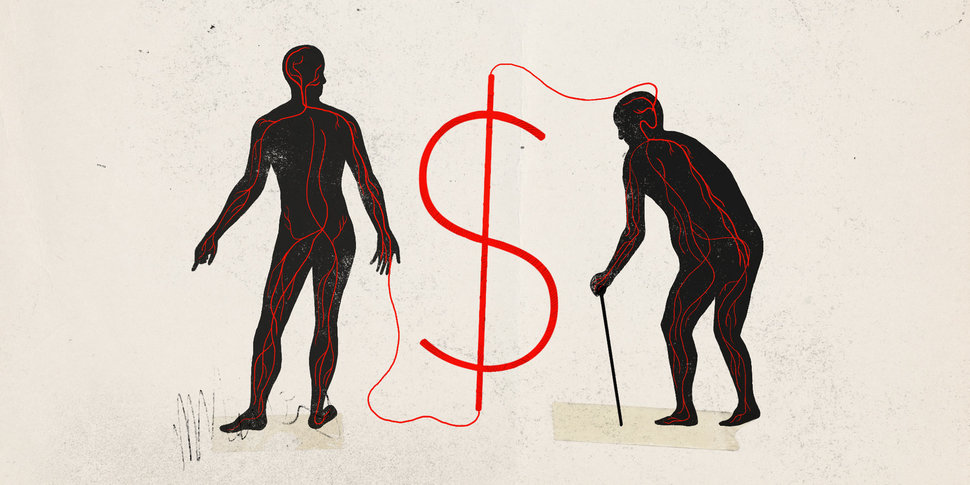
Jesse Karmazin, the 34-year-old founder of the startup Ambrosia, had a pitch journalists couldn’t resist: For a fee, he could help his clients combat aging and its related ills with infusions of blood plasma from the young. Teen donors, vampiric undertones, a serious-sounding study, an $8,000-per-person price tag and rumors that venture capitalist Peter Thiel might be interested earned Ambrosia more than 100 press mentions in just two years.

The effects of young plasma, Karmazin told reporters, were astounding. Just one infusion “dramatically improves people’s appearance, their memory and their strength,” he told one reporter. “I want to be clear, at this point, it works. It reverses aging,” he told another. “I’m not really in the camp of saying this will provide immortality but I think it comes pretty close,” he told a third, adding, “It’s like plastic surgery from the inside out.”

The free publicity helped Ambrosia attract clients: One hundred and four people paid to receive plasma from 16- to 25-year-old donors as part of Ambrosia’s participant-funded study, Karmazin told HuffPost. 

But despite declaring the study a success and announcing plans this week to accept new clients, Karmazin never showed any proof that the transfusions actually helped people. In the media, he touted impressive results, but almost a year after his study officially concluded in January 2018, he hasn’t released them. Scientists have criticized the study as flawed and the procedure as medically unnecessary and not without risk; in rare cases, transfusion complications can be fatal. One of the doctors Karmazin hired had previously been disciplined by a state medical board for unprofessional conduct. Karmazin himself cannot legally practice medicine in any state; he is explicitly prohibited from practicing in Massachusetts by authorities. Ambrosia’s president and chief operating officer quietly left the company in late December, leaving Karmazin as the sole employee. And the only patient who spoke publicly about Ambrosia’s transfusions — treatments he hoped would help him live healthier into old age — died at 65 after going into cardiac arrest.

Karmazin couldn’t comment on individual patients but said there were no deaths during or after the trial related to the treatment. 

[People] could literally spend their life savings on an unproven treatment. Phuoc Le, physician and global health specialist

HuffPost found that at least some of Karmazin’s young plasma came from a nonprofit blood bank in Texas that recruited teenage donors for “saving lives,” but noted on a consent form that their blood components could also be used for “any other medical purpose.”

The bank abruptly decided to stop selling young plasma after HuffPost reached out, according to an employee email.

Ambrosia, which declined to comment on whether the company has any investors, is only one of many firms investigating how to help people feel younger for longer. But Ambrosia’s ability to attract paying clients and years of positive press coverage — without providing scientific data to back up its claims — shows just how easy it can be for promises to outpace the research when Silicon Valley gold-chasing mixes with Americans’ fear of death.

“You can easily imagine a situation where somebody who’s vulnerable, and not wealthy, and not healthy, and may be desperate … would potentially feel like they have no option but to spend this money,” said Phuoc Le, a physician and global health specialist who teaches at the University of California, San Francisco.

“They could literally spend their life savings on an unproven treatment,” he said. 

Doctor Karmazin

Karmazin was born in Palm Beach Gardens, Florida, and attended Princeton University, where he became a highly accomplished rower, going on to win a silver medal in the Paralympic Games in Beijing in 2008. He attended Stanford Medical School and participated in labs that focused on longevity and stem cell biology. His experience as an athlete — and feeling slower athletically after turning 30 — influenced his desire to work on aging as a treatable condition. After graduating in 2014, Karmazin started a residency at Brigham and Women’s Hospital in Boston with a plan to eventually specialize in psychiatry. But as Karmazin tells it, he didn’t like working the long hours and felt he didn’t have time to pursue his other interests, transfusions and aging, in addition to general practice, so he left his residency in 2016 to start Ambrosia.

There is an asterisk to that story: On Feb. 29, 2016, Karmazin and his attorney signed a voluntary agreement with Massachusetts officials in which he promised to immediately stop practicing medicine in the state. Karmazin told HuffPost he signed the paperwork because he left his residency early, that doing so was “pretty routine,” there were no additional circumstances that he was aware of and that’s all he knew. That account seems unlikely. Karmazin was practicing under a limited license; such a license terminates automatically if a physician leaves a residency program early for any reason, according to George Zachos, the executive director of the Massachusetts Board of Registration in Medicine. The board wouldn’t typically pursue such an agreement with a limited licensee for leaving a residency early, Zachos said. Such a public agreement is used to protect patient safety. Last year, only 12 physicians in Massachusetts reached similar deals.

The board’s review is confidential, but a representative noted the circumstances that led to the agreement were unrelated to Karmazin’s work with Ambrosia or xVitality Sciences, a separate “rejuvenation” project he also worked on.

Karmazin, who introduces himself as “Dr. Karmazin,” moved forward with Ambrosia after signing that agreement. He said he got the idea for young plasma transfusions from several studies in which young and old mice were surgically conjoined in order to examine the effects of mixing their blood. In some cases, the older mice became temporarily stronger and showed slight improvements to their health. Karmazin believed those results could be replicated in humans.

Maybe there are secret sources [for human rejuvenation] in young blood, but there is no scientific evidence for that. Irina Conboy, aging and rejuvenation researcher

Scientists have questioned Karmazin’s interpretation of the data. Researchers at the University of California, Berkeley, who led conjoined-mice tests noticed small positive changes in older animals’ muscles, livers and brains. But the more important finding was the significant decline in the health of the younger animals. For the older animals, the young blood was largely diluted by the old blood.

“There was much more negative effect from the stuff in the old blood than there was positive effect from the stuff in the young blood,” said Irina Conboy, an aging and rejuvenation researcher at Berkeley, who compared young blood transfusions to taking “a pile of rotten bananas” and throwing “one good one” on top. “Maybe there are secret sources [for human rejuvenation] in young blood,” she said. “But there is no scientific evidence for that.”

Karmazin went ahead anyway: In the summer of 2016, he announced that he would charge people ages 35 and older $8,000 each for about 2 liters of young plasma as part of what he called a “clinical trial.” Karmazin didn’t feel the need to go through the Food and Drug Administration’s drug approval process, as plasma transfusions are already a well-established procedure. Most of the time, however, they are used to treat patients who have specific health issues, not carried out to potentially make people feel younger.

Ambrosia’s trial whipped up the flurry of press coverage that doubled as free advertising, and in some cases, suggested inaccurately that people were drinking young blood. But what really got people talking about Ambrosia was a report that Peter Thiel, the tech entrepreneur billionaire, was interested in young blood. Karmazin himself appears to have made the explicit connection to Ambrosia. In 2016, he told an Inc. magazine reporter that Jason Camm, chief medical officer at Thiel Capital, had contacted him to express interest in Ambrosia. It’s not clear whether Camm was reaching out on Thiel’s behalf, or how extensive the alleged contact was. But the story prompted a wave of Thiel-vampire insinuations in the media. Later, in an interview with TechCrunch, Karmazin completely denied having contact with anyone from Thiel Capital, raising questions about who wanted to quash the story.

Camm and Thiel Capital did not respond to requests for comment. In November, Thiel said at the New York Times DealBook conference: “On the record. I’m not a vampire.” He also said he’s never injected himself with young blood. Karmazin reiterated to HuffPost that he’s not in any contact with Thiel. When asked why his story appears to have changed, Karmazin repeatedly declined to comment.

Sweet Little 16-Year-Old Plasma  

To launch his study, Karmazin needed plasma, the liquid part of blood, from young people. He needed a lot of it — Ambrosia performed more than 150 roughly 2-liter transfusions (some clients reportedly returned for multiple treatments), according to Karmazin, which would have required at least 80 gallons of young plasma, hundreds of donations’ worth. But he faced a hitch: Blood banks don’t typically separate out blood plasma by age and sell it for rejuvenation purposes; their primary mission is to provide donated blood for hospital patients and save lives.

When blood centers have unused plasma, they commonly provide it to different companies in order to make products to treat serious medical conditions such as hemophilia, according to a spokesperson for AABB, a nonprofit that accredits blood centers.

But it wasn’t easy to find a blood bank willing to supply a startup for Karmazin’s purposes. In the beginning, Karmazin called some 20 blood banks, he said. It “took a while to find the right partner,” he added. There was interest, he claimed, but banks didn’t have a process in place to get him the plasma he needed. HuffPost contacted more than a dozen U.S. blood banks, many of which cited ethical concerns and raised questions about Ambrosia’s study. The chief medical and scientific officer of Vitalant, a nonprofit that distributes blood to more than 1,000 U.S. hospitals, told HuffPost that Vitalant leadership contacted all its donation centers after hearing about Ambrosia to confirm none worked with the company. Ambrosia’s study didn’t seem to be a legitimate clinical trial, Dr. Ralph Vassallo said, so Vitalant shouldn’t be selling to the startup.

Eventually, Karmazin said, he found two blood banks to provide the company with “excess” young plasma that he could use for his study. Karmazin refused to say which ones they were.
Emmanuel Polanco for HuffPost

Deep In The Heart Of Texas

One of his partners for Ambrosia’s trial was the South Texas Blood & Tissue Center, a subsidiary of BioBridge Global, a nonprofit headquartered in San Antonio.

STBTC has lamented “critical” blood supply shortages and called on millennials to “step up and donate.” It has sent blood collection buses to schools and asks students on its website: “Are you up for saving lives?” It holds a donation competition for local high schools called “Generation Give” with $750 top prizes, and has offered incentives to donors such as free movie tickets and amusement park passes. Students who have donated six blood products or more “have made the difference in the lives of over 18 hospital patients,” STBTC states on its website. Honored students receive a special red cord to wear at their high school graduation ceremony.

The South Texas blood bank’s main mission is to provide blood to approximately 100 hospitals and clinics, Elizabeth Waltman, STBTC’s chief operating officer, said in a statement. But “after community needs are met, and to ensure no donated blood is wasted, we provide blood where it is needed, including to support research that will advance medical care,” she added. Ambrosia’s study met STBTC’s requirements for research-related use of their blood components, she said.

STBTC did not comment on whether it sold donations that came through Generation Give as young plasma. But its consent forms for blood donors “clearly state” that donations will be used to serve “both clinical and research purposes,” Waltman said. HuffPost reviewed a copy of STBTC’s 1,200-word student consent form, which requires kids and parents to acknowledge that donated blood may be used to help patients “or for any other medical purpose.” The form praises students for “giving the gift of life.”

The Trial

By the fall of 2016, Karmazin was ready to launch his study.

Ambrosia told trial participants that “abundant data” from mice studies suggested young plasma infusions could help with “rejuvenation,” but the company said it couldn’t guarantee participants any specific results, such as the treatment of a disease. Rather, it noted in its informed consent form that there are “no known improvements” directly related to young plasma infusions. In fact, the form contained “an appalling lack of detailed explanation of what the actual effects of this intervention are supposed to be,” said Alta Charo, a professor of law and bioethics at the University of Wisconsin-Madison who reviewed Ambrosia’s form at HuffPost’s request.

Karmazin contracted physicians to carry out the young plasma transfusions at clinics in San Francisco; Monterey, California; and Tampa, Florida. The Monterey-based doctor, David Wright, had been publicly reprimanded by the Medical Board of California in 2015 for charges that included gross negligence related to diagnosing a patient with a chronic tick-borne infection without an adequate basis, and then using a medically unsupported treatment ― daily antibiotic infusion therapy ― that led to significant side effects. Wright did not admit to wrongdoing in the agreement; the reprimand did not preclude him from practicing medicine.

Plasma transfusions are regularly administered to people with certain health issuessuch as patients with liver disease and trauma patients requiring massive transfusion. But there is still a risk of complications, some very serious: Transfusion-associated circulatory overload ― which can occur after transfusing too quickly or at excessive volume ― can lead to death, for example.

“For patients with true indications, plasma transfusion can be lifesaving,” said one director of transfusion medicine. But doing this procedure for anti-aging purposes is “not scientifically or medically justified and exposes patients to risk of harm.”

Then-New Scientist writer Sally Adee traveled to Monterey to cover Ambrosia’s trial in 2017 and reported that a patient who came from Russia had an anaphylactic reaction after a transfusion. Wright was “visibly shaken” after the incident, Adee wrote.

Ambrosia ultimately reported four adverse incidents during the trial, according to Barbara Krutchkoff, the executive director of the Institute of Regenerative and Cellular Medicine, a small nonprofit that houses an institutional review board that oversaw the study. They included a rash in March 2017, a runny nose and cold symptoms in April, hives and edema in June, and itchiness in December. All were considered mild allergic reactions and resolved, she said.

Ambrosia was fortunate there weren’t more adverse reactions, said Le, the physician and global health specialist.

“In general, somebody who does not need a blood transfusion would be at great risk for all sorts of things, short term and long term,” said Le, who was alarmed that Ambrosia claimed to give patients about 2 liters of plasma over just one to two days.

“For patients with true indications, plasma transfusion can be lifesaving,” said Robertson Davenport, director of transfusion medicine at the University of Michigan. But doing this procedure for anti-aging purposes is “not scientifically or medically justified and exposes patients to risk of harm,” he added.

During the study, Karmazin and Wright had a falling-out. They disagreed over Karmazin’s plans to transfuse smaller amounts of young plasma over a shorter period of time — a change Wright deemed risky, according to the New Scientist article. “We just had different ideas for what this treatment could become,” Karmazin told HuffPost. Wright stopped working for Ambrosia before the study was complete.

Wright did not respond to several calls and emailed requests for comment. When HuffPost sent a reporter to his new office in Pacific Grove, his receptionist threatened to call the police.

‘There’s Still No Data’

Ambrosia’s trial formally ended in January 2018. It was a great success, according to Karmazin, with about one-third of the participants returning to purchase additional treatments and around 150 treatments delivered in all. Some people continued to receive transfusions as late as this past summer, he said.

By the end of the trial, Ambrosia had been touting findings for months. Karmazin claimed to Canada’s National Post, for example, that an early-onset Alzheimer’s patient showed improvements with one treatment and a person in their 60s saw their graying hair turn darker. He told New Scientist that he saw a 10 percent decrease in patients’ blood cholesterol levels, and told Boss Magazine there were “really dramatic improvements” to biomarkers for inflammation.

[Ambrosia] seemed to be starting off as someone capitalizing on the hype and trying to make some money. Michael Conboy, aging and rejuvenation researcher

The company said it tested patients’ blood for more than 100 biomarkers before and after the transfusions, looking for improvements in markers for aging and disease. Ambrosia’s study did not have a control group that received a placebo. And a change in a biomarker isn’t necessarily proof of a change in actual health status, noted Charo, the University of Wisconsin-Madison professor. Such changes must be matched to “real health outcomes,” which requires long-term follow-up. Karmazin said patients wrote diaries, and that some later volunteered additional health data.

“I’m not sure how Ambrosia’s was set up as a clinical trial,” said Michael Conboy, husband and research partner of Irina Conboy, the aging and rejuvenation researcher at Berkeley. “It seemed to me that it was set up as more of a ‘fee for service’ type thing and the ‘trial’ part was slapped on to legitimize it. It seemed to be starting off as someone capitalizing on the hype and trying to make some money.”

And there’s still no public data. Karmazin shared some “preliminary results that he was excited about” with his hired institutional review board, Krutchkoff said, but she hadn’t seen the final results. Speaking to HuffPost with Karmazin’s permission, Krutchkoff praised Karmazin’s professionalism and brushed off criticisms of the study. “As controversial as this study was, there’s a lot worse being done,” she said.

Howard Chipman, the doctor Ambrosia hired in Tampa, also said he hadn’t seen the results. HuffPost could not find a participant who had.

Tom Casey, the CEO of NuPlasma, a company that sells young plasma to physicians in Texas ― and is supplying another young plasma study in Houston — urged Karmazin to release the data. “The people who are criticizing you are criticizing you because you called this a trial and said you were collecting data,” he said. “But there’s still no data.”

Results Not Guaranteed

Karmazin and David Cavalier, Ambrosia’s then-president and chief operating officer, said earlier this past fall that they had to be careful not to make any guarantees about the effects of Ambrosia’s treatment. Companies generally need to get approval from the FDA before they can claim that a drug or medical product treats, cures or prevents a disease. Cavalier noted that Ambrosia transfused a Parkinson’s patient who reported an improvement in a tremor, a patient with depleted testosterone levels who was soon “enjoying morning erections again,” and people who reported improvements with arthritis symptoms, sleep, memory and energy levels.

Some of Ambrosia’s claims to the media have been “maybe a little bit exuberant” but still “100 percent accurate,” Karmazin said.

Karmazin told HuffPost in the fall he temporarily paused transfusions to focus on opening a clinic in New York City by early 2019. Ambrosia is required to obtain a permit to transfuse a blood component in New York, but as of mid-December, the company had not applied for one, according to a New York State Department of Health spokesperson.

He initially claimed he planned to publish the findings of Ambrosia’s study in a peer-reviewed journal after its clinic was open. He announced this week on his website that Ambrosia is scheduling clients again in San Francisco and Tampa. He brought back two doctors he worked with during the study, he told HuffPost. He said this week that he still hadn’t submitted any data for peer review — a process that can take months. He was “eager to do so,” but didn’t know precisely when he would. 

Cavalier quietly left the company this week, right before Ambrosia announced it was offering treatments again. He would not comment on the circumstances of his exit, but noted in an email that he was only with the company for “a very brief period.” Karmazin declined to comment further on Cavalier’s departure.  

And at least one of Ambrosia’s blood bank partners no longer sells young plasma. Shortly after HuffPost reached out to the South Texas blood bank in October, it abruptly halted all sales of young plasma products, according to an employee email chain HuffPost obtained.

“We have had a few developments internally due to some negative press,” an employee wrote on Oct. 22. Waltman, the STBTC executive, told HuffPost the bank would not supply Ambrosia with plasma for a clinic rollout because doing so would interfere with their ability to fulfill local needs. The HuffPost inquiry had no bearing on that issue, she added.

For all its press coverage, Ambrosia did not have any investors as of April 2017, Karmazin said; in September 2018, Karmazin told HuffPost that Ambrosia hadn’t yet raised any money. That same month, he advertised on his LinkedIn page that the company was looking for $3 million to open its first clinic. By November, Karmazin said the LinkedIn posts had been removed because the company had garnered a “large amount of interest,” but Ambrosia would not comment on whether it had any investors.  

Despite Karmazin’s insistence that many people are excited about the treatment, over the course of reporting this story, Ambrosia declined to put HuffPost in touch with a single patient. Initially, Karmazin said the patients are protective of their privacy and “after the hundredth reporter asked to talk, people were just getting a little tired of answering the same questions.” After HuffPost noted that it could find only one trial participant who had spoken to the press, Karmazin said that in the beginning, he had asked about 10 to 15 patients if they wanted to speak to reporters, but they all declined.

It appears the only participant in Ambrosia’s trial who spoke to the press was a man from Georgia. He told a German newspaper that he was one of Ambrosia’s first patients and had perhaps received “more blood plasma than anyone else in the world.”

The Georgia man was “the most excited person about this treatment,” Karmazin told HuffPost. He died after going into cardiac arrest in February 2018 at the age of 65.

Young plasma “isn’t a silver bullet,” the man told New Scientist last year. But he had hoped he could “just get 10 more healthy years of living.”

The man’s family did not respond to multiple requests for comment about the circumstances of his death, and a doctor familiar with his case declined to comment without a family member’s permission. Karmazin said there were no deaths during or after the trial related to the treatment. It is unclear when the man received his final treatment with Ambrosia.

These days, Karmazin won’t even publicly admit whether he has tried the treatment Ambrosia is hawking. He told one news outlet in June 2017 he hadn’t, claiming he was waiting until he’d be “old enough” at 35. In a separate interview in December 2017, when he was still not yet 35, he said he’d tried it “a few times and it felt “pretty phenomenal.” Speaking to HuffPost, he refused to comment, citing privacy concerns.

“I wouldn’t want to confirm that I’ve done it for the purposes of this interview,” he said.

Regardless, spending $8,000 on a young plasma transfusion is a “really good use of people’s health care dollars,” Karmazin said. Those with certain diseases “should be getting treatment right away,” he added. “We want to be treating as many people as possible.”

This week, Karmazin announced Ambrosia has lowered its age limit and raised its prices. People as young as 30 are now eligible for treatment. And two liters of young plasma costs $12,000.

Gabrielle Canon contributed reporting.

Share Button

Emma Stone On Turning 30 And Doing Her First Nude Scene

Emma Stone had a difficult time coming to terms with turning 30 this past November, the actress revealed in British Vogue’s February issue. 

“I got gloomy for about a week,” said Stone, who graced the magazine’s cover. “But [I] realized the most interesting part about becoming an adult is most things become bittersweet. I’m still finding my voice.”

She shared a few lessons she has learned in her three decades of life so far. 

“It’s OK if not everybody likes you,” Stone said. “So that was a major lesson, not falling over myself to win over the unwinnable.”

The “Favourite” actress also observed, “Nobody knows what they’re doing! We’re all just a bunch of people trying to figure out how to get through the day.” 

Emma Stone is the February cover star of British Vogue. 


Emma Stone is the February cover star of British Vogue. 

Stone told Vogue she has been taking a long break ― it will be 14 months off when she gets back to work in 2019 ― although she couldn’t quite figure out what she’d done with all her free time. 

“I didn’t learn a language, I didn’t learn to cook, I’ve been a little … drifty,” she admitted. 

The actress only recently returned to the press circuit to promote “The Favourite,” her new costume drama, which has received critical acclaim

The film marked a major first for Stone, as she insisted on doing her first nude scene. The star opened up about that experience during a roundtable interview with The Hollywood Reporter in November. 

Stone attends the 21st British Independent Film Awards on Dec. 2 in London.


Stone attends the 21st British Independent Film Awards on Dec. 2 in London.

“I had the sheet up around me, and as we were shooting it and we did a few takes, I said, ‘Can I please just be [naked]?’ I think it’s going to give Sarah [played by Rachel Weisz] something to look at when she sees that I’m not just under the sheet covered up,” Stone said.

She added, “Olivia [Colman, who played Queen Anne] was like, ‘No, don’t do it!’ [and director] Yorgos [Lanthimos] was like, ‘Are you sure that’s what you want to do?’ And I was like, ‘Absolutely.’”

Stone told HuffPost in a recent interview that one of the hardest parts of doing the movie’s steamy scenes involved a sponge and trying not to break on camera. 

“When I fingered the queen, we had to put a sponge between her legs because it had to have movement,” the actress said. “We couldn’t stop laughing, because I’m fingering a sponge and she’s making sounds. It’s a closeup of my face, but her face is off-camera.”

“We just kept cracking up because the circumstance, this sponge was so ridiculous. So that one was tough,” Stone confessed. 

Share Button