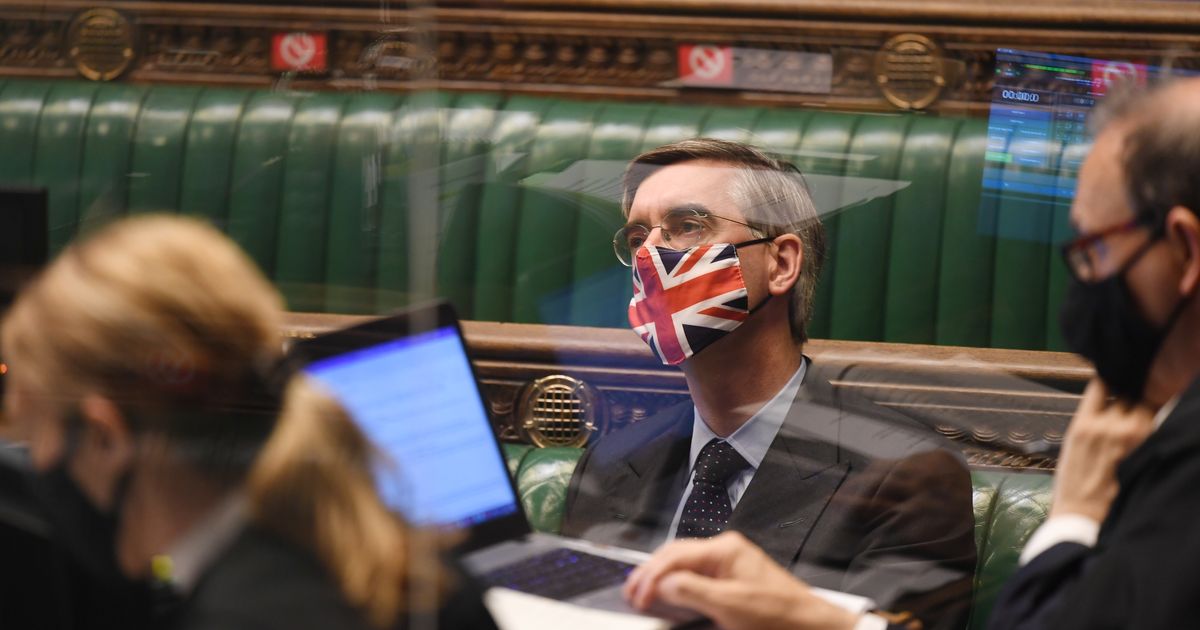
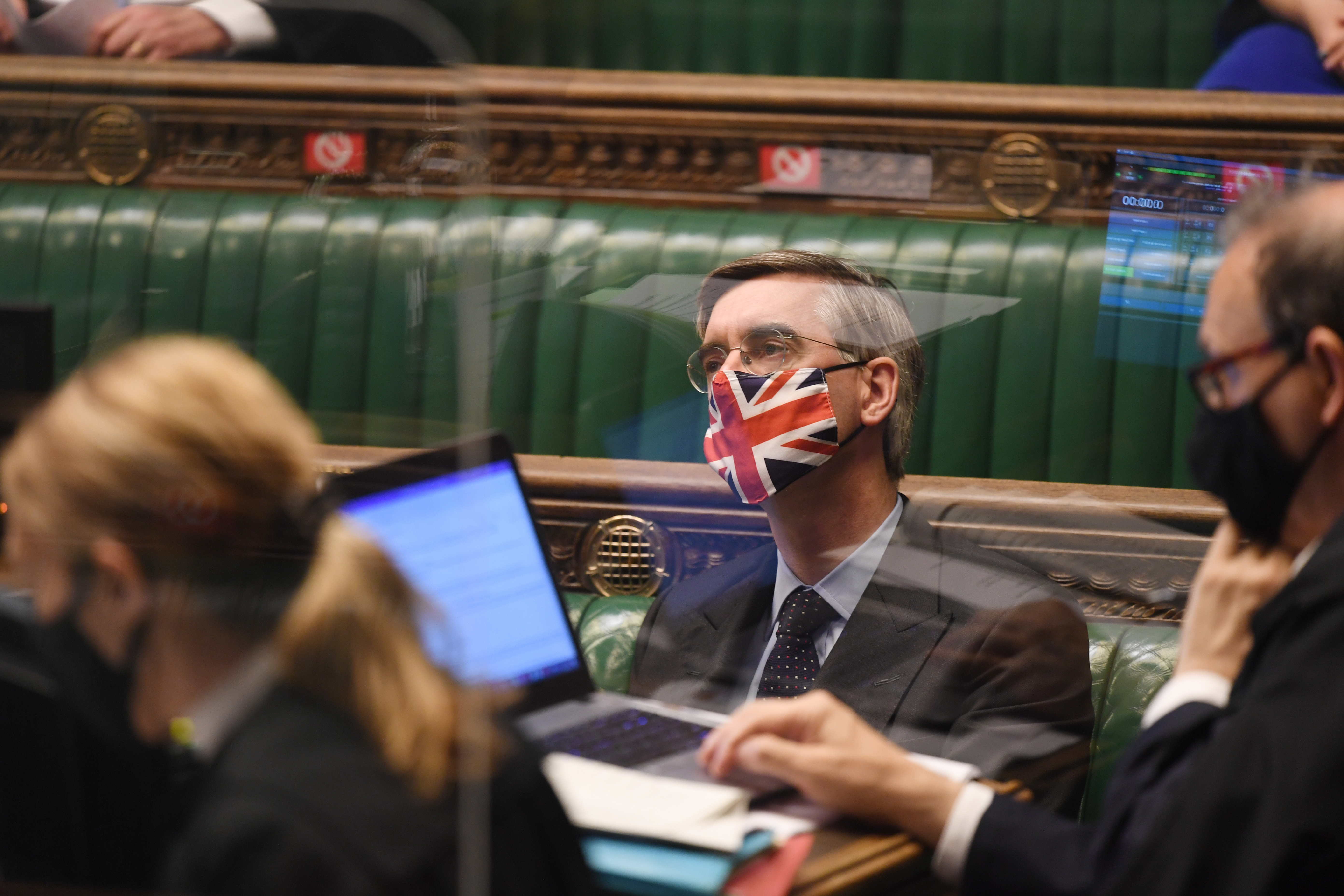
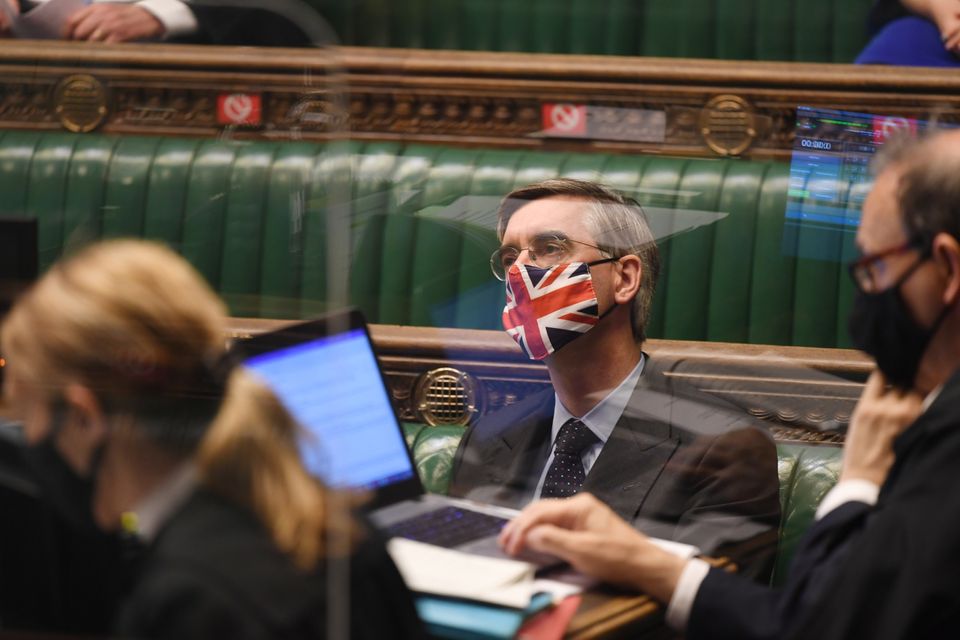
Can The Two-Jabs-And-You’re-Outta-Here Policy Help Boris Johnson Save The Summer?

Woah, we’re going to Ibiza. Okay, I’m not, obviously. But if you want to, from next week you can jet off to the fun-loving island, along with a raft of places beginning with ‘M’ (Malta, Madeira, Mallorca, Menorca), without fear of that dreaded return quarantine that kills dead any holiday vibe.

There was, as ever, a catch. And this was that most of the countries on the new “green list” were simultaneously put on a “green watchlist” (keep up at the back). Nations or islands on the watchlist are “at risk of moving from green to amber”, we’re told. In other words, you’re rolling the dice when you dare book a trip there.

Just how many airlines, hotels and insurance companies think that system is viable will depend on whether they are prepared to offer refunds on a destination that could at very short notice flip from paradise to pariah. That won’t stop some people who are desperate for a bit of beach after a hard winter’s slog.

The idea of replacing the third wave of Covid for actual waves of the Med is clearly tempting. And while the greenlist/watchlist looks skinnier than the PM’s Brexit trade deal, it was the other big news from transport secretary Grant Shapps that was more significant: allowing double-jabbed travellers to avoid 10-day quarantine on return from “amber” list countries.

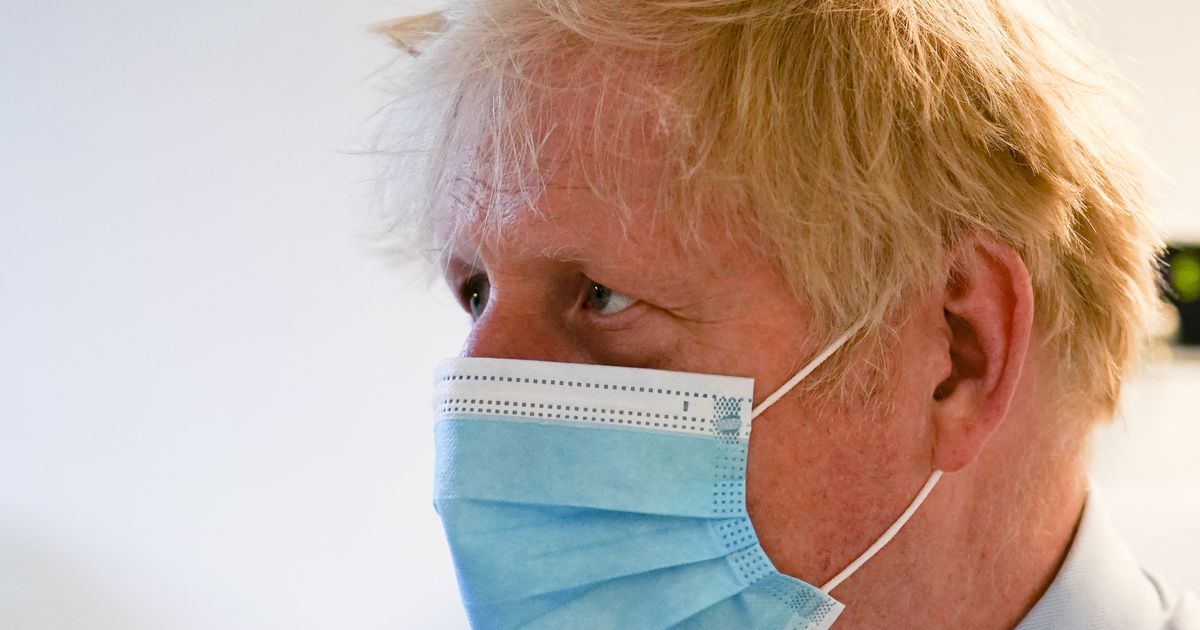
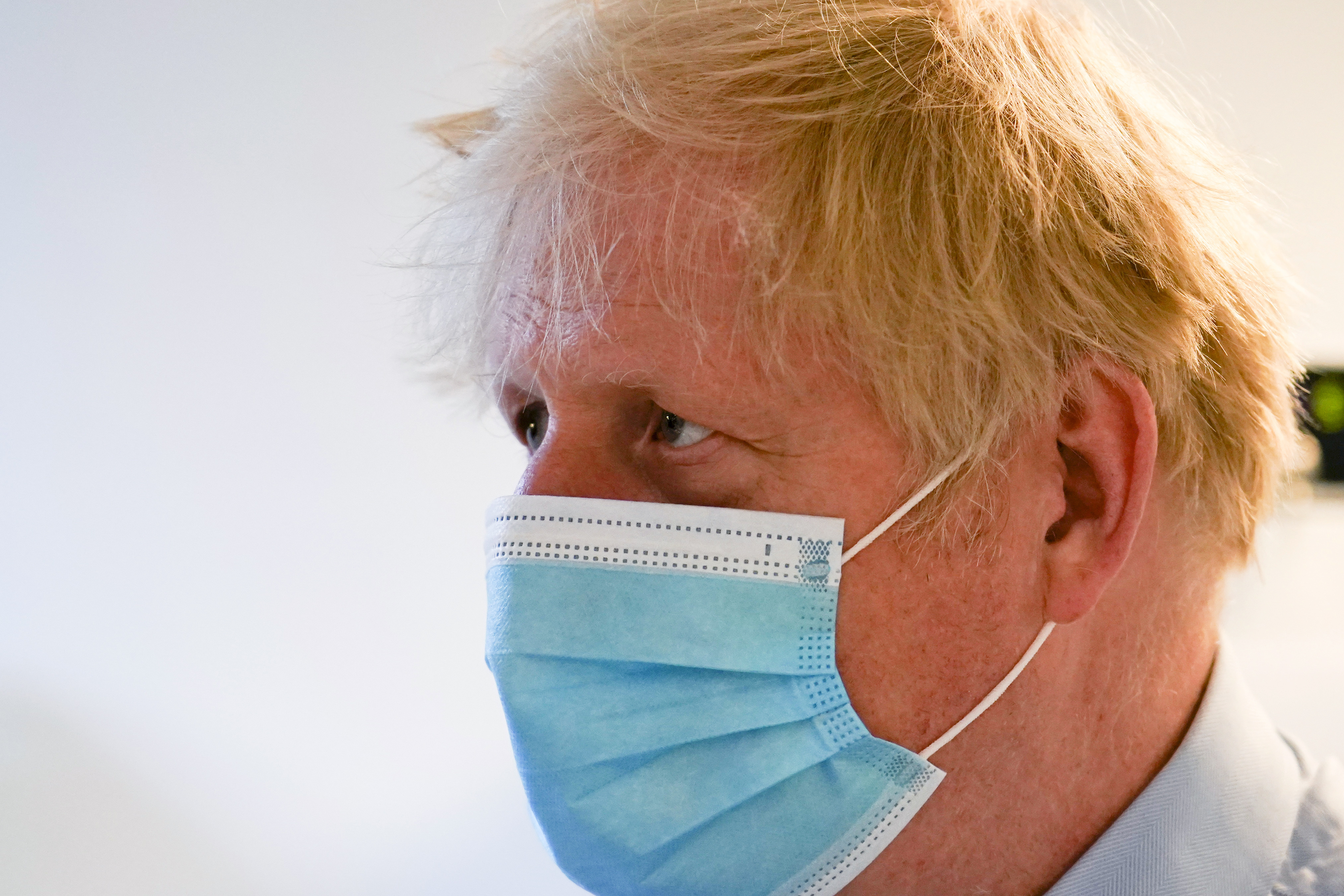
The plan is tentative and vaguely timetabled, and it was notable that the Department for Transport press release stated “our intention” is that “later in the summer” the two-jabs freedom could kick in. Still, getting high protection from Covid and being able to travel abroad is just the kind of cake-and-eat-it outcome this PM finds mouthwatering. Cake-and-vaxx and get your freshness back, Boris Johnson must be tempted to chirrup.

Even before the formal announcement, Johnson himself let slip that he wanted vaccinations to “open up” travel. And while warning this summer would be “different”, he sounded hopeful that he’d get his own sea-and-sangria (though in his case, it’s often a Croatian red) break, saying “my plans at this stage are at the unformed stage…I’m certainly not ruling it in or ruling it out”.

The shift to double-jabbed travel freedoms would effectively abolish the current amber-flashing green classification system, leaving just “red” list nations as the real danger spots. Pfizer or AstraZeneca would become the biological equivalent of Piz Buin and Ambre Solaire of our foreign travel, offering even better protection without any sticky sand downside.

In public health terms, there’s a virtuous circle effect too. Although lots of young people queuing up for jabs are indeed doing it out of a sense of communal duty as well as personal interest, there’s no question that the prospect of being allowed to go on holiday is a huge magnet too. Not for nothing have fiftysomething mums’ Whatsapp groups been exploding whenever a new walk-in vaccination centre opens for over-18s: the whole family could possibly go on hols in the first week of September.

For the majority who are resigned to holidaying at home, all this will look bizarrely risky. Yet it’s worth mentioning that there are plenty of Brits with family and friends overseas who have not seen them in more than a year. Overseas travel does not always mean beach holidays, it means real face time with your loved ones (five million EU citizens now make up nearly one in ten of our population, and there are millions more with family ties to Asia, Africa and the Americas).

Stil, the fact that neither Shapps nor the PM trumpeted this apparent good news in a major televised press conference told its own story. Both are very wary of sending out a premature signal that life is back to normal, particularly when we are still a way off the July 19 Freedom Day in the amended roadmap out of lockdown.

The race to get as many people second-jabbed as possible is also not done, as vaccines minister Nadhim Zahawi made clear on Wednesday. (Curiously, he revealed he had had to take a lateral flow test for England’s match against Croatia “because I hadn’t had enough time for my second vaccination”. The June 13 date of that match suggests Zahawi, who’s 54, had failed to follow the PM’s edict on May 14 for over-50s to get a new dose after eight weeks not 12, but that’s another story.)

The vague “later in the summer” timetabling of the two-jabs-and-you’re-outta-here policy points to its dependence on the path of the Delta variant. Fortunately, hospitalisations look like they are beginning to flatten in some parts of the UK, but the rise in cases can still look pretty scary to a hard-pressed NHS already coping with a backlog of non-Covid treatments. That’s why this announcement felt like the PM dipping a toe in the water, rather than risking a belly flop.

Johnson is under pressure from cabinet ministers like George Eustice and Jacob Rees-Mogg to use July 19 to implement total unlockdown. Eustice went public to call for “all of the legal requirements to do things, to be taken away completely”. Rees-Mogg again sounded like the Tory backbench lockdown sceptics’ tribune, saying “terminus is Paddington not Crewe. It is the end of the line, it is not an interchange”.

The PM knows more than anyone that he’s taking a political gamble with July 19, and removal of all restrictions may not be the advice of his scientists. Having tried to shrug off any link between the G7 and Cornwall’s spike in Delta cases, he could be on the ropes again if admitting thousands of UEFA bigwigs causes a fresh import just because he wants Wembley to host the Euros final.

The pressure to prove Brexit Britain is literally open for business, and pleasure, is strong. Yet the stakes are particularly high for a man who has promised the public that any move out of lockdown will be “irreversible”. He will be crossing his fingers that the second jabs really can squash the sombrero of hospitalisations in coming weeks.

Share Button

How Long Can Boris Johnson’s ‘Not Me, Govt’ Trick Keep On Working?

UK ParliamentPA

UK Parliament/Jessica Taylor/PA Wire

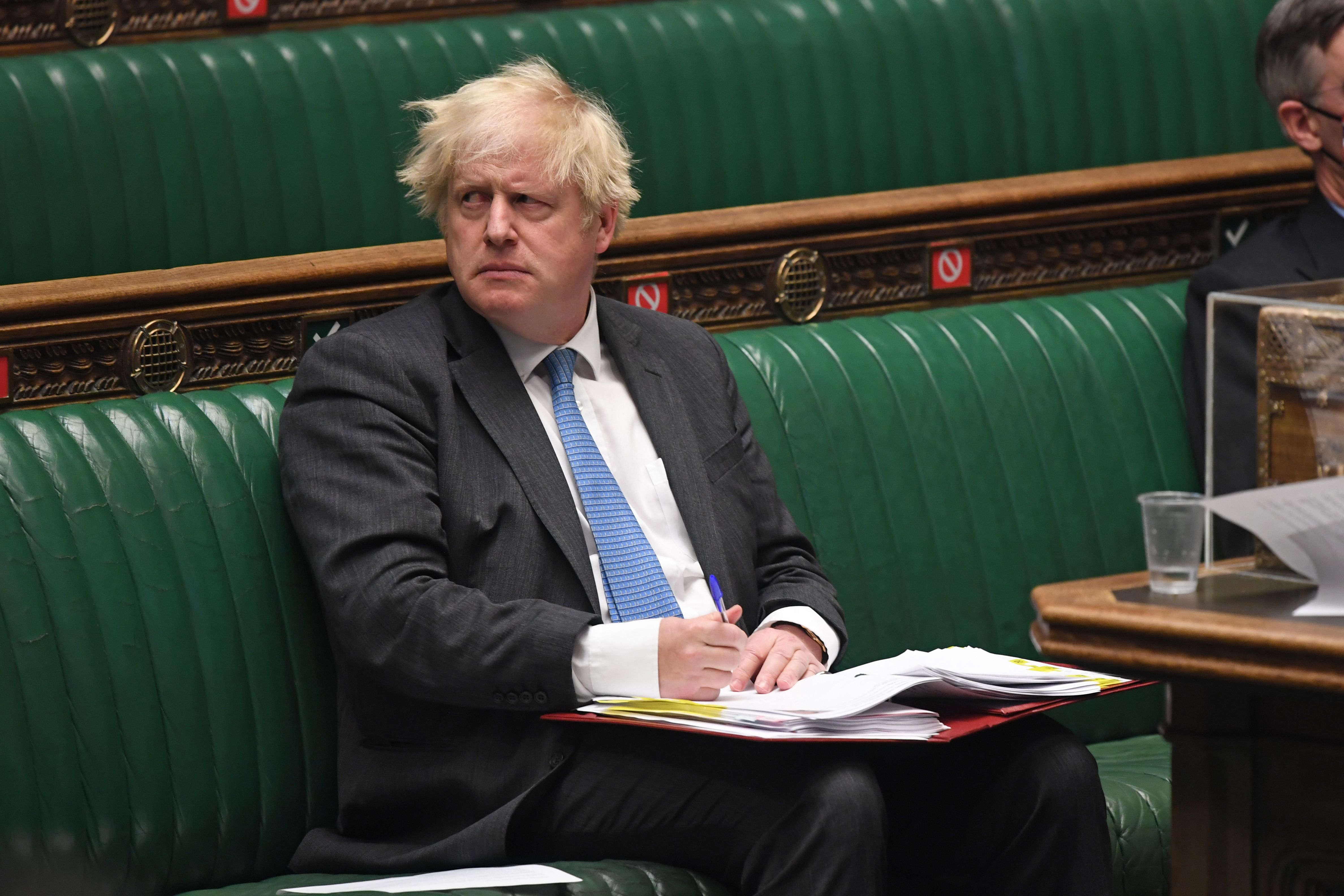
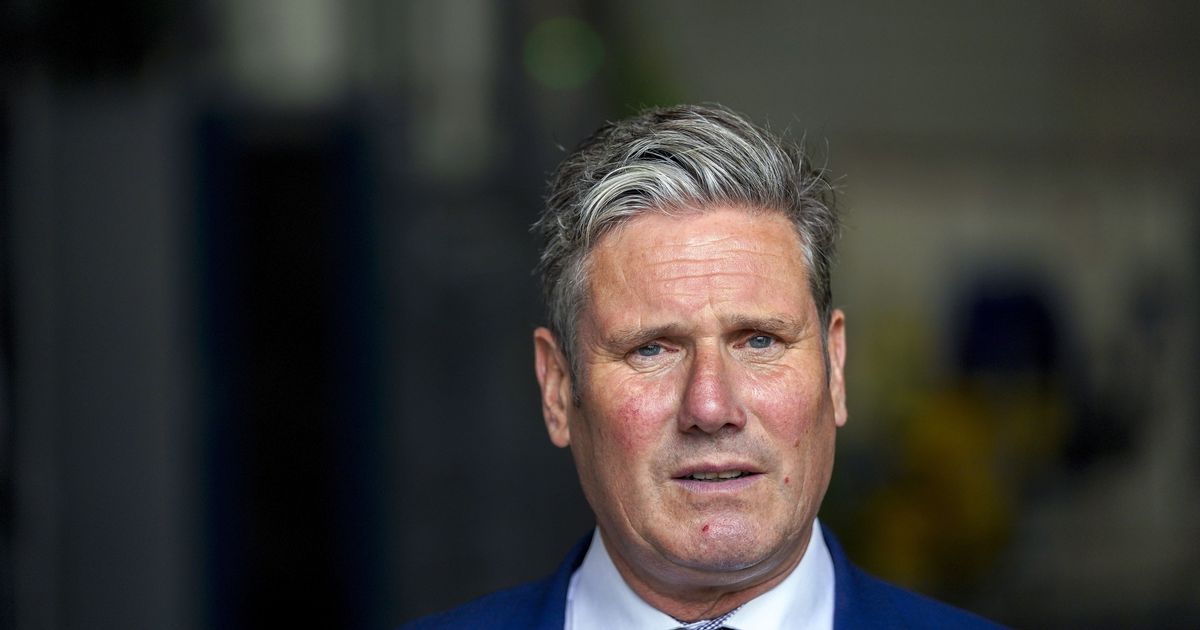
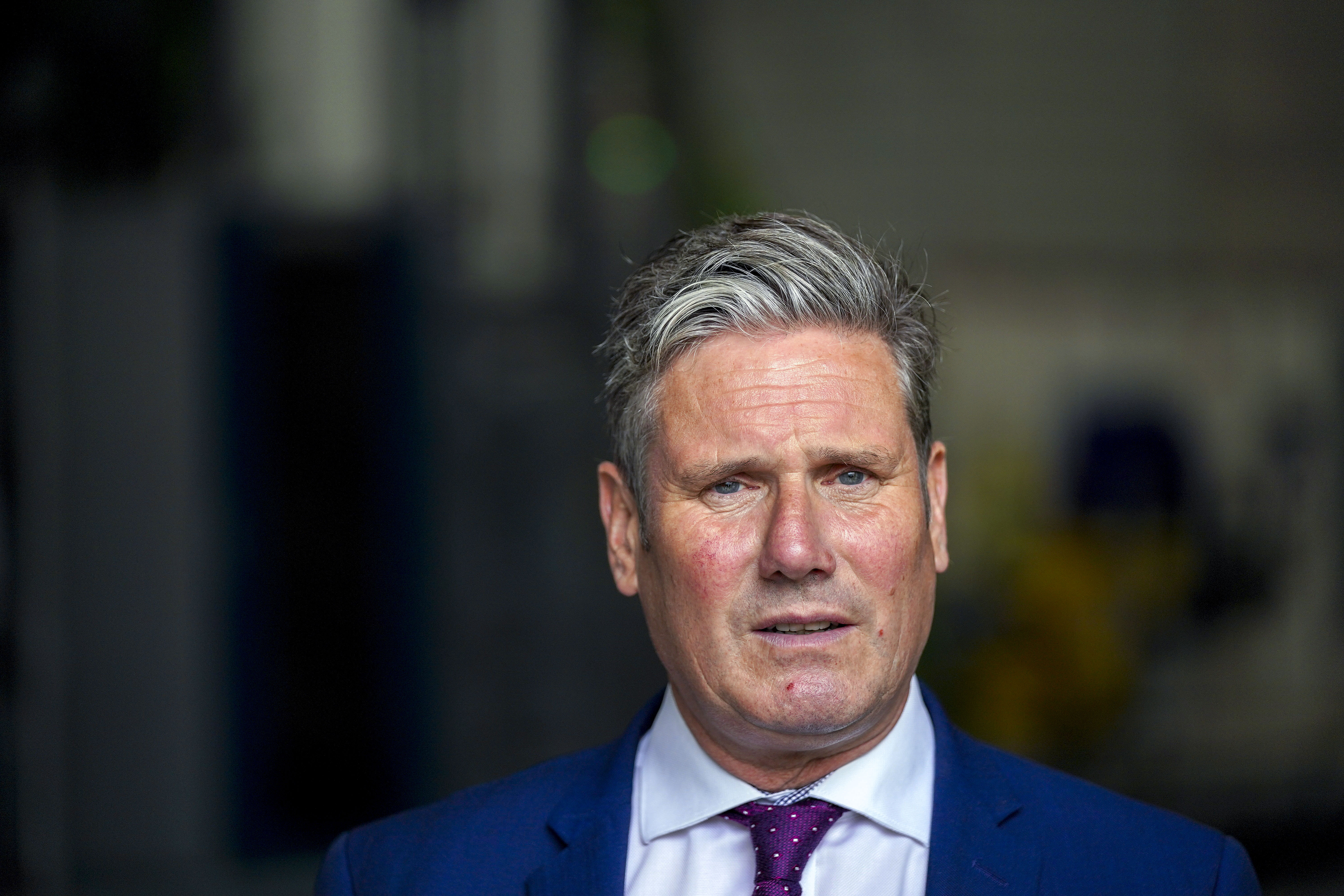
Like a striker lacking confidence from a goal drought (Harry Kane springs to mind), Keir Starmer was badly in need of a PMQs win. And thanks to Boris Johnson’s unique combination of complacency and tone deafness, he got one.

The Labour leader came in for some stick last week for failing to pick up on a late Dominic Cummings rant about Matt Hancock (I still think it was smarter to focus on the PM’s border policy and the Delta variant spike). But this week it appeared he was taking to heart the Substack Svengali’s latest advice to “Kick Tories up and down the street on violent crime.”

As it happens, I’m told Starmer wasn’t aware of that particular Cummings line and in fact the focus this week on criminal justice was part of his new strategy of picking a few topics and ramming them home. Asking Johnson, repeatedly with increasing cold anger, why 98.4% of reported rapes don’t end in a criminal charge left the PM stumbling and mumbling.

Johnson’s attempt to accuse Labour of being soft on sentencing looked as lame as it was obvious, with Starmer ridiculing the idea that sentencing was even relevant when so few rapists ended up in court in the first place.

The PM was the one who sounded like a quibbling lawyer when he cited “considerable evidential problems, particularly in recovering data from mobile phones” in his defence. “There is not a good enough join-up across the criminal justice system,” he then admitted, before claiming he was “addressing” the problem.

This was classic Johnson, distancing himself from previous Tory cuts as if this was the second year not the 11th year of Conservative rule. A mix of ‘not me, guv’ and ‘not my govt’, the tactic has worked effectively whenever the austerity charge is levelled at him. What the PM calls “the blessed sponge of amnesia” certainly worked a treat in the general election.

Often it feels like a Blairite trick, updated for the 2020s, a kind of ‘New Tories, new Britain’. One Labour MP tells me he attended a social event with some very confident Tory ministers recently, “and to hear them you would think it was like us in 1998, at the peak of our powers, not 11 years in”.

But for once, this was a social distancing too far. Johnson tried to cite a recent rise in Crown Prosecution Service staffing, but when set against the decade of failure it felt superfluous. Starmer was merciless in response, pointing out that years of cuts to the CPS, 25% cuts to the Ministry of Justice and closing half the courts collectively dwarfed a small increase in budget of late.

Starmer’s best line however was when he said: “I spent five years as Director of Public Prosecutions, prosecuting thousands of rape cases.” That’s a line his allies want him to say again and again and again, replacing ‘rape cases’ with ‘terrorist cases’, ‘violent crime cases’ and more.

Some around him have been frustrated at the lack of emphasis on his security credentials, especially when contrasted with Johnson’s own decadent life politics. In the coming months, the public may get to hear a lot more about the ex-DPP’s record (though he can’t give the full detail of the terror plots he managed to foil).

Starmer was also canny enough to use evidence to the Home Affairs committee just minutes before PMQs, when victims’ commissioner Vera Baird said the government’s current plans to improve rape conviction rates was “underwhelming”. It was Baird’s previous quote – “in effect, what we are witnessing is the decriminalisation of rape” – that Labour deployed with a Cummings-like brutality earlier this year.

When Johnson used his prepared line that “they jabber, we jab”, he invited further charges that he was dismissive of the lived experience of women up and down the land. And when he finally apologised for the way “the trauma” suffered by rape victims in the criminal justice system, it felt cursory and dragged out of him. Imagine if he had opened with a heartfelt apology instead.

Street security, national security and job security are key themes Labour believes it can use to prove the party really has changed, together with a “tough on the causes of crime” style approach to youth services and “preventive public services”. In coming months the party will need such sharp definition, and so will Starmer.

But the biggest task is to use every opportunity to tell the public this is not a ‘new’ government but an old government – with form as long as your arm.

Share Button

Can Keir Starmer Learn From Johnson’s Message Discipline?

The long-lens of Downing Street snapper Steve Back has caught out many people over the years. Today, he captured a rare image of the “lines to take” briefing notes used by the PM’s official spokesman in his encounters with political journalists.

And this particular document was all about Dominic Cummings. Given that one of Cummings’ arguments is that Boris Johnson is too obsessed with newspaper headlines, there was some measure of irony in seeing No.10′s stonewalling defence against his criticisms.

To be fair, the note correctly anticipated media interest in Cummings’ latest claims that the PM ‘lacks focus’, doesn’t care about the Union, governs like ‘a pundit who stumbled into politics’ and runs an administration summed up as ‘the blind leading the blind’.

What was striking was that the answer to every single question was the same: we’re not going to engage with every allegation made, and anyway “the PM is entirely focused on recovering from the pandemic, moving through the roadmap, distributing vaccines and delivering on the public’s priorities”.

Now of course it’s blatant baloney to claim the PM is entirely focused on the pandemic, not least as he not too long ago took time out to ring newspaper editors to blame Cummings for leaks against him. It also lacks credibility to claim, as Matt Hancock did on Radio 4 this morning, that the government was delivering on the PM’s promise on social care.

But Hancock, just like No.10, does know the merit of repeating again and again the same political position. The government had delivered Brexit, delivered on its pledge to protect the NHS, delivered on its programme for vaccines.

One can pick apart each element of that formulation: the Brexit brake on trade with the EU is a sleeper problem that businesses and individuals in both Britain and Northern Ireland are waking up to; the NHS didn’t collapse but the cost in lives and frontline trauma has been huge; the vaccine delivery is really the NHS’s triumph not Johnson’s.

Yet each element definitely has a ‘delivery’ bonus that is proving highly popular with the public, as the latest polls show (SavantaComRes has the Tories increasing their lead over Labour to a whopping 14 points). With every single voter directly affected by the vaccination programme, its success has an impact like no other public policy in living memory, with massive goodwill on its side.

Still, the Conservatives’ handling of what new Labour used to call “message discipline” is also having an impact. By contrast, Keir Starmer has struggled with that very concept over the past six months. Micro-policies have come and gone, and lines-to-take have too.

Those who know him well will admit that his lawyer’s brain finds it difficult to parrot soundbites. He’s always keen to read an entire brief, then focus on crafting the right arguments rather than being ‘on message’.

In interviews, he struggles to stick to a line, partly because he finds it unnatural to speak like a politician. Yet as [George] ‘Bush’s brain’ Karl Rove once said, it’s only once journalists are heartily sick of the same soundbite that the public are probably just starting to listen.

However, the Labour leader has been disciplined of late in one area, on Johnson’s “lax borders” that allowed the Delta variant into the UK from India. And there are tentative signs that it is paying off. A new YouGov poll finds that 35% of people think the rise in Covid cases is the government’s fault, up from 28% in January. 45% still blame the rise on their fellow public, but that’s down from 58% in January.

There are other impacts of the Covid spike of course, and today there were figures showing nearly a quarter of a million pupils missed school because of outbreaks, the highest figure since kids went back in March. Add that to the lack of a funded plan for catch-up education and Starmer could deploy it in PMQs on Wednesday. Delays caused by the ‘Johnson variant’ are affecting jobs, schooling and travel abroad, he may argue.

As I’ve written before, the pitfall for Labour would be to be seen as almost wishing the cases to rise further, just to prove how right its analysis was of Johnson’s mistakes. The latest figures have the first glimmers of a plateauing of hospitalisations (particularly in London), so expect the PM to revive his own line-to-take of Starmer “talking the country down”. Similarly, Labour opposing all overseas travel may prove unpopular if double jabs can ‘save the summer’.

But MPs and aides from all wings of Labour want their man to punch harder. Those punches may land if he does indeed deliver the soundbites needed. Just as the government’s public health messages rely on repetition, an Opposition’s political health relies on effective comms. Words are all Starmer has, and they can help him prove he’s got the “focus” that Cummings claims the PM lacks.

There was one caveat in those No.10 briefing notes, which departed slightly from the script. Referring to the claim that Johnson runs a blind-leading-the-blind government, the PM’s spokesman was advised: “if pushed – we reject this characterisation”. That charge of lacking focus clearly worries Team Johnson.

Starmer’s problem ahead of the Batley by-election is that his own leadership is seen as the bland leading the bland. This summer, if the unlockdown goes well and Labour lose another northern seat, it won’t be the party’s message that dominates. It will be the message from the voters.

Share Button

Will The Treasury Call Time On Boris Johnson’s ‘Buy Now, Pay Later’ Premiership?

Promises, promises, what price promises? Back in the summer of 2019, fresh from his Tory leadership triumph, Boris Johnson famously couldn’t resist the temptation of trying to make a political pledge sound all the more binding by making it outside No.10.

He didn’t just stand on the steps of Downing Street to promise a social care plan. In a strange bit of meta-politics he actually told us: “I am announcing now, on the steps of Downing Street, that we will fix the crisis in social care once and for all with a clear plan we have prepared.” Of course, we’ve long since learned there was no plan; it wasn’t “clear” and it certainly wasn’t “prepared”.

Just three days later, the newly-installed PM was at it again. In his first major policy speech, he turned up to Manchester to commit to building a brand new rail line to Leeds, part of the Northern Powerhouse Rail across the Pennines. While many in the social care sector remember the No.10 words, quite a few in the north remember the rail pledge too.

“Today I am going to deliver on my commitment to that vision with a pledge to fund the Leeds to Manchester route,” Johnson said. He said there would need to be agreement on the exact proposal “but I have tasked officials to accelerate their work on these plans so that we are ready to do a deal in the autumn.”

That was autumn 2019, but it may end up being autumn 2021 before any “deal” is done. It has emerged that there are new plans to cut costs by upgrading an existing rail route through Huddersfield and Dewsbury.

Our Arj Singh has sources claiming a split between No.10 and the Treasury, with the latter preferring to wait until the spending review later this year. If it is scaled back as well as delayed, the ‘Crossrail for the North’ may leave plenty in the north cross.

It’s just one example of several tensions between No.10 and No.11 in coming months, with the Sunday Times pointing to the pensions lock, catch-up funding and, yes, social care, as potential flashpoints. On the intriguing proposal of a one-year ‘moratorium’ on not putting up pensions to match earnings, Johnson said: “I’m reading all sorts of stuff at the moment which I don’t recognise at all.” 

Similarly, the PM’s spokesman insisted the £200m successor to the Royal Yacht was definitely going ahead and it would definitely come from the Ministry of Defence’s budget. On both pensions and the new Britannia, it felt like No.10 asserting itself.

On the longest day of the year, it was a midsummer murder of the idea the Treasury calls the shots. After all, when James Dyson complained about Rishi Sunak’s failure to meet his tax break demands last year, it was the PM who texted back: “James, I am first lord of the Treasury…”.

Johnson’s own description of his political philosophy is that he is a “Brexity Hezza”. Just like Michael Heseltine, he likes grand projets, state-led investment. His record of getting value for money, however, is not so peachy: highly expensive ‘Boris buses’, loss-making cable cars over the Thames, millions on a garden bridge to nowhere.

The image of a spendthrift prime minister who doles out short-term cash to avoid making long-term hard choices was one outlined by Dominic Cummings in his latest broadside. “The most valuable commodity in govt is focus and the PM literally believes that focus is a menace to his freedom to do whatever he fancies today,” the Substack Svengali wrote. “Hence why you see the opposite of focus now and will do till he goes.”

Given Cummings’ own lavish praise for Sunak of late, he clearly thinks a sense of grip, both fiscal and managerial, will arrive once the chancellor moves into the next house in Downing Street. The battle with Tory backbenchers over planning reform, a Cummings cause celebre, may well end up with another Johnsonian tweak of policy that avoids another hard choice.

The joke among some Conservative fiscal hawks is that Johnson really is a 2021 version of the old joke: “a billion here, a billion there, pretty soon, you’re talking real money”. Having ruled out a return to ‘austerity’, it appears he’s forcing his own Treasury into an unenviable choice between yet more borrowing and new tax hikes.

There’s a strong suspicion that Johnson really does think more borrowing is the answer, if growth fails to look sustainable. If so, that would be in keeping with the PM’s “buy now, pay later” approach. The begging bowl needed for the rash and flash renovation of his Downing Street flat seemed to encapsulate his entire political philosophy of putting off nasty bills.

Johnson hates political costs almost as much as he hates balancing the books. Hard choices will be softened, the can kicked down the road as long as he can keep the voters smiling.

The only spending he seems to hate is spending his own political capital. Most PMs use the early part of a term to do the tough stuff before wooing the voters later, but Johnson seems to be as permanently in campaign mode as any US president.

Yet as Cummings suggests, the lack of focus on actual governance between elections may one day catch up with him. Splashing the cash on northern rail projects is nowhere near as valuable as having a proper, coherent plan to “level up” life chances. Avoiding a planning revolt won’t work unless houses really are built somewhere.

“Chaos isn’t that bad – it means people have to look to me to see who is in charge,” Cummings claimed the PM once told him. Will Rishi Sunak be the one to eventually call time on the chaos? Or will the voters?

Johnson’s lockdown this year shows the merits of telling it how it is, giving it to the public straight and making a really hard choice. But he’s got a long way to go before making a habit of it.

Share Button

Does Chesham And Amersham Show The Political Tectonic Plates Are Shifting?

On the day of the Chesham and Amersham by-election on Thursday, one voter couldn’t quite believe just who was captured on the video on their ‘Ring’ doorbell. Theresa May, the former prime minister, was door-knocking in a last-ditch attempt to get the vote out. It looked desperate and it was.

In fact, May was already well known to the electorate precisely because her face had been plastered all over election leaflets. But she wasn’t on Tory campaign material, she was quoted on Lib Dem leaflets for her opposition to the planning reforms proposed by Boris Johnson. This was a 2021 redux of the 2017 classic, ‘the Maybot wot lost it’, but in a very different way.

It was those controversial planning reforms to build more homes without local consent, plus a vehement opposition to the HS2 rail line (embodied by building works currently causing road chaos in the seat), that created an overall narrative that the Conservatives were going to rip up the Chilterns countryside.

Add in the much bigger picture of Johnson’s constant focus on the ‘red wall’ of northern seats and the Lib Dems’ spectacular success was in sending a message that this seat was sick of being “taken for granted”. In that sense, and perhaps the only sense, the Home Counties upset mirrored Labour’s Hartlepool defeat a few weeks ago.

So in many ways, there were almost textbook conditions for a Lib Dem by-election upset. The seat was so close to London, a mere Metropolitan Line tube ride away, the party could easily flood it with activists. In HS2 and planning, there were two perfectly local issues to exploit. Crucially, this was also a classic sleeper operation, a LibDem ‘quiet revolt’ with the party deliberately not shouting about its progress to avoid alerting the sleepy Tories.

All the old tricks were deployed too. One Labour figure whose mother lives in the seat confided she’d told him how nice it was the Lib Dem candidate had actually sent her a personal, hand-written letter (even though it was pro-forma, and cleverly printed to look hand-written). Getting a candidate in place early, hiding the party’s national support for HS2, all worked.

Moreover, the Tory campaign was as inept as the Lib Dems’ was impressive. One Tory MP told me how the party had been far too slow to get a candidate, had produced ‘insipid’ leaflets (“Where was the image of the PM getting his vaccine jab? Nowhere.”) and crazily focused on swing voters rather than its core vote. Despite May’s last minute doorknocks, I was told the Tories didn’t even have tellers at polling stations for large parts of the day.

As one shrewd Lib Dem old hand told me, the genius of the party’s campaign was it managed to both attract the younger more liberal voters forced out of London by expensive house prices AND the older NIMBYs who don’t want the extra housing needed to support even more of these newcomers.

And while this was in many ways a classic, localised by-election win, the Lib Dems are hoping that they can capitalise more broadly in the south. It’s certainly true that anger over planning was a factor in the party capturing other seats in the local elections (there were literal ‘disgusted of Tunbridge Wells’ vote shifts over the issue in May)

But are the tectonic plates of our politics shifting? Well, the demographic shifts of an influx of younger, graduate class to Tory seats are reflected in other seats across the south. Some in Labour firmly believe that while they should shout more about successes in places like Peterborough, West of England and Worthing in May, the fact is in parliamentary seats it’s the Lib Dems who can capitalise most.

As one Labour insider put it to me, the long term trends are good but in the short term the number of marginal winnable seats for 2023/4 in the north and midlands far outweigh the potential gains of the odd upset like Canterbury. Others in the party see it as a comforting fantasy to believe that a hipster coffee shop appearing in a Tory town somehow signals a revolution.

Labour polled its lowest ever vote share of any by-election, with just 1.6% of the vote, but those around Keir Starmer were utterly relaxed, seeing that as the inevitable squeeze of tactical voting (it’s worth pointing out that under Corbyn, Richmond Park saw a lower vote score for Labour than membership of the local Labour party, precisely because voting Lib Dem removes a Tory).

“Keir didn’t go to Amersham and Chesham, we didn’t pour resources into it. We absolutely stepped back, actively said we are not keen to engage in this. So we stepped back and allowed that squeeze message to work,” one source said. If the party does the same at the next general election in seats where the Libs are the main challenger, it would simply be repeating the Blair-Ashdown tactics of 1997.

For some around Starmer, the big, tantalising prize after Chesham is that it shows not only are voters less tied than ever to party loyalty but also that the Tories can be routed if Labour isn’t seen by southern voters as a threatening presence in No.10.

I remember joining Johnson on the campaign trail in south west London in 2015 and he correctly predicted the anti-Lib Dem landslides in seats like Ed Davey’s and Vince Cable’s, partly because of a fear that Ed Miliband would ally with Alex Salmond.

Older Lib Dem-Tory switchers are at heart liberal conservatives but they are still conservatives. As academic Paula Surridge points out today, Tory Remain voters had a tremendously low opinion of Jeremy Corbyn.

Some Starmer supporters believe that’s the main reason he can never allow  himself to be depicted as ‘Miliband-lite’, let alone ‘Corbyn-lite’. He may currently have major problems with clarity for what he stands for (which have to be solved), but Starmer’s huge asset to date has been that he doesn’t scare those southern horses.

Johnson’s two biggest problems are complacency and confusion. Today, he appeared in west Yorkshire, clearly having anticipated a cakewalk victory in Chesham that he could use to help him in Batley and Spen. The date of the Batley by-election, July 1, was clearly also designed to be a victory lap after June 21’s unlocking. So much for complacency.

As for confusion, the PM today also started talking once more about uniting and levelling up because “that’s what One nation Conservatism is all about”. That unity message was certainly his line the morning after the 2019 election, but within days he squandered it with endless culture wars on the BBC, political reporters, the judiciary, even cuts to overseas aid.

One Nationism has instead been replaced by Two Nationism, and his messages to the ‘red wall’ have often conflicted with ‘blue wall’ values. It’s not just Labour that has difficulty keeping a working class and middle class voter coalition together.

Batley (which I’ll write more about soon) is a very different seat from Chesham. Still, some Tories think one read-across is they chose their candidate too late and are still failing to target the right voters. Starmer has a brilliantly local candidate, but faces ‘headwinds’ still from the vaccine rollout and George Galloway’s targeting Asian voters. 

The biggest lesson for both Starmer and Johnson is that it’s only by trying to unify the country, not split it into different groups or regions or coloured walls, that politicians can win big majorities. In a first past the post election system, that remains more important than demographic shifts or tweaks to campaigns. Oh, and never take your base for granted.

Share Button

Tory MP Charged With Sexually Assaulting 15 Year-Old Boy

Richard Townshend/UK Parliament

Imran Ahmad Khan, Conservative MP for Wakefield

A Tory MP has been charged with sexually assaulting a 15 year-old boy in 2008.

Imran Ahmad Khan, 47, the Conservative MP for Wakefield, West Yorkshire, is alleged to have groped the teenager in Staffordshire.

He was named on Friday after reporting restrictions were lifted and is now facing trial on a single count of sexual assault against the teenager, who cannot be identified because he is an alleged victim of a sexual offence in 2008.

Khan, who was elected at the 2019 general election, pleaded not guilty while appearing at Westminster Magistrates’ Court via video link from his lawyers’ office.

He now faces trial at the Old Bailey on July 15 at 9.30am, and was granted unconditional bail.

Khan was stripped of the Tory whip.

It is understood that he has not visited the parliamentary estate since the charge.

A Tory whips spokesperson said: “Imran Ahmed Khan has had the whip suspended.

“As there is an ongoing court case we will not be commenting further.” 

The Crown Prosecution Service said it made the decision to charge after reviewing a file of evidence from Staffordshire Police.

Stressing the need for a fair trial, Rosemary Ainslie of the CPS said: “It is extremely important that there should be no reporting, commentary or sharing of information online which could in any way prejudice these proceedings.”

Khan’s lawyer David Janes said in a statement: “The requisition against our client Imran Khan MP relates to a sole allegation of touching which was allegedly sexual, on a single occasion, said to have taken place in… 2008.

“Our client is shocked that he has been requisitioned with this alleged offence. He strenuously denies the accusation and it will be vigorously defended.”

In a statement released on Friday, Khan said: “It is true that an accusation has been made against me.

“May I make it clear from the outset that the allegation, which is from over 13 years ago, is denied in the strongest terms.

“This matter is deeply distressing to me and I, of course, take it extremely seriously.

“To be accused of doing something I did not do is shocking, destabilising and traumatic. I am innocent.

“Those, like me, who are falsely accused of such actions are in the difficult position of having to endure damaging and painful speculation until the case is concluded.

“I ask for privacy as I work to clear my name.”

Share Button

PM’s Planning Reforms In ‘Tatters’ After By-Election Defeat, Tory Rebel Says

Boris Johnson’s planning reforms have been left in “tatters” following the Tories’ humiliating by-election defeat in Chesham and Amersham, a veteran MP has said.

Sir Roger Gale told HuffPost UK the defeat was a “wake up call” for the prime minister amid a significant backbench rebellion over the plans, which MPs fear would concentrate house building in the party’s southern heartlands.

The Liberal Democrats took the Buckinghamshire seat for the first time in its history, winning a majority of 8,028 over the Tories on a stunning 25% swing.

The party focused heavily on the planning reforms in leaflets the seat, quoting Tory rebels including Theresa May attacking the policy.

The defeat has now intensified the rebellion, as MPs fear the pattern could be repeated across so-called “blue wall” southern traditional Tory seats.

Gale said that on Tory WhatsApp groups on Friday “the only thing anybody is talking about is planning”.

“The common theme is ‘me too, me too, me too’ – right across the south of England,” he told HuffPost UK.

“They are worried about the policy.

“But of course they’ve got an eye on their reelection chances.”

Johnson on Friday stressed that there has been “misunderstanding” about the reforms, insisting the government would not build on green belt land.

“What we want is sensible plans to allow development on brownfield sites,” he said. 

“We’re not going to build on green belt sites, we’re not going to build all over the countryside.”

But Gale said the rebels were concerned about building on greenfield sites like agricultural land, stressing: “We’re not talking about green belt.”

He backed calls for the government to instead focus on building houses on brownfield sites, empty commercial properties, and forcing developers to build on around a million unused planning consents.

On the upcoming planning bill, he said: “My personal view is: the policy is in tatters.

“They’ve got to wake up and smell the coffee.”

It came as leading rebel Bob Seely said the by-election result was “the start of a significant push-back from communities on planning”.

“Relentless housing targets – very often the wrong housing in the wrong areas – just feeds the hamster wheel of planning doom,” he told the BBC.

“We need a better way of doing things. 

“We want to work with government to make this a success.  

“But more of them same will be political suicide, and, as Winston Churchill said, the problem with political suicides is that you live to regret them.”

Johnson is facing fresh rebellion over planning after MPs on his own side last year effectively killed off a so-called “mutant algorithm”, which would have dramatically increased house-building in southern Tory cities and shires.

But the PM is believed to think home ownership is key to cementing the party’s gains in the so-called “red wall” in the north and Midlands and returned with fresh proposals to overhaul planning in last month’s Queen’s Speech.

The government has said it wants to speed up the planning process to deliver new homes and infrastructure more quickly, at the same time as protecting the environment, as part of efforts to hit Johnson’s target of building 300,000 homes a year by the mid-2020s.

But Tory rebels and countryside campaigners have warned that the bill will divide places into areas earmarked for either growth or protection, and that growth areas would undermine local democracy and give developers a green light to build on rural land.

Share Button

Cummings Wants Hancock’s Scalp, But Keir Starmer Is Right To Focus On The PM

“Brevity is the soul of wit/And tediousness the limbs and outward flourishes.” Thanks to his latest long, long blogpost, Dominic Cummings has perhaps proved one thing beyond doubt: he’s no student of Shakespeare.

With his 7,286 words, wonky screenshots and phone snaps, Boris Johnson’s former chief adviser displayed once more a literary incontinence that only the internet can allow. It was not so much a stream of consciousness as a scream of bumptiousness, laced with venom.

Cummings’ new opus was seen as both tedious and treacherous by many Tory MPs, who share a mutual loathing with the ex-Vote Leave chief. The public too appear to have long ago concluded that he is far from a credible witness in any prosecution case against Johnson’s failings on Covid.

The mastermind of the £350m-a-week-for-the-NHS on that bus, the genius behind the ‘76 million Turks are joining the EU’ poster, is hardly the man to lead the charge against lying in politics.

And there’s no question that Cummings is in many ways his own worst enemy. His renewed character assassination attempt on Matt Hancock was so relentless that it undermined some of the more sensible points he tried to make about the failures of governance at the start of the pandemic. Talk about blogging a dead horse, we get that he hates Hancock already.

Yet if you got beyond the word-blizzard, the repeated use of italics for emphasis, the ACRONYMS and bolded out jargon, the obsessive lists of lettered (A to E) and numbered (1 to 4) paragraphs, there were some nuggets that ought to concern everyone well before the public inquiry begins.

Hancock’s claim in March to have got PPE supplies “all sorted” was undermined by an official telling Cummings that procurement rules and cost concerns meant masks, gloves and gowns being shipped rather than flown from China. Most damning of all was Johnson’s WhatsApp message, “On PPE it’s a disaster. I can’t think of anything except taking Hancock off and putting Gove on.”

Similarly, on delays in getting more ventilators, the PM’s verdict was just as withering: “It’s Hancock. He has been hopeless.” And on the health secretary’s failure to get more Covid testing, Johnson upped the disdain with that eye-catching expletive: “Totally fucking hopless.”

It’s worth saying that on the central charge that Hancock “lied”, the jury remains out because there is no recording of what he actually promised in the Cabinet room. Cummings again claimed cabinet secretary Mark Sedwill said that he and other ministers and officials lacked confidence in Hancock’s “honesty”.

But while saying this conversation was “reinforced in written exchanges”, he failed to publish them. We now await for the Commons select committees to get Sedwill’s own version. I recall No.10 admitting it hadn’t contacted the former cabinet secretary (who, let’s not forget, Cummings helped to oust from his job). Surely the MPs have asked him about such a serious charge?

Given that Cummings’ blog dropped shortly before PMQs, some have accused Keir Starmer of missing an open goal by failing to quote the “fucking hopeless” claim. Yet I can see why the Labour leader opted not to focus on Hancock, partly because blaming him may end up being Johnson’s alibi come any public inquiry. “Hopeless Hancock” could be reshuffled soon, too.

Starmer did quote Cummings, but only on his previous claim that Johnson had a chaotic border policy. He realised that while the personality politics of last year’s sweary WhatsApps may make good newspaper copy, the public are more focused on the here and now of why the Indian variant has been allowed to let rip.

Raising again the issue of proper payments for self-isolation (on the day it seems the Cabinet Office has its own internal document urging just that), plus the ending of business rate relief and full furlough, showed he was talking to immediate concerns not historic ones. Hospitality and small businesses groups contacted Starmer after PMQs thanking him for raising their lack of support and clarity, I’m told.

And Starmer’s strategic target is of course the PM himself. That’s why Labour talks about ‘the Johnson variant’ of the virus and it’s why it will keep hammering its message that lax border controls may have undermined all the hard work of both the public and the NHS’s vaccine programme.

Yet there was material in the Cummings blog that will come in useful in attacking Johnson. We learned for the first time that the PM had texted to his advisers “how do we win the herd immunity argument?” The full text of that was frustratingly not reproduced (and Johnson is bound to argue he didn’t go ahead with that argument anyway).

The account of how Johnson runs meetings, avoiding conflict, failing to ask proper questions to officials, “doing a thumbs-up and pegging it out of the room before anybody can disagree”, sounded all too realistic. This at least proved the PM is as blithe in private as he is in public, but it’s a worrying lack of leadership nevertheless. Starmer, in the G7 statement later, had a wounding line that Johnson was a “host, not a leader, a tour guide, not a statesman”.

For his part, Johnson in PMQs showed again why he’s a formidably cynical politician. Every question was batted away with “Brexit, vaccines, flip-flop Starmer, Brexit, vaccines, flip-flop Starmer”. His jibe that “Captain Hindsight needs to adjust his retrospectoscope” was actually pretty funny.

Faced with such spin and sleight of hand, Starmer can only hope that the public will one day tire of the jokes and the failures of governance. He needs to combine the air of being a grown-up in the room with his own message of optimism, just as Joe Biden persuaded Americans that the crazy years had to be followed by calm good government.

If Labour can at the next election persuade the voters that it is Boris Johnson who was “fucking hopeless” in keeping Covid under control, that’s a much bigger prize than giving Dominic Cummings the scalp of the health secretary. The party needs big answers on big issues like childcare, social care and life chances too. But Starmer at least has his eyes on the real target.

Share Button

How Many Deaths Is Boris Johnson Willing To Tolerate To Keep His July 19 Promise?

You’re reading The Waugh Zone, our daily politics briefing. Sign up now to get it by email in the evening.

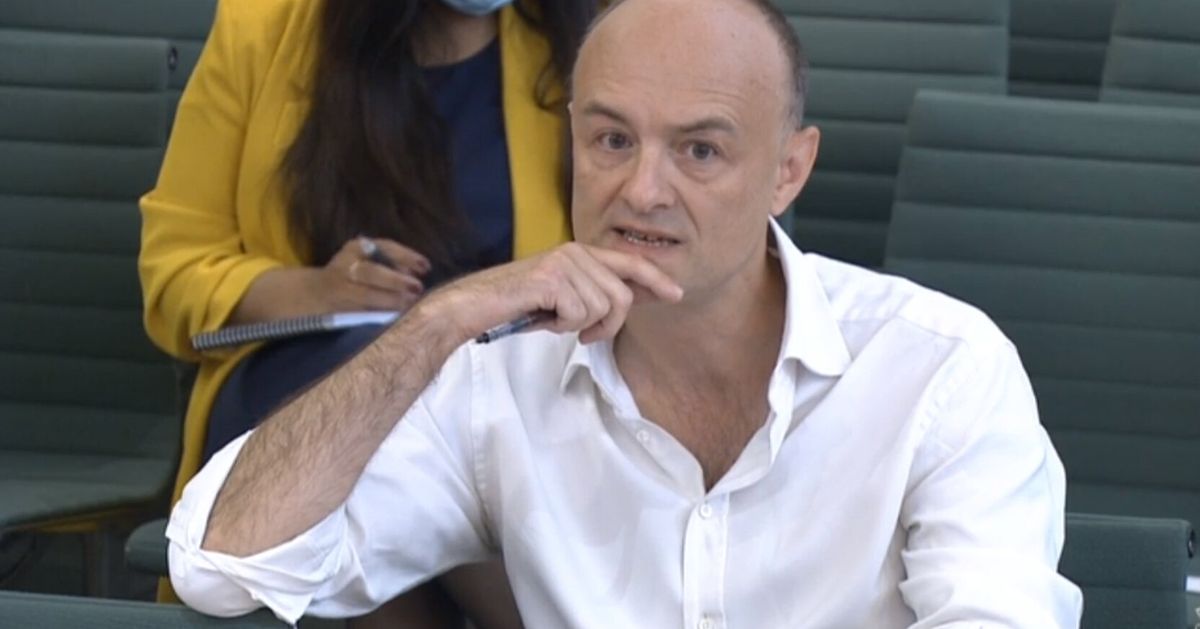
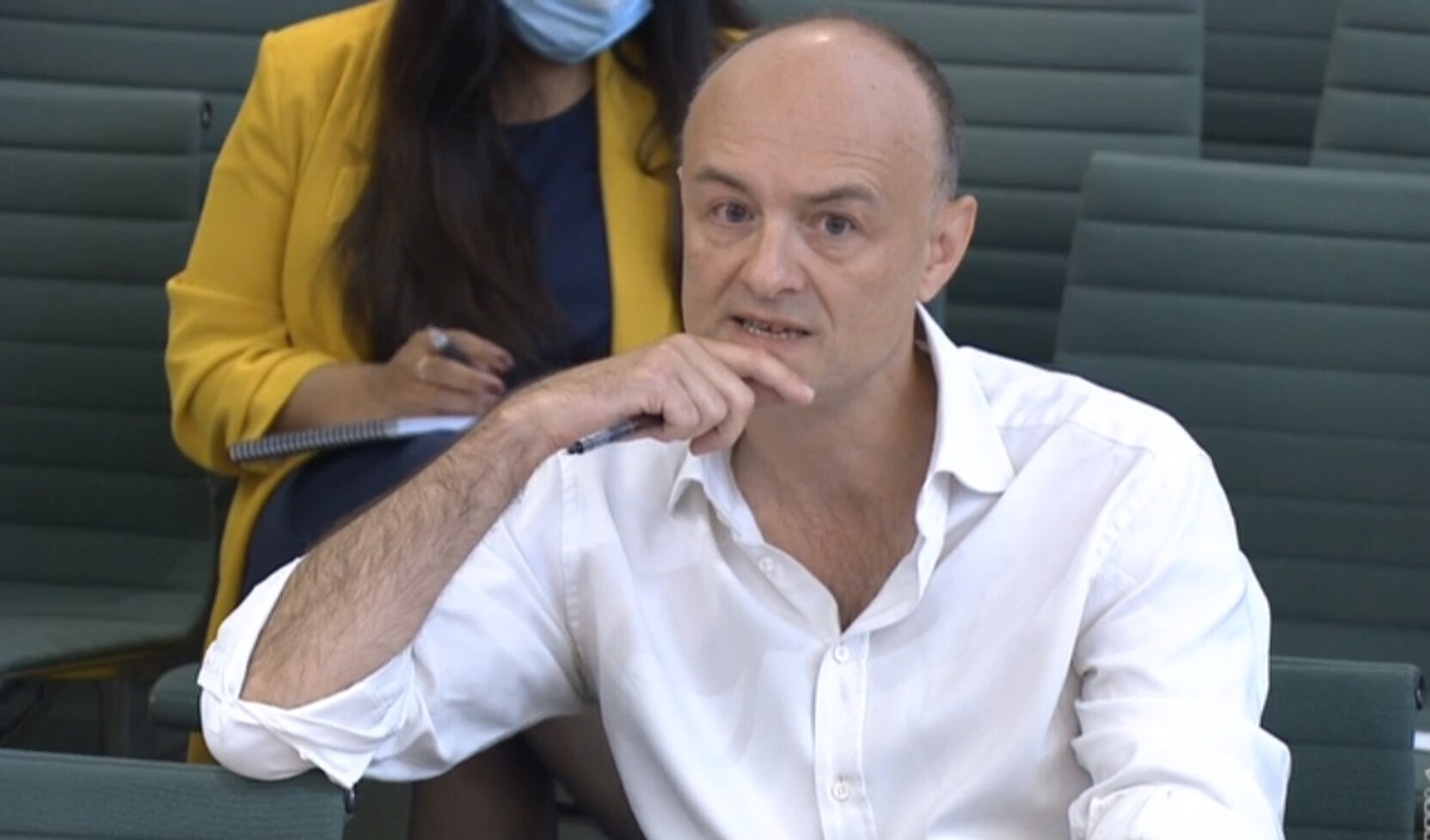
It’s barely three weeks since Dominic Cummings gave his evidence to MPs, yet it already feels like a long time ago. Boris Johnson’s former chief adviser may have electrified Westminster but he left the public just shrugging its shoulders in contempt, leaving barely a trace.

Still, Cummings’ real impact may have been in highlighting the need for the PM to be extra-cautious about Covid, heeding the warning signs when case numbers spike and forcing him to really listen to his medical and scientific advisers.

We also have Cummings’ testimony to thank for getting on record Johnson’s frustration last autumn that he hadn’t acted more like “the Mayor from Jaws”. And today, Labour pounced on that phrase to ram home what it thinks is one of his biggest blunders of the pandemic: not closing the borders to India.

In possibly his best speech since taking the job of shadow home secretary, Nick Thomas-Symonds said that the 14 day delay in putting India on the “red list” was a “fortnight of failure” driven by Johnson’s desire to have a photo-op with Narendra Modi. It was not the India variant, nor the Delta variant, but “the Johnson variant”.

Moreover, Thomas-Symonds said Johnson’s Jaws mayor tribute act had had tragic consequences with “British people..attacked in their thousands” by the shark of Covid. He even conjured up the image of Keir Starmer as police chief Martin Brody from that same movie: “eyes on the shark, doing everything to keep people safe”.

Some in Labour have been pushing hard for months to ram home this attack line about the need for tighter borders. It turns Johnson’s “take back control” Brexit mantra into a judo throw aimed at knocking him off his balance. Allied with more state funded support for the aviation and travel industry, it is at least a coherent strategy and one that anticipated imports like the Delta variant.

Though it avoids the “hindsight” charge, there are pitfalls. One risk is that Labour can appear to be banking on the virus outpacing the vaccines in coming weeks, in the hope of proving itself right about Johnson’s border failure. Without careful handling, that could turn out to be an even worse look than an opposition which relies on increases in unemployment to win power.

Then again, as I mentioned last night, there is a real risk entailed in the PM claiming July 19 is a “terminus” date. Michael Gove highlighted the implicit logic of that approach this morning when he refused to deny that hundreds of deaths would now be tolerated once the final unlocking happens.

“Hundreds” is of course much less than the “thousands” (or “tens of thousands” the PM referred to at one point yesterday) that would have died if the June 21 unlocking had gone ahead. Yet the Sage papers released on Monday night made for grim reading. Even with a five-week delay, one model estimates between 31,200 and 62,900 extra deaths by December 31.

Those death numbers are much, much higher than the worst winter flu outbreaks, even though that’s the comparison increasingly made by ministers. On ConHome’s Moggcast, Jacob Rees-Mogg said “you can’t run society just to stop the hospitals being full”, but he also said deaths were the key metric – and on this measure the Indian variant could yet wreak havoc.

Rees-Mogg has proved he has more lives than Gavin Williamson in his current post and that may in part be because he reflects the lockdown sceptic views of some backbenchers. The PM too is more of a Mayor Vaughn than a Chief Brody. He is clearly braced for more fatalities, the question remains just how many he will tolerate, and whether he will tell us what the number is.

But just how many excess deaths will the public tolerate? The phrase you’ll hear in coming weeks is that we all have to “learn to live with” Covid. For the families of those who fall prey to this awful virus, that may sound like learning to die with Covid. And even Boris Johnson’s famed political skills may have trouble with that soundbite.

Share Button

Rees-Mogg Says Lockdown Can’t Continue ‘Just To Stop The Hospitals Being Full’

Leon Neal via Getty Images

Cabinet minister Jacob Rees-Mogg has come under fire from Labour after he suggested that lockdown curbs can’t continue “just to stop the hospitals being full”.

The Commons Leader told ConservativeHome.com’s “Moggcast” podcast that “the NHS is there to serve the British people, not the British people there to serve the NHS”.

He also suggested that protecting the health service should no longer be the government’s top priority and that patients entering hospital for a few days was “not very important”.

Rees-Mogg said that “infections are not what matters any more”, adding that the number of deaths from Covid should be the key consideration as the UK came out of the pandemic and ministers weighed up the need for personal freedom.

The minister was asked about the prospect of the Indian variant of Covid spreading further in the absence of two doses of vaccines for all adults, and the prospect of hospitals being “clogged up” as they struggled with a backlog of non-Covid cases.

He replied: “Ultimately, the NHS is there to serve the British people, not the British people there to serve the NHS, and therefore we may need to spend more money on hospitals but you can’t run society just to stop the hospitals being full.

“Otherwise you’d never let us get in our cars and drive anywhere or do any of the other things that people want to do. There has to be some proportionality within that. The government doesn’t have the right to take charge of people’s lives purely to prevent them seeing the doctor.”

He went on: “Actually, otherwise we’d never be allowed in our kitchens where a disproportionate number of accidents in the home take place or our bathrooms, so we’d become very hungry and very smelly on that basis.”

Rees-Mogg, who spoke just hours before Boris Johnson confirmed the final removal of Covid restrictions would be delayed from June 21 to July 19, added that with the older population jabbed young people who caught Covid were less of a worry.

“If everybody in the top nine categories has had the double vaccination and has had two weeks afterwards, people below those categories aren’t at a particular risk,” he said.

“Infections are not what matters anymore. Two things that matter: can the NHS cope and the number of deaths. Overwhelmingly important is the number of deaths. People going into hospital for a couple of days and coming out again, it’s not very important. If they’re dying, it’s very important.”

Shadow health minister Justin Madders said: “Rees Mogg spends so much time with nanny he thinks the nanny state lurks around every corner. Comparing a pandemic with accidents at home is a ludicrous analogy to make and shows a complete detachment from how this virus has affected people.

“His statement that it’s not the government’s job to protect the NHS is foolish in the extreme and of course contrary to his own government’s policy for the last year. The mask has slipped if he doesn’t think the NHS is worth protecting. As for his comments that people going into hospital with Covid for a few days is ‘not very important’, has he even heard of Long Covid?

“His claim that ‘infections are not what matters any more’ is plainly contrary to the advice of the government’s scientific advisers, because it is rising infections from the Delta variant that has delayed Freedom Day, which is entirely down to the government’s negligence.”

No.10 refused to endorse the cabinet minister’s remarks, preferring to underline that the government’s four tests for each stage of its “roadmap” out of lockdown still applied.

One of those tests is that “infection rates do not risk a surge in hospitalisations which would put unsustainable pressure on the NHS”, and a rapid increase in hospital admissions in recent weeks has put it in doubt.

The other key test – that “the assessment of the risks is not fundamentally changed by new variants of concern” – has not been passed, chief medical officer Chris Whitty confirmed on Monday.

Asked if Rees-Mogg was representing the government’s position by saying society couldn’t be run to avoid hospitals being full, the PM’s official spokesperson replied: “The position we’re using is the four tests.

“And on that basis, we don’t meet those four tests and so that is why we are not proceeding.”

He added that ahead of the July 19 date: “We will decide using the four tests when we come up to that period a week beforehand.”

Share Button