Psilocybin – the hallucinogenic ingredient in mushrooms – may help in depression, a study suggests.


Psilocybin – the hallucinogenic ingredient in mushrooms – may help in depression, a study suggests.
A year in school adds nearly a year to your life, study in Edinburgh shows.
[unable to retrieve full-text content]

Of the thousands of species of fungi, there are only a few that can cause disease or discomfort in people.
Furthermore, invasive fungal disease is relatively rare in healthy persons because of our sophisticated immune systems. However, fungal diseases frequently occur in immunocompromised patients.
Compromised immunity
Uncontrolled HIV infection, for example, makes many people vulnerable to lethal fungal diseases.
Cancer treatments (e.g. chemotherapy) and diabetes can also compromise our immunity.
In addition, corticosteroids, immunosuppressants and prolonged courses of antibiotics can also make the body more susceptible to fungal infections.
According to Human Diseases Forum and Conditions, fungi can cause anything from minor skin conditions to life-threatening diseases. Opportunistic fungal infections include Aspergillosis, Candidiasis and Mucormycosis.
Fungi can produce two kinds of infections, i.e. systemic and superficial. Systemic infections affect internal organs (e.g. lungs, blood, heart, brain, kidneys and liver), while superficial infections affect the skin, nails and hair.
Common fungal infections
Fortunately superficial fungal infections are much more common and there are very few people who have not had to cope with at least one of the following at some stage of their lives:
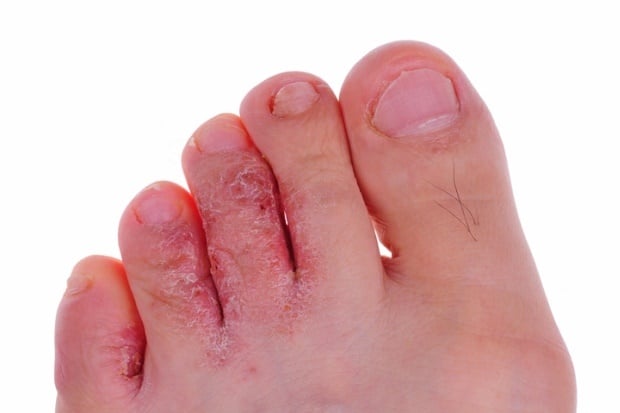
1. Athlete’s Foot (Tinea Pedis) is a fungal infection of the feet with itching, scaling and redness. It can be caused by a number of different fungi, including Trichophyton, Epidermophyton and Microsporum.
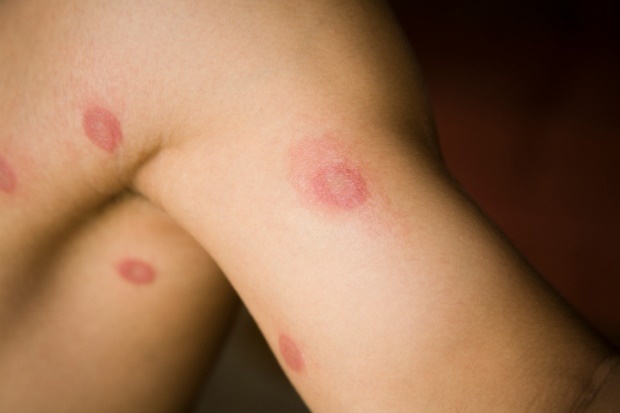
2. Ringworm (Tinea Corporis) can appear in the form of a red or silver rash anywhere on the body. It is usually ring-shaped and is most commonly caused by the fungus Trichophyton rubrum.
3. Tinea Capitis is ringworm that affects the scalp.

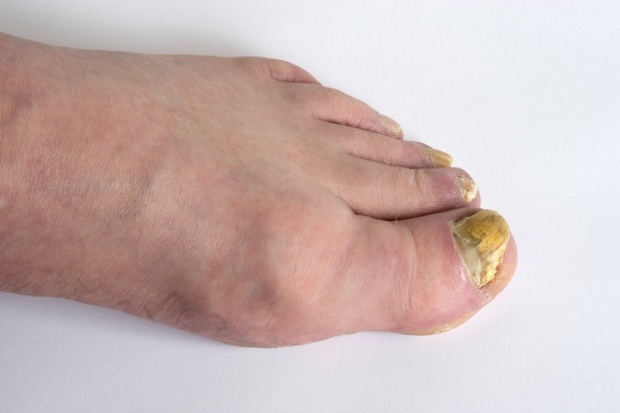
4. Onychomycosis is a fungal infection of the toenails or fingernails that can involve any component of the nail, including the matrix, bed or plate. It can cause pain, discomfort and disfigurement. Onychomycosis is caused by various fungal organisms, the most common being dermatophyte. Yeast and moulds also cause nail infections.
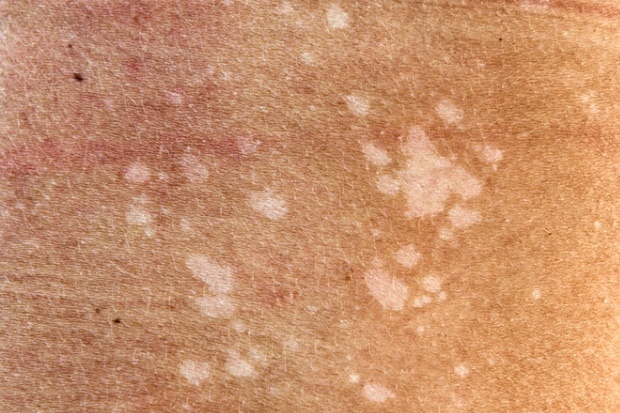
5. Tinea Versicolor or pityriasis versicolor is a common condition that causes small patches of skin to become scaly and discoloured. They can be darker or lighter than the surrounding skin, or even red or pink. The condition is caused by a yeast called Malassezia, which lives on the skin of most people without causing any problems.
6. Cutaneous Candidiasis can involve almost any skin area of the body, but mostly occurs in warm, moist, creased areas such as the armpits and groin. Candida is the most common cause of nappy rash in infants. Candida is also common in people who are obese or have diabetes. Antibiotics, steroid therapy and chemotherapy increase the risk of cutaneous Candidiasis.
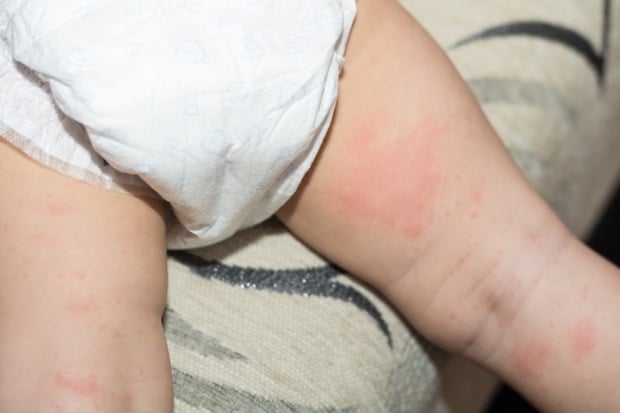
Candida can also cause:
Image credits: iStock


Obesity rates have risen ten-fold in the last four decades, meaning 124m boys and girls are now too fat.
[unable to retrieve full-text content]

[unable to retrieve full-text content]

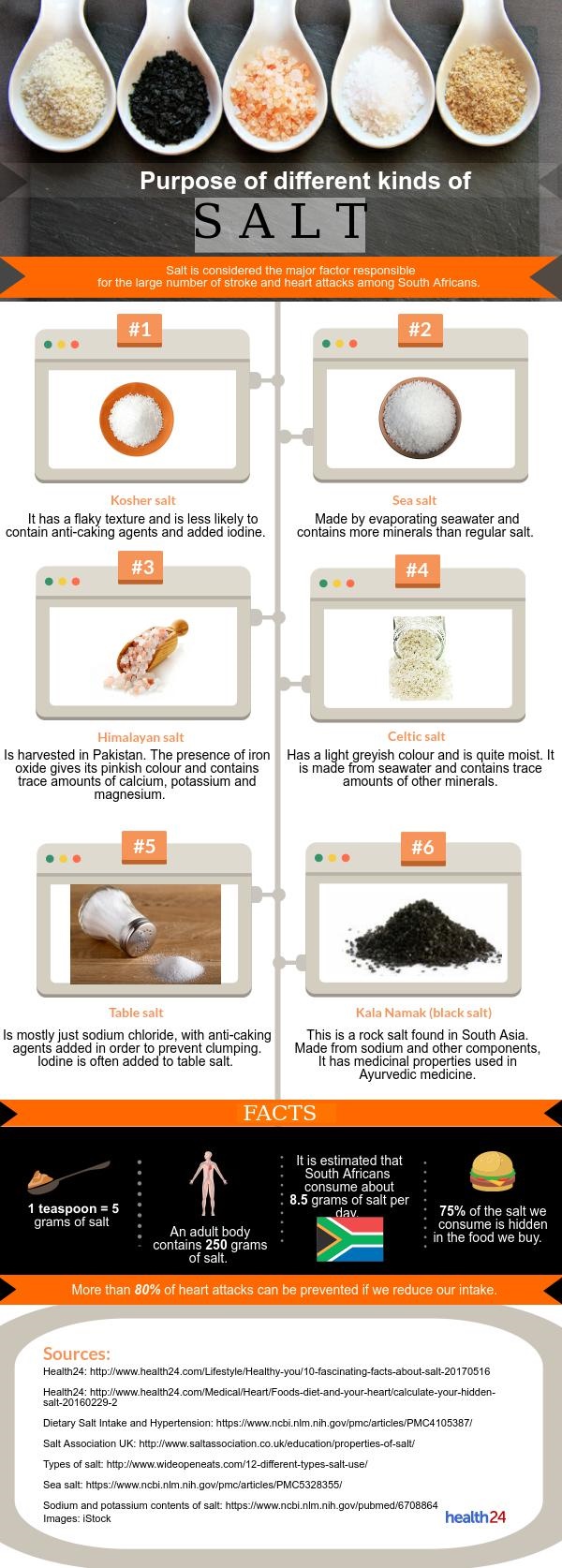
Salt is an essential chemical compound used globally for cooking, seasoning, or as a remedy. Without salt, meals would be bland and tasteless.
The World Health Organization’s recommended daily salt intake for adults is 5g. South Africans’ daily salt intake is however estimated at 8.5g, which is a leading contributor to our cardiovascular disease epidemic, claiming more lives each year than all forms of cancer combined.
All salts are however not created equally and each different variety has a different origin, colour, smell and taste. Each also has its own unique benefits.
We’ve put together some of the different types of salt with their various properties:

Incontinence is accidental or involuntary loss of urine (urinary incontinence) or faeces (faecal incontinence).
It is a common condition and it is estimated that one in 10 Americans has continence issues. The problem ranges from small leaks to complete loss of control.
Not incurable
According to a previous Health24 article, incontinence in public is experienced by most people as extremely embarrassing and may have potentially serious psychological consequences.
“Patients who experience incontinence might experience a significant effect on their self-confidence and dignity,” Dr Ulla Botha, a psychiatrist and senior lecturer at the Department of Psychiatry at the Stellenbosch University, was previously quoted on Health24.
“Depending on the level of incontinence, their general functioning might also be affected, as patients often start to isolate themselves and may avoid social interaction to prevent possible embarrassment. This can even lead to depression.”
Incontinence can, however, be treated and managed. In many cases it can even be cured.
A number of international celebrities have overcome any embarrassment and gone public about their experiences with incontinence.
1. Kris Jenner

Matriarch of the Kardashian clan, Kris Jenner has opened up about her bladder problems on Keeping Up With the Kardashians. Jenner is a TV personality, author and former talk show host. She is quite open about her incontinence and admits to wearing incontinence panties.
2. Stephen King

Stephen King is famous for his horror novels, including titles like The Shining, Carrie and The Green Mile. As a result of a protracted urinary tract infection he developed urinary incontinence. Although the problem was solved, he still keeps incontinence products next to his bed just in case. King is 69 years old.
3. Samuel Jackson

Famous for a number of box-office hits, including Snakes on a Plane, Star Wars and Pulp Fiction, Samuel L. Jackson developed a loss of bladder control when he was in his 40s. Initially it was a shock but, realising that millions of people have the same problem, he overcame his embarrassment and doesn’t hide the fact that he wears incontinence products on a daily basis – even while on movie sets.
4. Katy Perry

Pop artist Katy Perry Perry suffered from bladder leakage throughout her high school career and regularly had to wear incontinence diapers. After countless failed treatments, it was established that she suffered from a urinary tract infection. When the infection cleared up, she regained control over her bladder. Perry believes the experience has made her a stronger person.
5. Kate Winslet
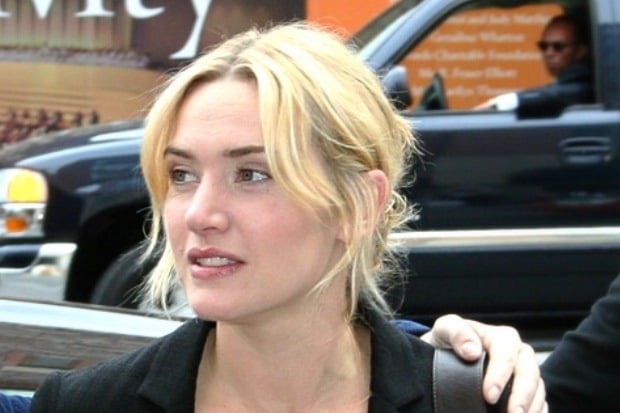
The 40-year-old star recently appeared on The Graham Norton Show where she explained that she developed stress urinary incontinence after having three children. Winslet says that she experiences bladder leakages when she sneezes or if she jumps on a trampoline. Most women aren’t as open as Winslet about their incontinence, but the truth is that up to one in every three women suffers from the condition at some point in their lives, according to a study published in Reviews in Urology.
6. Helena Bonham Carter

In 2009 Helena Bonham Carter revealed that she suffered from incontinence after giving birth to her second child. The actress admitted that she struggled during filming of Harry Potter And The Half-Blood Prince. She experienced pelvic-floor problems and lack of bladder control after having her baby and had to wear adult nappies.
Image credits: Wikimedia Commons


[brightcove:5359158505001 default]
When a woman develops endometriosis, the tissue that normally lines her uterus shows up in places it’s not supposed to be: the cervix, ovaries, the fallopian tubes, and elsewhere in the pelvis. The effects can be excruciating, with heavy bleeding and severe cramps during menstruation. Yet the disorder—which is thought to affect 11% of women in the U.S.—is often misdiagnosed or worse, dismissed as PMS. Fortunately these celebrities are speaking out about their personal experiences, which will hopefully raise awareness and ultimately encourage more research on this debilitating disease.
“The stomachaches began quickly and were more severe than the mild-irritant cramps seemed to be for the blonde women in pink-hued Midol commercials. Those might as well have been ads for yogurt or the ocean, that’s how little they conveyed my experience of menstruating.” —Lena Dunham, Lenny Letter, November 2015
“I have a very strong threshold for pain, so if it was hurting me, there was something wrong.” — Julianne Hough, People, 2008
“I was diagnosed with endometriosis recently, but I know I have suffered from it for many, many years. It is a disease that causes extreme debilitating pain.” – Stephanie March, Let’s Talk Live, 2014
“I think, yes, endometriosis was definitely a major reason that my marriage failed. I don’t think either of us understood it at the time–for as smart and intelligent as Salman is. I think that’s also because I hid it to a certain degree. Not intentionally, but it’s weird to talk about your period all the time. It’s the least sexy thing in the world to do.” —Padma Lakshmi, Entertainment Weekly, March 2016
RELATED: 10 Ways to Deal With Painful Sex
“I was recently diagnosed after years of suffering and finding myself doubled over backstage in the middle of my sets, or fighting back tears on an airplane, or even being in so much pain I would vomit or faint. With doctors essentially telling me I was being a big baby about my period, or misdiagnosing PCOS, etc etc. Finding out that I had [endometriosis] was the most bittersweet moment because it meant I wasn’t crazy! I wasn’t a “baby”! I had every right to be feeling like the world was caving in. But it was terrifying to find out.” —Halsey, Twitter, January 2016
“Despite my diagnosis I still wanted to try and have a baby, but not being able to have kids was an immediate fear. It made me feel out of control. I knew that I desperately wanted to have children and after speaking with a nutritionist that came recommended by my doctor, I was reassured that with the right eating habits and lifestyle changes (no sugar, no carbs!), I would have a better possibility of getting pregnant. I started to see a light at the end of the tunnel. I became extremely health conscious, changed my diet, and I think those changes helped with ultimately getting pregnant.” —Tia Mowery, Parents, September 2013
“Suffering should not define you as a woman, and just because you’re a man it doesn’t mean that it doesn’t affect you! Help her to remove the taboos and the loneliness surrounding this disease; be understanding, show empathy, and don’t accuse her of being sensitive, delicate, or overly dramatic.” —Susan Sarandon, at the 2011 Endometriosis Foundation of America Blossom Ball.
RELATED: 15 Diseases Doctors Often Get Wrong
“I thought if I talked about my personal limitations, people would say, ‘How healthy could she be?’ This was my weakness and my bad.” —Jillian Michaels, Redbook, June 2010
“If you don’t discuss it, many more women are going to find themselves unable to have children, or find themselves close to dying because it’s led to something else.” —Whoopi Goldberg, at the 2009 Endometriosis Foundation of America Blossom Ball.
