The doctor says she faced a brutal investigation after she passed on complaints brought to her by other doctors.


The doctor says she faced a brutal investigation after she passed on complaints brought to her by other doctors.
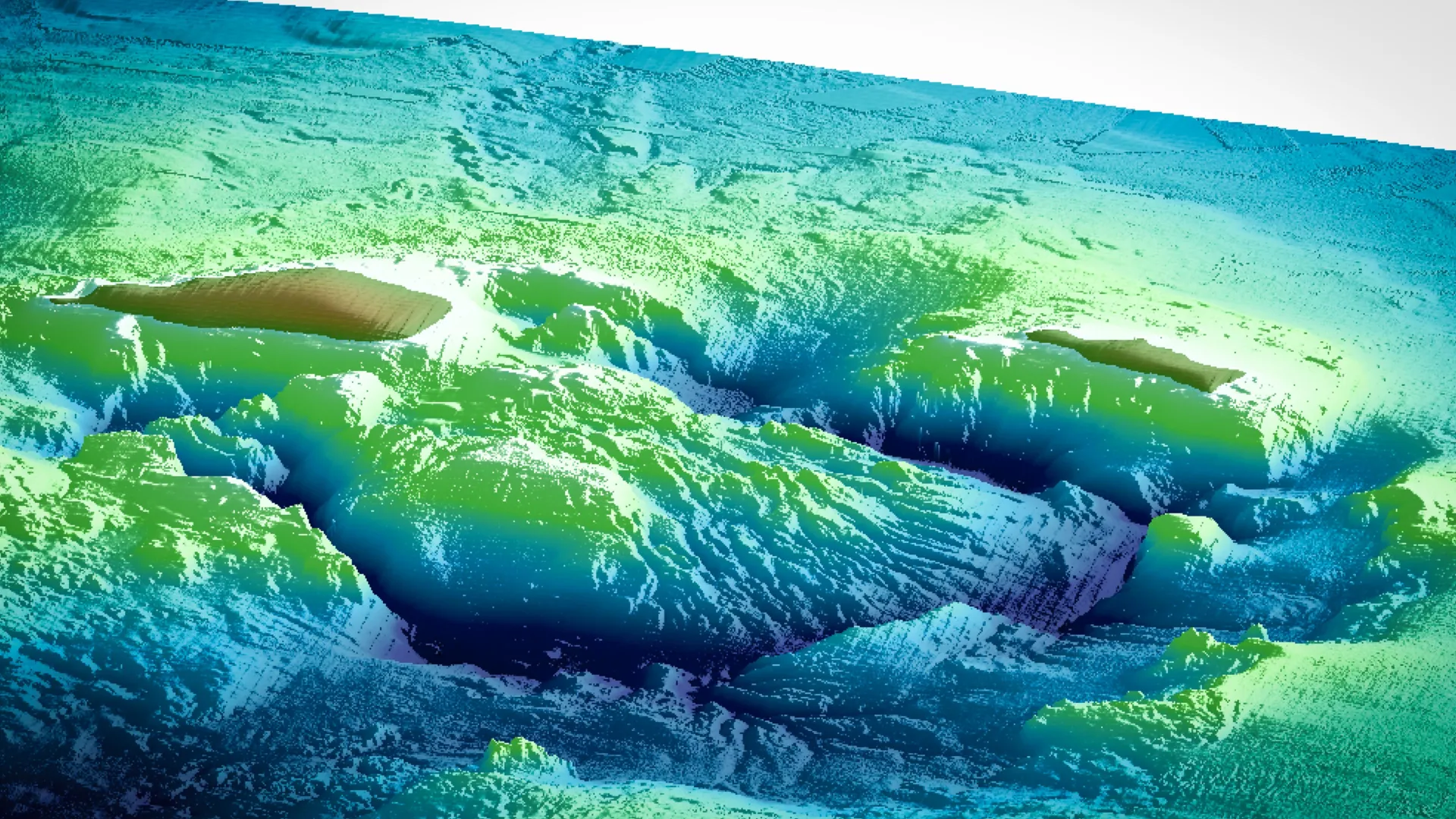
One of Earth’s most powerful supervolcanoes is slowly refilling its enormous underground magma reservoir, thousands of years after producing one of the largest volcanic eruptions in recent geological history. Scientists at Kobe University have discovered evidence that fresh magma is accumulating beneath Japan’s Kikai caldera, which unleashed a catastrophic eruption about 7,300 years ago.
The discovery offers a rare look at how giant volcanic systems rebuild their magma supplies after massive eruptions. It could also provide important clues about the behavior of other supervolcanoes, including Yellowstone in the United States and Toba in Indonesia, potentially helping scientists improve their ability to recognize warning signs of future eruptions.
How Supervolcanoes Store Enormous Amounts of Magma
Some volcanic eruptions are so immense that they dramatically reshape the landscape. The amount of magma released can be staggering, enough to bury all of New York City’s Central Park beneath a layer roughly 12 kilometers (7.5 miles) thick.
When such enormous volumes of magma escape from underground, the rock above the emptied reservoir can collapse, leaving behind a broad, relatively shallow depression known as a caldera. These features are associated with some of the most powerful eruptions in Earth’s history.
Famous examples include Yellowstone, Toba, and Japan’s Kikai caldera, most of which lies beneath the ocean. Kikai last experienced a giant eruption approximately 7,300 years ago, producing the largest known volcanic eruption of the Holocene, the geological epoch that began roughly 11,700 years ago and continues today.
Although scientists know that giant caldera volcanoes can erupt more than once, they still have an incomplete understanding of how the enormous quantities of magma required for these events accumulate underground. This makes it extremely difficult to anticipate when another major eruption might occur.
“We must understand how such large quantities of magma can accumulate to understand how giant caldera eruptions occur,” says Kobe University geophysicist Nobukazu Seama.
Scientists Discover a Massive Magma Reservoir Beneath Japan
Kikai’s underwater location might seem like an obstacle to studying the volcano, but it actually gives researchers an important advantage. The surrounding seafloor allows scientists to carry out extensive geological surveys across the volcanic structure.
“The underwater location allows us to implement systematic, large-scale surveys,” Seama explains.
To investigate what lies beneath Kikai, researchers from Kobe University collaborated with the Japan Agency for Marine-Earth Science and Technology (JAMSTEC). They used powerful airgun arrays to generate seismic pulses that traveled through the crust beneath the ocean floor.
Instruments called ocean bottom seismometers recorded how these waves moved through the underground rock. Because seismic waves travel differently through solid rock and regions containing molten material, scientists can analyze their behavior to investigate structures that cannot be observed directly.
The findings, published in Communications Earth & Environment, revealed a substantial region containing a high proportion of magma directly beneath the site of Kikai’s massive eruption 7,300 years ago.
By examining the seismic measurements, the team was able to determine the approximate size and shape of the underground reservoir. Its position and extent suggest that it occupies the same magma storage system involved in the ancient eruption.
“Due to its extent and location it is clear that this is in fact the same magma reservoir as in the previous eruption,” Seama says.
Fresh Magma Is Recharging the Ancient Supervolcano
Perhaps the most intriguing finding is that the magma currently beneath Kikai does not appear to be simply leftover material from its catastrophic eruption thousands of years ago.
Previous investigations revealed that a new lava dome has been developing near the center of the caldera over approximately the past 3,900 years. A lava dome forms when relatively thick, viscous lava accumulates around a volcanic vent rather than flowing freely across the surrounding landscape.
Chemical analyses also showed that volcanic material from this dome and other more recent activity differs in composition from the material released during Kikai’s giant eruption.
That difference provides an important clue. It suggests that the magma now stored beneath the volcano was supplied by new injections of molten rock from deeper within Earth’s crust or mantle, rather than remaining unchanged since the previous eruption.
“This means that the magma that is now present in the magma reservoir under the lava dome is likely newly injected magma,” summarizes Seama.
Together, the seismic observations and chemical evidence help researchers develop a clearer picture of how a giant volcanic system can gradually rebuild its underground magma supply following a massive eruption.
This replenishment process does not mean that another catastrophic eruption is imminent. Instead, it reveals how a magma reservoir can be recharged over thousands of years, an important process that scientists need to understand before they can reliably assess the long-term behavior of supervolcanoes.
What the Discovery Could Reveal About Yellowstone
The findings could have implications far beyond Japan.
Researchers believe the process identified beneath Kikai may help explain why other enormous caldera systems, including Yellowstone and Toba, also contain large magma reservoirs relatively close to Earth’s surface.
“This magma re-injection model is consistent with the existence of large shallow magma reservoirs beneath other giant calderas like Yellowstone and Toba,” says Seama.
The proposed model suggests that, following a giant eruption, new magma can gradually enter and replenish an existing underground reservoir. Understanding how this happens could reveal important patterns in the long-term cycles of magma accumulation, volcanic activity, and major eruptions.
Researchers now hope to improve the seismic techniques used at Kikai so they can investigate the movement and storage of magma in greater detail.
“We want to refine the methods that have proved to be so useful in this study to more deeply understand the re-injection processes. Our ultimate goal is to become better able to monitor the crucial indicators of future giant eruptions.”
By revealing how fresh magma accumulates beneath a volcano responsible for one of Earth’s most extraordinary eruptions, the research brings scientists closer to understanding the processes that eventually make such colossal events possible.
This research was funded by the Ministry of Education, Culture, Sports, Science and Technology (MEXT) (The Third Earthquake and Volcano Hazards Observation and Research Program (Earthquake and Volcano Hazard Reduction Research)) and the Japan Society for the Promotion of Science (grant 20H00199). It was conducted in collaboration with researchers from the Japan Agency for Marine-Earth Science and Technology (JAMSTEC).
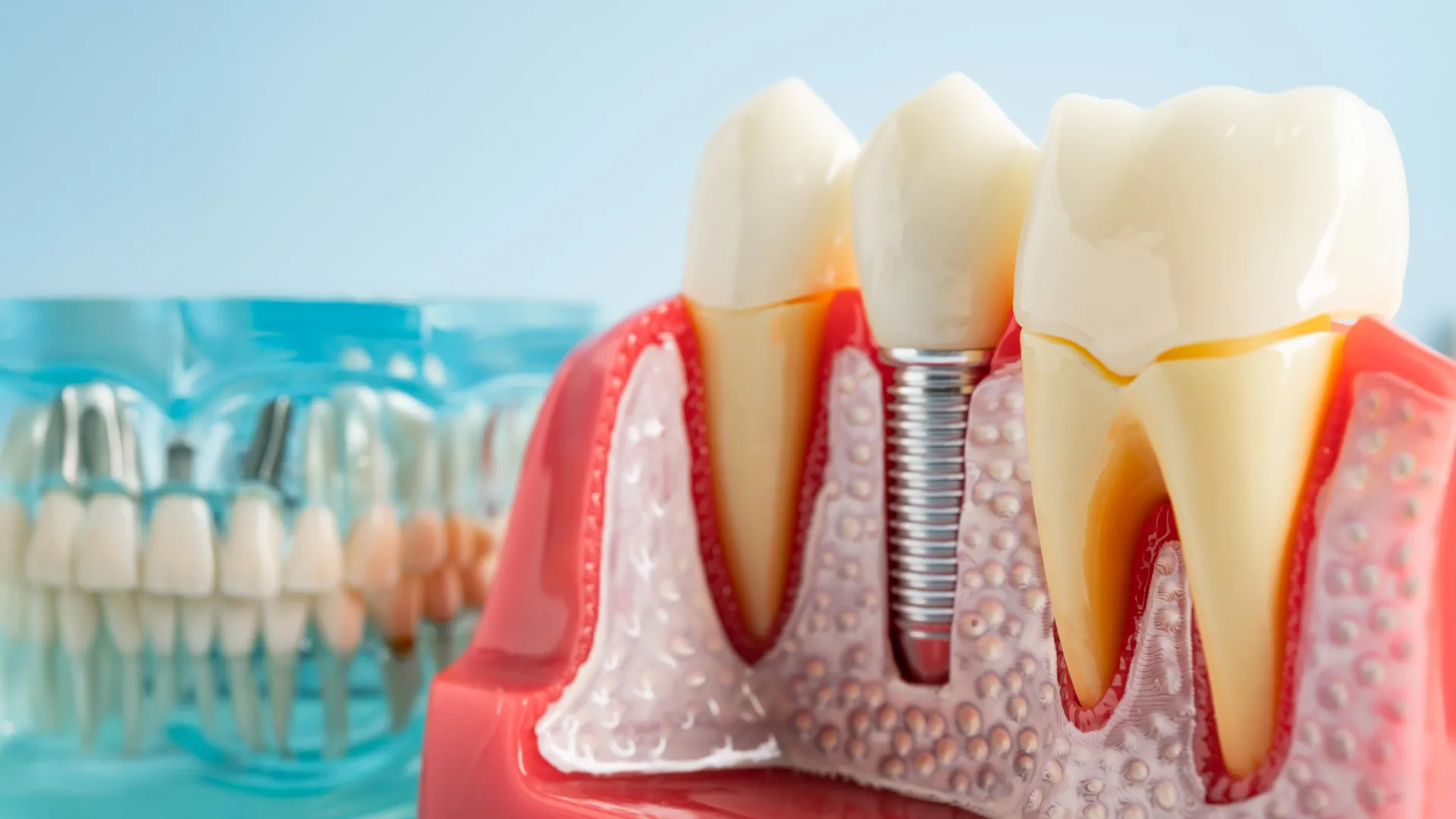
For tens of millions of people, dental implants have provided a way to replace missing teeth with a full set of fixed, functional teeth rather than removable dentures. However, an estimated 10% to 20% of implant patients eventually develop peri-implantitis, a serious infection that damages the surrounding jawbone.
Antibiotics frequently fail to control this condition, and scientists have struggled to understand why. Now, researchers believe they have uncovered the mechanism responsible.
A new study published in PNAS Nexus by scientists at the Rutgers School of Dental Medicine reveals that bacteria can gradually corrode dental implants, releasing microscopic titanium particles into nearby tissues. These particles interfere with the immune cells responsible for fighting infection, trapping them in a state of excessive inflammation that progressively destroys jawbone.
The researchers examined human tissue samples, studied human immune cells in the laboratory, and conducted experiments using genetically engineered mice. Their investigation identified a calcium channel in macrophages, the immune cells that engulf bacteria, that becomes activated by titanium particles. When this channel was disabled in mice, the disease was prevented.
This discovery provides the first credible drug target for a condition that affects as many as one in five dental implant recipients and costs healthcare systems worldwide more than $1 billion annually.
“For the first time, we show why all the antibiotic treatments that work around teeth do not work around implants,” said Georgios Kotsakis, senior author of the study and assistant dean for clinical research at Rutgers School of Dental Medicine. “Now that we know the cause, we can start developing therapeutics.”
Why Dental Implant Infections Resist Antibiotics
One of the biggest mysteries surrounding peri-implantitis has been its similarity to periodontitis, the gum disease that develops around natural teeth. Both conditions begin with the same types of bacteria found in the mouth, yet they respond very differently to treatment.
For natural teeth, antibiotics combined with routine professional cleaning can resolve the infection. Around dental implants, however, the same medications are successful in fewer than half of cases. Even when treatment is attempted, the underlying jawbone may continue to deteriorate.
For the past two decades, scientists have largely concentrated on the bacteria responsible for these infections. Researchers in Kotsakis’ laboratory decided to investigate another possible contributor: the implant material itself.
Their work showed that bacteria accumulating on implant surfaces create acidic biofilms that slowly damage the titanium. Over time, this corrosion can release billions of microscopic metal particles, each smaller than a red blood cell.
Titanium particles can also be dislodged during routine dental cleaning. This is particularly concerning when instruments designed for natural teeth are used on implants, because they can scrape and damage the metal surface.
How Titanium Particles Hijack the Immune System
Once released into the gums, the tiny titanium fragments attract a bacterial toxin known as lipopolysaccharide, which coats their surfaces. This combination creates a deceptive target for the immune system, making the particles resemble unusually large bacteria that cannot be broken down.
Macrophages, the white blood cells responsible for engulfing and destroying harmful microorganisms, attempt to consume these particles. But because the cells cannot digest titanium, they become stuck in a prolonged state of excessive inflammation.
As a result, the macrophages produce large quantities of inflammatory signaling molecules, including interleukin-1 beta. This protein is also associated with inflammatory processes involved in rheumatoid arthritis and Alzheimer’s disease.
The resulting immune response gradually breaks down the bone supporting the dental implant. At the same time, the macrophages become less effective at fighting the bacteria that triggered the infection in the first place.
Laboratory experiments revealed just how severely their defenses were disrupted. Macrophages exposed to titanium particles engulfed fewer than half as many bacteria as immune cells that had not encountered the particles.
“These particles are little magnets that attract the bacterial toxin, and they hijack the immune system, preventing it from clearing bacteria,” said Kotsakis. “You have a perfect storm that defies antibiotics.”
Scientists Identify a Potential New Treatment Target
After uncovering how titanium particles disrupt immune defenses, the researchers investigated the molecular pathway responsible for the damaging reaction.
They traced the process to TRPC1, a calcium channel (a specialized, pore-forming protein structure within cell membranes) found in macrophages. This channel plays a central role in the inflammatory response triggered by titanium particles and bacterial toxins.
To test its importance, the team used genetically engineered mice that lacked TRPC1. When these animals were exposed to the same combination of titanium particles and bacteria, their immune systems responded much more effectively.
The mice developed dramatically smaller abscesses, produced fewer inflammatory signaling molecules, and regained the ability to clear bacteria. Disabling the channel prevented the destructive disease process observed when TRPC1 was present.
The results point toward a potentially new approach to treating peri-implantitis by targeting the immune system response rather than relying exclusively on antibiotics.
With funding from the National Institutes of Health, Kotsakis and his colleagues are now evaluating potential drugs that act on the same molecular pathway in human cells.
Why Proper Dental Implant Cleaning Matters
Although the research opens the door to future therapies, it also reinforces an important preventive measure for people who already have dental implants.
Regular professional cleaning remains the strongest known protection against peri-implantitis. However, the instruments and techniques used during those appointments can make a significant difference.
Until approximately a decade ago, many dentists routinely cleaned implants with the same metal scalers used to remove deposits from natural teeth. Research by the Rutgers team and other scientists has since demonstrated that these tools can damage and corrode titanium surfaces, potentially releasing additional particles and accelerating the disease.
Today, nonabrasive cleaning methods have become standard practice, helping protect implant surfaces while reducing the risk of complications.
By revealing how corroded titanium can interfere with immune defenses, the findings offer a new explanation for why some dental implant infections are so difficult to treat and identify a promising direction for developing more effective therapies.
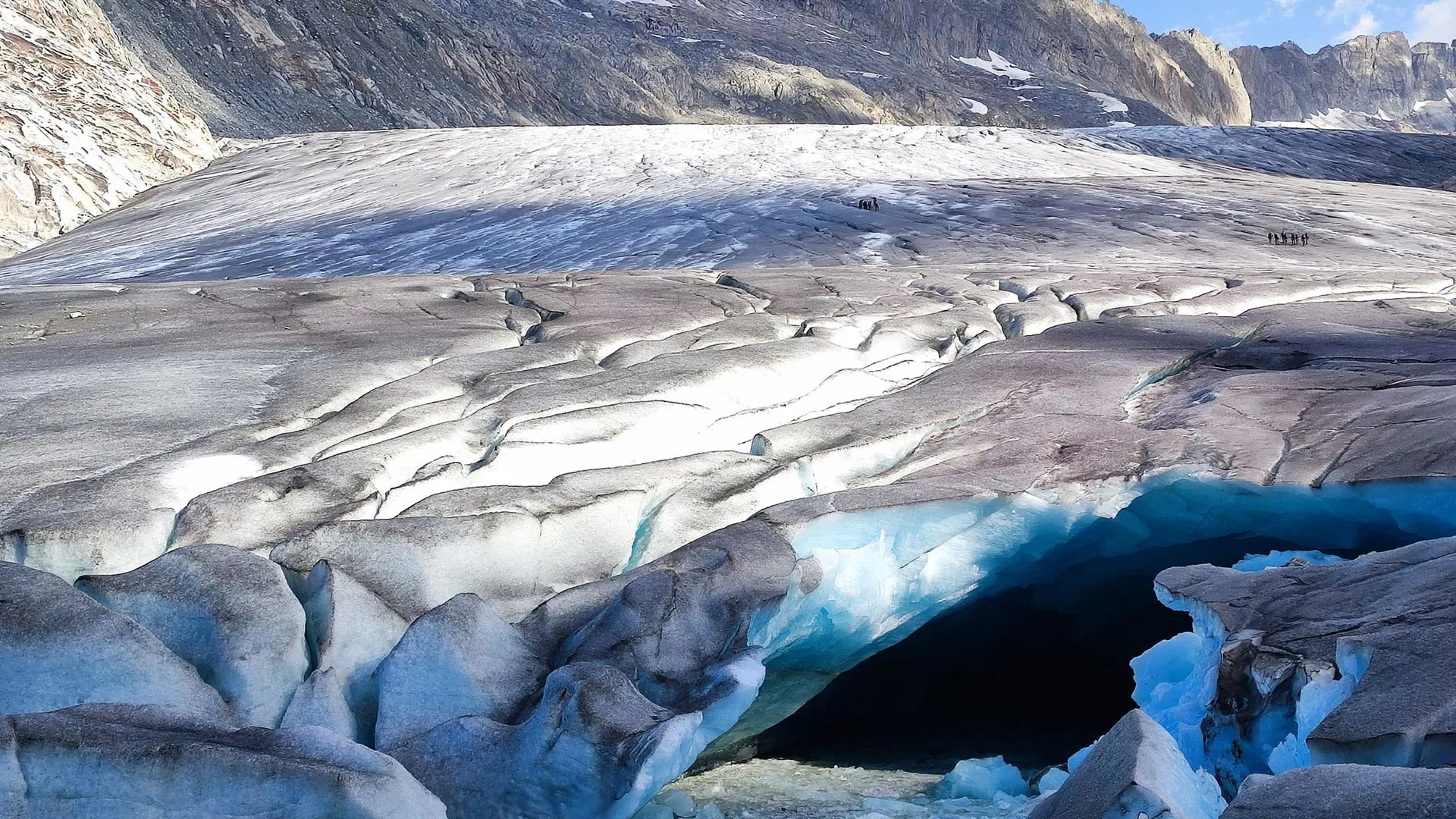
Switzerland’s glaciers lost more than 5% of their total ice volume in 2026, marking another devastating year for the country’s rapidly shrinking glaciers. Although the melting did not quite match the record losses of 2022, glaciers thinned by an average of 2.5 to 4 meters. In some areas, the lower sections of glaciers lost as much as 10 meters of ice.
Several of Switzerland’s major glaciers, including the Rhône, Aletsch, and Clariden glaciers, experienced their most severe melting on record in 2026. The losses were even more dramatic for some smaller glaciers, which disappeared entirely. Among them were Bella Tola in the canton of Valais and Griessfirn in the canton of Glarus, both of which have now vanished permanently.
The scale of the decline is particularly striking over the past five years. During that relatively short period, Switzerland has lost nearly 20% of its total glacier ice volume, illustrating just how quickly the country’s mountain landscapes are being transformed.
These findings come from the annual report of the Swiss Academy of Sciences (SCNAT), which draws on long-term glacier observations collected by the Glacier Monitoring Network, known as GLAMOS. The monitoring program is based at ETH Zurich and the universities of Fribourg and Zurich in Switzerland.
Extreme Summer Heat and Low Snowfall Accelerate Ice Loss
A combination of unusually little snowfall and prolonged summer heat contributed to the extensive melting. The winter of 2025 to 2026 ranked among Switzerland’s ten least snowy winters since records began, leaving glaciers with less snow to protect them from warmer temperatures.
Conditions became even more unfavorable between May and September 2026, when persistent heat and dry weather accelerated ice loss, even at the highest elevations.
During the summer, the elevation at which temperatures reached freezing climbed above 4,000 meters on 76 days. That was more than twice the usual number of days and established a new Swiss record. By September, snow had disappeared even at elevations of 3,500 meters, exposing glacier ice that would normally remain protected beneath a layer of snow.
Melting Glaciers Provide Water, but the Supply Is Shrinking
The enormous amount of melting also temporarily helped ease Switzerland’s summer water shortages. Between July and September, the country’s glaciers released approximately 2.2 trillion liters of water, an amount exceeding four times the drinking water consumed by Swiss households in an entire year.
However, this additional water comes from a resource that is steadily disappearing. As Switzerland’s glaciers continue to shrink irreversibly, the amount of meltwater they can provide will also decline, reducing a source of water that currently helps offset shortages during the warmer months.
The scientists involved say the results could mark a turning point in cancer treatment, bringing personalised medicine a step closer.
Concerns raised as big private firms buy up care homes and home help fragmenting in England.
Current plans for 6% of eligible patients to get Mounjaro by 2028 unambitious, say MPs.

Birds living in cities appear to react differently to men and women, and scientists are struggling to explain why. An international research team discovered that urban birds, including great tits, house sparrows, and blackbirds, tend to fly away sooner when approached by women than by men. The surprising behavior raises new questions about how birds perceive the people around them.
The study took place in five European countries, where male and female participants (matched for height and clothing) walked directly toward birds in city parks and other green spaces.
On average, men were able to approach about one meter closer than women before the birds flew away. The researchers measured this response by recording how close a person could get before a bird took flight (termed flight initiation distance).
Published in the British Ecological Society journal People and Nature, the findings showed the same pattern in Czechia, France, Germany, Poland, and Spain. The difference also appeared across all 37 bird species examined, including easily startled magpies and pigeons that typically allow people to approach much more closely.
Why Are Birds More Afraid of Women?
The researchers believe their findings indicate that city birds can distinguish between male and female humans. However, they have yet to determine which characteristics the birds recognize or why they appear more cautious around women.
Professor Daniel Blumstein of the University of California, Los Angeles, who helped conduct the research, said the results were convincing despite the lack of an explanation.
“I fully believe our results, that urban birds react differently based on the sex of the person approaching them, but I can’t explain them right now. We used bleeding-edge comparative analysis techniques that showed our findings were consistent across cities and species, but we simply don’t have a conclusive explanation yet.”
Dr. Yanina Benedetti of the Czech University of Life Sciences Prague, another member of the research team, said the discovery challenged her expectations about how birds respond to human observers.
“As a woman in the field, I was surprised that birds reacted to us differently. This study highlights how animals in cities ‘see’ humans, which has implications for urban ecology and equality in science. Many behavioral studies assume that a human observer is neutral, but this wasn’t the case for urban birds in our study.”
What Are Birds Detecting in Humans?
Scientists have proposed several possible explanations for the difference. Birds might be responding to chemical signals such as pheromones, variations in body shape, or differences in how men and women walk. For now, however, these ideas remain speculative, and additional experiments will be needed to identify the actual cause.
Dr. Federico Morelli of the University of Turin, a co-author of the study, said the unanswered question is one of the discovery’s most fascinating aspects.
“This is maybe the most interesting part of our study,” said Dr. Federico Morelli from the University of Turin, a co-author of the study. “We have identified a phenomenon, but we really don’t know why. However, what our results do highlight is the birds’ sophisticated ability to evaluate their environment.”
The findings suggest that urban birds may be sensitive to human characteristics that people themselves rarely notice. Identifying those signals could help researchers better understand how wildlife assesses potential threats in environments shared with humans.
Dr. Benedetti said: “Urban birds clearly react to subtle cues that humans do not easily notice. Follow-up studies could focus on individual factors such as movement patterns, scent cues, or physical traits, testing them separately rather than grouping them under observer sex. This approach would help identify the specific cues birds detect.”
More Research Is Needed to Explain the Bird Behavior
Although the investigation included 2,701 observations, the researchers emphasize that their findings are still preliminary. Further studies will be necessary to establish whether the difference between birds’ responses to men and women consistently appears in other settings and populations.
For now, the discovery points to an intriguing possibility: Birds sharing our cities may be paying attention to subtle differences between people that scientists have yet to fully understand.
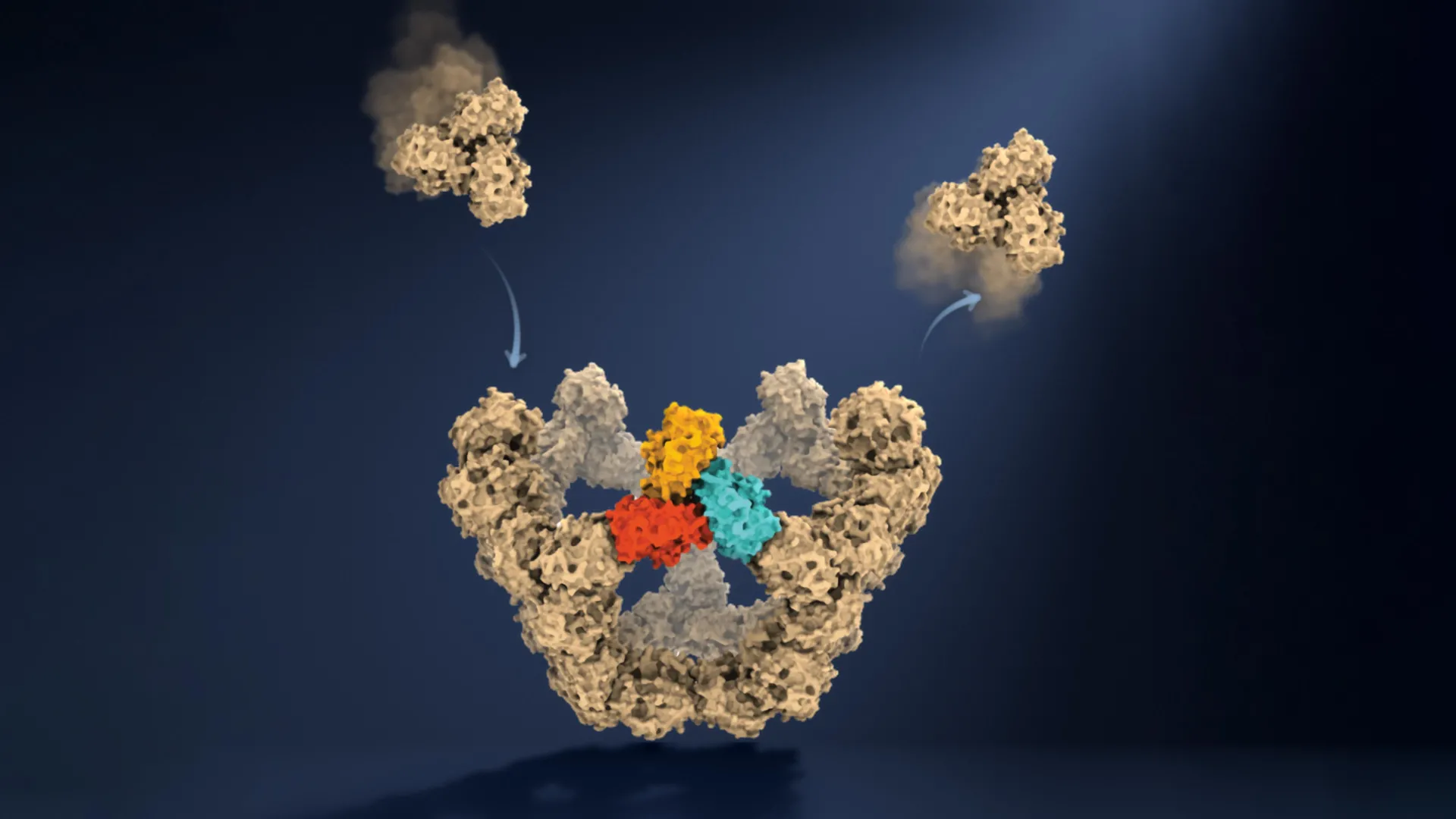
Researchers at the University of Oxford have observed virus-like particles assembling themselves one molecule at a time, uncovering the surprisingly simple rules that allow complex biological structures to form with remarkable reliability. The findings, published in Nature, offer a detailed look at a process that scientists have struggled to observe directly for decades.
Understanding how viruses construct their protective protein shells, and how that construction might be interrupted, could lead to new antiviral drugs, improved vaccines, and other medical treatments. The discovery helps explain how individual proteins consistently organize themselves into the correct structures despite having thousands of possible ways to connect.
The researchers found that viral assembly resembles navigating a complicated maze, where only certain paths lead to lasting progress. At first, protein components form weak connections that can easily break apart if the arrangement is unsuccessful. This flexibility allows the molecules to keep trying different combinations until they form particular closed structures. Once multiple connections hold these structures together, they become far more stable.
These stable arrangements serve as molecular checkpoints, narrowing the enormous number of possible assembly routes into a much smaller set of successful pathways. One especially important milestone occurs when five larger protein building blocks connect to form a closed pentagonal ring. This is the first highly stable structure in the assembly process. Once it forms, each subsequent stable stage requires fewer additional building blocks, allowing the particle to grow more quickly.
Co-lead author Dr. Roi Asor (Department of Chemistry and Kavli Institute for Nanoscience Discovery, University of Oxford) explained: “A virus has to solve an extraordinary construction problem. Its components somehow have to find the right arrangement among a huge number of possibilities, without a blueprint or machinery directing the process. We can now watch what happens molecule by molecule and see the physical rules that make it possible.”
Watching Virus Particles Assemble Molecule by Molecule
Viruses store and protect their genetic material within organized protein shells known as capsids. Depending on the virus, these shells may consist of tens or even thousands of individual protein components. Remarkably, in many cases, the proteins can arrange themselves into the correct structure without any external machinery directing their assembly.
Although scientists have investigated viral self-assembly for decades, capturing the process as it unfolds has been a major challenge. Many of the intermediate structures exist only briefly and appear in very small quantities. As a result, traditional methods have generally allowed researchers to examine the starting materials and finished particles without clearly showing how one transforms into the other.
To overcome this limitation, the Oxford researchers studied an engineered virus-like particle composed of 60 protein units. They used mass photometry, a technique developed at Oxford that determines the mass of individual molecules by measuring the light they scatter. By combining this technology with a new approach for keeping individual molecules confined and continuously observable, the team could repeatedly measure the mass of a growing particle as additional proteins attached.
This approach allowed the scientists to follow the construction process as it happened, effectively tracking the addition of individual molecular building blocks over time.
Co-first author PhD student Dan Loewenthal (Department of Chemistry and Kavli Institute for Nanoscience Discovery, University of Oxford) said: “This method lets us study the assembly process directly, we just take a video!”
Co-lead author Professor Philipp Kukura (Department of Chemistry and Kavli Institute for Nanoscience Discovery, Oxford University) said: “Until now, much of our understanding of how these structures assemble has had to be reconstructed from snapshots or theoretical models. Being able to both quantify the underlying interactions and follow one particle as it grows changes that. We can see the important intermediate structures appear and deduce a detailed model of the construction process.”
The Surprising Trick That Makes Viral Assembly Work
The results help explain how a process involving an overwhelming number of possible molecular arrangements can consistently produce the correct structure. Rather than exploring every possible route, the proteins progress through a relatively small number of stable intermediate stages that guide assembly toward completion.
The findings also clarify why the earliest stage of construction, called nucleation, is particularly difficult and why growth becomes substantially faster after the first stable structure appears.
A key part of this efficiency comes from the ability of protein building blocks to make mistakes without permanently disrupting the process. Weak initial connections allow incorrect combinations to separate, giving the proteins another opportunity to find a better arrangement. When enough components eventually connect in the correct closed configuration, the resulting structure becomes stable enough to support further growth.
Dr. Asor added: “The weak interactions give the system room to make mistakes. Most encounters don’t have to be successful: the components can separate and try again. But once enough of them come together in the right closed arrangement, the structure becomes stable, and assembly can move forward. That combination of trial and error followed by locking in successful structures is what makes the process so reliable.”
New Possibilities for Antiviral Drugs and Vaccines
By identifying the molecular interactions that control viral assembly, scientists may eventually be able to develop treatments that interfere with the construction of viral protein shells. The same insights could also support efforts to engineer virus-like particles for vaccines and other therapeutic applications.
Co-author Dr. Jack Tan (MRC Weatherall Institute of Molecular Medicine and CAMS-Oxford Institute) noted: “The ability to understand these processes at the molecular level could have important applications in vaccine development and antivirals that disrupt viral assembly.”
The implications may extend far beyond viruses. Self-assembly is essential throughout biology, helping create everything from the internal skeletons of cells to specialized molecular compartments and large protein complexes.
By making it possible to observe these intricate construction processes one molecule at a time, the Oxford team’s approach offers researchers a powerful new way to investigate how complex biological structures emerge from relatively simple interactions.
The disease, which usually affects cattle, has been identified in a patient who died in early October.
