Fresh Blow For Rishi Sunak As Alok Sharma Joins Tory Wind Farm Rebellion

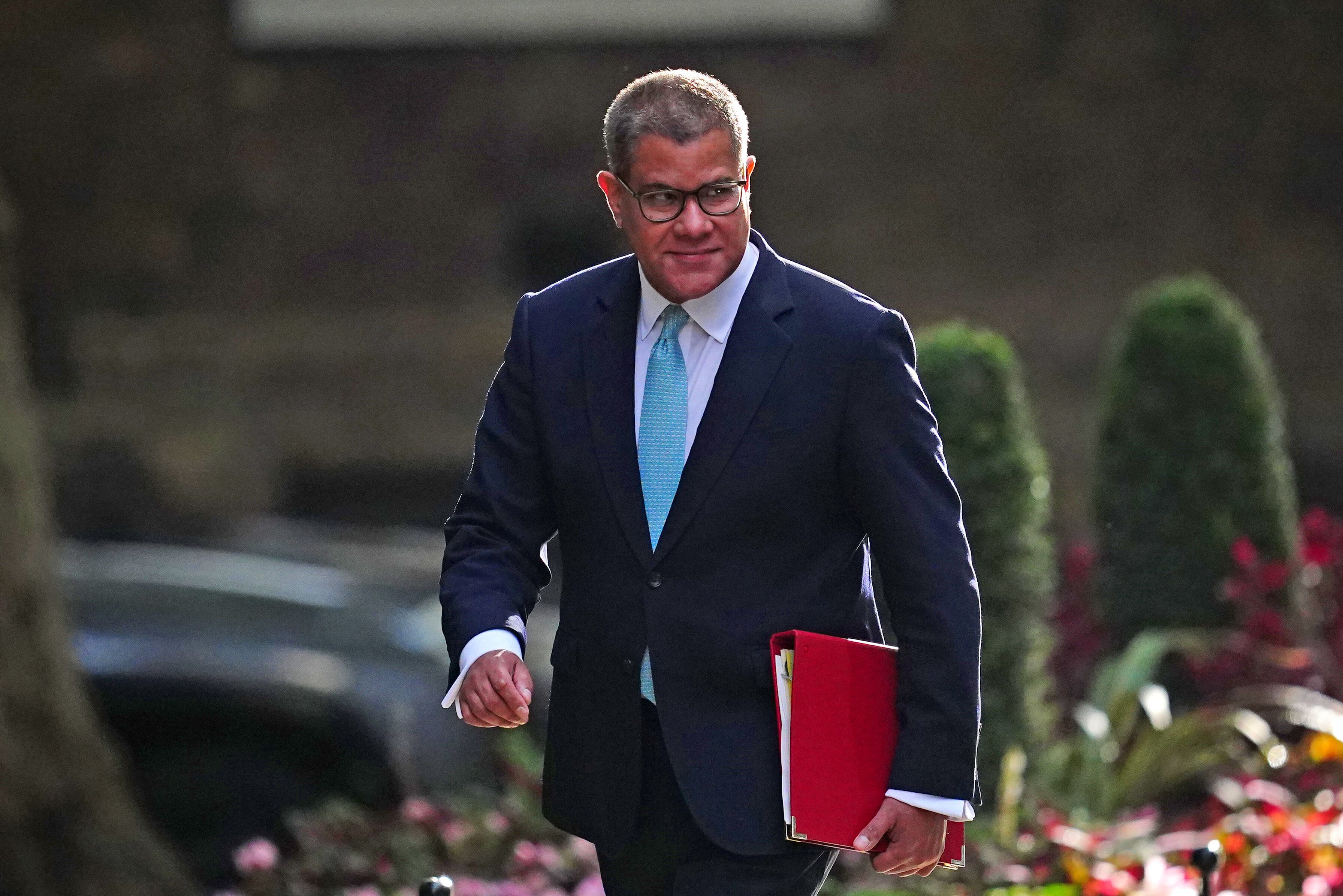
Alok Sharma has become the latest senior Tory MP to join a growing rebellion against the government’s position on onshore windfarms.

The Cop 26 president has signed an amendment to the regeneration and levelling up bill calling for the current ban on the developments to be lifted.

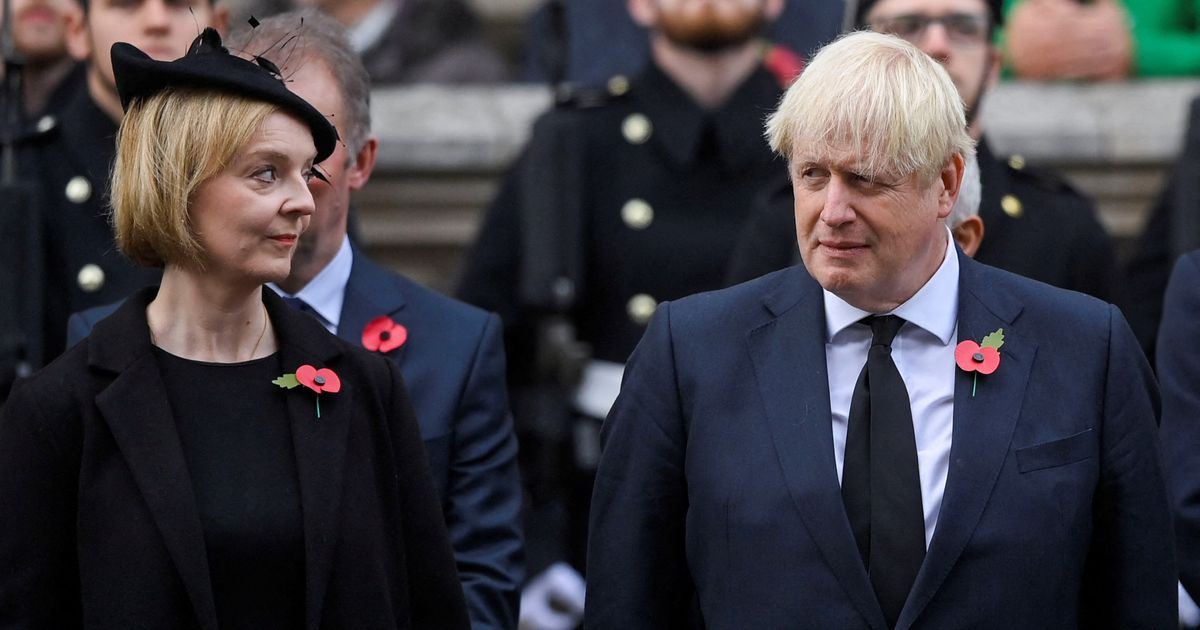
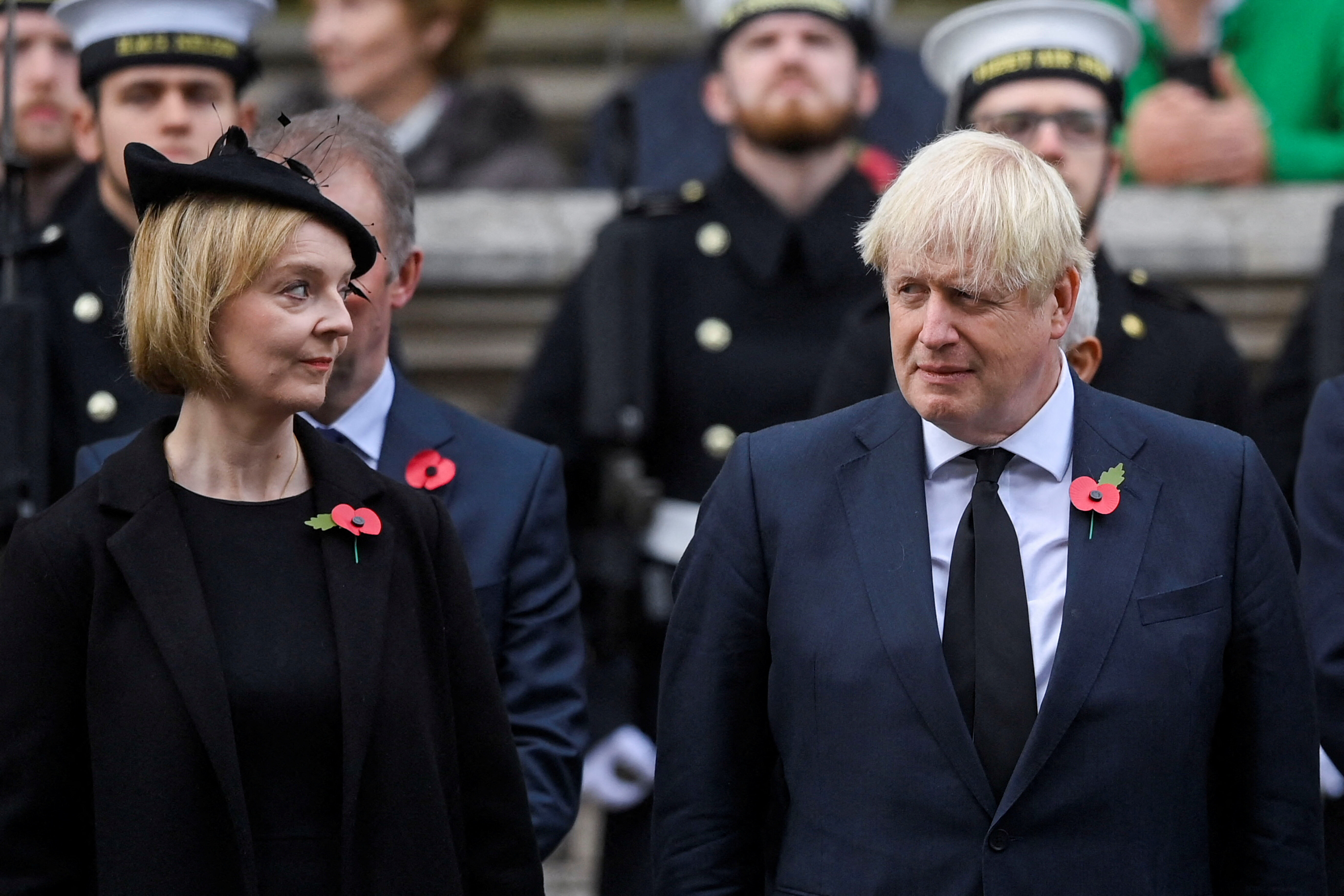
He joins former prime ministers Boris Johnson and Liz Truss in backing the amendment, which has been tabled by former levelling up secretary Simon Clarke.

Announcing his decision on Twitter, Sharma said: “Onshore wind is one of the cheapest forms of renewable power and will help to bolster the UK’s energy security.

“I said in Parliament in July, that where communities are positively welcoming of onshore in return for reduced bills, onshore should be kept on the table So I will support Simon Clarke’s Levelling Up Bill amendment to lift the ban on onshore & let local communities decide.”

The move is a further blow for Rishi Sunak, who has already been forced to back down over a separate amendment to the levelling up and regeneration bill following another Tory rebellion.

More than 50 Conservative MPs have put their names to an amendment which would mean councils would no longer have to follow Whitehall housebuilding targets.

A vote on the amendment was due to take place on Monday, but it was pulled by the government to avoid an embarrassing rebellion.

Labour accused Sunak of “running scared of your own backbenchers”.

Welcoming Sharma’s support, Simon Clarke said: “As a former secretary of state for business and Cop president, Alok Sharma has huge authority on why we should end the ban on onshore wind.

Share Button

Johnson And Truss Join Tory Wind Farm Rebellion In Challenge To Rishi Sunak

The former prime ministers have put their names to an amendment in the name of former cabinet minister Simon Clarke calling for an end to the ban on new onshore wind farm developments.

It is the pair’s first major political interventions since they both left Downing Street over the summer.

Clarke, who was sacked as levelling up secretary by Sunak when he became PM last month, said in a tweet that he was “delighted” to have Truss and Johnson’s support.

He said allowing new onshore wind farms was “a pro growth, pro green policy at a time when we need both”.

Sunak has already been forced to back down over a separate amendment to the levelling up and regeneration bill following another Tory rebellion.

More than 50 Conservative MPs have put their names to an amendment which would mean councils would no longer have to follow Whitehall housebuilding targets.

A vote on the amendment was due to take place on Monday, but it was pulled by the government to avoid an embarrassing rebellion.

Labour accused Sunak of “running scared of your own backbenchers”.

Share Button

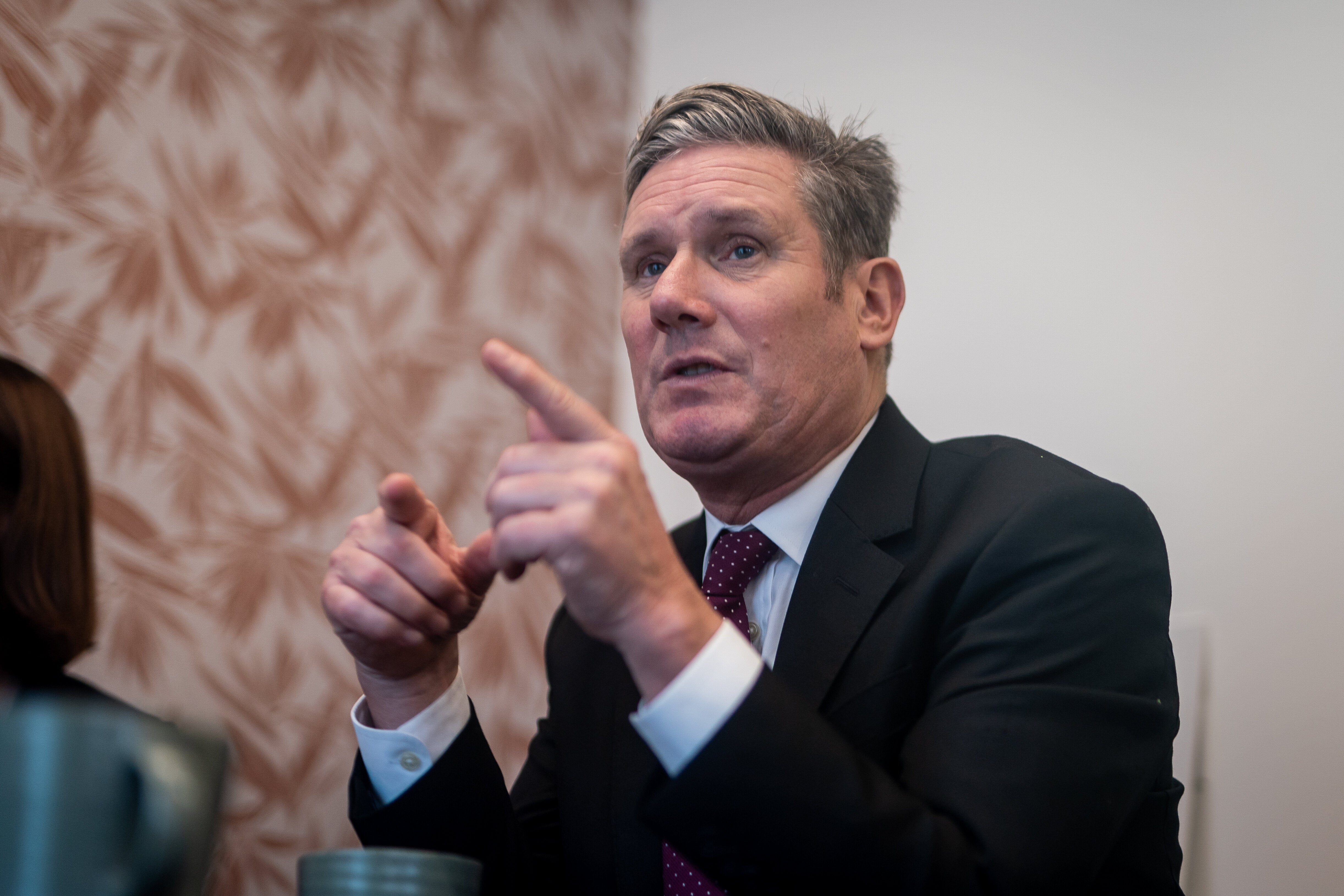
Keir Starmer Warns Britain Must End ‘Dependence’ On Migrant Labour

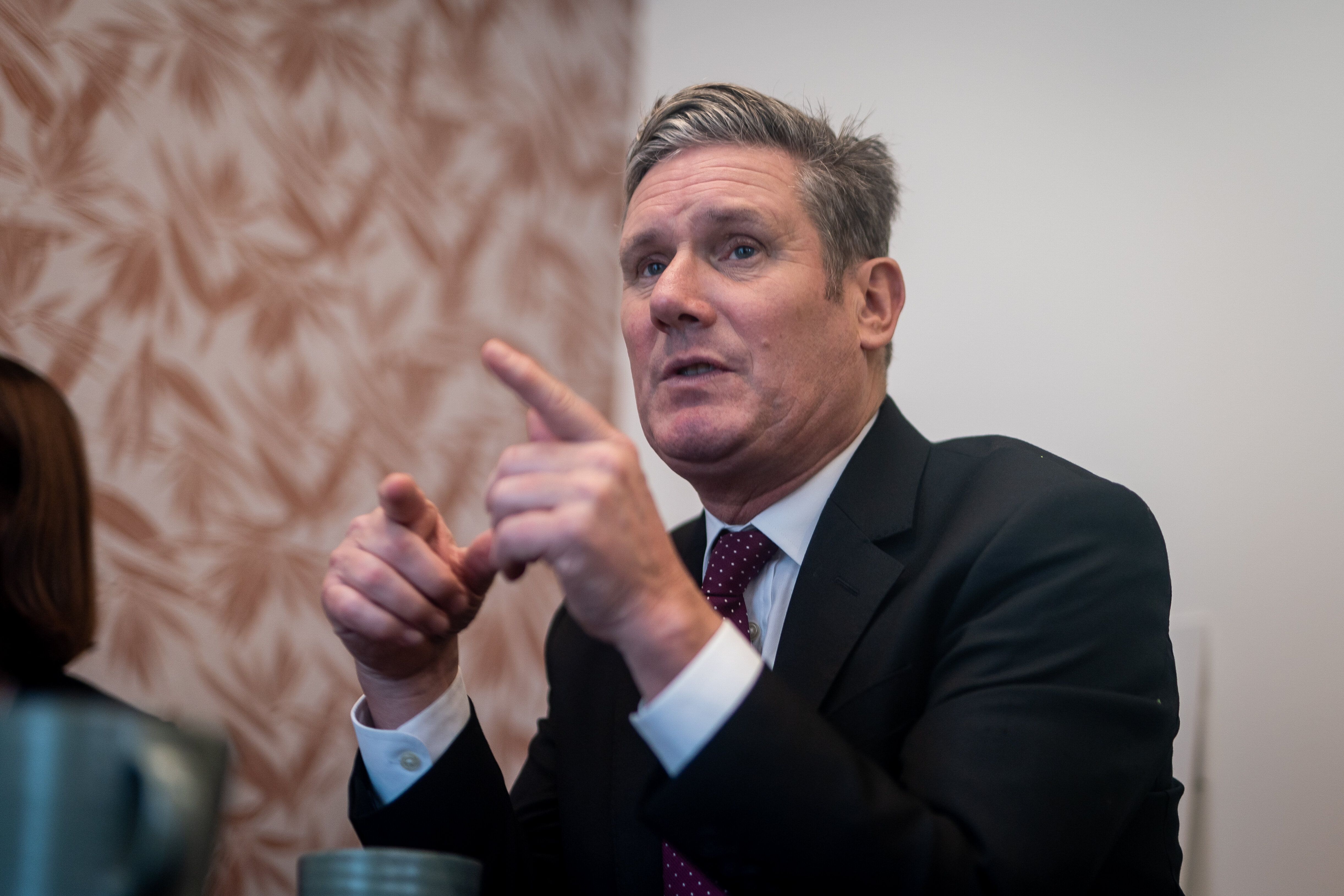
Keir Starmer is to urge businesses to wean Britain off “immigration dependency” as he will warn the days of “low pay and cheap labour” have to end.

The Labour leader will tell firms to train up UK workers in a speech to the Confederation of British Industry conference where he outlines his vision to smash the “low pay model”.

Starmer will vow not to ignore the need for skilled individuals to come into the country if he forms a Labour government, as he sets out plans to “start investing more in training up workers who are already here”.

But he will stress that any changes to a points-based migration system “will come with new conditions for business”.

“We will expect you to bring forward a clear plan for higher skills and more training, for better pay and conditions, for investment in new technology,” he is expected to tell business leaders gathered in Birmingham.

“But our common goal must be to help the British economy off its immigration dependency. To start investing more in training up workers who are already here.

“Migration is part of our national story – always has been, always will be. And the Labour Party will never diminish the contribution it makes to the economy, to public services, to your businesses and our communities.

“But let me tell you – the days when low pay and cheap labour are part of the British way on growth must end.”

Starmer will set out Labour’s plans for reform, which include:

– Ensuring all employers able to sponsor visas are meeting decent standards of pay and conditions

– Speed up visa delays to avoid labour shortages damaging the economy

– Introduce training and plans for improving pay and conditions for roles that require international recruitment

– Reform the migration advisory committee that reports to the Government so it better projects future trends.

He will warn that businesses cannot be “more comfortable hiring people to work in low paid, insecure, sometimes exploitative contracts” rather than investing in new technology to boost productivity.

Starmer’s speech comes as Rishi Sunak moved to deny plans ministers could look to realign Britain with EU laws.

Some Tories have been angered by suggestions the government was weighing up a Swiss-style relationship with Brussels.

But the prime minister told the CBI conference on Monday that the UK “will not pursue any relationship with Europe that relies on alignment with EU laws”.

Starmer is understood to be sticking to his opposition of rejoining the EU’s single market.

Share Button

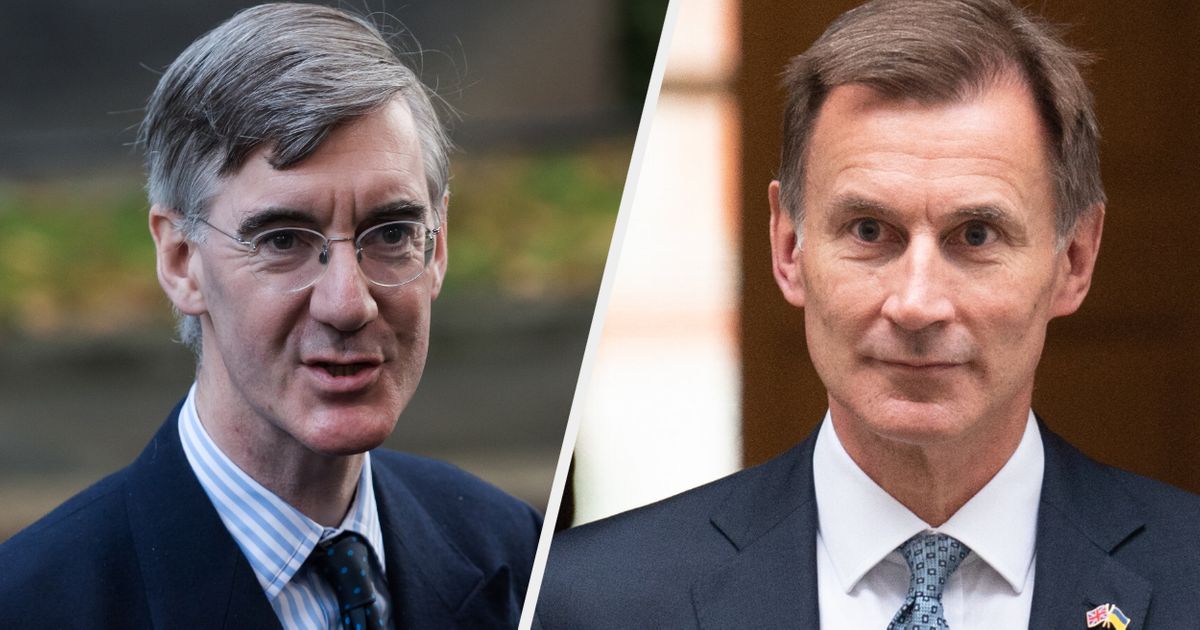
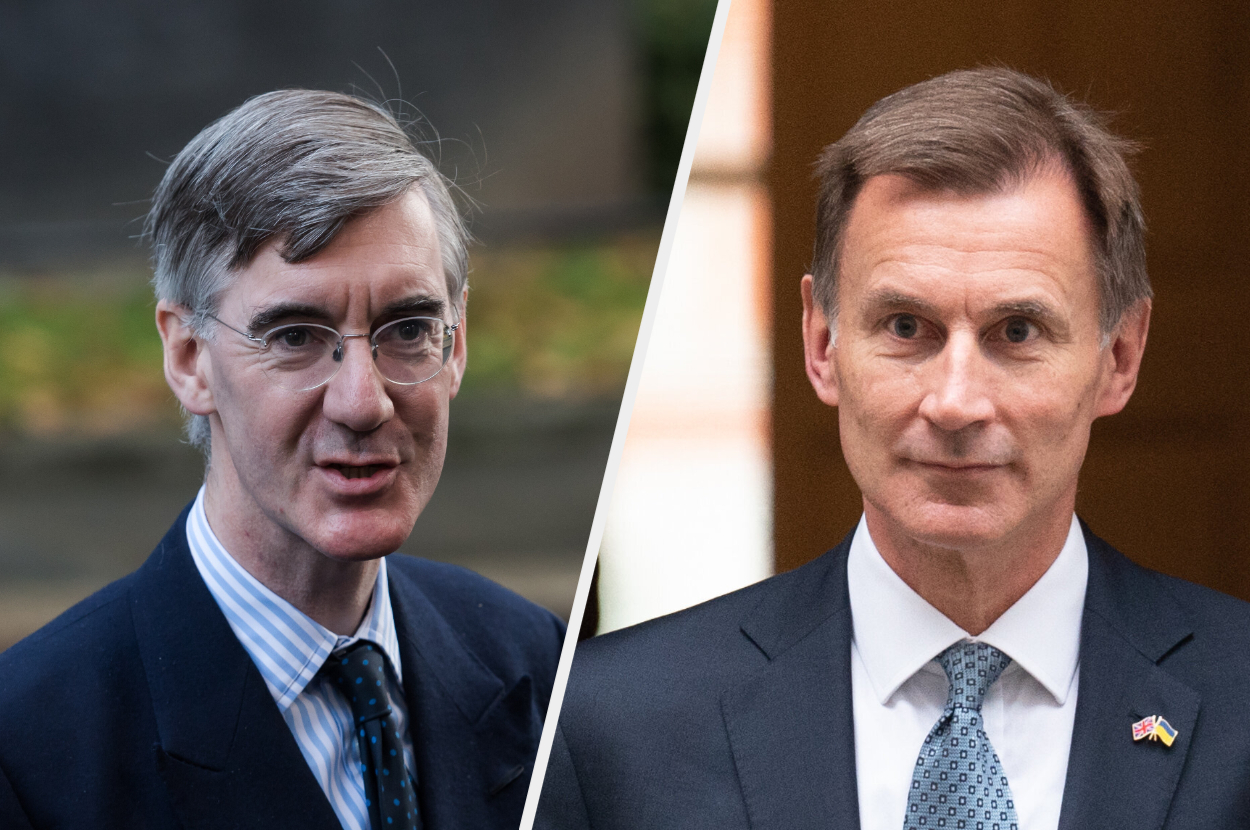
Tory Revolt Begins: Jacob Rees-Mogg Brands Jeremy Hunt’s Tax Rises ‘The Easy Option’

The fragile peace in the Tory party has been exposed as Jacob Rees-Mogg has criticised Jeremy Hunt’s autumn statement for taking the “easy option” by putting up taxes.

The chancellor included almost £25 billion in tax increases in his package to fill the UK’s financial blackhole, with the most well-off taking a hammering.

The Rishi Sunak administration will fear the comments by Rees-Mogg, the former cabinet minister and low-tax enthusiast, reflects wider concerns from the right of the party over raising taxes as the country is entering a recession.

Rees-Mogg, whose time on the ministerial benches was marked by controversial attempts to reduce the headcount of the civil service, said ministers should be seeking to cut spending through efficiency savings in public services.

He told Channel 4 News: “Taxation has got too high and there are issues with the level of expenditure that we have got.

“I think there is a real problem with fiscal drag bringing more and more people into the 40p (tax) band who, particularly if they are living in the south of England, are not necessarily particularly well-off.

“That is going to be hard for them paying an extra level of tax on top of what they are already paying.

“Also freezing the basic band is going to be a burden for all taxpayers, even those who are still in receipt of benefit.

“I think we need to look at the efficiency of government to make sure money is well spent before reaching for the easy option of putting up taxes.

“What we actually need to be doing is having a strategy for growth and looking to lower taxes.”

Rees-Mogg is a long-standing critic of prime minister Rishi Sunak, having previously described him as a “socialist” over his record of raising taxes when he was chancellor. He quit the cabinet when Sunak became PM

His comments will cause concern among ministers after another former minister, Esther McVey, warned she could not support tax rises if the government continued to press ahead with the HS2 rail link.

Rees-Mogg insisted however that he still supported the government.

“I am a Conservative member of parliament and I support the leader of the party. We’ve had three leaders in the last few months – it would be ridiculous to have another,” he said.

Hunt has increased the windfall tax on oil and gas giants and reduced the salary threshold at which workers begin paying the 45p top rate of income tax.

Among a string of little-noticed measures, the chancellor also plans a 23% increase in fuel duty, which adds £5.7 billion to his coffers and is the first tax rise of its kind since 2011.

Share Button

Jeremy Hunt Braces UK For Economic ‘Storm’ As He Unveils Spending Cuts And Tax Rises

Jeremy Hunt will say the UK is facing an economic “storm” as he prepares to unveil £60 billion-worth of tax rises and spending cuts in his autumn statement.

The chancellor will tell MPs that the government must “take difficult decisions now” to repair the public finances, which have been battered by Covid-19, the war in Ukraine and the effects of Kwasi Kwarteng’s disastrous mini-budget.

HuffPost UK understands Hunt will confirm that he is slashing public spending by around £35 billion and increasing taxes by £25 billion as he tries to balance the nation’s books.

But he will also insist that the government will “protect the vulnerable, because to be British is to be compassionate”.

That could mean that welfare benefits and the state pension will rise in line with inflation, meaning they will not be cut in real terms.

The chancellor will deliver Thursday morning’s autumn statement against a backdrop of rising interest rates, as well as soaring energy bills and inflation.

He is expected to increase taxes for the highest earners by reducing the threshold at which they start paying the 45p top income tax rate from £150,000 to £125,000.

But he has already admitted that everyone in the country will have to pay more tax as the government tried to fill a £55 billion financial black hole.

The windfall tax on the bumper profits of energy firms is also set to be increased and extended to bring in billions of pounds more revenue for the Treasury.

In his statement to the Commons, Hunt will say: “As countries all over the world grapple with inflation, our plan reflects British values: we are both honest about the challenges, and fair in our solutions.

“We are taking difficult decisions to deliver strong public finances and help keep mortgage rates low, but our plan also protects our long-term economic growth.

“At the same time, we protect the vulnerable, because to be British is to be compassionate.

“There is a global energy crisis, a global inflation crisis and a global economic crisis.

“But the British people are tough, inventive, and resourceful. We have risen to bigger challenges before.

“We aren’t immune to these global headwinds, but with this plan for stability, growth and public services – we will face into the storm.”

In a clear repudiation of September’s mini-budget – which saw Kwarteng implement former prime minister Liz Truss’s plan for huge tax cuts funded by extra borrowing – Hunt will say the government’s priority is to bring down inflation, which has hit 11.1%, the highest rate in 40 years.

He will say: “High inflation is the enemy of stability. It means higher mortgage rates, more expensive food and fuel bills, businesses failing and unemployment rising.

“It erodes savings, causes industrial unrest, and cuts funding for public services. It hurts the poorest the most and eats away at the trust upon which a strong society is built.”

Hunt will say the Bank of England has his “wholehearted support” as it tried to tackle inflation by increasing interest rates.

“Families across Britain make sacrifices every day to live within their means, and so too must governments because the United Kingdom will always pay its way,” the chancellor will say.

“We are taking a balanced path to stability: tackling the inflation that eats away at a pensioner’s savings and increases the cost of mortgages to families, at the same time supporting the economy to recover. But it depends on taking difficult decisions now.”

Shadow chancellor Rachel Reeves said the UK had been “held back by 12 years of Tory economic failure and wasted opportunities”.

She said: “What Britain needs in the autumn statement today are fairer choices for working people, and a proper plan for growth.”

Share Button

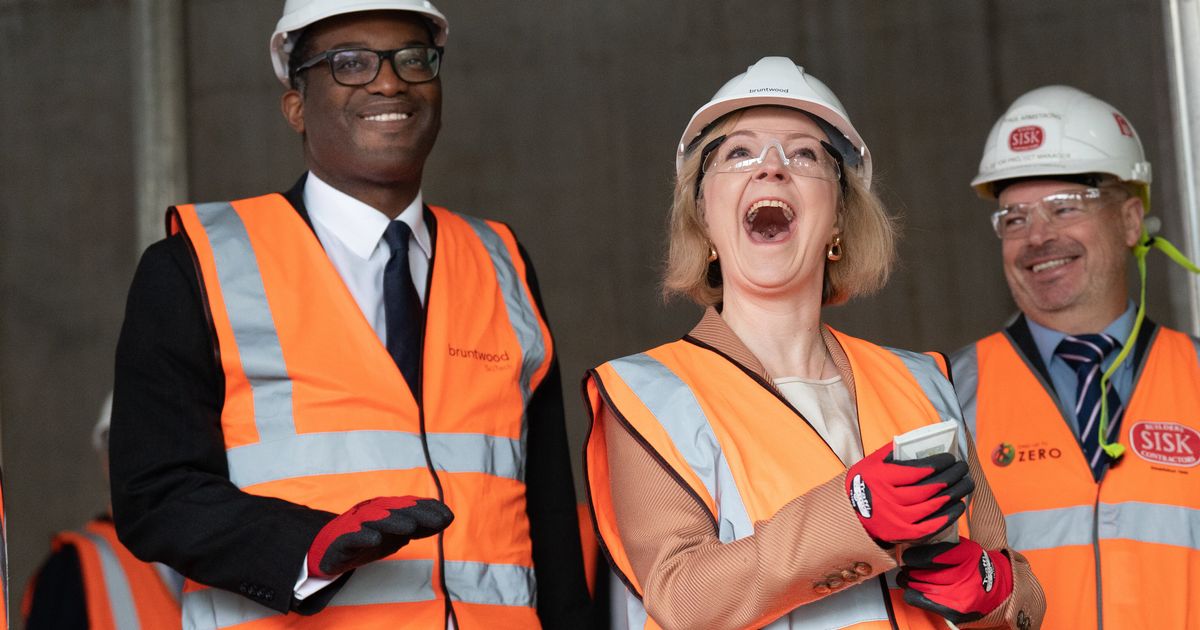
Kwasi Kwarteng Says He Told Liz Truss To ‘Slow Down’ On Economic Reforms That Crashed The Markets

Kwasi Kwarteng has revealed he told Liz Truss to “slow down” with her radical economic agenda as the ex-prime minister was moving at “breakneck speed” after the disastrous mini-budget.

In his first interview since his ousting, the ex-chancellor says he warned her of being out of No 10 within “two months”.

The “slow down” claim is likely to raise eyebrows as two days after the mini-budget – which included plans to scrap the 45p income tax rate paid by the highest earners, cut stamp duty, reverse the rise in national insurance and cancel a planned rise in corporation tax – he told the BBC there was “more to come”.

Kwarteng also criticised the then-prime minister’s “mad” decision to sack him for implementing her tax-cutting agenda.

Truss ended up resigning after only 44 days in office, with her economic measures swiftly ripped up by new chancellor Jeremy Hunt and her successor in No 10, Rishi Sunak.

Kwarteng refused to apologise for the financial turmoil unleashed by his and Truss’s disastrous mini-budget, but acknowledged “there was turbulence and I regret that”.

He said the “strategic goal was right”, but “I think we should have had a much more measured approach”.

He said he bore “some responsibility” for the timetable of the mini-budget, but that Truss “was very much of the view that we needed to move things fast”.

“But I think it was too quick,” he added.

“Even after the mini budget we were going at breakneck speed. And I said, ‘You know, we should slow down, slow down’.”

“She said, ‘Well, I’ve only got two years’ and I said, ‘You will have two months if you carry on like this’. And I’m afraid that’s what happened.”

On September 23, Kwarteng announced the biggest raft of tax cuts for half a century.

The mini-budget triggered turbulence in the financial markets, sending the pound tumbling and forcing the Bank of England’s intervention.

Asked if he wanted to say sorry to the people facing extra costs in re-mortgaging, Kwarteng said: “I don’t want to relive the past.”

He added: “I do feel sorry, actually, for the people who are going through this difficult time in terms of re-mortgaging.

“I’m not going to wash my hands of what we did, I think the strategic goals (were) the right thing, but as it said, the delivery and implementation, there was no real tactical plan, there was no real timetable for it and I think we should have done that.”

The ex-chancellor said he first learned of his firing via a tweet as he travelled to a meeting with Truss in Downing Street.

“I can’t remember whether she was actually shedding tears but she was very emotional,” he said.

Describing his thinking at that moment, he said: “This is mad. Prime ministers don’t get rid of chancellors.

“I think I said to her at the time, ‘This is going to last three or four weeks’.

“Little did I know it was only going to be six days.”

Kwarteng added: “She can’t fire me for just implementing what she campaigned on. And, you know, we had a conversation.

“And I think it was very much the view that somehow she would survive if I took the fall on that.”

Share Button

Gavin Williamson Quits Over Bullying Allegations

Gavin Williamson has resigned from Rishi Sunak’s cabinet amid a series of bullying allegations against him, saying he was “becoming a distraction for the good work this government is doing”.

Williamson, who was promoted to Cabinet Office minister when Sunak became prime minister, was under renewed pressure following reports in The Guardian that he told a ministry of defence official to “slit your throat”.

The Tory party and parliament’s bullying watchdog are also looking into allegations made by former chief whip Wendy Morton.

Williamson was previously sacked as defence secretary for leaking from the National Security Council, and fired as education secretary over A-level exam chaos.

His resignation came just hours after Downing Street insisted Sunak still had full confidence in the minister.

In his resignation letter, Williamson told Sunak: “As you know, there is an ongoing complaints process concerning text messages I sent to a colleague.

“I am complying with this process and I have apologised to the recipient for those messages.

“Since then, there have been other allegations made about my past conduct. I refute the characterisation of these claims, but I recognise these are becoming a distraction for the good work this government is doing for the British people.

“I have therefore decided to step back from government so that I can comply fully with the complaints process that is underway and clear my name of any wrongdoing.”

The decision to quit follows allegations he sent expletive-laden messages to Morton complaining about being refused an invitation to the Queen’s funeral, claims he bullied a former official at the ministry of defence and an accusation of “unethical and immoral” behaviour while he was chief whip.

In his response, Sunak said he was accepting the resignation “with great sadness”, but “I support your decision to step back and understand why you have done it”.

He told Williamson “I would like to thank you for your personal support and loyalty” and expressed his “gratitude for the work you have done for this government”.

Angela Rayner, deputy leader of the Labour Party, said: “This is a damning reflection of a weak prime minister. Rishi Sunak appointed Gavin Williamson with full knowledge of serious allegations about his conduct and repeatedly expressed confidence in him.

“This is yet another example of Rishi Sunak’s poor judgement and weak leadership. It is clear that he is trapped by the grubby backroom deals he made to dodge a vote, and is incapable of putting country before party.

“As families struggle during a cost of living crisis made in Downing Street, yet another Tory government has descended into chaos.”

Williamson, who was knighted after being nominated for the honour by Boris Johnson earlier this year, is a divisive figure at Westminster, where he is viewed with suspicion by many Tory MPs because of his reputation as an inveterate plotter.

He was sacked first by former PM Theresa May as defence secretary in 2019 for leaking details of a National Security Council meeting, and then by Johnson as education secretary over the Covid-19 A-levels debacle.

However, he was regarded as a key figure in Sunak’s campaign over the summer to become party leader and his departure will be embarrassing for the prime minister.

Share Button

Lee Anderson Has Said Putting Asylum Seekers In Hotels Leaves A Bitter Taste In His Throat

A Tory MP has said that placing migrants in temporary hotel accommodation “leaves a bitter taste in my throat” and called for them to be deported instead.

Lee Anderson also said asylum seekers arriving in the UK should be “sent back the same day”.

The Ashfield MP spoke out as the government continues to come under pressure over the situation at the Manston migrant processing centre in Kent.

At the peak of the crisis a week ago, around 4,000 people were held at the facility, which is designed to hold about 1,600.

Immigration minister Robert Jenrick told the Commons that the situation had since improved, with numbers “back below 1,600” after more than 2,000 people were placed in temporary accommodation.

But Anderson said: “When I hear words like sourcing housing and getting extra hotel spaces for illegal immigrants, it leaves a bitter taste in my throat.

“And I’ll tell you what, I’ve got 5,000 people in Ashfield who want to secure council housing and they cannot get one. Yet, we’re here debating this nonsense once again. When are we going to stop blaming the French, the ECHR, the lefty lawyers?

“The blame lies in this place right now — when are we going to go back and do the right thing and send them straight back the same day?”

Jenrick responded by telling Anderson that while the UK should be “guided by our common desire for decency” it was “not right that migrants are put up in three or four-star hotels at exorbitant cost to the United Kingdom taxpayer”.

He said Rishi Sunak would meet with the French president Emmanuel Macron to reach an agreement on how to stem the flow of small boat crossings in the Channel.

Alistair Carmichael, the Liberal Democrat home affairs spokesperson, criticised Anderson’s remarks.

“We all want to stop these dangerous Channel crossings and defeat the criminal gangs who profit from them, but the Conservatives’ approach isn’t working and they blame everyone but themselves,” Carmichael told HuffPost UK.

“For years, Conservative MPs from Lee Anderson to the home secretary – and even the prime minister – have contributed nothing but alienating rhetoric and simplistic proposals that do nothing to solve the problem. This sort of unhelpful, expensive and callous nonsense has only made the problem worse.

“If Conservative MPs really want to deal with the asylum backlog and save taxpayers’ money, the need to focus on fixing the asylum system they have broken and processing claims for asylum more quickly.”

Share Button

Braverman And Williamson Appointments Make A Mockery Of Sunak’s ‘Integrity’ Pledge

Rishi Sunak could not have been clearer on the day he became prime minister.

“This government will have integrity, professionalism and accountability at every level,” he declared on the steps of Number 10. “Trust is earned – and I will earn yours.”

Less than two weeks later, those lofty ideals have already been sacrificed at the altar of political expediency.

One of Sunak’s first actions as PM was to re-appoint Suella Braverman as home secretary, just six days after she was forced to resign by Liz Truss for breaking the ministerial code.

The widely-held belief at Westminster – not denied by Number 10 – is that the decision was part of a “grubby deal” to guarantee her support for Sunak’s Tory leadership bid at the expense of Boris Johnson.

So much for integrity, professionalism and accountability at every level.

And today, we have had it confirmed that Sunak knew of bullying allegations made against Gavin Williamson for former chief whip Wendy Morton before he made him Cabinet Office minister.

Like Braverman, Williamson supported Sunak’s election campaign and – just like the home secretary i was rewards with a seat round the cabinet table.

Despite the abusive nature of the text messages Williamson sent to Morton after he was blocked from attending the Queen’s funeral, Oliver Dowden this morning insisted that the prime minister retains full confidence in his colleague.

So much for integrity, professionalism and accountability at every level.

It is not surprising, however, that the PM’s actions have failed to match his rhetoric.

For all the talk of Tory unity, Sunak knows that he presides over a deeply divided party.

It will not have escaped his notice that Sir Jake Berry – a Johnson ally who Sunak sacked as party chairman – has made two deeply unhelpful interventions on both the Braverman and Sunak stories.

Meanwhile, Brandon Lewis, another minister who saw his cabinet career ended as soon as Sunak entered Number 10, chose today of all days to retweet a thread from June on why bullying should not be “an inevitable part of our political life”.

With his enemies lining up behind him, Sunak can ill-afford to lose two of his supporters so soon into his premiership.

That’s why he is resisting calls for Williamson to be sacked, at least for now.

But the rows have taken the sheen off the new PM, and only served to further prove that his No10 honeymoon is well and truly over.

Share Button

Britain To Be Given Bank Holiday For King Charles’ Coronation, Rishi Sunak Announces

The country will enjoy an additional bank holiday on May 8 next year, two days after the ceremony takes place.

An extra bank holiday also took place when the King’s mother, Queen Elizabeth II, ascended to the throne in 1953.

It also follows the bank holiday which was held to mark the late Queen’s funeral in September.

The prime minister said: “The coronation of a new monarch is a unique moment for our country. In recognition of this historic occasion, I am pleased to announce an additional bank holiday for the whole United Kingdom next year.

“I look forward to seeing people come together to celebrate and pay tribute to King Charles III by taking part in local and national events across the country in his honour.”

Oliver Dowden, the chancellor of the Duchy of Lancaster, said: “The coronation combines the sacred and the solemn but it is also celebratory.

“This bank holiday will once again give people across the United Kingdom the opportunity to come together as families and communities to welcome His Majesty to the throne as we mark this important day in our nation’s long history.”

Share Button