Google Pixel 2 And Pixel XL 2 Unveiled: UK Release Date, Price And Features

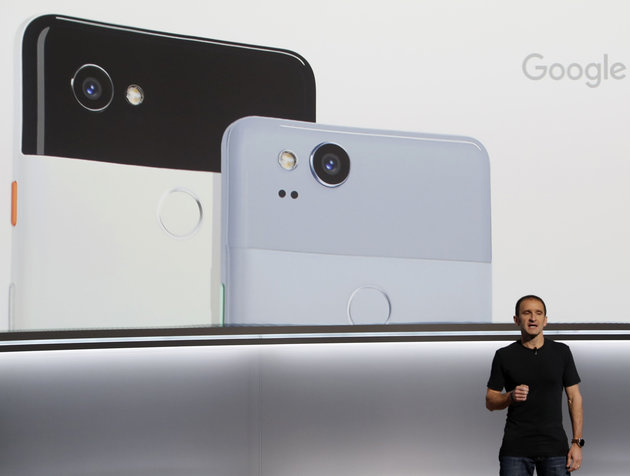
Google has unveiled its brand-new Pixel smartphone, the Pixel 2 and the Pixel 2 XL at a special event in San Francisco.

This is the second generation of Google’s own-brand Pixel smartphone and once again both phones place a huge emphasis on photography and performing tasks handsfree by taking to Google Assistant.
Stephen Lam / Reuters

Google Pixel 2 + Pixel 2 XL

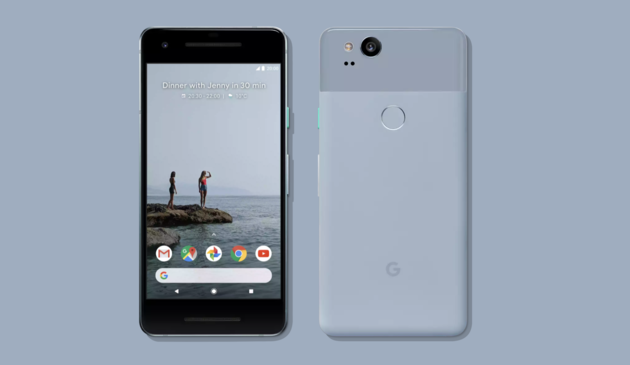
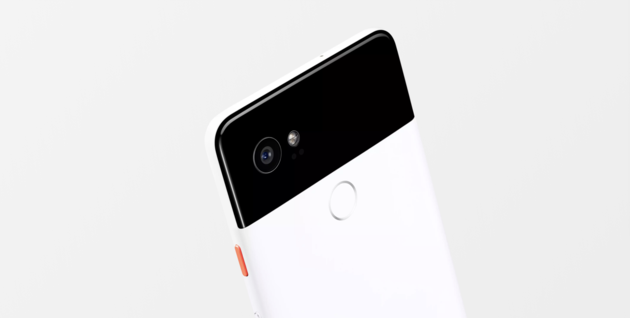
The design of Pixel 2 is an evolution of the original. There’s still a soft aluminium body combined with the glass panel at the top of the smartphone. Both smartphones have stereo speakers, a fingerprint sensor and no, they don’t have a headphone jack.
Google

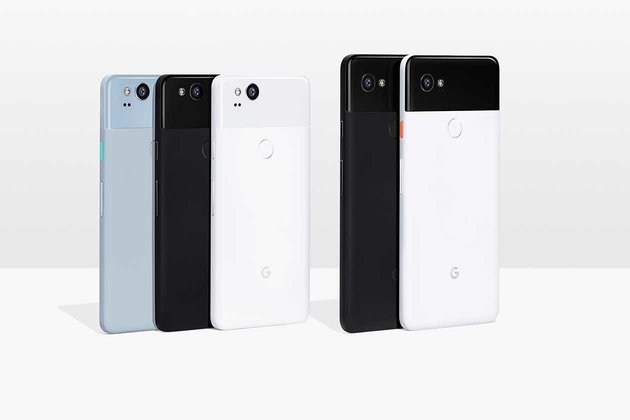
The Pixel 2 comes in three colours which have been rather cutely named: Clearly White, Just Black and Kinda Blue.

The Pixel 2 XL comes in Just Black or Black and White.
Google

Display

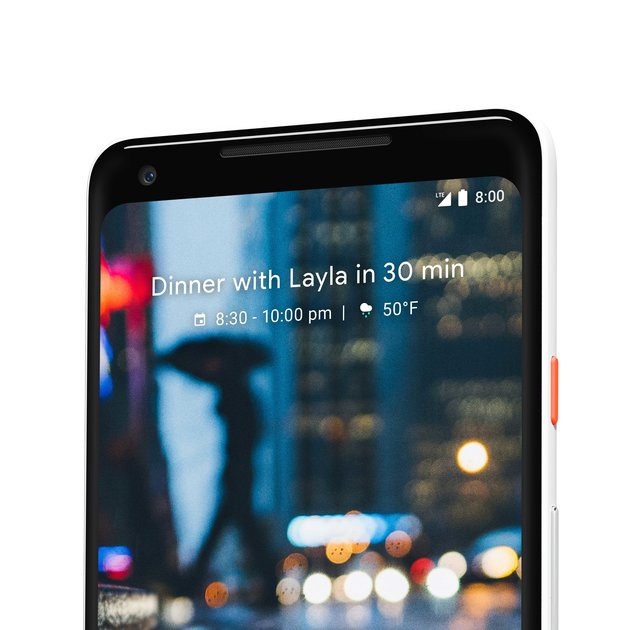
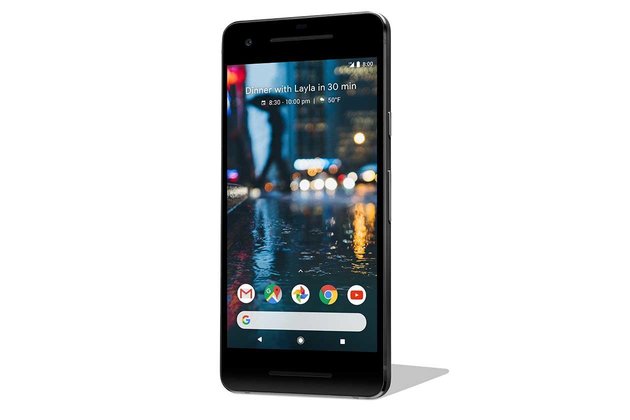
The Pixel 2 XL has a large 6-inch P-OLED curved display sat within an almost bezel-less smartphone design.

With a resolution of 2880×1440 this puts the Pixel 2 XL directly in line with the likes of Apple’s iPhone X, Samsung’s Galaxy S8, Note 8 and the LG V30.
Google

With smartphones now adopting the same technologies as most high-end TVs it should come as no surprise that the Pixel XL supports wide-colour gamut which should mean great contrast and colour reproduction when watching Netflix or movies bought on Google Play.

Pixel 2, the smaller sibling has a 5-inch Full-HD display but still has a wide-colour gamut which should mean that images and video still look impressive.
Google

Both phones have an Always-On Display that boasts notifications and a rather nifty trick that’ll show you the song that’s playing in the background without you having to open an app like Shazam.

Camera

It’s fair to say that the original Google Pixel had one of the best cameras ever seen on a smartphone. It looks as though Google is hoping to continue that tradition with the Pixel 2.
Google

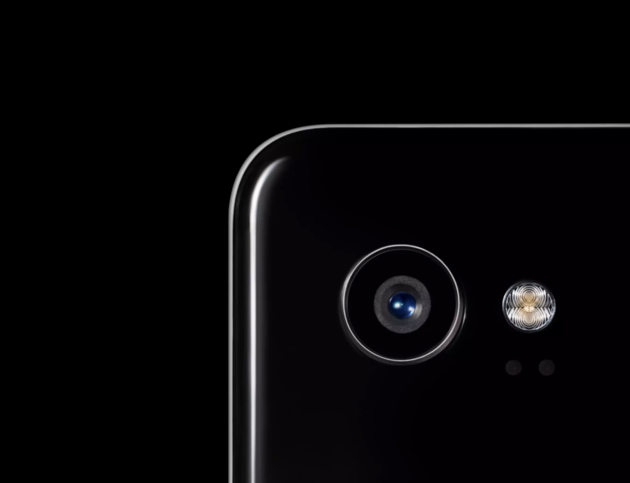
Getting the technical jargon out of the way, the Pixel 2 has a single 12MP sensor with optical image stabilisation.

Now to the interesting part. The Pixel 2 has an advanced form of HDR which means that when you press the shutter it will take many shots in a split second. It then uses AI built into the phone to analyse each one, combine them and give you the finished product.

As a result Google says it is the highest-rated smartphone camera available.
Google

For shooting video, the camera features an advanced hybrid system that combines both hardware and software to remove shaky footage and smooth it out.

As with the original Pixel, Google’s offering free unlimited cloud storage for photos and videos.

Augmented Reality

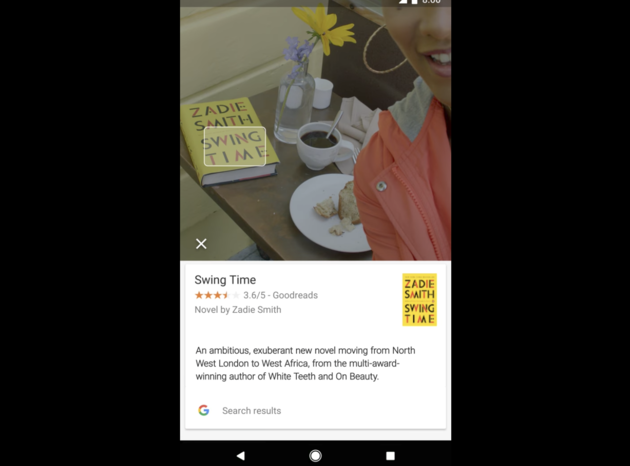
First unveiled at Google I/O, Google Lens will be launching on the Pixel 2. Google Lens is essentially a visual assistant that uses the camera on your phone.

You simply point it at something on interest and Google Lens will give you information about it, whether that’s looking at a restaurant and getting reviews or pointing it at a bottle of wine and wondering where it comes from.
Google

Samsung has experimented with something similar in the past with limited success so whether or not you’ll find yourself pointing the camera at every restaurant you can see will remain to be seen.

Just like Apple, Google is investing heavily in Augmented Reality. As such both Pixel 2 smartphones will come with AR features built directly into the camera.

Google

 AR stickers allow you to essentially drop custom-made animated emojis into the real world, and then send the footage to friends.

Storage + Features

The Pixel 2 comes with two storage sizes, 64GB and 128GB, both of which should be more than adequate for downloading music, Netflix shows or taking photos.

The Pixel 2 and Pixel 2 XL are both water-resistant, feature stereo speakers and come with a unique feature that allows you to physically squeeze the phone to bring up Google Assistant.

Google Pixel 2 & Pixel 2 XL UK Release Date And Price

Both the Pixel 2 and the Pixel 2 XL are available to buy now and are set to be available from 19 October. For a limited amount of time Google’s giving away a free Google Home Mini alongside the Pixel 2.

Pixel 2 64GB: £629
Pixel 2 128GB: £729

Pixel 2 XL 64GB: £799
Pixel 2 XL 128GB: £899

Share Button

Google Home Mini Unveiled As A Smaller, Cheaper Smart Speaker

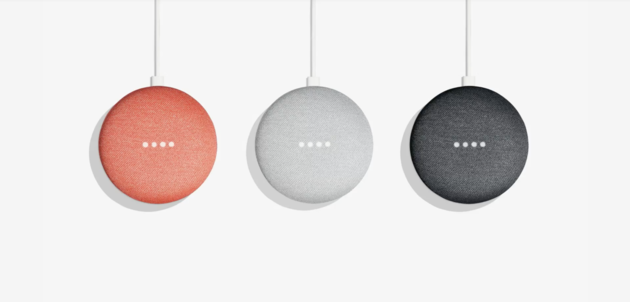
Google has unveiled a brand-new smart speaker, the Google Home Mini.

This is essentially a smaller, cheaper version of Google Home but yet is still able to answer all your questions by having Google Assistant built-in.

Google

That means that you can ask it questions, tell it to play music or ask it to perform tasks in your home such as turn on the lights, change the temperature

Home Mini isn’t designed to replace the original Home speaker, rather it’s an additional product designed for using in rooms where you already have speakers.

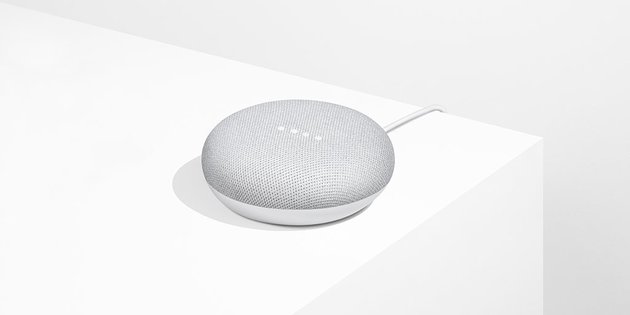
Google claims that despite its smaller size it still has impressive audio that comes from a single driver.

Google

Home Mini is almost entirely covered in fabric yet still features touch control and four LEDs buried underneath the fabric covering so you know that it’s actually listening.

It’s hard not to see the Home Mini as a direct response to Amazon’s Echo Dot, a smaller and cheaper version of the Echo designed for those who would rather use their own speakers.

Home Mini will be available to buy in the UK on 19 October and costs just £49.


Share Button

England to consider optout organ donation

Ministers announce plan to review system as figures show three people a day die waiting for transplants.

Share Button

The ‘poo girl’ mapping toilets for conditions like IBS

Have you ever been desperate for the loo and not been able to find the nearest one?

Share Button

Designer biosensor can detect antibiotic production by microbes

[unable to retrieve full-text content]

Share Button

Gaming For A Good Cause?

2017-09-28-1506605298-4420410-05_Cabin.png

Games are brilliant, not only are they fun to play, they’re also an increasingly relevant platform for seamlessly gaining insight into human behaviour.

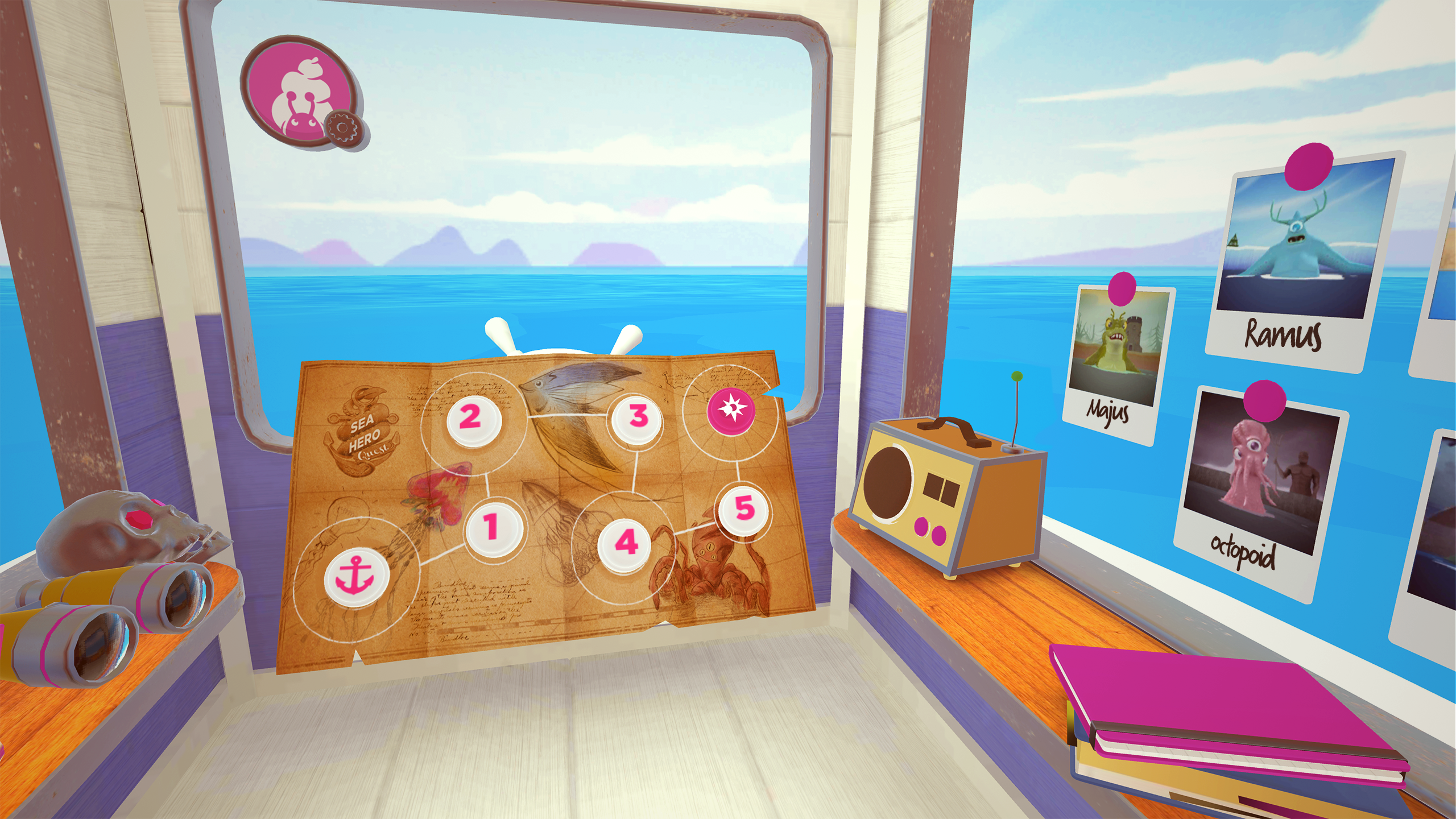
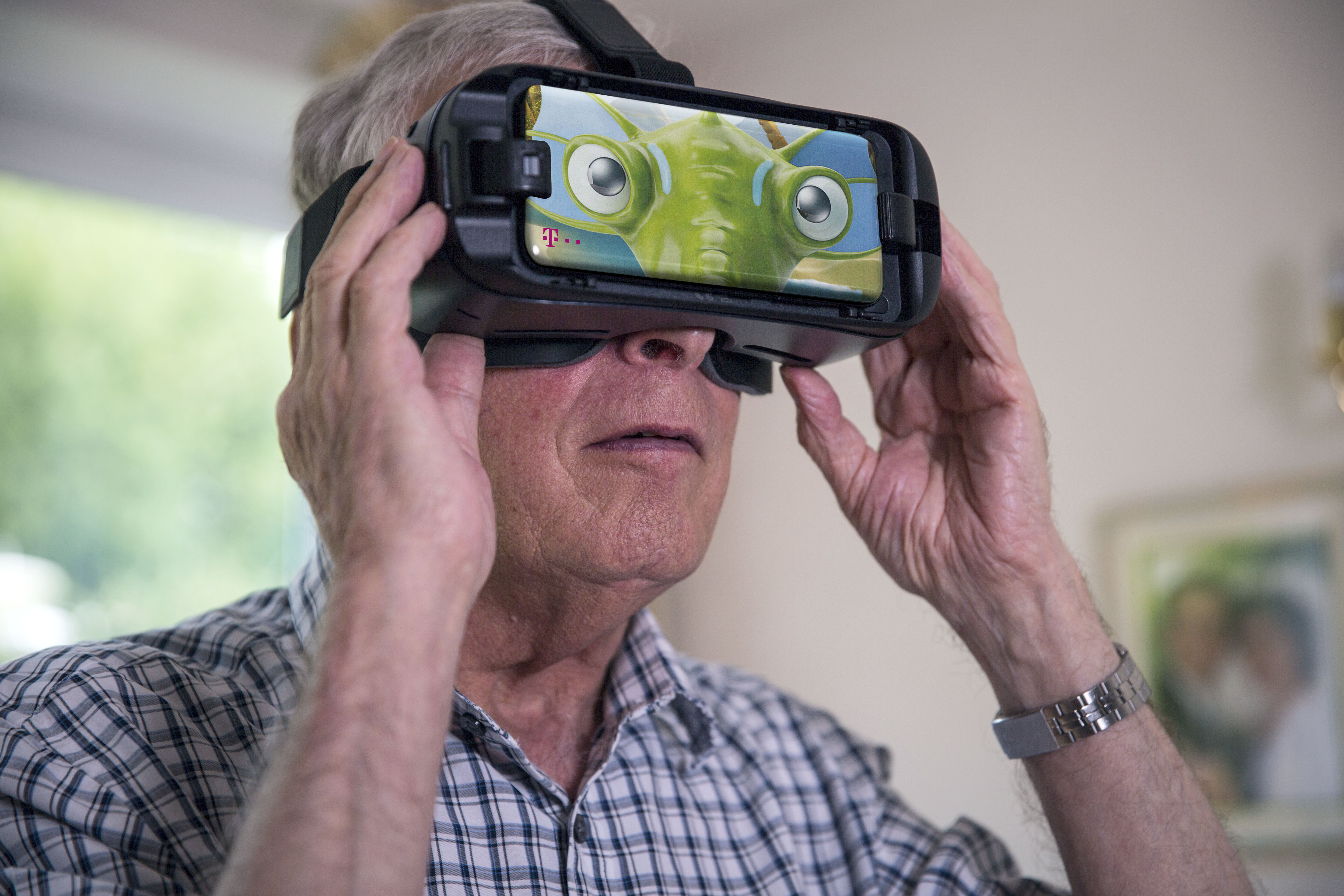
With Sea Hero Quest, the colourful and casual mobile and VR game, we’ve helped collect valuable navigational data for scientists trying to tackle the huge problem of dementia.

The number of diagnosed cases of dementia is on the rise, and it is currently estimated that 130 million people will be affected worldwide by 2050. As it stands medical and scientific research can’t keep up, which is why a fresh approach to the problem is now a necessity.

The kind of leap required just isn’t feasible with traditional pen and paper research methods, which is where online, mobile & VR games come in. The democratisation of hardware (everyone now has essentially has a computer in their pocket) has blown things wide open, allowing scientific experiments and research techniques to be married seamlessly with game design.

2017-09-28-1506606182-2870041-ScreenShot20170821at11.50.40.png

It’s really a win-win for everyone involved. Right from the player, who is sat at home with the game in their hand, right up through the development process to the scientists in the lab actually parsing the data – everyone is having a positive experience across the board. Glitchers is proving, in partnership with Deutsche Telekom, the power of collaboration and the power of gaming.

Traditionally, lab-based experiments can take a long time to complete per participant and the studies themselves might be limited to only a few hundred people. Games, like Sea Hero Quest, are able to tackle this problem head-on by delivering legitimate scientific tests via a fun and friendly game environment.

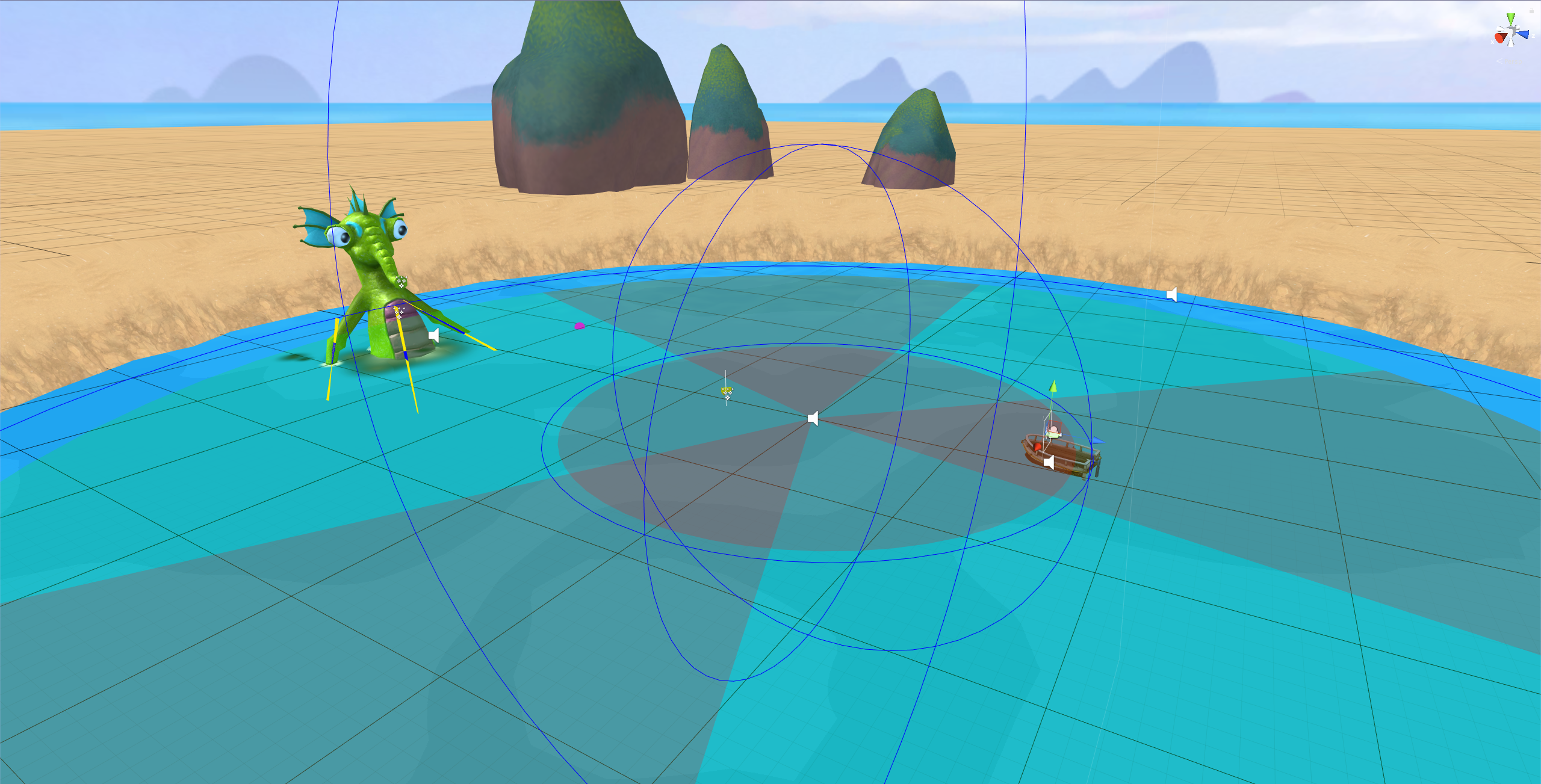
Players engage with complex studies within Sea Hero Quest without ever realising what’s being tested and when. It’s easy to get lost in the world of Sea Hero Quest and never feel like you’ve taken part in a scientific experiment. Sea Hero Quest has been designed with scientists and architects who are experts in the field of Alzheimer’s dementia. This time players share with science isn’t gruelling, it’s fun! Meaning an otherwise enjoyable experience comes with a fortunate, well considered by-product — collecting valuable navigational data for science.

From a game development perspective, we at Glitchers get the incredible satisfaction of using our reach as developers to facilitate this translation of entertainment hours into valuable research data on a massive scale. Experiments in spatial navigation have previously reached just under 600 people, whereas Sea Hero Quest has now reached over 3 million players to date, making it the world’s biggest research study in this field.

2017-09-28-1506606243-5778581-SeaHeroQuestVRPhotography5.jpg

Scientists are buzzing at the sheer volume of data we’re able to collect, so much so, that tiny differences in navigational ability can be effectively measured against so many different normative measures. In the future, this data will become the benchmark that helps form a diagnostic opinion.

Already the data collected by Sea Hero Quest has given new insights into navigational ability across the world. Participants shared their time to game for good from 192 countries! A huge accomplishment that brings scientists invaluable information such as the age in which people’s navigational ability begins to decline, which genders adopt what kind of navigational strategies as well as the difference in results seen across countries around the world.

Glitchers hopes to see more of this kind of cause-driven research become part of the game design process in the future. There are essential learnings that must be given consideration around the fidelity of the data destined for researchers and player’s time being treated like it would in a normal game. The perfect output for us is one which features underlying scientific principles, an interesting story and engaging, fun gameplay mechanics.

We’re doing our own part, looking beyond the mobile game that’s collected navigational data from millions of players, and moving with technological advancements. In that regard, Virtual Reality is the next logical step for the Sea Hero Quest team in terms of scientific research, as completely immersing players in a game world gives a noticeable increase to the accuracy of the data.

Sea Hero Quest is available for free for Samsung Gear VR on the Oculus Store and for mobile on the App Store and Google Play.

[embedded content]

Share Button

Online Safety: A Lesson All Students Need To Learn

August this year was an exciting month for those students finishing sixth form and college. After spending months disconnected from the world to focus on their studies, their A-Level results were released. For many, it was an opportunity to celebrate and let off some steam before setting off for pastures new. The prospect of university and expanding their minds, surroundings and opinions is too good to turn down for many people. It is where, some say, you ‘find yourself’. But during this rollercoaster ride of meeting new people and experiencing new things, it’s important to stay safe.

From spraying traceable SmartWater on possessions, to using anti-drink spiking straws, safety lessons are instilled into students by the bucket load as they leave for higher education. However, there isn’t much advice concerning their digital safety. We live in an age where there are just as many people looking to do you harm online as there are in real life and it’s important for students to stay vigilant. While it’s essential to enjoy their new home, they need to ensure their personal details are secure and that they’re the only one that can truly ‘find themselves’ online.

Recent attacks like the one on UCL in July show that universities are prime targets when it comes to cyberattacks. Students’ details are highly sought after and hackers have a number of ways of targeting them. From phishing scams like the one seen in September, where cyber scammers posed as the Student Loans Company, to the creation of a completely fictitious university, cyber-attackers are not short of creativity. Students need to be aware of their online behaviour and learn how to best mitigate risks. By following a few simple steps, students won’t have to worry about who can see their information, leaving them lots of extra time to attend those all-important lectures.

P1ck1ng Pa55w0rd5

Some people, no matter how many times they’re told, simply never change their passwords. They stick with predictable standbys and default options like ‘123456’ or even worse, ‘password’. Remembering them can be a chore, yes, but ensuring you have different passwords for each account is a necessity. If you don’t have the memory to remember all these different variations then a password manager is the answer for you.

Password managers greatly simplify the entire password process, enabling you to secure all your passwords behind one master password. All you have to do is remember one secure password and your accounts will auto-fill with their applicable passwords whenever you need access. Remembering one password isn’t too hard, right?

Keeping Social Media Social

Adding new friends on social media is a first step for many students cementing friendships. With so many fresh faces in such a short period of time it can be hard to keep track, but it really is imperative. Thousands of fake profiles are made every day with malicious intent, so be aware that it isn’t difficult for those same impersonators to list a university on their profile, too. Make sure you don’t accept anyone you haven’t physically met, no matter how attractive they are.
Sampling the offerings of your new surroundings is essential if you’re to feel at ease in your new home.

But as you post pictures on Instagram, or check-in on Facebook, remember that this information is permanent and available for many to see. It’s easier than you might think to accidentally reveal sensitive information such as your card details, address and when you’re out of the house, through pictures on social media. Be aware that most social media platforms are, in their essence, public.

Sharing Isn’t Always Caring

University is a time of sharing, from the accommodation you live in to the many group presentations you’re expected to do. Some of the most commonly shared things are the communal computers in the library. These shared devices can be used by dozens of people in one day, so remember to never click yes when asked to save your details. Keep track of which devices you’re logged in to and always sign out at the end of each session.

Wi-Fi hotspots are important for doing work while you’re out and about, but these open networks can also be ripe territory for hackers. When connected to the same public Wi-Fi, hackers can see which webpages you access and depending on how secure the sites you’re visiting are, your browsing history, searches, personal login information, photos, videos, emails, and comments. Use a Wi-Fi inspector app to analyse the security of the connection, or invest in a Virtual Private Network (VPN) to surf the net securely.

Be Cautious

The final tip is more general advice, but it’s the step which is perhaps easiest to fall foul of. Stay away from shady websites, be careful of what you download and don’t open links from someone you don’t recognise. These are all tips we’ve heard a hundred times before, but you can never say them enough.

Ensuring you have an up-to-date internet security product is a good way of saving yourself if you do click the wrong link. But the only sure-fire way to avoid malicious content online is by not clicking them. Choose what you access as carefully as you chose your new university. You’ve got a lot of important things to focus on without adding a whole heap of worry about your internet safety.

Share Button

What Every Business Leader Should Know About the Rise Of The Robots

Every week Artificial Intelligence makes the headlines – pharmaceutical firm Exscientia has just announced a £33m deal with GSK. The founder wants to put AI in partnership with people to diminish the time and cost equations associated with medicine.

This application of AI focuses, as most do, on changing the way companies do things, or on re-wiring entire industries. Yet scant attention is paid to the real burning issue: how will robots change our day-to-day experience of working in business? And, more to the point, will robots working alongside rather than replacing humans even be possible?

These questions are fast becoming critical for today’s business leaders because the need to understand the implications of AI will dictate what changes to how a business and its people operate in anticipation of that are needed today. In every case, however, the answer is the same: educate yourself.

We’re warned that jobs are at stake. Some 4 million in the UK private sector should you choose to believe the latest reports. With this in mind, it’s reassuring that AI is, in fact, distinctly unhuman in its thinking. The self-driving car doesn’t drive like a human – it has no easily distracted mind; instead, its sole focus is on the road and delivering safety for humans. And in the differences between humans and AI lies opportunity.

More productive than worrying about AI versus human is for businesses to focus instead on where human and machine intelligence can complement one another, rather than compete.

Take as your starting place the notion that AI can augment human behaviour. This is the so-called ‘centaur approach’ to the technology inspired by the growth of freestyle chess where teams compete using any combination of humans and computer. And consider Gary Kasparov’s conclusion that “weak human + machine + better process was superior to a strong computer alone and, more remarkable, superior to a strong human + machine +inferior process”.

As it stands today, the ‘centaur approach’ to freestyle chess beats AI players more than half the time. In itself, this is interesting. But more than that, it shows how despite the rise of AI chess did not die – it evolved. So if humans can use AI to become better chess players, they can surely use AI to become better teachers, engineers or doctors.

The take-out for businesses is that by evolving employees to become ‘centaurs’ they can be moved away from menial tasks to focus on things that truly matter to a business’s core mission. And with the elimination of human-implemented routine tasks, more not less emphasis will be placed on the improvement of more sophisticated human-based tasks.

This, then, should provide the starting point for businesses today to create the right platform for deploying AI moving forward. So, they will need to focus on how they nurture emotional intelligence, imagination, intuition and creativity within their workforce ahead of more basic, lower-grade skills.

They will need to prioritise areas within their organisation for implementing AI where that AI will complement human skills sets – focusing on automation, for example, 24/7 response and crunching big data. They will need to start experimenting. And they should research how others use the ‘centaur approach’.

What they must understand is not just what AI can and can’t do but, as important, when. Even in the next ten years, the AI we interact with will be an extremely narrow, task-specific super-smart specialist incapable of the subtleties and nuances that come from an ability to synthesis seemingly disconnect thoughts and actions.

Finally, when needed, they should turn for inspiration and reassurance about the continued need for and role of humans in their workforce to the disciplines of Emotional Intelligence and Behavioural Economics for inspiration. Because as long as humans are consumers of goods and services companies produce, then those companies will always need humans to understand the irrational and random nature of their consumers’ decisions.

Share Button

‘Revolutionary’ New Technology Could Turn Your Cup Of Tea Into A TV Remote

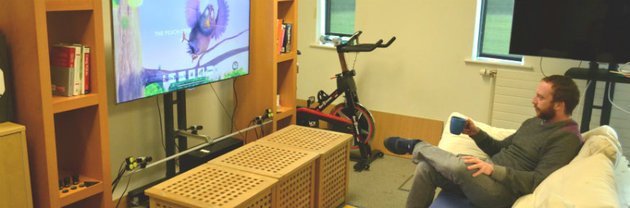
Researchers at Lancaster University have developed a “revolutionary” new technology that could turn just about any object into a TV remote.

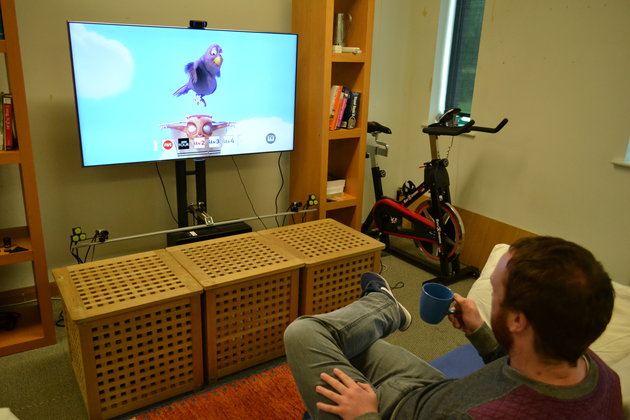
Simply waving your cup of tea in front of the TV could change the channel, or rolling a toy car across the floor could change the volume.

Lancaster University

The new technology differs from conventional gesture recognition by being far simpler in its design. Unlike other more advanced methods that actually look to recognise a hand or even individual fingers, this system simply recognises the gestures and the movements themselves, regardless of what’s doing it.

The system, called Matchpoint, uses a conventional webcam to operate and works by recognising motion, rather than specific objects.

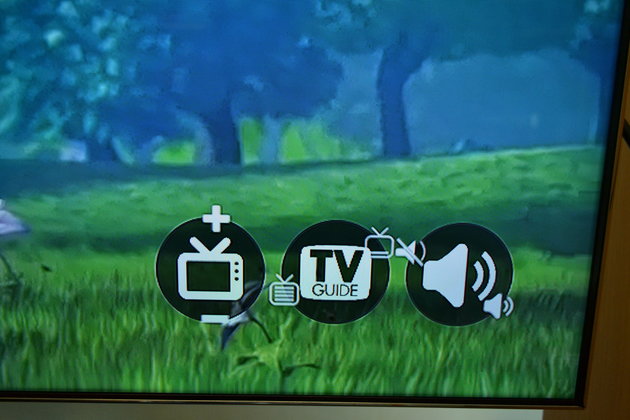
As you can see by the image below, changing channel, volume or activating the TV guide are all performed by moving your hand to a certain part of the screen.

Lancaster University

Once activated a simple slider appears and you just move your hand (with or without a mug of tea) in the direction you want. 

Christopher Clarke, PhD student at Lancaster University’s School of Computing and Communications, and developer of the technology, said: “Spontaneous spatial coupling is a new approach to gesture control that works by matching movement instead of asking the computer to recognise a specific object.

“Our method allows for a much more user-friendly experience where you can change channels without having to put down your drink, or change your position, whether that is relaxing on the sofa or standing in the kitchen following a recipe.”

Lancaster University

The system can be set up to read multiple users and the researchers believe that it could become a viable alternative for people who are unable to use conventional input devices such as remote controls or a keyboard or mouse.

Share Button

NHS ‘not fit for 21st Century’, says chief hospital inspector

Professor Ted Baker says the NHS has not modernised because of a historic lack of investment.

Share Button