The hidden reason cancer immunotherapy often fails

Cancer immunotherapy has reshaped cancer treatment by training the body’s immune system to recognize and attack tumors. Drugs known as immune checkpoint inhibitors, which target the PD-1/PD-L1 pathway, have led to long-lasting responses in some patients and fueled optimism about durable cancer control. Yet for most people, these therapies do not deliver the same benefit. Tumors can adapt and develop ways to escape immune detection, limiting the effectiveness of treatment.

This challenge has pushed researchers to look beyond the tumor itself and examine broader mechanisms of immune resistance. Scientists are increasingly focused on how cancers suppress immune activity throughout the body, not just at the tumor site. One emerging area of interest involves small extracellular vesicles (sEVs), tiny particles released by cancer cells that can carry immunosuppressive molecules and weaken the immune response in ways that are still not fully understood.

Investigating How PD-L1 Is Packaged and Released

To better understand this process, a research team from Fujita Health University in Japan, led by Professor Kunihiro Tsuchida, worked with collaborators from Tokyo Medical University Hospital and Tokyo Medical University. Their goal was to uncover how PD-L1, a key immune checkpoint protein, is selectively loaded into sEVs and to determine whether this pathway could be targeted therapeutically.

The study, published in Scientific Reports, was built around a central unanswered question. “Cancer cells release small extracellular vesicles containing PD-L1, which are thought to reduce the effectiveness of cancer immunotherapy. However, how PD-L1 is sorted into these vesicles has remained unclear.” Addressing this mystery became the foundation of the research.

A New Molecular Player in Immune Resistance

Using a wide range of techniques, including molecular and cell biology, biochemical and pharmacological tests, patient-derived samples, and bioinformatics, the researchers identified ubiquitin-like 3 (UBL3) as a key factor controlling how PD-L1 is directed into sEVs.

They found that PD-L1 undergoes a previously unknown post-translational modification involving UBL3. This modification occurs through a disulfide bond and differs from the classical process of ubiquitination. Further experiments showed that a specific amino acid, cysteine 272 in the cytoplasmic region of PD-L1, is essential for this modification.

When UBL3 levels were increased in cancer cells, the amount of PD-L1 packaged into sEVs rose sharply, even though total PD-L1 inside the cells remained unchanged. In contrast, reducing UBL3 levels led to a clear drop in PD-L1 being loaded into vesicles and released outside the cell. Together, these results confirmed that UBL3 plays a central role in directing PD-L1 into sEVs.

Statins Interfere With a Key Immune Escape Pathway

One of the most striking findings came when the team examined drugs that might interfere with this process. They discovered that statins, which are widely prescribed to lower cholesterol, strongly block UBL3 modification. All clinically used statins tested in the study reduced UBL3 activity, lowered PD-L1 modification, and sharply decreased the amount of PD-L1 sorted into sEVs.

These effects occurred at very low drug concentrations that are achievable in patients and were not linked to toxic effects on cells. Importantly, blood samples from people with non-small cell lung cancer showed a similar pattern. Among patients with high tumor PD-L1 expression, those taking statins had significantly lower levels of PD-L1-containing sEVs in their blood compared with patients not using statins.

Further bioinformatic analysis revealed that the combined expression of UBL3 and PD-L1 was associated with survival outcomes in lung cancer patients. This finding highlights the potential clinical importance of this newly identified regulatory pathway.

What This Means for Cancer Treatment

Taken together, these results help explain why immune checkpoint inhibitors often fail and point to a practical way to improve their performance. The study uncovers a hidden mechanism by which cancer cells spread immunosuppressive PD-L1 through extracellular vesicles, allowing tumors to weaken immune responses far beyond their immediate environment.

Linking this pathway to statins is especially important because these drugs are widely used, inexpensive, and generally safe. This raises the possibility that the findings could be translated into clinical practice relatively quickly. As the researchers note, “In the long term, this research may lead to more effective and accessible cancer immunotherapies. It could help more patients benefit from immune checkpoint treatments, improving survival and quality of life in real-world settings.”

A New Target for Overcoming Immunotherapy Resistance

In summary, the study shows that UBL3-driven modification promotes the packaging of PD-L1 into sEVs and that statins can disrupt this process, reducing levels of circulating immunosuppressive PD-L1. By identifying vesicle-associated PD-L1 trafficking as a modifiable driver of immune escape, the research opens a promising new path for tackling resistance to cancer immunotherapy. Adding statins to combination treatment strategies could offer a simple, scalable way to improve outcomes for patients receiving immune checkpoint inhibitors.


Share Button

Millionaire GP behind asylum seeker hotels

A firm founded by a GP tried to evict 100 people from flats while planning to move asylum seekers in.

Share Button

Woman ‘took own life after benefits cut in error’

A coroner wrote to the DWP to express her concerns after the death of Tamara Logan in Tameside.

Share Button

Woman took her own life after benefits cut in error

A coroner wrote to the DWP to express her concerns after the death of Tamara Logan in Tameside.

Share Button

‘I was diagnosed with OCD at 10′. Here’s how to spot the signs’

Most of us will have intrusive thoughts at some point. Dr Nina Higson-Sweeney explains when you should seek help.

Share Button

Newborn baby dies after mum not woken for heart rate check

Sonny Taylor was “left distressed for a significant amount of time” before his birth, a report says.

Share Button

A century-old Stonehenge mystery may finally be solved

New research from Curtin University offers the clearest scientific support so far that people, rather than glaciers, carried Stonehenge’s well known bluestones to the ancient monument. The findings take aim at one of archaeology’s longest running debates and add weight to the idea that the stones were deliberately moved by human hands.

The study focuses on how the Altar Stone and other massive rocks ended up at Stonehenge, a question that has puzzled researchers for generations. By ruling out natural ice driven transport, the research strengthens the case for purposeful human planning and effort.

Tracing Stonehenge Through Tiny Minerals

To investigate the stones’ journey, Curtin scientists used advanced mineral “fingerprinting” methods to study microscopic grains found in rivers near Salisbury Plain in southern England. These tiny mineral fragments act like geological time capsules, preserving evidence of how sediments moved across Britain over millions of years.

Using world leading instruments at Curtin’s John de Laeter Centre, the team examined more than 500 zircon crystals. Zircon is one of the toughest minerals on Earth, making it ideal for tracking ancient geological processes.

No Signs of Ancient Glaciers

Lead author Dr. Anthony Clarke from the Timescales of Minerals Systems Group in Curtin’s School of Earth and Planetary Sciences said the analysis revealed no indication that glaciers ever reached the Stonehenge area.

“If glaciers had carried rocks all the way from Scotland or Wales to Stonehenge, they would have left a clear mineral signature on the Salisbury Plain,” Dr. Clarke said.

“Those rocks would have eroded over time, releasing tiny grains that we could date to understand their ages and where they came from.

“We looked at the river sands near Stonehenge for some of those grains the glaciers might have carried and we did not find any. That makes the alternative explanation – that humans moved the stones – far more plausible.”

How the Stones Were Moved Remains Unclear

While the study points strongly toward human transport, exactly how people moved the stones is still unknown. Dr. Clarke said several possibilities have been suggested, but none can be confirmed.

“Some people say the stones might have been sailed down from Scotland or Wales, or they might have been transported over land using rolling logs, but really we might never know,” Dr. Clarke said.

“But what we do know is ice almost certainly didn’t move the stones.”

Modern Tools Solve Ancient Questions

Study co author Professor Chris Kirkland, also from Curtin’s Timescales of Mineral Systems Group, said the research highlights how modern geochemical techniques can help resolve historical mysteries that have lingered for decades.

“Stonehenge continues to surprise us,” Professor Kirkland said.

“By analyzing minerals smaller than a grain of sand, we have been able to test theories that have persisted for more than a century.

“There are so many questions that can be asked about this iconic monument — for example, why was Stonehenge built in the first place?

“It was probably used for a wide variety of different purposes, like a calendar, an ancient temple, a feasting site.

“So asking and then answering these sorts of questions requires different sorts of data sets and and this study adds an important piece to that bigger picture.”

Building on Earlier Discoveries

The new findings build on another major Curtin led discovery from 2024, which traced the origin of the central six tonne ‘Altar Stone’ to Scotland. Together, the results reinforce the view that Neolithic builders deliberately sourced and transported Stonehenge’s stones across vast distances.

The study, titled ‘Detrital zircon-apatite fingerprinting challenges glacial transport of Stonehenge’s megaliths’, was published in the journal Communications Earth and Environment.

Share Button

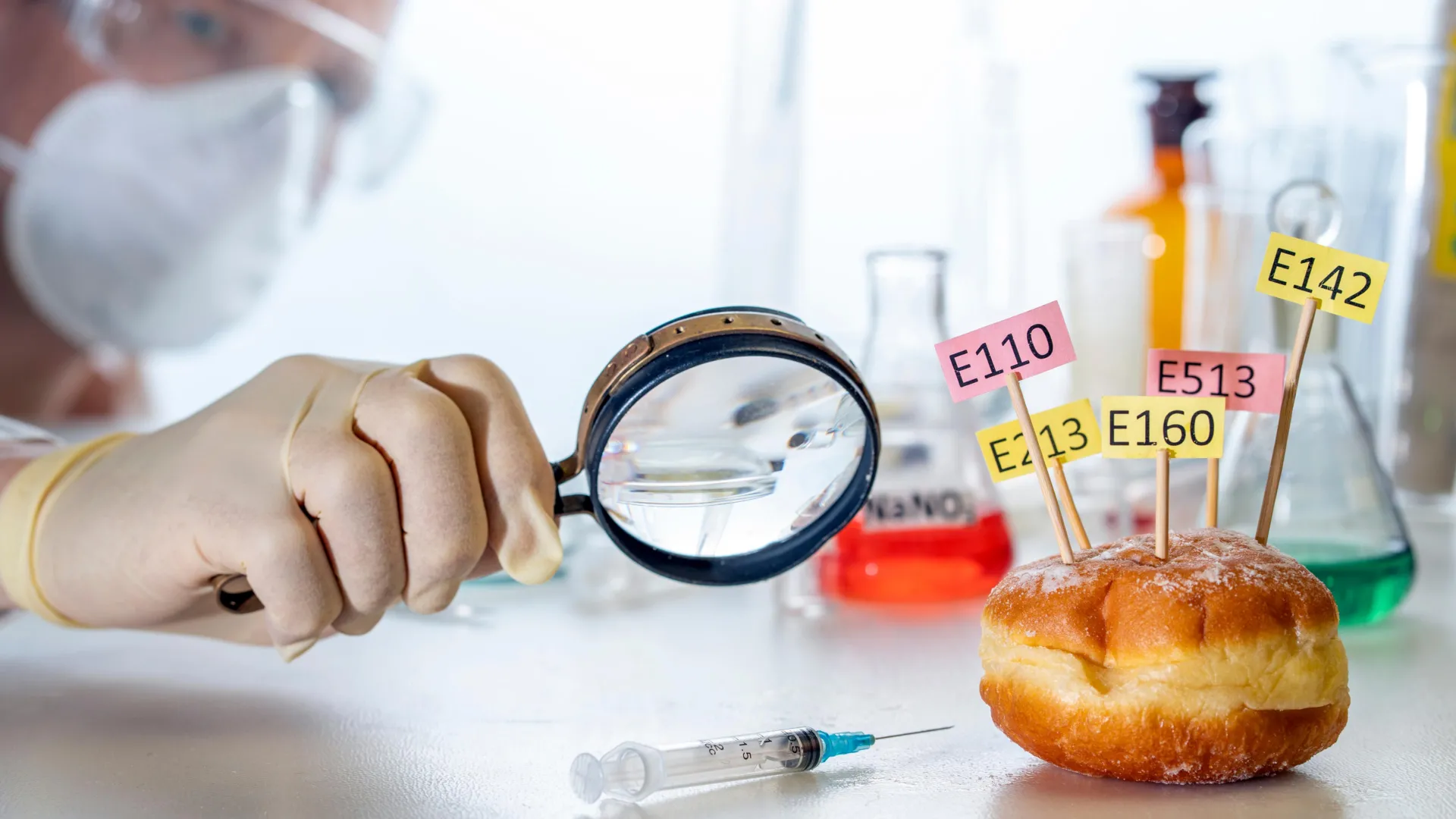
These common food preservatives may be linked to cancer

A large study from France published by The BMJ reports that people who consume higher amounts of food preservatives may face a slightly increased risk of developing cancer. These additives are commonly used in industrially processed foods and drinks to extend shelf life.

The researchers emphasize that more studies are needed to fully understand the relationship. Still, they say the findings raise important questions about current regulations and suggest that safety standards for food preservatives may need to be re-examined to better protect consumers.

Why Preservatives Are Under Scrutiny

Food preservatives are added to packaged products to prevent spoilage and extend how long foods remain safe to eat. Previous laboratory research has shown that some preservatives can damage cells and DNA. However, until now, there has been limited real world evidence directly linking these additives to cancer risk.

To explore this issue more closely, researchers analyzed long term dietary and health data collected between 2009 and 2023. Their goal was to determine whether exposure to specific preservative food additives was associated with cancer risk in adults.

A Large and Detailed Long Term Study

The study followed 105,260 participants aged 15 years and older (average age 42 years; 79% women) who were part of the NutriNet-Santé cohort. All participants were cancer free at the start and regularly completed detailed 24 hour brand-specific dietary records over an average period of 7.5 years.

Researchers then tracked cancer diagnoses using health questionnaires along with official medical and death records through December 31, 2023.

Preservatives Examined in the Study

The analysis focused on 17 individual preservatives, including citric acid, lecithins, total sulfites, ascorbic acid, sodium nitrite, potassium sorbate, sodium erythorbate, sodium ascorbate, potassium metabisulfite, and potassium nitrate.

These preservatives were categorized into two groups. Non-antioxidants inhibit microbial growth or slow chemical reactions that cause spoilage. Antioxidants help delay food deterioration by reducing or limiting oxygen exposure in packaging.

Cancer Cases Identified

During the follow-up period, 4,226 participants were diagnosed with cancer. These cases included 1,208 breast cancers, 508 prostate cancers, 352 colorectal cancers, and 2,158 other types of cancer.

When researchers looked at all preservatives combined, they found no overall link with cancer risk. In addition, 11 of the 17 preservatives studied individually showed no association with cancer incidence.

Specific Preservatives Linked to Increased Risk

Higher intake of several individual preservatives was linked to a greater risk of cancer, particularly among non-antioxidant preservatives. These included potassium sorbate, potassium metabisulfite, sodium nitrite, potassium nitrate, and acetic acid.

Total sorbates, especially potassium sorbate, were associated with a 14% higher risk of overall cancer and a 26% higher risk of breast cancer. Total sulfites were linked to a 12% increase in overall cancer risk.

Sodium nitrite was associated with a 32% higher risk of prostate cancer. Potassium nitrate was linked to a 13% increased risk of overall cancer and a 22% higher risk of breast cancer.

Total acetates were associated with a 15% higher risk of overall cancer and a 25% higher risk of breast cancer. Acetic acid alone was linked to a 12% increase in overall cancer risk.

Among antioxidant preservatives, only total erythorbates and sodium erythorbate were associated with a higher incidence of cancer.

Possible Biological Explanations

The researchers note that several of the preservatives linked to cancer risk may affect immune function and inflammation. These changes could potentially contribute to cancer development, although more research is needed to confirm these mechanisms.

Because this was an observational study, it cannot prove that preservatives directly cause cancer. The authors also acknowledge that other unmeasured factors could have influenced the results.

Why the Findings Still Matter

Despite these limitations, the researchers point out that the study was large, relied on detailed dietary data linked to food databases, and followed participants for more than a decade. They add that the findings align with existing experimental research suggesting cancer related effects for some of these compounds.

Based on the results, they conclude: “This study brings new insights for the future re-evaluation of the safety of these food additives by health agencies, considering the balance between benefit and risk for food preservation and cancer.”

Implications for Consumers and Policy

The researchers encourage food manufacturers to reduce the use of unnecessary preservatives and support guidance for consumers to choose freshly prepared, minimally processed foods whenever possible.

In a related editorial, US researchers note that preservatives do offer clear benefits, including longer shelf life and lower food costs, which can be especially important for lower income populations. However, they argue that the widespread and often poorly monitored use of these additives, combined with uncertainty about long term health effects, calls for a more balanced regulatory approach.

They suggest that findings from NutriNet-Santé could prompt regulators to revisit existing policies. Possible steps include stricter limits on preservative use, clearer labeling, mandatory disclosure of additive content, and international monitoring efforts similar to those used for trans fatty acids and sodium.

“At the individual level, public health guidance is already more definitive about the reduction of processed meat and alcohol intake, offering actionable steps even as evidence on the carcinogenic effects of preservatives is evolving,” they conclude.

Share Button

The type of carbs you eat may affect dementia risk

New research suggests that both the amount and the type of carbohydrates people eat may strongly influence their risk of developing dementia. The findings come from a collaborative study conducted by the Nutrition and Metabolic Health (NuMeH) research group at the Universitat Rovira i Virgili (URV), the Centre for Environmental, Food and Toxicological Technology (TecnATox), and the Pere Virgili Health Research Institute (IISPV). The study was published in the scientific journal International Journal of Epidemiology.

While age remains one of the strongest risk factors for dementia, researchers emphasize that lifestyle choices also play an important role. A healthy routine, particularly a well balanced diet, can help slow cognitive decline and support healthier aging. Carbohydrates make up the largest share of most diets, providing about 55% of daily energy intake. Because carbohydrates directly affect blood sugar and insulin levels, their quality and quantity can have a major impact on metabolic health and diseases linked to brain function, including Alzheimer’s.

Why the Glycemic Index Matters

A key focus of the study was the glycemic index (GI), a measure of how quickly carbohydrate containing foods raise blood glucose levels after eating. The GI scale — from 0 to 100 — ranks foods based on this response. Items such as white bread and potatoes score high, meaning they cause rapid spikes in blood sugar, while foods like whole grains and most fruits score lower and lead to slower increases.

To investigate long term effects, researchers examined data from more than 200,000 adults in the United Kingdom who did not have dementia when the study began. Participants completed detailed questionnaires that allowed scientists to estimate the glycemic index and glycemic load of their regular diets. Over an average follow up period of 13.25 years, 2,362 participants were diagnosed with dementia.

Using advanced statistical methods, the research team identified the point at which higher dietary glycemic index values were linked to increased dementia risk. This approach helped clarify how long term eating patterns may shape brain health later in life.

Lower Glycemic Diets Linked to Reduced Risk

The analysis revealed a clear pattern. Diets centered on lower glycemic index foods were associated with a reduced likelihood of developing dementia, while higher GI diets were linked to greater risk. People whose diets fell into the low to moderate glycemic range showed a 16% lower risk of developing Alzheimer’s. In contrast, diets with higher glycemic values were associated with a 14% increase in risk.

“These results indicate that following a diet rich in low-glycemic-index foods, such as fruit, legumes or whole grains, could decrease the risk of cognitive decline, Alzheimer’s and other types of dementia,” said study leader Mònica Bulló, who is a professor in the URV’s Department of Biochemistry and Biotechnology, a researcher at ICREA, and director of the URV’s TechnATox Centre.

Implications for Dementia Prevention

Overall, the findings underscore the importance of paying attention not only to how many carbohydrates people consume, but also to the type they choose. Incorporating carbohydrate quality into dietary strategies may be an important step in reducing dementia risk and supporting long term brain health.

Share Button

Menopause linked to Alzheimer’s-like brain changes

Menopause is linked to a loss of grey matter in regions involved with memory and emotion, study suggests.

Share Button