Energizing the immune system to eat cancer

Immune cells called macrophages are supposed to serve and protect, but cancer has found ways to put them to sleep. Now researchers at the Abramson Cancer Center of the University of Pennsylvania say they’ve identified how to fuel macrophages with the energy needed to attack and eat cancer cells. It is well established that macrophages can either support cancer cell growth and spread or hinder it. But most tumors also express a signal called CD47, which can lull macrophages into a deep sleep and prevent them from eating. Researchers have found that rewiring macrophage metabolism can overcome this signal and act like an alarm clock to rouse and prepare macrophages to go to work. Their findings were published in Nature Immunology today.

Macrophages are immune cells just like T and B cells, but differ in that they can eat cells that are not supposed to be in the body. In fact, they are the most prominent immune cell found in cancer, but unfortunately, most are often convinced to help cancer grow and spread. Cancer cells frequently stop macrophages from attacking them by expressing CD47, a “don’t eat me” signal. Researchers now say that merely blocking inhibitory signals like CD47 is not always sufficient to convince macrophages to attack cancer. Instead, two signals are required. First, they need a signal to activate them — such as a toll-like receptor agonist. After that, a second signal — such as a CD47 inhibitor — can lower the threshold needed to wage battle on the cancer.

“It turns out macrophages need to be primed before they can go to work, which explains why solid tumors may resist treatment with CD47 inhibitors alone,” said the study’s senior author Gregory L. Beatty, MD, PhD, an assistant professor of Hematology-Oncology at Penn’s Perelman School of Medicine. Jason Mingen Liu, an MD and PhD graduate student in Beatty’s lab, is the study’s lead author.

The team used this approach by activating macrophages with CpG, a toll-like receptor agonist that sends the first signal, and found that it rapidly induced shrinkage of tumors and prolonged survival of mice even without the requirement of T cells. Unexpectedly, they also found that the activated macrophages were able to eat cancer cells even in the presence of high levels of CD47.

To understand the molecular basis of this phenomenon, the team traced the metabolic activity of macrophages and determined that activated macrophages began to utilize both glutamine and glucose as fuel to support the energy requirements needed for them to eat cancer cells. This rewiring of the macrophages metabolism was necessary for CpG to be effective, and the researchers say these findings point to the importance of macrophage metabolism in determining the outcome of an immune response.

“Cancer does not shrink without the help of macrophages and macrophages need the right fuel to eat cancer cells and shrink tumors,” Liu said. “To do this, a shift in metabolism is needed to steer the energy in the right direction. It is the metabolism that ultimately allows macrophages to override signals telling them not to do their job.”

Beatty points out that patients with diabetes, cardiovascular disease, and other conditions are routinely treated with drugs that could affect macrophage metabolism, but virtually nothing is known about how these drugs might impact immunotherapy responses in cancer, meaning the team’s discovery has implications even for existing treatments.

Story Source:

Materials provided by University of Pennsylvania School of Medicine. Note: Content may be edited for style and length.

Share Button

He Jiankui: China condemns ‘baby gene editing’ scientist

Investigators say He Jiankui sought “fame and fortune” with his claim to have edited baby genes.

Share Button

Health24.com | Breastfeeding isn’t just good for the baby – it may help a mom’s heart

Studies have long touted the benefits of breastfeeding for infants, including stronger immune systems and lower risk for asthma, obesity and type 2 diabetes.

But babies aren’t the only ones benefiting: Nursing also appears to provide health benefits for moms.

Research suggests women who breastfeed have a lower risk of breast and ovarian cancers. The longer women nurse, whether with one child or over the course of several, the lower their risk.

Release of oxytocin

More recently, studies have found that breastfeeding also helps the mother’s heart – beyond nurturing its bond with baby, that is.

Breastfeeding has been associated with a lower risk of developing diabetes, high cholesterol, high blood pressure and heart disease.

But the mechanics behind how that might happen is up for debate.

It’s possibly linked to the release of the hormone oxytocin, which relaxes blood vessels, said Dr Nieca Goldberg, medical director of the Joan H. Tisch Center for Women’s Health at New York University.

“It may also very well be that many breastfeeding mothers have a healthier lifestyle overall,” she said.

These women may eat healthier, exercise regularly and “they make healthier choices in general, not only for their babies but themselves,” she said.

Another theory stems from the large number of calories burned from breastfeeding.

Jury still out

A 2017 study published in the Journal of the American Heart Association found nursing may help mothers lower their risk of heart attack and stroke long after giving birth. The study didn’t explain the reason behind the link, but researchers noted that breastfeeding helps women lose pregnancy-related weight, including fat reserves that help fuel foetal growth. This process may help “reset” the body’s metabolism after giving birth.

But for the most part, Goldberg said, “the jury is still out on the specific reasons why breastfeeding lowers risk for heart disease.”

None of the research suggests that women who can’t or choose not to breastfeed are more likely to develop heart issues, Goldberg said.

“There are many other things you can do to improve your heart health,” she said. “Think about it, every time you take your baby for a walk, you’re exercising yourself, too.”

A 2018 report from the Centers for Disease Control and Prevention found that four out of five babies are breastfed after birth, although only half of all infants are still breastfed at six months.

The American Academy of Pediatrics recommends exclusive breastfeeding for the first six months, then continued nursing with the introduction of foods through the rest of the first year and thereafter for as long as mother and baby desire.

Lifestyle decisions

For women who don’t know whether they want to breastfeed, just knowing the option may improve their heart health could tip the scale, said Dr Lisa Hollier, president of the American College of Obstetricians and Gynecologists.

It could be especially appealing for women who develop pregnancy complications such as preeclampsia or gestational diabetes, since those conditions can mean a significantly increased lifetime risk of cardiovascular disease.

“Breastfeeding would be beneficial for these women,” said Hollier, chief medical officer for obstetrics and gynaecology at Texas Children’s Health Plan in Houston. “Our counselling of women after delivery following this type of pregnancy complication really should include information about the protective association between breastfeeding and metabolic disease and cardiovascular disease.”

Women should still make healthy lifestyle decisions to reduce their risk, such as eating healthy, exercising regularly and reducing stress, Hollier said.

“But if you were on the fence about breastfeeding,” she said, “this is just one other thing that would add to your decision.”

Image creddit: iStock

NEXT ON HEALTH24X

Share Button

Health24.com | How getting a flu shot could save your life

It’s not too late to get your flu shot, which can protect you in ways that may surprise you.

The flu vaccine can be a lifesaver for people with heart disease, according to infectious disease specialist Dr Michael Chang, assistant professor of paediatrics at University of Texas Health Science Center at Houston.

A no-brainer

“Previous studies have shown influenza vaccination could reduce death, acute coronary syndromes, and hospitalisation in patients with coronary heart disease, and/or heart failure,” Chang said in a university news release.

“This makes getting your flu shot a no-brainer for anyone with a history of heart disease. It’s an extremely cost-effective intervention with lifesaving potential,” he said.

The flu shot can also protect you from other nasty infections.

“Your immunity can be altered by having flu, making you more prone to other infections, particularly in the respiratory tract where cells have been damaged. Staph infections are common and mainly not serious, but if you have flu already, Staphylococcus aureus can enter the lungs, causing pneumonia,” Chang said.

‘Super spreaders’

“That explains why this type of bacterial coinfection is frequent in influenza-associated pneumonia,” he said, noting that patients with more than one infection have higher odds for complications and death.

It’s not just important for adults to get a flu shot. Having kids vaccinated protects their grandparents and other elderly people, who are at high risk from the flu.

“Children have been described as ‘super spreaders’ because they come into close contact with family members, and younger ones tend to put their hands in their mouths more, which can put others at greater risk, especially older family members,” Chang said.

Children under five years are especially vulnerable. Fortunately, the nasal flu spray has returned this year, which should make it easier for little ones who don’t like injections, Chang said. Studies show it is just as effective as the shot.

Last year’s flu season was the worst in four decades, with more than 80 000 flu or pneumonia-related deaths in the United States.

Image credit: iStock

Share Button

Health24.com | 5 everyday things people think cause cancer but don’t

Over the years, we’ve heard that plastic bottles, our car’s air conditioning and microwaving plastic containers cause cancer.

But don’t believe everything you read. Research shows that these are myths. We uncovered five everyday things people think cause cancer but actually don’t.

1. Plastic bottles

The claim: In the 2000s, an email circulated that read, “Many are unaware of poisoning caused by re-using plastic bottles … bottles are safe for one-time use only; if you must keep them longer, it should be for no more than a few days, a week max, and keep them away from heat as well.” It went on to explain that plastic bottles contain a potentially carcinogenic substance called diethylhexyl adipate (DEHA). 

The truth: The American Cancer Society says these emails were apparently based on a student’s thesis. They say, “DEHA is not inherent in the plastic used to make these bottles.” Even if it was, however, according to the US Environmental Protection Agency, DEHA “cannot reasonably be anticipated to cause cancer; teratogenic effects; immunotoxicity, neurotoxicity; gene mutations; liver, kidney, reproductive, or developmental toxicity; or other serious or irreversible chronic health effects”. The International Agency for Research on Cancer adds that DEHA “is not classifiable as to its carcinogenicity to humans”.

Bisphenol A (or BPA) found in plastic does not pose a health risk either. Cancer Research UK says, “There is no good evidence that BPA can cause cancer in people. The European Food Safety Authority did a full scientific review and concluded there was no health risk.”

If you’re still unsure, then use a glass bottle – it’s more environmentally friendly anyway. 

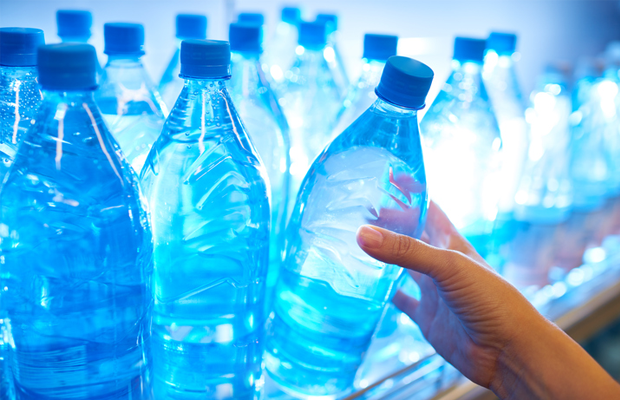
Woman picking up plastic bottle

2. Microwaving plastic containers

The claim: An email was circulated where Dr Fujimoto from Castle Hospital warned that heating plastic in the microwave (or freezing water in plastic bottles) could release dangerous toxins, such as dioxin and DEHA. In August 2004, the email continued to do the rounds, this time with the name of an American Cancer Society staffer attached to it, which gave the hoax claim more credibility.

The truth: According to the US Food and Drug Administration (FDA), substances that are used to make plastics can leach into foods. However, they also found that the levels expected to transfer from the plastic into foods is within the margin of safety based on the information they have. The FDA adds that it “has seen no evidence that plastic containers or films contain dioxins, and knows of no reason why they would”.

In terms of personal safety, only use containers that are labelled as microwave safe – if they are not, the plastic could melt. According to Harvard Health Publishing, most takeaway containers, water bottles, plastic tubs or jars made to hold margarine, yoghurt, cream cheese, mayonnaise and mustard are not suitable for heating in the microwave.

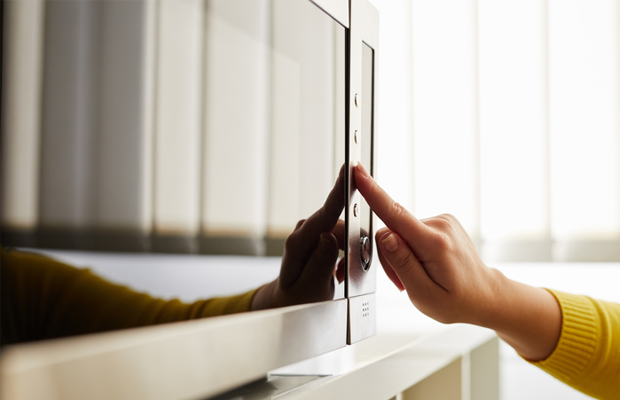
Woman using microwave

3. Underwire bras

The claim: In 1995 Ross Singer and Soma Grismaijer, a husband and wife medical anthropologist team, published a book called Dressed to Kill. The Scientific American reports that in this book they claim that women who wear tight-fitting bras every day are at a higher risk of developing breast cancer. Singer and Grismaijer said “by inhibiting lymphatic drainage, bras trap toxins in the breast tissue, which causes cancer”. 

The truth: There is only one scientific study looking at the link between wearing a bra and breast cancer, and it found no difference between wearing a bra or not. The research was published online in 2014 by Cancer Epidemiology Biomarkers & Prevention.

Lu Chen, public health sciences researcher at the Fred Hutchinson Cancer Research Center, said, “Our study found no evidence that wearing a bra increases a woman’s risk for breast cancer. The risk was similar, no matter how many hours per day women wore a bra, whether they wore a bra with an underwire, or at what age they first began wearing a bra.” 

Woman holding bra in shop

4. Your car

The claim: Do you remember the email that did the rounds claiming that dangerous levels of benzene, a cancer-causing chemical, are released from the plastic surfaces in your car? The advice was to open car windows to get rid of the benzene before turning the air conditioning on.

The truth: A German study reported that the air inside parked cars did not pose any health hazards. Although the analysis found some cancer-causing chemicals, these were also detected at similar levels in the air inside buildings.

Perhaps the only reason to open your windows before using your air con is to cool the car down more quickly. If it’s a really hot day, the temperature in a car can be more than 4°C higher than outside. So, when you open the windows, you’re replacing the hot air inside with cooler air from outside, making the air conditioning more effective when you switch it on.

If you’re still worried about benzene, however, stay away from cigarette smoke, which is a major source of benzene exposure. 

Person adjusting car air con

5. Deodorant

The claim: Your underarm deodorant or antiperspirant that masks or prevents body odour is potentially harmful and could cause cancer. Cameron Diaz told Marc Malkin from E!News, “I don’t believe in antiperspirant. It’s really bad for you. I haven’t used it for almost 20 years.”

The truth: Good news is you don’t need to ditch the deo. The National Cancer institute says there is no truth in this myth. “Because underarm antiperspirants or deodorants are applied near the breast and contain potentially harmful ingredients, several scientists and others have suggested a possible connection between their use and breast cancer. However, no scientific evidence links the use of these products to the development of breast cancer,” the institute reports in a fact sheet.

According to breascancer.org, even the strongest antiperspirant won’t block all perspiration in your armpit. They say, “Most cancer-causing substances are removed by the kidneys and released through urine or processed by the liver. Sweating isn’t a significant way for your body to release toxins. And while there are concerns about chemicals, such as phthalates and parabens used for fragrance and preservation, from a whole list of personal care products (including antiperspirants) being absorbed by the body, these chemicals are unlikely to be culprits in causing breast cancer.” 

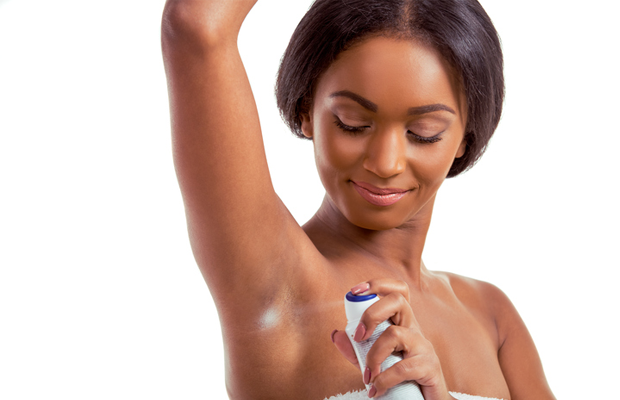
Woman apply deodorant

So, what does cause cancer?

CANSA explains that cancer is a malignant growth or tumour, which is caused by abnormal and uncontrolled cell division.

Researchers believe that there are a number of factors that need to work together to cause cancer. These include genetic, environmental or constitutional characteristics of the individual, according to Stanford Health Care.

Cancer risk factors include:

  • Lifestyle factors, such as smoking, unhealthy diets and working with toxic chemicals
  • Family history and genetic disorders
  • Exposure to certain viruses, such as Epstein-Barr virus and HIV
  • Environmental exposure to pesticides, fertilisers and UV rays

Image credit: iStock

Share Button

Women’s frozen eggs ‘should be stored for longer’

The 10-year limit for keeping a woman’s frozen eggs is arbitrary and does not reflect current technology, campaigners say.

Share Button

New class of solar cells, using lead-free perovskite materials

Lead-based perovskites already gained much attention as promising materials for low-cost and high-efficiency solar cells. However, the intrinsic instability and the toxicity of lead (Pb) have raised serious concerns of the viability of Pb-based perovskites, hindering large-scale commercialization of solar cells and similar devices based on these materials. As an alternative solution, Pb-free perovskites were recently proposed to counter the toxicity of lead-based perovskites, yet it is of little use due to lower efficiencies.

A recent study, led by Professor Tae-Hyuk Kwon in the School of Natural Science at UNIST has taken a major step toward the development of a new generation of solar cells, using lead-free perovskites. With its promising electronic properties, the new perovskite material has been demonstrated to function as a charge regenerator with dye-sensitized solar cells, thus enhancing both the overall efficiency and stability. Published in the November 2018 issue of Advanced Materials, their findings will open new possibilities for the application of lead-free perovskites in solar cells.

Among the various alternatives to lead, the research team used the vacancy-ordered double perovskite (Cs2SnI6). Despite their promising outlook, the surface states of Cs2SnI6 and their function remain largely unclear. Thus, a comprehensive study is necessary to clarify these features of Cs2SnI6 for the future design of Cs2SnI6-based devices.

Through this work, the team examined the charge transfer mechanism of Cs2SnI6 with the aim of clarifying the function of its surface state. For this purpose, a 3-electrode system was developed to observe charge transfer through the surface state of Cs2SnI6. Cyclic voltammetry and Mott-Schottky analyses were also used to probe the surface state of Cs2SnI6, whose potential is related to its bandgap.

Their analysis demonstrated that the surface state of Cs2SnI6 is highly redox active and can be effectively charged/discharged in the presence of iodide redox mediators. Besides, the preparation of a charge regenerator system based on Cs2SnI6 confirmed that charge transfer occurred through the surface state of Cs2SnI6.

“In case of Cs2SnI6, charge transfer occurred through the surface state of Cs2SnI6,” says HyeonOh Shin in the Combined MS./Ph.D in Chemistry at UNIST. “This will aid in the design of future electronic and energy devices, using Pb-free perovskites.”

Based on this strategy, the research team engineered hybrid solar cells, using a Cs2SnI6-based charge regenerator for organic dye-sensitized solar cells (DSSCs). Such solar cells generate electric current in the process where the oxidized organic dye returns to its original state.

“Due to a high volume of electrical charges in organic dyes that show high connectivity with the surface state of Cs2SnI6, more electric current were generated,” says Byung-Man Kim in the Department of Chemistry at UNIST, another lead author of this study. “Consequently, Cs2SnI6 shows efficient charge transfer with a thermodynamically favorable charge acceptor level, achieving a 79% enhancement in the photocurrent density compared with that of a conventional liquid electrolyte.”

This study has attracted considerable attention among researchers, as it examined the charge transfer mechanism of Cs2SnI6 with the aim of clarifying the function of its surface state. Their results suggest that the surface state of Cs2SnI6 is the main charge transfer pathway in the presence of a redox mediator and should be considered in future designs of Cs2SnI6‐based devices.

Share Button

Health24.com | How to get your bowels back on track after the holidays

Feeling a bit bloated and “backed up” after a holiday full of indulgent food, alcohol and a lack of routine? You’re most likely not the only one.

1. Start following an eating schedule as soon as possible

Chances are that your eating was sporadic and all over the place during the holidays, with late breakfasts, grazing on snacks during the day and late, heavy dinners. Once you’re back at work, you should be able to return to a regular pattern of eating. Make a point of eating breakfast, lunch and dinner at set times, and if you have a hard time giving up the snacks, set yourself snack times as well. Your bowels should follow suit.

2. Introduce fibre (but don’t overdo it)

If you’ve been skimping on fruits, vegetables and wholegrain foods, it’s likely that you might be a bit constipated and bloated because of a lack of essential fibre. Start including fresh fruits and vegetables in all your meals. While fibre is essential to keep your digestive system on track, it’s, however, important not to overdo it as too much fibre might upset your stomach and make your constipation even worse.

foods high in fibre

3.  Don’t completely ditch the carbs

Introducing a new diet which eliminates complete food groups with the hope of losing weight may only make you feel more backed up. The type of diet you follow should be suited to your needs, and it may be better not to cut carbs out completely, but simply replace refined carbs such as white bread, cakes, biscuits and pasta with their wholegrain counterparts. This will ensure regular bowel movements and prevent you from feeling deprived and hungry. 

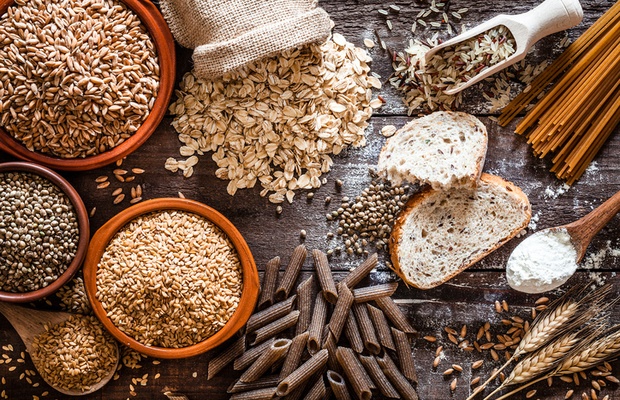
whole grain products

4. Drink (and eat) your water

Get into the habit of drinking enough water asap. If you work in an office, it’s easy to drink enough water, but it might be harder if you work on a construction site or if you teach and can’t go to the bathroom as regularly. In that case, ensure you drink water as soon as you wake up so that you can be adequately hydrated for the day ahead. Also consume fruits and vegetables like cucumbers that contain water and contribute to overall hydration. If you really struggle to break away from fizzy drinks, try enhancing the flavour of your water by adding berries, fruit slices and mint sprigs, or try herbal tea.

man drinking water at office desk

5. Start moving

Exercise is a good way to stimulate your digestive system. This doesn’t mean you need to start an elaborate exercise plan in a gym – a simple walk or swim can be enough to get things going.

happy fit woman

Image credit: iStock 

Share Button

The pain of Tourette’s: ‘I’m always covered in bruises’

Charity Tourettes Action has discovered that patients are facing long delays in diagnosis.

Share Button

Carter Cookson: Baby who needed new heart dies

His parents, who lost their first son in 2013, say Carter Cookson has “gained his angel wings”.

Share Button