Health24.com | 7 big medical breakthroughs of 2018

Medical technology is marching ahead, helping doctors cure chronic diseases and conditions. Here are some of the top medical breakthroughs published by Health24 during 2018. 

1. World’s first baby born from transplanted womb of dead donor

Wombs from deceased donors have been transplanted before, but this is the first case where the procedure led to pregnancy and birth. While the process is still experimental and the difference between uterine transplants from live and deceased donors needs more research, this success greatly increases the pool of donors for those in need of a uterus for conception. 

ultrasound scan photo

2. Breakthrough in lung cancer treatment cuts risk of dying by 50%

In May this year, two new studies found that a drug designed to trigger a patient’s immune system may significantly boost survival for those battling lung cancer. The treatment also drove down the risk of the cancer spreading, added the research team from NYU Langone Health in New York City.

3. Scientists may have discovered a way to prevent peanut allergies

Could peanut allergies soon be thing of the past? Researchers may have the answer to help cure peanut allergy, which is one of the most fatal food allergies. A biopharmaceutical company, Aimmune Therapeutics, based in Brisbane, California, said a major study showed that its daily capsules of peanut flour helped desensitise children to nuts.

4. Could this be a future cancer vaccine?

This medical breakthrough of 2018 may be one step closer in the eternal quest to conquer cancer. A shot containing two compounds that stimulate the immune system was injected directly into tumours, killing the cancerous cells.

And besides that, a further study in April also suggested that researchers may be closer to making this vaccine a reality. Additional trails are planned.

vaccination vials

5. How the new Apple watch can save your life 

You can now wear an ECG on your wrist and possibly save yourself from cardiac arrest. The Apple Watch Series 4 boasts impressive upgrades, including high intensity sensors that are able to detect when a user falls. Should the person not move for more than a minute, an alert is sent and emergency services are contacted immediately.

The ECG function can detect arterial fibrillation and heart failure through sophisticated sensors.
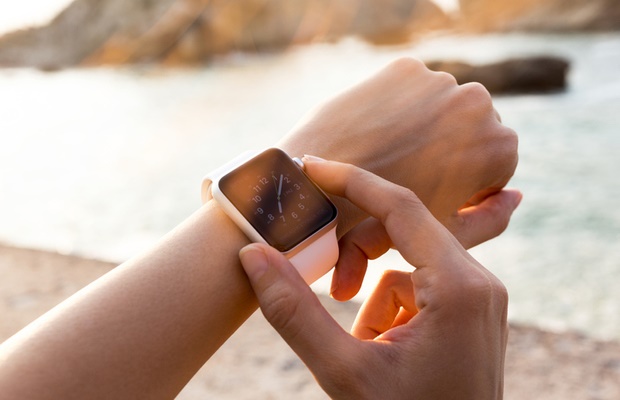
Apple watch

6. Man with three faces: Frenchman gets second face transplant

A second face transplant was performed on the same patient – a medical first. Dr Laurent Lantieri of the Georges Pompidou hospital in Paris first transplanted a new face onto Jerome Hamon in 2010. Unfortunately he got ill in 2015 after the anti-rejection medicine was jeopardised by other medicine he was taking at the time. The transplanted face had to be removed. But in January 2018, a second face transplant was successfully carried out. 

7. Three paralysed patients now walk thanks to breakthrough technology 

Swiss researchers reported earlier this year that the science of spinal stimulation has been fine-tuned to such an extent that three formerly paralysed patients can now walk.

Implanted electrodes that provide direct electrical stimulation to the spinal cord have been shown to allow movement of previously paralysed legs. This method is, however, still not seen as a cure for paralysis, but a whole new way rehabilitation can be conducted, said the lead researchers. 

Image credit: iStock 

NEXT ON HEALTH24X

Share Button

Smoking v vaping: Watch lab test results

E-cigarettes are significantly less harmful than traditional cigarettes, a government advisory body says.

Share Button

Care home trials virtual cycling trips for dementia patients

Care home staff say a cycling scheme has improved wellbeing among residents living with dementia.

Share Button

All about Ultima: New Horizons flyby target is unlike anything explored in space

NASA’s New Horizons spacecraft is set to fly by a distant “worldlet” 4 billion miles from the Sun in just six days, on New Year’s Day 2019. The target, officially designated 2014 MU69, was nicknamed “Ultima Thule,” a Latin phrase meaning “a place beyond the known world,” after a public call for name recommendations. No spacecraft has ever explored such a distant world.

Ultima, as the flyby target is affectionately called by the New Horizons team, is orbiting in the heart of our solar system’s Kuiper Belt, far beyond Neptune. The Kuiper Belt — a collection of icy bodies ranging in size from dwarf planets like Pluto to smaller planetesimals like Ultima Thule (pronounced “ultima toolee”) and even smaller bodies like comets — are believed to be the building blocks of planets.

Ultima’s nearly circular orbit indicates it originated at its current distance from the Sun. Scientists find its birthplace important for two reasons. First, because that means Ultima is an ancient sample of this distant portion of the solar system. Second, because temperatures this far from the Sun are barely above absolute zero — mummifying temperatures that preserves Kuiper Belt objects — they are essentially time capsules of the ancient past.

Marc Buie, New Horizons co-investigator from the Southwest Research Institute in Boulder, Colorado, and members of the New Horizons science team discovered Ultima using the Hubble Space Telescope in 2014. The object is so far and faint in all telescopes, little is known about the world beyond its location and orbit. In 2016, researchers determined it had a red color. In 2017, a NASA campaign using ground-based telescopes traced out its size — just about 20 miles (30 kilometers) across — and irregular shape when it passed in front of a star, an event called a “stellar occultation.”

From its brightness and size, New Horizons team members have calculated Ultima’s reflectivity, which is only about 10 percent, or about as dark as garden dirt. Beyond that, nothing else is known about it — basic facts like its rotational period and whether or not it has moons are unknown.

“All that is about to dramatically change on New Year’s Eve and New Year’s Day,” said New Horizons Principal Investigator Alan Stern, also of SwRI. “New Horizons will map Ultima, map its surface composition, determine how many moons it has and find out if it has rings or even an atmosphere. It will make other studies, too, such as measuring Ultima’s temperature and perhaps even its mass. In the space of one 72-hour period, Ultima will be transformed from a pinpoint of light — a dot in the distance — to a fully explored world. It should be breathtaking!”

“New Horizons is performing observations at the frontier of planetary science,” said Project Scientist Hal Weaver, of the Johns Hopkins University Applied Physics Laboratory in Laurel, Maryland, “and the entire team looks forward to unveiling the most distant and pristine object ever explored during a spacecraft flyby.”

“From Ultima’s orbit, we know that it is the most primordial object ever explored. I’m excited to see the surface features of this small world, particularly the craters on the surface,” said Deputy Project Scientist Cathy Olkin, of SwRI. “Young craters could provide a window to see the composition of the subsurface of Ultima. Also by counting the number and impactors that have hit Ultima, we can learn about the number of small objects in the outer solar system.”

The New Horizons spacecraft is on course to fly by Ultima on New Year’s Day, Jan. 1, at 12:33 a.m. EST. For a listing of flyby programming and where to watch it online, visit the New Horizons website at http://pluto.jhuapl.edu/News-Center/Where-to-Watch.php.

Share Button

A tilt of the head facilitates social engagement

Every time we look at a face, we take in a flood of information effortlessly: age, gender, race, expression, the direction of our subject’s gaze, perhaps even their mood. Faces draw us in and help us navigate relationships and the world around us.

How the brain does this is a mystery. Understanding how facial recognition works has great value — perhaps particularly for those whose brains process information in ways that make eye contact challenging, including people with autism. Helping people tap into this flow of social cues could be transformational.

A new study of facial “fixation” led by Nicolas Davidenko, an assistant professor of psychology at the University of California, Santa Cruz, boosts our insights considerably.

“Looking at the eyes allows you to gather much more information,” said Davidenko. “It’s a real advantage.”

By contrast, the inability to make eye contact has causal effects. “It impairs your facial processing abilities and puts you at a real social disadvantage,” he said. People who are reluctant to make eye contact may also be misperceived as disinterested, distracted, or aloof, he noted.

Scientists have known for decades that when we look at a face, we tend to focus on the left side of the face we’re viewing, from the viewer’s perspective. Called the “left-gaze bias,” this phenomenon is thought to be rooted in the brain, the right hemisphere of which dominates the face-processing task.

Researchers also know that we have a terrible time “reading” a face that’s upside down. It’s as if our neural circuits become scrambled, and we are challenged to grasp the most basic information. Much less is known about the middle ground, how we take in faces that are rotated or slightly tilted¬.

“We take in faces holistically, all at once — not feature by feature,” said Davidenko. “But no one had studied where we look on rotated faces.”

Davidenko used eye-tracking technology to get the answers, and what he found surprised him: The left-gaze bias completely vanished and an “upper eye bias” emerged, even with a tilt as minor as 11 degrees off center.

“People tend to look first at whichever eye is higher,” he said. “A slight tilt kills the left-gaze bias that has been known for so long. That’s what’s so interesting. I was surprised how strong it was.”

Perhaps more importantly for people with autism, Davidenko found that the tilt leads people to look more at the eyes, perhaps because it makes them more approachable and less threatening. “Across species, direct eye contact can be threatening,” he said. “When the head is tilted, we look at the upper eye more than either or both eyes when the head is upright. I think this finding could be used therapeutically.”

Davidenko is eager to explore two aspects of these findings: whether people with autism are more comfortable engaging with images of rotated faces, and whether tilts help facilitate comprehension during conversation.

The findings may also be of value for people with amblyopia, or “lazy eye,” which can be disconcerting to others. “In conversation, they may want to tilt their head so their dominant eye is up,” he said. “That taps into our natural tendency to fix our gaze on that eye.”

The effect is strongest when the rotation is 45 degrees. The upper-eye bias is much weaker at a 90-degree rotation. “Ninety degrees is too weird,” said Davidenko. “People don’t know where to look, and it changes their behavior totally.”

Davidenko’s findings appear in the latest edition of the journal Perception, in an article titled “The Upper Eye Bias: Rotated Faces Draw Fixations to the Upper.” His coauthors are Hema Kopalle, a graduate student in the Department of Neurosciences at UC San Diego who was an undergraduate researcher on the project, and the late Bruce Bridgeman, professor emeritus of psychology at UCSC.

Share Button

Bacteria found in ancient Irish soil halts growth of superbugs: New hope for tackling antibiotic resistance

Researchers analysing soil from Ireland long thought to have medicinal properties have discovered that it contains a previously unknown strain of bacteria which is effective against four of the top six superbugs that are resistant to antibiotics, including MRSA.

Antibiotic resistant superbugs could kill up to 1.3 million people in Europe by 2050, according to recent research.

The World Health Organisation (WHO) describes the problem as “one of the biggest threats to global health, food security, and development today.”

The new strain of bacteria was discovered by a team based in Swansea University Medical School, made up of researchers from Wales, Brazil, Iraq and Northern Ireland.

They have named the new strain Streptomyces sp. myrophorea.

The soil they analysed originated from an area of Fermanagh, Northern Ireland, which is known as the Boho Highlands. It is an area of alkaline grassland and the soil is reputed to have healing properties.

The search for replacement antibiotics to combat multi-resistance has prompted researchers to explore new sources, including folk medicines: a field of study known as ethnopharmacology. They are also focusing on environments where well-known antibiotic producers like Streptomyces can be found.

One of the research team, Dr Gerry Quinn, a previous resident of Boho, County Fermanagh, had been aware of the healing traditions of the area for many years.

Traditionally a small amount of soil was wrapped up in cotton cloth and used to heal many ailments including toothache, throat and neck infections. Interestingly, this area was previously occupied by the Druids, around 1500 years ago, and Neolithic people 4000 years ago.

The main findings of the research were that the newly-identified strain of Streptomyces:

  • Inhibited the growth of four of the top six multi-resistant pathogens identified by the WHO as being responsible for healthcare-associated infections: Vancomycin resistant Enterococcus faecium (VRE), methicillin-resistant Staphylococcus aureus (MRSA), Klebsiella pneumonia, and Carbenepenem-resistant Acinetobacter baumanii
  • Inhibited both gram positive and gram negative bacteria, which differ in the structure of their cell wall; usually gram negative bacteria are more resistant to antibiotics

    It is not yet clear which component of the new strain prevents the growth of the pathogens, but the team are already investigating this.

    Professor Paul Dyson of Swansea University Medical School said:

    “This new strain of bacteria is effective against 4 of the top 6 pathogens that are resistant to antibiotics, including MRSA. Our discovery is an important step forward in the fight against antibiotic resistance.

    Our results show that folklore and traditional medicines are worth investigating in the search for new antibiotics. Scientists, historians and archaeologists can all have something to contribute to this task. It seems that part of the answer to this very modern problem might lie in the wisdom of the past.”

    Dr Gerry Quinn from the research team said:

    “The discovery of antimicrobial substances from Streptomyces sp.myrophorea will help in our search for new drugs to treat multi-resistant bacteria, the cause of many dangerous and lethal infections.

    We will now concentrate on the purification and identification of these antibiotics. We have also discovered additional antibacterial organisms from the same soil cure which may cover a broader spectrum of multi-resistant pathogens.”

    The research was published in Frontiers in Microbiology.

Story Source:

Materials provided by Swansea University. Note: Content may be edited for style and length.

Share Button

How the brain enables us to rapidly focus attention

University of Queensland researchers have discovered a key mechanism in the brain that may underlie our ability to rapidly focus attention.

Our brains are continuously bombarded with information from the senses, yet our level of vigilance to such input varies, allowing us to selectively focus on one conversation and not another.

Professor Stephen Williams of the Queensland Brain Institute at UQ explains, “If we want to give our full concentration, something happens in the brain to enable us to focus and filter out distractions.”

“There must be a mechanism that signals the thing we want to focus on.”

However, this mechanism is not well understood, he says.

Research has shown that the electrical activity of the neocortex of the brain changes, when we focus our attention. Neurons stop signalling in sync with one another and start firing out of sync.

This is helpful, says Williams, because it allows individual neurons to respond to sensory information in different ways. Thus, you can focus on a car speeding down the road or on what a friend is saying in a crowded room.

It’s known that the cholinergic system in the brain plays an important role in triggering this desynchronization.

The cholinergic system consists of clusters of special neurons that synthesise and release a signalling molecule called acetylcholine, he explains, and these clusters make far reaching connections throughout the brain.

Not only does this cholinergic system act like a master switch, but mounting evidence suggests it also enables the brain to identify which sensory input is the most salient — i.e. worthy of attention — at any given moment and then shine a spotlight on that input.

“The cholinergic system broadcasts to the brain, ‘this thing is really important to be vigilant to’,” says Williams.

He adds that the cholinergic system has been proposed to have a far-reaching impact on our cognitive abilities.

“Destruction of the cholinergic system in animals profoundly degrades cognition, and the formation of memory,” he says.

“Importantly, in humans a progressive degeneration of the cholinergic system occurs in devastating diseases that blunt cognition and memory, such as Alzheimer’s disease.”

But precisely which neurons in the cortex are being targeted by this master switch and how it’s able to influence their function was unknown.

Williams and QBI researcher Lee Fletcher wondered if layer 5 B-pyramidal neurons, the ‘output’ neurons of the neocortex, might be involved, because they are intimately involved in how we perceive the world.

“The output neurons of the neocortex perform computations that are thought to underlie our perception of the world,” says Williams.

Williams and Fletcher wanted to know if the cholinergic system is able to influence the activity of these output neurons.

Using a technique called optogenetics, they modified neurons in the cholinergic system in the brains of mice so that they could be activated with a flash of blue light, triggering a sudden release of acetylcholine.

This allowed the researchers to closely monitor the interaction between the cholinergic system and the output neurons. They discovered that if the output neurons were not currently active, not much happened.

But when those neurons received excitatory input to their dendrites, the cholinergic system was able to massively increase their activity.

“It’s as if the cholinergic system has given a ‘go’ signal,” says Fletcher, enabling the output neurons of the neocortex to powerfully respond.

Importantly, this change was selective, and only apparent when excitatory input was being processed in the dendrites of the ‘output’ neurons.

“We have known for some time that the dendrites of the output neurons of the neocortex only become active when animals are actively performing a behaviour, and that this activity is correlated with perception and task performance,” says Williams.

This new work demonstrates that the cholinergic system is critical to this transition in mice and rats, allowing the output neurons to perform computations in a state-dependent manner.

“We suggest that this switch also occurs in the human neocortex, allowing us to rapidly switch our state of vigilance and attention,” says Williams.

“Our work therefore provides important insight into how the progressive degeneration of the cholinergic system in disease blunts human cognition.”

Share Button

Health24.com | How puzzles and games might help your ageing brain

Those Sunday crossword puzzles may not prevent the ageing brain from slowing down – but they might protect it in a different way, a new study suggests.

Researchers looked at the “use it or lose it” theory on brain health. The concept holds that mentally engaging activities – from reading to crosswords to board games – may help the brain resist dementia later in life.

A lifetime of engagement

In this study, older adults who said they enjoyed those pastimes were no less likely to show signs of mental decline over time, versus other older folks.

But they did, on average, score higher on standard tests of mental sharpness. That means that while they did decline over time, they did so from a higher “starting point”, the researchers explained.

“The results indicate that a lifetime of engagement lifts you to a high point from which you decline, and that can be considered as passive cognitive reserve,” said lead researcher Roger Staff, of the University of Aberdeen in Scotland.

“Starting from a high point,” he said, “will mean that the threshold at which you are considered impaired will be farther into the future.”

“Cognitive reserve” can be seen as the brain’s ability to find alternative ways to get things done. In theory, a person with greater cognitive reserve may be able to withstand pathological changes in the brain for a longer time before showing signs of dementia.

“The idea is that yes, you’ll decline – but the higher the level you start from, the more years you’ll have with good functioning,” said Keith Fargo, director of scientific programmes and outreach for the Alzheimer’s Association.

Protecting mental function

Fargo, who was not involved in the study, saw the results in a positive light – agreeing that they support the cognitive reserve hypothesis.

However, he said, they do not actually prove that study participants’ penchant for puzzles directly boosted their brain power.

That takes “intervention trials”, Fargo said – where people would be randomly assigned to engage in certain mentally stimulating activities or not.

The Alzheimer’s Association is launching a trial, dubbed POINTER, that will test the effects of mental stimulation along with other lifestyle changes – including exercise, social engagement and better control of health conditions such as high blood pressure and diabetes.

It will look at whether those measures can protect mental function in older adults at increased risk of decline.

The latest study included nearly 500 older British adults who had all taken the same intelligence test when they were about 11 – back in the 1940s. Starting at the age of 64, they answered questions about whether they engaged in intellectually stimulating activities, such as solving puzzles, playing board games, reading or going to museums.

They also took standard tests of memory and thinking over the next 15 years – up to five times.

‘Have a hungry mind’

Overall, the study found, people who liked to challenge their minds were no less likely to show mental decline over time. But they did perform better on the memory and thinking tests – especially those who enjoyed problem-solving activities like puzzles.

That was true even when the researchers factored in childhood intelligence and education level.

The results were published in the BMJ journal.

Staff agreed that the findings do not prove a cause-and-effect link. But, he said, they do support the importance of feeding the mind – ideally starting early in life.

“Have a hungry mind,” Staff advised. “It’s like money in the cognitive bank.”

Use your mental skills in a fun way

But is it ever “too late” for older adults to take up chess or crosswords?

Fargo said there’s not enough evidence to answer that question. But, he stressed, research does suggest that adults can help protect their brain health through various lifestyle choices.

Those include exercising regularly, eating healthfully, not smoking, getting enough sleep – and, yes, staying mentally active.

And if you don’t like puzzles, find something else that uses your mental skills in a fun way.

“Most people do get some enjoyment from challenging themselves,” Fargo said.

Image credit: iStock

Share Button

Health24.com | Just how clean is that stethoscope?

For doctors and nurses in hospitals, hand-washing between patients is a must. But what about their stethoscopes?

A new hospital study finds that stethoscopes are laden with a wide range of bacteria. Some, such as Staphylococcus aureus, can cause serious infections such as pneumonia.

Rigorous infection control procedures

The findings were published in the journal Infection Control & Hospital Epidemiology.

“This study underscores the importance of adhering to rigorous infection control procedures,” said study senior author Dr Ronald Collman, a professor of medicine at the University of Pennsylvania.

This means following decontamination recommendations set by the US Centers for Disease Control and Prevention between patients, or using single-patient-use stethoscopes kept in each patient’s room, Collman said in a journal news release.

For the study, researchers analysed 40 stethoscopes in a hospital intensive care unit: 20 traditional reusable stethoscopes carried by doctors, nurses and respiratory therapists, and 20 single-use disposable stethoscopes used in patient rooms.

Additional research needed

All 40 stethoscopes were significantly contaminated with a large number and extensive variety of bacteria, including some that can cause health care-associated infections, the study found.

All had an abundance of Staphylococcus bacteria, and more than half were contaminated with S. aureus, which causes the most dangerous staph infections. Other bacteria that can cause health care-associated infections, such as Pseudomonas and Acinetobacter, were found in small amounts.

However, it wasn’t known if any patients became ill because of contact with the stethoscopes.

Collman said the DNA test used to identify bacteria could not distinguish live from dead bacteria, so it is not clear if the stethoscopes would actually spread disease-causing agents. Additional research is needed to address that question, he said.

The researchers also assessed cleaning of stethoscopes with hydrogen peroxide wipes, alcohol swaps and bleach wipes. Each method reduced the amount of bacteria, but did not consistently lower contamination to the level of clean, new stethoscopes.

Image credit: iStock

NEXT ON HEALTH24X

Share Button

Health24.com | Does diabetes damage brain health?

Diabetes has been tied to a number of complications such as kidney disease, but new research has found that older people with type 2 diabetes can also have more difficulties with thinking and memory.

During a five-year study, participants with diabetes showed a decline in verbal memory and fluency. Using MRI scans, researchers saw that the participants’ brains were smaller at the start of the study – but the rates of decline in brain size did not differ over the years the patients were followed. The investigators didn’t find a connection between brain size and the thinking and memory troubles.

Brain function affected

“Although memory and executive function [thinking and planning skills] declined at a greater rate in people with type 2 diabetes, this was not explained by a decline in brain volume,” said study author Michele Callisaya, a research fellow at the University of Tasmania.

Callisaya said the researchers were surprised by this finding. They expected that decreased brain volume would have been more common in people who were having memory and thinking issues. But she added that it’s possible over a longer time, a relationship between these factors might become evident.

And, she added, “The overall message is that type 2 diabetes affects brain function.”

Past research has found that having diabetes might double a person’s risk of dementia, the researchers said. Although previous studies have shown the connection between the two conditions, none has proven a cause-and-effect relationship. That’s what prompted Callisaya and her colleagues to look at whether or not a loss of brain volume might be behind the connection.

They recruited more than 700 people between 55 and 90 years old for the study. At three different points during the five years, the participants underwent testing to measure their thinking, planning and memory skills. They also had an MRI scan each time.

Trouble in verbal fluency

About half of the participants had type 2 diabetes (348 people) and their average age was 68. The group without diabetes had an average age of 73.

The researchers found that people with diabetes had lower scores on verbal memory and verbal fluency tests.

Verbal memory is the ability to recall words, and verbal fluency is a measure of thinking and planning skills. People who have problems in these areas might forget people’s names or have trouble finding things more frequently, Callisaya said. People who have trouble in verbal fluency might have difficulties with planning, initiating and organising things, she added.

The MRI scans showed that people with diabetes had smaller brain volume at the start of the study than people without the blood sugar disorder. But Callisaya’s team saw no evidence that brain size was directly related to the declines in thinking and memory.

Dr Gisele Wolf-Klein, director of geriatric education at Northwell Health in Great Neck, New York, reviewed the findings and said, “While there is no doubt that diabetes is a risk factor for the development of cognitive changes, the relationship with brain atrophy remains uncertain.”

Good, regular exercise

Dr Joel Zonszein, director of the clinical diabetes centre at Montefiore Medical Center in New York City, agreed the study didn’t show any correlation between brain size, diabetes and thinking and memory troubles.

Zonszein said the differences in the two study groups may have played a significant role in the study’s findings. He said the people in the diabetes group were heavier, and had higher cholesterol and blood pressure than people in the other group.

“The take-home message to me is that good early control of all of these risk factors – blood sugar, cholesterol, weight and blood pressure – is important, along with getting good, regular exercise. People who have these risk factors have a higher risk for cognitive decline,” he said.

Wolf-Klein said that, while it hasn’t been proven that good blood sugar management can reduce the risk of brain health issues, “physical activity and a wholesome diet have been associated with a lesser risk of dementia in the general population, as well as a decreased incidence of diabetes.”

Callisaya agreed. “What’s good for the heart is also good for the brain,” she said. In addition to a healthy diet and regular activity, she also recommends to stay social and to keep challenging your brain.

The study was published in the journal Diabetologia.

Image credit: iStock

Share Button