Inquiry chair Lady Justice Thirlwall set out how the culture of the health system created the conditions that enabled poor care and criminality.


Inquiry chair Lady Justice Thirlwall set out how the culture of the health system created the conditions that enabled poor care and criminality.

When Hunga Tonga-Hunga Ha’apai erupted beneath the South Pacific in January 2022, the explosion ranked among the most powerful volcanic events of the modern era. But researchers have now uncovered an unexpected consequence of that eruption: the enormous volcanic cloud appears to have helped destroy some of the methane pollution produced by the volcano itself.
The finding could have implications far beyond a single eruption. Scientists are increasingly interested in ways to reduce methane in the atmosphere because the gas is a major contributor to global warming and disappears much faster than carbon dioxide. Understanding how nature can accelerate that process could eventually help researchers develop new strategies for slowing near-term warming.
A Strange Signal in the Volcano Cloud
Researchers made the discovery using satellite observations of the huge plume created by the eruption. They detected exceptionally high levels of formaldehyde, a chemical that provided an important clue about what was happening inside the cloud.
Formaldehyde is produced briefly during the chemical reactions that break methane apart in the atmosphere. Because it survives for only a short time, unusually large amounts of formaldehyde can act as a chemical fingerprint showing that methane destruction is actively taking place.
“When we analyzed the satellite images, we were surprised to see a cloud with a record-high concentration of formaldehyde. We were able to track the cloud for 10 days, all the way to South America. Because formaldehyde only exists for a few hours, this showed that the cloud must have been destroying methane continuously for more than a week,” explains Dr. Maarten van Herpen from Acacia Impact Innovation BV, first author of the study, which was published in Nature Communications.
“It is known that volcanoes emit methane during eruptions, but until now it was not known that volcanic ash is also capable of partially cleaning up this pollution,” he adds.
Daily Emissions From 2 Million Cows
According to the researchers’ calculations, the volcano released around 300 gigagrams (Gg) of methane during the eruption. That is roughly equivalent to the annual methane emissions of more than two million cows.
At the same time, the plume removed approximately 900 megagrams (Mg) of methane per day, an amount comparable to the daily emissions of two million cows.
Salt, Sunlight and Unexpected Chemistry
The researchers believe the explanation involves an unusual combination of volcanic ash, seawater and sunlight. The basic chemistry was first identified by scientists in 2023, although in a very different environment.
In that earlier research, scientists found that Saharan dust carried across the Atlantic Ocean can mix with sea salt released by breaking waves. Together, these materials form tiny airborne particles called iron salt aerosols. Aerosols are microscopic particles suspended in the atmosphere.
When sunlight strikes those particles, chemical reactions can release chlorine atoms. Chlorine is highly reactive, allowing it to attack methane molecules and help break them apart. The discovery added a previously underappreciated process to scientists’ understanding of chemistry in the troposphere, the lowest major layer of Earth’s atmosphere where most weather occurs.
“What is new — and completely surprising — is that the same mechanism appears to occur in a volcanic plume high up in the stratosphere, where the physical conditions are entirely different,” says Professor Matthew Johnson from the Department of Chemistry at the University of Copenhagen, one of the researchers behind both discoveries.
The Hunga Tonga eruption created unusually favorable conditions for this chemistry. Because the volcano erupted beneath the ocean, it blasted enormous quantities of salty seawater upward along with volcanic ash. Some of that material reached the stratosphere, the atmospheric layer above the troposphere.
Researchers propose that sunlight striking this mixture produced highly reactive chlorine. Those chlorine atoms then reacted with methane in the plume, helping destroy some of the methane released during the eruption. The extraordinary amounts of formaldehyde detected from space provided evidence that this process was taking place.
Why Destroying Methane Matters
Methane currently accounts for about one third of global warming. Although it is far less abundant than carbon dioxide, methane traps heat extremely efficiently. Over a 20-year period, methane is about 80 times as potent as CO2.
There is also an important difference between the two greenhouse gases. Methane typically remains in the atmosphere for about 10 years before chemical reactions remove it, while a portion of carbon dioxide can influence the climate for far longer.
That relatively short atmospheric lifetime makes methane an especially attractive target for rapid climate action. Cutting methane emissions today could begin producing a noticeable climate benefit within about a decade.
For that reason, researchers sometimes describe methane reduction as an “emergency brake” on climate change, because rapidly lowering methane levels could help reduce warming during the coming decades and potentially lower the risk of crossing dangerous climate tipping points.
Reducing methane, however, is not a substitute for reducing carbon dioxide. Long-term temperature stabilization still requires major reductions in CO2 emissions.
Could Scientists Copy What the Volcano Did?
The discovery could also provide inspiration for researchers and companies investigating ways to accelerate methane destruction deliberately.
One emerging area of climate research focuses on atmospheric methane removal. Instead of only preventing new methane emissions, scientists are exploring whether chemical processes could safely increase the rate at which methane already in the atmosphere is broken down.
Hunga Tonga may have provided a dramatic natural demonstration of one possible mechanism.
A major challenge, however, is proving that any proposed technology actually removes methane. Atmospheric methane is spread across enormous areas, making relatively small changes difficult to measure with confidence.
“How do you prove that methane has been removed from the atmosphere? How do you know your method works? It’s very difficult. But here we address that problem by showing that methane breakdown can in fact be observed using satellites,” says Dr. Jos de Laat from the Royal Netherlands Meteorological Institute, senior author of the study.
Changing the Methane Budget
The findings may also force scientists to reconsider calculations of the global methane budget.
The methane budget is essentially an accounting system for the gas. Scientists estimate how much methane enters the atmosphere from sources such as wetlands, agriculture, fossil fuels and geological activity, then compare that with the amount removed through atmospheric chemistry and other processes.
According to the researchers, atmospheric dust has not previously been fully incorporated into those calculations. If volcanic ash and other forms of mineral dust can accelerate methane destruction, estimates of how methane moves through the atmosphere may need to be adjusted.
“We now know that atmospheric dust — for example from a volcanic eruption — impacts the methane budget, meaning the budget of how much methane is added to the atmosphere and how much is removed. Because dust has not previously been taken into account, it is important that we correct the data on which these estimates are based,” says Matthew Johnson.
Satellites Watched the Chemistry Unfold
The researchers used measurements from TROPOMI, an advanced instrument aboard the European Space Agency’s Sentinel-5P satellite. TROPOMI scans Earth’s atmosphere every day, monitoring gases associated with air pollution and climate change.
Detecting formaldehyde inside a volcanic plume in the stratosphere, however, pushed the instrument well beyond the conditions for which its standard measurements are normally designed.
“Retrieving formaldehyde from TROPOMI in a stratospheric volcanic plume is far outside the instrument’s standard operating conditions — we had to carefully correct the satellite’s sensitivity for the unusual altitude of the signal and account for interference from the high sulfur dioxide concentrations. Getting these corrections right was essential to confirm that what we were seeing was real,” said Dr. Isabelle De Smedt, Royal Belgian Institute for Space Aeronomy.
Those corrections allowed the researchers to conclude that the unusually strong formaldehyde signal was genuine and could be used to track methane destruction within the volcanic cloud.
A Possible Blueprint From Nature
The team believes the discovery could encourage engineers to investigate whether the natural chemistry observed after Hunga Tonga can be reproduced safely and effectively.
“It’s an obvious idea for industry to try to replicate this natural phenomenon — but only if it can be proven to be safe and effective. Our satellite method could offer a way to help figure out how humans might slow global warming,” concludes Matthew Johnson.
Any attempt to manipulate atmospheric chemistry would require careful study to understand potential unintended effects. But Hunga Tonga provides researchers with an unusual real-world example of methane destruction occurring on a huge scale, along with a possible way to monitor the process from space.
About the Study
The scientific article was published in Nature Communications.
The researchers behind the study are Maarten van Herpen (Acacia Impact Innovation BV, Netherlands); Isabelle De Smedt (Royal Belgian Institute for Space Aeronomy, Belgium); Daphne Meidan and Alfonso Saiz-Lopez (CSIC, Spain); Matthew Johnson (University of Copenhagen, Denmark); Thomas Röckmann (Utrecht University, Netherlands); and Jos de Laat (Royal Netherlands Meteorological Institute, Netherlands).
The research was supported by Spark Climate Solutions.

A tough leg day may have an unexpectedly simple boost: the smell of chocolate. According to a new study published in Frontiers in Physiology, exposure to chocolate aromas before and during resistance exercise helped participants complete more repetitions without making the workout feel more difficult.
“Exposing moderately trained men to chocolate odors right before and between sets of resistance exercise significantly increased their overall training volume without increasing their perceived exertion,” said senior author Dr. Mohamed Nashrudin bin Naharudin, an assistant professor at the Faculty of Sports and Exercise Science at the University of Malaya. “Seeing a substantial increase in repetitions without the athletes feeling like they were exerting themselves any harder is a fascinating psychobiological outcome.”
Testing Chocolate Scents During Exercise
The study included 23 healthy men in their early to mid-20s who were moderately trained. Researchers separated them into three groups and exposed each group to one of three samples: liquified dark chocolate containing 90% cocoa, liquified milk chocolate containing 60% cocoa, or water as a control.
“We know olfaction is powerfully wired into the brain’s appetite and emotion networks, but surprisingly, no study has systematically looked at the three-way interaction between smell, appetite, and actual resistance exercise capacity,” said Nashrudin Naharudin.
Before exercising, the participants had gone without food for at least 10 hours. They then performed leg extensions, an exercise in which a person sits and straightens the lower legs against resistance to lift a weight.
Researchers measured leg extension performance both before and during the training session. Before exercising, participants also rated their hunger, fullness, desire to eat, and intention to eat in the near future. While completing their sets, researchers measured hunger and desire to eat after each 30-second exposure to one of the scent samples.
Dark and Milk Chocolate Produced Different Effects
The two chocolate aromas influenced appetite in notably different ways.
Compared with both the water control and milk chocolate conditions, smelling dark chocolate was consistently associated with lower hunger, less desire and intention to eat, and greater feelings of fullness before exercise. The dark chocolate aroma therefore appeared to reduce appetite mainly by decreasing hunger and increasing perceived fullness.
Milk chocolate had a different effect. Participants rated its smell as more pleasant than either dark chocolate or water, but the aroma did not significantly change their hunger or appetite.
The effects were not limited to appetite. Chocolate aromas also appeared to influence how much exercise the participants could complete.
“Sniffing a 90% dark chocolate odor added about 18 more repetitions to participants’ leg extensions, while a 60% milk chocolate odor added about nine repetitions compared to the water control,” said Nashrudin Naharudin.
How Smell Could Influence the Brain
The researchers think learned associations with food may help explain the results. From an early age, people repeatedly experience certain smells alongside eating. Over time, those aromas can become signals that lead the brain and body to anticipate what normally happens after food is consumed.
Those expectations may even shift a person’s perception from hunger toward fullness before any food has actually been eaten.
“The dark chocolate scent serves as a learned cue for a rich, bitter, and highly satiating food, which essentially tricks the system into an anticipatory state of fullness,” said Nashrudin Naharudin. “Conversely, the sweeter milk chocolate scent acts more like a hedonic reward cue, enhancing training volume by creating a highly pleasant sensory environment rather than by shifting basic metabolic hunger signals.”
The findings raise the possibility that simply anticipating food could trigger some responses resembling those caused by actually eating it. That possibility is especially intriguing because the participants had been fasting when the effects were observed.
Food aromas may prepare the digestive system for an upcoming meal or produce psychological and physiological changes as the body anticipates eating. Some of these responses could resemble changes that normally happen after food consumption.
Important Limitations of the Study
The researchers caution that the biological explanation remains speculative. They did not measure blood hormones or neural activity, so the study cannot show exactly which biological pathways were responsible for the changes in appetite and exercise performance.
There were other limitations as well. The intensity of the dark and milk chocolate aromas may not have been perfectly identical. Because the control sample was odorless water, participants also may have realized when they were in the control condition.
The study was also small and included only healthy, moderately trained young men. Research involving larger and more diverse groups will be needed to determine how broadly the findings apply.
Could Other Food Smells Work Too?
Another unanswered question is whether chocolate has something special about it or whether other familiar foods could produce similar effects.
“We don’t think chocolate is entirely unique, though it is a food cue with incredibly strong, universally recognized reward associations,” Nashrudin Naharudin concluded.
Other foods strongly associated with feeling satisfied after eating might potentially produce comparable responses, although researchers have not yet tested that idea.
“A person likely needs to find the odor familiar and appealing – or at least not repulsive – to trigger the psychological shift in appetite that’s needed to see a performance boost.”
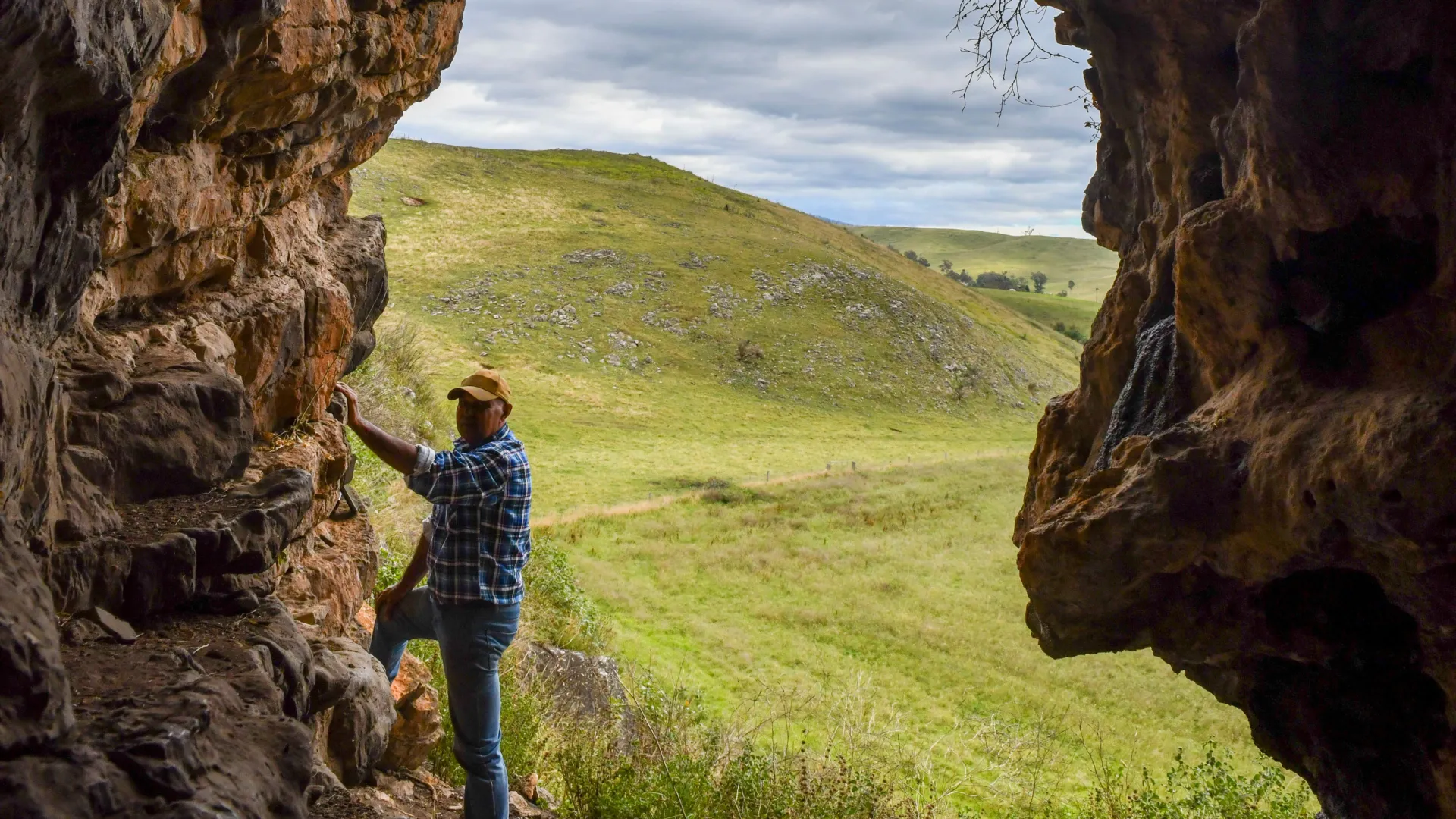
The GunaiKurnai, an Australian Aboriginal nation, are recognized as the traditional custodians of Gippsland and the southern Victorian Alps. Caves within their lands have long been linked to spiritual practices. Accounts recorded in the 19th century, together with oral traditions, describe them as places where powerful learned women and men known as ‘mulla-mullung’, along with other spiritual practitioners, carried out rituals involving magic, healing, and cursing.
Archaeological evidence now shows that one of these sites, Cloggs Cave, was used for such activities over an extraordinary span of roughly 25,000 years.
“Here we show that the Old Ancestors selected whole grasses from the wider landscape and carried them into Cloggs Cave to spread out in thin layers and burn. Over time, sediments covered these burnt layers, preserving each layer on top of another over thousands of years,” said Dr Elle Grono, a postdoctoral researcher at the Australian National University and the corresponding author of a new study published in Frontiers in Environmental Archaeology.
Microscopic Clues From Ancient Plants
Grono and researchers from Australia, France, and New Zealand examined phytoliths recovered from buried sediments inside Cloggs Cave. Phytoliths are microscopic silica structures that form within plant tissues and can survive long after the plants themselves have disappeared.
The research grew out of archaeological excavations carried out in 2019 and 2020. Those excavations were designed to determine how people collected and used plants inside the cave in the distant past. The work was requested by the GunaiKurnai Land and Waters Corporation, and GunaiKurnai representatives were involved in the research design, fieldwork, interpretation, and communication of the findings.
“Unlike pollen, which is dispersed by wind or insects, phytoliths mostly accumulate at the spot where a plant decays. No plants grow inside the cave due to a lack of light, so the phytoliths must have been carried in by people or by animals such as possums on their fur or through their scats,” explained Grono. “We focused on half-burnt phytoliths from ashy layers, which can only have been brought in by people, as unburnt ones might have arrived through either means.”
Because vegetation cannot grow naturally inside the dark cave, the burned plant remains offered especially strong evidence that people had intentionally carried grasses into the site.
Layers of Ash and a Standing Stone
Using microscopy, the researchers classified thousands of phytoliths collected from two excavation pits measuring 1.5 m and 2.3 m deep.
The upper sections of those pits contained 73 thin layers of ash deposited by people between approximately 4,400 and 1,600 years ago. Researchers established those ages using optically stimulated luminescence and carbon dating via accelerator mass spectrometry.
Hidden among the layers was another striking discovery: a standing stone measuring 28 cm high. Later analysis showed that Old Ancestors had intentionally placed the stone inside the cave for ritual purposes around 2,000 years ago.
Grasses Were Carefully Chosen
The team identified 29 different kinds of phytoliths representing grasses, herbs, and woody plants. Many were exceptionally well preserved, including delicate silica structures such as hair cells.
Grass phytoliths dominated the samples, accounting for as much as 97% of the total. They included members of the Pooideae subfamily, which favor temperate or cool conditions, as well as Panicoideae grasses, which generally thrive in warmer and more humid environments.
Phytoliths from Chloridoideae grasses, which tolerate drought and are adapted to warm, dry arid conditions, appeared less frequently. Remains from herbs and woody plants were also uncommon.
The pattern suggests that Old Ancestors did not simply gather whatever vegetation was nearby. Instead, they deliberately selected particular grasses.
Before European settlement, the landscape around Cloggs Cave included riparian forest and open woodland containing many different plant species. Yet those plants were largely absent from the archaeological deposits. The people using the cave instead chose grasses growing relatively close to its entrance.
“The phytoliths found at Cloggs Cave were from different parts of grass plants such as stems, leaves, flowers and roots, indicating that whole grasses were brought in, including the inedible parts,” said Grono.
Evidence of Ritual Burning Across Millennia
As much as 18% of the phytoliths showed signs of burning or melting. Those altered plant remains occurred throughout the dated deposits, suggesting that people repeatedly carried vegetation into the cave and burned it there across the span of the past 25,000 years.
The finding fits with other archaeological evidence indicating that Cloggs Cave was a place of long-lasting ritual activity rather than an ordinary living site.
Professor Bruno David from Monash University, who co-led the excavations with GunaiKurnai Land and Waters Corporation, concludes that “their burning is consistent with GunaiKurnai traditional practices of using ash to perform magic and rituals, and also to track the footsteps of anyone coming in, including spirit-Beings. Other macro-botanical evidence, such as fat-smeared, trimmed wooden sticks from Casuarina trees, was also found in deeper and older deposits, indicating that other kinds of rituals using woody plants were also performed.”
Eligible women will be able to order a free self-testing kit online through the NHS app.
Inquest hears how Rolando Torres-Pena, 22, was able to strangle and kill Hugo Flint-Cahan on a hospital ward in east London.

Cancer is strongly associated with age. The longer people live, the more opportunities their cells have to accumulate damage that can contribute to tumor growth. But cancer is increasingly being diagnosed in younger adults, and each newer generation appears to face a greater risk than the one before it.
That trend has prompted researchers to investigate a provocative possibility: Are younger generations accumulating biological damage more quickly, causing their bodies to age faster than expected?
A study led by researchers at Washington University School of Medicine in St. Louis offers evidence that this may be happening. The team found signs that younger generations are aging more rapidly on a biological level than older generations did at comparable ages.
Scientists are still working to understand what is driving these changes. The question is being investigated through international efforts involving research members of Siteman Cancer Center, based at Barnes-Jewish Hospital and WashU Medicine, and Cancer Grand Challenges, a global initiative co-founded by the National Cancer Institute and Cancer Research U.K.
Importantly, the researchers also found that accelerated biological aging was associated with a greater risk of early-onset cancers among younger generations. In general, early-onset cancers are those diagnosed at age 55 or younger.
A Gap Between Biological Age and Actual Age
Chronological age simply measures how many years a person has been alive. Biological age, by contrast, reflects how old the body appears based on measurable changes in cells, organs, metabolism, and other physiological systems.
According to the researchers, cancer risk increased as the difference between biological age and chronological age grew. People from more recent generations tended to have larger gaps than those born earlier, suggesting their bodies appeared biologically older at the same chronological age.
That generational shift could help explain at least part of the rise in cancer among younger adults.
The team also found that aging did not appear to affect every organ system in the same way. Faster aging in specific parts of the body was associated with particular cancers. An immune system that appeared biologically older, for example, was linked to early-onset lung cancer. Older-appearing fat tissue was associated with early-onset colorectal cancer.
The findings were published in the journal Nature Medicine.
Researchers say measurements of accelerated aging could eventually help doctors identify younger people who face unusually high cancer risks, potentially allowing prevention or screening to begin earlier.
“Our ultimate goal is to decode how modern environments become biologically embedded to drive cancer risk, transforming prevention from broad recommendations to personalized interventions,” said Yin Cao, ScD, a molecular epidemiologist and an associate professor of surgery and of medicine at WashU Medicine. “This brings us closer to identifying risk earlier and developing prevention strategies that are tailored to an individual’s biology.”
Looking Beyond Individual Cancer Risk Factors
Cao’s team has previously studied numerous factors that can shape cancer risk over a person’s lifetime, including obesity, metabolic dysregulation, alcohol consumption, sedentary behavior, poor diet quality and cesarean delivery.
Each of these factors can provide clues about why cancer develops at younger ages. However, no single factor appears to explain very much of the overall trend on its own.
That led Cao, who is also a research member of Siteman, and her colleagues to look for a broader way of measuring how many different influences may work together over time to increase cancer susceptibility.
Support from Cancer Grand Challenges has allowed Cao, as co-lead of Team PROSPECT, to investigate this question on a much larger scale.
For the new study, the researchers examined data from more than 154,000 young adults enrolled in the UK Biobank, which contains extensive biological, health, and lifestyle information.
They also analyzed more than 10,000 participants in the United States who are part of the National Institutes of Health’s (NIH) All of Us Research Program, an initiative designed to create a comprehensive health database involving more than 1 million people living in the U.S.
Measuring How Fast the Body Is Aging
To determine biological aging, the researchers, including first author Ruiyi Tian, a doctoral student in the Cao lab, looked at two different scales.
One was systemic aging, which measures aging across the body as a whole. The other was organ-specific aging, which estimates how rapidly individual organs or biological systems are aging.
For systemic aging, the researchers relied on established approaches that use clinical biomarkers, including PhenoAge and the Klemera-Doubal Method. They also used a metabolomic age score designed to capture age-related patterns in a person’s metabolism.
PhenoAge, for example, uses nine blood biochemistry markers to estimate biological aging. These include albumin, made by the liver, and creatinine, a waste product removed by the kidneys.
For organ-specific aging, the researchers analyzed blood proteomic data, which measure levels of numerous proteins associated with specific organ systems. Those protein patterns were then used to estimate the biological age of individual organs.
The team calculated the average difference between biological and chronological age within each birth cohort. They then used standard deviation to measure how far each group differed from the overall study average. Standard deviation is a measure of how spread out data points are around the average.
Younger Generations Show Older Biological Profiles
The generational differences were apparent in both the UK and U.S. populations.
Among UK participants, people born between 1965 and 1974 had systemic aging that was 23% of one standard deviation higher than people born between 1950 and 1954, even after chronological age was taken into account.
Put more simply, members of the younger generation tended to have slightly older biological profiles than members of the older generation when researchers compared them at the same chronological age.
An even larger difference appeared in the U.S. data.
Participants born between 1990 and 1999 had systemic aging that was 92% of one standard deviation higher than those born between 1965 and 1969.
The researchers then examined whether these biological aging differences were connected to cancer.
Faster Aging Linked to Early-Onset Cancer
Greater systemic aging in the younger group was associated with an 8% increased risk of early-onset solid cancers. The strongest associations involved lung, gastrointestinal, and uterine cancers.
When the participants were separated into three groups according to their level of systemic aging, another pattern emerged.
People with the most advanced systemic aging had a 15% increased risk of early-onset solid cancer compared with participants showing the least advanced aging.
The association remained even after researchers accounted for inherited genetic cancer risks and genetic susceptibility to accelerated aging.
Looking at individual biological systems revealed more specific connections.
Advanced immune system aging was associated with a higher risk of early-onset lung cancer. Advanced adipose (fat) tissue aging was linked to a higher risk of early-onset colorectal cancer.
“If we can identify younger people with the highest cancer risk when they are still healthy, we can focus on prevention and early-detection strategies for the individuals who will benefit most from early interventions,” Cao said.
Searching for the Causes of Cancer in Younger Adults
The research is part of Team PROSPECT, a Cancer Grand Challenges team co-led by Cao.
Cancer Grand Challenges is an international research funding initiative co-founded by Cancer Research UK and the National Cancer Institute (NCI). It brings together scientists from different specialties and countries to investigate some of the most difficult problems in cancer research.
One of those problems is explaining why early-onset cancers are becoming more common.
“Right now, we don’t have a definitive answer to what’s driving the rise of early-onset cancers around the world, but studies like this are helping us piece together the bigger picture, showing that cancer may be influenced not just by changes inside individual cells, but by wider changes happening across the body as a whole,” said David Scott, PhD, director of Cancer Grand Challenges. “Research on this scale is possible through Cancer Grand Challenges, which brings together scientists from different fields around the world to tackle these complex questions together.”
Cao and her colleagues are now working to better understand why cancer is increasingly affecting younger generations.
A major focus is determining how changes in the environment, lifestyle and society may leave long-lasting biological marks on the body. Those effects could include accelerated aging as well as other signs that make some people more vulnerable to disease.
By tracing how these risks accumulate throughout life, researchers hope to uncover more of the biological origins of early-onset cancers.
The ultimate goal is not simply to understand why cancer develops earlier, but to identify people at elevated risk while they are still healthy. That could make it possible to move prevention and screening earlier and tailor interventions to an individual’s biology, shifting cancer care toward stopping disease before it begins.
This work was part of the PROSPECT team supported by the Cancer Grand Challenges initiative funded by Cancer Research UK, grant numbers CGCATF-2023/100043 and CGCATF-2023/100037; the National Cancer Institute of the NIH, grant numbers OT2CA297577 and OT2CA297576; the French National Cancer Institute; and the Bowelbabe Fund for Cancer Research UK. The project was also supported by grants from NIH/National Cancer Institute, grant number R37CA246175; the NIH/National Institute of Diabetes and Digestive and Kidney Diseases, grant number P30DK052574; the Alvin J. Siteman Cancer Center through the Foundation for Barnes-Jewish Hospital. Further support was provided by a pre-doctoral fellowship in the Cancer Biology pathway supported by NIH Molecular Oncology Training Grant T32CA113275 to Washington University School of Medicine in St. Louis; the Pediatric Gastroenterology Research Training Program grant T32DK077653 to Washington University School of Medicine in St. Louis; the Washington University School of Medicine in St. Louis Institute of Clinical and Translational Sciences, grant number UL1TR002345; and the Foundation for Barnes-Jewish Hospital. The content is solely the responsibility of the authors and does not necessarily represent the official views of the NIH.

A chemistry concept taught to generations of students may need to be explained very differently, according to an international team of researchers who say a long-accepted textbook description does not match modern evidence.
The issue centers on the inductive effect, a fundamental idea in structural organic chemistry used to describe how atoms influence the distribution of electrons within molecules. The researchers’ 2024 research concluded that textbooks had been describing this effect incorrectly for almost 100 years.
That work has already begun to influence chemistry education. Two A-level exam boards have since announced reviews of how they teach the inductive effect and directly cited the research as part of the reason for doing so.
A new paper in the Journal of Chemical Education now expands on those findings and examines what they could mean for the way one of chemistry’s foundational concepts is taught.
Rethinking a Core Idea in Organic Chemistry
Researchers led by Cardiff University and the University of Newcastle in Australia are proposing a simpler and more consistent explanation of the inductive effect. They believe the revised approach could make the concept easier for students to understand while giving scientists a clearer framework for interpreting how molecules behave.
“The inductive effect is a foundational concept in chemical bonding, because it is used to explain how electrons are distributed between atoms in molecules,” explains Dr. Mark Elliott, lead author of the study from Cardiff University’s School of Chemistry.
“Everyone who studies chemistry beyond GCSE, or equivalent, learns about it.”
The implications are particularly important for organic chemistry, according to the researchers. Organic chemists routinely study chains of atoms that form the molecular foundations of medicines, advanced materials, agrochemicals, polymers and many other technologies used in everyday life.
Understanding how electrons are distributed through those structures can help chemists explain why molecules have particular properties and why they undergo certain chemical reactions.
A Chemical Effect That May Stop After One Bond
For decades, organic chemistry textbooks have generally taught that the influence of certain atoms can travel through three or four bonds within a molecule. According to the traditional explanation, that influence becomes progressively weaker as it moves farther from the original atom.
The researchers say the evidence paints a different picture.
“In our latest paper, we find that the inductive effect does not behave in this way,” Dr. Elliott says.
“Instead, we show that the inductive effect in a neutral molecule does not extend beyond one bond. As a result of this, we need to refine explanations for certain types of reactivity. This can provide a more coherent framework for explaining chemical structure and reactivity.”
Rather than treating the inductive effect as an influence that gradually travels along a chain of atoms, the team’s interpretation confines it to the bond directly connected to the relevant atom in a neutral molecule.
That seemingly small change could matter because the inductive effect is commonly used to explain molecular structure and chemical reactions. If its reach has been misunderstood, other explanations built around the traditional model may also need to be reconsidered.
Evidence Hidden Across the Scientific Literature
The researchers did not arrive at the conclusion from a single experiment. They brought together evidence that was already scattered throughout scientific research and combined it with their own consistent data set.
“While some data supporting our conclusions is already available within the research literature, it is not widely known. What we have done is pull all the existing data together, supported by our own coherent data set, to show the generality and teaching implications of this approach.
“It is important to teach the basics correctly. So, if we get rid of this incorrect stuff, we can start using the correct explanation for all aspects.”
The international collaboration grew after Dr. Elliott encountered work by Dr. Edwin Johnson of the University of Newcastle and Dr. Kasimir Gregory of the University of New England. Their research examined how electronegative elements affect acidity and also produced results that did not fit conventional textbook descriptions.
“We realized that the discrepancy between modern computational data and textbooks was larger than we had anticipated.”
Modern Tools Challenge Longstanding Chemistry Ideas
Questioning such an established concept was not something the researchers initially approached lightly.
“We didn’t initially feel comfortable challenging the established wisdom. Some of the names associated with the inductive effect are ‘legends’ of our discipline. We certainly aren’t smarter than those pioneers, of course. But we have better tools nowadays and so have been able to look at things in a different way – examining molecular structures directly whereas they had to draw indirect conclusions from limited experimental data.”
Earlier generations of chemists developed many foundational ideas using the experimental techniques available at the time. Modern computational methods now allow researchers to examine molecular structures and electron distributions in ways that were not possible when many textbook explanations were first developed.
By clarifying what the inductive effect does and how far it extends, the researchers hope other influences on molecular behavior can also be understood more accurately.
Why Correcting Chemistry Textbooks Matters
The researchers argue that getting foundational concepts right is important far beyond introductory chemistry courses. Misunderstandings introduced early in a student’s education can follow them into more advanced chemistry and eventually into scientific research.
“If a foundational concept is taught inaccurately, misunderstandings can carry into more advanced science and research,” adds Dr. Edwin Johnson, Lecturer at the University of Newcastle, Australia, who co-authored the paper.
“By revisiting a long-standing textbook explanation with modern tools, our work aims to improve chemistry education and strengthen the conceptual foundations that support chemical innovation.”
The researchers hope their proposed explanation will ultimately give students a more consistent way to understand chemical bonding while providing scientists with a stronger conceptual basis for studying molecular structure and reactivity.
The paper, ‘Rethinking the Nature and Extent of Inductive Effects in Organic Compounds’, is published in the Journal of Chemical Education.

Low vitamin D levels may make recovery from breast cancer surgery more painful and increase the need for opioid painkillers, according to research published in Regional Anesthesia & Pain Medicine.
The findings suggest that breast cancer patients with vitamin D deficiency (below 30 nmol/L) could potentially benefit from supplementation before undergoing a radical mastectomy, a major operation in which an entire breast is surgically removed.
Vitamin D May Play a Role in Pain
Vitamin D is best known for its role in bone health, but growing evidence suggests it may also influence how the body senses and processes pain. Researchers believe this could be related to vitamin D’s effects on inflammation and the immune system, both of which can influence pain responses.
Vitamin D deficiency is also frequently reported among people with breast cancer, prompting researchers to investigate whether low levels might affect pain following surgery.
To explore that possibility, researchers conducted a prospective observational study at Fayoum University Hospital in Egypt between September 2024 and April 2025. A prospective study follows patients forward in time, while an observational study tracks what happens without assigning participants to different treatments.
The study included 184 breast cancer patients scheduled to have one entire breast surgically removed.
Comparing Patients With High and Low Vitamin D
Half of the participants were classified as vitamin D deficient (below 30 nmol/L), while the other half had vitamin D levels considered sufficient (above 30 nmol/L).
The two groups were broadly similar. Patients in the vitamin D deficient group had an average age of 44, compared with 42 in the vitamin D sufficient group.
Everyone received the hospital’s standard treatment during and after surgery. Importantly, the doctors and other clinical staff caring for the patients did not know their vitamin D status, reducing the chance that this information could influence pain treatment.
During surgery, patients received fentanyl, a powerful opioid used to control acute pain. After surgery, every patient received paracetamol through an intravenous drip every 8 hours.
Patients could also give themselves tramadol (another opioid analgesic) by pressing a button connected to a patient-controlled pain relief system. This allowed researchers to track how much additional opioid medication each person needed.
Low Vitamin D Linked to More Pain
Patients rated their pain immediately after surgery and again at 6 hours, 12 hours, 18 hours and 24 hours. Researchers also recorded nausea, vomiting, sedation levels, and how long patients remained in the hospital.
A clear difference emerged during the first day of recovery.
Patients with vitamin D deficiency were three times more likely to report moderate to severe postoperative pain at any point during the first 24 hours compared with patients who had sufficient vitamin D levels.
However, none of the patients in either group experienced what researchers classified as severe pain (7 or over on a scale of 0 to 10). The difference between the groups came entirely from moderate pain (4-6 on the pain scale).
Patients With Low Vitamin D Used More Opioids
The difference also appeared in the amount of pain medication patients required.
Those with vitamin D deficiency received an average of 8 μg more fentanyl during surgery. Researchers described that difference as modest.
The gap was much larger after surgery.
Patients in the vitamin D-deficient group used substantially more tramadol (112mg) than patients with sufficient vitamin D. Patients controlled the medication themselves, up to a maximum dose of 50mg per hour.
Greater opioid use matters because these drugs can cause side effects such as nausea, vomiting, drowsiness, and confusion. They also carry risks of dependency and addiction.
Postoperative nausea was more common among patients with vitamin D deficiency. Vomiting occurred only in the deficient group, although the difference was small and was not statistically significant, meaning researchers could not confidently rule out chance as the explanation.
The Study Cannot Prove Cause and Effect
The findings point to a potentially important connection between vitamin D and surgical pain, but the researchers emphasized several limitations.
Because the study was observational and conducted at a single center, it cannot show that vitamin D deficiency directly caused patients to experience more pain or use more opioids.
Researchers also did not measure inflammatory markers, so they could not investigate the biological mechanisms that might explain the relationship between vitamin D and pain.
The study also lacked information on several factors that could potentially influence postoperative pain, including anxiety, depression, cancer stage, cancer treatment, and sleep disturbance before surgery.
Despite those limitations, the researchers conclude, “Vitamin D deficiency is associated with a higher occurrence of moderate to severe postoperative pain and increased opioid consumption in patients undergoing unilateral modified radical mastectomy.”
They suggest, “Preoperative vitamin D supplementation in breast cancer patients with vitamin D levels below 30 nmol/L may have a role in modulating postoperative pain.”
Those in the medical profession say the HBO Max show about a US hospital emergency room is the most realistic medical drama yet.
