Mothers have described being left to recover from caesarean sections with “no support”.


Mothers have described being left to recover from caesarean sections with “no support”.
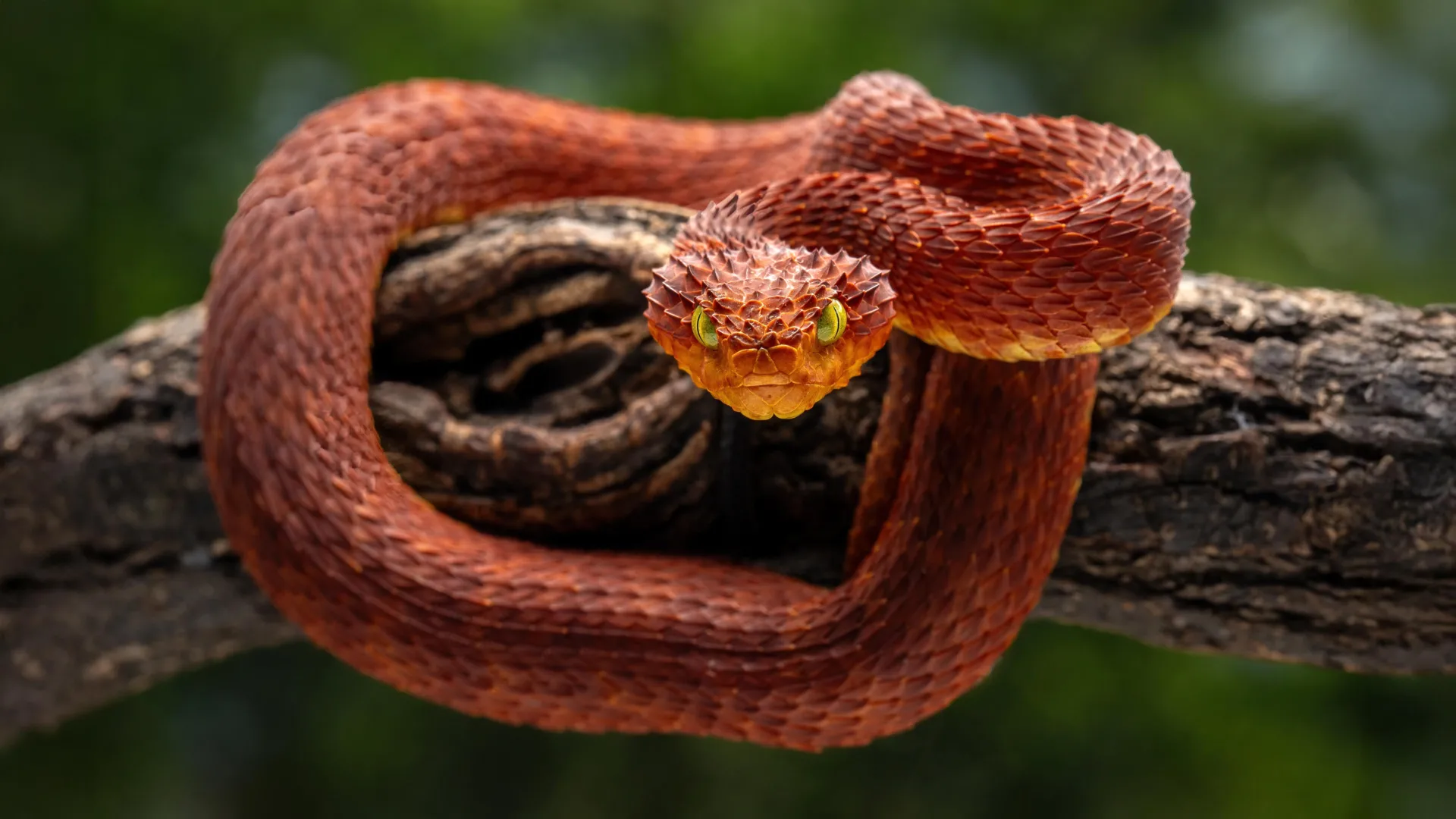
University of Maryland researchers have identified a promising new way to treat venomous snakebites by borrowing from snakes’ own natural defenses. Their approach uses toxin-blocking proteins that western diamondback rattlesnakes evolved to protect themselves from venom.
By combining specific proteins found in rattlesnake blood, the researchers achieved unusually strong protection against venom from several dangerous snake species.
The study was led by Distinguished University Professor of BiologySean B. Carroll and published in the Proceedings of the National Academy of Sciences. The findings could help researchers develop more powerful antivenoms for deadly snakebites, which remain a major health threat in some regions of the world.
“This is one of those great stories when nature has already solved a problem we’ve been grappling with for decades,” said Carroll, who also holds the Andrew and Mary Balo and Nicholas and Susan Simon Endowed Chair at UMD.
The Global Challenge of Snakebites
Snakebite is considered one of the world’s most neglected tropical diseases. According to the World Health Organization, venomous snakes kill an estimated 80,000 to 140,000 people annually, while hundreds of thousands of survivors are left with permanent disabilities. Many of those affected live in rural areas where effective antivenom can be difficult to obtain.
Existing antivenoms save lives, but they also have major drawbacks. They are typically produced by exposing large animals to snake venom and then collecting the antibodies those animals generate. Manufacturing these treatments can be costly, their quality and effectiveness can vary, and they may not work equally well against the many different toxins found in venom from different snake species. They can also cause serious immune reactions.
Those limitations have pushed scientists to search for better options. In this case, the researchers turned to snakes themselves for clues.
“We’ve known from anecdotes for 100 years that vipers tend to be resistant to their own venom,” Carroll said. “But for a long time, nobody knew what exactly was circulating in their blood that protected them.”
A Natural Defense Hidden in Rattlesnake Blood
In 2022, Carroll’s laboratory found part of the answer: a protein called FETUA-3. The researchers discovered that it could block the activity of many metalloproteinase toxins found in western diamondback rattlesnake venom. It could also bind to and inhibit toxins from the venoms of several other rattlesnake species.
“Here was evolution’s way for snakes to protect themselves from accidental self-envenomation,” he said, which prompted a follow-up question. “Why rely on horse antibodies when nature has packaged an effective antidote right there in the snake?”
For the new research, co-authors including Elda Sánchez, director of the National Natural Toxins Research Center at Texas A&M University-Kingsville, examined what each FETUA protein contributes to venom resistance.
The team found that individual proteins could counter certain effects of venom. One might reduce bleeding, for example, while another could interfere with enzyme activity. However, none of the FETUA proteins on its own was able to completely prevent death from a venomous bite.
Protein Combinations Dramatically Boost Protection
The results changed when researchers combined several FETUA proteins. These mixtures were far more effective at blocking the harmful effects of venom than the individual proteins alone.
Finding the best combinations is complicated because snake venom is extraordinarily complex. A single venom can contain around 100 toxin proteins belonging to multiple protein families, and venom composition differs from one snake species to another.
“The ingredients are there,” Carroll said. “We just have to keep testing various mixtures.”
In laboratory experiments, optimized combinations of the proteins were about 10 times more potent than the current sheep-derived rattlesnake antivenom. The mixtures completely neutralized the lethal effects of rattlesnake venom and also provided broad protection against venom from multiple viper species, including species separated by millions of years of evolution.
“The fact that parts of these inhibitors have been perfectly conserved over 50 million years of snake evolution tells you just how real a risk this is for these animals,” Carroll said, noting that how snakes envenomate themselves, whether through mouth tissue during a bite, by eating envenomated prey, through cannibalism or all of the above, isn’t well understood.
Toward a New Generation of Antivenoms
The present study concentrated on metalloproteinases, one important family of venom toxins. The researchers are now using the same general strategy to target other toxin families.
“We’re getting remarkably close to having effective solutions for the three major toxin families in vipers,” Carroll said. “What we’ve learned here, together with research we’re doing now, gives us real confidence that nature-based recombinant [lab-produced] antivenoms are within reach.”
Carroll expects that the first commercial applications of “nature’s antivenom” could be in veterinary medicine, with treatments for human snakebites potentially following later.
He envisions future antivenoms that protect against a wider range of venoms while also being safer, less expensive and easier to manufacture on a large scale than many current treatments.
“We could make train cars-worth of this stuff and help solve a massive global health problem,” Carroll said. “Many of our most important medicines have come from nature. I’m delighted that the components for a better-than-commercial antivenom were in these snakes all along.”
Along with Carroll, the UMD co-authors included Department of Biology visiting faculty specialists Fiona Ukken and Yetunde Ayinuola.
The research was funded by the Howard Hughes Medical Institute and the Viper Resource Center (Grant #P40OD01960-22). This article does not necessarily reflect the views of these organizations.
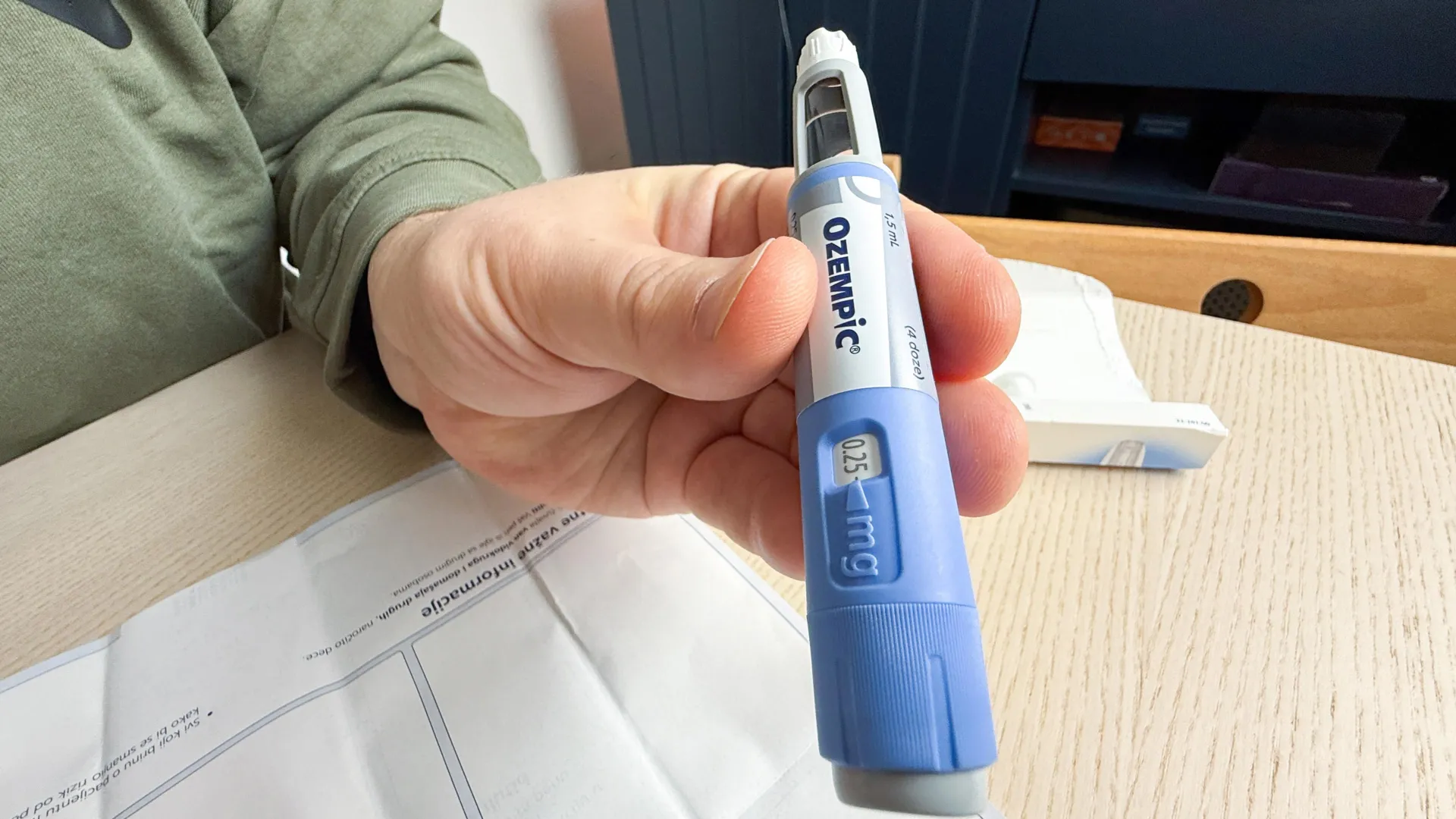
Glucagon-like peptide-1 receptor agonists (GLP-1RAs), widely used to treat diabetes and support weight loss, may also have benefits for mental health, particularly among people with bipolar disorder, according to new research from Griffith University.
Diabetes, obesity, and bipolar disorder frequently occur together and may share some underlying biological mechanisms. According to the latest World Health Organization estimates, about one in 200 people worldwide, or roughly 37 million people, live with bipolar disorder.
GLP-1 medications are already established treatments for diabetes and obesity, but their possible effects on bipolar disorder have remained unclear.
Large Study Examines GLP-1 Drugs and Bipolar Disorder
To investigate the connection, researchers led by Professor Mark Taylor from Griffith’s School of Medicine and Dentistry analyzed nationwide Swedish data from nearly 15,000 people with bipolar disorder who had been prescribed GLP-1 medications over a 15-year period.
“People with bipolar disorder who were taking semaglutide (otherwise known as Ozempic or Wegovy), a type of GLP-1 medication, had significantly lower rates of psychiatric hospitalization compared with periods when they were not taking GLP-1 medicines,” Professor Taylor said.
“The findings add to growing evidence that GLP-1 receptor agonists may have benefits beyond diabetes and obesity treatment, and could represent a promising new avenue for bipolar research.”
The researchers found that semaglutide use was associated with a 21 percent lower risk of psychiatric hospitalization.
Semaglutide May Affect Brain-Related Processes
The findings suggest that GLP-1 signaling could help protect the brain by reducing inflammation, cellular stress, and other biological processes associated with bipolar disorder.
These effects could potentially contribute to greater mood stability and a lower risk of relapse.
However, the same pattern was not seen with every GLP-1 medication. Liraglutide and dulaglutide were not associated with a reduced risk of psychiatric hospitalization, indicating that any potential mental health benefit may not extend across the entire drug class.
Professor Taylor said he hopes the findings will now be examined in a randomized controlled trial, which would provide stronger evidence about whether semaglutide itself can improve psychiatric outcomes in people with bipolar disorder.
The paper ‘Use of glucagon-like peptide 1 receptor agonists and the associated risk of hospitalisation in bipolar disorder, from a nationwide cohort, 2009-2024’ has been published in Acta Psychiatrica Scandinavica.
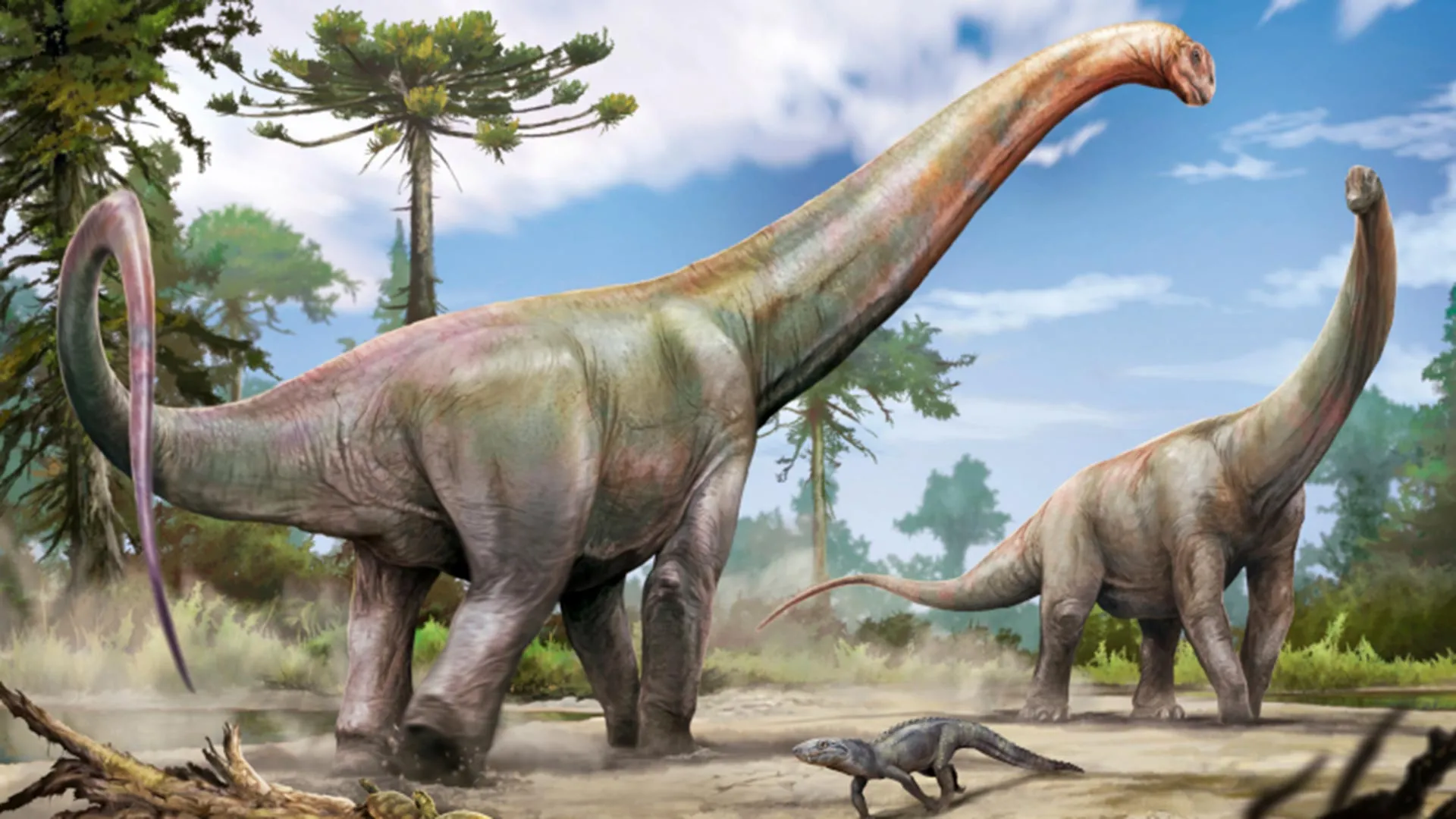
A newly identified dinosaur species discovered during construction work in northeastern Brazil is offering fresh clues about how giant dinosaurs spread across ancient continents.
The species, named Dasosaurus tocantinensis, is described in a study published in the Journal of Systematic Palaeontology. The animal measured about 20 meters long and lived roughly 120 million years ago. Its fossils were found at the site of a road rail terminal under construction in Davinópolis, a city in the state of Maranhão.
One of the most striking aspects of the discovery is the dinosaur’s evolutionary connection to Europe. Its closest known relative lived in what is now Spain, suggesting that these animals belonged to a broader lineage that once occupied regions that are now separated by the Atlantic Ocean.
Researchers propose that the ancestors of Dasosaurus tocantinensis reached South America by moving through North Africa sometime between 140 and 120 million years ago. At the time, these landmasses were still connected within the supercontinent Gondwana.
Maranhão’s Largest Known Dinosaur
“It’s the largest known dinosaur for Maranhão, which has other species, but not sauropods like this one; rather, it has smaller ones, such as the diplodocid Amazonsaurus maranhensis, which was about 10 meters long,” says Elver Luiz Mayer, a professor at the Federal University of the São Francisco Valley (UNIVASF) in the state of Bahia.
Mayer normally studies mammals from the Quaternary period, which is far more recent than the age of the dinosaur fossils. He became involved with the find in 2021 while working in São Félix do Xingu in the state of Pará, where he was then a professor at the Federal University of Southern and Southeastern Pará (UNIFESSPA)
The fossils had been uncovered by archaeologists who were monitoring the Davinópolis construction project as part of environmental licensing requirements. At first, the remains were thought to belong to large prehistoric mammals that may have lived alongside ancient humans.
Mayer quickly suspected that the bones were much older.
“Given its depth of about eight meters, I realized that it was much older. The age of the geological formation was already known from previous research and indicated that it was material from the transition from the Lower to the Upper Cretaceous, about 120 million years ago,” says Mayer. He then contacted various specialists and formed a multidisciplinary group to study the specimen.
A Remarkably Complete Fossil
The fossils went through an extensive preparation process before being analyzed in Pará. Afterward, the specimen was returned to Maranhão. It is now kept in São Luís, the state capital, at the State Center for Natural History and Archaeology Research, which also took part in the research.
The preserved skeleton includes several major bones, making it unusually informative for a dinosaur of its kind.
“Because it includes tail vertebrae, a 1.5-meter femur, ribs, foot bones, and arm and leg bones, this is considered a relatively complete specimen. We believe there are more fossils from this same specimen yet to be excavated at the site,” says Max Langer, a professor at the Ribeirão Preto School of Philosophy, Sciences, and Letters at the University of São Paulo (FFCLRP-USP), who participated in the study.
Langer coordinates the project “Exploring the Diversity of South American Cretaceous Dinosaurs and Their Associated Faunas,” which is supported by FAPESP.
Why the Dinosaur Was Named Dasosaurus
The species name reflects both the landscape of Maranhão and the location where the fossils were found.
“Daso” means “forest,” a reference to the region’s wooded environment. Early Portuguese colonizers described those forests as forming a dense tangle, or “maranhão.” The second part of the name, “Tocantinensis,” refers to the Tocantins River because the fossil site lies near its eastern bank.
Researchers also examined the microscopic structure of the dinosaur’s bones. The analysis, led by Tito Aureliano and Aline Ghilardi of the Federal University of Rio Grande do Norte (UFRN), revealed a growth pattern that combines traits seen in older sauropods with features found in titanosaurs, a group closely related to the newly discovered species.
The results indicate that some patterns of bone growth and remodeling may have appeared earlier in dinosaur evolution than scientists previously believed. That could help explain how certain sauropods were able to grow to such enormous sizes.
Construction Projects Can Reveal Hidden Fossils
The discovery of Dasosaurus also highlights a complicated reality for paleontology. Major construction projects can damage or destroy fossil deposits, but they can also expose layers of rock that scientists would otherwise have little chance of reaching with traditional excavation tools.
“Brazil is a tropical country with dense vegetation. Geologists and paleontologists rely heavily on human activity to excavate, expose the rocks, and reveal the fossils. If we map Brazil’s fossil sites, we’ll see highways and quarries. These projects are important for understanding our heritage. But it’s obvious that specialized monitoring and artifact recovery are necessary, which doesn’t always happen,” says Langer.
“That’s why it’s urgent to foster closer cooperation between the parties to reconcile construction projects with federal legislation on fossils and promote new discoveries while ensuring the proper preservation of our heritage,” Mayer comments.
The researchers are now negotiating with the construction company for permission to return to the site and continue excavating. Additional fossils could reveal more about Dasosaurus tocantinensis and the larger dinosaur group to which it belonged.
The work received support from FAPESP in the form of a doctoral scholarship, postdoctoral fellowship, and a grant under the Young Investigator modality.
About 7% of those polled wanted disability benefit cuts, according to the latest British Social Attitudes survey.
One parent says the number of patients involved in a review is “ridiculous”.
Mothers have described being left to recover from caesarean sections with “no support”.
As well as offering advice, Wellbeing Week will include poetry, gardening workshops, art and music.
Oli’s experience is one of a growing number of clinical negligence claims being made in England, BBC analysis shows.
Lhamo Weston says it’s important to be open about competing with endometriosis
