The BBC’s Quentin Sommerville reports from Chicago, where communities are battling a new wave of synthetic drugs.


The BBC’s Quentin Sommerville reports from Chicago, where communities are battling a new wave of synthetic drugs.
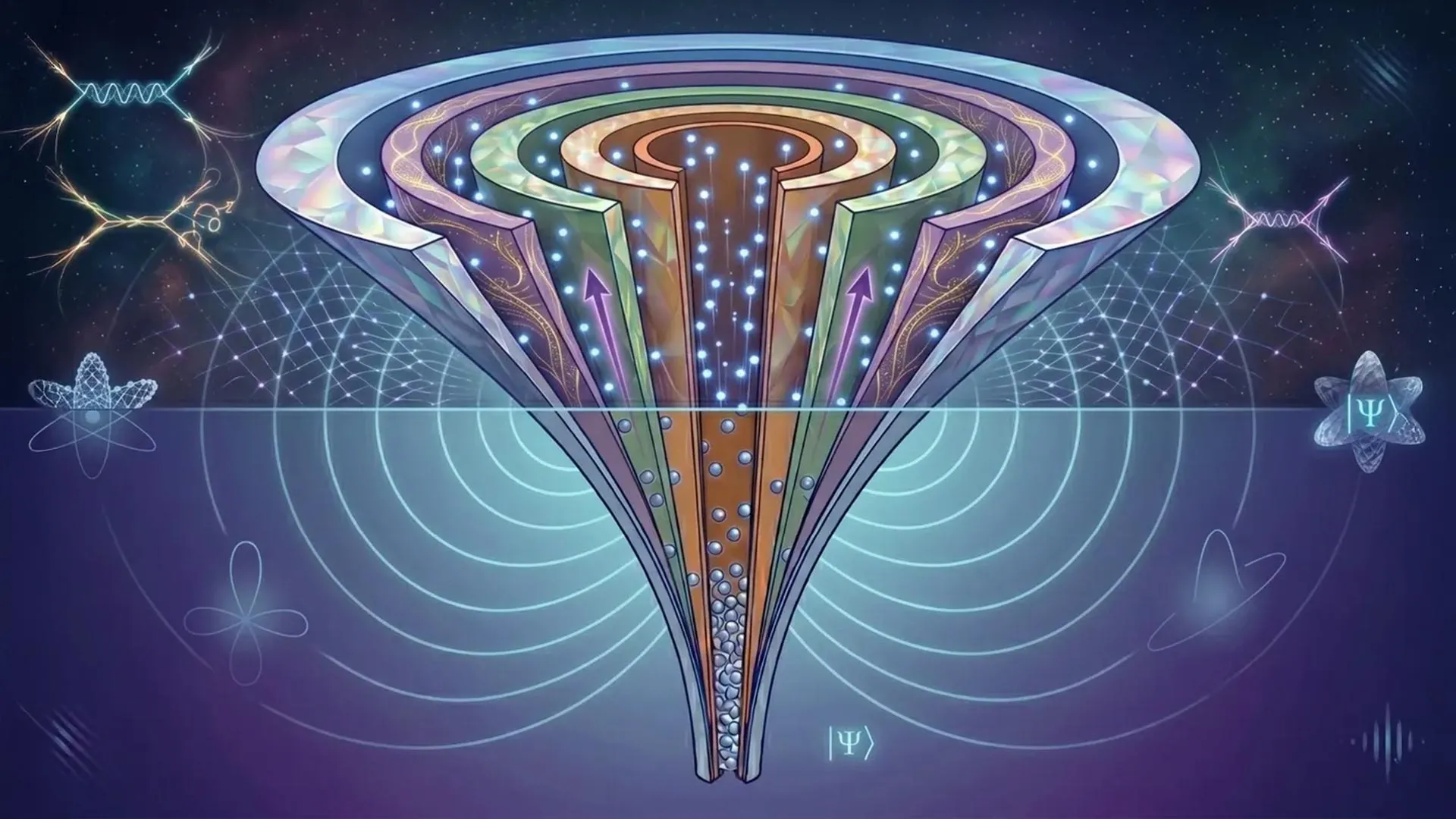
Physicists have uncovered a strange new form of quantum behavior in which particles organize themselves in ways that challenge established theories. Even more surprising, the particles maintain a remarkable hidden order despite being driven into an extremely energetic state.
In a study published in Physical Review Letters, researchers from the group led by Hanns-Christoph Nägerl, working with theoretical physicist Alvise Bastianello of the CNRS and Université Paris-Dauphine, describe how to engineer an exotic quantum state known as a “fractional Fermi sea.”
The breakthrough involves pushing ultracold cesium atoms far beyond their normal conditions by repeatedly changing how strongly they attract or repel one another. Rather than simply becoming disordered, the particles rearrange themselves into an unusual configuration that behaves differently from the quantum systems scientists have traditionally studied.
The theoretical findings provide the foundation for recent experimental research conducted by Nägerl’s team at the Department of Experimental Physics.
Pushing Quantum Particles Beyond Their Normal Limits
Under ordinary conditions, quantum particles follow well-established rules that determine how they arrange themselves, particularly at extremely low temperatures.
One important example involves fermions, a category of particles that includes electrons. These particles cannot all occupy the same quantum state, so they fill available energy levels according to specific restrictions. At very low temperatures, this arrangement produces what physicists call a Fermi sea.
But what happens when researchers deliberately disrupt the conditions that normally govern how particles behave?
As Alvise Bastianello explains: “Fermions, for instance, stack neatly into the available energy states to form the so-called ‘Fermi sea’. But what happens if one forces interacting atoms to continuously cycle through extreme conditions, smoothly shifting them from strongly repelling each other to strongly attracting each other?”
To investigate this possibility, the researchers studied ultracold cesium atoms confined to a one-dimensional system. This means the atoms are restricted to moving along a single direction, creating an environment in which their quantum interactions can be studied with exceptional control.
The team examined what happens when the interactions between these atoms are repeatedly adjusted, cycling between powerful repulsion and attraction.
Their calculations revealed something unexpected. Starting from the ground state, the lowest energy configuration available to the system, the atoms could be driven into a highly excited state without losing their underlying organization.
The researchers call this unusual arrangement a fractional Fermi sea because its particles appear to obey a modified rule governing how quantum states are occupied.
“Instead of simply heating the system, the interaction cycle reorganizes the atoms into a new many-body state,” says Yi Zeng, the leading author of this study. “This gives us a controlled way to explore quantum matter beyond the usual equilibrium paradigms.”
A Strange New Quantum State With Hidden Order
One of the most intriguing features of the fractional Fermi sea is that its particles remain organized even though the system has been pushed far from equilibrium.
In physics, equilibrium describes a condition in which a system’s overall properties have settled into a stable balance. Systems driven far from equilibrium can behave in complicated and unexpected ways, making them particularly challenging to understand.
Yet the fractional Fermi sea is not simply a collection of excited particles behaving randomly. Instead, it contains distinctive mathematical patterns that reveal a deeper structure.
Among these patterns are pronounced ripples called Friedel oscillations. These are wave-like variations associated with the way quantum particles influence one another. The researchers also identified unusual patterns in how correlations between particles weaken with increasing distance, even when the repulsive interactions are relatively weak.
These signatures are important because they differ from predictions associated with Tomonaga-Luttinger liquid theory, a long-established framework for describing how interacting quantum particles behave in one-dimensional systems.
The findings therefore point toward a previously unexplored type of quantum behavior that cannot be fully described using this familiar theoretical picture.
“This state is highly excited, but it is not random,” says Hanns-Christoph Nägerl, the group leader. “It has a hidden order that becomes visible in its correlations.”
The strange behavior also raises questions about the effective particles that emerge within the system. Physicists call these collective excitations quasiparticles because they can behave like individual particles even though they arise from the coordinated motion of many interacting particles.
Nägerl suggests that the unusual excitations might eventually deserve a name of their own.
“We are not yet sure how we should name these new quasiparticles. Perhaps ‘super-Fermions’?”
Opening a New Frontier in Quantum Physics
The discovery suggests that fractional Fermi seas represent an exotic critical phase of quantum matter, with characteristic patterns of particle correlations that extend beyond existing descriptions of one-dimensional quantum systems.
It also demonstrates the growing power of quantum simulation, a technique that allows scientists to use carefully controlled quantum systems to investigate physical behavior that would otherwise be difficult to reproduce or study.
Ultracold atoms are particularly useful for this purpose because researchers can precisely adjust their interactions and observe how the resulting quantum states change.
Rather than limiting these experiments to recreating phenomena already understood through established theories, scientists can now explore deliberately engineered states that reveal entirely new possibilities.
As Hanns-Christoph Nägerl says: “The discovery of fractional Fermi seas shows how far we can push quantum simulation: not only reproducing known models, but creating and probing states that go beyond established paradigms.”
The current publication establishes the theoretical framework for fractional Fermi seas. A companion study describing their experimental realization through quantum simulation is undergoing peer review.
Together, the research points toward new ways of investigating the fundamental behavior of quantum matter, including unusual collective excitations and hidden forms of order that emerge only when particles are pushed far outside their normal conditions.

Psilocybin, the psychedelic substance found in more than 200 species of mushrooms, appears to have an unexpected effect on aggressive fish. Most mushrooms containing this compound belong to the gilled mushroom genus Psilocybe. In mammals, psilocybin interacts with serotonin receptors in the brain, influencing emotions and behaviors such as mood, appetite, and aggression. However, scientists still know relatively little about how the substance affects social interactions among animals.
To investigate this question, researchers in Canada examined the effects of psilocybin on the amphibious mangrove rivulus fish (Kryptolebias marmoratus). Their findings, published in Frontiers in Behavioral Neuroscience, suggest that even a brief exposure to a low dose can significantly reduce aggressive behavior without disrupting normal social interactions.
“We show that an acute, low dose of psilocybin significantly reduces activity and aggressive attack behavior during social interactions in adult mangrove rivulus fish, a species that is naturally highly aggressive,” said first author Dayna Forsyth, a research associate and former MSc student at Acadia University in Nova Scotia.
“These findings provide the first evidence that psilocybin can selectively reduce escalated aggression in a vertebrate model without suppressing social interaction,” added senior author Dr. Suzie Currie, a biologist at The University of British Columbia.
Why Scientists Studied Aggressive Mangrove Rivulus Fish
Mangrove rivulus fish are naturally combative, particularly when they encounter another member of their species. Their aggressive responses are easy to recognize and measure, allowing researchers to detect even small changes in behavior.
These fish also have an unusual reproductive ability. They can fertilize themselves, producing offspring that are genetically identical. This makes them especially useful for experiments because scientists can minimize genetic variation and more confidently attribute behavioral differences to psilocybin rather than inherited traits.
For the experiment, the researchers worked with three genetically distinct lines of fish bred in the laboratory. One group received psilocybin, another provided the fish used to provoke social interactions, and the third helped researchers measure how much psilocybin entered and accumulated in the animals’ bodies.
The researchers first established a baseline for each fish’s behavior. They placed a fish into a tank already occupied by another fish, with the two separated by a fiberglass mesh barrier and an opaque cover. The mesh prevented physical contact while allowing the fish to see and smell each other once the cover was removed.
After allowing five minutes for the fish to adjust to their shared environment, the team removed the opaque cover and recorded their interactions.
The following day, 24 hours after the initial observation, the researchers placed the same fish in water containing dissolved psilocybin. Following 20 minutes of exposure, they returned it to the tank with the same fish it had encountered previously. The opaque cover was then removed again so the researchers could observe any changes in behavior.
Magic Mushroom Compound Reduces Aggressive Attacks
The results revealed a striking change. Fish exposed to psilocybin moved around less and displayed fewer bursts of aggressive swimming than fish that had not received the substance.
To assess these changes, the scientists measured overall activity (time spent moving) and several signs of aggression (including swimming bursts). These rapid bursts are particularly important because they indicate that an encounter is escalating toward an attack, even when the fish cannot make physical contact.
“Swimming bursts are high-energy attack behaviors that represent an escalation of aggression towards the stimulus fish without making physical contact,” explained Currie. “Other types of aggressive behaviors, like head-on displays, are more about communication and social assessment and require very little energy.”
Interestingly, psilocybin did not suppress every form of aggressive or social behavior. While the fish became less likely to engage in intense, energy-demanding attacks, their less physically demanding social displays remained largely unchanged.
“Psilocybin’s calming effect appears to selectively reduce energetically costly, escalated behaviors while lower-energy social display behaviors remained largely unchanged,” said Forsyth. “This suggests that this compound can selectively dampen escalated social conflict rather than shutting down behavior altogether.”
The compound also reduced general activity. When placed alongside another member of their species, fish treated with psilocybin spent less time swimming than untreated controls.
Together, these findings suggest that psilocybin may influence specific aspects of aggressive behavior rather than simply making animals less responsive to their surroundings.
What the Findings Could Mean for Psychedelic Research
The researchers believe animal studies like this one could eventually help scientists better understand how psychedelic compounds influence behavior and identify possible directions for therapeutic research.
By examining which social responses are most sensitive to psilocybin, researchers may be able to uncover biological mechanisms that are difficult to investigate directly in people. Such insights could ultimately inform studies of potential clinical applications.
However, the team emphasized that the findings should not be interpreted as evidence of a treatment for aggression in humans. The experiment involved fish, did not evaluate any clinical intervention, and cannot establish whether similar effects would occur in people.
There are also important questions about how long the calming effect lasts. The researchers examined only single doses and short exposure periods. They did not investigate repeated treatments, long-term behavioral changes, or whether the fish might adapt to the substance over time.
Additional experiments will be necessary to determine whether psilocybin’s ability to reduce aggressive attacks can persist beyond the brief period examined in this study.
“Future studies can build on this work to explore how psilocybin alters neural signaling, which serotonin pathways are involved, and why some aspects of social behavior are affected while others are not,” concluded Currie. “These are questions that are difficult or impossible to answer directly in humans.”
Yvette Cooper also announces £140m investment in England’s urgent care system, ahead of winter.

Scientists have uncovered a previously unknown form of magnetism, overturning an understanding of magnetic behavior that had stood for more than a century. The discovery, known as altermagnetism, has revealed a third fundamental category of collinear magnetism and opened new possibilities for quantum materials, advanced electronics, and future computing technologies.
Three physicists responsible for the breakthrough have been named recipients of the 2026 Europhysics Prize, one of Europe’s most prestigious honors in condensed matter physics. The European Physical Society (EPS) Condensed Matter Division selected Professor Jairo Sinova of Johannes Gutenberg University Mainz (JGU), Dr. Libor Šmejkal, and Professor Tomas Jungwirth for their work establishing altermagnetism as a distinct form of magnetic order alongside ferromagnetism and antiferromagnetism.
“This award recognizes a fundamental discovery that challenged one of the most established paradigms in condensed matter physics,” said Professor Jairo Sinova, Director of the Spin Phenomena Interdisciplinary Center (SPICE) at Mainz University. “Discovering that an entirely new magnetic phase had remained hidden for more than one hundred years demonstrates that even the most mature scientific fields can still hold fundamental surprises.”
The breakthrough emerged from years of collaboration between Sinova’s research group at Mainz University and Jungwirth’s team at the Institute of Physics of the Czech Academy of Sciences in Prague. Šmejkal, who also maintained an affiliation in Prague, spent eight years at Mainz between 2016 and 2024, first pursuing doctoral research and later working as a postdoctoral scientist in Sinova’s group.
During that period, Šmejkal played a leading role in developing the theoretical framework behind altermagnetism. By combining advanced mathematical approaches to symmetry with spintronics, which studies how electron spin can be used in electronic devices, the researchers identified a previously unrecognized pattern of magnetic behavior.
Their predictions soon attracted experimental teams around the world. Measurements of electronic properties and electrical transport in multiple materials provided evidence supporting the new magnetic classification. Altermagnetism has since grown into one of the most active areas of condensed matter physics, with research efforts expanding across Europe, North America, and Asia.
A Third Form of Magnetism Rewrites Physics
For more than 100 years, physicists generally divided collinear magnets into two fundamental categories: ferromagnets and antiferromagnets.
Ferromagnets have an overall magnetic alignment that produces a net magnetization. These materials are essential to many magnetic memory technologies used today. In conventional antiferromagnets, opposing magnetic moments cancel one another, leaving no overall magnetization and producing electronic behavior very different from that of ferromagnets.
Altermagnetism introduces a surprising third possibility.
Like antiferromagnets, altermagnets have magnetic moments that cancel out, resulting in no net magnetization. However, their electrons can exhibit properties previously associated with ferromagnets.
This unusual combination allows altermagnets to support electrical currents with strongly polarized electron spins while also displaying extremely rapid magnetic dynamics. Those characteristics could make them valuable for a new generation of spintronic devices, potentially advancing the speed and capabilities of future information technologies.
The significance extends well beyond electronics. Altermagnetism represents a previously unrecognized symmetry class of matter and has revealed unexpected connections to several major areas of modern physics, including topological phenomena, unconventional superconductivity, and quantum materials with strong interactions between electrons.
How Scientists Discovered Altermagnetism
The path toward this discovery began with theoretical investigations into unusual ways that electricity moves through magnetic materials. Among the early advances was the prediction of the crystal anomalous Hall effect, a phenomenon involving electrical transport in certain crystal structures.
Initially, these unexpected behaviors might have appeared to be unusual features of individual materials. However, the researchers eventually recognized that they were connected by a broader principle involving symmetries of electron spins.
Rather than representing isolated exceptions to established magnetic behavior, these materials belonged to an entirely different magnetic category.
A major milestone came in 2022, when the team published a comprehensive symmetry classification of altermagnetism and identified hundreds of materials that could potentially exhibit it.
Experimental physicists subsequently tested these predictions using several complementary methods. These included angle-resolved photoemission spectroscopy (ARPES), which reveals how electrons behave inside materials, along with measurements of electrical transport.
The results confirmed altermagnetic behavior in several materials, helping establish the new classification experimentally.
Interest in the discovery has expanded rapidly. Hundreds of scientific papers have appeared within just a few years, and altermagnetism has become a prominent subject at international physics conferences. The growing research community is now investigating both its fundamental properties and its potential technological applications.
Discovery Earns Prestigious 2026 Europhysics Prize
The Europhysics Prize recognizes major advances in condensed matter physics, a field concerned with the physical properties and behavior of materials. Established in 1975, the award honors discoveries that have significantly advanced scientific understanding, with a substantial share of the recognized research conducted in Europe.
The 2026 prize recognizes the theoretical and experimental advances that established altermagnetism as a new fundamental form of collinear magnetic order.
The award ceremony was scheduled for September 2026 at the 32nd General Conference of the European Physical Society Condensed Matter Division (CMD32) in Graz, Austria.
The Scientists Behind the Breakthrough
Professor Jairo Sinova is a physics professor at Johannes Gutenberg University Mainz in Germany and director of the university’s Spin Phenomena Interdisciplinary Center. His research investigates magnetism, spintronics, and quantum materials.
Dr. Libor Šmejkal conducted much of the crucial theoretical work that led to the identification of altermagnetism while working at Mainz University from 2016 to 2024. His current affiliations include the Max Planck Institute for the Physics of Complex Systems, the Max Planck Institute for Chemical Physics of Solids, and the Institute of Physics of the Czech Academy of Sciences.
Professor Tomas Jungwirth is affiliated with the Institute of Physics of the Czech Academy of Sciences and the University of Nottingham. He has collaborated extensively with Sinova’s Mainz research team and played a central role in establishing the theoretical foundations of altermagnetism.
Together, their work has revealed a fundamental property of magnetic matter that escaped recognition for more than a century, opening an entirely new direction for research into quantum physics and future electronic technologies.
The pontiff will give the traditional Angelus prayer and blessing in St Peter’s Square on Sunday.
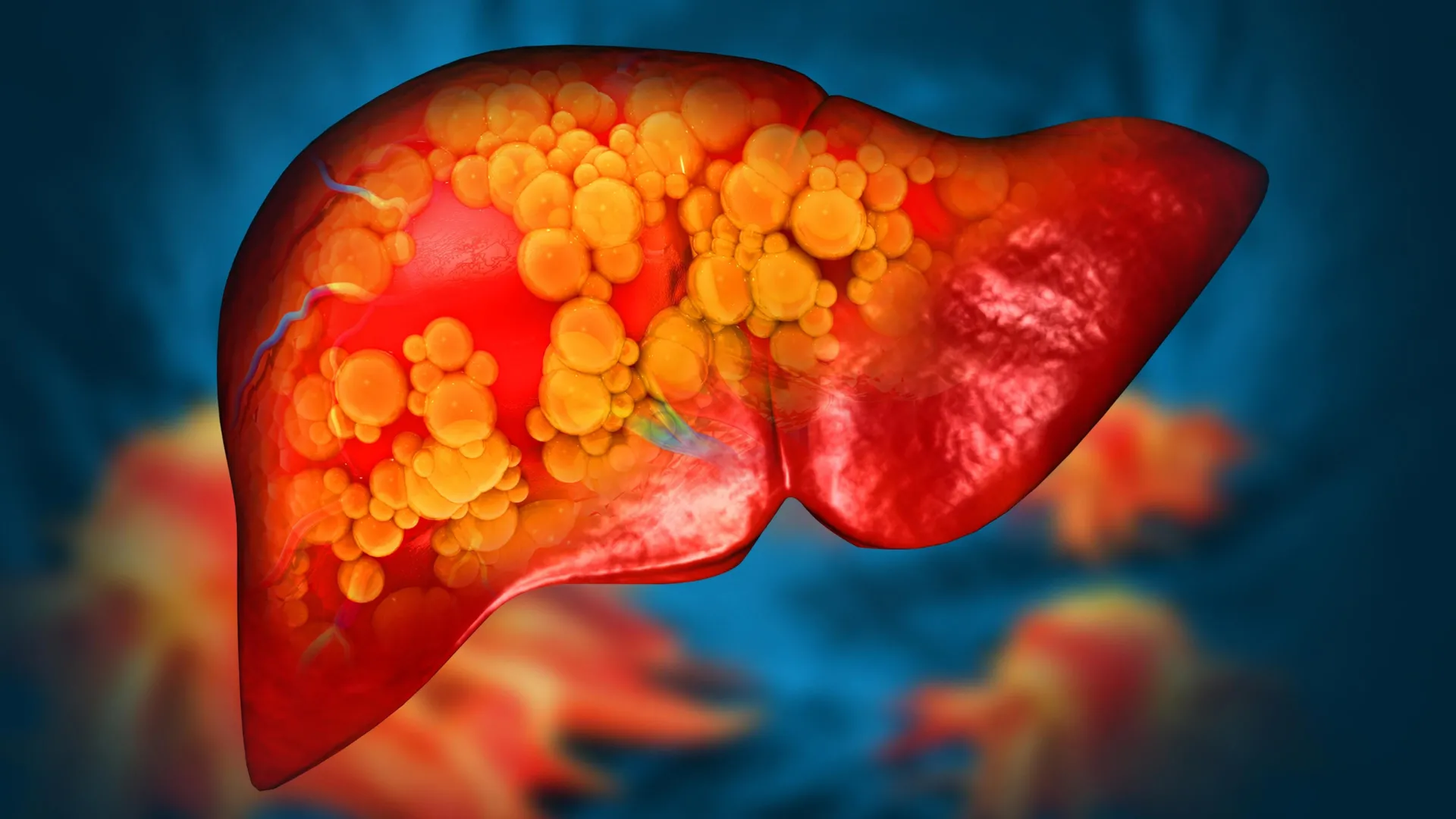
An experimental drug developed at Michigan Medicine has reversed a serious form of fatty liver disease in animal studies by targeting an unexpected source of liver damage: the gut.
The compound, known as DT-109, works by reducing harmful gut bacteria, protecting the intestinal lining, and preventing inflammatory substances from reaching the liver. According to findings published in The Journal of Clinical Investigation, this approach successfully reversed metabolic dysfunction-associated steatohepatitis (MASH) in animal models, offering a promising new strategy for treating a disease that remains difficult to manage.
MASH affects approximately 7% of the world’s population. It is a severe form of fatty liver disease in which excess fat accumulates in the liver, causing inflammation and cellular damage. Over time, the condition can progress to cirrhosis, which involves extensive liver scarring, as well as liver cancer and liver failure. Although treatment options have improved in recent years, effective therapies remain limited.
“We see clear evidence that DT-109 protects the gut epithelial barrier, reducing the systemic influx of harmful microbial products that are thought to contribute to MASH development and progression,” said Eugene Chen, M.D., Ph.D., senior author of the study and Frederick G. L. Huetwell Professor of Cardiovascular Medicine at the University of Michigan Medical School.
“This compound shows benefits to the gastrointestinal system and has great potential as a treatment for MASH.”
How Harmful Gut Bacteria Can Trigger Liver Damage
Chen’s research team had previously demonstrated that DT-109, a glycine-based tripeptide, could improve MASH in animal studies. A tripeptide is a small molecule made from three amino acids, which are the building blocks of proteins. What remained unclear was exactly how the compound produced its protective effects.
The latest research provides an explanation, revealing how changes in gut bacteria can set off a chain reaction that damages the liver and how DT-109 can interrupt that process.
Before examining the drug’s effects, the scientists confirmed an important contributor to MASH: excessive growth of Clostridium perfringens, a bacterium that produces ammonia inside the intestines.
When ammonia levels rise, they can damage the gut’s protective inner lining. Normally, this intestinal barrier helps prevent potentially harmful substances from escaping the digestive tract and entering the bloodstream.
As the barrier weakens, however, toxins and other products generated by gut microbes can travel to the liver. Once there, they can provoke inflammation and activate immune defenses in ways that worsen liver damage.
One response involves the excessive activation of CD8+ T cells, immune cells that normally help the body destroy infected or abnormal cells. When these cells become overactive, they can contribute to the inflammatory processes associated with MASH.
The findings help explain why a disease centered in the liver can be strongly influenced by events occurring elsewhere in the digestive system.
Experimental Drug Repairs the Gut and Protects the Liver
Through a series of experiments, researchers discovered that DT-109 disrupts this damaging cycle by improving the intestinal environment and reinforcing the gut’s protective barrier.
In both mice and nonhuman primates, the compound reduced levels of Clostridium perfringens and lowered ammonia production in the intestines. These changes helped strengthen the intestinal lining, limiting the movement of harmful microbial substances into the body and reducing their potential to damage the liver.
The results were particularly encouraging in nonhuman primates, whose liver biology and gut microbial communities more closely resemble those of humans than those of mice. In these animals, DT-109 reduced liver inflammation and lessened the severity of MASH.
Together, the findings show how targeting harmful processes in the gut can produce beneficial effects in the liver, even though the drug acts primarily within the gastrointestinal system.
“DT-109 connects microbiota modulation with liver protection by restoring gut barrier integrity and limiting the systemic translocation of ammonia and other pro-inflammatory microbial products within the gut-liver axis,” said Jifeng Zhang, Ph.D., co-author and research professor of cardiovascular medicine at U-M Medical School.
“We also found that DT-109 primarily acts in the gastrointestinal tract, but its reach stretches much further.”
The gut-liver axis refers to the close biological relationship between the digestive tract and the liver. Substances absorbed from the intestines travel to the liver through the bloodstream, making liver health particularly sensitive to changes in gut bacteria and intestinal barrier function.
By targeting this connection, DT-109 may offer a way to address some of the processes driving liver inflammation rather than focusing exclusively on damage that has already occurred.
Potential Benefits Beyond Fatty Liver Disease
Researchers believe the compound’s ability to protect the intestinal barrier could make it useful against other conditions involving inflammation and metabolic dysfunction.
Previous research has shown that DT-109 can reduce the formation of atherosclerotic plaques and prevent vascular calcification in nonhuman primates.
Atherosclerotic plaques are deposits of fat and other substances that accumulate inside artery walls, potentially restricting blood flow and increasing the risk of cardiovascular problems. Vascular calcification occurs when calcium builds up in blood vessel walls, making them less flexible and contributing to cardiovascular disease.
These findings suggest that DT-109 could eventually have applications in treating both liver and cardiovascular conditions, an important possibility because metabolic disorders often affect multiple organs.
The researchers are also interested in whether the compound could help people with inflammatory bowel disease (IBD), a group of chronic conditions that includes Crohn’s disease and ulcerative colitis.
Because problems with the intestinal barrier are associated with several gastrointestinal disorders, a treatment that strengthens this barrier might have benefits beyond protecting the liver. However, additional research will be needed to determine whether DT-109 is effective against these conditions.
A Promising Treatment That Still Needs Human Trials
Despite the encouraging results, DT-109 remains an experimental treatment. Its ability to reverse MASH has been demonstrated in animal models, but researchers have not yet established whether it can safely and effectively produce similar benefits in humans.
The next phase of research will involve further evaluation of the compound, with the goal of advancing it toward clinical trials. Those studies will be essential for determining its safety, appropriate use, and potential effectiveness in patients.
“This study presents novel evidence about the pathogenesis of MASH and provides excitement about a therapeutic avenue to explore for a condition that remains difficult to treat,” said Elliot Tapper, M.D., Academic Director of Hepatology at Michigan Medicine.
“What patients with MASH need is a safe and effective therapy capable of improving their liver and heart health – of course we are excited about these developments.”
The discovery highlights an important shift in how scientists are approaching fatty liver disease. By addressing harmful gut bacteria and restoring the intestinal barrier, researchers may be able to protect the liver through a treatment that acts primarily outside the organ itself.
If future human studies confirm the benefits seen in animals, DT-109 could offer a new therapeutic option for patients with severe fatty liver disease while potentially addressing cardiovascular complications as well.
Funding and Disclosures
Ying Zhao, Oren Rom, Jifeng Zhang, and Y. Eugene Chen are listed as inventors on a patent application (Tripeptides and treatment of metabolic, cardiovascular, and inflammatory disorders).
Chen is also an inventor of DT-109. The University of Michigan holds the patent for the compound and has licensed it to Diapin Therapeutics. Both Chen and the university have an ownership interest in Diapin, which supplied DT-109 for the research and is continuing its development.
The human study protocol, all amendments, and the informed consent form received approval from the Institutional Review Boards at the participating sites. These included the First Affiliated Hospital of Xi’an Jiaotong University (approval number: XJTU1AF2023LSK330), the Institutional Review Board of Jinan University (approval number: 2016-017), and the University of Hong Kong/Hospital Authority Hong Kong West Cluster (approval number: UW 20-700).
All experimental procedures involving nonhuman primates were approved by the Laboratory Animal Care Committee of Xi’an Jiaotong University (approval number: 20191278) and the Institutional Animal Care and Use Committee of Spring Biological Technology Development Co., Ltd. (approval number: 201901). The study was conducted in accordance with the National Institutes of Health Guide for the Care and Use of Laboratory Animals.

A good night’s sleep does much more than leave you feeling refreshed. During deep sleep, the body releases growth hormone, a powerful chemical messenger that helps build muscle, strengthen bones, and regulate fat metabolism. For teenagers, getting enough sleep is especially important because growth hormone plays a major role in reaching their full height potential.
Scientists have long known that insufficient sleep can interfere with growth hormone production. What remained unclear was exactly how the brain controls this process, particularly during non-REM sleep, the deep, restorative stage that typically dominates the earlier part of the night.
Now, researchers at the University of California, Berkeley, have uncovered the brain circuitry behind this relationship. In a study published in the journal Cell, the team identified the neurons that regulate growth hormone release during sleep and discovered a previously unknown feedback system that helps maintain a delicate balance between hormone levels and wakefulness.
The discovery reveals that the relationship works in both directions. Sleep stimulates growth hormone production, but growth hormone also sends signals back to the brain that influence when we wake up.
The findings could eventually help scientists develop new approaches to treating sleep disorders associated with metabolic diseases such as diabetes, as well as neurological conditions including Parkinson’s and Alzheimer’s.
“People know that growth hormone release is tightly related to sleep, but only through drawing blood and checking growth hormone levels during sleep,” said study first author Xinlu Ding, a postdoctoral fellow in UC Berkeley’s Department of Neuroscience and the Helen Wills Neuroscience Institute. “We’re actually directly recording neural activity in mice to see what’s going on. We are providing a basic circuit to work on in the future to develop different treatments.”
Why Deep Sleep Matters for Growth and Metabolism
Growth hormone is best known for its role in childhood development, but its importance extends well into adulthood. It supports the maintenance of muscle and bone, helps the body regulate how it uses stored fat, and influences blood sugar levels.
When sleep is consistently disrupted, growth hormone regulation can suffer. Because this hormone helps control glucose and fat metabolism, inadequate sleep may contribute to an increased risk of obesity, diabetes, and cardiovascular disease.
To understand how the brain coordinates these processes, the Berkeley researchers focused on a region called the hypothalamus. Located deep within the brain, this small but essential control center helps regulate hunger, body temperature, hormone production, and the daily cycle of sleeping and waking. Its basic functions have been preserved throughout mammalian evolution.
Within the hypothalamus, the researchers examined neurons that produce growth hormone-releasing hormone (GHRH) and two distinct types of neurons that produce somatostatin.
These chemical messengers have opposing functions. GHRH encourages growth hormone secretion, while somatostatin suppresses it. Together, they help control how much growth hormone enters the bloodstream, largely by regulating its release from the pituitary gland, a small hormone-producing structure at the base of the brain.
The scientists also investigated how growth hormone influences the locus coeruleus, a region in the brainstem involved in alertness, attention, thinking, and the drive to explore new or unfamiliar experiences.
Disruptions in the activity of this region have been linked to several psychiatric and neurological disorders.
“Understanding the neural circuit for growth hormone release could eventually point toward new hormonal therapies to improve sleep quality or restore normal growth hormone balance,” said Daniel Silverman, a UC Berkeley postdoctoral fellow and study co-author. “There are some experimental gene therapies where you target a specific cell type. This circuit could be a novel handle to try to dial back the excitability of the locus coeruleus, which hasn’t been talked about before.”
Scientists Map the Brain Circuit That Controls Growth Hormone
The research was conducted in the laboratory of Yang Dan, a professor of neuroscience and of molecular and cell biology at UC Berkeley.
To investigate how the circuitry works, the team studied mice using electrodes implanted in their brains. The scientists recorded neural activity while using light to stimulate specific neurons in the hypothalamus, allowing them to observe how different parts of the system responded.
Mice are particularly useful for studying sleep regulation because their sleep patterns differ significantly from those of humans. Rather than sleeping through one long stretch each night, mice typically sleep in brief episodes lasting only several minutes, scattered throughout the day and night.
This gave the researchers repeated opportunities to examine how neural activity and growth hormone regulation changed as the animals moved between sleeping and waking.
Using advanced techniques to trace connections between brain cells, the team discovered that GHRH and somatostatin behave differently depending on the stage of sleep.
During rapid eye movement (REM) sleep, the stage commonly associated with vivid dreaming, activity involving both GHRH and somatostatin increases. Although these hormones normally exert opposing effects, their coordinated activity during this stage contributes to increased growth hormone release.
During non-REM sleep, the pattern changes. Somatostatin activity decreases, reducing its inhibitory influence, while GHRH activity rises moderately. This combination also promotes growth hormone secretion.
The discovery helps explain how different sleep stages can support the release of the same essential hormone through distinct patterns of brain activity.
Growth Hormone Also Helps Control When We Wake Up
Perhaps the most surprising finding was that growth hormone does not simply respond to signals from the sleeping brain. It also influences the brain circuits that control wakefulness.
As growth hormone gradually builds up during sleep, it stimulates neurons in the locus coeruleus, increasing their activity and helping promote the transition toward waking.
This creates a feedback loop in which sleep encourages growth hormone release, and the resulting hormone activity helps regulate the sleep-wake cycle.
The researchers also identified an unexpected complication. Although greater activity in the locus coeruleus generally promotes alertness, excessive stimulation can have the opposite effect.
In an earlier study published the same year, Silverman demonstrated that when neurons in this region become overexcited, they can paradoxically promote sleepiness rather than wakefulness.
Together, these findings reveal a carefully regulated system in which the brain must balance competing signals to maintain healthy sleep and hormone activity.
Scientists describe this type of self-regulating process as homeostasis, the body’s ability to maintain stable internal conditions even as its environment and physiological demands change.
“This suggests that sleep and growth hormone form a tightly balanced system: Too little sleep reduces growth hormone release, and too much growth hormone can in turn push the brain toward wakefulness,” Silverman said. “Sleep drives growth hormone release, and growth hormone feeds back to regulate wakefulness, and this balance is essential for growth, repair and metabolic health.”
A Surprising Connection Between Sleep and Brain Health
The newly identified feedback system may have implications that extend beyond physical growth and metabolism.
Because the locus coeruleus helps regulate attention, alertness, and cognitive function, growth hormone’s influence on this region suggests it could also play a role in how effectively the brain functions after waking.
This raises the possibility that maintaining healthy sleep and growth hormone rhythms may support both physical recovery and mental performance.
“Growth hormone not only helps you build your muscle and bones and reduce your fat tissue, but may also have cognitive benefits, promoting your overall arousal level when you wake up,” Ding said.
By identifying the specific brain cells and signaling pathways involved, the researchers have provided a foundation for exploring therapies that target disrupted sleep and hormone regulation.
Such approaches could eventually prove useful for people with sleep disturbances related to metabolic disorders or neurological diseases. However, the experiments were conducted in mice, and additional research will be needed to determine how these mechanisms operate in humans and whether they can be safely targeted with treatments.
The findings underscore a fundamental principle of sleep biology: Rest is not simply a period when the brain switches off. It is an active, carefully coordinated process in which hormones and neural circuits constantly communicate to support growth, repair, metabolism, and wakefulness.
Research Funding and Contributors
The research was supported by the Howard Hughes Medical Institute (HHMI), which supported Dan as an HHMI investigator until the year of the study’s publication, and the Pivotal Life Sciences Chancellor’s Chair fund.
Dan holds the Pivotal Life Sciences Chancellor’s Chair in Neuroscience.
Additional co-authors include Peng Zhong, Bing Li, Chenyan Ma, Lihui Lu, Grace Jiang, Zhe Zhang, Xiaolin Huang, Xun Tu, and Zhiyu Melissa Tian of UC Berkeley, along with Fuu-Jiun Hwang and Jun Ding of Stanford University.
In 1960, Science, one of the world’s leading science journals, published an article with an unambiguous title: Doomsday: Friday, 13 November, A.D. 2026. It predicted that on this future date — less than a month from today — the human population would approach infinity and effectively annihilate itself.
The outlandishness of the claim landed the article widespread public attention. More surprisingly — because its underlying research and math seemed sound — it also received careful and sustained scientific attention.
The authors — Heinz von Foerster, an Austrian-American professor and cybernetics expert and two of his students, Patricia M. Mora and Lawrence W. Amiot — argued that human populations are exceptional and might grow beyond an exponential rate, at an ever-increasing one.
“Our great-great-grandchildren will not starve,” they argued. “They will be squeezed to death.”
The article was regularly cited, and its predictions appeared remarkably accurate — until around 1993, halfway to the predicted “doomsday,” when the global population began falling behind its forecasts.
Today, the global birth rate is slightly less than half what it was in 1960. Hopefully, we will all wake up on Nov. 13 to an ordinary day. Nonetheless, this article remains exemplary for blending rigorous science with the art of stagecraft to staggering effect.
The mid-20th century saw increasing societal concern about global population growth and its potential to lead to resource scarcity and geopolitical conflict. Underlying much of this concern was implicit or explicit acceptance of the Malthusian idea that whereas population has the potential to grow exponentially, it is kept constantly under check by its capacity to feed itself.
In their article, however, von Foerster and his co-authors argued that as far as populations go, humans may be exceptional.
Given our capacity to communicate and form “coalitions” that help us resolve problems, rising population density might simply mean more opportunities for collaboration, so that our numbers might grow not only beyond an exponential rate but at an ever-increasing one.
They then used 24 estimates of the world population stretching across the past 2,000 years to show that human numbers have in fact continually outpaced expectations. All this was presented in calm, scientific prose and aided by dense mathematical equations.
Von Foerster and his co-authors then projected these historical figures into the future, calculating that thanks to ever-increasing growth, in the year 2026 our numbers would near infinity.
Thankfully, the same capacity for collaboration that assisted our species’ development throughout history could now avert this catastrophe. Since we are unlikely to want to reduce our life spans, they concluded, we should work together to reduce the global birth rate by half.
This publication caused an immediate stir. There were stories in Time and The New York Times. It became the subject of a series of Pogo comic strips and many commentators took the article as strictly a tongue-in-cheek comment on population fears.
Rather than the story dying out, a funny thing happened. When Science published letters to the editor from mathematicians and demographers attacking von Foerster and his colleagues’ work — calling it “ridiculous” and “manifestly absurd” — the authors responded with spirited defenses that doubled down on the underlying math and its conclusions.
Throughout the 1960s through to the 1980s, the “doomsday” equation became regularly cited — usually at face value — in textbooks on genetics, ecology and demography.
It appeared in stranger places, too. In a 1963 Canadian Parliamentary committee, for example, a witness from the chemical industry prominently cited it as reason chemical pesticides were required: to feed the approaching population explosion. In a 1971 U.S. Supreme Court abortion case leading up to Roe v. Wade, it was cited as why there was no compelling reason for the government to favor increased population.
The doomsday idea persisted in part because its predictions for future populations turned out to be highly accurate — at least for a while. Its core equation yielded projections that were better than those of most demographers throughout the 1970s and 1980s.
Only around 1993 did that accuracy begin to falter and the global population began falling behind the forecasts — because the world began to do what von Foerster and his colleagues recommended it do. Today, the global birth rate is slightly less than half the 1960 rate.
We will probably not all wake up on Friday, Nov. 13 “squeezed to death.” But before simply moving on — prepping for the next doomsday scenario — it is worth asking what we can learn from this one.
For me, the lesson is in how we present our beliefs to the world. Heinz von Foerster was, at one point in his life, a stage magician. Borrowing the classic language of stagecraft, an effective illusion relies on three parts: the setup, the extraordinary turn and the final reveal that returns the situation to normal.
Von Foerster and his co-authors’ article gained attention because it was an ordinary scientific article wrapped in an extraordinary title and conclusion. It retained significance because it was firmly grounded in research and argument.
To draw the world’s attention to a serious matter by way of absurdity — that’s a good trick.
The pontiff was diagnosed with lung cancer after having surgery at Rome’s Gemelli Hospital on Tuesday.
