Eating one avocado a day may lower heart disease risk

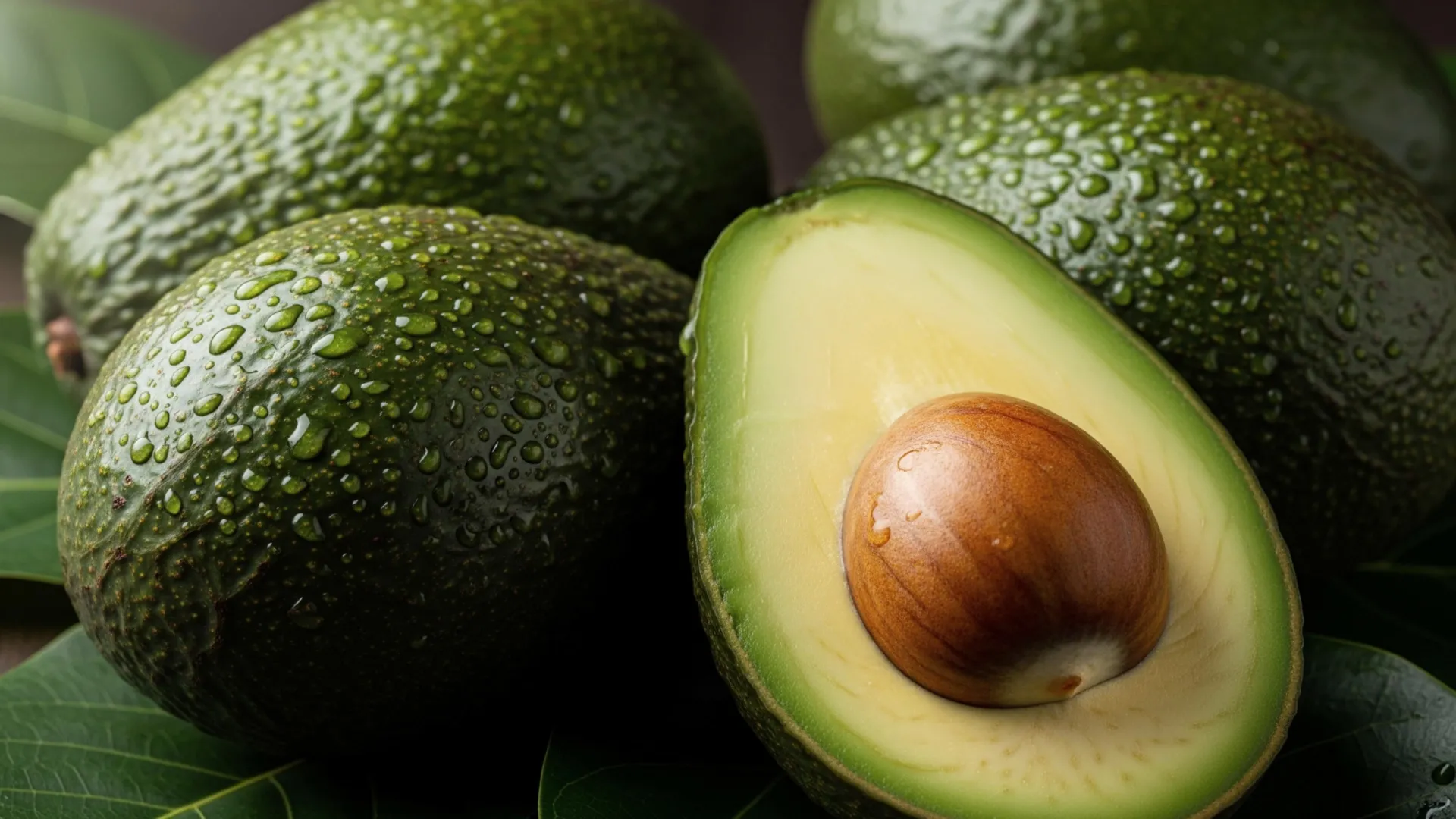
Eating one avocado each day may modestly reduce heart disease risk in adults with obesity, according to new research led by scientists in the Penn State Department of Nutritional Sciences. The findings were published in the Journal of Clinical Lipidology.

The researchers found that daily avocado consumption was linked to a lower concentration of low-density lipoprotein (LDL) particles in the blood. These particles carry cholesterol throughout the body. The size of the reduction was associated with an estimated 4% decrease in heart disease risk.

“If people want to improve the quality of their diet, making one small change might be a more feasible strategy than attempting to change their entire diet,” said Janhavi Damani, postdoctoral scholar at Penn State and first author of the study. “For people with obesity, including avocados in their daily diet might be a good starting place.”

LDL Particle Count Can Reveal Hidden Heart Risk

LDL particles are not the same measurement as LDL cholesterol, often called “bad cholesterol.” Both are associated with cardiovascular disease, but particle concentration can reveal risk that a standard cholesterol test may not show. The researchers noted that this risk is often greater in people with abdominal obesity.

LDL cholesterol cannot travel through the bloodstream on its own. It must be carried by protein particles. A person with more LDL carrying particles may face a greater risk of heart disease, even when their total amount of LDL cholesterol is the same as someone with fewer particles.

“Imagine two people with the same high levels of LDL cholesterol,” Damani said. “Person A carries their cholesterol in fewer, larger LDL particles, and Person B carries their cholesterol in more, smaller LDL particles. Person B’s heart disease risk would be higher because their overall particle count is higher even though a test of their LDL cholesterol would look identical.”

Smaller LDL particles can more easily enter artery walls and contribute to plaque buildup, Damani explained. Plaque narrows blood vessels and makes them less flexible, increasing the strain on the cardiovascular system.

When the heart must work harder because of exercise, heat, stress or another cause, stiffened blood vessels may be less able to accommodate the increased blood flow. Blood pressure can then rise more sharply, potentially contributing to a cardiac event such as a heart attack.

Testing One Avocado a Day

For the new analysis, the team examined data from 786 participants enrolled in the Habitual Diet and Avocado Trial. The six-month study included adults ages 25 and older.

Men qualified for the study if their waist circumference was greater than 40 inches, while women were eligible if their waist circumference exceeded 35 inches.

Half of the participants were asked to continue their usual diets and physical activity. The remaining participants also maintained their normal routines but received one avocado to eat every day.

Earlier results from the Habitual Diet and Avocado Trial showed that adding a daily avocado did not reduce body weight or waist circumference in people with obesity. However, it appeared to lower LDL cholesterol levels.

Daily Avocados Lowered LDL Particle Levels

For the current study, researchers compared blood samples collected at the beginning and end of the six-month trial.

Among participants assigned to eat one avocado per day, LDL particle concentrations fell by 49 nanomoles per liter. According to the researchers, that change corresponds to an estimated 4% reduction in heart disease risk.

“Four percent is a modest reduction compared with the 14-29% lower heart disease risk associated with improving the overall diet,” Damani said. “However, it is a step in the right direction.”

The improvement in LDL particle levels was consistent across participants. Sex, race, ethnicity, age and body mass index did not significantly affect the likelihood of experiencing the benefit.

The findings suggest that adults with obesity from a wide range of backgrounds could potentially benefit from including avocados in their diets. However, the researchers advised people to speak with a registered dietitian nutritionist or physician for personalized guidance before making dietary changes.

A Benefit Seen in Real World Diets

Previous Penn State research also found that avocado consumption could lower LDL cholesterol and LDL particle levels. In that earlier experiment, however, researchers closely controlled everything the participants ate.

“Penn State researchers demonstrated several years ago that avocado consumption could reduce LDL cholesterol and levels of LDL particles,” said Kristina Petersen, associate professor of nutritional sciences and senior author of this study. “But in that study, the researchers controlled participants’ entire diets throughout the experiment. This study demonstrated benefits in the real world, where people’s diets are much less predictable. In the course of people’s normal lives, avocado consumption still contributes to a healthier diet.”

The latest findings indicate that a single, manageable change may improve one measure of cardiovascular health even when the rest of a person’s diet remains largely unchanged. The benefit was modest and did not lead to weight loss, but the researchers said it could still represent progress toward better heart health.

Penny Kris Etherton, retired Evan Pugh University Professor of Nutritional Sciences at Penn State, also contributed to the research.

Other co-authors include Nirupa Matthan of the Jean Mayer USDA Human Nutrition Research Center on Aging at Tufts University; Zhaoping Li of the David Geffen School of Medicine at University of California, Los Angeles; Joan Sabaté of the School of Public Health at Loma Linda University; and David Reboussin of the Wake Forest University School of Medicine.

The Avocado Nutrition Center supported this research.

Share Button

Scientists may have found a way to prevent statin muscle pain

Millions of people take statins to lower cholesterol and reduce their chances of having a heart attack or stroke. For some patients, however, the medications can cause muscle pain, weakness, and difficulty exercising, making it harder to stay on treatment.

Researchers at McMaster University have now identified a biological pathway that could help explain why these muscle symptoms develop. The finding may eventually lead to treatments that make statins easier to tolerate without reducing their important cardiovascular benefits.

Published in Science Advances, the study points to a previously unrecognized interaction between the immune system and muscle cell metabolism. The mechanism appears to contribute to muscle damage caused by statins and challenges earlier ideas about the origins of these side effects.

Why Statin Side Effects Matter

“Statins are among the most effective medications we have for reducing cardiovascular disease risk and preventing early death,” said Jonathan Schertzer, professor in McMaster’s Department of Biochemistry and Biomedical Sciences and senior author of the study.

“Unfortunately, muscle side-effects lead some people to reduce their dose or stop taking the medication altogether. We wanted to understand why this happens and whether it might be possible to separate the side-effects from the benefits.”

An estimated seven to 29 percent of statin users experience muscle-related symptoms. Although the connection between statins and muscle problems has been recognized for years, scientists have not fully understood the biological processes responsible.

Statins Can Disrupt Muscle Cell Energy

The research was led by first authors Nazli Robin and Nicole Barra of the Schertzer Lab at McMaster. Their team found that statins can interfere with the way muscle cells generate energy.

That disruption appears to activate an immune response inside the muscle cells, leading to tissue damage. In experiments involving muscle cells and mouse models, the researchers prevented much of the damage by blocking the immune response.

“One of the most exciting findings of the research is that the mechanism causing muscle side-effects appears to be separate from the mechanism that lowers cholesterol,” said Schertzer. “That suggests it may one day be possible to target the side-effects without interfering with the cardiovascular benefits that make statins so valuable.”

A Surprising Connection Between Immunity and Metabolism

The findings also uncovered an unexpected relationship between metabolism and the immune system. Changes in the way muscle cells processed energy caused the cells to activate their own immune response.

This discovery offers new insight into how inflammation may contribute to medication side effects. It also suggests that scientists could potentially protect muscle tissue by targeting the immune pathway while leaving the cholesterol-lowering effects of statins intact.

More research is needed before the findings can be developed into treatments for patients. Still, the newly identified pathway provides several possible targets for medications designed to prevent statin intolerance.

“These findings give us a clearer understanding of why some patients experience muscle symptoms and provide promising directions for making these important medications safer and more effective in the future,” added Schertzer.

An International Research Collaboration

The project involved researchers from the Centre International de Recherche en Infectiologie (CIRI) in Lyon, France; the Centre for Muscle Research at the University of Melbourne, Australia; the Murdoch Children’s Research Institute and The Royal Children’s Hospital in Australia; York University in Canada; and McMaster’s Department of Pathology and Molecular Medicine.

The research was funded by the Natural Sciences and Engineering Research Council of Canada (NSERC).

Share Button

Superheated magma may power towering lava fountains

Scientists have identified a heat-driven process inside magma that could help explain why volcanoes with similar characteristics sometimes erupt in very different ways.

An international research team led by The University of Manchester analyzed magma from the 2021 Tajogaite eruption on La Palma, Spain. The scientists found that “superheating,” which occurs when magma becomes hotter than the temperature at which crystals remain stable, can postpone crystal formation as the magma moves toward the surface.

Superheating Removes Crystal Seeds

The study, published in Nature Communications, found that intense heat can dissolve tiny existing crystals that normally act as “seeds” for the growth of new crystals.

Superheating also reorganizes the magma at a microscopic level, making its internal structure more uniform and less favorable for new crystals to develop. These changes can affect both the speed at which magma rises and the ease with which volcanic gases escape. Together, those factors can strongly influence whether an eruption produces dramatic lava fountains or a slower release of lava.

The results provide new insight into a long-running scientific question about how magma’s temperature history affects crystallization before and during an eruption.

Lead author, Dr. Barbara Bonechi, Research Associate at The University of Manchester, said: “The history of crystal and bubble growth can dramatically control how a magma erupts; in particular, as more crystals grow, they eventually have a dramatic effect on magma viscosity. Until now, we did not fully understand the dynamics of crystal growth for magmas that received an injection of superheat just before ascent. But using our exciting and newly developed X-ray transparent pressure vessel combined with synchrotron X-ray microtomography, we can actually observe these processes ‘in situ’.”

Recreating Volcanic Conditions in the Laboratory

To investigate the process, the researchers recreated conditions found inside a volcano using magma collected from the Tajogaite eruption. That magma may have been superheated before the eruption and while it was rising through the crust.

At Diamond Light Source, the team used synchrotron X-ray microtomography to watch crystals form inside the magma in real time. They also conducted complementary ex-situ experiments in Prague, which made it possible to observe the samples over longer periods.

Together, the experiments allowed the scientists to follow crystallization under carefully controlled conditions of intense heat and pressure.

Crystal Growth Delayed for More Than Eight Hours

The difference between the samples was striking. Magma that had not been superheated began forming crystals after about 20 minutes.

By comparison, strong superheating prevented crystal formation for more than eight hours.

The researchers used these experimentally measured nucleation delays in numerical models of magma ascent. These simulations were designed to show how magma moves and changes as it travels upward through Earth’s crust.

How Heat Can Change an Eruption

The models indicated that a long delay in crystallization can keep magma relatively fluid, allowing it to rise rapidly toward the surface. This fast-moving magma could help generate dramatic lava fountains.

When crystals begin forming earlier, however, the magma becomes thicker and more viscous. It then rises more slowly, giving volcanic gases additional time to escape and making a gentler, effusive eruption more likely.

The researchers say this newly recognized role of superheating could help volcanologists better interpret monitoring data and improve forecasts of eruption behavior.

Co-author Dr. Margherita Polacci, Senior Lecturer in Volcanology at The University of Manchester, said: “Current volcanic hazard models typically focus on magma chemistry, gas content and pressure changes. This work suggests that pre-eruptive thermal history and crystallization kinetics may also play an important role in controlling magma ascent and eruptive behavior, with implications for volcanic hazard assessment.”

Share Button

How to advocate for your health

Dr Xand van Tulleken and Professor Sunita Sar explore why we follow advice we suspect is bad for us.

Share Button

What your summer reading list says about you

Just picked your holiday book? Our choices can subconsciously reveal important parts of our personality, studies show.

Share Button

What if the brain does not create consciousness?

Does the brain create consciousness, or is consciousness a more basic feature of reality? Christof Koch, one of the world’s most prominent neuroscientists, explored this question during the 15th “Behind and Beyond the Brain” Symposium.

The mystery reaches far beyond understanding how neurons process information. Scientists can observe which parts of the brain become active when a person sees an object, feels pain, recalls a memory, or makes a decision. Yet they still cannot explain why those physical processes are accompanied by an inner experience.

In other words, researchers can study what the brain is doing, but they do not yet know how that activity produces the feeling of being aware.

The “Hard Problem” of Consciousness

Koch’s presentation examined the limits of materialism, the dominant scientific view that everything in existence can ultimately be explained through matter, energy, and physical laws.

Neuroscience has made enormous progress in identifying brain regions and networks associated with awareness. However, it has not solved what philosophers call the “hard problem” of consciousness. The term refers to the difficulty of explaining how electrical and chemical activity in the brain gives rise to subjective experience, including sensations, emotions, thoughts, and the personal feeling of being alive.

A brain scan might show what happens when someone sees the color red, for example, but it cannot reveal why seeing red feels like anything at all.

Experiences Science Still Struggles to Explain

Koch plans to focus on three major areas of uncertainty. The first is the challenge of reducing conscious experience entirely to physical processes in the brain. The second involves questions raised by modern physics about what should be considered “real.” The third concerns unusual human experiences that remain difficult to explain using conventional scientific models.

These include near-death experiences, mystical states, and episodes of terminal lucidity. Terminal lucidity refers to an unexpected return of mental clarity shortly before death, sometimes in people who had severe dementia or other conditions that had left them unable to communicate normally.

Such experiences do not necessarily prove that consciousness can exist independently of the brain. However, Koch argues that they deserve serious investigation because they may expose gaps in current scientific explanations.

Is Consciousness a Fundamental Part of Reality?

Koch believes researchers may need to reconsider philosophical ideas such as idealism and panpsychism while continuing to apply modern scientific methods.

Idealism broadly proposes that consciousness or mind is central to the nature of reality. Panpsychism suggests that consciousness is not limited to human beings or animals, but may instead be a fundamental property found throughout nature in varying degrees.

Under these perspectives, consciousness would not simply appear once a brain became sufficiently complex. It could be an underlying feature of reality itself.

Integrated Information Theory Offers a Radical Possibility

Koch is a leading supporter of Integrated Information Theory, which attempts to describe consciousness mathematically. The theory proposes that subjective experience arises in systems that combine large amounts of information into a unified whole.

According to this view, consciousness depends not only on how much information a system contains, but also on how deeply its parts are interconnected. A system with a high degree of integrated information could therefore possess some form of subjective experience.

This idea has been described as a scientific version of panpsychism because it allows for the possibility that consciousness exists in systems other than the human brain.

Searching for Awareness in Unresponsive Patients

Koch is a researcher at the Allen Institute for Brain Science and previously served as a professor at MIT and Caltech. He has played a major role in the modern scientific study of consciousness.

His work has included the development of new approaches for detecting possible signs of awareness in patients who appear unresponsive. Some people who cannot move or communicate may still retain conscious brain activity, making reliable detection methods potentially important for diagnosis, treatment, and decisions about medical care.

By examining the limits of materialism, the unanswered questions of neuroscience, and experiences that remain difficult to classify, Koch is asking whether the brain truly creates consciousness or whether it may be connected to something more fundamental.

Share Button

Farmwatch: Farmer on mental health issues

“Tom the Young Farmer” tells BBC Radio Shropshire how it’s important to check in on his friends.

Share Button

This 4,000-year-old city defied the rules of history

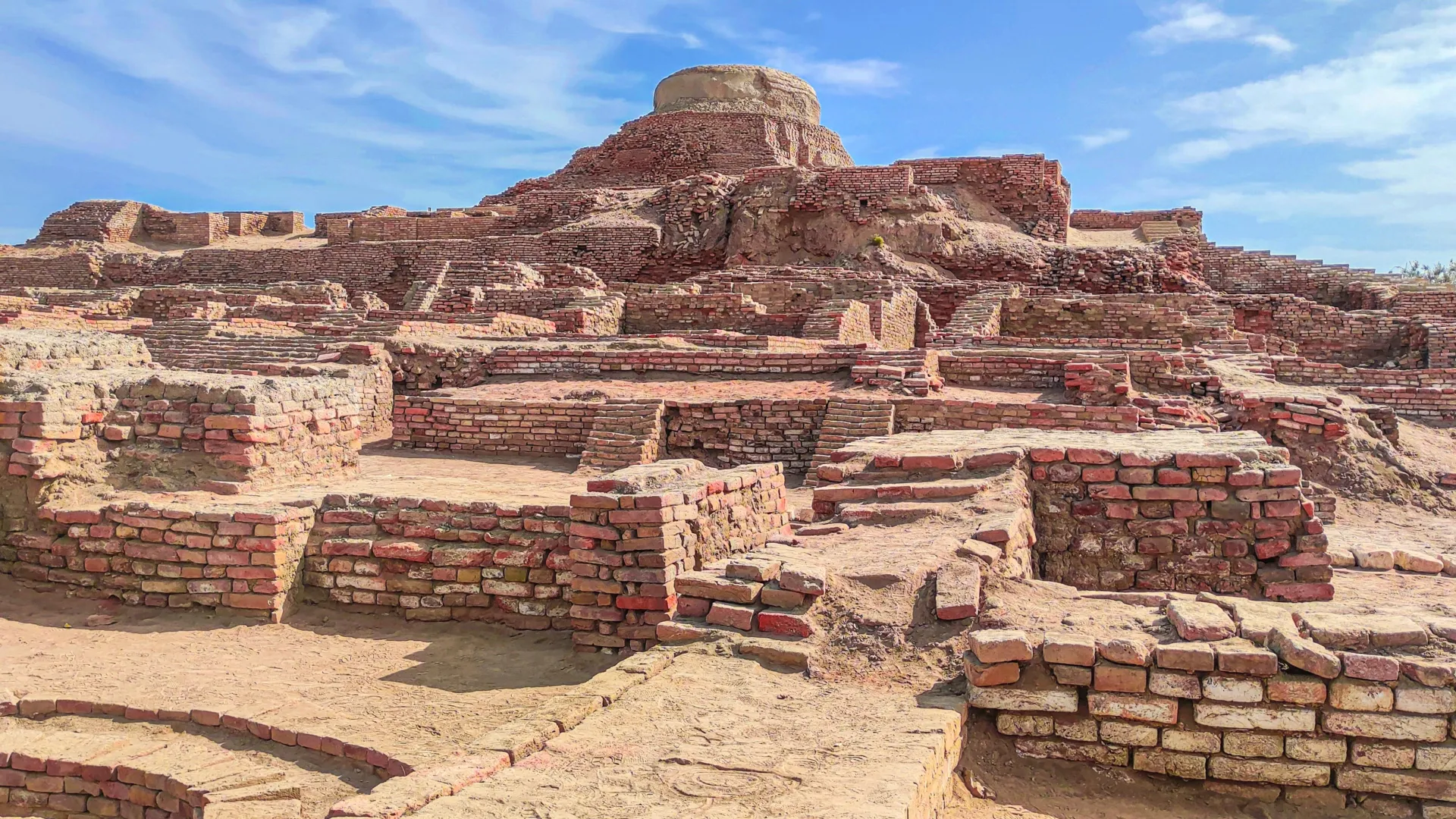
New research suggests that Mohenjo-daro followed a very different path from many other early cities. As the 4,000-year-old urban center became larger, more productive, and more successful, its society appears to have grown more equal rather than less.

Historians have often argued that inequality increased when small farming settlements developed into cities. Under this traditional model, kings, priests, and other powerful leaders gained control of wealth and resources, causing the divide between rich and poor to expand.

An Ancient City That Became More Equal

A University of York study of Mohenjo-daro, the largest city of the Indus civilization, points to the opposite pattern. Researchers examined differences in house sizes across the city and found that wealth became more evenly distributed as Mohenjo-daro matured.

The city also appears to have been more equal than comparable societies in Mesopotamia and Greece. Instead of producing increasingly dramatic differences between wealthy and ordinary households, Mohenjo-daro saw the size gap between its largest and smallest homes become narrower over time.

The lead author, Dr. Adam Green from the University of York’s Department of Archaeology and Department of Environment and Geography, said: “Legacy data from the ancient city shows that as the city matured, the gap between the largest and smallest homes narrowed. In fact, by its later years, the wealth gap in this massive urban center had dropped to levels typical of the first farming villages.

“While ancient Egyptians were building pyramids for god-kings, and the Greeks were constructing massive palaces at Knossos, the people of the Indus were building something entirely different.

“Instead of gold-filled tombs and huge temples, Mohenjo-daro focused on sophisticated brick-lined drains and organized street layouts. Instead of allowing the perks of society to accumulate with a tiny elite, the city’s amenities were widely distributed amongst the everyday households.”

Drains and Streets Instead of Palaces

Mohenjo-daro devoted significant effort to practical features that benefited the wider population. Its carefully planned streets and advanced brick drainage systems indicate that resources were directed toward shared infrastructure rather than monuments celebrating rulers or religious elites.

The distribution of Indus seals offers further evidence of this approach. These seals were important tools for trade and business, yet archaeologists usually find them inside ordinary homes rather than concentrated in public buildings. The city had no known palaces where a ruler or ruling class could have controlled these tools of commerce and administration.

This pattern suggests that wealth and authority were not monopolized by a single powerful leader. Instead, the residents of Mohenjo-daro may have cooperated to give households broad access to the resources needed for a comfortable standard of living.

Shared Infrastructure and Fair Trade

Continued investment in drainage, road upkeep, and other public services also reflects collective support for the city’s everyday needs. These projects improved life across Mohenjo-daro rather than primarily serving a small group at the top of society.

A standardized system of weights and measures used throughout the region may have supported fairer trade as well. By giving merchants and residents a common way to measure goods, the system helped make exchanges more consistent for everyone.

Published in the journal Antiquity, the findings challenge the belief that greater inequality must accompany economic growth. Researchers argue that Mohenjo-daro demonstrates how a technologically advanced and highly productive society could distribute prosperity broadly instead of allowing it to accumulate among a small elite.

A Lesson From the Indus Civilization

Dr. Green said: “Mohenjo-daro is often cited as being famous for what it doesn’t have, such as the absence of palaces for kings, gold-filled tombs, and no statues of rulers. But what it does have is so important.

“In the period when inequality appears to be lowest, productivity appears to rise. It challenges the idea that prosperity requires us to concentrate decision-making powers in the hands of the few.

“It is quite an interesting lesson for modern societies, as the Indus civilization demonstrates clearly that an urban society can be highly productive and inventive at scale, whilst also ensuring that resources and power are shared equitably. In fact, doing so may even have been essential to sustaining prosperity over the centuries.”

Share Button

Rice bran compound may help ease irritable bowel symptoms

A naturally occurring compound found in rice bran may influence how strongly the intestines contract, according to new research from Toho University.

The study, led by Dr. Keisuke Obara, Dr. Kento Yoshioka, and Professor Yoshio Tanaka of the Faculty of Pharmaceutical Sciences, found that ferulic acid (FA) can reduce intestinal smooth muscle contractions by blocking voltage-dependent calcium channels. The discovery could eventually support new dietary approaches for intestinal motility disorders such as irritable bowel syndrome (IBS) and inflammatory bowel disease (IBD).

A Common Compound in Whole Grains

Ferulic acid is a polyphenol found in many plant-based foods, especially whole grains and rice bran. It is already known for its antioxidant and neuroprotective effects, and previous research has largely examined how it may benefit the body more broadly.

Much less was known, however, about its effects on gastrointestinal motility, the coordinated muscle activity that moves food and waste through the digestive system.

People with IBS and IBD can experience abnormal intestinal movement. In some cases, the gut contracts too much, while in others, movement is reduced. The researchers set out to determine whether FA could directly alter these contractions.

Ferulic Acid Reduced Intestinal Contractions

The team tested FA using guinea pig ileal longitudinal smooth muscle (ILSM). The compound significantly reduced contractions triggered by several signaling molecules, including acetylcholine, histamine, prostaglandin F2α, and serotonin.

The inhibitory effect was reversible, meaning normal contractions returned after FA was removed. It was also concentration-dependent, with stronger effects appearing at higher concentrations.

The researchers found that FA acted in a noncompetitive manner. This suggests that it did not simply block the receptors used by the signaling molecules. Instead, it appeared to interfere with a shared mechanism involved in muscle contraction.

Blocking Calcium Signals in Smooth Muscle

Additional experiments using vascular smooth muscle cell models offered a possible explanation. FA reduced the rise in intracellular calcium caused by potassium chloride.

Calcium entering smooth muscle cells plays a central role in triggering contraction. The results indicate that FA suppresses this process by inhibiting voltage-dependent calcium channels, reducing the calcium signals needed for the muscles to tighten.

Possible Benefits and Risks for Gut Disorders

The findings suggest that FA may act as a natural regulator of intestinal motility. By calming excessive smooth muscle activity, it could potentially help people with diarrhea-predominant IBD.

The same effect may not be beneficial for everyone. In people with constipation-predominant IBS, or in healthy individuals, further slowing intestinal movement could make constipation or related symptoms worse.

Human Studies Are Still Needed

The researchers emphasized that the concentrations of FA that produced an effect in vitro were higher than the blood levels usually reached through normal dietary intake.

However, FA concentrations inside the intestines may be higher after food or supplements are consumed because the compound comes into direct contact with the digestive tract. More research will be needed to determine whether the laboratory findings reflect what happens in the human body.

The study provides a foundation for investigating whether ferulic acid could eventually be used in dietary interventions or supplements designed to regulate gut movement. Clinical trials will be necessary to confirm its effects in people, identify which patients might benefit, and determine safe and effective intake levels.

Share Button

Scientists found evolution repeating itself in the Galápagos Islands

The Galápagos Islands have long been one of the most important places in the study of evolution. When Charles Darwin visited the islands in 1835 aboard the HMS Beagle, he collected a variety of birds and returned with them to England. At first, he believed the specimens included sparrows, woodpeckers, finches — and a single tit. Scientists later determined that the birds were all closely related finches whose differently shaped beaks had evolved to suit different foods.

The finches eventually became powerful evidence for Darwin’s theory of evolution by natural selection. The theory explains how populations can gradually change as individuals with traits suited to their surroundings are more likely to survive and reproduce.

The birds also demonstrate a process known as parallel evolution. In this process, organisms independently develop similar solutions to environmental challenges, even though the underlying genetic changes may be different.

Darwin’s Islands Continue to Reveal Evolution

“More than 150 years after Darwin’s work on the Galápagos transformed our understanding of life on Earth, these islands continue to reveal new biology,” says Professor Michael D. Martin at the Norwegian University of Science and Technology’s (NTNU) University Museum.

Martin is part of a large international research team that includes scientists from the Royal Botanic Gardens, Kew; the University of California, Davis; the University of Copenhagen; the Charles Darwin Foundation, Galápagos; the University of Georgia, Athens; the University of British Columbia; and several other institutions.

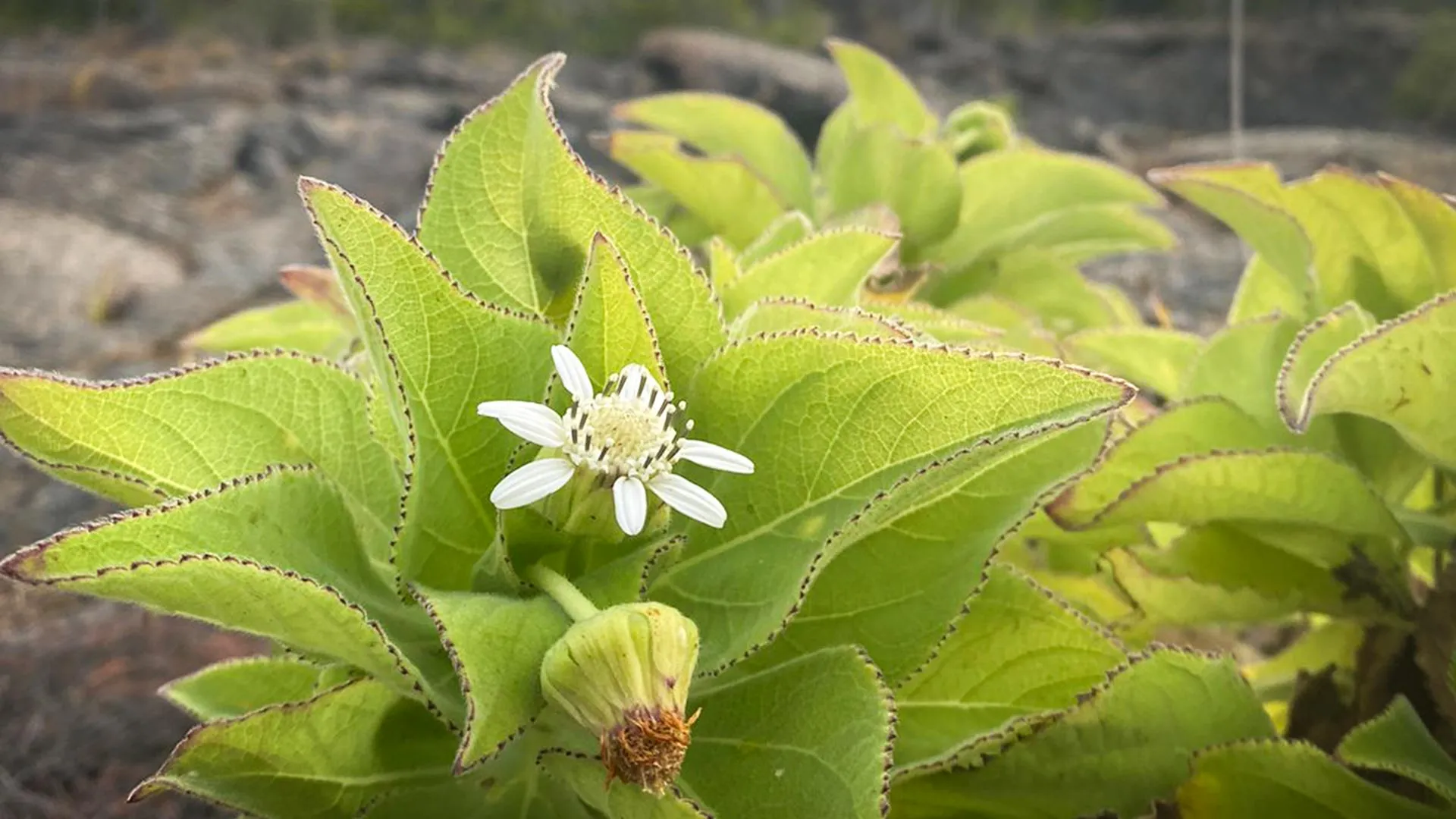
The team investigated evolution in Scalesia, a group of plants commonly called the Galápagos giant daisies. Their findings were recently published in Nature Communications.

Galápagos Giant Daisies Evolved Rapidly

“Just like Darwin’s famous finches, these plants evolved rapidly after arriving on the Galápagos from mainland South America,” explains Vanessa Bieker, a researcher at the Royal Botanic Gardens, Kew, and the first author of the new publication.

Scalesia is a relatively young plant genus. Every species that exists today emerged during the past one million years. Despite that short evolutionary history, the plants have adapted to remarkably different habitats across the islands, including humid highland forests and hot, dry lowlands.

“The appearance of different species varies dramatically, from low shrubs to tall trees. Most striking are the leaves, which range from large and entire to small and deeply lobed,” says Martin.

These lobed leaves often have intricate, serrated edges. Scientists think the shape may help plants survive dry and hot conditions by limiting water loss and releasing heat more effectively. Until now, however, the genetic changes behind this adaptation remained unclear.

Different Genes Produced the Same Leaf Shape

The researchers analyzed the complete genomes of every known Scalesia species. Their results showed that deeply lobed leaves evolved independently several times in separate branches of the Scalesia family tree.

The findings also suggest that new species may currently be developing. Numerous Scalesia populations could represent separate evolutionary lineages that scientists have not yet formally recognized.

“Even more surprising was that each time this trait evolved, it did so through different genes — even though all of them belong to the same biological system controlling leaf development,” says Bieker.

“This provides a clear example of parallel evolution: nature arriving at the same solution multiple times, but through different genetic pathways. Instead of being controlled by a single ‘master gene’, evolution appears to draw on an entire network of interacting genes, tweaking different components to produce similar outcomes.”

Rather than relying on one gene to determine leaf shape, evolution appears to modify different parts of a larger genetic network. Those separate genetic changes can ultimately produce similar physical traits.

The discovery gives scientists a clearer picture of how complex features can repeatedly emerge in unrelated populations or in different branches of the same evolutionary family.

Evolution May Still Be Creating New Species

The genetic evidence indicates that the evolutionary story of Scalesia is not finished.

“Populations within the same species show large genetic differences and have been isolated from one another for long periods. This means new species may be in the process of forming. Many Scalesia populations may represent distinct evolutionary lineages that have not yet been formally described,” says Martin.

Because these isolated populations may be following separate evolutionary paths, the researchers argue that each one should be managed as an individual conservation unit. This approach could change how conservationists protect the distinctive plants and ecosystems of the Galápagos.

The study also provides an unusually detailed view of adaptive radiation, the process through which one ancestral species rapidly gives rise to many forms suited to different habitats.

“Our findings highlight the flexibility and creativity of evolution,” says Bieker.

Darwin’s famous bird collections were not his only important discoveries on the islands. He also gathered numerous plants during his visit. Seventy-eight of those specimens were later used to identify species that were entirely new to science — including four species of Scalesia.

Share Button