A slowing Atlantic current could unleash stronger California storms

A major Atlantic Ocean current is slowing, and the consequences could reach far beyond the Atlantic. New research from the University of California, Riverside suggests the change could strengthen powerful storms along the California coast while reducing snowfall over Greenland.

The Atlantic Meridional Overturning Circulation, or AMOC, is a vast system of ocean currents that acts like a planetary conveyor belt. It carries warm tropical water northward, helping keep regions such as Europe relatively mild. After the water cools and becomes denser, it sinks and flows southward along the ocean floor.

“It is well known that the AMOC is a big player in the world’s climate system, and that it is slowing down. What we didn’t know is exactly how the AMOC might impact atmospheric moisture and storms outside the Atlantic region,” said Mohima Mimi, a UCR doctoral student in climate dynamics and the paper’s lead author.

“It turns out a weakening AMOC will strengthen storms across parts of North America by the end of the century, along the California coast in particular, while reducing them over Greenland and the Arctic.”

Stronger Atmospheric Rivers for California

The study, published in Nature Communications, found that a weaker AMOC could alter ocean temperatures in ways that change how much moisture the atmosphere can carry. It could also strengthen winds high in the atmosphere that guide storms across the Northern Hemisphere.

Those stronger winds would help storms move more moisture toward the West Coast, increasing the intensity of atmospheric rivers.

Atmospheric rivers are long, narrow bands of water vapor that transport moisture from tropical regions toward higher latitudes. They provide California with a significant share of its water, but they can also produce severe flooding and widespread damage.

“In California, atmospheric rivers are a double-edged sword,” Mimi said. “They supply much of the state’s water supply, but as they become stronger, they’re likely to also bring widespread destruction.”

Storm Patterns Could Shift Worldwide

The climate modeling also points to more atmospheric rivers along the eastern coast of South America and around Antarctica. At the same time, Greenland would experience fewer storms, leading to less snowfall and slower ice accumulation.

These projected changes appear in a high greenhouse gas emissions scenario in which the AMOC continues weakening throughout the century.

Scientists have already observed signs that the AMOC is slowing as human-caused climate change raises global temperatures. Climate models indicate that the decline is likely to continue if greenhouse gas emissions remain high.

Cutting Emissions Could Reduce the Impact

Greenhouse gases mainly come from burning fossil fuels such as coal, oil, and natural gas. Other major sources include methane from livestock such as cattle, deforestation, industrial activity, and waste from sources including landfills.

Wei Liu, an associate professor of climate change and the paper’s senior author, said reducing these emissions could limit their effects on the AMOC and lessen the current’s influence on future rainfall patterns.

Stronger atmospheric rivers would raise the threat of flooding and infrastructure damage. However, they could also offer opportunities to collect additional water if communities improve forecasting and expand storage systems.

An Atlantic Shift With Global Consequences

The results highlight the deep connections within Earth’s climate system. A change in one major ocean current can alter rainfall and extreme weather thousands of miles away, affecting ecosystems, water supplies, and communities across several continents.

“This research shows that the effects of the AMOC extend far beyond the Atlantic Ocean,” Mimi said. “Understanding these connections will help us better prepare for future changes in water resources and extreme weather.”

Share Button

Misfolded insulin may be quietly driving diabetes

Much like paper must be folded into the correct shape to create an origami sculpture, proteins inside cells must form precise three-dimensional structures before they can function properly.

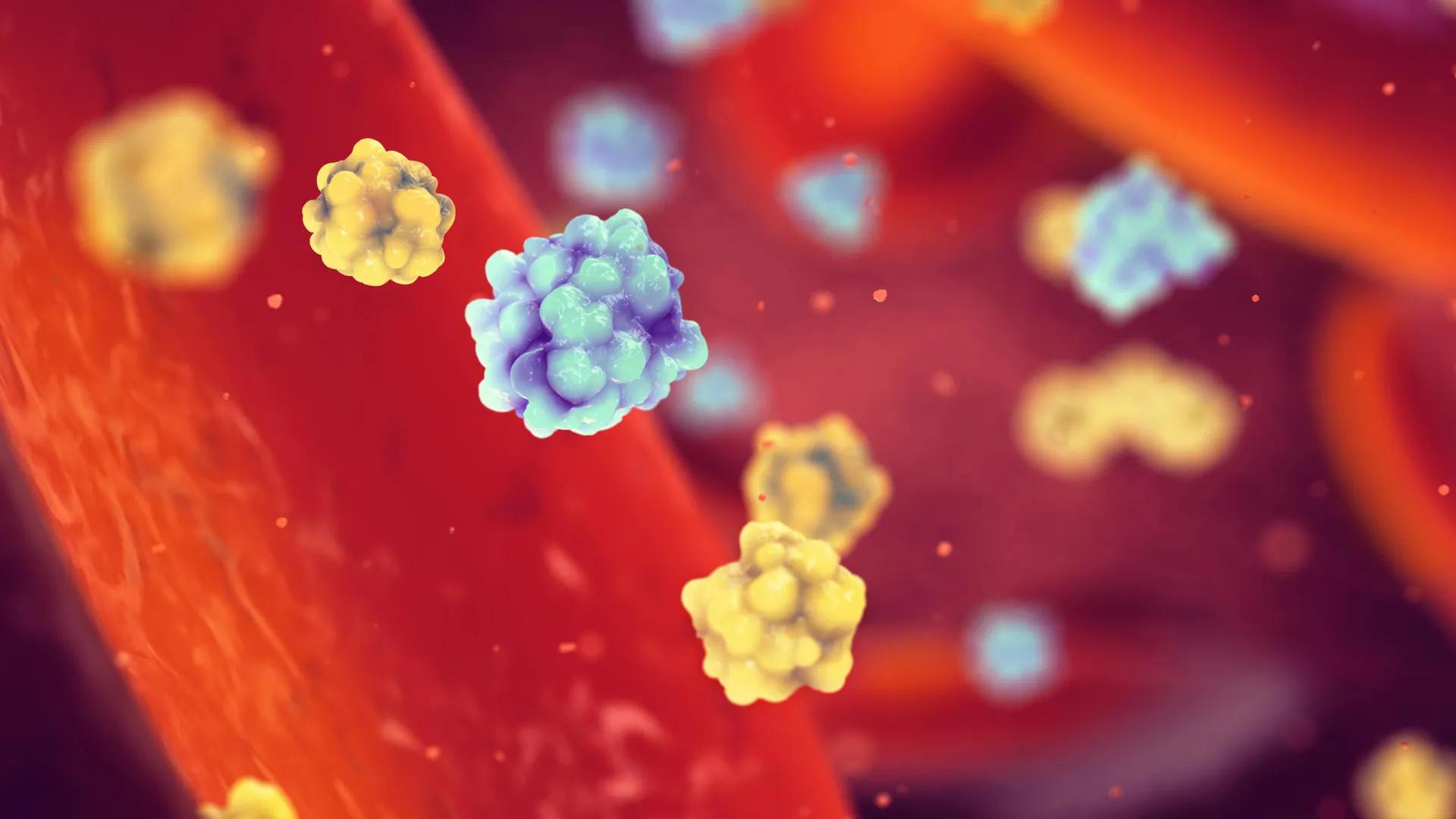
As prediabetes advances toward diabetes, this delicate process can begin to break down. Misfolded and defective proteins accumulate inside cells, creating stress that can damage the pancreatic cells responsible for producing insulin.

Researchers from Sanford Burnham Prebys Medical Discovery Institute and the University of Michigan reported new details about this process on June 1, 2026, in the Proceedings of the National Academy of Sciences. Their findings reveal how insulin-producing cells coordinate protein folding and what happens when that system falls out of balance. The work suggests that strengthening the cellular machinery responsible for folding proteins could help protect these cells from damage.

Why Insulin-Producing Beta Cells Become Overwhelmed

Beta cells in the pancreas monitor blood sugar levels. When glucose rises, they respond by producing additional insulin, which helps return blood sugar to a normal range.

As diabetes progresses, however, beta cells increasingly struggle to meet the body’s demand for insulin.

Previous research has linked this decline to the misfolding of proinsulin, the precursor protein cells use to make insulin. Scientists already knew that improperly folded proinsulin accumulates during diabetes and places stress on pancreatic beta cells. What remained uncertain was which additional proteins help control the process and how they work together.

“We knew that the system for preventing proinsulin misfolding depended on a chaperone protein called binding immunoglobulin protein and a number of cochaperones,” said Randal J. Kaufman, PhD, a professor in the Center for Metabolic and Liver Diseases at Sanford Burnham Prebys and senior and corresponding author of the study.

“Our goal was to examine how these partner proteins coordinate proinsulin folding and remove any misfolded mistakes, as these steps are essential for the health of insulin-producing cells.”

Tracking a Key Protein Inside Beta Cells

To study the interactions of binding immunoglobulin protein (BiP), the researchers genetically modified mice so that BiP in their beta cells carried an additional amino acid chain called a peptide.

The added marker consisted of three copies of an eight-amino-acid sequence known as a 3xFLAG-tag. It acted like a molecular beacon, allowing scientists to detect and isolate BiP more easily during experiments.

The results pointed to an especially important role for p58IPK, one of BiP’s cochaperone proteins.

When researchers genetically removed p58IPK from two different cell lines, misfolded proinsulin accumulated at higher levels. Tests in mice engineered not to produce p58IPK produced similar evidence. Their beta cells made smaller amounts of both proinsulin and insulin.

BiP and p58IPK Must Work Together

The team then restored p58IPK in one of the modified cell lines. Reintroducing the protein improved the cells’ ability to fold and transport proinsulin while reducing the accumulation of improperly folded copies.

However, p58IPK could not replace BiP’s central role. Those improvements did not occur unless BiP was also present.

The researchers next investigated whether increasing BiP could compensate for the absence of p58IPK. When cells produced extra BiP but lacked p58IPK, they showed only modest gains in proinsulin folding and its movement out of the cell. The improvements were substantially greater when both proteins were present at normal levels.

“Like a single tennis player trying to play a doubles match, we found that BiP cannot just go it alone in maintaining the proper folding of proinsulin,” said Insook Jang, PhD, a staff scientist in the Kaufman lab and lead author of the manuscript.

The investigators also identified additional partner proteins involved in folding and transporting proinsulin, as well as detecting and managing misfolded versions. More research will be needed to determine precisely how these proteins influence insulin production and the progression of diabetes.

“Our studies highlight that proinsulin folding is vulnerable to many of the same cellular stresses that cause beta cell failure in type 2 diabetes,” said Kaufman.

A Potential New Diabetes Treatment Strategy

Most existing diabetes medications do not directly correct the protein-folding problems that may contribute to beta cell failure. Instead, they primarily control the disease by helping tissues absorb more glucose or prompting the pancreas to release more insulin.

No current therapies are designed to improve proinsulin folding in order to preserve the health and function of beta cells.

“If we can learn how to influence the coordinated activity of BiP as a key regulator of proinsulin folding, we may find a promising treatment strategy for intervening early to prevent or reduce damage to insulin-producing cells,” said Kaufman.

Additional authors include Alec Duffey and Pamela Itkin-Ansari at Sanford Burnham Prebys and Peter Arvan at the University of Michigan.

The study was supported by the National Institutes of Health, National Institute of Diabetes and Digestive and Kidney Diseases, National Cancer Institute and Breakthrough T1D (formerly JDRF).

Share Button

Hidden charcoal reveals the true age of ancient cave paintings

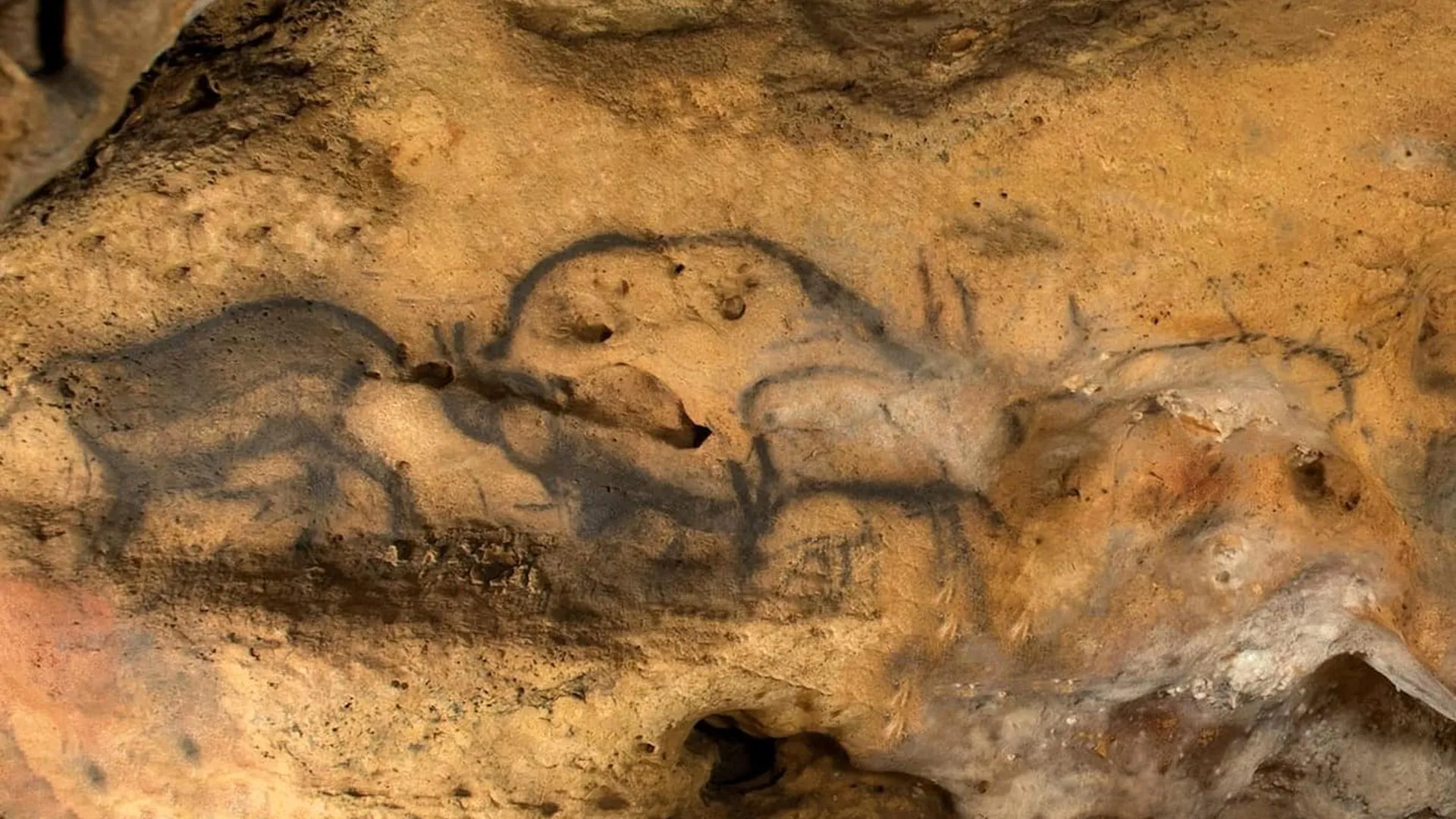
For the first time, scientists have accurately determined the age of prehistoric paintings inside Font-de-Gaume, a celebrated decorated cave near Les Eyzies in Dordogne (southwestern France).

The new findings provide firm dates for two black images, a bison and a masklike figure, and reveal that parts of the artwork were created during widely separated periods. The results could give archaeologists a powerful new way to reconstruct when people entered decorated caves, made paintings, and returned to alter or add to them.

Why Ice Age Cave Paintings Are Difficult to Date

Dordogne is home to some of the best-known prehistoric art in Europe, including the paintings at Lascaux. Yet determining exactly when many of these images were created has remained extremely difficult.

Radiocarbon dating works by measuring carbon-14, a radioactive form of carbon that gradually disappears after an organism dies. Because charcoal is made from burned organic material, it can often be dated using this method. Mineral pigments, however, usually contain no carbon and therefore cannot be analyzed in the same way.

Researchers had long believed that many black paintings in the region were made entirely from iron and manganese oxides. These naturally occurring minerals can produce dark pigments, but they do not contain the organic carbon needed for radiocarbon dating.

As a result, the artwork was generally considered impossible to date directly. However, scientists had never conclusively demonstrated that the pigments contained no carbon at all.

Searching for Charcoal Hidden in the Pigment

To investigate, the researchers analyzed the chemical composition of two black figures at Font-de-Gaume. One depicts a bison, while the other is commonly described as a mask.

The team used Raman microspectrometry and hyperspectral imaging, two techniques that can identify materials without noticeably damaging the artwork.

Raman microspectrometry uses light to examine how molecules vibrate, producing a chemical signature that can help identify pigments and other substances. Hyperspectral imaging records subtle differences in color and reflected light at each point in an image. Scientists can use those measurements to determine which compounds are present.

Hyperspectral imaging is widely used in cultural heritage research because it can reveal features that are difficult or impossible to see with the human eye. It also has applications in biomedical science, agriculture, environmental monitoring, and astrophysics.

Both methods revealed traces of charcoal in the paintings’ black pigment.

The charcoal was distributed consistently throughout the black lines of the figures. That pattern was important because it indicated that the carbon was part of the original pigment rather than contamination left by later graffiti, visitors, or tourist activity inside the cave.

Tiny Samples Reveal the Paintings’ Ages

Once the charcoal had been confirmed, researchers received exceptional authorization to remove extremely small samples for carbon-14 dating.

Analyzing such limited material is technically challenging. Scientists must collect enough carbon to obtain a reliable measurement while removing as little as possible from the ancient image.

The results confirmed that the bison dates to the Upper Paleolithic, the later portion of the Old Stone Age when anatomically modern humans created many of Europe’s most famous cave paintings.

The bison was painted between 13,461 and 13,162 calBP.

CalBP means Calibrated Before Present, with present conventionally defined as the year 1950. Radiocarbon measurements must be calibrated because the amount of carbon-14 in the atmosphere has changed over time. Those variations can be influenced by factors including solar activity and changes in Earth’s magnetic field.

The new date places the bison slightly later than previous estimates.

A Mysterious Mask Created Across Different Periods

The mask produced an even more complex result. Samples from separate parts of the figure yielded three different ranges.

One section was dated to between 8,993 and 8,590 calBP. Another was dated to between 15,981 and 15,121 calBP, while a third was placed between 15,297 and 14,246 calBP.

These results suggest that the image may contain elements created at very different times. Rather than being the work of a single artist during one visit, the mask may preserve multiple episodes of artistic activity separated by thousands of years.

That possibility offers a more layered picture of prehistoric cave art. Decorated caves may not always have been completed during a single period. Some could have remained meaningful places that later communities revisited, modified, or reinterpreted.

A New Tool for Understanding Prehistoric Art

The research was led by a scientist from the Laboratoire de développement instrumental et de méthodologies innovantes pour les biens culturels (Chimie ParisTech-PSL/CNRS/Ministère de la Culture). The study was published in PNAS.

The research brought together specialists from several French scientific and cultural institutions.

Contributors included scientists from Laboratoire de mesure du carbone 14 (CEA/CNRS/IRD/ASNR/ Ministère de la Culture), a national platform affiliated with Laboratoire des sciences du climat et de l’environnement (CEA/CNRS/ Université de Versailles Saint-Quentin-en-Yvelines). Researchers from the Histoire naturelle des Humanités préhistoriques laboratory (CNRS/MNHN/Université de Perpignan Via Domitia), the Centre des monuments nationaux, and the Centre de recherche et de restauration des musées de France also participated.

By combining chemical imaging with highly sensitive radiocarbon measurements, the team has developed a method that could be applied to other prehistoric figures previously considered undatable.

More precise dates could help researchers determine which paintings were created during the same period, how artistic styles changed, and whether generations of people repeatedly returned to particular caves. That information may ultimately reveal more about the communities that produced the images and the cultural importance these underground spaces held over thousands of years.

Share Button

Does NI need a minister for women’s safety and health?

A group of Ballycastle teenagers are calling for Stormont to appoint a dedicated Women’s Minister.

Share Button

‘Things need to change’: The campaign for women’s minister

Eimear, Pearse, Aoísha and Devyn from Ballycastle want to see a change in how women are protected in NI.

Share Button

Assignment

We follow a lawyer and a nurse who are building this unprecedented case

Share Button

Hundreds of thousands of women get morning-after pill via free pharmacy service

Since October, the morning-after pill has been made available free-of-charge at high street pharmacies under a new scheme in England.

Share Button

Scientists reveal what sparkling water really does to your teeth

Unsweetened sparkling water may be a better option for teeth than sugar-sweetened soda, according to preliminary research comparing how several popular drinks affect acidity in the mouth.

Tooth enamel can begin to dissolve when the mouth’s pH falls below about 5.5. The new findings suggest that sparkling water can temporarily lower oral pH, but the effect appears to be less pronounced than the drop caused by soda.

“Many people are switching from soda to sparkling water, and our findings suggest that unsweetened sparkling water may be a lower-risk alternative to soda, when consumed in moderation and alongside good oral hygiene practices,” said Wajiha Zulfiqar, a graduate student in Nutrition Science at Purdue University.

Zulfiqar presented the results at NUTRITION 2026, the flagship annual meeting of the American Society for Nutrition, held July 25-28 in National Harbor, Maryland, just outside Washington, D.C.

Comparing Sparkling Water and Soda

Previous research has shown that sugar-sweetened soda can promote dental erosion by pushing mouth pH below 5.5. Far less is known about how unsweetened sparkling water influences acidity inside the mouth.

To investigate, researchers tested sugar-sweetened soda, regular sparkling water, calcium-fortified sparkling water, and plain water in 20 adults. Every participant drank each beverage, allowing the team to reduce the influence of natural differences between individuals.

The researchers measured salivary pH rather than relying only on the acidity of the beverages themselves. This allowed them to observe how the mouth responded immediately after each drink was consumed.

“Directly comparing different beverages using the same experimental framework allowed us to evaluate the effects of sparkling water relative to both soda — a higher-risk beverage — and plain water as a neutral reference,” said Zulfiqar. “Additionally, by measuring how the mouth responded in real time, rather than only testing beverage acidity alone as other studies have done, our study provides a more realistic understanding of how these drinks may impact oral health.”

Soda Caused the Largest Drop in pH

Among the beverages tested, soda produced the greatest increase in mouth acidity. Salivary pH was significantly lower after soda than after water at both 2 minutes and 20 minutes following consumption.

Regular unsweetened sparkling water caused a temporary decline in salivary pH after 2 minutes. Calcium-fortified sparkling water produced a decrease after 5 minutes. With both types of sparkling water, pH had returned to nearly its starting level within 20 minutes.

Saliva also helped restore normal acidity after participants drank soda or sparkling water. In the short term, pH remained above the threshold associated with enamel damage.

The researchers emphasized that the experiment measured only brief changes in salivary pH. The likelihood of dental erosion in everyday life can also be affected by how often someone drinks a beverage, how long the teeth are exposed to it, and whether the drink contains sugar.

A Potentially Safer Soda Alternative

“Our results suggest that replacing sugar-sweetened sodas with unsweetened sparkling water may help lower the risk of enamel erosion,” said Zulfiqar. “The results also highlight an opportunity for the beverage industry to explore reformulation strategies that could potentially reduce the erosive potential of acidic beverages.”

The team next plans to examine the long-term effects of sparkling water on oral health. Future studies could determine whether it alters other features of the mouth that contribute to healthy teeth and gums.

Zulfiqar presented the research on Sunday, July 26, during the Clinical Nutrition II Poster Session in the Gaylord National Resort & Convention Center (abstract).

Abstracts presented at NUTRITION 2026 were reviewed and selected by a committee of experts. However, they generally have not completed the peer review process required for publication in a scientific journal. The findings should therefore be regarded as preliminary until they appear in a peer-reviewed publication.

Share Button

Why Jupiter has several giant moons but Saturn has only Titan

Jupiter and Saturn are the two largest planets in the Solar System, and both are surrounded by enormous families of moons. Jupiter currently has more than 100 reported moons, while Saturn, which is also encircled by an extensive ring system, has more than 280.

The makeup of those moon systems is very different. Jupiter has four especially large moons, including Ganymede, the biggest moon in the Solar System. Saturn, by comparison, is dominated by Titan, the Solar System’s second largest moon.

A Longstanding Moon Formation Mystery

Because Jupiter and Saturn are both gas giants, astronomers have struggled to explain why their major moons developed so differently. Existing theories of satellite formation offer several possible answers, but recent research into stellar magnetic fields suggests that some of those ideas may need to be reconsidered.

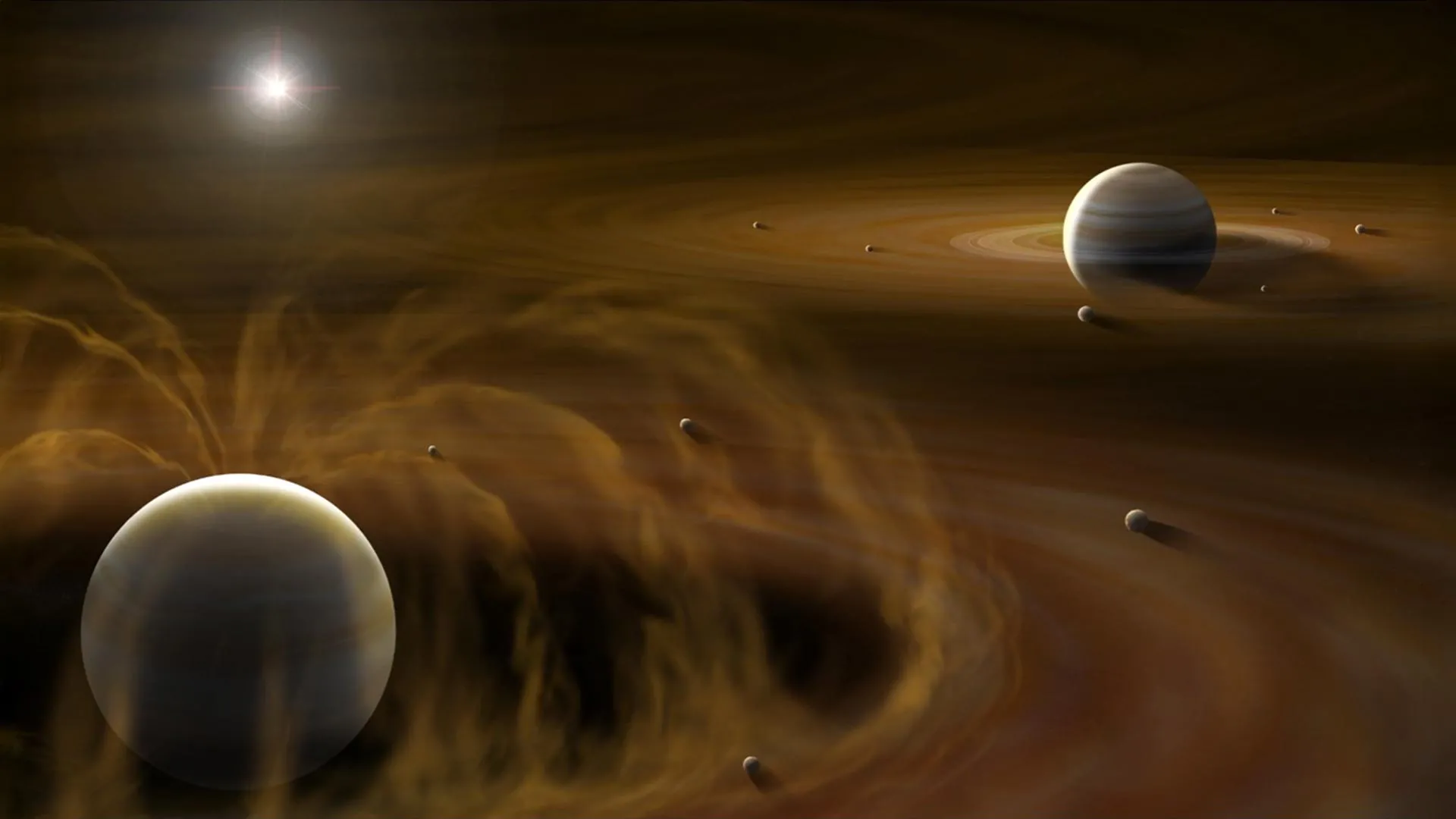
One unresolved question involves magnetic accretion and the formation of satellites. Researchers have debated whether Jupiter’s circumplanetary disk could have developed an empty inner region. A circumplanetary disk is the rotating collection of material around a young planet from which moons can form.

A single physically consistent theory capable of explaining both Jupiter’s and Saturn’s moon systems could also help scientists understand planets and moons outside the Solar System. That possibility led researchers from institutions in Japan and China, including Kyoto University, to create a new model.

“Testing planet formation theory is somewhat difficult because we have only our Solar System for reference, but there are multiple satellite systems close to us whose detailed characteristics we can observe,” says first author Yuri I. Fujii.

Simulating Young Jupiter and Saturn

The researchers used numerical simulations to examine the internal structures and thermal evolution of Jupiter and Saturn when the planets were young. This allowed them to estimate how the planets’ magnetic fields may have changed over time.

They also modeled the circumplanetary disks surrounding both worlds. In addition, the team ran N-body simulations to track the formation of moons and the gradual movement of their orbits. The calculations were carried out using the PC cluster at the Center for Computational Astrophysics, National Astronomical Observatory of Japan.

Jupiter’s Magnetic Field Created a Safe Zone

The simulations indicate that the contrasting moon systems of Jupiter and Saturn may have emerged from differences in the structures of their circumplanetary disks. Those differences, in turn, appear to have been controlled by the strength of each planet’s magnetic field.

Young Jupiter had a powerful magnetic field that created a magnetospheric cavity inside its circumplanetary disk. This inner gap likely helped capture and preserve Io, Europa, and Ganymede as they moved through the disk.

Young Saturn’s magnetic field was not strong enough to create a similar cavity. Without that protected region, migrating moons could not survive inside Saturn’s disk.

Predicting Moon Systems Beyond the Solar System

The findings may help guide future observations of exomoons and the disks surrounding young gas giants. According to the model, planets as large as Jupiter or larger should tend to develop compact systems containing several moons.

Gas planets closer to Saturn’s size, however, may typically end up with only one or two moons.

The researchers now plan to apply their theory to additional moons and to possible exomoon systems around distant planets.

Share Button

After 241 days in orbit this NASA astronaut is finally home

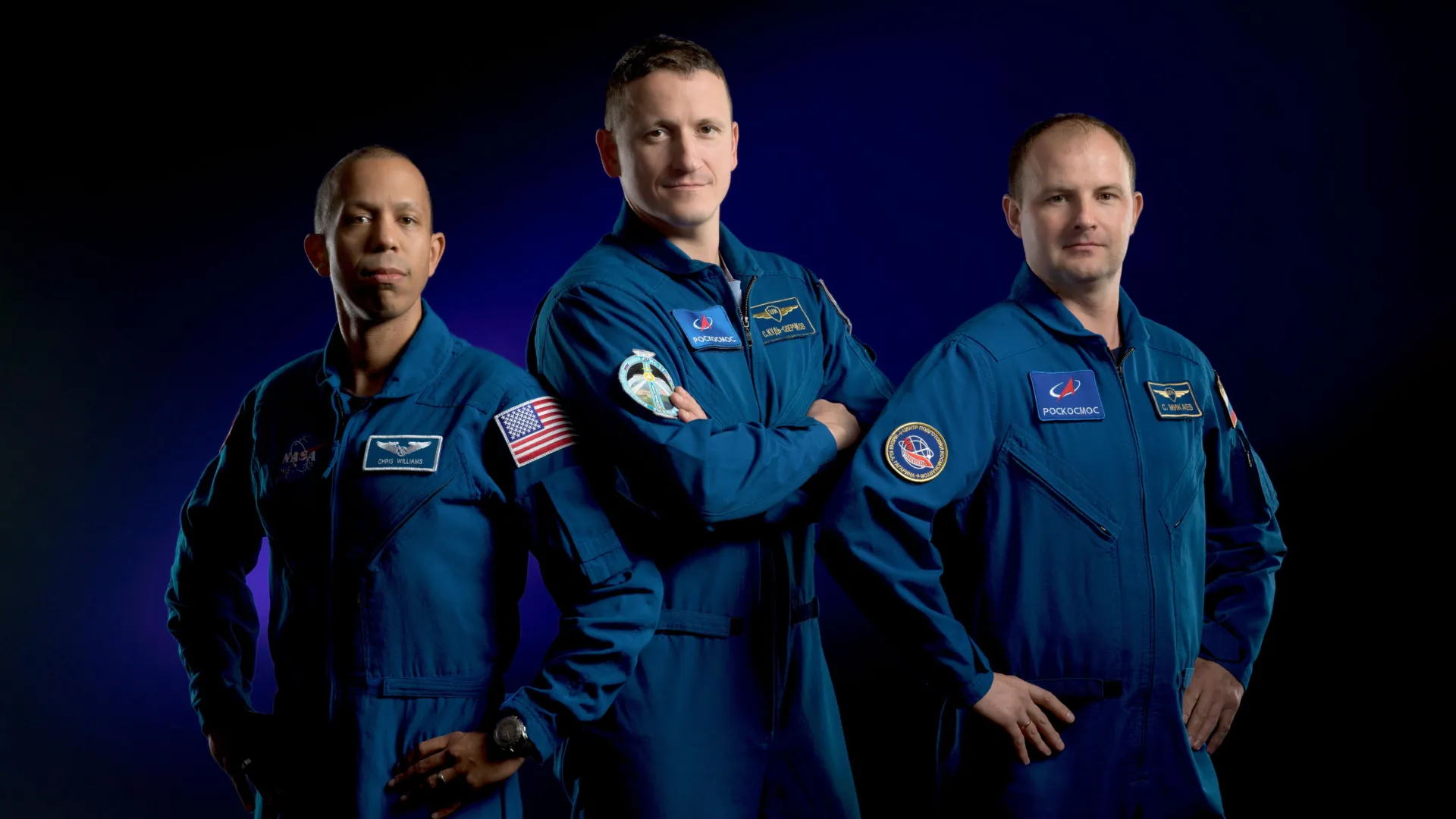
NASA astronaut Chris Williams returned to Earth on Sunday after completing an eight month science mission aboard the International Space Station. He traveled home with Roscosmos cosmonauts Sergey Kud-Sverchkov and Sergei Mikaev.

The Soyuz MS-28 spacecraft touched down safely by parachute on July 26 at 5:27 a.m. CDT (3:27 p.m., Kazakhstan time) southeast of Dzhezkazgan. The crew had departed the space station at 2:03 a.m.

Williams and his crewmates spent 241 days in space after launching to the International Space Station on Nov. 27, 2025. During the mission, they completed 3,856 orbits of Earth and traveled more than 102 million miles.

The flight marked the first space mission for Williams and Mikaev. It was Kud-Sverchkov’s second journey into space.

Cancer Research and Advanced Manufacturing

While living aboard the orbiting laboratory, Williams contributed to numerous scientific studies and technology demonstrations. His work included research that could support the development of new cancer treatments.

He also helped investigate ways to improve the production of materials in space for use in high performance computers and electronics.

Williams conducted two spacewalks during the mission. One prepared the station for upgrades to its electrical power system, while the other involved replacing a faulty joint on the Canadarm2 robotic arm.

The crew’s research and maintenance work may benefit people on Earth while also helping NASA prepare for future human exploration of the Moon and Mars.

Recovery and Return to Houston

After completing medical evaluations at the landing site, the crew members will travel by helicopter to Karaganda, Kazakhstan, where recovery teams are stationed.

Williams will then fly aboard a NASA aircraft to the agency’s Johnson Space Center in Houston.

More Than 25 Years of Continuous Human Presence

Astronauts and cosmonauts have continuously lived and worked aboard the International Space Station for more than 25 years. The laboratory allows researchers to conduct experiments and achieve scientific breakthroughs that would not be possible under conditions on Earth.

Research aboard the station helps NASA better understand the demands of human spaceflight, develop solutions for extended missions, and create new commercial opportunities in low Earth orbit.

The station also provides an important foundation for future journeys to the Moon through the Artemis program and, eventually, human missions to Mars.

Share Button