The review, which focuses on younger people, warned there was a risk society was moving from an era of under-diagnosis to over-diagnosis.


The review, which focuses on younger people, warned there was a risk society was moving from an era of under-diagnosis to over-diagnosis.
The Duke of Sussex says he had an “adrenaline crash” while visiting Vancouver Island to “get some space”.
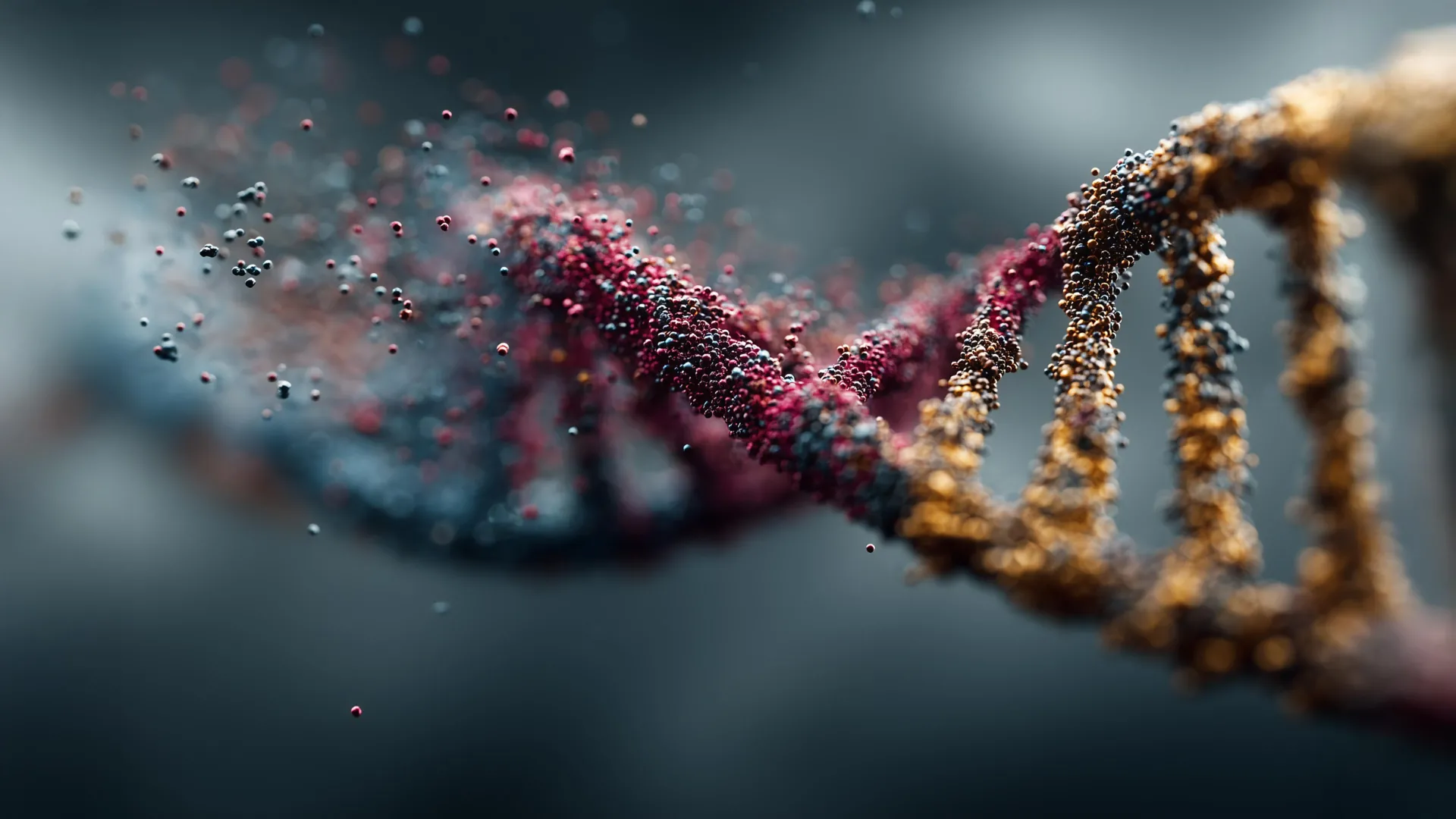
A routine experiment involving a microscopic organism from a freshwater pond led scientists to an extraordinary genetic discovery. The tiny creature was found to interpret DNA instructions in a way researchers had never documented before, challenging a long held assumption about how the genetic code works.
The surprise came when scientists examined a previously unknown protist called Oligohymenophorea sp. PL0344. Two genetic signals that ordinarily tell cells to stop making proteins had taken on completely different functions. Even more remarkably, the signals had been reassigned to two different amino acids, breaking a pattern scientists believed was closely linked by evolution.
The discovery, published in PLOS Genetics in October 2023, revealed an unexpected level of flexibility in one of life’s most fundamental biological systems. Subsequent research has uncovered additional genetic code variations in related microorganisms, suggesting that many more surprises could be waiting in the microscopic world.
An Accidental Genetic Discovery in a Freshwater Pond
Dr. Jamie McGowan, who was a postdoctoral scientist at the Earlham Institute, made the discovery while studying a protist collected from a pond at Oxford University Parks in England.
The project had originally been designed to test a DNA sequencing method capable of analyzing extremely small quantities of genetic material, potentially from just one cell. McGowan worked alongside scientists at the Earlham Institute and a research group led by Professor Thomas Richards at the University of Oxford.
Rather than investigating genetic code evolution, the researchers were trying to improve the tools available for studying organisms that are difficult to grow and analyze in laboratories.
But when they assembled and examined the organism’s genome, they noticed something unexpected. The protist belonged to a previously unidentified species, and its genetic instructions appeared to operate according to an unusual set of rules.
Dr. McGowan said: “It’s sheer luck we chose this protist to test our sequencing pipeline, and it just shows what’s out there, highlighting just how little we know about the genetics of protists.”
What Are Protists, and Why Are They So Unusual?
Protists are among the most diverse and least understood groups of organisms on Earth. Many consist of just one cell and are too small to see without a microscope. Familiar examples include amoebas, various algae, and diatoms, which are microscopic organisms often found in aquatic environments.
However, not all protists are tiny. The broad category also includes organisms such as kelp, slime molds, and red algae, some of which grow into large, complex structures.
The group is so varied that scientists generally define its members by excluding other major branches of life.
“The definition of a protist is loose — essentially it is any eukaryotic organism which is not an animal, plant, or fungus,” said Dr. McGowan. “This is obviously very general, and that’s because protists are an extremely variable group.
“Some are more closely related to animals, some more closely related to plants. There are hunters and prey, parasites and hosts, swimmers and sitters, and there are those with varied diets while others photosynthesize. Basically, we can make very few generalizations.”
Eukaryotes are organisms whose cells contain a nucleus, a specialized compartment that houses most of their genetic material. Humans, other animals, plants, fungi, and protists all belong to this broad category.
The organism at the center of the discovery belongs to a group of protists called ciliates. These creatures typically swim using tiny hair-like structures known as cilia, which move in coordinated patterns to propel them through water.
Ciliates are widespread in freshwater and marine environments. They are also particularly interesting to geneticists because some have evolved unusual ways of interpreting DNA instructions.
How the Genetic Code Tells Cells When to Stop
To understand why this discovery was so unexpected, it helps to know how cells turn genetic information into proteins.
DNA acts like an instruction manual, storing the information that cells need to build and maintain their structures. However, those instructions must be translated into physical molecules before they can carry out biological functions.
The process begins when a section of DNA is copied into messenger RNA, a molecule that carries genetic instructions to the cell’s protein-producing machinery.
A structure called the ribosome then reads the RNA sequence three letters at a time. Each group of three letters is known as a codon, and most codons specify one of the amino acids that serve as the building blocks of proteins.
As amino acids are connected, they form a chain that can fold into a three-dimensional structure. The resulting protein may function as an enzyme, provide structural support, transport molecules, or perform countless other cellular tasks.
In DNA notation, a protein-coding sequence commonly begins with a start codon (ATG) and ends with a stop codon (normally TAA, TAG, or TGA).
These stop codons work like punctuation marks. They tell the ribosome that it has reached the end of the instructions for a particular protein and should release the completed chain.
When the instructions are copied into RNA, the letter T is replaced by U. Consequently, the corresponding stop codons in RNA are written as UAA, UAG, and UGA.
Across most forms of life, these signals have maintained the same basic functions for an extraordinarily long period of evolutionary history.
But nature has occasionally found ways around the usual rules.
Scientists Find Two Genetic Stop Signals With Different Meanings
Researchers have known for decades that some organisms use modified versions of the genetic code. These variations are uncommon across life as a whole, but ciliates are particularly rich in examples.
In certain ciliates, stop codons have evolved to specify amino acids instead of terminating protein production.
Until relatively recently, one pattern appeared especially consistent. Two of the conventional stop codons, TAA and TAG, almost always retained the same meaning. When their functions changed, both generally came to specify the same amino acid.
This suggested that the two signals were constrained to evolve together.
“In almost every other case we know of, TAA and TAG change in tandem,” explained Dr. McGowan. “When they aren’t stop codons, they each specify the same amino acid.”
The genome of Oligohymenophorea sp. PL0344 told a different story.
Instead of functioning as stop signals, TAA and TAG appeared to encode entirely different amino acids. TAA specified lysine, while TAG specified glutamic acid.
Both amino acids are common components of proteins, but they have different chemical properties and biological roles.
Meanwhile, TGA remained the organism’s only conventional stop codon.
The findings represented the first reported example of a genetic code in which both TAA and TAG had been reassigned to encode two different amino acids.
That distinction matters because it shows that the evolutionary relationship between the two codons is not as restrictive as scientists had assumed.
“This is extremely unusual,” Dr. McGowan said. “We’re not aware of any other case where these stop codons are linked to two different amino acids. It breaks some of the rules we thought we knew about gene translation — these two codons were thought to be coupled.
How This Microscopic Organism Makes the Unusual Code Work
Further investigation revealed clues about how the protist manages to function with its unconventional genetic instructions.
The researchers identified specialized transfer RNA genes associated with the reassigned codons. Transfer RNA molecules act as interpreters during protein production, helping match the instructions in messenger RNA with the correct amino acids.
Their presence supported the conclusion that the unusual genetic code was a genuine feature of the organism rather than a sequencing error.
The team also found an unexpectedly high number of TGA stop codons in DNA regions immediately following protein-coding sequences.
These additional stop signals could act as a backup system. If the ribosome accidentally continues reading beyond the intended end of a protein, a second stop codon may prevent it from extending the protein too far.
That protection could be particularly valuable in an organism that relies on only one of the three conventional stop codons.
Although the researchers could not establish exactly how the unusual code evolved, the findings demonstrated that the machinery responsible for translating genetic information can be far more adaptable than previously appreciated.
Follow-Up Research Reveals More Genetic Code Surprises
The original discovery also opened the door to a broader question: How many other microorganisms are using genetic codes that scientists have not yet recognized?
In December 2024, McGowan and colleagues published additional findings in PLOS Genetics showing that unusual genetic code changes had occurred independently in several other ciliate lineages.
The team investigated genetic information from a group of ciliates known as Phyllopharyngea, including genomic data gathered through the TARA Oceans project, an international effort to study marine life and its genetic diversity.
Their analysis identified three previously uncultivated ciliate species in which UAG, normally a stop codon, appeared to specify leucine instead.
These organisms came from samples associated with the Arctic and Southern Oceans.
The researchers also examined existing genomic datasets and identified two additional ciliates, Hartmannula sinica and Trochilia petrani, in which UAG appeared to encode glutamine.
Evolutionary comparisons suggested that these changes arose independently on at least three occasions.
Importantly, the genetic codes were not identical to the unusual system found in Oligohymenophorea sp. PL0344. In the five ciliates examined in the 2024 research, UAA remained a stop signal while UAG had acquired a different meaning.
Even so, the findings provided further evidence that these two genetic signals do not always have to evolve together.
Rather than being an isolated curiosity, the original discovery had helped illuminate a much wider pattern of genetic code flexibility among ciliates.
Scientists Are Still Uncovering Hidden Protist Diversity
The search for unexpected biology in microscopic organisms has continued beyond the genetic code itself.
In March 2026, researchers from the Earlham Institute and the University of Oxford reported another discovery made possible by techniques designed to sequence individual cells.
Their study, published in Microbial Genomics, investigated Bodo, a group of common protists found in freshwater, brackish water, and soil.
By analyzing just seven uncultured cells, the scientists identified three previously unrecognized evolutionary lineages, each associated with its own distinct bacterial partner living inside the organism.
The work did not demonstrate the same genetic code changes found in PL0344. Instead, it showed how much biological diversity can remain hidden when researchers rely primarily on organisms that are easy to cultivate in laboratories.
Together with the genetic code discoveries, these findings demonstrate the value of examining microorganisms that have received relatively little scientific attention.
Better sequencing technologies could reveal additional unconventional genetic codes, unexpected relationships between organisms, and previously unknown ways that cells function.
Nature May Have More Genetic Rules to Break
For scientists, unusual genetic codes offer more than biological curiosities. They provide opportunities to investigate why the genetic code is so consistent across most forms of life and how evolutionary changes can sometimes alter its fundamental instructions.
Understanding these natural variations could also inform efforts in synthetic biology, where researchers attempt to modify genetic codes to give cells new capabilities or enable them to produce proteins with unusual properties.
However, the evolutionary forces responsible for the extraordinary diversity of genetic codes among ciliates remain incompletely understood.
What began as a routine sequencing experiment ultimately revealed that even some of biology’s most familiar rules have remarkable exceptions.
As McGowan observed:
“Scientists attempt to engineer new genetic codes — but they are also out there in nature. There are fascinating things we can find, if we look for them.
“Or, in this case, when we are not looking for them.”
NHS winter pressures appear to be building already, with rises in waiting times for planned surgery.

NASA is moving closer to establishing humanity’s first Moon base with the selection of three scientific investigations designed to answer some of the biggest questions about living on the lunar surface. The missions will search for underground caves that could shelter astronauts, investigate hidden deposits of lunar ice, and monitor environmental hazards that could threaten future explorers.
The new instruments and technologies were selected through NASA’s Payloads and Research Investigations on the Surface of the Moon (PRISM) program. They will be delivered to the lunar surface through the agency’s CLPS (Commercial Lunar Payload Services) initiative as part of its Moon Base Program.
Each investigation will address a different challenge of establishing a lasting human presence on the Moon. Researchers will examine potential natural shelters, identify resources that astronauts could use, and study dangerous conditions that future habitats and equipment will need to withstand. Together, the findings will support NASA’s Artemis and Moon Base programs as the agency works toward long-term lunar exploration.
“NASA Science is building the ultimate interplanetary survival guide to ensure that science goes first to the lunar surface to provide our future astronaut crews with the vital information, resources, and safety precautions needed ahead of time to survive the night on the Moon,” said Nicky Fox, associate administrator, Science Mission Directorate, at NASA Headquarters in Washington. “These PRISM selections will directly help NASA minimize risks to our astronauts while maximizing our agency goals as we set up humanity’s first lunar outpost in preparation for sending the first astronauts to Mars.”
Monitoring Moonquakes and Other Lunar Hazards
The first investigation, Lunar Environment Monitoring Station — South Pole (LEMS-SP), will establish an autonomous station to track environmental conditions and potential threats over an extended period.
One of its tasks will be detecting micrometeoroids, tiny pieces of space debris that strike the lunar surface. Unlike Earth, the Moon lacks a substantial atmosphere capable of burning up most incoming objects, making these impacts a concern for future equipment and habitats.
The station will also measure the abundance of volatiles, substances that readily turn into gas, within the Moon’s extremely thin outer layer of gases. Tracking these materials will help scientists better understand how the lunar environment changes over time.
Another important instrument will be a short-period seismometer, designed to detect vibrations and seismic activity, including moonquakes. These measurements could reveal hazards that NASA must consider when designing structures and installing sensitive equipment on the lunar surface.
By collecting information about impacts, seismic activity, and the surrounding environment, LEMS-SP could help engineers develop safer and more reliable infrastructure for a permanent Moon base.
The investigation will be led by Dr. Mehdi Benna of the University of Maryland, Baltimore County.
Searching for Hidden Caves Beneath the Moon
The second investigation will explore one of the Moon’s most intriguing possibilities: enormous underground passages that could serve as natural shelters for astronauts.
Known as Geophysical Instruments for Marius Lunar pit Investigation (GIMLI), the mission will examine the Marius Hills Pit, an opening in the lunar surface that may connect to an extensive underground lava tube.
Lava tubes form when the outer surface of flowing lava cools and hardens while molten rock continues moving beneath it. Once the lava drains away, it can leave behind hollow tunnels. Scientists believe similar formations may exist beneath parts of the Moon’s volcanic terrain.
GIMLI will use geophysical measurements to investigate what lies beneath the pit and determine whether it connects to a larger underground passage. The findings will also provide new insights into the volcanic processes that shaped the lunar landscape.
If large underground spaces are confirmed, they could offer an important advantage for future human exploration.
The lunar surface is exposed to intense temperature changes, harmful ionizing radiation, and frequent impacts from tiny space rocks. Underground lava tubes could provide more stable temperatures and natural shielding from these dangers.
Instead of relying entirely on protective structures built on the surface, future astronauts might be able to use some of the Moon’s existing geological formations as shelters.
Confirming the presence and size of these underground spaces could therefore influence where NASA considers placing future habitats and how those habitats are designed.
Dr. Nathaniel Putzig of the Planetary Science Institute will serve as the principal investigator for GIMLI.
Hunting for Hidden Ice and Usable Moon Resources
The third investigation will focus on another resource that could be essential to a lasting human presence on the Moon: water ice.
The Depth Imager with Spectral and Color Optics (DISCO) payload is designed to make the first direct measurements from the lunar surface of ice preserved inside small, exceptionally cold regions known as micro-cold traps.
These areas can remain cold enough for ice to persist because they receive little or no direct sunlight. Identifying where the ice is located, how much exists, and how it is distributed could help scientists understand whether it can become a practical resource for future lunar missions.
Water brought from Earth is expensive to transport into space. Finding accessible ice on the Moon could eventually allow astronauts to obtain water locally and potentially process it into oxygen and hydrogen for other uses.
DISCO will also investigate the physical properties of the lunar surface.
One challenge is understanding what happens when a spacecraft lands. Rocket exhaust can blast dust and loose material away from the ground, potentially affecting nearby equipment and structures.
Researchers will also examine the stability of the terrain to better understand how safely astronauts, robotic vehicles, and other equipment can move across the surface.
Combining these measurements will help NASA develop safer landing and surface operations while advancing technologies that could turn lunar ice into a useful resource for the Moon Base Program.
Dr. Ariel Deutsch of NASA’s Ames Research Center in California’s Silicon Valley will lead the DISCO investigation.
Building the Foundation for Humanity’s First Moon Base
Together, the three investigations will address some of the most important challenges of establishing a sustained human presence beyond Earth.
LEMS-SP will help scientists understand environmental threats, GIMLI will investigate whether underground lava tubes could provide natural protection, and DISCO will examine potential water resources and the behavior of the lunar surface.
The results could influence everything from the placement of future habitats to the design of equipment and the development of systems that allow astronauts to make use of resources already available on the Moon.
“Each new PRISM selection strengthens our ability to deliver ambitious, transformative science to the lunar surface,” said Brad Bailey, director of the Exploration Science Strategy Integration Office in NASA’s Science Mission Directorate. “These investigations exemplify how Artemis and Moon Base are expanding the frontier of lunar exploration, advancing innovative technologies, deepening our understanding of the Moon’s environment, and paving the way for future astronaut missions.”
NASA is working to increase the frequency of its lunar missions as it prepares to establish a Moon base. These missions will deliver scientific instruments and new technologies intended to expand American leadership in space science, support a sustained lunar presence, and prepare for more ambitious human exploration.
The agency’s CLPS initiative plays a central role in that effort by partnering with American companies to transport scientific, exploration, and technology payloads to the Moon’s surface and orbit.
Beyond helping astronauts live and work on the Moon, the knowledge gained from these investigations could prove essential to NASA’s longer-term goal of sending humans to Mars.
Neil and Katie Russell are working with the hospital where their daughter died on the scheme.

A common vitamin D supplement may have an unexpected effect inside the body. Research published in 2025 found that taking vitamin D2 can reduce levels of vitamin D3, the form humans naturally make when skin is exposed to sunlight.
That distinction matters because vitamin D2 and vitamin D3 are often treated as interchangeable sources of the same nutrient. Both can increase overall vitamin D status, but a growing body of evidence indicates that D3 is generally more effective at raising and maintaining the main form of vitamin D measured in the blood. Current guidance from the U.S. National Institutes of Health reflects that evidence, noting that D3 tends to raise vitamin D levels more and keep them elevated for longer than D2.
Vitamin D is essential for helping the body absorb calcium and maintain healthy bones. It also plays roles in muscle, nerve, and immune function. In the UK, people are advised to consider taking 10 micrograms (µg) of vitamin D each day during the darker months, when sunlight is generally too weak for the skin to make enough of the vitamin.
Vitamin D2 and D3 Are Not Quite the Same
Vitamin D supplements generally contain one of two forms. Vitamin D2, also called ergocalciferol, is commonly produced from fungi or yeast exposed to ultraviolet light. Vitamin D3, or cholecalciferol, is the same form produced in human skin after exposure to ultraviolet B radiation from sunlight.
Traditionally, vitamin D3 in supplements has often come from lanolin obtained from sheep’s wool. However, animal-free D3 made from sources such as lichen is also available, an important consideration for people following vegan or plant-based diets.
Once vitamin D enters the body, it goes through several processing steps. The liver converts it into 25-hydroxyvitamin D, the form doctors commonly measure in blood tests to estimate a person’s vitamin D status. Vitamin D2 produces 25-hydroxyvitamin D2, while vitamin D3 produces 25-hydroxyvitamin D3.
It is this D3-derived form that researchers found could fall after people took vitamin D2.
Vitamin D2 Was Linked to a Drop in Vitamin D3
The 2025 study, published in Nutrition Reviews by researchers from the University of Surrey, John Innes Centre and Quadram Institute Bioscience, brought together evidence from randomized controlled trials to examine this effect more closely.
Researchers reviewed 20 studies, with 11 providing data suitable for the main meta-analysis. Compared with people who did not receive vitamin D2, those taking D2 had significantly lower concentrations of 25-hydroxyvitamin D3. Depending on how the results were analyzed, the average reduction was roughly 9 to 18 nanomoles per liter.
Importantly, that does not mean vitamin D2 simply removes vitamin D from the body or that taking it is necessarily harmful. Vitamin D2 itself raises 25-hydroxyvitamin D2 and can contribute to total vitamin D status. Instead, the surprising finding is that increasing one form appears to coincide with a reduction in the other.
Emily Brown, PhD Research Fellow and Lead Researcher of the study from the University of Surrey’s Nutrition, Exercise, Chronobiology & Sleep Discipline, said:
“Vitamin D supplements are important, especially between October and March, when our bodies cannot make vitamin D from sunlight in the UK. However, we discovered that vitamin D2 supplements can actually decrease levels of vitamin D3 in the body, which is a previously unknown effect of taking these supplements. This study suggests that subject to personal considerations, vitamin D3 supplements may be more beneficial for most individuals over vitamin D2.”
Why Would Vitamin D2 Lower Vitamin D3?
Scientists do not yet have a definitive explanation.
One possibility involves the body’s mechanisms for regulating vitamin D. When concentrations of vitamin D metabolites rise, the body may accelerate the breakdown and removal of these compounds to keep levels under control. Researchers have proposed that increasing vitamin D2 could therefore increase the disposal of existing 25-hydroxyvitamin D3.
Earlier experiments have also suggested that the relationship may work in both directions, with D3 supplementation sometimes reducing D2-derived metabolites. Exactly how important this balancing effect is for health remains unresolved.
Professor Cathie Martin, Group Leader at the John Innes Centre, said:
“This meta-analysis highlights the importance of ensuring plant-based vitamin D3 is accessible in the UK.”
That goal has become increasingly practical because plant-based and animal-free sources of vitamin D3 are now available, including D3 derived from lichen.
D3 May Affect the Immune System Differently
The findings also fit with earlier work suggesting that D2 and D3 may not have identical effects beyond their ability to raise vitamin D levels.
A study published in Frontiers in Immunology and led by Professor Colin Smith from the University of Surrey examined how supplementation affected gene activity in the blood. The researchers found substantial differences between the responses to D2 and D3, including changes involving the immune system. In particular, vitamin D3 appeared to stimulate activity associated with type I interferon signaling, while vitamin D2 did not.
Type I interferons are signaling proteins that help alert cells when an infection is developing and form an important part of the body’s early defenses against viruses and other pathogens.
Professor Colin Smith said:
“We have shown that vitamin D3, but not vitamin D2, appears to stimulate the type I interferon signaling system in the body — a key part of the immune system that provides a first line of defense against bacteria and viruses. Thus, a healthy vitamin D3 status may help prevent viruses and bacteria from gaining a foothold in the body.”
The immune findings are intriguing, but they should not be interpreted as proof that taking D3 will prevent a particular infection. Changes in gene activity and immune signaling do not necessarily translate directly into fewer illnesses, and larger clinical studies are needed to establish what the differences mean for everyday health.
Newer Evidence Adds an Important Caveat
Research published since the 2025 analysis makes the picture more nuanced.
A separate 2026 systematic review and meta-analysis examined 26 randomized trials involving vitamin D2. It found that D2 supplementation significantly reduced parathyroid hormone levels and produced a small increase in blood calcium, demonstrating that D2 continues to have meaningful biological effects even though it may reduce circulating D3.
That finding is important because the reduction in D3 should not be confused with evidence that D2 is ineffective. Current NIH information continues to state that both D2 and D3 can increase overall blood levels of vitamin D. The difference is that the accumulated evidence favors D3 for producing a larger increase and maintaining that increase for longer.
This is also consistent with previous meta-analyses comparing the two forms directly. One analysis of 24 studies found D3 was more effective than D2 at improving overall vitamin D status, while another focused on frequent dosing reached a similar conclusion.
Scientists Still Need to Know What the Difference Means
The central unanswered question is not whether D2 can reduce circulating D3. The randomized trial evidence strongly suggests that it can. What remains uncertain is whether that reduction produces meaningful differences in health outcomes.
Researchers say additional studies are needed to determine how D2 and D3 are metabolized, whether their effects on immune function meaningfully differ, and whether D3 should become the preferred form for routine supplementation when there is no individual reason to use D2.
Professor Martin Warren, Chief Scientific Officer at the Quadram Institute, said:
“Vitamin D deficiency represents a significant public health concern, especially during the winter months with significant deficiency across the UK population. This collaborative research effort aligns well with the Quadram Institute’s mission to deliver healthier lives through food innovation to enhance the nutrient density of the food we eat. Tackling this with the most effective form of vitamin D supplementation or fortification is of the utmost importance to the health of the nation.”
For now, the evidence increasingly suggests that the label on a vitamin D supplement matters. D2 and D3 can both contribute to vitamin D status, but they are not necessarily metabolically interchangeable, and D3 appears to have an advantage when the goal is raising and sustaining vitamin D levels. What scientists still need to establish is whether those biochemical differences translate into important differences in long-term health.

Scientists think one of the most important events in the early solar system was a colossal collision between the young Earth and a Mars-sized body known as Theia. The impact likely vaporized huge quantities of rock and hurled material into space. Some of that debris eventually came together to form the Moon, where NASA’s Artemis program is returning humans, preparing for Mars, and shaping the future of space exploration.
That ancient impact dramatically altered Earth. Now, astronomers are using NASA’s James Webb Space Telescope to investigate young star systems that appear to be experiencing similarly violent events. By studying these systems, researchers can estimate how energetic the collisions were and learn more about how rocky planets form and evolve.
The team’s findings published Oct 1. in The Astrophysical Journal.
Webb Targets Rare Extreme Debris Disks
The material surrounding a star changes significantly over time. Young stars begin with a juvenile, gas-rich protoplanetary disk where forming planets can reside. As the system matures, that environment develops into a gas-poor debris disk.
During its years of operation, NASA’s retired Spitzer Space Telescope studied these debris disks and identified an unusual category known as extreme debris disks. These systems contain exceptionally large amounts of warm dust close to their stars, roughly in the same region where rocky planets orbit in our own solar system.
Kate Su of the Space Science Institute in Boulder, Colorado, led a team of astronomers that used Webb to investigate these unusual systems in greater detail.
Theoretical models suggest extreme debris disks should be relatively common, but observations tell a different story. Based on data gathered so far, scientists estimate that only about 1% of young stars display observable signs of this stage. Our own solar system may also have passed through such a phase while it was forming.
Even though these systems are uncommon, the researchers assembled a sample of 21 extreme debris disks. Five came from archival Spitzer observations, and 16 were studied with Webb. Of the Webb sample, 12 disks were newly observed, while four were follow-up observations of systems previously examined by Spitzer.
“This is the first time we have gathered enough systems to truly understand this subclass that we call extreme debris disks,” said Su, lead author of the paper. “Before Webb, we had limited information. We knew that they are weird and very different from the typical cold debris disks that we know, like Vega and Fomalhaut. Now that we have more data, we can pin down what these disks represent for planet formation and evolution.”
Dust Reveals the Nature of Planetary Collisions
The researchers confirmed that extreme debris disks have three defining characteristics. Their dust grains are smaller than those found in protoplanetary or more typical debris disks, they contain unusually high concentrations of warm dust, and their brightness changes irregularly over time. Webb and Spitzer revealed these features through mid-infrared spectra.
To understand what might be producing these unusual traits, the researchers examined the minerals present in the disks. Their analysis showed that the systems could be divided into two broad groups: silica-rich disks and silica-poor disks.
On Earth, volcanic glass such as obsidian is an example of silica-rich material. The silica-poor mineral forsterite, meanwhile, can be seen as green sand grains on certain beaches in Hawaii.
Whether a disk is rich or poor in silica can reveal important information about the collision that created its debris. The distinction may also help explain why some of the disks fluctuate more dramatically in infrared brightness.
“To just see their mid-infrared emission and beautiful spectral features with Webb, which allowed us to identify their compositions, was the most exciting thing for me,” said Agnes Kospal of Konkoly Observatory in Budapest, Hungary, and a coauthor of the study. “We have no other way to study these planetary embryos directly because they are too small.”
Mars-Sized Worlds May Be Smashing Together
Roughly one-third of the disks in the sample are silica-rich. The researchers say these systems likely formed after extremely energetic collisions between Mars-sized bodies. Such impacts would be powerful enough to vaporize a substantial amount of rocky material.
The other two-thirds are silica-poor. These systems appear to result from lower-energy collisions, including grazing impacts between Moon-sized objects.
The researchers also found an important age difference between the two groups. Silica-rich disks have only been identified around stars younger than 300 million years. Silica-poor disks, however, occur around stars spanning a much wider range of ages and tend to show stronger changes in brightness.
The team suggests that this variability may come from the rapid evolution of newly created debris. Changes in the material’s orbit, along with additional collisions, could cause the infrared brightness to rise and fall over time.
The findings may also help scientists reconstruct the history of our own solar system, which could have passed through more than one extreme debris disk phase.
“How rocky planets formed and giant planets evolved are part of the broader story of the solar system’s formation. It’s all one story,” said Su. “Our work on extreme debris disks helps us bring together the big picture of what we currently understand.”
Clues to the Collision That Formed the Moon
Computer simulations suggest terrestrial planets, including Earth, should emerge within the first few hundred million years after a solar system begins forming.
That timeline matches the ages of the silica-rich extreme debris disks observed so far. It is also consistent with estimates that Earth and the Moon formed roughly 100 million years after the Sun, with the Moon likely being the result of a collision between Earth and a Mars-sized object.
Scientists are also interested in whether the Sun may once have passed through a silica-poor extreme debris disk phase.
If the older silica-poor disks and their seemingly random periods of changing infrared brightness are caused by orbital instability, the pattern would be broadly compatible with the Late Heavy Bombardment hypothesis for our solar system.
Under that scenario, the giant planets shifted significantly from their original positions. Their movement disturbed the orbits of smaller objects, setting off catastrophic collisions and producing brief periods filled with large amounts of dust, similar to what astronomers now observe in extreme debris disks.
“Of course, there’s many things we still don’t know about these disks,” said Attila Moor of Konkoly Observatory, a coauthor of the study. “We expect no silica-rich systems among older extreme debris disks. We only have three disks in our sample that fit that age criteria, so it’ll be nice to observe more of these systems to confirm our hypothesis.”
The James Webb Space Telescope is the world’s premier space science observatory. Webb is solving mysteries in our solar system, looking beyond to distant worlds around other stars, and probing the mysterious structures and origins of our universe and our place in it. Webb is an international program led by NASA with its partners, ESA (European Space Agency) and CSA (Canadian Space Agency).
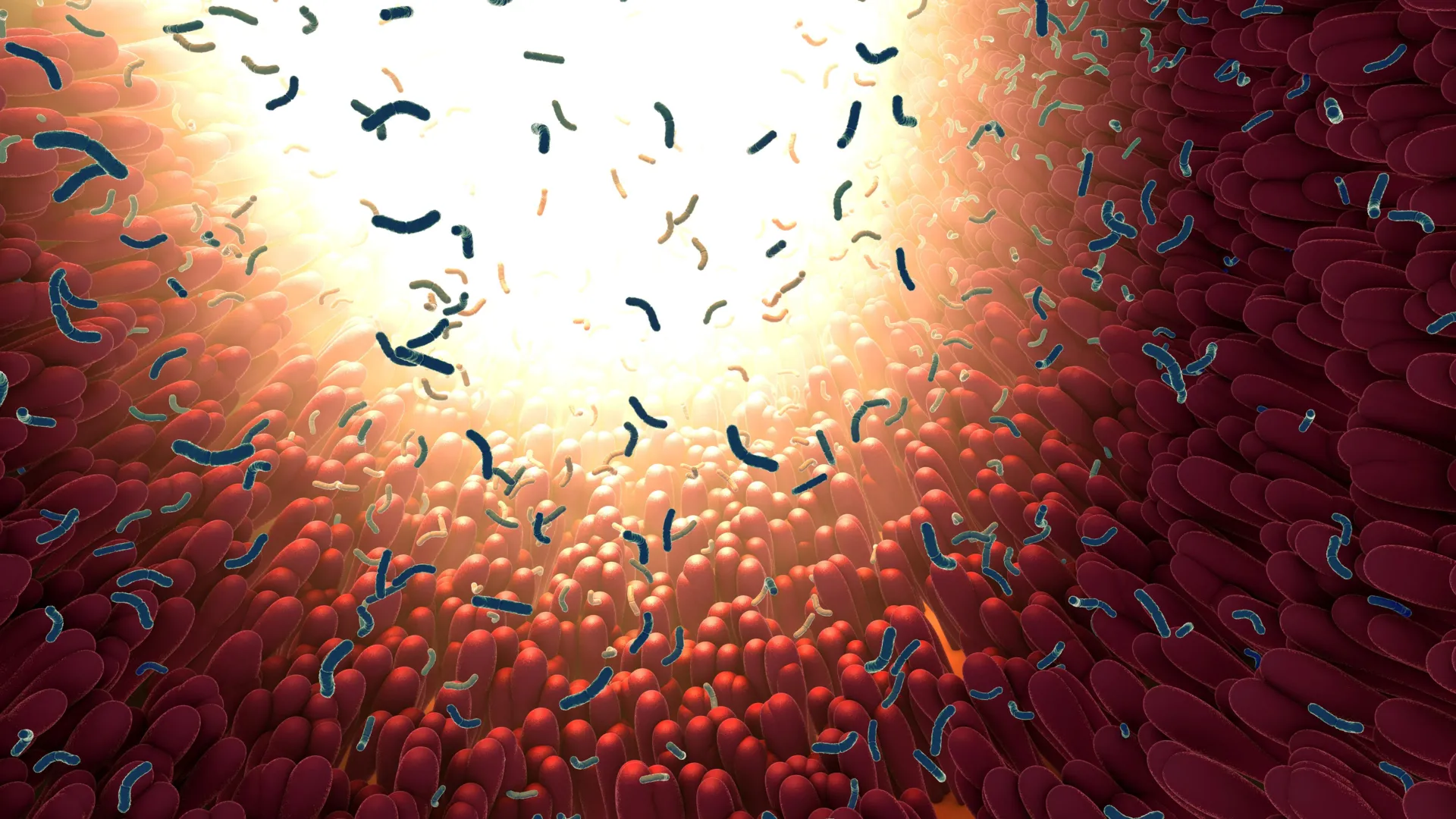
Eating more sugar while taking antibiotics may intensify the disruption those drugs cause to beneficial gut bacteria, according to new research.
The study focused on the intestinal microbiome, the vast community of bacteria that has evolved alongside humans and helps with digestion, immune function, and other essential processes. Antibiotics are among the most commonly prescribed medicines worldwide, but they can kill beneficial bacteria as well as harmful ones. In some cases, that disruption allows potentially dangerous species to gain an advantage.
A diverse microbiome is generally better able to resist the expansion of harmful pathogens. Antibiotic treatment can reduce that diversity, leaving the gut ecosystem more vulnerable to disease, according to the researchers.
Sugar Linked to Greater Microbiome Damage
Researchers from NYU Langone Health, City of Hope, and Memorial Sloan Kettering closely monitored 9,419 meals consumed by 173 hospitalized cancer patients and tracked changes in their gut microbiomes.
For every additional 100 grams of sugar eaten during the 48 hours before treatment, the researchers observed an additional 21% decline in alpha diversity, a measure of the variety of beneficial bacterial species found in the gut.
The findings, published online Sept. 30 in the journal Nature, also showed that sugary diets combined with antibiotic treatment were associated with increases in Enterococcus faecium among patients. This bacterial species has been linked to infections that can be difficult to treat.
Mouse experiments produced a similar result. Animals exposed to the antibiotic biapenem while consuming dietary sucrose experienced a 16.3-fold increase in the gut Enterococcus population by day 3 of the study. By day 6, the bacterial burden was 33.4-fold higher.
“As we are learning how collateral damage of antibiotics to the microbiome are linked with long-term health problems, it’s important to identify factors that limit these unintended health risks,” said the study’s co-senior author Jonas Schluter, PhD, assistant professor in the Department of Microbiology at NYU Langone. “Our study, which used more than 9,000 recorded meals, suggests that modifying diet during and after antibiotics, specifically by reducing sweets intake, could help with that.”
Why Researchers Studied Blood Cancer Patients
The team focused on people with blood cancers because these patients frequently receive antibiotics and their food intake can be monitored closely during hospitalization. Researchers recorded what patients ate at every meal and collected microbiome samples each day.
That combination of detailed diet records and daily biological sampling made the project one of the largest and most detailed studies of its kind to date.
“The microbiome is emerging as an important factor in cancer care,” said co-senior study author Marcel van den Brink, MD, PhD, chief physician executive at City of Hope. “For patients undergoing intensive treatments such as bone marrow transplantation, the healthy diversity of the gut microbiome can have important implications for outcomes. Studies like this help us better understand how everyday factors, including diet, may affect a delicate balance that influences how patients respond to treatment, recover, and experience side effects.”
Patients with blood cancers who receive stem cell transplants are often hospitalized for several weeks while undergoing chemotherapy and antibiotic treatment. During that period, both their diets and their gut microbiomes can change dramatically.
In these patients, potentially harmful species such as Enterococcus faecium can flourish after much of the surrounding microbial ecosystem has been “destroyed.”
Gut Microbiome Damage and Cancer Outcomes
“Especially in blood cancer patients, microbiome injury is associated with worse outcomes, including higher overall mortality and infections,” said Jonathan Peled, co-senior author on the study and associate director of the Center for Hematological Malignancies at Memorial Sloan Kettering Cancer Center. “An important next step will be to design clinical trials to test whether short-term dietary changes can improve clinical outcomes in patients.”
The researchers say dietary sugar may magnify the microbiome disruption caused by antibiotics because potentially harmful bacteria that survive treatment may be able to use those sugars to expand.
“The new work identifies dietary sugars as an amplifier of antibiotic-induced microbiome disruption, probably because the potentially harmful bacteria that survive the antibiotics are benefiting from the dietary sugars that they can use to expand,” said study second author William Jogia, a PhD student in Dr. Schluter’s lab in the Institute for Systems Genetics. “While the findings suggest that reducing simple sugars may limit microbiome injury, whether sugar directly supports Enterococcus, weakens competing bacteria, or acts through another mechanism in patients remains to be seen.”
The findings therefore suggest that cutting back on simple sugars during and after antibiotic treatment could potentially reduce microbiome damage. However, the researchers emphasize that more work is needed to determine exactly how sugar produces the effect and whether dietary changes will improve outcomes in patients.
Study Authors and Collaborators
Along with Drs. Schluter and Jogia, study authors from the Schluter lab at the Department of Microbiology and Institute for Systems Genetics at NYU Langone Health were Caichen Duan, Chenzhen Zhang, Fanny Matheis, and Alexis Sullivan.
Authors from the Adult Bone Marrow Transplantation Service in the Department of Medicine at Memorial Sloan Kettering Cancer Center were co-senior author Jonathan Peled, co-first authors Anqi Dai and Annamaria Ballweg, along with Madhumitha Rangesa, Peter Adintori, Mirae Baichoo, Nicholas Waters, Abrielle Swartz, Sukanya Sahu, Brianna Gipson, Sandeep Raj, Zoe Pierce, Kenton Wu, Justin Neuberger, Adam Warren, Marissa Lubin Buchan, Ana Gradissimo, Luigi Amoretti, Annelie Clurman, Daniel Brereton, Paul Giardina, Miguel-Angel Perales, and Sergio Giralt. Also authors from Memorial Sloan Kettering Cancer Center were Teng Fei in the Department of Epidemiology and Biostatistics, Oriana Miltiadous in the Department of Pediatrics, Tatanisha Peets in Food and Nutrition Services, and Marina Burgos da Silva in the Human Oncology & Pathogenesis Program.
Other authors were Tyler Funnell, Natalie Smith, John Slingerland, Antonio Gomes, and Robert Jenq in the Department of Hematology and Hematopoietic Cell Transplantation at City of Hope National Medical Center in Los Angeles; Eiko Hayase in the Departments of Genomic Medicine and Stem Cell Transplantation Cellular Therapy in the Division of Cancer Medicine at University of Texas MD Anderson Cancer Center; Corrado Zuanelli Brambilla in the Hematology Unit, Department of Cellular Therapy, Hematology and Laboratory Medicine at Azienda Ospedaliera Universitaria Senese in Siena, Italy; Abigail Johnson in the Division of Epidemiology and Community Health in the School of Public Health at the University of Minnesota, Minneapolis; Dan Knights in Department of Computer Science and Engineering at the University of Minnesota; and Kate Markey in the Translational Science and Therapeutics Division at Fred Hutchinson Cancer Center in Seattle.
Funding and Disclosures
Funding for the study was by National Institutes of Health grants K08HL143189, P30 CA008748, P01CA023766, R35CA284024, DP2AI164318, R01CA269617, P30CA0160087, R01-CA228358, R01-CA228308, F31-CA261086, P30 CA008748, P01-CA023766; R01-HL123340, R01-HL147584, and P01-AG052359. Other support came from the Gabrielle’s Angel Foundation, a Helen Hay Whitney postdoctoral fellowship, the Starr Cancer Consortium, The Tri-Institutional Stem Cell Initiative, the Lymphoma Foundation, the Susan and Peter Solomon Divisional Genomics Program, Cycle for Survival, the Parker Institute for Cancer Immunotherapy, the American Society of Clinical Oncology Young Investigator Award, a Hyundai Hope on Wheels Young Investigator Award, a Tow Center for Developmental Oncology Career Development Award, and an AIRC fellowship for Abroad.
Dr. Schluter has filed intellectual property applications related to the microbiome (reference numbers #63/299,607), serves on an advisory board and holds equity in Jona Health, and is cofounder of Postbiotics Plus Research. These relationships are being managed in keeping with the policies of NYU Langone Health.

A new Australian study suggests that zoo lions behave more like their wild counterparts when they are given whole animal carcasses as part of a feast and fast feeding schedule.
Published in Applied Animal Behaviour Science, the research was conducted by Adelaide University and Monarto Safari Park in South Australia. Scientists studied a group of adult male African lions after animal care staff added whole carcasses every nine days to an existing feeding routine designed around periods of eating and fasting.
Continuous video monitoring over three months showed that the lions spent much more time eating when carcasses were provided, rested for longer afterward, and gradually became more active as the fasting period continued. Together, these patterns more closely resembled the natural feeding cycles seen in wild lions.
Lead author Lesia Hryhorenko from Adelaide University’s School of Animal and Veterinary Sciences said the study provides new information about how feeding routines can shape the behavior of carnivores living in human care.
“Wild lions don’t eat at the same time every day. They experience natural periods of feasting and fasting depending on hunting success,” Hryhorenko said.
“We wanted to understand how African lions in human care respond when feeding routines more closely resemble those natural patterns.”
Tracking Lions Around the Clock
The research team – which included visiting Belgium Masters student Florence Demoulin from the University of Liege – observed three adult male lions at Monarto Safari Park before and after whole carcasses were introduced.
During the experimental phase, the three lions received approximately 200 kilograms of carcasses. The food was left available for as long as three days, after which the lions entered a period of rest and digestion.
Researchers used eight infrared cameras to record the animals continuously. This produced one of the most detailed 24 hour datasets yet assembled for African lions in human care under a carcass feeding regime.
The difference on carcass feeding days was substantial. The lions spent almost three times as long eating as they typically did. They also fed more frequently and for longer stretches as they tore apart, pulled at, manipulated, and consumed the carcasses.
These activities gave the animals more opportunities to perform the kinds of feeding behaviors that are part of life in the wild.
A Natural Feast and Fast Rhythm
Once the lions had finished feeding, they spent considerably more time lying down and resting. As the fasting period went on, their movement gradually increased again.
This repeating pattern of intense feeding, extended rest, and rising activity closely matched the feast and fast rhythm documented among wild lion populations.
“Providing whole carcasses changes much more than the nutritional content of the diet,” Hryhorenko said.
“It gives lions the opportunity to engage in behaviors such as tearing, pulling and manipulating food over extended periods, which are important components of their natural feeding ecology.”
Pacing Appears Linked to Routine, Not Hunger
The researchers also tracked pacing, a repetitive behavior in carnivores that is often linked to anticipation.
Pacing increased slightly over the study period, but it did not consistently rise as the lions went longer without food. Instead, the largest increases occurred around predictable events such as keeper arrivals and times when the animals were moved between areas of their habitat.
That pattern suggests pacing may have been more strongly connected to familiar daily routines and the expectation of feeding than to hunger itself.
The researchers also found no increase in aggression or disruption to the lions’ social stability during whole carcass feeding events.
Co-author Associate Professor Alexandra Whittaker said the findings demonstrate why animal behavior needs to be monitored over longer periods when researchers evaluate zoo management practices.
“Many zoo studies focus only on what happens immediately after food is provided,” Associate Professor Whittaker said.
“Our results show that feeding schedules can influence behavior for days afterwards, making it essential to look at behavioral patterns across the entire feeding cycle rather than a single feeding event.”
The researchers say future work could combine behavioral monitoring with physiological measurements to provide a more complete picture of how different feeding strategies affect animal welfare and well-being.
