10 exercises for a pinched nerve in the neck

A pinched nerve is a nerve that has become irritated or compressed. The nerve is not necessarily pinched, but people use this term to refer to a range of symptoms. A pinched nerve can occur at various sites in the body, including the neck. When it affects the neck, doctors call it cervical radiculopathy.

A person with a pinched nerve in the neck may experience tingling, numbness, or weakness in their neck, shoulders, hands, or arms. Pinched nerves often appear with age or due to arthritis or wear and tear on the spine.

Many people with pinched nerves are reluctant to exercise because of pain and tingling. However, staying still can actually make the pain worse because it can cause tension and wasting in nearby muscles.

The following exercises may help relieve the pain and discomfort of a pinched nerve in the neck:
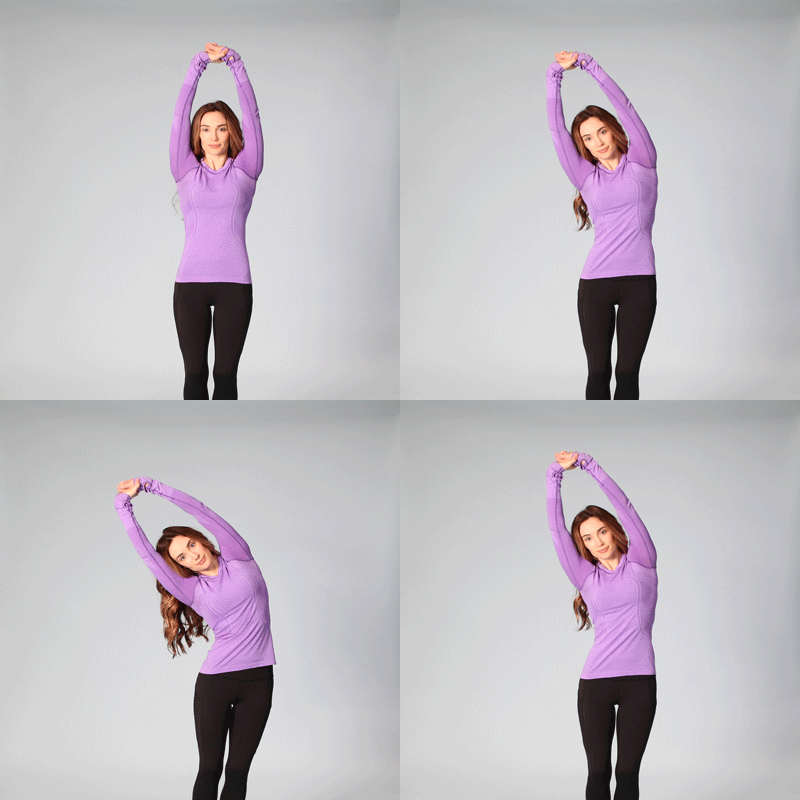
a gif of side bendsShare on Pinterest

Side bends help reduce neck and back tension while building strength. To do a side bend:

  • Stand with the hands clasped over the head.
  • Keep the neck and head straight.
  • Lean slowly from the core to the right and then the left, without letting the body bend forward or arch backward.
  • Repeat 10 times.
  • For a more intense workout, add handheld weights.

a woman walking around an office and looking at her watch.Share on Pinterest

Sitting in the same position for long periods, especially with crossed legs, can damage the nerves and muscles. Instead, take frequent walking breaks.

Try to walk around the house or office for 10 minutes for every hour of sitting.

To get the most out of walking and help ease a pinched nerve, keep the head in a neutral position. The ears should be level with the shoulders, and the jaw should be loose, not clenched.

Share on Pinterest

Moving the shoulders can help reduce tension in the neck. It can also alleviate the headaches that some people get with pinched nerves and muscle tightness.

To exercise the shoulders:

  • Shrug the shoulders slowly up and down for 30 seconds.
  • Rest for a few seconds.
  • Next, roll the shoulders forward and up toward the ears, then back down and back, pushing the shoulder blades together.
  • Repeat this move for 30 seconds, then reverse the direction.
Share on Pinterest

Yoga involves the slow movement of the body through a wide range of positions while focusing on engaging each muscle group. This practice is an ideal low impact option for people dealing with pain.

Child’s Pose, in particular, can be helpful for people with a pinched nerve in the neck. To do Child’s Pose:

  • Start by sitting on the heels on a mat, with the tops of the feet flat on the floor.
  • Learn the body forward until it meets the thighs.
  • Extend the arms straight out above the head, with the hands flat on the floor.
  • Hold for 30 seconds.
Share on Pinterest

Some people find that performing twists can provide relief from muscle tension and nerve-related numbness. To do a twist:

  • Sit in a comfortable chair with the feet flat on the floor and the back straight.
  • Put the right hand on the left knee while slowly twisting to the left.
  • Hold the stretch for 5 seconds and then return to facing forward.
  • Repeat on the other side, placing the left hand on the right knee.
Share on Pinterest

Neck tilts stretch the muscles at the back of the neck. To do this stretch:

  • Stand or sit in a neutral position, then draw the chin in toward the neck.
  • Feel the stretch in the back of the neck.
  • Next, gently tilt the head up toward the ceiling, extending the chin up and out.
  • Repeat 5–10 times.
Share on Pinterest

Head turns can restore range of motion, but they may feel difficult at first. To do a head turn:

  • Sit or stand in a neutral position, then turn the face to one side to look over the shoulder.
  • Hold for 5 seconds.
  • Return the head to its neutral position.
  • Turn it again, this time to the other side.
  • Repeat 10 times.

The median nerve runs from the shoulder down to the end of the forearm. To relieve pain and numbness, a person can try doing a median nerve slider:

  • Begin in a neutral sitting position.
  • Position the palm in front of the face and look at the hand.
  • Next, extend the arm out to the side so that the fingertips point toward the ceiling, and the wrist is below the shoulders.
  • Follow the hand with the eyes.
  • Return to the starting position.
  • Repeat on the opposite side.

This exercise can also relieve the symptoms of a pinched nerve. To do it:

  • Stand in a neutral position.
  • Put the palm together in a “praying” position, pointing the fingers up.
  • Lift the elbows and lower the wrists so that the lower arms are almost parallel to the floor.
  • Push the elbows as far to the right as possible, then as far to the left as possible.
  • Repeat 10 times.

The ulnar nerve goes from the neck to the hand. It is the nerve responsible for a person feeling pain in the “funny bone.” To use ulnar nerve towel sliders to relieve pinched nerve symptoms, a person can:

  • Hold one end of a towel in the hand on the side of the pinched nerve, placing it near the head.
  • Let the rest of the towel drop behind the back and grab it with the other hand near the lower back.
  • Pull the towel upward with the top hand as far as it will go.
  • Pull it back down with the bottom hand.
  • Do not hold the stretch at the top or bottom but keep the arms moving for 30 seconds.

A pinched nerve may heal on its own. However, if it does not improve with rest and gentle stretching at home, a person can see a doctor for treatment.

Treatment usually focuses on reducing pain and preventing secondary injuries. In addition to exercises and physical therapy, a doctor may recommend:

  • a collar to immobilize the neck
  • nonsteroidal anti-inflammatory drugs (NSAIDs), such as ibuprofen
  • cold therapy with ice packs
  • massage therapy
  • surgery, in rare cases

Many injuries and illnesses can cause pain, numbness, and weakness. Anyone experiencing chronic numbness or pain in the neck should speak to a doctor before trying exercises for a pinched nerve.

For many people, an individualized physical therapy plan offers quick results and significant improvements in strength and mobility.


Share Button

Which supplements can help with neuropathy?

Neuropathy is nerve damage that often occurs in people with diabetes and as a side effect of chemotherapy. Although lifestyle changes and conventional treatments may ease symptoms of neuropathy, supplements may also help.

Symptoms of peripheral neuropathy include:

  • tingling in the affected part of the body
  • a burning sensation
  • feeling pain from light touch
  • experiencing extreme changes in temperature, usually in the feet
  • having other unusual sensations

Although any of the body’s peripheral nerves can develop neuropathy, most people experience symptoms in the feet or hands.

Treatment for neuropathy usually involves managing the condition that has caused it and relieving symptoms. Research into using supplements and natural remedies for neuropathy is ongoing. Supplements may have fewer side effects than conventional treatments and have other health benefits.

As with any medication, anyone wanting to try supplements should discuss the risks and benefits with a doctor first. Anyone experiencing severe side effects should seek medical advice as soon as possible.

In this article, we examine vitamin and supplements that may help reduce symptoms of neuropathy, prevent it from occurring, or even reverse nerve damage. We also discuss dietary and lifestyle tips for neuropathy and look at when to seek advice from a doctor.

a woman in a pharmacy looking at supplements for neuropathyShare on Pinterest
Acetyl-l-carnitine may help improve nerve function in people with neuropathy due to diabetes.

Acetyl-l-carnitine (ALC) is a popular supplement for treating a wide variety of symptoms. The liver and kidneys naturally produce it.

People undergoing chemotherapy may find relief from neuropathy with ALC. However, the data supporting its use are mixed.

While some small early studies produced promising results with the supplement, other data suggest that ALC does not work.

Other studies show that ALC helps control pain and may improve nerve function in people with neuropathy due to diabetes.

B-12, B-6, other B-complex vitamins may also ease symptoms of neuropathy.

B-complex vitamins play an essential role in nerve health, metabolism, and sensory perception. B-complex deficiencies are relatively common, and a person can develop a deficiency after just a few weeks of inadequate intake.

A person needs to consult a doctor before supplementing with B vitamins.

Some B-complex supplements that may help neuropathy include:

  • folate (vitamin B-9), which is also present in dietary sources, such as oatmeal and fortified cereals
  • vitamin B-1, which is present in many types of meat, as well as oranges and peas

Alpha-lipoic acid (ALA) may help reverse free radical damage and intensify the effects of antioxidants, which may slow or stop nerve damage.

A handful of studies suggest that ALA may offer relief from some neuropathy symptoms, especially burning and stabbing pains, within a few weeks.

A 2006 study evaluated symptoms of neuropathy after 5 weeks of taking oral doses of ALA once a day. The researchers divided participants into three groups according to ALA dosages of 600 milligrams (mg), 1,200 mg, and 1,800 mg.

Participants received a single oral dose of ALA each day, and researchers compared them with a placebo group. At all three dosages, participants reported fewer symptoms. However, people who took higher doses experienced more side effects.

Another study found that people taking 300 mg of alpha-lipoic acid along with 150 mg irbesartan showed increased blood flow in the brachial artery, which is in the upper arm. They also experienced lower levels of inflammation, suggesting the supplement may help with both blood flow and inflammatory processes.

The Foundation for Peripheral Neuropathy also suggest that calcium could help with chemotherapy-related neuropathy, but again, research is limited.

However, the study published in Nutrients found that high dietary calcium had no effect on chemotherapy-induced neuropathy in some people.

Rich dietary sources of calcium include dairy foods, such as milk and cheese.

Glutamine is the body’s most abundant amino acid. It may improve many side effects of chemotherapy, including inflammation, muscle pain, and neuropathy.

Food sources of glutamine include:

  • wheat
  • barley
  • peanuts
  • corn
  • soybeans
  • egg whites
  • milk

Glutamine is also available as a pill or an injection.

Several small studies have found that glutamine may eliminate or reduce the severity of neuropathy in people having chemotherapy. However, researchers need to carry out further research to confirm these findings.

Glutathione is an antioxidant that the body produces naturally. It is an increasingly popular supplement, and some foods, such as okra, asparagus, and avocados, contain high levels of it. However, digestion breaks up glutathione, and the body does not absorb it, so people may need to use other methods. Talk to a doctor about the best ways to take in glutathione.

Preliminary research has found that glutathione may help with chemotherapy-related neuropathy, diabetic neuropathy, and neuropathy of unknown origin.

Not all studies have found that glutathione works, so more research must assess its role in nerve health.

N-acetyl cysteine (NAC) is present in foods such as lentils, beans, and bananas. NAC may protect the neurological system from inflammation and damage, which may help prevent or treat neuropathy.

A 2018 review highlights several small studies linking NAC to improvements in several neurological disorders, including neuropathy.

NAC may also help with Parkinson’s disease and Alzheimer’s disease, though the research is still in its infancy.

Some people develop neuropathy because they have a deficiency in particular vitamins and nutrients. Supplements can help reverse or reduce symptoms.

Some vitamin and mineral deficiencies that may cause neuropathy include:

  • Vitamin B-12. People who do not eat any animal products are more vulnerable to B-12 deficiency. Vitamin B-12 deficiency may also cause anemia.
  • Copper. Copper deficiency may damage nerves and lead to excess zinc in the blood. People with too little copper may need lifelong treatment.
  • Vitamin E. Vitamin E is an important antioxidant. Being deficient in vitamin E can damage the nerves. A disease called spinocerebellar syndrome can cause vitamin E deficiency, though unusual diets and other conditions may also lead to low vitamin E.
  • Vitamin B-6. Vitamin B-6 can cause peripheral neuropathy if a person gets too much or too little. A poor diet and eating disorders may cause B-6 deficiency.

Taking too much of any supplement can cause serious health problems, including worsening neuropathy. People who suspect they have a nutrient deficiency should ask a doctor to check their levels and then consult with a nutrition expert about which supplement to use and at what dosage.

Neuropathy is a complex symptom, and the right treatment varies from person to person.

Diet and lifestyle strategies that may help a person to reduce their symptoms or even prevent neuropathy include:

  • Controlling blood glucose levels. A person can manage their levels by eating a balanced diet rich in fiber and low in simple carbohydrates. People with diabetes may need to take medication.
  • Getting a shingles vaccine. Shingles may cause nerve damage.
  • Physical activity. Exercise improves blood flow, helps a person maintain a healthy weight, and can prevent some conditions that may cause neuropathy. Exercise also plays an important role in blood glucose management.
  • Quitting smoking. Smoking narrows the arteries and increases the risk of neuropathy in people with diabetes. Quitting smoking can help.
  • Eating foods that reduce inflammation. Good choices include fatty fish, such as salmon and tuna, flaxseed, and fruits and vegetables.

People with conditions that may cause neuropathy should discuss prevention strategies with a healthcare professional.

It is also important to see a doctor if:

  • neuropathy symptoms appear for the first time
  • neuropathy symptoms are unbearable or are getting worse
  • treatment for neuropathy is not working
  • the feet go completely numb, or neuropathy makes walking difficult or impossible

Neuropathy can be unpredictable and may suddenly get better or worse.

Many people with neuropathy find that they have to try several treatments to see improvements. Neuropathy is a treatable symptom, especially with the right combination of medication, lifestyle changes, and treatment for the underlying condition.

A person should talk to a healthcare professional about strategies for managing neuropathy.

Some people find that tracking their symptoms over time helps them understand which interventions or medications have worked and allows them to establish links between their lifestyle and neuropathy symptoms.

Share Button

What to know about GABA

You have chosen to share the following article:

How elderberries can help you fight the flu

To proceed, simply complete the form below, and a link to the article will be sent by email on your behalf.
Note: Please don’t include any URLs in your comments, as they will be removed upon submission.

We do not store details you enter into this form. Please see our privacy policy for more information.

Message sent successfully

The details of this article have been emailed on your behalf.

Click here to return to the Medical News Today home page.

Share Button

How to treat peripheral neuropathy naturally

You have chosen to share the following article:

How elderberries can help you fight the flu

To proceed, simply complete the form below, and a link to the article will be sent by email on your behalf.
Note: Please don’t include any URLs in your comments, as they will be removed upon submission.

We do not store details you enter into this form. Please see our privacy policy for more information.

Message sent successfully

The details of this article have been emailed on your behalf.

Click here to return to the Medical News Today home page.

Share Button

Essential oils for neuropathic pain relief

Essential oils contain concentrated plant extracts. Aromatherapy with some essential oils may help relieve neuropathic pain.

Neuropathy is a general term for conditions that develop as a result of nerve damage. One of the most common forms of neuropathy is diabetic peripheral neuropathy, which occurs in up to 50 percent of people with diabetes.

Peripheral neuropathy typically affects a person’s hand and feet. It can cause pain, tingling, and numbness. Other types of neuropathy can also develop in people with diabetes.

Research suggests that some essential oils may help reduce pain resulting from inflammation and nerve damage. However, much of the available research comes from animal models and individual case studies.

In this article, we look at some essential oils that may relieve neuropathic pain as well as the supporting evidence.

We also describe how to use the oils, risks and considerations, other treatments, and causes and symptoms of neuropathy.

Ginger

Ginger essential oil for neuropathic pain relief
Using ginger oil may help reduce neuropathic pain from inflammatory conditions.

A 2014 study compared the effectiveness of Swedish massage using aromatic ginger oil with traditional Thai massage in 140 older adults who had chronic lower back pain.

Although both treatments improved the symptoms, Swedish massage with aromatic ginger oil was more effective than Thai massage in reducing pain and disability.

Ginger oil contains a compound called zingibain, which possess potent anti-inflammatory properties. Zingibain, therefore, may help reduce neuropathic pain that results from inflammatory conditions.

However, researchers have not yet investigated the use of ginger oil for the specific treatment of neuropathic pain.

Many ginger essential oils are available to purchase online.

Chamomile

Borneol, a compound in chamomile and lavender essential oils, may help reduce pain and inflammation that relates to neuropathy.

A 2015 study found that borneol reduced pain sensitivity in mice with neuropathic pain. However, confirming the effect in humans will require further studies.

Many chamomile essential oils are available to purchase online.

St. John’s wort

St. John’s wort, or Hypericum perforatum, is a traditional remedy for depression and anxiety. People also use extracts to treat burns, inflammation, and nerve pain.

According to a 2017 case report, a person with trigeminal neuralgia — a type of nerve pain that affects the face — found that a homeopathic preparation of St. John’s wort helped relieve the symptoms.

The authors of the report concluded that St. John’s wort “may be a promising therapeutic option” for treating this pain, but further research is necessary.

Aromatherapy products containing St. John’s wort essential oils are available to purchase online.

Lavender

lavender oil
Some studies suggest that lavender oil may help reduce pain and anxiety.

Inhaling lavender essential oil may help promote relaxation and reduce pain and anxiety.

A 2016 study looked at the effectiveness of aromatherapy during peripheral venous cannulation, which involves the insertion of a tube with a needle into a peripheral vein.

After recruiting 106 people who were due to undergo the procedure, the researchers randomly assigned the participants to receive either aromatherapy with lavender essential oil or a placebo.

Following the cannulation, those in the lavender group reported significantly less pain and anxiety than those in the placebo group.

However, a 2014 study found that lavender oil aromatherapy had no effect on reducing pain in people undergoing open-heart surgery.

A range of lavender essential oils are available to purchase online.

Holy basil

Holy basil, also known as tulsi or tulasi, is an aromatic plant that grows throughout the Indian continent and Southeast Asia. Practitioners of Ayurvedic medicine have long used it to treat a range of conditions, including nerve pain.

A 2015 study found that holy basil extract significantly reduced sciatic nerve pain in rats. However, confirming these findings in humans will require further research.

People can purchase holy basil essential oils online.

Peppermint

Peppermint oil has antimicrobial, anti-inflammatory, and antioxidant properties. It may also help regulate the immune system and reduce muscle spasms.

The findings of a 2019 systematic review suggest that peppermint oil may help relieve gastrointestinal pain from irritable bowel syndrome, or IBS. However, researchers have yet to establish whether peppermint oil can help treat nerve pain.

A number of peppermint essential oils are available online.

How to use

People either inhale essential oils or use them as a massage oil.

A person can try adding a few drops of essential oil to a diffuser, bath water, or soft furnishings, such as pillows.

When using essential oils in a massage, always dilute them in a carrier oil, such as almond or olive oil. Gently massage the mixture into the affected area.

Risks and considerations

The Food and Drug Administration (FDA) class most essential oils as cosmetic products, which means that it does not regulate their quality or safety. It is therefore advisable to only purchase essential oils from reputable manufacturers and to carefully read any labels or directions.

Aromatherapy involves using essential oil, either in a diffuser or a massage.

Pure essentials oils are very concentrated, and some can be toxic, so people should not ingest them.

It is also important to dilute essential oils in a carrier oil before using them directly on the skin. Manufacturers often provide instructions on dilution and safe usage.

Essential oils can cause skin irritation or allergic reactions in some people, so it is advisable to perform a patch test before using a new oil.

A patch test involves applying the diluted oil to a small area of skin, such as the back of the hand or part of the forearm. Do not use the oil if the skin becomes itchy, red, or dry.

Essential oils may interact with certain medications, such as antidepressants and stimulants. People taking prescription medications should seek advice from their doctor before using an essential oil.

Consider pets, children, and pregnant women before diffusing essential oils.

Other treatments for neuropathy

Medical treatment for neuropathy generally depends on treating the underlying cause. For example, good control of blood glucose levels may help reduce symptoms in people with diabetic neuropathy.

Medication

Doctors may prescribe medications to help relieve pain in people with neuropathy. These can include:

  • tramadol, codeine, and hydrocodone
  • alpha-2 adrenergic agonists, including clonidine and tizanidine
  • antidepressants, such as amitriptyline, imipramine, and duloxetine
  • anticonvulsants, such as gabapentin and lamotrigine
  • topical pain relievers, such as lidocaine patches, sprays, and ointments

Transcutaneous electrical nerve stimulation

Transcutaneous electrical nerve stimulation (TENS) is a therapy that uses electrical currents to treat pain and relieve muscle spasms.

TENS therapy involves placing electrodes on the affected areas of the body. These connect to a small device that delivers mild electrical current to the nerves. People can use a TENS device at home.

The authors of a 2017 systematic review were unable to come to a definite conclusion about whether TENS can relieve neuropathic pain. They attributed this to the low quality of available evidence and pointed to the need for further studies.

Some people report pain relief with TENS therapy, and it is a relatively safe approach. When using a TENS unit, it is essential to follow the manufacturer’s instructions.

Various TENS units are available to purchase online.

Physical therapy

Regular physical therapy can help reduce neuropathic pain. Physical therapy for neuropathy focuses on improving muscle strength, flexibility, and balance.

A specialized physical therapist or other healthcare professional will work closely with a person to develop a tailored exercise routine.

Causes and symptoms of neuropathy

woman appearing stressed
Stress may cause a person to have neuropathy.

There are many causes of neuropathy. Some of these include:

Neuropathy can cause a wide range of symptoms, depending on which nerves the condition affects.

Symptoms of neuropathy can include:

  • numbness, tingling, or burning sensations in the extremities, such as the hands and feet
  • reduced or extreme sensitivity to touch
  • muscle weakness
  • difficulty walking
  • muscle spasms
  • digestive issues
  • excessive sweating
  • difficulty swallowing

Summary

Neuropathic pain is a type of pain that results from conditions that affect the nerves. Peripheral neuropathy is common in people with diabetes and can cause pain, tingling, and numbness in the hands and feet.

Limited research suggests that certain essential oils may help to relieve certain types of pain and inflammation. However, many of the studies were in animals or did not specifically investigate the effects of essential oils on neuropathic pain.

Share Button