Hugo Flint-Cahan, 34, was fatally attacked by Rolando Torres-Pena, 22, at a mental health trust in east London.


Hugo Flint-Cahan, 34, was fatally attacked by Rolando Torres-Pena, 22, at a mental health trust in east London.
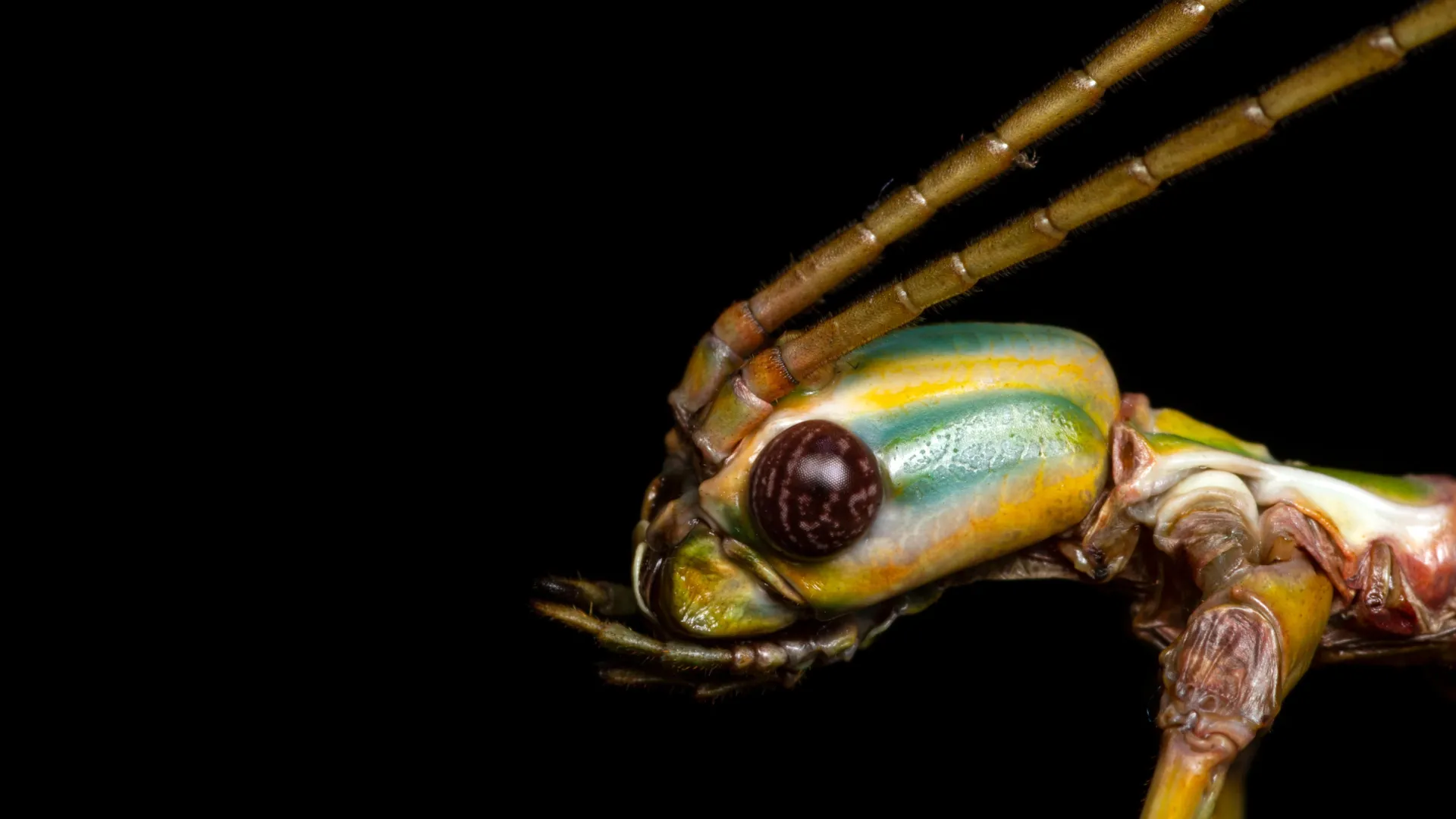
Scientists have identified two previously unrecognized species of large stick insects in Australia, revealing that even in some of the country’s most closely studied environments, new species are still waiting to be found.
A University of Sydney research team reexamined Australian members of the stick insect genus Anchiale and discovered two new species. One produces unusual eggs with a distinctive lidlike structure. The researchers also restored a third species that had gone unrecognized for decades.
Their work shows that insects previously classified as just two species actually represent five separate species. Together, they occur from northern NSW along coastal Queensland and into tropical northern Australia.
Hidden Diversity Among Familiar Insects
Scientists reached these conclusions despite a large amount of existing information about Australian stick insects. More than 1000 citizen science observations have been submitted through iNaturalist and the Atlas of Living Australia, and the insects have also been studied scientifically for decades.
Even so, the researchers say much of Australia’s insect diversity remains undocumented.
Lead author Dr. Braxton Jones of the Aola Richards Sydney Insect Hub at the University of Sydney said the discoveries demonstrate how much scientists still have to learn about insect biodiversity.
“Taxonomy is often a bit like detective work. Even among some of Australia’s most photographed and frequently reported insects, we’re still finding species that have escaped scientific recognition,” said Dr. Jones, a Postdoctoral Research Associate in the Molecular Ecology, Evolution and Phylogenomics Laboratory.
Fun Facts About Stick Insects
- Many stick insects can reproduce without mating with a male. The process is known as parthenogenesis, in which a female produces eggs that develop into female-only offspring that are clones of herself.
- Some stick insects defend themselves by spraying chemicals at predators. The spray can irritate the eyes and mouth of an attacker.
- Australia’s longest stick insect measures around 62cm (the world record is 64cm). Australia has 130 known species, while 3609 species are known worldwide.
- Stick insects belong to a group called Phasmatodea, a name derived from an ancient Greek word meaning “phantom” or “ghost.” Their remarkable camouflage allows them to blend so effectively into vegetation that they can appear to vanish among leaves and branches.
- Some species can slowly change color to better match their surroundings. Their appearance can range from green to brown, and some can even resemble lichen as they blend into leaves, bark, and branches.
- Baby Extatosoma tiaratum stick insects use an especially unusual survival strategy. After hatching, the tiny nymphs have been observed emerging from ant nests while looking and behaving like ants. Their eggs can be carried into ant nests, where they remain dormant for months and receive protection from wasps. After hatching, the young insects use their ant-like color, shape, and behavior to move unnoticed toward the top of a eucalyptus tree.
- Some stick insects respond to threats by suddenly displaying brightly colored wings, which can startle predators. Certain species can also create a rustling noise with their wings, adding another defensive element to their wing morphology.
- If a predator catches a stick insect by the leg, some species can deliberately detach the limb and escape. This process is known as autotomy. Young stick insects can regenerate the missing leg during later molts, gradually restoring what was lost.
A Stick Insect Misidentified for Decades
One of the study’s biggest surprises involved a large stick insect that had long been familiar to both scientists and insect enthusiasts.
Researchers combined DNA analysis with museum specimens, field surveys, citizen science observations, and studies of insects raised in captivity. The evidence showed that the insect had been incorrectly identified for decades.
It is now recognized as a separate species called Anchiale robusta.
The findings are published in Austral Entomology.
The researchers also formally described Anchiale mabiensis, a new species found in Queensland’s critically endangered Mabi rainforest on the Atherton Tablelands.
Its eggs contain an unusual structural lid that has not previously been documented in any stick insect or its closest relatives.
Discovery Could Help Forestry and Agriculture
The revised classification may also have practical value.
One stick insect known for occasionally reaching plague-like population levels and stripping leaves from trees was found to represent more than one species. Distinguishing between those species could help researchers and land managers better understand and manage future impacts on forestry and agriculture.
The study also points to another possible new species from Cape York. Researchers believe it may be undescribed, but they need additional specimens before they can confirm its identity.
Dr. Jones said: “These findings demonstrate the importance of protecting threatened ecosystems and documenting Australia’s extraordinary biodiversity before we lose species without us having even discovered them.”
Funding for the research came from the Australian Biological Resources Study, through the National Taxonomy Research Grant of the Commonwealth Department of Climate Change, Energy, the Environment and Water, as well as a CSIRO postgraduate scholarship.
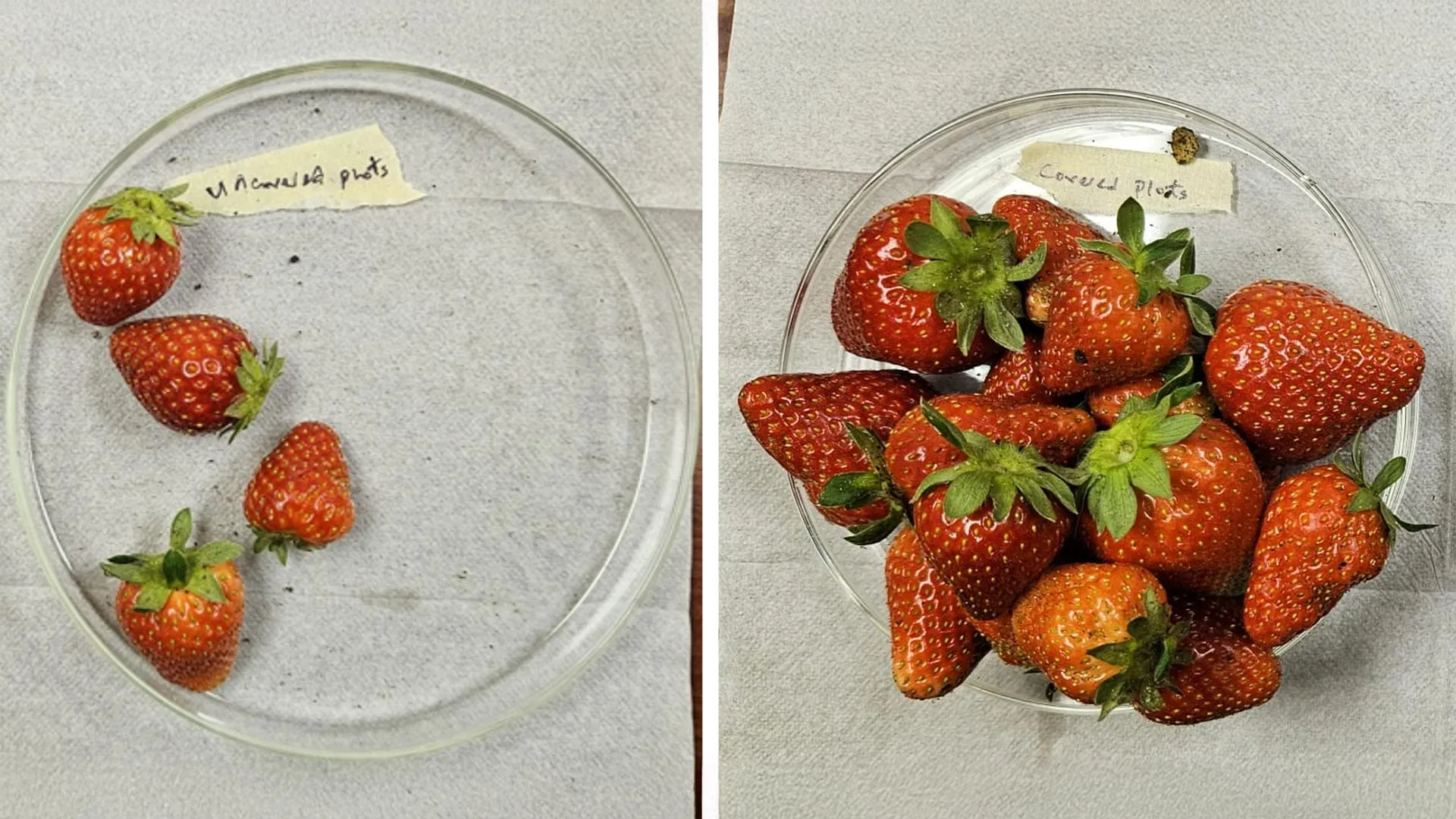
A newly developed textile covering helped strawberry plants produce more than three times as much fruit in tunnel field trials, while showing no harmful effects on plant health. Researchers say the technology may also offer a way to reduce water use and reliance on pesticides in strawberry production.
The fabric, called Plant Armor, is designed to be placed directly over strawberry plants. Its three dimensional structure creates a barrier that keeps insects from reaching the plants, while the layered material still allows sunlight, rain, and air to pass through.
In tunnel field tests, strawberries protected by Plant Armor produced yields as much as 3.56 times higher than uncovered plants. The fabric did not reduce light availability or negatively affect relative humidity.
A Fabric That Protects Without Blocking Sunlight
“To produce fruit, plants need sunlight,” said Gabriel Olawuyi, a graduate research assistant at North Carolina State University and lead author of a paper on Plant Armor. “We expected that Plant Armor’s seemingly opaque fabric would lead to an increase in vegetative biomass at the expense of fruiting — because reduced sunlight would trigger a ‘shade-avoidance’ response, making the plant divert energy toward stem and leaf growth rather than fruit production. However, we found the fabric did not impede access to light at all, and fruit production increased significantly.”
Researchers also found that Plant Armor created a steady warming effect throughout the three growing seasons. According to Olawuyi, that extra warmth helped covered plants reach the fruiting stage earlier than plants grown without the textile.
“Plants require a certain amount of accumulated heat, calculated as ‘growing degree-days,’ to progress through developmental stages including fruiting. Our plant cover has proven to enhance these,” Olawuyi said. “The plants were in a condition whereby the warmth they need to go through each phenological stage to their production was given to them optimally, and they produced far more than the uncovered plants.”
Because Plant Armor physically prevents insects from feeding on the plants, Olawuyi said the technology could also reduce the amount of conventional pesticides needed in agricultural fields.
From Military Textiles to Strawberry Fields
The idea behind Plant Armor did not begin with farming. The technology emerged from research focused on making military uniforms more resistant to mosquito bites and improving comfort for soldiers wearing body armor.
That unexpected path from military clothing research to agriculture demonstrates the value of collaboration across scientific fields, said co-author R. Michael Roe, William Neal Reynolds Distinguished Professor at NC State.
“The path to Plant Armor started with trying to make a cloth to go on a soldier’s chest to make body armor more comfortable,” said Roe. “Then, through trial and error, we arrive at a product which could triple the output of strawberry farms here in North Carolina.
“We couldn’t have predicted that when we started. Without all these people here doing research and following the science, we wouldn’t have arrived at this product.”
Study Details and Support
The paper, “Knitted 3-D, Porous Textile Cover to Enhance Strawberry Fruit Production and Prevent Insect Feeding,” is published in the journal Agriculture. Co-authors include James Clothier, Matthew Bertone, Grayson Cave, Reuben Garshong, Andre West, Loganathan Ponnusamy and Clyde Sorenson of NC State University.
This project was supported by a grant from the North Carolina Agricultural Foundation (grant number AG00463770). The work was also supported by the Research Capacity Fund (HATCH), project award no. 02853, from the U.S. Department of Agriculture’s National Institute of Food and Agriculture. The Plant Armor Gen 2 fabric studied in this paper was patented by North Carolina State University (US Patent No. 11,582,968 B2; 21 February 2023) and is licensed for commercial development by the University. This work was a collaborative project between the NC State College of Natural Resources, Wilson College of Textiles and College of Agriculture and Life Sciences.

Researchers at the University of Surrey have proposed a new kind of qubit that could help address one of the biggest obstacles in quantum computing: keeping error rates low as systems become larger.
The concept uses superfluid helium, a form of helium with unusual quantum properties, to create a qubit that may be less sensitive to some of the disturbances that affect today’s leading quantum computers.
Why Quantum Computers Struggle With Errors
Quantum computers rely on qubits to store and process information in ways that conventional computers cannot. Many current systems use superconducting circuits, but these are highly sensitive to electromagnetic noise and stray electrical charges – similar to the static electricity that can make hair cling to a balloon.
Even very small disturbances can disrupt the fragile quantum information stored in a qubit. As more qubits are added, controlling those errors becomes increasingly difficult, making scalability one of the central challenges in quantum computing.
In a study published in npj Quantum Information, researchers from Surrey’s Quantum Sciences Group describe a different approach built around superfluid helium-3 – an unusual form of liquid helium that can flow without friction.
Their proposed device, called the Superfluid Helium Oscillator Quantum (SHOQ) device, would use charge-neutral superfluid helium. Because the helium carries no electric charge, the design could be naturally protected from certain types of electromagnetic noise.
A Qubit With Much Lower Predicted Error Rates
According to the researchers, this is the first reported design for a qubit based on a superfluid. Their calculations suggest the SHOQ device could have error rates about 100 times lower than conventional superconducting qubits.
Dr. Priya Sharma, Daphne Jackson Fellow in Hybrid Quantum Systems at the University of Surrey’s School of Mathematics and Physics, and lead author of the study, said:
“We are not the first to think about the individual components behind this idea, but what we have done for the first time is bring them together in a microfluidic device and work out the specific details that could enable the device to function as a qubit.
“The maths tells us that it should work. We have taken what we already know about superfluid helium and quantum technologies and turned that into an educated design, with the parameters and specifications needed to build one. The next step is to make a prototype and put those predictions to the test.”
Rather than replacing existing quantum computing hardware, the researchers say the SHOQ device could potentially be integrated with superconducting quantum technology.
That could allow different types of qubits to perform different jobs within the same system, depending on their strengths.
A Possible Role as Quantum Memory
One longer-term possibility is to use the SHOQ device as a form of quantum memory. In that setup, a superfluid based qubit could store quantum information while other hardware carries out calculations.
Dr. Eran Ginossar, Associate Professor at the University of Surrey’s Department of Physics and Advanced Technology Institute, and co-author of the study, said:
“We don’t necessarily need one type of qubit to do everything. Combining different quantum technologies could allow us to take advantage of the strengths of each.
“Superfluid helium gives us a fundamentally different type of quantum hardware to explore. If the predicted performance can be demonstrated experimentally, it could eventually work alongside existing superconducting technologies as part of a larger quantum system.”
The Next Step Is Building a Prototype
The team now plans to build a prototype to find out whether the predicted performance can be reproduced in a real device. That effort is being supported by an IAA Commercialisation Fellowship awarded to Dr. Priya Sharma.
The SHOQ device would need to operate at extremely low temperatures, but researchers have already reached the necessary conditions in previous experiments involving superfluid helium-3.
The project was led by the University of Surrey in collaboration with Professor Jens Koch at Northwestern University in the United States. Koch was one of the researchers involved in developing the transmon – a superconducting qubit design that is now widely used in quantum computing.
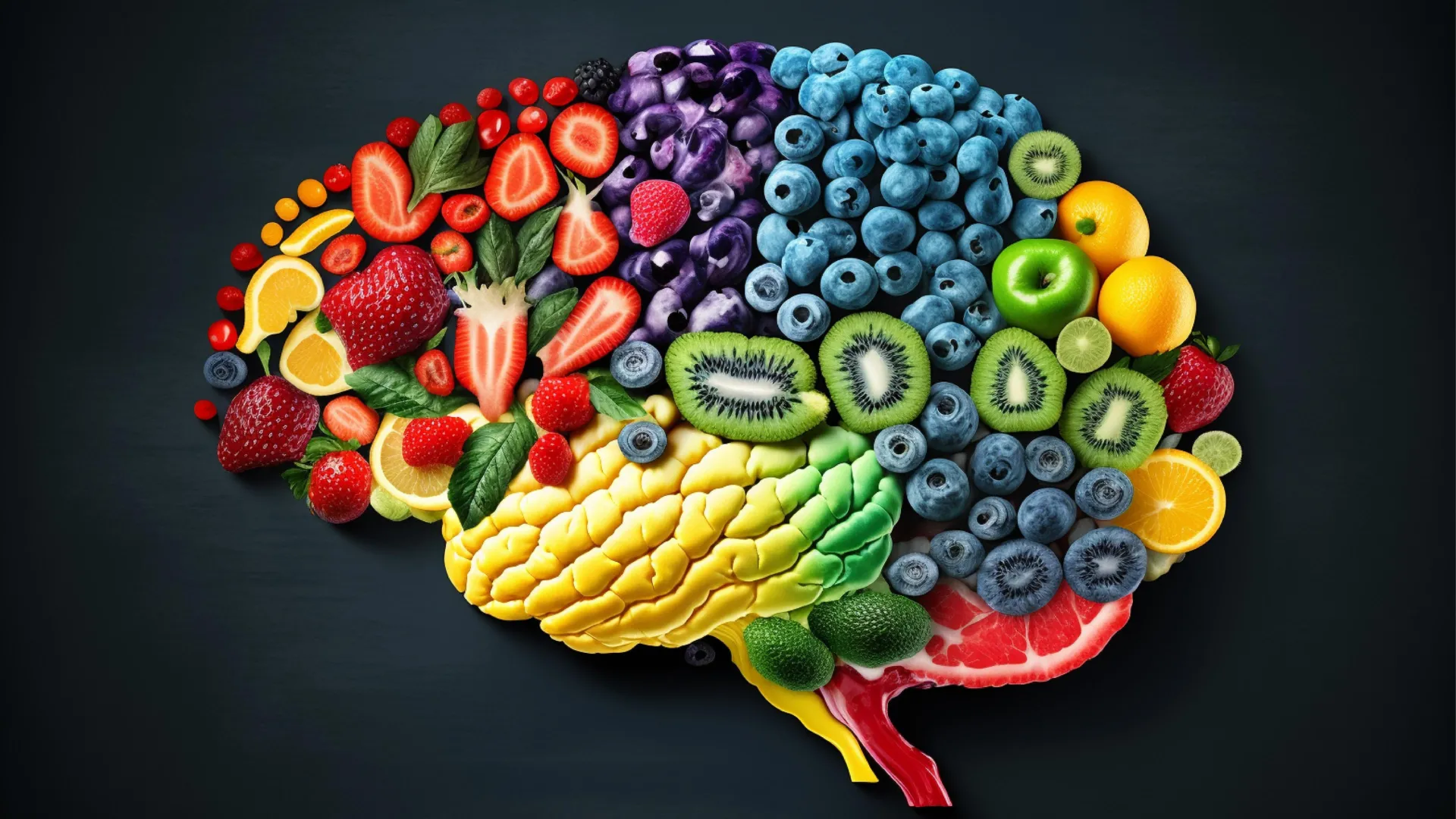
A diet that combines elements of the Mediterranean diet with an eating plan designed to lower blood pressure may help slow some of the structural changes that occur as the brain ages, according to research published online in the Journal of Neurology Neurosurgery & Psychiatry.
Greater adherence to the MIND diet was linked to less brain tissue loss over time, particularly in grey matter, which plays an important role in memory, learning, decision making, and information processing. It was also associated with less enlargement of the brain’s ventricles, fluid filled spaces that tend to grow as brain tissue shrinks.
What Is the MIND Diet?
The Mediterranean-Dietary Approaches to Stop Hypertension Diet Intervention for Neurodegenerative Delay diet, or MIND for short, has previously been associated with better cognitive health, according to the researchers.
The eating pattern emphasizes green leafy vegetables; other vegetables; berries; nuts; whole grains; fish; beans; olive oil; and poultry, along with moderate wine consumption. It also recommends limiting butter/margarine, cheese, red meat, pastries/sweets, and fried fast foods.
Although previous research has connected the MIND diet with cognitive benefits, its relationship with age related changes in brain structure has remained less clear. Those structural changes are also relevant to neurodegenerative diseases such as Alzheimer’s and Parkinson’s diseases.
Researchers Tracked Brain Changes for Years
To investigate, researchers studied 1647 middle aged and older adults (average age 60 at the start of the study) from the Framingham Heart Study Offspring cohort (FOS).
Participants underwent regular health evaluations every 4-8 years. Starting in 1999, they also received MRI brain scans every 2-6 years.
Diet was assessed through at least 1 food frequency questionnaire (FFQ) completed during check ups between 1991-5, 1995-8, and/or 1998-2001. Each participant also had at least 2 brain MRI scan assessments between 1999 and 2019 and showed no evidence of stroke or dementia at the time of their first MRI scan.
The average MIND diet score was just under 7 out of a possible 15, with 15 representing the strongest adherence.
People in the highest third for MIND diet adherence were more likely to be women and college educated. They were also less likely to smoke or have obesity.
They were also less likely to have conditions that can affect brain health, including type 2 diabetes, high blood pressure, and cardiovascular disease.
Higher MIND Scores Linked to Slower Grey Matter Loss
Over an average follow up period of 12 years, MRI scans showed the expected age related changes across the group. These included decreases in total brain, grey matter, white matter, and hippocampal volumes.
At the same time, cerebrospinal fluid and ventricular volumes increased, as did white matter hyperintensities, which appear as bright spots on MRI scans and can indicate tissue damage.
However, people with higher MIND diet scores experienced slower loss of grey matter.
Each 3 point increase in MIND diet score was associated with slower grey matter loss of (0.279 cm³/year). According to the researchers, that corresponded to 20% less age related decline and the equivalent of 2.5 years of delayed brain aging.
A similar pattern appeared in ventricular enlargement. Each 3-point rise in MIND diet score was associated with slower expansion of total ventricular volume by −0.071 cm³/year, equivalent to 8% less tissue loss and about 1 year of delayed brain aging.
Berries and Poultry Stand Out
Some foods appeared to contribute more strongly to the favorable associations.
Higher berry intake was linked to slower increases in ventricular volume. Poultry was also associated with slower ventricular enlargement, along with a slower decline in grey matter.
In contrast, higher consumption of sweets was associated with faster ventricular enlargement and greater hippocampal atrophy. Fried fast foods were also linked to a larger decline in hippocampal volume.
“MIND-recommended foods rich in antioxidants, such as berries, and high-quality protein sources like poultry may reduce oxidative stress and mitigate neuronal damage,” suggest the researchers. “Conversely, fried fast foods, often high in unhealthy fats, trans fats, and advanced glycation end-products, may contribute to inflammation and vascular damage,” they add.
Some Findings Were Unexpected
Not every food produced the expected pattern.
Higher whole grain intake was associated with several unfavorable structural changes, including faster losses of grey matter and hippocampal volume, as well as faster ventricular enlargement.
Cheese showed the opposite pattern. Greater cheese intake was associated with slower declines in grey matter and hippocampal volume, less ventricular enlargement, and fewer white matter hyperintensities.
Benefits Appeared Stronger in Older Adults
The overall associations remained consistent across several additional analyses and were stronger among older participants.
The researchers say this may suggest that the MIND diet could be especially relevant for people at greater risk of faster brain aging or those who show more variation in the pace of brain atrophy.
Stronger associations were also seen among participants who were more physically active and among those who were not overweight or obese.
That pattern raises the possibility that combining a brain healthy diet with other healthy lifestyle habits could help reduce the risk of neurodegenerative disease, the researchers say.
The Study Cannot Prove Cause and Effect
The findings come from an observational study, so they cannot establish that the MIND diet directly caused the slower brain changes.
The researchers also note that food frequency questionnaires rely on participants accurately remembering what they ate, which can introduce recall bias.
They were also unable to rule out mild cognitive impairment at the time of the first MRI scan, changes in diet over time, or the influence of genetic risk factors.
Because the participants were predominantly White, the findings may not apply equally to people from other ethnic backgrounds.
Still, the researchers conclude: “These findings reinforce the potential of the MIND diet as a brain-healthy dietary pattern and support its role in strategies aimed at slowing neurodegeneration in aging populations.”
Emma said donating her breast milk had been “such a worthwhile thing to do”.

A small preliminary study from UC San Francisco adds to mounting evidence that eating fewer ultra-processed foods may help reduce symptoms of depression.
Published Sept. 23 in JAMA Psychiatry, the study was funded by the National Institutes of Health. Researchers believe it is the first study to compare depression symptoms in the same participants before and after they moved from their usual ultra-processed diet to healthier foods.
The pilot study included only 20 people, but senior author Andrew Krystal, MD, Ray and Dagmar Dolby Distinguished Professor in UCSF’s departments of Psychiatry and Behavioral Sciences and Neurology, said it “successfully established the viability of carrying out this research in a larger-scale trial.”
Depression Symptoms Improved After a Major Diet Shift
Participants cut their intake of ultra-processed foods by more than 85%. After doing so, they showed moderate to large improvements across three different measures of depression. Anxiety scores also improved modestly.
Ultra-processed foods include products such as packaged snacks, fast food, sugary drinks, and other industrially manufactured foods. These products may contain ingredients including preservatives, artificial coloring, flavor enhancers, and emulsifiers.
“Reducing the amount of ultra-processed food in our diet can be challenging, because it’s highly palatable, cheap, and convenient,” said corresponding author Nyasha Chagwedera, MD, PhD, assistant professor in the UCSF Department of Psychiatry and Behavioral Sciences. “Ultra-processed food triggers dopamine, the pleasure hormone, which promotes craving. Food companies work with scientists to find just the right amount of sugar, salt, and fat that make you want to eat more and more.”
Testing the Gut-Brain Connection
The participants had an average age of 44, and 70% were female. Along with depression, 14 participants also had anxiety. Everyone in the study had a high BMI and at least one metabolic disorder — such as hypertension, diabetes, or elevated LDL cholesterol.
Researchers divided the participants into two groups. One group stayed on its usual diet for four weeks, while the other switched to a diet low in ultra-processed foods. Participants selected and bought their own food with guidance from the research team. After four weeks, the groups switched diets.
Chagwedera, who founded the UCSF Metabolic and Mental Health Program, said one possible explanation for the connection between ultra-processed food and depression involves what she described as a “leaky, out-of-balance gut.” According to this idea, ultra-processed foods may damage the protective lining of the gut.
“This gut damage can create low-grade, chronic inflammation throughout the body that either directly causes depression or makes people more vulnerable to it.”
“In other words, junky processing may harm your gut in ways that ripple up to your brain.”
Larger Depression Trial Planned
Because the study was small, the findings are still preliminary. The researchers now plan to investigate the effect in a larger group, with enrollment for phase 2 expected to begin in 2028.
Authors: Additional UCSF authors include Eliana Kim, MD, Dorothy T. Chiu, PhD, Chengshi Jin, PhD, Catherine Lee PhD. Other authors are Susannah Tye, PhD, of the University of Queensland, Australia, Mayo Clinic, and Emory University.
Funding: National Center for Advancing Translational Sciences, National Institutes of Health, through UCSF-CTSI Grant Number UL1 TR001872; NHLBI grant R38AG070171, NIMH grant R38AG070171, and the UCSF Weill Institute of Neurosciences.
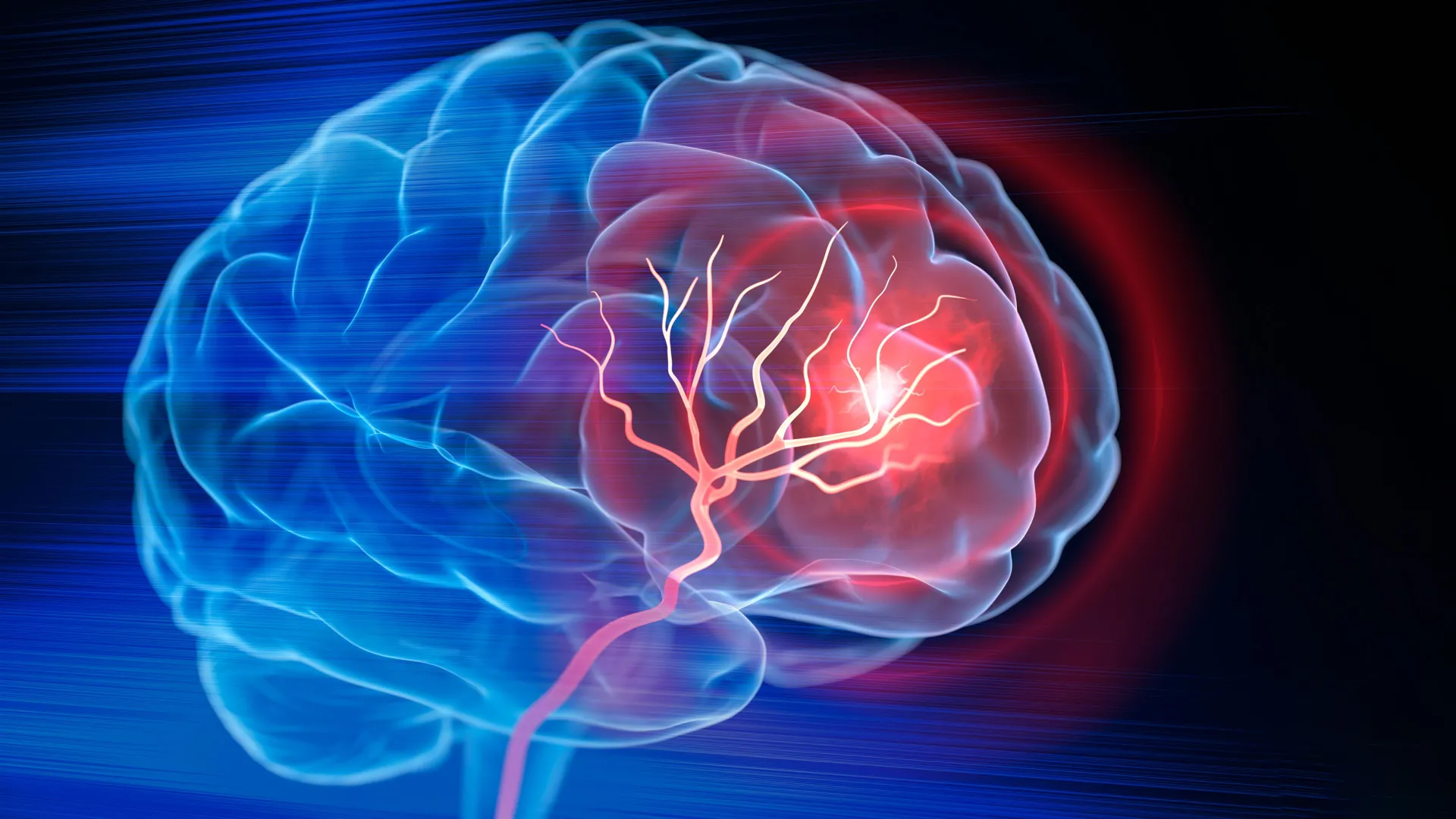
Mount Sinai researchers have uncovered new details about how APOE4, the strongest known genetic risk factor for Alzheimer’s disease, may contribute to brain damage. Two studies published in Cell and Cell Stem Cell show that the gene can damage blood vessels in the brain and encourage the accumulation of abnormal proteins associated with neurodegenerative disease. The findings point to disease processes that may be reversible and also highlight a new human brain tissue platform derived from stem cells that could speed up the search for treatments.
Alzheimer’s disease gradually damages memory, thinking, and behavior and affects more than 7 million older adults in the United States. Researchers have known for years that blood vessels in the brain deteriorate as Alzheimer’s progresses, especially in people who carry APOE4. What has been less clear is why this happens and whether the vascular damage contributes directly to the disease. Because of that uncertainty, damage to the brain’s circulation has often been treated as a consequence of Alzheimer’s rather than as a process that could help drive it.
Mapping How APOE4 Damages Brain Blood Vessels
For the Cell study published on September 24, Mount Sinai scientists combined existing datasets to build a single cell transcriptomic atlas of blood vessels in the human brain. The resulting map showed patterns of gene activity across the different cells that create and support the brain’s vascular system, giving researchers a detailed way to examine how APOE4 contributes to vascular degeneration.
The team found that APOE4 altered the behavior of pericytes. These cells normally help stabilize small blood vessels and support the blood brain barrier. In the presence of APOE4, however, the pericytes changed into myofibroblast-like cells that produce scar tissue.
That transformation promoted vascular fibrosis and increased the buildup of amyloid around blood vessels. These changes could interfere with blood flow and create conditions that encourage neurodegeneration.
The researchers also found evidence that this process could be reversed. Blocking TGF-β signaling, which plays a role in communication between cells and in tissue remodeling, restored pericyte coverage while reducing fibrosis and amyloid around blood vessels. The researchers reproduced the result in aged APOE4 mice, showing that the vascular degeneration associated with APOE4 can be therapeutically reversed.
“Damage to the brain’s blood vessels is not simply a late consequence of Alzheimer’s disease; it is a biologically active process caused by APOE4 that may be reversible,” said corresponding author Joel W. Blanchard, PhD, Associate Professor of Neuroscience, and Stem Cell Biology and Regenerative Medicine, at the Icahn School of Medicine at Mount Sinai. “These findings reveal new therapeutic targets for preserving vascular function and limiting amyloid accumulation.”
“We show that APOE4 converts blood-vessel support cells into scar-producing cells, causing amyloid or abnormal protein buildup to accumulate around the brain’s vessels. Through our experiments, we were able to block this protein buildup process, revealing possible new therapeutic treatment options and strategies for protecting the brain’s circulation in people at high genetic risk for Alzheimer’s disease,” said first author Braxton R. Schuldt, MD/PhD candidate in Neuroscience and researcher in the Blanchard Laboratory at the Icahn School of Medicine at Mount Sinai.
Human miBrains Reveal Disease Mechanisms
A major part of the research relied on miBrains, three dimensional human brain tissue developed by the Mount Sinai team from induced pluripotent stem cells. The model reproduces important features of human brain tissue, including its network of blood vessels.
The Blanchard laboratory combined findings from miBrains with preclinical models, postmortem human brain tissue, and transcriptomic data. Each approach helped confirm and expand on observations made with the others.
By bringing these systems together, the scientists were able to recreate events that occur before the severe vascular abnormalities seen in postmortem human brain tissue. They could then identify the mechanisms behind those changes and quickly test possible treatments.
APOE4 May Also Disrupt the Brain’s Protein Cleanup
In the Cell Stem Cell study, researchers used miBrains to explore another effect of APOE4: its role in the accumulation of abnormal proteins associated with neurodegenerative disease.
Abnormal protein buildup is a defining feature of conditions such as Alzheimer’s and Parkinson’s disease. However, investigating exactly how these deposits form inside a living human brain is extremely difficult. The miBrain system gives scientists a way to observe related processes in complex human brain-like tissue under laboratory conditions.
miBrains include all of the major cell types present in the human brain, including neurons, supporting glial cells, myelin producing cells, and cells that make up blood vessels. Similar to what happens in the human brain, miBrains carrying APOE4 developed higher amounts of abnormal alpha-synuclein. This protein is most strongly associated with Lewy body dementia and Parkinson’s disease.
Although alpha-synuclein has major clinical importance, researchers have not fully understood the cellular processes that cause it to accumulate.
Cholesterol Buildup Disrupts Cellular Waste Removal
The experiments revealed that APOE4 causes cholesterol to accumulate inside astrocytes, support cells that perform several essential functions in maintaining brain health.
That excess cholesterol interfered with the astrocytes’ lysosomal waste-disposal system. As a result, the cells became less effective at breaking down alpha-synuclein. Instead of being cleared away, the protein accumulated and spread to neurons, where it contributed to harmful deposits.
These findings suggest that cholesterol metabolism inside astrocytes, along with lysosomal function, could become important treatment targets for both Alzheimer’s and Parkinson’s disease.
Using miBrains, the researchers were able to follow the chain of events in complex human brain-like tissue. Their experiments connected APOE4 with lipid buildup in astrocytes, weaker clearance of alpha-synuclein, and the formation of toxic protein deposits.
The results point to both lipid metabolism and cellular waste removal systems as potential therapeutic targets in neurodegenerative disease.
A Platform for Testing Personalized Treatments
Another advantage of the miBrain system is that researchers can preserve the tissue for future experiments.
“A key advance of our technology is that miBrains with predefined cellular compositions and disease-related factors can be cryopreserved,” said Louise Mesentier-Louro, PhD, Assistant Professor of Neuroscience, and Stem Cell Biology and Regenerative Medicine, at the Icahn School of Medicine at Mount Sinai and first author of the Cell Stem Cell study. “This capability improves reproducibility and scalability of complex disease modeling and supports more efficient drug development and validation.”
Mount Sinai researchers are also developing miBrains derived from individual patients, which could eventually allow scientists to investigate how neurodegenerative disease develops differently from person to person and how patients might respond to particular treatments.
“At Mount Sinai we are creating and cryopreserving miBrains from patients,” Dr. Blanchard added. “This will enable personalized studies into how neurodegenerative disease develops and how individuals may respond to therapies. By enabling potential therapies to be tested earlier and more efficiently, the miBrain platform could help bridge the gap between laboratory discoveries and treatments for a broad range of disorders.”
Study Funding
The Cell study examining vascular degeneration in the brain received support from the National Aeronautics and Space Administration (80ARC022CA004), the National Institute on Aging at the National Institutes of Health (R01AG089533, UH3NS115064, U54AG090669, T32GM146636), The SWT Foundation, and the CureAlz Fund.
The Cell Stem Cell study examining abnormal protein buildup in the brain received support from the National Aeronautics and Space Administration (80ARC022CA004), Aligning Science Across Parkinson’s (ASAP-024297) through the Michael J. Fox Foundation for Parkinson’s Research, the National Institute of Neurological Disorders and Stroke and the National Institute on Aging at the National Institutes of Health (R01NS114239, UH3NS115064, 1U54AG090669-01, T32AG04968, F31NS13090), the CureAlz Fund, and The SWT Foundation.
At least 32 children have died in India’s Balaghat district since May amid outbreaks of measles and malaria.
A £2.3m study will look at whether a personalised pain management plan can improve the quality of life of women who have the debilitating condition.
