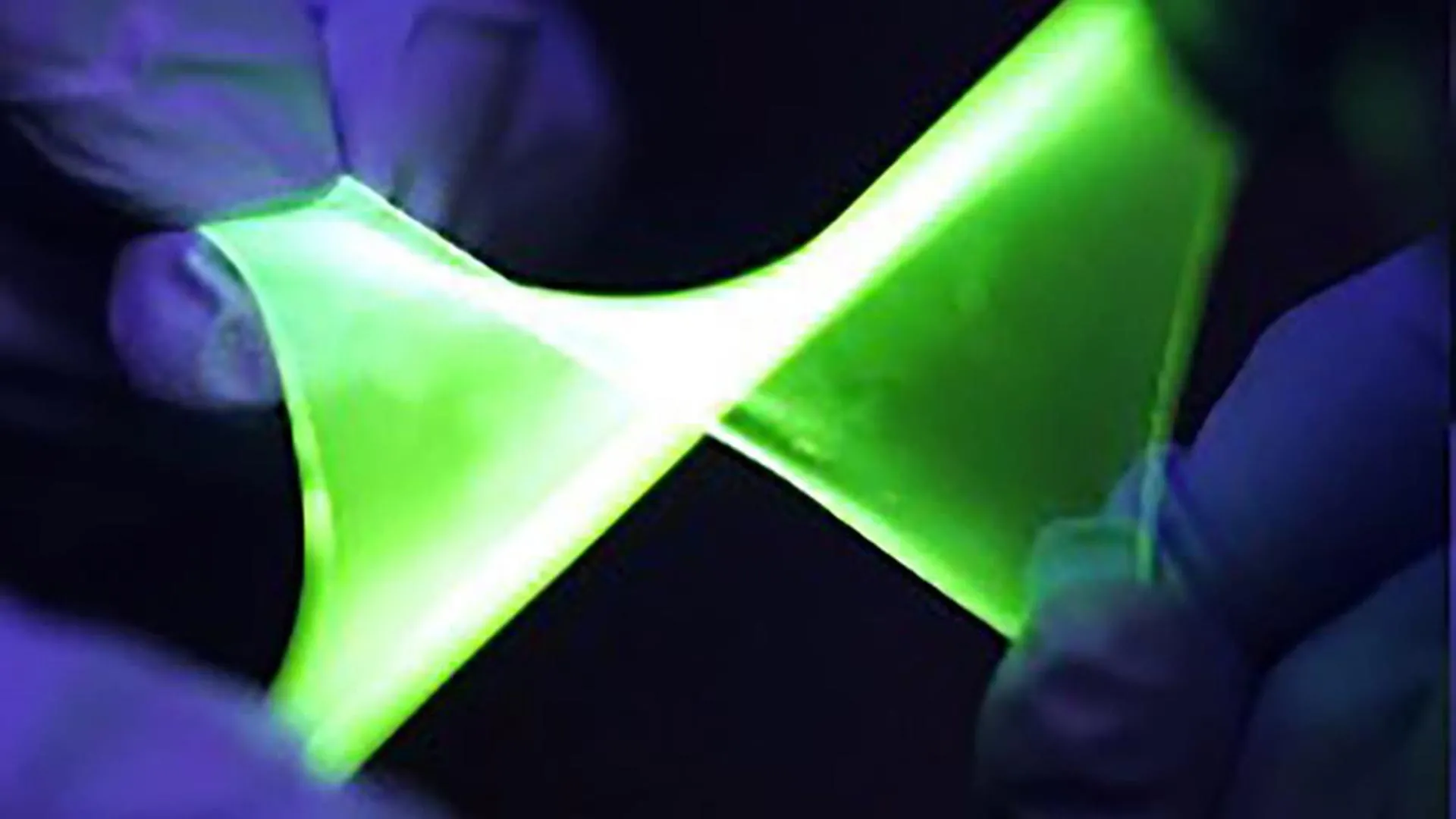
How scientists are turning thyme into precision medicine

Thyme extract is often described as a powerful natural remedy because of its wide range of health effects. This reputation comes from several biologically active compounds — thymol, carvacrol, rosmarinic acid, and caffeic acid — that are known to support immune function while also offering anti-inflammatory, antimicrobial, and antioxidant benefits.

Despite its potential, thyme extract has practical drawbacks that limit how it can be used. It evaporates quickly (a waste of thyme!), which makes storage and precise delivery difficult. In larger amounts, it can also irritate the body, sometimes leading to skin rashes or digestive discomfort.

A New Way to Preserve and Control Thyme Extract

Scientists have identified a way to solve both of these problems by sealing extremely small droplets of thyme extract inside another liquid. This approach allows the extract to be delivered in very small doses while preventing evaporation. Researchers from Tomsk Polytechnic University and Surgut State University in Russia developed this method for creating encapsulated nanodoses of thyme. Their findings were published in Physics of Fluids, by AIP Publishing.

How the Encapsulation Process Works

The process relies on carefully controlled streams of thyme extract, gelatin, sodium alginate — a commonly used thickening agent in the food industry — and oil. First, the researchers combined thyme extract with gelatin and pushed this mixture through a tiny chip at the same time as a stream of sodium alginate. Inside the chip, the two liquids flowed together while remaining clearly separated. A stream of oil introduced from a perpendicular direction then broke the combined flow into extremely small droplets, each one fully encapsulated.

Why Precision Nanodosing Matters

The most important outcome of this research is not the specific amount of thyme extract used, but the proof that precise and consistent nanodosing is achievable. Before this approach can be applied in medicine, additional work will be needed to package these nanodoses into oral capsules suitable for pharmaceutical use.

“The system tends to be self-regulating in order to deliver a relatively consistent dose, which is valuable for drug delivery,” said author Maxim Piskunov. “At the same time, changing and adjusting the diameter of the microdroplets containing a biologically active substance nanodose is only possible by varying the oil phase flow rate.”

Applications Beyond Medicine

The researchers emphasize that the technique is not limited to thyme extract alone. It could also be used for other substances and has potential applications outside pharmaceuticals, including the food industry. Piskunov added that combining this method with machine vision and artificial intelligence could allow real-time monitoring and control of nanodosing.

“We believe that this method can be used to encapsulate various aqueous extracts,” said Piskunov. “From our study, no significant limitations have been identified. Moreover, we are currently working on encapsulating a water-alcohol extract with a much higher concentration of biologically active substances.”

Share Button

AI maps the hidden forces shaping cancer survival worldwide

For the first time, scientists have applied machine learning, a form of artificial intelligence (AI), to identify the factors most closely linked to cancer survival in nearly every country across the globe.

The research, publishedin the leading cancer journal Annals of Oncology, goes beyond broad comparisons to show which specific policy changes or system improvements could have the greatest impact on cancer survival in each nation. The team has also created an online tool that allows users to select a country and see how factors such as national wealth, access to radiotherapy, and universal health coverage relate to cancer outcomes.

Turning Global Data Into Practical Insights

Dr. Edward Christopher Dee, a resident physician in radiation oncology at Memorial Sloan Kettering (MSK) Cancer Center in New York, USA, and a co-leader of the study, highlighted why the work matters. “Global cancer outcomes vary greatly, largely due to differences in national health systems. We wanted to create an actionable, data-driven framework that helps countries identify their most impactful policy levers to reduce cancer mortality and close equity gaps.”

He noted that several factors consistently stood out. “We found that access to radiotherapy, universal health coverage and economic strength were often important levers being associated with better national cancer outcomes. However, other key factors were relevant as well.”

Analyzing Cancer and Health System Data From 185 Countries

To reach these conclusions, Dr. Dee and his colleagues used machine learning to examine cancer incidence and death data from the Global Cancer Observatory (GLOBOCAN 2022), covering 185 countries. They combined this information with health system data gathered from the World Health Organization, the World Bank, United Nations agencies, and the Directory of Radiotherapy Centres.

The dataset included health spending as a percentage of GDP, GDP per capita, the number of physicians, nurses, midwives, and surgical workers per 1000 people, levels of universal health coverage, access to pathology services, a human development index, the number of radiotherapy centers per 1000 people, a gender inequality index, and the share of healthcare costs paid directly by patients.

Building the Machine Learning Model

The machine learning model was developed by Mr, Milit Patel, the study’s first author. He is a researcher in biochemistry, statistics and data science, healthcare reform and innovation at the University of Texas at Austin, USA, and at MSK.

Mr, Patel explained the reasoning behind this approach. “We chose to use machine learning models because they allow us to generate estimates – and related predictions – specific to each country. We are, of course, aware of the limitations of population level data but hope these findings can guide cancer system planning globally.”

Measuring Cancer Care Effectiveness

The model calculates mortality-to-incidence ratios (MIR), which represent the share of cancer cases that result in death and serve as an indicator of how effective cancer care is in a given country. To show how individual factors influence these estimates, the researchers used a method that explains predictions by measuring each variable’s contribution, known as SHAP (Shapley Additive exPlanations).

According to Mr. Patel, the goal was to move from description to action. “Beyond simply describing disparities, our approach provides actionable, data-driven roadmaps for policymakers, showing precisely which health system investments are associated with the greatest impact for each country. As the global cancer burden grows, these insights can help nations prioritize resources and close survival gaps in the most equitable and effective way possible. International organizations, healthcare providers, and advocates may also use the web-based tool to highlight areas for investment, especially in resource-limited settings.”

Country Examples Show Different Priorities

The results reveal that the most influential factors vary widely by country. In Brazil, the model indicates that universal health coverage (UHC) has the strongest positive association with improved mortality-to-incidence ratios. Other factors, such as pathology services and the number of nurses and midwives per 1000 people, appear to play a smaller role at present. The researchers suggest this means Brazil could see the greatest gains by prioritizing UHC.

In Poland, the availability of radiotherapy services, GDP per capita, and the UHC index show the largest impact on cancer outcomes. This pattern suggests that recent efforts to expand health insurance and access to care have produced stronger improvements than general health spending, which appears to have a more limited effect.

Japan, the USA, and the UK show a broader pattern, with nearly all health system factors linked to better cancer outcomes. In Japan, the density of radiotherapy centers stands out most strongly, while in the USA and the UK, GDP per capita has the greatest influence. These findings point to where policymakers in each country may achieve the biggest gains.

China presents a more mixed picture. Higher GDP per capita, broader UHC, and greater access to radiotherapy centers contribute most to improved cancer outcomes. By contrast, out-of-pocket spending, the size of the surgical workforce per 1000 people, and health spending as a percentage of GDP currently explain less of the variation in outcomes.

The researchers write about China: “High direct costs for patients remain a critical barrier to optimal cancer outcomes, even amidst national improvements in health financing and access. These findings underscore that while China’s rapid health system development is yielding important gains in cancer control, disparities in financial protection and coverage persist, warranting intensified policy focus on reducing out-of-pocket expenditures and further strengthening UHC implementation to maximize health system impact.”

How to Read the Green and Red Bars

Mr, Patel also explained the meaning of the green and red bars shown in the country-specific graphs. “The green bars represent factors that currently appear most strongly and positively associated with improved cancer outcomes in a given country. These are areas where continued or increased investment is most likely to result in meaningful impact.”

He stressed that red bars should not be misunderstood. “However, the red bars do not indicate that these areas are unimportant or should be neglected. Rather, they reflect domains that, according to the model and current data, are less likely to explain the largest differences in outcomes right now. This may be due to already strong performance in these aspects, limitations of the available data, or other context-specific factors.”

He added an important caution. “Importantly, seeing a ‘red’ bar should never be interpreted as a reason to stop efforts to strengthen that pillar of cancer care – improvement in those areas can still be valuable for a country’s overall health system. Our results simply suggest that, if the goal is to maximize improvement in cancer outcomes as defined by the model, focusing first on the strongest positive (green) drivers may be the most impactful strategy.”

Strengths, Limits, and What Comes Next

The study’s strengths include its coverage of nearly all countries, use of current global health data, country-specific policy guidance rather than simple global averages, and the use of more transparent AI models. The researchers also acknowledge key limitations. The analysis relies on national-level data rather than individual patient records, data quality varies widely, especially in many low-income countries, and national trends can hide disparities within countries. In addition, the study cannot prove that focusing on a specific factor will cause better cancer outcomes, only that such efforts are associated with improved results.

Even with these limits, the findings offer a useful way to prioritize action. Dr. Dee concluded: “As the global cancer burden grows, this model helps countries maximize impact with limited resources. It turns complex data into understandable, actionable advice for policymakers, making precision public health possible.”


Share Button

Tiny earthquakes are revealing a dangerous secret beneath California

By closely tracking swarms of extremely small earthquakes, scientists are gaining new insight into a dangerous and complicated region off the Northern California coast. This area marks the meeting point of the San Andreas fault and the Cascadia subduction zone, a place capable of producing powerful and destructive earthquakes. The research was carried out by scientists from the U.S. Geological Survey, the University of California, Davis and the University of Colorado Boulder, and was published Jan. 15 in Science.

“If we don’t understand the underlying tectonic processes, it’s hard to predict the seismic hazard,” said coauthor Amanda Thomas, professor of earth and planetary sciences at UC Davis.

A Seismic Crossroads Beneath the Coast

The Mendocino Triple Junction lies offshore from Humboldt County, where three major tectonic plates converge. South of this junction, the Pacific plate moves roughly northwest alongside the North American plate, creating the San Andreas fault. To the north, the Gorda (or Juan de Fuca) plate moves northeast and sinks beneath the North American plate, descending into the Earth’s mantle in a process known as subduction.

Although this arrangement may appear simple on a map, scientists say the real structure below the surface is far more complicated. One striking example came from a large (magnitude 7.2) earthquake in 1992 that struck at a much shallower depth than expected.

Looking Below the Surface

First author David Shelly of the USGS Geologic Hazards Center in Golden, Colo., said the challenge is similar to studying an iceberg.

“You can see a bit at the surface, but you have to figure out what is the configuration underneath,” Shelly said.

To uncover that hidden structure, Shelly and his colleagues used a dense network of seismometers across the Pacific Northwest. The instruments recorded extremely small “low-frequency” earthquakes that occur where tectonic plates slowly slide against or over one another. These tiny events are thousands of times weaker than earthquakes people can feel at the surface.

The team tested their underground model by examining how these small earthquakes respond to tidal forces. Just as the gravitational pull of the Sun and Moon affects ocean tides, it also places subtle stress on tectonic plates. When those forces line up with the natural direction of plate movement, the number of small earthquakes increases, Thomas said.

Five Moving Pieces Beneath Northern California

The researchers found that the region involves five moving pieces rather than just three major plates, with two of them hidden deep below the surface.

At the southern end of the Cascadia subduction zone, the team discovered that a portion of the North American plate has broken away and is being dragged downward along with the Gorda plate as it sinks beneath North America.

South of the triple junction, the Pacific plate is pulling a mass of rock known as the Pioneer fragment beneath the North American plate as it moves northwards. The fault separating the Pioneer fragment from the North American plate lies nearly flat and cannot be seen at the surface.

The Pioneer fragment was once part of the Farallon plate, an ancient tectonic plate that once extended along the California coastline and has since mostly disappeared.

Explaining a Puzzling Earthquake

This updated model helps explain why the 1992 earthquake occurred at such a shallow depth. According to Materna, the surface being pushed beneath North America is not as deep as scientists previously believed.

“It had been assumed that faults follow the leading edge of the subducting slab, but this example deviates from that,” Materna said. “The plate boundary seems not to be where we thought it was.”

The work was supported by a grant from the National Science Foundation.

Share Button

Is fibre the new protein? The surprising health benefits of the latest wellness trend

It was once seen as an “unsexy nutrient” but its health benefits beyond the bowel are now in the spotlight.

Share Button

Paracetamol is safe in pregnancy, says study refuting Trump autism claims

Researchers say their gold-standard review should put an end to the debate over use of the common painkiller during pregnancy.

Share Button

Life-extending prostate cancer drug to be offered to thousands in England

Abiraterone will be available in a matter of weeks and will be offered to 7,000 men a year.

Share Button

Hospital violated trans complaint nurses’ dignity, tribunal rules

A judge says the hospital chiefs’ changing room policy created a “hostile” environment for women.

Share Button

NASA brings Crew-11 home early in rare medical evacuation

NASA’s SpaceX Crew-11 mission has successfully concluded with a safe splashdown in the Pacific Ocean early Thursday morning, just off the coast of San Diego. The landing brought to a close a mission that lasted more than five months aboard the International Space Station.

The returning crew included NASA astronauts Zena Cardman and Mike Fincke, JAXA (Japan Aerospace Exploration Agency) astronaut Kimiya Yui, and Roscosmos cosmonaut Oleg Platonov. Their SpaceX Dragon capsule touched down at 12:41 a.m. PST, after which recovery teams aboard SpaceX vessels quickly secured the spacecraft and assisted the astronauts.

Science Success and International Collaboration

“I couldn’t be prouder of our astronauts and the teams on the ground at NASA, SpaceX, and across our international partnerships,” said NASA Administrator Jared Isaacman. “Their professionalism and focus kept the mission on track, even with an adjusted timeline. Crew-11 completed more than 140 science experiments that advance human exploration. Missions like Crew-11 demonstrate the capability inherent in America’s space program — our ability to bring astronauts home as needed, launch new crews quickly, and continue pushing forward on human spaceflight as we prepare for our historic Artemis II mission, from low Earth orbit to the Moon and ultimately Mars.”

Over the course of the mission, the crew devoted hundreds of hours to scientific research, station maintenance, and testing new technologies. They also marked a historic milestone on Nov. 2, 2025, celebrating 25 years of uninterrupted human presence aboard the orbiting laboratory. Research conducted on the space station continues to expand scientific understanding while supporting future missions beyond Earth orbit.

Early Return Due to Medical Concern

Crew-11 returned to Earth about one month earlier than planned after teams identified a medical concern involving one crew member. NASA confirmed the individual remains stable but did not release further details to protect medical privacy.

Ahead of the return, NASA arranged for all four astronauts to be transported to a local hospital following splashdown. This allowed the crew to receive additional medical evaluation using Earth-based resources. After a planned overnight stay, the astronauts will travel to NASA’s Johnson Space Center in Houston, where they will begin standard postflight evaluations and physical reconditioning.

Mission Timeline and Time in Orbit

The Crew-11 mission began on Aug.1, 2025, with a launch at 11:43 a.m. EDT from Launch Complex 39A at NASA’s Kennedy Space Center in Florida. Approximately 15 hours later, the SpaceX Dragon spacecraft docked with the International Space Station at 1:27 a.m. CDT on Aug. 2.

During their 167 days in space, the crew completed more than 2,670 orbits of Earth and traveled nearly 71 million miles. The mission marked the fourth spaceflight for Mike Fincke and the second for Kimiya Yui, while Zena Cardman and Oleg Platonov flew their first missions. Fincke has now accumulated 549 total days in space, placing him fourth among NASA astronauts for cumulative time spent in orbit.

Commercial Crew Program and Future Missions

NASA’s Commercial Crew Program continues to provide consistent access to space by partnering with private U.S. companies, including SpaceX. These collaborations allow astronauts to travel to and from the International Space Station while maximizing the station’s role as a hub for research and technology development.

The successful return of Crew-11 highlights the program’s ability to support complex missions, respond to unexpected challenges, and keep human spaceflight moving forward as NASA prepares for future exploration of the Moon and Mars.

Share Button

Scientists found the soil secret that doubles forest regrowth

Newly published research finds that tropical forests can rebound up to twice as fast after deforestation when their soils contain enough nitrogen. The study shows that what happens below ground plays a major role in how quickly forests return after land has been cleared.

Scientists led by the University of Leeds launched the largest and longest experiment ever designed to examine how nutrients shape forest regrowth. The work focused on tropical areas previously cleared for activities such as logging and agriculture.

Tracking Forest Regrowth Over Decades

The researchers selected 76 forest plots across Central America and monitored them for as long as 20 years. Each site differed in age and size, allowing the team to follow how trees grew and died as forests recovered over time.

To test the role of nutrients, the plots received different treatments. Some were given nitrogen fertilizer, others phosphorus fertilizer, some received both nutrients, and some were left untreated. This approach allowed the scientists to directly compare how forests responded under different soil conditions.

Nitrogen Emerges as a Key Driver

The results showed that soil nutrients strongly influence how quickly tropical forests regrow. During the first 10 years of recovery, forests with adequate nitrogen rebounded at about twice the rate of those lacking it. Phosphorus alone did not produce the same effect.

The study included researchers from the University of Glasgow, the Smithsonian Tropical Research Institute, Yale University, Princeton University, Cornell University, the National University of Singapore, and the Cary Institute of Ecosystem Studies. The findings were published on January 13 in the journal Nature Communications.

Implications for Climate and Reforestation

Lead author Wenguang Tang, who carried out the research while completing his PHD at the University of Leeds, said: “Our study is exciting because it suggests there are ways we can boost the capture and storage of greenhouse gases through reforestation by managing the nutrients available to trees.”

Although nitrogen fertilizer was used in the experiment, the researchers do not recommend fertilizing forests. Widespread fertilizer use could lead to harmful side effects, including emissions of nitrous oxide, a powerful greenhouse gas.

Instead, the team suggests practical alternatives. Forest managers could plant trees from the legume (bean) family, which naturally add nitrogen to the soil. Another option is restoring forests in areas that already have sufficient nitrogen due to the effects of air pollution.

Why Faster Regrowth Matters for the Climate

Tropical forests are among the world’s most important carbon sinks. They help slow climate change by removing carbon from the atmosphere and storing it in trees, a process known as carbon sequestration.

The researchers estimate that if nitrogen shortages affect young tropical forests worldwide, about 0.69 billion tonnes of carbon dioxide may be failing to be stored each year. That amount is roughly equal to two years of carbon dioxide and other greenhouse gas emissions in the U.K.

Policy Relevance After COP 30

The study is released just weeks after the close of COP 30 in Brazil, where the Tropical Forest Forever Facility (TFFF) fund was announced. The initiative aims to help tropical forest countries protect existing forests and restore those that have been damaged.

Principal investigator Dr. Sarah Batterman, an Associate Professor in Leeds’ School of Geography, said: “Our experimental findings have implications for how we understand and manage tropical forests for natural climate solutions.

“Avoiding deforestation of mature tropical forests should always be prioritized, but our findings about nutrient impacts on carbon sequestration is important as policymakers evaluate where and how to restore forests to maximize carbon sequestration.”

Share Button

Stretchable OLED displays take a big leap forward

The OLED technology found in flexible smartphones, curved computer monitors, and modern televisions may eventually be used in wearable devices that sit directly on the skin. These future systems could display real-time information such as changes in temperature, blood flow, or pressure. An international research team led by scientists from Seoul National University in the Republic of Korea and Drexel University has now developed a flexible and stretchable OLED that could move this idea closer to real-world use and unlock new applications.

The research, recently published in Nature, introduces a redesigned OLED that combines a flexible phosphorescent polymer layer with transparent electrodes made from MXene nanomaterial. This approach allows the display to stretch up to 1.6 times its original length while retaining most of its brightness.

“This study addresses a longstanding challenge in flexible OLED technology, namely, the durability of its luminescence after repeated mechanical flexion,” said Yury Gogotsi, PhD, Distinguished University and Bach professor in Drexel’s College of Engineering. “While the advances creating flexible light-emitting diodes have been substantial, progress has leveled off in the last decade due to limitations introduced by the transparent conductor layer, limiting their stretchability.”

Why OLEDs Lose Performance When Bent

OLEDs generate light through a process known as electroluminescence. When electricity flows through the device, positive and negative charges move between electrodes and pass through an organic polymer layer. When these charges meet, they release light and form a particle called an exciton before settling into a stable electrical state. Adjusting the chemical composition of the organic layer determines the color of the emitted light.

Flexible OLEDs are made by depositing these layers onto bendable plastic substrates, allowing them to function while folded, bent, or rolled. The technology was first developed in the 1990s and became widely visible in the 2010s when Samsung incorporated flexible displays into shatter-resistant devices and curved-edge phones. Over time, however, it became clear that repeated bending caused OLED brightness and flexibility to decline due to gradual damage in the electrodes and organic materials.

“Imparting conducting materials with flexibility usually involves incorporating an insulating but stretchable polymer that hinders charge transport and, as a result, reduces light emission,” said Danzhen Zhang, PhD, a co-author and postdoctoral researcher at Northeastern University, who conducted early work on transparent conductive MXene films as a PhD student in Gogotsi’s lab at Drexel. “In addition, the material most commonly used in electrodes can become brittle and more likely to break the longer the OLED is flexed and stretched. This issue was addressed by using MXene-contact stretchable electrodes, which feature high mechanical robustness and tunable work function, ensuring efficient hole or electron injection.”

A New Light-Emitting Layer

To overcome these challenges, the researchers redesigned the light-emitting portion of the OLED. Their solution uses a specialized organic layer that increases how often electrical charges combine to form excitons, leading to stronger light output.

This material, called an exciplex-assisted phosphorescent (ExciPh) layer, is naturally stretchable and engineered to adjust the energy levels of moving charges. By making it easier for charges to meet and form excitons, the layer boosts light production, similar to slowing a spinning ride so more people can step on safely.

More than 57% of excitons created in the ExciPh layer are converted into light. In comparison, the polymer-based emissive layers commonly used in today’s OLEDs achieve only a 12-22% conversation efficiency rate.

To further improve flexibility, the team incorporated a thermoplastic polyurethane elastomer matrix into the ExciPh layer. They also focused on improving how electrical charges move through the device by redesigning the electrodes.

MXene Electrodes Boost Durability and Brightness

The new electrodes combine MXene, a highly conductive two-dimensional nanomaterial developed by Drexel researchers in 2011, with silver nanowires. Together, these materials form a conductive network that helps electrical charges reach the light-emitting polymer layer more efficiently before forming excitons.

This structure improves charge injection and allows the OLED to maintain its brightness even while being bent and stretched.

“Owing to their exceptional conductivity and layered form, MXenes provide an exceptional electrode material for flexible OLEDs,” Gogotsi said. “We have demonstrated the performance of flexible, transparent MXene electrodes in multiple applications; thus, including them in efforts to improve OLED technology is a natural step for our research.”

Testing OLEDs Under Repeated Strain

Using these combined improvements, the researchers produced flexible green OLED displays, including one shaped like a heart and another showing numerical digits. They measured the charge-to-exciton conversion rate — a measure of the OLEDs’ ability to efficiently produce light — along with performance during repeated stretching.

To demonstrate broader potential, researchers at Seoul National University also built a full-color, fully stretchable OLED display using four dopant materials within the ExciPh layer. In addition, they created fully stretchable passive-matrix OLEDs that showcase a simple, low-power design suitable for wearable electronics.

Compared with previous designs, the new OLEDs showed higher brightness and better energy efficiency. When stretched to 60% of their maximum strain, performance dropped by only 10.6%. After 100 cycles of repeated stretching at 2% strain, the displays retained 83% of their light output, indicating significantly improved durability.

Toward Wearable and Deformable Displays

“We anticipate the success of this approach to designing flexible, high-efficiency optoelectronic devices will enable the next generation of wearable and deformable displays,” said Teng Zhang, PhD, a co-author and former post-doctoral researcher in Gogotsi’s lab. “This technology will play an important role in real-time health care monitoring and wearable communications technology.

Future work may involve testing alternative flexible substrates, fine-tuning organic layers to produce different colors and brightness levels, and simplifying the manufacturing process to support large-scale production of stretchable OLED devices.

Share Button