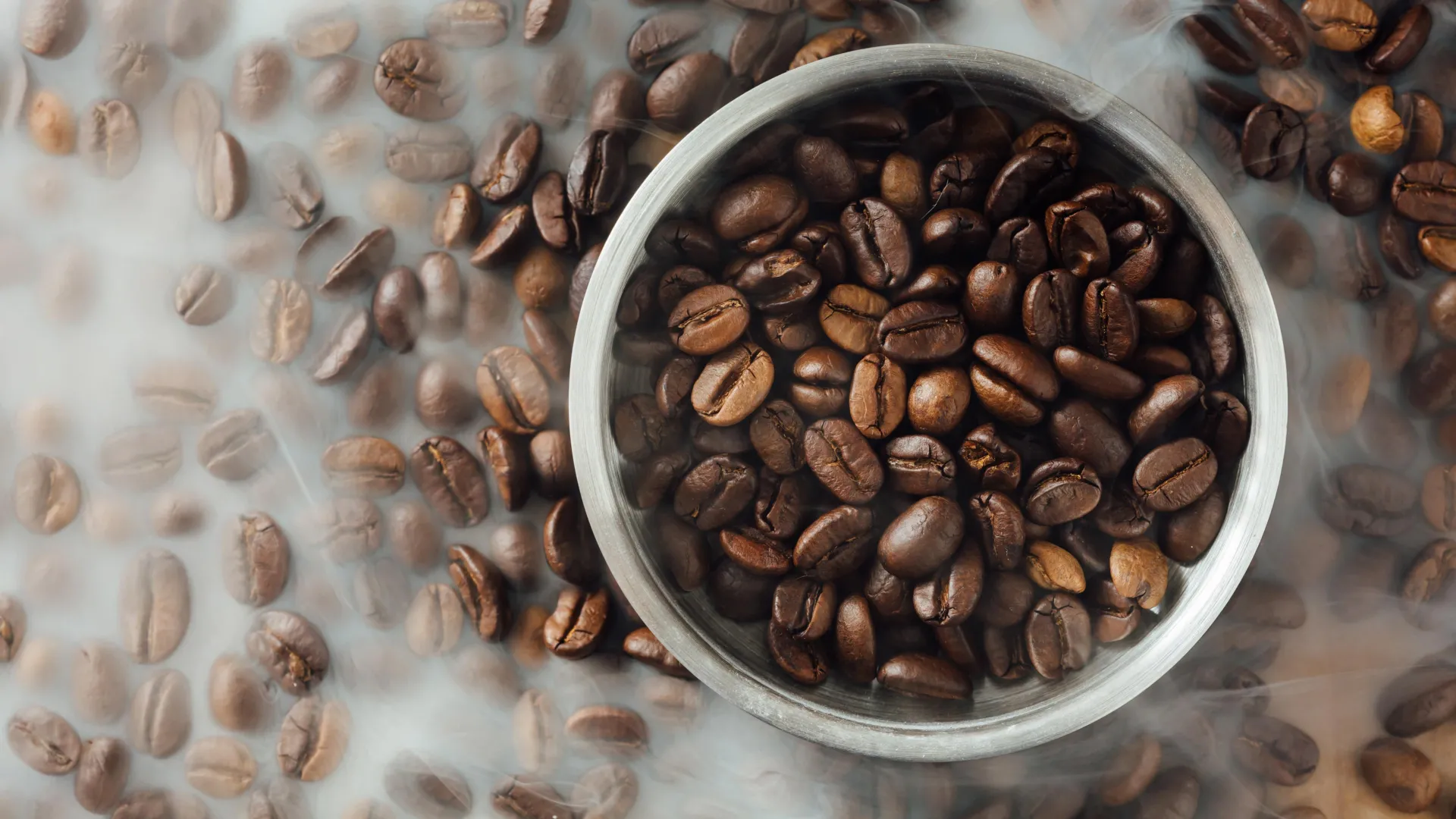
Newly discovered coffee compounds beat diabetes drug in lab tests

Three newly identified compounds were found to strongly inhibit α-glucosidase, an enzyme that plays a central role in breaking down carbohydrates during digestion. Because this enzyme directly affects how quickly sugars enter the bloodstream, the discovery points to possible new functional food ingredients aimed at managing type 2 diabetes.

Functional foods offer more than basic nutrition. Many contain naturally occurring molecules that may support health, including compounds with antioxidant, neuroprotective, or glucose-lowering effects. Finding these helpful substances is difficult because foods are chemically complex. Older discovery methods can be slow and inefficient, which has pushed researchers to adopt more advanced tools such as nuclear magnetic resonance (NMR) and liquid chromatography-mass spectrometry (LC-MS/MS). These techniques are especially valuable for studying roasted coffee, which contains a wide range of overlapping chemical components.

Study Reveals Anti Diabetic Potential in Coffee

Researchers led by Minghua Qiu at the Kunming Institute of Botany, Chinese Academy of Sciences, reported their findings in Beverage Plant Research. Their work highlights previously unknown anti-diabetic activity in coffee and adds new insight into its role as a functional food.

The team designed a three-step, activity-focused process to uncover bioactive diterpene esters in roasted Coffea arabica beans. Their approach aimed to detect both common and extremely low-level compounds that could inhibit α-glucosidase, while also reducing solvent use and speeding up analysis.

First, the crude diterpene extract was separated into 19 fractions using silica gel chromatography. Each fraction was then analyzed with ^1H NMR and tested for α-glucosidase inhibition. By applying cluster heatmap analysis to the ^1H NMR data, the researchers identified Fr.9-Fr.13 as the most biologically active fractions based on distinctive proton signal patterns.

Further analysis of a representative sample, Fr.9, using ^13C-DEPT NMR revealed the presence of an aldehyde group, confirming earlier findings. After purification with semi-preparative HPLC, the scientists isolated three previously unknown diterpene esters, named caffaldehydes A, B, and C. Their chemical structures were verified through 1D and 2D NMR along with high-resolution mass spectrometry (HRESIMS).

Stronger Effects Than a Common Diabetes Drug

Although the three caffaldehydes differed in their fatty acid components (palmitic, stearic, and arachidic acids), all showed notable α-glucosidase inhibition. Their IC₅₀ values were 45.07, 24.40, and 17.50 μM respectively, indicating stronger activity than the comparison drug acarbose.

To uncover additional trace compounds that were difficult to detect using NMR or HPLC alone, the team applied LC-MS/MS to combined fraction groups. They then built a molecular network using GNPS and Cytoscape. This analysis revealed three more previously unknown diterpene esters (compounds 4-6) that were closely related to caffaldehydes A-C. While they shared similar fragment patterns, these molecules contained different fatty acids (magaric, octadecenoic, and nonadecanoic acids). Searches of existing compound databases confirmed that these substances had not been reported before.

Together, the results show that this integrated dereplication strategy is highly effective for identifying structurally diverse and biologically meaningful compounds in complex foods such as roasted coffee.

What This Means for Functional Foods and Future Research

The findings suggest new opportunities to develop coffee-based functional foods or nutraceuticals that support glucose control and may help manage diabetes. Beyond coffee, the same low-solvent, high-precision screening approach could be applied to other complex food sources to rapidly uncover health-related compounds. Future studies will focus on testing the biological effects of the newly discovered trace diterpenes and evaluating their safety and effectiveness in vivo.

Share Button

The rugby mum looking to get others to play

Annette Bevan and friends set up the Maa Maas club for mums who want to play rugby.

Share Button

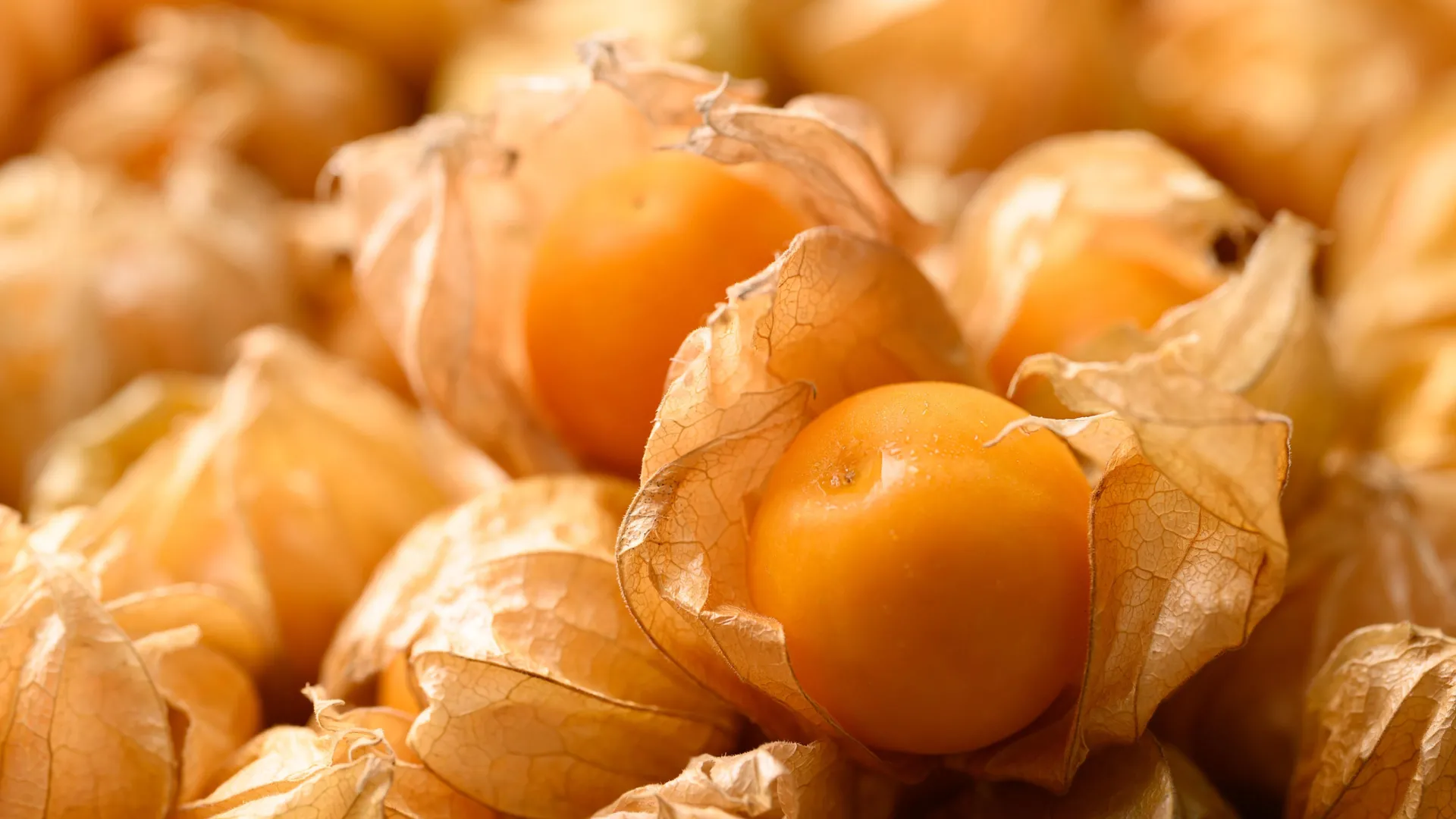
This wild fruit is getting a CRISPR makeover

For roughly 10,000 years, farming communities have improved their crops by saving seeds from plants with the best flavor, size, and toughness. This slow and careful process shaped nearly every fruit and vegetable found in grocery stores today. Most modern crops are the result of centuries or even millennia of selective breeding.

Researchers at Cold Spring Harbor Laboratory (CSHL) believe they have discovered a much quicker way to guide crop development. Using the gene-editing tool CRISPR, plant biologists focused on goldenberry, a small fruit related to tomatoes. Their approach could make the plant easier to grow and manage, opening the door to large-scale farming in the U.S. and around the world. The same strategy could also speed the development of crops that can better withstand disease, pests, and drought.

“By using CRISPR, you open up paths to new and more resilient food options,” said Blaine Fitzgerald, the greenhouse technician in CSHL’s Zachary Lippman lab. “In an era of climate change and increasing population size, bringing innovation to agricultural production is going to be a huge path forward.”

Why Goldenberries Are Hard to Farm

The Lippman lab focuses on plants in the nightshade family, which includes staple crops like tomatoes, eggplants, and potatoes, along with lesser-known species such as goldenberries. Goldenberries are mostly grown in South America and are becoming more popular because of their nutrition and their balance of sweet and tart flavors. Some shoppers may already recognize them from supermarket shelves.

Despite their appeal, goldenberries remain difficult to cultivate on a large scale. Farmers still rely on plants that are “not really domesticated,” said Miguel Santo Domingo Martinez, a postdoctoral researcher in the Lippman lab who led the study.

“These massive, sprawling plants in an agricultural setting are cumbersome for harvest,” Fitzgerald explained.

Shrinking the Plant Without Losing the Flavor

Earlier work from the Lippman lab used CRISPR to modify tomatoes and another tomato relative called groundcherry, producing plants that were smaller and easier to grow in urban environments. Using that experience, the team edited similar genes in goldenberries. The modified plants were about 35% shorter, which made them easier to maintain and allowed farmers to plant them more densely.

The researchers then focused on taste. To identify the best fruit, they sampled goldenberries directly from the field. Fitzgerald described the process as eating “hundreds of them, walking a field, and trying fruit off every plant in the row.”

New Varieties and What Comes Next

After several generations of breeding, the team developed two promising goldenberry lines that combined compact growth with strong flavor. Although the fruits were slightly smaller, the researchers see room for improvement using the same gene-editing tools.

“We can try to target fruit size or disease resistance,” Santo Domingo said. “We can use these modern tools to domesticate undomesticated crops.”

The next step is regulatory approval, which would allow growers to access seeds and begin producing the newly developed goldenberry varieties on a wider scale.

Share Button

A never-before-seen creature has been found in the Great Salt Lake

Scientists studying the Great Salt Lake have identified at least one species of nematode that is completely new to science, with evidence suggesting there may be a second. Researchers from the University of Utah recently published a paper describing the tiny roundworm and formally naming it in a way that honors the Indigenous people whose ancestral lands include the lake.

The species has been named Diplolaimelloides woaabi and appears to live only in the Great Salt Lake. That makes it endemic to the lake and potentially an important, though still poorly understood, part of its ecosystem. To choose the name, the research team, led by University of Utah biology professor Michael Werner, worked with the Northwestern Band of the Shoshone Nation. Tribal elders suggested Wo’aabi, an Indigenous word meaning “worm.”

Why Nematodes Matter

Nematodes are among the most widespread animals on Earth. They are found in nearly every environment imaginable, including polar ice, deep-sea hydrothermal vents and ordinary backyard soil. Most are smaller than a millimeter, which is why they often go unnoticed.

Despite their size, nematodes are extraordinarily abundant. Scientists have identified more than 250,000 species so far, making them the most numerous animal phylum in both land and water ecosystems. Roughly 80% of animal life in terrestrial soils and about 90% of animals living on the ocean floor are nematodes.

The First Discovery in the Lake

Until recently, no nematodes had been definitively documented in the Great Salt Lake. That changed in 2022, when field expeditions led by Julie Jung uncovered nematodes living in the lake’s microbialites. These are hardened, mound-like structures formed by microbial communities on the lakebed.

Jung, who was a postdoctoral researcher in Werner’s lab at the time, collected samples while traveling across the lake by kayak and bicycle. The team reported that initial discovery in a scientific paper published last year.

“We thought that this was probably a new species of nematode from the beginning, but it took three years of additional work to taxonomically confirm that suspicion,” said Jung, now an assistant professor at Weber State University.

Only the Third Animal Known to Survive There

With this finding, nematodes became just the third group of animals known to live in the Great Salt Lake’s extremely salty water. The other two are brine shrimp and brine flies, which are crucial food sources for millions of migratory birds that stop at the lake each year.

Further research suggests the story may not be finished. Genetic evidence indicates there could be a second, previously unknown nematode species among the samples collected. Thomas Murray, an undergraduate researcher and second author on the paper, has been helping sample different regions of the lake to investigate this possibility.

“It’s hard to tell distinguishing characteristics, but genetically we can see that there are at least two populations out there,” Werner said.

How Did the Worms Get There?

The discovery raises two major questions for scientists. First, how did these worms arrive in the Great Salt Lake? Second, what role do they play in the lake’s ecosystem?

From early on, the team suspected the nematodes belonged to the family Monhysteridae. This is an ancient group of nematodes known for surviving in extreme conditions, including very salty environments. Genetic and physical analyses confirmed that the species belongs to the genus Diplolaimelloides, a group typically found in coastal marine and brackish waters.

That makes the Great Salt Lake discovery especially puzzling. Only one other member of this genus is known to live outside coastal regions, and that species is found in eastern Mongolia. The Great Salt Lake, by contrast, sits about 4,200 feet above sea level and is roughly 800 miles from the nearest ocean.

“That begs some more interesting, intriguing questions that you wouldn’t have even known to think of until we figured out the alpha taxonomy,” Werner said. “There are two hypotheses, two models that are both kind of crazy for different reasons.”

Ancient Seas or Traveling Birds

One explanation comes from coauthor Byron Adams, a nematologist and biology professor at Brigham Young University. He suggests the worms may have been living in the region for millions of years. During the Cretaceous Period, much of what is now Utah was located along the shoreline of a vast inland sea that split North America in two.

“So we were on the beach here. This area was part of that seaway, and streams and rivers that drained into that beach would be great habitat for these kinds of organisms,” Adams said. “With the Colorado Plateau lifting up, you formed a great basin, and these animals were trapped here. That’s something that we have to test out and do more science on, but that’s my go-to. The null hypothesis is that they’re here because they’ve always kind of been here.”

Werner pointed out a major challenge to that idea. Northern Utah has not always been salty. Between 20,000 and 30,000 years ago, the region was covered by Lake Bonneville, a massive freshwater lake.

“If the nematode has been endemic since 100 million years ago, it has survived through these dramatic shifts in salinity at least once, probably a few times,” he said.

The alternative explanation, which Werner admits is even “crazier,” is that the worms were transported by migratory birds. In this scenario, nematodes could have clung to feathers after birds visited saline lakes in South America and were then carried thousands of miles north.

“So who knows. Maybe the birds are transporting small invertebrates, including nematodes, across huge distances,” Werner said. “Kind of hard to believe, but it seems like it has to be one of those two.”

A Potential Early Warning for Lake Health

Back in the lab, researchers noticed another unexpected pattern. Female nematodes were far more common than males in samples collected directly from the lake.

“That’s another confusing part of the story for us. When we sample out there on the lake and bring them back in the lab, we get less than 1% males. But when we have cultured them in the lab, the males make up about 50% of the sex ratio,” Werner said. “We’re super happy to be able to culture them in the lab, but there’s something about it that’s clearly different than the lake environment.”

The worms live within algal mats that coat the lake’s microbialites, feeding on bacteria that thrive there. Researchers found that the nematodes are concentrated in just the top few centimeters of these mats and are absent below that layer.

While scientists are still determining their exact position in the food web, nematodes are known to be ecologically important in many environments. Their presence in the Great Salt Lake suggests they likely play a meaningful role there as well.

Nematodes are also widely used as bioindicators. Changes in their populations, diversity or distribution can signal shifts in water quality, salinity or sediment chemistry. With the Great Salt Lake under increasing pressure from human activity, this newly identified species could become a valuable tool for monitoring environmental change.

“When you only have a handful of species that can persist in environments like that, and they’re really sensitive to change, those serve as really good sentinel taxa,” Adams said. “They tell you how healthy is your ecosystem.”

Because Diplolaimelloides woaabi appears to live exclusively on microbialites, it may have unique relationships with microbes or unusual survival strategies that scientists have yet to uncover. Since microbialites play a central role in producing energy and supporting life in the lake, any interactions involving these nematodes could have effects that spread throughout the ecosystem.

Study Details and Funding

The research appears in the November 2025 issue of the Journal of Nematology under the title, “Diplolaimelloides woaabi sp. n. (Nematoda: Monhysteridae): A Novel Species of Free-Living Nematode from the Great Salt Lake, Utah.”

The study’s authors include Solinus Farrer, Abigail Borgmeier and Byron J. Adams of Brigham Young University; Jon Wang and Morgan Marcus of the University of Utah; Gustavo Fonseca of the Federal University of São Paulo; and Thomas Powers of the University of Nebraska. Funding was provided by the National Institutes of Health, the Society of Systematic Biologists, the National Science Foundation and the Conselho Nacional de Desenvolvimento Científico e Tecnológico.

Share Button

3. 7-billion-year-old rocks reveal how Earth and the Moon were born

Scientists studying tiny feldspar crystals inside Australia’s oldest volcanic rocks have uncovered new clues about the early history of Earth’s interior, the formation of continents, and the origins of the Moon. These minerals act like time capsules, preserving chemical signals from billions of years ago.

The research was led by PhD student Matilda Boyce and involved scientists from UWA’s School of Earth and Oceans, the University of Bristol, the Geological Survey of Western Australia, and Curtin University. Their findings were published in Nature Communications.

Studying Some of the Oldest Rocks on Earth

The team focused on anorthosites that formed about 3.7 billion years ago and were collected from the Murchison region of Western Australia. These rocks are the oldest known on the Australian continent and rank among the most ancient rocks ever discovered on Earth.

“The timing and rate of early crustal growth on Earth remains contentious due to the scarcity of very ancient rocks,” Ms Boyce said.

To overcome this challenge, the researchers used high-precision techniques to examine untouched portions of plagioclase feldspar crystals. These areas preserve the isotopic “fingerprint” of Earth’s ancient mantle, offering a rare glimpse into conditions on the early planet.

When Earth’s Continents Began to Grow

The chemical evidence suggests that Earth’s continents did not start forming immediately after the planet took shape. Instead, significant continental growth appears to have begun around 3.5 billion years ago, roughly one billion years after Earth formed.

This timeline challenges long-standing assumptions about how quickly Earth developed its continents and provides new context for understanding the planet’s early evolution.

Linking Earth and the Moon’s Origins

The researchers also compared their results with data from lunar anorthosites brought back to Earth during NASA’s Apollo missions.

“Anorthosites are rare rocks on Earth but very common on the Moon,” Ms. Boyce said.

“Our comparison was consistent with the Earth and Moon having the same starting composition of around 4.5 billion years ago.

“This supports the theory that a planet collided with early Earth and the high-energy impact resulted in the formation of the Moon.”

The study was supported by funding from the Australian Research Council.

Share Button

THIS Is The Colour Bell Pepper To Eat If You Want Maximum Immune Support

We’re currently right in the middle of peak flu season, which means immune support is top of mind for pretty much everyone.

Staying on top of your vaccines is key to protecting your health. So are the hygiene basics we’ve been taught since school, like covering your mouth when you sneeze and washing your hands frequently.

Diet plays a role in immune support, too, and maybe you’ve been downing orange juice like it’s your job in an effort to avoid getting sick. While oranges are a good source of vitamin C, bell peppers have even more, making them a worthwhile veggie to incorporate into your meals.

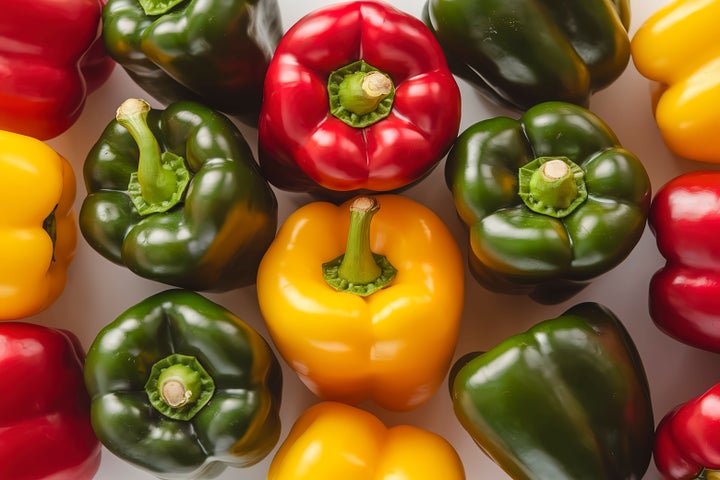
While all bell peppers offer nutritional benefits, what they offer varies slightly depending on colour.

We talked to registered dietitians about how bell peppers’ benefits vary by colour. Curious as to which one you should go for to support your health goals, including immune support? Here’s everything you need to know.

How the nutritional benefits of bell peppers vary based on their colour

When comparing the nutritional benefits of the different colours of bell peppers, it’s helpful to know why their colours vary to begin with.

Ginger Hultin, a registered dietitian nutritionist who has a doctorate in clinical nutrition and is the author of Anti-Inflammatory Plant-Based Eating 101, told HuffPost that a bell pepper’s hue has to do with how ripe it is.

“Bell peppers change colour as they ripen on the vine, with green peppers being the least ripe and red peppers being the most mature,” Hultin said.

She explained that green bell peppers are high in chlorophyll, a pigment that gives them their green colour. “As the peppers mature on the vine, the chlorophyll breaks down, and more carotenoids [a type of antioxidant] are produced, accounting for the change in colour and nutrient profile,” she said.

Hultin added that, unlike bananas, bell peppers are non-climacteric fruits and don’t ripen after they’ve been picked.

As a 2021 review published in the journal Molecules explains, all bell peppers contain carbohydrates, fibre, antioxidants, vitamin C, vitamin A, potassium, calcium and phosphorus. All three dietitians we spoke to told HuffPost that the amount of these nutrients varies slightly, based on a bell pepper’s colour.

These are all the same plant, just at different levels of ripeness.

Ramona Macedonski / 500px via Getty Images

These are all the same plant, just at different levels of ripeness.

Red peppers have distinct health benefits

Want to get the most nutrients across the board? Registered dietitian and intuitive eating counsellor Kara Lydon recommends eating red bell peppers.

“Red bell peppers typically come out on top in terms of overall nutritional value. Since red peppers ripen the longest, they boast the most antioxidants,” she said.

Registered dietitian Maggie Michalczyk said this too, explaining, “Red bell peppers are the highest in vitamin C and A due to longer ripening times, followed by orange, yellow and green.”

In terms of which colour bell pepper offers the most immune support, red comes out on top again.

“Studies show that red bell peppers have the highest content of vitamin C out of all the bell peppers, potentially as high as 60% more vitamin C than their green counterparts,” Lydon shared, highlighting a study published in the International Journal of Food Science and Nutrition.

As Michalczyk pointed out earlier, red bell peppers are also the highest in vitamin A, another nutrient that supports immune health.

But don’t discount orange, yellow and green peppers

Even though red bell peppers are the most nutrient-rich, that doesn’t mean that orange, yellow and green bell peppers aren’t worth eating.

All three dietitians emphasised that the nutritional differences between different coloured bell peppers aren’t huge, so you shouldn’t get too hung up on it.

“Each bell pepper offers a unique antioxidant profile, so it’s best to ‘eat the colours of the rainbow’ when it comes to bell peppers so that you can reap the nutritional benefits of each kind,” Lydon said.

For example, yellow bell peppers are particularly high in lutein and zeaxanthin, two nutrients that support eye health.

As for green bell peppers, Hultin said they are lower in calories. “Green bell peppers have slightly fewer calories than their red, orange and yellow counterparts since they are less ripe and their natural sugars haven’t accumulated yet. However, this difference is negligible,” she said. A red bell pepper contains about 37 calories per pepper, while a green pepper contains 24.

It bears repeating that when it comes to the nutritional differences among bell pepper colours, all three dietitians say these differences are pretty minimal across the board, so it’s important not to get too hung up on them.

How you cook them matters

If you want to get the maximum benefits from your peppers, how you cook them matters. “Steaming and stir-frying are two good ways to cook bell peppers to help prevent the loss of water-soluble vitamins like vitamin C,” Michalczyk said.

She recommends avoiding boiling or cooking bell peppers at high heat to preserve their nutrient density as much as possible. “It’s good to keep in mind that overcooking can degrade nutrients found in vegetables and boiling can cause the water-soluble vitamins to leach into the water,” she explained.

Since vitamin A is fat-soluble, Hutlin recommends sautéing peppers in extra-virgin olive oil to help maximise nutrient absorption.

There is no shortage of bell pepper recipes you can find online to experiment with to learn your favourite ways to eat them.

Lydon said that, personally, she loves stuffed bell peppers because they’re easily customisable based on taste preferences and the ingredients you have on hand. “Make it a well-balanced, satisfying meal by adding a source of lean protein like ground turkey, chicken or fish, a starch high in fiber like brown rice or quinoa and a dietary fat like cheese or avocado,” she shared.

Hultin says that bell peppers can be easily mixed into soups, stews, omelettes or frittatas for breakfast, roasted as a side or enjoyed raw and sliced to pair with hummus.

“Ultimately, all colours of bell peppers make a great addition to the diet, so I wouldn’t stress too much about getting one colour vs. the other,” Michalczyk emphasised.

“Go for a variety to reap the benefits from the health compounds that are unique to each colour. In the winter, during cold and flu season, I think it’s great to know that red bell pepper has more vitamin C than an orange and incorporate those into different meals and snacks to support your immune system.”

It’s also important to remember that bell peppers are just one of many nutrient-rich foods, including ones that support your immune system. So it’s worth it to vary your meals with other foods too, like cauliflower, butternut squash and apples. Besides providing your body with a wider range of nutrients, switching things up will keep your taste buds happy, too.

Share Button

Betelgeuse has a hidden companion and Hubble just caught its wake

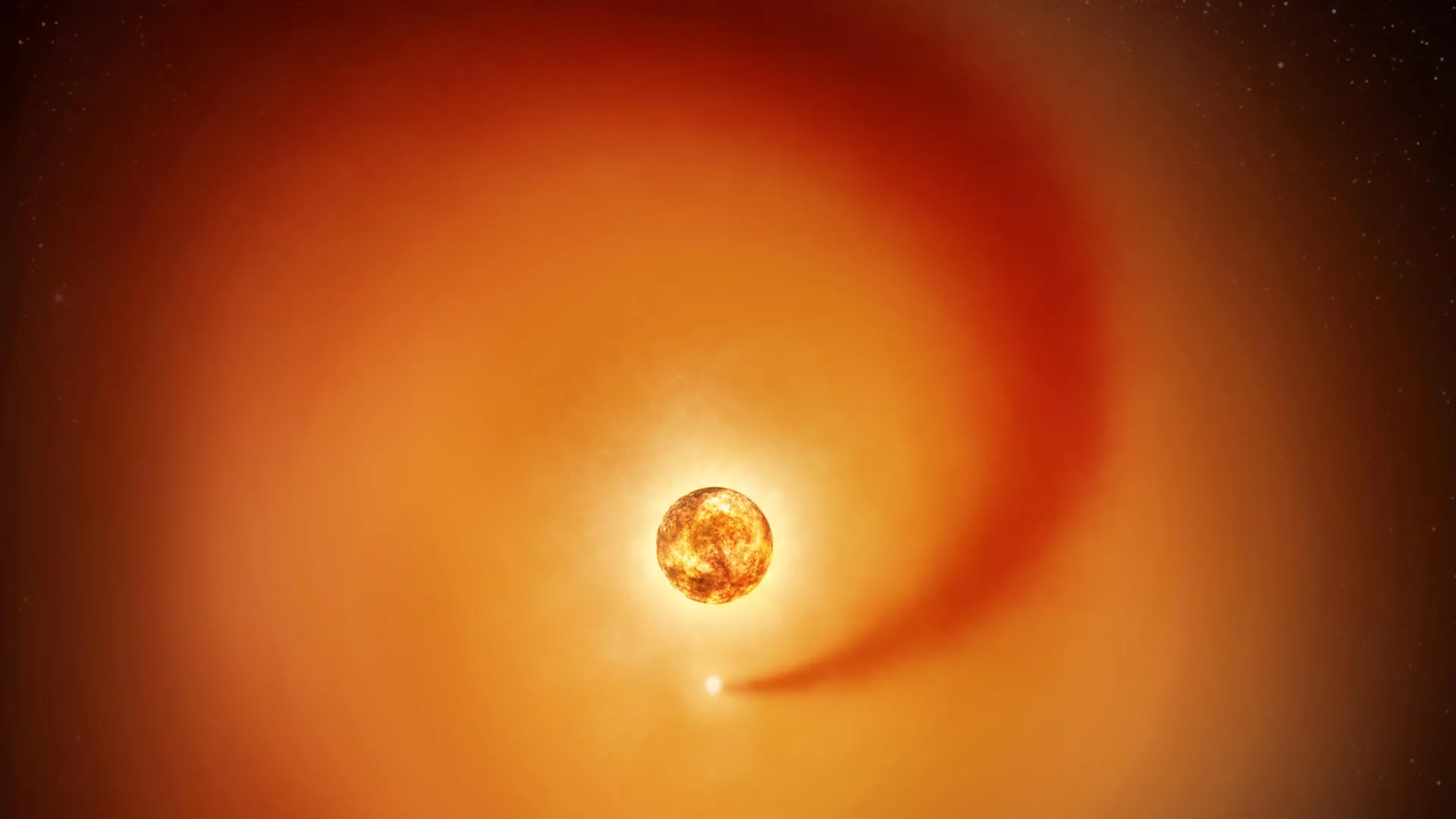
Astronomers analyzing fresh observations from NASA’s Hubble Space Telescope and several ground-based observatories have uncovered clear signs that a recently identified companion star is shaping the environment around Betelgeuse. The study, led by researchers at the Center for Astrophysics | Harvard & Smithsonian (CfA), shows that the companion star, called Siwarha, is generating a dense stream of gas as it moves through Betelgeuse’s enormous outer atmosphere. This newly observed structure helps explain the unusual and long-running changes seen in the giant star’s brightness and atmospheric behavior.

The findings were announced at a news conference during the 247th meeting of the American Astronomical Society in Phoenix and have been accepted for publication in The Astrophysical Journal.

Eight Years of Observations Reveal a Stellar Wake

Researchers identified the influence of Siwarha by carefully measuring subtle changes in Betelgeuse’s light over nearly eight years. These long-term observations revealed the effects of a companion star that had previously been suspected but not confirmed. As the companion moves through Betelgeuse’s outer layers, it disrupts the surrounding gas, producing a trail of denser material.

This detection resolves one of the most enduring puzzles surrounding Betelgeuse. By confirming the companion’s presence, astronomers can now better explain how the star behaves and changes over time. The discovery also provides valuable insight into the later stages of evolution for other massive stars approaching the ends of their lives.

Betelgeuse is located about 650 light-years from Earth in the constellation Orion. It is a red supergiant of extraordinary size, large enough to contain more than 400 million Suns. Because it is both enormous and relatively close to Earth, Betelgeuse is one of the few stars whose surface and surrounding atmosphere can be directly studied, making it a key target for understanding how giant stars grow older, lose material, and eventually explode as supernovae.

Multiple Telescopes Confirm the Companion’s Impact

By combining data from Hubble with observations from the Fred Lawrence Whipple Observatory and the Roque de Los Muchachos Observatory, the team identified repeating patterns in Betelgeuse’s behavior. These patterns provided strong evidence of the long-suspected companion star and revealed how it affects the red supergiant’s outer atmosphere.

Scientists observed changes in the star’s spectrum, meaning the specific colors of light produced by different elements, along with shifts in the motion of gas in the outer atmosphere. These changes are linked to a dense wake formed by the companion star. The wake appears shortly after the companion passes in front of Betelgeuse approximately every six years, or about 2,100 days, in agreement with earlier theoretical predictions.

“It’s a bit like a boat moving through water. The companion star creates a ripple effect in Betelgeuse’s atmosphere that we can actually see in the data,” said Andrea Dupree, an astronomer at the CfA and lead author of the study. “For the first time, we’re seeing direct signs of this wake, or trail of gas, confirming that Betelgeuse really does have a hidden companion shaping its appearance and behavior.”

Decades of Strange Variability Explained

Astronomers have monitored Betelgeuse for decades, tracking changes in its brightness and surface features in an effort to understand its unpredictable behavior. Interest surged in 2020 when the star unexpectedly dimmed after what was described as a stellar “sneeze.” Scientists identified two major cycles in Betelgeuse’s variability: a shorter 400-day period linked to pulsations inside the star, and a much longer cycle lasting about 2,100 days.

Before this discovery, scientists explored many explanations for Betelgeuse’s long-term changes. These included massive convection cells, clouds of dust, magnetic activity, and the potential influence of a hidden companion. Recent studies suggested that the longer cycle was best explained by a low-mass star orbiting deep within Betelgeuse’s atmosphere. Although one group reported a possible detection, there was no definitive evidence until now.

The newly detected wake provides the strongest proof yet that a companion star is actively disturbing the atmosphere of this red supergiant.

“The idea that Betelgeuse had an undetected companion has been gaining in popularity for the past several years, but without direct evidence, it was an unproven theory,” said Dupree. “With this new direct evidence, Betelgeuse gives us a front-row seat to watch how a giant star changes over time. Finding the wake from its companion means we can now understand how stars like this evolve, shed material, and eventually explode as supernovae.”

Looking Ahead to Future Observations

From Earth’s perspective, Betelgeuse is currently eclipsing its companion star. Astronomers are planning additional observations when the companion becomes visible again in 2027. Researchers say this discovery could also help solve similar mysteries involving other giant and supergiant stars.

Hubble’s Continuing Contributions

The Hubble Space Telescope has been operating for more than 30 years and continues to produce discoveries that deepen our understanding of the universe. Hubble is a collaborative project between NASA and ESA (European Space Agency). NASA’s Goddard Space Flight Center in Greenbelt, Maryland, oversees mission operations, with additional support from Lockheed Martin Space in Denver. The Space Telescope Science Institute in Baltimore, operated by the Association of Universities for Research in Astronomy, manages Hubble’s scientific operations for NASA.

Share Button

Astronomers find a ghost galaxy made of dark matter

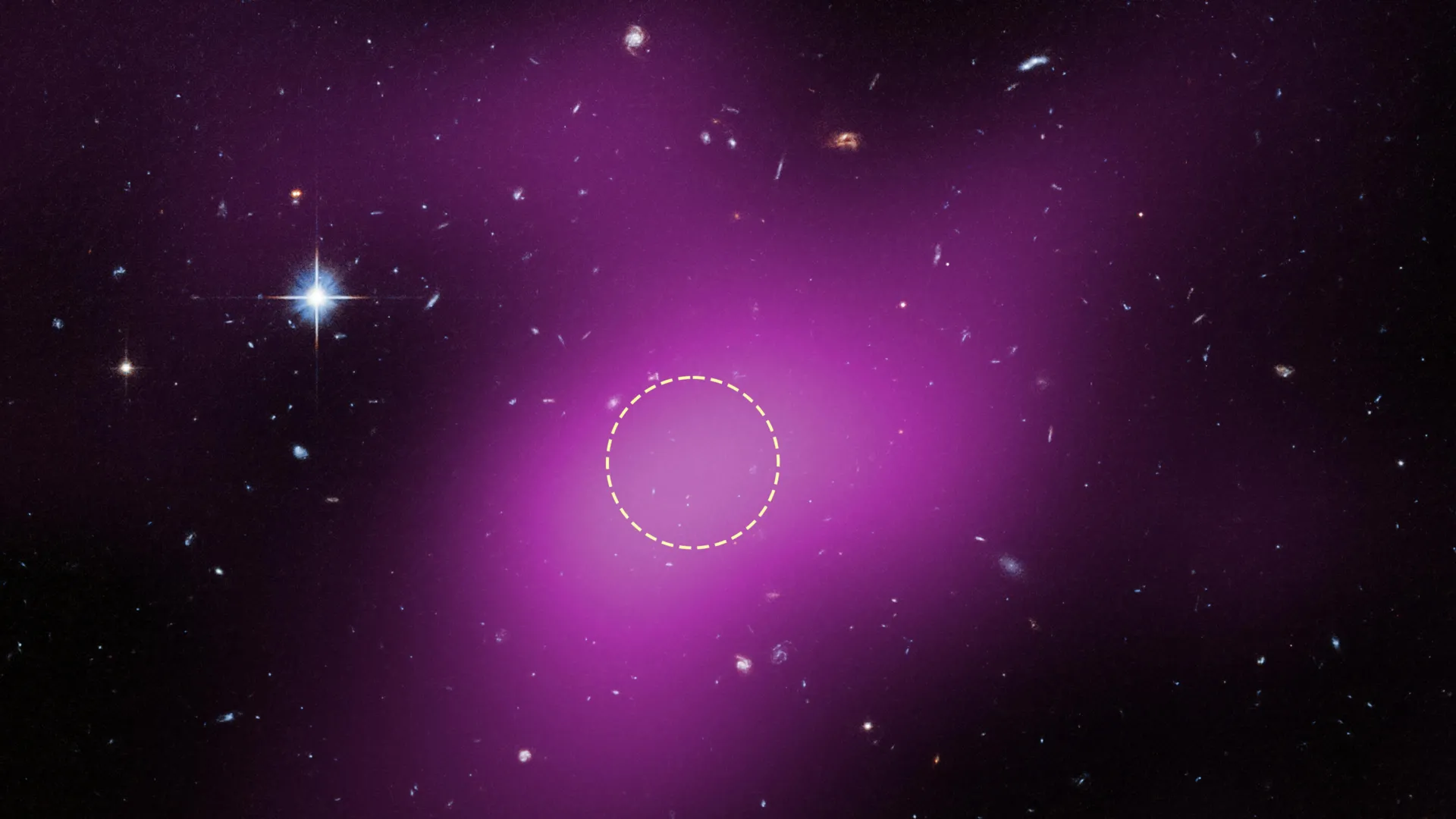
Astronomers working with the Hubble Space Telescope have identified an entirely new type of cosmic object. It is a cloud rich in gas and dominated by dark matter, yet it contains no stars. Scientists consider it a relic left behind from the earliest stages of galaxy formation. The object, known as “Cloud-9,” is the first confirmed example of its kind ever observed in the Universe.

“This is a tale of a failed galaxy,” said the program’s principal investigator, Alejandro Benitez-Llambay of the Milano-Bicocca University in Milan, Italy. “In science, we usually learn more from the failures than from the successes. In this case, seeing no stars is what proves the theory right. It tells us that we have found in the local Universe a primordial building block of a galaxy that hasn’t formed.”

A Rare Glimpse of the Dark Universe

“This cloud is a window into the dark Universe,” explained team member Andrew Fox of AURA/STScI for the European Space Agency. “We know from theory that most of the mass in the Universe is expected to be dark matter, but it’s difficult to detect this dark material because it doesn’t emit light. Cloud-9 gives us a rare look at a dark-matter-dominated cloud.”

Cloud-9 belongs to a category known as Reionization-Limited H I Clouds, or “RELHICs.” The term “H I” refers to neutral hydrogen, while “RELHIC” describes a hydrogen cloud formed in the early Universe that never progressed to form stars. Scientists had predicted the existence of such objects for years, but direct confirmation remained elusive. Only after observing Cloud-9 with Hubble were researchers able to verify that it truly contains no stars.

Ruling Out a Hidden Dwarf Galaxy

“Before we used Hubble, you could argue that this is a faint dwarf galaxy that we could not see with ground-based telescopes. They just didn’t go deep enough in sensitivity to uncover stars,” explained lead author Gagandeep Anand of the Space Telescope Science Institute (STScI), Baltimore, USA. “But with Hubble’s Advanced Camera for Surveys, we’re able to nail down that there’s nothing there.”

The discovery itself caught researchers off guard. “Among our galactic neighbors, there might be a few abandoned houses out there,” said STScI’s Rachael Beaton, who is also on the research team.

RELHICs are believed to be dark matter structures that never gathered enough gas to trigger star formation. Because of this, they preserve conditions from the early Universe. Cloud-9 points to the likely existence of many other small, dark matter-dominated objects, often described as failed galaxies. Studying them offers new insight into parts of the Universe that remain difficult to observe because most telescopes focus on bright stars and galaxies.

Measuring an Invisible Giant

Hydrogen clouds near the Milky Way have been studied for decades, but most are far larger and more irregular in shape than Cloud-9. By contrast, Cloud-9 is smaller, denser, and nearly spherical, giving it a distinctly different appearance from other known gas clouds.

At its center, Cloud-9 contains neutral hydrogen spanning roughly 4900 light-years. The hydrogen gas alone has a mass about 1 million times that of the Sun. If the gas pressure is indeed balanced by the gravitational pull of the surrounding dark matter, then dark matter must account for most of the object’s mass. Based on this balance, Cloud-9 is estimated to contain roughly 5 billion solar masses.

Why Starless Objects Matter

Cloud-9 highlights how much of the Universe exists beyond stars. Observing starlight alone does not reveal the full picture. By examining gas and dark matter together, scientists can better understand systems that would otherwise remain hidden.

Finding failed galaxies like Cloud-9 is difficult because nearby bright objects often overpower their faint signals. These systems are also sensitive to environmental effects such as ram-pressure stripping, which can remove gas as they move through intergalactic space. These challenges help explain why such objects appear to be rare.

Discovery Through Radio Telescopes

Cloud-9 was first detected three years ago during a radio survey conducted with the Five-hundred-meter Aperture Spherical Telescope (FAST) in Guizhou, China. The discovery was later confirmed using the Green Bank Telescope and the Very Large Array in the United States. The name “Cloud-9” carries no cultural meaning in China and was assigned simply because it was the ninth gas cloud identified near the outer regions of the spiral galaxy Messier 94 (M94).

The cloud lies close to M94 and appears to be physically connected to the galaxy. High-resolution radio observations reveal slight distortions in the gas, which may be evidence of interaction between Cloud-9 and its larger neighbor.

A Galaxy That Might Still Form

Whether Cloud-9 will eventually become a galaxy depends on whether it gains additional mass. If it had been much larger, gravity would have caused it to collapse and form stars long ago. If it were much smaller, its gas might have dispersed and become ionized, leaving little behind. Instead, it exists in a narrow range that allows it to persist as a RELHIC.

This discovery advances understanding of how galaxies form, how the early Universe evolved, and how dark matter behaves. Because Cloud-9 contains no stars, it allows scientists to study the properties of dark matter clouds without interference from starlight. As future surveys improve, researchers expect to uncover more of these rare relics, offering deeper insight into the Universe’s hidden structure and the physics of dark matter.

Share Button

Long waits for disability benefit claims unacceptable, MPs say

Some people are waiting more than a year to have their claims processed, the Public Accounts Committee says.

Share Button

Doctors strike called off as union backs latest pay deal

Medics had been set to go on the first national walkout staged by NHS workers on Tuesday in a dispute over pay.

Share Button