Less sugar as a baby, fewer heart attacks as an adult

Limiting sugar consumption during early childhood may reduce the risk of serious heart problems later in life. A study published in The BMJ, based on data from the end of sugar rationing in the United Kingdom in 1953, found that people who consumed less sugar early on were less likely to develop conditions such as heart attack, heart failure, and stroke as adults.

The strongest protective effect, along with the greatest delay in the onset of heart disease — was observed among individuals whose sugar intake was restricted from conception (“in utero”) through about age 2.

Health experts have long suggested that the first 1000 days of life (from conception to around 2 years of age) represent a critical window when nutrition can influence long term health. Current guidelines recommend avoiding sugary drinks and ultra-processed foods (which often contain high amounts of sugar) as infants and toddlers begin eating solid foods.

A Natural Experiment Using UK Sugar Rationing

To explore whether limiting sugar during this early window affects future heart health, researchers took advantage of a unique historical event. Sugar rationing in the UK ended in September 1953, creating a natural comparison between children born before and after that policy change.

The analysis included 63,433 participants from the UK Biobank, with an average age of 55, who were born between October 1951 and March 1956 and had no prior history of heart disease. Of these, 40,063 were exposed to sugar rationing early in life, while 23,370 were not.

Researchers linked participants’ health records to monitor rates of cardiovascular disease (CVD), heart attack, heart failure, irregular heart rhythm (atrial fibrillation), stroke, and death from cardiovascular causes. The analysis accounted for genetic, environmental, and lifestyle factors that could influence heart health. An additional comparison group of adults born outside the UK, who did not experience sugar rationing or similar policy shifts around 1953, was also included to strengthen the findings.

Lower Cardiovascular Risk and Delayed Onset

The study found that longer exposure to sugar rationing corresponded with steadily lower risks of cardiovascular disease in adulthood. Part of this benefit appeared to stem from lower rates of diabetes and high blood pressure among those exposed to rationing early in life.

Compared with people who were never exposed to rationing, individuals exposed in utero plus 1-2 years had a 20% lower risk of CVD overall. They also had reduced risks of heart attack (25%), heart failure (26%), atrial fibrillation (24%), stroke (31%), and cardiovascular death (27%).

In addition to lower risk, heart problems tended to develop later. Those exposed to sugar rationing before birth and in early childhood experienced delays in the onset of cardiovascular conditions of up to two and a half years compared with those who were not exposed.

Researchers also observed modest but meaningful improvements in measures of healthy heart function among individuals who experienced rationing.

Sugar Limits and Modern Dietary Guidance

During the rationing period, sugar allowances for the entire population, including pregnant women and children, were capped at less than 40 g per day — and infants under age 2 were not allowed any added sugars. These limits align closely with today’s dietary recommendations for young children.

Because this was an observational study, it cannot prove that lower sugar intake directly caused better heart outcomes. The researchers note several limitations, including the lack of detailed individual dietary records and the possibility of recall bias.

Even so, they emphasize that the large scale and careful design of the study allowed them to compare different periods of exposure and examine potential pathways connecting early sugar intake with later cardiovascular health.

“Our results underscore the cardiac benefit of early life policies focused on sugar rationing. Further studies should investigate individual level dietary exposures and consider the interplay between genetic, environmental, and lifestyle factors to develop more personalized prevention strategies.”


Share Button

Young Mars volcano hides a powerful magma engine beneath the surface

Volcanic eruptions that look like single events are often the visible outcome of slow, complicated activity taking place deep underground. Beneath the surface, magma shifts position, changes chemically, and can sit for long stretches before finally erupting. To piece together what is happening below, scientists examine lava flows, rock textures, and minerals left behind at the surface. These clues help reveal the hidden magma systems that drive volcanic activity.

A recent study published in Geology shows that this same complexity exists on Mars. High resolution images of the landscape and mineral measurements collected from orbit indicate that some of the planet’s youngest volcanic regions have a much more detailed history than previously assumed. Instead of forming during brief, one time eruptions, these volcanoes were built by magma systems that remained active and changed over extended periods beneath the martian surface.

Study Focuses on Volcanic System Near Pavonis Mons

An international team of researchers from Adam Mickiewicz University in Poznań, the School of Earth, Environment and Sustainability (SEES) at the University of Iowa, and the Lancaster Environment Centre examined a long lasting volcanic system located south of Pavonis Mons, one of the largest volcanoes on Mars. By pairing careful surface mapping with mineral data gathered from orbiting spacecraft, the scientists reconstructed how the volcano and its underlying magma system developed over time with remarkable precision.

“Our results show that even during Mars’ most recent volcanic period, magma systems beneath the surface remained active and complex,” says Bartosz Pieterek of Adam Mickiewicz University. “The volcano did not erupt just once — it evolved over time as conditions in the subsurface changed.”

Multiple Eruptive Phases Traced by Mineral Signatures

The analysis revealed that the volcanic system progressed through several stages. Early activity involved lava spreading out from fissures in the ground, while later eruptions came from more focused vents that built cone shaped features. Although these lava deposits look different today, they were all fed by the same underlying magma reservoir. Each phase left behind a unique mineral fingerprint, allowing researchers to track how the magma’s composition shifted over time.

“These mineral differences tell us that the magma itself was evolving,” Pieterek explains. “This likely reflects changes in how deep the magma originated and how long it was stored beneath the surface before erupting.”

Orbital Data Offers Rare Insight Into Mars Interior

Since scientists cannot yet collect rock samples directly from Martian volcanoes, studies like this offer valuable information about the planet’s interior. The findings demonstrate how powerful orbital observations can be for uncovering the hidden structure and long term evolution of volcanic systems, both on Mars and on other rocky worlds.

Share Button

Woman’s regret over botched Brazilian butt lift

Josephina Finch says the surgery left her with a “gaping wound”.

Share Button

Streeting says he takes Leeds maternity care inquiry concerns ‘extremely seriously’

The health secretary will meet bereaved families on Monday, as delay into maternity care probe drags on.

Share Button

‘It was like buying groceries’ – Woman calls for tighter weight-loss jabs checks

Emma Dyer says she collapsed on her bathroom floor and began vomiting blood after buying jabs online.

Share Button

A simple water shift could turn Arctic farmland into a carbon sink

In their natural condition, peatlands rank among the planet’s most important carbon reservoirs. The soil is saturated with water and contains very little oxygen, which slows the breakdown of dead plants. Instead of fully decomposing, plant material builds up layer upon layer over thousands of years, forming deep deposits of peat that lock away carbon for the long term.

That balance changes when peatlands are drained for farming. Lowering the water table allows oxygen to enter the soil, speeding up microbial activity. As microbes break down the previously preserved plant matter, carbon that has been stored for centuries is released into the atmosphere as carbon dioxide (CO2).

Northern Peatlands Remain Understudied

Large areas of peatland across Europe and the Nordic region have been drained since the 1600s. Scientists have closely examined how drainage and shifting water levels affect greenhouse gas emissions in many of these regions.

Far less is known about the northernmost peatlands used for agriculture. These areas experience cold temperatures, short growing seasons, and extended daylight during summer months.

“From studies in warmer regions, we know that raising the groundwater level in drained and cultivated peatland often reduces CO2 emissions, because the peat decomposes more slowly,” explains NIBIO researcher Junbin Zhao.

“At the same time, wetter and low-oxygen conditions can increase methane, since the microbes that produce methane thrive when there is almost no oxygen in the soil.”

Nitrous oxide can also increase under certain moisture conditions. When soil is damp but not completely waterlogged, nitrogen breakdown may stop midway, producing nitrous oxide instead of harmless nitrogen gas.

“Because each greenhouse gas reacts differently to changes in water level, one gas can go down while another goes up. That’s why it’s important to look at the overall gas balance,” says Zhao.

“We need to measure CO2, methane, and nitrous oxide at the same time and throughout the whole season to understand the real net effect in the northernmost agricultural areas.”

Two Year Arctic Field Study in Northern Norway

To answer these questions, Zhao and his colleagues carried out a two year field study in 2022 and 2023 at NIBIO’s Svanhovd research station in the Pasvik Valley of Northern Norway. Automated chambers tracked CO2, methane, and nitrous oxide emissions multiple times per day throughout the growing season.

“The experiment included five plots that together reflected typical management conditions found in a drained agricultural field — with different groundwater levels, different amounts of fertiliser, and different numbers of harvests per season,” Zhao explains.

The team focused on three key questions:

  • Can raising the groundwater level make a cultivated Arctic peatland close to climate-neutral?
  • Does the water level affect soil CO2 emissions more than it affects plant CO2 uptake?
  • How do fertilization and harvesting influence the total climate balance?

Higher Groundwater Levels Cut CO2 Emissions

When the Pasvik peatland was heavily drained, it released large amounts of CO2, comparable to cultivated peatlands farther south. But when researchers raised the groundwater to between 25 and 50 cm below the surface, emissions dropped sharply.

“At these higher water levels, methane and nitrous oxide emissions were also low, giving a much better overall gas balance. Under such conditions, the field even absorbed slightly more CO2 than it released,” says Zhao.

This suggests that maintaining higher groundwater levels in Arctic farmland could serve as an effective climate strategy.

“Our findings are especially interesting because emissions were measured continuously around the clock. This meant we captured short spikes of unusually high emissions and natural daily fluctuations, details often missed when measurements are taken only occasionally.”

Why Cold Arctic Climates Amplify the Effect

Raising the water table makes the soil wetter and reduces oxygen around plant roots. Plants become somewhat less active and absorb less CO2 under these conditions.

Even so, overall CO2 emissions from the field decline.

“This is because wet conditions mean that the field needs less light before it starts to absorb more CO2 than it releases. When this threshold is reached earlier in the day, you get more hours with net carbon uptake,” Zhao explains.

“Our calculations show that this effect is especially strong in the north, due to the long, light summer nights. These provide many extra hours where the system remains on the positive side, which can increase total CO2 uptake significantly.”

Temperature turned out to be another crucial factor. Once soil temperatures climbed above about 12°C, microbial activity intensified.

“At higher temperatures, microorganisms break down organic material faster, and both CO2 and methane emissions rise,” says Zhao.

“This means that the effect of high water levels is greatest in cool climates — and that future warming could reduce the benefit. In practice, this means water levels must be considered together with temperature and local conditions.”

Fertilization and Harvesting Shape the Carbon Balance

Farm management practices also played a role. Adding more fertilizer boosted grass growth.

“More fertilizer produced more biomass but did not lead to noticeable changes in CO2 or methane emissions in our experiment,” says Zhao.

Harvesting had a clearer impact. When grass was cut and removed, the carbon stored in plant material left the system.

“If harvesting is very frequent, more carbon can be taken out than is built up again over time. The peat layer may gradually lose carbon even when water levels are kept high,” Zhao explains.

For that reason, Zhao emphasizes that water management, fertilizer use, and harvesting schedules must be evaluated together. Steps that lower emissions in the short term could reduce long term carbon storage, potentially weakening soil quality.

“One solution could be paludiculture, i.e. growing plant species that tolerate wet conditions so that biomass can be produced without keeping the soil dry.”

Local Differences Matter for Climate Accounting

The researchers also observed significant variation within the same field. Some areas absorbed CO2, while nearby sections released substantial amounts.

“Such local variation can greatly influence national climate accounting and how measures are designed, because one standard emission factor may not reflect reality everywhere,” Zhao says.

“The results from our study show a clear need for more detailed measurements and more precise water-level management in practice, especially where soils and farming conditions vary significantly between locations.”

Share Button

Flea and tick treatments for dogs and cats may be harming wildlife

A study published in Environmental Toxicology and Chemistry by Oxford University Press reports that widely used flea and tick treatments for dogs and cats may pose a serious threat to insects in the natural environment.

Isoxazoline drugs are a relatively new class of antiparasitic medications prescribed by veterinarians around the world to protect pets from fleas and ticks. Introduced in 2013, they quickly gained popularity because they were the first oral treatments capable of controlling both pests for a month or longer. After pets take these medications, the active compounds pass through their bodies and are excreted in feces.

Drug Residues Enter Soil and Ecosystems

The European Medicines Agency has previously warned that these substances could contaminate ecosystems, although detailed information about how much of the drugs enter the environment remains limited. The main concern centers on how veterinary parasite treatments might affect species that are not the intended targets.

Isoxazolines are designed to kill fleas and ticks, but when treated animals eliminate the drugs, other insects may also be exposed. Research suggests pets can introduce these chemicals into the environment through feces, urine, and even shed hair. Of particular concern are dung-feeding insects such as flies, dung beetles, and some butterflies. These species play a vital role in breaking down waste, recycling nutrients, improving soil quality, and helping control pests. If they consume feces containing the drug residues, they may be harmed.

Study Tracks Isoxazoline Residues in Pet Feces

To better understand the risk, researchers in France monitored 20 dogs and 20 cats owned by veterinary students. The animals received isoxazoline treatments over a three month period. Scientists collected fecal samples to measure how much of the active ingredients remained and to estimate how much exposure dung-feeding insects could face.

The analysis focused on how these medications are eliminated in pet waste. Even after the recommended treatment period had ended, researchers detected two of the four active ingredients commonly found in isoxazoline products in the animals’ feces.

Potential Impact on Dung Feeding Insects

An environmental risk assessment based on these findings suggests that dung-feeding insects could experience high levels of exposure to isoxazoline compounds as a result of routine pet treatments. The researchers warn that this exposure could disrupt important ecological processes and potentially lead to serious consequences for environmental lifecycles.

Share Button

“Celtic curse” hotspots found in Scotland and Ireland with 1 in 54 at risk

People with roots in the Outer Hebrides and north west Ireland face the highest known risk of developing hemochromatosis, a genetic disorder that causes the body to absorb and store too much iron. Over time, that excess iron can build up to dangerous levels.

This is the first time researchers have mapped genetic risk for hemochromatosis, sometimes called the ‘Celtic curse’, across the UK and Ireland. The condition has long been known to affect Scottish and Irish populations at higher rates, but until now its geographic distribution had not been clearly charted.

Experts say the findings could help health officials focus genetic screening in the areas most affected, allowing people at risk to be identified earlier and treated before serious complications develop.

Iron Overload Can Damage Organs Over Decades

Hemochromatosis often develops slowly. Excess iron can accumulate in organs for years or even decades before symptoms appear. If left untreated, it can lead to liver damage, liver cancer, arthritis, and other serious health problems. Early diagnosis makes a major difference. Regular blood donation to lower iron levels is a simple and effective treatment that can prevent much of the harm.

The disease is caused by inherited changes in DNA known as genetic variants. In the UK and Ireland, the main risk factor is a variant called C282Y.

Researchers at the University of Edinburgh analyzed genetic information from more than 400,000 people who took part in the UK BioBank and Viking Genes studies. They examined how common the C282Y variant was in 29 regions across the British Isles and Ireland.

Where the C282Y Gene Variant Is Most Common

The highest rates were found among people with ancestry from north west Ireland, where about one in 54 people are estimated to carry the variant. The Outer Hebrides followed closely at one in 62, and Northern Ireland at one in 71.

Mainland Scotland also showed elevated risk, particularly in Glasgow and southwest Scotland. In those areas, about one in 117 people carry the variant, reinforcing the long standing ‘Celtic Curse’ nickname.

Because the combined genetic risk is so high in these regions, researchers say targeted screening there would likely identify the greatest number of people with the condition.

Diagnosis Patterns and Possible Under Detection

The team also reviewed NHS England records and found more than 70,000 diagnosed cases of hemochromatosis. White Irish individuals were nearly four times more likely to be diagnosed than white British individuals.

Among white British individuals, those living in Liverpool were 11 times more likely to have a diagnosis than people in Kent. Researchers suggest this may reflect historical Irish migration, as more than 20 percent of Liverpool’s population was Irish in the 1850s.

In general, diagnosis rates in England mirror the pattern of genetic risk. However, Birmingham, Cumbria, Northumberland and Durham reported fewer cases than expected based on their genetic profiles. These areas may have undetected cases and could benefit from expanded screening efforts.

Comparable NHS prevalence data were not available for Scotland, Wales and Northern Ireland, so those regions were not included in that portion of the analysis.

The study was funded by the charity Haemochromatosis-UK and conducted in partnership with RCSI University of Medicine and Health Sciences. It was published in Nature Communications.

Calls for Community Wide Genetic Screening

Professor Jim Flett Wilson, Chair of Human Genetics at the University of Edinburgh, said: “If untreated, the iron-overload disease hemochromatosis can lead to liver cancer, arthritis and other poor outcomes. We have shown that the risk in the Hebrides and Northern Ireland is much higher than previously thought, with about one in every 60 people at risk, about half of whom will develop the disease. Early detection prevents most of the adverse consequences and a simple treatment — giving blood — is available. The time has come to plan for community-wide genetic screening in these high-risk areas, to identify as many people as possible whose genes mean they are at high risk of this preventable illness.”

Jonathan Jelley MBE JP, CEO of Haemochromatosis UK, said: “Although there are other forms and genotypes that can lead to iron overload, available research indicates C282Y presents as the greatest risk. This hugely important work has the potential to lead to greater targeted awareness, increased diagnosis and better treatment pathways for thousands of people affected by genetic hemochromatosis.

“As a charity we have already begun work on targeting and prioritizing hotspot areas of the UK for support including with our National Helpline and clinician education. Using this study we will continue to campaign for better allocation of public resources to this preventable condition that is all too often overlooked.”

Torcuil Crichton, the Labour MP for Na h-Eileanan an Iar (the Western Isles), has hemochromatosis and backs the push for screening in the Western Isles.

Torcuil Crichton MP said: “This research writes the case for community-wide screening in the Western Isles, Northern Ireland, and other hemochromatosis hotspots. I have previously raised this with Ministers in the House of Commons and this new evidence ought to be enough to persuade the UK National Screening Committee to review its position and approve a pilot screening program. The Western Isles offers a contained and distinct population sample to start from.

“Early identification, which I was lucky to have, means a whole range of bad health outcomes can be avoided and I’ll be urging Ministers and the Screening Committee to reconsider their stance.”

Share Button

Scientists discover why high altitude protects against diabetes

For years, researchers have observed that people who live at high elevations, where oxygen is scarce, tend to develop diabetes less often than those at sea level. Although the trend was well documented, the biological explanation behind it was unclear.

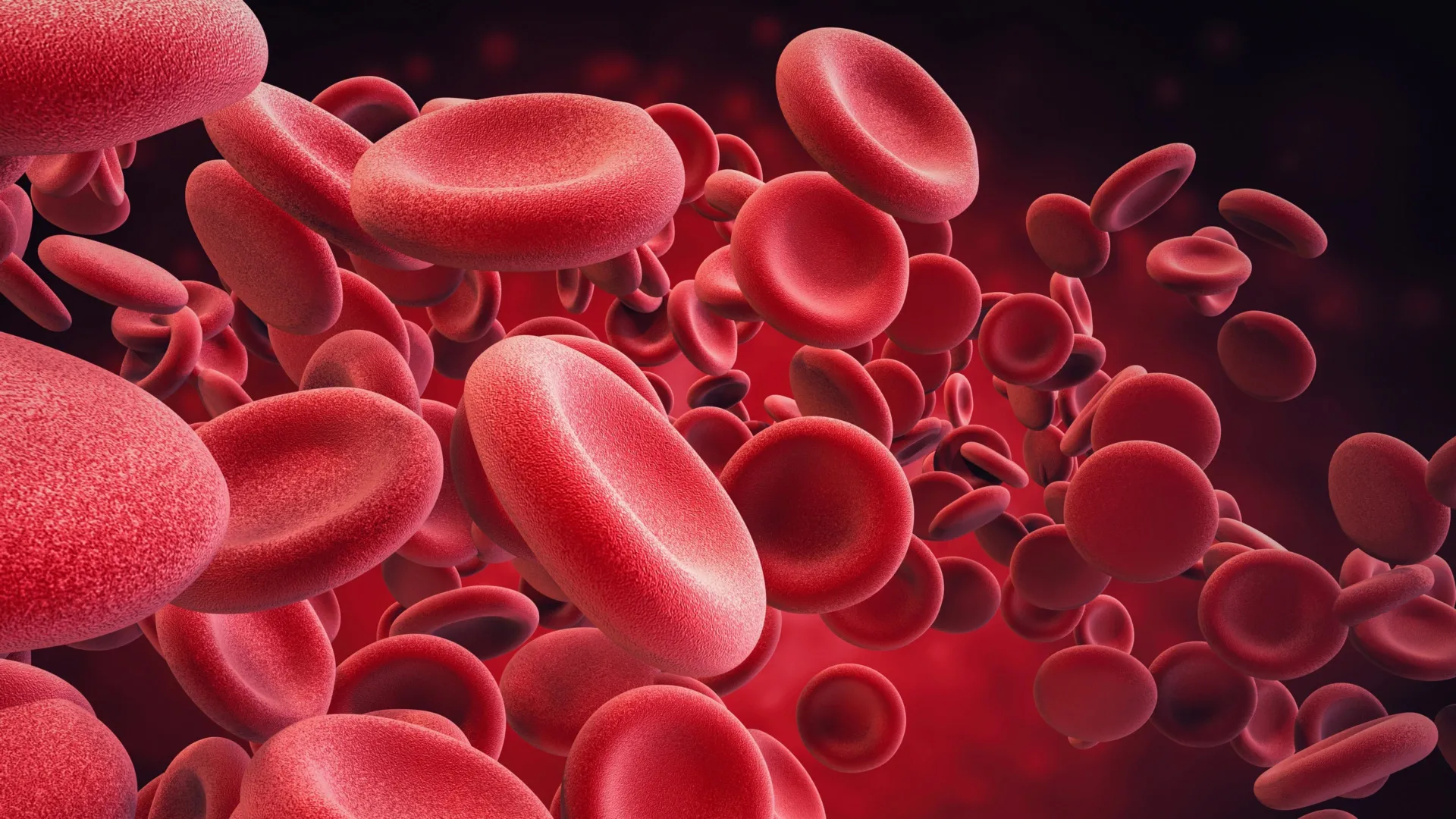
Scientists at Gladstone Institutes now say they have identified the reason. Their research shows that in low oxygen environments, red blood cells begin absorbing large amounts of glucose from the bloodstream. In effect, the cells act like sugar sponges under conditions similar to those found on the world’s tallest mountains.

In findings published in Cell Metabolism, the team demonstrated that red blood cells can alter their metabolism when oxygen levels drop. This shift allows the cells to deliver oxygen to tissues more efficiently at high altitude. At the same time, it lowers circulating blood sugar, offering a potential explanation for reduced diabetes risk.

According to senior author Isha Jain, PhD, a Gladstone Investigator, core investigator at Arc Institute, and professor of biochemistry at UC San Francisco, the study resolves a longstanding question in physiology.

“Red blood cells represent a hidden compartment of glucose metabolism that has not been appreciated until now,” Jain says. “This discovery could open up entirely new ways to think about controlling blood sugar.”

Red Blood Cells Identified as a Glucose Sink

Jain’s lab has spent years studying hypoxia, the term for reduced oxygen levels in the blood, and its effects on metabolism. In earlier experiments, her team noticed that mice exposed to low oxygen air had dramatically lower blood glucose levels. The animals rapidly cleared sugar from their bloodstream after eating, which is typically linked to lower diabetes risk. However, when researchers examined major organs to determine where the glucose was being used, they found no clear answer.

“When we gave sugar to the mice in hypoxia, it disappeared from their bloodstream almost instantly,” says Yolanda Martí-Mateos, PhD, a postdoctoral scholar in Jain’s lab and first author of the new study. “We looked at muscle, brain, liver — all the usual suspects — but nothing in these organs could explain what was happening.”

Using a different imaging method, the researchers discovered that red blood cells were serving as the missing “glucose sink,” meaning they were taking in and using significant amounts of glucose from circulation. This was unexpected because red blood cells have traditionally been viewed as simple oxygen carriers.

Follow up experiments in mice confirmed the finding. Under low oxygen conditions, the animals produced more red blood cells overall, and each individual cell absorbed more glucose compared with cells formed under normal oxygen levels.

To uncover the molecular details behind this shift, Jain’s group partnered with Angelo D’Alessandro, PhD, of the University of Colorado Anschutz Medical Campus, and Allan Doctor, MD, from University of Maryland, who has long studied red blood cell biology.

Their work showed that when oxygen is limited, red blood cells use glucose to generate a molecule that helps release oxygen to tissues. This process becomes especially important when oxygen is in short supply.

“What surprised me most was the magnitude of the effect,” D’Alessandro says. “Red blood cells are usually thought of as passive oxygen carriers. Yet, we found that they can account for a substantial fraction of whole-body glucose consumption, especially under hypoxia.”

Implications for Diabetes Treatment

The researchers also found that the metabolic benefits of prolonged hypoxia lasted for weeks to months after mice were returned to normal oxygen levels.

They then evaluated HypoxyStat, a drug recently developed in Jain’s lab that mimics low oxygen exposure. HypoxyStat is taken as a pill and works by causing hemoglobin in red blood cells to bind oxygen more tightly, limiting the amount delivered to tissues. In mouse models of diabetes, the medication completely reversed high blood sugar and outperformed existing treatments.

“This is one of the first use of HypoxyStat beyond mitochondrial disease,” Jain says. “It opens the door to thinking about diabetes treatment in a fundamentally different way — by recruiting red blood cells as glucose sinks.”

The findings may also apply beyond diabetes. D’Alessandro notes potential relevance for exercise physiology and for pathological hypoxia after traumatic injury. Trauma remains a leading cause of death among younger people, and changes in red blood cell production and metabolism could affect glucose availability and muscle performance.

“This is just the beginning,” Jain says. “There’s still so much to learn about how the whole body adapts to changes in oxygen, and how we could leverage these mechanisms to treat a range of conditions.”

Study Details and Funding

The study, titled “Red Blood Cells Serve as a Primary Glucose Sink to Improve Glucose Tolerance at Altitude,” appeared in Cell Metabolism on February 19, 2026. The authors include Yolanda Martí-Mateos, Ayush D. Midha, Will R. Flanigan, Tej Joshi, Helen Huynh, Brandon R. Desousa, Skyler Y. Blume, Alan H. Baik, and Isha Jain of Gladstone; Zohreh Safari, Stephen Rogers, and Allan Doctor of University of Maryland; and Shaun Bevers, Aaron V. Issaian, and Angelo D’Alessandro of University of Colorado Anschutz.

Funding was provided by the National Institutes of Health (DP5 DP5OD026398, R01 HL161071, R01 HL173540, R01HL146442, R01HL149714, DP5OD026398), the California Institute for Regenerative Medicine, Dave Wentz, the Hillblom Foundation, and the W.M. Keck Foundation.

Share Button

Ultramarathons may damage red blood cells and accelerate aging

Running extreme distances may do more than exhaust muscles. A study published in the American Society of Hematology’s journal Blood Red Cells & Iron reports that ultra-endurance events can injure red blood cells in ways that may interfere with how they function. Researchers do not yet know how long the damage lasts or what it means for long-term health, but the findings add to growing evidence that very intense exercise may sometimes strain the body rather than strengthen it.

Earlier research found that ultramarathon runners often experience a breakdown of healthy red blood cells during races, which can potentially lead to anemia. However, scientists have not fully understood why this happens. The new study found that after prolonged races, red blood cells become less flexible. Because these cells must bend to pass through tiny blood vessels while delivering oxygen and removing waste, reduced flexibility may limit their efficiency. The team also created the most detailed molecular profile to date showing how endurance races alter red blood cells.

“Participating in events like these can cause general inflammation in the body and damage red blood cells,” said the study’s lead author, Travis Nemkov, PhD, associate professor in the department of biochemistry and molecular genetics at the University of Colorado Anschutz. “Based on these data, we don’t have guidance as to whether people should or should not participate in these types of events; what we can say is, when they do, that persistent stress is damaging the most abundant cell in the body.”

Inside the Study of Ultramarathon Runners

To examine these effects, researchers measured indicators of red blood cell health before and after athletes competed in two demanding races: the Martigny-Combes à Chamonix race (40 kilometers or about 25 miles long) and the Ultra Trail de Mont Blanc race (171 kilometers or 106 miles long). Red blood cells are responsible for carrying oxygen and transporting waste products throughout the body, and their ability to flex is critical for moving through narrow blood vessels.

The team collected blood samples from 23 runners immediately before and after their races. They analyzed thousands of proteins, lipids, metabolites, and trace elements in both plasma and red blood cells. The results consistently showed signs of injury driven by both mechanical (physical) and molecular factors. Mechanical stress likely resulted from shifts in fluid pressure as blood circulates during intense running. Molecular damage appeared linked to inflammation and oxidative stress (when the body has low levels of antioxidants, which fight off molecules that damage DNA and other components within cells).

Longer Races, Greater Cellular Stress

Evidence of accelerated aging and increased breakdown of red blood cells was visible after the 40 kilometer race and was even more pronounced among athletes who completed the 171 kilometer event. Based on these findings, researchers suggest that longer races may lead to greater loss of red blood cells and more damage to those that remain in circulation.

“At some point between marathon and ultra-marathon distances, the damage really starts to take hold,” said Dr. Nemkov. “We’ve observed this damage happening, but we don’t know how long it takes for the body to repair that damage, if that damage has a long-term impact, and whether that impact is good or bad.”

Implications for Performance and Blood Storage

With additional research, the team believes these findings could help guide personalized training, nutrition, and recovery strategies aimed at improving performance while limiting potential harm from extreme endurance exercise. The work may also have broader medical relevance. Stored blood used for transfusions begins to deteriorate after several weeks and must be discarded after six weeks under U.S. Food and Drug Administration regulations. Understanding how intense physical stress affects red blood cells could provide insight into improving blood storage practices.

“Red blood cells are remarkably resilient, but they are also exquisitely sensitive to mechanical and oxidative stress,” said study co-author, Angelo D’Alessandro, PhD, professor at the University of Colorado Anschutz and member of the Hall of Fame of the Association for the Advancement of Blood and Biotherapies. “This study shows that extreme endurance exercise pushes red blood cells toward accelerated aging through mechanisms that mirror what we observe during blood storage. Understanding these shared pathways gives us a unique opportunity to learn how to better protect blood cell function both in athletes and in transfusion medicine.”

Study Limitations and Future Research

The research included a small group of participants and lacked racial diversity. Blood samples were also collected at only two time points. The investigators plan to expand future studies to include more participants, additional blood samples, and more detailed measurements after races. They also intend to further explore ways to extend the shelf life of stored blood.

Share Button