After Little Mix star Jesy Nelson’s revelation that her twins have SMA, parents speak about their children’s late diagnoses.


After Little Mix star Jesy Nelson’s revelation that her twins have SMA, parents speak about their children’s late diagnoses.
After Little Mix star Jesy Nelson’s revelation that her twins have SMA, parents speak about their children’s late diagnoses.
NHS Online due to launch in England next year will provide eye, prostate and menopause care.
Nestle said it had received no reports of problems and was recalling the products “out of an abundance of caution”.
The overhaul is the latest in a host of sweeping changes made under the Trump administration by health secretary Robert F Kennedy Jr.
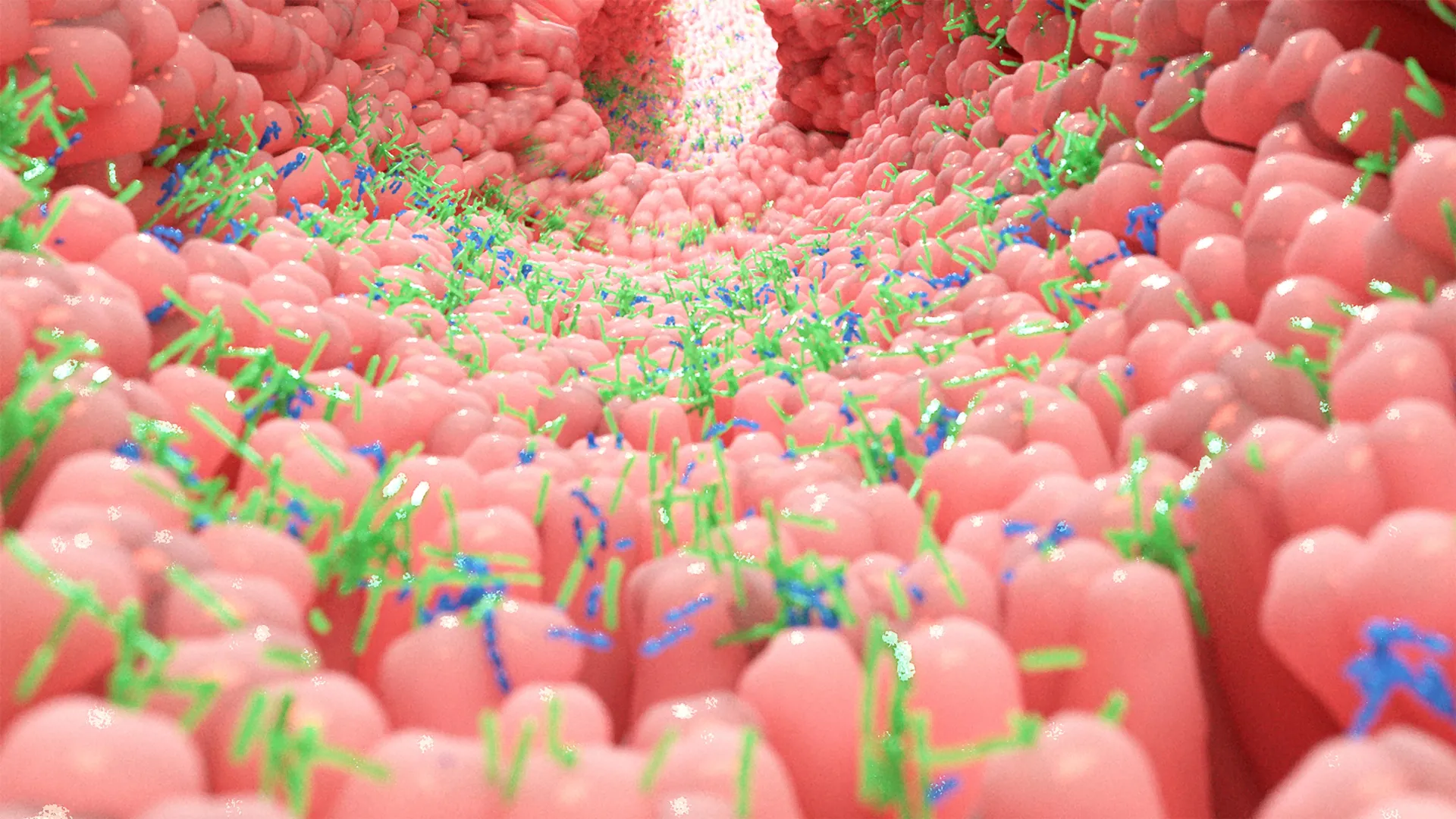
Scientists have completed a large laboratory analysis of widely used human-made chemicals and found that 168 of them are harmful to bacteria that normally live in a healthy human gut. These substances slow or stop the growth of microbes that play an important role in supporting overall health.
Many of the chemicals identified are ones people are likely to encounter through everyday exposure, including food, drinking water, and the environment. Until now, most were not believed to interfere with bacteria at all.
Links to Antibiotic Resistance Raise New Concerns
When gut bacteria are exposed to these chemical pollutants, some change how they function in an attempt to survive. In certain cases, this adaptation also makes the bacteria resistant to antibiotics such as ciprofloxacin. If similar changes occur inside the human body, infections could become more difficult to treat.
The study was led by researchers at the University of Cambridge and involved testing 1076 different chemical contaminants on 22 species of gut bacteria under laboratory conditions.
Pesticides and Industrial Chemicals Among the Most Harmful
The chemicals shown to damage gut bacteria include pesticides such as herbicides and insecticides commonly applied to crops. Industrial compounds used in products like flame retardants and plastics were also found to be toxic to these microbes.
The human gut microbiome contains roughly 4,500 different types of bacteria that help keep the body functioning properly. When this delicate system is disrupted, it can contribute to a wide range of health problems, including digestive issues, obesity, weakened immune function, and effects on mental health.
Why Chemical Safety Testing Misses Gut Health
Current chemical safety evaluations typically do not account for the gut microbiome. This is because chemicals are designed to target specific organisms or processes, for example insecticides should target insects.
Using the data from their experiments, the researchers developed a machine learning model to help predict whether industrial chemicals — whether already in use, or in development — are likely to harm human gut bacteria. The findings and the new model were published in the journal Nature Microbiology.
Researchers Call for a New Approach to Chemical Safety
Dr. Indra Roux, a researcher at the University of Cambridge’s MRC Toxicology Unit and the study’s first author, said: “We’ve found that many chemicals designed to act only on one type of target, say insects or fungi, also affect gut bacteria. We were surprised that some of these chemicals had such strong effects. For example, many industrial chemicals like flame retardants and plasticizers — that we are regularly in contact with — weren’t thought to affect living organisms at all, but they do.”
Professor Kiran Patil, senior author of the study and also based at the University of Cambridge’s MRC Toxicology Unit, added: “The real power of this large-scale study is that we now have the data to predict the effects of new chemicals, with the aim of moving to a future where new chemicals are safe by design.”
Dr. Stephan Kamrad, another researcher involved in the work, said: “Safety assessments of new chemicals for human use must ensure they are also safe for our gut bacteria, which could be exposed to the chemicals through our food and water.”
What Scientists Still Don’t Know About Real-World Exposure
There is currently limited information about how environmental chemicals directly affect the gut microbiome and, in turn, human health. The researchers say it is likely that gut bacteria are frequently exposed to many of the chemicals tested, but the exact amounts that reach the digestive system remain unclear. To better understand the risks, future studies will need to track chemical exposure throughout the body.
Patil said: “Now we’ve started discovering these interactions in a laboratory setting it’s important to start collecting more real-world chemical exposure data, to see if there are similar effects in our bodies.”
Until more is known, the researchers recommend simple steps to reduce exposure, such as washing fruits and vegetables before eating them and avoiding the use of pesticides in home gardens.

Scientists at UNSW Sydney have developed a new form of CRISPR technology that could make gene therapy safer while also resolving a decades-long debate about how genes are switched off. The research shows that small chemical markers attached to DNA actively silence genes, rather than simply appearing as harmless byproducts in inactive regions of the genome.
For years, researchers have questioned whether methyl groups, tiny chemical clusters that collect on DNA, merely show up where genes are already turned off or whether they are the direct cause of gene suppression.
In a study published recently in Nature Communications, researchers from UNSW, working with colleagues at the St Jude Children’s Research Hospital (Memphis), demonstrated that removing these chemical tags causes genes to become active again. When the tags were added back, the genes shut down once more. The results confirm that DNA methylation directly controls gene activity.
“We showed very clearly that if you brush the cobwebs off, the gene comes on,” says study lead author Professor Merlin Crossley, UNSW Deputy Vice-Chancellor Academic Quality.
“And when we added the methyl groups back to the genes, they turned off again. So, these compounds aren’t cobwebs — they’re anchors.”
How CRISPR Technology Has Evolved
CRISPR, short for Clustered Regularly Interspaced Short Palindromic Repeats, is the foundation of modern gene-editing technology. It allows scientists to locate specific DNA sequences and make targeted changes, often replacing faulty genetic code with healthy versions.
The system is based on a natural defense mechanism found in bacteria, which use CRISPR to recognize and cut up the DNA of invading viruses.
Early versions of CRISPR tools worked by cutting DNA to disable malfunctioning genes. Later versions became more precise, allowing scientists to correct individual letters in the genetic code. However, both approaches rely on breaking DNA strands, which can lead to unintended changes and increase the risk of serious side effects.
The latest version, known as epigenetic editing, takes a different approach. Instead of cutting DNA, it targets chemical markers attached to genes inside the nucleus of each cell. By removing methyl groups from genes that have been silenced, researchers can restore gene activity without altering the underlying DNA sequence.
New Possibilities for Treating Sickle Cell Disease
The team believes this approach could lead to safer treatments for Sickle Cell-related diseases. These inherited conditions affect the shape and function of red blood cells, often causing severe pain, organ damage, and shortened life expectancy.
“Whenever you cut DNA, there’s a risk of cancer. And if you’re doing a gene therapy for a lifelong disease, that’s a bad kind of risk,” Prof. Crossley says.
“But if we can do gene therapy that doesn’t involve snipping DNA strands, then we avoid these potential pitfalls.”
Rather than cutting DNA, the new technique uses a modified CRISPR system to deliver enzymes that remove methyl groups. This process releases the genetic brakes that keep certain genes switched off. One key target is the fetal globin gene, which helps deliver oxygen before birth. Reactivating this gene after birth could help bypass defects in the adult globin gene that cause Sickle Cell diseases.
“You can think of the fetal globin gene as the training wheels on a kid’s bike,” says Prof. Crossley. “We believe we can get them working again in people who need new wheels.”
What the Research Shows So Far
So far, all experiments have been carried out in laboratory settings using human cells at UNSW and in Memphis.
Study co-author Professor Kate Quinlan says the findings could have far-reaching implications beyond Sickle Cell disease. Many genetic conditions involve genes that are improperly turned on or off, and adjusting methyl groups may provide a way to correct those problems without damaging DNA.
“We are excited about the future of epigenetic editing as our study shows that it allows us to boost gene expression without modifying the DNA sequence. Therapies based on this technology are likely to have a reduced risk of unintended negative effects compared to first or second generation CRISPR,” she says.
Looking ahead, the researchers describe how the therapy might one day work in practice. Doctors would collect a patient’s blood stem cells, which produce red blood cells. In the lab, epigenetic editing would be used to remove methyl tags from the fetal globin gene, reactivating it. The edited cells would then be returned to the patient, where they could settle into the bone marrow and begin producing healthier blood cells.
The Next Steps in Epigenetic Editing
The research teams at UNSW and St Jude plan to test the approach in animal models and continue exploring additional CRISPR-based tools.
“Perhaps the most important thing is that it is now possible to target molecules to individual genes,” Prof. Crossley says.
“Here we removed or added methyl groups but that is just the beginning, there are other changes that one could make that would increase our abilities to alter gene output for therapeutic and agricultural purposes. This is the very beginning of a new age.”

High levels of carbon dioxide in the atmosphere are a major driver of climate change. At the same time, increased CO2 can encourage plants to grow faster, allowing them to absorb more carbon and potentially slow warming. That benefit, however, depends on whether plants have access to enough nitrogen, a nutrient that is essential for growth. Scientists have only recently taken a closer look at how much nitrogen is actually available in nature. New research involving the University of Graz shows that the so-called CO2 fertilization effect has been significantly overstated.
Plants cannot use nitrogen on their own. The nutrient must first be converted into a usable form through a process called nitrogen fixation, which relies on microorganisms in the soil. This process takes place in natural ecosystems as well as on farmland. “While this process has been significantly overestimated in nature, it has increased by 75 percent over the past 20 years due to agriculture,” says Bettina Weber, a biologist at the University of Graz, summarizing findings from a study published earlier this year.
Building on those results, a new analysis shows that the way nitrogen fixation is calculated in some Earth System models has now been reassessed. These models are widely used to project climate trends and inform major assessments, including the World Climate Report. The updated findings were published in the scientific journal PNAS.
New Findings Prompt Climate Model Revisions
The study was led by Sian Kou-Giesbrecht of Simon Fraser University in Burnaby, Canada. The work was carried out by an international research group focused on biological nitrogen fixation, which includes Bettina Weber. This working group receives support from the U.S. Geological Survey (USGS) John Wesley Powell Centre for Analysis and Synthesis.
“We compared different Earth System models with current nitrogen fixation values and found that they overestimate the nitrogen fixation rate on natural surfaces by about 50 percent,” Weber explains. Because plants depend on this process to access nitrogen, the overestimate has meaningful consequences. According to the study, it results in an overall reduction of about 11 percent in the projected CO2 fertilization effect.
Why Updating Models Is Critical
Weber emphasizes the importance of adjusting climate models to reflect these updated measurements. “This is because gases such as nitrogen oxides and nitrous oxide are produced as part of the nitrogen cycle. These can be released into the atmosphere through conversion processes and alter or disrupt climate processes.” Accurately accounting for nitrogen dynamics, she says, is essential for making reliable predictions about how ecosystems and the climate will respond in the future.
The doctor was working at the Queen Alexandra Hospital in Portsmouth when the incidents happened.
Soft drinks, chocolate, pizzas and ice creams will be targeted in the UK government’s plan.
