Andy Burnham wants to outline his ideas for a free-at-the-point-of-use social care system in his first speech to Labour conference as prime minister.


Andy Burnham wants to outline his ideas for a free-at-the-point-of-use social care system in his first speech to Labour conference as prime minister.
Plus, we reveal the All in the Mind Awards judging panel.
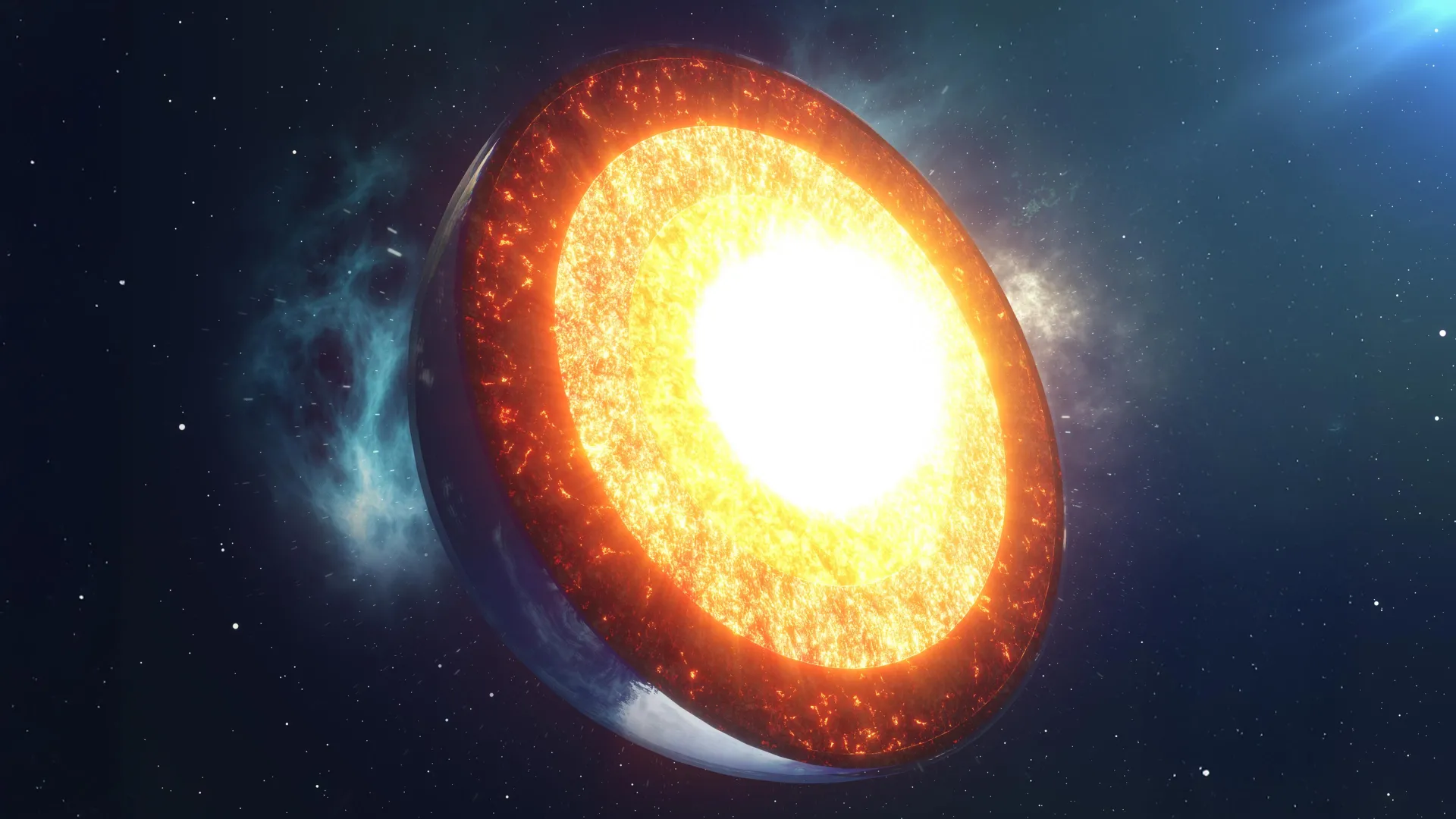
Most of us think of a day as a fixed 24 hours. In reality, Earth’s rotation is not perfectly constant.
The difference is tiny, measured in milliseconds, but physicists can detect it. Over time, some days become slightly shorter or longer depending on subtle changes deep inside the planet.
Earth’s Core and Mantle Trade Momentum
For roughly three decades, scientists have known that Earth’s liquid core does not always rotate at the same rate. Changes in the planet’s magnetic field have revealed that the liquid core can gradually speed up over several decades, then slow down during the following decades.
At the same time, the mantle, the roughly 3,000 kilometer thick rocky layer that includes the crust, responds in the opposite direction. When the core speeds up, the mantle slows slightly. When the core slows, the mantle speeds up.
This exchange happens because Earth’s total angular momentum must remain constant.
Even very small changes in the mantle’s rotation are enough to alter the length of a day by a few milliseconds.
A Hidden Gravitational Tug Inside Earth
Scientists have long struggled to explain exactly how the core and mantle exchange this rotational momentum.
In a new study published Sept. 23 in Nature, University of Alberta physics PhD student Huifeng Zhang and professor Mathieu Dumberry present a possible answer.
Their work shows that small changes in the rotational speed of Earth’s inner core, the solid region at the planet’s center, can create what scientists call a “gravitational torque.” Because the inner core is not perfectly spherical, changes in its motion can gravitationally interact with uneven distributions of mass in the mantle.
That interaction can slightly alter how quickly the mantle rotates, producing small changes in the length of a day.
Competing Forces Control Earth’s Rotation
Another force also acts at the boundary between the core and mantle.
Known as core mantle boundary torque, it produces friction and electromagnetic drag that oppose the gravitational pull. This resistance helps limit how much Earth’s day length can change.
According to the researchers, the small observed variations in the length of a day arise from subtle shifts in the balance between gravitational torque and core mantle boundary torque.
Earth’s Inner Core May Be More Dynamic Than Expected
Beyond helping explain a long standing mystery about Earth’s changing day length, the findings also offer new insight into what is happening deep inside the planet.
Zhang and Dumberry say the inner core appears to “deform viscously” on a time scale of about 10 years, suggesting that Earth’s deepest interior may change shape and respond to forces far more dynamically than its solid composition might imply.

NASA and SpaceX are targeting 11:10 a.m. EDT on Thursday, Oct. 1, as the earliest opportunity to launch the Crew-13 mission to the International Space Station.
In the days before liftoff, teams will complete final preparations and readiness reviews to confirm that the astronauts, the space station, SpaceX’s Dragon spacecraft, and the Falcon 9 rocket are ready for flight. The mission is scheduled to launch from Space Launch Complex 40 at Cape Canaveral Space Force Station in Florida.
Less Than Nine Hours to the Space Station
If Crew-13 launches on Oct. 1, Dragon is expected to reach the International Space Station less than nine hours later, with docking planned for about 8 p.m. at the forward-facing port of the Harmony module.
After launch, Falcon 9 will carry Dragon into orbit. The spacecraft will then maneuver to match the station’s path before docking, a carefully controlled process in which Dragon lines up with a designated port and attaches securely.
Harmony is one of the station’s connecting modules and provides docking locations for visiting spacecraft.
Meet the Crew-13 Astronauts
NASA astronaut Jessica Watkins will serve as spacecraft commander, with NASA astronaut Luke Delaney as pilot. CSA (Canadian Space Agency) astronaut Joshua Kutryk and Roscosmos cosmonaut Sergey Teteryatnikov will serve as mission specialists.
After arriving at the station, the four astronauts will become members of Expedition 75. Space station expeditions are long duration missions during which crews conduct scientific research, maintain the orbiting laboratory, and support technology demonstrations and other operations.
Crew-13 is currently in quarantine at NASA’s Johnson Space Center in Houston, a standard preflight precaution designed to reduce the risk of illness before launch. The crew is scheduled to travel to NASA Kennedy on Saturday, Sept. 26, as final preparations continue for the planned Oct. 1 liftoff.

New research suggests that keeping blood sugar extremely steady may come with an unexpected tradeoff for some people with diabetes.
The findings, which will be presented at the Annual Meeting of The European Association for the Study of Diabetes (EASD) in Milan, Italy (Sept. 28 – Oct. 2), indicate that people with type 1 or type 2 diabetes sometimes reported a better quality of life after days when their glucose levels fluctuated more, provided those levels remained within safe limits.
Researchers paired data from continuous glucose monitoring (CGM) devices with daily well-being assessments. Their results suggest that the effort and restrictions required to minimize every glucose fluctuation could make it harder for some people to enjoy everyday activities.
The research was conducted by Professor Dominic Ehrmann of FIDAM (Research Institute Diabetes Academy Mergentheim), Bad Mergentheim, Germany, and colleagues.
Looking Beyond Blood Sugar Numbers
Helping people with diabetes maintain a good quality of life is an important part of treatment. Blood sugar control matters, but researchers also want to understand how day to day diabetes management affects mood, energy, sleep, stress, and the ability to participate in normal activities.
The new analysis examined whether glucose patterns recorded by CGM devices were associated with daily quality of life among people with type 1 and type 2 diabetes.
The data came from the PRO-MENTAL study, funded by the German Center for Diabetes Research (DZD). Participants rated their quality of life every day for 14 consecutive days using a technique known as ecological momentary assessment (EMA) based on the WHO-5 questionnaire.
The questionnaire asks participants to rate five statements:
Researchers also collected daily information about sleep quality, perceived stress, mood, and energy using the same EMA approach.
Tracking Glucose Around the Clock
CGM data from the same 14 day period allowed the team to examine several measures of glucose control. These included blood sugar time below safe range (TBR: <70 mg/dl), time above safe range (TAR: >180 mg/dl), time in normal range (normoglycemia) (TING: 70-140 mg/dl), and glucose variability.
Glucose variability reflects how much a person’s blood sugar rises and falls over time.
The researchers then used statistical modeling to determine whether glucose patterns, sleep, stress, mood, and energy on one day could predict quality of life on the following day.
They also ran a separate analysis to see whether same-day measurements were associated with that day’s quality of life. The models accounted for age, sex, and diabetes type. They also included previous-day quality of life to ensure it was not strongly driving the results.
400 People With Diabetes Took Part
The analysis included data from 400 people with diabetes (72% type 1 diabetes, 28% type 2 diabetes, 55% female, age 47 years (range 32-63 years), mean glycated hemoglobin (HbA1c – a measure of blood sugar control) 7.6%.
Two glucose patterns stood out.
Spending more time in the normal glucose range on one day was significantly associated with better quality of life the next day. But more surprisingly, greater glucose variability on the previous day was also linked to higher next day quality of life.
By contrast, the amount of time participants spent above or below the safe glucose range on the previous day was not significantly associated with their quality of life the following day.
Better sleep during the preceding night was also linked to improved next day well-being. The same was true for higher energy levels on the previous day (by asking how energetic the person felt on a scale from 0 [not at all] to 10 [very much].
Interestingly, glucose measurements from the same day were not associated with quality of life on that day.
A Possible Cost of Trying to Keep Glucose Too Steady
The results do not suggest that poor glucose control is beneficial. In fact, spending more time within the normal range was associated with better quality of life.
Instead, the researchers say the finding involving glucose variability may point to a different issue. People who work especially hard to eliminate normal fluctuations may sometimes impose restrictions on themselves that make everyday life less enjoyable or make certain activities feel harder to pursue safely.
The authors say: “Days with higher time in the normal safe range for blood sugar were followed by days on which individuals with type 1 and type 2 diabetes reported better quality of life, underscoring the importance of optimal blood sugar control for well-being.
“Interestingly, higher-than-usual glucose variability was also associated with improved next-day quality of life. These findings may suggest that individuals experience lower quality of life when attempting to minimize glucose fluctuations too strictly, potentially due to the associated burden or restrictions in daily life, which may contribute to some people living with diabetes feeling unable to safely engage in certain activities.”
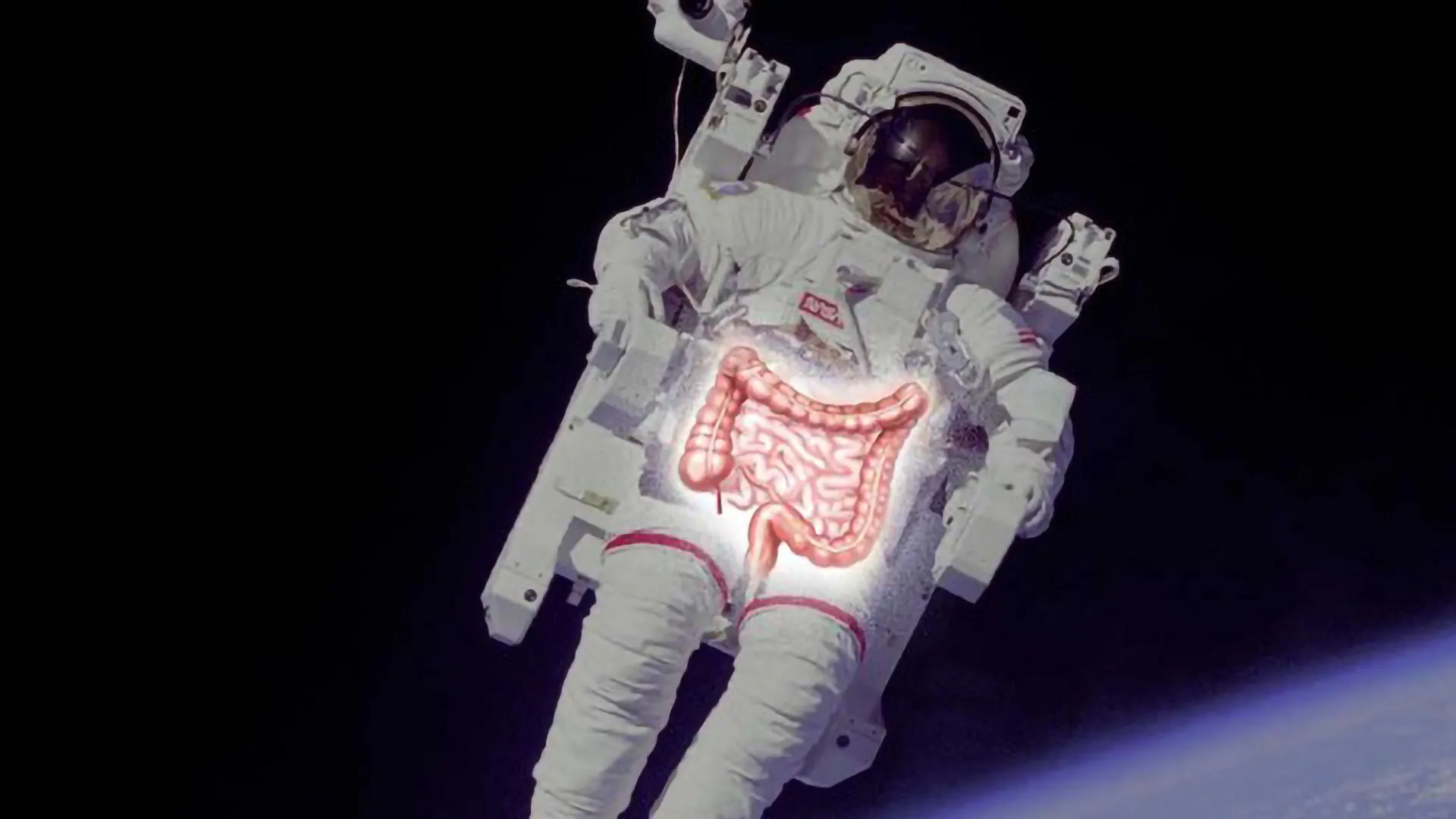
Constipation is a familiar problem for astronauts, but scientists have not fully understood why spending time in space can disrupt normal digestion.
New research from the University of Copenhagen, conducted in collaboration with NASA, offers a possible explanation. Scientists analyzed blood samples from 52 astronauts who spent months aboard the International Space Station and found signs that the digestive system begins changing relatively soon after astronauts leave Earth.
“We see changes in astronauts’ blood samples that indicate that the gut bacteria begin to ferment protein to a greater extent than usual within weeks after the astronauts arrive in space, and this change continues until they are back on Earth,” says joint first author and associate professor at the Department of Nutrition, Exercise and Sports, Giorgia La Barbera.
Gut Bacteria Shift Toward Protein
Protein fermentation occurs when bacteria in the intestines begin breaking down protein rather than fiber because available dietary fiber has already been used. The process is not unique to astronauts and can also occur in people on Earth.
The researchers suspect that microgravity may slow the movement of food through the digestive tract. If food remains in the intestines longer, bacteria have more time to turn to protein fermentation.
“The lack of gravity in space probably causes food to move more slowly through the intestine, and this fits with the fact that we are seeing signs of increased protein fermentation. This may also help explain constipation in astronauts,” says co-author of the article Henrik Roager, who is also an associate professor at the Department of Nutrition, Exercise and Sports.
Gut Changes Could Affect the Brain
The findings came from an investigation of metabolites in astronauts’ blood. Metabolites are small molecules circulating through the bloodstream that can provide clues about how the body is functioning.
By analyzing these molecules, researchers can learn about processes ranging from diet and metabolism to what is happening inside the intestines.
The results could matter beyond digestion because changes in the gut can influence other parts of the body, including the brain.
“We know that products of protein fermentation [are] often associated with negative health consequences, such as kidney damage, potential effects on mood or reduced ability to focus, among others,” says Lars Ove Dragsted, senior author of the study and professor at the Department of Nutrition, Exercise and Sports.
Why This Matters for Missions to Mars
The findings could become especially important as space agencies prepare for longer missions to the Moon and eventually Mars. Astronauts on those journeys may spend far more time away from Earth’s gravity than crews currently stationed aboard the International Space Station.
“When we plan for longer journeys in space – for example to Mars countermeasures may be needed to mitigate negative effects of space travel on the intestines,” says Giorgia La Barbera.
Researchers say several approaches might help reduce these digestive changes.
“Our findings can inform potential interventions – either directly through increasing dietary fiber, supplementation with prebiotics or other types of treatments that promote peristalsis and decrease gut transit time. This would help reduce protein fermentation and thus provide a healthy gut environment and avoid negative health consequences,” adds Henrik Roager.
Peristalsis refers to the coordinated muscle contractions that move food and waste through the digestive system. Supporting that movement could shorten the amount of time material remains in the intestines and reduce the opportunity for excessive protein fermentation.
The Findings Could Also Help Patients on Earth
The work may also have implications far beyond spaceflight.
People who spend extended periods confined to bed often experience constipation as well. Researchers suggest that slowed intestinal movement in these patients could potentially produce similar changes in gut fermentation.
“You can use this knowledge to help bedridden patients. They also experience constipation and likely also have increased protein fermentation that may aggravate health conditions,” concludes Lars Ove Dragsted, senior author of the paper.
What Is Protein Fermentation?
Protein fermentation happens when bacteria in the gut begin breaking down protein after they no longer have enough fiber available.
The process is more likely when food remains in the intestines for an extended period, even if a person does not feel noticeably constipated.
As bacteria digest protein, they produce various metabolites. These molecules can enter the bloodstream and travel throughout the body.
Some can also influence the brain through the gut-brain axis, the two-way communication system linking the digestive tract and the brain.
Previous research has associated metabolites produced during protein fermentation with effects on the brain, including anxiety and reduced ability to concentrate.
Why the Results Were Unusually Clear
Research on blood metabolites can be difficult to interpret because metabolism differs considerably from person to person.
The unusual nature of the astronaut data helped researchers overcome some of that variability and strengthened confidence in the pattern they observed.
“The samples we have analyzed come from a total of 52 different astronauts, on different missions and across many years. This is very different from how you normally do a study. So, it is quite impressive that our method has been able to show so clearly that there is consistently more protein fermentation,” says joint first author and assistant professor Jan Stanstrup.
How the Study Was Conducted
The researchers examined how human metabolism changes during spaceflight by measuring metabolites in astronauts’ blood.
Their analysis indicated that protein fermentation in the intestines increases when astronauts leave Earth and enter microgravity. The blood samples also revealed smaller changes associated with fish and caffeine consumption.
Rather than searching only for predetermined substances, the researchers used a so-called non-targeted approach. This allowed them to analyze the broad range of metabolites in the blood and identify which ones changed during spaceflight.
The samples came from three studies conducted aboard the International Space Station. Even though only small quantities of blood were available, researchers were able to perform additional analyses and extract more scientific information from the existing studies.
The collaboration between researchers at the University of Copenhagen and NASA also highlights the international scientific cooperation made possible by the ISS.
NASA researchers Sara R. Zwart and Scott M. Smith contributed to the study. University of Copenhagen researchers Giorgia La Barbera, Jan Stanstrup, Henrik M. Roager and Lars Ove Dragsted also contributed.
Sir Andrew Dilnot, who proposed reforms 15 years ago, says the cost of such a scheme would be “very substantial”.
Dr Chris McCarthy talks through the four considerations you need to make before buying your pillow.

Earth has a finite surface. We can measure it, and if the planet itself were expanding, that surface area would increase over time. Surprisingly, our familiar planet also offers a useful way to think about something far harder to understand: what the universe might be like beyond the region we can observe.
The simplest assumption is that beyond our cosmic horizon, there is simply more universe. More stars. More galaxies. More AI-generated cat videos. It is similar to standing somewhere on Earth and assuming that beyond your visible horizon, there is still more Earth.
But how large is the entire universe, including everything beyond what we can see?
The frustrating answer is that we may never know.
The Limits of the Observable Universe
The boundary of the observable universe is not merely the farthest distance our telescopes can currently reach. It represents a deeper limit on what information can ever reach us. The universe contains a finite amount of information that can become accessible to us, even if we waited for an arbitrarily long time.
Beyond that boundary, we are left to infer and speculate.
One possibility is straightforward: the universe is infinite. Space simply continues forever with no endpoint.
But another possibility is that the universe is finite.
That immediately raises an obvious question. How can something be finite without having an edge?
Earth provides the answer.
The surface of our planet has a finite area, yet someone traveling along that surface never encounters a boundary where the ground suddenly ends. Yes, Earth has an edge if you leave its surface in the third dimension and head into outer space, but that misses the point. The two-dimensional surface itself is finite and has no border because it curves back around.
How Geometry Reveals Curvature
We do not need to leave Earth to prove that its surface is curved. Mathematics gives us several ways to detect curvature while remaining entirely on the surface.
Triangles provide one example. On a perfectly flat plane, the three interior angles of a triangle add up to 180 degrees. Thank you, Euclid.
But imagine drawing enormous lines between three widely separated cities on Earth. The resulting triangle would not behave like one drawn on a sheet of paper. Its interior angles would add up to more than 180 degrees because the surface beneath it is curved.
Parallel lines offer another clue. On a flat plane, parallel lines never meet. On a curved surface, however, lines that begin parallel can eventually converge.
Imagine that you and I begin at different points along the equator and travel straight north. Eventually, our paths meet at the North Pole. Neither of us turned toward the other. The surface of Earth curved beneath us.
Astronomers can perform similar geometric tests on the universe itself.
Ancient Light Tests the Shape of Space
One of the most powerful tools comes from the cosmic microwave background, or CMB.
This ancient radiation was released when the early universe cooled enough for light to travel freely through what had previously been a hot, dense plasma. Scientists understand much of the relevant plasma physics (we have a decent understanding of plasmas here on Earth), which allows them to predict what patterns should appear in this ancient glow.
Those predictions include tiny temperature variations scattered across the CMB.
And those variations are exactly what astronomers observe.
More importantly, scientists can calculate how large those temperature patches should appear. If space were strongly curved, the light traveling toward us across billions of light years would follow altered paths. That distortion would change the apparent size of the patterns.
Astronomers can therefore compare the observed size of the CMB features with the size predicted for different cosmic geometries.
The features appear at essentially the expected scale for flat space.
That is why scientists say the universe appears to be geometrically flat.
So is the mystery solved? Does a flat universe automatically mean an infinite universe?
Not quite.
Flat Does Not Necessarily Mean Infinite
Imagine trying to measure the curvature of Earth while confined to your own neighborhood. The area would look nearly flat. Small triangles would behave almost exactly as Euclid predicted, and short parallel paths would not noticeably converge.
The problem would not be that Earth is actually flat. Your measuring area would simply be too small compared with the size of the planet.
Something similar could be true of the universe.
Our measurements are limited to the observable cosmos. Within that enormous region, space appears extremely flat. But the universe outside our observable patch could be vastly larger.
It is therefore possible that the universe has curvature that becomes apparent only on scales much larger than we can access (I know that tens of billions of light-years isn’t exactly tiny, but it is compared to how big the universe COULD be.)
If so, space might eventually curve back around itself.
In principle, that could mean traveling continuously in one direction would eventually return you to where you started, much as traveling around Earth can bring you back to your starting point.
In practice, the expansion of the universe places regions beyond our cosmic horizon permanently out of reach, so such a journey remains a theoretical thought experiment.
But things can get even stranger.
The Universe Could Be Flat and Still Wrap Around
A universe can be geometrically flat without being infinite in every direction.
To understand how, picture a flat sheet of paper. Draw triangles and parallel lines on it. Now bend the paper into a cylinder without stretching or tearing it.
Locally, the geometry remains flat. The triangles still behave like ordinary triangles, and the parallel lines still behave like parallel lines. Yet one direction now loops around.
This highlights the difference between geometry and topology.
Geometry describes properties such as curvature. Topology describes the broader way a space is connected.
The observable universe appears geometrically flat. But that does not automatically tell us whether one or more dimensions might wrap around and connect back to themselves while remaining locally flat.
Topology allows for some very strange possibilities.
A Mobius strip can be created by connecting the ends of a strip after introducing a twist. A Klein bottle can be thought of as another unusual connected surface. Cylinders, donuts, Mobius strips, and Klein bottles can all illustrate how spaces with locally flat geometry can have very different overall structures.
In three dimensions, mathematicians have identified 17 distinct topologies that can all remain geometrically flat. One particularly interesting example is Hantzsche Wendt space, which involves repeating structures related to hexagonal patterns.
Scientists Have Looked for Cosmic Loops
Astronomers have searched for evidence that the universe has a closed topology.
One strategy is to look for repeated patterns in the cosmic microwave background. Another is to search for galaxies that might appear in different places on opposite sides of the sky because their light has traveled through a universe that wraps around itself.
So far, researchers have found no convincing evidence that this happens.
Based on everything we can currently observe, the universe appears both geometrically flat and topologically simple. In other words, there is no detected sign that its dimensions loop back on themselves.
But once again, our cosmic horizon creates a fundamental limitation. If the scale of any such looping is larger than the observable universe, we may never be able to detect it.
That means we may never know with certainty whether the entire universe is infinite, finite, curved, or connected in some larger and stranger way.
And then there is the multiverse.
In some cosmological ideas, everything we call the universe, including regions far beyond our observable horizon, might be only one bubble among potentially countless others. Those bubbles could expand away from one another while new regions undergo their own Big Bang-like beginnings.
But that is probably enough cosmic geometry for one day.

A widely used supplement for joint pain has been linked to a potentially concerning outcome in people with early cognitive problems.
Researchers at the University of Florida found that glucosamine use was associated with a greater likelihood that mild cognitive impairment would progress to dementia. Mild cognitive impairment, often shortened to MCI, describes measurable problems with memory or thinking that are greater than expected with normal aging but do not necessarily interfere substantially with everyday life.
The findings come from a large retrospective analysis of patient health records, supported by experiments involving human brain tissue and mouse models of Alzheimer’s disease. The results remain preliminary and will need to be tested in a human clinical trial, but the researchers say they add to growing evidence that disrupted metabolism may play an important role in neurodegeneration.
The study was published in Nature Metabolism.
A Popular Supplement Comes Under Scrutiny
“In the United States, there are about 7 million people living with Alzheimer’s and millions more with related dementias such as Lewy body or frontotemporal dementia,” said senior author Ramon Sun, Ph.D., director of the Center for Advanced Spatial Biomolecule Research and associate director for innovation of UF’s McKnight Brain Institute. “A lot of these people actively take an over-the-counter supplement that could be making their disease progression worse.”
Glucosamine is widely sold without a prescription and is especially popular among older adults who take it for joint discomfort and joint health. Because of how commonly it is used, the researchers wanted to know whether it might influence Alzheimer’s disease and related dementias, known as ADRD.
Working with Yi Guo, Ph.D., and Jiang Bian, Ph.D., the team used artificial intelligence to analyze deidentified UF Health records collected from 2012 to 2024.
The researchers focused on patients diagnosed with either ADRD or mild cognitive impairment, or MCI. In both groups, 8% of patients reported using glucosamine. That included 1,896 people with ADRD and 2,750 people with MCI.
Glucosamine Linked to Dementia Progression
After accounting for age, sex and demographics, the researchers found that glucosamine use was associated with a 25% higher likelihood that mild cognitive impairment would progress to dementia.
Among people who already had ADRD, glucosamine use was also associated with a 25% higher mortality risk, meaning a greater likelihood of death during a defined period of time.
The researchers did not observe that mortality association in the MCI group. That difference suggests glucosamine may have a stronger effect once dementia is already established.
Importantly, the health record findings do not show that glucosamine itself causes dementia to progress. Observational studies can reveal associations, but other differences between people who take a supplement and those who do not may contribute to the results.
“The electronic health record data are very provocative,” said Matt Gentry, Ph.D., chair of UF’s Department of Biochemistry and Molecular Biology and a study co-author. “While it’s an association and not proof of causality, it does raise an important clinical question that now deserves much more attention.”
A Metabolic Pathway May Help Explain the Link
The researchers also uncovered evidence of a biological mechanism that could help explain the association.
Their work points to a metabolic pathway involving the attachment of sugar structures to proteins. This process is a normal and important part of cell biology, but the researchers found signs that it becomes excessively active in Alzheimer’s disease.
Sun said that abnormal activity in this pathway could eventually become a target for new treatments.
“Our results suggest that altered metabolism is a significant contributor to Alzheimer’s progression and, in addition, addressing the metabolic defect could be an important complement to approaches focused on Alzheimer’s plaques and tangles,” Sun said.
Plaques and tangles are two of the best known features of Alzheimer’s disease. Plaques are abnormal deposits of a protein called amyloid beta that accumulate between brain cells, while tangles are twisted forms of the tau protein that develop inside neurons. Much Alzheimer’s research has traditionally focused on these abnormalities, but scientists are increasingly studying additional processes that may contribute to the disease.
Mapping Thousands of Molecules in the Brain
A spatial technology developed in Sun’s laboratory helped researchers examine the metabolic changes in much greater detail.
“This technology allows us to examine thousands and thousands of molecules created when the body breaks down food or drugs and to uncover intricate pathways that otherwise would stay hidden,” Sun said.
The team then focused specifically on glucosamine. Glucosamine is a naturally occurring, sugar-related molecule that can cross the blood-brain barrier, the protective boundary that tightly controls which substances can move from the bloodstream into brain tissue.
Once inside the brain, glucosamine can enter biochemical pathways that construct complex sugar structures and attach them to proteins. Commercial glucosamine supplements can be produced from materials including shellfish shells or corn.
According to the researchers, the effects of glucosamine may depend heavily on the biological environment in which it is acting. A healthy brain and a brain affected by Alzheimer’s may therefore respond differently to the same molecule.
The Alzheimer’s brain appeared to be particularly vulnerable to this metabolic pathway.
Mouse Experiments Point to a Possible Mechanism
To explore the mechanism more closely, the scientists studied genetically modified mice.
Glucosamine significantly increased the attachment of sugar residues to proteins inside cells. At the same time, glucosamine-treated mice developed worse deficits in “social memory” — or memory of recognition — compared with the other animals.
When the researchers used a chemical treatment to suppress the sugar attachment process, memory performance improved.
That experiment suggested that excessive sugar tagging could play a direct role in the memory problems seen in the animals rather than simply occurring alongside them.
Human Alzheimer’s Brain Tissue Shows the Same Pattern
The researchers next examined human brain tissue with Stefan Prokop, M.D.
Brain specimens from people with Alzheimer’s disease, provided by the UF Neuromedicine Brain and Tissue Bank, showed significantly more sugar attachment than tissue from normal controls.
Combined with the mouse experiments and health record analysis, the findings suggest that abnormal metabolism may be more than a secondary consequence of Alzheimer’s disease. The researchers reported that it could instead contribute to the disease process itself.
“Proteins are the cell’s molecular machines, and many of them need sugar tags added in just the right way to fold correctly, travel to the right place and do their jobs,” Gentry said. “What we found in Alzheimer’s is that this sugar-tagging system appears to be overactive. The Alzheimer’s brain is adding too many of these sugar structures, and this seems to contribute to the disease rather than protect against it.”
The results raise a potentially important question about glucosamine use among people with cognitive impairment or dementia, but they do not yet establish that people should stop taking the supplement. A controlled human clinical trial will be needed to determine whether glucosamine directly accelerates Alzheimer’s progression and, if so, which patients may be most vulnerable.
