Architects gain a new superpower for complex curved designs

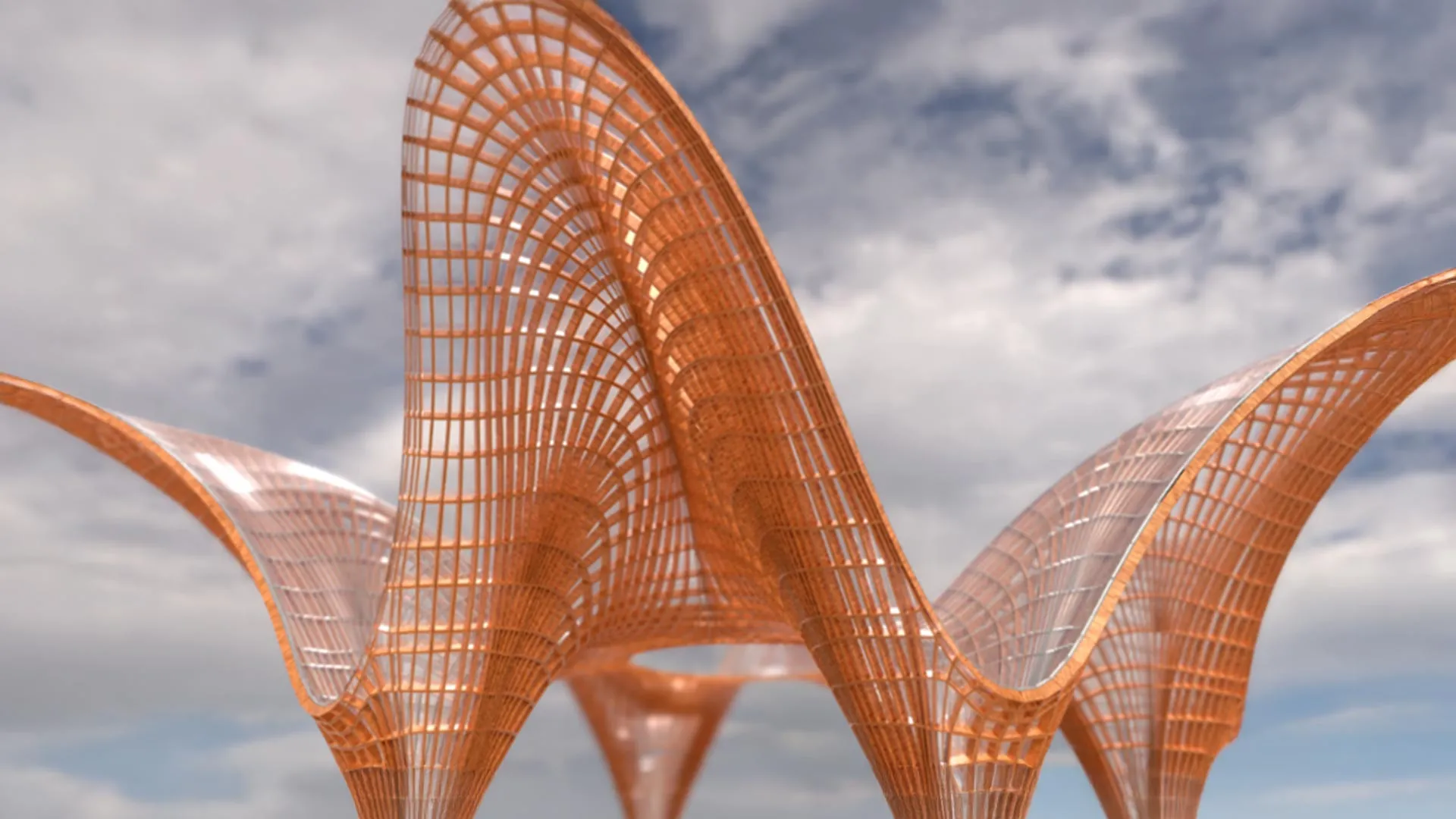
A researcher from the University of Tokyo and a structural engineer based in the United States have created a computational form-finding method that could reshape how architects and engineers design large, lightweight structures. Their approach is particularly valuable for developing gridshells, which are curved, thin surfaces formed from an interlinked grid of structural members. The method relies on NURBS surfaces, a common format used in computer-aided design (CAD), and significantly lowers the amount of computing power needed. A task that once required 90 hours on a high-end GPU now finishes in about 90 minutes on a standard CPU.

Architects place high priority on surfaces that can bear their own load. Some visually appealing examples are known as shells, and these have traditionally been made from reinforced concrete. Modern architects, however, are interested in limiting concrete due to its cost, waste, and lack of visual transparency. This has led to growing interest in gridshells, which use intersecting curved elements of metal, glass or timber to span wide areas without interior supports.

Why Gridshells Are Gaining Interest

Gridshells are well suited for covering expansive public spaces without columns. They are found at sites such as train station entrances, restored historic courtyards, and public squares. Notable examples include the British Museum’s Great Court, the glass roof at the Dutch Maritime Museum, and New York’s Moynihan Train Hall. Although these structures showcase what gridshells can achieve, designers have lacked standard computational tools that can efficiently manage the wide range of shapes they might want to build.

Masaaki Miki of the University of Tokyo and Toby Mitchell from the engineering firm Thornton Tomasetti collaborated to address this gap. Their new algorithm identifies ideal gridshell shapes that support complex geometries while still maintaining structural reliability.

Solving Long-Standing Challenges in Gridshell Design

Even though gridshell projects exist, the many geometric, mechanical, fabrication and construction requirements have made them difficult for most clients to pursue. Miki and Mitchell had already introduced a NURBS-based system capable of addressing many of these issues within one computational framework. However, two major limitations remained: their earlier method struggled with highly irregular shapes, and the computing time required was not practical. The updated method removes these obstacles, creating a more efficient workflow and making advanced gridshell form-finding feasible for a larger group of architects and designers.

“The project began in 2020 with an interest in shell structures, often made of concrete. Traditional designs aim for shapes that carry their own weight entirely through the force of compression, but this limits how expressive or sculptural they can be,” said Miki. “We set out to find new ways to design shells that consider forces of compression as well as tension, allowing greater design freedom. We adapted our approach to more modern metal-and-glass gridshells, developing methods to balance mechanical reliability, aesthetics and ease of construction. Recent advances in computational speed have made it possible to solve such complex conditions using rigorous methods.”

Using NURBS to Improve Precision and Speed

A major strength of the new method is that it works directly with NURBS surfaces. Unlike mesh-based approaches that use thousands of triangular pieces, NURBS provide smooth, continuous and mathematically accurate representations of curved surfaces. Because NURBS are already widely used in architectural design, integrating this method into existing workflows is straightforward. The research team created a plug-in for Rhinoceros, a popular NURBS-focused CAD program, allowing architects to use the approach within familiar software.

The method represents stress distribution on a NURBS surface and uses newly developed algorithms that increase processing speed by 98%. This improvement removes the need for high-end GPUs and provides a more accessible way to generate shapes that meet both geometric and structural requirements. The resulting gridshells remain stable under gravity and support metal-and-glass construction that is practical to assemble.

“Because we are addressing a real-world problem, we have been rigorously validating our solutions by several test methods we also developed,” said Miki. “When the tests revealed failures in the method, it was stressful. However, we are now totally happy because all solutions pass the tests.”

Future Directions

While the current research focuses on metal-and-glass gridshells, the team plans to expand the technique to include composite timber gridshells in the future.

This research was partially supported by the Nomura Foundation, the JSPS Grants-in-Aid for Scientific Research (KAKENHI; grant number 23K17784), and JST ASPIRE (grant number JPMJAP2401).

Share Button

Streeting orders review into mental health and ADHD diagnoses

The health secretary says the aim is to tackle a rising demand for services and pressure on the NHS.

Share Button

Hospitals facing unprecedented flu season, say NHS bosses

Record number of patients in hospital in England with flu for this time of year, figures show.

Share Button

NHS must take elderly infections more seriously, Chris Whitty warns

England’s chief medical officer says doctors do not appreciate risk of heart attack and stroke, as flu cases rise.

Share Button

Astronomers find a planet orbiting at a wild angle no one can explain

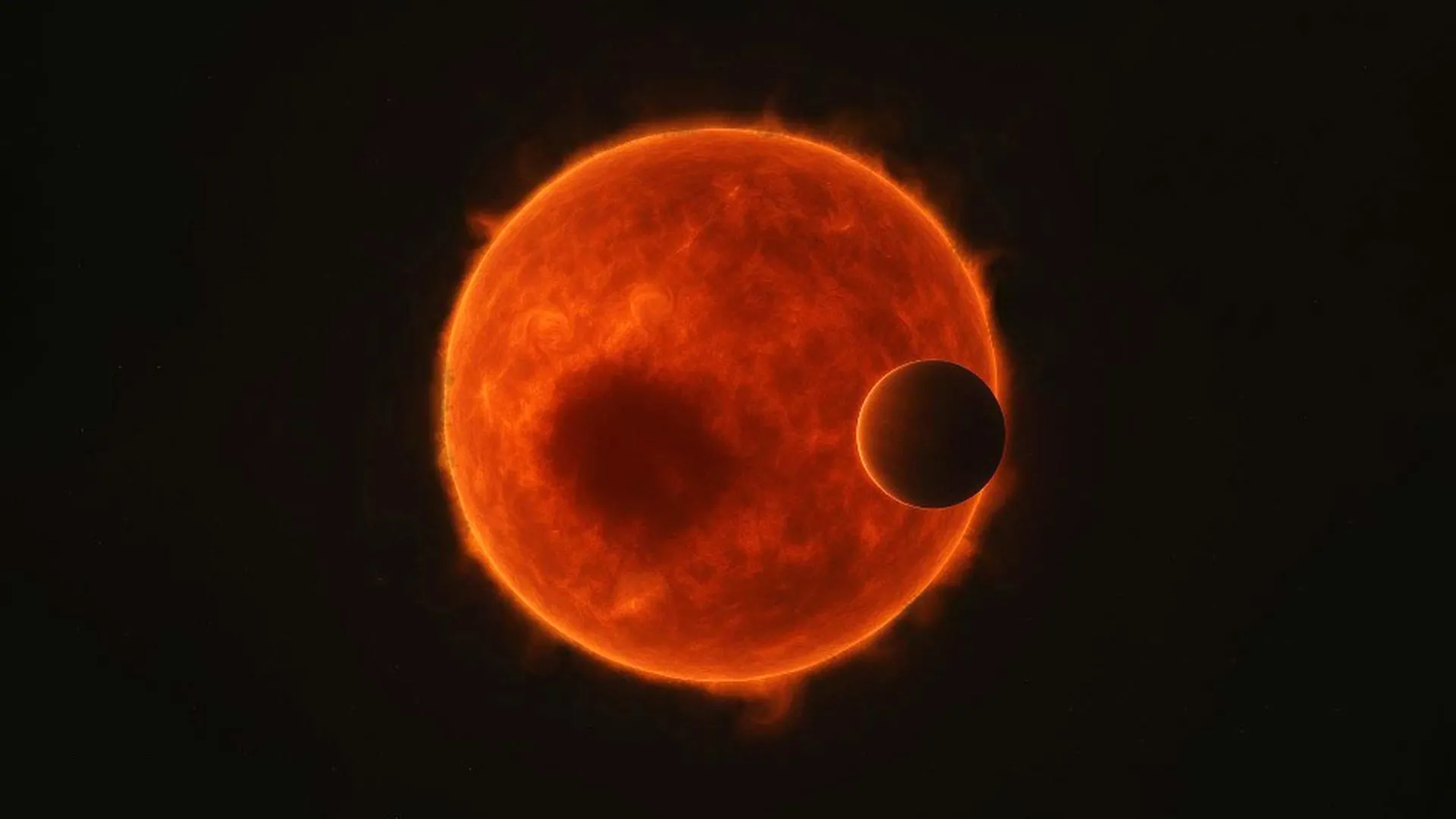
To study the moments when the planet crossed over starspots, researchers relied on the multicolor MuSCAT3 and MuSCAT4 instruments installed on the Las Cumbres Observatory (LCO) 2-meter telescopes. During February and March 2024, they recorded three separate transits and clearly identified signals produced by the planet passing over these dark regions on the star. The way the signal changed with color offered valuable clues about the temperature of the starspots.

Analysis of the light curves showed that the starspots are approximately 200 K cooler than the surrounding stellar surface (3150 K) and cover about 15% of the visible area of the star. The three transit observations also displayed subtle differences in the shape of the spot-crossing features. Since these changes happened over a relatively short period, they are more consistent with the star rotating rather than the starspots themselves evolving.

Monitoring Brightness to Measure Stellar Rotation

To verify this idea, the team conducted an extended photometric monitoring program using LCO’s network of 1-meter telescopes around the world. From December 2024 through March 2025, they tracked the star’s brightness several times each night and identified regular, repeating variations. These measurements allowed them to determine, for the first time, that the star completes a full rotation in 11.05 days.

A Strongly Tilted Planetary System

The rotation period matched the shifts in starspot position seen in the transit data, allowing the researchers to piece together the three-dimensional layout of the system. Their analysis showed that the star’s rotation axis and the planet’s orbital axis differ by roughly 62°, meaning TOI-3884 hosts a significantly tilted planetary orbit. Such extreme misalignments are usually linked to past interactions with massive planets or stellar companions — yet none have been found here, making TOI-3884 an especially compelling system to study.

Glossary of Key Terms

Transit: A transit occurs when a planet passes in front of its star from our point of view, causing a small dip in the star’s brightness.

Spot-Crossing Signal: A change in the transit light curve that happens when a planet moves across a darker, cooler starspot on the star’s surface.

Starspot: A relatively cool, dark region on a star, similar to sunspots on the Sun.

Light Curve: A graph showing how a star’s brightness changes over time. Scientists study its shape to learn about planets, starspots, and stellar behavior.

MuSCAT3 and MuSCAT4: Specialized multicolor cameras designed to measure changes in starlight across different wavelengths to improve transit and starspot analysis.

Photometric Monitoring: Repeatedly measuring the brightness of a star to detect variations caused by rotation, starspots, or orbiting planets.

Stellar Rotation Period: The time it takes for a star to complete one full spin on its axis.

Orbital Axis: An imaginary line defining the orientation of a planet’s orbit around its star.

Stellar Spin Axis: An imaginary line that describes the direction of a star’s rotation.

Misalignment (Orbital Tilt): When the star’s rotation axis and the planet’s orbital axis do not line up. A large misalignment can provide clues about the system’s past.

LCO (Las Cumbres Observatory): A global network of telescopes used for continuous sky monitoring and time-sensitive observations such as transits.

Share Button

3.3 billion-year-old crystals reveal a shockingly active early Earth

The Hadean Eon, which stretched from 4.6 to 4.0 billion years ago, represents one of the least understood periods in Earth’s past. This era opened with the birth of the planet and was quickly followed by a dramatic collision with a Mars-sized object. The impact produced the Moon and left Earth’s interior completely molten. A solid crust began forming around 4.5 billion years ago, although scientists have long debated what unfolded after that point.

For many years, researchers believed that Earth remained in a “stagnant lid” state until at least the end of the Hadean. According to this idea, the planet was capped by a stiff, unmoving outer shell while heat-driven convection took place deeper in the mantle. In this scenario, the early planet lacked subduction (the process in which crust sinks into the interior) and did not yet produce the continental crust seen in today’s plate tectonic system.

A New Challenge to the Stagnant Lid Hypothesis

Now, scientists from the ERC Synergy Grant Project “Monitoring Earth Evolution through Time” (MEET) — a collaboration between geochemists from Grenoble (France) and Madison (USA), and geodynamic modelers from GFZ Helmholtz Centre for Geosciences in Potsdam (Germany) — are offering a different interpretation.

Ancient Crystals Reveal Evidence of Early Subduction

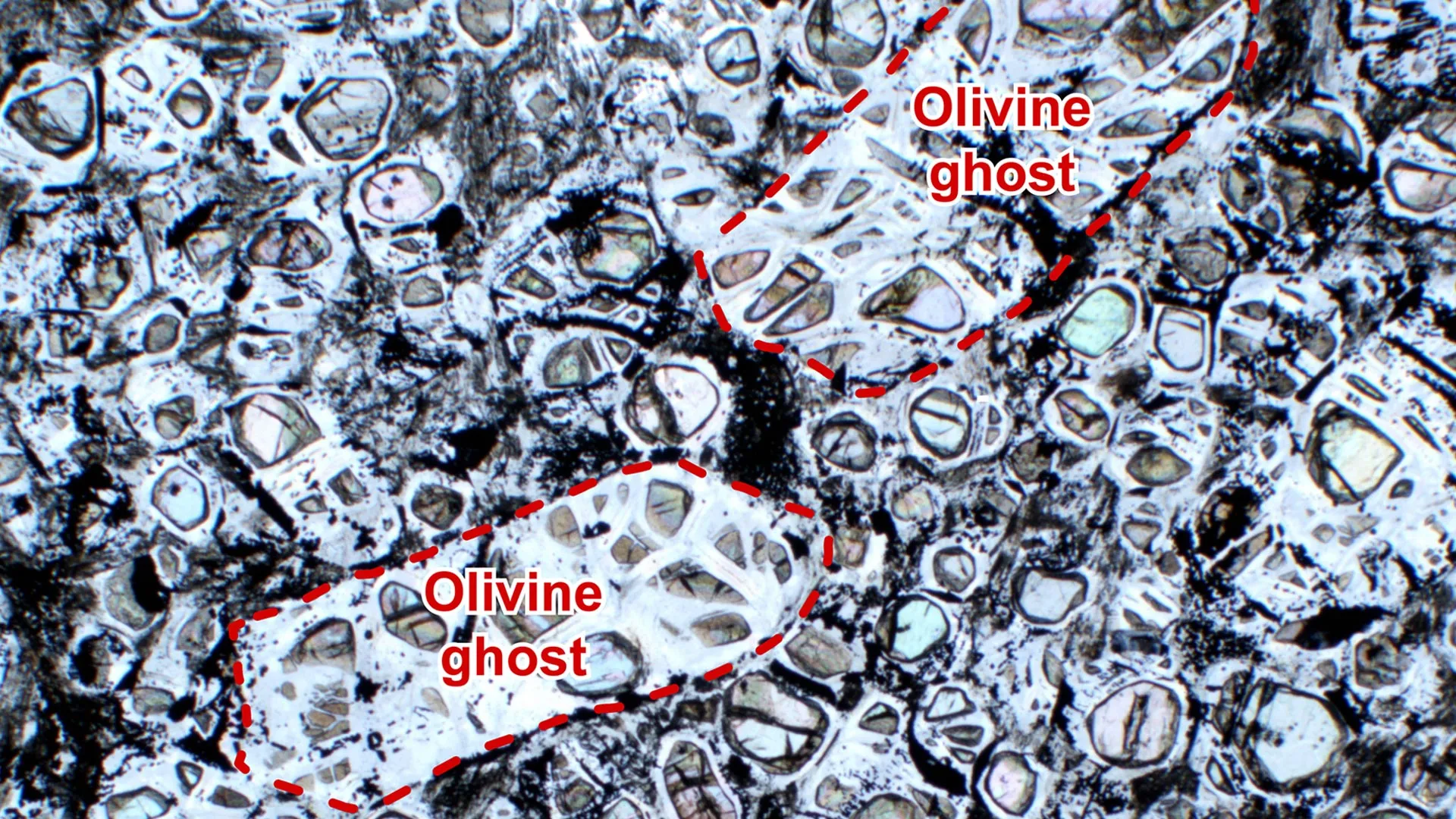
In a study published in Nature Communications, the MEET research team reports evidence that both subduction and continental crust formation were not only active during the Hadean but may have been more intense than previously assumed. The Grenoble group analyzed strontium isotopes and trace elements in melt inclusions trapped inside 3.3-billion-year-old olivine crystals, providing rare geochemical snapshots of early Earth. At the same time, the GFZ group applied advanced geodynamic models to understand how these geochemical patterns relate to ancient tectonic activity.

Their combined results point to a far livelier early Earth, suggesting that widespread subduction and the growth of continental crust may have begun several hundred million years earlier than earlier theories proposed.

Glossary of Key Terms

Hadean Eon: The earliest chapter of Earth’s history (4.6 to 4.0 billion years ago), beginning with the planet’s formation and characterized by extreme heat and frequent impacts.

Subduction: A tectonic process in which one piece of Earth’s crust sinks beneath another and moves downward into the mantle.

Stagnant lid: A tectonic state where the planet’s outer shell is rigid and unmoving, with very little surface recycling compared to modern plate tectonics.

Mantle convection: The slow, heat-driven movement of material within Earth’s mantle that transports energy from the interior toward the surface.

Continental crust: The thick, buoyant type of crust that forms Earth’s continents, distinct from the thinner oceanic crust.

Melt inclusions: Tiny pockets of trapped molten material found inside crystals, preserving chemical information about the environment in which the crystals formed.

Olivine crystals: Greenish mineral grains commonly found in Earth’s mantle and volcanic rocks; they can preserve ancient geochemical clues.

Strontium isotopes: Different forms of the element strontium used by scientists to determine the origin and history of rocks and magmas.

Geodynamic simulations: Computer models that recreate how Earth’s interior moves and evolves over time.

Crustal solidification: The process by which Earth’s once-molten surface cooled and hardened into a solid crust.

Share Button

Simple nutrient mix delivers surprising autism breakthrough in mice

Researchers led by Tzyy-Nan Huang and Ming-Hui Lin at Academia Sinica in Taiwan have found that a low-dose combination of zinc, serine, and branched-chain amino acids may ease behavioral difficulties in three mouse models of autism. The study, published December 2nd in the open-access journal PLOS Biology, reports that these supplements work together to strengthen communication between neurons and lead to better social interactions in the animals.

Exploring How Nutrition Influences ASD

Autism spectrum disorder (ASD) is associated with atypical neural development that disrupts how neurons form connections. Nutrition is also recognized as a factor that can influence ASD. Zinc, serine, and branched-chain amino acids have each been linked to potential improvements in neural connectivity. The researchers proposed that combining the three could produce a stronger effect than any single nutrient and might reduce the amount of each needed. To test this, they worked with three mouse models of ASD and examined synapse-related protein levels, tracked amygdala activity using calcium imaging, and evaluated social behavior.

In their experiments, the combined supplements shifted synaptic protein expression in autistic mice so that it more closely resembled that of typical mice. The mixture also reduced the abnormal overactivity of neurons in the amygdala. Social behaviors improved as well, but only when the nutrients were given as a mixture; the same doses of individual supplements produced no measurable change. Two additional autism mouse models showed the same pattern, indicating that the three nutrients must work together to be effective at low doses.

Researchers Highlight Broader Potential of Multi-Nutrient Approaches

Yi-Ping Hsueh explained, “As hundreds of genes are implicated in autism, each with distinct molecular functions, a ‘one gene-one therapy’ approach is impractical for addressing the complexity of ASD. Our findings show that a low-dose nutrient mixture containing zinc, branched-chain amino acids (BCAAs), and serine — working synergistically to improve synaptic function and social behaviors across three ASD mouse models — offers a safer and more practical strategy for long-term, broad application, even beginning in childhood.”

Tzyy-Nan Huang, a first author of the study, added, “High doses of individual nutrient supplements such as zinc, branched-chain amino acids, and serine can improve synaptic function through different mechanisms, but low doses of any single nutrient alone are ineffective. It is exciting to see that combining these nutrients at low doses successfully restores synaptic proteomes and enhances social behaviors in three different mouse models of autism.”

Rapid Neural Circuit Changes Observed

Co-first author Ming-Hui Lin said, “I was thrilled to observe that just seven days of treatment with the nutrient mixture significantly modulated neuronal circuit activity and connectivity in real time. These results provide strong support for the beneficial effects of low-dose nutrient supplement combinations.”

This work was supported by grants from Academia Sinica, Taiwan (AS-IA-111-L01 to Y.-P.H.) and the National Science and Technology Council, Taiwan (NSTC 113-2326-B-001-008 and 114-2326-B-001-005 to Y.-P.H.). The funding organizations did not influence the study design, data collection and analysis, the decision to publish, or the preparation of the manuscript.

Share Button

MND took our son at 14 – anyone at any age can get it

Kyle Sieniawski, from Pontypridd, died last month, after being diagnosed with motor neurone disease in January.

Share Button

Girls ‘taught how to get a job but not about women’s health’

Young women say they were taught how to open a bank account in school, but not about their own health.

Share Button

Parents face 12-month wait to learn how babies died

Shane Bevan and Laura Tongue say it is “cruel” for grieving families to be left waiting for answers.

Share Button