An Audit Office report says 12,000 operations were carried out without assurance they complied with policy.


An Audit Office report says 12,000 operations were carried out without assurance they complied with policy.

Stars of all ages are on display in this new NASA/ESA Hubble Space Telescope Picture of the Week. This sparkling spiral galaxy is called NGC 6000 and it is located 102 million light-years away in the constellation Scorpius.
This galaxy has a glowing yellow center and glittering blue outskirts. The colors reflect differences in the average ages, masses and temperatures of the galaxy’s stars. In the heart of the galaxy, the stars tend to be older and smaller. Less massive stars are cooler than more massive stars, and somewhat counterintuitively, cooler stars are redder, while hotter stars are bluer. Farther out along NGC 6000’s spiral arms, brilliant star clusters host young, massive stars that appear distinctly blue.
Hubble collected the data for this image while surveying the sites of recent supernova explosions in nearby galaxies. NGC 6000 has hosted two recent supernovae: SN 2007ch in 2007 and SN 2010as in 2010. Using Hubble’s sensitive detectors, researchers are able to discern the faint glow of supernovae years after the initial explosion. These observations help to constrain the masses of supernova progenitor stars and can indicate if they had any stellar companions.
By zooming in to the right side of the galaxy’s disc in this image, you may see something else yellow and blue: a set of four thin lines. These are an asteroid in our Solar System, which was drifting across Hubble’s field of view as it gazed at NGC 6000. The four streaks are due to different exposures that were recorded one after another with slight pauses in between. These were combined to create this final image. The colors appear this way because each exposure used a filter to collect only very specific wavelengths of light, in this case around red and blue. Having these separate exposures is important to study and compare stars by their colors — but it also makes asteroid interlopers very obvious!
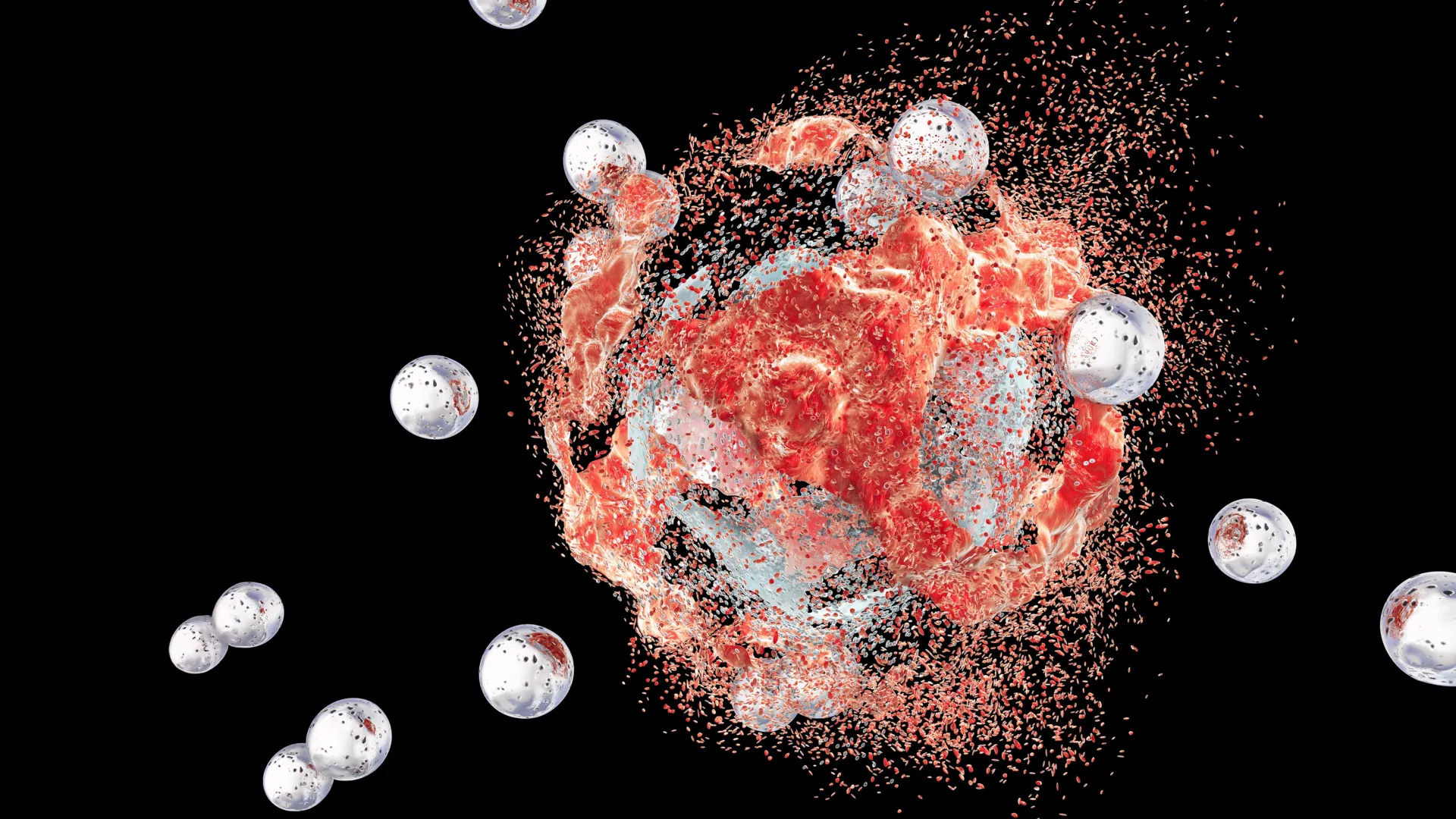
An international team of scientists led by researchers at the MRC Laboratory of Medical Sciences (LMS), Imperial College London and the University of Cologne have discovered that microbes associated with tumors produce a molecule, which can control cancer progression and boost the effectiveness of chemotherapy.
Most people are familiar with the microbes on our skin or in our gut, but recent discoveries have revealed that tumors also host unique communities of bacteria. Scientists are now investigating how these tumor-associated bacteria can affect tumor growth and the response to chemotherapy.
New research, published online in Cell Systems on September 10, 2025, provides a significant breakthrough in this field, identifying a powerful anti-cancer metabolite produced by bacteria associated with colorectal cancer. This finding opens the door to new strategies for treating cancer, including the development of novel drugs that could make existing therapies more potent.
The researchers used a sophisticated large-scale screening approach to test over 1,100 conditions in a type of microscopic worm called C. elegans. Through this, they found that the bacteria E. coli produced a molecule called 2-methylisocitrate (2-MiCit) that could improve the effectiveness of the chemotherapy drug 5-fluorouracil (5-FU).
Using computer modelling, the team demonstrated that the tumor-associated microbiome (bacteria found within and around tumors) from patients was also able to produce 2-MiCit. To confirm the effectiveness of 2-MiCit, the team used two further systems; human cancer cells and a fly model of colorectal cancer. In both cases, they found that 2-MiCit showed potent anti-cancer properties, and for the flies could extend survival.
Professor Filipe Cabreiro, head of the Host-Microbe Co-Metabolism group at the LMS, and group leader at the CECAD Research Cluster in Cologne, explains the significance of the discovery: “We’ve known that bacteria are associated with tumors, and now we’re starting to understand the chemical conversation they’re having with cancer cells. We found that one of these bacterial chemicals can act as a powerful partner for chemotherapy, disrupting the metabolism of cancer cells and making them more vulnerable to the drug.”
The study revealed that 2-MiCit works by inhibiting a key enzyme in the mitochondria (structures inside cells that generate energy for cellular functions) of cancer cells. This leads to DNA damage and activates pathways known to reduce the progression of cancer. This multi-pronged attack weakens the cancer cells and works in synergy with 5-FU. The combination was significantly more effective at killing cancer cells than either compound alone.
Dr Daniel Martinez-Martinez, postdoctoral researcher at the LMS and first author of the paper, says: “Microbes are an essential part of us. That a single molecule can exert such a profound impact on cancer progression is truly remarkable, and another piece of evidence on how complex biology can be when considering it from a holistic point of view. It is really exciting because we are only scratching the surface of what is really happening.”
In collaboration with medicinal chemists, the researchers also modified the 2-MiCit compound to enhance its effectiveness. This synthetic version proved even more powerful at killing cancer cells, demonstrating the potential to develop new drugs based on natural microbial products. Filipe adds: “Using the natural microbial product as a starting point, we were able to design a more potent molecule, effectively improving on mother nature.”
These exciting discoveries highlight how the cancer-associated microbiome can impact tumor progression, and how metabolites produced by these bacteria could be harnessed to improve cancer treatments. These findings are also important in the context of personalized medicine, emphasizing the importance of considering not only the patient, but also their microbes.
This study was primarily funded by the Leverhulme Trust, the Wellcome Trust/Royal Society, the DFG German Research Foundation, and the Medical Research Council.
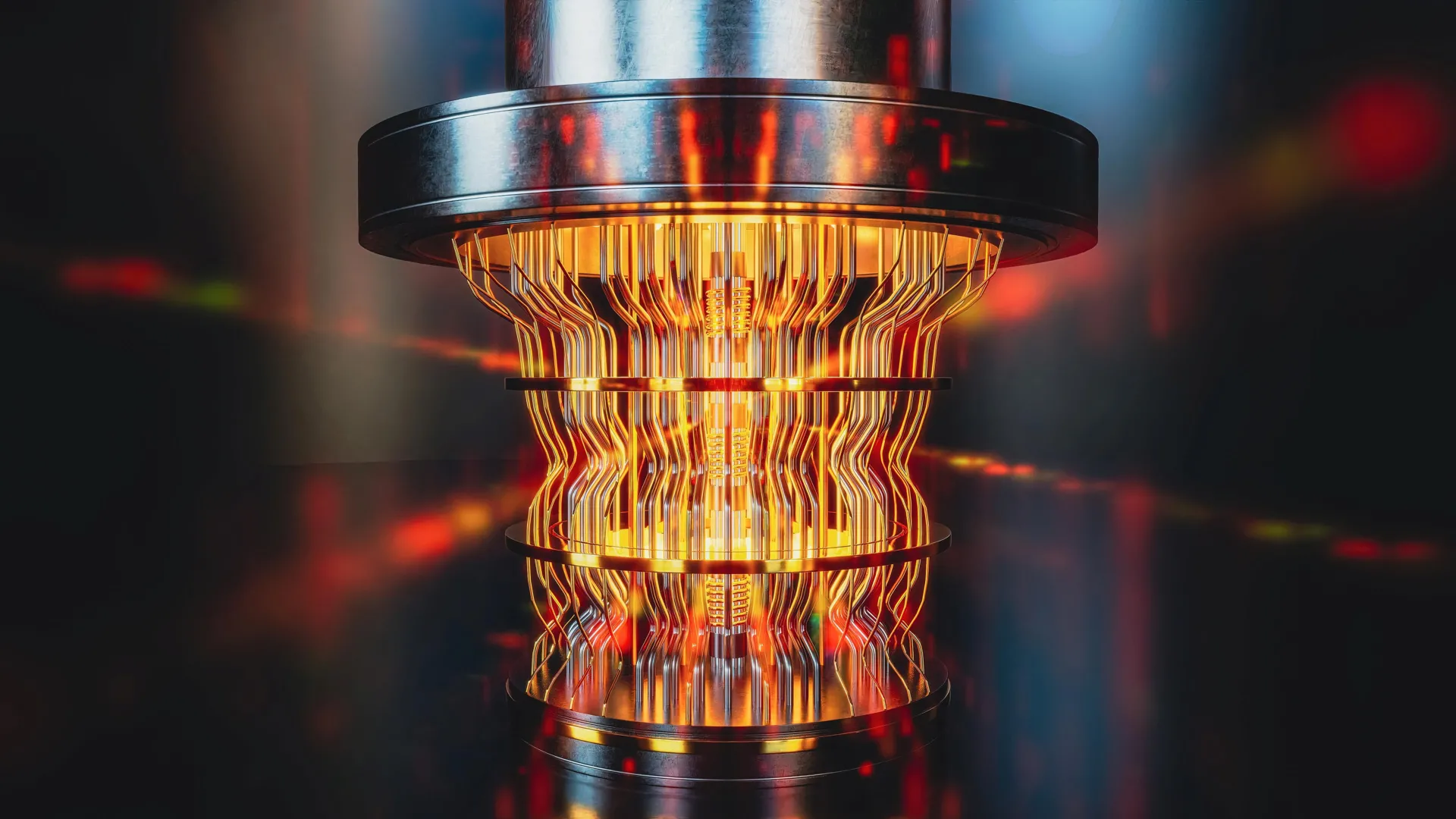
Can you prove whether a large quantum system truly behaves according to the weird and wonderful rules of quantum mechanics — or if it just looks like it does? In a groundbreaking study, physicists from Leiden, Beijing en Hangzhou found the answer to this question.
You could call it a ‘quantum lie detector’: Bell’s test designed by famous physicist John Bell. This test shows whether a machine, like a quantum computer, is truly using quantum effects or just mimics them.
As quantum technologies become more mature, ever more stringent tests of quantumness become necessary. In this new study, the researchers took things to the next level, testing Bell correlations in systems with up to 73 qubits — the basic building blocks of a quantum computer.
The study involved a global team: theoretical physicists Jordi Tura, Patrick Emonts, PhD candidate Mengyao Hu from Leiden University, together with colleagues from Tsinghua University (Beijing) and experimental physicists from Zhejiang University (Hangzhou).
The world of quantum physics
Quantum mechanics is the science that explains how the tiniest particles in the universe — like atoms and electrons — behave. It’s a world full of strange and counterintuitive ideas.
One of those is quantum nonlocality, where particles appear to instantly affect each other, even when far apart. Although it sounds strange, it’s a real effect, and it won the Nobel Prize in Physics in 2022. This research is focused on proving the occurrence of nonlocal correlation, also known as Bell correlations.
Clever experimenting
It was an extremely ambitious plan, but the team’s well-optimized strategy made all the difference. Instead of trying to directly measure the complex Bell correlations, they focused on something quantum devices are already good at: minimizing energy.
And it paid off. The team created a special quantum state using 73 qubits in a superconducting quantum processor and measured energies far below what would be possible in a classical system. The difference was striking — 48 standard deviations — making it almost impossible that the result was due to chance.
But the team didn’t stop there. They went on to certify a rare and more demanding type of nonlocality – known as genuine multipartite Bell correlations. In this kind of quantum correlation, all qubits in the system must be involved, making it much harder to generate — and even harder to verify. Remarkably, the researchers succeeded in preparing a whole series of low-energy states that passed this test up to 24 qubits, confirming these special correlations efficiently.
This result shows that quantum computers are not just getting bigger — they are also becoming better at displaying and proving truly quantum behaviour.
Why this matters
This study proves that it’s possible to certify deep quantum behaviour in large, complex systems — something never done at this scale before. It’s a big step toward making sure quantum computers are truly quantum.
These insights are more than just theoretical. Understanding and controlling Bell correlations could improve quantum communication, make cryptography more secure, and help develop new quantum algorithms.
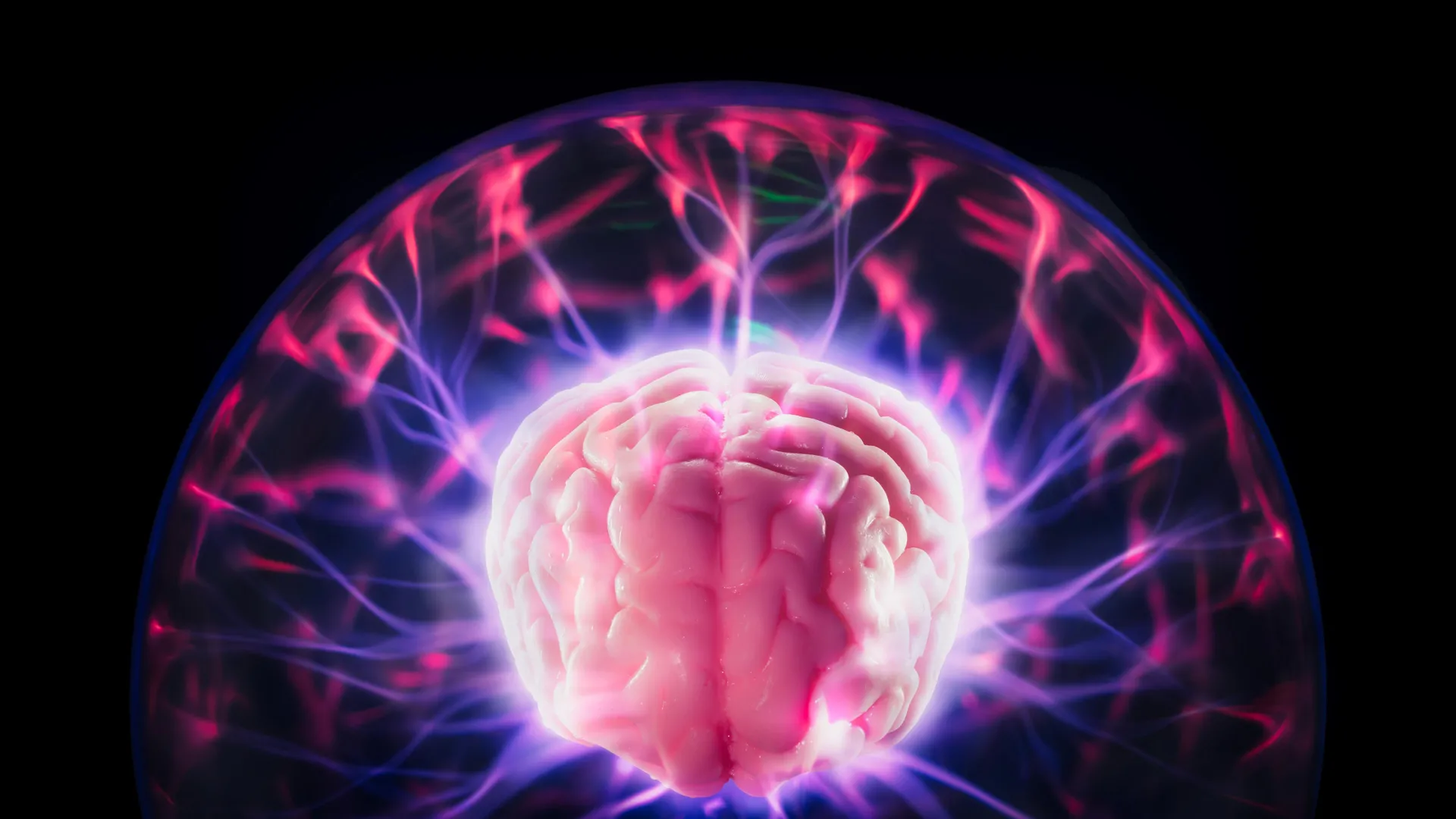
DMT, or dimethyltryptamine is a natural psychoactive molecule found in many plants and mammals. According to an article published in Science Advances, researchers from the HUN-REN BRC Institute of Biophysics and Semmelweis University Heart and Vascular Centre found that DMT reduces the harmful effects of stroke in animal models and cell culture experiments.
A solution from nature in the spotlight
DMT is also present in the human brain, and it is currently undergoing clinical trials to aid recovery of brain function after stroke. However, its exact mechanism of action had not been fully understood until now. “It is amazing how we can always turn to Nature to find ingenious solutions for health problems” says co-lead author Mária Deli from the HUN-REN BRC.
The blood-brain barrier as a therapeutic target
“We found that DMT significantly reduced infarct volume and edema formation in a rat stroke model,” explains co-first author Marcell László. In both animal experiments and cell culture models, the authors showed that DMT treatment restored the structure and function of the damaged blood-brain barrier and improved the function of astroglial cells. This psychoactive compound also inhibited the production of inflammatory cytokines in brain endothelial cells and peripheral immune cells, while reduced the activation of brain microglia cells through Sigma-1 receptors.
DMT could serve as therapeutic adjuvant to existing stroke treatments
“The therapeutic options currently available for stroke are very limited. The dual action of DMT, protecting the blood-brain barrier while reducing brain inflammation, offers a novel, complex approach that could complement existing treatments,” says Judit Vigh, co-first author of the work.
Since current stroke therapies do not always result in full recovery, a DMT-based treatment may represent a promising new alternative, mainly in combination with existing methods. The recent findings from researchers in Szeged and Budapest, Hungary, support the development of a therapy that goes beyond the limitations of conventional stroke treatment. Clinical trials on the use of DMT and investigation on its long-term effects are currently ongoing.
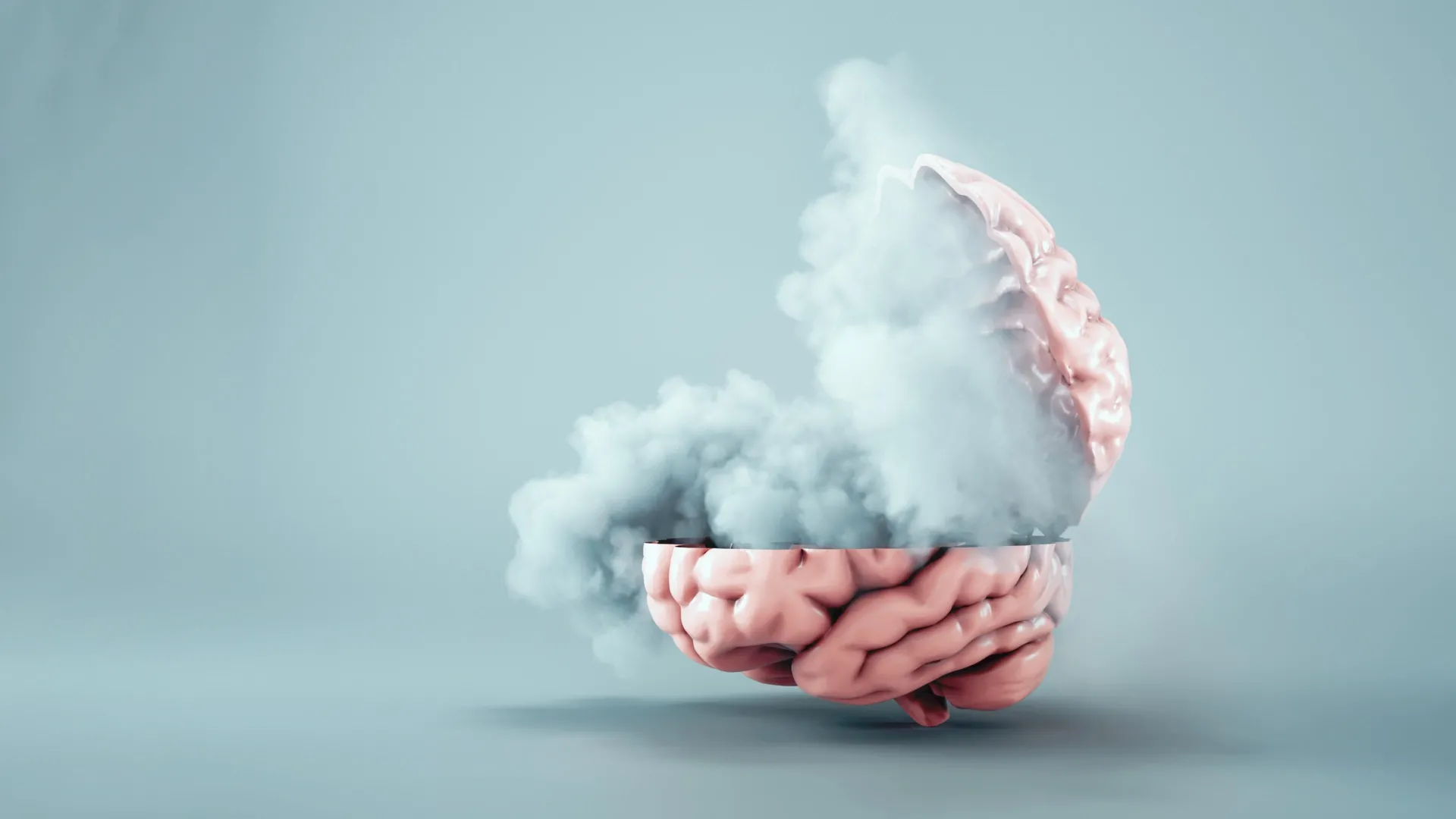
Even though many years have passed since the start of the COVID-19 pandemic, the effects of infection with SARS-CoV-2 are not completely understood. This is especially true for Long COVID, a chronic condition that can develop after COVID-19 that causes a variety of lasting symptoms. Among the most common and debilitating of these is cognitive impairment, often referred to as “brain fog,” which affects over 80% of people with Long COVID. Given the hundreds of millions of global cases, Long COVID represents a massive public health and socioeconomic challenge, as it severely impacts people’s ability to work and perform daily activities.
Unfortunately, despite its prevalence, the underlying causes of Long COVID and brain fog remain poorly understood. Previous imaging studies have shown some structural changes in the brain, but they could not pinpoint the molecular dysfunctions responsible for the cognitive symptoms. Since it’s difficult to observe the molecules that govern communication between brain cells directly, researchers are left without objective biomarkers to confirm a Long COVID diagnosis or develop therapies.
To address this challenge, a research team led by Professor Takuya Takahashi from the Graduate School of Medicine at Yokohama City University, Japan, has made a significant breakthrough in understanding the cause of Long COVID brain fog. As explained in their paper, published in Brain Communications on October 1, 2025, the team hypothesized that patients with brain fog might exhibit disrupted expression of AMPA receptors (AMPARs) — key molecules for memory and learning — based on prior research into psychiatric and neurological disorders such as depression, bipolar disorder, schizophrenia, and dementia. Thus, they used a novel method called [11C]K-2 AMPAR PET imaging to directly visualize and quantify the density of AMPARs in the living human brain.
By comparing imaging data from 30 patients with Long COVID to 80 healthy individuals, the researchers found a notable and widespread increase in the density of AMPARs across the brains of patients. This elevated receptor density was directly correlated with the severity of their cognitive impairment, suggesting a clear link between these molecular changes and the symptoms. Additionally, the concentrations of various inflammatory markers were also correlated with AMPAR levels, indicating a possible interaction between inflammation and receptor expression.
Taken together, the study’s findings represent a crucial step forward in addressing many unresolved issues regarding Long COVID. The systemic increase in AMPARs provides a direct biological explanation for the cognitive symptoms, highlighting a target for potential treatments. For example, drugs that suppress AMPAR activity could be a viable approach to mitigate brain fog. Interestingly, the team’s analysis also demonstrated that imaging data can be used to distinguish patients from healthy controls with 100% sensitivity and 91% specificity. “By applying our newly developed AMPA receptor PET imaging technology, we aim to provide a novel perspective and innovative solutions to the pressing medical challenge that is Long COVID,” remarks Prof. Takahashi.
While further efforts will be needed to find a definitive solution for Long COVID, this work is a promising step in the right direction. “Our findings clearly demonstrate that Long COVID brain fog should be recognized as a legitimate clinical condition. This could encourage the healthcare industry to accelerate the development of diagnostic and therapeutic approaches for this disorder,” concludes Prof. Takahashi.
In summary, the team’s findings resolve key uncertainties about the biological basis of Long COVID brain fog and may pave the way for novel diagnostic tools and effective therapies for patients suffering from this condition.
Funding information
This clinical trial project was supported by donations from the READYFOR crowdfunding platform. This project was partially supported by Takeda Science Foundation (T.T.), the Japan Agency for Medical Research and Development (AMED) under grant numbers JP24wm0625304 (T.T.), and JST through the Establishment of University Fellowships Towards the Creation of Science Technology Innovation program, under grant JPMJFS2140 (Y.F.).
When Harry turned 18, he no longer had access to various healthcare services, his mum says.
A charity says it has had more than 100 complaints about a lack of interpreters at the hospital.
Up to half of patients coming to some pharmacies are being turned away because they are not eligible.
British Medical Association say 30,000 medics were chasing 10,000 jobs this year.
