A leading sexual health clinic is running the drop-in sessions at G-A-Y Bar to boost uptake.


A leading sexual health clinic is running the drop-in sessions at G-A-Y Bar to boost uptake.
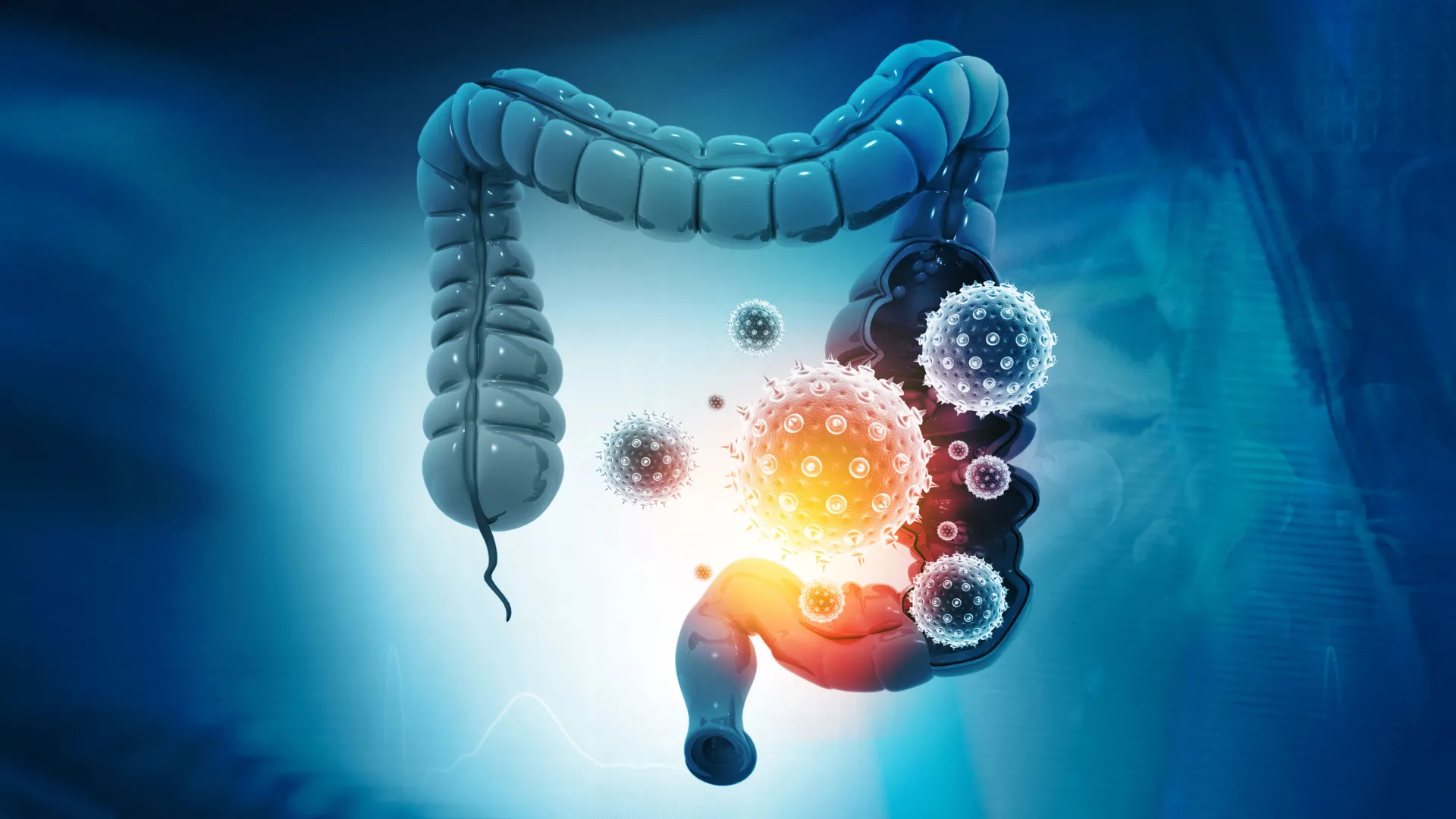
Colorectal cancer is the second leading cause of cancer death worldwide. If detected early, it can be efficiently treated, but the cost and discomfort of colonoscopies — the main diagnostic method currently in use — often result in delayed diagnosis. Using machine learning algorithms, a team from the University of Geneva (UNIGE) identified for the first time all human gut bacteria to a level of detail that makes it possible to understand the physiological importance of the different microbial subgroups. This inventory was then used to detect the presence of colorectal cancer according to the bacteria present in simple stool samples, a non-invasive and low-cost screening tool. The potential applications are vast, ranging from the diagnosis of other cancers to a better understanding of the links between gut microbiota and health. These findings are published in Cell Host & Microbe.
Colorectal cancer is often diagnosed at an advanced stage when treatment options are limited. This underscores the need for simpler, less invasive diagnostic tools, particularly in the face of a still unexplained rise in cases among young adults. While it has long been known that gut microbiota plays a role in the development of colorectal cancer, translating these findings into clinical practice has proven challenging. This is because different strains of the same bacterial species can have opposite effects, with some promoting the disease and others having no effect.
“Instead of relying on the analysis of the various species composing the microbiota, which does not capture all meaningful differences, or of bacterial strains, which vary greatly from one individual to another, we focused on an intermediate level of the microbiota, the subspecies,” explains Mirko Trajkovski, full professor in the Department of Cell Physiology and Metabolism and in the Diabetes Centre at the UNIGE Faculty of Medicine, who led this research. “The subspecies resolution is specific and can capture the differences in how bacteria function and contribute to diseases including cancer, while remaining general enough to detect these changes among different groups of individuals, populations, or countries.”
With the help of machine learning
The first step was to analyse huge amounts of data. “As a bioinformatician, the challenge was to come up with an innovative approach for mass data analysis,” recalls Matija Trickovic, PhD student in the laboratory of Mirko Trajkovski and first author of this study. “We successfully developed the first comprehensive catalogue of human gut microbiota subspecies, together with a precise and efficient method to use it both for research and in the clinic.”
By combining this catalogue with existing clinical data, the scientists developed a model that can predict the presence of colorectal cancer solely based on the bacteria present in stool samples. “Although we were confident in our strategy, the results were striking,” enthuses Matija Trickovic. “Our method detected 90% of cancer cases, a result very close to the 94% detection rate achieved by colonoscopies and better than all current non-invasive detection methods.”
By integrating more clinical data, this model could become even more precise and match the accuracy of colonoscopy. It could become a routine screening tool and facilitate the early detection of colorectal cancer, which would then be confirmed by colonoscopy but only in a selected group of patients.
A new world of applications
A first clinical trial is being set up in collaboration with the Geneva University Hospitals (HUG) to determine more precisely the cancer stages and the lesions that can be detected. However, the applications go beyond colorectal cancer. By studying the differences between subspecies from the same bacterial species, researchers can now identify the mechanisms of action by which the gut microbiota influences human health. “The same method could soon be used to develop non-invasive diagnostic tools for a wide range of diseases, all based on a single microbiota analysis,” concludes Mirko Trajkovski.
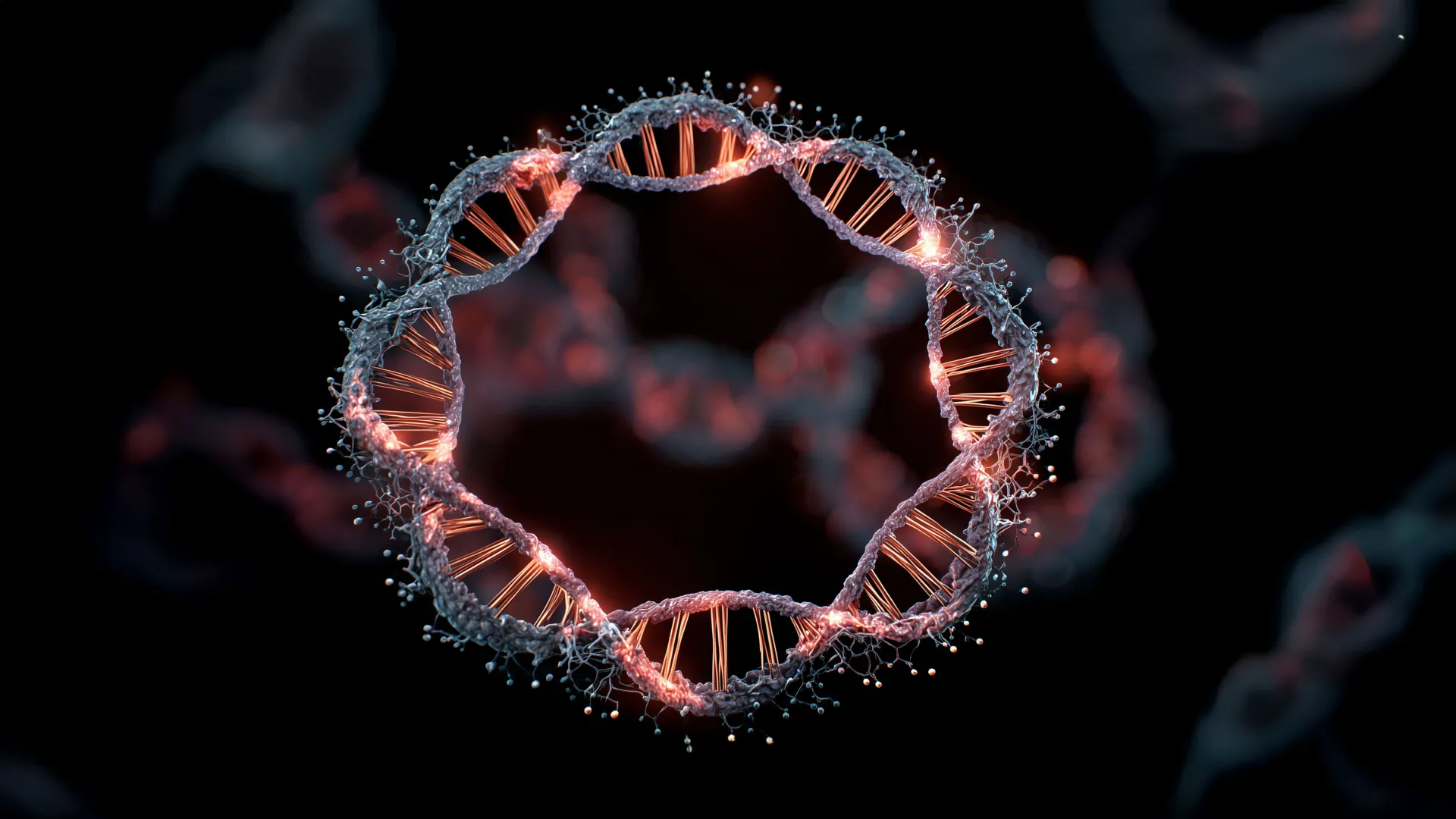
An international team of scientists has revealed how rogue rings of DNA that float outside of our chromosomes — known as extrachromosomal DNA, or ecDNA — can drive the growth of a large proportion of glioblastomas, the most common and aggressive adult brain cancer. The discovery could open the door to much-needed new approaches to diagnose glioblastoma early, track its progress and treat it more effectively.
The findings, published on September 8 in Cancer Discovery, are the first to suggest that ecDNA rings containing cancer-driving genes often appear in the earliest stages of glioblastoma’s development — and in some cases, even before the tumour has fully formed. This early arrival may set the stage for the cancer’s rapid growth, adaptability and resistance to treatment.
The study was led by Dr Benjamin Werner at Queen Mary University of London and Professor Paul Mischel at Stanford University, both part of Cancer Grand Challenges’ team eDyNAmiC, as well as Professor Charlie Swanton at The Francis Crick Institute.
Tackling cancer’s toughest challenges
Glioblastoma is one of the most challenging cancers to treat, with median survival remaining at around 14 months and little improvement in recent decades. New approaches for earlier detection and more effective treatment are urgently needed.
ecDNA is emerging as a potentially important player in many adult and paediatric cancers, including glioblastoma, but its role is complex and mysterious. The Cancer Grand Challenges initiative — founded by Cancer Research UK and the National Cancer Institute in the US — identified understanding ecDNA as one of the toughest challenges facing the field today. In 2022, they funded team eDyNAmiC — a $25m international, cross-disciplinary consortium of experts in cancer, clinical research, evolutionary biology, computer science and mathematics — to decipher ecDNA’s role and identify ways to target it. The current study marks an important advance in team eDyNAmiC’s work.
Excavating a tumor’s past
In their new study, team eDyNAmiC and their collaborators integrated genomic and imaging data from patients with glioblastoma with advanced computational modelling of the evolution of ecDNAs in space and time.
“We studied the tumours much like an archaeologist would. Rather than taking a single sample, we excavated multiple sites around the tumour, allowing us to build computational models describing how they evolved. We simulated millions of different scenarios to reconstruct how the earliest ecDNAs emerged, spread, and drove tumour aggressiveness, giving us a clearer picture of the tumour’s origins and progression,” explains senior author Dr Benjamin Werner, a group leader at the Barts Cancer Institute, Queen Mary University of London.
The analysis revealed that most ecDNA rings contained EGFR, a potent cancer-driving gene. EGFR ecDNA appeared early in the cancer’s evolution — even before tumour formation in some patients. It also frequently gained extra changes, such as the EGFRvIII variant, that made the cancer more aggressive and resistant to therapies.
A window of opportunity
“These subtle mechanisms show that there may be a window of opportunity to detect and treat the disease between the first appearance of EGFR ecDNA and the emergence of these more aggressive variants,” suggests Dr Magnus Haughey, a postdoctoral researcher in Dr Werner’s group and one of the paper’s lead authors. “If scientists can develop a reliable test to detect early EGFR ecDNA — for example through a blood test — it could enable them to intervene before the disease becomes harder to treat.”
The study confirmed that ecDNA can carry more than one cancer gene at a time, each of which may uniquely shape how tumours evolve and respond to treatment. This highlights the potential value of tailoring treatments based on a tumour’s ecDNA profile.
Yet many mysteries remain. The researchers now plan to study how different treatments affect the number and types of ecDNA in glioblastoma. Team eDyNAmiC will continue to investigate the role of ecDNAs across a range of cancer types to uncover further opportunities to diagnose cancers earlier, track their progress more precisely, and design smarter treatments.
Charlie Swanton, Deputy Clinical Director and head of the Cancer Evolution and Genome Instability Laboratory at The Francis Crick Institute and chief clinician at Cancer Research UK, says:
“These findings suggest that ecDNA is not just a passenger in glioblastoma, but an early and powerful driver of the disease. By tracing when and how ecDNA arises, we open up the possibility of detecting glioblastoma much earlier and intervening before it becomes so aggressive and resistant to therapy. I hope this might help to drive a new era in how we diagnose, track and treat this devastating cancer.”
Paul Mischel, MD, the Fortinet Founders Professor and professor and vice chair of research in the pathology department at Stanford Medicine, says:
“These findings reveal an important new insight into the role of ecDNA in tumour development and progression. Previous work from our collaborative team and other researchers, has shown that ecDNA can arise early in tumor development, including at the stage of high-grade dysplasia, and it can also arise later to drive tumor progression and treatment resistance. The findings here show that in glioblastoma, there is an early event driven by ecDNA that could potentially be more actionable, raising the possibility that glioblastoma is another cancer for which earlier detection and intervention based upon ecDNA may be possible.”
Director of Cancer Grand Challenges, Dr David Scott, says:
“This study exemplifies the bold, boundary-pushing science Cancer Grand Challenges was created to support. By unravelling the evolutionary history of ecDNA in glioblastoma, team eDyNAmiC is not only deepening our understanding of one of the most devastating cancers but also illuminating new paths for earlier detection and treatment. It’s a powerful reminder that when we bring together diverse disciplines and global talent, we can begin to solve the toughest problems facing cancer research.”

The textile and meat-processing industries produce billions of tons of waste annually in the form of feathers, wool and hair, all of which are rich in keratin – the strong, fibrous protein found in hair, skin and nails.
Turning all that animal waste into useful products – from wound dressings to eco-friendly textiles to health extracts – would be a boon for the environment and for new, sustainable industries. But upcycling proteins is challenging: Breaking down, or de-naturing, proteins into their component parts typically requires corrosive chemicals in large, polluting facilities, keeping any cost-effective protocol out of reach.
Researchers in the Harvard John A. Paulson School of Engineering and Applied Sciences (SEAS) have uncovered key fundamental chemistry of how proteins like keratin de-nature in the presence of certain salt compounds – an insight that could take protein recycling to the next level.
A team led by Kit Parker, the Tarr Family Professor of Bioengineering and Applied Physics at SEAS, combined experiments and molecular simulations to better illuminate the chemical mechanisms by which salts cause proteins to unfold. They’ve shown that a solution of concentrated lithium bromide, a salt compound known to break apart keratin, interacts with the protein molecules in a completely unexpected way – not by binding to the proteins directly, as was conventional wisdom, but by changing the structure of the surrounding water molecules to create a setting more favorable for spontaneous protein unfolding.
This insight allowed the researchers to design a gentler, more sustainable keratin extraction process, separating the protein out of solution easily and without the need for harsh chemicals. The process can also be reversed with the same salt mixture, enabling recovery and reuse of lithium bromide denaturants.
The research is published in Nature Communications and is also featured in a Behind the Paper blog post.
Inspired by keratin biomaterials
First author Yichong Wang, a graduate student in chemistry who works in Parker’s group, said the research builds on the lab’s longstanding interest in developing keratin biomaterials with shape memory for biomedical applications. They had previously observed that keratin extracted from lithium bromide solvents can form thick, shapeable gels that readily separate from the surrounding solution and solidify almost immediately when placed back in water. While useful, they found the behavior odd, and they wanted to understand it better.
“We thought there might be a gap between current mechanistic understanding of how de-naturation works, and what we were seeing,” Wang said. “That’s when we got very interested in the mechanism itself to see if we could optimize our extraction procedures by explaining this phenomenon better.”
Molecular dynamics reveals shifts in surrounding water
To dig deeper, the team turned to the lab of Professor Eugene Shakhnovich in the Department of Chemistry and Chemical Biology, whose expertise is in protein biophysics. Molecular dynamics simulations led by co-author Junlang Liu allowed them to see that the lithium bromides were not working on the proteins at all, but rather, on the water around them.
It turns out lithium bromide ions cause water molecules to shift into two different populations – normal water, and water molecules that become trapped by the salt ions. As the normal water volume decreases, the proteins start to unfold due to the thermodynamic shift in the environment, rather than being directly ripped apart like in other de-naturation methods. “Making the water less like water, allows the protein to unfold itself,” Wang said. They had similar results by testing simpler proteins like fibronectin, pointing to a universal mechanism.
Better understanding and designing protein extraction methods that are less energy-intensive and less polluting than conventional ones opens potential avenues for protein-upcycling industries. In the Parker lab, using keratin as a substrate for tissue engineering is a major research thrust; having a reliable, sustainable method to extract and re-use such products would bolster their efforts.
What’s more, the process could lay a path for a whole new biomaterials industry, turning a massive waste stream like hair or chicken feathers into low-cost recycled materials, possibly as an alternative for traditional plastics, for example.
The research had many sources of federal support, including the National Institutes of Health (R35GM139571 and R01EY030444) and the National Science Foundation through the Harvard University Materials Research Science and Engineering Center (DMR-2011764). Other funding came from the Health@InnoHK program of the Innovation and Technology Commission, part of the Hong Kong SAR Government; and the Medical and Health Informatics Laboratories at NTT Research, Inc.
Concerns grow over the government’s plans to reform special needs education in England.
The majority of planned surgery and out-patient hospital appointments in the Southern Trust are being cancelled for Thursday.
Leanne Abeyance’s face is constantly infected after dental work done in Turkey.
An artificial intelligence model can predict the risk of more than 1,000 diseases, a team of scientists say.

New research being presented at the Annual Meeting of the European Association for the Study of Diabetes (EASD) in Vienna, Austria (September 15-19) shows that some individuals who are taking Ozempic, Wegovy or Mounjaro find that foods taste sweeter or saltier than before.
About one in five of those participating in the real-word study, published in the journal Diabetes, Obesity and Metabolism, perceived sweetness more intensely and a similar number were more sensitive to salt – and these changes were linked to a reduction in appetite.
“Incretin-based therapies such as Ozempic, Wegovy and Mounjaro are widely used for weight management but their effect on taste perception has been unclear,” says Othmar Moser, of University of Bayreuth, Bayreuth, Germany, who led the research.
“If changes in taste are linked to greater appetite control and weight loss, this could help clinicians better select therapies, provide more tailored dietary advice and improve long-term treatment outcomes for patients.”
To find out more, Professor Moser and colleagues from the Medical University of Vienna surveyed hundreds of individuals with overweight and obesity who were taking Ozempic, Wegovy or Mounjaro for weight loss about their sense of taste and appetite.
Of the 411 participants (69.6% female), 148 were on Ozempic, 217 were on Wegovy and 46 were taking Mounjaro.
Median duration of treatment was similar for the three groups (Ozempic: 43 weeks; Wegovy: 40 weeks; and Mounjaro: 47 weeks), with all of the participants receiving treatment for at least three consecutive months. The average BMI before starting treatment was 34.7 kg/m2 (Ozempic), 35.6 kg/m2 (Wegovy) and 36.2 kg/m2 (Mounjaro).
The participants, who were recruited online, were asked if their sense of taste (perception of sweetness, saltiness, sourness and bitterness) had changed since starting treatment.
They were also asked about changes to appetite, satiety and food cravings, as well changes to lifestyle factors, such as smoking, and for self-reported data on height and weight before and during treatment.
Reductions in BMI, adjusted for duration of treatment, dose, baseline BMI, age and sex, were 17.4% with Ozempic, 17.6% with Wegovy and 15.5% with Mounjaro.
Around a fifth of the participants said that food tasted sweeter (21.3%) or saltier (22.6%) than before. Their perception of bitterness and sourness did not change.
Some 26.7% of participants in the Wegovy group reported that food tasted saltier than before, compared with 16.2% in the Ozempic group and 15.2% in the Mounjaro group. Increases in sweetness were reported at similar frequencies in all groups (Wegovy 19.4%, Ozempic 21.6%, Mounjaro 21.7%).
More than half of the participants (58.4%) reported they were less hungry in general, i.e. their appetite had decreased (Ozempic: 62.1%, Wegovy: 54.4%, Mounjaro: 56.5%).
Almost two-thirds of the participants (63.5%) reported increased satiety i.e. they felt full sooner Ozempic: 58.8%, Wegovy: 66.8%, Mounjaro: 63.1%). Food cravings were also reduced, with 41.3% of Mounjaro users reporting a strong reduction in cravings, i.e. their cravings were much less intense that before, compared with 34.1% of those taking Wegovy and 29.7% of those taking Ozempic.
Further analysis revealed links between changes to sense of taste and appetite and satiety.
Participants who reported that food tasted sweeter since starting incretin-based therapy were twice as likely to report increased satiety, compared with participants who said their perception of sweetness had not changed.
Those with an increase in the perception of sweetness were also 67% more likely to report a reduction in appetite and 85% more likely to report a reduction in cravings, compared with those whose perception of sweetness was unchanged.
Similarly, participants who said food tasted saltier than before were about twice as likely (2.17 times) to also reported increased satiety, compared with those whose perception of saltiness was unchanged.
Professor Moser says: “These drugs act not only in the gut and brain areas that control hunger but also on taste bud cells and brain regions that process taste and reward. This means they can subtly change how strong flavours, like sweetness or saltiness, are perceived. This, in turn, may affect appetite.”
However, there was no link between changes in taste perception and reduction in BMI. The researchers speculate this is because sense of taste is just one of many factors involved in weight loss.
Professor Moser explains: “Shifts in taste may affect how satisfying or appealing food feels in the moment, which influences appetite control. However, weight loss depends on many other factors – like metabolism, long-term eating patterns, and activity – so changes to taste alone may not be enough to directly drive body weight reduction.”
The study’s limitations include inability to prove causation, the self-reporting of data and the possibility that the participants weren’t representative of the patient group as a whole.
Professor Moser concludes: “Drugs like Wegovy, Ozempic and Mounjaro may alter sense of taste, making foods seem sweeter or saltier and helping people feel full sooner and less hungry. For clinical practice, this suggests that monitoring patients’ taste changes could provide useful clues about treatment response, even though taste alone does not directly drive weight loss.
“For example, tracking changes in taste could help gauge whether the treatment is working beyond weight loss.
“It could also perhaps be used to tailor dietary advice, for example by helping patients find alternatives to foods with flavours that have become overwhelming or less appealing.”

New research being presented at the Annual Meeting of the European Association for the Study of Diabetes (EASD) in Vienna, Austria (September 15-19) shows that individuals who are taking semaglutide for weight loss experience less food noise than before.
Food noise refers to obsessive and intrusive thoughts about food and eating. This preoccupation with food can hinder healthy lifestyle implementation and lead to overeating, making weight loss difficult.
Previous research has found that 57% of people who have living with overweight or obesity have experienced food noise, although few are familiar with the term. Many of those affected said that food noise made it more difficult to make healthy food choices or stick to an exercise plan.
Some people also report that food noise affects their quality of life and their well-being.
Glucagon-like peptide-1 (GLP-1) receptor agonists such as semaglutide (brand names Wegovy and Ozempic) are highly effective at helping people who are living with obesity lose weight. By mimicking the action of a hormone called GLP-1, they reduce appetite and feelings of hunger, slow the release of food from the stomach and increase feelings of fullness after eating.
However, little is known about how semaglutide, which was developed by Danish pharmaceutical company Novo Nordisk A/S, affects food noise.
To find out more, researchers from Novo Nordisk and Market Track LLC, a market research company, conducted a survey of 550 people in the US (average age 53 years, 86% female) who were taking semaglutide for weight loss.
Some 81% (447) of the participants said they had been taking semaglutide for at least four months and 86% of the participants reported weighing at least 92kg (14st 7lb) before starting treatment.
The participants were asked how food noise was currently affecting them and to recall how it had affected them before starting treatment.
Analysis of the results showed that the participants were experiencing less food noise than before.
The proportion of participants experiencing constant thoughts about food throughout the day fell almost four-fold from 62% before starting treatment to 16%. The proportion who said they spent too much time thinking about food fell by a similar amount, from 63% to 15%.
The proportion who said they had uncontrollable thoughts about food fell more than three-fold from 53% to 15%; the proportion who said their thoughts about food had negative effects on them or their life fell from 60% to 20%; and the proportion who said their thoughts about food distracted them from completing everyday activities fell from 47% to 15%.
The survey also contained questions that covered several areas of mental well-being.
Here, 352 (64%), 417 (76%) and 438 (80%) of the respondents reported an improvement in mental health, self-confidence and the development of healthier habits, respectively.
It is not known if these improvements were related to the drop in food noise or to the participants’ weight loss.
The study’s authors conclude that semaglutide may reduce the amount of food noise that is experienced by individuals who are living with obesity.
