Ten people were evacuated from the home in Araucanía region in central Chile.


Ten people were evacuated from the home in Araucanía region in central Chile.
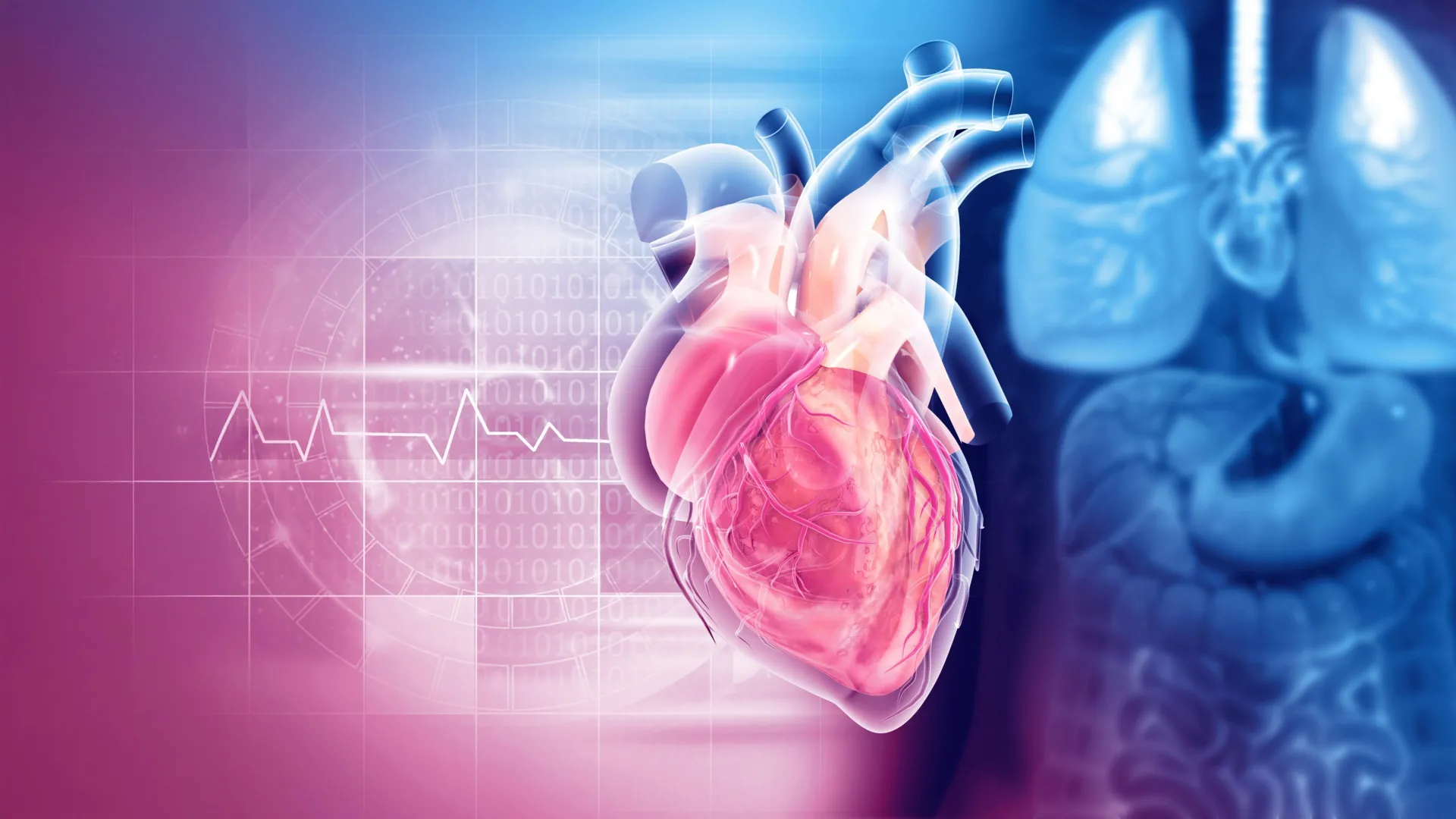
Coronary artery calcium scans are becoming an increasingly popular way to assess a person’s future risk of heart disease. The quick, relatively inexpensive CT test measures calcium buildup in the arteries that supply blood to the heart.
But new research from Northwestern Medicine suggests the scan may provide its greatest benefit to a narrower group of patients than previously assumed.
Researchers followed more than 6,000 adults for 10 years and found that, for the overall study population, adding a coronary artery calcium score provided only a small improvement over PREVENT, the American Heart Association’s primary cardiovascular risk calculator.
How Heart Calcium Scans Measure Risk
PREVENT estimates a person’s chance of developing cardiovascular disease over the next 10 or 30 years using commonly available health information (such as blood pressure, cholesterol, age, and sex).
A coronary artery calcium scan takes a different approach. The CT scan looks for calcium-containing plaque inside the coronary arteries. The resulting calcium score reflects the amount of detectable calcified plaque. In general, a higher score is associated with a greater risk of future cardiovascular disease.
The new findings suggest that calcium scores become particularly useful when PREVENT initially places someone in a borderline or intermediate risk category. Among these patients, the additional scan provided a clearer indication of who was more likely to develop cardiovascular disease and who was less likely.
“Coronary artery calcium scans are becoming more widely available and less expensive,” said study senior author Dr. Nilay Shah, assistant professor of medicine in the division of cardiology at Northwestern University Feinberg School of Medicine. “Our findings suggest that not everyone necessarily needs or would benefit from a coronary artery calcium scan for the purpose of predicting risk of heart attack and stroke.”
Shah said the findings also highlight potential downsides of using the scans when they are unlikely to change a patient’s treatment.
“Routinely using a calcium scan in people who are at low risk may result in unnecessary radiation exposure, testing and costs with unclear clinical benefits,” Shah added. “Using calcium scans in people who are at high risk is likely to result in unnecessary testing because these individuals are recommended to start a statin regardless of what the calcium scan shows.”
The study was published on Aug. 26 in JAMA.
Comparing Predictions With Real Outcomes
To investigate how much additional information calcium scans provide, Shah and his colleagues examined data from more than 6,000 adults ages 45 to 79 who participated in the Multi-Ethnic Study of Atherosclerosis.
At the beginning of the study, each participant received both a coronary artery calcium score and a PREVENT estimate of their likelihood of experiencing a cardiovascular event within the following 10 years.
Researchers then tracked what actually happened.
Over the next decade, 6% of the participants experienced either a heart attack or stroke. When the team compared predictions that included calcium scores with those based on PREVENT alone, the overall improvement was modest.
The model’s discrimination, which measures how effectively it distinguishes between people who will and will not experience a cardiovascular event, increased only slightly. It rose from 0.73 using PREVENT to 0.75 when calcium scores were included.
The picture changed, however, when researchers focused specifically on people whose initial PREVENT scores placed them in the borderline or intermediate risk categories (those initially deemed to have a 3% to 9% risk of heart disease within 10 years).
For this group, including the calcium score produced a more meaningful improvement in predicting future cardiovascular events.
“For patients at borderline risk, knowing their calcium score can help determine whether their risk is actually lower or higher than initially estimated, which can help guide treatment decisions,” Shah explained.
Finding the Patients Most Likely to Benefit
About 10% of U.S. adults age 30-79 have cardiovascular disease, which remains the nation’s leading cause of death. Yet many heart attacks, strokes and other cardiovascular events can be prevented, Shah said.
Accurately identifying a person’s risk can help doctors determine who is most likely to benefit from preventive treatments, including statins, which lower cholesterol and reduce cardiovascular risk.
“The findings help us understand how best to use the available tools to estimate someone’s risk of a heart attack or stroke. That provides more precise guidance for who is most likely to benefit from using a statin to help prevent heart disease,” Shah said.
Shah added that the results also support the clinical usefulness of the relatively new PREVENT calculator. Even without calcium scan results, PREVENT performed well at predicting cardiovascular risk.
Questions That Still Need Answers
The researchers said additional studies are needed to determine how much calcium scores improve PREVENT estimates in certain populations.
That includes higher risk groups such as South Asian and Filipino adults, Shah noted. More research is also needed in younger people because participants in this study were between ages 45 and 79 when the research began.
Other Northwestern co-authors are Xiaoning Huang, Lucia Petito, Norrina Allen, Dr. Philip Greenland and Dr. Sadiya Khan.
The study is titled, “Predictive Utility of Coronary Artery Calcium Added to the PREVENT Atherosclerotic Cardiovascular Disease Equations.” It was supported by the American Heart Association (grant 24CDA1266732) and the National Heart, Lung, and Blood Institute (contracts 75N92020D00001, HHSN268201500003I, N01-HC-95159, 75N92020D00005, N01-HC-95160, 75N92020D00002, N01-HC-95161, 75N92020D00003, N01-HC-95162, 75N92020D00006, N01-HC-95163, 75N92020D00004, N01-HC-95164, 75N92020D00007, N01-HC-95165, N01-HC-95166, N01-HC-95167, N01-HC-95168, N01-HC-95169 and grant K23HL157766).
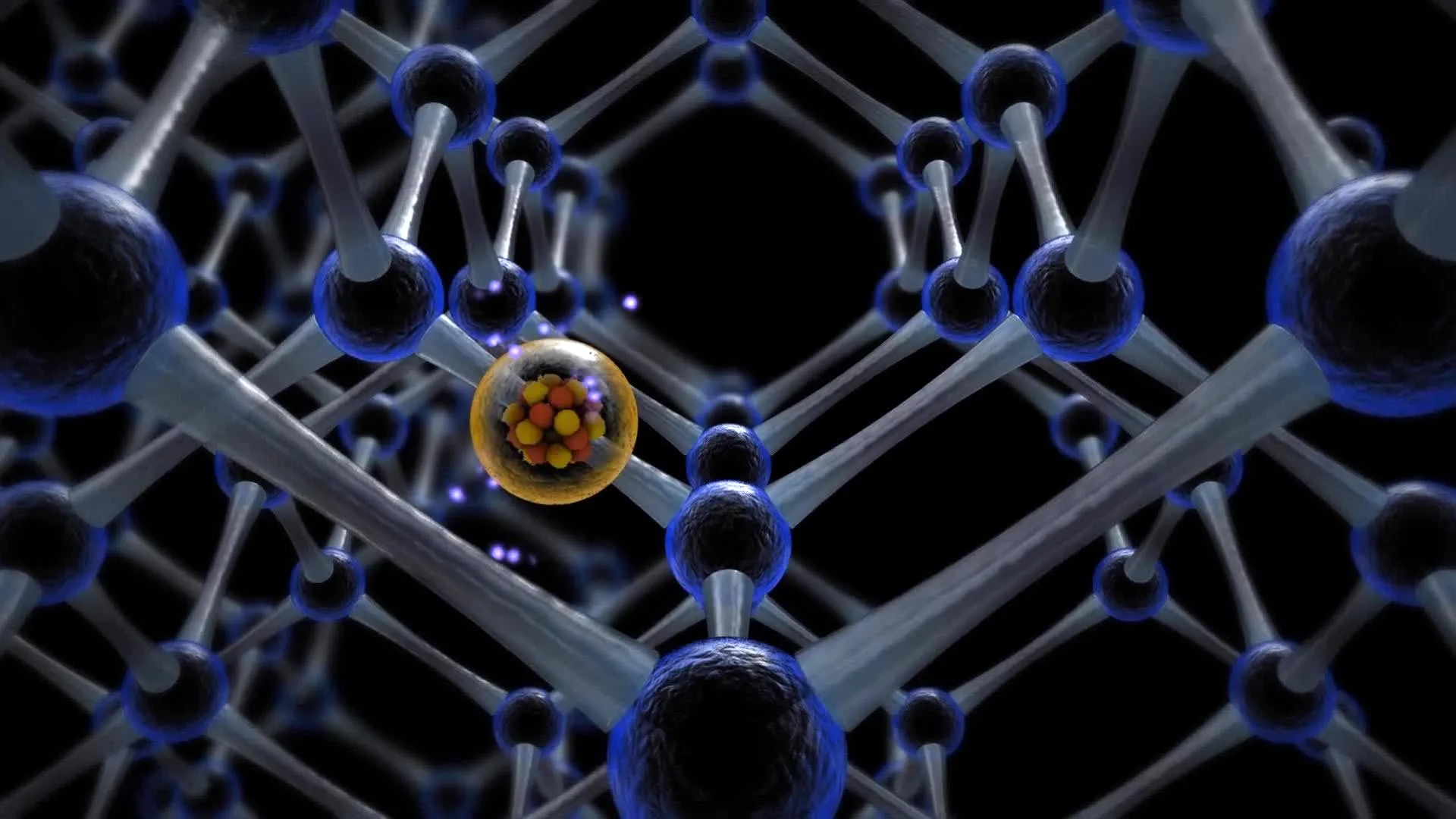
Researchers at the Harvard John A. Paulson School of Engineering and Applied Sciences (SEAS) have demonstrated a new way to protect delicate quantum information using mechanical vibrations, essentially microscopic sound waves.
The advance, developed in the lab of Marko Lončar, Tiantsai Lin Professor of Electrical Engineering, could support the development of compact quantum networks built directly onto chips. It may also help enable hybrid quantum systems that combine several different kinds of quantum bits, or qubits.
The findings are published in Nature Physics. The experiments were led by Eliza Cornell, a recent Ph.D. graduate from the Lončar lab who is now a postdoctoral researcher at Boston University, and Zhujing Xu, a former postdoctoral scholar in Lončar’s group.
Using Sound to Carry Quantum Information
One promising approach to quantum networking uses the spin of an electron, associated with impurity in diamond, to store quantum information. Tiny packets of mechanical vibration called phonons can then serve as carriers that move information between qubit nodes.
The Lončar lab has played a major role in exploring the potential of these systems. Among its advances is a structure known as a phononic cavity, which traps mechanical vibrations so they can interact more strongly with the electron spin inside a qubit.
Phonons may have important advantages over light, which is more commonly used to move quantum information across chip-scale networks. At the same frequency, phonons have much shorter wavelengths than light, making it possible to build considerably smaller components and pack them more tightly together.
Phonons also interact readily with both solid-state spins and electromagnetic fields. That versatility makes them especially attractive for hybrid quantum technologies that bring together different types of qubits in a single system.
The Challenge of Preserving Quantum Memory
Using phonons, however, creates a major difficulty: protecting quantum memory.
Qubits are extremely sensitive to disturbances from their surroundings. To remain useful, they must preserve their quantum state long enough to store and process information. This ability is known as coherence.
Researchers often protect quantum memories from environmental interference using microwave pulses that separate, or decouple, the memory from surrounding noise. Those techniques do not work particularly well for qubits placed inside phononic cavities.
That limitation has made it difficult to achieve both strong interaction with phonons and long-lasting quantum memory in the same device.
“Dressed” Qubits Protected by Sound
The SEAS team addressed the problem by demonstrating what they describe as “all-mechanical coherence protection” for a silicon-vacancy spin in diamond.
Instead of relying on conventional microwave pulses, the researchers continuously applied a mechanical driving field made from phonons. This changed the qubit into a different kind of quantum state known as a “dressed” qubit.
The term “dressed” refers to the qubit effectively “wearing” a continuous acoustic field. In this condition, the qubit becomes less vulnerable to low-frequency noise from its surroundings.
Because the protection comes from a continuous mechanical field that is compatible with phononic cavities, the technique could operate inside the same structures that may eventually connect stationary nodes in quantum networks.
That gives phonons a potentially powerful dual role. They could transport quantum information between different parts of a network while simultaneously helping protect that information from environmental noise.
“We are solving two problems,” Cornell said. “We want the spin to have strong interaction with phonons, and we want the spin to have a long coherence time. Our paper demonstrates a method of extending the coherence time that is compatible with the silicon-vacancy center being in a cavity.”
Quantum Coherence Lasts About Three Times Longer
With the new method, the researchers increased the coherence time of the silicon-vacancy spin by roughly a factor of three.
The result demonstrates that continuous-wave mechanical noise suppression can extend quantum coherence in real devices, suggesting that microscopic sound waves could become an important tool for building more reliable and compact quantum systems.
“All-mechanical coherence protection and fast control of a spin qubit” was co-authored by Zhaoyou Wang, Hana K. Warner, Eliana Mann, Michael Haas, Smarak Maity, Graham Joe, Liang Jiang, Peter Rabl, and Benjamin Pingault.
The research received U.S. federal support from: the National Science Foundation under grant number EEC-1941583; the Air Force Office of Scientific Research under award numbers FA9550-23-1-0333 and FA9550-23-1-0338; and Q-NEXT, a U.S. Department of Energy Office of Science National Quantum Information Science Research Centers under award No. DE-FOA-0002253.
The work was performed in part at the Harvard Center for Nanoscale Systems, a member of the National Nanotechnology Infrastructure Network, which is supported by National Science Foundation award No. ECS-0335765.
The Harvard Office of Technology Development is actively pursuing patent protection and commercialization opportunities for the innovations arising from this research.
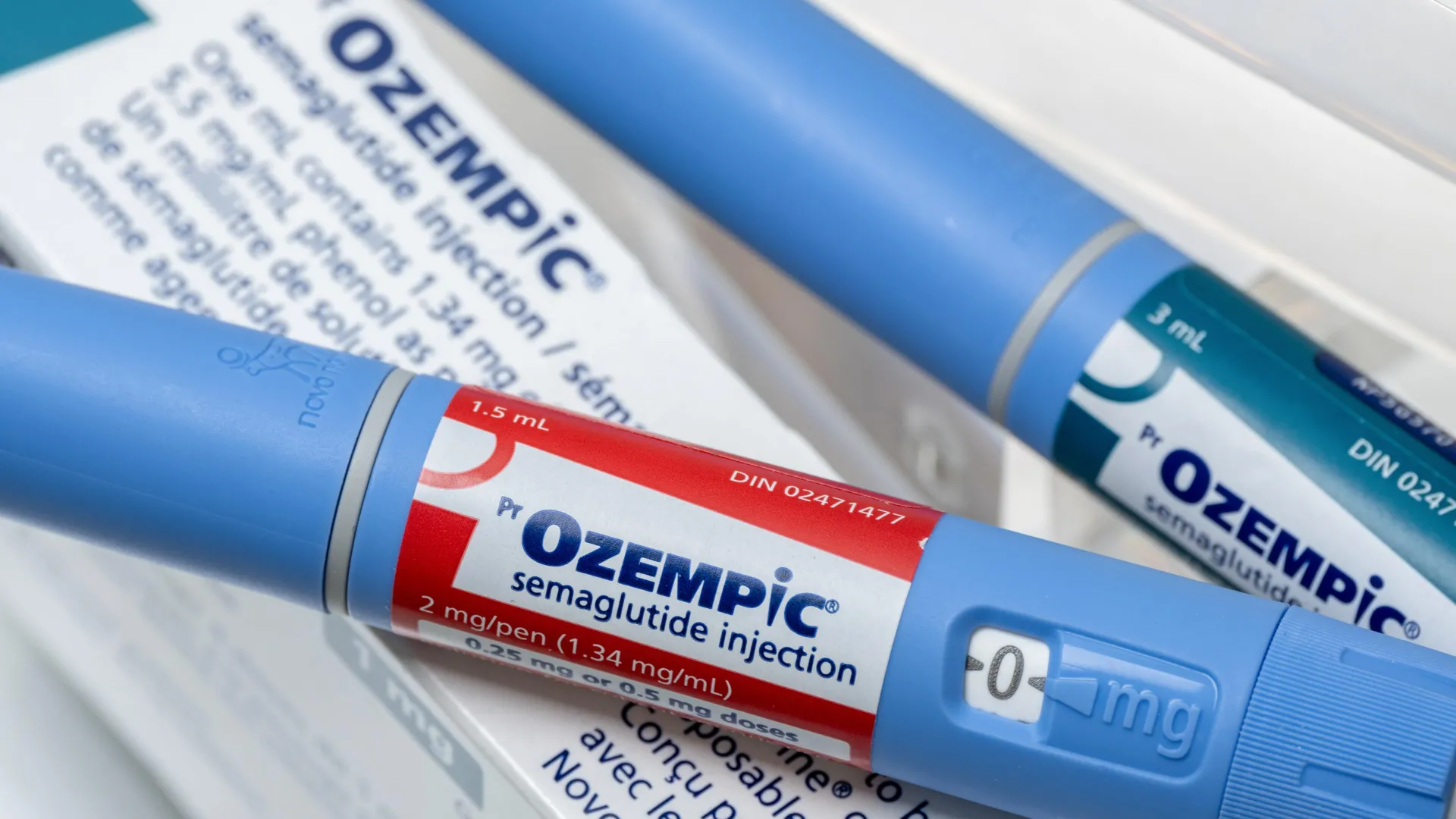
Semaglutide, the active ingredient in popular GLP-1 drugs such as Ozempic and Wegovy, may do more than suppress appetite and improve blood sugar. A National Institutes of Health (NIH) funded study found that the drug reduced several harmful effects of aging and extended lifespan in older, healthy mice.
Researchers at the University of California, Berkeley compared semaglutide directly with calorie restriction, one of the best-known interventions for extending lifespan in laboratory animals. The drug reproduced many of the anti-aging effects of eating less, but in several important areas, it appeared to go even further.
The findings raise an intriguing possibility: GLP-1 drugs may influence the aging process itself. Earlier animal studies have shown that these drugs can delay the onset of multiple age-related diseases. If semaglutide acts on biological mechanisms that drive aging, that could help explain why GLP-1 treatments have shown benefits across such a wide range of health conditions.
“Most chronic diseases are deeply rooted in the aging process. If GLP-1 agonists do indeed slow it down, then a wide range of clinical benefits is exactly what you’d expect to see,” said Rafael de Cabo, Ph.D., a senior investigator at the NIH’s National Institute on Aging (NIA), and author of a commentary on the new study.
Testing Semaglutide Late in Life
To see what semaglutide could do when aging was already well underway, a research team led by Danica Chen, Ph.D., gave the drug to 20-month-old female mice for three months.
Compared with untreated mice, the animals receiving semaglutide showed better muscle and cognitive function. Gene activity also revealed improvements in several biological features associated with aging, including reduced inflammation and less decline in the body’s ability to repair and regenerate tissue.
The lifespan results were especially striking. In a separate group treated with semaglutide until death, median lifespan was nearly 100 days longer than in untreated mice.
Was Eating Less the Real Reason?
Because semaglutide reduces appetite, the researchers wanted to know whether the apparent anti-aging effects simply came from consuming fewer calories.
To test that idea, they directly compared semaglutide with calorie restriction. For five months, one group of 20-month-old female mice received semaglutide, while another was placed on a 24% calorie-restricted diet designed to match how much the treated mice were eating.
The two approaches produced many similar effects, and most physiological measurements remained stable. But semaglutide stood out in several areas.
Mice receiving the drug improved beyond their starting levels in exploratory behavior, spatial memory, and blood-sugar maintenance. Their metabolic rate also remained largely unchanged, while metabolism slowed in the calorie-restricted animals.
Those differences suggest that semaglutide may be doing more than simply recreating the effects of eating less.
“These differences point to the possibility that GLP-1 drugs tap into a biological pathway independent of calorie restriction. Uncovering this potential route and the benefits that may specifically stem from it is an important direction for future research into the development of longevity-enhancing interventions,” said Chen, corresponding author of the study and professor of metabolic biology and nutrition at UC Berkeley.
Could GLP-1 Drugs Affect Human Aging?
The findings could open new directions in longevity research, but they do not show that Ozempic, Wegovy, or other GLP-1 drugs can extend human lifespan.
Additional clinical research will be needed to determine whether the effects seen in mice translate to people. One example is the recent post-hoc analysis of the SLIM LIVER trial, but further studies will be necessary to establish whether GLP-1 drugs can meaningfully influence human aging or longevity.
Chen said future clinical studies may also investigate these drugs in healthy older adults. If researchers eventually find similar benefits in people without obesity or diabetes, the potential uses of GLP-1 treatments could broaden considerably.
NIH supported this research through NIA grants R01AG063404, R01AG063389, and R01AG082105.
The cost of administration and medical checks has now topped £83m, according to new figures.
About 400 million people have access to some form of assisted dying – what are the policies of other countries?
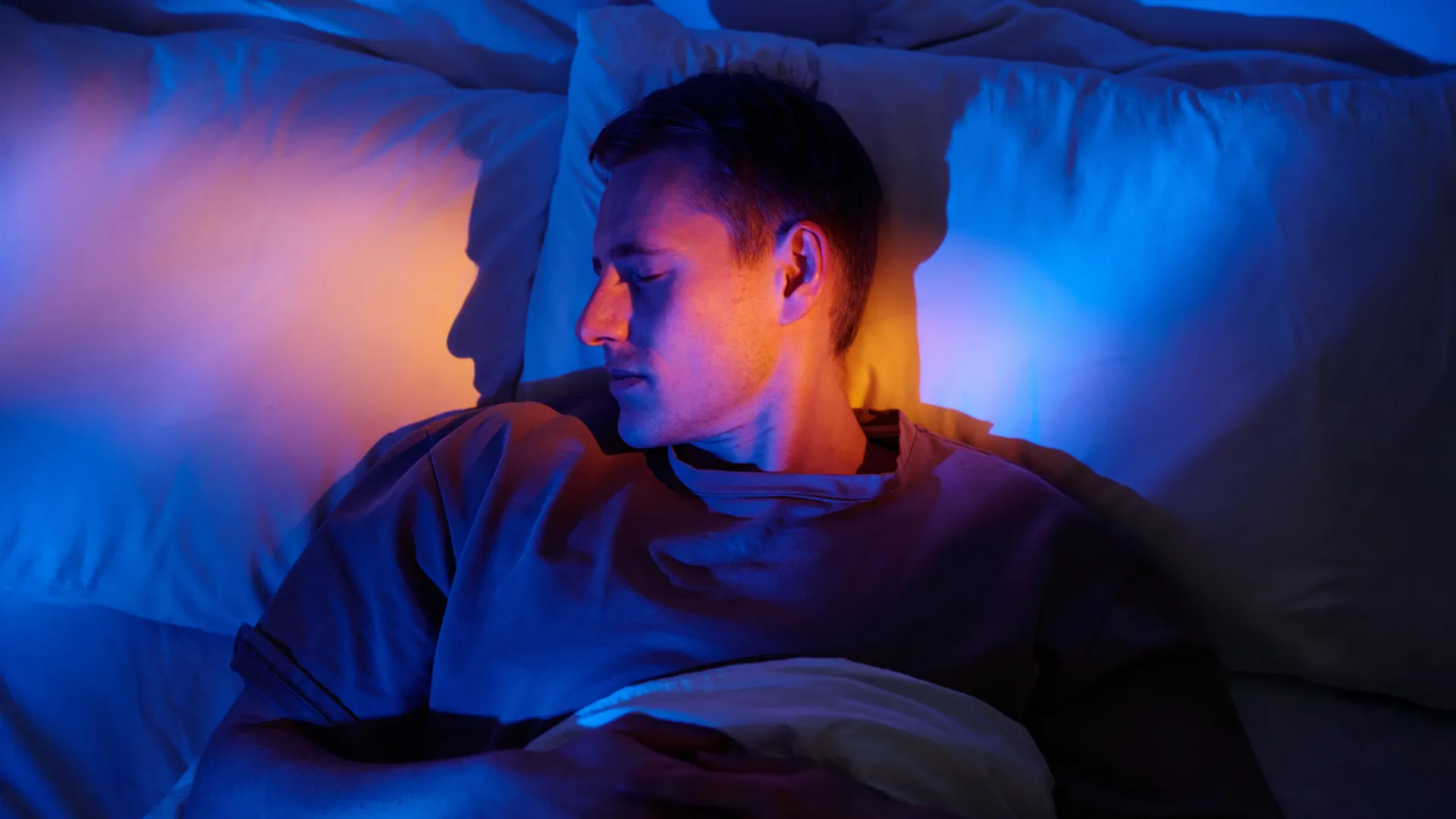
A study involving more than 11,000 people has found that exposure to light at night is associated with potentially harmful changes in both the structure and function of the heart. The findings were published September 9 in the European Heart Journal.
The research was led by Professor Lu Qi of Tulane University, New Orleans, USA. He said: “Previous observational studies have linked nighttime light exposure with a higher risk of cardiovascular disease, but little is known about the related cardiac structure and functional changes. We carried out this research to find out what happens to the heart over time when people are exposed to too much light at nighttime.”
Tracking Nighttime Light Exposure
The study included 11,071 participants from the UK Biobank. Each person wore a light sensor on their wrist for seven days, allowing researchers to measure how much light they were exposed to during the night.
Three years later, the participants underwent cardiac MRI scans. These detailed images allowed scientists to examine the structure of the heart as well as how effectively it was functioning.
The researchers then compared participants who experienced nighttime light levels above three lux with those who were exposed to almost no light at night.
Changes Found Inside the Heart
People exposed to higher levels of nighttime light showed thickening in the wall of the left ventricle (one of the chambers of the heart). As the wall became thicker, the amount of space inside the chamber was reduced.
The scans also revealed signs that the heart muscle was less able to flex normally during each heartbeat. Reduced flexibility can be an early sign that the heart is beginning to function less effectively. Changes were also detected in the right ventricles and left atria (two other chambers of the heart).
Professor Qi said: “This is the first study of its kind, and it shows that exposure to higher levels of light at nighttime is linked to cardiac remodeling. This is where the structure and function of the heart changes, and we typically see it in response to chronic stress or injury to the heart. It’s our body’s way of adapting to that stress, but ultimately it weakens the heart and can lead to heart failure.
“Light pollution has emerged as a new risk factor for cardiovascular disease. Our findings, together with evidence from other studies, suggest that reduction of nighttime light exposure should be considered as one of the potential strategies for preventing heart disease by clinicians and policy makers.”
Could Darker Bedrooms Help Protect the Heart?
The findings were accompanied by an editorial from Professor Thomas Münzel of University Medical Center Mainz, Germany, and colleagues. They argued that doctors may need to pay more attention to how much light their patients encounter at night, particularly among people already dealing with certain heart conditions.
They said: “It is time for clinicians, particularly those managing patients with heart failure or atrial fibrillation, to start asking about the sleep environment: how dark the bedroom is, whether the patient works night shifts, and how much screen use occurs after sunset. The advice is simple and inexpensive: blackout curtains, warm-coloured bedside lighting, and covering the small standby LEDs on household electronics. From a public health perspective, the implications are larger still. Light pollution is one of the few environmental hazards that cities can control directly and affordably. Shielded fixtures, warm-spectrum bulbs, and dimming or motion-activated streetlights are already available, energy-efficient, and climate-friendly.
“Ultimately, this study is more than an interesting observation. It provides a crucial link between what satellites already show us, i.e. a planet glowing ever brighter at night, and the clinical reality unfolding inside our chests: hearts that are becoming stiffer, weaker, and less efficient. The relationship is biologically coherent, the effect sizes are clinically meaningful, and the dose-response is unambiguous: more light, worse outcomes. The takeaway is clear, darkness deserves recognition as a vital sign, as essential to cardiovascular health as blood pressure control and clean air.”
The charity provides safe spaces for men to talk about their emotions without being judged.
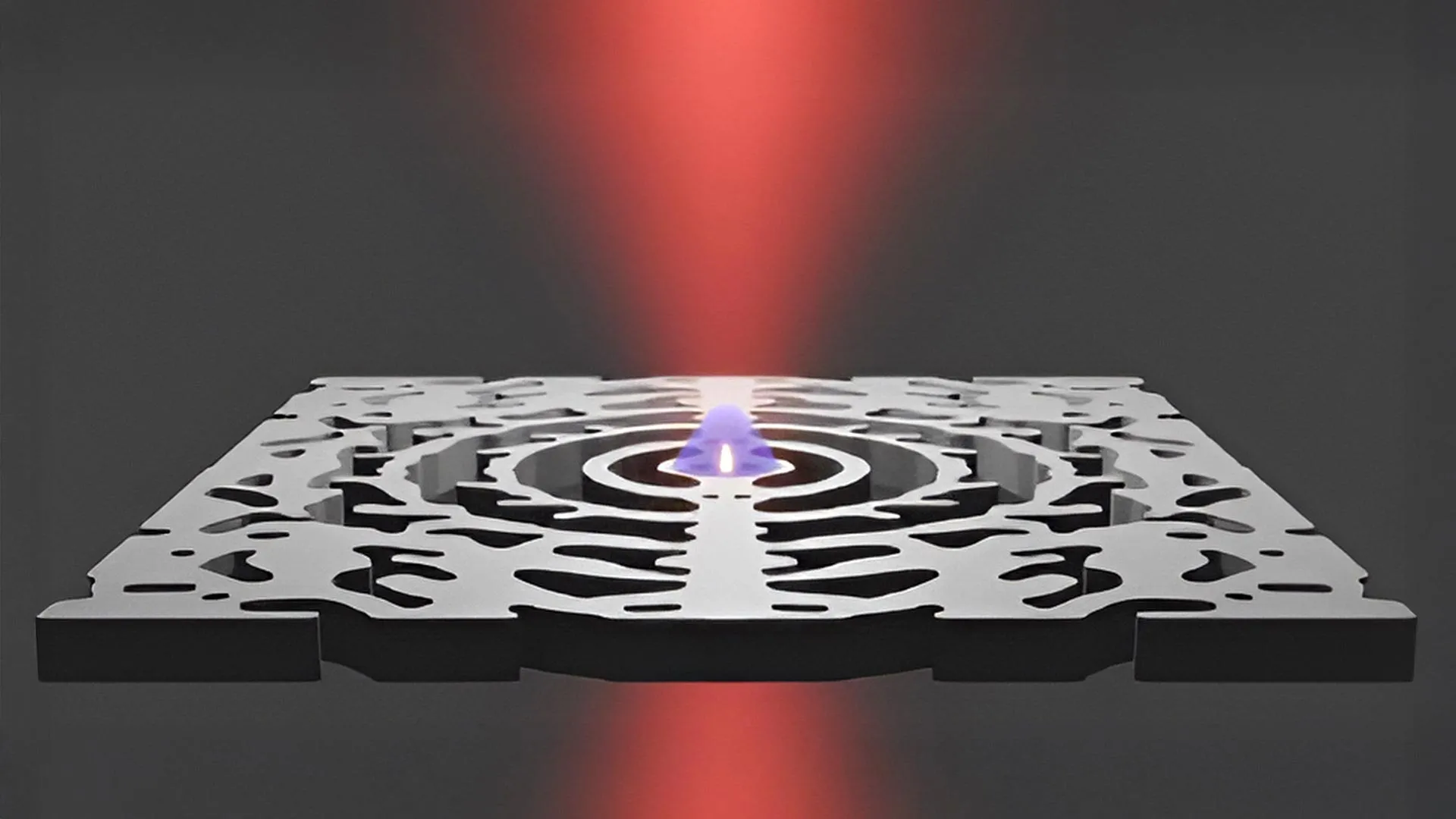
The development of a nanolaser could mark an early step toward a future in which microchips communicate entirely with particles of light.
Researchers at DTU have created a tiny nanolaser that could eventually help make computers, smartphones, and data centers faster while using much less energy. The breakthrough was published in the scientific journalScience Advances.
In the future, thousands of these lasers could potentially be integrated onto a single microchip. Instead of moving information around a chip with electrical signals, devices could transmit data using photons, the particles that make up light.
“The nanolaser opens up the possibility of creating a new generation of components that combine high performance with minimal size. This could be in information technology, for example, where ultra-small and energy-efficient lasers can reduce energy consumption in computers, or in the development of sensors for the healthcare sector, where the nanolaser’s extreme light concentration can deliver high-resolution images and ultrasensitive biosensors,” says DTU professor Jesper Mørk.
Mørk co-authored the study with, among others, Drs. Meng Xiong and Yi Yu from DTU Electro.
Using Light Inside Computer Chips
Much of the internet already relies on light to carry information through fiber optic cables. Inside computers, however, data still moves through electronic circuits using electricity. That approach produces heat and can limit how quickly information can be transferred.
Nanolasers could bring optical communication directly onto microchips. By generating light signals efficiently inside the chip, they could allow information to move with very little energy loss, potentially making future devices faster, cooler, and more energy efficient.
Mørk estimates that using nanolasers in computers could reduce energy consumption by as much as half.
The compact DTU nanolaser is an important step toward that goal. Future chips designed around light-based communication would likely require thousands of extremely small, efficient lasers working together to transmit information across the chip.
Breaking the Size Limit for Lasers
The new nanolaser was created in DTU’s clean room facility, DTU Nanolab. According to Mørk, the device pushes beyond the conventional limit for how small a laser can be made.
At its core is a structure known as a nanocavity, which traps and concentrates light within an exceptionally tiny space. Until now, achieving such intense confinement at this scale had been considered extremely difficult.
When researchers shine a beam of light onto the device, both photons and electrons become concentrated in the same microscopic region. This interaction allows the laser to function at room temperature while requiring unusually little energy.
The light-trapping structure used in the nanolaser was originally developed by Professor Ole Sigmund’s group at DTU Construct.
Faster Devices and Lower Energy Use
The next major challenge is making the nanolaser operate using electrical power. If researchers can achieve that, the technology could have broad applications across computing, communications, and healthcare.
Computers and smartphones could potentially deliver greater performance while consuming less electricity. Data centers, which require enormous amounts of power, could also see substantial reductions in energy use, potentially leading to significant climate benefits.
In healthcare technology, the nanolaser’s ability to concentrate light into an extremely small area could support ultra-sensitive sensors and high-resolution imaging systems.
Researchers estimate that the remaining technical challenges could be solved within the next 5-10 years.
Summer can be lovely – until a wasp turns up. Whether they present as an irritating picnic visitor or an uninvited loft guest, common social wasps are as much a part of our summer as festivals, sun cream and the growing despair of how to entertain children who’ve forgotten how to be bored.
But summer 2026 is breaking the norm, and there don’t seem to be many wasps about. As a wasp biologist, I’ve noticed it acutely, because my students need wasps for their experiments, and we simply can’t find them.
A second sign that something is wrong is the absence of wasp stories in the media. Wasps tend to be more active in warmer weather. Their colonies grow faster and bigger, and they end up making news headlines by bothering humans. This time last year – also a warm spring and hot summer – the media airwaves were filled with “plagues of wasps” stories. Now, even professional pest-controllers tell me it’s a quiet year with very few requests to remove wasp nests.
Admittedly, these are anecdotes not data: the Big Wasp Survey – the only national wasp monitoring survey – is yet to start sampling this summer. But the signs are not good.
If data back this up, their absence worries me greatly because – love them or hate them – wasps are important in ecosystems as pest-controllers, pollinators and decomposers.
Spring started well for wasps. In the warm, dry spring a glut of glorious foundresses – new queens – emerged from hibernation to start their nests alone, carrying out all the nest building, egg laying, foraging and brood rearing. This nest-founding period is a risky time. If a new queen survives until her first brood emerges as adult workers, though, then the odds are in her favour as she no longer needs to undertake risky foraging.
But spring 2026 was strange: the warm, dry start should have been good. Warm, dry spring weather improves a nest’s chance of survival as it ensures a good nectar supply for the queen to develop her ovaries and good prey populations for her to feed the brood. But we experienced unprecedented heat for the time of year, punctuated by cold, damp days and followed by unexpectedly chilly nights.
Such weather extremes may have caused queens to abandon their nests or die, reducing the initial spring queen bounty to a more modest population.
And then came the heatwave. And another. And another. Some insects may benefit from this. Wildlife charity Butterfly Conservation is hoping 2026 could be a “bumper summer of butterflies” because warm, dry days mean uninterrupted foraging, mating and egg-laying.
But all insects have a thermal tolerance called critical thermal maximum (CTmax). If their CTmax is exceeded, insects succumb to desiccation, muscle spasms and eventual stupor.
For honeybees, this is around 49°C – which might sound high, yet ground surfaces exceeded 50°C in the UK heatwaves this summer. But the temperature doesn’t need to reach an animal’s CTmax to affect their productivity and behaviour. For example, bumblebee cognition and foraging efficiency are impaired by heatwaves of 32°C.
Bumblebee Conservation Trust raised concerns that 2026 may exacerbate a declining trend in bumblebee populations as flowers wither and bees fail to forage effectively.
Wasps are thought to be quite resilient to extreme weather. They are one of the most successful invasive species around the globe. And as a social insect, their thermoregulation behavior (such as wing fanning to cool the larvae) and nest architecture (which has insulating envelopes surrounding the brood combs) may help buffer any environmental perturbations.
Insects also have waxy molecules called cuticular hydrocarbons that coat their exoskeletons protecting them from desiccation. Social wasp cuticular hydrocarbons change structure in response to heat, better protecting them from desiccation in excessive heat.
Their varied diets should also buffer them from imbalances in prey populations. However, their CTmax may be lower than other social insects – at around 45°C (113°F) – which may have made them especially vulnerable to the high ground temperatures of the 2026 heatwaves.
There’s something else that I’ve noticed: the few wasps I’ve seen are rather small. The adult size of many insects is fixed during their development, depending on the quality and quantity of food they receive as larvae. Wasps don’t get bigger once they’ve pupated.
The first workers to emerge in spring are usually small because the queen is limited in how much food she can provide for them alone. But by early August, the foraging capacity of the colony has increased exponentially, brood are better fed and the emerging workers are substantially larger.
So why are we still seeing “spring-sized” wasps? It’s possible that limited diversity and abundance of prey may mean their nutrition is restricted. The problem may also be more directly linked to heat. Insect larvae reared at higher temperatures will develop faster and reach pupation at a smaller size.
Global warming is thought to explain the trend in social wasps shrinking in size over the last 100 years. We could be seeing this in real-time this year.
Share your alfresco meal with a wasp. When it approaches, don’t flap it away. Watch to see what it wants. In the absence of wild prey, it might be desperate for some protein (your picnic ham) to feed her brood. In the absence of flowers for nectar, it might be in need of something sugary (some jam) for her own nutrition.
My research team would also like you to share your wasp observations with us, so that we can better understand these important insects. Snap a photo of her eating and submit your data to the Wasp Picnic Survey 2026: Ham or Jam?. Keep the observations coming all summer. The wasps (and wasp scientists) will thank you.
