The pontiff will give the traditional Angelus prayer and blessing in St Peter’s Square on Sunday.


The pontiff will give the traditional Angelus prayer and blessing in St Peter’s Square on Sunday.
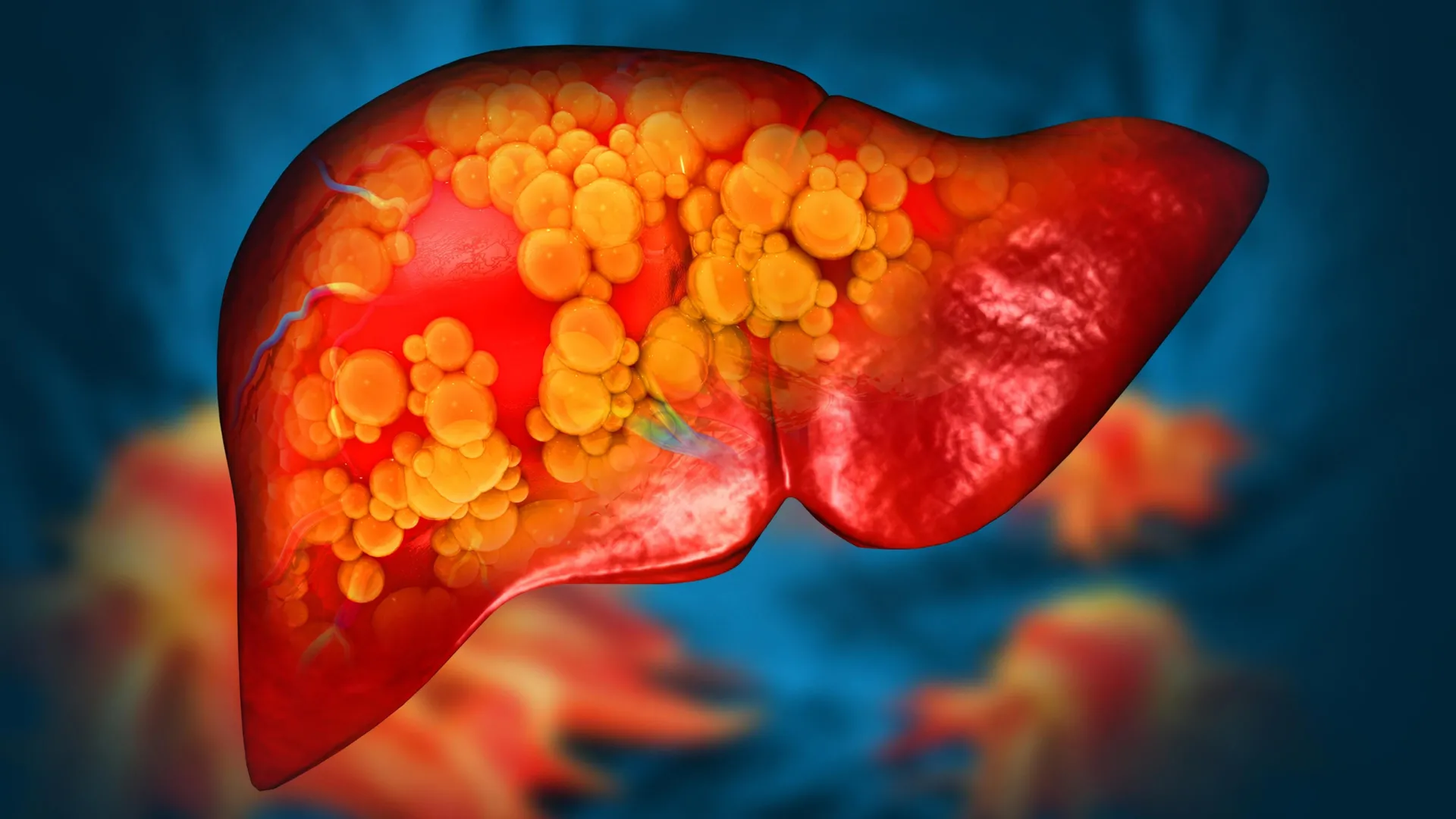
An experimental drug developed at Michigan Medicine has reversed a serious form of fatty liver disease in animal studies by targeting an unexpected source of liver damage: the gut.
The compound, known as DT-109, works by reducing harmful gut bacteria, protecting the intestinal lining, and preventing inflammatory substances from reaching the liver. According to findings published in The Journal of Clinical Investigation, this approach successfully reversed metabolic dysfunction-associated steatohepatitis (MASH) in animal models, offering a promising new strategy for treating a disease that remains difficult to manage.
MASH affects approximately 7% of the world’s population. It is a severe form of fatty liver disease in which excess fat accumulates in the liver, causing inflammation and cellular damage. Over time, the condition can progress to cirrhosis, which involves extensive liver scarring, as well as liver cancer and liver failure. Although treatment options have improved in recent years, effective therapies remain limited.
“We see clear evidence that DT-109 protects the gut epithelial barrier, reducing the systemic influx of harmful microbial products that are thought to contribute to MASH development and progression,” said Eugene Chen, M.D., Ph.D., senior author of the study and Frederick G. L. Huetwell Professor of Cardiovascular Medicine at the University of Michigan Medical School.
“This compound shows benefits to the gastrointestinal system and has great potential as a treatment for MASH.”
How Harmful Gut Bacteria Can Trigger Liver Damage
Chen’s research team had previously demonstrated that DT-109, a glycine-based tripeptide, could improve MASH in animal studies. A tripeptide is a small molecule made from three amino acids, which are the building blocks of proteins. What remained unclear was exactly how the compound produced its protective effects.
The latest research provides an explanation, revealing how changes in gut bacteria can set off a chain reaction that damages the liver and how DT-109 can interrupt that process.
Before examining the drug’s effects, the scientists confirmed an important contributor to MASH: excessive growth of Clostridium perfringens, a bacterium that produces ammonia inside the intestines.
When ammonia levels rise, they can damage the gut’s protective inner lining. Normally, this intestinal barrier helps prevent potentially harmful substances from escaping the digestive tract and entering the bloodstream.
As the barrier weakens, however, toxins and other products generated by gut microbes can travel to the liver. Once there, they can provoke inflammation and activate immune defenses in ways that worsen liver damage.
One response involves the excessive activation of CD8+ T cells, immune cells that normally help the body destroy infected or abnormal cells. When these cells become overactive, they can contribute to the inflammatory processes associated with MASH.
The findings help explain why a disease centered in the liver can be strongly influenced by events occurring elsewhere in the digestive system.
Experimental Drug Repairs the Gut and Protects the Liver
Through a series of experiments, researchers discovered that DT-109 disrupts this damaging cycle by improving the intestinal environment and reinforcing the gut’s protective barrier.
In both mice and nonhuman primates, the compound reduced levels of Clostridium perfringens and lowered ammonia production in the intestines. These changes helped strengthen the intestinal lining, limiting the movement of harmful microbial substances into the body and reducing their potential to damage the liver.
The results were particularly encouraging in nonhuman primates, whose liver biology and gut microbial communities more closely resemble those of humans than those of mice. In these animals, DT-109 reduced liver inflammation and lessened the severity of MASH.
Together, the findings show how targeting harmful processes in the gut can produce beneficial effects in the liver, even though the drug acts primarily within the gastrointestinal system.
“DT-109 connects microbiota modulation with liver protection by restoring gut barrier integrity and limiting the systemic translocation of ammonia and other pro-inflammatory microbial products within the gut-liver axis,” said Jifeng Zhang, Ph.D., co-author and research professor of cardiovascular medicine at U-M Medical School.
“We also found that DT-109 primarily acts in the gastrointestinal tract, but its reach stretches much further.”
The gut-liver axis refers to the close biological relationship between the digestive tract and the liver. Substances absorbed from the intestines travel to the liver through the bloodstream, making liver health particularly sensitive to changes in gut bacteria and intestinal barrier function.
By targeting this connection, DT-109 may offer a way to address some of the processes driving liver inflammation rather than focusing exclusively on damage that has already occurred.
Potential Benefits Beyond Fatty Liver Disease
Researchers believe the compound’s ability to protect the intestinal barrier could make it useful against other conditions involving inflammation and metabolic dysfunction.
Previous research has shown that DT-109 can reduce the formation of atherosclerotic plaques and prevent vascular calcification in nonhuman primates.
Atherosclerotic plaques are deposits of fat and other substances that accumulate inside artery walls, potentially restricting blood flow and increasing the risk of cardiovascular problems. Vascular calcification occurs when calcium builds up in blood vessel walls, making them less flexible and contributing to cardiovascular disease.
These findings suggest that DT-109 could eventually have applications in treating both liver and cardiovascular conditions, an important possibility because metabolic disorders often affect multiple organs.
The researchers are also interested in whether the compound could help people with inflammatory bowel disease (IBD), a group of chronic conditions that includes Crohn’s disease and ulcerative colitis.
Because problems with the intestinal barrier are associated with several gastrointestinal disorders, a treatment that strengthens this barrier might have benefits beyond protecting the liver. However, additional research will be needed to determine whether DT-109 is effective against these conditions.
A Promising Treatment That Still Needs Human Trials
Despite the encouraging results, DT-109 remains an experimental treatment. Its ability to reverse MASH has been demonstrated in animal models, but researchers have not yet established whether it can safely and effectively produce similar benefits in humans.
The next phase of research will involve further evaluation of the compound, with the goal of advancing it toward clinical trials. Those studies will be essential for determining its safety, appropriate use, and potential effectiveness in patients.
“This study presents novel evidence about the pathogenesis of MASH and provides excitement about a therapeutic avenue to explore for a condition that remains difficult to treat,” said Elliot Tapper, M.D., Academic Director of Hepatology at Michigan Medicine.
“What patients with MASH need is a safe and effective therapy capable of improving their liver and heart health – of course we are excited about these developments.”
The discovery highlights an important shift in how scientists are approaching fatty liver disease. By addressing harmful gut bacteria and restoring the intestinal barrier, researchers may be able to protect the liver through a treatment that acts primarily outside the organ itself.
If future human studies confirm the benefits seen in animals, DT-109 could offer a new therapeutic option for patients with severe fatty liver disease while potentially addressing cardiovascular complications as well.
Funding and Disclosures
Ying Zhao, Oren Rom, Jifeng Zhang, and Y. Eugene Chen are listed as inventors on a patent application (Tripeptides and treatment of metabolic, cardiovascular, and inflammatory disorders).
Chen is also an inventor of DT-109. The University of Michigan holds the patent for the compound and has licensed it to Diapin Therapeutics. Both Chen and the university have an ownership interest in Diapin, which supplied DT-109 for the research and is continuing its development.
The human study protocol, all amendments, and the informed consent form received approval from the Institutional Review Boards at the participating sites. These included the First Affiliated Hospital of Xi’an Jiaotong University (approval number: XJTU1AF2023LSK330), the Institutional Review Board of Jinan University (approval number: 2016-017), and the University of Hong Kong/Hospital Authority Hong Kong West Cluster (approval number: UW 20-700).
All experimental procedures involving nonhuman primates were approved by the Laboratory Animal Care Committee of Xi’an Jiaotong University (approval number: 20191278) and the Institutional Animal Care and Use Committee of Spring Biological Technology Development Co., Ltd. (approval number: 201901). The study was conducted in accordance with the National Institutes of Health Guide for the Care and Use of Laboratory Animals.

A good night’s sleep does much more than leave you feeling refreshed. During deep sleep, the body releases growth hormone, a powerful chemical messenger that helps build muscle, strengthen bones, and regulate fat metabolism. For teenagers, getting enough sleep is especially important because growth hormone plays a major role in reaching their full height potential.
Scientists have long known that insufficient sleep can interfere with growth hormone production. What remained unclear was exactly how the brain controls this process, particularly during non-REM sleep, the deep, restorative stage that typically dominates the earlier part of the night.
Now, researchers at the University of California, Berkeley, have uncovered the brain circuitry behind this relationship. In a study published in the journal Cell, the team identified the neurons that regulate growth hormone release during sleep and discovered a previously unknown feedback system that helps maintain a delicate balance between hormone levels and wakefulness.
The discovery reveals that the relationship works in both directions. Sleep stimulates growth hormone production, but growth hormone also sends signals back to the brain that influence when we wake up.
The findings could eventually help scientists develop new approaches to treating sleep disorders associated with metabolic diseases such as diabetes, as well as neurological conditions including Parkinson’s and Alzheimer’s.
“People know that growth hormone release is tightly related to sleep, but only through drawing blood and checking growth hormone levels during sleep,” said study first author Xinlu Ding, a postdoctoral fellow in UC Berkeley’s Department of Neuroscience and the Helen Wills Neuroscience Institute. “We’re actually directly recording neural activity in mice to see what’s going on. We are providing a basic circuit to work on in the future to develop different treatments.”
Why Deep Sleep Matters for Growth and Metabolism
Growth hormone is best known for its role in childhood development, but its importance extends well into adulthood. It supports the maintenance of muscle and bone, helps the body regulate how it uses stored fat, and influences blood sugar levels.
When sleep is consistently disrupted, growth hormone regulation can suffer. Because this hormone helps control glucose and fat metabolism, inadequate sleep may contribute to an increased risk of obesity, diabetes, and cardiovascular disease.
To understand how the brain coordinates these processes, the Berkeley researchers focused on a region called the hypothalamus. Located deep within the brain, this small but essential control center helps regulate hunger, body temperature, hormone production, and the daily cycle of sleeping and waking. Its basic functions have been preserved throughout mammalian evolution.
Within the hypothalamus, the researchers examined neurons that produce growth hormone-releasing hormone (GHRH) and two distinct types of neurons that produce somatostatin.
These chemical messengers have opposing functions. GHRH encourages growth hormone secretion, while somatostatin suppresses it. Together, they help control how much growth hormone enters the bloodstream, largely by regulating its release from the pituitary gland, a small hormone-producing structure at the base of the brain.
The scientists also investigated how growth hormone influences the locus coeruleus, a region in the brainstem involved in alertness, attention, thinking, and the drive to explore new or unfamiliar experiences.
Disruptions in the activity of this region have been linked to several psychiatric and neurological disorders.
“Understanding the neural circuit for growth hormone release could eventually point toward new hormonal therapies to improve sleep quality or restore normal growth hormone balance,” said Daniel Silverman, a UC Berkeley postdoctoral fellow and study co-author. “There are some experimental gene therapies where you target a specific cell type. This circuit could be a novel handle to try to dial back the excitability of the locus coeruleus, which hasn’t been talked about before.”
Scientists Map the Brain Circuit That Controls Growth Hormone
The research was conducted in the laboratory of Yang Dan, a professor of neuroscience and of molecular and cell biology at UC Berkeley.
To investigate how the circuitry works, the team studied mice using electrodes implanted in their brains. The scientists recorded neural activity while using light to stimulate specific neurons in the hypothalamus, allowing them to observe how different parts of the system responded.
Mice are particularly useful for studying sleep regulation because their sleep patterns differ significantly from those of humans. Rather than sleeping through one long stretch each night, mice typically sleep in brief episodes lasting only several minutes, scattered throughout the day and night.
This gave the researchers repeated opportunities to examine how neural activity and growth hormone regulation changed as the animals moved between sleeping and waking.
Using advanced techniques to trace connections between brain cells, the team discovered that GHRH and somatostatin behave differently depending on the stage of sleep.
During rapid eye movement (REM) sleep, the stage commonly associated with vivid dreaming, activity involving both GHRH and somatostatin increases. Although these hormones normally exert opposing effects, their coordinated activity during this stage contributes to increased growth hormone release.
During non-REM sleep, the pattern changes. Somatostatin activity decreases, reducing its inhibitory influence, while GHRH activity rises moderately. This combination also promotes growth hormone secretion.
The discovery helps explain how different sleep stages can support the release of the same essential hormone through distinct patterns of brain activity.
Growth Hormone Also Helps Control When We Wake Up
Perhaps the most surprising finding was that growth hormone does not simply respond to signals from the sleeping brain. It also influences the brain circuits that control wakefulness.
As growth hormone gradually builds up during sleep, it stimulates neurons in the locus coeruleus, increasing their activity and helping promote the transition toward waking.
This creates a feedback loop in which sleep encourages growth hormone release, and the resulting hormone activity helps regulate the sleep-wake cycle.
The researchers also identified an unexpected complication. Although greater activity in the locus coeruleus generally promotes alertness, excessive stimulation can have the opposite effect.
In an earlier study published the same year, Silverman demonstrated that when neurons in this region become overexcited, they can paradoxically promote sleepiness rather than wakefulness.
Together, these findings reveal a carefully regulated system in which the brain must balance competing signals to maintain healthy sleep and hormone activity.
Scientists describe this type of self-regulating process as homeostasis, the body’s ability to maintain stable internal conditions even as its environment and physiological demands change.
“This suggests that sleep and growth hormone form a tightly balanced system: Too little sleep reduces growth hormone release, and too much growth hormone can in turn push the brain toward wakefulness,” Silverman said. “Sleep drives growth hormone release, and growth hormone feeds back to regulate wakefulness, and this balance is essential for growth, repair and metabolic health.”
A Surprising Connection Between Sleep and Brain Health
The newly identified feedback system may have implications that extend beyond physical growth and metabolism.
Because the locus coeruleus helps regulate attention, alertness, and cognitive function, growth hormone’s influence on this region suggests it could also play a role in how effectively the brain functions after waking.
This raises the possibility that maintaining healthy sleep and growth hormone rhythms may support both physical recovery and mental performance.
“Growth hormone not only helps you build your muscle and bones and reduce your fat tissue, but may also have cognitive benefits, promoting your overall arousal level when you wake up,” Ding said.
By identifying the specific brain cells and signaling pathways involved, the researchers have provided a foundation for exploring therapies that target disrupted sleep and hormone regulation.
Such approaches could eventually prove useful for people with sleep disturbances related to metabolic disorders or neurological diseases. However, the experiments were conducted in mice, and additional research will be needed to determine how these mechanisms operate in humans and whether they can be safely targeted with treatments.
The findings underscore a fundamental principle of sleep biology: Rest is not simply a period when the brain switches off. It is an active, carefully coordinated process in which hormones and neural circuits constantly communicate to support growth, repair, metabolism, and wakefulness.
Research Funding and Contributors
The research was supported by the Howard Hughes Medical Institute (HHMI), which supported Dan as an HHMI investigator until the year of the study’s publication, and the Pivotal Life Sciences Chancellor’s Chair fund.
Dan holds the Pivotal Life Sciences Chancellor’s Chair in Neuroscience.
Additional co-authors include Peng Zhong, Bing Li, Chenyan Ma, Lihui Lu, Grace Jiang, Zhe Zhang, Xiaolin Huang, Xun Tu, and Zhiyu Melissa Tian of UC Berkeley, along with Fuu-Jiun Hwang and Jun Ding of Stanford University.
In 1960, Science, one of the world’s leading science journals, published an article with an unambiguous title: Doomsday: Friday, 13 November, A.D. 2026. It predicted that on this future date — less than a month from today — the human population would approach infinity and effectively annihilate itself.
The outlandishness of the claim landed the article widespread public attention. More surprisingly — because its underlying research and math seemed sound — it also received careful and sustained scientific attention.
The authors — Heinz von Foerster, an Austrian-American professor and cybernetics expert and two of his students, Patricia M. Mora and Lawrence W. Amiot — argued that human populations are exceptional and might grow beyond an exponential rate, at an ever-increasing one.
“Our great-great-grandchildren will not starve,” they argued. “They will be squeezed to death.”
The article was regularly cited, and its predictions appeared remarkably accurate — until around 1993, halfway to the predicted “doomsday,” when the global population began falling behind its forecasts.
Today, the global birth rate is slightly less than half what it was in 1960. Hopefully, we will all wake up on Nov. 13 to an ordinary day. Nonetheless, this article remains exemplary for blending rigorous science with the art of stagecraft to staggering effect.
The mid-20th century saw increasing societal concern about global population growth and its potential to lead to resource scarcity and geopolitical conflict. Underlying much of this concern was implicit or explicit acceptance of the Malthusian idea that whereas population has the potential to grow exponentially, it is kept constantly under check by its capacity to feed itself.
In their article, however, von Foerster and his co-authors argued that as far as populations go, humans may be exceptional.
Given our capacity to communicate and form “coalitions” that help us resolve problems, rising population density might simply mean more opportunities for collaboration, so that our numbers might grow not only beyond an exponential rate but at an ever-increasing one.
They then used 24 estimates of the world population stretching across the past 2,000 years to show that human numbers have in fact continually outpaced expectations. All this was presented in calm, scientific prose and aided by dense mathematical equations.
Von Foerster and his co-authors then projected these historical figures into the future, calculating that thanks to ever-increasing growth, in the year 2026 our numbers would near infinity.
Thankfully, the same capacity for collaboration that assisted our species’ development throughout history could now avert this catastrophe. Since we are unlikely to want to reduce our life spans, they concluded, we should work together to reduce the global birth rate by half.
This publication caused an immediate stir. There were stories in Time and The New York Times. It became the subject of a series of Pogo comic strips and many commentators took the article as strictly a tongue-in-cheek comment on population fears.
Rather than the story dying out, a funny thing happened. When Science published letters to the editor from mathematicians and demographers attacking von Foerster and his colleagues’ work — calling it “ridiculous” and “manifestly absurd” — the authors responded with spirited defenses that doubled down on the underlying math and its conclusions.
Throughout the 1960s through to the 1980s, the “doomsday” equation became regularly cited — usually at face value — in textbooks on genetics, ecology and demography.
It appeared in stranger places, too. In a 1963 Canadian Parliamentary committee, for example, a witness from the chemical industry prominently cited it as reason chemical pesticides were required: to feed the approaching population explosion. In a 1971 U.S. Supreme Court abortion case leading up to Roe v. Wade, it was cited as why there was no compelling reason for the government to favor increased population.
The doomsday idea persisted in part because its predictions for future populations turned out to be highly accurate — at least for a while. Its core equation yielded projections that were better than those of most demographers throughout the 1970s and 1980s.
Only around 1993 did that accuracy begin to falter and the global population began falling behind the forecasts — because the world began to do what von Foerster and his colleagues recommended it do. Today, the global birth rate is slightly less than half the 1960 rate.
We will probably not all wake up on Friday, Nov. 13 “squeezed to death.” But before simply moving on — prepping for the next doomsday scenario — it is worth asking what we can learn from this one.
For me, the lesson is in how we present our beliefs to the world. Heinz von Foerster was, at one point in his life, a stage magician. Borrowing the classic language of stagecraft, an effective illusion relies on three parts: the setup, the extraordinary turn and the final reveal that returns the situation to normal.
Von Foerster and his co-authors’ article gained attention because it was an ordinary scientific article wrapped in an extraordinary title and conclusion. It retained significance because it was firmly grounded in research and argument.
To draw the world’s attention to a serious matter by way of absurdity — that’s a good trick.
The pontiff was diagnosed with lung cancer after having surgery at Rome’s Gemelli Hospital on Tuesday.
The 28-year-old detained by German police is accused of being part of the cyber-crime gang that hacked blood-test firm Synnovis in 2024.
Ministers promise to reform the scheme that provides financial support for those injured or bereaved by vaccines in the UK.

During World War II, the United States raced to develop the atomic bomb partly out of fear that Nazi Germany might build one first. But how close did Germany actually come to achieving that goal? A new scientific investigation suggests the Nazi nuclear program was much further from success than its leading physicist claimed.
By examining surviving uranium cubes and previously documented historical evidence, researchers have uncovered major limitations in Germany’s final experimental nuclear reactor. Their findings indicate that the project was not simply missing a few materials. The reactor would have required far more uranium and heavy water than Germany had available during the war.
The Race to Build an Atomic Bomb
The Manhattan Project, the secret American effort to develop nuclear weapons during World War II, was driven partly by the possibility that Nazi Germany might achieve a similar breakthrough first. Scientists knew that whoever succeeded could gain an unprecedented military advantage.
One possible route to an atomic bomb involved building a nuclear reactor capable of producing plutonium, a radioactive element that can be used in nuclear weapons. Inside a reactor, uranium atoms undergo nuclear fission, a process in which their nuclei split apart and release energy along with additional particles called neutrons. Under the right conditions, those neutrons trigger further fission reactions, creating a sustained chain reaction.
Although Nazi Germany pursued nuclear research through a program known as the Uranprojekt, historians have long debated how close its scientists came to developing a functioning reactor.
Germany’s final attempt was an experimental reactor known as the B8 pile, constructed in 1945 under the direction of physicist Werner Heisenberg. The device used cubes of natural uranium suspended in heavy water, a specialized substance that played an essential role in controlling the nuclear reaction.
Why Heavy Water Was Essential to Nazi Germany’s Reactor
Heavy water looks much like ordinary water, but its hydrogen atoms contain an additional neutron. This subtle difference makes it particularly useful in certain nuclear reactors.
In a reactor, heavy water serves as a neutron moderator, meaning it slows down the neutrons released during fission. Slower neutrons are more likely to trigger additional fission reactions in uranium, helping sustain the chain reaction needed for a working reactor.
For Germany, however, obtaining enough heavy water was a major obstacle.
During the war, the only European facility capable of supplying the heavy water needed by the German program was the Norsk Hydro plant in Vemork, Norway. Germany gained control of the facility after occupying Norway in April 1940.
Recognizing its importance to Germany’s nuclear ambitions, Allied forces targeted the plant through sabotage and bombing operations. A major American bombing raid struck Vemork on November 16, 1943, contributing to the eventual end of heavy water production there.
Scientists Reexamine Hitler’s Final Nuclear Reactor
When American forces discovered and dismantled the B8 reactor in 1945, it had never achieved criticality. In nuclear physics, criticality refers to the point at which a chain reaction becomes self-sustaining, with each generation of fission reactions producing enough neutrons to maintain the next.
Reaching this threshold is a fundamental requirement for operating a conventional nuclear reactor. Despite its name, criticality does not mean that a reactor is about to explode. It simply means the nuclear chain reaction can continue without relying on an external neutron source.
Heisenberg, who led the German reactor effort, maintained that the B8 experiment had come close to reaching this milestone. He argued that the device needed only a relatively modest increase in its uranium supply to become operational.
But a new study led by Timothy Koeth and his colleagues challenges that assessment.
The researchers examined two surviving cubes of natural uranium that had been used in the German nuclear project. They also studied historical records, technical reports, correspondence, and other archival documents to reconstruct the reactor’s capabilities and determine what would have been required for it to work.
Their findings paint a very different picture of Germany’s nuclear progress.
A Massive Uranium and Heavy Water Shortage
According to the researchers’ calculations, the B8 reactor would have needed approximately twice as much uranium and more than twice as much heavy water as it actually contained to achieve a sustained nuclear chain reaction.
The required quantities exceeded the materials available to Germany during the war. In particular, the heavy water needed for a functioning reactor was far beyond the amount the German program could obtain from its Norwegian supply.
The researchers also examined whether German scientists could have avoided the heavy water shortage by using graphite, a form of carbon that can also slow neutrons in nuclear reactors.
This approach had worked for American scientists, who achieved the world’s first controlled, sustained nuclear chain reaction using a graphite-moderated reactor in 1942.
However, the graphite available in German-controlled territory contained impurities that made it unsuitable for the same purpose. In particular, traces of boron could absorb neutrons that would otherwise help sustain the reaction, preventing the reactor from reaching criticality.
That meant Germany could not simply substitute graphite for heavy water to overcome its supply problems.
Why Nazi Germany’s Nuclear Program Was Doomed
The findings suggest that Heisenberg significantly underestimated how much additional material his reactor would have required.
Rather than standing on the verge of a functioning nuclear reactor, the German scientists faced shortages they could not overcome with the resources available to them.
The research also provides a clearer explanation for why Germany’s nuclear program failed to make the transition from experimental reactor designs to a working reactor capable of producing material for an atomic bomb.
Based on the designs and materials available during World War II, the researchers conclude that Nazi Germany lacked the resources necessary to make either its heavy water reactor or a graphite-based alternative operational.
More than eight decades after the war, the surviving uranium cubes have helped resolve a longstanding historical question, revealing just how far Nazi Germany remained from achieving a critical step toward building an atomic bomb.

A giant crayfish nicknamed “Crawzilla” has sparked an unexpected scientific discovery, revealing a possible biological limit to how large North America’s crayfish can grow.
The investigation began when Caitlin Bloomer pulled an enormous Crawzilla crawdad from the mud during a biological survey in Kentucky. Crawzilla is the creature’s actual common name, and Bloomer was convinced she had captured the largest crayfish ever documented. But when she proudly showed her discovery to a colleague, the reaction was not quite what she expected.
“I thought, ‘There’s no doubt I have caught the biggest crayfish anyone’s ever seen!’ I brought it back to campus to show my colleague, naturally bragging about having caught the biggest-ever crayfish. But, as all biologists and sport fishermen do, he took one look and said, ‘No way, I’ve caught bigger,'” said Bloomer, a teaching assistant professor in the Department of Natural Resources and Environmental Sciences within the College of Agricultural, Consumer and Environmental Sciences at the University of Illinois Urbana-Champaign.
A Nationwide Hunt for North America’s Biggest Crayfish
What started as a little friendly rivalry soon turned into a nationwide search for record-breaking crayfish. Bloomer contacted biologists and museum curators across the country, asking them to examine their collections for unusually large specimens.
Using calipers, instruments designed to measure objects with great precision, the researchers compared the sizes of preserved crayfish. Their search produced a list of 20 exceptionally large individuals representing 18 different species. The results were published in the scientific journal Ecology.
Although Bloomer’s original Crawzilla did not claim the top spot, it still earned a place among the largest specimens identified.
“Mine was not the biggest, but it did make the top 20, so I’m super proud of it,” Bloomer said. “And it was also the only burrowing crayfish to make the list, so I’ll take the win.”
Scientists Identify the Largest Known North American Crayfish
The biggest specimen belonged to a Tennessee bottlebrush crayfish preserved in the collection at West Liberty University in West Virginia. It measured an impressive 86.6 millimeters, or approximately 3.4 inches, excluding its tail, claws, and antennae.
The record-holder was not a recent catch. It had been collected in 2011 by Dr. Zac Loughman and students from West Liberty University, making the discovery possible through the examination of existing museum specimens.
“I knew we had some massive crayfish in the West Liberty University Astacology Collection, but it was a surprise to learn we had the two largest specimens known from North America! Our record-holder, a Tennessee bottlebrush crayfish collected by Dr. Zac Loughman and West Liberty students back in 2011, shows just how amazing and diverse crayfish can be,” said Zackary Graham, an assistant professor of biology at West Liberty University. “Its carapace alone is about the length of a credit card, and with the tail and claws, it stretches nearly the width of a sheet of notebook paper. Both of these giants are now proudly displayed in my office, and I show them to just about everyone who walks in.”
Other institutions also contributed impressive specimens. The Illinois Natural History Survey, which belongs to the Prairie Research Institute at the University of Illinois, accounted for six of the 20 largest crayfish. The Smithsonian Institution’s National Museum of Natural History contributed another four.
Why Can’t North American Crayfish Grow Even Bigger?
Beyond settling the competition, the researchers uncovered a more intriguing scientific question. Their measurements provided some of the first estimates of the upper size limits for North American crayfish, and the results suggested that these animals may face a surprisingly consistent growth ceiling.
Despite differences among species and environments, the largest individuals tended to reach roughly 80 millimeters in the body measurement used by the researchers. That raised an obvious question: Why do North American crayfish appear to stop growing at around this size when some species elsewhere in the world, including the Tasmanian giant freshwater crayfish, can become dramatically larger?
“They all seemed to max out around that 80-millimeter mark, but we weren’t sure why, especially given that there are absolutely massive crayfish in other parts of the world,” Bloomer said. “We started looking at things like latitude, oxygen availability, and habitat type as possible correlates to explain why certain species and individuals were larger than others, but we weren’t seeing any patterns.”
The team examined whether geographic location, oxygen levels, or the type of environment where a crayfish lives could explain why some grow larger than others. However, none of these factors showed a clear relationship with maximum body size.
That unexpected result pointed the researchers toward a different possibility. Rather than being primarily controlled by environmental conditions, crayfish growth may be constrained by the animals’ own biology.
One potential explanation involves their exoskeletons, the hard outer coverings that protect their bodies. Differences in shell structure or muscle anatomy might impose physical limits on how large North American crayfish can become.
For now, that remains a hypothesis. Further research will be needed to determine whether these biological features actually restrict their growth.
“This was a case where we saw something unusual in the field and it sparked a future research direction,” Bloomer said. “We think that it could really be worthwhile to look at the physiology of crayfish to see if something there is influencing their body size.”
Giant Crayfish Reveal How Much Scientists Still Don’t Know
Crayfish are familiar inhabitants of streams, rivers, and other freshwater environments. Many people encounter them as children, making them among the most recognizable aquatic animals in North America.
Yet even with their widespread presence, scientists are still discovering basic facts about their biology, including how large they can grow and what determines their maximum size.
“Anyone that goes to a stream as a kid knows what crayfish are — they’re almost a universal onboarding for people to care about aquatic life. I still go out with people who are in their 50s or 60s, who recall catching crawfish in the creek when they were seven,” Bloomer said. “It’s just amazing how much we still have to learn about them.”
Bloomer also emphasized that the investigation would not have been possible without museum collections. By comparing specimens preserved over many years, researchers were able to answer a fundamental question that would have been difficult to investigate through fieldwork alone.
What began with one unusually large crayfish and a disagreement between colleagues has now opened a new line of scientific inquiry into the biological factors that shape the size of these familiar freshwater creatures.
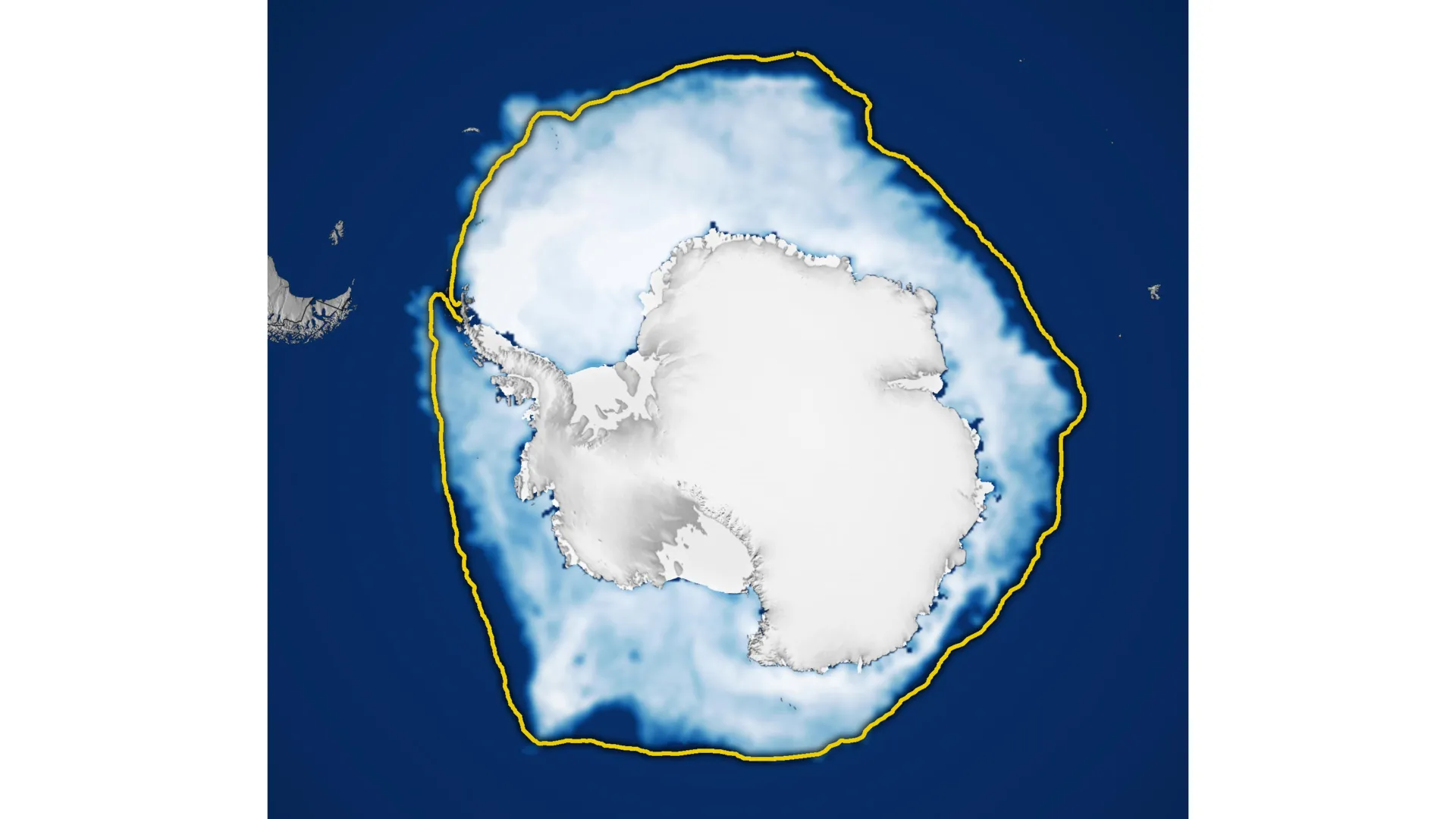
Antarctic sea ice reached its annual winter peak in September 2026, but the ice covered less ocean than in nearly any other year since satellite measurements began. Its maximum extent was the third lowest on record, adding to growing evidence of a dramatic shift in Antarctica’s frozen waters.
Antarctica is surrounded by a vast ocean, giving its sea ice plenty of room to spread outward during the Southern Hemisphere’s winter. This differs from the Arctic, where an ocean basin is enclosed by surrounding land. Although Antarctica’s geography allows winter sea ice to expand over enormous distances, it also pushes the ice into warmer latitudes, where melting becomes more likely during summer. As a result, Antarctic sea ice generally reaches its largest extent in September before shrinking to its annual minimum in February.
According to NASA and the National Snow and Ice Data Center (NSIDC), Antarctic sea ice likely reached its annual maximum extent on September 14 (above). At its peak, the ice stretched across approximately 17.59 million square kilometers (6.79 million square miles). That made 2026 the year with the third-lowest winter maximum in the satellite record.
The maps below illustrate how Antarctic sea ice changes between seasons, showing average ice concentrations in September (left) and the following February (right) from 1990 to 2026. Solid white regions represent areas with the greatest ice coverage, while dark blue indicates open ocean. Only locations where ice covers at least 15 percent of the water are included. Scientists use this threshold to determine which areas qualify as ice-covered when calculating the total “sea ice extent.”
Antarctic Sea Ice Shifts From Record Growth to Historic Lows
For decades, Antarctic sea ice appeared to be moving in the opposite direction from the rapidly shrinking ice in the Arctic. Between 1979 and 2014, sea ice extent around Antarctica increased by approximately 1 percent per decade. However, because Antarctic ice coverage naturally fluctuates considerably from year to year, researchers remain uncertain whether this gradual increase reflected a meaningful long-term change.
The expansion became particularly noticeable between 2012 and 2014, when Antarctic winter sea ice set new record highs for three consecutive years. These records stood in stark contrast to conditions at the opposite pole, where Arctic sea ice was undergoing a steep decline.
But Antarctica’s upward trend ended in 2015. Beginning in 2016, the region experienced substantial losses in sea ice coverage, marking a striking reversal from the preceding decades. Although some years have brought modest recoveries, Antarctic sea ice has generally remained below its historical average.
The most extreme conditions occurred in 2023, when Antarctica recorded both its lowest summer minimum and its lowest winter maximum since satellite observations began. The unusually low maximum in 2026 adds another significant measurement to this changing picture. Scientists are continuing to track the ice each year to determine whether these declines represent a lasting transformation in Antarctic sea ice conditions or fall within the range of statistical variability.
How Satellites Track Antarctic Sea Ice Through Clouds
Scientists measure Antarctic sea ice using satellites equipped with instruments called passive microwave sensors. Rather than relying on visible light, these instruments detect microwave energy naturally emitted by Earth’s surface.
Sea ice produces a stronger microwave signal than open ocean water, allowing researchers to distinguish frozen areas from ice-free seas. An important advantage of this approach is that microwaves can pass through clouds. This means scientists can repeatedly observe Antarctic sea ice even when thick cloud cover prevents conventional satellite cameras from seeing the surface.
The long-running satellite record began in late 1978 with observations from NASA’s Nimbus-7 spacecraft. Starting in 1987, satellites operated under the Defense Meteorological Satellite Program (DMSP) contributed additional measurements. NASA’s Aqua satellite also provided data between 2002 and 2011.
The monitoring effort continues to evolve as satellite technology changes. In 2025, researchers began incorporating observations from the Japan Aerospace Exploration Agency’s GCOM-W satellite, helping maintain the decades-long record used to understand Antarctica’s changing ice.
NASA Earth Observatory images by Michala Garrison, using data from the National Snow and Ice Data Center.
