Common medications may change your gut for years

Medications can influence the community of microbes living in the human gut long after a person stops taking them, according to a large study led by researchers at the University of Tartu Institute of Genomics.

The findings suggest that a person’s prescription history may help explain differences in the gut microbiome years later. The gut microbiome includes the vast community of bacteria and other microorganisms that live in the digestive tract and can influence digestion, metabolism, immune function, and other aspects of health.

Drug Effects May Persist for Years

Researchers analyzed stool samples and prescription records from more than 2,500 participants in the Estonian Biobank who were part of the Estonian Microbiome cohort. They found that most of the medications examined were associated with differences in the gut microbiome.

For a substantial number of drugs, those differences could still be detected years after people had stopped taking the medication.

The lasting effects were not limited to antibiotics, which are already well known for their ability to disrupt populations of gut bacteria. Antidepressants, beta-blockers, proton pump inhibitors, and benzodiazepines were also associated with distinctive microbial “fingerprints.”

Beta-blockers are commonly used to treat conditions such as high blood pressure and certain heart problems. Proton pump inhibitors reduce stomach acid and are often prescribed for acid reflux and related conditions. Benzodiazepines are medications commonly used for anxiety and other disorders.

“Most microbiome studies only consider current medications, but our results show that past drug use can be just as important as it is a surprisingly strong factor in explaining individual microbiome differences,” said Dr. Oliver Aasmets, lead author.

The finding suggests that researchers studying connections between the microbiome and disease may need to look beyond the medications a person is currently taking. Drugs used months or even years earlier could still influence the microbial patterns seen in a stool sample.

Anxiety Drugs Show Surprisingly Strong Effects

One particularly striking finding involved benzodiazepines, which are commonly prescribed for anxiety. Their associations with the gut microbiome were comparable to those seen with broad-spectrum antibiotics.

Broad-spectrum antibiotics are designed to act against many different types of bacteria, which is why they can produce substantial changes in the gut microbial community.

The study also found that medications belonging to the same drug class did not necessarily affect the microbiome in the same way. Drugs that may be prescribed for similar conditions, such as diazepam and alprazolam, differed in how strongly they appeared to disrupt gut microbes.

That distinction could be important because medications are often grouped together in microbiome research based on their drug class. The new results suggest that individual drugs may need to be considered separately.

Follow-Up Samples Reveal Predictable Changes

Researchers also examined follow-up stool samples from a smaller group of participants. These samples allowed them to observe what happened when people started or stopped certain medications.

Those changes were accompanied by predictable shifts in gut microbes, providing evidence that the medications themselves may be responsible for at least some of the observed differences.

Although the second time-point analysis involved a relatively small number of participants, researchers were able to confirm persistent effects linked to proton pump inhibitors, selective serotonin reuptake inhibitors and antibiotics, such as penicillins in combination and macrolides.

Selective serotonin reuptake inhibitors are a widely used class of antidepressants. Macrolides are a group of antibiotics that includes drugs used to treat a range of bacterial infections.

Medication History Could Matter in Microbiome Research

The results add to growing evidence that the gut microbiome reflects more than a person’s current diet, lifestyle, health, and medication use. Past treatments may leave biological traces that remain detectable long after the prescription has ended.

“This is a comprehensive systematic evaluation of long-term medication effects on the microbiome using real-world medical health records,” said Professor Elin Org, corresponding author. “We hope this encourages researchers and clinicians to factor in medication history when interpreting microbiome data.”

Accounting for that history could help scientists more accurately distinguish microbiome changes associated with disease from changes caused by medications taken in the past.

Share Button

Bird flu is spreading. Your backyard feeder could make it worse

Backyard bird feeding is one of our country’s most popular pastimes. Research reveals about half of Australian households feed wild birds, with many people doing so daily.

However, this practice could act as a superspreader event – where a disease infects an unusually high number of people or animals – of the H5N1 virus. This deadly strain of bird flu has already decimated wild bird and mammal populations worldwide. It is now spreading across Australia, most recently killing more than 1,000 crested terns and a long-nosed fur seal, the first detection in a mainland mammal.

Although many Australians feed wild birds, the practice is controversial. This is mainly due to concerns about people offering unsuitable foods and birds becoming dependent on humans.

So why is backyard bird feeding such a problem when it comes to bird flu? And can we do it safely?

Not just a hobby

People feed wild birds for various reasons, including to provide food during tough times or simply enjoy their presence. Most care deeply about their avian companions and believe feeding them is helpful.

However, they may not realize the danger this creates for the birds they love.

Feeding wild birds heightens the risk of disease transmission at feeding locations. When we offer supplementary food, such as seeds or meat scraps, this attracts birds of many different species in a combination and number that would not happen in nature. They may carry deadly diseases, such as the H5N1 virus, and potentially spread them to other birds.

This can create a transmission hotspot right on our back deck. And catching bird flu can push our most threatened species, such as the orange-bellied parrot, to the brink of extinction.

The fatal effects of H5N1 are not only contained to birds. Scavenger animals such as possums, red foxes and crows can be exposed to the virus while devouring the carcasses of infected birds. Humans in close contact with infected wildlife, such as wildlife carers and veterinarians, can contract H5N1. However, human infection is rare and typically only causes mild symptoms.

Stopping the spread

Backyard bird feeding may seem like a harmless hobby. But given how many people do it, and the risks it poses to both birds and people, bird feeding activities could lead to many more wildlife deaths.

So if you feed birds in your backyard, how can you do so safely?

The most effective strategy is to stop feeding birds altogether. If you don’t offer food to wild birds, they will be less likely to congregate in your backyard or garden. And they will be fine without your help. Our previous research found most birds that visit feeders obtain most of their nutrition from natural sources, such as insects and worms. So the food we provide is a snack, not an essential meal.

But if you do continue feeding wild birds, here are three precautions to take:

Offer less food

Having feeders full of seeds and leftover meat will attract more birds. So to discourage them from congregating, simply provide less food. Much like COVID-era social distancing rules, this will lower the risk of H5N1 transmission by keeping birds separate.

Avoid hand-feeding

Having a bird swoop down to snatch food from your hand is one of the most intimate interactions we can have with wildlife. But in the era of bird flu, this must stop. While humans are unlikely to contract H5N1, close physical contact with birds through hand-feeding is simply not worth the risk.

Keep everything clean

If you keep feeding wild birds, it’s vital to regularly clean all feeding surfaces and equipment using domestic bleach. If you’re not prepared to do this, you shouldn’t be feeding them at all.

Backyard bird feeding could worsen Australia’s current H5N1 crisis. Indeed, your avian visitors may complain if you give them fewer tasty treats or stop feeding them altogether. But these measures will protect both you and them from this deadly disease.


Please do not touch sick or dead birds or marine mammals. Record the location, take photographs from a safe distance, keep pets away and report the sighting to the Emergency Animal Disease Hotline on 1800 675 888 (Australia).The Conversation

Share Button

Too much or too little sleep may make your body age faster

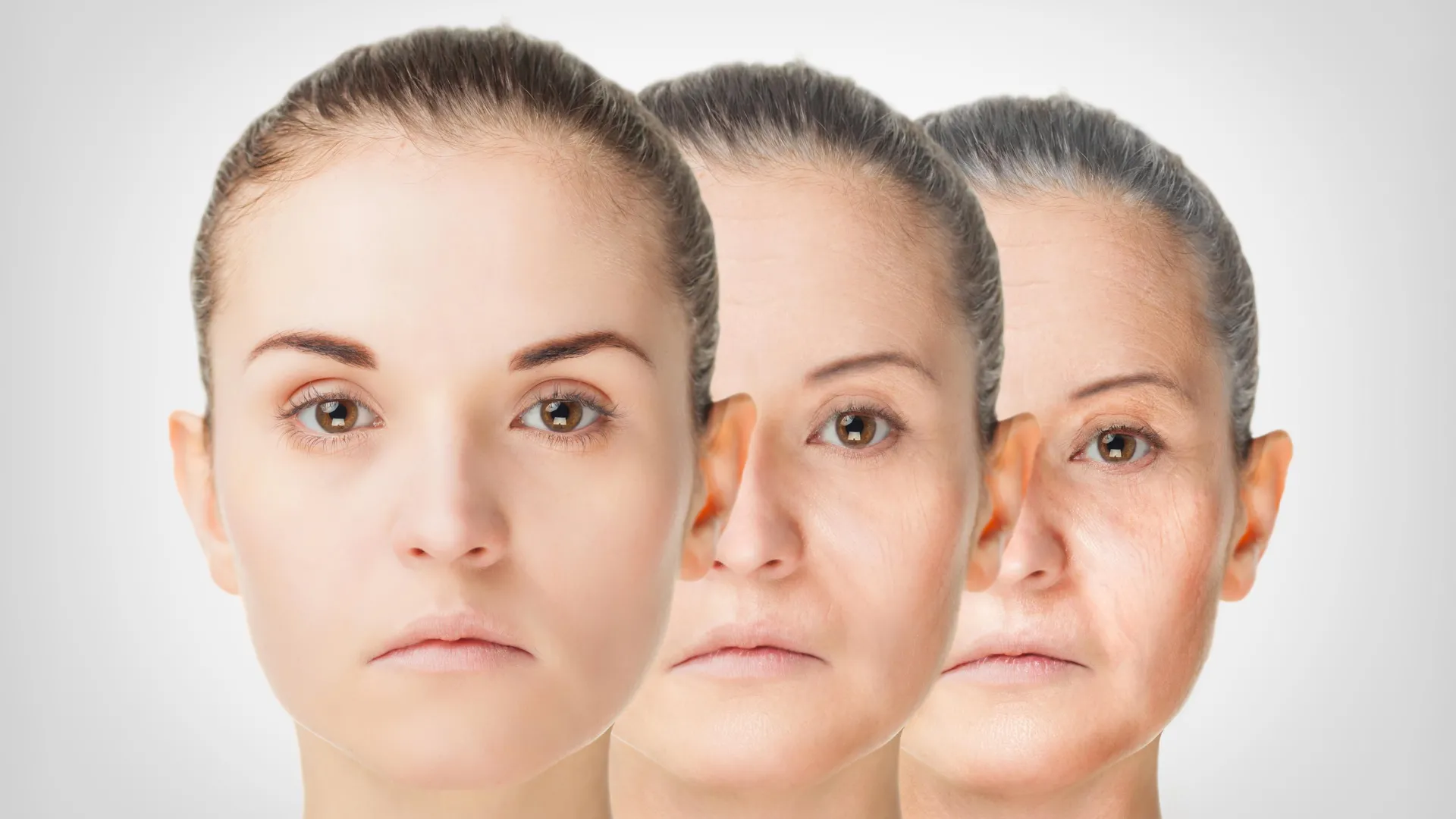
A new analysis of biological aging across the human body suggests that both sleeping too little and sleeping too much are associated with faster aging in the brain, heart, lungs, immune system, and other organs. These sleep patterns were also linked to a broad range of diseases.

“Previous studies have found that sleep is largely linked to aging and the pathological burden of the brain. Our study goes further and shows that too little and too much sleep are associated with faster aging in nearly every organ, supporting the idea that sleep is important in maintaining organ health within a coordinated brain-body network, including metabolic balance and a healthy immune system,” says study leader Junhao Wen, assistant professor of radiology at Columbia University Vagelos College of Physicians and Surgeons.

The research was published in Nature.

Biological Clocks Reveal How Organs Age

Scientists are increasingly using aging clocks to estimate whether a person is aging biologically faster or slower than their chronological age. These tools rely on machine learning and biological information (e.g., proteins from a minimally invasive blood test) to calculate patterns associated with aging.

Many aging clocks provide a single measure for the entire body. However, different organs can age at different speeds. One familiar example is the decline in ovarian function that contributes to the biological clock associated with female fertility.

Wen and his colleagues have been developing aging clocks that focus on individual organs. The goal is to provide more detailed and potentially more personalized information about a person’s health.

“Everyone is excited by these aging clocks and their ability to predict disease and mortality risk,” Wen says. “But to me, the more exciting question is, can we link aging clocks to a lifestyle factor that can be modified in time to slow aging?”

Finding a Sleep Sweet Spot

Sleep offered researchers an ideal way to explore that question because mounting evidence suggests that sleep plays an important role in health. Wen also had a personal interest in the issue.

“I’m also a light sleeper and was getting worried about the effects on myself,” says Wen.

To create the aging clocks, Wen used information from about half a million participants in the UK Biobank. Machine learning was applied to identify biological signatures associated with aging in different organs.

The researchers built clocks using several types of information, including structural measurements from medical imaging, proteins associated with specific organs, and molecules detected in the blood.

“In the liver, for example, we have an aging clock built with protein data, an aging clock of metabolic data, and an aging clock of imaging data,” Wen says. “This allows us to see whether sleep is distinctively associated with aging clocks derived from multiple omics and molecular layers.”

The team then compared sleep duration (as reported by each Biobank participant) with biological age estimates from 23 aging clocks covering 17 organ systems.

Too Little and Too Much Sleep Linked to Faster Aging

A clear U-shaped pattern appeared across the body. People reporting short sleep (fewer than 6 hours) and long sleep (greater than 8 hours) tended to show faster biological aging.

The lowest levels of aging were seen among people who reported sleeping between 6.4 and 7.8 hours each day.

Importantly, the findings do not show that sleep duration by itself causes organs to age faster or slower. Instead, they suggest that sleeping either too little or too much could be a sign of poorer health throughout the body.

Sleep Duration Tied to Diseases Across the Body

The results also point to a broad connection between sleep, the brain, and the rest of the body.

Short sleep was significantly associated with depressive episodes and anxiety disorders, consistent with earlier research connecting insufficient sleep with mental health problems.

It was also associated with obesity, type 2 diabetes, hypertension, ischemic heart disease, and heart arrhythmias.

Both short and long sleep were linked to chronic obstructive pulmonary disease and asthma. They were also associated with several digestive disorders, including gastritis and gastroesophageal reflux disease.

Wen says, “The broad brain-body pattern is important because it tells us that sleep duration is a deeply embedded part of our entire physiology, with far-reaching implications across the body.”

Sleep, Aging, and Late Life Depression

The organ-specific aging clocks may also help scientists understand how sleep is connected to individual diseases. Wen and his colleagues explored this possibility by examining late life depression.

The researchers could not establish whether differences in sleep duration caused late life depression or whether depression itself changed how long people slept.

To investigate further, the team used “mediation analysis” to examine whether biological aging might help explain the relationship between short or long sleep and late life depression.

The results suggested that short sleep may be more directly connected with the burden of late-life depression. Long sleep, in contrast, may influence depression through pathways reflected in aging clocks for the brain and adipose tissue.

“This has a strong implication for future sleep management and future therapeutics,” Wen says. “Our study suggests there may be different biological pathways between long and short sleepers that lead to the same outcome, late-life depression, and we shouldn’t treat them the same way.”

Share Button

‘Doctors said I was ‘too young’ to have endometriosis’

Grace is just 14, but has to spend days in hospital each month due to her endometriosis.

Share Button

Mum wants people to know ‘there is hope after pregnancy loss’

Hayley Metcalfe, 37, suffered the loss of two babies at 17 and 19 weeks into the pregnancies.

Share Button

Doctors said I was too young to have endometriosis at 13 – I had to take morphine to cope

Grace, 14, feels doctors were dismissive of her pain. She wants others to know the symptoms.

Share Button

How easy is it to find an NHS dentist? It depends where you live

Nearly 600 practices in England have withdrawn from NHS dentistry over the last 10 years, as the service heads towards a two-tier system.

Share Button

A hidden “on switch” in human DNA has finally been decoded

Healthy growth and development depend on tens of thousands of genes being switched on at the right time and in the right place. Specific regions of DNA help coordinate this process, guiding the production of enzymes, hormones, proteins, and other molecules that cells need to function properly. When gene activation goes wrong, cells can malfunction and contribute to diseases, including cancer.

To better understand the DNA sequences that control this process, researchers in the laboratory of University of California San Diego Professor James T. Kadonaga focused on an important DNA element known as the “initiator.” The initiator marks the location where the information encoded in a gene begins to be converted, or expressed, into a functional product.

AI Decodes the Initiator Sequence

In the new study, led by graduate student researcher Torrey Rhyne-Carrigg, the team used high-throughput DNA sequencing to measure gene expression activity across approximately 500,000 different versions of the initiator.

The researchers then used those results to train a machine learning system, a form of artificial intelligence, to identify the characteristic DNA pattern associated with the initiator. Once the model had decoded that signature, the team searched human genes for the sequence and found that roughly 60% contain the initiator.

“These AI models were found to provide, for the first time, strong predictions of the presence or absence of the initiator in human genes, and were thus able to decode the DNA base sequence pattern of the initiator,” said Kadonaga, a professor in the UC San Diego Department of Molecular Biology, School of Biological Sciences.

Predicting the Effects of DNA Mutations

The findings could help researchers anticipate how mutations affecting the initiator may alter gene activity and contribute to a range of disorders. The study’s data and AI models may also support the design of synthetic promoters, sequences that can switch genes on or off, with functions tailored for specific purposes.

More broadly, the research shows how laboratory experiments and artificial intelligence can be combined to uncover information encoded in human DNA.

“More globally, this work is a step forward in the combined use of laboratory experiments and AI to decipher the information that is embedded in the sequence of the DNA bases in humans,” said Kadonaga. “Ultimately, within the six billion bases of DNA in each of our cells, there is a gene expression code that specifies when, where and to what extent each of our genes should be turned on or off. If we had an AI model for the entire gene expression code, we would be able to predict the activity of each of the different variants of genes in different people. The new AI model for the initiator is a small but important part of this gene expression code, and I am optimistic that we will expand our AI models of the human gene expression code in the not-too-distant future.”

Share Button

Experimental compound helps burn fat without muscle loss

GLP-1 medications have transformed the treatment of obesity, diabetes, and fatty liver disease over the past several years. Drugs sold as Ozempic, Wegovy, Mounjaro, and Zepbound can produce substantial weight loss while helping patients control blood sugar.

But these medications can also cause problems. Some patients experience nausea and other gastrointestinal side effects. Because GLP-1 drugs reduce appetite and food intake, they may also contribute to nutritional deficiencies and loss of muscle, potentially increasing the risk of frailty and other long-term health issues.

Researchers at UC Berkeley are now investigating a very different strategy for treating obesity and diabetes. Instead of reducing the amount of energy a person consumes, their approach is designed to increase the amount of energy the body uses by raising metabolic activity.

A Different Way to Target Weight Loss

In a study published August 21 in Science Advances, the team reports that a molecular compound called 5-tetradecyloxy-2-furoic acid (TOFA) can interfere with the production of lipids such as cholesterol and triglycerides. At the same time, it activates genes that encourage cells to use fat for fuel and produce more energy.

In experiments with mice, TOFA improved insulin sensitivity and glucose control, reduced triglyceride levels, and improved signs of fatty liver disease. Obese mice treated with the compound lost fat while showing no significant reduction in lean muscle mass.

“Body weight responds to two levers: taking in fewer calories, or spending more energy,” said Anders Näär, a professor of metabolic biology and nutrition at UC Berkeley and senior author of the study. “GLP-1s work almost entirely on the first, so we went after the second.”

Reviving a Compound First Discovered Decades Ago

TOFA was initially discovered in the 1970s and belongs to a group of compounds known as ACC inhibitors. These compounds reduce the body’s production of lipids.

Several ACC inhibitors have advanced into mid-stage clinical trials, but none has been approved to treat metabolic disease. One important obstacle is that many of these compounds can increase triglyceride levels, which may raise cardiovascular risk.

The UC Berkeley team found that TOFA behaves differently. In addition to acting as an ACC inhibitor, it activates PPARα and PPARδ, cellular receptors that switch on genes involved in taking up fat and burning it for energy.

In mice, this effect increased energy use by as much as 18% without causing the animals to become more physically active or increasing their body temperature. The researchers also found that TOFA did not produce the rise in triglycerides seen with some other ACC inhibitors, possibly because of its combined effects on lipid production and energy metabolism.

“TOFA appears to engage a coordinated metabolic response,” said study first author Justin Y. Lee, a postdoctoral student at UCSF who conducted the research as a Ph.D. student at Berkeley. “It is not simply blocking lipid synthesis. It is also activating energy expenditure pathways that may help the body handle excess lipid and glucose more effectively.”

One Compound Outperformed a Two-Drug Approach

The researchers also tested whether they could reproduce TOFA’s effects with two separate compounds. They gave mice one compound designed to suppress lipid production and another intended to increase energy expenditure.

That combination did not improve overall metabolic health as effectively as TOFA by itself, suggesting that TOFA’s particular combination of actions may be important to its effects.

The team then examined whether TOFA could be paired with existing GLP-1 medications. These included semaglutide, sold under the brand names Ozempic or Wegovy, and tirzepatide, sold as Mounjaro and Zepbound.

In mice, combining TOFA with these GLP-1 drugs produced larger improvements in body weight, glucose control, insulin levels, and triglycerides than either treatment produced on its own.

“In our combination experiments, TOFA worked additively or synergistically with the GLP-1 appetite-suppressing drugs, so we view it as complementary rather than as a replacement,” Näär said.

Human Testing Is Still Needed

Despite the promising results, the researchers emphasize that TOFA has so far been studied only in animals. Its safety and effectiveness in humans remain unknown and will need to be evaluated in future studies.

With support from Berkeley’s life sciences entrepreneurship ecosystem, including Nucleate and Berkeley SkyDeck, the researchers have created a company called ReRx Therapeutics to help move the research toward potential use in patients.

The research was funded through discretionary funds from UC Berkeley, with additional assistance from the UCSF Liver Center and the University of Michigan Animal Phenotyping Core.

Additional authors include Chi Zhu, Melissa A. Boldridge, Rachelle L. Stark, Lei Xu, Federico Gonzalez, Xin Tang, Kaitlyn T. Dang and Kook Son of Berkeley; Gracia Bonilla, Kashish Chetal and Ruslan I. Sadreyev of Massachusetts General Hospital; Kosuke Watari and Michael Karin of the University of California, San Diego; Christina Papa and Bilal N. Sheikh of the Helmholtz Center Munich; Prabha Ibrahim of ReRx Therapeutics.

Share Button

Scientists turn tiny “defects” into a 5.5x heat transfer boost

Researchers have developed a new surface coating that can increase condensation heat transfer performance by as much as 5.5 times compared with conventional copper surfaces. The technology works by helping water droplets form more easily and detach more quickly, a combination that could improve energy efficiency in power plants and desalination facilities while also enhancing the cooling of electronic devices.

KAIST (President Choongsik Bae) announced on August 23 that a joint team led by Professor Youngsuk Nam from the Department of Mechanical Engineering and Professor Sung Gap Im from the Department of Chemical and Biomolecular Engineering created the technology by carefully controlling the thickness and structure of an ultrathin polymer coating. The coating encourages more droplets to appear as water vapor condenses while also making it easier for those droplets to leave the surface.

Why Condensation Matters for Heat Transfer

Condensation occurs when water vapor changes into liquid water. A familiar example is the layer of droplets that appears on the outside of a cold drink. In industry, condensation plays an important role in converting steam back into water at power plants, producing fresh water from seawater, and carrying heat away from electronic equipment.

For these systems to work efficiently, condensed water must be removed from the surface quickly. On ordinary metal surfaces, small droplets often merge into a continuous film of water. That film acts as an additional barrier to heat flow, reducing heat transfer efficiency in much the same way that multiple layers of winter clothing slow the movement of heat away from the body.

A more efficient process occurs when water remains in individual droplets that repeatedly form and detach. This behavior is called dropwise condensation. Because the droplets leave instead of forming a continuous layer, fresh areas of the surface are repeatedly exposed, allowing heat to move through the surface more effectively.

The Trade-Off Between Droplet Formation and Removal

Previous surface designs have struggled with an important limitation. Rough surfaces provide more places for droplets to begin forming, but those same structures can trap the droplets and make them difficult to remove. Smoother surfaces allow droplets to slide or detach more easily, but they provide fewer sites where new droplets can form.

That creates a basic trade-off between nucleation, the initial formation of droplets, and droplet mobility.

The researchers addressed this problem by taking advantage of nanoscale polymer aggregates that had previously been treated as unwanted ‘defects’ in polymer coatings. They produced the coating using initiated chemical vapor deposition (iCVD), a technique that deposits gas-phase precursors onto a surface to form an extremely thin polymer layer.

When the researchers made the polymer film thinner, many small polymer aggregates appeared across the surface. Instead of removing these structures, the team used them as nucleation sites where water droplets could begin forming. Thin polymer films produced approximately three times as many droplets as thicker films.

Helping Droplets Form and Leave Faster

The team then introduced a heat treatment that weakened the force holding droplets to the coated surface. This allowed the droplets to detach more easily, often before they had time to grow very large.

The two adjustments addressed different parts of the condensation process. Reducing the polymer film thickness increased the number of locations where droplets could form, while thermal treatment made it easier for those droplets to leave the surface. By controlling these effects separately, the researchers were able to overcome the usual conflict between creating more droplets and removing them quickly.

Once a droplet leaves, another can form in the newly exposed space. The process is similar to a vacant seat being filled as soon as someone gets up. The more frequently droplets appear and depart, the more often the surface is refreshed, allowing heat to move through it more efficiently.

Heat Transfer Performance Increased Up to 5.5 Times

To test the technology under conditions closer to real-world applications, the researchers applied the polymer coating to copper tubes commonly used in condensers.

The maximum condensation heat transfer coefficient, which measures a surface’s ability to transfer heat, reached approximately 88 kW·m-2·K-1. That represented heat transfer performance up to approximately 5.5 times greater than a conventional copper surface covered by a water film.

The new coating also delivered more than 50% better performance than a conventional hydrophobic coating surface.

Rather than relying only on smooth or water-repelling surfaces, the researchers deliberately made use of small surface ‘defects.’ Their results showed that nanoscale particles once viewed as imperfections to be eliminated could instead provide useful sites for droplet formation. The finding led the team to a new strategy for designing condensation surfaces.

Potential Uses in Energy, Water, and Electronics

If the coating can be adopted in power plants or industrial heat exchangers, it could improve energy efficiency by allowing heat to move more effectively. The technology could also improve water collection in desalination and water-harvesting devices, while faster heat removal could provide better cooling for electronic equipment.

Professor Nam said, “This research is meaningful because it uses nanostructures previously regarded as defects as features that help droplets form. We have presented a new method for improving heat transfer efficiency by separately controlling droplet formation and removal.”

He added, “Because this technology can form extremely thin, uniform coatings even on surfaces with complex shapes, we expect it to be used in various energy and environmental applications, including industrial heat exchangers.”

Jun Soo Kim, a researcher in the Department of Mechanical Engineering, and Minjeong Kang, a researcher in the Department of Chemical and Biomolecular Engineering, co-authored the study as first authors. The results were published online in the international journal Nature Communications on July 16.

This research was supported by the Mid-Career Researcher Program (Ministry of Science and ICT and the National Research Foundation of Korea), the SME Technology Innovation Development Program (Ministry of SMEs and Startups and the Korea Technology and Information Promotion Agency for SMEs), and the Deep-Tech Startup Activation Support Program (Ministry of Science and ICT and Commercialization Promotion Agency for R&D Outcomes, COMPA).

Share Button