What are the benefits of cold and hot showers?

People around the world have been using water therapy, or hydrotherapy, for centuries. The temperature of the water they use may have different benefits for health.

Most studies into the health benefits of cold and hot water have used water immersion therapy. During water immersion therapy, a person immerses their body, or a part of their body, in a vat of water for a specified amount of time.

This article outlines the results of such studies, including the potential health benefits and risks of cold and hot showers.
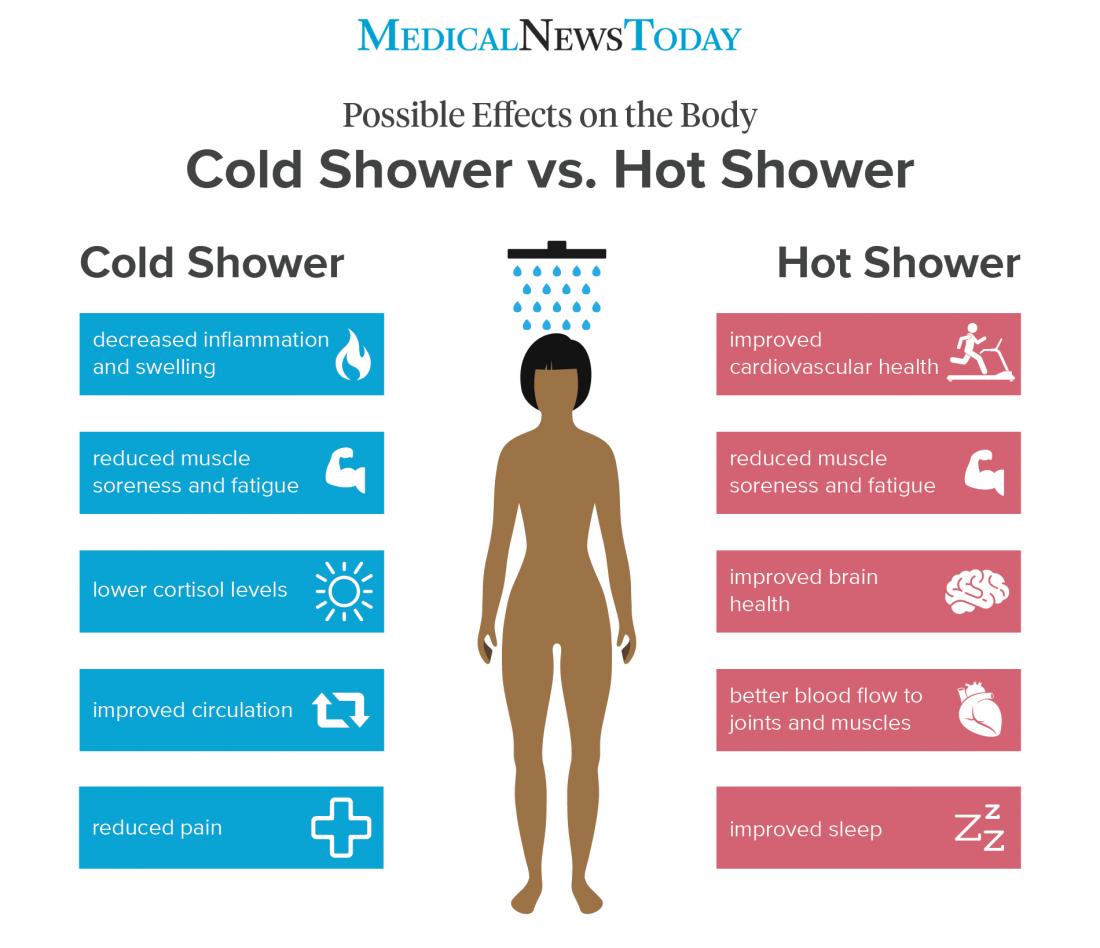
an infographic showing the the possible effects on the body of cold showers and hot showers

Although taking a cold shower may not be a pleasant experience, it can provide certain health benefits. One 2014 review, for example, suggests that cold water can:

  • decrease inflammation and swelling
  • decrease muscle spasms
  • have pain-relieving effects

An older study, this time from 2000, investigated the effects of different water temperatures on bodily reactions. In the cold water condition, the researchers submerged participants in 57.2°F (14°C) water for 1 hour. The participants experienced the following effects (some of which may not necessarily be beneficial to health):

Some beneficial effects of cold water immersion include:

Improved circulation

Exposure to cold water causes the blood vessels on the surface of the skin to constrict. This diverts blood flow away from the surface of the skin. In fact, one small 2019 study found that taking a cold shower after exercise may improve general hydration by cooling down the body.

As blood travels away from the skin, blood vessels in deeper body tissues dilate. This improves circulation in the deeper tissues.

Lower cortisol levels

Cortisol is the “fight-or-flight” hormone that the body releases in response to stress.

Lowering cortisol levels in the blood may therefore help reduce stress levels. Researchers note that when people immerse themselves in a bath of cold water, their cortisol levels drop.

Reduced pain

According to a 2014 review, cold water exposure triggers an automatic pain response called stress-induced analgesia (SIA).

SIA is a reduced pain response during or following exposure to a stressful stimulus, such as cold water immersion.

Reduced sports-related muscle soreness and fatigue

One older study from 2009 tested the effects of cold water immersion on physical performance among athletes. Following sports, some of the athletes received cold water immersion, while others received tepid water immersion.

The researchers did not find any differences in subsequent physical performance between the two groups, nor did they find any differences in the amount of muscle damage or inflammation the participants experienced.

However, perceptions of muscle soreness and general fatigue were significantly lower in the group that received the cold water immersion. This psychological effect could prove beneficial during competitive sports.

Hot showers may also have beneficial effects for health. Some examples of the potential health benefits include:

Improved cardiovascular health

As one 2014 review of hydrotherapy notes, warm water bathing appears to improve blood flow in people with chronic heart failure. This is due to a natural widening of the blood vessels when exposed to high temperatures.

A 2012 study explored the effects of warm water immersion on arterial stiffness, which occurs when the arteries within the body become less flexible. Arterial stiffness plays a major role in the cardiovascular condition atherosclerosis, which can lead to high blood pressure.

The study found that participants who submerged their feet and lower legs in warm water for 30 minutes showed reduced arterial stiffness. Participants who did not receive warm water immersion did not show this effect.

Improved muscle and joint health

As mentioned above, hot showers can enhance blood flow, helping soothe stiff joints and tired muscles. Cold showers, meanwhile, can reduce inflammation and help numb pain.

One 2017 study investigated the effect of hot and cold therapies on knee osteoarthritis. The researchers divided 96 participants into three groups. A control group received only standard osteoarthritis treatment. The two other groups received standard osteoarthritis treatment along with either heat therapy or cold therapy.

The heat therapy group applied heat to the affected knee twice daily for 3 weeks, while the cold therapy group applied cold to the affected knee twice daily for 3 weeks.

At the end of the study, both groups showed a mild reduction in pain and a mild improvement in knee function. However, these effects were not significantly stronger than those the control group experienced.

Improved brain health

One 2018 study investigated the effects of hot water immersion on brain-derived neurotrophic factor (BDNF). BDNF is a protein that has several important functions in the brain and spinal cord, including:

  • promoting the survival of nerve cells
  • promoting the growth, maturation, and maintenance of nerve cells
  • promoting learning and memory

The study was small, involving just eight men. One group took a 20-minute bath in hot water with a temperature of 107.6°F (42°C). The other group took a 20-minute bath in warm water with a temperature of 95°F (35°C).

Participants who took the hot bath had significantly higher BDNF levels. The researchers concluded that hyperthermia induced by the hot bath increased the production of BDNF.

Improved sleep

Organizations such as the National Heart, Lung, and Blood Institute recommend taking a hot shower or bath before bed as a way to improve sleep.

A hot shower may improve sleep quality due to the combination of how the body relaxes while bathing and the fall in body temperature afterward.

Doctors sometimes recommend heat or cold therapy for people with muscle or bone injuries. However, it is not yet clear whether or not a cold or hot shower has the same benefits as applying an ice or heating pad.

Some people with arthritis enjoy hot showers in the morning because it helps them feel mobile. However, cold showers are beneficial for injuries accompanied by inflammation.

For taking a hot shower to improve sleep, a 2019 study found that the best time to take a shower or bath was 1–2 hours before sleeping.

People with eczema and other rashes should avoid hot showers altogether, as these can further dry out the skin.

Long baths or showers that are too cold or too hot could excessively lower or raise a person’s body temperature.

If a person’s body temperature drops below 89.96°F (32.2°C), a person may experience:

  • a decreased breathing rate
  • a drop in blood pressure
  • heartbeat irregularities
  • decreased consciousness

If the water is too hot, people are at risk of burns and heat stroke.

As long as a person avoids extreme temperatures, taking cold and hot showers can provide certain health benefits. Hydrotherapy is generally a safe strategy and does not cause dependence or any noticeable side effects.

Further studies will be necessary to investigate and confirm the long-term effects of taking cold and hot showers.

Most of the research into the health effects of cold and hot water has involved immersion therapy. Studies seem to suggest that both cold and hot temperatures can have beneficial, but differing, effects on the body.

It is not clear if taking a shower produces the same effects as immersion therapy. If it does, a person should consider the type of effects they want to achieve before deciding whether to take a cold or hot shower.

As with water immersion therapies, taking a cold or hot shower is likely to be safe. However, people should avoid taking extremely cold or extremely hot showers, as doing so could be harmful to health.


Share Button

Mindfulness could help us unlearn fear

Throughout evolutionary history, fear has helped humans stay safe and thrive. But in the modern world, many fear responses — such as phobias — are, at best, unhelpful and, at worst, debilitating. Yet, accumulating evidence shows that mindfulness practice could help us unlearn these responses.

person meditating on bedroom floorShare on Pinterest
More evidence suggests that mindfulness may help us stay free of unhelpful fears.

The practice of mindfulness — the purpose of which is to help an individual focus on stimuli occurring in the present moment — is gaining momentum across countries and cultures.

Anecdotal evidence suggests that mindfulness can help people feel calmer, more serene, and more motivated in their day-to-day life.

And the findings of an increasing number of studies are now backing up that evidence, indicating that mindfulness practice can bring real benefits for physical and, especially, mental health.

Studies covered by Medical News Today last year linked mindfulness to better blood pressure control and improved effectiveness of opioid use disorder treatments. Previous research has also suggested that mindfulness may help lower symptoms of depression and anxiety.

Now, a study from the University of Southern Denmark in Odense, Uppsala and Lund Universities in Sweden, Peking University in Beijing, China, and Icahn School of Medicine at Mount Sinai in New York City, NY has found evidence that mindfulness could help people unlearn their fear responses.

While fear has had a positive role in human evolution, helping our ancestors steer clear of dangerous situations, nowadays, many people experience learned fear responses that are unhelpful and counterproductive.

Examples of such fear responses include phobias, such as the fear of flying, which are very difficult to eradicate once they take root.

But the current research suggests that people who practice mindfulness long term find it easier to unlearn fear responses — and remain fear-free — as the study paper from Nature Scientific Reports explains.

Mindfulness helps keep fear at bay

To find out whether mindfulness could really help people unlearn fear responses, the researchers recruited 26 healthy participants, whom they randomly split into two groups.

Volunteers from one group received daily mindfulness training for 4 weeks through a popular mindfulness app. By contrast, those from the other group received no such training, thus making up the control cohort.

At the end of the 4 weeks, all the volunteers agreed to undertake an experiment that the researchers conducted over 2 days.

On the first day, the participants learned a fear response by watching a slideshow of images. As particular images came up on the screen, they also received mild electric shocks. Thus, they learned to associate the unpleasant shocks with the images, and so, whenever they came up, the participants would experience increased sweating, a mark of the fight or flight response.

Once they had taught the participants this association, the researchers then proceeded to extinguish this reaction. They did this by repeatedly showing the volunteers the same set of images, but this time without delivering any electric shocks.

The researchers wanted to find out in which of the participants — if any — the unlearning (or extinction learning) of the fear response would stick, since, they explain, the fearful associations typically tend to return very quickly.

On day two of the experiment, the investigators sat all the participants down to view the same slideshow and hooked them up to the device they used to deliver electric shocks — without, however, delivering any shocks to the volunteers.

The researchers found that the participants who had received mindfulness training did not experience a fear reaction when they viewed the pictures with which they had previously formed unpleasant associations.

In the participants who had not received mindfulness training, however, the fear responses made a comeback, as demonstrated by skin conductance measurements that assessed physiological markers of psychological arousal.

Potential use in specialized therapy

Thanks to the study findings, says first author Johannes Björkstrand, Ph.D., “[w]e can show that mindfulness does not only have an effect on subjective experiences of negative emotions, as has been shown previously, but that you can actual see clear effects on autonomic arousal responses, even with a limited amount of training.”

“It is also interesting that the intervention appears to have a specific effect on extinction retention, which is in line with previous brain imaging studies on mindfulness, and also has some implications for how these types of interventions could be used to treat anxiety-related problems in a clinical context.”

Johannes Björkstrand, Ph.D.

Björkstrand argues that adding mindfulness therapy to exposure therapy — which people typically use to help others overcome phobias — could boost its effectiveness.

“Our results suggest that if you combine mindfulness training with exposure therapy, maybe you can achieve larger and longer lasting treatment effects,” he says.

For now, the research team is seeking to confirm their results by repeating the experiments with a larger cohort of volunteers.

“We are currently repeating the experiment with twice the number of participants, and the whole thing is carried out inside an fMRI-scanner equipped with an extra strong electromagnetic field so that we can measure their brain activity to a high degree of precision throughout all parts of the experiment,” says the study’s senior author, associate professor Ulrich Kirk.

“We hope to show that the effect is robust and that we can replicate the current findings, and also say what processes in the brain are involved in producing these effects,” Kirk adds.

Share Button

Mindfulness training may lower blood pressure

Long believed to be a calming activity, a new study provides evidence of the benefits of mindfulness in reducing high blood pressure.

Mindful man in the streetShare on Pinterest
A recent study uses mindfulness to address hypertension.

There is anecdotal evidence that meditation and mindfulness training may be able to reduce high blood pressure and hypertension. However, clinical confirmation of these claims has been scarce until last month, when researchers published a new study in the journal PLOS One.

The authors report the results of a Mindfulness-Based Blood Pressure Reduction (MB-BP) program specifically designed to “evaluate acceptability, feasibility, and effects on hypothesized proximal self-regulation mechanisms.”

Participants who enrolled in the MB-BP program experienced significant reductions in blood pressure levels that were still in effect at follow-up examinations 1 year after the trial.

Hypertension is a significant risk factor for heart disease, which is the leading cause of death in the United States and globally. However, doctors can find hypertension challenging to treat.

“We know enough about hypertension that we can theoretically control it in everybody — yet in about half of all people diagnosed, it is still out of control,” according to lead author Eric Loucks, associate professor of epidemiology, behavioral and social sciences, and medicine at Brown University in Providence, RI.

The blood pressure challenge and MB-BP

When doctors diagnose someone with high blood pressure, they typically recommend more healthful eating, which includes reducing salt intake, as well as regular exercise and weight loss. However, some people may find such permanent lifestyle changes difficult to maintain. Doctors might also prescribe medication to help control blood pressure.

In some people, hypertension has a genetic component, and lifestyle changes do not bring blood pressure down into the normal range.

The MP-BP curriculum incorporates mindfulness to address high blood pressure directly and to help people strengthen their ability to maintain the healthful habits that can keep it under control.

Loucks and his colleagues developed a 10-session program that followed 43 participants with high or elevated blood pressure for 1 year. More than 80% of participants had hypertension, with blood pressure readings of 130 millimeters of mercury (mmHg) systolic over 85 mmHg diastolic or higher. The other people had systolic readings of between 120 mmHg and 130 mmHg, with a diastolic measurement of at least 80 mmHg.

According to Loucks, the program was “a deliberately multimodal intervention” that taught participants a variety of techniques. These included mindfulness training and explanations of how behaviors can contribute to high blood pressure. They also encouraged the participants to take medications as prescribed by their doctors consistently.

The effect of the MB-BP curriculum

After 1 year, the participants’ blood pressure was still lower than at baseline. In addition, their self-management skills remained strong. Participants who had struggled to follow healthful lifestyle recommendations before the study had maintained lifestyle changes.

The participants who benefited most from the program were those with stage 2 uncontrolled hypertension, which is characterized by a systolic measurement of over 140 mmHg. These participants saw a mean reduction in their blood pressure of 15.1 mmHg.

Additional testing is now underway through a randomized control trial involving a larger cohort of 200 participants. “Future trials,” Loucks says, “could involve a dismantling study, where we would take out some of the health education, for example, and see if mindfulness training still had significant effects. That’s certainly something we’re looking at doing in the long-term. But mindfulness training is usually designed to be integrated with standard medical care.”

Loucks is hopeful that the study’s results can change lives: “I hope that these projects will lead to a paradigm shift in terms of the treatment options for people with high blood pressure.”

“The hope is that if we can start mindfulness training early in life, we can promote a trajectory of healthy aging across the rest of people’s lives. That will reduce their chances of getting high blood pressure in the first place.”

Eric Loucks

Share Button

What is a heavy metal detox?

Having an excess amount of heavy metals can negatively affect the human body. Some foods and medicines can help remove heavy metals from the body. Using such substances for this purpose is known as a heavy metal detox.

Having small amounts of some heavy metals, such as iron and zinc, is essential for a healthy body. However, having large amounts of heavy metals can be toxic to the body and the environment.

According to a 2019 review, heavy metal poisoning is a common health issue due to the prevalence of industrial, agricultural, and sewage waste.

Certain substances, such as those present in some foods and medications, bind to heavy metals and transport them out of the body. This process is called chelation.

However, unapproved chelation can be dangerous and even fatal. People should not attempt heavy metal detoxes without the supervision of a healthcare professional.

This article looks at the possible benefits of heavy metal detox diets, the evidence behind them, some vital safety considerations, and the possible side effects.

a woman looking in the fridge for food that may help in her heavy metal detox Share on Pinterest
Substances found in certain foods may help to transport heavy metals out of the body.

A heavy metal detox aims to remove excess heavy metals from the body.

A substance that binds to heavy metals is known as a chelator, and the process that transports them out of the body is called chelation. People may also refer to a heavy metal detox as chelation therapy.

Doctors use specific chelator medications to treat heavy metal poisoning. Certain foods can also help move heavy metals out of the body.

Heavy metal toxicity can affect the function of organs such as the brain, the liver, and the lungs. Having high levels of heavy metals in the body can also reduce energy levels and affect blood composition.

Long-term exposure to heavy metals can cause the symptoms seen in degenerative conditions, such as Parkinson’s disease and Alzheimer’s disease. In some cases, long-term exposure to some metals may even cause cancer.

Some examples of heavy metals include:

  • arsenic
  • cadmium
  • chromium
  • copper
  • lead
  • nickel
  • zinc
  • mercury
  • aluminum
  • iron

Heavy metals can enter our bodies through food and environmental factors. Some sources of heavy metals include:

  • soil erosion
  • mining
  • industrial waste
  • fossil fuel emissions
  • pesticides on crops
  • waste water
  • smoking tobacco

For people with heavy metal poisoning, a heavy metal detox may be essential to prevent life threatening complications. Doctors may use certain drugs, such as penicillamine or dimercaprol, that bind to metals and carry them out of the body.

For people with low but regular exposure to heavy metals, which can build up in the body, a heavy metal detox may help prevent a variety of chronic conditions. According to some research, heavy metal detoxing may help prevent kidney, cardiovascular, and neurological conditions.

Some healthcare professionals suggest chelation therapy as a treatment option for various health conditions, which the sections below will discuss in more detail.

Cardiovascular disease

Some healthcare professionals propose chelation therapy as a treatment for cardiovascular disease.

According to the National Center for Complementary and Integrative Health (NCCIH), a large-scale study of 1,708 people found a modest reduction in cardiovascular events after chelation therapy compared with a placebo. However, this was only the case for people with diabetes.

The NCCIH also suggest that it may be better to follow a heart-healthy diet and make the necessary lifestyle changes to address heart conditions, rather than risking the potentially dangerous side effects of chelation therapy, which may provide no benefits at all.

Alzheimer’s disease

Some researchers believe that there is a link between high levels of heavy metals and Alzheimer’s disease.

There has been a lot of preclinical in vitro and in vivo research that shows the relationship between metals such as copper, zinc, and iron and the onset and progression of neurodegenerative conditions such as Alzheimer’s disease. Metals are critically involved in the cellular processes that mediate neuronal and brain health.

Specifically, one article suggests that a therapeutic strategy aimed at targeting brain metals is theoretically well-grounded and justified. However, scientists require further evidence to support this. Research has shown no definitive metal-targeted pathway, such as strict chelation, to be effective or optimal in the treatment of Alzheimer’s disease.

Autism

Some practitioners suggest chelation therapy as a treatment option for autism. This is linked with suggestions that thimerosal in childhood vaccinations was causing autism due to mercury toxicity. Thimerosal is a preservative containing mercury present in certain childhood vaccinations.

The National Capital Poison Center state that there is no scientific evidence to support any link between thimerosal — or any childhood vaccination — and autism.

Read more about the facts and myths of vaccinations here.

Everyone has a certain amount of heavy metals in their body. For people with a normal amount, chelation has the potential to cause more harm than good.

Chelation therapy can treat heavy metal poisoning under the careful supervision of a healthcare professional. Using chelation therapy for anything other than extreme cases of heavy metal poisoning can be very dangerous and even fatal.

According to the National Capital Poison Center, in 2005, a 5-year-old autistic boy died during intravenous chelation therapy using the drug disodium edetate. The chelation therapy caused low calcium levels in his blood, causing cardiac arrest and tissue death, which ultimately led to brain death.

They also report that in 2003, a 53-year-old female died during a naturopathic treatment of intravenous chelation therapy, which used the drug ethylenediaminetetraacetic acid. Chelation therapy caused a drop in calcium levels, which then affected blood supply to the heart muscle and cardiac rhythm.

In some cases, heavy metal detoxes can cause heavy metals to recirculate in the body.

Chelation therapy can cause many side effects, including:

A person may be able to reduce the levels of heavy metals in their body more gradually by making changes to their diet. Certain foods, such as spirulina and cilantro, may help transport excess heavy metals out of the body.

According to one 2013 review, the following foods may be effective for heavy metal detoxification:

  • Dietary fiber: Various foods rich in fiber, such as fruit and grains with bran, may help remove heavy metals. Researchers have found fiber to reduce mercury levels in the brain and blood.
  • Chlorella: Studies have shown that chlorella increases the detoxification of mercury in mice.
  • Foods containing sulfur: Foods rich in sulfur, such as garlic and broccoli, may be good chelators. Research has suggested that garlic may have prevented kidney damage from cadmium and reduced oxidative damage from lead in rats.
  • Cilantro: Cilantro may help, but there is currently limited evidence to support this. In an animal study, cilantro decreased absorption of lead into bone. In a trial looking at children with lead exposure, cilantro was as effective as a placebo.

The same review also lists some supplements that may work to chelate heavy metals from the body:

  • Glutathione: Certain forms of glutathione, when a person takes it other than orally, may protect cells from the oxidative damage that heavy metals can cause.
  • Modified citrus pectin: Modified citrus pectin and substances from brown seaweeds lowered heavy metal toxicity by roughly 74% in human participants across five case studies.
  • Sulfur-containing amino acids: Examples of these are taurine and methionine.
  • Alpha-lipoic acid: Alpha-lipoic acid is a strong antioxidant that can renew other antioxidants in the body and chelate metals from the body.
  • Selenium: Selenium may help remove mercury from the body. In one trial, organic selenium supplementation benefited people with mercury exposure.

Although these are less extreme methods of detoxifying the body, it is still important to take care when using supplements or excessive quantities of one type of food.

Although dietary fiber may help detoxify the body, one study found that soluble fiber such as flaxseed increased the retention of cadmium in rats. People with high exposure to cadmium may therefore need to exercise caution when consuming flaxseed.

Certain chelators, such as alpha-lipoic acid, can cause the redistribution of metals in the body. People should therefore take care when using certain detoxification substances and always follow the advice of a healthcare professional.

Having high amounts of heavy metals in the body may cause health concerns or chronic health conditions. However, there is a limited amount of evidence to suggest that a heavy metal detox with drugs, or chelation therapy, can cure any conditions.

Chelation therapy can be vital for treating heavy metal poisoning. However, in some cases, it can be very dangerous and may cause more harm than good. Sometimes, it may even be fatal.

People wanting to detox from heavy metals should try to find alternatives that are safer and work more gradually. Certain foods also work as chelators to bind to heavy metals and transport them out of the body.

Certain supplements may also work to detoxify the body from heavy metals. People should consult their doctor before taking any new supplements, however, and they should always follow the guidance of their healthcare professional when aiming to naturally detox from heavy metals.

Share Button

What are the benefits of NAC?

If you buy something through a link on this page, we may earn a small commission. How this works.

N-acetylcysteine (NAC) is a supplement that has been available for several decades. People take it for various reasons, including to help treat medical issues ranging from psychological disorders to chronic lung conditions and to improve athletic performance.

Doctors believe that NAC may stimulate the synthesis of glutathione — a compound that helps fight free radicals, unstable atoms that can cause inflammation and damage.

Keep reading to learn how NAC may benefit the body. We also describe risks, including side effects, associated with the supplement.

Researchers have investigated the potential for NAC to help treat a wide variety of health issues. Some research indicates that NAC supplementation may help in the following ways.

Treating psychiatric conditions

a woman looking at NAC in a pharmacy Share on Pinterest
NAC may help manage symptoms of bipolar disorder.

Increasing the amount of NAC in the body may boost levels of some neurotransmitters, and this may improve a person’s mental function.

According to a 2011 review, NAC may also help alleviate symptoms of various psychiatric conditions, including:

While research into NAC as a means of relieving psychiatric symptoms may be promising, most doctors would not recommend it as a sole treatment.

Instead, a person should rely upon evidence-based treatments, such as therapy and medication, when applicable. A doctor can provide advice about using NAC to supplement traditional treatment.

Treating lung conditions and excess mucus

For people with chronic lung conditions, such as bronchitis or cystic fibrosis, some doctors recommend NAC. It is available in an inhalable form that may help reduce excess mucus.

That said, clinical trials of NAC as a treatment for lung disease have arrived at mixed results, according to the Memorial Sloan Kettering Cancer Center.

Improving insulin sensitivity in people with PCOS

Authors of a 2017 review in Cell Journal concluded that taking NAC may benefit people with polycystic ovary syndrome (PCOS).

This syndrome can lead to insulin resistance and increases in blood sugar. The researchers reported evidence that NAC may help reduce high blood sugar in people with PCOS.

However, NAC is no substitute for medications such as insulin or other methods of blood sugar control. It may only be helpful as a supplement.

Reducing the risk of preterm birth

According to the same 2017 review, NAC supplements may help reduce the risk of preterm birth.

Infections such as bacterial vaginosis may increase the risk of preterm delivery, and the body’s inflammatory response may further raise the risk. Because NAC combats inflammation, the authors report, it may help counter this risk factor for preterm birth.

The authors refer to a study in which taking 0.6 grams of NAC per day, as well as progesterone, after 16 weeks of pregnancy helped prevent preterm delivery in women with histories of preterm delivery and bacterial vaginosis.

NAC may have a similar effect when a woman takes it in combination with folic acid, the authors report.

However, as with any supplement, it is important to consult a doctor about its safety before taking it during pregnancy.

Treating acetaminophen overdose

Doctors can use NAC to treat acetaminophen overdoses.

Acetaminophen is an analgesic that can relieve aches, pains, and a fever. If a person experiences an overdose of this drug, administering NAC within 10 hours may help reduce the risk of associated liver damage.

Other potential benefits

Some very small studies and case reports indicate that NAC may help with:

Preliminary studies in animals also demonstrate that NAC may help with heroin dependence and the adverse effects of alcohol consumption.

NAC is available over the counter in pharmacies and health stores.

Share Button

Study outlines concerns around natural psychoactive substances

New research finds that over a period of 17 years, people in the United States increased their use of natural psychoactive substances, believing them to be safe. This has led to many reports of adverse symptoms in adults and children alike.

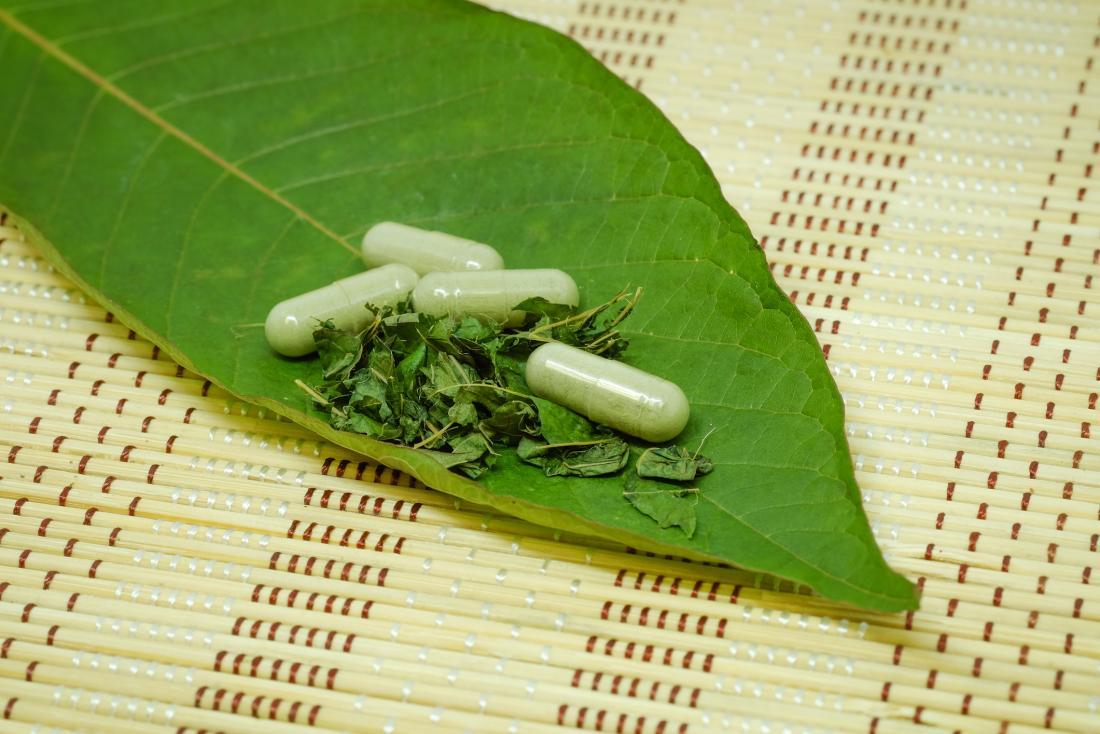
kratom leaf and kratom supplementsShare on Pinterest
Kratom and other natural psychoactive substances may need tighter regulations.

People have been using natural psychoactive substances for hundrends, or even thousands, of years in traditional medicine and as a part of spiritual practices.

Because these substances come from sources such as plants and mushrooms, many people believe them to be safe to use.

However, because they interfere with biological processes in the central nervous system, they can be a threat to human health. These interferences can also cause euphoria and altered states of consciousness.

For these reasons, many people are now using natural psychoactive substances for recreational purposes.

New research has studied trends in the number of people in the United States who reported adverse reactions as a result of exposure to psychoactive substances during 2000–2017.

The Center for Injury Research and Policy at the Research Institute at Nationwide Children’s Hospital in Columbus, OH, collaborated with the Ohio State University College of Medicine, also in Columbus, to conduct this study.

In the new study paper — which appears in the journal Clinical Toxicology — the researchers explain that at a global level, many such substances remain improperly regulated. This means that it can be very easy for people to obtain them via online channels.

“Opium, cocaine, and marijuana are the most commonly used and are included in the 1961 United Nations Convention on Narcotics,” the study authors write.

However, they add, “While these three well-known plant-based substances are highly regulated, other natural psychoactive substances are not currently under international control through this convention or its amendments. Lack of regulation has led to an increase in their availability, especially on the internet.”

35% of exposures occurred in teenagers

For the new study, the researchers accessed data from the National Poison Data System regarding exposures to natural psychoactive substances in U.S. populations.

They found that between January 1, 2000 and December 31, 2017, the National Poison Data System processed up to 67,369 cases of dangerous exposure to natural psychoactive drugs. This is an average of 3,743 cases per year, or around 10 cases per day.

“These substances have been associated with a variety of serious medical outcomes, including seizures and coma in adults and children,” warns study co-author Henry Spiller, the director of the Central Ohio Poison Center at Nationwide Children’s Hospital.

Between 2000 and 2017, there was a general increase in the rate of exposures to natural psychoactive substances. However, there was a decrease in the exposure to most individual substances — with a few notable exceptions.

During this time, there was a 150% increase in exposure to marijuana, a 64% increase in exposure to nutmeg (which contains the hallucinogenic substance myristicin), and a 4,948.9% increase in exposure to kratom, the leaves of which contain potent mind-altering substances.

Spiller points out that 47% of the exposures to natural psychoactive substances in 2000–2017 were to marijuana, which is now legal — for medical or recreational purposes — in 33 states, the District of Columbia, Guam, Puerto Rico, and the U.S. Virgin Islands.

“As more states continue to legalize marijuana in various forms, parents and healthcare providers should treat it like any other medication: locked up, away, and out of sight of children,” Spiller advises. He warns that “[w]ith edibles and infused products especially, curious children are mistaking them for kid-friendly candy or food, and that poses a very real risk for harm.”

According to the study findings, 41% of the dangerous exposures occurred in people aged 19 and older, and as many as 35% occurred in people aged 13–19.

Males reported the most instances (64%) of exposure to natural psychoactive substances, and almost all (91%) of the exposures took place inside the home.

Besides marijuana, the substances to which exposure rates increased between 2000 and 2017 were Jimson weed, which accounted for 21% of exposures, and hallucinogenic mushrooms, which accounted for 16%.

Concerns regarding regulations

Kratom, khat (which contains the stimulant cathinone), various anticholinergic (central nervous system-disruptive) plants, and hallucinogenic mushrooms accounted for most hospital admissions due to exposure to natural psychoactive substances. They also accounted for most cases of serious medical outcomes.

Exposure to kratom, in particular, accounted for 8 of the 42 deaths in 2000–2017 that occurred due to natural psychoactive substances.

Also, 7 of the 42 deaths occurred in people under 18, and 5 of the 42 deaths occurred in people aged 13–19. These deaths were caused by exposure to anticholinergic plants, hallucinogenic mushrooms, kava kava, or marijuana. Two of the 42 deaths occurred in children aged 12 or younger, and both were due to exposure to marijuana.

The researchers point out that some of the plants that yield potentially dangerous psychoactive substances — particularly kratom — are not currently appropriately regulated in the U.S. In their study paper, they write:

“Kratom is currently classified as a dietary supplement, and therefore does not receive the same U.S. Food and Drug Administration quality and safety oversight as other drugs.”

This is despite the fact that “[t]he U.S. Drug Enforcement Administration (DEA) [have] voiced concerns about kratom due to its addictive potential and the deaths associated with its use,” the investigators add.

“In 2016, the DEA announced [their] intent to list kratom as a Schedule I drug, which it withdrew less than 2 months later due to negative public response,” write Spiller and team.

Based on accumulating evidence — including the results of this study — Spiller and colleagues suggest that federal institutions increase their efforts to regulate natural psychoactive substances, especially kratom, more strictly.

Share Button

What are the benefits of neem oil for the skin?

If you buy something through a link on this page, we may earn a small commission. How this works.

Neem oil is an extract of the neem tree. Some practitioners of traditional Chinese and Ayurvedic medicine use neem oil to treat conditions ranging from ulcers to fungal infections.

This type of oil contains several compounds, including fatty acids and antioxidants, that can benefit the skin.

Below, find out about the uses and potential benefits of neem oil, as well as the risks. We also provide tips for using neem oil on the skin.

a woman smelling neem oil that she is going to use for her skin Share on Pinterest
The use of neem oil is common in traditional Chinese and Ayurvedic medicine.

Neem oil derives from the fruits and seeds of the neem tree. These trees grow mainly in the Indian subcontinent.

Neem oil is rich in fatty acids, such as palmitic, linoleic, and oleic acids, which help support healthy skin. The oil is, therefore, a popular ingredient in skin care products.

The leaf of the plant also provides health benefits. The leaves contain plant compounds called flavonoids and polyphenols, which have antioxidant, anti-inflammatory, and antibacterial properties.

Also, the Environmental Protection Agency (EPA) note that neem oil contains azadirachtin, a natural pesticide.

Researchers have only recently begun to examine how plant compounds influence health and disease. As a result, few scientific studies have investigated the use of neem oil in general skincare or as a treatment for skin conditions.

Authors of a 2013 review of the available research into medicinal uses of neem concluded that its extracts can help treat a variety of skin conditions, including:

The following are some benefits of neem oil and the evidence behind these claims.

First, however, it is important to note that most of the studies involved cell lines or animals. Those that did involve humans only included small numbers of participants. This makes it difficult to draw conclusions about the effectiveness of neem in the general population.

Anti-aging effects

A 2017 study investigated the anti-aging effects of topical neem leaf extract in hairless mice. The researchers first exposed the mice to skin-damaging ultraviolet B radiation. They then applied neem oil to the skin of some of the rodents.

The team concluded that the oil was effective in treating the following symptoms of skin aging:

The researchers also found that the extract boosted levels of a collagen-producing enzyme called procollagen and a protein called elastin.

Collagen gives the skin structure, making it look plump and full, while elastin helps retain the skin’s shape.

Production of these compounds decreases as people age. This eventually leads to dry, deflated-looking, thin skin and the formation of wrinkles.

Promoting wound healing

Research suggests that neem oil may help enhance wound healing.

In one 2010 animal study, researchers discovered that neem oil showed superior wound healing effects, compared with Vaseline. Specifically, the rats that received topical neem oil healed more quickly. They also developed stronger and more resilient tissue at the sites of their wounds.

A similar 2013 study compared the effects of saline and neem oil on wound healing in rats. Those that received neem oil healed faster and did not develop raised scars.

The researchers speculated that compounds in neem oil may promote blood vessel and connective tissue growth, thus enhancing wound healing.

A 2014 study investigated whether a gel containing neem oil and St. John’s wort could help reduce skin toxicity from radiation therapy. The study involved 28 human participants who were receiving radiation therapy for head and neck cancer.

All participants experienced some reduction in skin toxicity following treatment with the gel. However, it is important to note that this study did not include a placebo control.

Fighting skin infections

A 2019 study examined the antibacterial properties of cosmetic products containing neem compounds. The authors found that soaps containing extracts of neem leaf or neem bark prevented the growth of several strains of bacteria.

Most people can use neem oil safely. However, the EPA consider the oil to be a “low toxicity” substance. It can, for example, cause allergic reactions, such as contact dermatitis.

Also, while ingesting trace amounts of neem oil will likely not cause harm, consuming large quantities can cause adverse effects, especially in children. These may include:

People should use organic, cold-pressed neem oil. The oil should have a cloudy, yellow-brown color and a strong odor.

Neem oil is generally safe to apply to the skin. However, it is very potent, so it may be a good idea to test it on a small patch of skin before applying it more extensively.

To perform a patch test, mix a couple drops of neem oil with water or liquid soap. Apply the mixture to a small area of skin on the arm or the back of the hand.

If the skin becomes red, inflamed, or itchy, dilute the neem oil further by adding more water or liquid soap. Test this mixture on a different area of skin and watch for any signs of irritation.

People who are allergic to neem oil may develop hives or a rash after a patch test. If this happens, stop using the oil — and any products that contain it — immediately.

Treating skin conditions

Some people use neem oil to treat various skin conditions, including infections and acne.

To use it as a spot treatment, apply a small amount of diluted oil to the affected skin. Let the mixture soak into the skin, then rinse it off with warm water.

Neem oil has a particularly strong odor. To disguise it, try mixing neem oil with a carrier oil, such as jojoba, coconut, or almond oil. Carrier oils also help the skin absorb neem oil.

Neem oil has a long history of use in traditional Chinese and Ayurvedic medicine. Despite this, researchers have only recently begun exploring the potential applications of neem oil in Western medicine.

Neem oil contains fatty acids, antioxidants, and antimicrobial compounds, and these can benefit the skin in a range of ways. Research shows that these compounds may help fight skin infections, promote wound healing, and combat signs of skin aging.

To use neem oil as part of a skincare routine, mix it with water or a carrier oil. It is important to do a patch test when trying neem oil for the first time.

Neem oil is available for purchase online.

Some people experience a reaction to neem oil, such as contact dermatitis. If this occurs, stop using the oil.

We picked linked items based on the quality of products, and list the pros and cons of each to help you determine which will work best for you. We partner with some of the companies that sell these products, which means Healthline UK and our partners may receive a portion of revenues if you make a purchase using a link(s) above.

Share Button

Vitamins and supplements for athletes

If you buy something through a link on this page, we may earn a small commission. How this works.

A balanced diet and healthful lifestyle that includes enough sleep should be sufficient to give most people the energy that they need for their daily activities. However, athletes push their bodies to peak performance, so these individuals may need an energy boost.

In this article, we provide information on six vitamins and supplements that can help athletes beat fatigue and perform at their best.

an athlete who is performing well thanks to Vietnams Share on Pinterest
A number of of vitamins and supplements may provide athletes with an added energy boost.

B vitamins are vital for releasing energy in the body as they aid the metabolism of carbohydrates, fats, and proteins.

Although being deficient in one or several B vitamins can affect how well a person can exercise, there is little evidence to suggest that unnecessarily taking supplements will improve performance.

As a result, it is best to see a doctor to undergo testing before choosing to take a B vitamin supplement.

Female athletes may be at risk for deficiencies in B vitamins, which include:

Having a vitamin B-12 deficiency can make people feel weak and tired. As vitamin B-12 primarily occurs in animal products, vegans and vegetarians are more likely to develop a deficiency in this vitamin.

Learn how to incorporate vitamin B-12 into a vegetarian or vegan diet here.

Iron deficiency is common in athletes and can affect performance, according to some research.

While it can occur in males, this deficiency is more common in females, especially those in endurance sports. A Swiss review found that the rate of iron deficiency among teenage female athletes was up to 52%.

Additional research found that low iron levels can cause many adverse symptoms in female athletes, including reducing endurance and increasing the amount of energy that the body uses.

The authors suggested that people could take supplements to reduce these effects, but only if dietary changes could not meet their needs. They also note that people following vegetarian or vegan diets should take extra care to ensure that they meet their required daily intake of iron, as plant-based iron is less available to the body.

People should speak to a doctor before taking iron supplements and be sure to request a blood test to check their iron levels. Taking too much iron can cause uncomfortable and even dangerous side effects.

Those with sufficient iron do not need to take a supplement.

Calcium and vitamin D help the body build and maintain healthy bones, teeth, and muscles. These vitamins can help athletes maintain muscle mass and reduce the risk of injuries, such as bone fractures.

Calcium is available in many foods, including:

  • dairy products, such as milk and yogurt
  • fortified nondairy milks, such as soy milk
  • dark green vegetables
  • fish with soft bones, including sardines and salmon

Studies have shown an association between low levels of coenzyme Q10 and increased fatigue. Coenzyme Q10 is an enzyme in the mitochondria, which are the parts of cells that generate energy.

Experts have linked some conditions with lower levels of coenzyme Q10 in the body, including:

Research has shown that coenzyme Q10 may improve both physical performance and “subjective fatigue” in healthy people engaging in physical activity.

The authors of a 2014 review stated that studies have consistently associated low levels of coenzyme Q10 with fatigue. However, they noted that the results were difficult to interpret, as research papers vary in their definition of fatigue.

The research on whether coenzyme Q10 supplementation is useful for athletes has produced mixed results. For example, a 2012 study of moderately trained men found no evidence that it benefitted their exercise capacity.

Some athletes use creatine because it is a legal nutritional aid for sports performance. People can get creatine from red meat and seafood, but it is also available as a supplement.

Research has shown that supplementing with creatine can increase muscle mass and improve strength when a person combines it with strength training.

Older adults may also be able to use creatine to increase their lean muscle mass and muscle strength.

Commercial supplements often combine creatine with other substances. Researchers have found that a creatine supplement that also contained caffeine, taurine, and amino acids helped athletes feel focused and increased the time that it took for them to feel exhausted.

It is important to note that some of the funding for this study came from companies that make supplements and other products.

Ashwagandha is an Ayurvedic herb. A 2015 study explored the effects of ashwagandha on endurance in healthy athletic men and women.

People who received the root extract of ashwagandha had a significant increase in physical endurance after 8 and 12 weeks of treatment compared with the participants receiving a placebo.

Another study tested the effects of ashwagandha on the endurance of elite cyclists. After 8 weeks of treatment, the cyclists taking ashwagandha took longer to feel exhausted doing a treadmill test than the cyclists who received a placebo.

Vitamins and supplements can be a safe way for athletes to try to improve their performance, but more research is necessary to determine the effectiveness of some supplements.

It is crucial to speak to a doctor before starting to take any new vitamins or other supplements. These substances can interact with other medications that a person might be taking.

Taking too much of some supplements, such as iron, can cause adverse side effects. Also, some vitamins may be ineffective unless a person has an existing deficiency. A doctor can test for vitamin deficiencies and advise on how to correct them if necessary.

People who feel as though they have low energy despite exercising regularly may wish to consider other aspects of their routine before taking supplements. Eating a balanced, nutritious diet and getting enough sleep may also boost athletic performance.

Athletes following vegetarian and vegan diets may need to take particular care to ensure that they are obtaining enough of the above nutrients through their diet.

SHOP FOR VITAMINS AND SUPPLEMENTS

All of the products in this article are available in health food stores and online.

We picked linked items based on the quality of products, and list the pros and cons of each to help you determine which will work best for you. We partner with some of the companies that sell these products, which means Healthline UK and our partners may receive a portion of revenues if you make a purchase using a link(s) above.

Share Button

Should people use tea tree oil on piercings?

If you buy something through a link on this page, we may earn a small commission. How this works.

Tea tree oil, with its natural antibacterial and anti-inflammatory properties, may help keep piercings clean and healthy. Some sources also claim that it can help reduce keloid scars around piercings.

Tea tree oil comes from the Australian tea tree. Topical tea tree oil is a popular traditional remedy for wounds, cuts, and fungal infections.

This article looks at whether tea tree oil is a good remedy for new and older piercings, and whether it can help with scar bumps.

We also discuss how to use it and safety considerations.

a woman smelling tea tree oil that she may use to help a piercing heal Share on Pinterest
The terpinen-4-ol in tea tree oil may provide its antimicrobial properties.

According to some review studies, tea tree oil has antimicrobial and anti-inflammatory properties. It contains high levels of a substance called terpinen-4-ol, which some researchers believe provides its antimicrobial properties.

Tea tree oil is also an antiseptic, which means that it may help prevent infections around wounds.

That said, it might be best to avoid using tea tree oil on new piercings, as the drying effects of the oil may interrupt the natural healing process.

Instead, most piercing studios tend to recommend that people wash their new piercing with a sterile saltwater solution, which they can make at home following these instructions.

People can use tea tree oil alongside this treatment if they choose, but it is important to ask a professional piercer or healthcare provider first. It is best to follow the guidance of the piercer for appropriate aftercare.

The antibacterial and antiseptic qualities of tea tree oil may help reduce the risk of infections. Infections can make scar tissue worse, so preventing infections may prevent scar tissue from developing.

Raised areas of scar tissue, called keloids, can keep growing even once a wound has healed. They can form anywhere on the body, and piercings can often cause them.

Keloids are harmless but do not go away by themselves. Therefore, if a person wants to get rid of them for cosmetic reasons, they will need to treat them. Surgical removal is one option, but the keloid often regrows with time.

Some articles suggest that tea tree oil could help reduce the appearance of scars. However, there is little high quality evidence that this essential oil is effective for reducing the development of scars or reducing existing scars.

Learn more about essential oils for scars here.

Tea tree oil is safe for most people to apply topically. Tea tree oil may be suitable to use for piercings on the following areas:

  • ears
  • eyebrows
  • nose
  • neck
  • back
  • chest
  • nipples
  • belly button

Tea tree oil can be poisonous if a person swallows it. People should therefore take extra care when using tea tree oil on piercings around the mouth, and they should avoid using it inside the mouth to treat tongue piercings.

Undiluted tea tree oil is likely to be too strong to use on the skin. People can dilute tea tree oil with a carrier oil, such as coconut or almond oil. Using lower concentrations of tea tree oil may help reduce the risk of any irritation on the skin.

That said, some tea tree oil comes ready to use, so be sure to read the label.

Before using tea tree oil for the first time, a person should do a patch test by putting a small amount of diluted oil on an area of skin other than the piercing. If they have no reaction to the tea tree oil after a day or two, it is likely safe to use on the piercing.

To use, apply the tea tree solution to a cotton swab and wipe it around the piercing. Being gentle with this process can prevent soreness and reduce the risk of dislodging a piercing.

If using a salt-and-water solution to clean a piercing, a person may want to add a few drops of tea tree oil to the solution. They should then wash the area with water to remove any remaining tea tree oil.

Some people may experience an allergic reaction to tea tree oil, which could cause a rash or irritation on their skin. If a person experiences any unpleasant reactions to tea tree oil, they should wash the area of skin with water and stop using the oil.

If someone has a severe allergic reaction, they should seek medical help right away. People with skin sensitivity or a history of skin reactions may want to avoid tea tree oil and stick to using a salt-and-water solution.

People should also take care not to swallow tea tree oil, as it can cause serious problems, including:

  • severe rashes
  • nausea or vomiting
  • confusion
  • ataxia, or a loss of muscle coordination

After getting a piercing, it is best to follow the advice of a professional piercer regarding the appropriate aftercare.

The piercer may suggest using a saline solution of salt and water, which may be enough to keep the piercing clean and prevent infection. People can talk to their piercer if they are thinking of using tea tree oil on their piercing.

Tea tree oil has antimicrobial, antiseptic, and anti-inflammatory properties. This may make it an effective oil to apply to piercings to help prevent infections and the formation of scars.

If a person decides to use tea tree oil, they can choose from a variety of brands online.

Undiluted tea tree oil can be harsh on the skin and cause redness or irritation. Diluting it with a carrier oil may reduce the risk of irritation. Washing the pierced area well with water afterward may also help.

Tea tree oil is poisonous if a person swallows it, so seek medical help if this occurs.

If a person notices any irritation or a rash after using tea tree oil, they should wash the area with water and stop using the solution of tea tree oil.

If they experience an infection around their piercing, they should see a health professional for treatment to prevent it from worsening.

We picked linked items based on the quality of products, and list the pros and cons of each to help you determine which will work best for you. We partner with some of the companies that sell these products, which means Healthline UK and our partners may receive a portion of revenues if you make a purchase using a link(s) above.

Share Button

Can activated charcoal detox the body?

Recently, using activated charcoal to detoxify the body has become a trend. People may consume activated charcoal after overindulging with food or alcohol in an effort to remove toxins from the body.

However, activated charcoal is only effective against certain toxins in certain circumstances.

In this article, we describe how activated charcoal works and its uses. We also provide information about the risks, including possible adverse effects, of an activated charcoal detox.

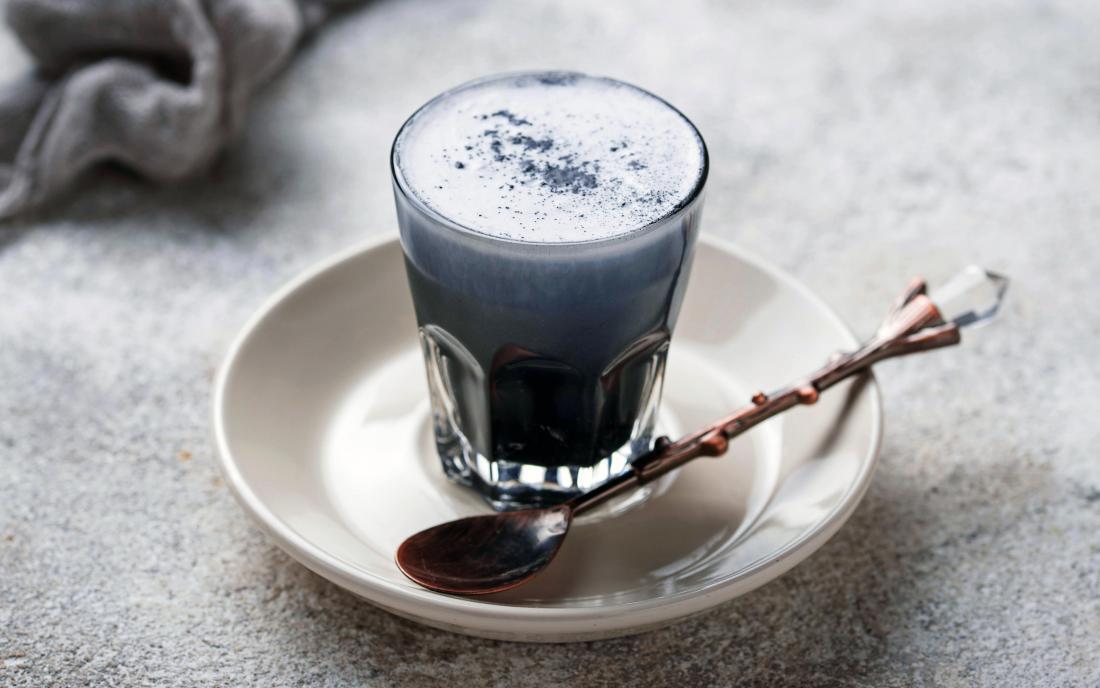
a detox drink containing activated charcoalShare on Pinterest
Activated charcoal may prevent the gut from absorbing poison.

Doctors sometimes use activated charcoal if people have ingested certain poisons. The charcoal binds to the poison in the upper digestive tract, preventing the gut from absorbing it.

Charcoal comes from burning carbon-rich material, such as wood, to produce a fine, black substance.

Manufacturers then treat the charcoal to make it more porous. Increasing its surface area in this way allows more substances to bind to it. This treatment is what makes the charcoal “activated.”

The next stage of manufacturing involves making the powder into a beverage.

Activated charcoal can only bind to certain substances. For this reason, it can only help prevent the effects of specific poisons.

Other uses for activated charcoal include:

Some over-the-counter activated charcoal products claim to support general detoxification of the body. However, no scientific evidence currently supports these claims.

The different uses of activated charcoal are outlined below, along with information about their effectiveness.

Intoxications

Activated charcoal can prevent the body from absorbing toxic substances that bind to this type of charcoal.

If a person ingests one of these specific toxins, they must receive activated charcoal treatment within 1 hour for it to work. After this time, the substance will have left the stomach, and the treatment will be ineffective.

However, some substances move through the digestive tract more slowly than others, and a doctor may decide to administer activated charcoal beyond the typical 1-hour window. In this case, the person will receive a single dose.

The right amount of activated charcoal depends on the amount of poison that the person has swallowed. The initial dose of charcoal may be 40 times the amount of the poison ingested.

Another strategy involves administering a dose of 1 gram of activated charcoal per kilogram of bodyweight. The doctor may choose this option if they are unsure how much poison the person has ingested.

In some cases, the doctor may prescribe multiple doses of activated charcoal. This can help treat life threatening poisonings that result from ingesting:

  • acetaminophen
  • aspirin
  • carbamazepine
  • dapsone
  • phenobarbital
  • quinidine
  • theophylline
  • amitriptyline
  • dextropropoxyphene
  • digitoxin
  • digoxin
  • disopyramide
  • nadolol
  • phenylbutazone
  • phenytoin
  • piroxicam
  • sotalol
  • amiodarone
  • dosulepin
  • duloxetine
  • lamotrigine
  • valproic acid
  • verapamil

Certain substances do not bind to activated charcoal. As a result, charcoal will not help combat the toxic effects of these substances, which include:

  • some metals, such as salts of iron and lithium
  • hydrocarbons, such as gasoline and paint thinners

Also, activated charcoal cannot eliminate the following substances:

  • alcohol
  • electrolytes, such as magnesium, potassium, and sodium
  • very acidic or very alkaline substances, which are sometimes called “caustic”

Removing heavy metals from drinking water

Heavy metals, such as lead, nickel, and chromium, can be harmful to humans, even in very small amounts.

A 2014 study tested whether activated carbon could remove heavy metals from drinking water.

The researchers found that activated carbon removed, for example, 90% of nickel from drinking water. However, it was less effective than a combined water treatment of activated carbon and silica.

Protection against organic vapors

Certain products give off vapors that are damaging to health. Examples include:

  • paints
  • adhesives
  • plastics

In workplaces that use or produce these products, employees have a risk of inhaling these toxic vapors.

Workplaces often require at risk staff to wear respirators containing activated charcoal cartridges. The cartridges filter out the airborne toxins so that the person does not inhale them.

Removing phosphorus from the blood

When a person has chronic kidney disease, their kidneys are less able to remove excess phosphorus from their blood. This can result in various complications, particularly cardiovascular disease.

In 2019, researchers investigated whether oral activated charcoal could remove phosphorus from the blood of people with kidney disease.

One group of participants with this disease received activated charcoal, while two similar groups received other phosphorus-binding substances.

The researchers found that the participants who had taken activated charcoal showed significantly delayed increases in phosphorus levels, which could improve health in people with kidney disease.

Many people do not enjoy the taste or texture of activated charcoal drinks. Some even vomit after swallowing this substance.

Experts report that some people aspirate their vomit after drinking activated charcoal. Aspiration, in this case, involves inhaling vomit into the lungs. This can lead to an infection called aspiration pneumonia.

Also, large or repeated doses of activated charcoal can cause a blockage in a person’s digestive tract.

Because of these dangers, doctors will only give people activated charcoal if the benefits outweigh the risks.

Experts do not recommend activated charcoal detoxes for general use. Unless the levels of toxins are high, the body is typically able to detoxify itself.

Activated charcoal is only effective against certain toxins in certain circumstances.

Doctors use it to remove specific poisons from the body shortly after ingestion. Also, the treatment is only effective while the toxins remain in the upper digestive tract.

In addition, activated charcoal can remove some toxins from the air and water, and doctors have used it to filter excess phosphorus from the blood of people with chronic kidney disease.

Activated charcoal can cause adverse effects, especially in large or repeated doses. A doctor will only administer it if the potential benefits outweigh the risks.

Share Button