Swedish massage vs. deep tissue massage: What’s the difference?

Swedish massage and deep tissue massage are two popular forms of massage.

Swedish massage uses long strokes and light-to-firm pressure to provide gentle relaxation. Deep tissue massage is a more forceful technique that releases tension deep in the muscles and connective tissues.

As Swedish massage is the basis for many deep tissue techniques, the two therapies share many similarities. There are also some key differences that may help a person decide which method will be best for them.

Read on to find out about the different massage therapies and their intended uses. We also provide tips on how to prepare for a massage session.

Swedish massage forms the basis of deep tissue massage. However, there are some distinct differences between the two massage therapies. These include:

Technique
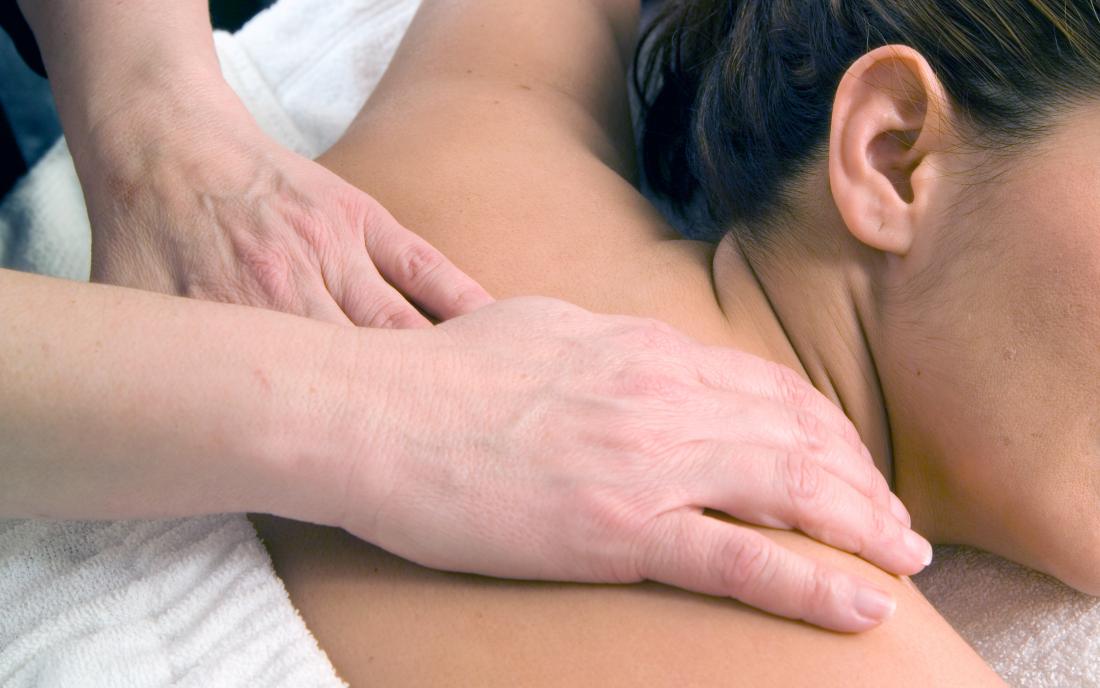
a woman receiving either a swedish massage or deep tissueShare on Pinterest
Swedish massage and deep tissue massage have distinct differences.

Swedish massage uses a series of light, long strokes to ease surface tension and stimulate circulation in the muscles.

Deep tissue massage may include strokes similar to those of Swedish massage, but the therapist will apply the strokes more forcefully.

This intensity helps release tension in the deeper layers of muscle and in the connective tissues, or fascia, beneath the muscles.

Pressure

The massage types also vary in the degree of pressure that the therapist applies.

Swedish massage involves long strokes using light-to-firm pressure. This style generally provides a more relaxing experience, but the pressure may not be enough for some people.

In contrast, deep tissue massage applies much more pressure to release tension deep within the muscles and fascia. It may be too strong for people who simply want a relaxing massage.

Intended use

The massage types also vary in their intended uses.

Swedish massage is a popular massage for relaxation. The light-to-moderate pressure is good for relieving light muscle tension and stress. It can leave a person feeling rejuvenated.

Deep tissue massage is mainly for working out deep muscle tension or aiding recovery from a muscle strain. To achieve this, the therapist must apply greater pressure, and this can cause some discomfort. As a result, deep tissue massage is typically not for relaxation or stress relief.

Swedish massage involves long, gliding strokes in combination with kneading and friction to release surface tension.

Swedish massage uses five basic strokes, which form the basis of many other types of massage therapy. The five basic strokes are:

  • Effleurage: This massage movement involves long, gentle, rhythmic strokes across the skin. Besides being deeply relaxing, these strokes allow the massage therapist to feel the general muscle tone and identify any problem areas that need work.
  • Friction: Friction strokes are short, fast strokes that create heat as the hands or fingers rub against the body. This heat promotes circulation in the area and eases tension.
  • Petrissage: Petrissage uses a squeezing technique and lifts the muscle to help release tension.
  • Vibration: Vibration is a stroke that involves rapid, superficial movements of the fingertips or palms. If the therapist performs it correctly, it can feel very relaxing for the entire body.
  • Tapotement: Tapotement is a series of strikes to the body that helps relax a tense muscle. Many people are familiar with the “karate chop” massage technique, which is one form of tapotement.

Who is it best for?

Swedish massage is a lighter form of massage. It may be best for people who simply require stress relief.

Stress can exacerbate the symptoms of generalized anxiety disorder (GAD). A 2016 study investigated whether Swedish massage could reduce symptoms of GAD in people who were not receiving treatment for the disorder.

Over 6 weeks, some participants received Swedish massage twice a week, while a control group received light touch only. In comparison with the control group, the participants who received the Swedish massage had significant reductions in their anxiety scores. The researchers concluded that Swedish massage might be an effective treatment for GAD.

Swedish massage may also be beneficial for people with circulatory issues. A 2013 study found that a 4 week course of weekly Swedish massage sessions reduced heart rate and blood pressure in women with hypertension.

During deep tissue massage, the therapist applies slow, forceful strokes. These help release knots and strains in the deeper layers of muscle and connective tissue.

The overall aim is to realign the muscles and release chronic muscle tension from ailments or injuries.

Deep tissue massage can be slightly uncomfortable at times, especially when the therapist is working on a knot in the muscle. However, deep tissue massage should not be painful. Forcing very tight muscles or knots may do more damage to the delicate areas.

Who is it best for?

Deep tissue massage is popular among people who are recovering from muscle injuries due to sports or an accident.

People who have structural abnormalities of the spine and muscles may also benefit from deep tissue massage. This form of massage can often help release chronic muscle tension and promote correct muscle function.

Before making an appointment, people should consider the type of massage that will best suit their needs. Many massage therapy practices will specialize in certain forms of therapy, such as sports injury recovery or pregnancy massage. Finding a suitable specialist increases the likelihood of a more effective and enjoyable massage.

Some people get more out of the massage session if they have managed to de-stress beforehand. A visit to a sauna or spa can be a good way to release tension.

It is also a good idea to shower before the appointment, both as a common courtesy to the massage therapist and to provide peace of mind to the person receiving the massage.

Before the session begins, a person should talk to the therapist about their preferred level of pressure during the massage. People can also mention any muscle tensions or sore spots on which they would like the therapist to work. It is also important to make the therapist aware of any injuries or sensitive areas to avoid.

Swedish massage and deep tissue massage are popular forms of massage therapy. Although some of their techniques are similar, they differ in the amount of pressure that they involve and in their intended purpose.

Swedish massage helps promote circulation and relax the surface muscles. Deep tissue massage works into the deeper layers of muscle and connective tissue to remove knots or chronic tension.

To find a massage session beneficial, people must choose the technique that best suits their needs. An accredited massage therapist will be able to offer further advice and guidance.

Share Button

What are the best home remedies for fever?

Fever occurs when a person’s body temperature rises above the normal range. Although fevers tend to be harmless, they can cause great discomfort. A very high or persistent fever sometimes requires medical attention, though most fevers only require treatment with home remedies.

Infection is the most common cause of fever. In fact, developing a fever is the body’s way of helping fight off the infection.

Some other causes include inflammatory conditions, certain cancers, and reactions to drugs or vaccines.

However, there are many ways to treat a fever at home. In this article, learn about some safe and effective fever home remedies for people of all ages.

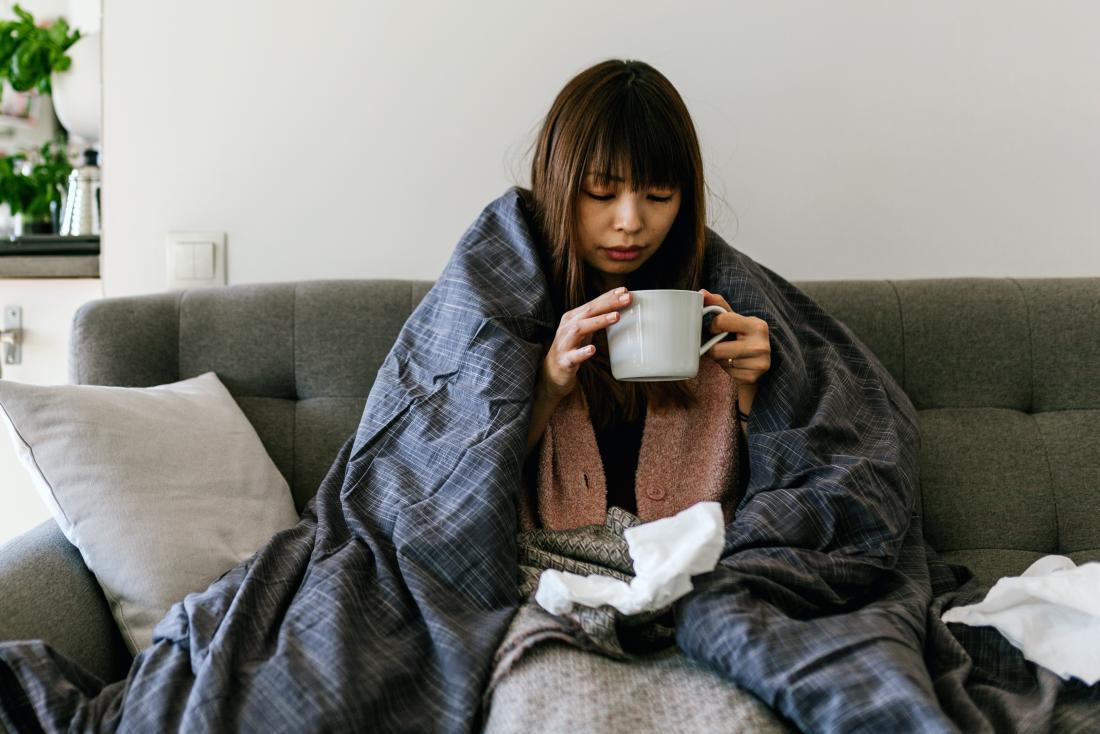
a woman with a fever trying home remedies to feel betterShare on Pinterest
A person should drink lots of fluids when they have a fever.

The average body temperature is around 98.6°F (37°C). However, body temperature fluctuates naturally throughout the day, especially with physical activity.

A low grade fever occurs when a person’s body temperature reaches 100–102°F (37.8 to 39°C). A high grade fever occurs when a person’s body temperature exceeds 104°F (40°C).

Aside from a higher body temperature, a person with a fever may also experience:

Very high fevers can sometimes cause seizures. These are called “febrile seizures.” They are most common in children between 6 months and 5 years of age.

Symptoms of a febrile seizure include:

  • twitching
  • eye rolling
  • stiffness in the arms or legs
  • convulsions
  • loss of consciousness

Febrile seizures tend to last a few minutes and do not usually cause any serious health problems. However, a child who has had a febrile seizure is more likely to have them again in future.

There are several things an adult can do to feel more comfortable when they have a fever. These include:

Drinking lots of fluids

During a fever, the body needs to use more water to compensate for its elevated temperature. This can lead to dehydration.

Drinking water or an electrolyte replacement drink can help rehydrate the body.

Resting

Fighting an infection takes a lot of energy. People should rest as much as possible to help the body recover.

Taking a tepid bath

Many people consider taking a cold bath when they have a fever. However, doing so can cause shivering, which will increase body temperature even more.

Instead, people can take a lukewarm or tepid bath to help the body cool off. A bath can also help soothe tired muscles.

Using over-the-counter medications

Medications are not usually necessary to treat a fever. However, some over-the-counter (OTC) medications can help reduce a fever and make a person feel more comfortable. These medications include:

Dressing lightly

Having a fever can cause a person to feel hot one minute and cold the next. Wearing too many layers can trap heat against the body, raising body temperature further.

People should wear few layers and add more if they start to feel cold.

The treatments for fever in children are very similar to those for adults. However, there are a few subtle differences.

For example, to treat a fever, children and infants should try:

Drinking plenty of fluids

Like adults, children with a fever also need plenty of fluids. However, it can be difficult to get young children to drink extra water.

Some more appealing alternatives include:

  • warm chicken broth
  • popsicles
  • flavored jello
  • diluted fruit juice

Resting

Children may feel better after taking OTC medications. As a result, they may feel more energetic and playful.

However, it is important to ensure that children rest until the fever or illness has passed.

If a child cannot sleep or relax, parents and caregivers can try reading them a story or playing them some gentle music.

Taking warm baths

Children are unlikely to appreciate bathing when they are sick. An alternative option is to place a warm washcloth on the child’s forehead to help soothe the fever.

People should never apply rubbing alcohol to a child’s skin in an attempt to soothe a fever. Alcohol can be dangerous when absorbed into the skin.

Taking OTC medications

As with adults, medication is not usually necessary for a child with fever. However, taking OTC medications can help reduce a fever and make a child feel more comfortable.

One drug that is suitable for children of most ages is acetaminophen. It is available under the brand name Tylenol.

Tylenol’s manufacturers state that it is suitable for use even in very young infants. However, the Food and Drug Administration (FDA) do not supply dosage instructions for acetaminophen in children under 2 years of age.

People who wish to treat a young infant should ask their doctor’s or pharmacist’s advice on appropriate dosages.

Some medications are not suitable for children under certain ages. These include aspirin, which is not suitable for people under 16 years of age, and ibuprofen, which is not suitable for children under 3 months of age or those who weigh under 5 kilograms.

Ibuprofen is also not suitable for children with asthma.

People should be sure to see a doctor if they or their child experience a very high or persistent fever that does not respond to medication.

It is also important to seek medical attention if the fever is accompanied by any of the following symptoms:

  • stiffness or pain in the neck
  • sensitivity to light
  • rash
  • dehydration
  • seizure

These symptoms could indicate a more serious infection, such as meningitis.

The threshold for seeking medical treatment is typically lower for children and infants than it is for adults. In general, people should seek medical treatment for a child who:

  • is under 3 months old and has a fever of 100.4°F (38°C) or higher
  • is 3–6 months old and has a temperature of 102.2°F (39°C) or higher
  • has a fever that has lasted for longer than 5 days
  • has other signs of illness, such as a rash
  • has symptoms of dehydration, such as sunken eyes, a lack of tears when crying, or nappies that are not very wet
  • is not eating and seems generally unwell

Fever is a common symptom of infection and inflammation. In most cases, a person can help soothe a fever at home.

A fever does not usually require medical treatment. However, taking OTC medications can lower a person’s body temperature and help them feel more comfortable.

It is important to remember that some medications are not suitable for children under certain ages. Always check appropriate treatments and dosages with a doctor or pharmacist before administering them to a child or infant.

A person should see a doctor if they or their child experience a high or persistent fever that does not respond to medication. A fever that is accompanied by more serious signs of illness also requires medical attention.

Share Button

Can meditation, hypnosis, and CBT help address the opioid crisis?

A first-of-its-kind review and meta-analysis of specialized literature suggests that mind-body therapies, such as meditation and cognitive behavioral therapy, can help ease physical pain and prevent the development of opioid use disorder.
group of people meditating
Meditation and other mind-body therapies could help relieve pain and reduce opioid use, according to a new review.

Opioids are a class of drugs that doctors sometimes prescribe for the treatment of acute chronic pain.

While effective, opioids can also be highly addictive. This has led to what many specialists refer to as the “opioid crisis,” as many people end up misusing or overusing opioid prescription drugs.

In previous years, opioid use disorder — in which people compulsively overuse opioids — has led to approximately 118,000 annual deaths worldwide and about 47,600 deaths in the United States alone.

Increasingly, specialists are turning toward soothing, nonpharmacological methods of pain management to try to address the opioid crisis. These include mind-body therapies (MBTs), such as meditation, hypnosis, relaxation techniques, and cognitive behavioral therapy (CBT).

“To help combat the opioid crisis, guidelines encourage practitioners to consider nonopioid pain management options, including [MBTs],” write Prof. Eric Garland — from the University of Utah in Salt Lake City — and colleagues in their new systematic review and meta-analysis, which features in JAMA Internal Medicine.

Prof. Garland and team sought to find out whether and to what extent MBTs can help relieve chronic pain and prevent individuals who use or have used opioids from developing opioid-related health problems, including opioid use disorder.

‘Significant’ link with lower opioid use

The researchers analyzed the data from 60 reports, which included a total of 6,404 participants. These reports featured a range of MBTs, including meditation, hypnosis, relaxation, guided imagery, therapeutic suggestion, and CBT.

“Overall meta-analytic results revealed that MBTs had a statistically significant, moderate association with reduced pain intensity and a statistically significant, small association with reduced opioid dosing,” the authors report.

Different MBTs, however, showed various levels of effectiveness when it came to relieving pain and reducing individuals’ need for opioids.

More specifically, of the five studies looking at the effects of meditation, all five suggested that this intervention was associated with “significant improvements in pain severity,” while four found that it also had a link with “significant improvements in opioid misuse, opioid craving, time to opioid cessation, and/or opioid use.”

When it came to hypnosis, 15 out of 23 studies suggested that this intervention could significantly alleviate pain, and 12 out of 23 said that it significantly reduced opioid use and cravings for these substances.

Other interventions that were helpful in these regards were relaxation and CBT. Of the 16 studies looking at the effectiveness of relaxation, 12 found that it helped lower pain intensity. However, only three of the relaxation studies reported a link between this intervention and lower opioid use.

In addition, two studies reported possible side effects of using relaxation. Some individuals, these studies found, reported “significantly worsened opioid dosing outcomes” following relaxation interventions.

Three of the seven studies investigating CBT found that this form of therapy led to “statistically significant improvements in pain intensity,” and four of the studies reported that CBT helped reduce opioid use or misuse.

Guided imagery and therapeutic suggestion did not appear to be significantly associated with improvements in pain or opioid use.

Doctors should take MBTs into consideration

The review authors admit that the data that they worked with were not ideal. For one, they explain, they would have welcomed having access to a higher number of studies that had collected more specific information on opioid dosing, drug type, dose frequency, and duration of use.

For another, they emphasize that the studies that they analyzed relied on self-reported data, which can be unreliable. Yet the researchers still argue that their findings are encouraging — most MBTs, they say, appear to have no side effects, and people could really find them helpful. They conclude:

“Practitioners should consider presenting MBTs as nonpharmacologic adjuncts to opioid analgesic therapy. […] Behavioral healthcare professionals working alongside physicians could feasibly integrate MBTs into standard medical practice through coordinated care management.”

“Insofar as MBTs are associated with pain relief and opioid use reduction among patients prescribed opioids for a range of pain conditions,” they add, “MBTs may help alleviate the opioid crisis.”

Share Button

Tea tree oil for nail fungus: Does it work?

You have chosen to share the following article:

How elderberries can help you fight the flu

To proceed, simply complete the form below, and a link to the article will be sent by email on your behalf.
Note: Please don’t include any URLs in your comments, as they will be removed upon submission.

We do not store details you enter into this form. Please see our privacy policy for more information.

Message sent successfully

The details of this article have been emailed on your behalf.

Click here to return to the Medical News Today home page.

Share Button

CBD: Online interest is peaking

According to a new analysis, there are now more internet searches for cannabidiol (CBD) information than any other alternative therapies.
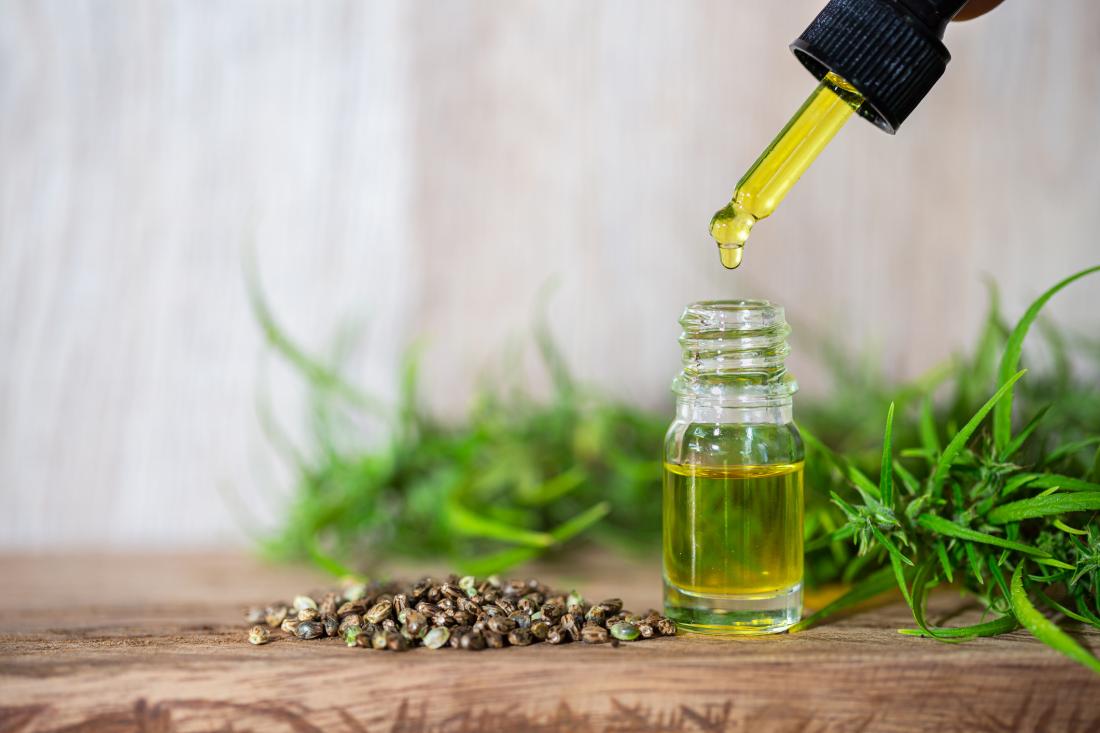
cbd oil
People’s interest in CBD products is skyrocketing, according to a new study.

Acne, pain, menstrual problems, and opioid addiction — the range of conditions that cannabidiol (CBD) can apparently treat seems endless. But does the compound really work? The answer remains unclear.

Nonetheless, CBD is having a moment, says a research letter that JAMA Network Open has published.

The analysis of online searches by the population of the United States reveals that millions are equally or more interested in CBD than they are in any other health products and topics.

Dr. Davey Smith, chief of infectious diseases and global public health at the University of California (UC), San Diego, says: “At this time there are no known benefits for taking CBD over the counter. CBD is this generation’s snake oil, where millions are engaging with the product without evidence of any benefit.”

CBD takes the stage

CBD is not new, with people having first extracted it from the cannabis plant in 1940. However, it has recently become available in an array of products, from gummies to ice cream, in the form of massage oil, and as droplets.

It is fair to say that public interest in CBD is high. Study co-author John W. Ayers notes that “3 years ago, there was essentially no one searching about CBD online, but now there are an estimated 6.4 million unique searches each month.”

CBD’s value as a health supplement remains indeterminate, with few major health authorities weighing in on its benefits or potential side effects.

The authors of the study believe that this is because they may not understand the extent to which people are interested in the substance. The team hopes to remedy this with hard data that prompt experts to prioritize more research.

Online curiosity about CBD

Health scientists from UC San Diego analyzed the frequency of U.S. Google searches for either “CBD” or “cannabidiol” from January 2004 through to April 2019.

Next, using this data, they extrapolated search traffic out through December 2019.

“Rather than relying on self-reports where some might not be willing to discuss CBD openly, we directly observed millions of instances of people seeking out information or even shopping for CBD online.”

Lead study author Dr. Eric Leas

During the last 3 years, the increase in CBD searches has been particularly pronounced. It increased by 125% during 2017 and then 160% during 2018. Experts expect it to be up by 180% again in 2019.

The researchers noted increased interest in CBD throughout the U.S. In some places, interest was especially strong. For instance, searches grew by 605% in Alabama.

The booming number of inquiries that the team recorded in other states — Vermont, Wisconsin, Tennessee, Colorado, New Hampshire, and Oregon — demonstrates that CBD is a nationwide topic of interest.

The interest in CBD may be partly due to the increased destigmatization of marijuana.

Indeed, states with legalized recreational marijuana use had the greatest number of CBD searches. States allowing medicinal uses of cannabis followed, and then states in which marijuana is illegal.

In comparison with other searches

To ascertain the significance of their findings, the researchers also tracked searches for other health-related topics, products, and alternative therapies.

“When talking to colleagues about our study,” says co-author and research fellow Alicia Nobles, “we often play a game we call ‘CBD or,’ and almost every time, experts are shocked to learn that CBD is more popular or nearly as popular.”

Nobels cites an example: “For every two internet searches for dieting in the U.S., we found there is one for CBD!”

While the number of searches for CBD was roughly equal to those for yoga and e-cigarettes, CBD queries swamped the search numbers for other popular health topics, exceeding the number of searches for:

  • veganism by 112%
  • marijuana by 113%
  • exercise by 159%
  • vaccination by 163%
  • meditation by 338%
  • apple cider vinegar by 517%
  • acupuncture by 749%.

What to do as interest in CBD accelerates

This longitudinal cross-sectional study did not address actual purchases of CBD-based products. However, the rapid increase of interest in CBD that the study has documented suggests that the substance’s popularity is outpacing scientific research into the benefits and hazards of its use.

The study’s authors assert that “investigation into CBD should become a public health priority to catch up with the public’s interest.”

They conclude their paper by proposing a four-phase plan of action going forward:

  1. “Studies should focus on the epidemiology of CBD use, characterizing who uses CBD products and for what purposes.”
  2. Researchers should evaluate the effects and potential drug interactions of CBD.
  3. There is a need to develop product safety standards because the mislabeling of CBD products is common, and adulterated products have led to mass poisonings.
  4. “Marketing practices around CBD should be standardized, as marketing that misleads the public could erode trust in evidence-based medicine.”
Share Button

Are there any benefits of apple cider vinegar baths?

You have chosen to share the following article:

How elderberries can help you fight the flu

To proceed, simply complete the form below, and a link to the article will be sent by email on your behalf.
Note: Please don’t include any URLs in your comments, as they will be removed upon submission.

We do not store details you enter into this form. Please see our privacy policy for more information.

Message sent successfully

The details of this article have been emailed on your behalf.

Click here to return to the Medical News Today home page.

Share Button

Homeopathy: FDA issue new statement on risks

As the homeopathic industry grows, the Food and Drug Administration (FDA) issue a statement to present two major steps they are taking to protect the public from the potentially harmful effects of products labeled as “homeopathic.”
close up of pharmacist's hand holding homeopathic drug
The FDA caution against the potential risks of homeopathic products.

According to some estimates, a third of adults and more than 11% of children in the United States are using complementary health approaches.

In 2012, the Centers for Disease Control and Prevention (CDC) analyzed a sample of almost 89,000 adults.

They found that over 40,000 of these were taking “nonvitamin, nonmineral dietary supplements,” and that over 5,000 were using homeopathic treatments.

According to some sources, homeopathy is a $1.2 billion industry in the U.S. As more and more people start to purchase these products, the risk of unsafe products reaching consumers is also rising.

To prevent this, in 2017, the FDA issued a draft guidance document wherein they explained how they assess the risks of homeopathic products.

Now, they have revised this document and are asking the public for feedback and input on the new version.

The FDA are also withdrawing a previous compliance policy guide — entitled “Conditions Under Which Homeopathic Drugs May be Marketed” — which they issued in 1988, as the policy no longer reflects their current thinking.

Dr. Norman E. Sharpless, the acting commissioner of food and drugs, and Dr. Janet Woodcock, the director of the Center for Drug Evaluation and Research, authored the FDA statement that details these two new steps.

FDA urge public to review draft guidance

In their statement, the FDA explain the need for safeguarding the public from the potential risks of homeopathic products.

Homeopathic drugs, they say, “are made from a wide range of substances, including ingredients derived from plants, healthy or diseased animal or human sources, minerals and chemicals, including known poisons.”

“These products have the potential to cause significant and even permanent harm if they are poorly manufactured,” they claim.

As part of the revision of the 2017 draft guidance, the FDA have now detailed which categories of homeopathic products pose a higher risk to public health, and which particular ingredients and methods of administration are less likely to be safe.

They are also planning to give details on “products for vulnerable populations, and products with significant quality issues.”

The FDA call for the public’s help in revising this draft before it is final. In their statement, they say, “We encourage the public to review this revised draft guidance and comment before it is finalized.”

“We will consider feedback gathered through this new public comment period, the more than 4,500 comments interested stakeholders submitted on the original 2017 draft guidance, and information gleaned from a 2015 public hearing on the current use of homeopathic [drugs].”

The final version of the document will “provide transparency regarding the categories of homeopathic drug products that [the FDA] intend to prioritize.”

Withdrawing compliance policy guide

The FDA have also withdrawn their compliance policy guide (CPG) entitled “Conditions Under Which Homeopathic Drugs May be Marketed.”

The main reason for this withdrawal is that since issuing the CPG, the FDA have encountered several situations in which homeopathic drugs posed a significant risk to human health — even though the products, as labeled, appeared to meet the conditions described in the policy. The FDA write on their website:

“CPG 400.400 is inconsistent with our risk based approach to regulatory and enforcement action generally and therefore does not reflect our current thinking. Therefore, it is appropriate to withdraw [it].”

These two steps are part of a larger effort to protect the public from potentially harmful homeopathic products.

As part of this effort, the FDA have issued over 10 warning letters to homeopathic drug producers, with recent recipients including Kadesh Inc., U.S. Continental Marketing Inc., Fill It Pack It Inc., and Bershtel Enterprises LLC dba WePackItAll.

According to the FDA, these companies have worked together to produce and package eye drops in nonsterile conditions, which could cause serious eye infections.

The FDA also encourage consumers and healthcare professionals alike to report any adverse health effects or problems with homeopathic products to their MedWatch Adverse Event Reporting program.

Share Button

Does apple cider vinegar help with bloating?

You have chosen to share the following article:

How elderberries can help you fight the flu

To proceed, simply complete the form below, and a link to the article will be sent by email on your behalf.
Note: Please don’t include any URLs in your comments, as they will be removed upon submission.

We do not store details you enter into this form. Please see our privacy policy for more information.

Message sent successfully

The details of this article have been emailed on your behalf.

Click here to return to the Medical News Today home page.

Share Button

Does drinking urine have any real health benefits?

You have chosen to share the following article:

How elderberries can help you fight the flu

To proceed, simply complete the form below, and a link to the article will be sent by email on your behalf.
Note: Please don’t include any URLs in your comments, as they will be removed upon submission.

We do not store details you enter into this form. Please see our privacy policy for more information.

Message sent successfully

The details of this article have been emailed on your behalf.

Click here to return to the Medical News Today home page.

Share Button

Menopause: Could Chinese herbal remedies reduce hot flashes?

During menopause, many people experience hot flashes. A recent review and meta-analysis investigate whether Chinese herbal remedies might reduce the discomfort. Although the authors feel encouraged by the findings, much more data is necessary.
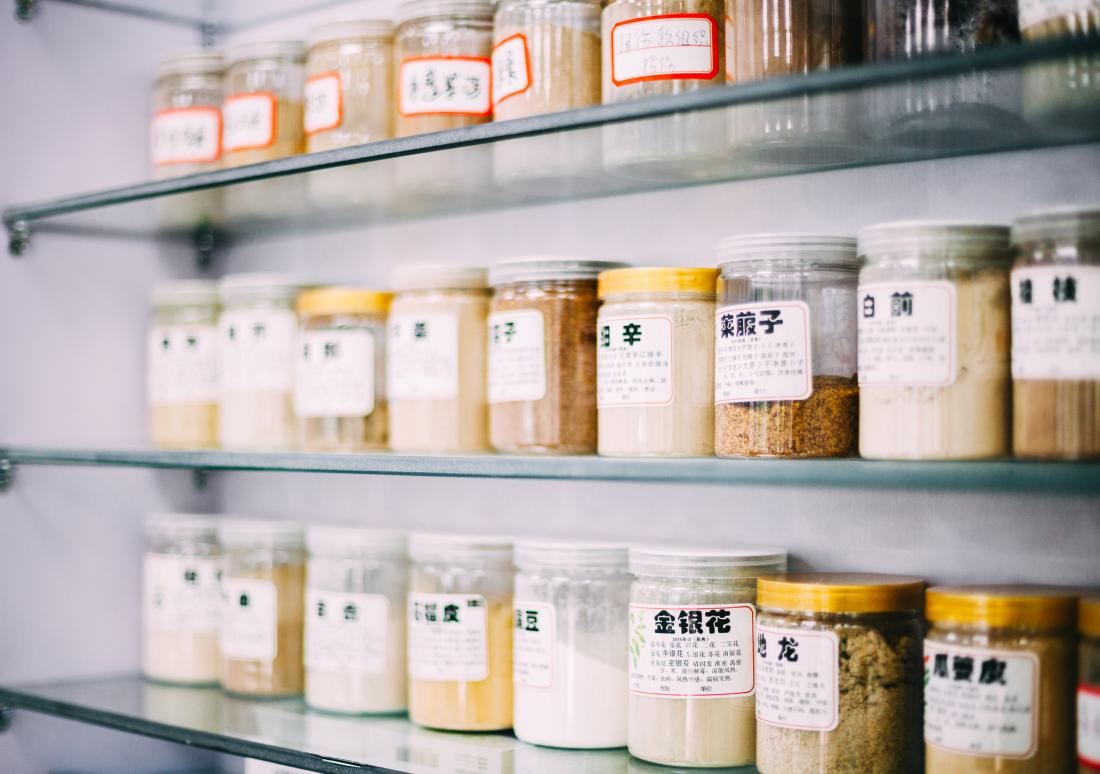
Chinese herbal remedies
Could Chinese herbal remedies relieve hot flashes?

Hot flashes affect up to 90% of women during menopause.

They have an association with poor sleep, depressed mood, and reduced quality of life.

Eventually, hot flashes will stop without medical intervention, but for some people, they can last more than a decade.

Scientists know that peripheral vasodilation plays a role in hot flashes, but they do not know precisely why they occur.

One theory is that the reduction in estrogen that occurs during menopause might be a factor. Changes in the levels of serotonin and norepinephrine might also play a part.

Currently, doctors treat hot flashes with either hormone replacement therapy or low dosages of paroxetine, which is an antidepressant medication.

Although these treatments work well for many people, they can produce unpleasant side effects. Also, doctors advise those with certain conditions, such as breast cancer, against hormone replacement therapy.

Complementary and alternative medicine

As current treatment options are not ideal for everyone, many people investigate complementary and alternative medicine (CAM) for hot flashes. In fact, one study found that 80% of women tried CAM during menopause.

CAM comes in many forms, one of which is traditional Chinese medicine. Recently, researchers carried out a review and meta-analysis of studies testing Chinese herbal treatments against hot flashes. They published their findings in PLOS ONE.

Following a literature search, the authors found 19 randomized controlled trials that investigated the clinical effects and safety of Chinese herbal medicine on hot flashes. In total, the trials included 2,469 participants.

Of the 19 studies in the review, the team included just 16 in the meta-analysis because the remaining three did not have adequate data. Overall, the authors conclude:

“This review indicated that [Chinese herbal medicine] formulae were safe to be applied in [females with menopausal hot flashes] and able to improve [menopausal hot flash]-related symptom scores as well as the peripheral blood flow.”

Importantly, the herbal interventions appeared to cause few adverse events.

How might Chinese herbs help?

The authors believe that Chinese herbal medicine might relieve hot flashes due to estrogen-like effects.

For instance, some of the herbs that the researchers used in the trials, including bai shao, dang gui, zhi mu, chai hu, huang qin, and yin yang huo, contain phytoestrogens.

Phytoestrogens, which people sometimes call dietary estrogens, are structurally similar to estrogen. If reduced estrogen plays a part in hot flashes, perhaps phytoestrogens could relieve this symptom.

The authors caution that if the benefits of Chinese herbs rely on estrogen or estrogen-like effects, “they should be used with caution when prescribed to patients with hormone-dependent conditions, such as breast cancer.”

Alternatively, calcitonin gene-related peptide might mediate the effects. This peptide affects peripheral circulation, and some research suggests that certain Chinese herbs reduce the levels of calcitonin gene-related peptide in the blood.

Not enough evidence by far

Although the authors’ overall conclusions are positive, their work has significant limitations.

For instance, the authors report substantial differences between each study in the review, which makes it difficult to compare them and collate the findings. Some studies used Chinese herbs in the form of granules, while others used them in capsule, decoction, tablet, or “honey pill” form.

The studies also varied in their design, with some comparing Chinese herbal medicines with a placebo and others comparing them with hormone replacement therapy.

Each study used different cocktails of herbs, too. For instance, one study tested a mix of just two herbs, and another study investigated a blend of 31 herbs.

In all, the 19 studies used 18 different formulations of herbs. This variation, in itself, makes it difficult to generalize the results and pool data together.

Perhaps more worrying is that in almost half of the studies, the authors detected a “high risk of bias.” This bias took different forms; for instance, “four studies investigated the herbal formulae supplied by drug manufacturers.”

In 10 of the studies, the “blinding” was inadequate. In other words, the participants may have known that they were receiving the “treatment” rather than the placebo, which could have influenced the results.

Public interest in CAM is at an all time high. Currently, the existing evidence in support of Chinese herbal remedies is relatively weak. However, because these types of treatments are cost-effective and often relatively safe, it is worth investigating them further.

Scientists need to carry out many more well-controlled, large-scale studies before they can uncover the true benefits, if any, of Chinese herbal remedies.

Share Button