Do braces hurt? What to expect

If you buy something through a link on this page, we may earn a small commission. How this works.

Braces are a type of orthodontic treatment that orthodontists use to help correct overcrowded or crooked teeth. Braces can also help correct an overbite. People who are getting braces soon or are considering them may wonder whether they hurt.

According to the American Dental Association, abnormal bites become apparent between the ages of 6 and 12 years, when children get their adult teeth. Orthodontic treatment typically begins between the ages of 8 and 14 years. In some cases, an adult may consider getting braces.

Although everyone is different, most people experience some pain for a few days when they first get braces and after brace tightening. However, others may experience only mild discomfort that goes away within a few hours.

Keep reading for more information on whether braces hurt and what to expect while they are on the teeth.

Each person will have a different experience with braces, but the following should provide a general idea of what to expect at each stage of the treatment process.

Getting braces
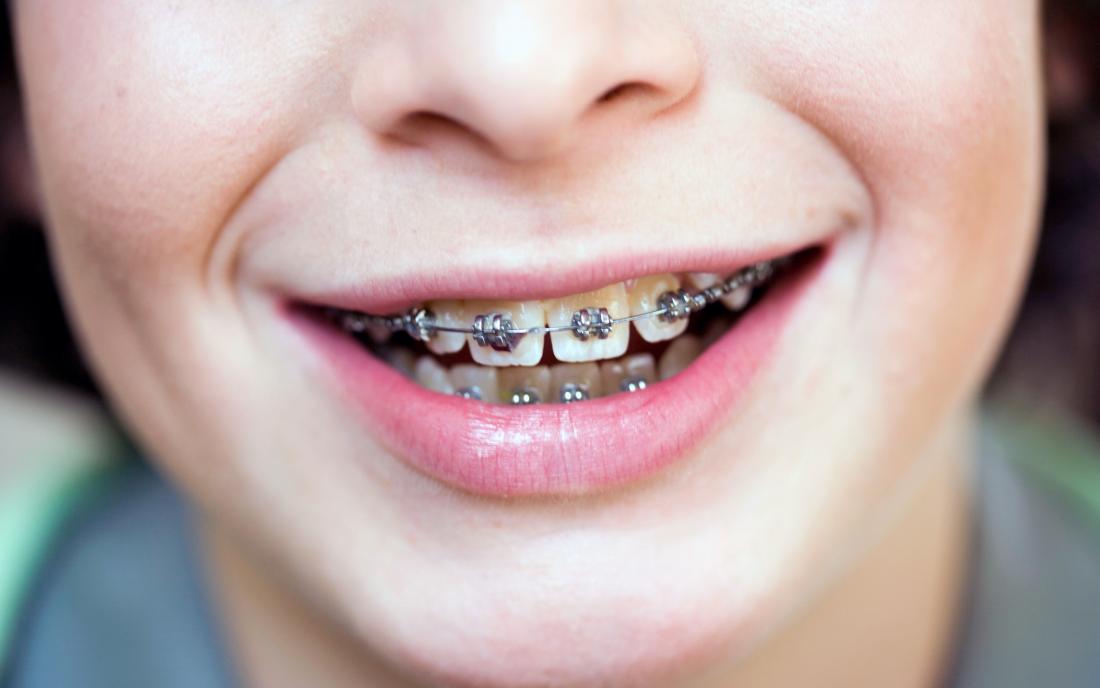
a person with braces that do not hurt himShare on Pinterest
The experience of wearing braces differs among individuals.

Some people may have to wear spacers, or separators, between their teeth for a week or two before getting braces.

These spacers may feel tight and sore for a few days, resembling the feeling of having food caught between the teeth, but the discomfort should go away.

When an orthodontist first fits the braces, a person will not usually experience any immediate pain.

An orthodontist will often attach bands around the back molars. This process may be temporarily uncomfortable because it involves some pressure and can pinch, but it is not painful.

Once the bands are in place around the molars, the orthodontist will clean or “etch” the teeth with a solution that tastes a bit sour. They will then wash this off and apply glue to the face of the top or bottom set of teeth or both.

A person may dislike the taste of the etch and glue, but these steps should not cause any discomfort or pain.

When the glue is in place, the orthodontist mounts brackets to each tooth individually, using blue light to harden the glue. Again, this part of the process should not hurt.

Finally, when the brackets are in place, the orthodontist will connect them all with a wire. They will attach each end of the wire to the bands around the molars in the back of the mouth. The final step is adding elastic bands to hold the wire in place.

Wearing braces

When the braces first go on, a person might not experience any pain or discomfort straight away. However, within a few hours, the gentle pressure that the braces put on the teeth will start to take effect.

The pressure of the braces slowly pulling the teeth into alignment can create pain and discomfort, which could last from a day or two to about a week.

Some things to expect during the first week include:

  • sore gums
  • scrapes or sores on the inside of the cheeks due to the metal brackets rubbing against them
  • potential for cuts on the tongue if the person uses their tongue to feel the braces
  • the teeth may feel sore, especially when eating food

After some time, a person may not notice their braces as much as their body adjusts. However, for braces to work, the orthodontist needs to tighten them periodically.

When an orthodontist tightens the braces, they may:

  • replace the current wires
  • place or tighten springs
  • tighten bands on the braces to put additional pressure on the teeth

Typically, tightening occurs once a month or as necessary, depending on the person’s progress.

When tightening occurs, a person is likely to experience a level of discomfort similar to that when they first got the braces. In some cases, it may be less uncomfortable.

After tightening, many people only feel pain in the teeth and gums. The cheeks and tongue have usually adjusted to the braces by now, so new abrasions on these parts of the mouth are less likely.

Removing braces

Although everyone is different, braces typically stay on for about 1 to 3 years. When it is time to take the braces off, a person may experience some discomfort as an orthodontist removes them.

An orthodontist will remove the brackets, bands, and wires before cleaning the teeth to remove any glue.

To complete the process, an orthodontist will fit the person for a retainer. A retainer is a device that helps keep teeth in their new position after braces.

People may need to wear a removable retainer for a set period after the removal of the brace, either during the day or just at night. The retainer should not cause any additional discomfort.

Some retainers are permanent and will require an orthodontist to glue them to the teeth in a similar way to braces.

It is not uncommon for people to have trouble cleaning their teeth properly while wearing braces or a retainer. This difficulty can lead to cavities and tooth decay, which can be painful.

Keeping the mouth as clean as possible with good oral hygiene and avoiding sticky, sugary foods can help prevent cavities and tooth decay.

Learn more oral hygiene tips here.

Share Button

Everything you need to know about fluoride treatment

Fluoride is a naturally occurring mineral that helps build strong teeth and prevent cavities.

For more than 70 years, most of the tap water in America has contained small amounts of fluoride to reduce tooth decay. The Centers for Disease Control and Prevention (CDC) say that fluoridated water has reduced tooth decay by about 25 percent.

Fluoride treatments may offer even more significant benefits to protect teeth. These treatments can be beneficial to people at risk of tooth decay but may not be right for everyone.

In this article, we look at the benefits and side effects of fluoride and fluoride treatment, as well as treatment recommendations.

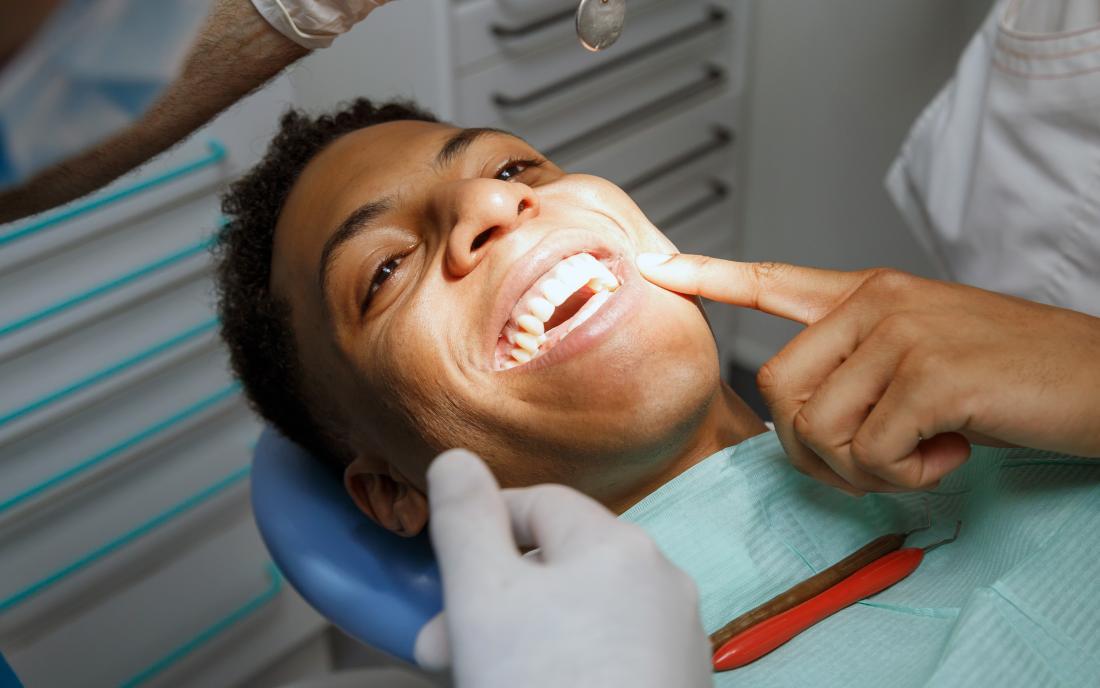
a man lying down on a dentists chair as he gets a Fluoride treatmentShare on Pinterest
A person at risk of tooth decay may benefit from fluoride treatment.

Fluoride treatments are typically professional treatments containing a high concentration of fluoride that a dentist or hygienist will apply to a person’s teeth to improve health and reduce the risk of cavities. These in-office treatments may take the form of a solution, gel, foam, or varnish.

There are also some high-concentration fluoride treatments that people can use at home but only under the specific direction of a dentist.

The fluoride dentists use in these treatments is similar to the fluoride in toothpaste. However, the treatment contains much higher doses and may offer more rapid benefits.

Fluoride has several benefits for the teeth:

  1. It helps the body better use minerals, such as calcium and phosphate. The teeth reabsorb these minerals to repair weak tooth enamel.
  2. It joins into the tooth structure when teeth are developing to strengthen the enamel of the teeth, making them less vulnerable to bacteria and cavities for life.
  3. It slows or even reverses the development of cavities by harming bacteria that cause cavities.

When taken together, these benefits may help to:

  • reduce the risk of cavities
  • slow the growth of cavities
  • delay the need for expensive dental work
  • prolong the life of baby teeth
  • reduce the amount of time and money a person has to spend at the dentist

By preventing cavities and slowing the growth of bacteria, fluoride treatment may also:

  • prevent gum disease
  • reduce tooth pain
  • prevent the premature loss of teeth

Fluoride treatments can improve oral health, which, according to the World Health Organization (WHO), is a major predictor of overall health. Poor oral health can cause a range of other health conditions, including cardiovascular disease.

Some natural health advocates have expressed concern about fluoride at high doses. They also argue that fluoride is not safe for children, and even that fluoridated water may be dangerous.

However, it is a myth that fluoride treatments or fluoridated water cause widespread harm, although some people may experience some side effects, including;

Tooth discoloration

The most common side effect of fluoride is tooth discoloration.

Fluorosis is a condition that causes white streaks or other discoloration on the teeth. Fluorosis happens when a child ingests too much fluoride while their baby and adult teeth are developing under the gums. A child can develop fluorosis from birth to 8 years of age.

Discoloration is more common among young children who consume too much fluoride, either because they take fluoride supplements or swallow toothpaste.

The United States Public Health Service have set guidelines for the amount of fluoride that community drinking water should contain to help prevent tooth decay and minimize the risk of dental fluorosis. This level currently stands at 0.7 milligrams of fluoride per liter (mg/l) of water.

Experts recommend that even children who are too young to spit the toothpaste out themselves should use fluoridated toothpaste.

The American Academy of Pediatric Dentistry (AAPD) recommend that parents or caregivers use a minuscule amount of fluoridated toothpaste as soon as the child’s first tooth erupts. This protects a child’s teeth from cavities but does not put them at risk for fluorosis if the child accidentally swallows the toothpaste.

Allergies or irritation

A person may have an allergic reaction to fluoride or experience skin irritation, though these reactions are rare.

Toxic effects

Fluoride can be toxic if a person applies it incorrectly or at very high doses. However, this is unusual.

The American Dental Association (ADA) recommend the use of professional fluoride varnish on children under 6 years old. Fluoride varnish is the preferred option for young children, as they tend to swallow foams or gels, which may cause nausea and vomiting.

The CDC and the ADA recommend that frequent exposure to small amounts of fluoride every day is the best for reducing the risk of dental cavities for all ages.

For most people, this means drinking tap water with optimal fluoride levels and brushing teeth twice a day with fluoridated toothpaste. For children and adults who may be at a higher risk of cavities, fluoride treatments can provide extra benefits.

Children

Dental cavities are the most common chronic childhood disease, five times more common than asthma.

The American Academy of Pediatrics (AAP) recommend fluoride treatment for all children as soon as their teeth begin to grow to prevent decay, pain, and future dental infections.

Dentists or doctors should repeat fluoride treatment every 3–6 months, depending on a child’s risk of cavities.

To reduce the risk of overexposure to fluoride, dentists also recommend the following:

  • Caregivers should brush children’s teeth with a small amount of fluoride toothpaste to reduce decay and minimize fluorosis risk. For children under 3 years of age, use no more than a smear or rice-sized amount of fluoridated toothpaste. For children aged 3–6, use a pea-sized amount of fluoride toothpaste.
  • Always supervise a child’s brushing to ensure they use the right amount of toothpaste, and try to get them to spit out most it if they can.
  • Children under 6 years old should not use at-home fluoride rinses, such as mouthwash, since they may swallow too much fluoride.

Adults

Fluoride recommendations for adults vary. Different studies have investigated a range of concentrations, doses, and frequencies of treatment.

If a person is at a moderate-to-high risk of developing tooth decay, professional fluoride treatment can help. Experts recommend that people at high risk of cavities get professional fluoride treatments twice a year.

People should discuss the risks and benefits of fluoride treatment with their dentists. It is essential to consider all sources of fluoride, including fluoridated toothpaste and mouthwash.

People who live in areas where the water does not contain fluoride may gain more significant benefits from regular fluoride treatments.

A sizeable body of evidence from randomized controlled trials, which are the gold standard of scientific studies, has established the benefits of topical fluoride treatments for preventing decay.

One systematic review reports that fluoride treatments, such as fluoride varnish, have a substantial effect on preventing cavities in both primary and permanent teeth.

Fluoride treatments are safe for most people. Even when there are side effects, those effects are usually minimal compared to the benefits. Most of the harm is likely to come from swallowing very high amounts of fluoride.

This does not mean that all fluoride treatments are safe for all people at all times. People with cavities or at risk of tooth decay should discuss their concerns with a dentist they trust.

Share Button

Hydrogen peroxide for teeth whitening: What to know

You have chosen to share the following article:

How elderberries can help you fight the flu

To proceed, simply complete the form below, and a link to the article will be sent by email on your behalf.
Note: Please don’t include any URLs in your comments, as they will be removed upon submission.

We do not store details you enter into this form. Please see our privacy policy for more information.

Message sent successfully

The details of this article have been emailed on your behalf.

Click here to return to the Medical News Today home page.

Share Button

How to get rid of a toothache at night

You have chosen to share the following article:

How elderberries can help you fight the flu

To proceed, simply complete the form below, and a link to the article will be sent by email on your behalf.
Note: Please don’t include any URLs in your comments, as they will be removed upon submission.

We do not store details you enter into this form. Please see our privacy policy for more information.

Message sent successfully

The details of this article have been emailed on your behalf.

Click here to return to the Medical News Today home page.

Share Button

How to relieve gum pain fast

You have chosen to share the following article:

How elderberries can help you fight the flu

To proceed, simply complete the form below, and a link to the article will be sent by email on your behalf.
Note: Please don’t include any URLs in your comments, as they will be removed upon submission.

We do not store details you enter into this form. Please see our privacy policy for more information.

Message sent successfully

The details of this article have been emailed on your behalf.

Click here to return to the Medical News Today home page.

Share Button

How to stop gums from bleeding

In most cases, people can treat minor gum bleeding at home. Good oral hygiene and natural remedies can treat and prevent gum bleeding.

Gum bleeding is common and is typically not serious. A person may notice some blood after brushing their teeth or flossing, which can irritate sensitive gums.

The most common reason a person’s gums bleed is because of plaque or tartar buildup. These substances allow bacteria to grow along the gum line. Good oral hygiene can prevent sensitivity and bleeding.

Common causes of sensitive or bleeding gums include:

  • not brushing the teeth often enough, or at least twice a day
  • using a toothbrush that is too hard or stiff
  • using a frayed, worn toothbrush that no longer cleans effectively
  • using dental floss roughly, instead of gently pushing it down and hugging the sides of each tooth
  • taking certain medicines, such as aspirin, blood thinners, or ibuprofen
  • having gingivitis, or early-stage gum disease

Try the following methods to stop gums from bleeding and to prevent the bleeding from coming back again.

1. Using gauze

Practicing good oral hygiene can help treat bleeding gums.

As with bleeding anywhere else on the body, people can help stop the bleeding by immediately holding a clean, damp gauze against the affected area.

Gently press the gauze in place until the blood has stopped flowing.

People with a weakened immune system or another medical condition may find that their gums take a long time to stop bleeding. Speak to a dentist about the best way to stop the blood flow.

2. Using ice

Hold a cool compress, a small ice pack, or an ice cube against swollen, bleeding gums to help soothe them.

Ice packs are especially helpful to soothe minor mouth injuries that cause swelling, such as cuts and scrapes. They can also help reduce pain and swelling caused by gingivitis.

Use ice for 10 minutes at a time and take 10-minute breaks. If the bleeding does not stop, some people may consider calling a doctor.

3. Using mouthwash

Antibacterial mouthwashes can both treat and prevent bleeding gums. They kill bacteria and reduce inflammation to soothe sore, swollen, and bleeding gums.

Mouthwash can also treat and prevent gingivitis, which is a common cause of bleeding gums.

Common active ingredients in mouthwashes include:

  • chlorohexidine
  • hydrogen peroxide

Keep mouthwash on hand to treat bleeding gums when they occur. People can buy mouthwash from drug stores or choose between brands online.

4. Using a warm salt rinse

Rinsing the mouth with salt water can help reduce bacteria and speed up healing times. According to the American Dental Association (ADA), a person can make an oral salt rinse by adding half a teaspoon of salt to 8 ounces of warm water.

Swish the salt rinse around the mouth to cleanse the area and then spit the liquid out. Repeat this several times a day, or according to instructions from your dentist.

5. Applying a turmeric paste

Turmeric with turmeric paste
Scientific evidence does not support turmeric paste as a treatment for bleeding gums.

Turmeric has natural antibacterial and anti-inflammatory effects. Applying a turmeric paste to the gums may improve the symptoms of gingivitis and bleeding gums.

However, there is currently no reliable scientific evidence that states turmeric has any effect on gum disease or bleeding gums.

One small-scale study compared the effects of curcumin, the active ingredient in turmeric, with the effects of chlorhexidine in oral hygiene. The researchers found similar anti-inflammatory effects in people who used these gels for 10 minutes a day twice a day.

Turmeric is yellow, but it should not stain a person’s teeth as long as they rinse well after using it. Some people use turmeric as a tooth whitening agent, especially when combined with baking soda. However, there is no evidence for this remedy’s effectiveness.

6. Using the right toothbrush

If a person has sensitive gums, they can opt for a toothbrush labeled as extra soft or sensitive. Firm or medium toothbrushes are too rough on the gums.

The ADA recommend that people use a toothbrush with soft bristles for 2 minutes twice a day. They say that both manual and electric toothbrushes are effective.

Replace toothbrushes every 3 to 4 months, or sooner if the bristles look frayed.

7. Flossing every day, but be gentle

Starting a new flossing habit can cause bleeding at first. The gums may not be used to the stimulation. However, after a few days of consistent flossing, the bleeding should stop.

Regular flossing improves overall gum health and should reduce gum bleeding over time.

8. Avoiding smoking

Smoking is a major cause of gum disease, according to the Centers for Disease Control and Prevention (CDC).

Smoking harms the body’s immune system, meaning the body is less able to fight off the bacteria that naturally stick to the gums.

Once the gums are damaged, smoking makes it harder for the body to heal its tissues.

Quitting smoking benefits the whole body, and greatly increases the health of a person’s mouth and gums. People often notice improvements in their oral health quickly after stopping smoking.

9. Trying oil pulling

Oil pulling is an ancient Ayurvedic medicine practice. It involves swishing a specific oil in the mouth for up to 20 minutes, then spitting it out. Proponents claim that it can whiten teeth and improve oral health.

Though some people may find that oil pulling helps them, the ADA do not recommend it for dental hygiene because there is a lack of scientific evidence into its effectiveness. Experts suggest that oil pulling cannot replace regular brushing and flossing.

Some limited, small-scale research suggests that oil pulling is more effective than a placebo at controlling plaque levels in the mouth. The participants in the study rinsed their mouths with coconut oil for 10 minutes each day for a week.

The theory is that oil pulling draws out the bacteria that live in the mouth while spitting the oil out removes the bacteria from the mouth. Some people use oils with antibacterial properties, such as coconut oil.

10. Avoiding processed and sugary foods

Eating starchy, processed foods too frequently may cause gingivitis and bleeding gums.

Starchy foods can stick to teeth and gums and break down into sugar. This action can lead to inflammation of the gums, bleeding, and an increase in decay.

Starchy, processed foods include refined bread, cakes, cookies, and potato chips.

11. Eating crunchy vegetables

Crunchy vegetables, such as celery and carrots, can help keep teeth clean between meals.

Their crunchy quality can help remove food residue from the teeth. Also, they contain low amounts of sugar and carbs, so they do not promote tooth decay or gum problems.

12. Eating more leafy greens

Kale and leafy greens are rich in essential nutrients.

Leafy greens, such as kale, lettuce, and spinach, are excellent sources of various nutrients, including Vitamin K.

A vitamin K deficiency can affect the amount of time it takes for blood to clot, so people low in vitamin K may notice more bleeding than usual.

People who are prone to blood clots should ask a doctor about how much vitamin K they need in their diet.

Long-term treatment and prevention

The best way to avoid bleeding gums is to adopt a healthful lifestyle that prevents the diseases that cause bleeding gums.

People can often avoid and prevent bleeding gums and other gum problems by:

  • Practicing good oral health care, including brushing twice a day and flossing once a day.
  • Replacing toothbrushes every 3 to 4 months.
  • Seeing a dentist regularly.
  • Booking regular hygienist appointments for professional cleaning and tartar removal.
  • Seeing a doctor regularly to check for health problems that can contribute to gum problems, such as diabetes.
  • Avoiding smoking or working with a doctor to find ways to quit smoking.
  • Eating a healthful diet that includes plenty of fresh fruits and vegetables and limiting processed foods and foods with added sugars.

When to see a dentist

A person should check with their dentist if they notice changes in their gums, teeth, or mouth.

Pain, redness, or bleeding of the gums should not happen every day. If the problem arises frequently or does not go away with good oral hygiene practices, a dentist can check for early-stage gum disease and other issues.

See a healthcare professional for signs of infection, such as fever or swelling.

Vitamin deficiencies such as vitamin C or K, pregnancy, and certain medical conditions can also contribute to bleeding gums. People should see their doctor or dentist if the bleeding does not go away after trying to treat this symptom at home.

Regular dental visits can stop minor, early-stage gum disease from becoming more serious. Untreated gum disease can eventually lead to infection and tooth loss. A dentist can also look after the overall health of a person’s mouth and spot bigger problems, such as the early stages of mouth cancer.

Outlook

In most minor cases, people can treat bleeding gums effectively using home remedies. It is also possible to prevent bleeding gums in the future by practicing good oral hygiene and addressing any underlying causes. See a doctor for prolonged or excessive bleeding.

A dentist can treat gum disease, especially if caught in the early stages.

If diabetes causes bleeding gums, a person can help manage their blood sugar levels and control bleeding gums and gingivitis by following a healthful lifestyle and receiving regular medical care.

If a person has a blood disorder that causes unusual bleeding, such as hemophilia, they can work with their doctor to take medications and receive other treatment as needed.

While occasional bleeding of the gums is not usually an emergency, a person should see a dentist if it continues.

Share Button