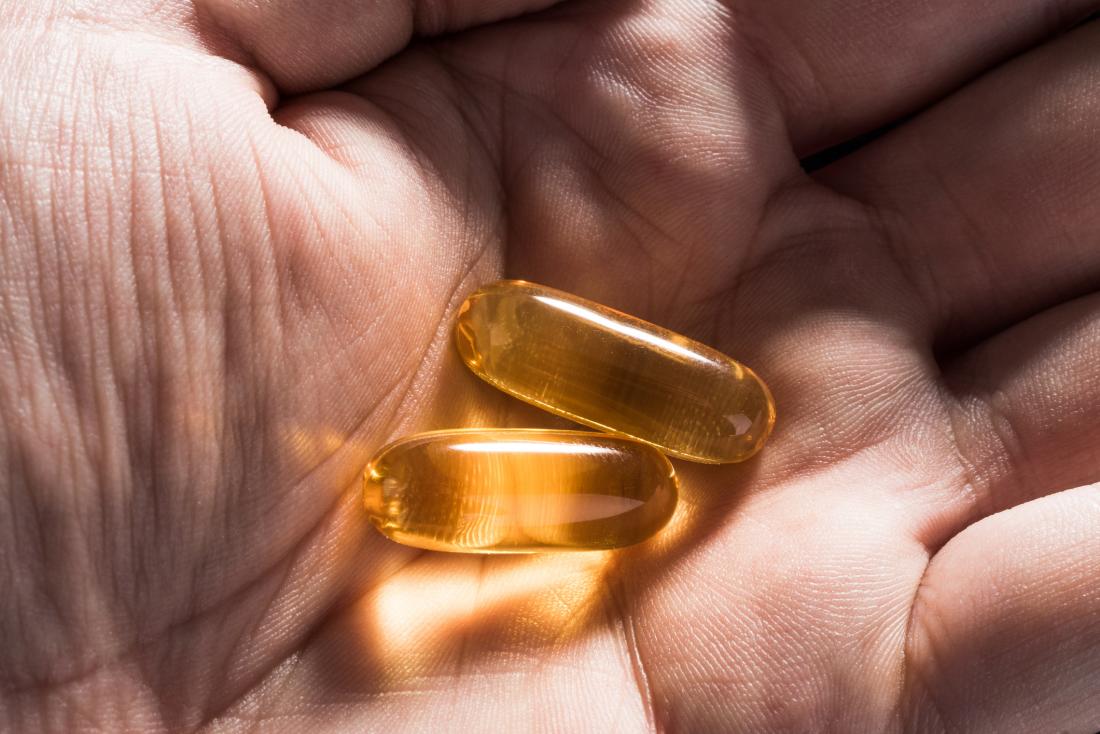
Some supplements, such as omega-3s, may indeed benefit mental health, according to a major new review.
“While there has been a long-standing interest in the use of nutrient supplements in the treatment of mental illness, the topic is often quite polarising and surrounded by either over-hyped claims or undue cynicism,” says Joseph Firth, Ph.D., a senior research fellow at Western Sydney University, in Australia.
Indeed, over time, different nutritional supplements have received, by turns, either approval or disapproval from nutritionists and researchers. Studies have concluded either that supplements can benefit various aspects of physical and mental health or that they have no significant effects at all.
In particular, supplements as potential aids in the treatment of mental health conditions have received a lot of attention of late, what with recent research suggesting that the diet may play a key role in psychological well-being.
So can supplements help support mental health, or are they of little use in this regard? To try and settle the matter, Firth and colleagues recently conducted the largest review of the existing evidence to date.
“In this most recent research, we have brought together the data from dozens and dozens of clinical trials conducted all over the world, in over 10,000 individuals treated for mental illness,” Firth says.
The researchers looked at which supplements were likely to help improve symptoms of specific conditions, including depression, anxiety disorders, bipolar disorder, personality disorders, schizophrenia, and attention deficit hyperactivity disorder (ADHD).
They present their findings in a paper featured in the journal World Psychiatry.
“This mass of data has allowed us to investigate the benefits and safety of various different nutrients for mental health conditions — on a larger scale than what has ever been possible before.”
Joseph Firth, Ph.D.
The supplements that help — sometimes
Firth and colleagues reviewed 33 top quality meta-analyses of randomized controlled trials. Collectively, the studies included in the analyses looked at data from a total of 10,951 people with various mental health conditions.
The team wanted to find out not only which supplements would benefit which conditions, but also which dosages would achieve those positive effects and how safe the supplements actually are.
In the “Discussion” section of their paper, the authors report that “The majority of nutritional supplements assessed did not significantly improve mental health outcomes.”
However, they note, a few supplements did help improve specific symptoms of particular disorders “under certain conditions” and when the person took them alongside other treatments.
The meta-analyses that the researchers assessed indicated that omega-3 supplements could help relieve symptoms of major depression in people who also take antidepressants.
Also, limited evidence suggested that omega-3 supplements may offer small improvements to some people with ADHD.
For mood disorders and schizophrenia, N-acetylcysteine — an amino acid — seemed to help when individuals took it alongside their regular treatments.
Various dosages of folate-based supplements seemed to help with managing symptoms of depression and schizophrenia — though folic acid did not have this effect.
Yet when it comes to vitamins and minerals, the researchers found no compelling evidence to suggest that these could help manage any symptoms related to mental health.
However, the researchers add, as long as individuals follow dosage recommendations, they are not likely to experience serious adverse effects of taking any supplements. Moreover, supplements did not appear to interact with psychiatric medications.
“Future research should aim to determine which individuals might benefit most from evidence-based supplements and to better understand the underlying mechanisms, so we can adopt a targeted approach to supplement use in mental health treatment,” advises senior researcher Prof. Jerome Sarris.
“The role of the gut microbiome in mental health is a rapidly emerging field of research; however, more research is needed into the role of ‘psychobiotics’ in mental health treatment,” he cautions.