Revealed: The Met Is Facing More Than 60 Probes By Police Watchdog

Questions have been raised over the accountability of the Metropolitan Police after it emerged the force was facing 63 active investigations from the independent watchdog – with some going back years.

The figure was provided by the Independent Office for Police Conduct (IOPC) after a request from HuffPost UK following a series of complaints about the UK’s largest police force in recent months.

Our data request initially revealed one investigation still ongoing that was first opened in March 2015, and four cases still active for each of 2018/19 and 2019/20. One of these, involving an officer who hit a vulnerable teenager 34 times with a baton and sprayed her up close with CS gas, was finally concluded on Friday as we published this story.

The watchdog, set up out the ashes of the Independent Police Complaints Commission in 2018 to ensure “greater accountability to public”, has an annual budget of around £73m and last year received around 4,300 referrals nationally. 

Forces must refer the worst incidents to the IOPC – such as if someone dies or is seriously injured following police action – and if they receive a complaint it considers legitimate. The IPOC can also “call in” smaller investigations being carried out by forces into themselves, if they consider incidents to be serious enough.

But there are warnings “the system is broken” as the IOPC’s probes into the Met have come into sharp focus this year.

In March, the watchdog announced it was launching two separate investigations relating to Sarah Everard, whose death put a global spotlight onto violence against women and girls. One is examining how Wayne Couzens, the serving officer charged with Everard’s murder, came to sustain serious injuries while in custody. The other investigation is examining an “inappropriate” graphic that was allegedly shared by an officer who took part in search operations.
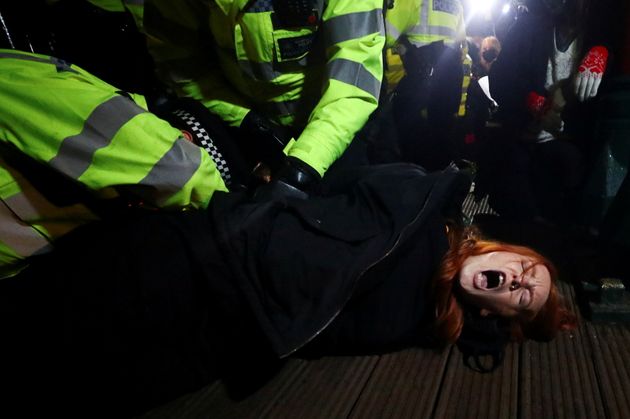
Hannah Mckay via REUTERS

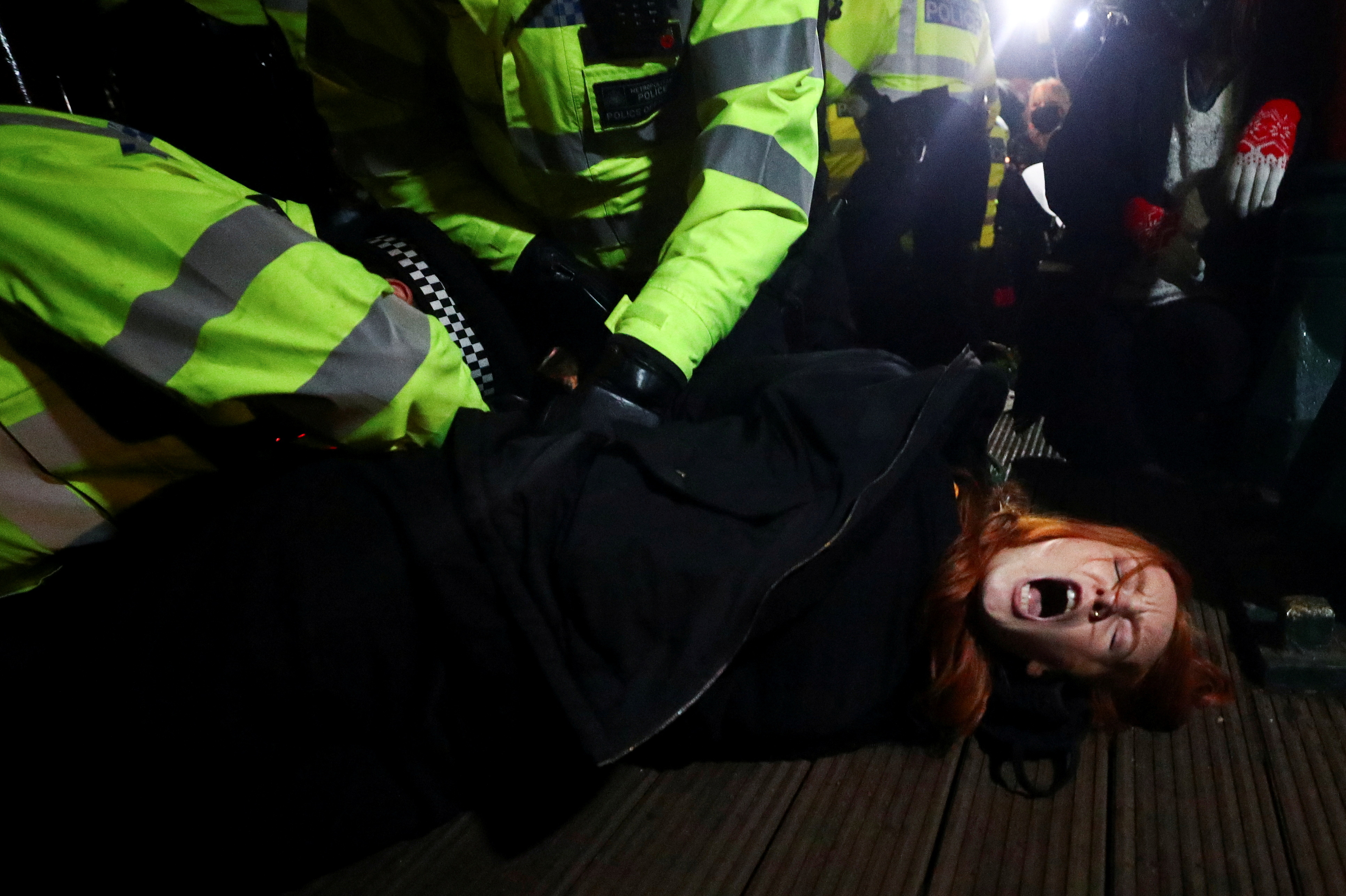
Police detain Patsy Stevenson as people gather at a memorial site in Clapham Common Bandstand following the murder of Sarah Everard.

In the last week, the IOPC’s investigations of the Met led to two more developments.

On Monday, it announced the Met would face scrutiny over how it handled the disappearance of 19-year-old Richard Okorogheye, whose body was found in Epping Forest, Essex, in April. The watchdog is investigating whether racism played a part in the search following complaints from Okorogheye’s mother, Evidence Joel.

“Maybe it’s the culture, my language barrier,” Joel told Channel 4 News, adding that she believed officers considered her to be “one of those African women who was being frantic” and did not immediate take action to find her son.

On Wednesday, the Crown Prosecution Service announced two police officers had been charged with misconduct following an IOPC investigation into the circulation of inappropriate photographs of sisters Nicole Smallman, 27, and Bibaa Henry, 46, who had been stabbed to death in a north London park. The watchdog carried out a criminal investigation into allegations that the officers, Pc Deniz Jaffer, 47, and Pc Jamie Lewis, 32, took “non-official and inappropriate photographs” of the crime scene before sharing them on WhatsApp.
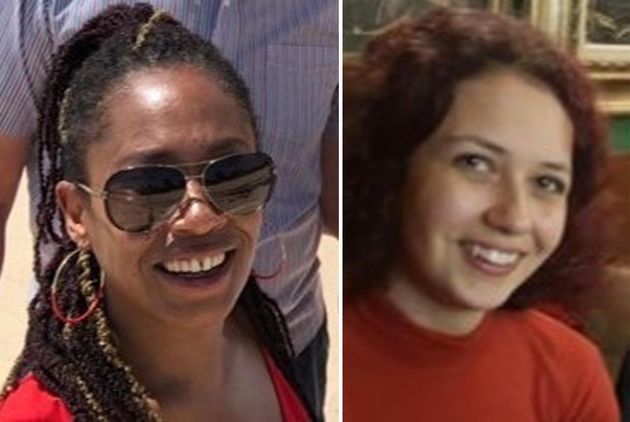
PA

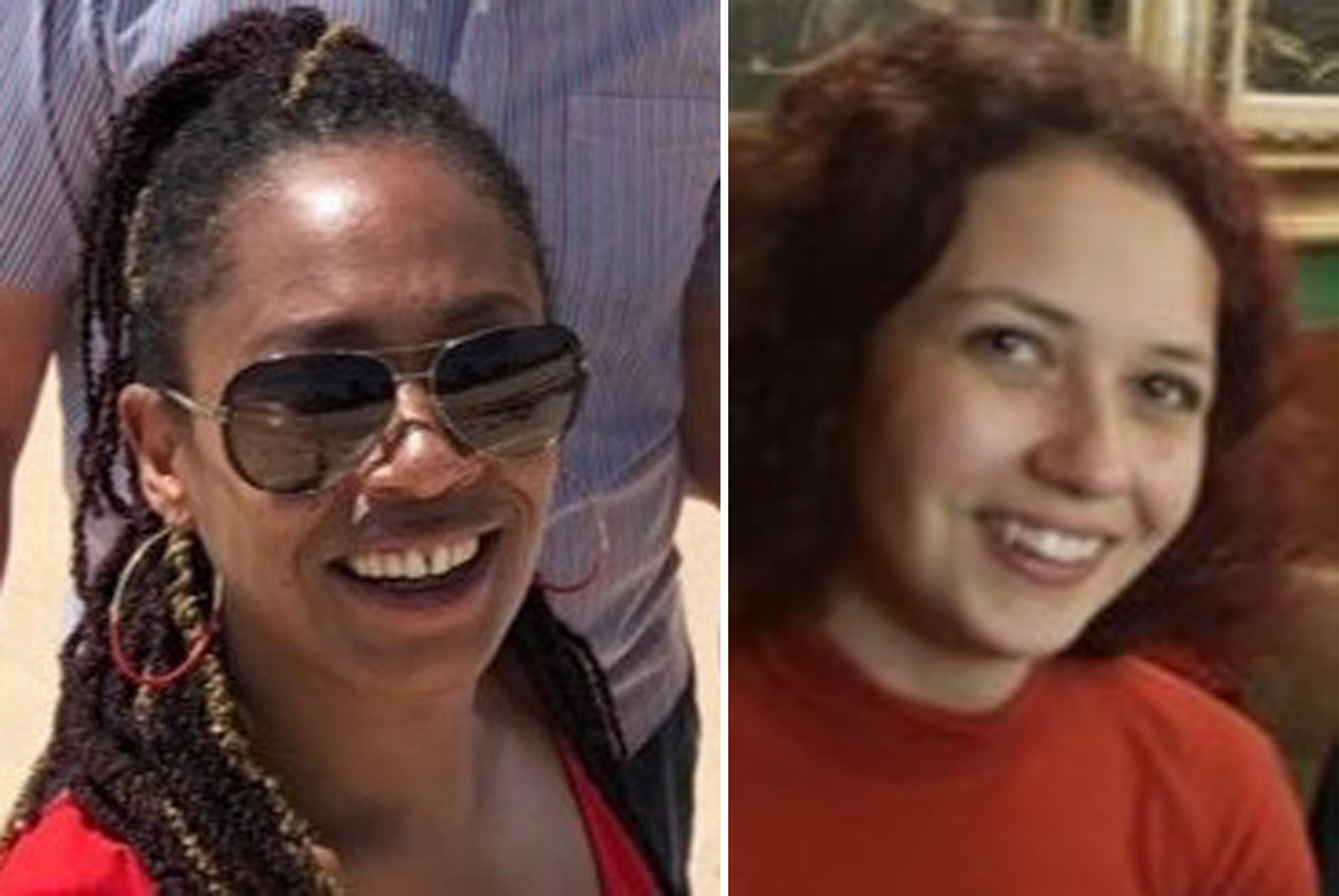
Bibaa Henry (left) and Nicole Smallman, who were stabbed to death at Fryent Country Park in Wembley in the early hours of June 6.

But the investigations go back a number of years.

The longest-running, HuffPost UK understands, relates to the death of Black teenager Stephen Lawrence. In 2015, the Independent Police Complaints Commission announced former Scotland Yard commissioner Lord Stevens would be investigated into claims that documents were not passed to the 1998 Stephen Lawrence public inquiry led by Sir William Macpherson.

A referral followed a complaint to the force on behalf of Neville Lawrence, Stephen’s father, that there was a “failure of top rank or very senior officers, including but not limited to the deputy commissioner Sir John Stevens, to provide full, frank and truthful information to the Macpherson Inquiry on the issue of corruption”.

It focused on two letters sent by Lord Stevens, but was halted while four former Met officers were investigated over their work on the initial murder investigation. The CPS is still to decide if the four are to be charged, six years after the complaint was opened.

Another still ongoing investigation began following British sprinter Bianca Williams accusing the Met of “racial profiling” after she and her partner were stopped and searched by officers in west London in July last year. The European and Commonwealth gold medallist and Ricardo dos Santos, 25, the Portuguese record holder over 400m, were stopped and handcuffed while with their three-month-old baby in Maida Vale.

Video footage shared widely on social media showed the pair – who are both Black – being aggressively pulled out of a car by officers. The distressed athlete is heard repeatedly saying: “My son is in the car.”

Met Commissioner Dame Cressida Dick later apologised and launched a review into the use of handcuffs pre-arrest after the vehicle stop.

Last year, the watchdog said it made 11 recommendations for the Met to improve its use of stop and search powers after a review of cases found the “legitimacy of stop and searches was being undermined” by a number of issues, including a lack of understanding about the impact of disproportionality and poor communication.

In one investigation, a Black man in possession of someone else’s credit card was suspected of having stolen it even after providing a credible explanation. In another case, officers used stop and search powers after brothers Liam and Dijon Joseph, who are Black, fist-bumped, claiming they believed they had been exchanging drugs.
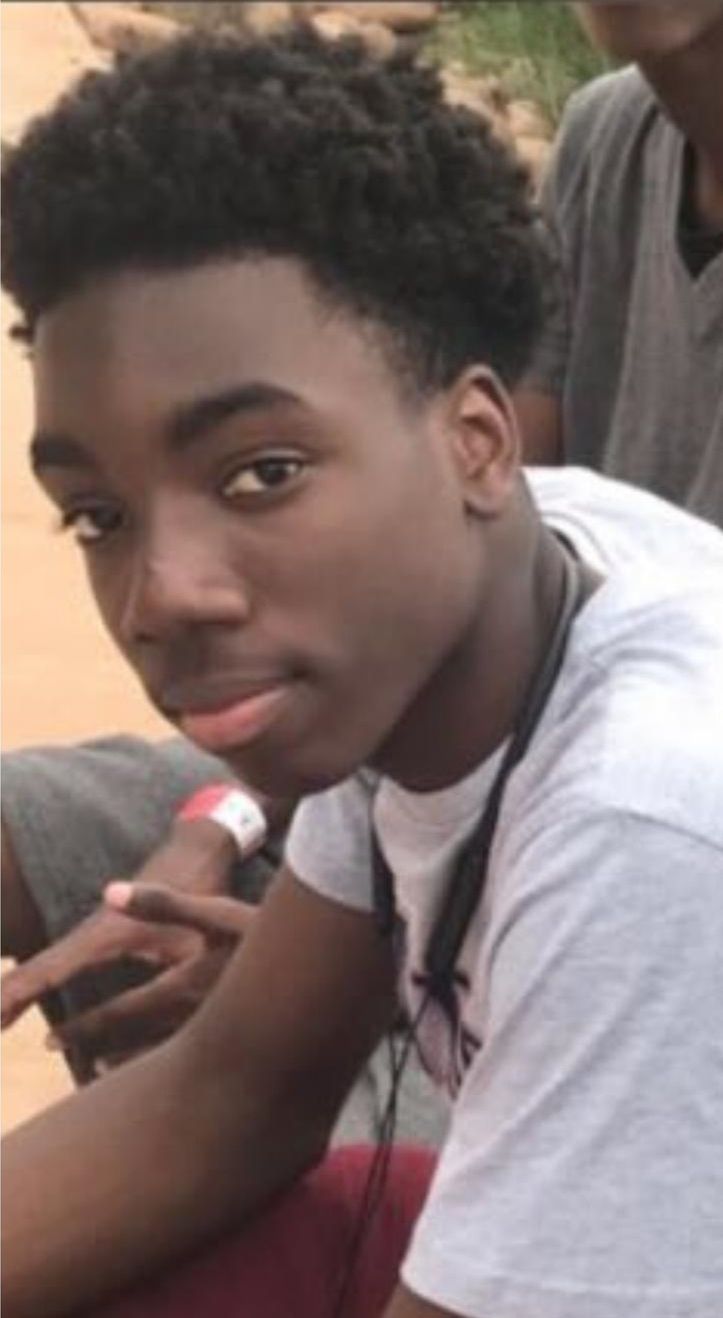
Family HandoutPA

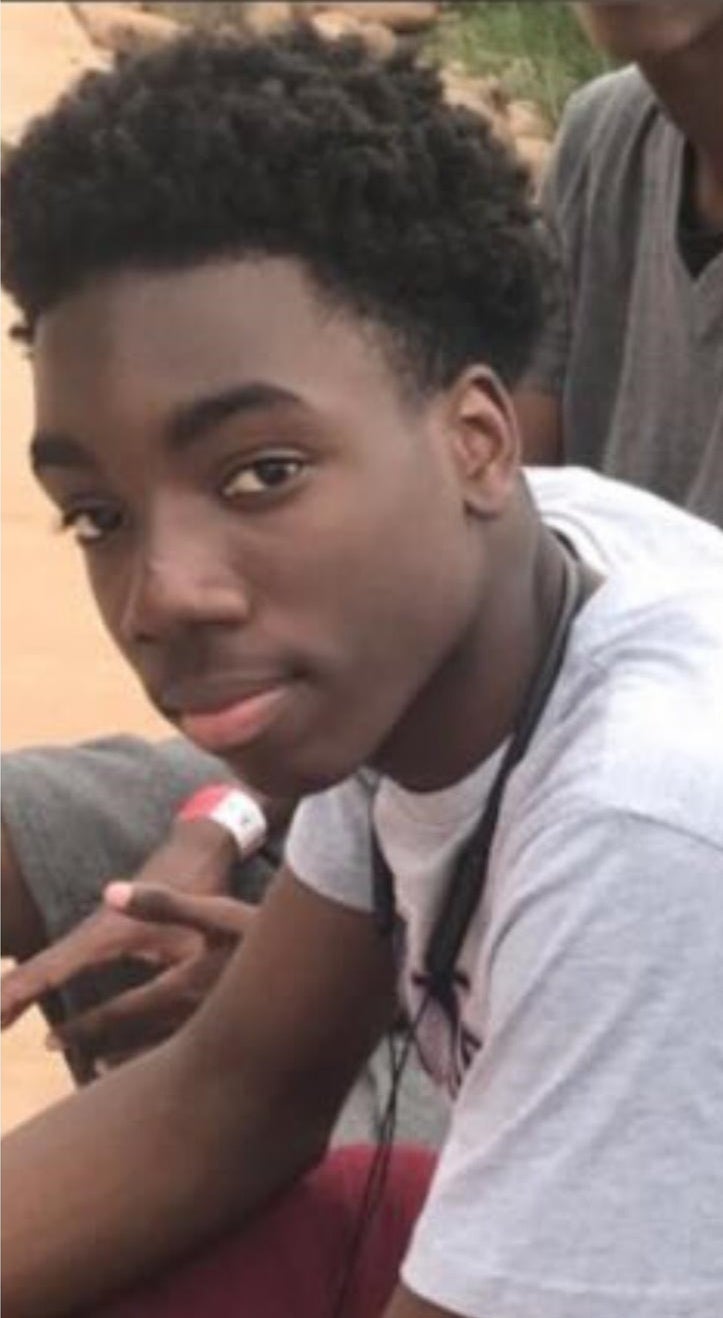
The family of Richard Okorogheye have questioned the force’s handling of the investigation into his disappearance.

Not all the outstanding cases are so well-known. On Friday, a probe that had only appeared to prompt two write-ups in local media based on an IOPC press release saw a police officer dismissed for hitting a vulnerable teenager 34 times with a baton.

The Met said Pc Benjamin Kemp used force that was “utterly inappropriate” on a 17-year-old girl, who was on escorted leave from a mental health unit and had become separated from a group in Newham, east London, in May 2019. CS spray and handcuffs were used on the girl, as well as the baton strikes. Kemp was sacked following a misconduct panel that came after complaints were made by an NHS trust staff member and the girl’s mother.

The number of cases has raised concern among politicians. Jenny Jones, a Green party peer and ex-member of the London Police Authority, revealed in 2014 she had been recorded on a database of “domestic extremists” by the Met Police and that officers had been tracking her political movements since 2001.

Asked about our findings, she told HuffPost UK: “It is extremely difficult for people to hold the Met Police accountable for their wrongdoing. My own personal experience of being spied on by the Met Police and taking complaints to the IOPC confirms that the system is broken.

“The IOPC is massively underfunded and under-resourced. It took them nearly three years to investigate a complaint I brought against multiple police officers, and if I hadn’t been assisted by an excellent legal team then it probably would have taken even longer.

“The IOPC is so heavily reliant on gathering witness statements from police officers that unless there is some massively compelling external evidence, it is very hard for the IOPC to actually uphold any complaints.

“Unless people obtain justice for legitimate complaints against the police then not only will we have a second rate and potentially corrupt police service with officers regarding themselves as above the law, we will also have a groundswell of public opinion that is alienated from the police and mistrustful of them.”

Former police officer Lord Brian Paddick, the Liberal Democrat spokesperson on home affairs in House of Lords, said: “Liberal Democrats have had concerns for some time about what is happening in the Metropolitan Police, particularly around culture and diversity.

“Persistent disproportionate focus of stop and search on Black Londoners, particularly when section 60 [a temporary power that lowers the bar for police to be allowed to search people] authorises searches without suspicion, together with a disproportionate focus of internal misconduct on ethnic minority officers and staff, raise serious questions about the culture inside the Met.

“The police must foster trust and confidence with all communities if they are to be effective in tackling crime, particularly knife crime.”

An IOPC spokesperson said: “We investigate the most serious and sensitive incidents and allegations involving the police in England and Wales. Most complaints about the police are dealt with by the relevant police force.”

HuffPost UK has approached the Met for comment.

Share Button

Two Officers Charged Over ‘Inappropriate Photos’ Of Sisters Killed In Park

PA

Bibaa Henry (left) and Nicole Smallman, who were stabbed to death at Fryent Country Park in Wembley in the early hours of June 6.

Two Met Police officers have been charged with misconduct over the circulation of inappropriate photographs of two sisters who had been stabbed to death in a north-west London park.

Pc Deniz Jaffer, 47, and Pc Jamie Lewis, 32, of the Metropolitan Police, have been charged after an investigation into pictures of sisters Nicole Smallman, 27, and Bibaa Henry, 46.

The two women were stabbed to death at Fryent Country Park in Wembley in the early hours of June 6 last year.

Social worker Henry, from Brent in north-west London, and photographer Smallman, from Harrow in north-west London, had met friends the previous evening to celebrate Henry’s birthday.

The Independent Office for Police Conduct (IOPC) watchdog carried out a criminal investigation into allegations that the officers took “non-official and inappropriate photographs” of the crime scene before sharing them on WhatsApp.

The Crown Prosecution Service (CPS) said on Wednesday that both men would appear at Westminster Magistrates’ Court on May 27, charged with one count each of misconduct in public office.

Following their arrest in June, both officers were suspended from duty.

Commander Paul Betts, of the Metropolitan Police’s directorate of professional standards (DPS), said: “These are extremely serious charges and we thank the IOPC for their work to get to this point.

“Throughout their investigation we have remained resolute in our efforts to provide every support to their inquiries.

“Our thoughts go out to the families of Bibaa and Nicole, as we recognise the renewed grief and pain this development will bring.

“We know the public will share our outrage, but I would ask that space is now given to allow the judicial process to run its proper course.

“It is not appropriate for us to initiate any internal investigations against the officers at this stage as this could impact on that process.”

After the incident came to light, the Met said the IOPC made recommendations to ensure all officers within a police station in the North East Command – where the two officers were based – conformed to the code of ethics and “are aware that failure to do so could severely damage the public’s confidence in policing”.

It also called on the force to review whether supervisors and senior management at that police station are taking personal responsibility “to identify and eliminate patterns of inappropriate behaviour”.

Work is under way to enforce these recommendations throughout the force, the Met said.

The IOPC also launched a separate investigation last year into six other officers who allegedly knew about, received, or viewed the photos.

Five other officers were told their conduct is under investigation over allegations stemming from the original probe, including that an officer took a picture at the scene of a sudden death before sharing it.

The watchdog is also carrying a separate inquiry into how the Met handled calls from worried relatives and friends of missing Smallman and Henry before their bodies were discovered on June 7.

One officer was told their conduct is under investigation over potentially failing to progress the reports properly.

Danyal Hussein, 18, of Guy Barnett Grove, Blackheath, south-east London, is facing trial in June, accused of the sisters’ murders.

Share Button

Richard Okorogheye: Watchdog To Investigate Whether Racism Hampered Police Search

The police watchdog is to investigate whether racism played a role in the way the Met handled Richard Okorogheye’s disappearance.

On Monday, the Independent Office for Police Conduct (IOPC) said it would investigate complaints made by Okorogheye’s mother, Evidence Joel.

She has said she was “disappointed” about the way she was initially treated by police, and how her reports about her son’s disappearance were handled.

Joel told Sky News that police had asked her: “If you can’t find your son, how do you expect police officers to find your son for you?”

“Maybe it’s the culture, my language barrier,” Joel told Channel 4 News, adding that she believed officers considered her to be “one of those African women who was being frantic” and did not immediate take action to find her son.

The 19-year-old, who had sickle cell disease, went missing from his home in Ladbroke Grove, west London, on the evening of March 22.

His mother contacted police the following day, but he was not officially recorded as missing until 8am on March 24.

Okorogheye’s body was found in Epping Forest, Essex, on April 5.

The IOPC will also look at the Met Police’s overall handling of the missing person report.

IOPC regional director Sal Naseem said: “Our thoughts are with Richard’s family and friends and all those affected by this tragic loss. We have spoken to his family and explained our role.

“Our investigation will establish whether the police responded appropriately to the concerns raised that Richard was missing.

“We will examine whether the force appropriately risk assessed those reports, and if the amount of resources the Metropolitan Police dedicated to its enquiries were suitable based on the information known by the police and the risks posed.

“As there is a mandatory requirement for police forces to refer to us incidents which result in a death or serious injury, we will examine the actions and decisions of the police when dealing with the missing person report made in respect of a vulnerable young man.

“We will also consider whether Richard’s or his mother’s ethnicity played a part in the way the initial reports of his disappearance were handled.”

Okorogheye left his family home at around 8.30pm on March 22 and headed in the direction of Ladbroke Grove.

Police said further inquiries have established that he then took a taxi journey from the W2 area of London to a residential street in Loughton, Essex.

He was last seen on CCTV in Loughton, walking alone on Smarts Lane towards Epping Forest at 12.39am on March 23.

Share Button

Dominic Cummings Blasts Boris Johnson Over His ‘Competence And Integrity’ And Denies Leaking Stories

Dominic Cummings has questioned Boris Johnson’s “competence and integrity” as he accused the prime minister of being responsible for a series of false allegations about him in the media.

In an explosive blog posting, Johnson’s former top adviser denied he was responsible for the leak of private texts in which he promised to “fix” a tax issue for the entrepreneur Sir James Dyson.

He also claimed the PM had tried to stop an inquiry into the leak last year of plans for a second lockdown because it implicated a friend of his fiancee, Carrie Symonds.

He said that he had also warned Johnson against plans to have donors secretly pay for refurbishment of his Downing Street flat, saying they were “unethical, foolish (and) possibly illegal”.

“It is sad to see the PM and his office fall so far below the standards of competence and integrity the country deserves,” he said.

His attack follows briefings to a number of newspapers, which said Johnson believed Cummings was the source of the leaks about the lockdown and his texts to Sir James as well as stories about the flat refurbishment.

It follows his dramatic departure from No 10 last year amid the fallout from a bitter power struggle with Symonds.

Denying the being the source of the BBC story on Johnson’s text communications with the businessman, Cummings said: “I do have some WhatsApp messages between the PM/Dyson forwarded to me by the PM. I have not found the ones that were leaked to Laura Kuenssberg on my phone nor am I aware of being sent them last year. I was not directly or indirectly a/the source for the BBC/Kuenssberg story on the PM/Dyson texts.”

He said he is “happy to meet with the Cabinet secretary” and to have his phone searched.

He added: “If the PM did send them to me, as he is claiming, then he will be able to show the Cabinet secretary on his own phone when they were sent to me.

“It will therefore be easy to establish at least if I was ever sent these messages. I am also happy to publish or give to the Cabinet Secretary the PM/Dyson messages that I do have, which concerned ventilators, bureaucracy and covid policy — not tax issues.”

Referring to the leak of a decision on having another lockdown last autumn, Cummings said: “Last year there was a meeting between the PM, Cabinet Secretary, the director of communications and me regarding the leak of the decision for a further lockdown on the Friday evening immediately after the meeting in the Cabinet Room that made the decision (known in the media as ‘the chatty rat story’).”

He said Johnson “knows that I was not the source of the leak and that the Cabinet secretary authorised the prime Minister’s official spokesman to tell the media this, yet he has now authorised his DOC (director of communications) to make this accusation”.

He said events around that situation had “contributed to my decision to stick to my plan to leave No10 by 18 December, which I had communicated to the PM in July the day before my long-delayed operation”.

Cummings said Johnson had “stopped speaking” to him about renovations to the Downing Street flat last year “as I told him I thought his plans to have donors secretly pay for the renovation were unethical, foolish, possibly illegal and almost certainly broke the rules on proper disclosure of political donations if conducted in the way he intended”.

He added: “I refused to help him organise these payments. My knowledge about them is therefore limited.

“I would be happy to tell the Cabinet secretary or Electoral Commission what I know concerning this matter.”

Cummings said he has “made the offer to hand over some private text messages, even though I am under no legal obligation to do so, because of the seriousness of the claims being made officially by No10 today, particularly the covid leak that caused serious harm to millions”.

However, he added that this “does not mean that I will answer every allegation made by No10”.

He said the “proper way for such issues to be handled” would be through a parliamentary inquiry into the government’s conduct over the Covid crisis.

He said this “ought to take evidence from all key players under oath and have access to documents”.

He added: “Issues concerning covid and/or the PM’s conduct should not be handled as No10 has handled them over the past 24 hours.

“I will cooperate fully with any such inquiry and am happy to give evidence under oath.

“I am happy for No10 to publish every email I received and sent July 2019-November 2020 (with no exceptions other than, obviously, some national security / intelligence issues).”

The ex-aide confirmed he will appear before MPs next month.

He wrote: “I will not engage in media briefing regarding these issues but will answer questions about any of these issues to parliament on 26 May for as long as the MPs want.”

Johnson declined to say why No 10 insiders suspected Cummings is behind leaks of his correspondence.

During a campaign visit to Hartlepool, Johnson told broadcasters: “I think people aren’t so much interested in who is leaking what to whom as the substance of the issue at hand. The issue is really the question of the ventilators as you will remember James Dyson was offering to make.

“Let’s be absolutely clear I think it was right to talk to him.”

He said he is “mystified” as to why some people have “chosen to attack” his communications.

Asked if he will take legal action against Cummings, the prime minister said: “I think there’s much more public interest in what we’re doing not just to procure ventilators…

“And we’re now in a position where we do have 30,000 ventilators, we’re able for instance to think about what we can do to help the people of India who are suffering so terribly at the moment.”

Share Button

Ryan Giggs Charged With Assaulting Two Women And Controlling Or Coercive Behaviour

Aziz Karimov via Getty Images

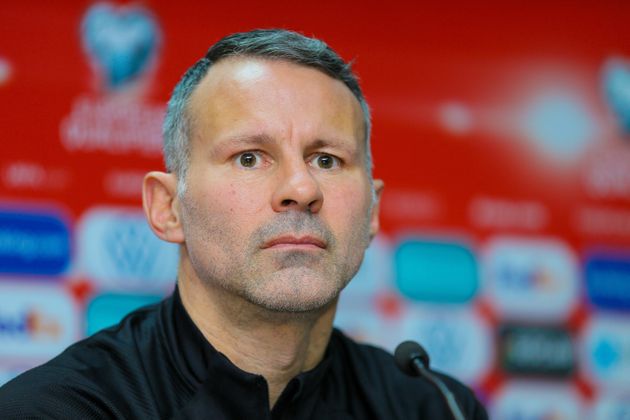
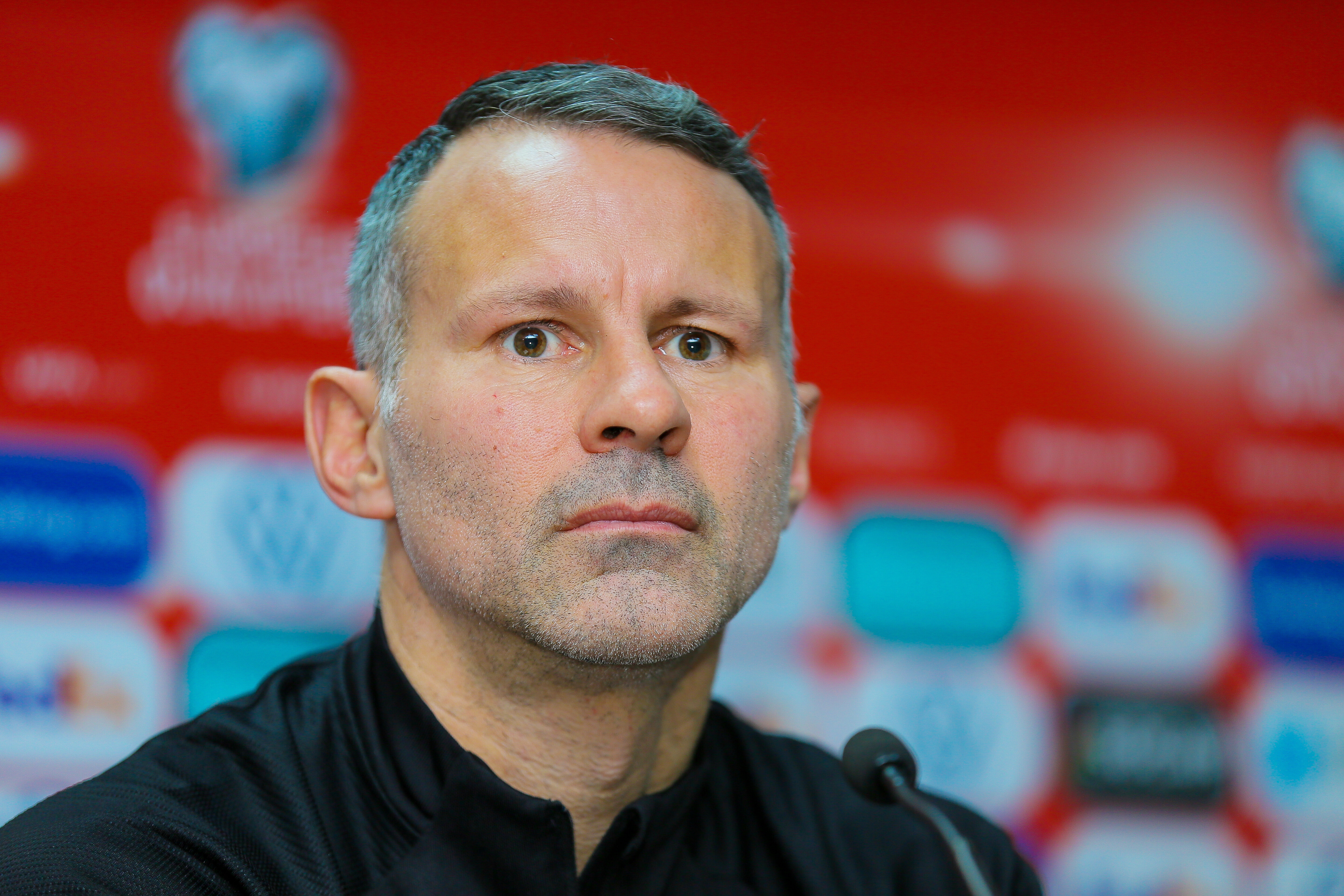
Former footballer Ryan Giggs has been charged with assaulting two women and controlling or coercive behaviour, the Crown Prosecution Service said.

A CPS spokesperson said the Wales manager will appear at Manchester and Salford Magistrates’ Court on Wednesday April 28.

Greater Manchester Police said Giggs was charged with assault causing actual bodily harm against a woman in her 30s and the common assault of a woman in her 20s.

Both assault charges relate to an incident on November 1 last year, which is understood to have happened at Giggs’ home in Worsley near Salford. The older woman was treated for injuries at the scene.

Giggs has been released on bail ahead of the court appearance.

“We have authorised Greater Manchester Police to charge Ryan Giggs with engaging in behaviour which was controlling or coercive and assault occasioning actual bodily harm,” the CPS said.

“A charge of assault by beating relating to a second woman has also been authorised. Mr Giggs will appear at Manchester and Salford Magistrates’ Court on Wednesday 28th April.

“The CPS made the decision to charge Mr Giggs after reviewing a file of evidence from Greater Manchester Police.

“Criminal proceedings are active and nothing should be published that could jeopardise the defendant’s right to a fair trial.”

In a statement, Giggs said: “I have full respect for the due process of law and understand the seriousness of the allegations. I will plead not guilty in court and look forward to clearing my name.

“I would like to wish Robert Page, the coaching staff, the players and the supporters every success at the Euros this summer.”

Giggs said he would not make any further comment while the case is ongoing.

Share Button

‘Pervasive Racism’ Meant Black And Asian WWI Troops Were Not Commemorated

“Pervasive racism” underpinned a failure to properly commemorate potentially hundreds of thousands of predominantly Black and Asian service personnel who died fighting for the British Empire, an investigation has found.

The Commonwealth War Graves Commission (CWGC) apologised after its investigation found those individuals were not formally remembered in the same way as their white comrades.

Defence secretary Ben Wallace on Thursday morning told the Commons: “The number of casualties commemorated unequally, the number commemorated without names and the number otherwise entirely unaccounted for is not excusable.” He accepted that “prejudice” had played a part.

The investigation discovered at least 116,000 predominantly African and Middle Eastern First World War casualties “were not commemorated by name or possibly not commemorated at all”.

Martin Keene/PA

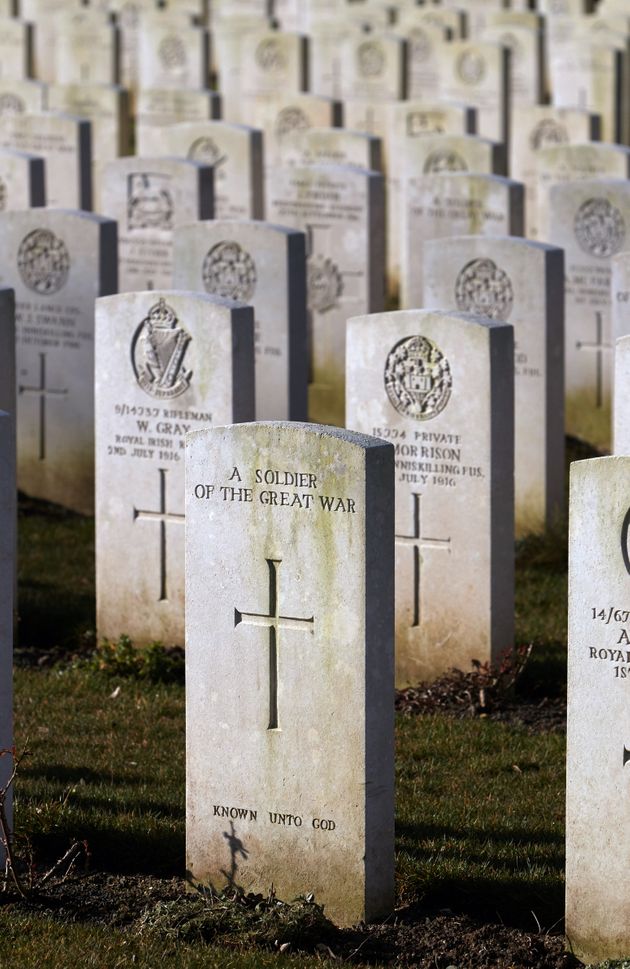
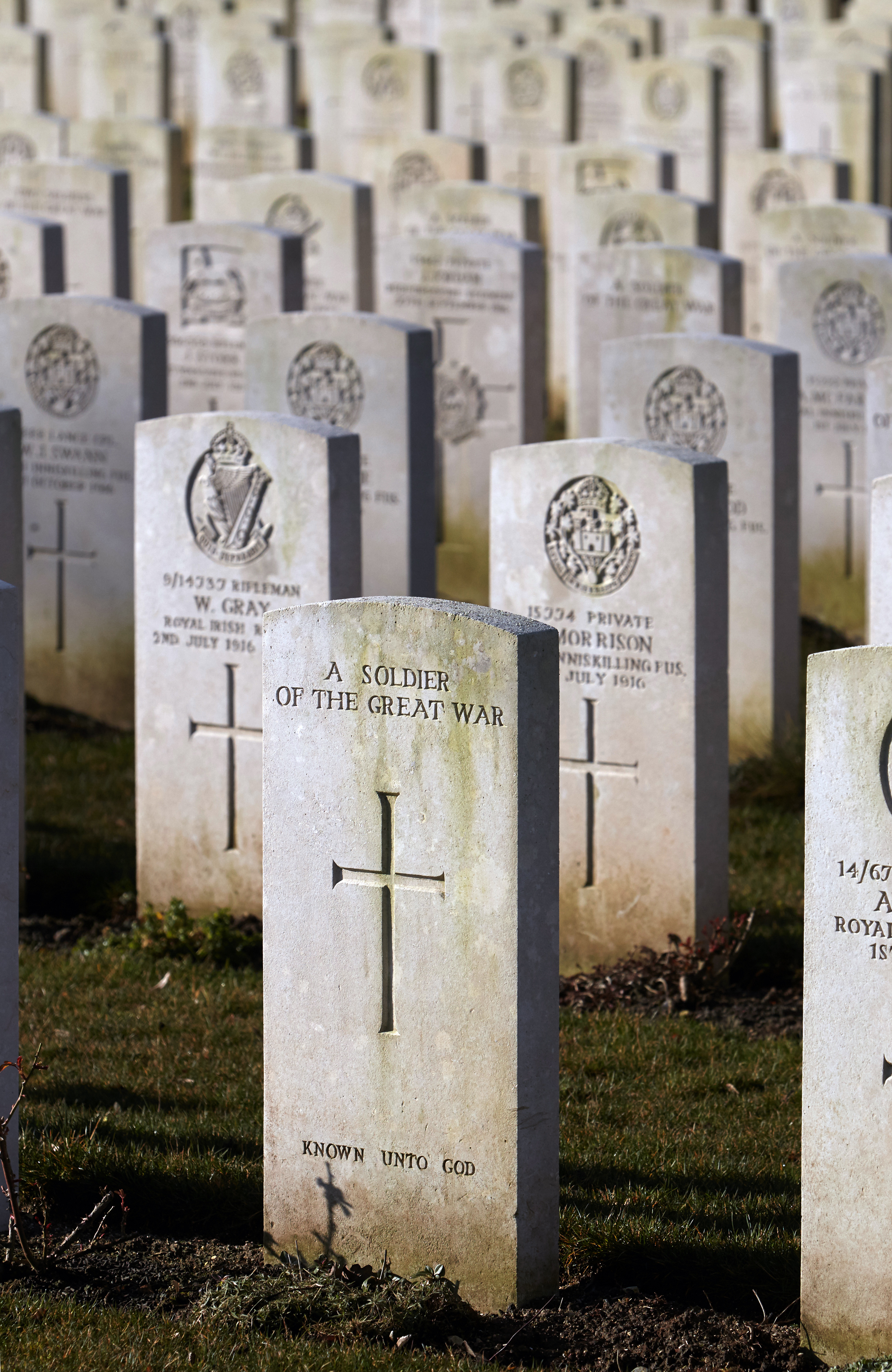
Graves of British soldiers who fought at the Somme in the First World War, who are buried at the Connaught Cemetery near the Thiepval Memorial to the Missing of the Somme in northern France

The figure could be as high as 350,000, according to the report obtained by the PA news agency after it was first reported by the Guardian.

Most of the men were commemorated by memorials that did not carry their names.

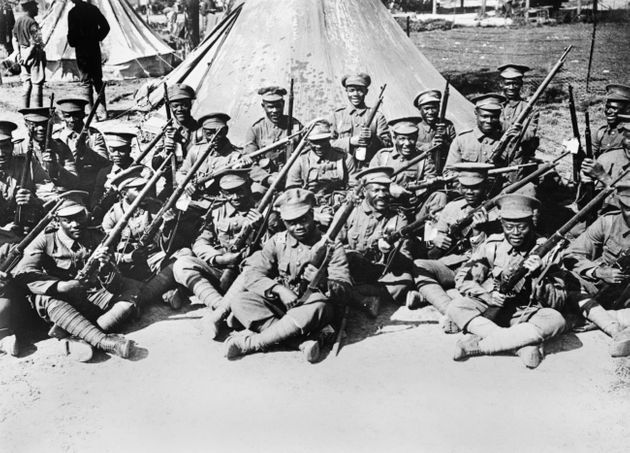
When war broke out in 1914, King George V called for “men of every class, creed and colour” to join the fight. What was then the British West Indies is thought to have sent 16,000 soldiers to join the English forces, plus some 4,500 volunteers, who arrived in special contingents. 

In 1915, the British West Indies Regiment (BWIR) was formed, comprising two thirds of its men from Jamaica and the rest hailing from the Bahamas to then British Guiana. 

But Caribbean soldiers were not permitted to fight as equals against their white compatriots, with most serving for lower pay in the Labour Corps, according to the BBC. 

One who was commemorated however was Walter Tull, who was a footballer and the first Black Army officer to command troops in a regular unit. 

He died aged 29 while leading an attack on the Western Front during the second Battle of the Somme on March 25, 1918.

Tull served as a second lieutenant, leading men into battle at a time when the Army forbade a person of non-European descent becoming an officer.

As well as being one of the most celebrated Black British soldiers of the Great War, Tull was also one of the first Black professional football players in England, playing for Tottenham Hotspur while overcoming racial discrimination.

The investigation also estimated that between 45,000 and 54,000 Asian and African casualties were “commemorated unequally”.

Some were commemorated collectively on memorials, unlike those in Europe, and others, who were missing, were only recorded in registers rather than in stone.

In 2018 a war memorial featuring a Sikh soldier to honour the many from the Indian subcontinent who fought in both world wars was unveiled in Smethwick, Birmingham. 

The special committee behind the investigation was established by the CWGC in 2019 after a critical documentary on the issue, titled Unremembered and presented by Labour MP David Lammy.

Originally named the Imperial War Graves Commission, it was founded in 1917 to commemorate those who died in the war.

IWM via Imperial War Museums via Getty I

Soldiers of the British West Indies Regiment in camp on the Albert to Amiens Road, France, World War I, September 1916

The investigation found that the failure to properly commemorate the individuals was “influenced by a scarcity of information, errors inherited from other organisations and the opinions of colonial administrators”.

“Underpinning all these decisions, however, were the entrenched prejudices, preconceptions and pervasive racism of contemporary imperial attitudes,” it added.

One example given is based on communications in 1923 between F.G. Guggisberg, the governor of the Gold Coast colony, now Ghana, and Arthur Browne, from the commission.

At a meeting in London, it was said that the governor said “the average native of the Gold Coast would not understand or appreciate a headstone” as he argued for collective memorials.

A response from Arthur Browne showed “what he may have considered foresight, but one that was explicitly framed by contemporary racial prejudice”, according to the report.

“In perhaps two or three hundred years’ time, when the native population had reached a higher stage of civilisation, they might then be glad to see that headstones had been erected on the native graves and that the native soldiers had received precisely the same treatment as their white comrades,” he said.

In its response to the report, the CWGC says it “acknowledges that the Commission failed to fully carry out its responsibilities at the time and accepts the findings and failings identified in this report and we apologise unreservedly for them”.

In a statement CWGC director general Claire Horton said: “The events of a century ago were wrong then and are wrong now.

“We recognise the wrongs of the past and are deeply sorry and will be acting immediately to correct them.”

Lammy, the shadow justice secretary, said: “No apology can ever make up for the indignity suffered by the unremembered.

“However, this apology does offer the opportunity for us as a nation to work through this ugly part of our history – and properly pay our respects to every soldier who has sacrificed their life for us.”

Share Button

South Africa Variant: Surge Testing For Parts Of Birmingham After Cases Found

Kirsty O’ConnorPA

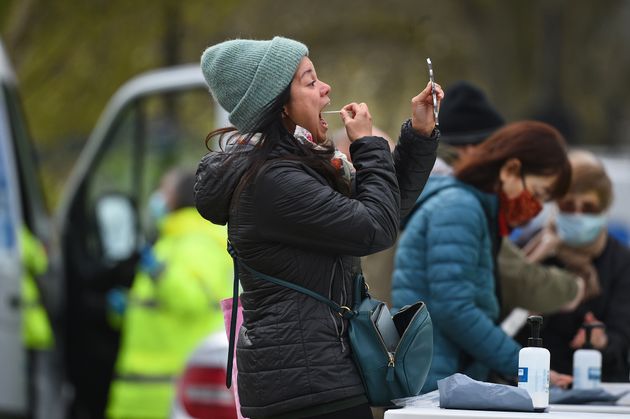
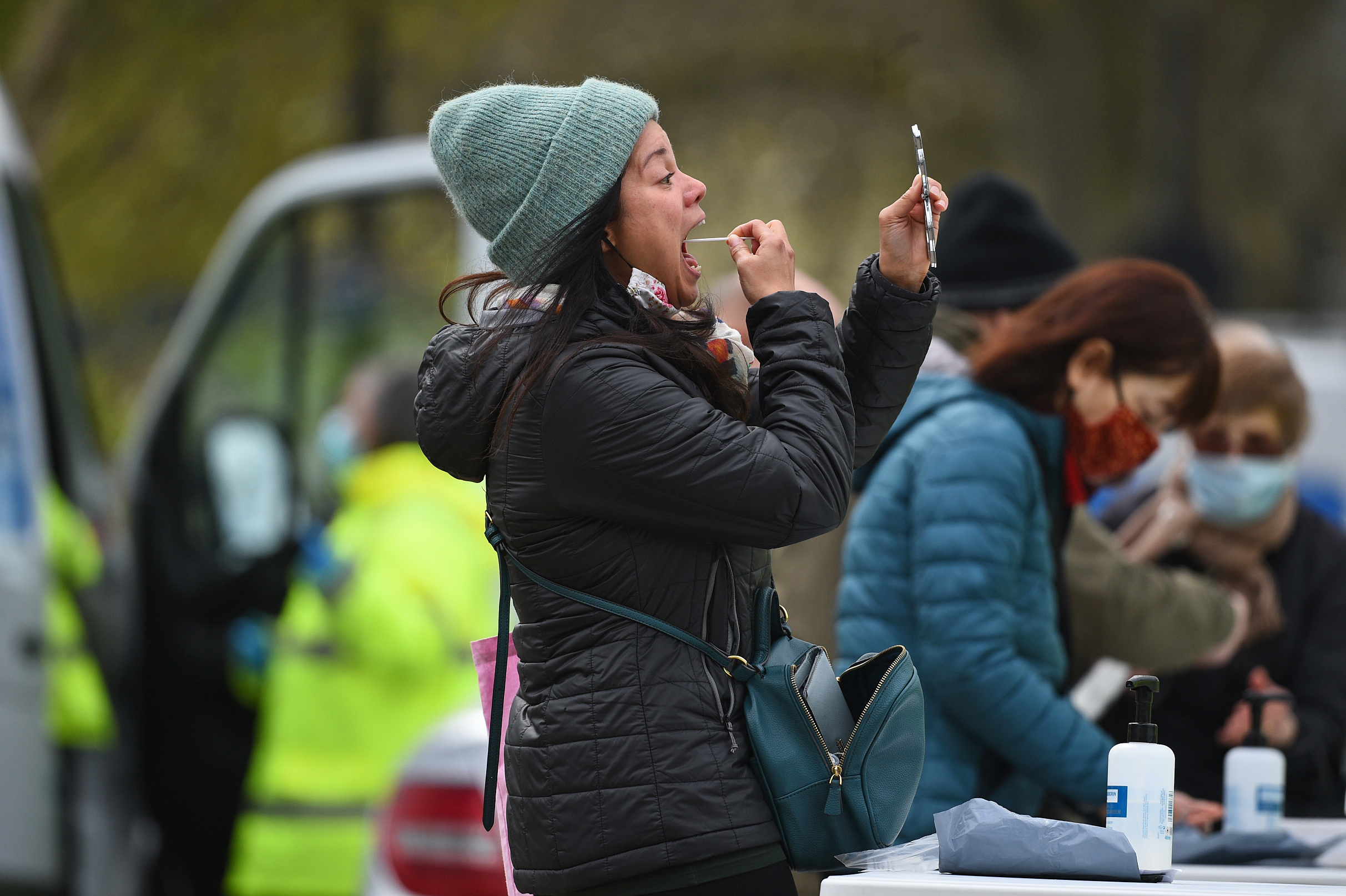
People take part in coronavirus surge testing on Clapham Common, south London.

Surge testing is to begin in parts of Birmingham after a case of the Covid-19 variant first identified in South Africa was confirmed there.

The Department of Health and Social Care said the patient had “self-isolated and their contacts have been identified”.

Health officials added in a statement: “Initial investigations indicate that this case is not linked to a case previously identified in the Birmingham and Sandwell areas.”

The testing will be targeted at households in the city’s Alum Rock, Glebe Farm and Tile Cross areas.

Officially, 600 people in the UK have contracted the South African coronavirus variant according to the government website – but that was based on figures up to April 14.

This is unlikely to be an accurate portrayal of how far the mutation has spread since hundreds of thousands of people have been swabbed during previous rounds of surge testing elsewhere in the country, on top of which it can take days for samples to have genomic sequencing carried out. The process is the only way to detect which variant of coronavirus someone is infected with.

Other areas where cases of the South Africa variant have been found include the London boroughs of Barnet, Harrow, Hillingdon, Lambeth, Southwark and Wandsworth.

The South Africa strain is classed as a “variant of concern” – the most serious classification issued by Public Health England – because there are fears it may be less susceptible to vaccines and could spread more easily.

The DHSC said everybody aged 16 years and over who is contacted from the new areas would be “strongly encouraged to take a Covid-19 PCR test”, whether or not they are symptomatic.

For anyone testing positive for a key variant, enhanced contact tracing – looking back over an extended period in order to determine the route of transmission – will be used.

Meanwhile, anyone with symptoms is urged to book a free test online or by phone.

And the government is asking people to continue using twice-weekly rapid lateral flow testing alongside any PCR surge testing they do.

Last week surge testing was introduced in the city’s Ladywood, Jewellery Quarter and Soho ward, after a single positive case of the same variant.

Speaking at the time, the city’s public health director Dr Justin Varney said: “Testing is an important part of containing the spread of the virus.

“This new variant from South Africa presents a new risk so it is essential that all adults in the affected areas take up this offer of PCR testing to help us contain the spread quickly and identify any further local cases.

“There is financial and practical support available for those who test positive and have to isolate, and their contacts, and it is vital we all play our part in controlling this new challenge.”

Viruses by their nature mutate often, with more than 18,000 mutations discovered over the course of the Covid-19 pandemic, the overwhelming majority of which have no effect on the behaviour of the virus.

Share Button

Prince Philip’s Funeral: Queen Elizabeth And Royal Family Mourn Duke of Edinburgh

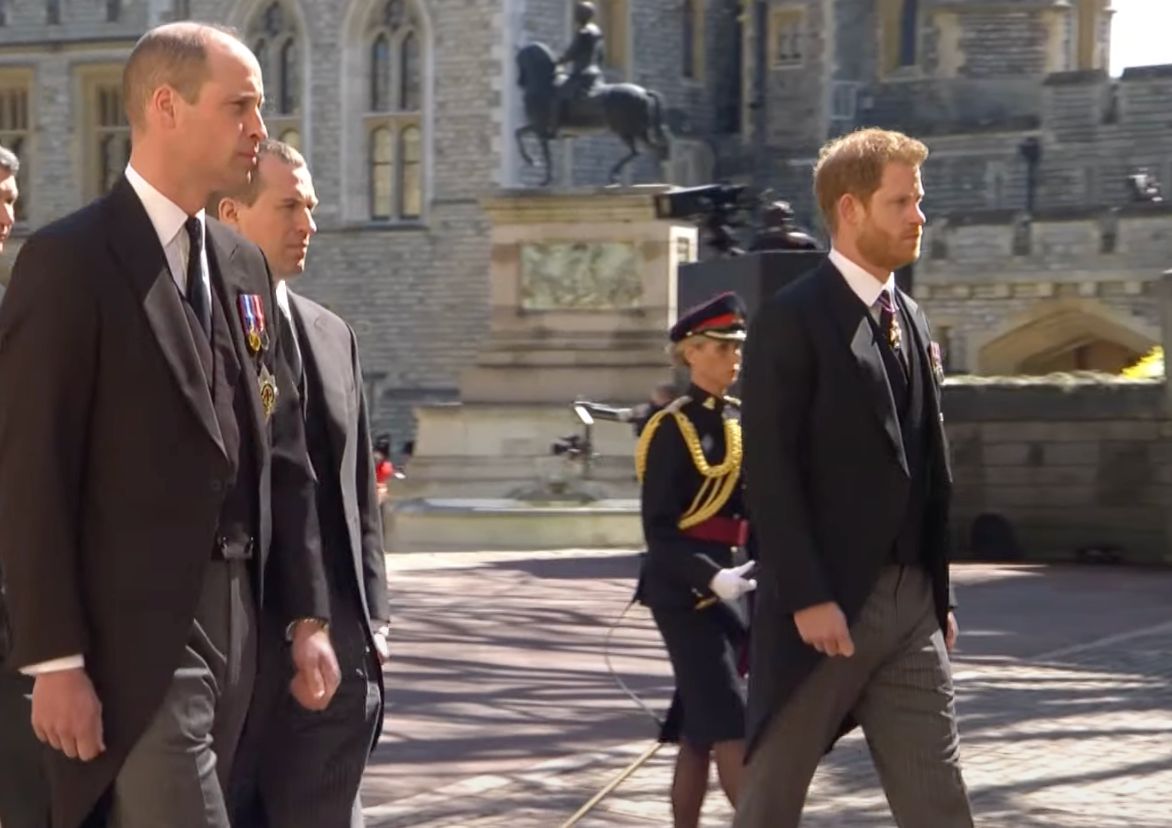
The royal family said their final goodbyes to Prince Philip on Saturday at an intimate funeral service attended by only 30 people at St. George’s Chapel at Windsor Castle. Philip died on April 9 at age 99.

The slimmed-down royal funeral, which was not a state funeral per the prince’s wishes, started with a unique, personal touch.

The late Duke of Edinburgh’s coffin was driven to St. George’s Chapel in a modified Land Rover that he helped design for that very purpose. The royal drove Land Rovers for much of his life, and the palace said he suggested changes for the vehicle up until 2019.

Family members walked behind the car, while Queen Elizabeth was taken to the church in a state Bentley.

YouTube

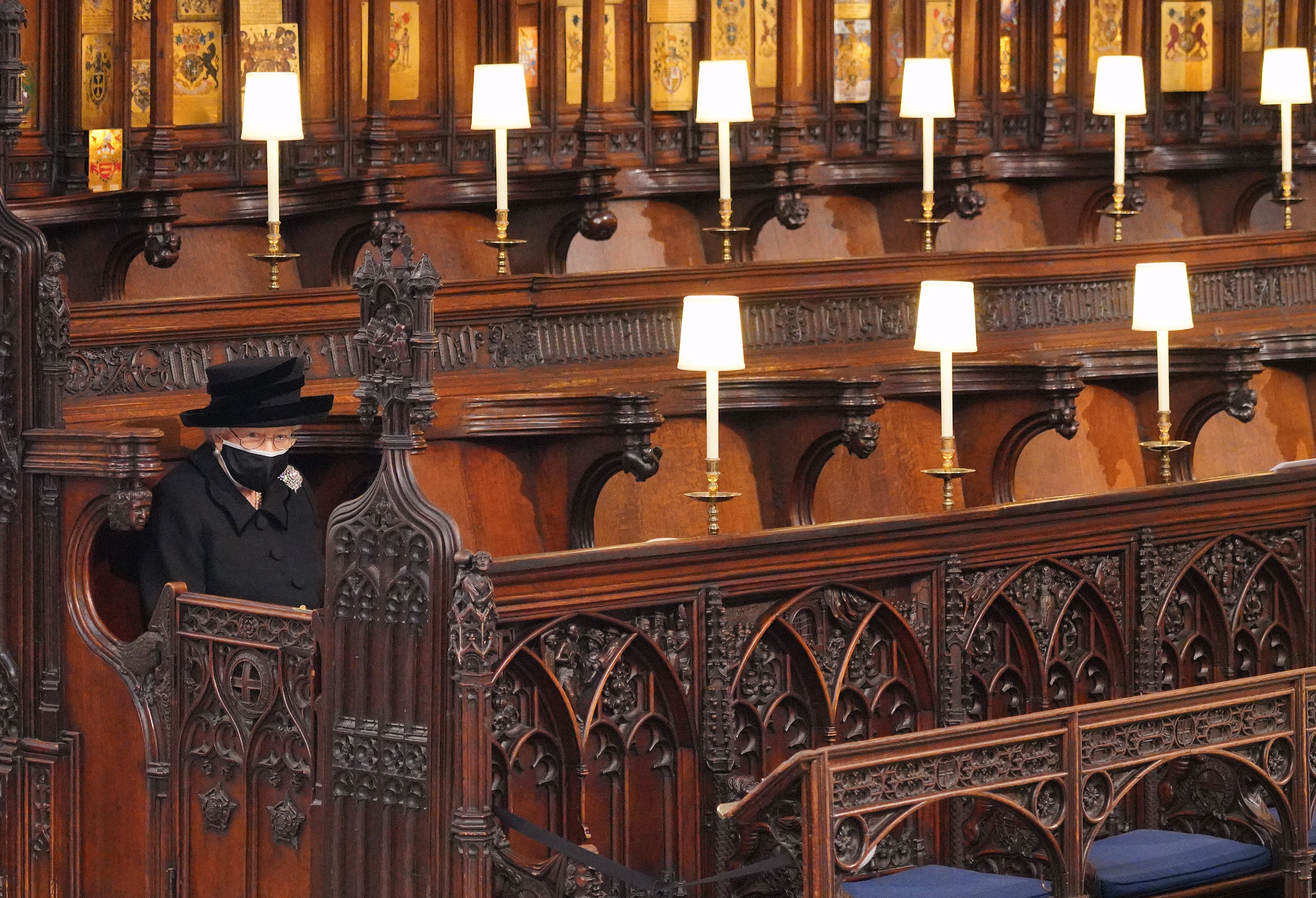
Queen Elizabeth, who arrived to the chapel alongside her lady in waiting, Lady Susan Hussey, was pictured sitting alone with a mask on: 

WPA Pool via Getty Images

Queen Elizabeth II takes her seat during the funeral of Prince Philip.

Archbishop of Canterbury Justin Welby, who helped conduct the service on Saturday, spoke about the queen ahead of the funeral.

“She’s the queen, she will behave with the extraordinary dignity and extraordinary courage that she always does. And at the same time, she is saying farewell to someone to who she was married for 73 years,” said Friday while asking for prayers for the monarch.

“I think that must be a very, very profound thing in anybody’s life, and I hope that the whole nation, if they believe in that, then they pray for her,” he added. “If they don’t then they sympathise and, in their hearts, offer their condolences to her, and the hope for her to find strength in what must be an anguished moment.”

Share Button

Fears Over India Covid Variant Found In UK – As Cases Of South Africa Strain Rise

Experts have raised concern over the growing number of cases of a new Covid-19 variant that first emerged in India.

Public Health England (PHE) reported that 73 cases of the B.1.617 variant have been found in England, as well as four cases in Scotland.

The figure of 77 cases comes from the latest update of PHE’s surveillance of the distribution of different variants across the UK, based on data up to April 7

Officials have currently designated it a “variant under investigation” (VUI) rather than a “variant of concern” (VOC), such as the Brazilian Manaus or South African variants.

Meanwhile, 600 people in the UK have now contracted the South African coronavirus variant, with an extra 56 cases being reported this week.

PHE has not disclosed whether the figure includes cases detected as a result of surge testing. In London, extra testing facilities were launched this week to help limit the spread of the variant following a cluster of cases being discovered.

Of the coronavirus variant first discovered in India, Danny Altmann, professor of immunology at Imperial College, said it was likely to be escalated to a VOC.

Officials said there is currently no evidence to suggest that disease from the newly identified variant is more serious than previous ones, nor is there current evidence to suggest vaccines are less likely to work against it.

It is understood that the cases detected in England are dispersed across different parts of the country and many are linked to international travel, but investigations are under way.

According to PHE, the variant “includes a number of mutations including E484Q, L452R, and P681R”.

PHE said that mutations of the 484 spike protein have been associated with the Manaus and South African variants.

The E484K mutation is reported to result in weaker neutralisation by antibodies in lab experiments, but the E484Q mutation is different and still subject to investigation.

Viruses by their nature mutate often, with more than 18,000 mutations discovered over the course of the Covid-19 pandemic, the overwhelming majority of which have no effect on the behaviour of the virus.

PHE’s latest findings mean there are now seven VUIs and four VOCs being tracked by scientists in the UK.

Professor Altmann told BBC Radio 4’s PM: “I think we should be terribly concerned about it.

“It is similar to the ones we know about – it mixes and matches some of the features we’ve seen before with this E484 change that we’ve seen before in a similar but different version in South Africa and Brazil, and then the infectivity change that we saw in the Californian variant.

“As we keep saying, it is the infectivity change plus the new evasion.

“This isn’t a ‘variant of concern’ yet but I suspect it will be.

“I look at all of them and they are things that can most scupper our escape plan at the moment and give us a third wave. They are a worry.”

In India, Covid-19 rates are soaring, with more than 13.9 million confirmed cases and 172,000 deaths.

The country is not currently on the government’s “red list” for travel, which sees people who have been in those countries in the previous 10 days refused entry to the UK.

British or Irish nationals, or people with UK residency rights, are able to return from red list countries but must isolate in a quarantine hotel for 10 days.

Professor Altmann said he thought India “ought” to be placed on the red list of countries from which travellers are required to embark on a hotel quarantine upon arrival in England.

The Imperial College expert said: “I find this a bit mystifying.

“Obviously policy is not my area of expertise, but as a scientist I find it slightly confounding.

“I know their variant hasn’t been proved to be responsible for their 200,000 cases per day but it is implicated in quite a high proportion of the genetic sequencing.

“So it looks to me like it probably ought to be a red-listed country, as far as I can see.”

Boris Johnson’s visit to India will still go ahead despite the soaring coronavirus cases in the country.

The prime minister had already scaled down his at the end of April due to the country’s worsening coronavirus situation, but Downing Street has insisted it will still go ahead.

A No 10 spokesman told a Westminster briefing: “The prime minister’s visit is still happening later this month.

“We have said that the programme will be slightly shorter than it will have been, and you can expect the main body of his programme to take place on Monday April 26.

“As you would expect, safety is obviously important and is a priority for us on this trip, which is why we will make sure that all elements of the visit are Covid-secure.”

Johnson was due to spend four days in the south Asian country at the end of the month but, following talks with Narendra Modi’s administration, the “bulk” of the meetings could be fitted into one day.

Asked why India has not been put on the red list despite the soaring number of cases, Downing Street said the situation is “under constant review”.

A No 10 spokesman told reporters: “We add and remove countries based on the latest scientific data and public health advice from a range of world-leading experts.

“We keep it under constant review and we won’t hesitate to introduce tougher restrictions and add countries if we think it is necessary.”

But Labour said the blame for the Indian mutation making its way into Britain “rests squarely with the UK government”.

Shadow home secretary Nick Thomas-Symonds said: “Ministers have been warned time and again that failing to introduce a comprehensive hotel quarantine policy would leave us exposed to variants of Covid.”

Share Button

Former Minnesota Police Officer To Be Charged In Death Of Daunte Wright

A Minneapolis-area police officer was arrested on Wednesday after she shot and killed Daunte Wright, 20, last weekend during a traffic stop, officials said. 

Washington County attorney Pete Orput said he plans to charge former Brooklyn Center officer Kim Potter with second-degree manslaughter. He is expected to release more information later on Wednesday. The case was sent to the office to avoid a conflict of interest with the Hennepin County Attorney’s Office, which works closely with Brooklyn Center police on criminal cases, as first reported by KSTP-TV on Tuesday.

Potter will be booked into Hennepin County Jail.

Potter fatally shot Wright on Sunday after pulling him over for a traffic violation. During a struggle captured on now-released bodycam video, she drew her service weapon and repeatedly yelled “Taser!” before shooting a single bullet in Wright’s chest. 

Potter offered her resignation in a letter to city officials on Tuesday, saying it was “in the best interest of the community, the department, and my fellow officers if I resign immediately”. She had worked for the department for 26 years.

Brooklyn Center Police chief Tim Gannon also stepped down on Tuesday. He said at a news conference the previous day that he thought Potter accidentally shot Wright with her firearm when she meant to use her Taser.

On Monday, the Brooklyn Center City Council voted to fire city manager Curt Boganey, who was in charge of police personnel, and put mayor Mike Elliott in charge of the police department. Elliott said on Tuesday that he had asked Minnesota governor Tim Walz to reassign Wright’s case to “ensure transparency and to continue building trust in our community”.

The police killing of Wright occurred while, several miles away in downtown Minneapolis, the trial continued for former police officer Derek Chauvin. He has been charged in the May 2020 death of George Floyd, a Black man.

Wright’s death has rekindled protests against racial injustice and police brutality that flared last summer after Floyd’s death.

Lydia O’Connor contributed to this report. 

Share Button