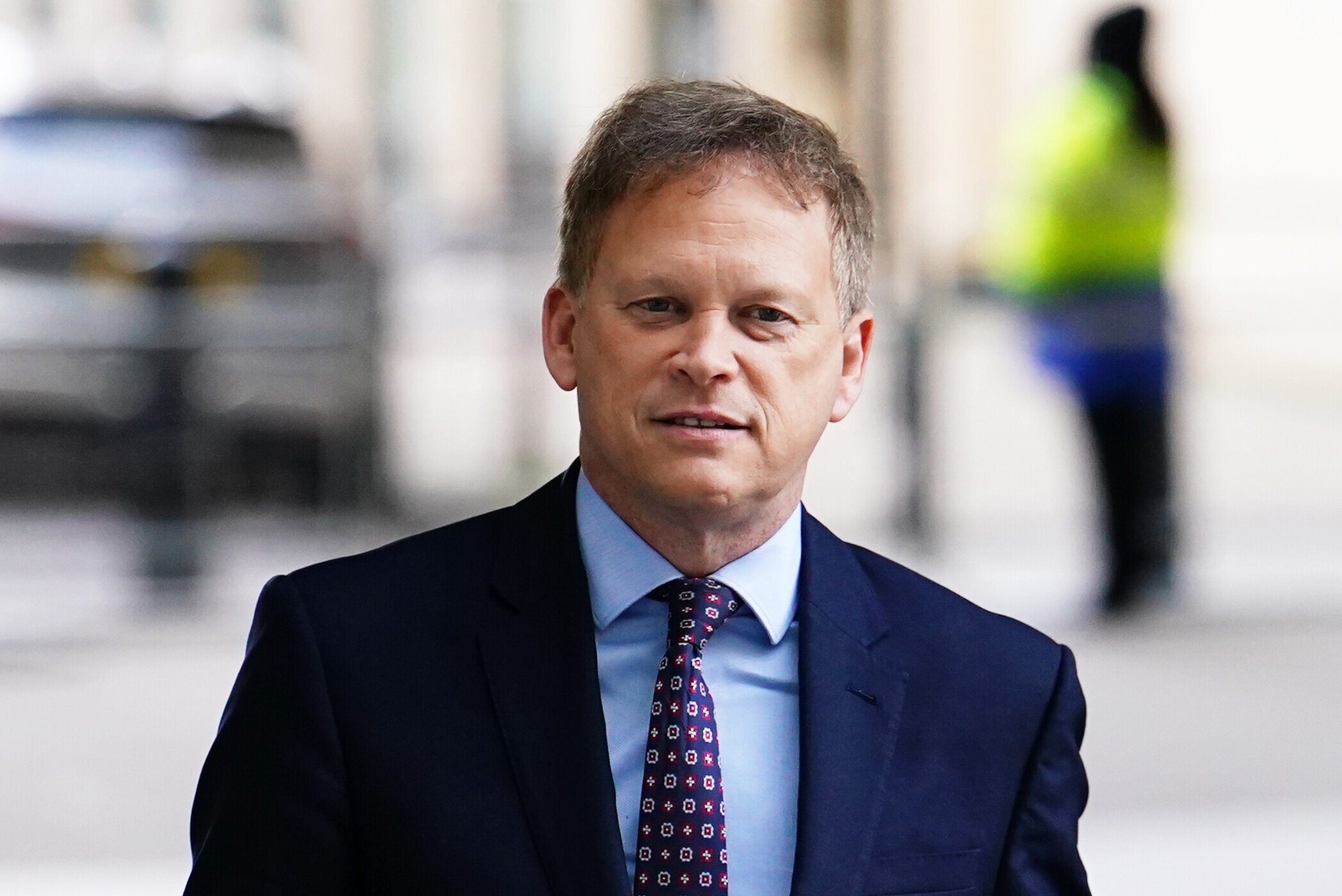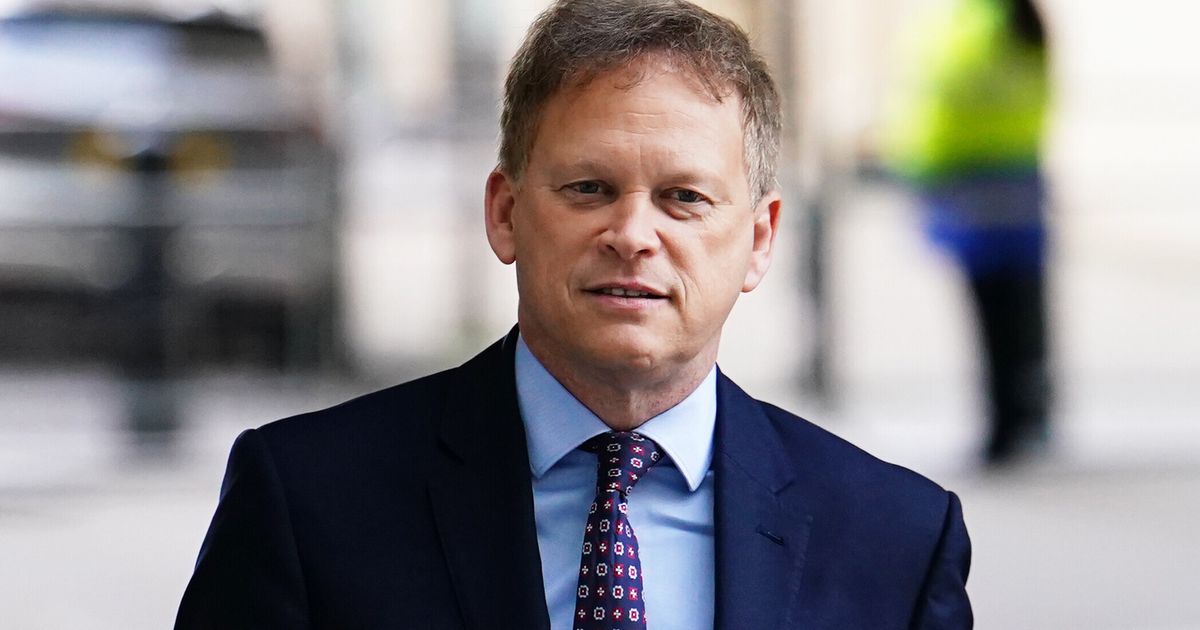
Business secretary Grant Shapps has said Liz Truss’s approach to tackling low economic growth “clearly wasn’t” the right one.
Shapps said that while he agreed with the former prime minister that the UK should have a lower-tax economy, that could not happen without “laying out the groundwork” first by tackling inflation and controlling debt.
Advertisement
The Cabinet minister, who served as Truss’s home secretary for just six days, was speaking in response to a 4,000-word article penned by Truss in the Telegraph on Saturday.
In the article, Truss claimed she was not given a “realistic chance” to enact her policies to cut taxes and boost growth, which she argued were correct.
Truss’s 49 days in office ended following the market turmoil caused by her chancellor Kwasi Kwarteng’s mini-budget, which unveiled £45 billion-worth of unfunded tax cuts.
It caused the value of the pound to plunge, interest rates to soar and led to the Bank of England having to bail out the UK’s pensions industry.
Advertisement
Truss said that while she was not “blameless” about the market turmoil that ensued, she was nevertheless held back by a “very powerful economic establishment” and a “lack of political support”.
Taking aim at her own party, she said she had “underestimated the resistance… to move to a lower-tax, less-regulated economy”.
Her intervention — her first since standing down in October — has reignited a debate in the Conservative Party about how it grapples with high taxes and sluggish economic growth.
A recent bleak forecast from the International Monetary Fund (IMF) stated that the UK economy will perform worse than every other major country in 2023 — including sanctions-hit Russia.
Asked whether he thought Truss’s approach to the economy was right, Shapps replied: “Clearly it wasn’t.”
Advertisement
Shapps also defended the Conservative Party from Truss’s criticisms, saying: “No-one wants to pay higher levels of taxes but I think you have to set this in an international context.
“Every Western government has been hit by Putin’s illegal invasion of Ukraine and experienced through-the-roof energy costs, and has then experienced high levels of inflation.
“People might mistakenly think this is something happening in Britain and Britain alone. In fact if you look at the international comparisons, it is happening around the world. Every government is struggling with this.”
Truss has kept a low profile ever since she was ousted from the top job after just 49 days in office —until now.
Advertisement
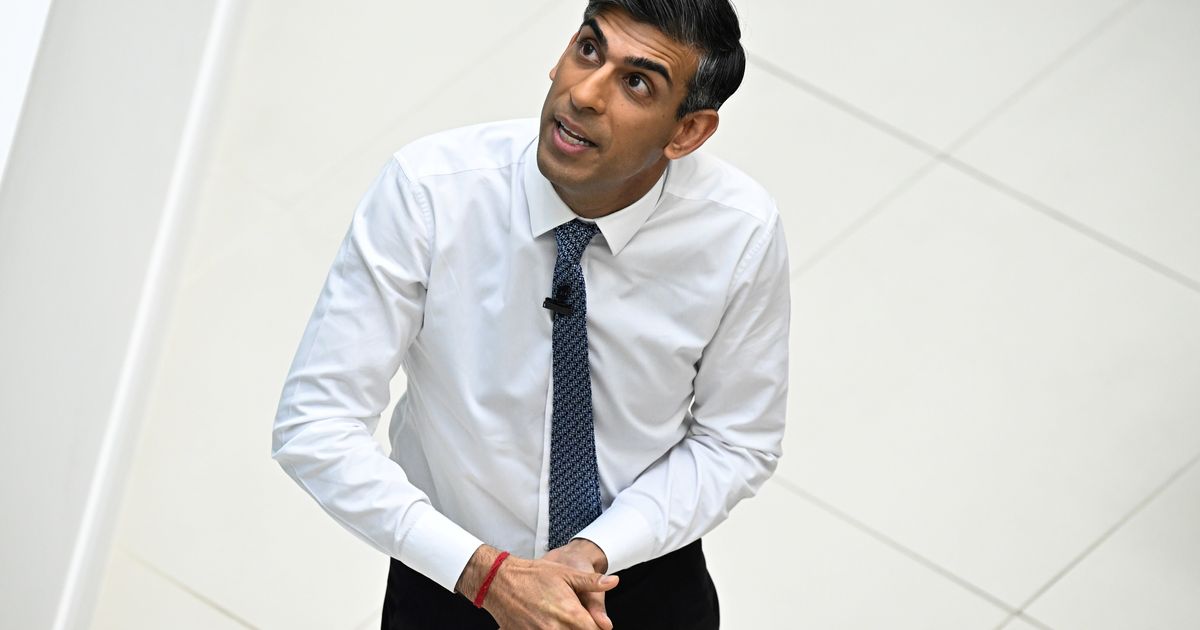
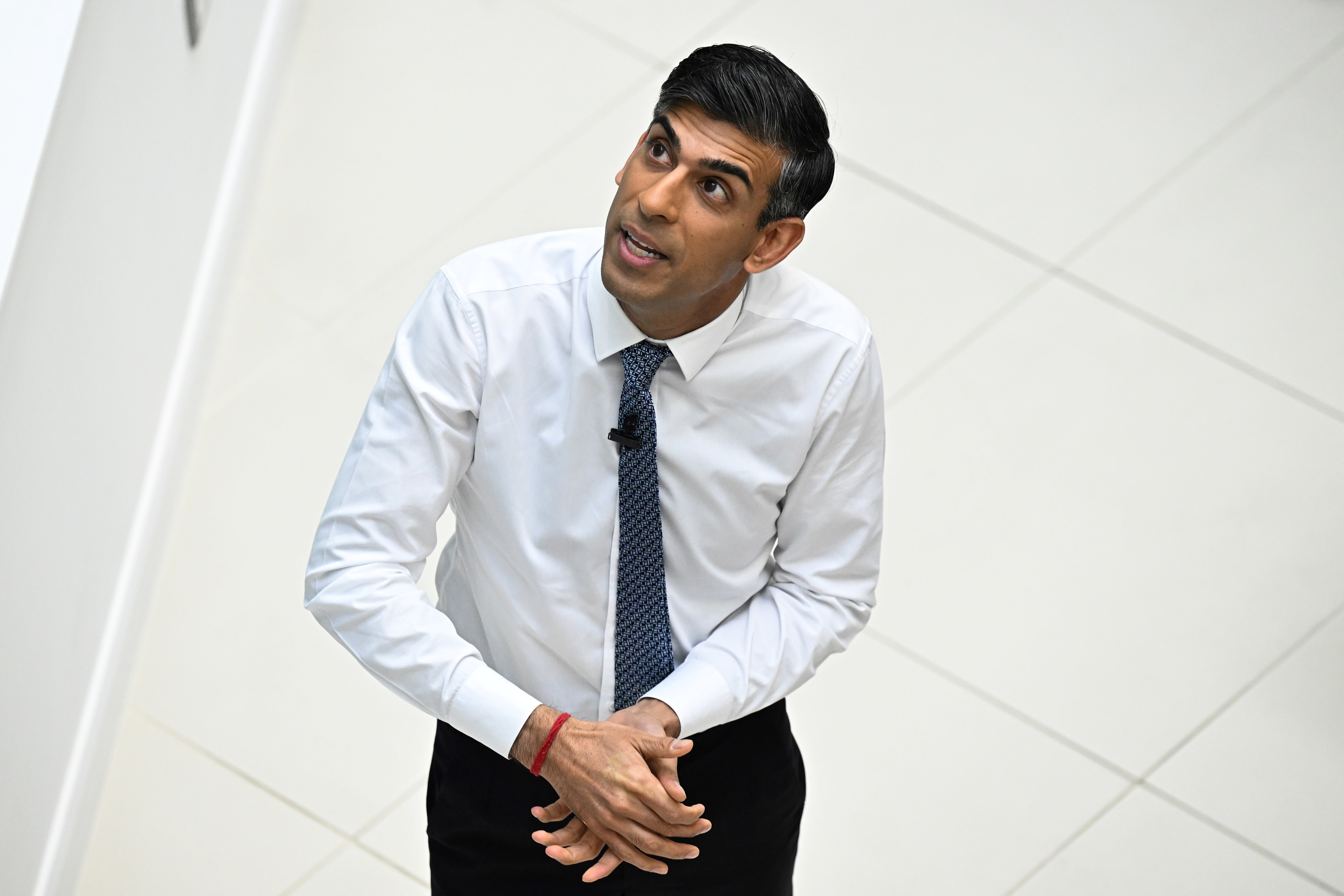
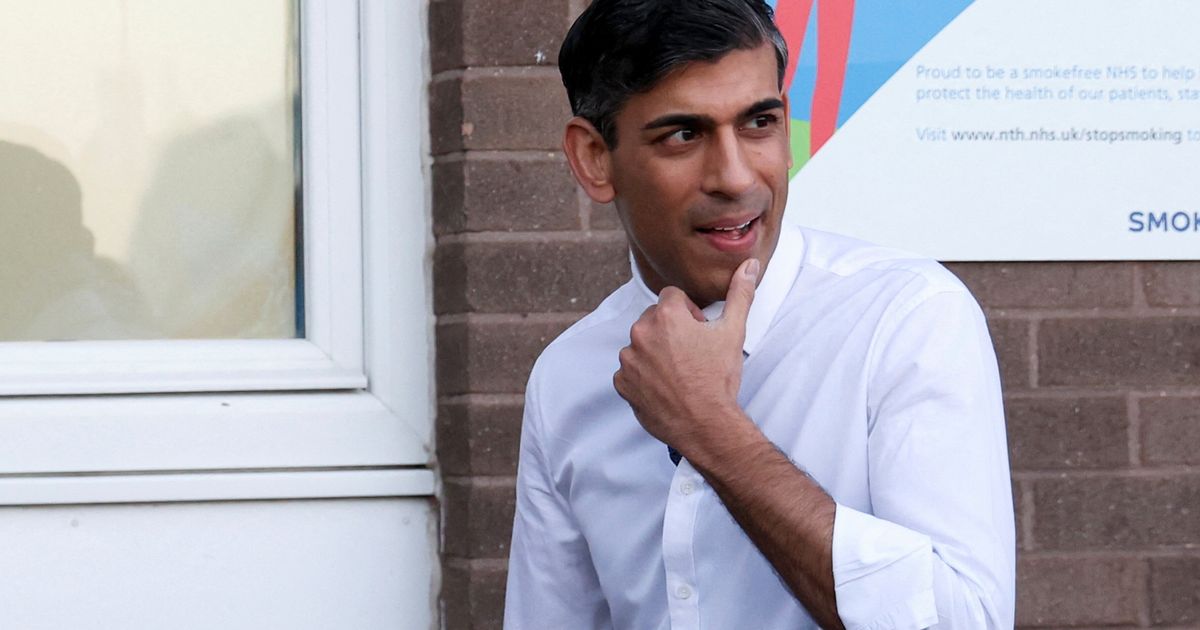
Her intervention represents another headache for Rishi Sunak, who is already battling with the resurgence of Boris Johnson.
The former prime minister has also put pressure on Sunak over the economy, calling on him to cut taxes before the next election.
The prime minister has repeatedly said that inflation must be brought under control but the government can contemplate slashing taxes.
Johnson also criticised Sunak’s decision not to send British fighter jets to Ukraine following a plea from Kyiv to Western allies.
Downing Street has said it would not be “practical” to send jets to Ukraine. The UK has, however, sent 14 Challenger 2 tanks to assist with the war effort against Russia.
Advertisement