Increase Smoking Age By One Year Every Year Until No-One Can Buy Tobacco – Government Review

The age at which people can legally buy tobacco in England should increase by one year every year, a government-commissioned review has said.

It recommended the legal age of sale should steadily rise from the current age limit of 18 and millions of pounds be invested to stop smoking.

The independent review by Dr Javed Khan made 15 recommended interventions, including an extra £125 million per year invested in smoke-free policies and a further £70 million per year ringfenced for stop smoking services.

The review also said vapes should be promoted as an effective “swap to stop” tool to help people quit smoking and there should be improved prevention in the NHS offering smokers advice and support to quit.

Dr Khan, former chief executive of children’s charity Barnardo’s, said: “Without immediate and sustained action, England will miss the smoke-free target by many years and most likely decades.

“A smoke-free society should be a social norm – but to achieve this, we must do more to stop people taking up smoking, help those who already smoke and support those who are disproportionately impacted by smoking.

“My holistic set of recommendations for government will deliver this, whilst saving lives, saving money and addressing the health disparities associated with smoking.

“My proposals are not just a plan for this government, but successive governments too. To truly achieve a smoke-free society in our great country, we need to commit to making smoking obsolete, once and for all.”

Dr Khan also called for a “tobacco licence” for retailers to limit the availability of tobacco across the country, a rethink of the way cigarette sticks and packets look to reduce their appeal, and a mass media campaign to encourage smokers to quit.

Almost six million people in England smoke, and tobacco remains the single biggest cause of preventable illness and death, the Department of Health said.

Share Button

Boris Johnson Is Doing A Good Job As Prime Minister, Says Michael Gove

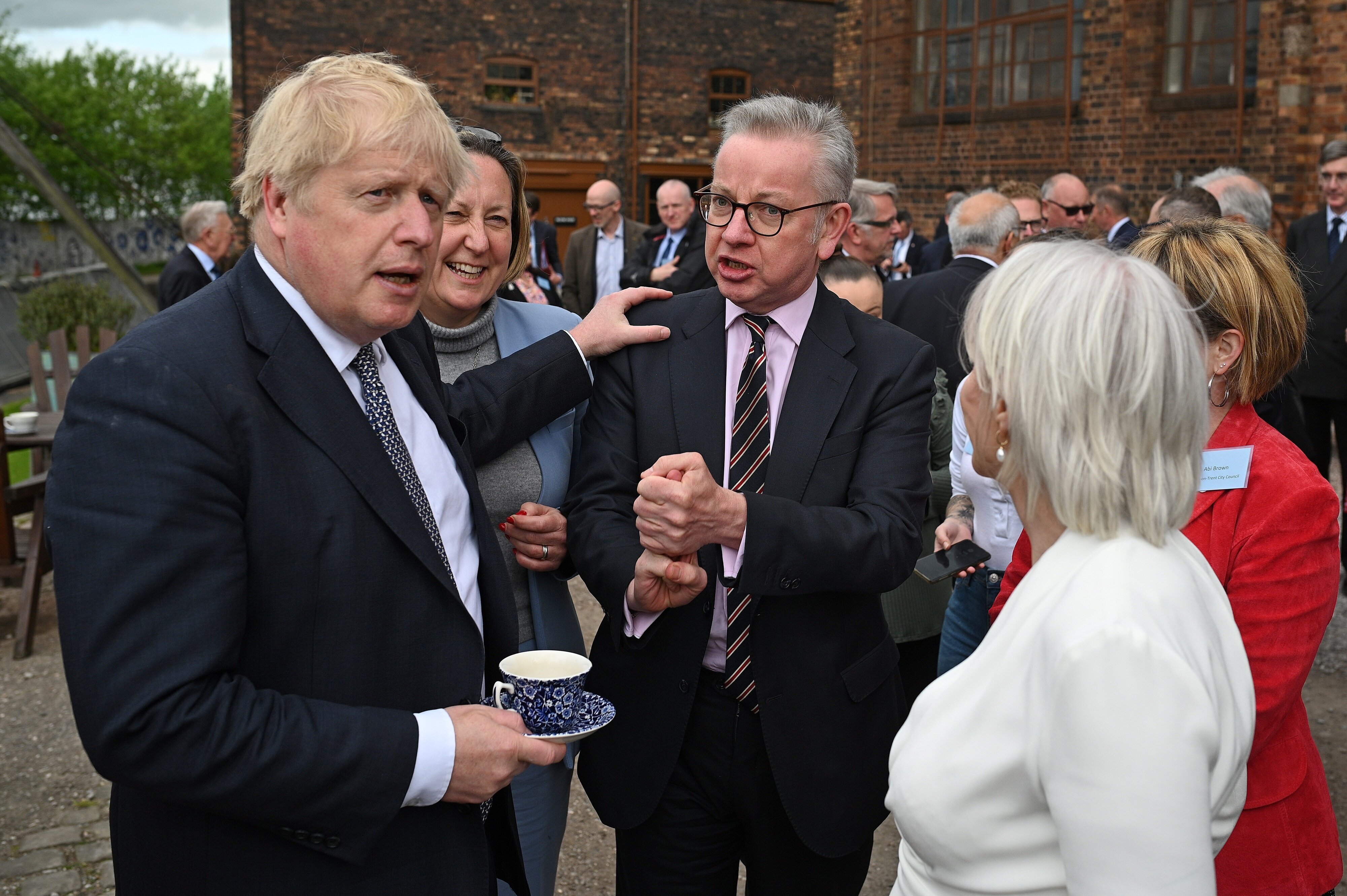
Boris Johnson is doing “a good job” as prime minister, according to Michael Gove – despite nearly 150 of his own MPs voting to get rid of him.

The levelling up secretary said he had “enthusiastically” voted for the prime minister in Monday night’s vote of confidence.

And he insisted he had “made a mistake” during the 2016 Tory leadership contest when he claimed Johnson did not have the necessary skills to lead the country.

Gove had initially been part of Johnson’s campaign team, but pulled out in order to run for the leadership himself.

He said at the time: “I came in the last few days, reluctantly and firmly, to the conclusion that while Boris has great attributes he was not capable of uniting that team and leading the party and the country in the way that I would have hoped.”

The PM survived an attempt to kick him out of Number 10 by his own parliamentary colleagues when he won Monday’s confidence vote by 211 to 148.

But the scale of the rebellion means he remains under huge pressure to turn around the Conservatives’ fortunes.

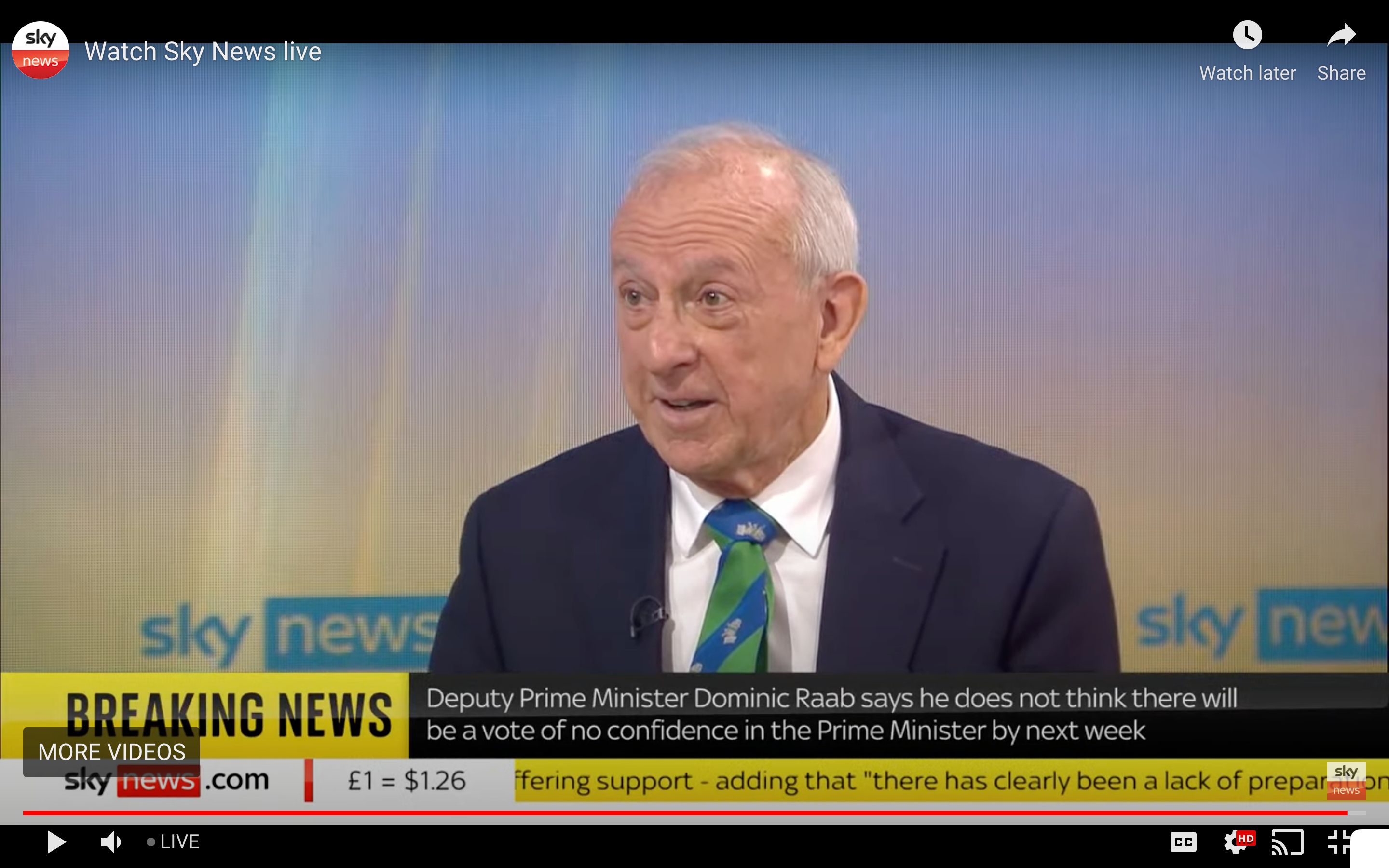
Asked on Sky News whether he had voted for the PM, Gove said: “Enthusiastically, yes.

“I made a mistake in 2016, a misjudgment. If you’ve been in politics for a little while, as I have been, then there are always mistakes that you can look back on.

“But, no, I think the prime minister is doing a good job.”

When asked whether he would run against Johnson again in a future leadership contest, Gove said: “Oh God, no.”

He added: “I can understand why some of my MP colleagues have concerns and I think it’s important that over the course of the next two years that we demonstrate that the Government is focused on delivering for the people across the United Kingdom.”

Share Button

It’s Inevitable Some Ministers Secretly Voted Against Boris Johnson, Tory MP Says

A Tory MP today admitted it was “inevitable” that some ministers voted against Boris Johnson in last night’s confidence vote.

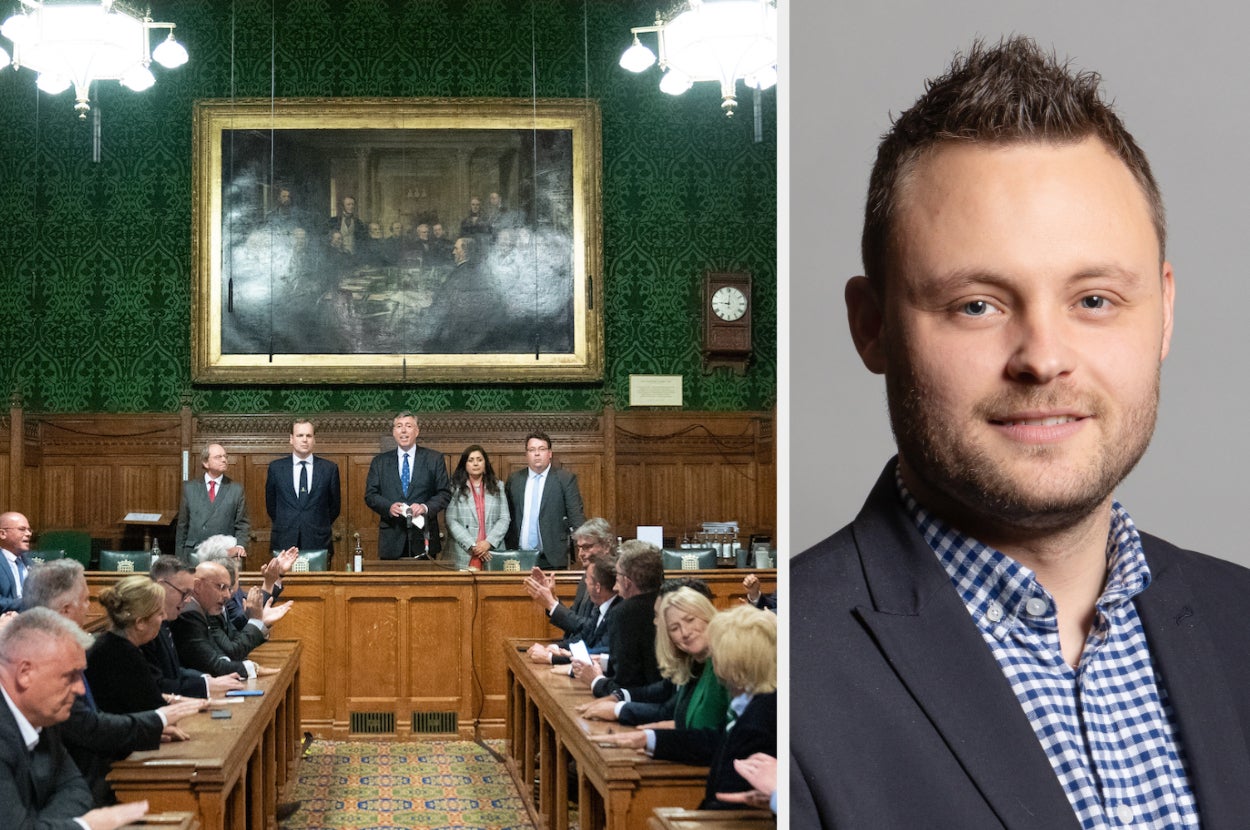
Ben Bradley, Conservative MP for Mansfield, said the result suggested some MPs on the government payroll voted to oust the prime minister.

The PM won a confidence vote in his leadership by 211 to 148 but it means more than 40 per cent of his MPs want him gone.

Bradley, who backs the PM, said Johnson knew he never had the “unanimous support” of Tory MPs because that is the nature of broad church political parties.

When it was put to him that 75 per cent of Tory backbenchers did not vote for the PM, Bradley told Sky News: “That’s guesswork really, it’s impossible to know who – payroll or non-payroll – voted in which particular way.”

Asked if he thought some ministers or cabinet members would have voted to get rid of the prime minister, he replied: “I think when you look at the numbers, that’s inevitable, in reality.

“But obviously it’s a secret ballot and we’ll probably never know the exact kind of divide there.”

Badly wounded, Johnson used a cabinet meeting on Tuesday morning to insist the government was getting “on with the job”.

Allies have rallied round him, but former Tory leader Lord Hague said “the damage done to his premiership is severe” and he should quit rather than prolong the agony.

The scale of the opposition was greater than that seen in 2018 when Theresa May faced a confidence vote. She was ultimately forced out within months.

Johnson faces further tests with tricky by-elections on June 23 in Wakefield, West Yorkshire, and Tiverton and Honiton in Devon.

Labour will try to heap further pressure on Johnson by asking MPs to vote on Tuesday to adopt a package of recommendations put forward by a sleaze watchdog aimed at improving standards in Westminster.

Meanwhile, the Lib Dems are pushing for a Commons confidence vote in the PM as a whole after Johnson survived the Tory process, although there is no date fixed for the move and it is unlikely to be successful.

Share Button

Boris Johnson Survives Vote Of No Confidence. What Next?

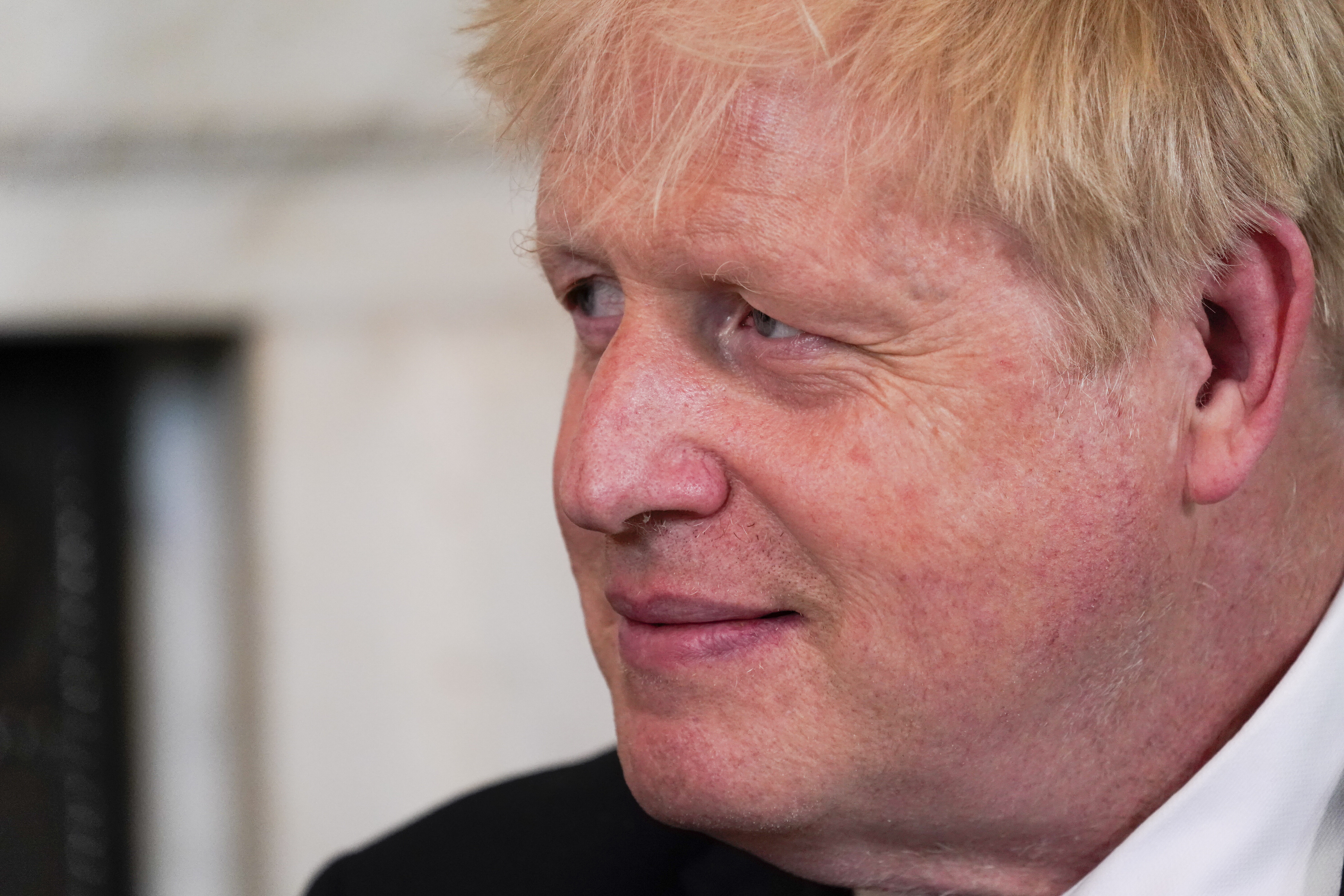
Boris Johnson’s authority appears to be hugely damaged after 41% of Conservative MPs voted against continuing his leadership on Monday night.

While this means the prime minister did secure just enough votes to stay on in No.10, as 211 Tories claimed they still had confidence in him compared to 148 who did not, the blow to his reputation could be unrecoverable at this stage.

So what next for Johnson? Having repeatedly defied the odds in the past, pundits believe he’s unlikely to step down now.

Despite the exceptionally narrow win, he hailed the result as “decisive” and said it allowed the government to “move on” – although that is improbable, too.

Here’s a breakdown of what could follow as the Tory turmoil rumbles on.

Another vote

The current party rules don’t allow for more than one effort to oust a leader in the space of 12 months.

When Tory MPs botched an attempt to get rid of Theresa May in December 2018, they ultimately had to wait until she quit June 2019.

However, the rules can be changed at the stroke of a pen by the 1922 committee – and there have been two recent, if unsuccessful, attempts to give Tory MPs another shot sooner.

In April 2019, MPs demanded the party cuts the one-year rule to six months, and a similar attempt in January – as confidence in Johnson was draining – was also thwarted. Under the plans the threshold for triggering a second ballot would have doubled.

Speaking to reporters on Monday, leader of the 1922 committee Sir Graham Brady did admit that it was “technically” possible for the one-year grace period rule to be altered.

Government reshuffle

Johnson could attempt to reassert himself by rewarding his loyal allies with new jobs and punishing those suspected of voting against him.

A No.10 source hinted that this could be an option when speaking to POLITICO’s Playbook, but admitted: “We haven’t had that conversation yet.”

Further reports even suggest MPs who were on the fence were promised roles in government to seal the deal, and that a rejig could come within a matter of days with the less enthusiastic ministers being cut out.

Alternatively, ministers who no longer back Johnson could choose to get out of the job themselves by resigning, especially as the chorus of top Tories – such as former Conservative leader William Hague – wanting the PM out is only getting louder.

Leader of the Lib Dems Sir Ed Davey even called for Tory MPs who “care about integrity and decency” to resign the whip and sit as an independent, although no-one in the Tory ranks has hinted at doing such just yet.

By-elections

The next date for the diary is June 23, which will see two by-elections on the same day. Wakefield in Yorkshire and Tiverton and Honiton in Devon. Both are currently held by the Conservatives, but the party risks losing Tiverton to the Lib Dems and Wakefield to Labour.

A loss in Wakefield would not be ideal given its position in the red wall, but it is probably expected. However, losing Tiverton, which has a Tory majority of 24,239, to the Lib Dems, could scare a critical mass of Conservative MPs into acting against the PM.

Double trouble on June 23 – and a sense from the electorate that the next general would be disastrous for the Tories – could be the trigger for Cabinet ministers to move. This is what did for Thatcher when “big beast” Michael Heseltine launched another leadership challenge in November 1990.

It’s worth remembering that the disastrous May local elections were not enough to shake Johnson from his post, even though the Tories lost around 500 council seats in total.

Parliamentary inquiry

Let’s not forget partygate is not “over”.

MPs on the Commons privileges committee are still investigating whether Johnson misled parliament during his explanations of rule-breaking parties during lockdown.

Despite defying calls to quit after the Sue Gray report and denying that he misled the Commons, if the committee finds him in contempt of parliament, it could recommend he is forced to apologise, suspended from the Commons, or even expelled. Any sanction would need to be approved in a vote by all MPs.

But Johnson has changed the rules so ministers will not automatically lose their jobs if they breach the ministerial code, including himself.

A refreshed government policy statement – published just two days after the Gray report – said it was “disproportionate” to expect ministers to resign or face the sack for “minor” violations of the code’s provisions.

An early general election

A snap vote is unlikely, but still an option if Johnson feels he can get a fresh mandate from the country. It may his last roll of the dice if Tory pressure builds and senior ministers start to call for him to go.

The next general election does not have to happen until January 2025.

Johnson insisted in the immediate aftermath of the vote that he is “certainly not interested in snap elections”, and pushed instead for the government to “move on”.

But bizarrely, the prime minister also claimed that he now had “a far bigger mandate from my own parliamentary colleagues than I had in 2019”.

The snap general election he called two and a half years ago to consolidate his new position in No.10 saw 365 Tories elected.

This was a landslide majority – and a far cry from the 211 MPs (59% of the total parliamentary party) who voted in favour of keeping him in Downing Street on Monday.

Share Button

Tory MPs Trigger No Confidence Vote In Boris Johnson’s Leadership

Boris Johnson is on the verge of being ousted as Conservative Party leader and prime minister, after the number of Tory MPs demanding he resign reached the threshold for a vote of no confidence.

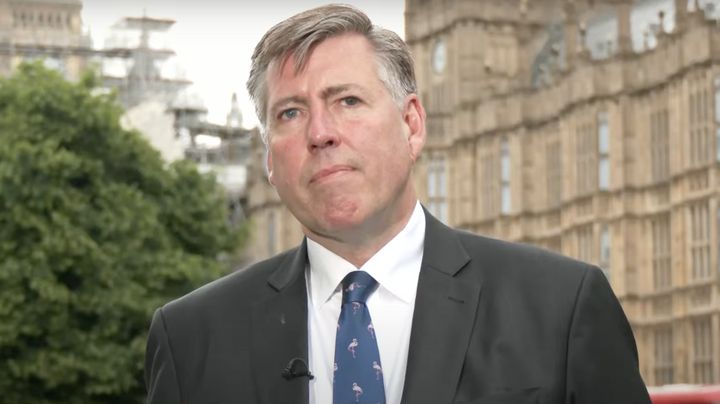
Chairman of the backbench 1922 Committee Sir Graham Brady has announced that 54 or more Tory MPs have requested a vote of confidence in the PM, triggering a leadership vote.

Tory MPs will vote this evening between 6pm and 8pm on whether they want Johnson to remain.

While plenty of Westminster insiders predict Johnson will survive the vote, the fact it has been called is damaging for the prime minister.

Brady said in a statement: “The threshold of 15 per cent of the parliamentary party seeking a vote of confidence in the leader of the Conservative Party has been exceeded.

Sir Graham Brady making the announcement to camera

“In accordance with the rules, a ballot will be held between 6pm and 8pm today Monday June 6 — details to be confirmed.

“The votes will be counted immediately afterwards. An announcement will be made at a time to be advised. Arrangements for the announcement will be released later today.”

Speaking to journalists, Brady suggested some MPs had post dated their letters so the vote did not overshadow the Queen’s jubilee celebrations.

It comes after former minister Jesse Norman became the latest Tory MP to announce that he has submitted a letter calling for a confidence vote in Johnson.

Norman, the MP for Hereford and South Herefordshire, said Johnson had presided over “a culture of casual law-breaking” in No.10 and that his claim to be vindicated by the Sue Gray report was “grotesque”.

In order to oust him, 180 MPs would have to vote against Johnson in the confidence vote.

However, the odds are in the PM’s favour with around 140 MPs on the “payroll” alone including ministers and aides.

Cabinet ministers have been lining up to declare their support for the prime minister.

Foreign secretary Liz Truss tweeted: “The prime minister has my 100 per cent backing in today’s vote and I strongly encourage colleagues to support him.

“He has delivered on covid recovery and supporting Ukraine in the face of Russian aggression. He has apologised for mistakes made. We must now focus on economic growth.”

Levelling up secretary Michael Gove added: “I’ll be voting for Boris this evening. The PM got the big decisions right on Brexit and Covid.

“We need to focus now on defending Ukraine, driving levelling-up and generating growth. We need to move past this moment and unite behind Boris to meet these challenges.”

Conservative MP Michael Fabricant said he thinks Johnson will win the vote no of confidence on Monday evening.

He told Times Radio: “I think he is going to win. I think that something like two-thirds of the party will vote to support him and I really do wonder why it’s happening at this time.”

A No.10 spokesperson said:“Tonight is a chance to end months of speculation and allow the government to draw a line and move on, delivering on the people’s priorities.

“The PM welcomes the opportunity to make his case to MPs and will remind them that when they’re united and focused on the issues that matter to voters there is no more formidable political force.”

Share Button

Senior Tories Rush To Defend Johnson As Confidence Vote Looms

Boris Johnson was publicly supported by top Tories on Monday morning shortly before it was confirmed that a confidence vote in his leadership was going ahead tonight.

Top backbencher Sir Graham Brady announced he had received at least 54 letters of no confidence from Tory MPs, meaning the whole parliamentary Conservative Party will vote on Johnson’s future tonight.

But speaking to broadcasters on Monday, health secretary Sajid Javid said he was not aware of any leaders who had 100% backing among their parties, and that is not “unusual”.

The health secretary maintained that Johnson has delivered since being elected – including Brexit and the Covid vaccination programme.

He said the 14 million who voted for the Conservative Party in 2019 makes them one of the “most successful parties in Western Europe”.

Just half an hour before it was confirmed, he then went on to tell BBC Breakfast that he thought it was “likely” such a vote of no confidence would go ahead – although he didn’t think the country needed one.

Addressing partygate – and the hit it has had on Johnson’s popularity – Javid claimed that he’s “still upset when I think about those things”, but suggested it was time to move forward.

“What the country wants is the government to get on with the job at hand,” the cabinet minister said.

The health secretary also told Sky News that the prime minister will still “fight and stand his corner with a very strong case”, if push comes to shove and that he would be supporting him.

He was not the only person to publicly back the prime minister ahead of Sir Graham’s announcement on Monday.

Writing for Conservative Home, chief of staff for No.10, Steve Barclay, pleaded for the Tories to stay united under Johnson.

He said: “As we return to Westminster today, the Conservative parliamentary party faces a choice: we can focus on delivering the policies needed to meet the challenges faced by those communities – and of people across the whole United Kingdom.

“Or we can choose to waste time and energy looking backwards and inwards, talking to ourselves about ourselves.

“The problems we face aren’t easy to solve. Democracies around the world are all currently facing similar challenges.

“But under Boris Johnson’s leadership, our plan for jobs shows how we are navigated through these global challenges.

“To disrupt that progress now would be inexcusable to many who lent their vote to us for the first time at the last general election, and who want to see our prime minister deliver the changes promised for their communities.”

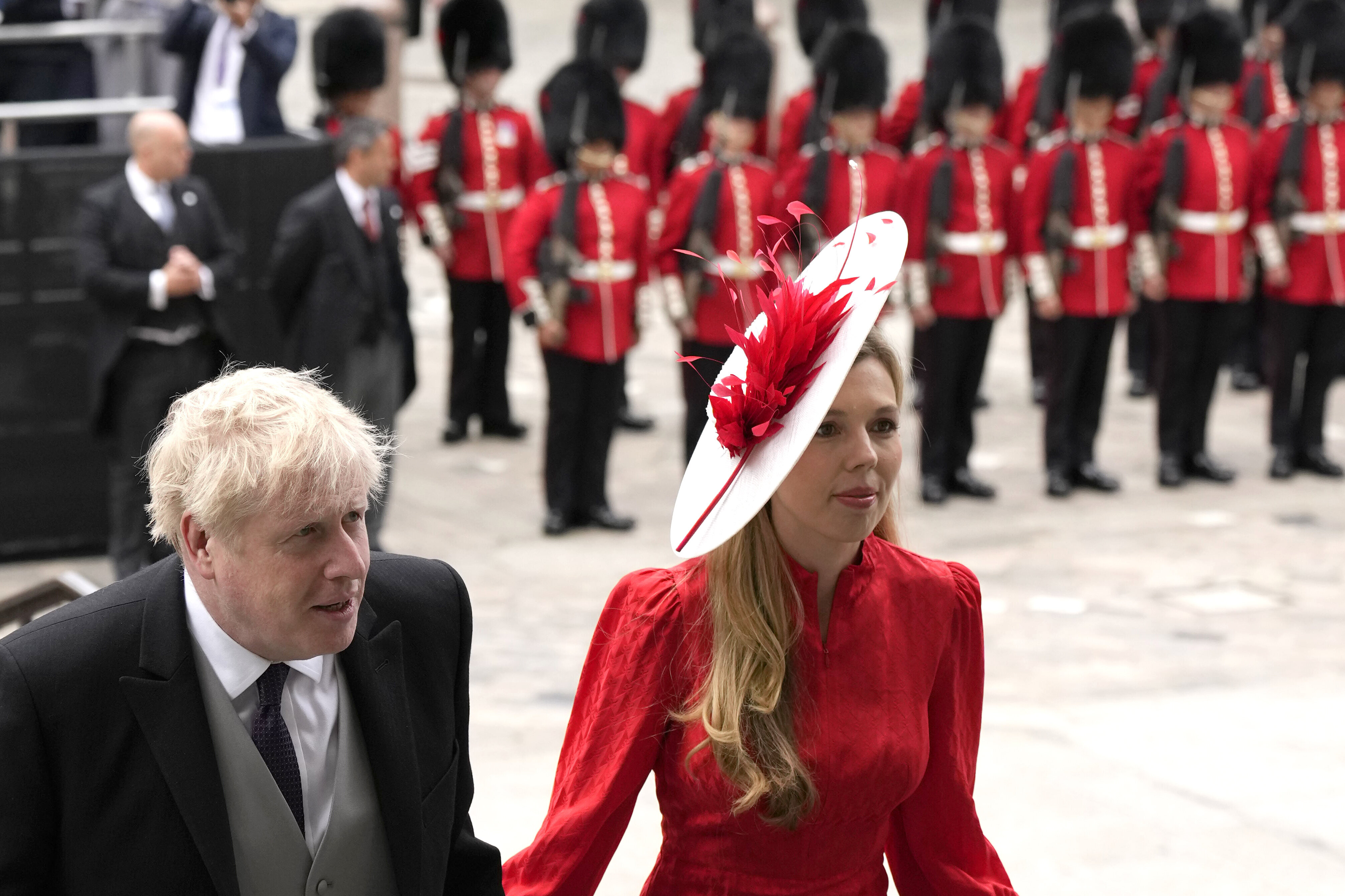
Although speculation over Johnson’s future was growing last week, concern among Tory ranks seems to have soared over the bank holiday after the prime minister and his wife were greeted with a wall of boos when arriving at an event to celebrate the Platinum Jubilee.

Share Button

Boris Johnson Was Also Cheered By Jubilee Crowds, Grant Shapps Has Insisted

Boris Johnson and his wife were cheered as well as booed by crowds as they attended a Jubilee church service for the Queen, Grant Shapps has insisted.

The transport secretary clashed with the BBC’s Sophie Raworth after she asked him why the prime minister and Carrie Johnson were jeered by the public.

“There were also people cheering and you’re not asking why they did that,” Shapps said.

Television footage showed the PM and his wife clearly being booed as they entered and left the national service of thanksgiving for the Queen at St. Paul’s Cathedral on Friday.

Culture secretary Nadine Dorries, a Johnson loyalist, leapt to the PM’s defence by insisting there were “far, far more cheers” for the couple – prompting a wave of online mockery.

Appearing on the BBC’s Sunday Morning programme, Shapps also attempted to downplay the extent of public opposition to his boss.

He said: “Look, politicians don’t expect to be popular all the time. You know, getting on with running the country is a job where you have to take difficult decisions a lot of the time.

“I wasn’t there, but I heard people booing, I heard people cheering, I think it’s best to get on with the job at hand – running the country – rather than being overly distracted by the clips that you just played.”

Shapps said George Osborne, who was Chancellor at the time, was booed at the 2012 Olympics opening ceremony but the Conservatives still went on to win the 2015 election.

Asked why other politicians – including former PMs like Tony Blair and Gordon Brown – who attended the St. Paul’s service were not booed, Shapps said: “Well, he’s the Prime Minister, rather different from an ex-prime minister or a more minor politician.”

Johnson faces another huge week at Westminster amid mounting speculation he could face a vote of no confidence in his leadership.

In a further blow for the PM, a new poll has revealed that the Tories are 20 points behind Labour in Wakefield, where voters will go to the polls on June 23 in a crunch by-election.

Shapps said he did not believe a confidence vote would take place, but insisted Johnson would win it if one did happen.

Share Button

Consultation On Returning To Imperial Measurements Opens

The government has confirmed that a consultation which could pave the way for greater use of imperial measurements in post-Brexit Britain will be launched on Friday.

Plans to review “overbearing EU rules” will restore “common sense” to the statute book, according to the Department for Business, Energy and Industrial Strategy (BEIS).

The EU weights and measures directive came into force in 2000, with traders legally required to use metric units for sale-by-weight or the measure of fresh produce.

It remains legal to price goods in pounds and ounces, but they have to be displayed alongside the price in grammes and kilogrammes, except in a limited number of cases.

The 12-week consultation will look at how to change those stipulations, giving traders more freedom to choose how they price fresh items.

It will assist the government in considering, for example, allowing vegetables to be sold in pounds only, or in pounds with a less prominent metric equivalent.

BEIS said this will help inform plans to legislate to give businesses greater choice over the units they use.

The department insisted the move would not inflict further costs on businesses as there was no intention to require them to make a change.

A range of stakeholders are being invited to contribute to the consultation, including businesses, trade associations, enforcement bodies and consumer organisations.

The government announced its intention to review the rules on imperial measurements in September last year, as part of a range of post-Brexit regulatory reforms.

Business minister Paul Scully said: “While we think of our fruit and veg by the pound, the legacy of EU rules means we legally have to sell them by the kilo.

“Our consultation today will help shops to serve customers in the way their customers want.”

The move has come in for criticism, with Tory peer and supermarket boss Lord Rose of Monewden arguing that the idea of returning to imperial weights and measures is “complete and utter nonsense” and would “add cost” for those making the transition.

The Asda chairman said on Thursday that the change would only please “a small minority who hark for the past”.

New government guidance published on Friday will also help businesses apply the Crown symbol to pint glasses, in what BEIS said will serve as a “tribute” to the Queen’s Platinum Jubilee.

British pint glasses intended for measuring and serving beer used to be marked with a Crown stamp as a declaration that the measure was accurate.

But on the implementation of an EU directive in 2006, they were required to display an EU-wide “CE” marking to show they were conforming with the union’s regulations in the UK.

Glasses already bearing the Crown stamp did not have to be removed from circulation, and those with the EU-wide marking were technically allowed to display the Crown too, as long as it did not obscure the new symbol.

From 2023, glasses entering the market in England, Scotland and Wales will have to carry the new UKCA marking to show they are conforming with legal requirements.

Businesses can decide whether to apply the Crown symbol, which would be purely decorative.

Scully said: “This Platinum Jubilee weekend we’re raising a toast to Her Majesty the Queen’s health and service to this country.

“It’s a fitting tribute that we’re now helping businesses to restore the Crown symbol to pint glasses.”

Share Button

Tory Elections Guru Lord Hayward Predicts Boris Johnson Will Face Confidence Vote

To mount a leadership challenge, 54 have to submit a letter to Sir Graham Brady who leads the 1922 committee of backbench Conservative MPs.

Only Brady knows how many have submitted letters and he keeps it a secret until the threshold is reached.

Analysis by Sky News shows 41 MPs have publicly questioned Johnson’s position, while 28 have confirmed they have sent in letters.

Hayward said it was striking that a lot of the MPs who have admitted submitting letters recently had experienced local elections in their constituencies, adding: “They have spent more time asking people for support on behalf of their councillors, their candidates, than other people.

“In the local elections, the Tories did reasonably in being a party of government against the Labour Party in the Midlands of the North.

“But they did far worse than expected in parts of London and in the southeast in the middle class, the what’s described as the gravel drive, Waitrose shopping areas.

“And that has clearly unsettled MPs who had, with their associations, to go out and campaign and what we’re seeing now is that feeding off the losses of May 5.”

Asked if Johnson would lose a confidence vote, Hayward replied: “That is very difficult to say. I think if it were held today, no he wouldn’t.

“But there are these series of hurdles – we’ve got Lord Geidt’s comments yesterday, which have come completely out of the blue nobody was expecting this to have happened and therefore the reset is not proving to be the calming experience that most people at No.10 and within the organisation behind Boris would actually have wanted it to.

“So there is the prospect, but it’s worth remembering Theresa May won a vote of confidence, in theory that gave her another year, but she was out of office within seven months.”

He said a vote of confidence, even if you win, is not a guarantee that you will continue as the party leader because losing support is an “attritional process”.

In order to oust him, 180 MPs would have to vote against Johnson in the confidence vote.

If it gets to that stage, the odds are in the PM’s favour with around 140 MPs on the “payroll” alone including ministers and aides.

Share Button

Boris Johnson Responsible For ‘Unacceptable Failings’, Says Andrea Leadsom

Boris Johnson is responsible for “unacceptable failings” of leadership, former cabinet minister Andrea Leadsom has said.

The prime minister is under mounting pressure from his own MPs to resign, following the Sue Gray report into partygate.

It takes 54 Tory MPs to formally submit a letter for a no confidence vote in Johnson to be triggered.

In a letter on Tuesday, reported by The Mirror, Leadsom said she wanted to be “clear” about her views but stopped short of calling for Johnson to resign or offering him continued support.

“I believe in the importance of high standards of integrity, and that Members of Parliament must strive to be good role models, very specifically because we are the lawmakers and therefore in a trusted position of power and authority,” she said.

“I am determined to be clear about my views as a matter of personal integrity — the conclusion I have drawn from the Sue Gray report is that there have been unacceptable failings of leadership that cannot be tolerated and are the responsibility of the prime minister.

“Each of my Conservative MP colleagues and I must now decide individually on what is the right course of action that will restore confidence in our government.”

Leadsom has served in a number of senior government roles including business secretary and Commons leader.

She ran against Johnson in both the 2016 and 2019 Conservative leadership elections.

Sir Graham Brady, chairman of the 1922 Committee of backbench Tories, is the only person who knows the number of letters that have been sent in.

It is widely expected in Westminster that Brady would wait until parliament returns from the current recess next Monday, after the Queen’s Jubilee celebrations, before revealing whether the threshold had been met.

Share Button