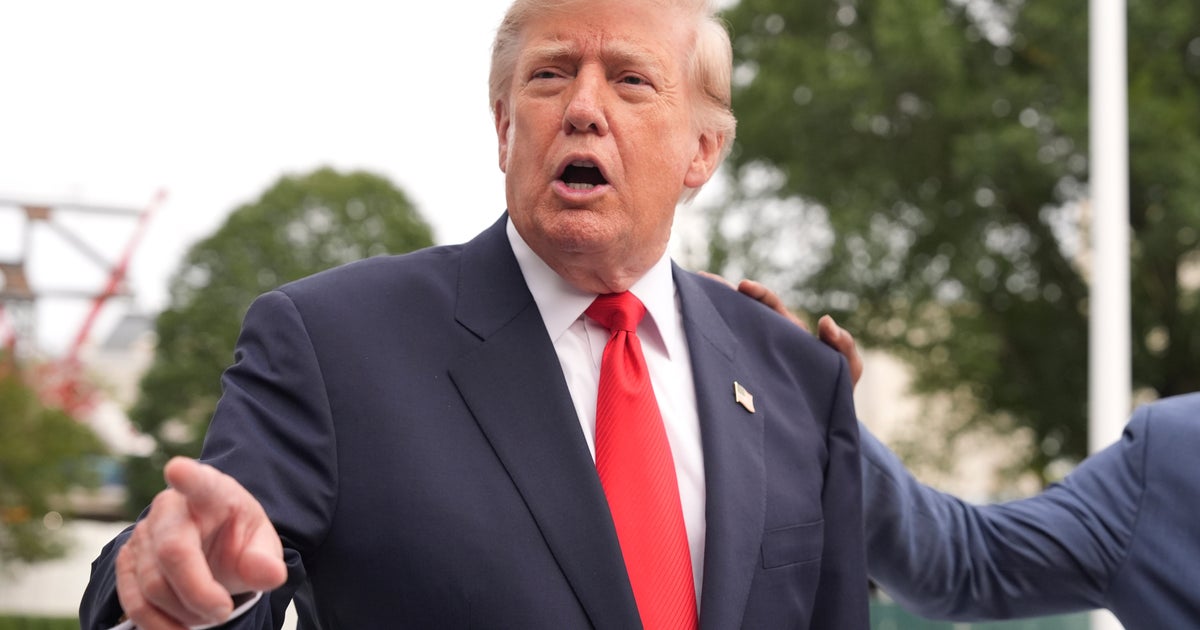
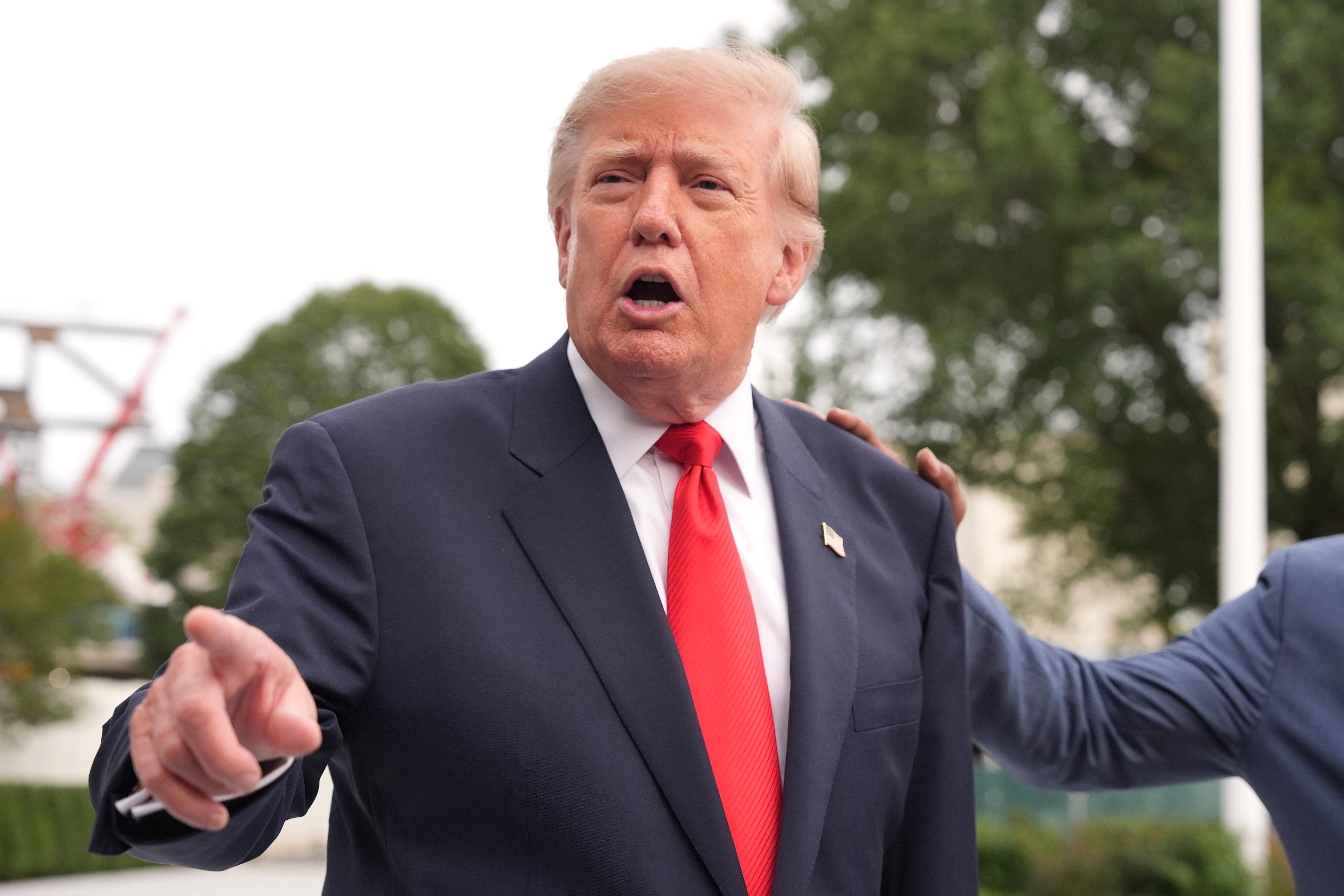
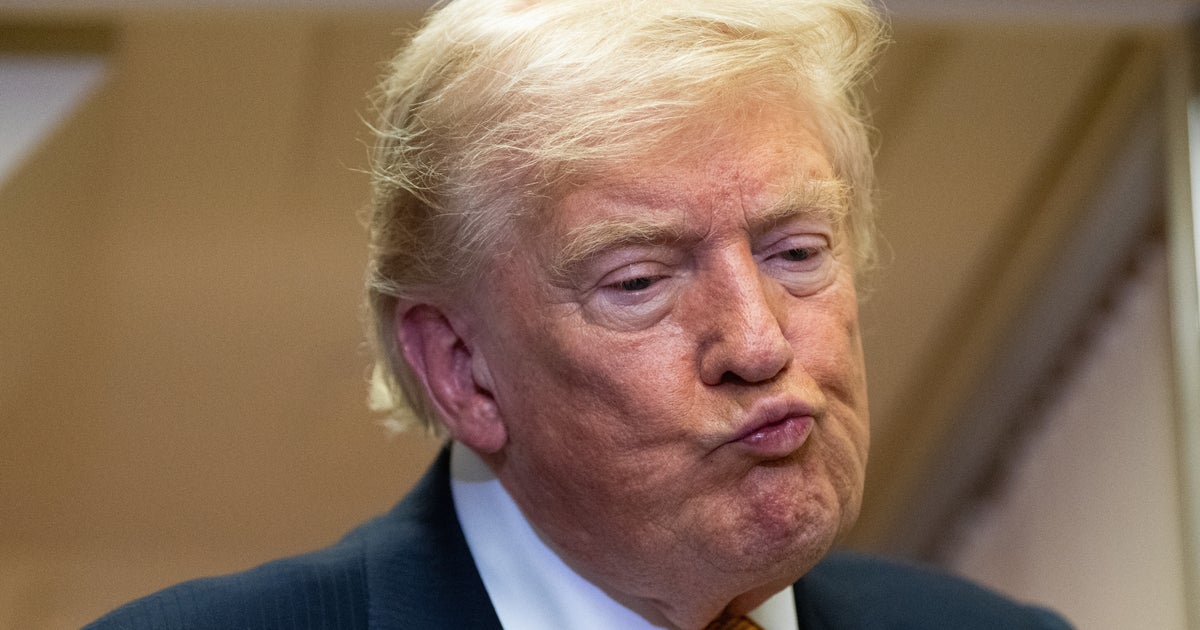
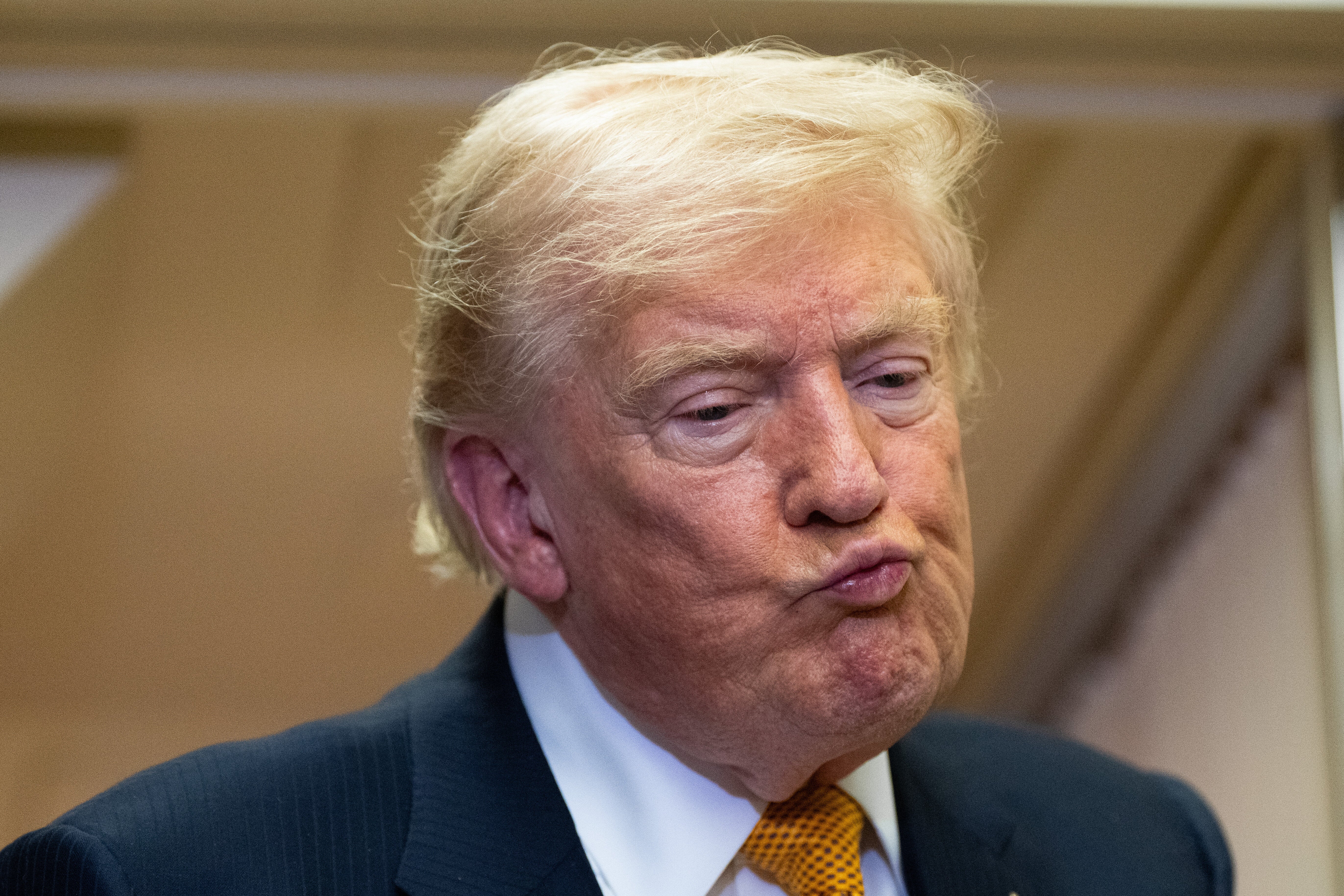
Donald Trump has horrified Ukraine after announcing a new deal to buy Russian diesel, a move which unpicks years of united western efforts to run down Vladimir Putin’s war machine.
Nato has spent the last four and a half years weaning itself off Russia’s cheap oil exports and cracking down on any of its remaining trade partners to put pressure on Moscow.
Advertisement
These economic sanctions were meant to encourage Putin to stop his gruelling invasion of Ukraine, even if such measures pushed energy prices up elsewhere.
But then Trump put more strain on the global economy when he agreed to launch strikes on Iran at the end of February.
Tehran retaliated by effectively closing the Strait of Hormuz, a major oil shipping lane, putting further stress on oil supplies – and making the cost of living go up.
Advertisement
A gallon of fuel now averages $4.20 while diesel has soared to $6.52, affecting American farmers and therefore making food prices climb rapidly.
Trump’s deal with Putin comes shortly before the US midterms, where voters were expected to punish Trump’s Republican Party.
The US president wrote on TruthSocial on Friday: “I have just concluded a highly successful discussion with President Vladimir Putin, of Russia, wherein it was agreed that Russia will immediately supply over 300,000 Tons of Diesel Fuel to the American and Global Marketplace, another 500,000 Tons during the month of November, and 1,000,000 Tons immediately thereafter.
Advertisement
“Based on the condition of their diesel refineries, Russia will then deliver, within a short period of time, 3,000,000 tons of diesel fuel.”
He added: “Diesel prices for Americans and, indeed, the world, will be COMING DOWN, IN RECORD NUMBERS, AND FAST! Lower prices for Americans, especially our Great Farmers, Ranchers, and Truckers, is my greatest priority.”
Ukrainian president Volodymyr Zelenskyy told Axios that the new announcement “looks like a happy birthday present for Putin”, after the Russian autocrat turned 74 this week.
Advertisement
He added that the “absolutely terrible” deal was “not fair and not honest”.
He also wrote on X that the deal amounted to “an investment in a war that must be ended, not prolonged” and warned Russia would repay with “further terror and perfidy”.
“It plays into Russia’s hands – allowing it to kill more, wage war for longer, have even less respect for America, and inflict even greater losses and damage on the world,” Zelenskyy said.
The deal was announced while US envoys Steve Witkoff and Jared Kushner were speaking to Ukrainian and European officials to discuss ending the war.
Advertisement
Another statement from Zelenskyy released by Ukraine’s embassy in Washington on Friday said the Ukrainian negotiators were “used as a smokescreen for the deal” which he called “a weak decision by strong partners”.
“That is certainly not fair. It is certainly not how partners should treat each other,” the statement read.
It comes after the president recently also slammed Ukraine for attacking Russian diesel refineries and urged Kyiv to choose different targets.
Advertisement
Listen to Commons People, the podcast that makes politics easy. Every week, Kevin Schofield and Kate Nicholson unpack the week’s biggest stories to keep you informed. Join us for straightforward analysis of what’s going on at Westminster.
Donald Trump threw a huge tantrum after he failed to secure the Nobel Peace Prize yet again.
South African lawyer Navi Pillay won the international award on Friday for her efforts to “promote peace and international law”.
She is the former UN human rights chief chaired the UN commission which accused Israel of genocide in Gaza in September last year.
Advertisement
But the US president has long insisted that the accolade should be his, because he believes he has settled “eight wars” and saved “millions of lives”.
Most of those conflicts are either not actual wars or have not reached a settlement yet.
Trump also started the disastrous Iran war at the end of February when he agreed to launch joint strikes with Israel aimed at Tehran.
That conflict is still raging – putting huge pressure of the global economy by restricting oil supplies as it does so – and now at risk of engulfing the wider region.
But, speaking at a rally for other Republican candidates in New York, Trump decided to dedicate a lot of his time on stage to moaning over not receiving the Nobel Peace prize.
“The United States of America, represented by me as your president, should have received the Nobel Peace Prize, but didn’t,” he said.
Advertisement
“And this is an indelible stain on the country of Norway, and those people that made such a disgraceful and embarrassing decision.
“The Nobel Peace Prize has been forever discredited by a handful of radical ideologues who are anti-democracy and really enemies of civilisation.
“We will not forget, Norway, that you didn’t give this prize.”
Trump went on to insist he was “about to settle or win” two more wars, those in Iran and in Ukraine.
The president said: “I will tell you what. Iran will be very quick one way or the other: that they give us everything or they don’t exist any longer.
Advertisement
“Additionally, I stopped Iran from having a nuclear weapon and blowing up the entire Middle East and ultimately far beyond the Middle East, including Europe, perhaps the US and I saved more lives than anyone in history.”
Actually, US intelligence agencies reported to the US Congress in 2025 that Iran had suspended its pursuit of nuclear weapons back in 2023.
Trump has also been accused of siding with autocrat Vladimir Putin in his desperation to close the war in Ukraine – even if it means rewarding the Russian aggressor with more land.
Advertisement
The president tore into the actual Nobel Peace Prize winner, Pillay, saying: “Despite all of this and all of these unbelievable accomplishments, the Nobel prize was given out today to a liberal person who works at the United Nations, who nobody has ever heard of.”
Listen to Commons People, the podcast that makes politics easy. Every week, Kevin Schofield and Kate Nicholson unpack the week’s biggest stories to keep you informed. Join us for straightforward analysis of what’s going on at Westminster.
The trouble is, the by-election is a week away – and, according to Green sources, the last weekend of door-knocking is usually when they manage to win over more voters.
Polanski’s team tried to get the conference delayed so members could focus on winning over north-west London constituents, but party executives refused.
A party spokesperson has since blamed the Labour government for deliberately timing the by-election so that it would overshadow their conference.
Advertisement
Labour did not reply when approached for comment – the party seems to have adopted an approach of not even acknowledging their left-wing rivals.
Its statement in response to Polanski’s keynote address did not even mention the Greens or the leader’s name, instead focusing on Burnham’s achievements.
Either way, Polanski clearly followed his own advice to focus on campaigning.
He arrived at conference on Thursday night and left an hour after his speech on Friday, mid-afternoon, even though the conference runs until 4.30pm on Sunday.
Advertisement
Asked about the conflicting events, campaigners looked nervous but insisted to HuffPost UK there was no “divide”.
They claimed there would be plenty of people door-knocking and more than enough members at their “best-ever attended conference”.
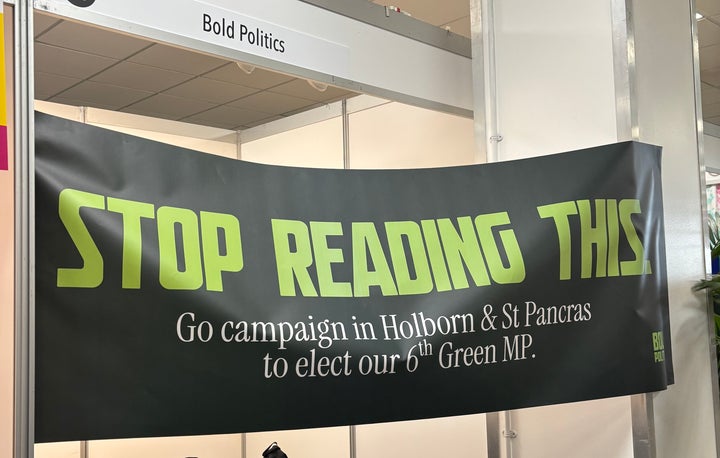
“Stop reading this. Go campaign in Holborn and St Pancras to elect our 6th Green MP,” Polanski’s own podcast said
HuffPost UK
Advertisement
Still, it was hard to escape the feeling that the Greens were already laying the groundwork for a significant loss in the crunch by-election.
Labour prime minister Andy Burnham’s popularity is soaring and his party’s candidate Sagal Abdi-Wali is the frontrunner in the race.
Polanski – currently a London Assembly member but with a major public profile – has taken a big risk in contesting the seat. He has a lot to lose.
Advertisement
Polanski told the Guardian that he does not need to win the by-election to stay as Green leader, describing it as a “50/50” contest.
He said the election had ramifications for politics across the UK but “not for my leadership”.
Spokespeople told reporters that the fact there is even a chance the Greens could take the seat of a former prime minister shows “how incredibly successful Zack’s leadership has been”.
However, POLITICO’s poll of polls puts the party in fourth place on 11% – the lowest score since last October, shortly after Polanski took over the leadership.
There are now concerns that he has peaked after polling in second place behind Reform back in March, when the party soared to 18%.
Advertisement
Even a senior party figure admitted HuffPost UK that Burnham is very popular among their own supporters.
They said: “He’s never shafted the left, to be honest. I think we’ll give him a fair hearing until the Budget. But people really, really like him – unlike Starmer!”
Polanski also used his keynote speech not to hint at replacing Labour, as he did last year, but to frame the Greens as a pressure group to move the government leftwards.
Advertisement
“Vote Green and watch Labour move,” he told the party faithful.
But in autumn 2025, Polanski said: “We’re here to replace Labour.”
Party sources later told reporters that the party leader’s speech was still focused on the gap between “what Labour says and how it doesn’t actually act”.
“It’s a change of emphasis rather than the fact that we think we can’t replace the Labour Party,” they insisted.
Asked about the possibility of ever forming a coalition with the Labour Party on Friday, officials seemed unclear about their plan now Burnham is in power.
Advertisement
“It would be up to members after the general election,” they said, dodging the question.
But it shows how the Greens are in no-man’s land right now, as they struggle to retain their progressive base in the Burnham era.
The question is, will next week’s crunch vote give them a much-needed boost by electing Polanski – or relegate them to the sidelines once more?
Advertisement
Listen to Commons People, the podcast that makes politics easy. Every week, Kevin Schofield and Kate Nicholson unpack the week’s biggest stories to keep you informed. Join us for straightforward analysis of what’s going on at Westminster.
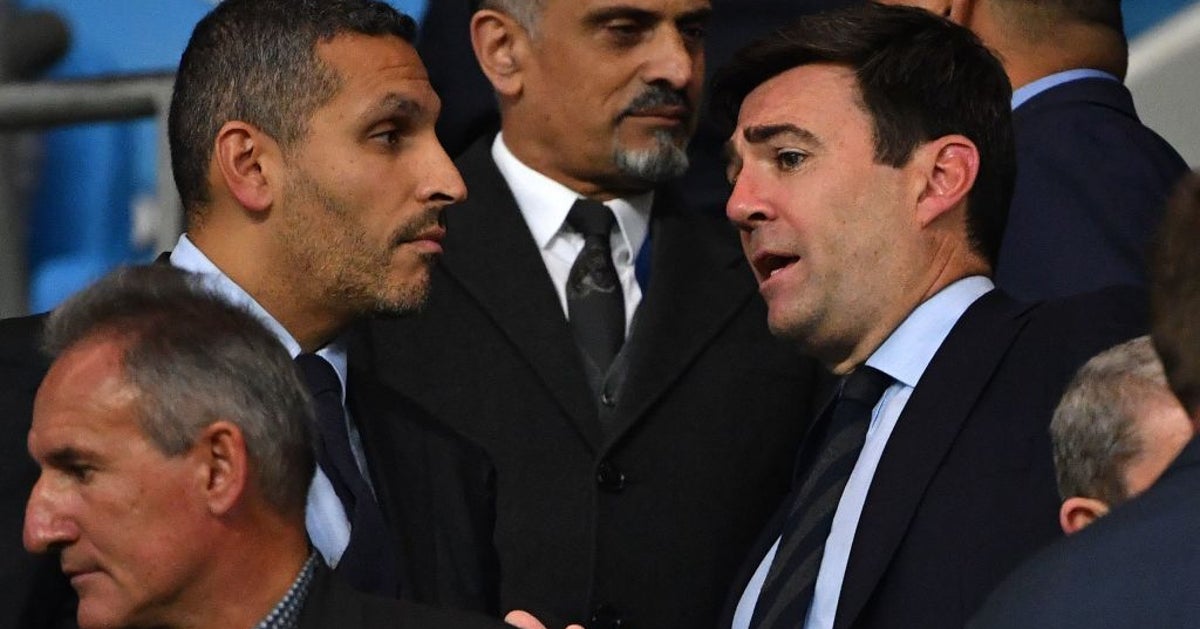
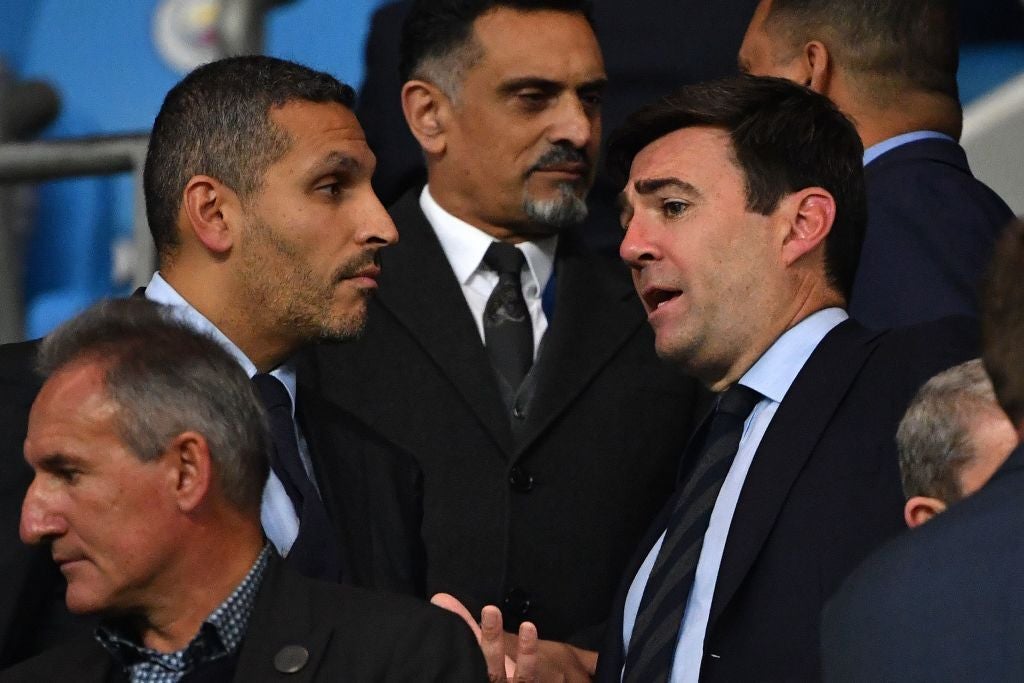
Andy Burnham has been forced to clarify his views on Manchester City after he triggered an angry backlash by saying he was “really concerned” the club’s owners could quit English football.
The prime minister gave his views after City were found guilty of multiple breaches of the Premier League’s financial rules.
Advertisement
Club officials have denied any wrongdoing and are set to appeal against the decision, which was handed down by an independent commission.
If they lose, they face a massive fine and possible relegation from the league.
Asked by the BBC if he was worried the owners could sell the club, Burnham – the former mayor of Greater Manchester – said: “I would be really concerned to lose them.
“They’ve been such a huge partner in the building of modern Manchester. Obviously, the building of Manchester City into the global force that it is.”
Advertisement
Asked if all his dealings with City while he was mayor will stand up to scrutiny, Burnham said: “Oh indeed. I do actually thank the City Football Group and the wider ownership for the money that they didn’t just put into the Etihad and the campus around it but also into the city, but yes of course.”
The PM said there was “a lot at stake … for the football club, for city supporters, for the city of Manchester”.
His comments were condemned by politicians, supporters of other clubs as well as senior figures within football.
Advertisement
Green Party deputy leader Mothin Ali said: “Andy Burnham’s comments are staggering, just one day after saying people should come before profit, he sides with big money over the integrity of a sport that belongs to the people.
“It’s a shame the prime minister appears to agree there should be one rule for the rich and one for everyone else.”
In an attempt to take the sting out of the row, a No.10 spokesman said: “As the prime minister made clear, the initial judgement is serious and there can’t be any suggestion that anyone is above the rules. He also stressed that it is an ongoing independent process.
Advertisement
“It is essential that it is allowed to run its course and the outcome respected. If wrongdoing is established, those responsible should face the appropriate consequences.”
However, the PM was praised by high-profile City fan and Oasis lead singer Liam Gallagher, who posted on X: “There’s only 1 Andy Burnham.”
Listen to Commons People, the podcast that makes politics easy. Every week, Kevin Schofield and Kate Nicholson unpack the week’s biggest stories to keep you informed. Join us for straightforward analysis of what’s going on at Westminster.
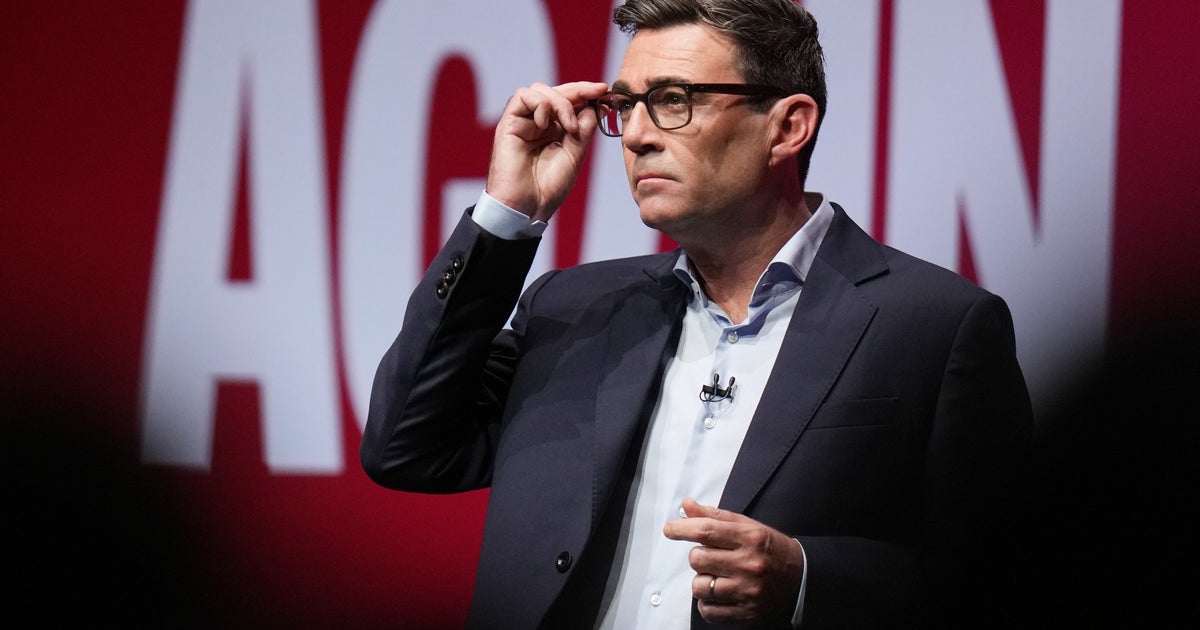
In his first Labour conference speech as party leader, the prime minister would leave voters in no doubt that “hope comes from honesty”.
Burnham would be “saying the things politicians usually avoid” because there was no other way to turn around 40 years of failure.
Advertisement
So when he announced that he would “adjust” the pensions triple lock to pay for a new National Care Service, it seemed fairly obvious that he was scrapping a policy which was introduced by the Tories and most MPs now privately admit is unaffordable.
At the moment, the state pension goes up every year by either the rate of inflation, average wages or 2.5%, whichever is greater.
Under Burnham’s plan, from 2030 the inflation and 2.5% element will be maintained, but the wage link dropped.
Advertisement
However, he insisted that the pension would still “hold its value relative to earnings over time”.
That, according to No.10 sources, meant that it was “still a triple lock”. Confused? You’re not the only one.
Burnham’s aides afterwards struggled to explain the nuance of the policy, but insisted it would still save taxpayers £15 billion by 2040.
Even if that is the case, it is some way short of the amount needed to set up a “fully funded” care service.
Advertisement
“This is the deal – a state pension that rises every year, no care charges and a high quality national care service to give peace of mind in later life,” Burnham said.
The PM insisted it was “a good deal for our pensioners and for older people in the 21st century”, but Reform UK were quick to – erroneously – claim it would mean a cut to the state pension.
Burnham also unveiled eye-catching ambitions to replace the current voting system with a system of proportional representation and scrap Margaret Thatcher’s privatisation of the water industry.
Advertisement
Unsurprisingly, the speech was meat and drink to those in the conference hall, who gave Burnham multiple standing ovations and roared with approval as he gave an impassioned defence of the union between England, Scotland, Wales and Northern Ireland.
“You may disagree with some or all of what I’ve said today but I have given you what you often say is missing from politics – honesty, ideas and a clear direction for the country we all love,” the PM said in summing up.
A battle of ideas will ensue between now and the next general election, whenever it takes place.
But the confusion over Burnham’s state pension changes shows he has a fight on his hands to convince the country that he deserves his own five-year term in Downing Street.
Advertisement
Listen to Commons People, the podcast that makes politics easy. Every week, Kevin Schofield and Kate Nicholson unpack the week’s biggest stories to keep you informed. Join us for straightforward analysis of what’s going on at Westminster.
Labour activists queued for hours to take their seats for Andy Burnham’s first party conference speech as leader.
Some were even left locked outside, such was the demand to see the prime minister in the flesh.
Burnham had promised to be “honest” with voters about the challenges which lie ahead as he sets about changing the country.
Advertisement
Burnham did not disappoint as he set out a raft of policy plans he hopes to will carry Labour to victory at the next election.
The PM said: “You may disagree with some or all of what I’ve said today but I have given you what you often say is missing from politics – honesty, ideas and a clear direction for the country we all love.”
Here, HuffPost UK looks at six things we learned from Burnham’s 70-minute speech.
Under plans introduced by David Cameron’s government, the pension currently goes up by whichever is higher out of the rate of inflation, average earnings or 2.5%.
Under Burnham’s reforms, the link to inflation or 2.5% will remain.
But he would only pledge that the pension will “hold its value relative to wages over time”.
No.10 sources later said that meant in some years, the pension would go up by more than inflation and 2.5%.
Burnham said “this change will generate significant savings that we will use to build up our national care service”, although it is still unclear how much that will be.
Advertisement
The new “fully funded” care service, the PM said, would ensure free nursing care for all elderly people in the country once it is up and running.
He said: “This is the deal – a state pension that rises every year, no care charges and a high quality national care service to give peace of mind in later life.
“I am going to go out and argue for that – a good deal for our pensioners and for older people in the 21st century.”
Advertisement
Water In Public Hands
Mr Burnham vowed to strengthen public control of the water system with a Bill that will repeal “Margaret Thatcher’s ideological ban on public ownership of water companies”.
He said that will “start a 10-year journey to a very different water system”, giving local leaders new powers to hold water companies to account and closing loopholes used to pay big bonuses.
The Labour leader described the water industry as a “symbol of what has gone wrong with Britain” in which “shareholders never lose and the public never win, from which some have syphoned out easy money while the public picked up the bill for the sewage in our seas”.
Advertisement
Voting Reform
The next Labour election manifesto will contain a pledge to overhaul the electoral system “so everyone’s vote counts and everyone’s voice is heard”, Burnham declared.
He said the first past the post system is no longer fit for purpose as he slammed the “political turbulence” which has seen Britain have seven PMs in 10 years.
Replacing it with a system of proportional representation will be fairer, Burnham insisted.
In a clear reference to Reform UK, he said: “We will all have failed in our public duties if we carry on as we are and open the door of No.10 to a divisive government on 30% of the vote or less.”
He said SNP leader John Swinney’s claim that Burnham would be the last prime minister of the UK made him “utterly determined to prove him wrong”.
Fighting back tears, Burnham said: “Whatever its flaws, this country gave my dad a good life. And it has given his sons opportunities he didn’t get for himself.
Advertisement
“He recognised that and was grateful for it and so proud of what Nick, John and I did with them.
“If only, if only, he had been able to appreciate that moment with the family on Downing Street.
“The son of a man who failed the 11-plus becoming prime minister.”
… But Hates Brexit (And Plans To Fix It)
The PM included the vote to leave the European Union among a list of decisions which he said had damaged the country, alongside “deindustrialisation, deregulation, privatisation and austerity”.
Brexit, he said, “hasn’t given us control”, instead “we’ve lost some of the control we had over our economy, as a decade of low growth has put us in a weaker position”.
“Brexit has done more harm than good,” Burnham said.
Later in the speech, the prime minister said he wanted to explore much closer ties with Brussels.
He promised to set out different options for the UK’s relationship with the EU in the future “and I will see if we can find consensus around one which will give us clarity about our position and the future of the continent that we live in”.
Advertisement
Great British Grid
As part of his attempts to bring down the cost of living, the PM said the government will set up a publicly-owned Great British Grid to improve competition in the energy sector, speed up connections for businesses and drive down bills.
Burnham said: “Within 10 years, I want our energy costs to be in line with other nations in Europe. That means we must reform a broken energy market so it serves the public interest.”
Listen to Commons People, the podcast that makes politics easy. Every week, Kevin Schofield and Kate Nicholson unpack the week’s biggest stories to keep you informed. Join us for straightforward analysis of what’s going on at Westminster.
Donald Trump has claimed the men arrested at a US air base in the UK were “looking to do big damage”.
British police arrested five people on suspicion of explosive and terrorism offences on Sunday.
It came after a tip-off that the three suspicious vans were heading towards the RAF Fairford, a military airfield which has previously been used to target Iran.
Advertisement
Britain previously gave the US approval to use its military bases to launch defensive strikes against Iran as part of the ongoing conflict.
A major incident was declared earlier today at the scene.
The five men were arrested and held on suspicion of preparation of a terrorist act, and police say they believe the incident is now contained.
British Counter Terrorism Policing said in a statement that they were in the early stages of an investigation and working with partners to understand the circumstances of the incident.
Advertisement
But Trump was much more open, telling reporters in the US: “It was fantastic. Working with Britain, it was an amazing job.
“We had them under investigation. They were looking to do big damage to our fort, and working with the British worked out great.
“It may have been Scotland Yard, I don’t know. We worked with a lot of them.
“We had them under view for a long time, and we got them. Thank you.”
UK defence secretary Wes Streetingresponded to Trump’s remarks, telling reporters: “This is my first experience as defence secretary of responding live to President Trump and I’m sure it won’t be the only occasion.
Advertisement
“I’m sure you will understand that I’m not going to comment on a live operation and operational security matters.
“I don’t think it will come as a surprise to anyone that given the importance of Fairford – not just to the UK but to the US – we’ve been working closely with our American friends, and I’ve been in touch during the course of today with my counterpart, Pete Hegseth.”
Prime minister Andy Burnham thanked the police and armed forces on X, saying: “I know today’s incident near RAF Fairford will be deeply concerning for local residents and for many people following developments across the country.”
Advertisement
Iran’s Revolutionary Guards previously claimed any UK site which is used to target Iran would be a legitimate target.
The UK responded by insisting its armed forces were ready to protect the country from any attack.
Listen to Commons People, the podcast that makes politics easy. Every week, Kevin Schofield and Kate Nicholson unpack the week’s biggest stories to keep you informed. Join us for straightforward analysis of what’s going on at Westminster.
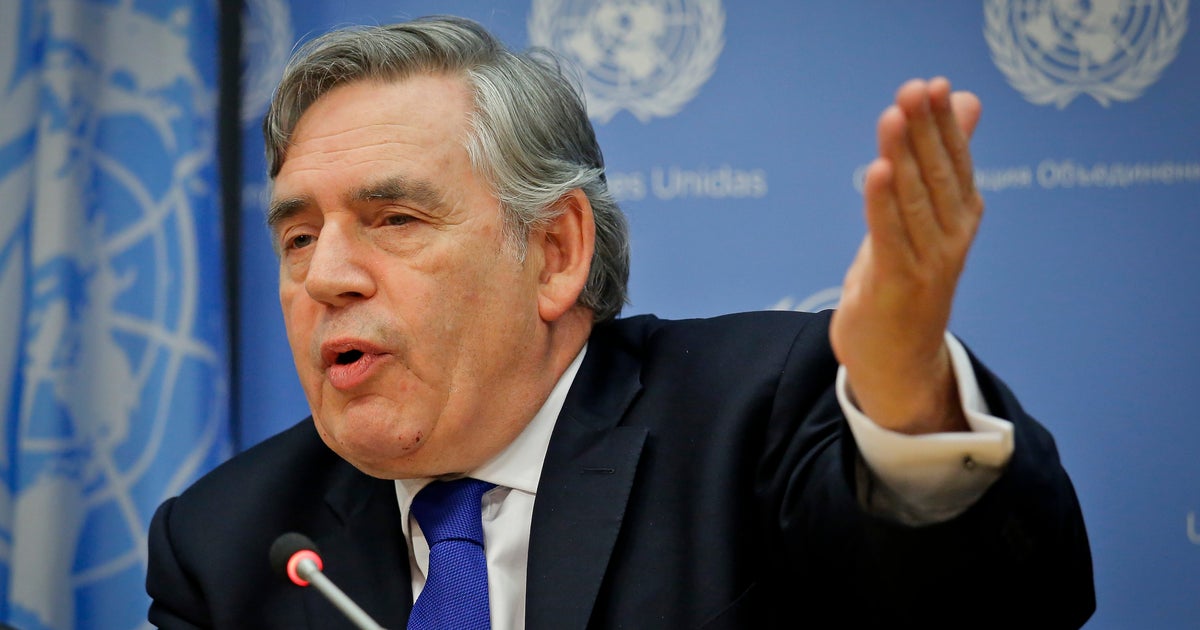
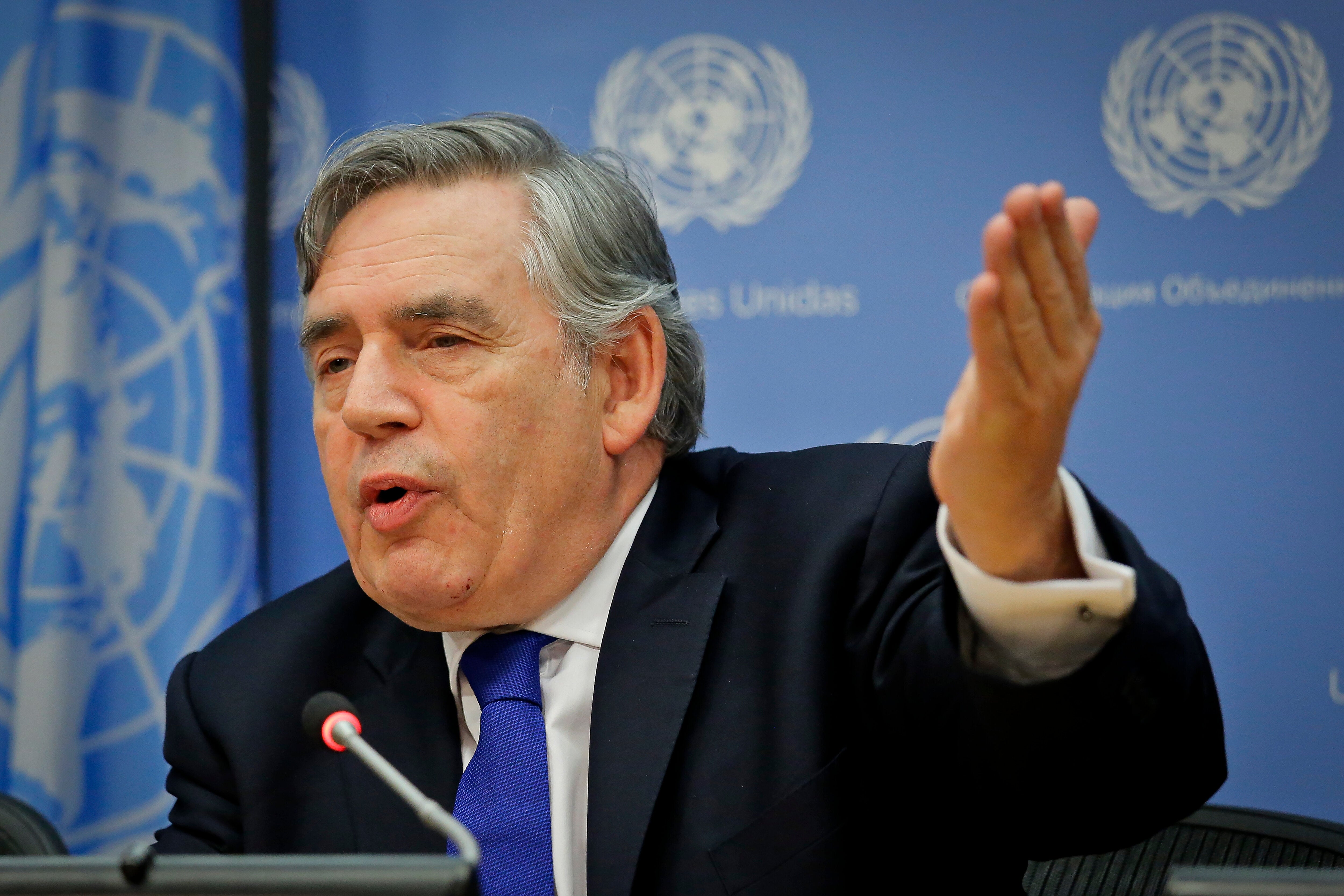
Gordon Brown has a very unique way of communicating his thoughts with the new Labour chancellor, according to a new interview.
Brown – Tony Blair’s chancellor and later the prime minister who steered the country through the financial crisis of 2008 – is known for having strong opinions on the way the country should be governed.
“I’ve had his block cap emails in the middle of the night. But the man is driven and an inspiration to those that he works with.”
Brown was appointed as Special Reviewer on Global Finance and Cooperation under Keir Starmer and has been kept on under Andy Burnham, meaning he continues to be an influential voice for government.
Advertisement
Healey also has a prior working relationship with Brown, having spent five years working as a minister in his Treasury.
He told The Sunday Times he sees Brown as an “inspiration, a mentor”.
He added: “He captured for me the best of a Labour chancellor.”
Healey welcomed the idea of balancing an appreciation that “private investment creates jobs” with a belief the government can help in “partnership” with business.
His praise comes after Opinium polling revealed last week that 56% of Labour supporters think the current government is doing about as well (26%) or better (30%) at running the country than New Labour did.
Advertisement
However, 31% say it is doing much worse.
Labour is heading into its first annual party conference under Burnham’s leadership after Starmer was ousted from office in July.
The new prime minister has secured a real boost in the polls for the party while support for Reform UK has dipped.
Listen to Commons People, the podcast that makes politics easy. Every week, Kevin Schofield and Kate Nicholson unpack the week’s biggest stories to keep you informed. Join us for straightforward analysis of what’s going on at Westminster.
Labour members will start gathering in Liverpool this weekend for their annual conference with a noticeable spring in their step.
The party now has a confirmed, if slight, lead in the opinion polls as Andy Burnham continues to enjoy a honeymoon period after replacing Keir Starmer as Labour leader and prime minister in July.
Advertisement
His optimistic talk of putting “hope in every heart” appears to have resonated with a beleaguered electorate weighed down by more than a decade of austerity, stagnant economic growth, rising prices and political turmoil.
The so-called “Burnham Bounce” has also coincided with a downturn in the fortunes of Reform UK, whose own poll numbers have fallen since May, when the party enjoyed election success in England, Scotland and Wales.
Investigations into the financial affairs of Nigel Farage and his party have cut through with a public who, just a few months ago, seemed to be preparing to elect a Reform government.
Advertisement
It is all a far cry from 12 months ago, when the Labour conference was a downbeat affair as Starmer’s government lurched from scandal to disaster.
Deputy PM Angela Rayner had been forced to quit just weeks before over her tax affairs, forcing Starmer into a clumsily-handled and deeply unpopular reshuffle.
That was swiftly followed by the sacking of Lord Mandelson as the UK’s ambassador to Washington over his friendship with the convicted paedophile, Jeffrey Epstein.
Advertisement
Ironically, the high point of last year’s conference for Starmer was his success in seeing off Burnham’s own failed attempt to seize the initiative.
The then mayor of Greater Manchester was relentlessly attacked by Starmer loyalists for saying in a pre-conference interview that the UK must “get beyond this thing of being in hock to the bond markets”.
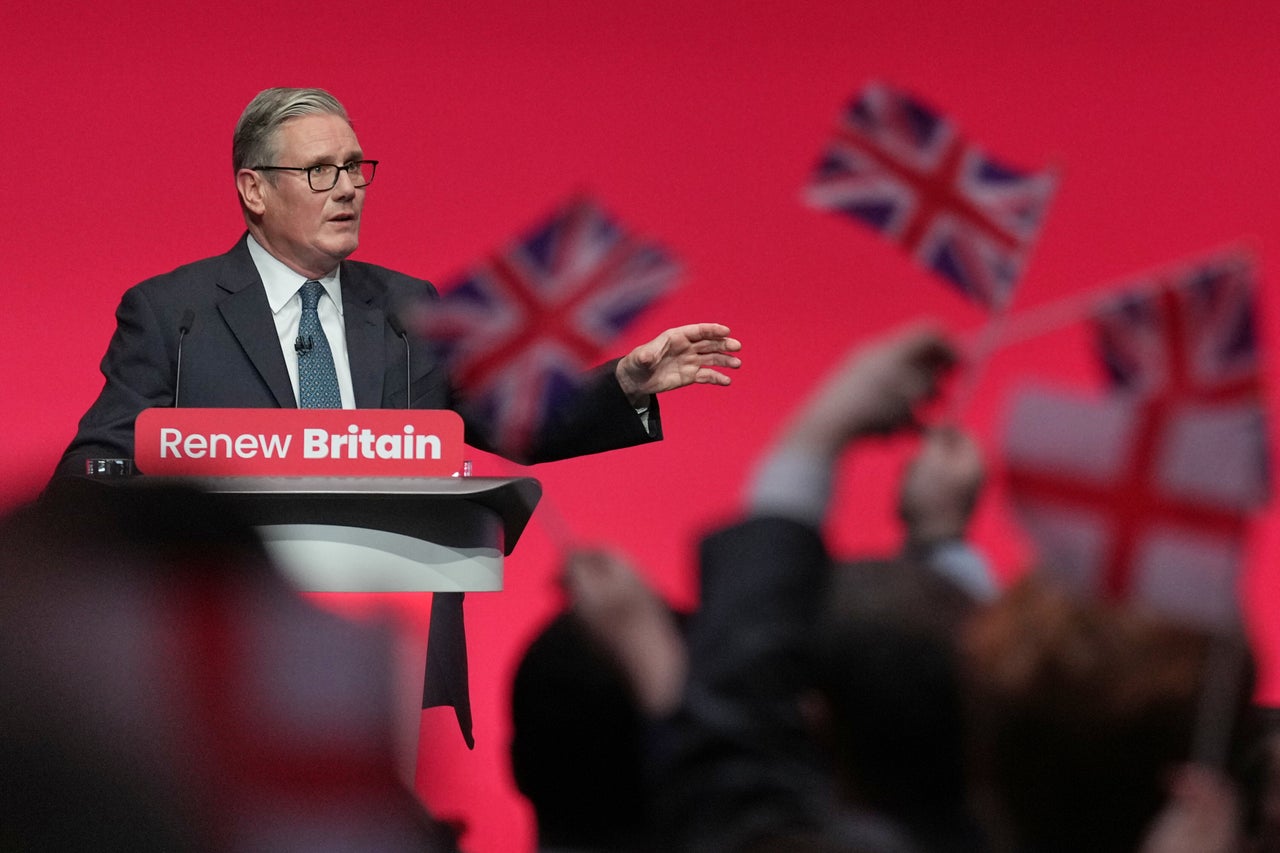
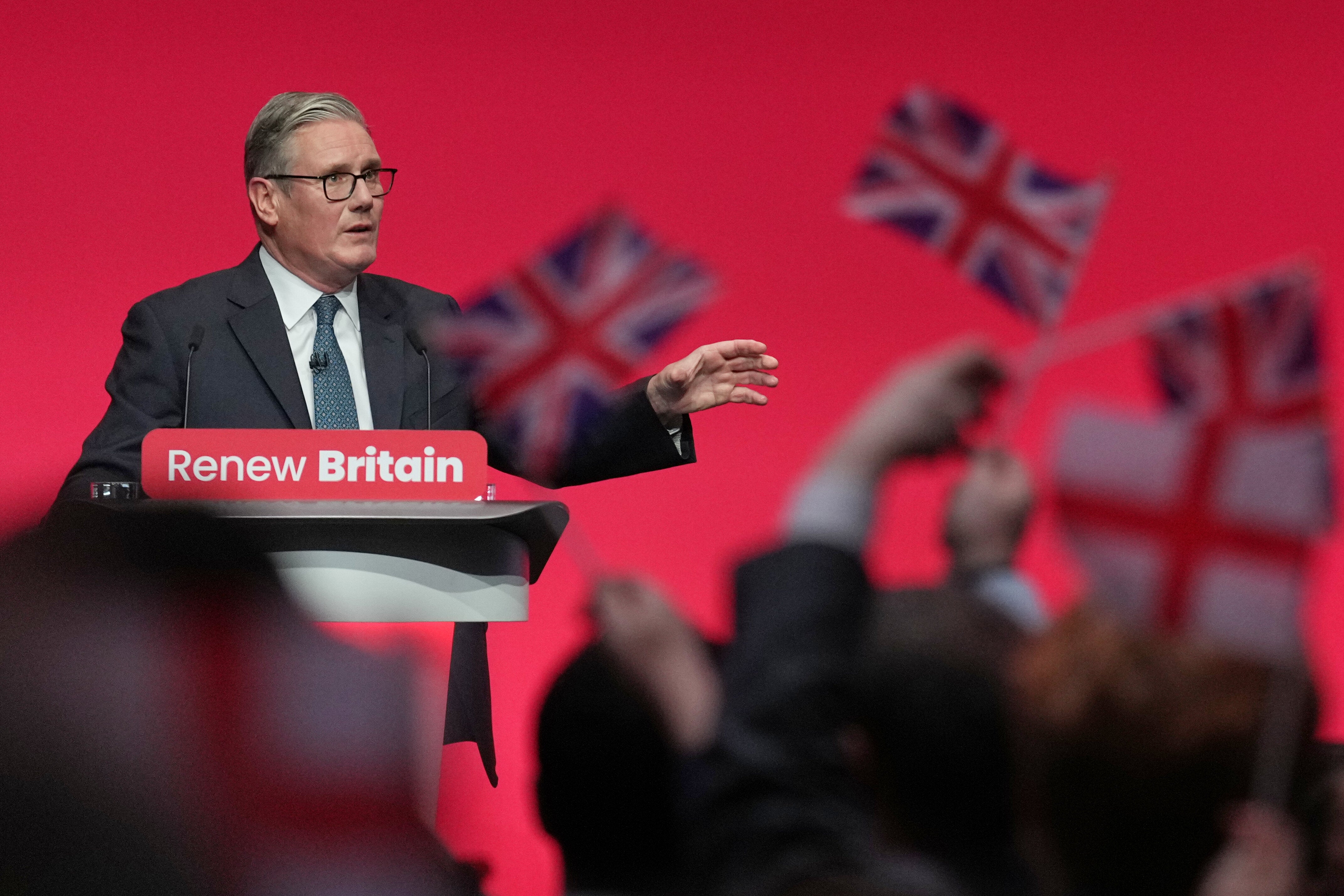
Keir Starmer gives his keynote speech at last year’s Labour Party conference in Liverpool.
via Associated Press
Advertisement
Although a chastened Burnham ended up leaving the conference early, just six months later he became MP for Makerfield and the PM-in-waiting.
Now, much of the talk going into this year’s event is not whether Burnham will become prime minister, but whether he would attempt to secure his own five-year mandate from the public by calling an early general election.
Nevertheless, that is unlikely to stop some from urging Burnham to go the country either next year or in 2028, should Labour’s poll lead grow.
According to the Telegraph, several of the PM’s No.10 advisers believe he should go to the country in the spring, but that was disputed by others in his inner circle.
“Utter bollocks,” said one senior Downing Street source when asked by HuffPost UK if an early election is on the cards.
Advertisement
“The PM is a man focused and determined to change the country. The only people raising the prospect of an early election are those conducting as a subtle-as-an-elephant Tory whispering campaign.”
Another No.10 source said reports of an early election were “worse than bollocks, it’s embarrassing clickbait”.
Those pushing an early election point to two mega-polls published in recent days which show Labour emerging from an early election as easily the largest party, ahead of the Tories and Reform.
Advertisement
However, in both scenarios, the party would lose its majority, leaving Burnham reliant on the support of the Lib Dems and other left-of-centre parties to get his programme through parliament.
Chris Hopkins, political research director at pollsters Savanta, told HuffPost UK: “Labour going for an early election based on these latest polls means two things: Labour loses hundreds of seats compared to 2024, and it’s an admission from Andy Burnham that he doesn’t think he can further improve Labour’s fortunes.”
Perhaps unsurprisingly, Labour MPs – many of whom have only been in the Commons for a little over two years – are less-than enthusiastic about the prospect of an snap election that would see at least 100 of them lose their seats.
Advertisement
One Cabinet minister said: “If I was Andy, I would be very reluctant to call an election because right now he’s got 400 Labour MPs.
“No matter that happens, if you wake up every morning and you’ve got 400 MPs and a big guaranteed majority, you’re in a good place.
“If you look at the sweep of Labour history being in this position doesn’t happen very often, so I’d be very careful about gambling with that.”
Advertisement
A Labour backbencher was equally clear in his opposition to an election now.
“I don’t want to hear him announce a general election,” the MP said. “I don’t think the country’s ready for it and voters certainly wouldn’t thank us for it.”
Another minister said: “The polls are simply too volatile right now to justify an early election.”
A Labour source added: “I can see why an early election would be tempting when you’re caught up in party conference.
“But the public don’t want one, and voters wouldn’t thank Andy for calling one.”
Burnham is still writing his conference speech, which he will deliver to the party faithful on Tuesday afternoon.
Advertisement
He has been writing it himself “in snatched moments on trains, planes and in his car,” according to one No.10 aide.
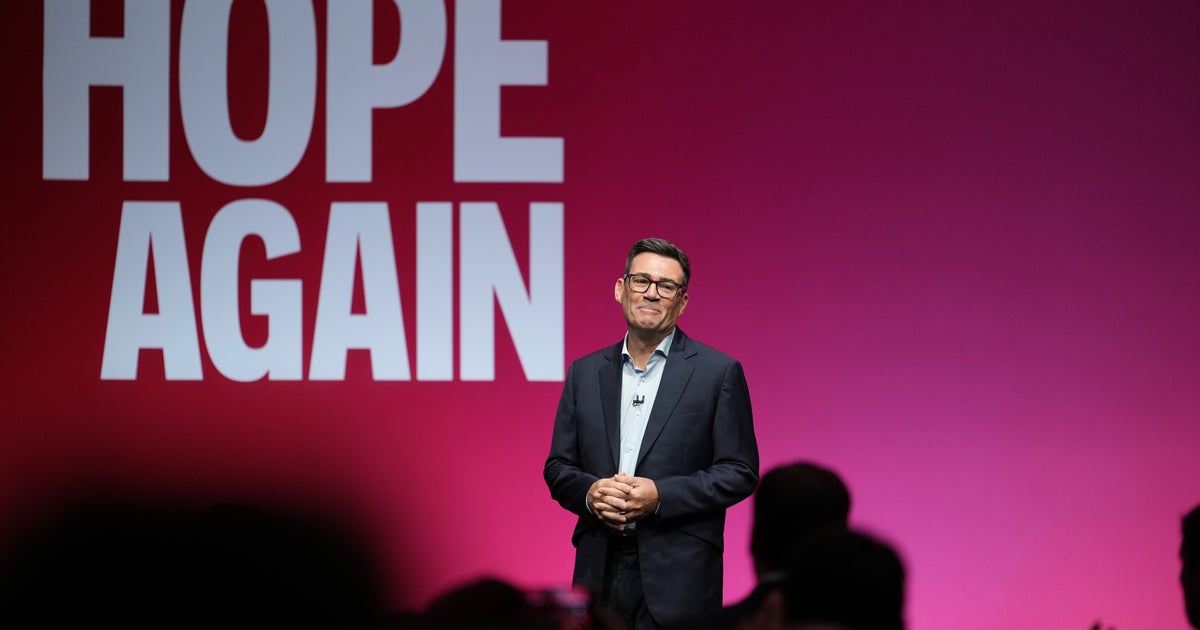
The conference slogan is ‘Hope Again’, and the PM plans to deliver a message of optimism to the country, explaining how he plans to get a solve long-standing problems like youth unemployment and the housing crisis.
“People know what the problems are facing the country, but they want to know what the government is going to do about it,” said one Downing Street insider.
Advertisement
“They want to be given hope about the way forward and this is the PM’s opportunity to set that out.”
But a senior Labour figure warned that the real challenges for Burnham will come when the political caravan has packed up for conference season and gone back to Westminster.
“There’s no doubt Andy will have a great conference,” he said. “It’s in Liverpool, it’s his first one as leader and he’ll make a good speech.
“But the real business will happen when he gets back to Westminster the week after. That’s when things will get real for him.
Advertisement
“There’s the Budget next month, defence spending, the growing threat from Russia, and his 10-year plan.
“His diagnosis of the country’s problems has been good, but voters will judge him on how he plans to fix them.
“The danger of conference is that the party gets too high on its own supply. They shouldn’t mistake the conference hall for the country, because there’s a world of a difference between the two.”
Advertisement
Listen to Commons People, the podcast that makes politics easy. Every week, Kevin Schofield and Kate Nicholson unpack the week’s biggest stories to keep you informed. Join us for straightforward analysis of what’s going on at Westminster.
Andy Burnham has insisted the next general election will not take place until 2029.
The prime minister moved to kill off mounting speculation that he was preparing to call a snap poll next spring.
Under parliamentary rules, the next election must take place in 2029 at the latest.
In an interview with ITV Calendar, Burnham was asked if that was when it would happen.
He said: “Well, yes, that’s that’s when the next election will be. All of this speculation on an early election, I can knock that dead.
Advertisement
“You know people want me, new in office, to be getting on with the job of delivering on the things that we’ve discussed in this interview rather than putting self-serving politics before that, which was what I would be doing if I call an election. I’m not going to do that.”
In a separate interview with BBC East Midlands, the PM also ruled out the chances of a general election taking place at the same time as local elections scheduled for next May.
Labour has enjoyed a boost in support since Burnham replaced Keir Starmer as prime minister in July, fuelling rumours that he is tempted to call an election to secure his own five-year mandate.
Advertisement
Two mega-polls published this week showed Labour winning most seats at an election held now, but they would also lose more than 100 MPs and their Commons majority.
Listen to Commons People, the podcast that makes politics easy. Every week, Kevin Schofield and Kate Nicholson unpack the week’s biggest stories to keep you informed. Join us for straightforward analysis of what’s going on at Westminster.