South Africa’s health ministry said the Andes strain of the virus was found in two confirmed cases linked to the outbreak.


South Africa’s health ministry said the Andes strain of the virus was found in two confirmed cases linked to the outbreak.

Researchers at the University of Pennsylvania have introduced a new way to use artificial intelligence to tackle one of the most difficult challenges in mathematics: inverse partial differential equations (PDEs). These equations are essential for understanding complex systems, but solving them has long pushed the limits of both math and computing.
The team’s solution, called “Mollifier Layers,” improves how AI handles these problems by refining the math behind the process instead of simply increasing computing power. The approach could have wide-ranging applications, from decoding genetic activity to improving weather predictions.
“Solving an inverse problem is like looking at ripples in a pond and working backward to figure out where the pebble fell,” says Vivek Shenoy, Eduardo D. Glandt President’s Distinguished Professor in Materials Science and Engineering (MSE) and senior author of a study published in Transactions on Machine Learning Research (TMLR), which will be presented at the Conference on Neural Information Processing Systems (NeurIPS 2026). “You can see the effects clearly, but the real challenge is inferring the hidden cause.”
Instead of relying on more powerful hardware, the researchers focused on improving the underlying mathematics. “Modern AI often advances by scaling up computation,” says Vinayak Vinayak, a doctoral candidate in MSE and co-first author of the study. “But some scientific challenges require better mathematics, not just more compute.”
Why Inverse PDEs Matter in Science
Differential equations are the backbone of scientific modeling. They describe how systems change over time, whether it is population growth, heat flow, or chemical reactions.
Partial differential equations extend this idea further by capturing how systems evolve across both space and time. Scientists use them to study everything from weather patterns to how heat moves through materials and even how DNA is organized inside cells.
Inverse PDEs go a step further. Rather than predicting outcomes based on known rules, they allow scientists to start with observed data and work backward to uncover the hidden forces driving those observations.
“For years, we’ve used these equations to study how chromatin, which is the folded state of DNA inside the nucleus, organizes itself inside living cells,” says Shenoy. “But we kept running into the same problem: We could see the structures and model their formation, but we could not reliably infer the epigenetic processes driving this system, namely the chemical changes that help control which genes are active. The more we tried to optimize the existing approach, the clearer it became that the mathematics itself needed to change.”
Rethinking How AI Handles Complex Math
A key concept behind these equations is differentiation, which measures how something changes. Simple derivatives show how fast something increases or decreases, while higher-order derivatives capture more intricate patterns.
Traditionally, AI systems compute these derivatives using a process called recursive automatic differentiation. This method repeatedly calculates changes as data moves through a neural network, the foundation of modern AI.
However, this approach struggles when dealing with complex systems and noisy data. It can become unstable and demand enormous computing resources.
The researchers compare it to repeatedly zooming in on a rough, jagged line. Each step amplifies imperfections, making the final result less reliable. To overcome this, the team realized they needed a way to smooth the data before analyzing it.
Mollifier Layers Offer a Smarter Solution
The answer came from a concept introduced in the 1940s by mathematician Kurt Otto Friedrichs, who described “mollifiers,” tools designed to smooth irregular or noisy functions.
By adapting this idea, the researchers created a “mollifier layer” within AI models. This layer smooths the input data before calculating changes, avoiding the instability caused by traditional methods.
“We initially assumed the issue had to do with neural network’s architecture,” says Ananyae Kumar Bhartari, a graduate of Penn Engineering’s Scientific Computing master’s program and the paper’s other co-first author. “But, after carefully adjusting the network, we eventually realized the bottleneck was recursive automatic differentiation itself.”
The results were striking. The new method reduced noise and significantly lowered the computational cost required to solve these equations.
Implementing a “mollifier layer,” which smoothed the signal before measuring it, radically diminished both the noisiness and the power consumption scaling. “That let us solve these equations more reliably, without the same computational burden,” says Bhartari.
Unlocking the Secrets of DNA Organization
One of the most promising applications of this approach lies in understanding chromatin, the complex structure of DNA and proteins inside cells.
These structures operate at an incredibly small scale, but they play a major role in determining how genes are turned on or off.
“These domains are just 100 nanometers in size,” says Shenoy, “but because accessibility determines gene expression, and gene expression governs cell identity, function, aging and disease, these domains play a critical role in biology and health.”
By estimating the rates of epigenetic reactions, which control gene activity, the new AI method could help scientists move beyond simply observing chromatin to predicting how it changes over time.
“If we can track how these reaction rates evolve during aging, cancer or development,” adds Vinayak, “this creates the potential for new therapies: If reaction rates control chromatin organization and cell fate, then altering those rates could redirect cells to desired states.”
Beyond Biology: Wide-Ranging Scientific Impact
The potential uses of mollifier layers extend far beyond genetics. Many areas of science, including materials research and fluid dynamics, involve complex equations and noisy data.
This new framework could provide a more stable and efficient way to uncover hidden parameters across a wide variety of systems.
The researchers see this as a step toward a larger goal: turning observations into deeper understanding.
“Ultimately, the goal is to move from observing complex patterns to quantitatively uncovering the rules that generate them,” says Shenoy. “If you understand the rules that govern a system, you now have the possibility of changing it.”
This study was conducted at the University of Pennsylvania School of Engineering and Applied Science and supported by National Cancer Institute (NCI) Award U54CA261694 (V.B.S.); National Science Foundation (NSF) Center for Engineering Mechanobiology (CEMB) Grant CMMI -154857 (V.B.S.); NSF Grant DMS -2347834 (V.B.S.); National Institute of Biomedical Imaging and Bioengineering (NIBIB) Awards R01EB017753 (V.B.S) and R01EB030876 (V.B.S.) and National Institute of General Medical Sciences (NIGMS) Award R01GM155943 (V.B.S).

A new clinical trial suggests that giving immunotherapy before surgery may dramatically improve outcomes for certain colorectal cancer patients. In the NEOPRISM-CRC study, patients treated with a short course of immunotherapy instead of chemotherapy after surgery have remained cancer-free for nearly three years.
The trial, led by researchers at UCL and UCLH, found that just nine weeks of treatment with pembrolizumab before surgery led to strong and lasting responses in patients with stage two or three colorectal cancer.
No Cancer Recurrence After Nearly Three Years
Early results showed that 59% of patients had no detectable cancer after completing immunotherapy and undergoing surgery. Now, after 33 months of follow-up, none of the patients have experienced a relapse.
This includes both patients whose tumors completely disappeared and those who still had small traces of cancer after treatment. In all cases, the remaining cancer did not grow or spread over time.
This outcome stands in contrast to standard care, where about 25% of patients treated with surgery followed by chemotherapy are expected to see their cancer return within three years. The findings suggest that starting with immunotherapy may offer longer-lasting protection.
Personalized Blood Tests May Predict Treatment Success
Researchers also explored why the treatment worked so well and how to identify patients most likely to benefit. By analyzing blood samples, they developed personalized tests that can detect whether cancer DNA is still present in the bloodstream.
These tests may allow doctors to determine early on whether the treatment has been successful.
Dr. Kai-Keen Shiu, Chief Investigator of the trial from UCL Cancer Institute and a Consultant Medical Oncologist at UCLH, said: “Seeing that no patients have experienced a cancer recurrence after almost three years of follow-up is extremely encouraging and strengthens our confidence that pembrolizumab is a safe and highly effective treatment to improve outcomes in patients with high-risk bowel cancers.
“What is particularly exciting is that we now may be able to predict who will respond to the treatment using personalized blood tests and immune profiling. These tools could help us tailor our approach, identifying patients who are doing well and may need less therapy before and after surgery versus patients at higher risk of disease progression or relapse who need additional treatment.”
Understanding Colon Cancer Risk and Survival
Bowel cancer is the fourth most common cancer in the UK, with about 44,000 new cases each year. While it primarily affects older adults, diagnoses among people under 50 have been rising.
Outcomes depend heavily on how early the cancer is detected. Around 90% of patients with stage one bowel cancer survive at least five years. Survival drops to 65% at stage three and just 10% at stage four. Some tumor types are also more likely to resist treatment and return.
Trial Details and Patient Group
The NEOPRISM-CRC trial included 32 patients with stage two or three colorectal cancer and a specific genetic subtype (MMR deficient/MSI-high bowel cancer). This subtype accounts for about 10-15% of such cases, or roughly 2,000-3,000 patients each year in the UK.
Participants received up to nine weeks of pembrolizumab before undergoing surgery, instead of the usual approach of surgery followed by several months of chemotherapy. They were then monitored over time.
The latest findings were presented at the American Association for Cancer Research (AACR) Annual Meeting 2026 in San Diego. The study involved multiple UK hospitals, with UCL and UCLH leading the research and biotech company Personalis contributing to the analysis.
Why Immunotherapy Works So Well
Scientists also gained new insights into how immunotherapy produces these lasting effects.
Professor Marnix Jansen from UCL Cancer Institute and UCLH said: “These results not only confirm the durability of responses we saw almost three years ago, but also provide crucial biological insights into why immunotherapy is so effective in this setting.”
Researchers found that when tumor DNA disappeared from the blood, patients were far more likely to remain cancer-free long term.
Yanrong Jiang, first author of the study, said: “As a research team, we were thrilled to be able to follow patients very closely using the personalized blood tests. When tumor DNA disappeared from the blood, patients were much more likely to have no cancer remaining, and this matched the long-term results we’re now seeing.
“In addition, we also saw that immune profiling from tumor tissue, before patients start their first cycle of treatment, can help to predict response. We hope these tests may be used to guide treatment decisions in a more practical and timely way.”
Patient Story Highlights Real-World Impact
Christopher Burston, a 73-year-old patient from Portland, Dorset, was diagnosed with colorectal cancer in February 2023 after routine screening detected blood in his stool.
He said: “One came back with indications of blood in my stool. I went through further tests, and it was at the colonoscopy that they identified a cancer in my bowel.”
Soon after his diagnosis, he was offered the chance to join the NEOPRISM trial and chose to participate, traveling to London for treatment.
He received three doses of immunotherapy over nine weeks before undergoing surgery in May 2023. His recovery was smooth, with minimal side effects.
He said: “The outcome of the surgery was essentially that the cancer had melted away, these were the doctor’s words. The immunotherapy had had an almost immediate effect. I saw the images when I had the first colonoscopy and could see it was really quite a substantial lump. So as I say, it wasn’t a minor thing, I was diagnosed with stage 3 cancer.”
Nearly three years later, he remains cancer-free and has returned to his normal routine.
Christopher said: “The recovery went fine. I didn’t have any problems. And since then, I’ve been feeling pretty much back to normal. I feel very lucky that I’ve reached the stage where my main problem is age rather than cancer or any illness.”

A widely performed knee procedure known as partial meniscectomy may not deliver the benefits many patients expect. A major study with a 10-year follow-up has found that trimming a damaged meniscus does not improve symptoms or knee function when compared to a placebo procedure.
Partial meniscectomy is one of the most common orthopedic surgeries worldwide. While its use has declined in Finland in recent years, it remains a routine treatment in many countries.
10-Year Study Finds Worse Outcomes After Surgery
The long-term results paint a concerning picture. Patients who underwent partial meniscectomy did not experience better outcomes than those who had sham surgery. In fact, they tended to do worse.
After a decade, these patients reported more knee symptoms and poorer function. They also showed greater progression of osteoarthritis and were more likely to need additional knee surgery compared to those who did not receive the actual procedure.
Unique Trial Design Strengthens Findings
The Finnish Degenerative Meniscal Lesion Study (FIDELITY) stands out for its rigorous design. It included a sham surgery control group, allowing researchers to directly compare outcomes against a placebo procedure. Participants with degenerative meniscal tears were randomly assigned to receive either partial meniscectomy or sham surgery, and their progress was tracked for 10 years.
Teppo Järvinen, Professor at the University of Helsinki and the principal investigator of the FIDELITY emphasizes the broader significance of the results:
“Our findings suggest that this may be an example of what is known as a medical reversal, where broadly used therapy proves ineffective or even harmful.”
Rethinking the Cause of Knee Pain
The surgery has long been based on the idea that knee pain, especially on the inner side, is caused by a meniscus tear that can be fixed surgically. However, this assumption may not hold up.
“The surgery is based on the assumption that pain in the inside of the knee is caused by a medial meniscus tear, which can be treated surgically. Such reasoning — assumption based on biological credibility — is still very common in medicine but in this case, the assumption does not withstand critical examination. Based on current understanding, pain in various joints, such as the knee joint in this case, is related to degeneration brought about by aging,” says Raine Sihvonen, Specialist in Orthopaedics and Traumatology and the other principal investigator of the FIDELITY study.
Concerns About Risks and Long-Term Harm
Earlier registry and observational studies have already raised red flags about potential downsides of this surgery. These include a higher likelihood of arthroplasty, or joint replacement surgery, and a possible increase in complications after the procedure. However, observational data alone cannot prove cause and effect.
“Several randomized studies have already demonstrated that partial meniscectomy has not improved patients’ symptoms or function in the short (1-2 years) or medium (5 years) term. Regardless, the procedure has remained widely used in many countries,” says Doctoral Researcher and Specialist in Orthopaedics and Traumatology, Dr. Roope Kalske.
Why the Procedure Is Still Widely Used
Despite mounting evidence, changing clinical practice has been slow.
“For nearly a decade, many independent, non-orthopedic organizations providing clinical guidelines have recommended that the procedure should be discontinued. Still, for example, the American Academy of Orthopedic Surgeons (AAOS) and the British Association for Surgery of the Knee (BASK) have continued to endorse the surgery.
“This effectively illustrates how difficult it is to give up inefficient therapies,” Järvinen sums up.
Strong Collaboration Behind the Study
The research was carried out across five hospitals, highlighting strong collaboration and patient commitment. Of the original 146 participants, more than 90% completed the final follow-up phase.
“The study conducted in five hospitals is an example of smooth multicenter collaboration, as well as the commitment of research patients to an interesting project. Of the original 146 participants, more than 90% took part in the final stage of the study,” says the research manager Pirjo Toivonen.
The Finnish Degenerative Meniscal Lesion Study FIDELITY) is part of the broader work of the FICEBO research group in assessing the impact of surgical therapies. The project is a collaboration between the university hospitals of Helsinki, Kuopio and Turku, Hatanpää Hospital in Tampere, Hospital Nova in Jyväskylä and the Finnish Institute for Health and Welfare.
A postnatal choir leader says professional dog walkers pay less to use the city’s parks.
It seems the older we get, the more our bodies surprise us in new, sometimes, not-so-exciting ways. If you notice your B.O. smelling different (i.e., worse) lately — research shows you’re not imagining it. But also? Folks dealing with the same thing say it’s probably going to be OK. Enter, a cream solution: If your regular deodorant is “no longer cutting it,” or if hot flashes make you sweaty and uncomfy, we found a whole body, cream deodorant that reviewers in their 50s, 60s and beyond swear by for nixing what you may hear referred to as “old person smell.” Even better? It’s currently 20% off for the first time since January.
Advertisement
Our skin definitely changes as we age, producing different compounds that emit distinct odors, as Dr. Sonal Choudhary, a dermatologist at the University of Pittsburgh School of Medicine, previously confirmed to HuffPost.“It’s a gradual process, not an instant switch. The intensity of the smell varies significantly from person to person, depending on genetics, skin type, lifestyle and environmental exposure.”
Dr. Choudhary continues that this is a completely common and normal thing, generally beginning after age 40.
Advertisement
Thankfully, so many reviewers experiencing this swear by Lume’s Whole Body Deodorant as a long-lasting fix.

Advertisement
June isn’t alone. Jane G., a 69-year-old shopper with the self-described “nose of a bloodhound,” reports recently noticing their own body odor. After trying Lume, they reported “total and absolutely no odor that day and even [the] next morning.”
“I have cut grass, weed whacked and still absolutely No odor. Only smell is an ever so slight coconut smell which is 100% improvement,” they wrote. “I’m a customer for life and have already shared with close friends! You will not be disappointed I promise. Worth every penny!!”
Unlike a traditional stick deodorant, this is a lotion-like cream, designed to block odors for up to 72 hours. It’s loaded with skin care ingredients like vitamin E, aloe, caffeine and exfoliating mandelic acid, to help even, brighten and soften skin as it disappears unwelcome body odor. And the scent options are plentiful. Think tangerine, vanilla, lavender, alpine and more. There’s even an unscented option.
Advertisement
“I hit my 50’s and my chemistry changed. Really glad I tried this brand…,” reviewer Pea Dot wrote about their unscented choice. “It’s working great and the skin under my arms feels amazing.”
″…For whatever reason, menopause made me stink,” reviewer, CBL, wrote. ”…Bought it because nothing else worked…Anyway, I saw a difference IMMEDIATELY! No more self-consciousness…it was so good that I bought the acidified body wash and clean cotton deodorant wipes. They’re all great!”
Advertisement
One reviewer leans on Lume due to a medical condition that hinders daily bathing. “Be not afraid… Two days in and still no [odor],” they confirm.
The cream is especially loved by reviewers who find that their usual deodorants stopped working as well as they used to. You only need a pea-sized amount of the potent formula, which dries clear after 5 seconds of rubbing when applied to clean, dry skin.
“I don’t know if it’s getting older or what, but suddenly underarm deodorants etc. were failing me miserably. It’s like I was bitten by a stink bug or something,” one wrote.
Advertisement
“… Saw this two pack Lume and decided it was worth a shot. It’s a bit expensive, but boy is it worth it.”
The brand recommends reapplying the cream frequently for the first week or two as your body adjusts, then using it as needed, as you would with a classic stick deodorant.
A reviewer in their 50s who’s tried all sorts of anti-odor products detailed their experience adjusting to Lume (which is worth the whole read, TBH).
Advertisement
″…Be aware that it might make all your dreams come true on the first try or it might take your body a little while to adapt to it…. give it a couple of tries,” they advise. ”… Sometimes things don’t work exactly as planned on the first try or in an overnight complete switch to a new product; sometimes it takes a few tries!”
Everyone’s body is different, but a ton of people swear it works on every region.
“I use it for under my boobs, my belly button, the creases of my legs, lady parts and butt crack,” one wrote of the deodorant cream. “It leaves you smelling like nothing!”
Advertisement
Another standout review dubbed the cream “just what the butt crack ordered.”
While the cream doesn’t officially have “sweat-stopping” ingredients, the brand says the formula has a specific acidity to hinder bacteria and absorb moisture without clogging pores, keeping you feeling dry and fresh.
“I’m an older lady (57) I get alot of hot flashes so I get very sweaty in all the wrong places … this stuff makes me smell FANTASTIC 100% of the time for a long long time,” one said. “I never have any oder anywhere! This is a must for all Women! And men too!”
Another reviewer jokes that it “only took me 61 years to find,” the Lume cream solution. “It controls sweat so good and keeps you dry that you could go several days without using more,” they wrote.
Advertisement
Something strong enough to prevent re-application for days is a tall, tall order and we bet that will vary person to person.
“Game changer!!! If you were unlucky enough to get stinky body odor like me, this stuff is a life changer. I’m not sure how to adequately described the stress that has been taken off of me in the summer. I can now go out and spend a whole day doing things and not have to worry about smelling bad. Also perfect for the office ladies who sit on vinyl chairs and have stinky lower regions.” — Michelle Richard
“I’ve spent 50 years trying to find something to address my astonishingly stinky feet, and absolutely nothing has worked. Until this. I rub a little dollop into each foot after showering and my feet simply don’t smell. For days! I tried it on my armpits and was less impressed, but the foot situation is amazing.” — Kim
“I’m a 69 yr old female with the nose of a bloodhound. I can trail cigarette smoke thru a massive box store, detect a tiny gas leak and yes body odor which I have only recently experienced. I read the reviews, refrained from smelling when first opening and used (down below). Total and absolutely No odor that day and even next morning. I have cut grass, weed whacked and still absolutely No Odor. Only smell is an ever so slight coconut smell which is 100% improvement!! I’m a customer for life and have already shared with close friends! You will not be disappointed I promise. Worth every penny!! Oh and btw I have probably only sent in 2 or 3 reviews in my entire life. This product was worth my time in submitting this review!” — Jane Garrett
“As your chemistry changes so does your body odor. Wanting to ensure I didn’t give off that ‘I’m over 50 odor’ prompted me to try this product. It really works as advertised. I think I’m brave enough to try a scented version next!” — June T.
“I love the smell and it works so good. It is the only kind I use now. Only took me 61 years to find it. It controls sweat so good and Kees you dry that You could go several days without using more.” — kathy h.
Advertisement
Amazon
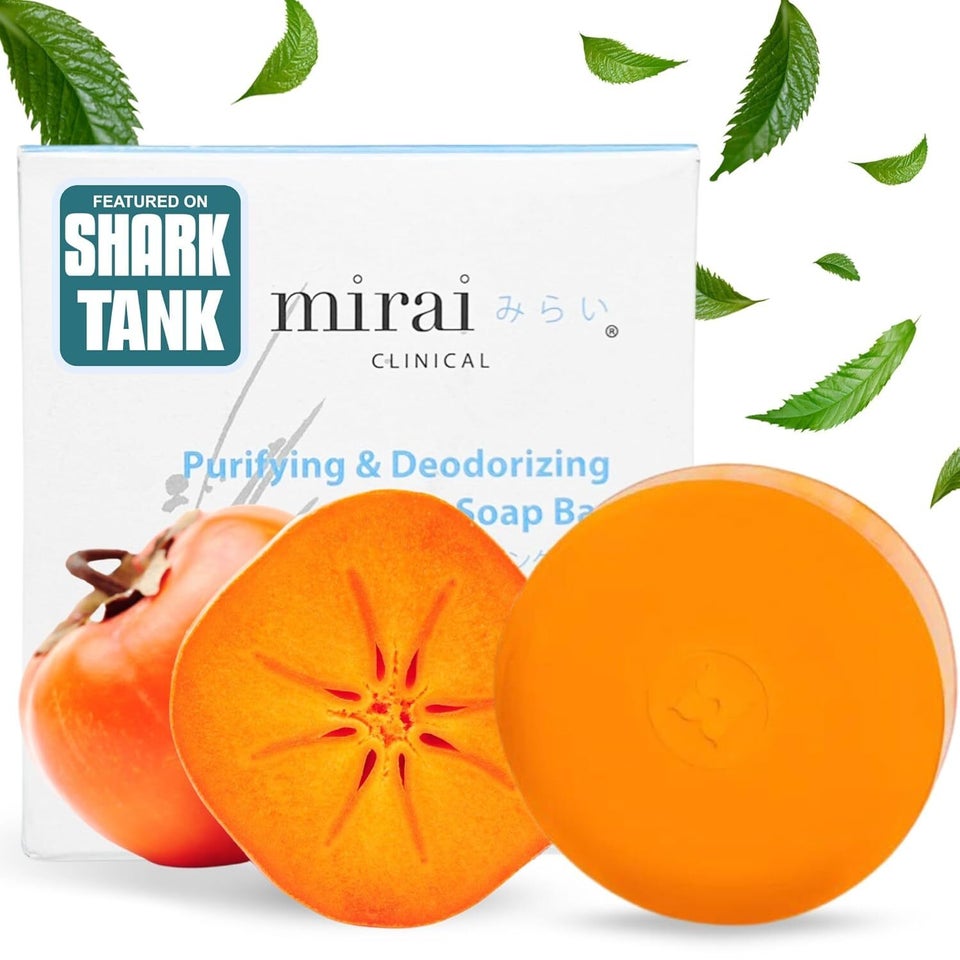
Of course, we have to start with the soap that introduced us to the Mirai brand. The soap contains persimmon extract with more deodorizing tannins than competitors, as well as green tea extract, which is rich in antioxidants (declining skin antioxidants is one of the causes of “old person smell”). Reviewers claim that the soap’s odor elimination lasts for days, and you can use the bar on areas where nonenal odors are strongest, like the back of the neck and behind the ears.
You can find the soap in its original unscented form or with a calming lavender scent. Our recommendation? Buy it in bulk. Mirai currently sells a four-pack of the unscented version for just $60. With the single soap’s list price hovering just under $23, opting for the multipack makes each soap under $15. That’s much cheaper than re-buying a single unit each time you run out.

Amazon
Nonenal odor can accumulate on your scalp and in your hair, too, which this shampoo seeks to target. The clarifying formula is designed for mature hair and safe on color-treated locks, without sulfates, parabens or synthetic fragrances. It has the Japanese persimmon extract you’ll recognize from their soap, along with camellia oil and infused silk protein for shine, hydration and reduction of frizz. Some reviewers recommend letting the shampoo sit for a couple minutes before rinsing it off for best results. They also say that you only need to use a little at a time, which can make the relatively high cost go down a little easier.
Promising review: “My wife had been “noticing” that “old guy’s scent” on me and my clothing. After only a week using this she said there was a noticeable decrease, and now, a month later, she says it’s gone. The shampoo itself only takes a small squirt to work into a lot of lather. There’s no lotion-like residue that comes with regular shampoos, and no flowery perfume smells either. I’m going to be a repeat customer.” — Kindle Customer

Amazon
Speaking of smelling great on the go, another option that’s convenient for travel is these deodorizing body wipes. If you don’t love reusing the same deodorant stick on your underarms and then other body parts, the wipes can be an alternative and are so easy to swipe over your neck, behind your ears, on your feet and more. The wipes are unscented and hydrating, using the persimmon tannin extract to do their thing like all of Mirai’s other products.
Your purchase comes with three packs of 50 wipes, so you can store them in various places. Perhaps one in the house, one in the car and one in your bag? That way, you’ll always have some in reach.
Promising review: “When I’m too lazy to take a bath, I use these wipes. They work very well. I like that they’re unscented. I’ve tried other brand-name wipes that are scented and have not been pleased. They’re a good size – I just use one because I’m usually just using them for the “pits and bits”, not for really dirty skin. I’m very pleased with them. They’re a nice fresher-upper.” — D. Staudt
Advertisement
Advertisement
Two cases of the virus, which rarely spreads between humans, have been confirmed on the ship, and three people have died.
Dr Punam joins us to discuss the red flags to look out for in your health.
It can be difficult to find a moisturizer that strikes the perfect balance between being deliciously hydrating while still having a lightweight finish, but Kiehl’s popular Ultra Facial Cream handles this task with aplomb. Deemed “relief for my aging, dry skin,” reviewers with mature skin love it for bringing the hydration back to their skin, “without the greasiness.” If you need more reason to give it a try — it’s currently 25% off at Amazon and Nordstrom, the lowest price it’s been since January.
Advertisement
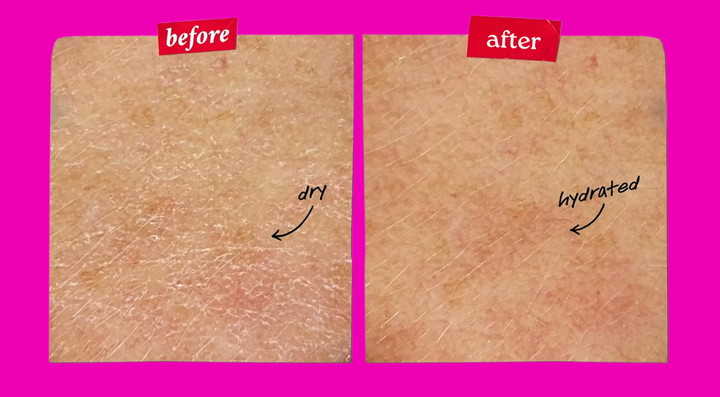
Loved by people with dry or mature skin, the cream is formulated with squalane (a botanical lipid that can prevent water loss) and ceramides, which are essential for a strong skin barrier and healthy complexion.
Advertisement
“The cream soaks in quickly without leaving a greasy residue, giving my skin a smooth, hydrated base for makeup,” one wrote, calling it a “perfect daily moisturizer for mature skin.” “It’s lightweight yet nourishing — perfect for mature skin that needs moisture without heaviness. After daily use, my skin feels soft, comfortable, and radiant all day.”
Having a lightweight, yet nourishing cream, is a must for all skin types, but it’s especially helpful for those with acne-prone and sensitive skin, or who otherwise struggle with dry skin. It also has a nearly imperceptible scent, which is a must for anyone who is sensitive to fragrance.
Even the driest patches don’t stand a chance against this cream, and I can attest to that as well. This is among my go-to mid-winter wonders when my skin is parched from months of radiator heat.
This cream is also great for reducing redness and calming the skin. My complexion gets incredibly irritated during seasonal changes (like right now), from the changing weather, allergies, dry heat and more. This cream is a lifesaver and doesn’t cause my skin to break out, like most super-hydrating creams usually do. The resounding feedback among reviewers is that this cream is deeply hydrating without feeling greasy or heavy, and will earn its place in your daily rotation.
Advertisement
“I use Kiehl’s Ultra Facial Cream every morning before applying my foundation, and it’s become an essential part of my routine. The cream soaks in quickly without leaving a greasy residue, giving my skin a smooth, hydrated base for makeup. It’s lightweight yet nourishing — perfect for mature skin that needs moisture without heaviness. After daily use, my skin feels soft, comfortable, and radiant all day. Highly recommend for anyone looking for a reliable, everyday facial cream.” — Angela M.
“I use Kiehl’s Ultra Facial Cream every morning before applying my foundation, and it’s become an essential part of my routine. The cream soaks in quickly without leaving a greasy residue, giving my skin a smooth, hydrated base for makeup. It’s lightweight yet nourishing — perfect for mature skin that needs moisture without heaviness. After daily use, my skin feels soft, comfortable, and radiant all day. Highly recommend for anyone looking for a reliable, everyday facial cream.” — Angela C.
“I have been using Kiehl’s products for almost 30 years for its outstanding quality in ingredients. I have very sensitive skin and break out easily. Ultra Facial Moisturizer and Alcohol-Free Cucumber Toner were my go-to for years. Although I still love them, my skin has changed with age (drier) and the Ultra-Facial Cream has delivered the proper amount of moisturizing back to my skin without the greasiness. This product has been around for a long time with updated look. I remember using it regularly when heading out to the slopes when I was still skiing and it was fabulous. Well, same awesomeness, different packaging. Highly recommend trying this – and any Kiehl’s product – based on your skin type.” — Daniela Lo Feudo
“This is hands down one of the best moisturizers I’ve used. It’s super lightweight, absorbs quickly, and leaves my skin feeling soft, smooth, and hydrated all day. I love that it doesn’t feel greasy and works well under makeup. A little goes a long way, and it’s gentle enough for sensitive skin. Worth every penny! ” — Alexandra Bosco

Amazon
As I’ve already mentioned, my skin is notoriously dry and I’ve found that incorporating body oils post-shower and after my CeraVe moisturizer has helped trap in hydration, improve skin texture and succeeded in making my skin feel bouncy and soft, well into the following day. The Saltair nourishing body oil was one of the best oils that I ended up trying (including better than the uber-popular Osea Undaria algea body oil), and I don’t hear a lot of people talk about how great it is.
As a person who is opposed to certain textures, I’m in love with the fact that this formula doesn’t sit greasy or stick atop the skin. It actually soaks in quickly and thoroughly to the point that I’m able to throw on my clothes right after and not leave a stain. Deceptively luxurious and available in five mild scents, it’s enriched with three different oils that are nourishing and rich in antioxidants like squalane and moringa. I’ve also noticed that my tattoos appear more vibrant and renewed since using a body oil.

Amazon
I hate spending anything more than $10 on a product that I know I’m just going to wash off my body moments later, which is why I relegate this precious elixir to a couple of times a week, yet gladly repurchase it again and again because it’s just that nice. Unlike your typical surfactant-filled body washes, this is a cleansing shower oil that helps to lock in moisture and leave skin feeling very nourished. Not only does it smell divine (think caramel, warm vanilla and sandalwood), but it also contains prebiotics, oils and butters that support a healthy skin barrier. You also don’t need much product for this shower oil to quickly work in a super dense and creamy lather, especially when you use just a standard loofah.

Amazon
If you’ve ever had the luxury of getting an all-over body scrub at the Korean spa, then you’ll know all about those magical exfoliating mitts that are used to polish, tone and brighten your skin beyond compare. This is the washcloth version that I use every other day at the start of my shower on wet skin. The textured weave of these cloths strikes the perfect balance of abrasive, yet not rough enough to cause micro tears in the skin or irritation. I work the cloth over my entire body, paying close attention to my elbows, thighs, underarms and bikini line to fend off roughness and ingrowns. I even like to use the washcloth on my heels.
Advertisement
The Real Deal: We use deal trackers and commerce experience to sift through “fake” hike-and-drop deals and other deceptive sales tactics. Products will usually be rated at least 4 stars with a minimum 15% discount. (And when there’s an exception, we’ll tell you why.)
While passengers onboard the MV Hondius say the situation is calm, they face days at sea as officials warn the disease may have spread.
